Brightness Lights
Illuminate your world with the perfect selection of brightness lights, designed to enhance every corner of your home. Whether you're looking to create a cozy ambiance in your living room, spotlight your favorite artwork, or ensure optimal lighting for tasks in the kitchen, our diverse range of lighting solutions has you covered. Explore options that seamlessly blend style and functionality, catering to various tastes and needs. With energy-efficient designs and innovative technology, these lights not only brighten your spaces but also contribute to a more sustainable lifestyle. Discover how the right lighting can transform your environment into a haven of comfort and elegance.
Sort
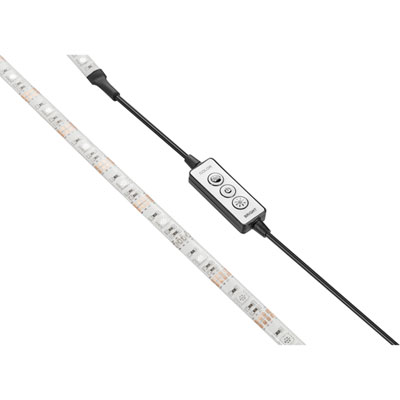
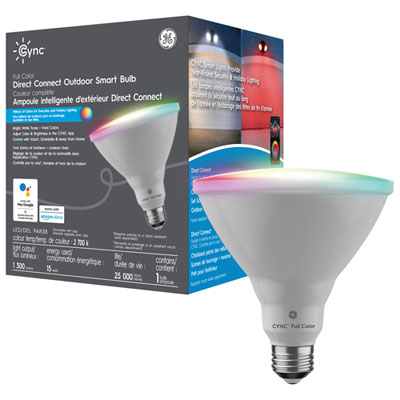
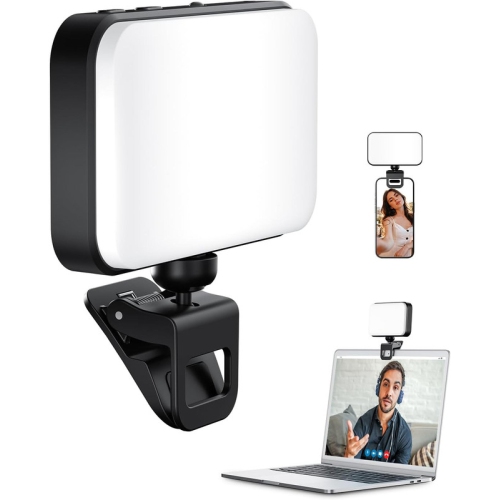
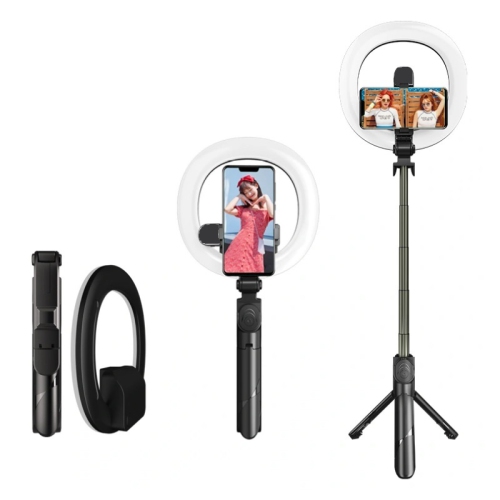
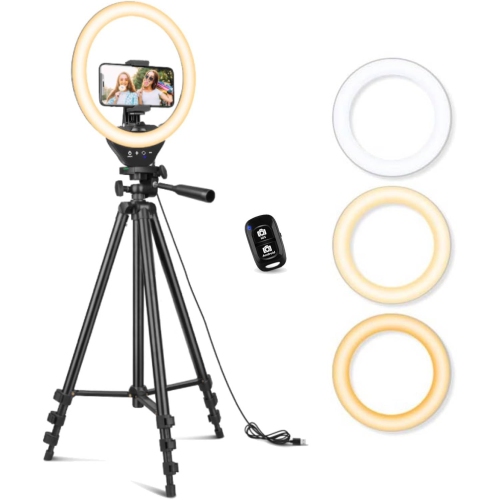
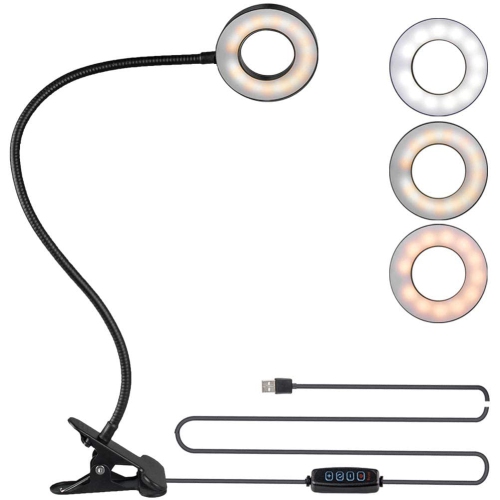
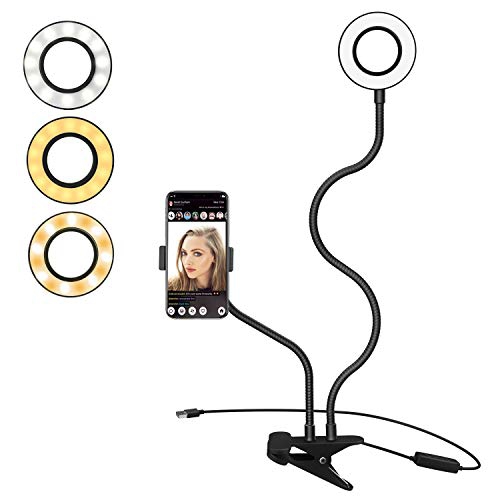
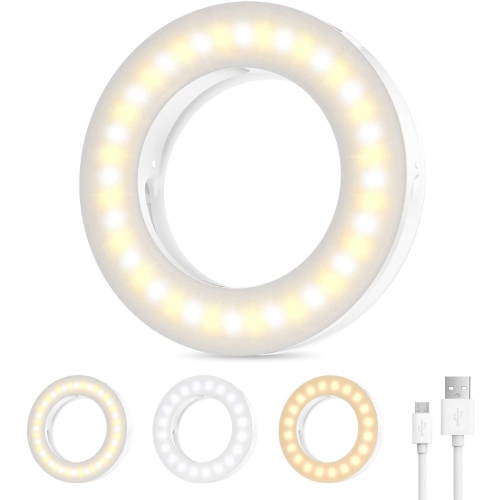
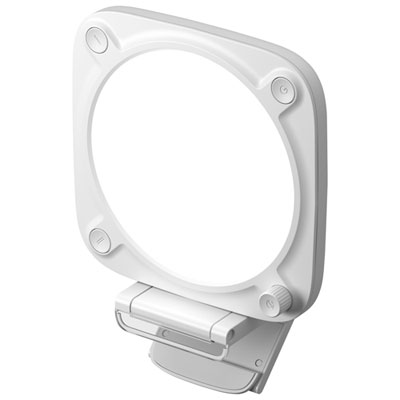
![VIVIDER (Tm) Selfie Ring Light With Cell Phone Holder Stand for Live Stream/makeup, Led Camera Lighting [3-Light Mode] [10-Level Brightness]](https://multimedia.bbycastatic.ca/multimedia/products/500x500/150/15002/15002237.jpg)
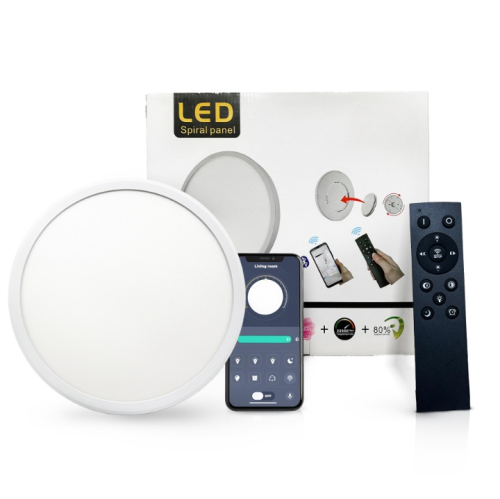

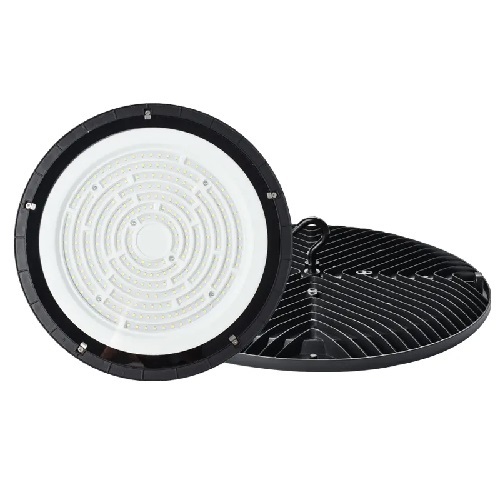

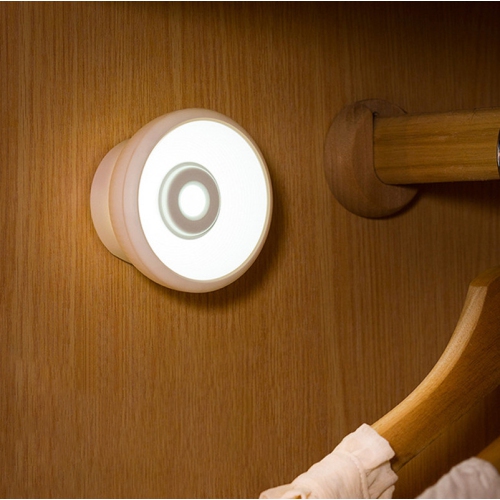
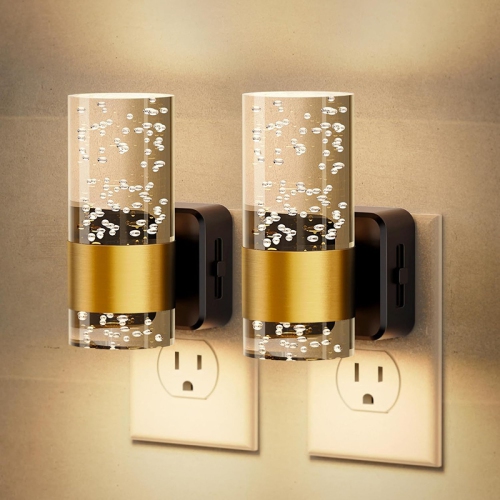
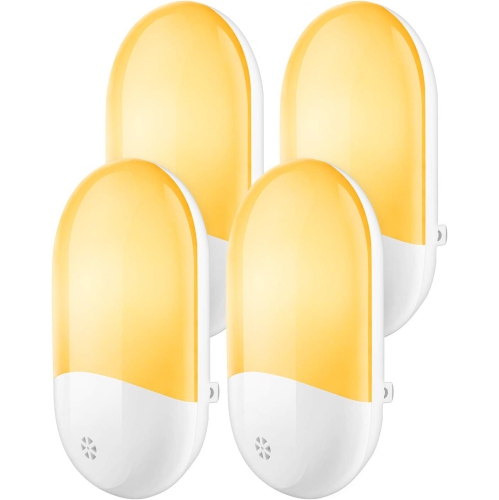
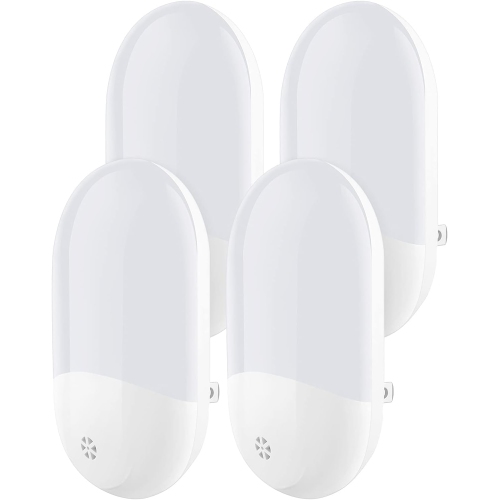
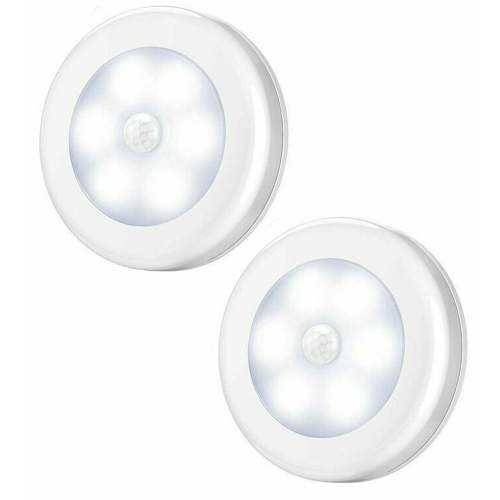
![YOULIGHTS Plug In Night Light [2 Pack], Night Lights Plug Into Wall, Amber Night Light, Warm Night Light, 1800K, Dusk to Dawn Sensor, Adjustable](https://multimedia.bbycastatic.ca/multimedia/products/500x500/185/18588/18588720.jpeg)

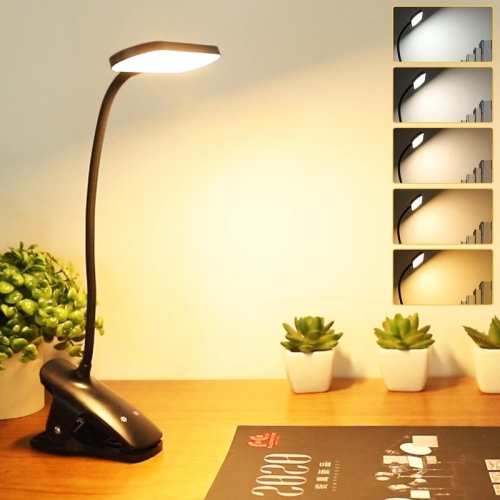
![DIYIFE Ring Light, [New Version] Selfie Ring Light Circle Light With Flexible Gooseneck Long Arm Phone Holder 3 Light](https://multimedia.bbycastatic.ca/multimedia/products/500x500/138/13842/13842189.jpg)
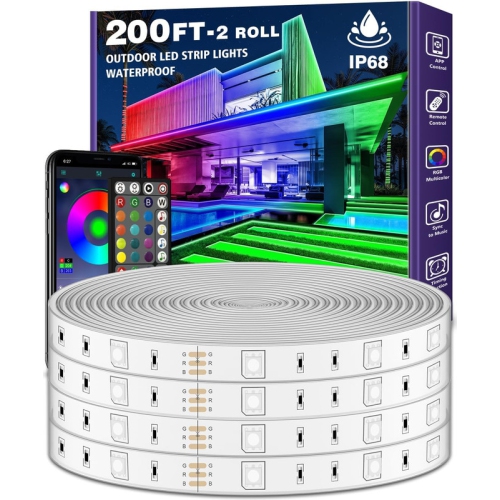
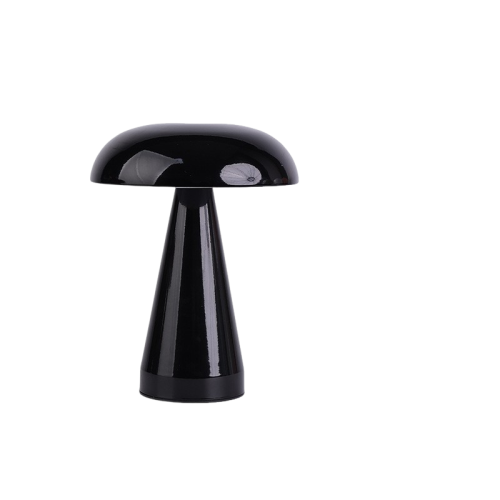

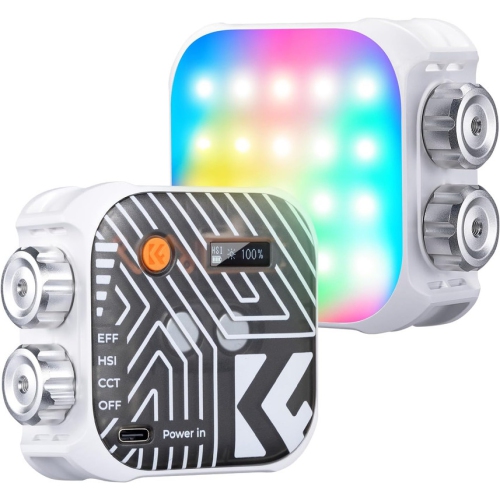
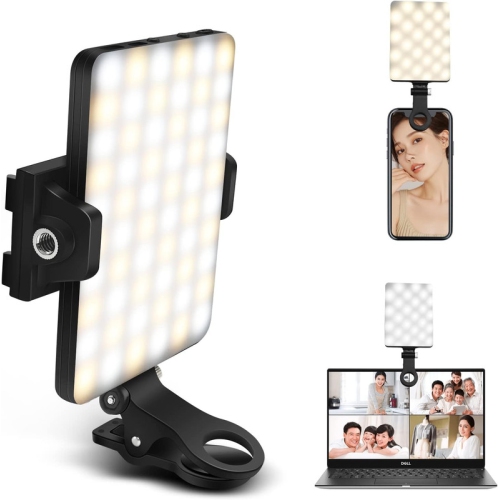

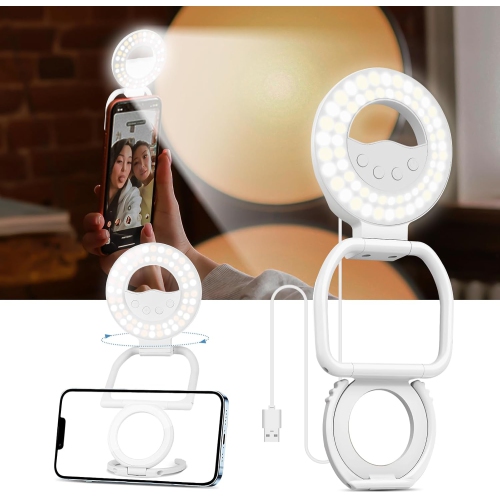
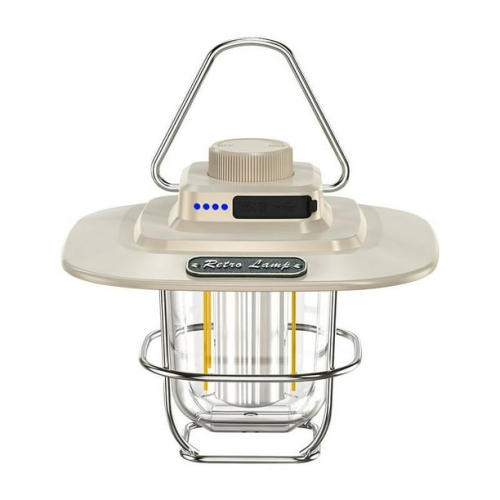
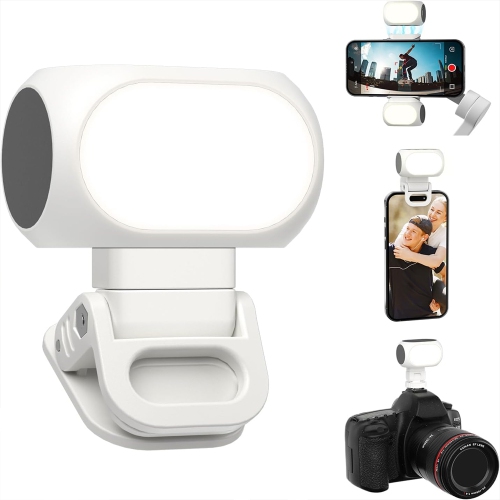
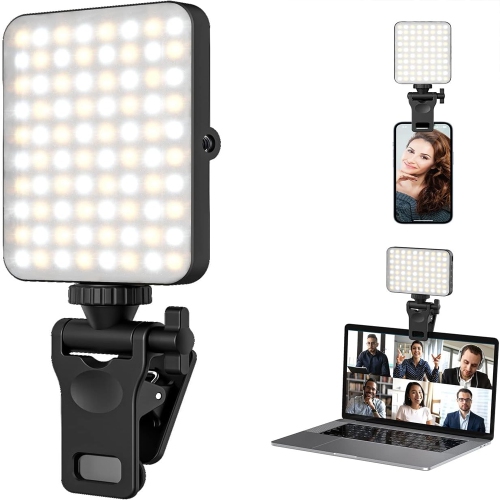
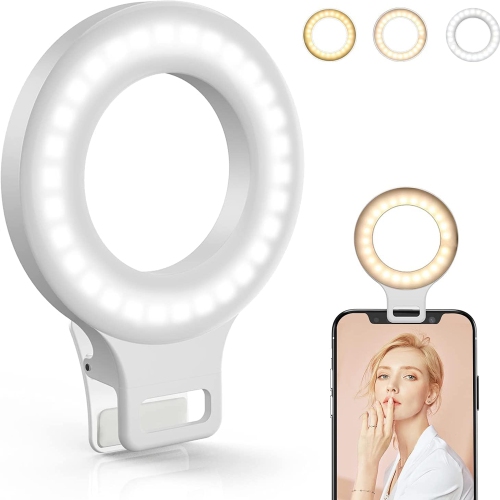
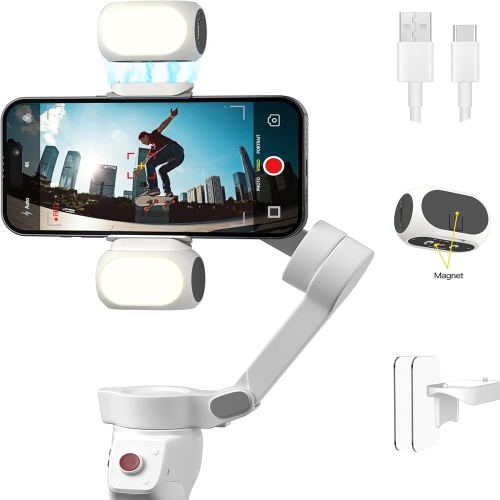
![YOULIGHTS Selfie Ring Light, [Rechargeable] w 36 Led Lights, 3-Level Adjustable Brightness Clips On Phone Ring Light Compatible w Iphone 16 14 13](https://multimedia.bbycastatic.ca/multimedia/products/500x500/192/19281/19281598.jpeg)
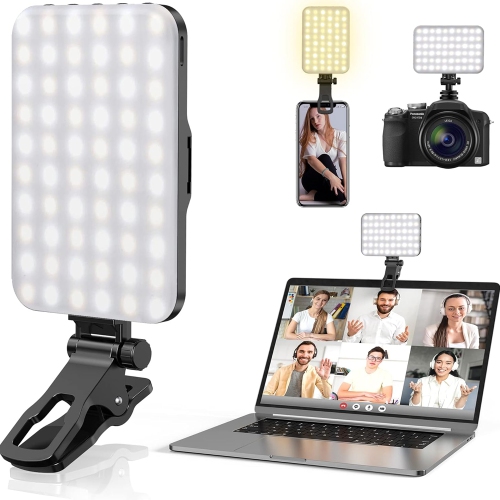
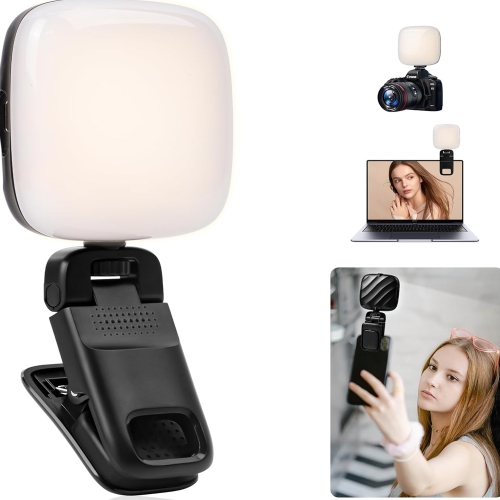
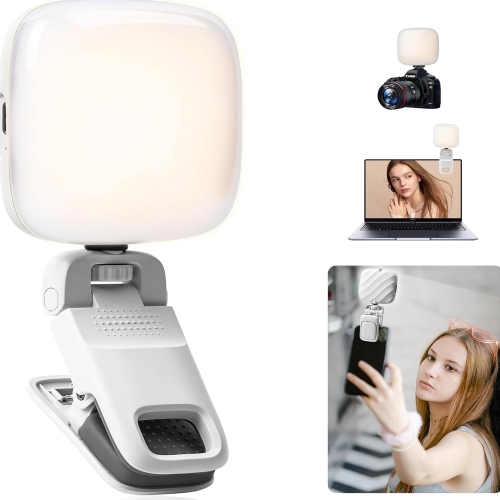
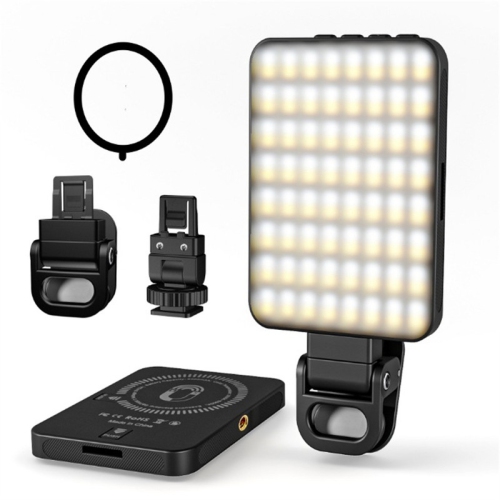
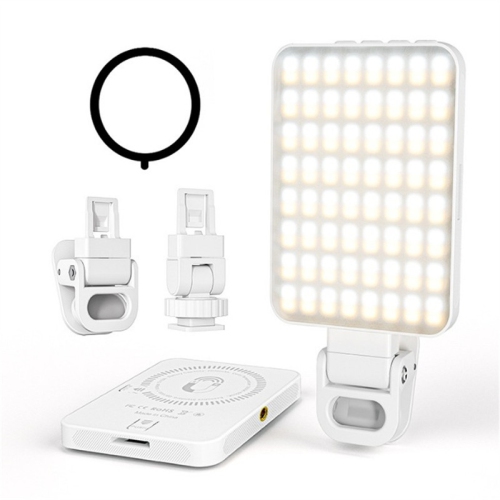
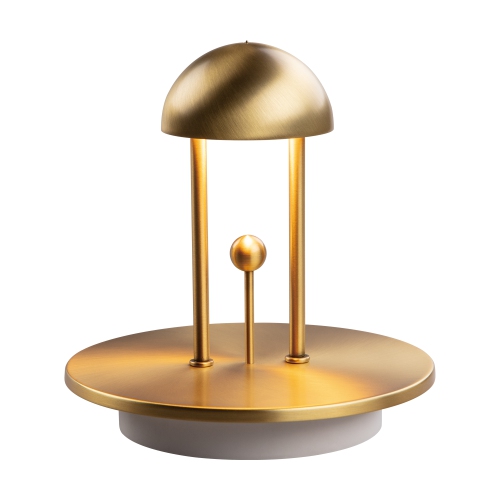
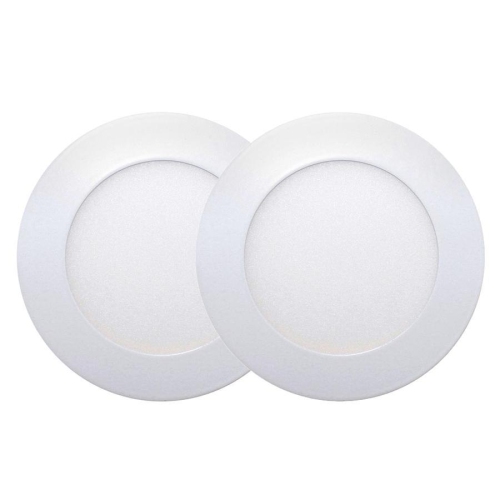
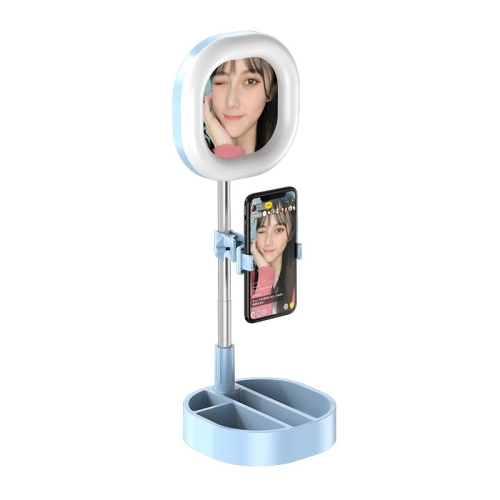
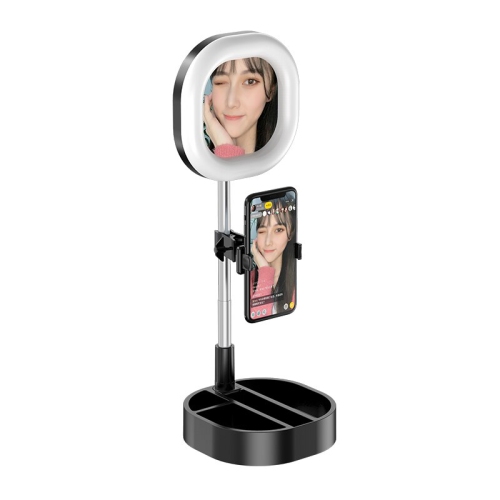
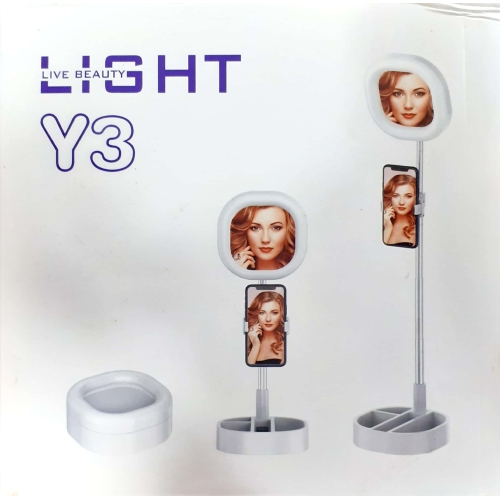
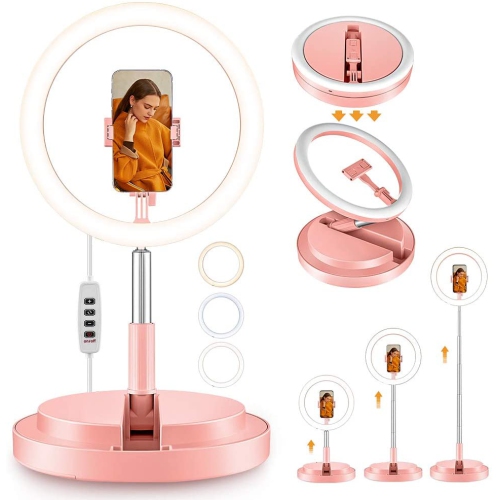

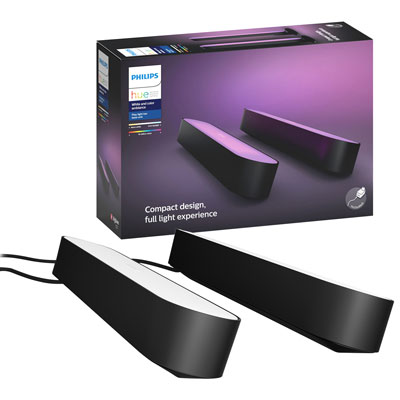
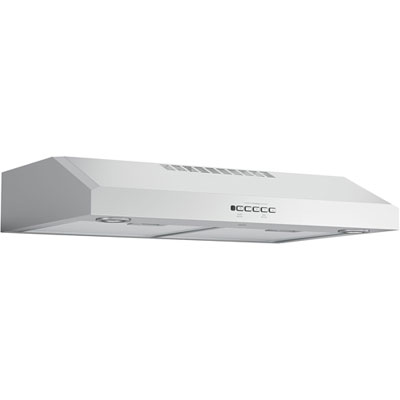
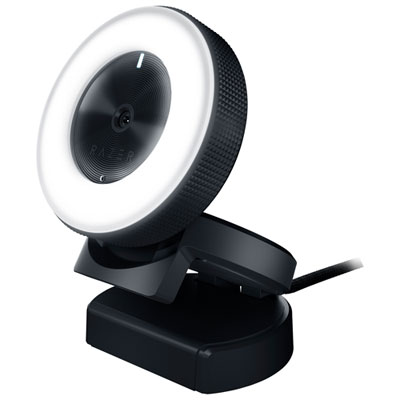
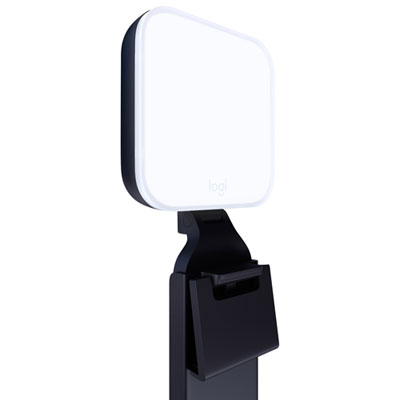
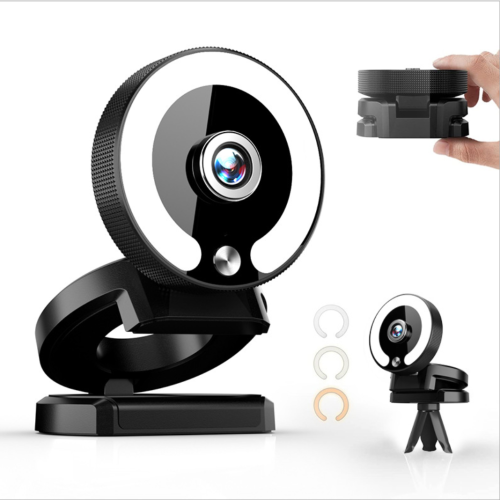
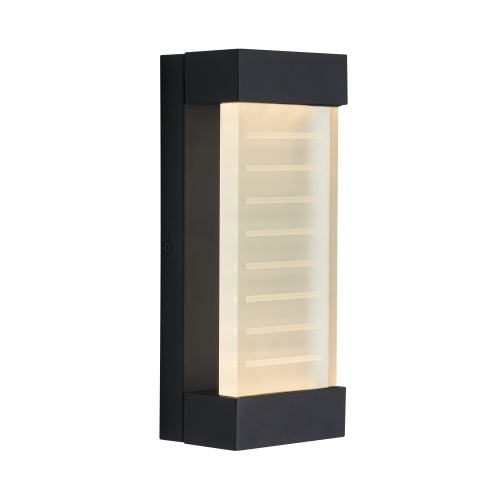
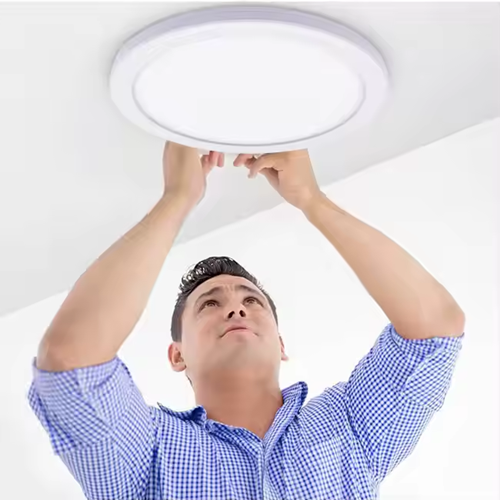
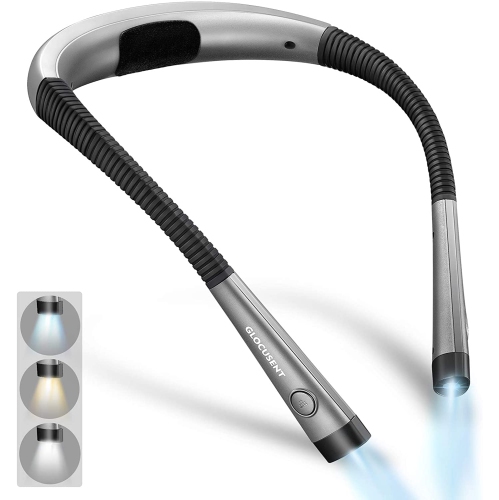
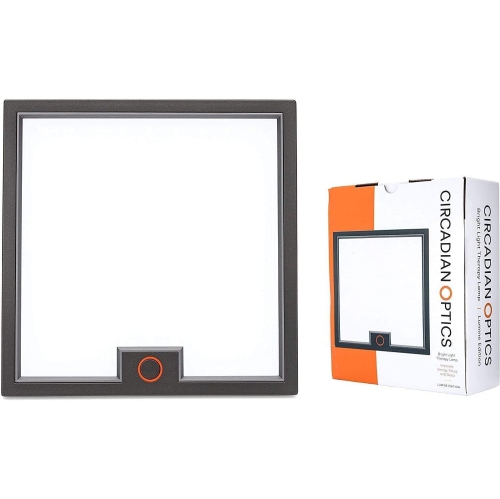
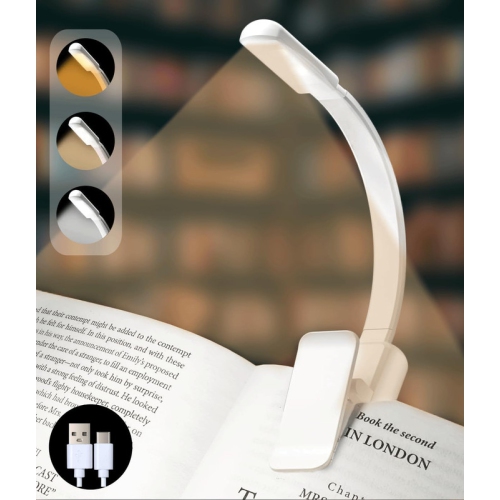
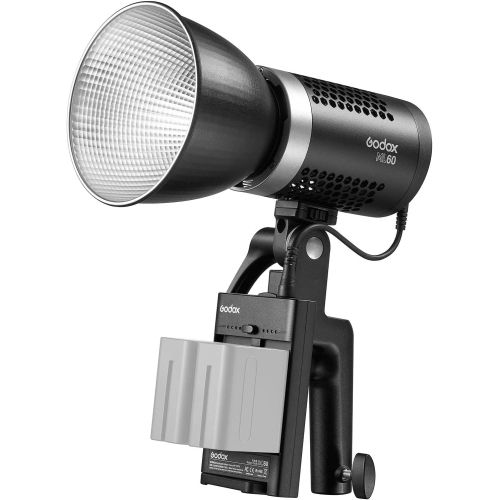

![YOULIGHTS Led Night Light, Baby Night Light [2 Pack], Plug In Night Light With Auto Dusk to Dawn Sensor, Adjustable Brightness Night Light](https://multimedia.bbycastatic.ca/multimedia/products/500x500/185/18588/18588730.jpeg)




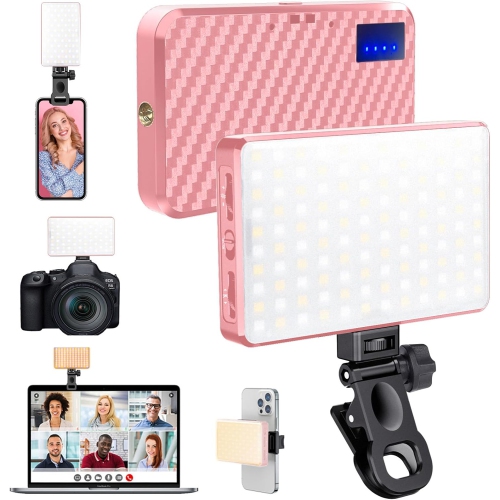
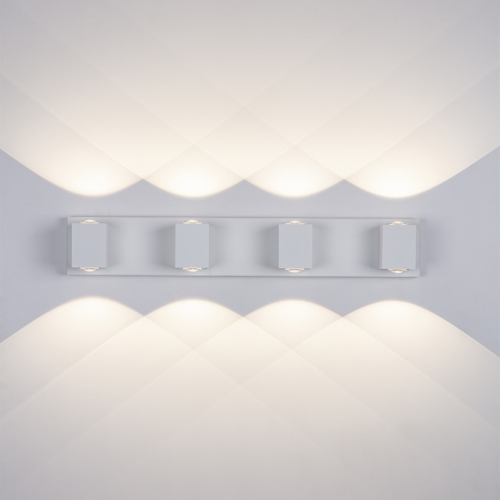
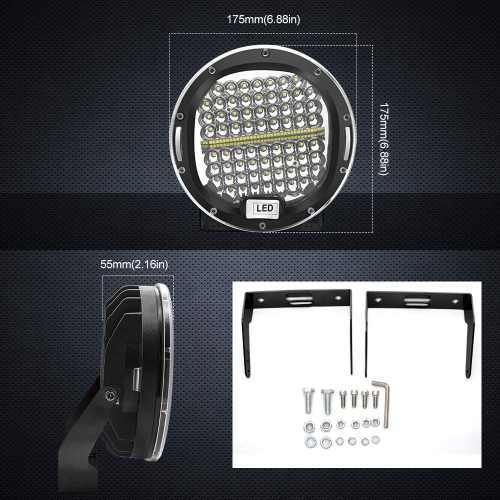


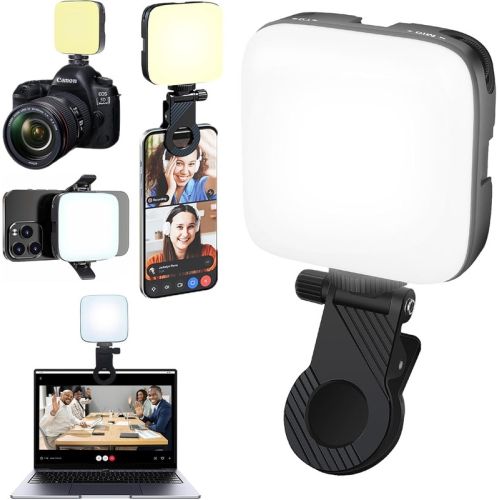



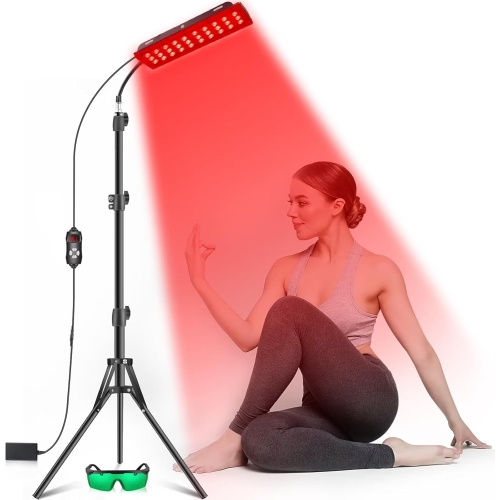
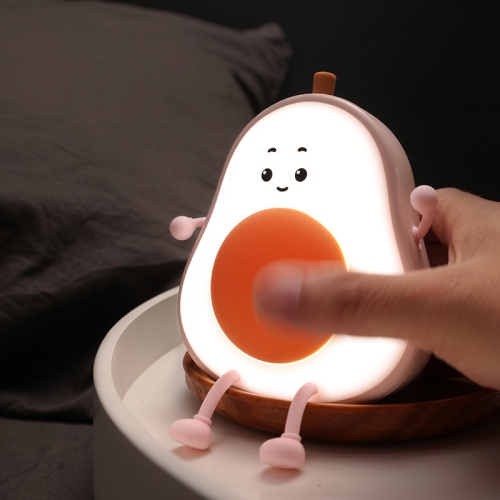

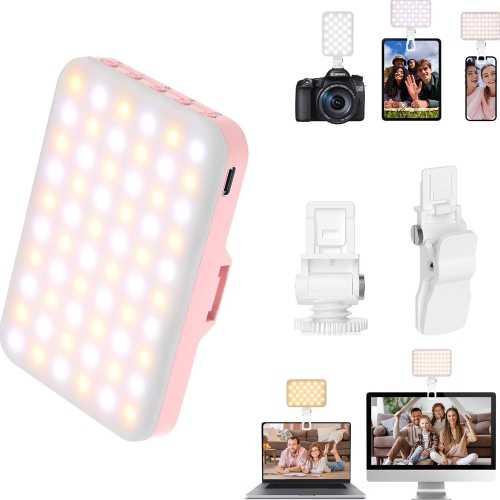
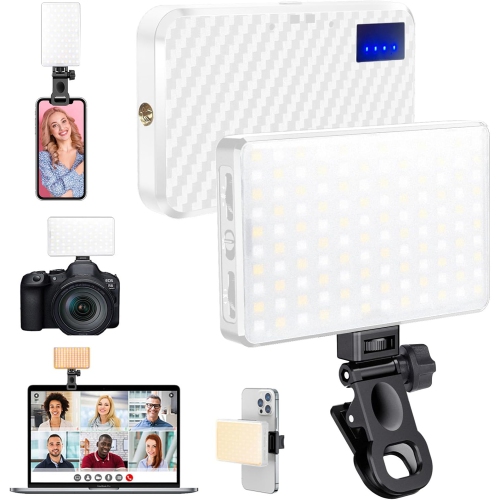


Why useful brightness depends on more than lumens
Bright lighting makes everyday details easier to see, from the small print on a recipe to the stitches in dark fabric. Light brightness is measured in lumens (lm), which describe the total amount of visible light a source produces. A higher lumen rating means greater light output, but how bright a space feels also depends on where the light is directed, how far it travels, and the surfaces around it. Watts (W) measure electrical power use, not brightness, so wattage alone is not a reliable way to compare different lighting technologies. An LED light can deliver a similar lumen output to an incandescent bulb while using fewer watts. Lux (lx) measures the light reaching a surface: one lux equals one lumen per square metre. This distinction matters at a desk or kitchen counter, where useful illumination depends on the light landing on the work area rather than simply filling the room. As a general reference, 100 to 300 lumens can suit a gentle accent or bedside glow, while 400 to 700 lumens can provide localized light or contribute to a layered room arrangement. Outputs of 800 to 1,200 lumens may suit a brighter reading or work light, depending on its distance, shade, and beam pattern. These ranges describe individual light sources, not guaranteed brightness levels for an entire room. Room dimensions, ceiling height, fixture design, and personal vision needs all affect the result. A pale wall reflects more light than a dark bookcase, and a deep shade can keep much of a bulb’s output away from nearby surfaces. For comfortable illumination, the relationship between output and placement is often more important than choosing the highest lumen number. Lighting that spreads evenly across a dining table serves a different purpose from a concentrated beam aimed at a model-building project, even when both sources have the same stated output.
Brightness-adjustable lights offer flexibility for spaces that serve more than one purpose. A living room might need clear illumination for a board game and a softer setting for watching a film; a desk used for paperwork and video calls benefits from light that can be redirected without shining into the screen. Dimming changes light output, while colour temperature changes whether white light looks warm, neutral, or cool. Colour temperature is measured in kelvins (K): around 2,700 K to 3,000 K usually appears warm, around 3,500 K to 4,000 K looks more neutral, and around 5,000 K to 6,500 K has a cooler, daylight-like appearance. A higher kelvin rating does not automatically mean a brighter light. Adjustable colour temperature can make a shared space more versatile, while a fixed setting can suit a room with a consistent purpose. Colour rendering is another useful distinction. A higher colour rendering index, or CRI, generally helps colours appear more natural compared with an appropriate reference light, which can matter when matching clothing, applying makeup, or working with art materials. Comfort also depends on glare control. A frosted diffuser can soften the view of a bright source, and an adjustable head can direct light onto a page rather than into someone’s eyes. In a home office, placing a task light to limit reflections on a monitor can make the setup more comfortable without increasing overall brightness. Adjustable arms, swivel heads, and accessible controls are especially useful for people who move between detailed work and general activities. Smart lighting may add schedules, grouped controls, or app-based adjustment, though features depend on the light and its compatible system. Wi-Fi requirements, hub requirements, and support for existing controls vary. Dimmable bulbs also need compatible dimmers; a mismatch can cause flickering, buzzing, or a limited adjustment range. For a reading corner, craft table, or shared study space, useful brightness is a balance of clear visibility, convenient control, and a comfortable view of the light itself.
The construction and fit of a light influence how well it works in everyday use. Metal housings can provide a sturdy structure, while glass shades and plastic diffusers shape how light spreads and how the fixture looks when switched off. Material alone does not establish durability: secure joints, a stable base, and an adjustment mechanism that holds its position matter just as much. A compact footprint can leave room for notebooks on a desk, while a clamp-mounted design needs a surface of the right thickness and enough clearance for secure attachment. Cord length, outlet placement, and access to switches also affect whether a light fits naturally into a room. Replaceable bulbs need the correct base, shape, voltage, and fixture compatibility, including suitability for enclosed fixtures where applicable. A fixture’s maximum wattage refers to actual power consumption, not the incandescent-equivalent number that may appear on bulb packaging. Integrated LED designs do not necessarily have replaceable light sources, so serviceability and warranty coverage are useful considerations for long-term use. Care is usually straightforward: disconnect the power, allow the light to cool, and clean it according to the manufacturer’s directions. Dust on shades and diffusers can reduce useful output, while abrasive cleaners may damage finishes or cloud plastic. Portable rechargeable lighting adds flexibility where a cord would be inconvenient, although higher brightness settings generally shorten runtime between charges. Lights intended for damp or wet locations need an appropriate rating; indoor designs are not automatically suitable for those uses. Drivers looking beyond household lighting can explore Bright Car Lights, where vehicle compatibility, beam pattern, correct aiming, and applicable road-use requirements matter alongside brightness. For the home, adjustable lighting can also make a thoughtful housewarming or graduation gift, particularly for someone setting up a study area or pursuing a detail-focused hobby. The most useful choice suits the recipient’s space and routine, providing clear light where it is needed without unnecessary glare.
Brightness-adjustable lights offer flexibility for spaces that serve more than one purpose. A living room might need clear illumination for a board game and a softer setting for watching a film; a desk used for paperwork and video calls benefits from light that can be redirected without shining into the screen. Dimming changes light output, while colour temperature changes whether white light looks warm, neutral, or cool. Colour temperature is measured in kelvins (K): around 2,700 K to 3,000 K usually appears warm, around 3,500 K to 4,000 K looks more neutral, and around 5,000 K to 6,500 K has a cooler, daylight-like appearance. A higher kelvin rating does not automatically mean a brighter light. Adjustable colour temperature can make a shared space more versatile, while a fixed setting can suit a room with a consistent purpose. Colour rendering is another useful distinction. A higher colour rendering index, or CRI, generally helps colours appear more natural compared with an appropriate reference light, which can matter when matching clothing, applying makeup, or working with art materials. Comfort also depends on glare control. A frosted diffuser can soften the view of a bright source, and an adjustable head can direct light onto a page rather than into someone’s eyes. In a home office, placing a task light to limit reflections on a monitor can make the setup more comfortable without increasing overall brightness. Adjustable arms, swivel heads, and accessible controls are especially useful for people who move between detailed work and general activities. Smart lighting may add schedules, grouped controls, or app-based adjustment, though features depend on the light and its compatible system. Wi-Fi requirements, hub requirements, and support for existing controls vary. Dimmable bulbs also need compatible dimmers; a mismatch can cause flickering, buzzing, or a limited adjustment range. For a reading corner, craft table, or shared study space, useful brightness is a balance of clear visibility, convenient control, and a comfortable view of the light itself.
The construction and fit of a light influence how well it works in everyday use. Metal housings can provide a sturdy structure, while glass shades and plastic diffusers shape how light spreads and how the fixture looks when switched off. Material alone does not establish durability: secure joints, a stable base, and an adjustment mechanism that holds its position matter just as much. A compact footprint can leave room for notebooks on a desk, while a clamp-mounted design needs a surface of the right thickness and enough clearance for secure attachment. Cord length, outlet placement, and access to switches also affect whether a light fits naturally into a room. Replaceable bulbs need the correct base, shape, voltage, and fixture compatibility, including suitability for enclosed fixtures where applicable. A fixture’s maximum wattage refers to actual power consumption, not the incandescent-equivalent number that may appear on bulb packaging. Integrated LED designs do not necessarily have replaceable light sources, so serviceability and warranty coverage are useful considerations for long-term use. Care is usually straightforward: disconnect the power, allow the light to cool, and clean it according to the manufacturer’s directions. Dust on shades and diffusers can reduce useful output, while abrasive cleaners may damage finishes or cloud plastic. Portable rechargeable lighting adds flexibility where a cord would be inconvenient, although higher brightness settings generally shorten runtime between charges. Lights intended for damp or wet locations need an appropriate rating; indoor designs are not automatically suitable for those uses. Drivers looking beyond household lighting can explore Bright Car Lights, where vehicle compatibility, beam pattern, correct aiming, and applicable road-use requirements matter alongside brightness. For the home, adjustable lighting can also make a thoughtful housewarming or graduation gift, particularly for someone setting up a study area or pursuing a detail-focused hobby. The most useful choice suits the recipient’s space and routine, providing clear light where it is needed without unnecessary glare.
Top selling and popular products
-
 Your price for this item is $274.99
 -
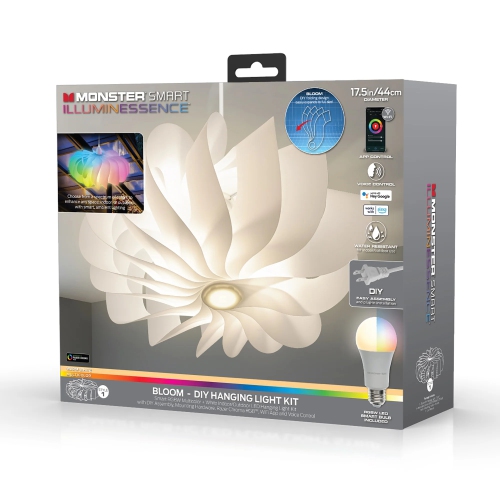 Your price for this item is $49.99
 -
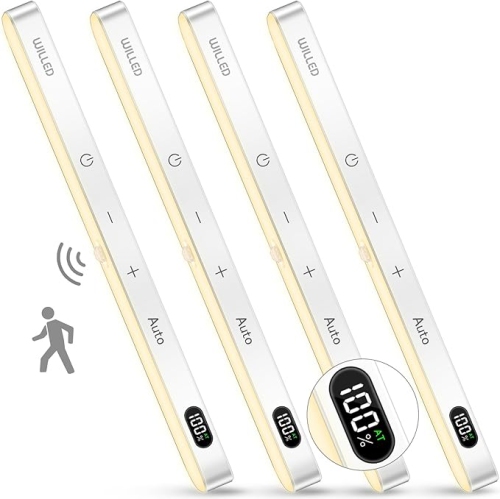 Your price for this item is $48.2
 -
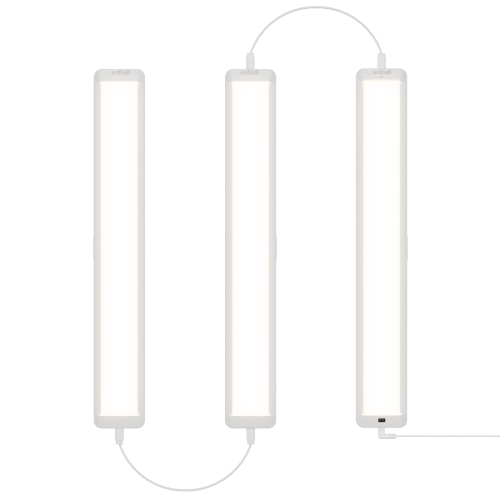 Your price for this item is $89.99
 -
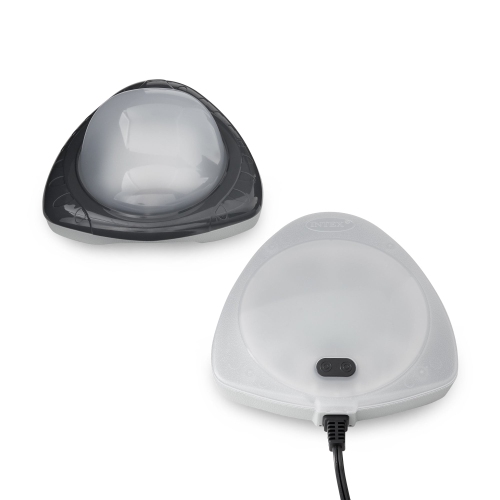 Your price for this item is $89.99
 -
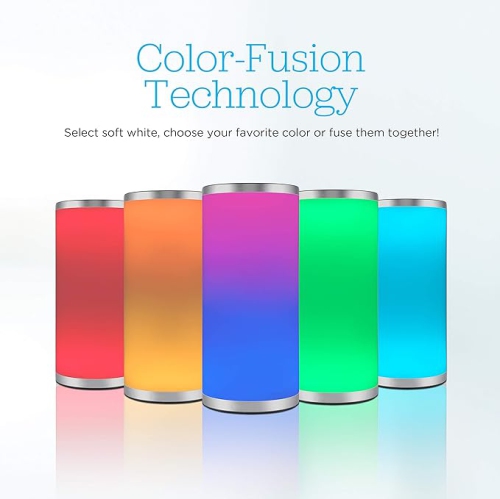 Your price for this item is $26.99
 -
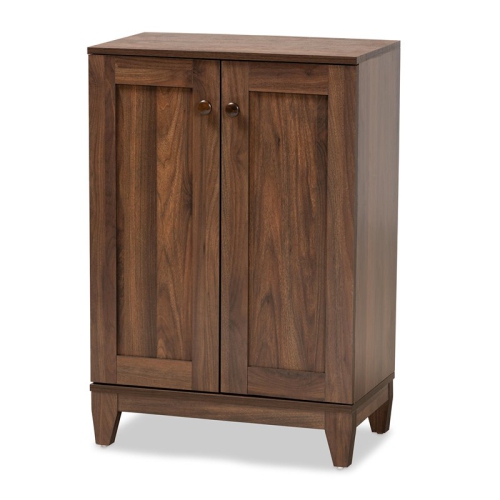 Your price for this item is $370.07
 -
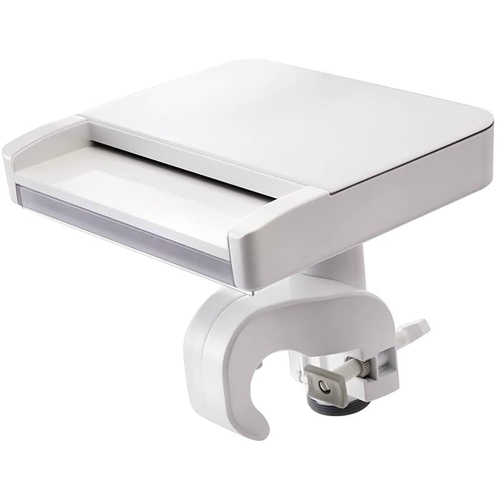 Your price for this item is $99.99
Discover more categories related to Brightness Lights
Top Collections:
Pokemon Centers, Kindle Devices, Best Budget Office Chairs, Apple iPhones 16, Best Laptops for Writers, iPhone 15 Apple, Canon G7X Cameras, Refurbished Apple Laptops, Alarm Clock, Motorola Razr Phones
Some products may be subject to Environmental Handling Fees
(EHF) depending on your province.
Learn more about EHFs.