GPS With Voice Commands
GPS With Voice Commands offers a convenient and user-friendly way to navigate roads, trails, and new destinations. These advanced navigation systems allow drivers and travelers to keep their focus on the journey while easily accessing directions through simple spoken instructions. Whether planning a road trip or commuting daily, GPS With Voice Commands can help make every drive smoother and more efficient. Explore a selection of options designed to enhance your travel experience and simplify your route planning.
Sort
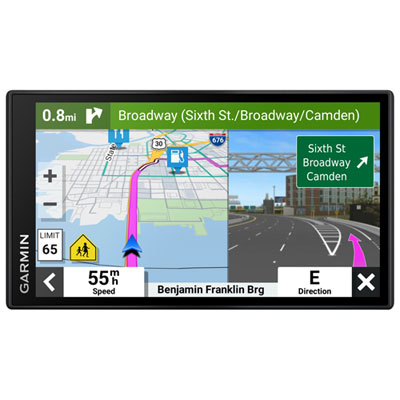
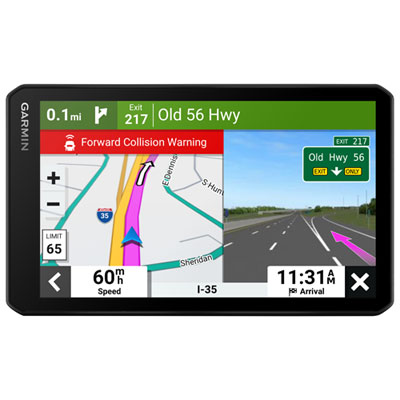
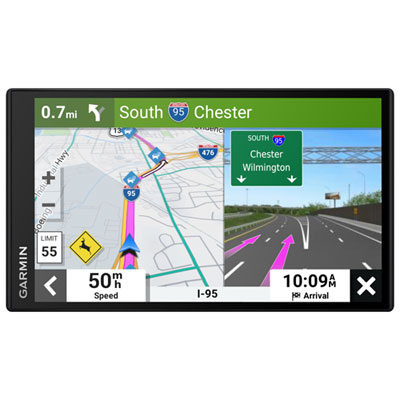
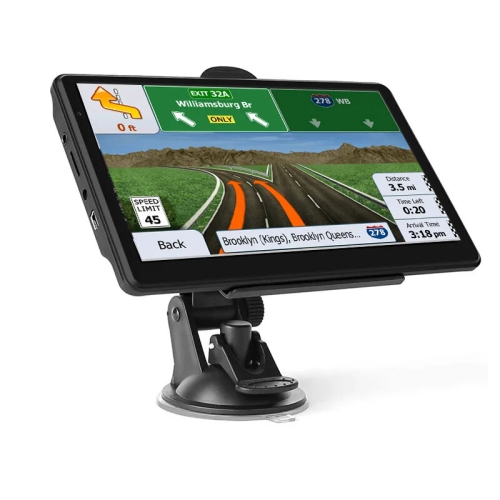
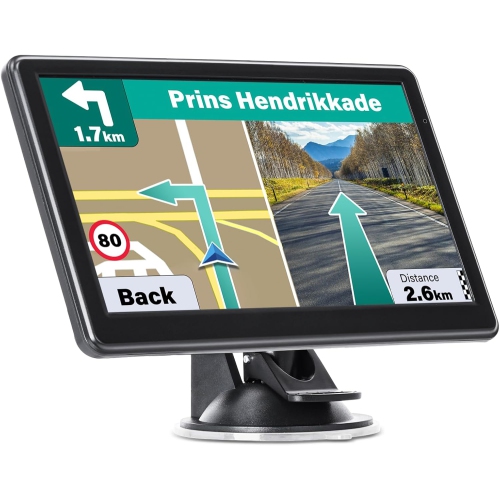
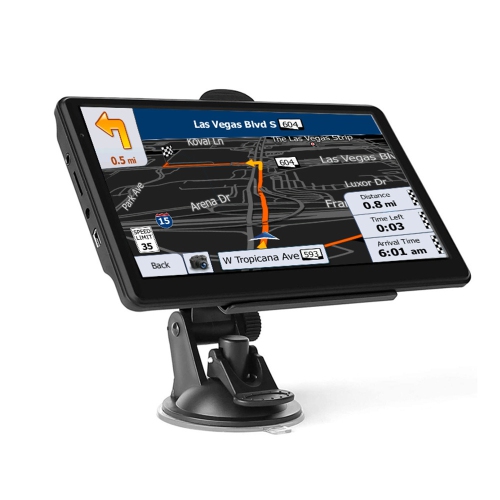
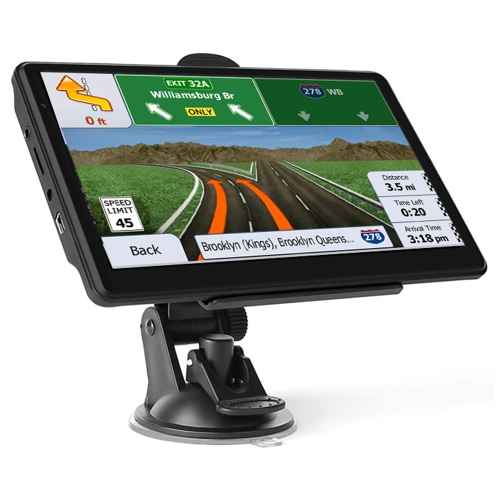
Spoken directions do not always mean voice control
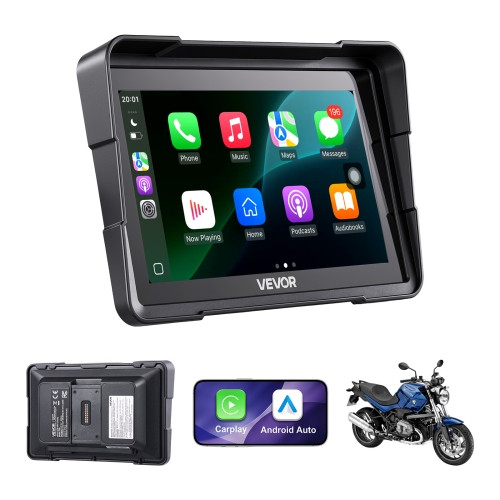
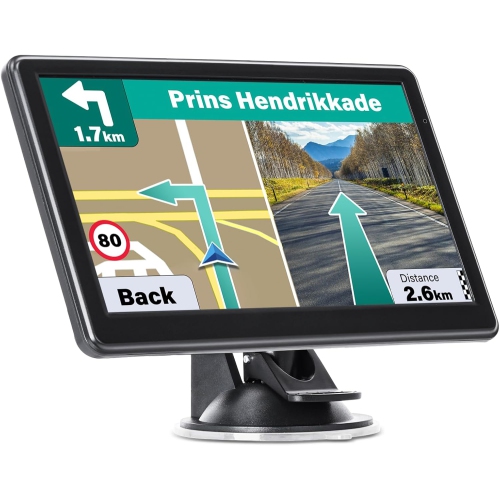
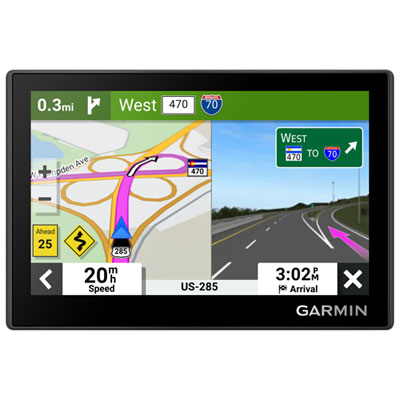
A GPS with voice commands is a navigation device that accepts spoken requests to help set destinations, find nearby places, or manage supported navigation functions. Unlike a GPS that only reads directions aloud, a voice-controlled navigator includes a microphone and software that can interpret spoken input. Spoken turn-by-turn guidance and voice command input are separate features, so a reference to voice navigation does not necessarily mean that a device accepts spoken instructions. Depending on the model, voice controls may let a driver search for an address, locate a gas station, select a saved destination, or adjust supported route settings without entering every detail on a touchscreen. Some systems respond to a wake phrase, while others require a button press before listening. That distinction matters for drivers looking for hands-free operation rather than simply audible directions. For everyday commuting, deliveries, appointments, and longer drives, a dedicated navigator can keep route information on a separate display instead of sharing a phone screen with calls and messages. A clearly spoken street name can be particularly helpful when several exits or closely spaced intersections appear ahead. Voice recognition performance depends on microphone placement, cabin noise, pronunciation, and the commands supported by the device. Conversations, music, and an open window can make a request harder to understand. Address entry may also work differently from searches for businesses or landmarks, and support for Canadian addresses, English, and French should be confirmed separately. A driver who regularly travels between provinces may value broad map coverage and clear pronunciation more than a long list of extra functions. Familiarizing yourself with accepted phrases while parked makes voice features easier to use once a journey begins. Voice control can reduce some touchscreen interaction, but it does not remove distraction or replace attentive driving. Destinations and important route preferences are best set before departure, with complicated changes left until the vehicle is safely parked.
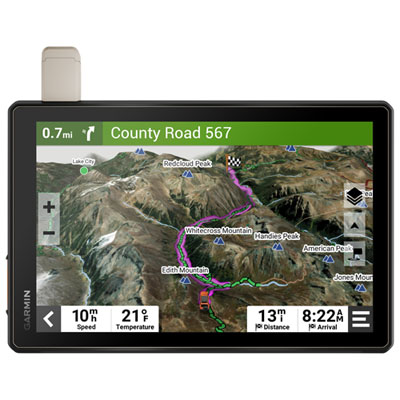
The physical design of a voice-command GPS affects how comfortably it fits into a vehicle and how clearly its information can be understood. A larger screen can make junction diagrams, lane guidance, and street names easier to read, but it also needs more space on the dashboard or windscreen. Screen size alone does not determine readability: resolution, contrast, viewing angle, and glare can all influence how quickly a driver can interpret a route. A display should sit within easy viewing distance without blocking the road, vehicle controls, mirrors, or airbags, and mounting arrangements must comply with applicable local rules. Mount type, adjustment range, and cable routing are worth considering together. A mount that holds firmly in one vehicle may not suit a curved dashboard or a different windscreen angle, while a charging cable stretched across controls can make an otherwise convenient setup awkward. Dedicated navigators commonly combine a plastic housing with a touchscreen surface; a secure mounting connection and careful handling help protect these components from repeated movement and accidental drops. A removable unit benefits from a protective case when carried in a bag or moved between vehicles. For cleaning, follow the manufacturer’s directions and use an appropriate soft cloth rather than abrasive materials that could scratch the display. Clear audio matters just as much as the screen, particularly in a van or another vehicle with substantial road noise. Speaker volume, microphone position, and supported audio connections all affect everyday usability. Power arrangements also deserve attention, since a built-in battery may be intended for brief use rather than an entire drive. For trucks, motorhomes, or vehicles towing trailers, navigation requirements extend beyond voice features. Only devices with suitable vehicle profiles and routing capabilities should be relied on for relevant size or weight considerations, and posted restrictions always take precedence. A standard car navigator should not be assumed to account for vehicle height, trailer length, or commercial driving restrictions.
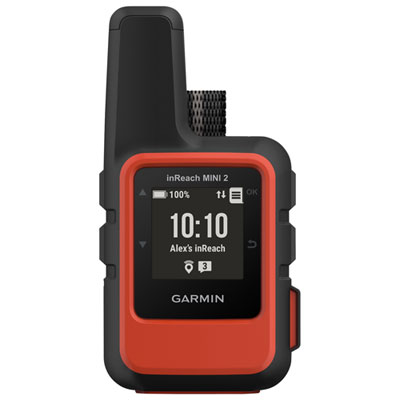
Map coverage, connectivity, and update requirements help determine how useful a GPS with voice commands will be beyond a familiar route. GPS positioning itself does not require cellular service, and a dedicated navigator with downloaded maps can generally provide basic navigation within its installed coverage without a mobile data connection. However, online destination searches, live traffic information, certain voice functions, and other connected features may depend on a paired smartphone or another supported connection. Offline routing and offline voice recognition are not the same capability, so both deserve separate attention when comparing features. Canadian map coverage should match the places the driver actually travels, with additional coverage considered for cross-border trips. Map updates can refresh road layouts and destination information, although no map can guarantee that every recent change is included. Update methods vary: some devices connect through Wi-Fi, while others use a computer or companion software. Adequate storage and a straightforward update process make ongoing care less cumbersome. Related Voice Navigation Systems may offer different combinations of spoken guidance, voice input, and connected functions, making the distinction between those capabilities especially useful. Route preferences can also shape the experience, whether the priority is avoiding toll roads, finding an intermediate stop, or receiving clearer instructions at a complicated interchange. These settings vary by device and should support, rather than override, the driver’s judgement and road signs. A missed turn is a reason to follow a safe alternative while the navigator recalculates, not to make a sudden manoeuvre. Saved addresses and recent destinations can simplify repeated journeys, but shared devices also benefit from attention to privacy settings and the removal of personal information before ownership changes. As a gift for a frequent driver, a voice-controlled GPS is most useful when its mounting arrangement, language support, maps, and power connection suit the recipient’s vehicle and routines. The strongest fit is a device whose core navigation features remain easy to see, hear, and operate on an ordinary drive.
Top selling and popular products
Discover more categories related to GPS With Voice Commands
Top Collections:
Best Black Friday Deals This Year, Best Black Friday Deals On Electronics, Kindle Devices, Pokemon Centers, Best Black Friday Deals On Apple Products, Best Cameras for Sports Photography, Dyson Airwrap, Pokémon 30th Celebration Cards, Apple iPhone 17 Pro, Canon G7X Cameras
Some products may be subject to Environmental Handling Fees
(EHF) depending on your province.
Learn more about EHFs.