Voice Command Phones
Experience a new level of convenience and accessibility with a Voice Command Phone. Designed to simplify everyday communication, these phones allow users to control key functions using just their voice. Whether you're looking for hands-free calling, easy navigation, or enhanced usability, a Voice Command Phone offers intuitive solutions for busy lifestyles. Explore a wide selection of models to find the perfect fit for your needs and enjoy effortless connectivity at your fingertips.
Sort
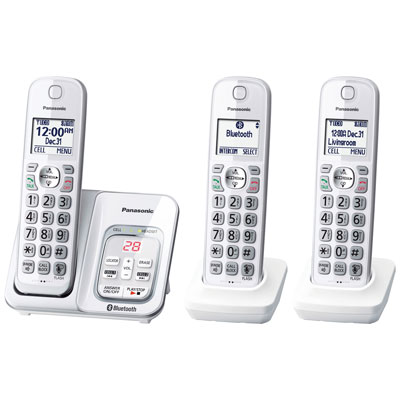

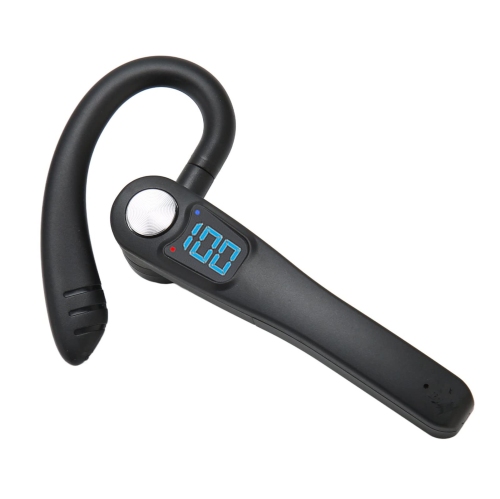

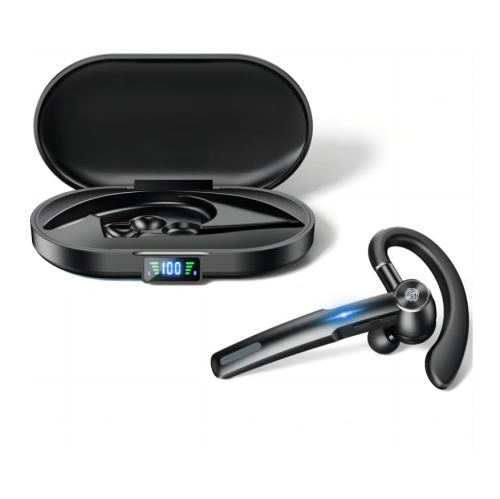

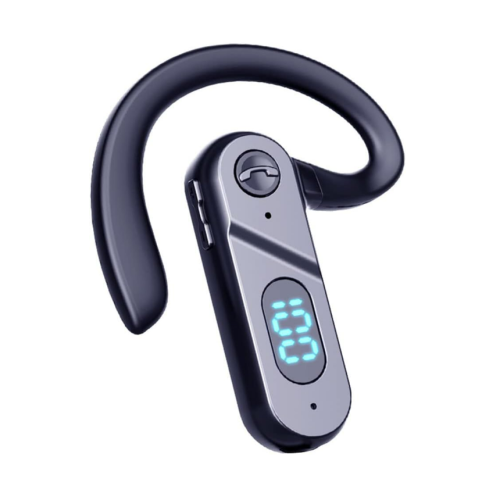
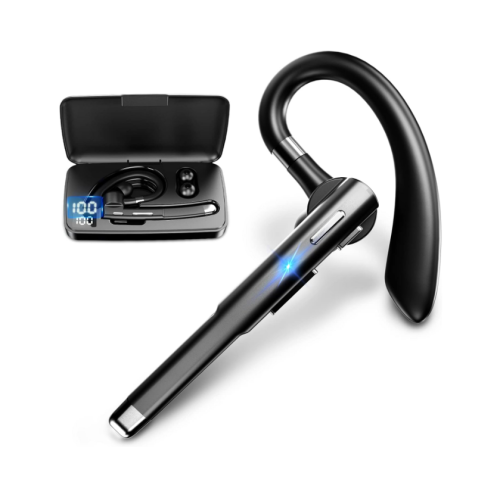
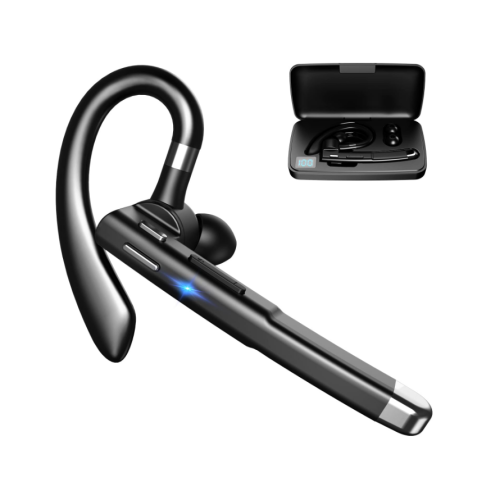
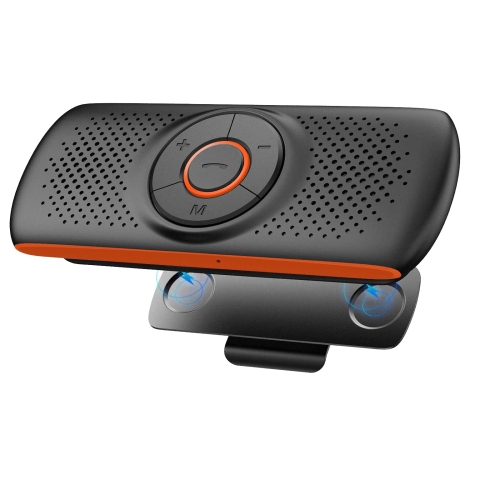
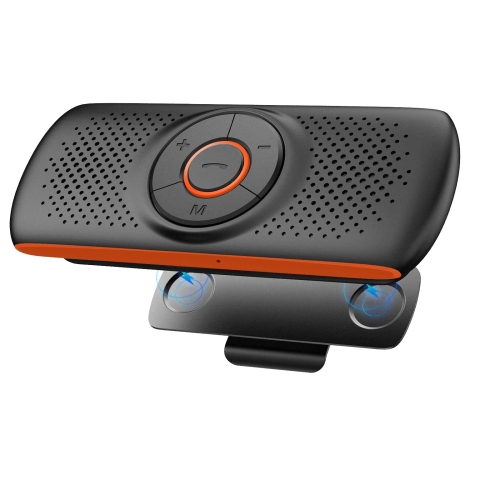
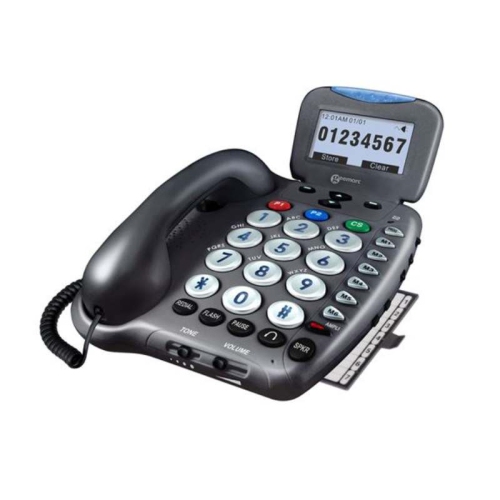
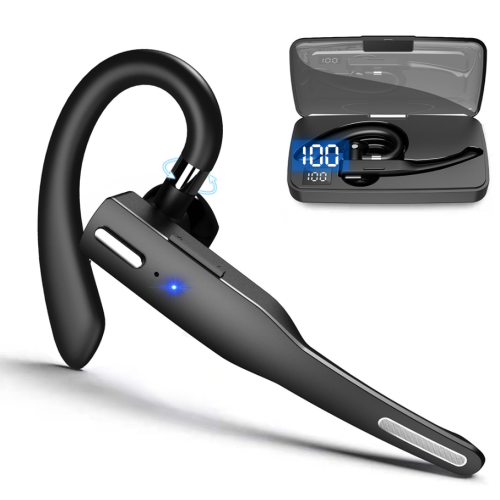
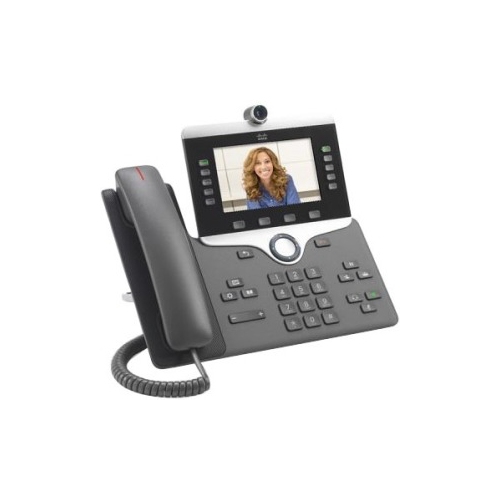
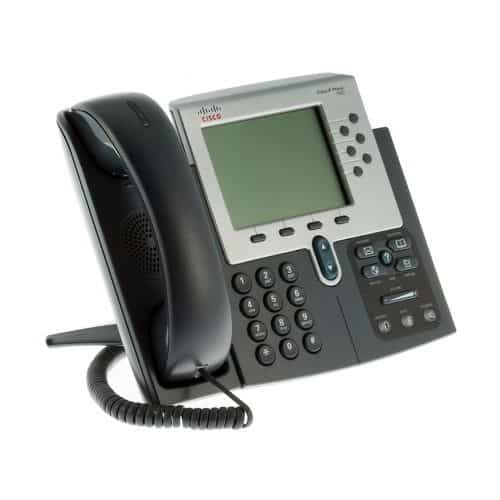
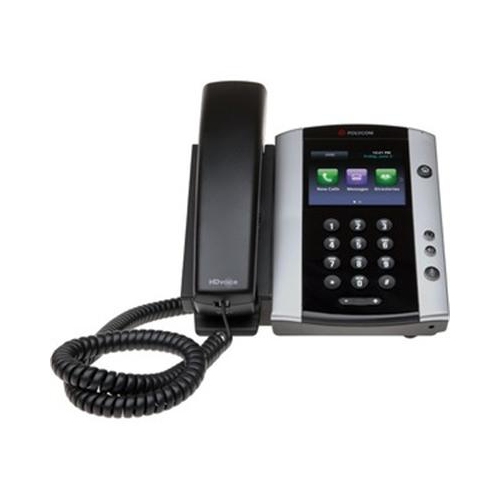
There’s more to voice control than hands-free calling
Voice command phones let people use spoken instructions for everyday tasks such as calling a contact, dictating a message, setting a reminder or opening a supported app. Depending on the phone and its software, voice features may be provided through a built-in virtual assistant, dedicated accessibility controls or a combination of both. These features serve different purposes: voice dialling starts a call, dictation turns speech into written text, and fuller voice navigation can help someone move between screens or select on-screen controls. A phone that supports one function does not necessarily support them all. For someone carrying a bag or preparing a meal, a spoken request to set a timer or call a family member can reduce the need to handle a screen. For someone with limited dexterity or low vision, broader voice access may be an important part of using the phone independently. Activation methods also vary. Some phones listen for a chosen wake phrase, while others require a button press or an accessibility shortcut before accepting a command. Lock-screen restrictions can affect which actions work without unlocking the device, particularly when personal information or account access is involved. Many voice services use an internet connection to interpret requests, although certain phones support selected commands or dictation on the device itself. Supported languages, regional settings and individual apps can also influence what works. English and French language support may be especially relevant in a Canadian household, but bilingual use and switching between languages depend on the software. Clear contact names and an up-to-date address book can make spoken calling easier, especially when several people share a first name. The most useful voice command phone is therefore not simply one that responds to speech, but one whose calling, messaging and navigation features suit the tasks its owner performs most often.
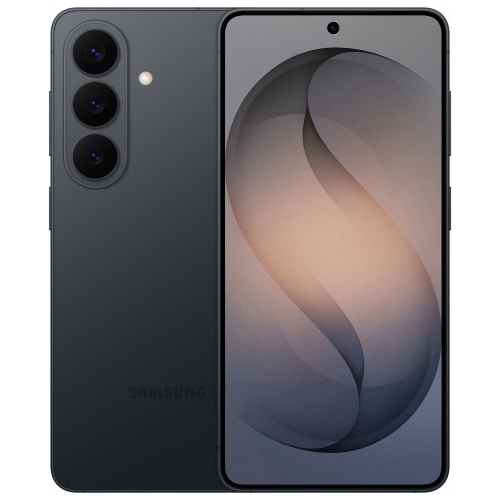
The physical design of a phone still matters, even when voice control is a priority. A larger display can make dictated messages easier to review, while a smaller, lighter handset may feel more comfortable during a long call or fit more securely in a pocket. Glass, metal and plastic housings each have a different feel in the hand; a smooth finish can be easier to wipe clean, while a textured case can add grip. For users who alternate between speech and touch, reachable buttons, clear screen contrast, adjustable text size and a straightforward home screen can be as important as the assistant itself. Accessible mobile phones may combine voice features with tactile keys, simplified menus or spoken feedback, while general-purpose smartphones often offer more extensive app support and customization. Microphone placement, speaker clarity and call volume deserve attention because voice interaction involves both giving instructions and hearing responses. A quiet room is usually less demanding than a busy kitchen with running water or a television playing nearby, and no voice system interprets every accent, name or phrase perfectly. The ability to review dictated text and correct a misunderstood word remains useful. Compatible headsets or earbuds can bring the microphone closer to the speaker, although their voice controls may differ from those on the handset. Hearing aid compatibility should be confirmed for the particular phone and hearing device rather than assumed from a general accessibility description. Battery life also depends on how the phone is used: frequent calls, screen use, mobile data and connected accessories all affect the time between charges. A charging connection that is easy to reach, or supported wireless charging, can make daily handling simpler. For care, a soft, lint-free cloth and cleaning methods approved by the manufacturer help protect the finish. Cases and screen protectors should fit properly without covering microphones, speakers or controls, and any stated water or dust resistance has specific limits rather than guaranteeing protection from damage.
Voice-enabled phones can suit a wide range of people, from a student dictating a reminder between classes to a parent making a quick call while keeping both hands on a stroller handle. Older adults may appreciate simpler calling and spoken feedback, while people who find small touch targets difficult may benefit from more complete voice navigation. These needs are individual: age alone does not determine whether someone prefers physical keys, a large touchscreen or a compact handset. As a gift, a voice command phone is most useful when it matches the recipient’s comfort with technology, preferred language and existing mobile service. Familiar menus and a manageable size may matter more than an extensive list of features. Network compatibility, calling requirements and the ability to transfer contacts are practical considerations, particularly when replacing a long-used phone. Software updates and ongoing accessibility support also matter for a device intended for daily use over several years. Privacy settings are another part of the experience. Depending on the service, spoken requests may be processed on the phone or sent to remote servers, and options for saving or deleting voice history vary. Wake-word listening, microphone permissions and responses on a locked screen can often be adjusted separately, allowing the owner to balance convenience with control over personal information. Voice recognition should not be treated as a guarantee that only one person can activate a feature. For households interested in spoken controls beyond a handset, Voice-Activated Smart Displays provide a related option for a shared screen in a kitchen or living room. Connections between phones, displays and other smart home devices depend on compatible services and account settings. On the phone itself, the strongest everyday fit comes from a clear combination of reliable calling, understandable responses, comfortable handling and voice features that support the owner’s routines without making ordinary tasks more complicated.
Top selling and popular products
-
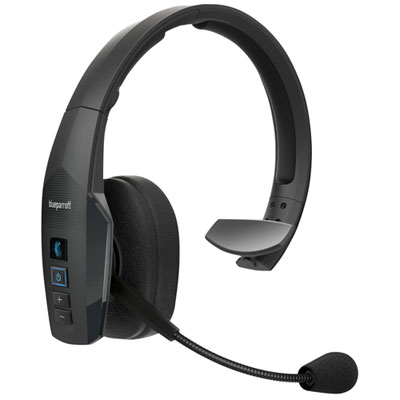 Your price for this item is $238.97
-
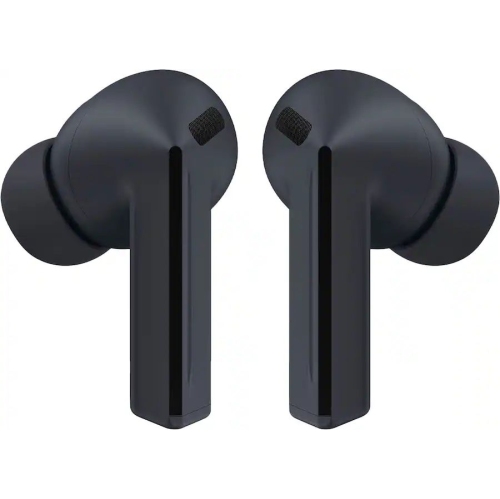 Your price for this item is $160
-
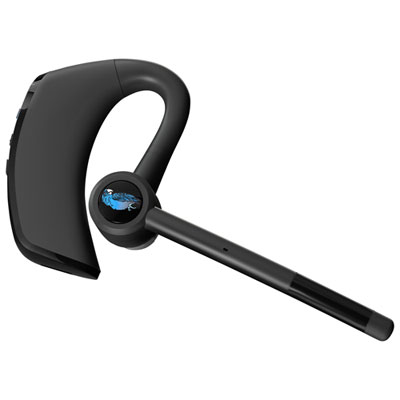 Your price for this item is $99.98
-
 Your price for this item is $186.15
-
 Your price for this item is $349.98
-
 Your price for this item is $84.47
-
 Your price for this item is $78
-
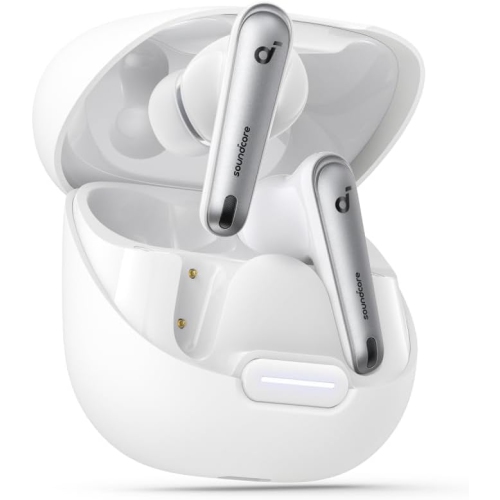 Your price for this item is $109.99
Discover more categories related to Voice Command Phones
Top Collections:
Best Black Friday Deals This Year, Best Black Friday Deals On Electronics, Kindle Devices, Pokemon Centers, Best Black Friday Deals On Apple Products, Best Cameras for Sports Photography, Dyson Airwrap, Pokémon 30th Celebration Cards, Apple iPhone 17 Pro, Canon G7X Cameras
Some products may be subject to Environmental Handling Fees
(EHF) depending on your province.
Learn more about EHFs.