High Performance Brake Kits
Upgrade your vehicle’s stopping power with high performance brake kits designed for drivers who demand precision and reliability. Whether you’re looking to enhance your daily commute or optimize your car for spirited driving, these brake kits offer an ideal solution for improved control and confidence on the road. Explore a wide selection of high performance brake kits to find the perfect match for your vehicle, ensuring smooth and responsive braking in any driving situation.
Sort
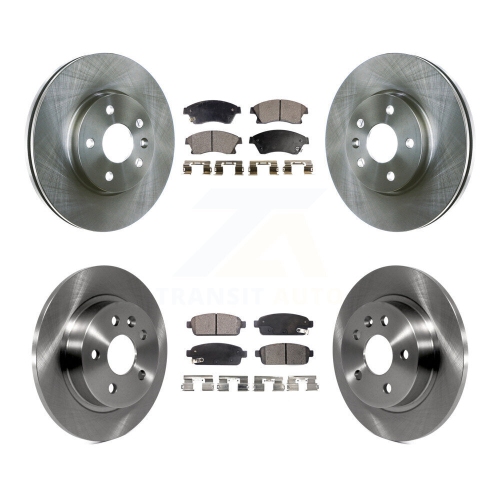
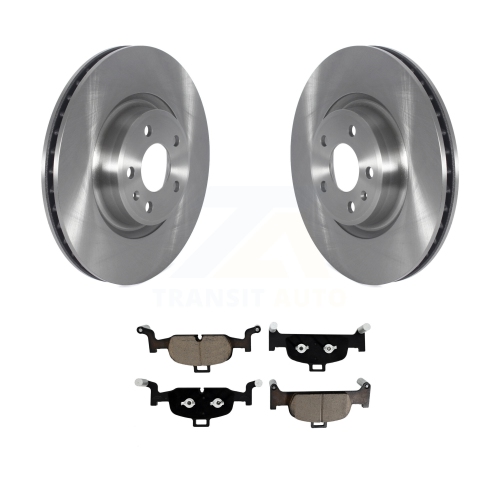
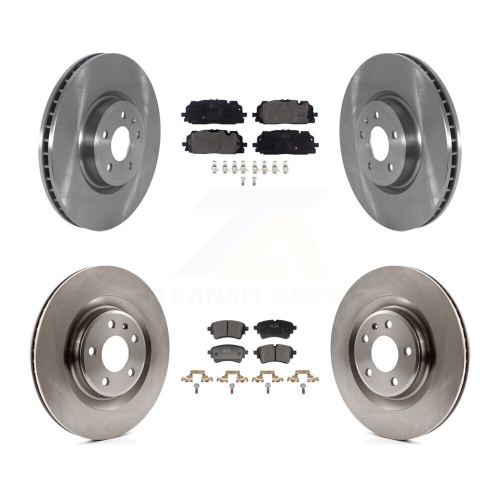
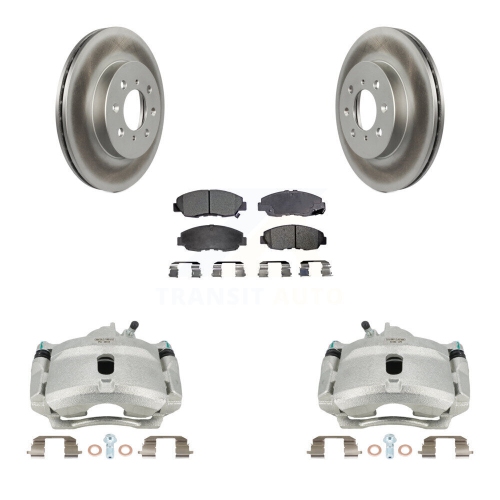
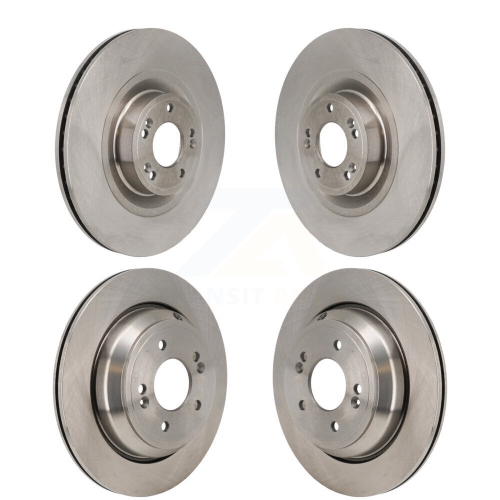
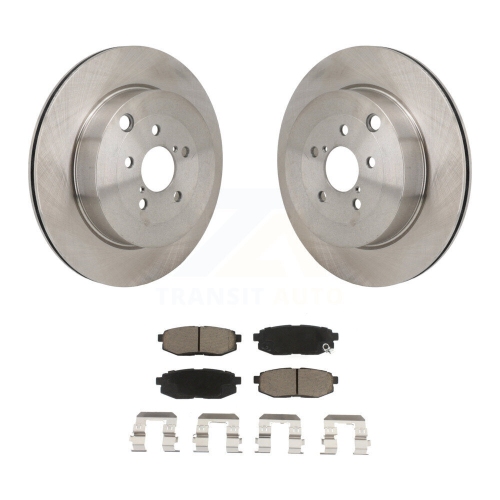
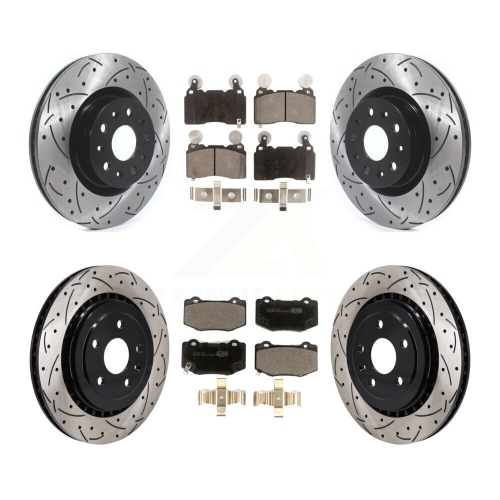
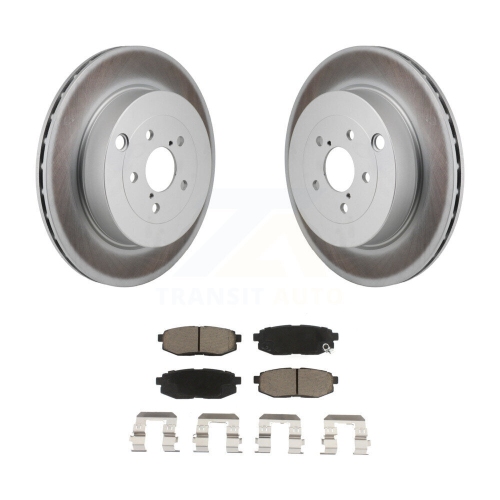
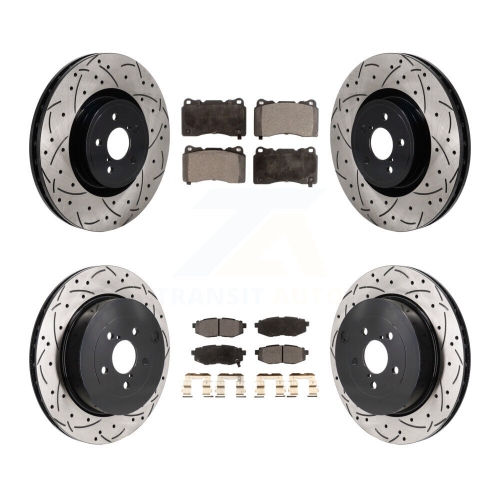
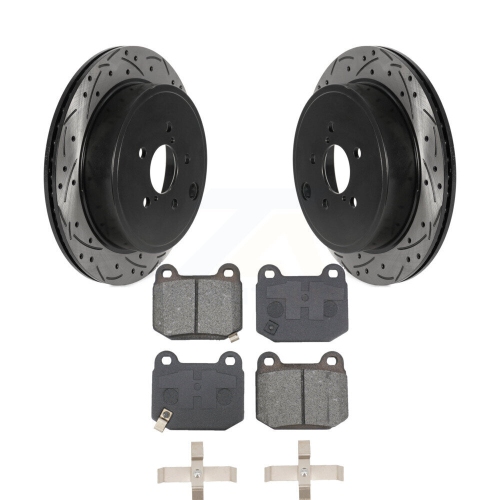
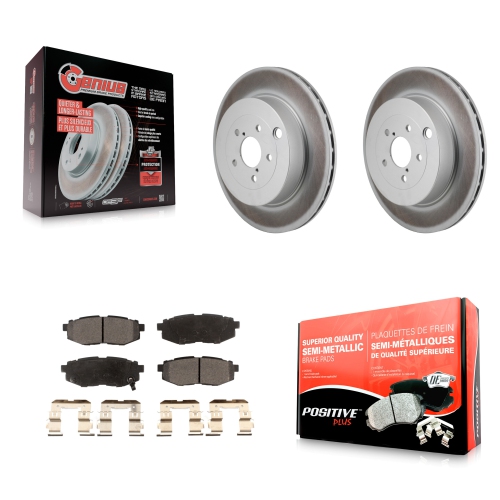
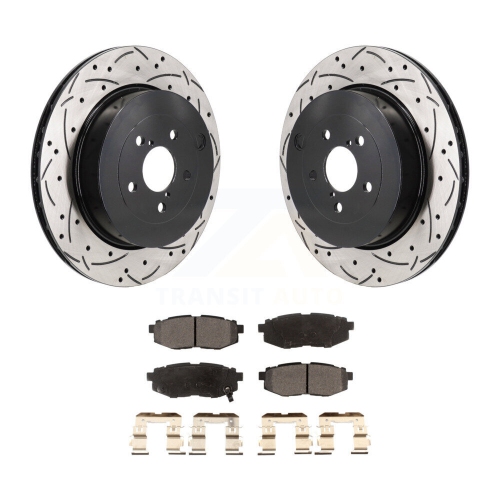
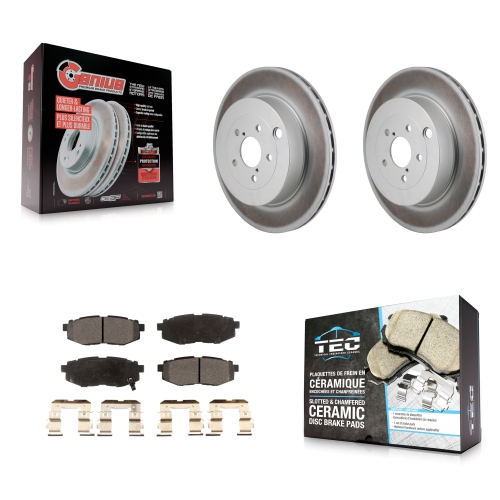
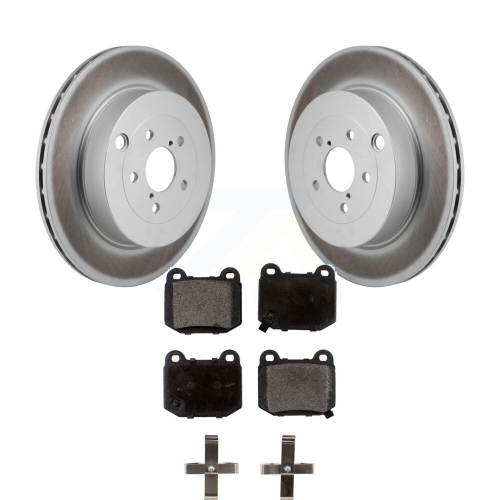
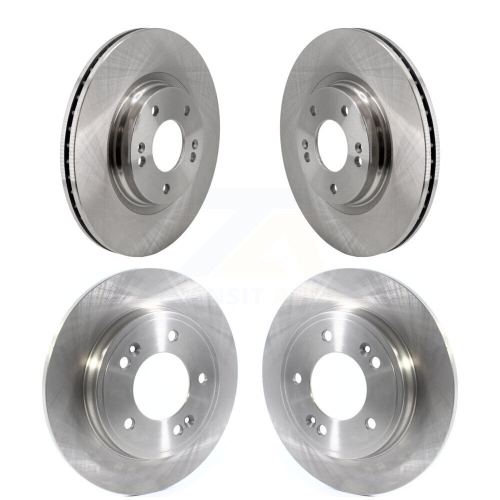

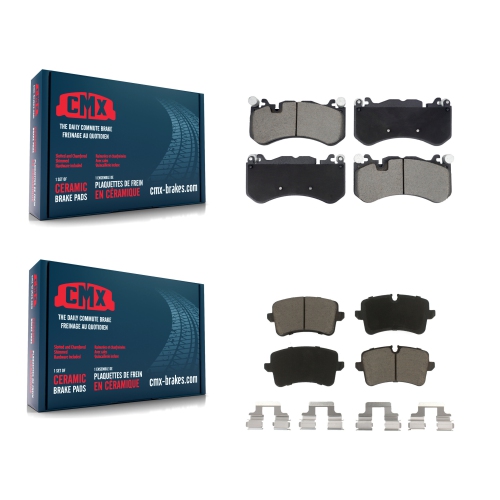
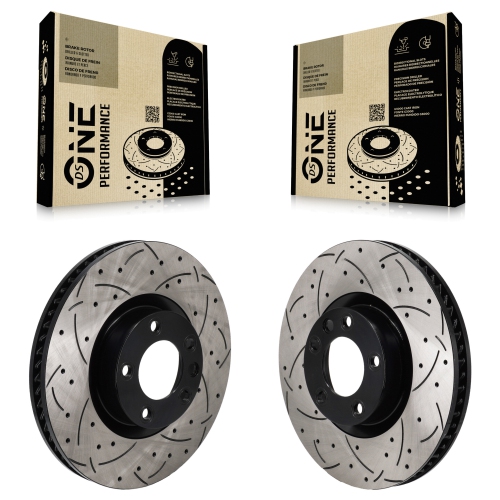
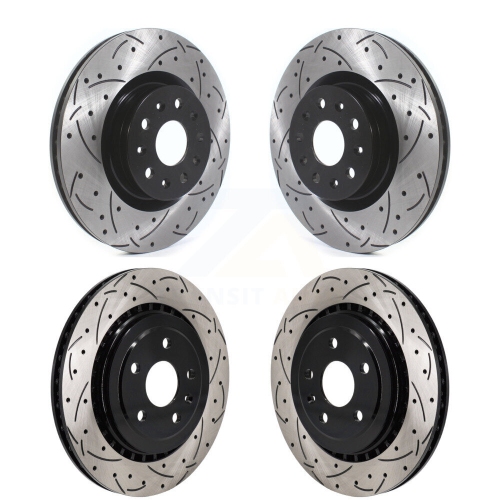
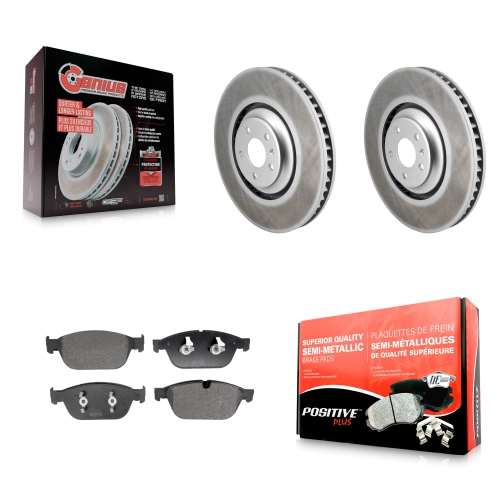
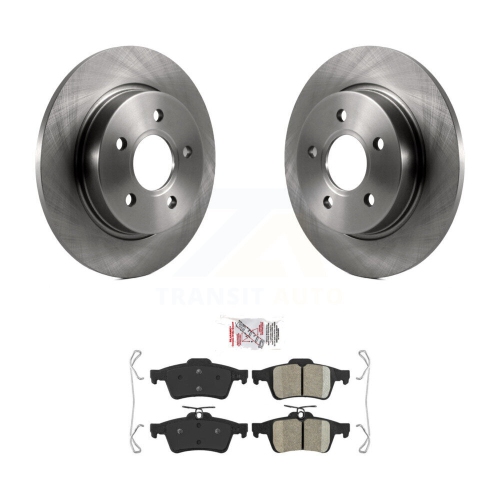
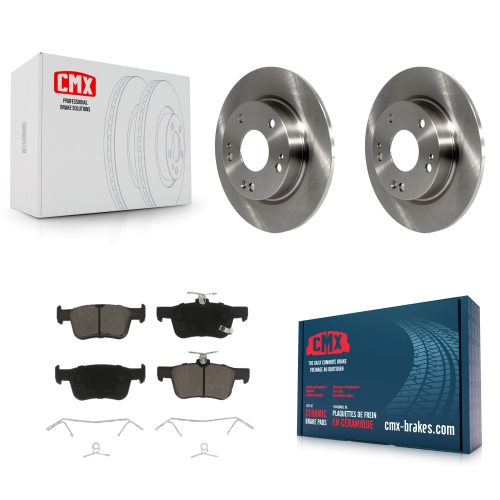
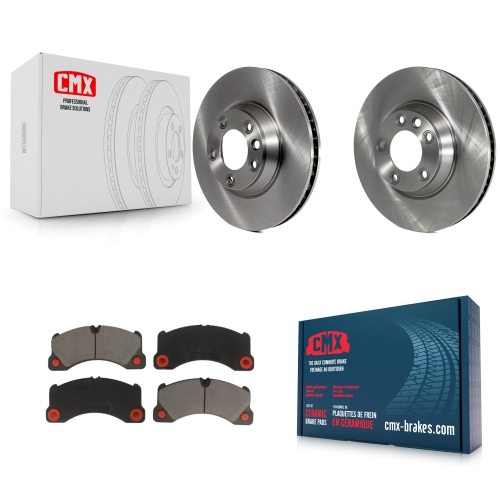
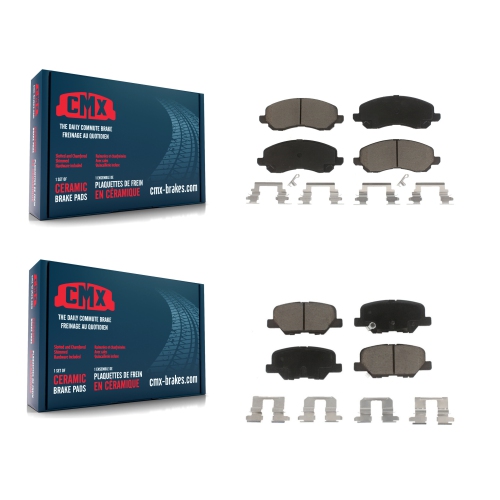
What to know about fitment, heat control, and installation
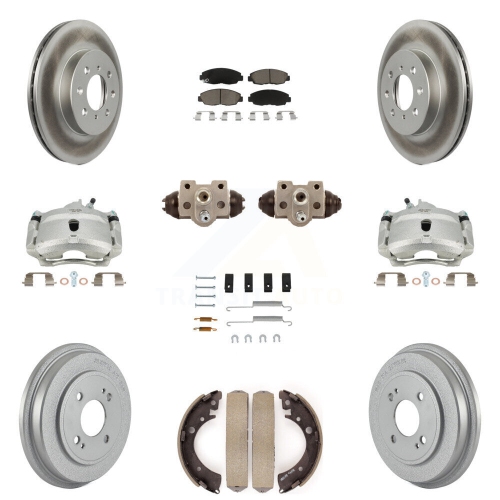
High performance brake kits are designed for drivers who need more consistent stopping power, improved heat management, and dependable pedal response than a standard factory setup can provide. They are often chosen for performance cars, modified vehicles, towing-capable trucks, track-day builds, and daily drivers that regularly travel through demanding conditions. A complete kit may combine larger rotors, high-friction brake pads, upgraded calipers, mounting hardware, and other components matched to work as a system. Some options retain the vehicle’s original calipers while pairing them with performance-focused pads and slotted or drilled rotors. Others are big brake kits that replace the full corner assembly with larger rotors and multi-piston calipers. The right configuration depends on the vehicle, wheel size, available clearance, driving habits, and the kind of braking performance you want to achieve. Larger rotors provide more surface area and leverage, while multi-piston calipers can distribute clamping force more evenly across the pad. During repeated hard stops, these features help manage heat and can reduce brake fade, the gradual loss of braking response that may occur when components become excessively hot. High-friction pads can provide a sharper initial bite, although some compounds may produce more dust, noise, or wear than an everyday street pad. Slotted rotors can help refresh the pad surface during demanding use, while drilled designs may support heat dissipation and reduce weight, depending on the application. Rotor construction, vane design, pad material, and caliper size all influence how a kit behaves, so a higher advertised specification does not automatically make it the best match for every vehicle or driver.
Vehicle fitment should be the first consideration when comparing high performance brake kits. Confirm the exact year, make, model, trim, engine configuration, drive type, and axle position before ordering, since two versions of the same vehicle can use different rotor dimensions, caliper brackets, or brake line connections. Measure wheel diameter and check spoke shape, offset, and inner-barrel clearance as well as the wheel size listed on the sidewall. A large brake kit may require larger wheels or a particular spoke profile even when the wheel diameter appears suitable. It is also important to consider the intended balance between the front and rear braking systems. Upgrading only one axle can affect brake bias, electronic safety systems, and pedal feel, so the kit should be compatible with the vehicle’s ABS, traction control, and other factory controls. Drivers who spend most of their time commuting may prefer a kit that offers smooth engagement, low noise, and predictable performance across a wide range of temperatures. Drivers who tow, carry heavy loads, navigate steep roads, or attend occasional track events may place more emphasis on thermal capacity, fade resistance, and durable hardware. A kit intended for competition use may require more frequent inspection and may not be ideal for quiet, comfortable street driving. Weather and road conditions also matter during the cooler months, when damp surfaces, road salt, and fluctuating temperatures can affect braking components and stopping feel. Coated or plated hardware may offer added resistance to surface corrosion, but all brake parts still require regular cleaning and inspection. For a less extensive upgrade that focuses on rotor and pad performance, compare compatible Brake Rotor Kits while confirming that the dimensions and friction materials suit your vehicle.
Installation quality is just as important as the components themselves. High performance brake kits should be installed by someone familiar with the vehicle’s braking system, especially when the package includes new calipers, custom brackets, performance fluid, or changes to the brake lines. After installation, the system may need to be bled carefully to remove air and restore a firm, consistent pedal. The rotor and pad surfaces also require a proper bedding procedure, which gradually transfers an even layer of pad material to the rotor. Following the manufacturer’s bedding instructions helps establish reliable friction and reduces the chance of uneven deposits, vibration, or premature wear. New brakes can feel different during the first few drives, and a short inspection after bedding can confirm that fasteners remain secure and that there are no fluid leaks or signs of rubbing. Drivers should pay attention to pulling, grinding, unusual vibration, a soft pedal, or a warning light, as these symptoms call for immediate inspection rather than continued driving. High performance brakes are not a substitute for suitable tires, correct tire pressure, functioning suspension parts, or safe following distances; stopping performance depends on the complete vehicle and the road surface beneath it. They can, however, make a meaningful difference for a driver who wants more confidence on winding roads, a truck owner managing frequent loads, or an enthusiast preparing a vehicle for spirited driving. They can also be a thoughtful gift for someone restoring a performance vehicle or refining a weekend project, provided the recipient’s exact vehicle details and wheel specifications are known. From the first firm pedal press on a cool morning to repeated braking on a long downhill route, the best-matched kit delivers controlled, repeatable performance without compromising everyday drivability.
Vehicle fitment should be the first consideration when comparing high performance brake kits. Confirm the exact year, make, model, trim, engine configuration, drive type, and axle position before ordering, since two versions of the same vehicle can use different rotor dimensions, caliper brackets, or brake line connections. Measure wheel diameter and check spoke shape, offset, and inner-barrel clearance as well as the wheel size listed on the sidewall. A large brake kit may require larger wheels or a particular spoke profile even when the wheel diameter appears suitable. It is also important to consider the intended balance between the front and rear braking systems. Upgrading only one axle can affect brake bias, electronic safety systems, and pedal feel, so the kit should be compatible with the vehicle’s ABS, traction control, and other factory controls. Drivers who spend most of their time commuting may prefer a kit that offers smooth engagement, low noise, and predictable performance across a wide range of temperatures. Drivers who tow, carry heavy loads, navigate steep roads, or attend occasional track events may place more emphasis on thermal capacity, fade resistance, and durable hardware. A kit intended for competition use may require more frequent inspection and may not be ideal for quiet, comfortable street driving. Weather and road conditions also matter during the cooler months, when damp surfaces, road salt, and fluctuating temperatures can affect braking components and stopping feel. Coated or plated hardware may offer added resistance to surface corrosion, but all brake parts still require regular cleaning and inspection. For a less extensive upgrade that focuses on rotor and pad performance, compare compatible Brake Rotor Kits while confirming that the dimensions and friction materials suit your vehicle.
Installation quality is just as important as the components themselves. High performance brake kits should be installed by someone familiar with the vehicle’s braking system, especially when the package includes new calipers, custom brackets, performance fluid, or changes to the brake lines. After installation, the system may need to be bled carefully to remove air and restore a firm, consistent pedal. The rotor and pad surfaces also require a proper bedding procedure, which gradually transfers an even layer of pad material to the rotor. Following the manufacturer’s bedding instructions helps establish reliable friction and reduces the chance of uneven deposits, vibration, or premature wear. New brakes can feel different during the first few drives, and a short inspection after bedding can confirm that fasteners remain secure and that there are no fluid leaks or signs of rubbing. Drivers should pay attention to pulling, grinding, unusual vibration, a soft pedal, or a warning light, as these symptoms call for immediate inspection rather than continued driving. High performance brakes are not a substitute for suitable tires, correct tire pressure, functioning suspension parts, or safe following distances; stopping performance depends on the complete vehicle and the road surface beneath it. They can, however, make a meaningful difference for a driver who wants more confidence on winding roads, a truck owner managing frequent loads, or an enthusiast preparing a vehicle for spirited driving. They can also be a thoughtful gift for someone restoring a performance vehicle or refining a weekend project, provided the recipient’s exact vehicle details and wheel specifications are known. From the first firm pedal press on a cool morning to repeated braking on a long downhill route, the best-matched kit delivers controlled, repeatable performance without compromising everyday drivability.
Top selling and popular products
-
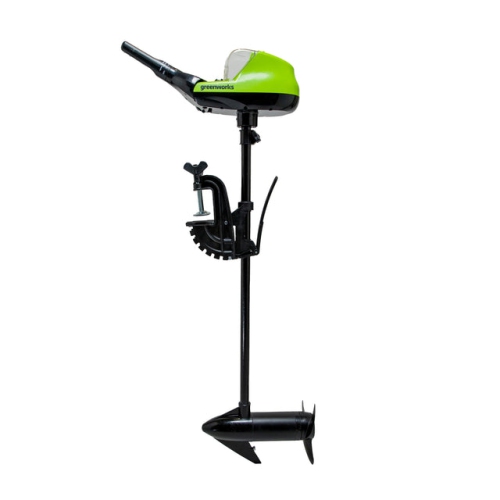 Your price for this item is $360
 -
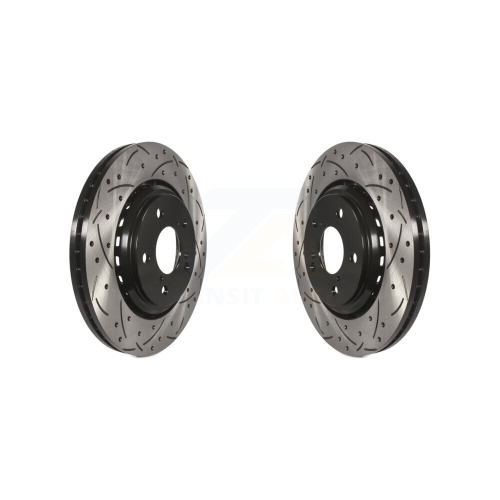 Your price for this item is $167.55
 -
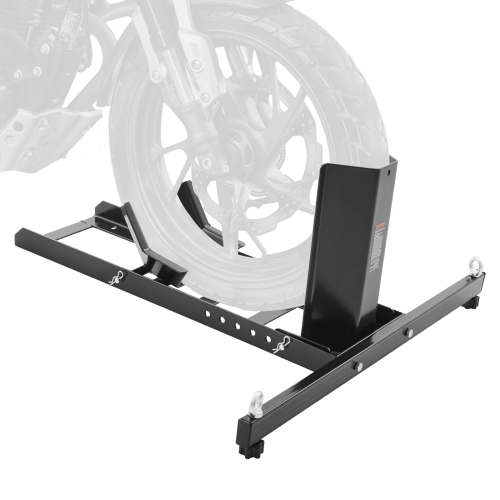 Your price for this item is $93.9
 -
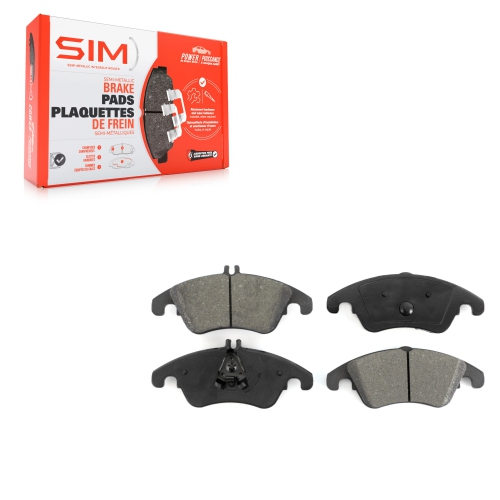 Your price for this item is $55.47
 -
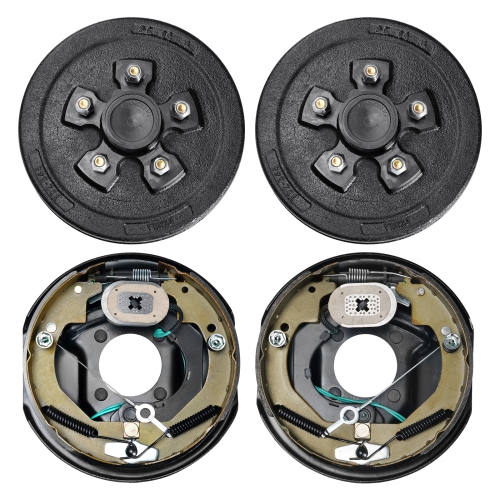 Your price for this item is $243.99
 -
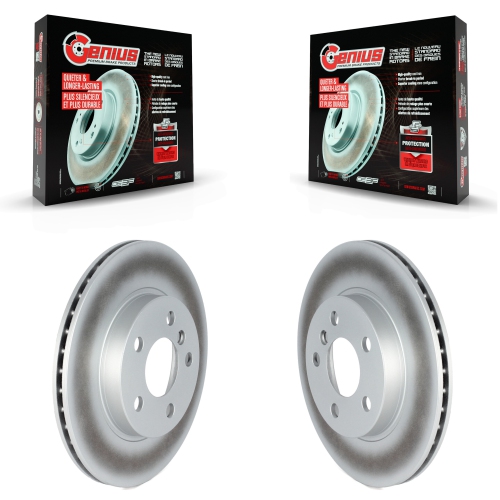 Your price for this item is $94.79
 -
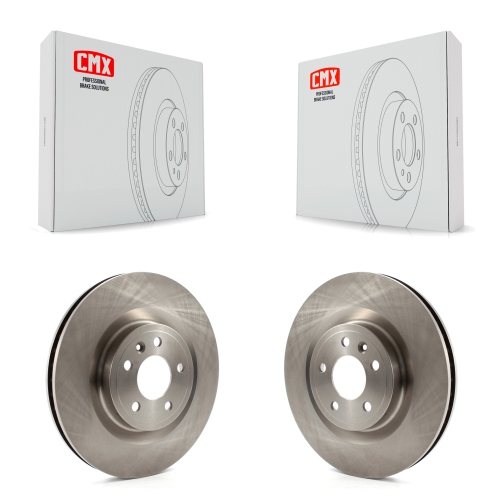 Your price for this item is $131.34
 -
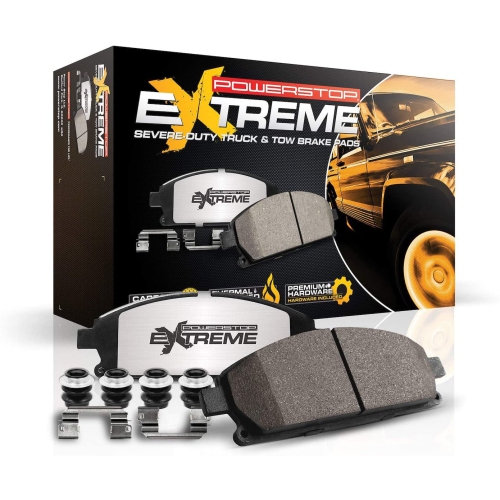 Your price for this item is $109.38
Discover more categories related to High Performance Brake Kits
Top Collections:
Pokemon Centers, Kindle Devices, Best Budget Office Chairs, Apple iPhones 16, Best Laptops for Writers, iPhone 15 Apple, Canon G7X Cameras, Refurbished Apple Laptops, Alarm Clock, Motorola Razr Phones
Some products may be subject to Environmental Handling Fees
(EHF) depending on your province.
Learn more about EHFs.