Brake Kits
Upgrade your vehicle's braking performance with our selection of high-quality brake kits. Whether you're looking to improve stopping power, reduce brake fade, or simply replace worn-out components, we have the perfect solution for you. From complete brake kit packages to individual components like rotors, pads, and calipers, we offer a wide range of options to suit your specific needs. Browse our collection of brake kits to find the perfect fit for your car or truck and enjoy safer driving experiences on the road.
Sort
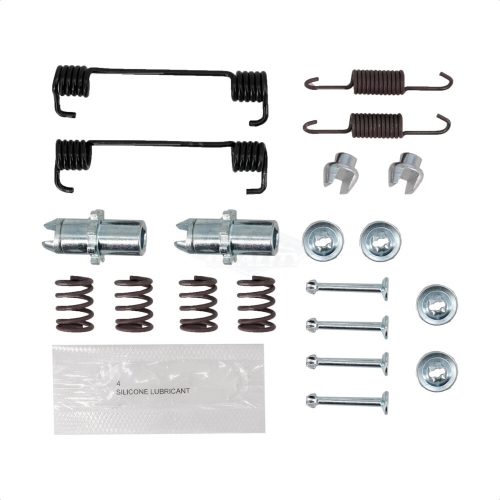
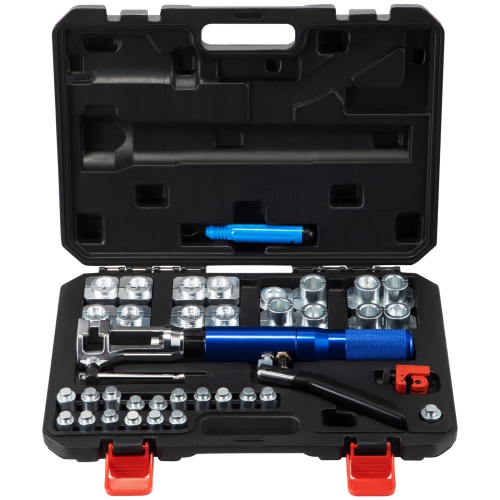
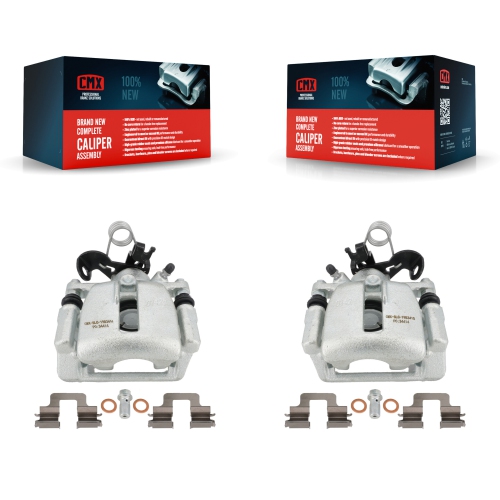
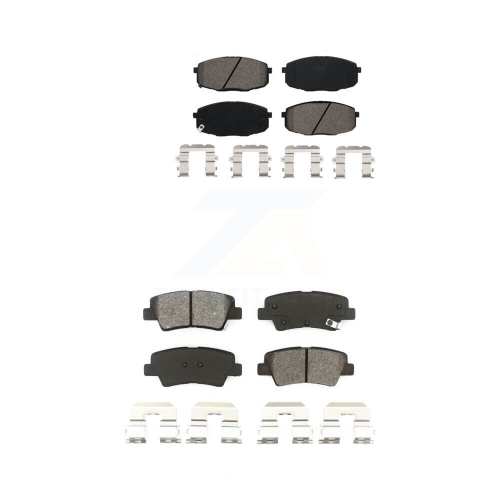
Why brake compatibility goes beyond your vehicle’s model
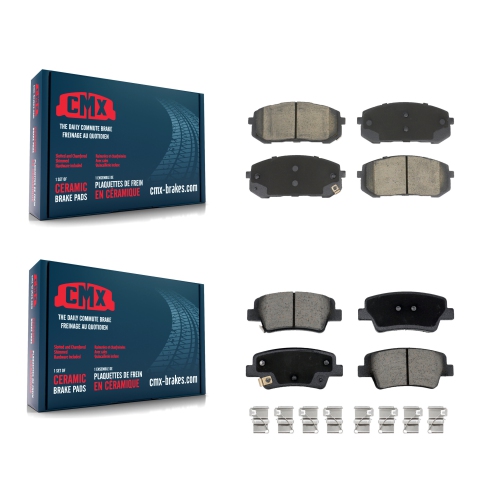
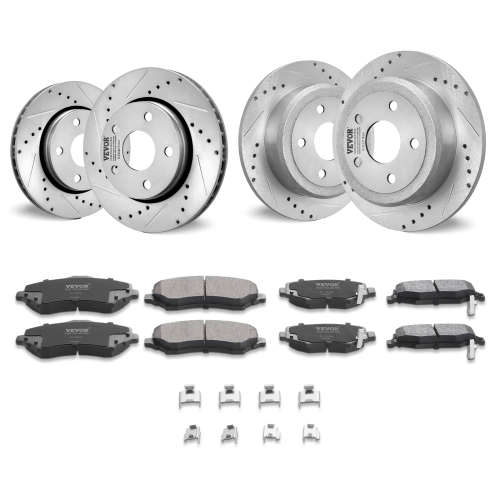
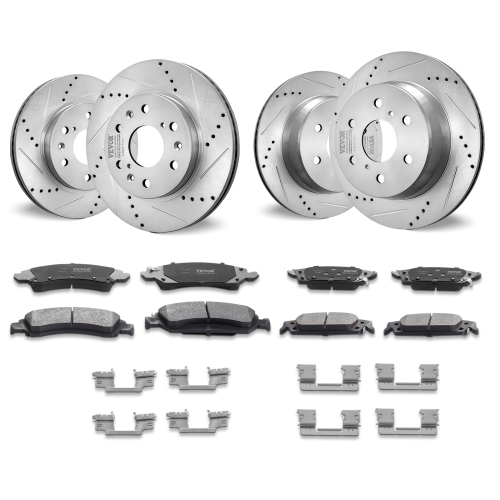
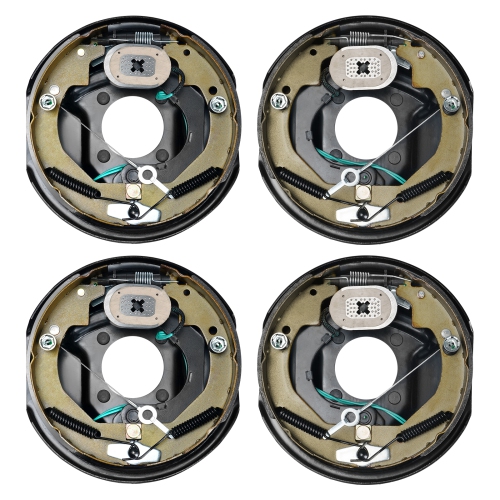
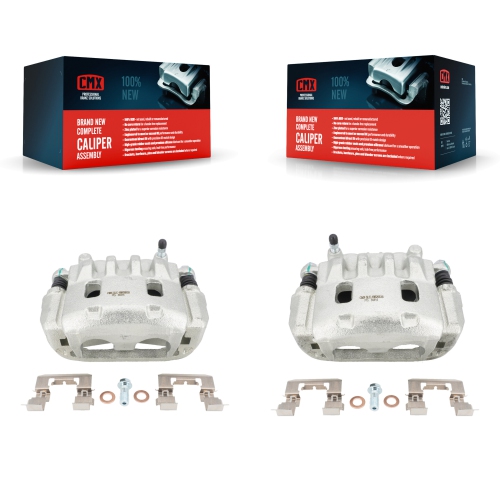
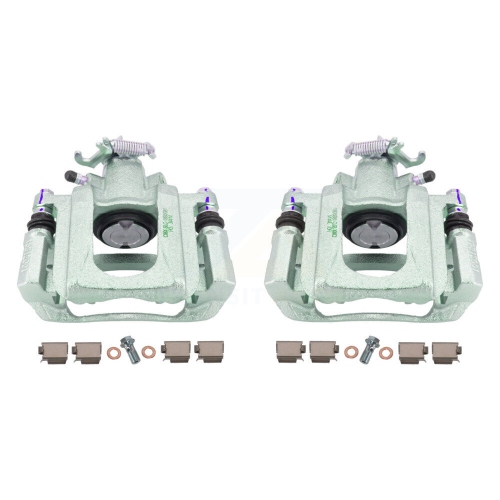
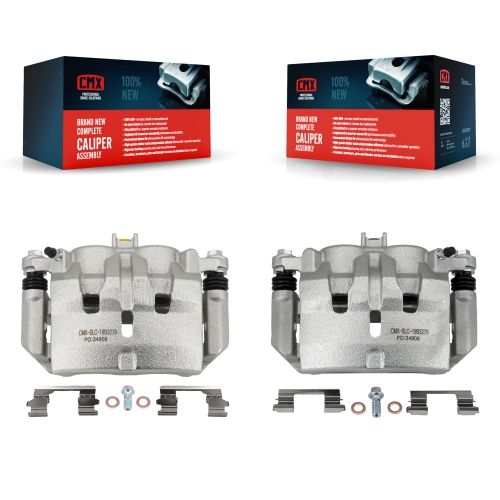
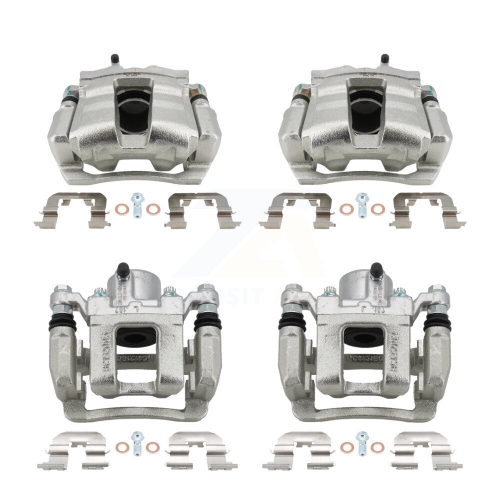
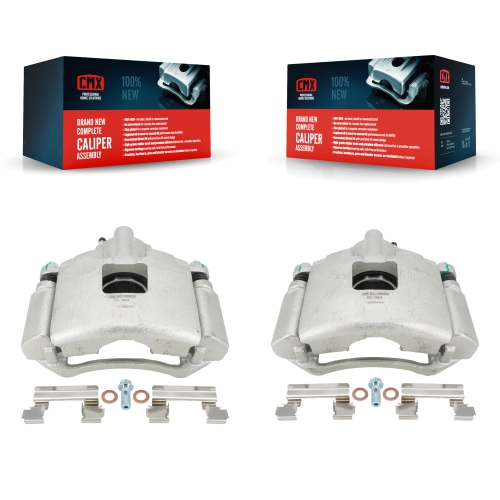
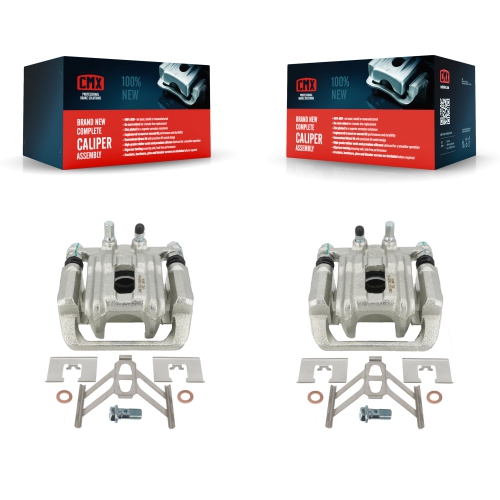
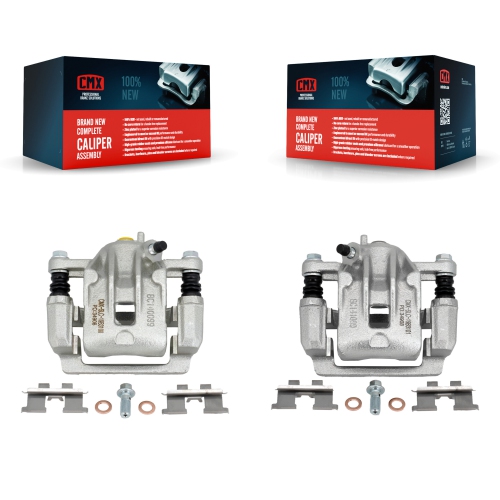
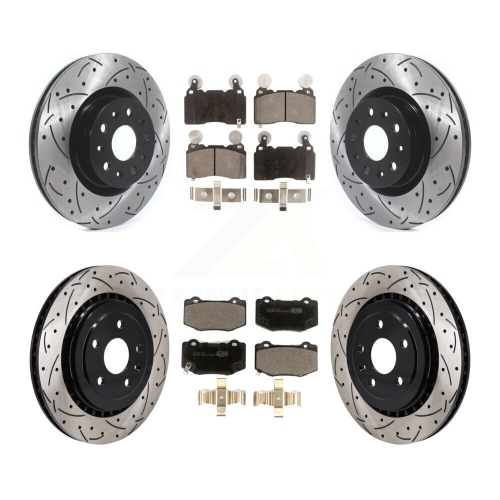
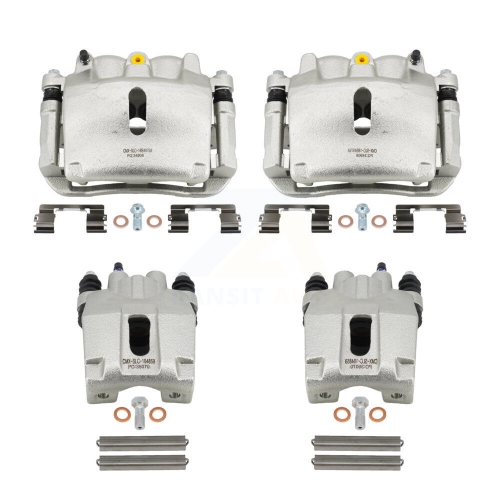
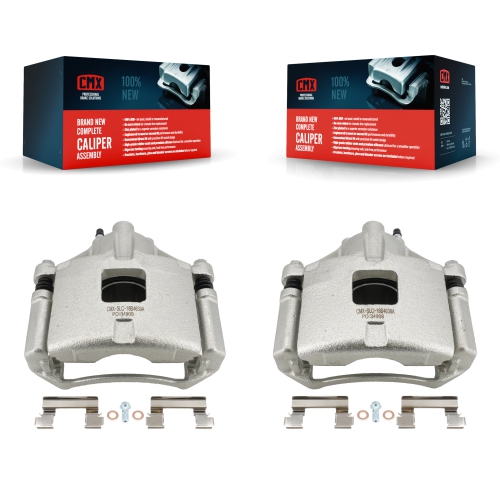
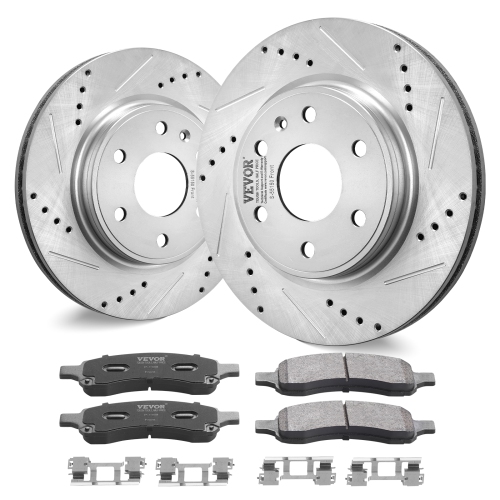
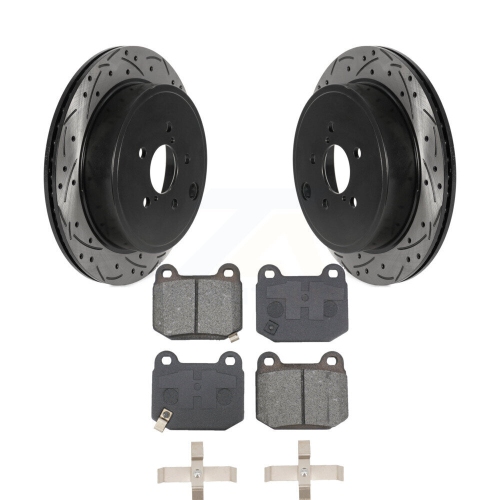
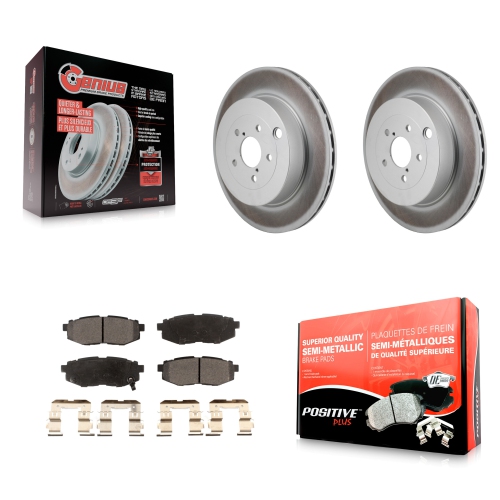
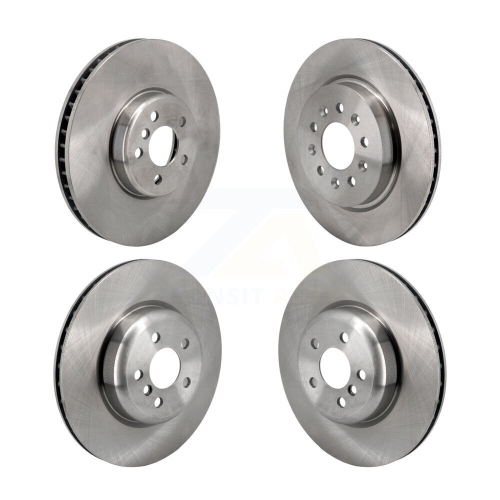
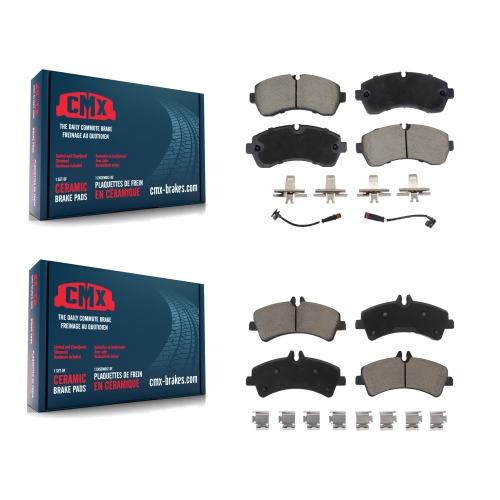
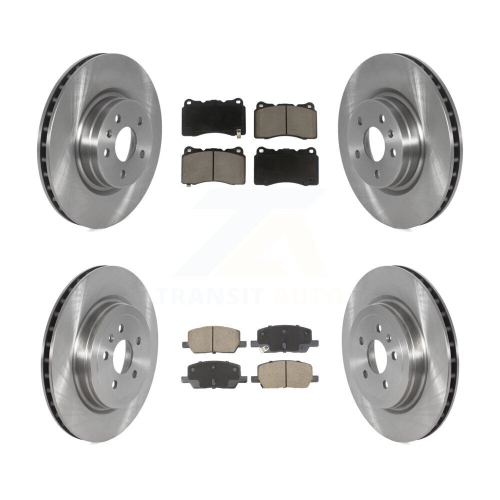
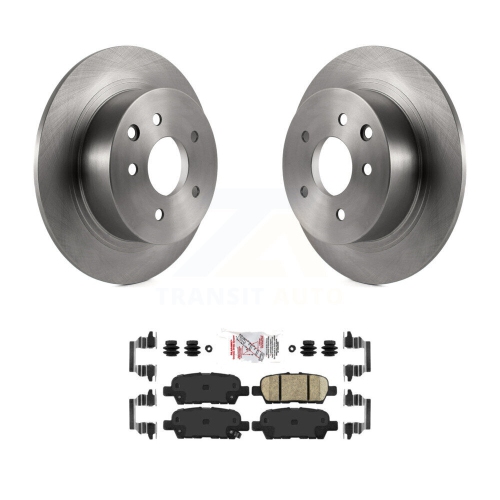
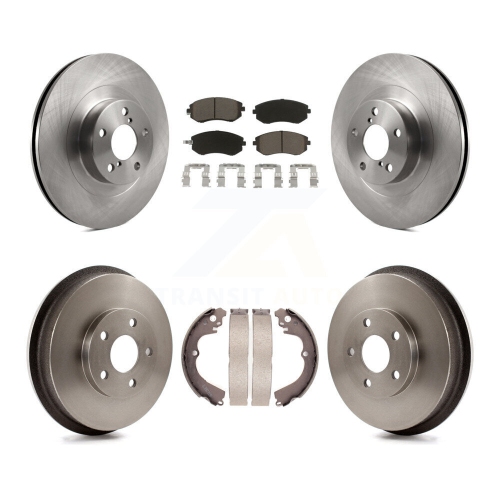
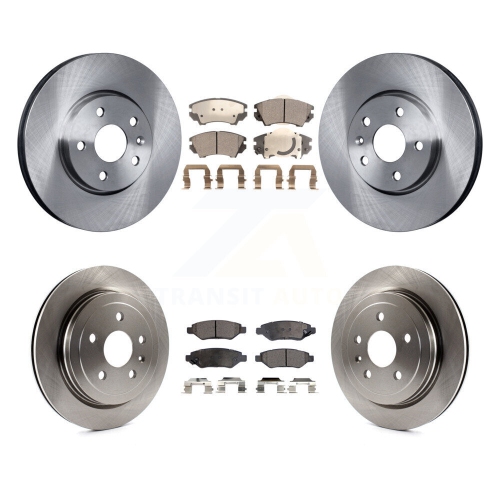
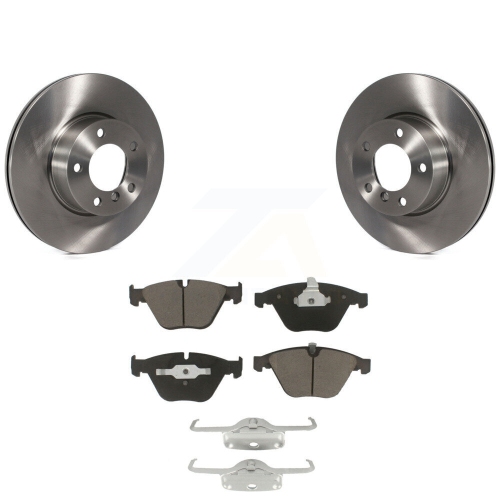
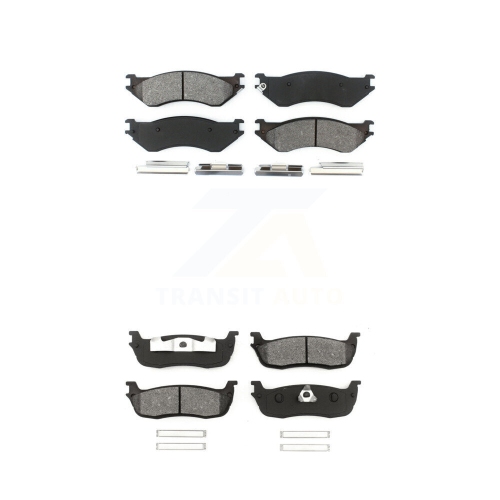
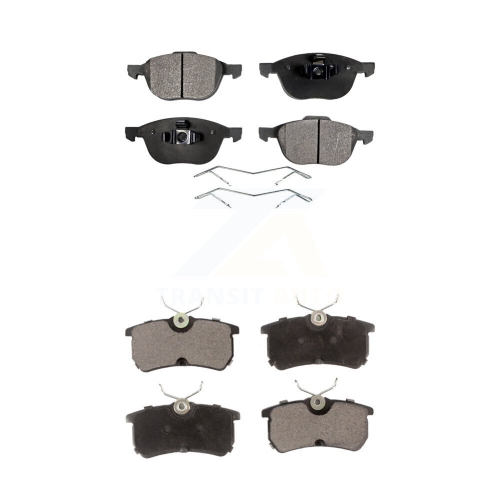
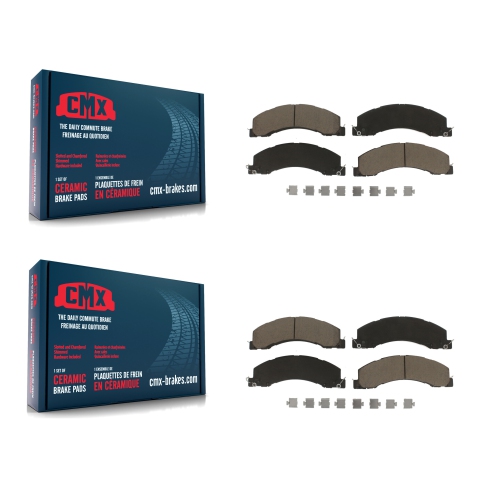
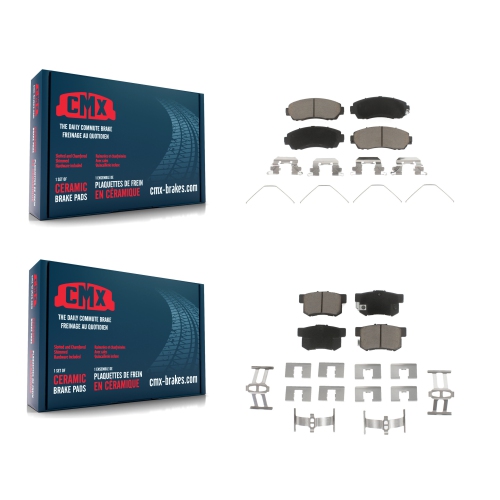
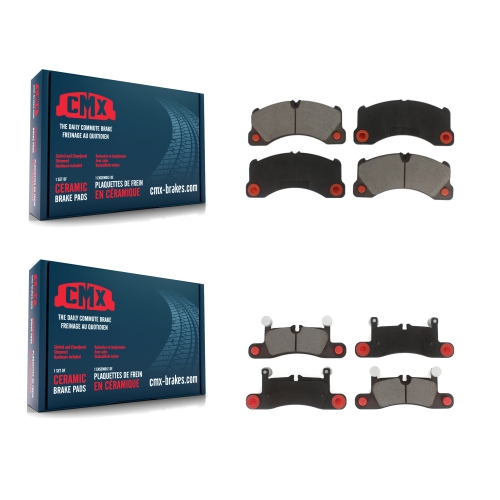
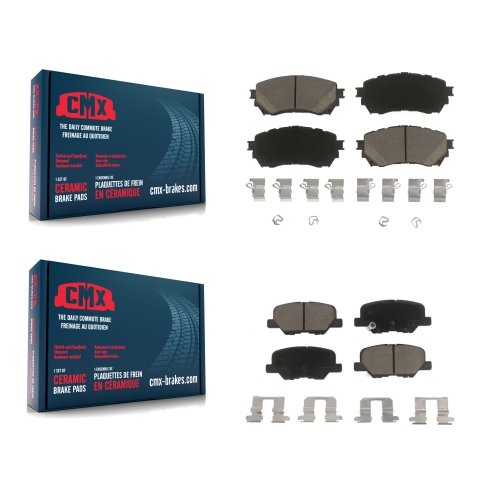
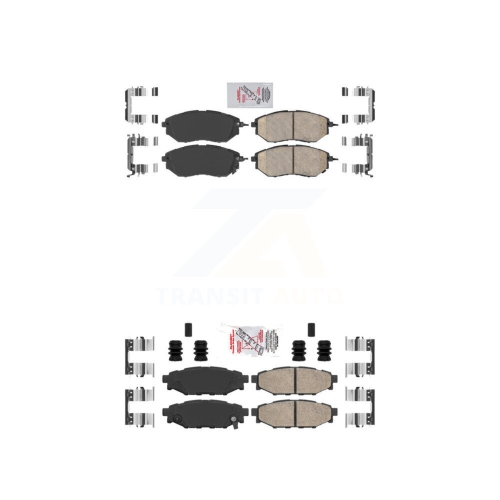
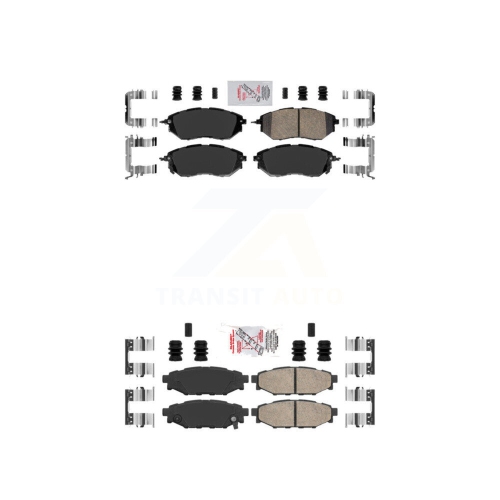
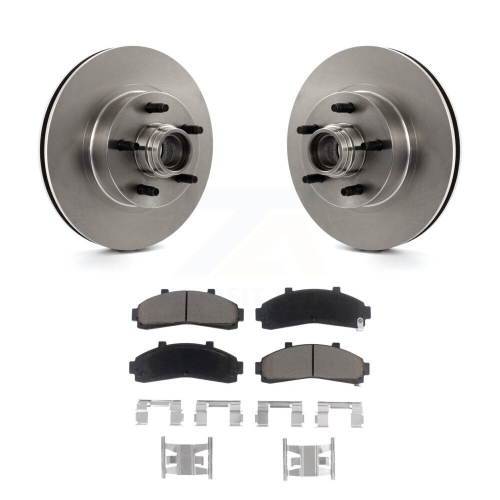
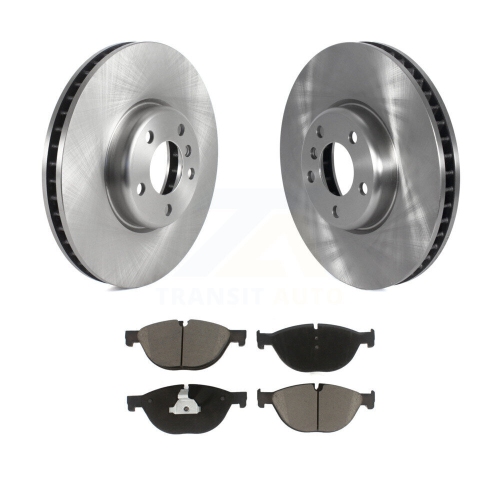
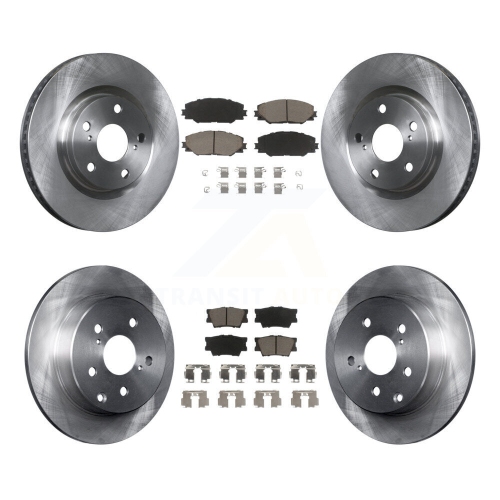
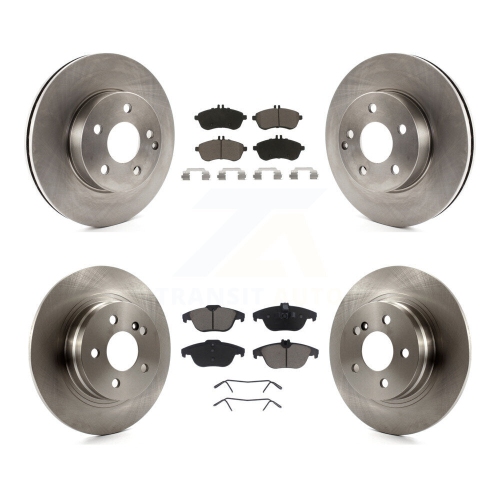
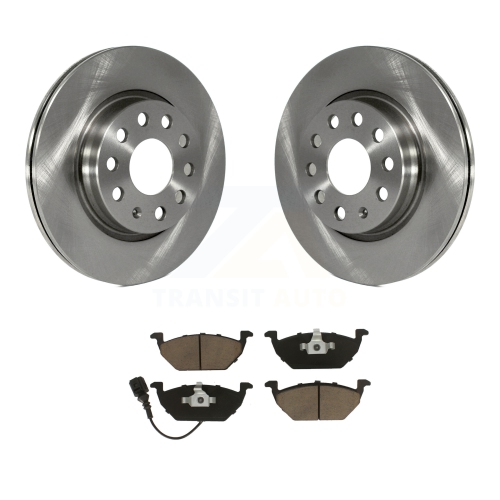
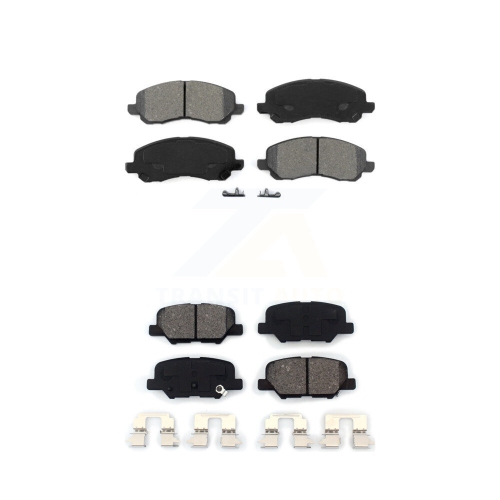
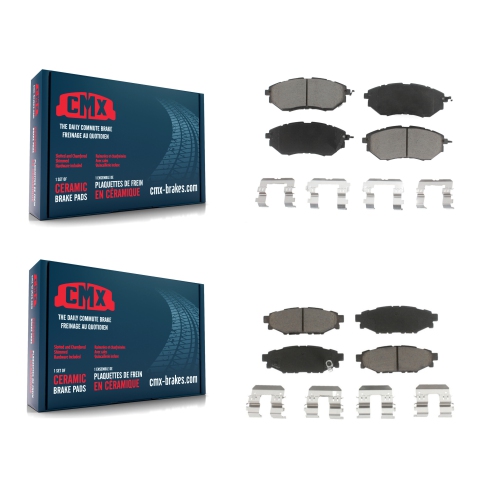
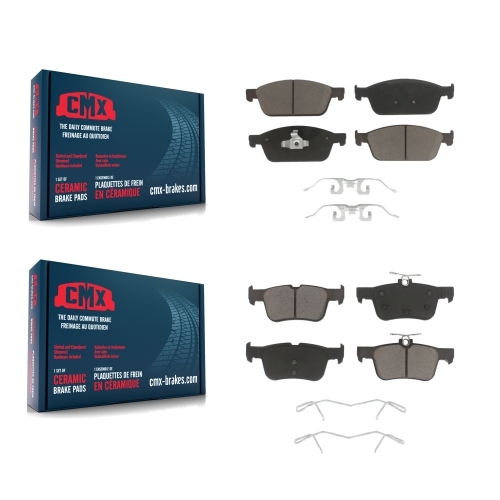
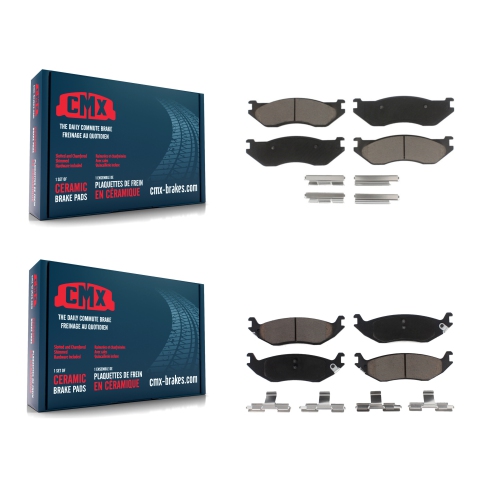
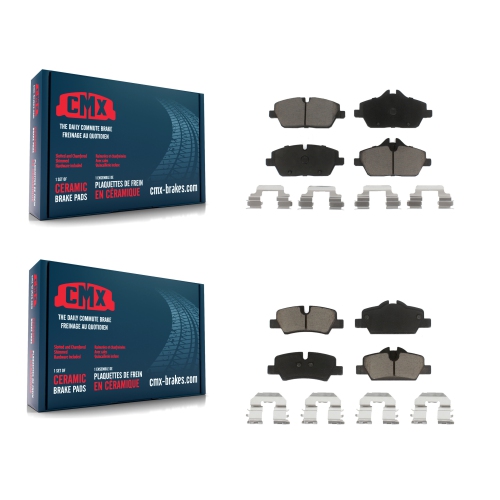
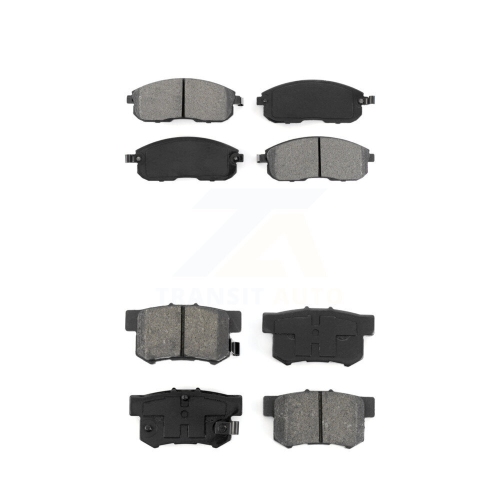
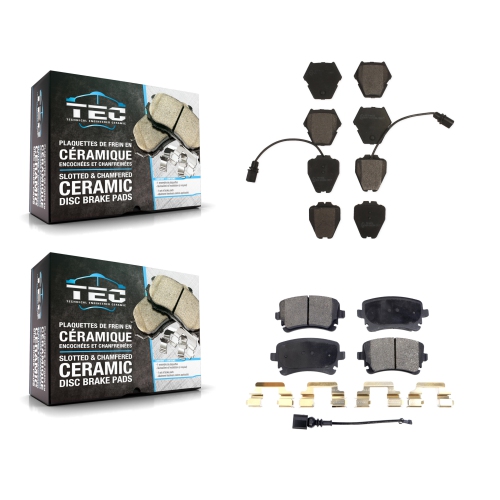
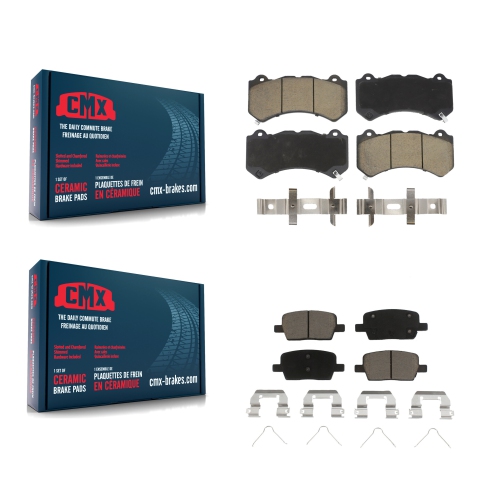
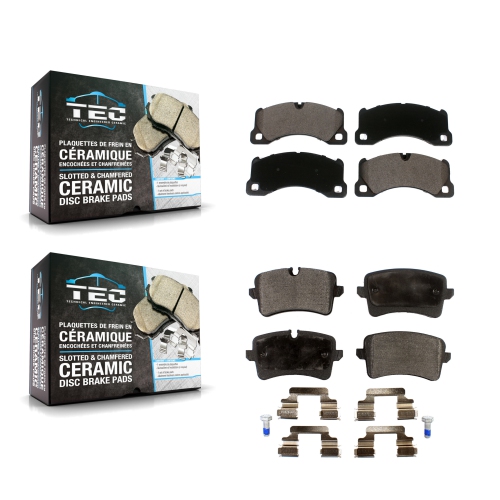
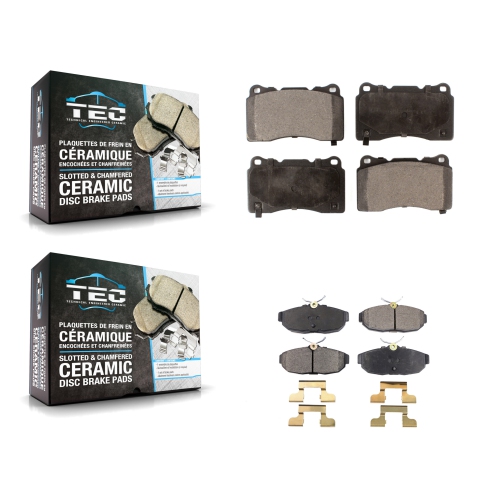
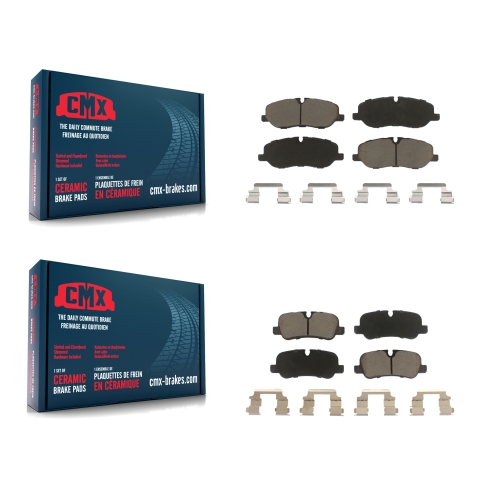
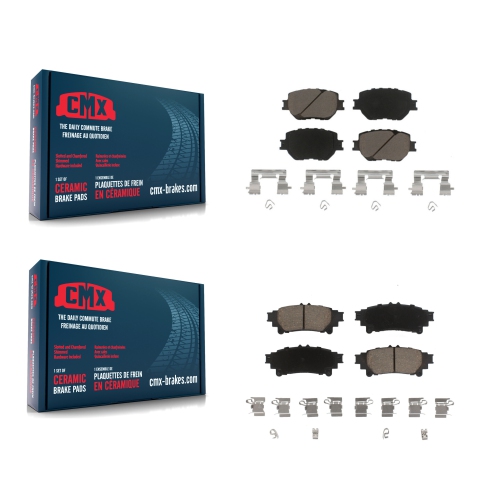
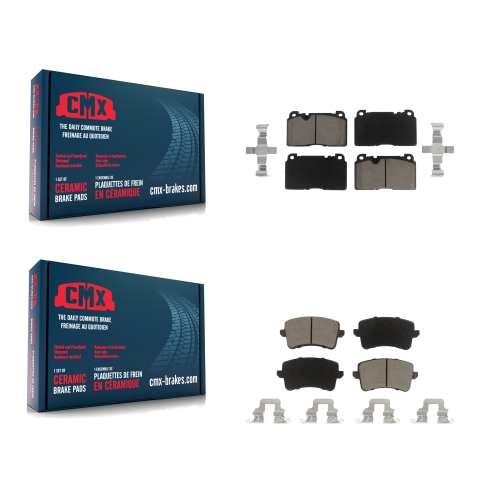
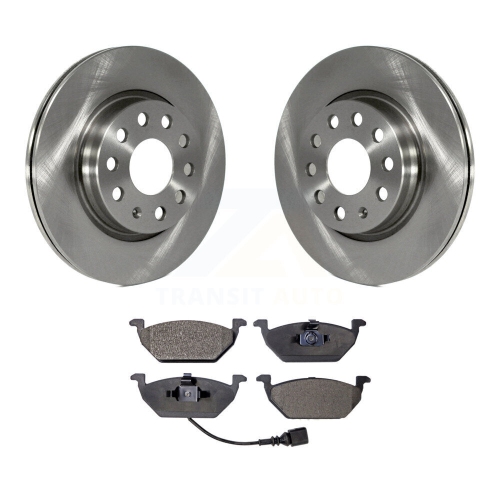
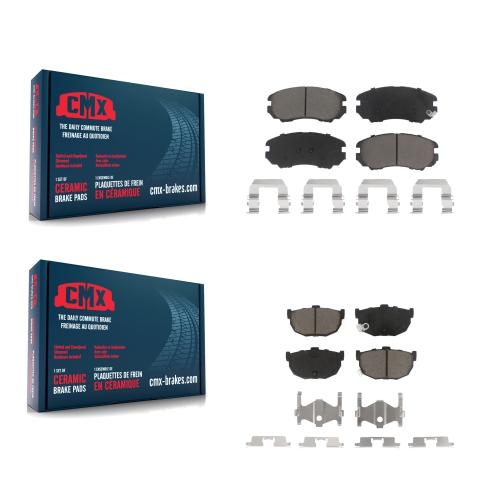
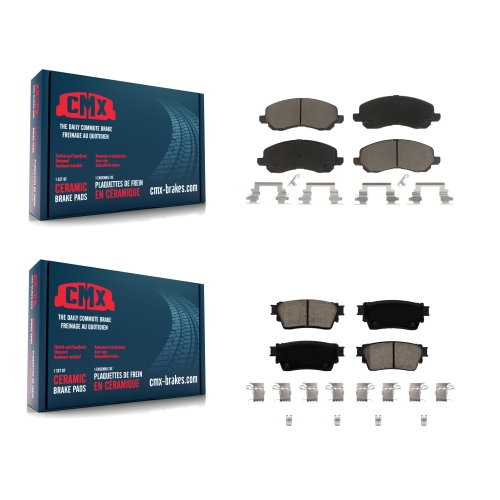
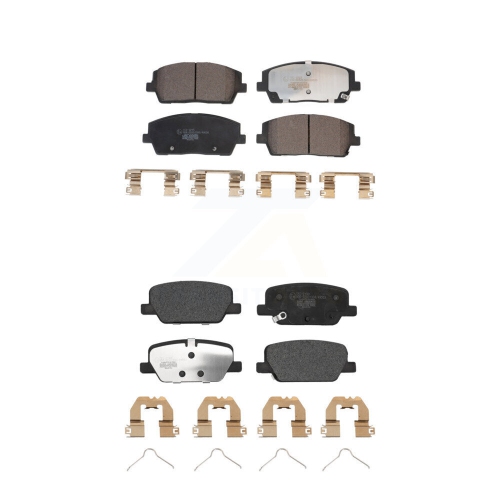
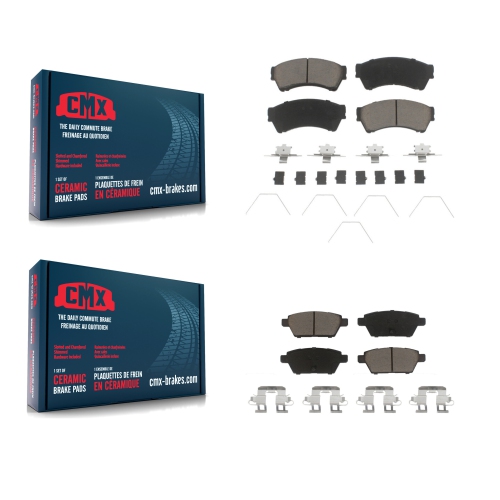
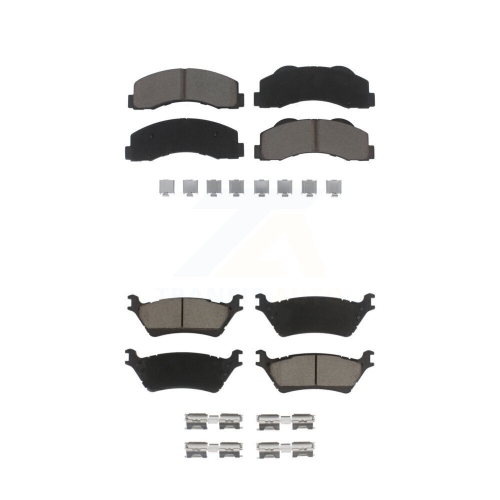
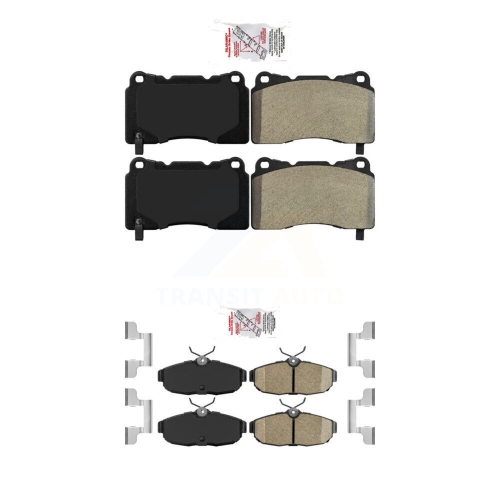
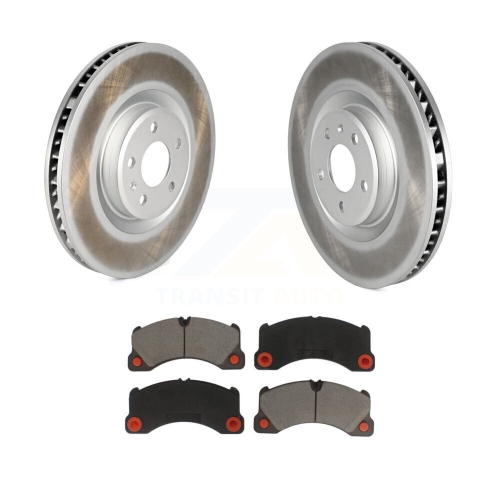
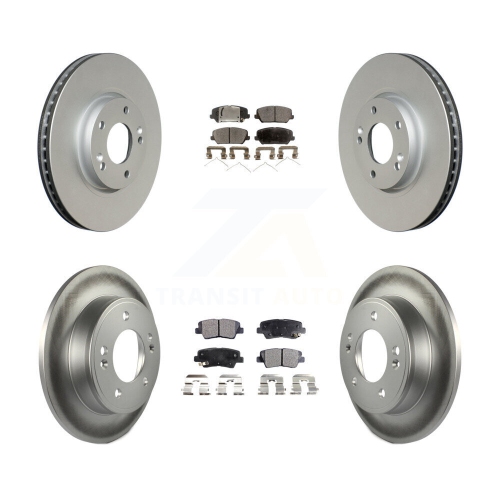
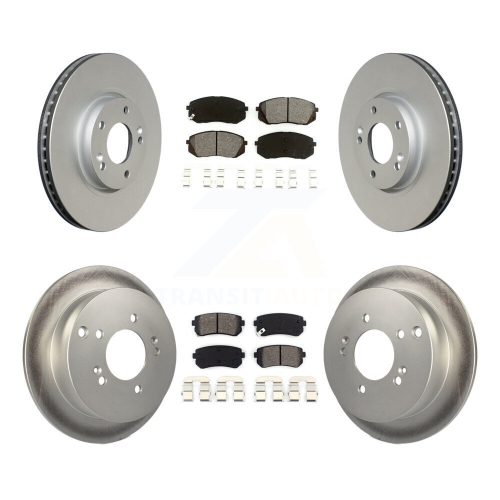
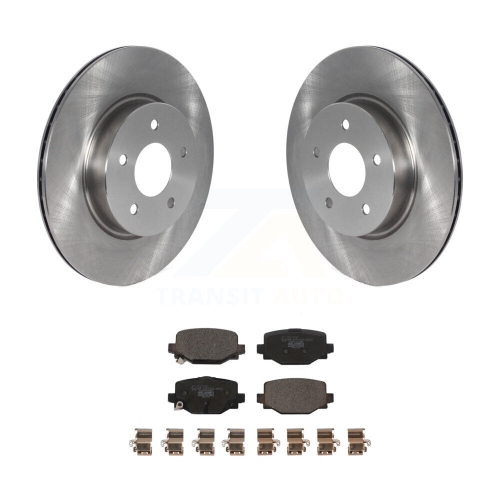
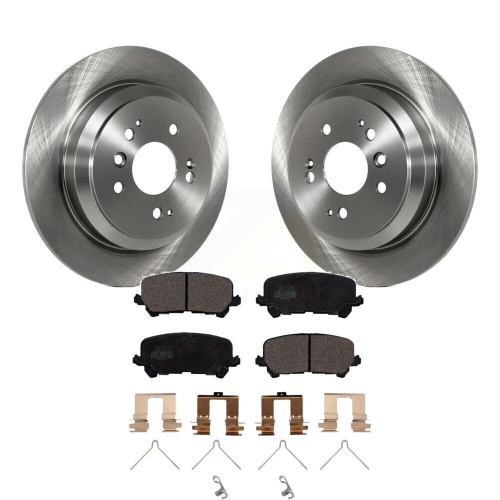
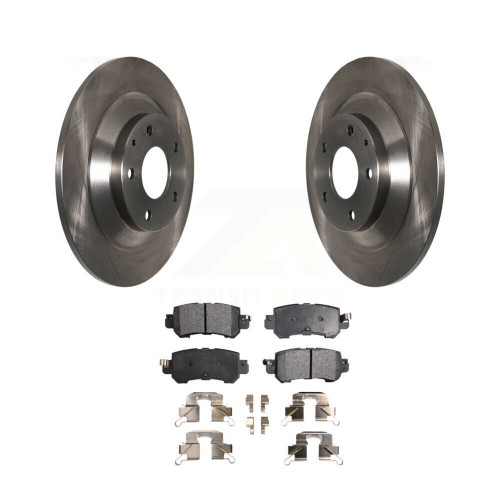
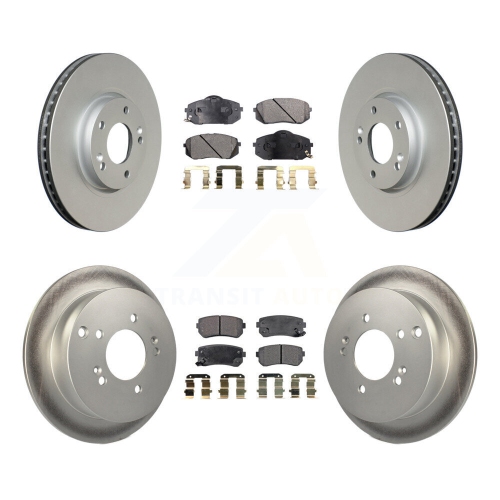
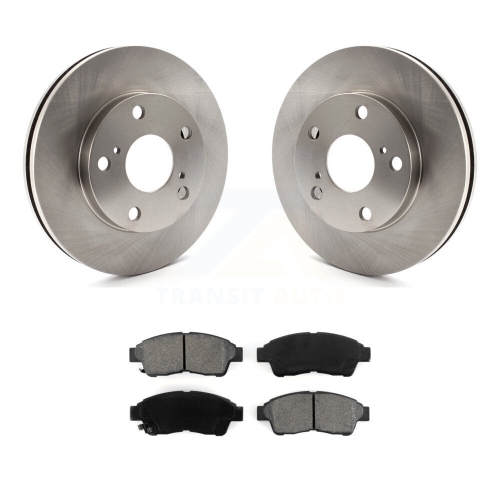
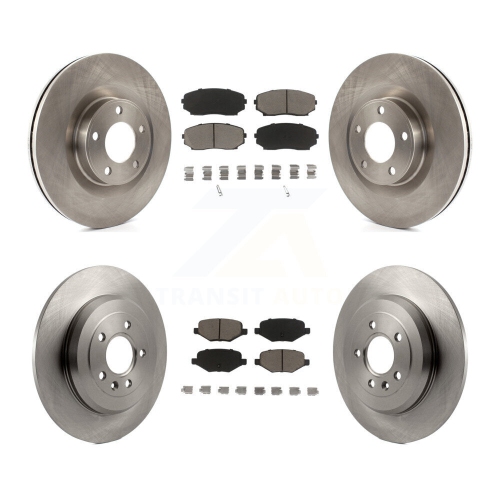
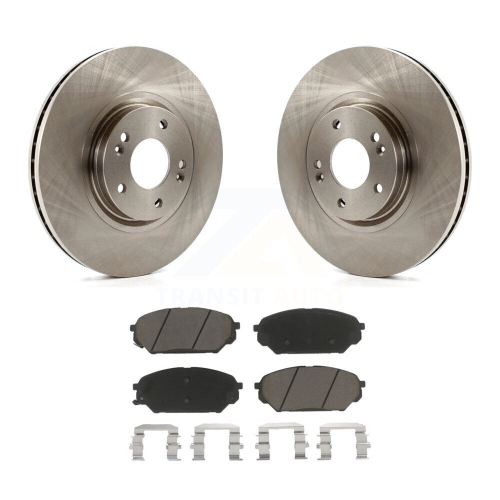
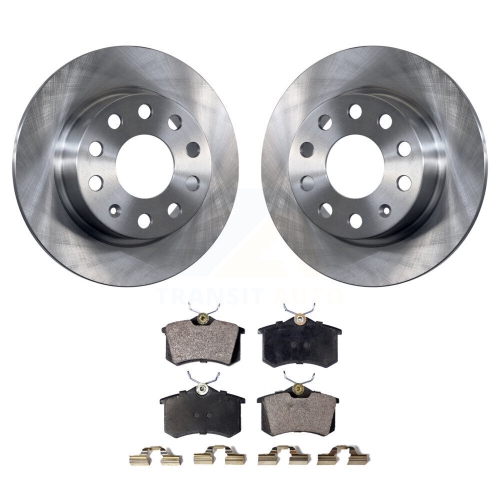
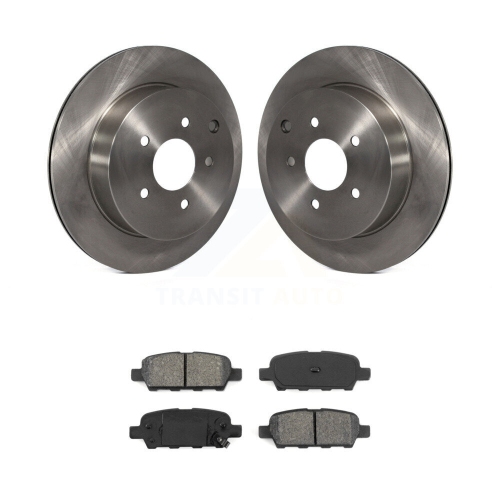
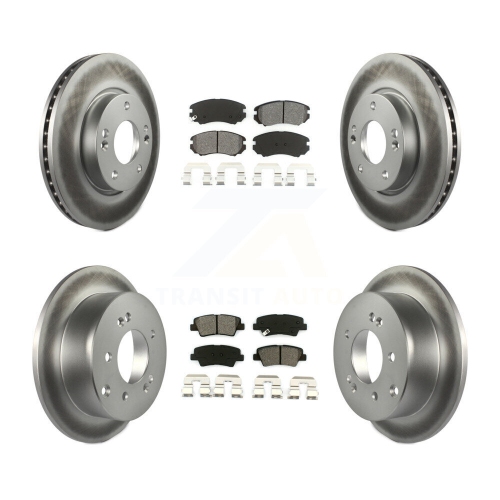
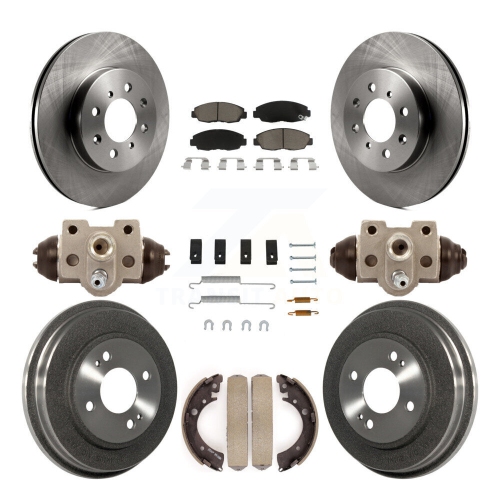
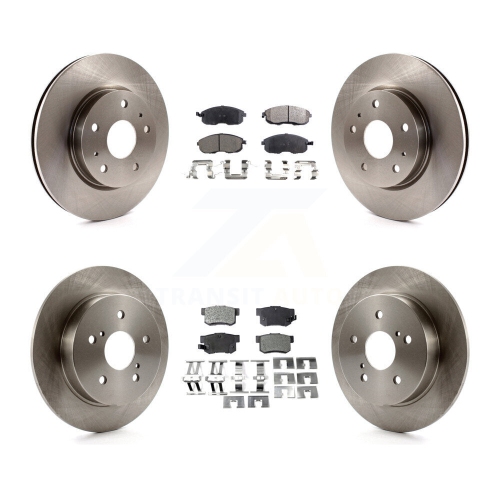
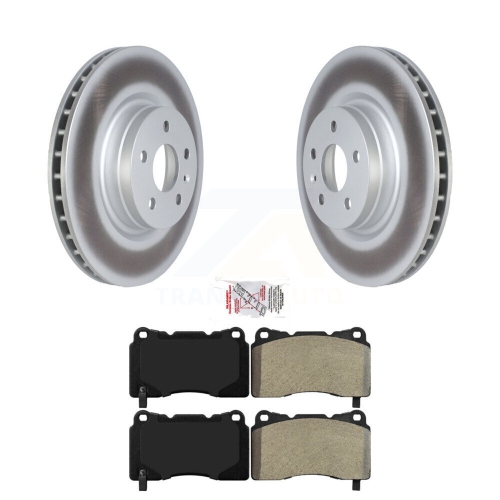
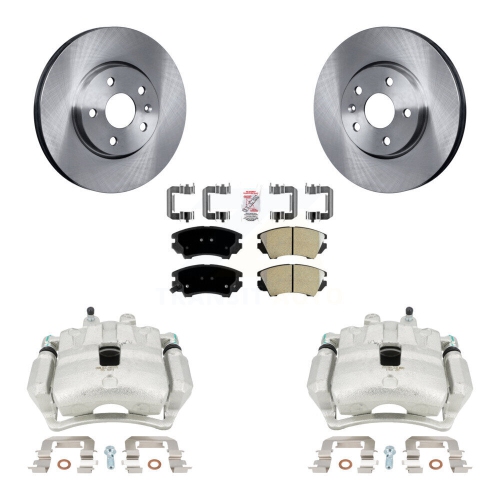
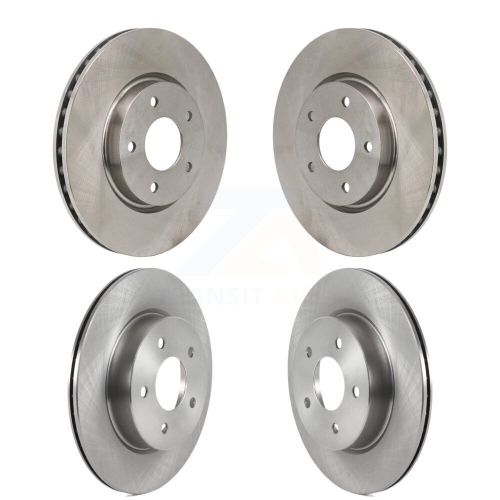
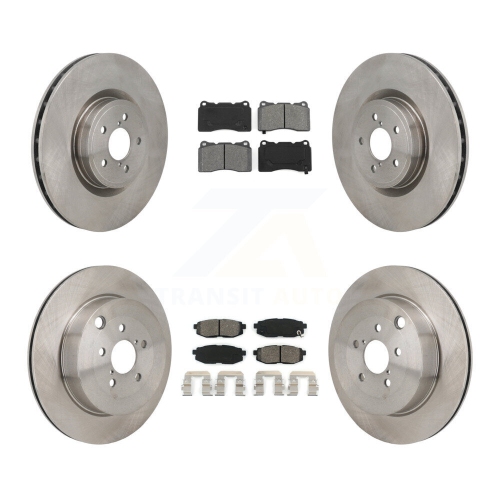
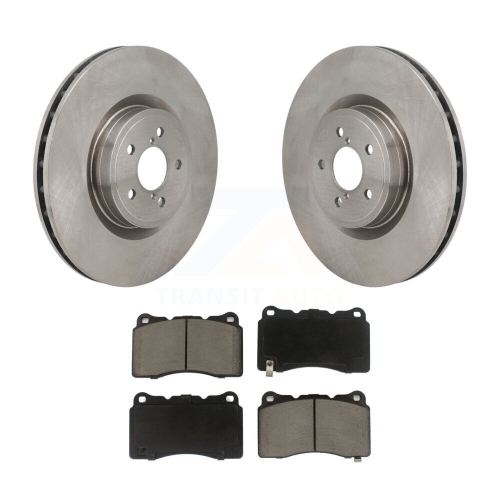
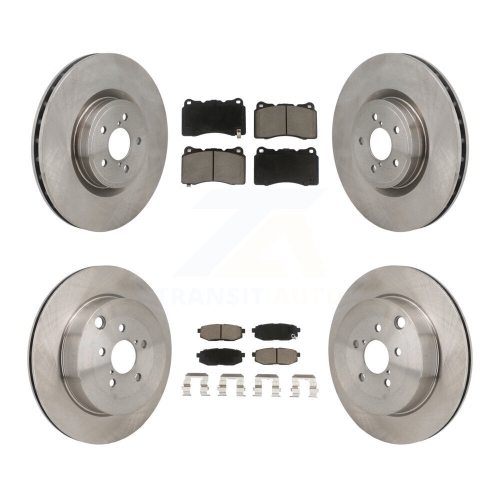
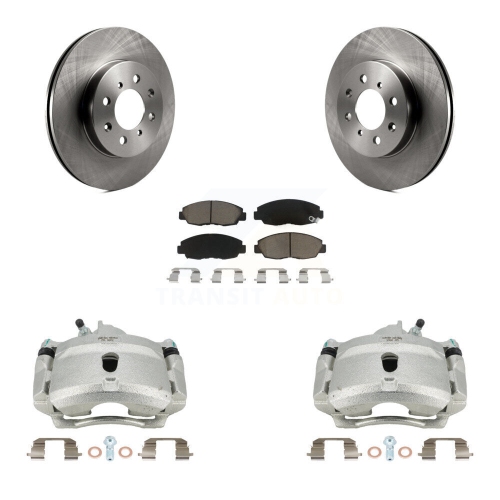
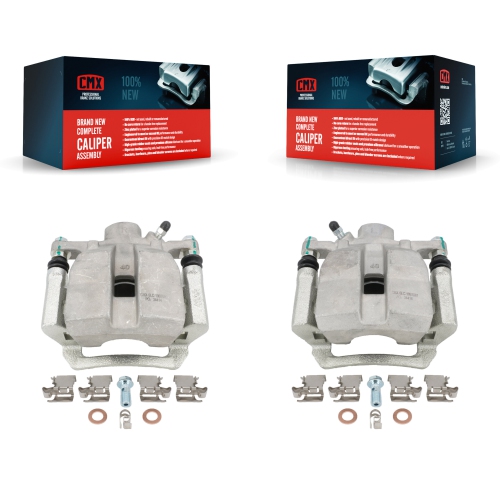
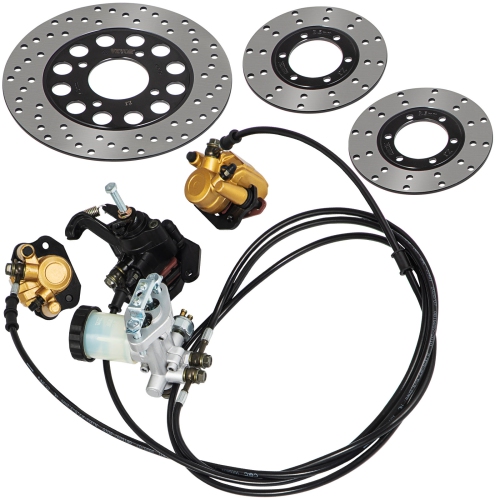
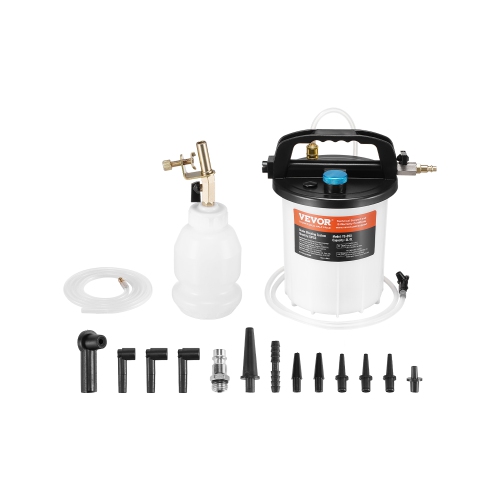
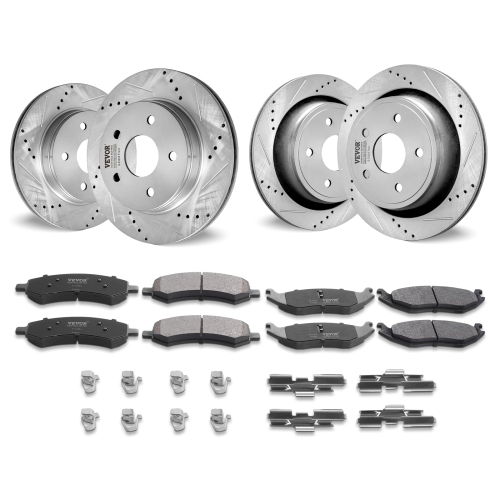
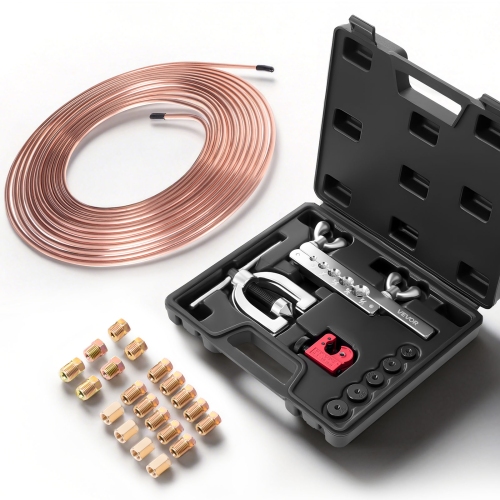
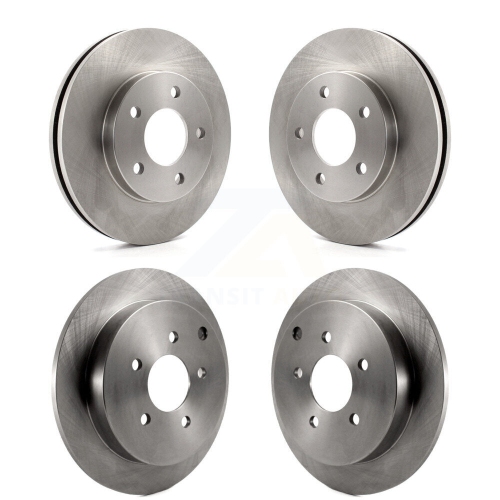
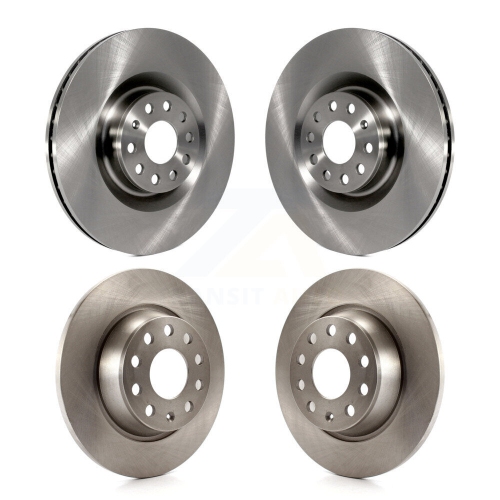
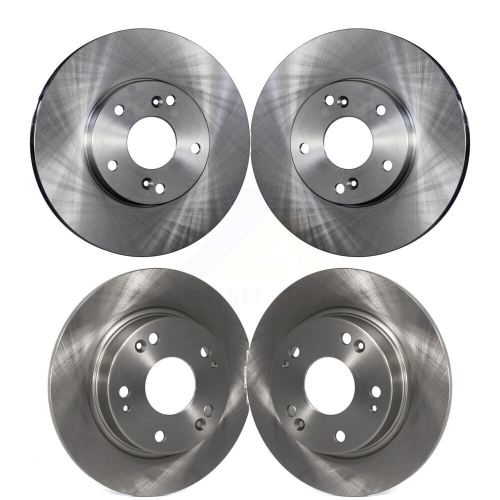
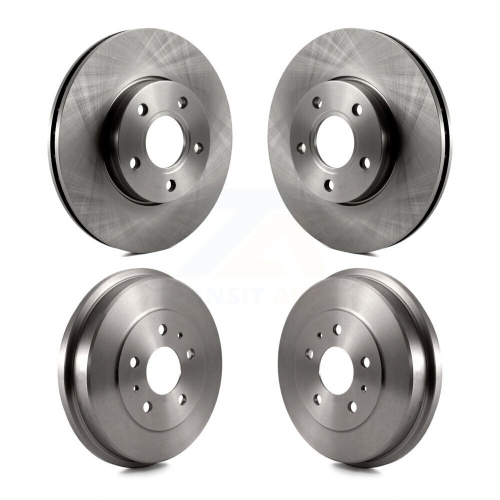
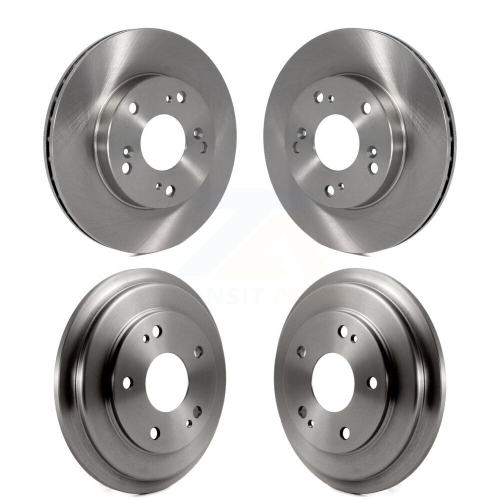
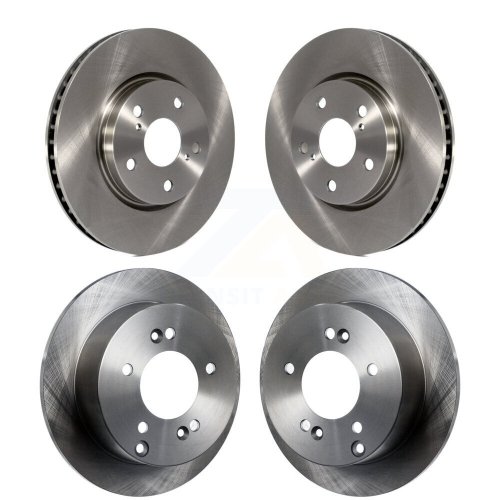
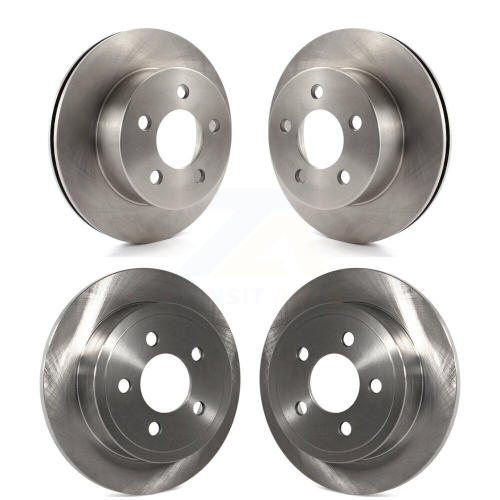
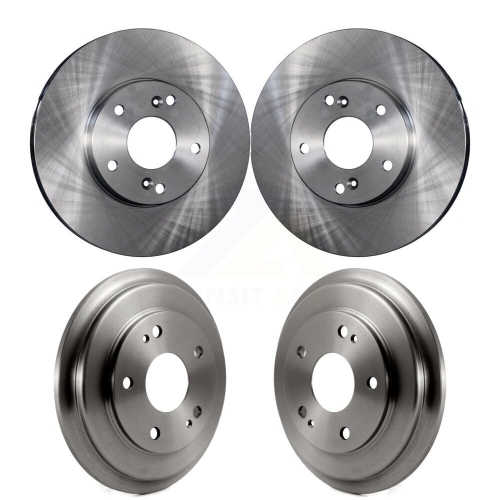
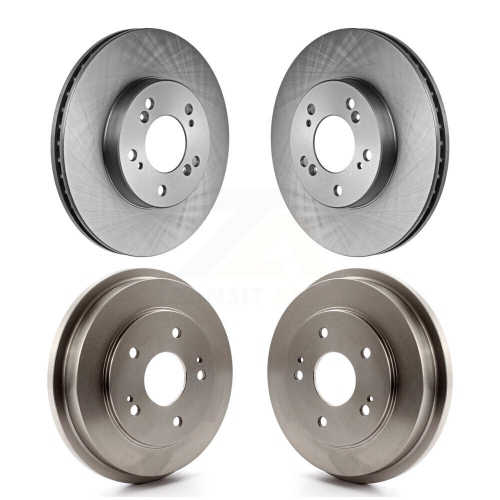
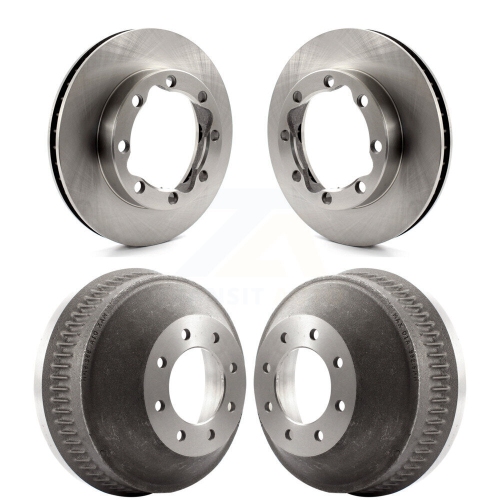
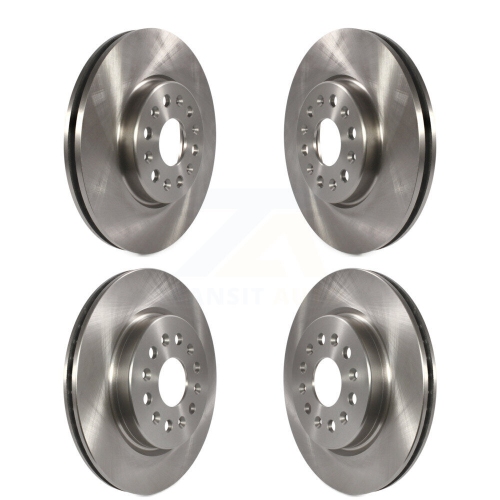
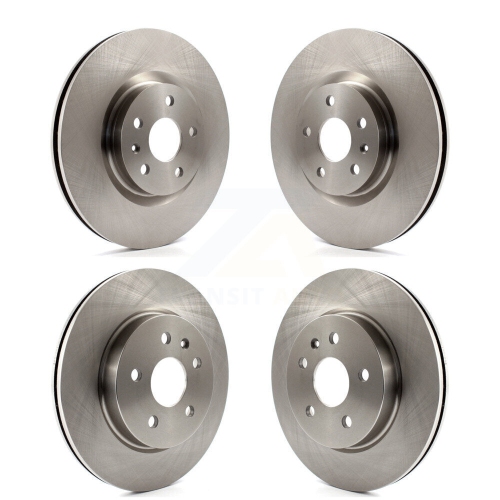
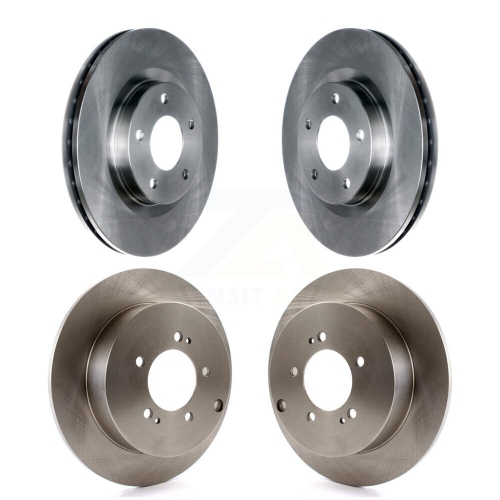
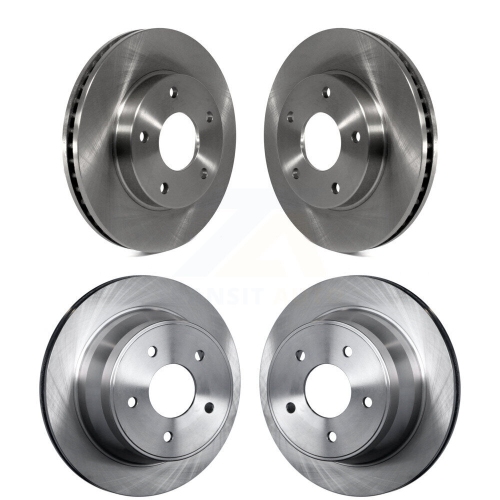
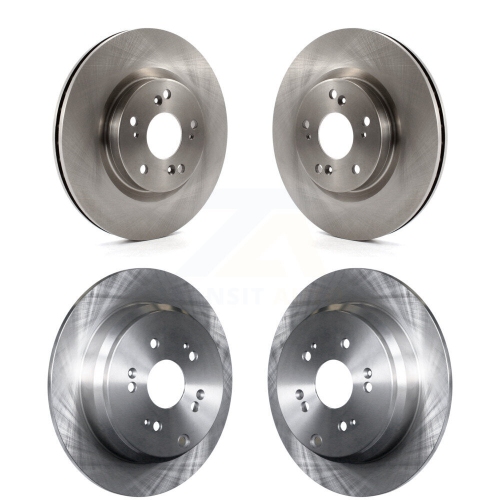
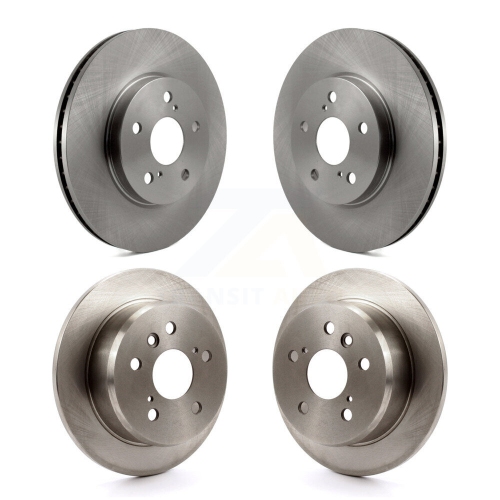
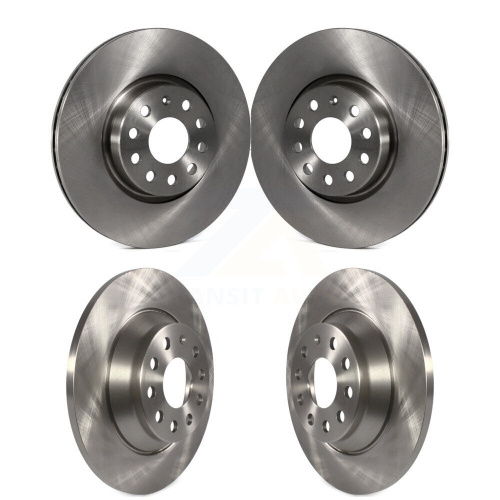
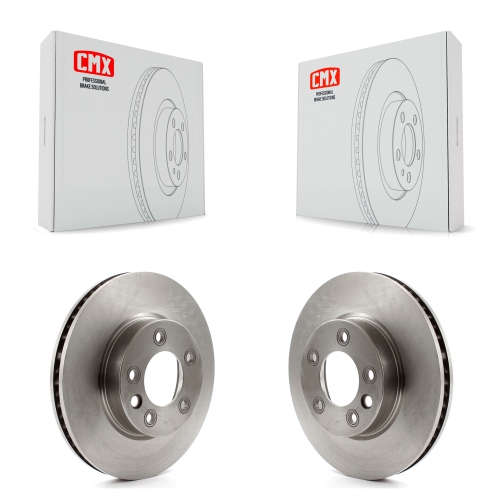
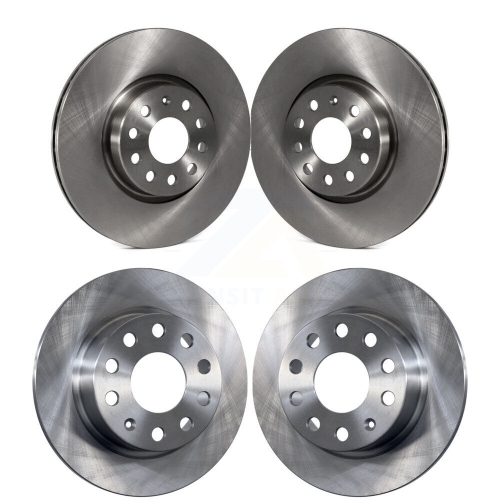
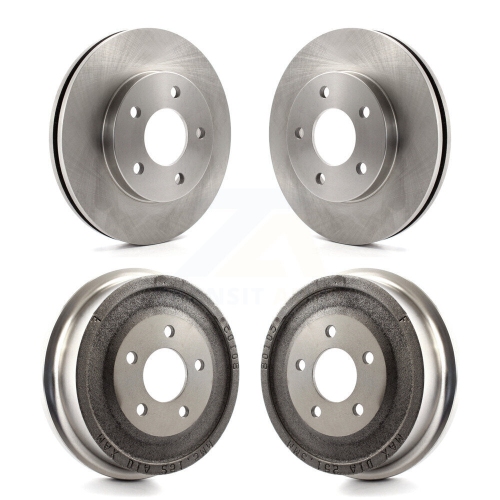
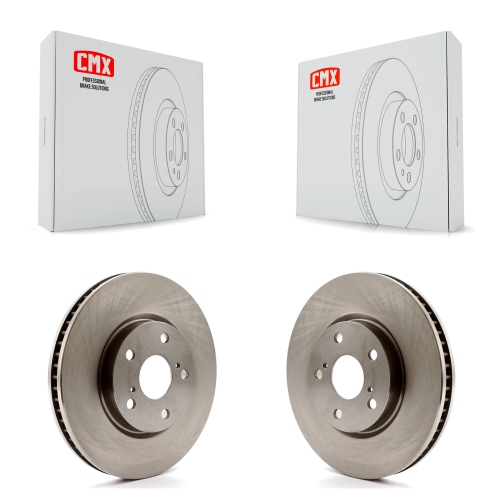
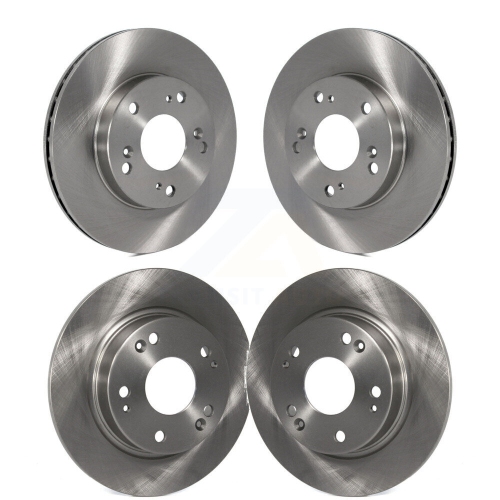
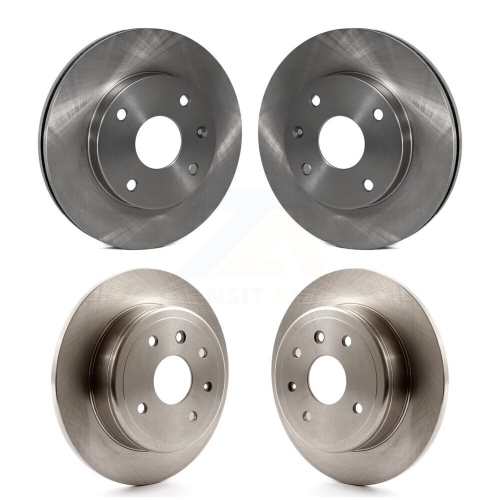
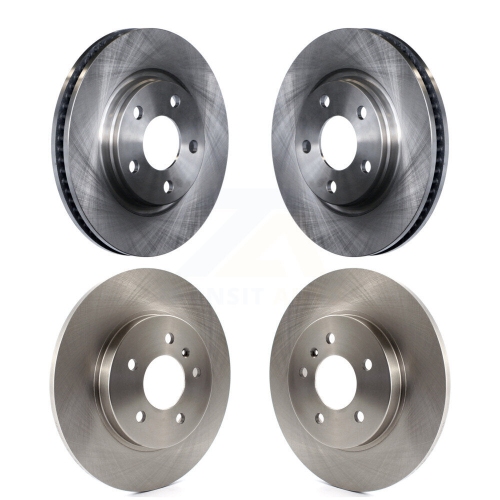
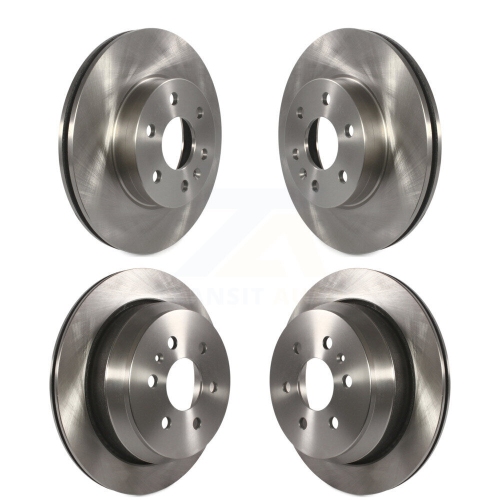
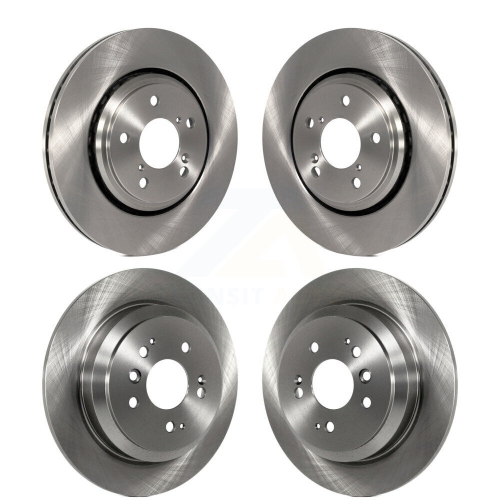
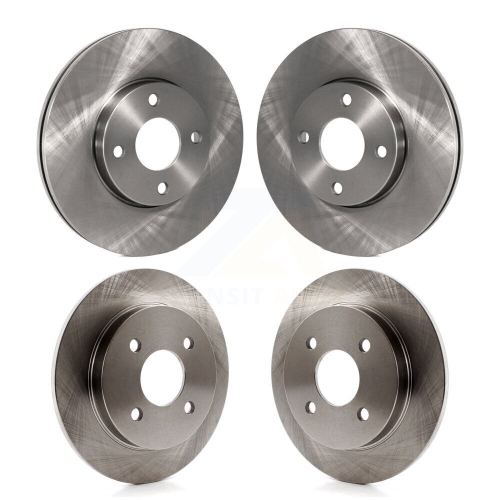
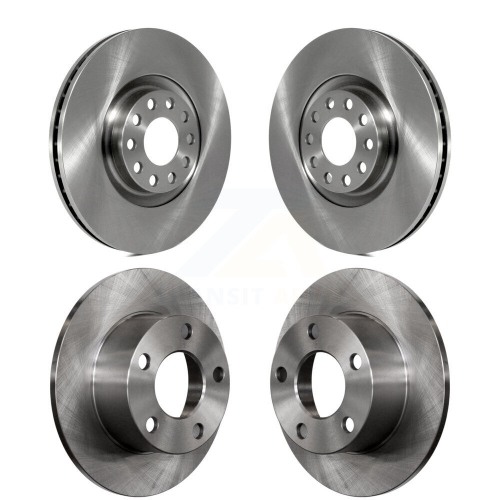
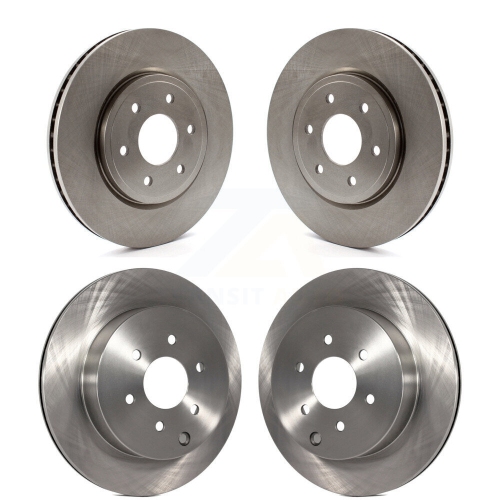
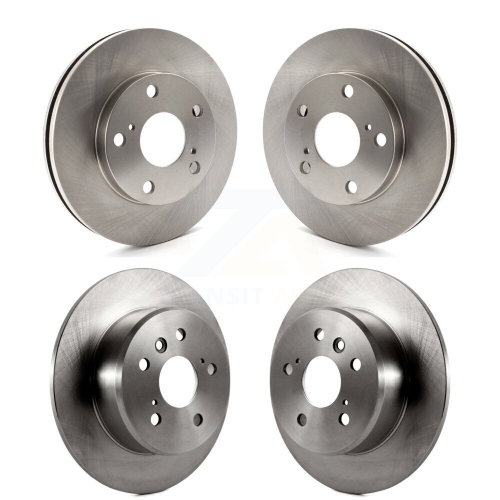
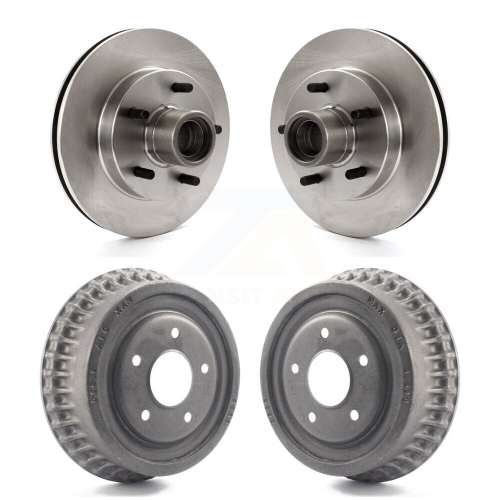
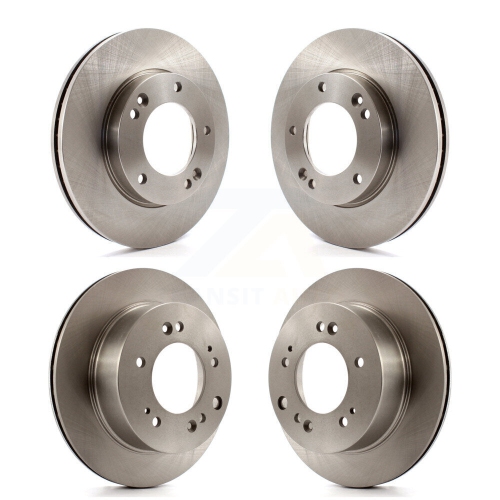
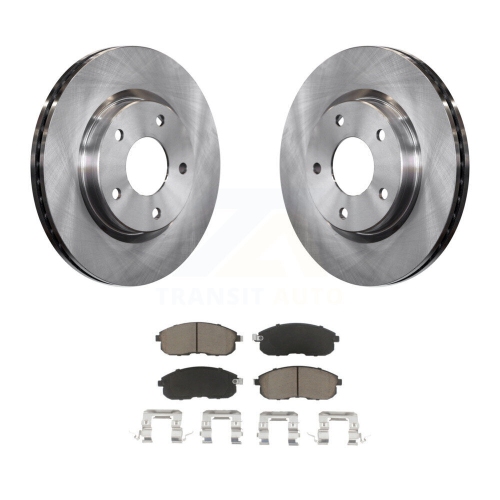
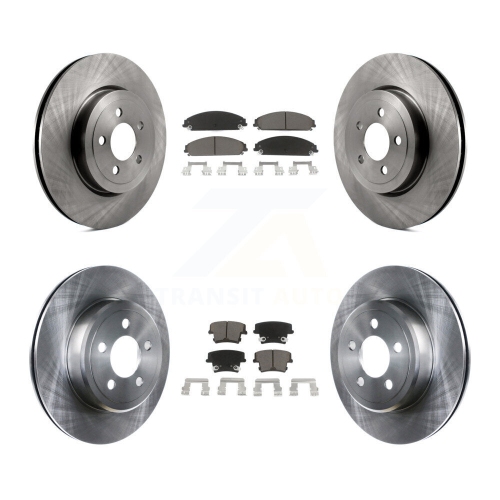
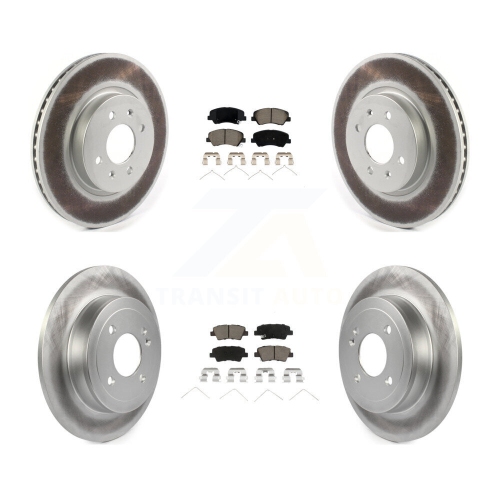
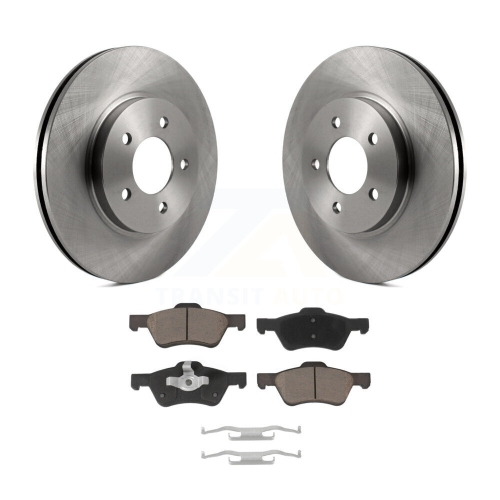
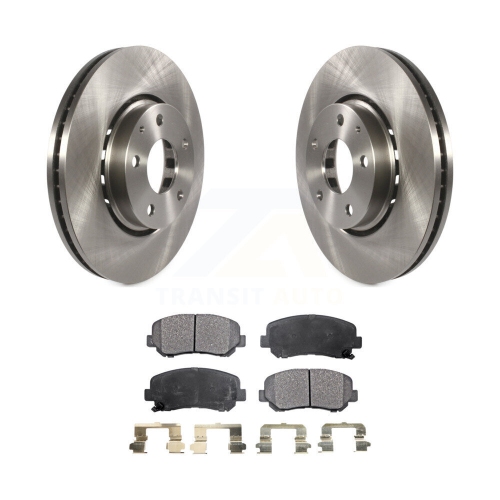
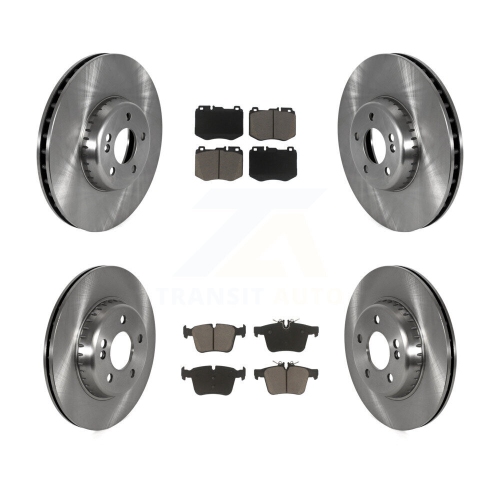
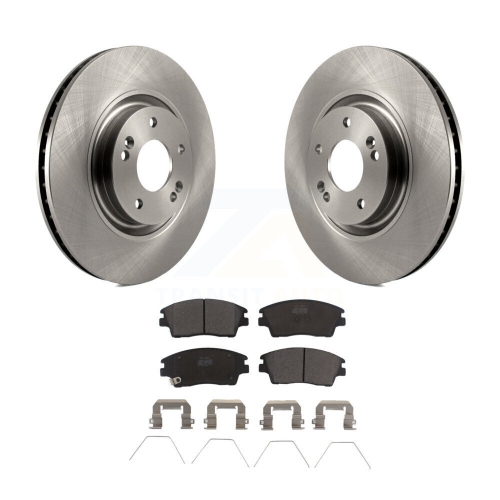
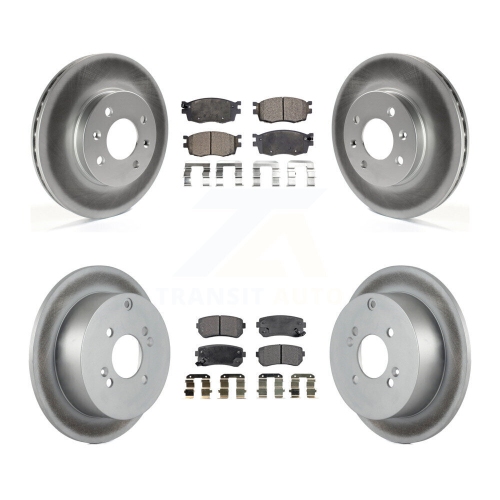
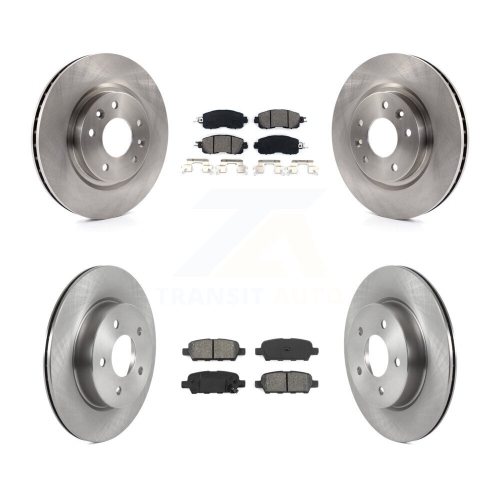
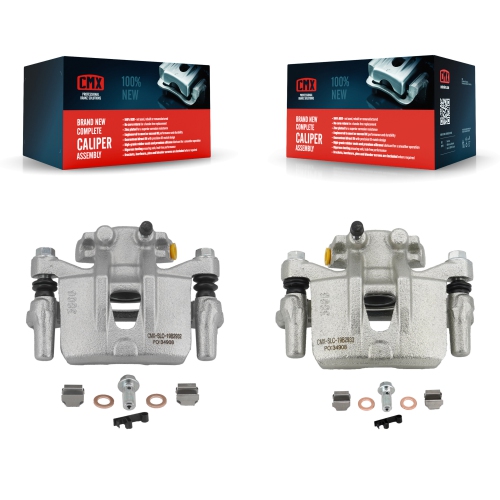
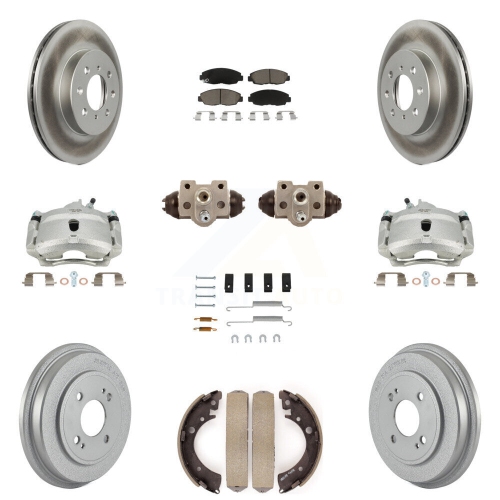
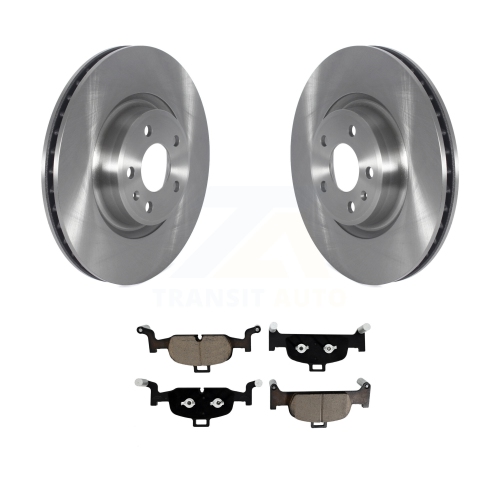
Brake kits are coordinated sets of components used to replace or upgrade a vehicle’s braking system. A disc brake kit typically contains matched brake pads and rotors, while some sets also include calipers, mounting brackets, clips, shims, or other installation hardware. Contents vary, so a kit described as complete may cover one axle rather than all four wheels. Front brake kits, rear brake kits, and front-and-rear sets serve different replacement needs, and their components are not interchangeable. For everyday passenger vehicles, a factory-style replacement kit is generally intended to restore normal braking operation with parts suited to the original system. Performance-oriented and heavy-duty kits address different demands, such as repeated braking at higher temperatures or carrying heavier loads within the vehicle’s rated limits. The starting point for any of these choices is precise vehicle fitment. Year, make, and model matter, but trim level, engine, drivetrain, production date, and the original brake package can also affect compatibility. Two vehicles with the same model badge may use different rotor diameters, pad shapes, or caliper designs. Wheel diameter alone does not establish clearance, particularly when larger calipers are involved; the shape of the wheel’s inner barrel and spokes matters too. Rear brake assemblies may also need to work with an electronic parking brake or a separate parking brake mechanism. These details make brake kits a practical purchase for vehicle owners arranging scheduled maintenance, experienced home mechanics, and drivers preparing a car or truck for a different workload. A commuter navigating repeated stops on city streets has different priorities from someone bringing a loaded utility trailer down a long grade. In both cases, the useful distinction is not simply standard versus upgraded, but whether the components match the vehicle and its actual use. Brake kits do not replace the need for sound tyres, properly functioning hydraulics, and a well-maintained suspension, all of which contribute to controlled stopping.
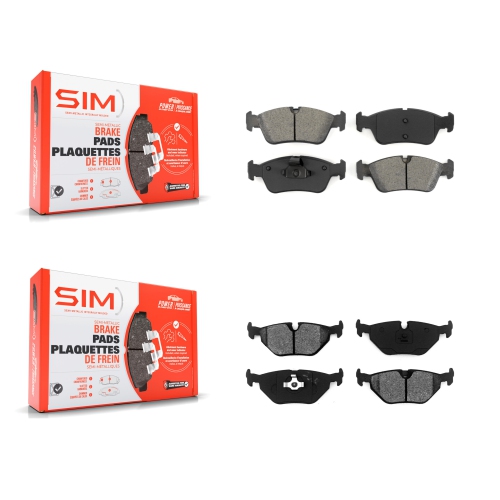
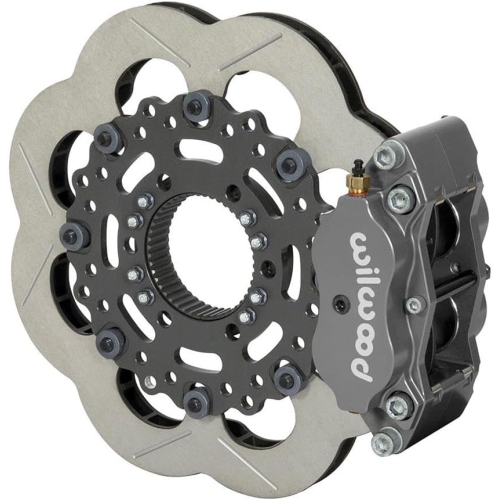
Materials and construction influence how a brake kit feels, sounds, and wears over time. Most conventional brake rotors are made from cast iron, which provides a durable friction surface and manages the heat generated during braking. Vented rotors have internal passages that help release heat, while solid rotors are used in some applications where the original design calls for them. These constructions should match the vehicle’s specifications rather than be treated as freely interchangeable options. Protective coatings on certain rotor surfaces can help resist rust, a useful consideration during the cooler months when moisture and road salt reach the wheel wells. Coating coverage and installation requirements differ, and the working friction surface will still experience wear. Brake pad formulations bring their own trade-offs. Ceramic compounds often suit everyday driving where low visible dust and quiet operation are priorities, although results depend on the particular formulation and vehicle. Semi-metallic pads contain metal fibres and can offer strong heat tolerance, with possible differences in noise, dust, and rotor wear. Neither label alone establishes stopping distance or overall quality. A pad designed for repeated high-temperature use may behave differently during the first cold stop at the end of a driveway than one intended for ordinary street driving. Likewise, slotted or drilled rotors are not automatically a better choice for a family vehicle simply because they look more aggressive behind the wheels. Rotor design, pad compatibility, and the manufacturer’s intended application matter more than appearance. Daily-driver brake kits commonly emphasize predictable operation and factory-style fit, while towing-oriented sets may prioritize heat management under sustained loads. Larger brake conversions can include multi-piston calipers and larger rotors, but their suitability depends on system compatibility and wheel clearance. They do not increase a vehicle’s towing capacity or guarantee a shorter stop on a slippery road. For a vehicle used mainly for errands, school runs, and highway travel, a correctly matched street-use kit is often more appropriate than components intended primarily for track temperatures.
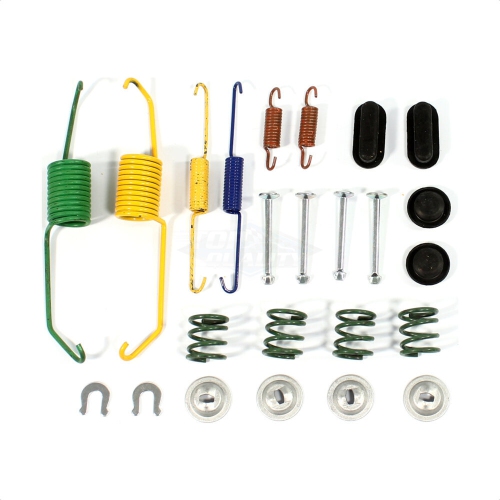
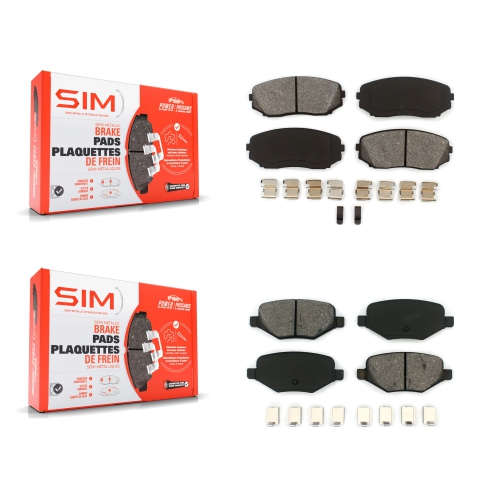
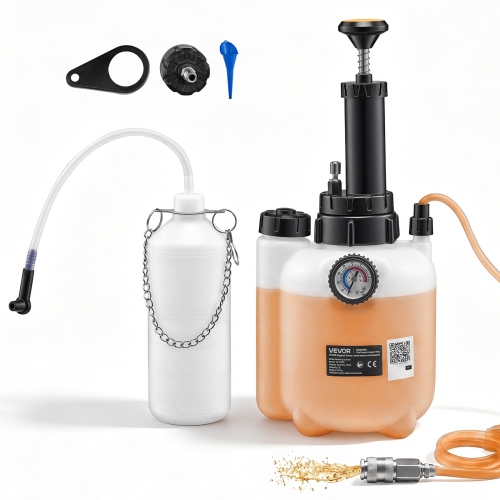
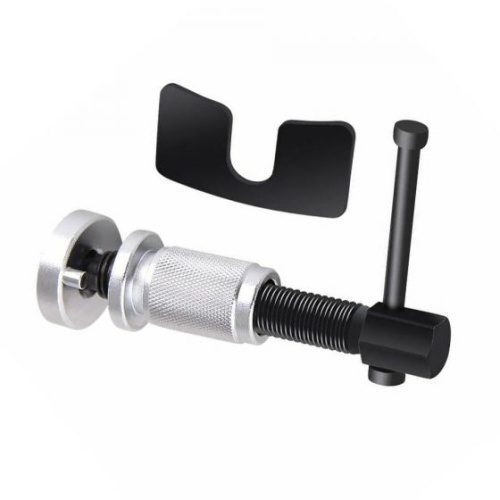
Durability depends as much on installation and operating conditions as on the parts themselves. Frequent stop-and-go driving, steep routes, heavy loads, and dragging calipers can accelerate wear, so there is no single replacement interval that applies to every brake kit. A vehicle that spends its days moving between closely spaced intersections can put its brakes through a different workload from one covering long stretches of open highway. Long periods parked outdoors can also leave surface rust on rotors, particularly after rain or wet snow; persistent corrosion, vibration, or uneven braking deserves inspection rather than assumptions about normal wear. A proper brake service considers more than the visible pads and discs. Caliper slide pins need to move as designed, protective boots should be intact, and hoses, fluid condition, and mounting surfaces all warrant attention. Depending on the assembly, worn or corroded clips can interfere with pad movement or contribute to noise. Where a main set does not include the necessary small components, compatible Brake Hardware Kits can supply application-specific clips, springs, or retainers used during service. The exact contents and fit still need to match the brake assembly. Pads and rotors are generally serviced as matched pairs across an axle to support balanced operation, and installation should follow the vehicle and component manufacturers’ procedures, including specified fastener torque and any electronic parking brake service requirements. Friction surfaces must stay free of grease and other contamination, while lubricants belong only at approved contact points. New pads and rotors may require a bedding-in process to establish an even friction layer; that process varies by compound and should follow the supplied directions. Unusual grinding, a soft pedal, pulling under braking, or a warning light calls for prompt professional assessment, not simply a different pad material. With accurate fitment, suitable materials, and careful service, a brake kit provides a coordinated foundation for maintaining the vehicle’s stopping system through daily travel and changing road conditions.
Materials and construction influence how a brake kit feels, sounds, and wears over time. Most conventional brake rotors are made from cast iron, which provides a durable friction surface and manages the heat generated during braking. Vented rotors have internal passages that help release heat, while solid rotors are used in some applications where the original design calls for them. These constructions should match the vehicle’s specifications rather than be treated as freely interchangeable options. Protective coatings on certain rotor surfaces can help resist rust, a useful consideration during the cooler months when moisture and road salt reach the wheel wells. Coating coverage and installation requirements differ, and the working friction surface will still experience wear. Brake pad formulations bring their own trade-offs. Ceramic compounds often suit everyday driving where low visible dust and quiet operation are priorities, although results depend on the particular formulation and vehicle. Semi-metallic pads contain metal fibres and can offer strong heat tolerance, with possible differences in noise, dust, and rotor wear. Neither label alone establishes stopping distance or overall quality. A pad designed for repeated high-temperature use may behave differently during the first cold stop at the end of a driveway than one intended for ordinary street driving. Likewise, slotted or drilled rotors are not automatically a better choice for a family vehicle simply because they look more aggressive behind the wheels. Rotor design, pad compatibility, and the manufacturer’s intended application matter more than appearance. Daily-driver brake kits commonly emphasize predictable operation and factory-style fit, while towing-oriented sets may prioritize heat management under sustained loads. Larger brake conversions can include multi-piston calipers and larger rotors, but their suitability depends on system compatibility and wheel clearance. They do not increase a vehicle’s towing capacity or guarantee a shorter stop on a slippery road. For a vehicle used mainly for errands, school runs, and highway travel, a correctly matched street-use kit is often more appropriate than components intended primarily for track temperatures.
Durability depends as much on installation and operating conditions as on the parts themselves. Frequent stop-and-go driving, steep routes, heavy loads, and dragging calipers can accelerate wear, so there is no single replacement interval that applies to every brake kit. A vehicle that spends its days moving between closely spaced intersections can put its brakes through a different workload from one covering long stretches of open highway. Long periods parked outdoors can also leave surface rust on rotors, particularly after rain or wet snow; persistent corrosion, vibration, or uneven braking deserves inspection rather than assumptions about normal wear. A proper brake service considers more than the visible pads and discs. Caliper slide pins need to move as designed, protective boots should be intact, and hoses, fluid condition, and mounting surfaces all warrant attention. Depending on the assembly, worn or corroded clips can interfere with pad movement or contribute to noise. Where a main set does not include the necessary small components, compatible Brake Hardware Kits can supply application-specific clips, springs, or retainers used during service. The exact contents and fit still need to match the brake assembly. Pads and rotors are generally serviced as matched pairs across an axle to support balanced operation, and installation should follow the vehicle and component manufacturers’ procedures, including specified fastener torque and any electronic parking brake service requirements. Friction surfaces must stay free of grease and other contamination, while lubricants belong only at approved contact points. New pads and rotors may require a bedding-in process to establish an even friction layer; that process varies by compound and should follow the supplied directions. Unusual grinding, a soft pedal, pulling under braking, or a warning light calls for prompt professional assessment, not simply a different pad material. With accurate fitment, suitable materials, and careful service, a brake kit provides a coordinated foundation for maintaining the vehicle’s stopping system through daily travel and changing road conditions.
Top selling and popular products
-
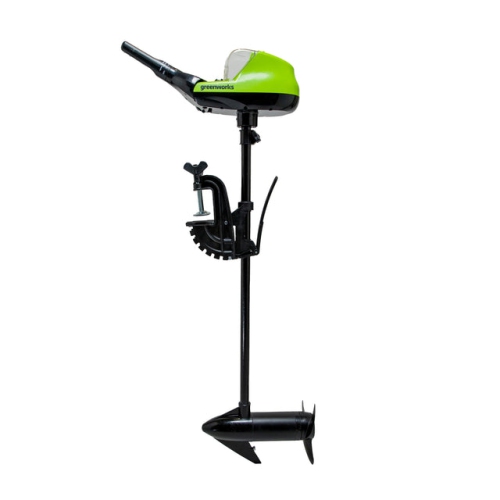 Your price for this item is $360
 -
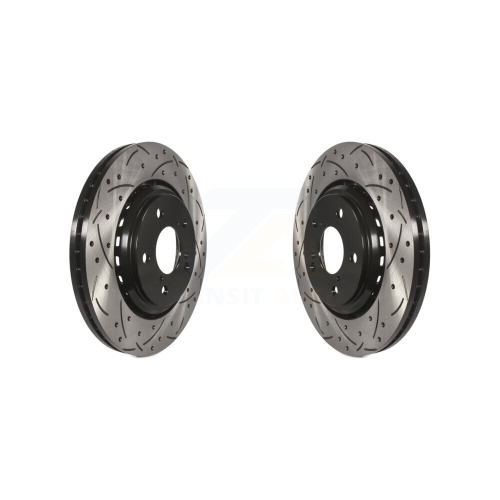 Your price for this item is $167.55
 -
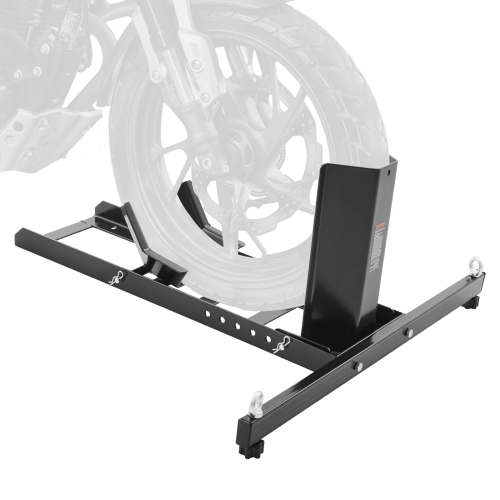 Your price for this item is $93.9
 -
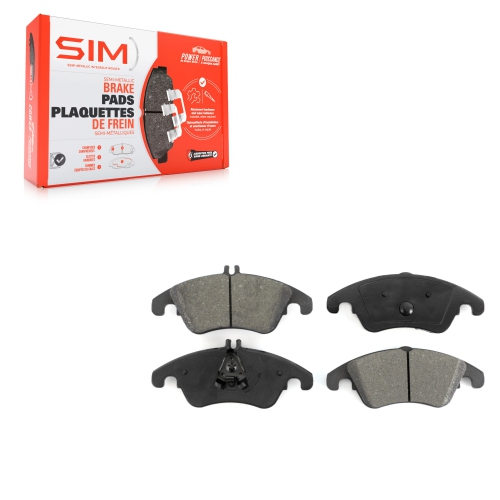 Your price for this item is $55.47
 -
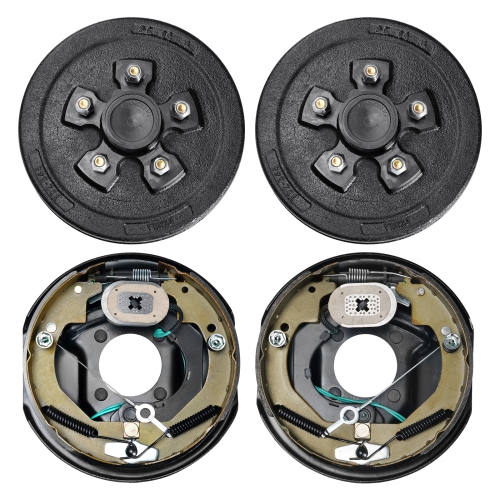 Your price for this item is $243.99
 -
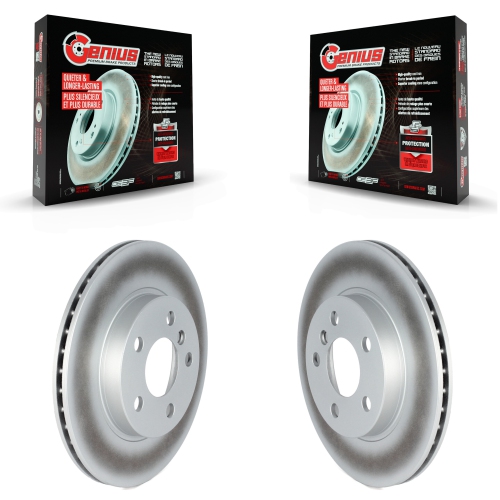 Your price for this item is $94.79
 -
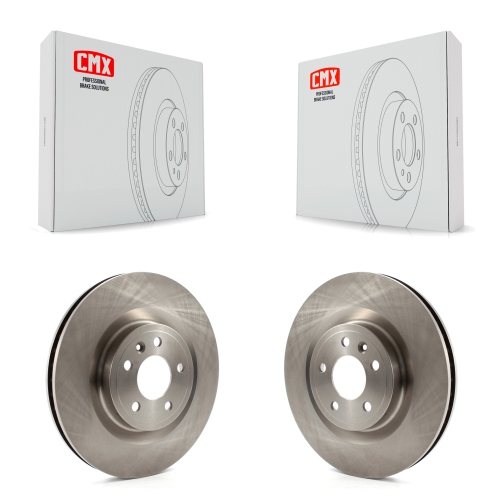 Your price for this item is $131.34
 -
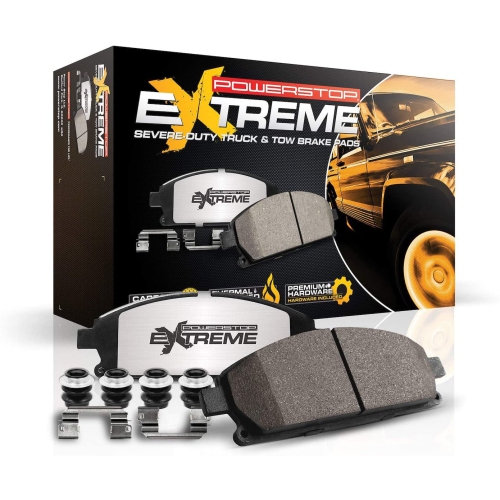 Your price for this item is $109.38
Discover more categories related to Brake Kits
Top Collections:
Pokemon Centers, Kindle Devices, Best Budget Office Chairs, Apple iPhones 16, Best Laptops for Writers, iPhone 15 Apple, Canon G7X Cameras, Refurbished Apple Laptops, Alarm Clock, Motorola Razr Phones
Some products may be subject to Environmental Handling Fees
(EHF) depending on your province.
Learn more about EHFs.