Brake Caliper Kits
Explore our selection of brake caliper kits, designed to enhance your vehicle's braking performance with precision and reliability. Whether you're upgrading your car's braking system or replacing worn-out components, finding the right brake caliper kit is essential for safety and efficiency on the road. Our range offers options that cater to various vehicle models and driving needs, ensuring you can find the ideal fit for your car. Elevate your driving experience with high-quality brake caliper kits that provide the stopping power you need for a smooth and secure ride.
Sort
Why kit contents matter as much as vehicle fit
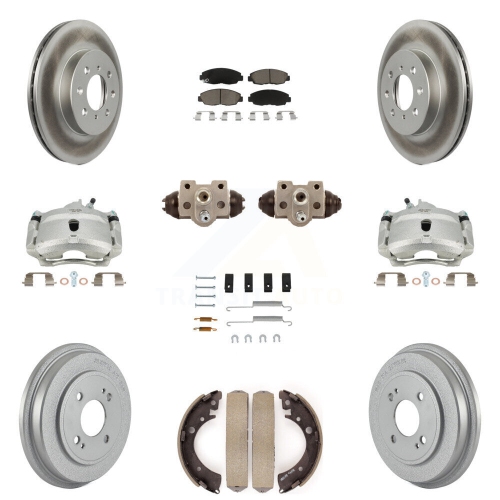
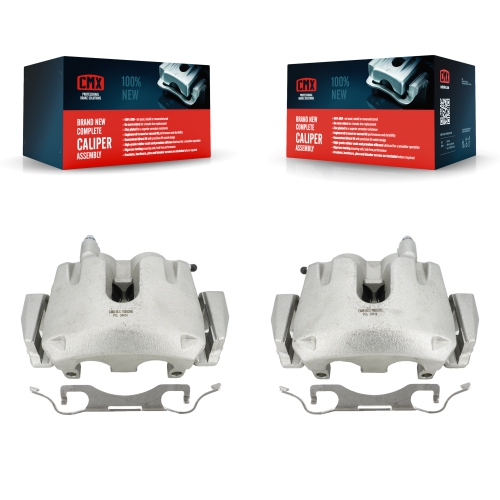
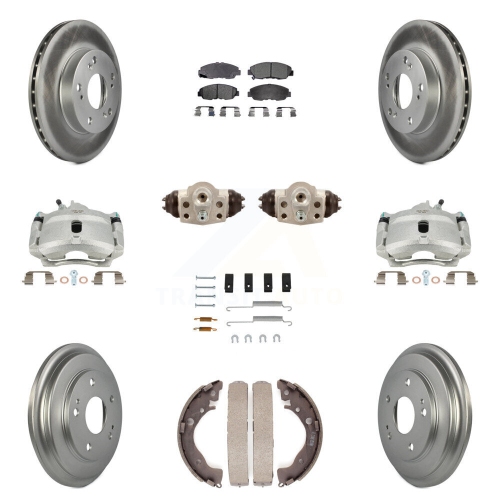
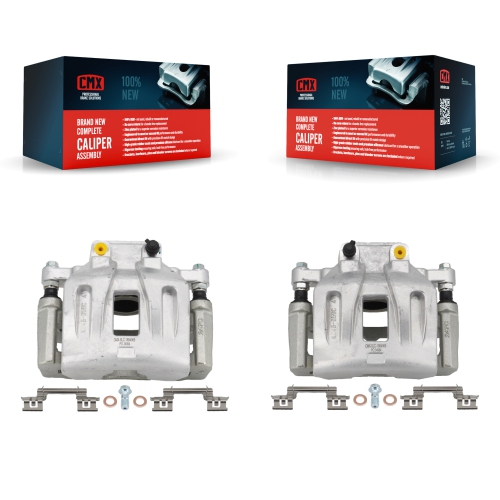
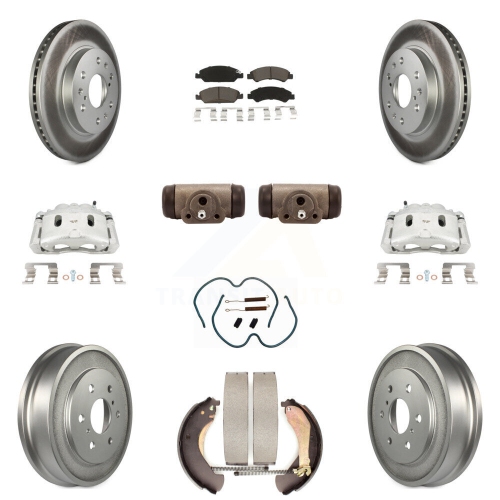
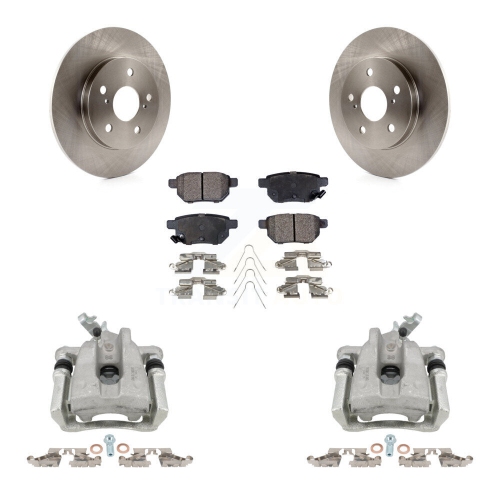
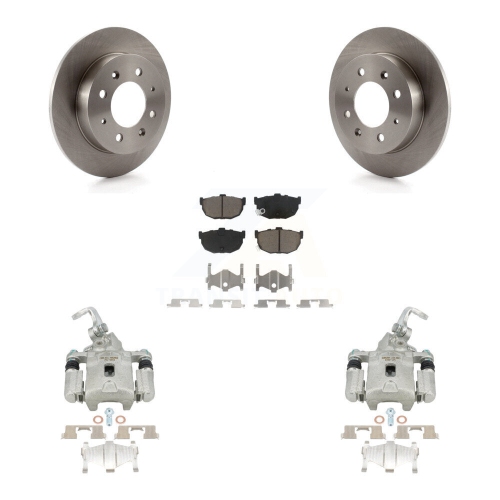
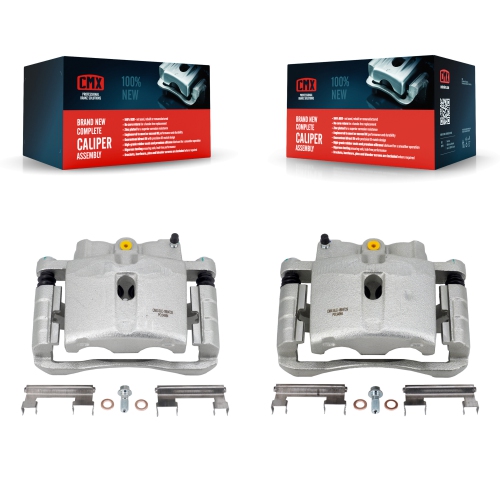
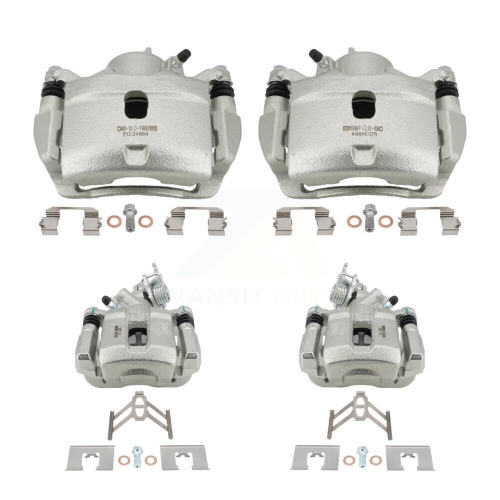
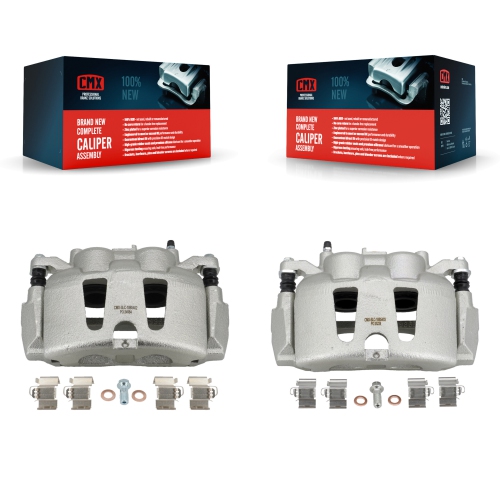
Brake caliper kits support several different types of disc brake service, from replacing worn mounting hardware to repairing or replacing the caliper itself. A caliper uses hydraulic pressure to press brake pads against a rotating disc, creating the friction that slows the vehicle. Because “kit” can describe several packages, the included components matter as much as the name. A caliper hardware kit may contain slide pins, bushings, protective boots, clips, or other small parts that help the assembly move and hold its position correctly. A rebuild or repair kit typically includes piston seals and dust boots, with replacement pistons included in some applications. A replacement caliper kit supplies the caliper assembly, while a loaded caliper generally comes with brake pads fitted; brackets, fasteners, and other accessories vary by package. Brake caliper tool kits are a separate category: they contain equipment for retracting or winding back compatible pistons during service rather than parts that remain on the vehicle. These distinctions make brake caliper kits relevant to professional technicians, experienced home mechanics, and vehicle owners arranging repairs through a shop. The right category depends on the job and the condition of the existing assembly. An otherwise serviceable caliper with worn external hardware has different needs from one with a damaged piston or extensive corrosion. For small service components rather than a complete assembly, Brake Hardware Kits cover a closely related part of disc brake maintenance, although package contents and vehicle compatibility still need to match the application. Complete brake packages may combine calipers with pads and rotors, but a caliper kit should not automatically be assumed to include every part needed for an axle. Clear distinctions between hardware, internal repair parts, replacement assemblies, and service tools help keep the focus on the actual repair rather than on a broad product label.
Fit is the central consideration for brake caliper kits, since parts that look similar can differ in mounting dimensions, piston diameter, hose connections, and parking brake design. Vehicle year, make, and model are starting points, but trim level, engine, drivetrain, production date, and factory brake package can also affect compatibility. Front and rear applications are not interchangeable, and left- and right-side calipers may have different configurations. A vehicle fitted with larger factory brakes may need different components from another version of the same model. Calipers must also match the intended rotor dimensions, pad shape, mounting arrangement, and wheel clearance. For rear brakes, an integrated mechanical parking brake or electronic parking brake adds another layer of application-specific detail. Some systems require a prescribed service mode and suitable diagnostic equipment; a general wind-back tool set is not a substitute for the vehicle’s specified procedure. Materials are equally important to the suitability and durability of the parts. Caliper bodies commonly use cast iron or aluminium, with the original brake design determining the appropriate construction. Replacement pistons may be steel, aluminium, or phenolic material, depending on the application, and are not interchangeable simply because their dimensions appear close. Hydraulic seals need to be compatible with the specified brake fluid, while dust boots help limit the entry of moisture and road grit around moving components. Slide pins depend on sound surfaces, intact boots, and the correct lubricant to move freely. Corrosion-resistant finishes on caliper bodies and hardware can help protect exposed surfaces, particularly where wet roads and road salt are part of everyday driving, but no finish makes a brake assembly maintenance-free. A new or remanufactured replacement caliper can be suitable when it meets the vehicle’s requirements; the condition, specifications, and included components matter more than appearance alone. For a repair kit, suitability also depends on whether the existing caliper body and related surfaces remain within the manufacturer’s service limits.
Daily commuting, frequent stop-and-go traffic, hilly routes, and loaded driving all place demands on a vehicle’s brakes, though a caliper kit alone does not determine stopping performance. Pads, rotors, tyres, brake fluid, hydraulic components, and the vehicle’s overall condition work together as a system. For a family vehicle used on school runs or a work vehicle carrying equipment, a correctly matched replacement is generally about restoring proper operation, not adding a performance claim. Towing and other demanding uses call for components approved for that vehicle and duty, and changing calipers does not increase the vehicle’s rated towing capacity. During the cooler months, damp roads, slush, and salt can make corrosion protection and routine inspection especially relevant. A torn dust boot may leave a piston exposed to contamination, while deteriorated slide-pin boots can allow moisture to reach surfaces that need to move smoothly. Uneven pad wear, pulling under braking, a dragging wheel, or visible fluid leakage can point to a brake problem, but none identifies the faulty part on its own. Professional assessment helps distinguish a caliper fault from issues elsewhere in the braking or suspension system. Rebuild kits are appropriate only when the remaining components are serviceable: new seals cannot restore a deeply pitted piston surface, a cracked housing, damaged threads, or other defects outside repair limits. Care also involves using the specified brake fluid and suitable cleaning and lubricating products, since incompatible chemicals can damage rubber components or contaminate friction surfaces. Fluid leaks or a soft brake pedal require prompt attention, and a vehicle with compromised braking should not be driven until it has been assessed and repaired. Brake work is safety-critical, so installation belongs with someone equipped to follow the vehicle manufacturer’s procedures, including any required bleeding, fastener replacement, torque settings, and functional checks. For home workshops, caliper service tools can be useful when matched to the brake design and the user’s experience, but replacement parts are best selected for a confirmed application rather than as a general automotive gift. Whether the task involves external hardware, an internal repair, or a full replacement assembly, a suitable brake caliper kit brings together the components needed for a defined job, with dependable fit and proper service taking priority over cosmetic differences.
Fit is the central consideration for brake caliper kits, since parts that look similar can differ in mounting dimensions, piston diameter, hose connections, and parking brake design. Vehicle year, make, and model are starting points, but trim level, engine, drivetrain, production date, and factory brake package can also affect compatibility. Front and rear applications are not interchangeable, and left- and right-side calipers may have different configurations. A vehicle fitted with larger factory brakes may need different components from another version of the same model. Calipers must also match the intended rotor dimensions, pad shape, mounting arrangement, and wheel clearance. For rear brakes, an integrated mechanical parking brake or electronic parking brake adds another layer of application-specific detail. Some systems require a prescribed service mode and suitable diagnostic equipment; a general wind-back tool set is not a substitute for the vehicle’s specified procedure. Materials are equally important to the suitability and durability of the parts. Caliper bodies commonly use cast iron or aluminium, with the original brake design determining the appropriate construction. Replacement pistons may be steel, aluminium, or phenolic material, depending on the application, and are not interchangeable simply because their dimensions appear close. Hydraulic seals need to be compatible with the specified brake fluid, while dust boots help limit the entry of moisture and road grit around moving components. Slide pins depend on sound surfaces, intact boots, and the correct lubricant to move freely. Corrosion-resistant finishes on caliper bodies and hardware can help protect exposed surfaces, particularly where wet roads and road salt are part of everyday driving, but no finish makes a brake assembly maintenance-free. A new or remanufactured replacement caliper can be suitable when it meets the vehicle’s requirements; the condition, specifications, and included components matter more than appearance alone. For a repair kit, suitability also depends on whether the existing caliper body and related surfaces remain within the manufacturer’s service limits.
Daily commuting, frequent stop-and-go traffic, hilly routes, and loaded driving all place demands on a vehicle’s brakes, though a caliper kit alone does not determine stopping performance. Pads, rotors, tyres, brake fluid, hydraulic components, and the vehicle’s overall condition work together as a system. For a family vehicle used on school runs or a work vehicle carrying equipment, a correctly matched replacement is generally about restoring proper operation, not adding a performance claim. Towing and other demanding uses call for components approved for that vehicle and duty, and changing calipers does not increase the vehicle’s rated towing capacity. During the cooler months, damp roads, slush, and salt can make corrosion protection and routine inspection especially relevant. A torn dust boot may leave a piston exposed to contamination, while deteriorated slide-pin boots can allow moisture to reach surfaces that need to move smoothly. Uneven pad wear, pulling under braking, a dragging wheel, or visible fluid leakage can point to a brake problem, but none identifies the faulty part on its own. Professional assessment helps distinguish a caliper fault from issues elsewhere in the braking or suspension system. Rebuild kits are appropriate only when the remaining components are serviceable: new seals cannot restore a deeply pitted piston surface, a cracked housing, damaged threads, or other defects outside repair limits. Care also involves using the specified brake fluid and suitable cleaning and lubricating products, since incompatible chemicals can damage rubber components or contaminate friction surfaces. Fluid leaks or a soft brake pedal require prompt attention, and a vehicle with compromised braking should not be driven until it has been assessed and repaired. Brake work is safety-critical, so installation belongs with someone equipped to follow the vehicle manufacturer’s procedures, including any required bleeding, fastener replacement, torque settings, and functional checks. For home workshops, caliper service tools can be useful when matched to the brake design and the user’s experience, but replacement parts are best selected for a confirmed application rather than as a general automotive gift. Whether the task involves external hardware, an internal repair, or a full replacement assembly, a suitable brake caliper kit brings together the components needed for a defined job, with dependable fit and proper service taking priority over cosmetic differences.
Top selling and popular products
-
 Your price for this item is $360
 -
 Your price for this item is $167.55
 -
 Your price for this item is $93.9
 -
 Your price for this item is $55.47
 -
 Your price for this item is $243.99
 -
 Your price for this item is $94.79
 -
 Your price for this item is $131.34
 -
 Your price for this item is $109.38
Discover more categories related to Brake Caliper Kits
Top Collections:
Pokemon Centers, Kindle Devices, Best Budget Office Chairs, Apple iPhones 16, Best Laptops for Writers, iPhone 15 Apple, Canon G7X Cameras, Refurbished Apple Laptops, Alarm Clock, Motorola Razr Phones
Some products may be subject to Environmental Handling Fees
(EHF) depending on your province.
Learn more about EHFs.