Smart Garage Video
Smart Garage Video solutions offer a new level of convenience and peace of mind for homeowners looking to monitor and manage their garage spaces. With easy integration into your connected home, these innovative devices help you keep an eye on one of the most important entry points to your house. Whether you’re checking in remotely or want added security, Smart Garage Video technology brings control and visibility right to your fingertips. Explore options that fit your needs and upgrade your garage experience with the latest advancements in smart home technology.
Sort




A clearer view of who’s at your garage
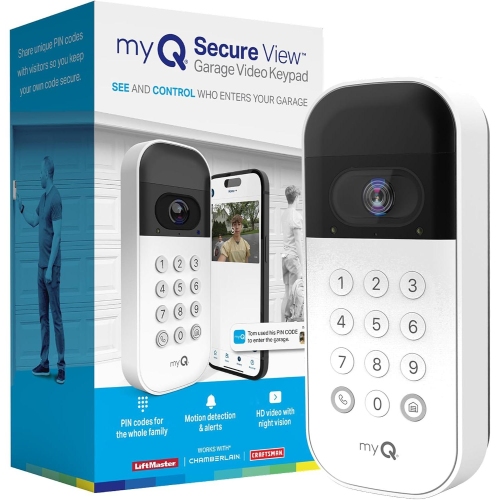
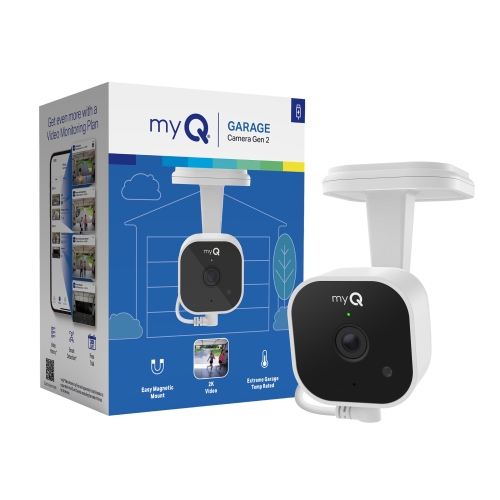
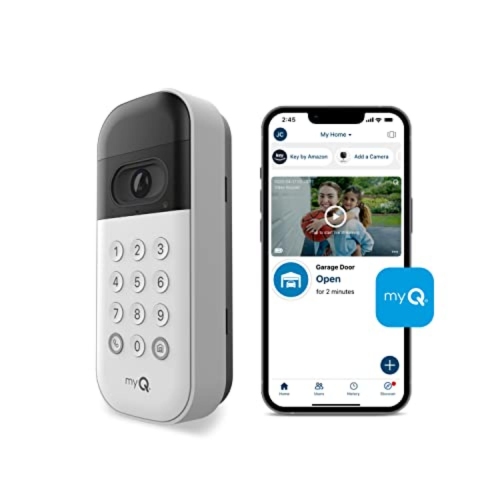
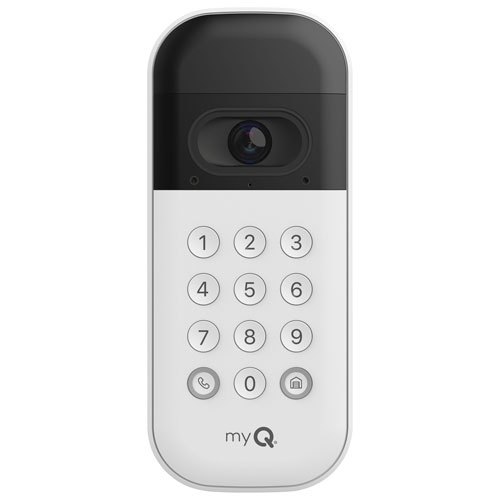
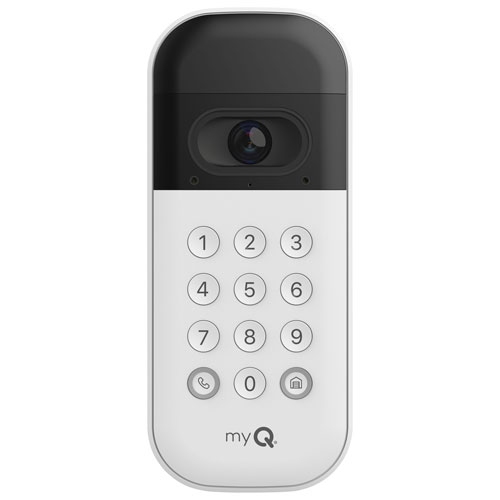
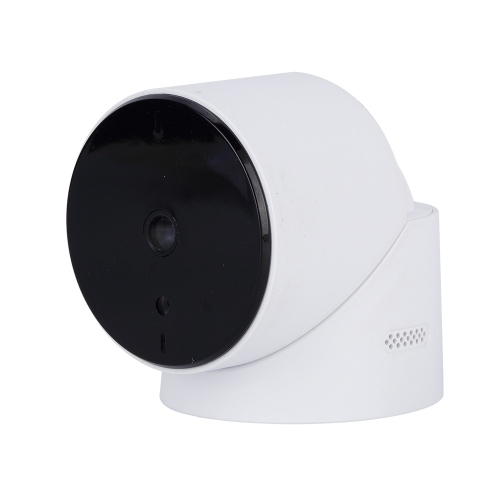
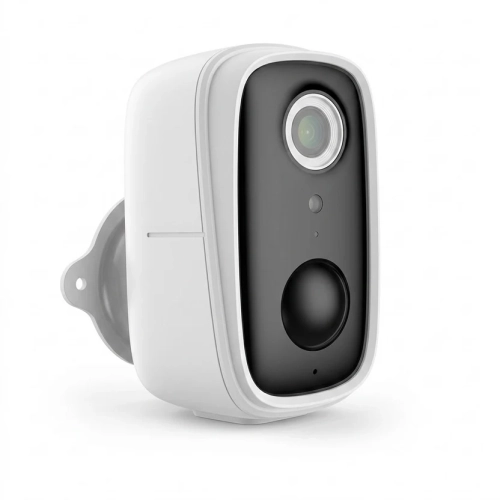
Smart garage video brings camera monitoring and, with compatible equipment, access management to a part of the home that often serves as more than a place to park. Garages can hold bicycles, tools, sports equipment and household supplies, while also providing a frequently used entrance for family members. A connected camera lets you check a live view through a smartphone app; a video keypad combines a camera with code-based entry at the garage door. These functions are related but not interchangeable: a standalone camera does not necessarily operate the door, and a connected opener does not necessarily include video. Depending on the device and its supported features, smart garage video can help you see who has arrived, speak with a visitor through a built-in microphone and speaker, or review activity after an alert. An interior camera might show the parking area and the inside of the door, while an exterior video keypad offers a view of someone approaching the entrance. Image quality depends on more than resolution alone. A specification such as 1080p HD describes image detail, but camera placement, lighting and field of view also influence what appears on screen. A wide-angle lens can cover more of an entrance, although objects near the edges may appear distorted. Night vision can improve visibility in darkness, but reflective surfaces and nearby lights may affect the picture. For a garage used as a workshop, a view across the entrance and work area may be more useful than a close view of the doorway alone. For households receiving visitors at a side entrance, seeing a face near the keypad may matter more. Motion alerts and person detection, where supported, can help distinguish useful activity from routine movement, though detection accuracy varies. Two-way audio adds another layer of convenience, allowing a quick conversation with a family member or service provider without requiring someone to walk to the garage.
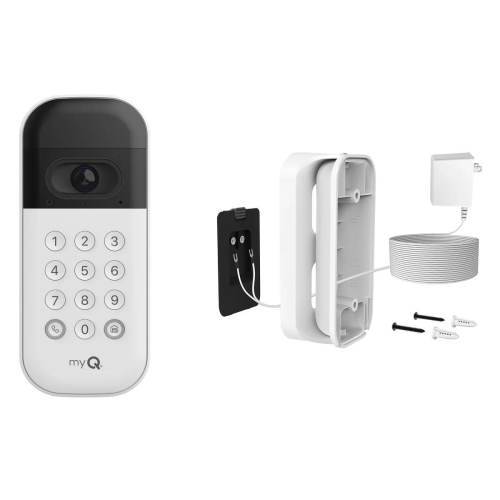
Compatibility is central to how smart garage video fits into an existing setup. Cameras, video keypads and garage door controllers have different connection requirements, and support can depend on the opener’s manufacturer, model, age and control technology. A keypad that can operate one opener may need additional equipment for another, while some systems do not support certain opener types at all. Compatible Smart Garage Door Openers can complement video monitoring by adding app-based door operation and status information, but those capabilities should be confirmed separately from camera features. A visual impression that the door is shut is not the same as a status reading from a supported door sensor. Wireless connectivity also deserves attention because a strong signal inside the house may weaken before it reaches the garage. A 2.4 GHz Wi-Fi network is a common requirement, and some devices use Bluetooth during initial pairing. The supported app, phone operating system and account requirements affect everyday use, particularly when several household members need access. Power arrangements vary as well: an indoor camera may require a nearby outlet, while a video keypad may use a rechargeable battery that needs periodic charging. Mounting height and position should follow the device’s installation requirements so that the camera captures useful footage and the keypad remains practical to use. A solid mounting surface and suitable fasteners help prevent movement when buttons are pressed or the garage door operates. Adjustable mounts can make it easier to frame an entrance without pointing directly at a bright light or showing more of a neighbouring property than necessary. In a garage with overhead shelving, a parked vehicle or an open door can block a camera that seemed well positioned when the space was empty. Considering the view with the door both open and closed helps establish whether the camera suits its intended location.
Everyday usefulness also depends on how access, video history and upkeep fit into the household’s routine. A video keypad that supports multiple personal identification numbers can give family members, guests or service providers their own entry codes rather than requiring everyone to share one. Scheduled access windows, where supported, can limit a visitor’s code to an agreed time, while app controls may allow the account holder to change or remove that code later. The number of codes, scheduling options and activity records differs between devices, so these features should not be assumed from the presence of a keypad alone. A live video feed is also distinct from recorded footage. Video history, clip downloads and cloud storage may require a separate subscription, and local recording is supported only by certain systems. Retention periods and the ability to save an important clip affect how useful footage will be after an event. Account security matters wherever cameras and entry controls share an app: a unique password, multifactor authentication when supported, and separate authorized accounts can help protect access without distributing the main login. Camera angles should respect household privacy, and anyone regularly using the space should understand where recording takes place. For busy families, smart garage video can offer a quick way to check an arrival; for someone who spends time working elsewhere in the home, it can make a conversation at the garage entrance easier. Durable housings, secure mounts and accessible charging arrangements help these devices stand up to regular use. A lens kept clear of dust and fingerprints with a soft cloth, following the manufacturer’s care directions, is more likely to deliver a useful image. Smart monitoring remains an added convenience rather than a replacement for working door safety sensors, secure locks or a clear doorway. Before remote operation, the opening should be clear of people, pets and objects, with the opener’s safety features maintained as directed.
Top selling and popular products
-
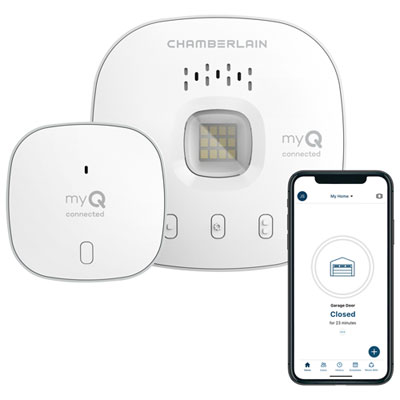 Your price for this item is $89.99
-
 Your price for this item is $124.99
-
 Your price for this item is $449.99
-
 Your price for this item is $499.98
-
 Your price for this item is $218
-
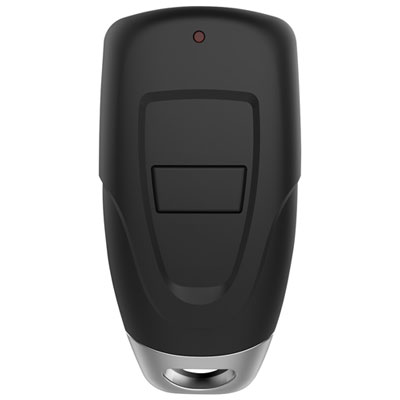 Your price for this item is $22.99
-
 Your price for this item is $46.99
-
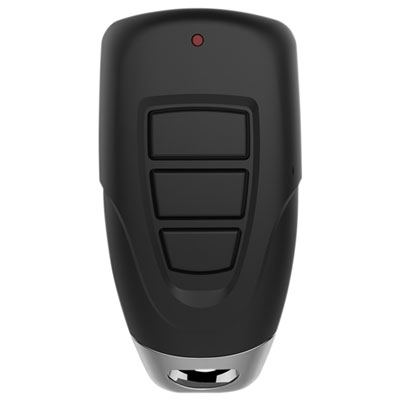 Your price for this item is $27.98
Discover more categories related to Smart Garage Video
Top Collections:
Pokemon Centers, Best Black Friday Deals This Year, Best Black Friday Deals On Electronics, Kindle Devices, Best Budget Office Chairs, Best Black Friday Deals On Apple Products, Best Cameras for Sports Photography, Pokémon 30th Celebration Cards, Dyson Airwrap, Canon G7X Cameras
Some products may be subject to Environmental Handling Fees
(EHF) depending on your province.
Learn more about EHFs.