MyQ Smart Garage
MyQ Smart Garage solutions bring convenience and control to your home, making it easier to manage access to your garage from virtually anywhere. Whether you're looking to streamline daily routines or enhance the security of your space, MyQ Smart Garage offers a range of options designed to fit your needs. Discover user-friendly technology that helps you stay connected and in command, all at your fingertips. Explore the latest in smart garage innovation and find the perfect addition to your home setup.
Sort
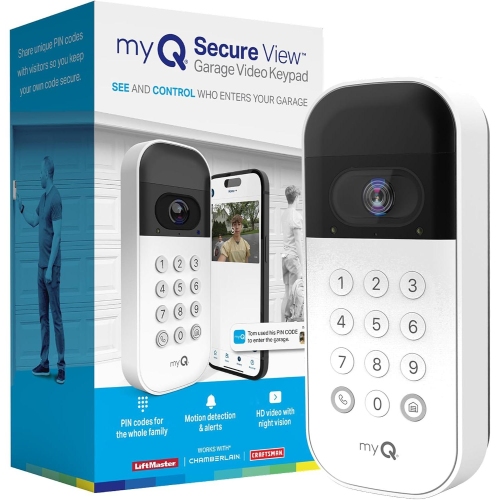

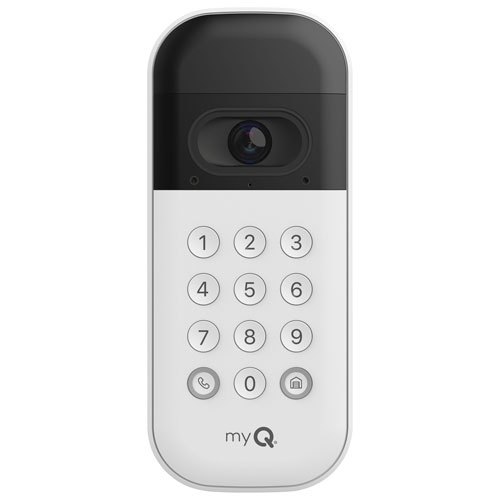
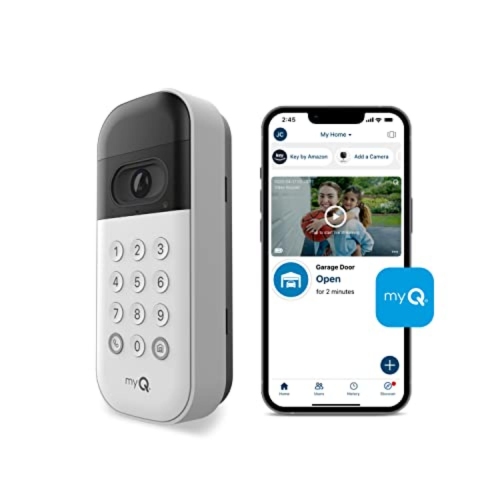
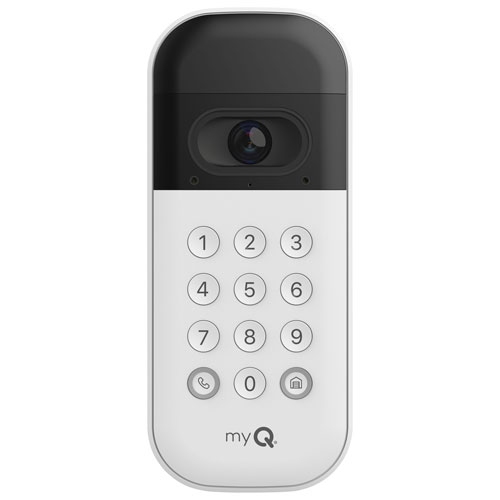
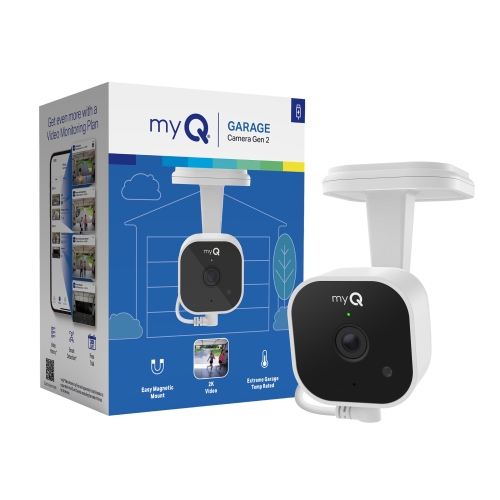
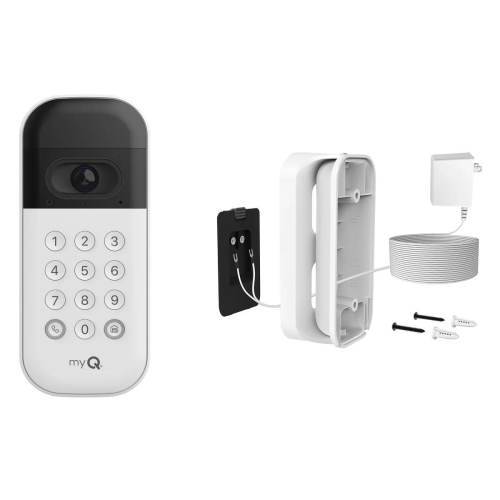


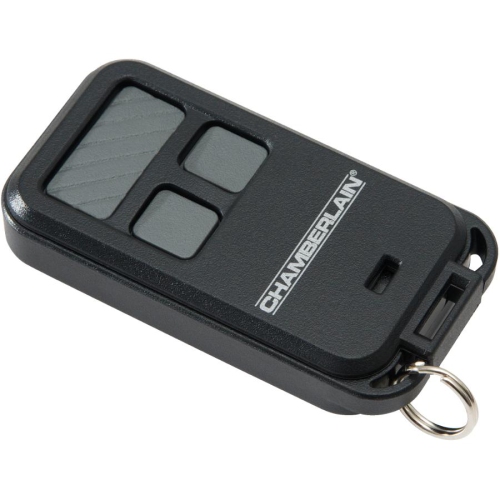

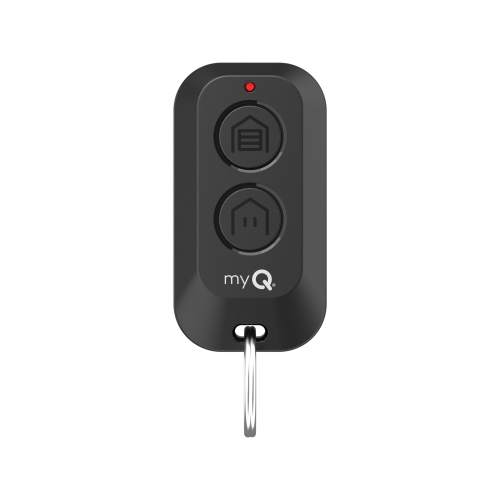
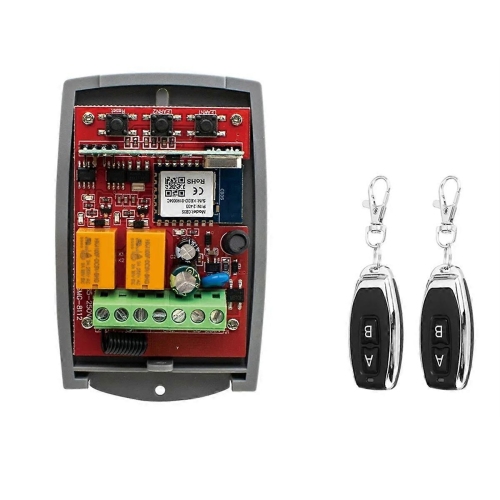
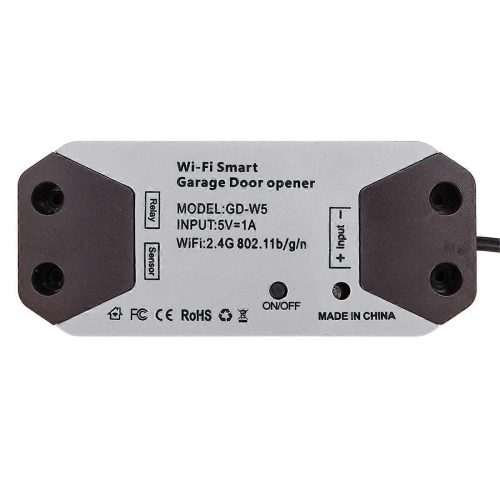
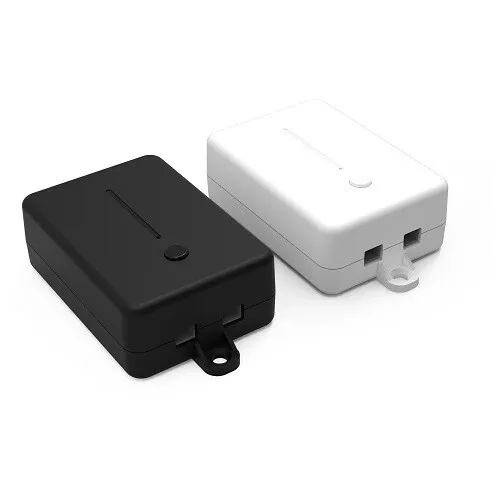
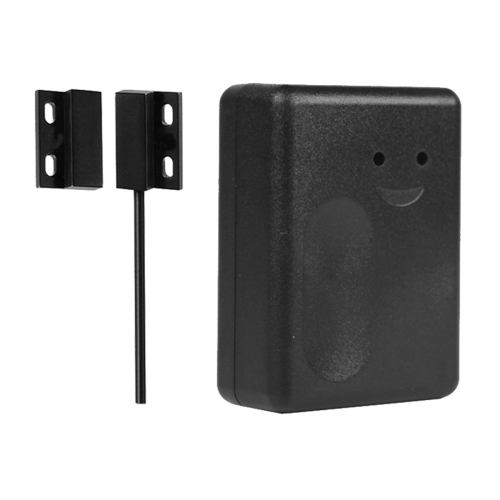

Garage door control that goes beyond the driveway
Smart garage systems connect a compatible garage door opener to a smartphone app, bringing door status, remote control, and activity notifications together in one place. Instead of relying only on a handheld remote or wall button, a household can check whether the garage door is open or closed and send a command through the app when an internet connection is available. That can be useful after leaving for work, when a family member arrives without a remote, or when someone needs to let a trusted visitor into the garage without sharing a keypad code. Depending on the system, notifications can report door movement, flag a door that has remained open, or provide a history of opening and closing activity. These features make everyday access easier to follow, particularly in homes where the garage doubles as a main entrance, bicycle storage area, or workshop. Door status and activity alerts serve different purposes: a status display shows the reported position of the door, while an alert draws attention to a change or an open-door condition. Neither replaces checking that the doorway is clear before operating the door. Remote commands and notifications also depend on power, network connectivity, and the correct functioning of the opener and its sensors. Some connected garage systems extend control to a supported vehicle touchscreen, allowing compatible drivers to operate the door from the dashboard rather than reaching for a phone. Location-based opening or closing may also be supported, although these functions depend on the vehicle, garage hardware, app permissions, and connected services involved. For households with several drivers, the appeal is less about adding another screen and more about making garage access fit familiar routines. A glance at the door status after everyone has left, or a notification when someone gets home, can reduce uncertainty without requiring a trip back to the driveway.
The hardware generally falls into two categories: garage door openers with connectivity built in, and add-on controls that bring supported existing openers into a connected system. An integrated opener combines the lifting mechanism and connected features, while a retrofit setup may use a separate control hub and a door-mounted sensor. The distinction matters because a garage door that operates well mechanically may not need a complete opener replacement to gain app-based control. Equally, a separate hub is not automatically compatible with every opener. Manufacturer compatibility information, opener model details, supported wall controls, and required safety sensors are more reliable indicators than the appearance of the motor housing or remote. Systems may also support different numbers of doors, and a two-door garage can require additional sensors or controls. The broader range of Smart Garage Door Openers includes different approaches to connected access, making the relationship between the existing door, opener, and new hardware an important consideration. Many connected garage controls require a stable 2.4 GHz Wi-Fi network with a dependable signal inside the garage; a strong connection elsewhere in the house does not necessarily mean the signal reaches the opener. App support, smartphone compatibility, and any Bluetooth requirements for initial pairing also affect fit. Physical installation deserves equal attention. A hub needs an appropriate mounting location and access to power, while a door sensor needs a secure position that does not interfere with hinges, rollers, tracks, or the movement of the door. Compact housings and neatly routed cables help keep the assembly clear of stored tools and overhead storage. Materials and construction are most useful when considered alongside the intended installation location: securely enclosed electronics, dependable mounting hardware, and a stable sensor attachment matter more than decorative finishes. A connected accessory controls access; it does not correct a sticking door, worn spring, damaged track, or failing opener.
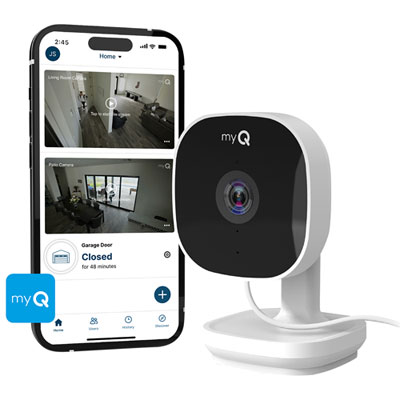
Shared access is another practical distinction between a basic remote and a connected garage setup. Where supported, individual app invitations allow trusted household members or visitors to use their own accounts rather than sharing the primary account password. The number of invited users, their permissions, and the ability to remove access vary by system, so those details matter for families, caregivers, and anyone coordinating regular visits. A relative collecting a bicycle or a neighbour returning borrowed tools may only need occasional access, whereas a household member may use the garage several times a day. Separate permissions can make those arrangements easier to manage, but app access should still be reserved for people who can use the door safely. Account protection, a locked smartphone, and prompt removal of unused access help keep control with the intended users. Camera views, package access features, voice control, and broader smart-home connections are separate capabilities rather than automatic parts of every connected garage setup. Their usefulness depends on the household, and compatibility with one connected service does not establish compatibility with another. Day-to-day care remains straightforward: sensor mounts should stay secure, battery-powered components need attention when their charge runs low, and the opener’s safety features require checks according to the manufacturer’s directions. Dust can be wiped from accessible housings with the recommended cleaning method, without spraying liquid into electronics or disturbing the door mechanism. Unusual movement, damaged components, or a door that will not close properly call for attention to the underlying equipment rather than repeated app commands. For a practical gift, connected garage hardware is best suited to someone whose opener compatibility and household needs are already known; it is not a universal fit for every home. For everyday users, the strongest match is a setup that works with the existing garage, supports the people who need entry, and makes the simple task of checking or operating the door more convenient.
Top selling and popular products
-
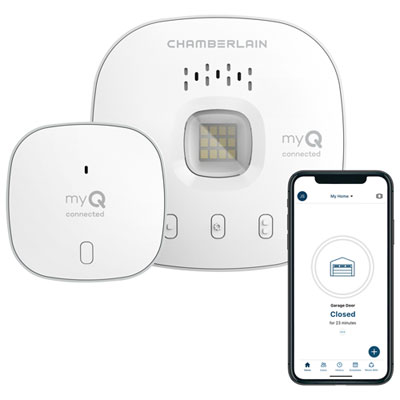 Your price for this item is $89.99
-
 Your price for this item is $124.99
-
 Your price for this item is $449.99
-
 Your price for this item is $499.98
-
 Your price for this item is $218
-
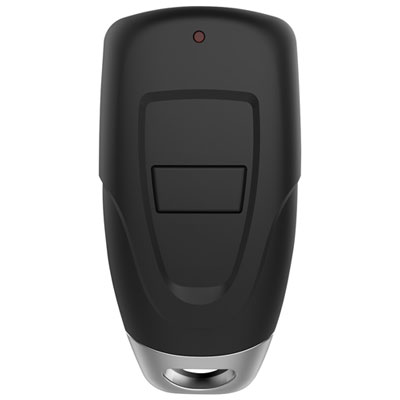 Your price for this item is $22.99
-
 Your price for this item is $46.99
-
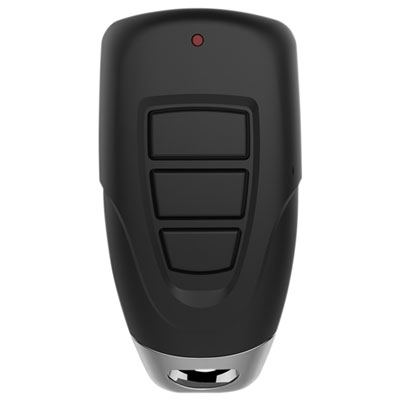 Your price for this item is $27.98
Discover more categories related to MyQ Smart Garage


Top Collections:
Pokemon Centers, Best Black Friday Deals This Year, Best Black Friday Deals On Electronics, Kindle Devices, Best Budget Office Chairs, Best Black Friday Deals On Apple Products, Best Cameras for Sports Photography, Pokémon 30th Celebration Cards, Dyson Airwrap, Canon G7X Cameras
Some products may be subject to Environmental Handling Fees
(EHF) depending on your province.
Learn more about EHFs.