Wireless Dash Cam Front And Rear
Capture every moment on the road with a wireless dash cam front and rear, designed to help you keep an eye on your journey from every angle. Whether you're commuting through city streets or embarking on a cross-country adventure, these innovative devices offer added peace of mind by recording both the front and rear views of your vehicle. Explore a wide selection of wireless dash cam front and rear options to find the perfect fit for your driving needs, all while enjoying the convenience of easy installation and seamless connectivity.
Sort
![REXING R88 4K Front + 4K Rear Dual Sony Starvis Dash Cam With 5.8Ghz Wifi Gps [Employee of bestbuy] Best dashcam ever](https://multimedia.bbycastatic.ca/multimedia/products/500x500/197/19755/19755223.jpeg)
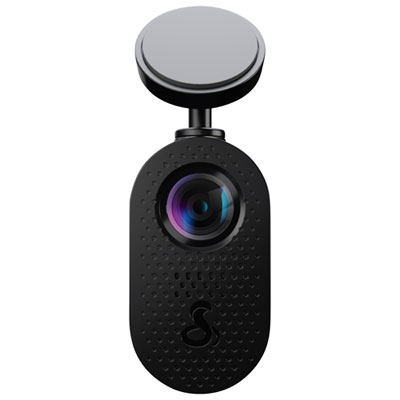
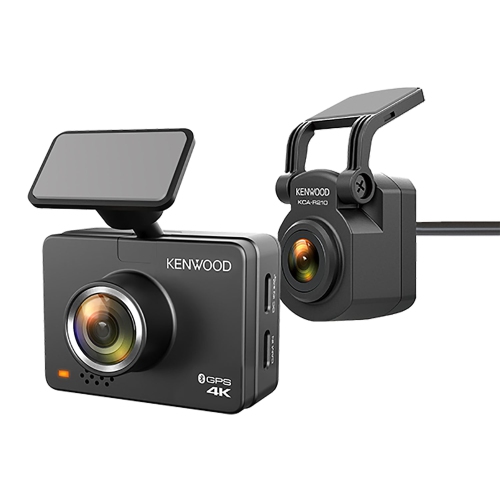

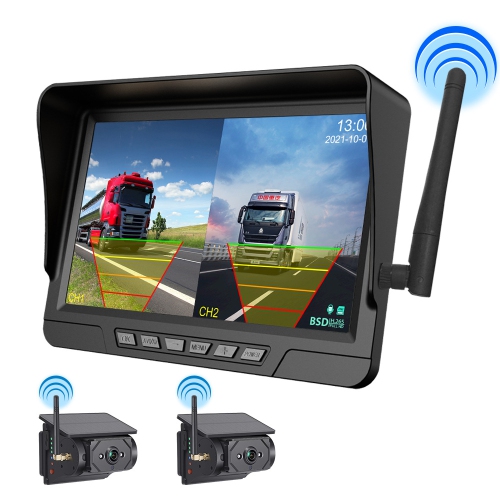
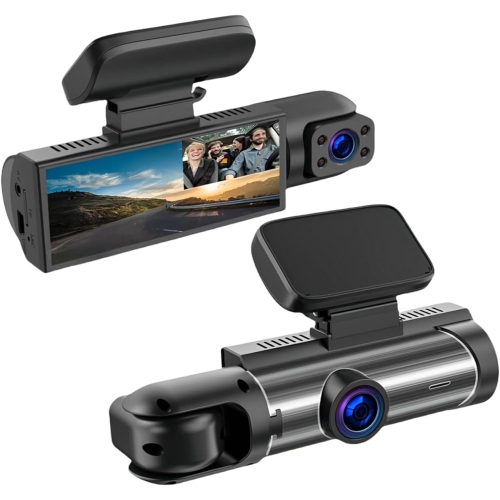
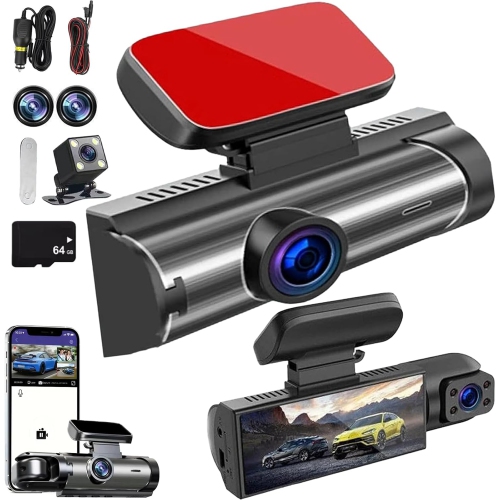
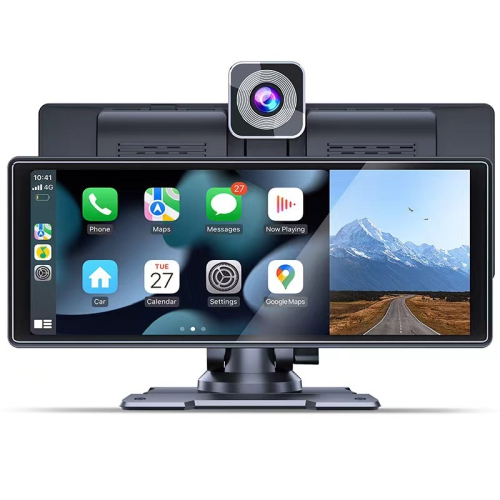
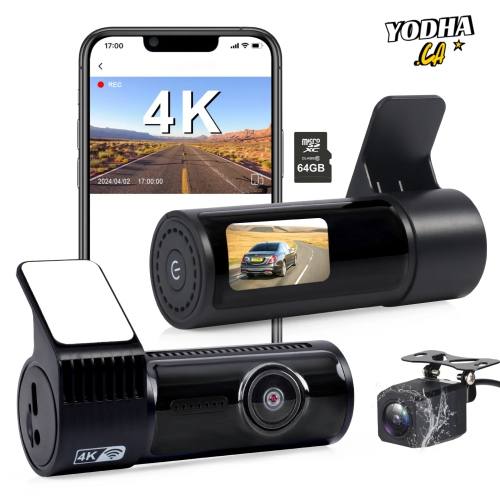
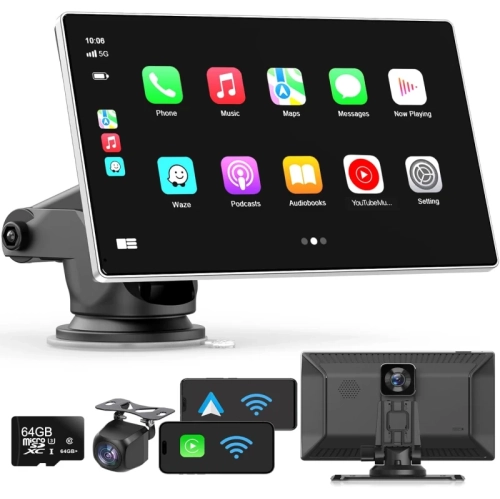
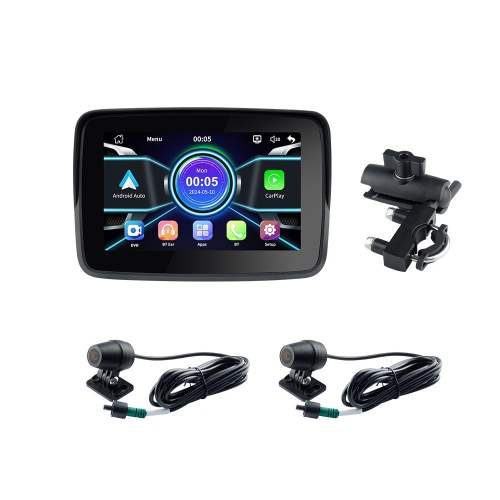
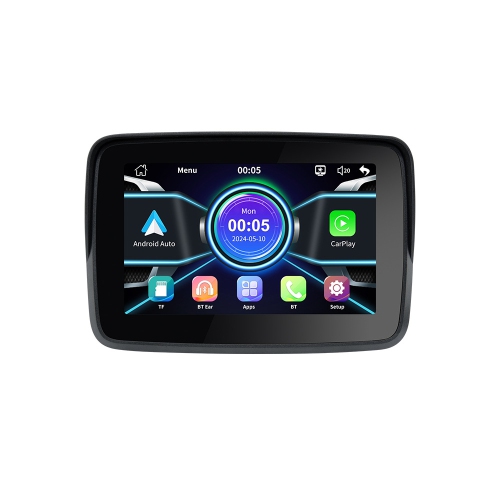
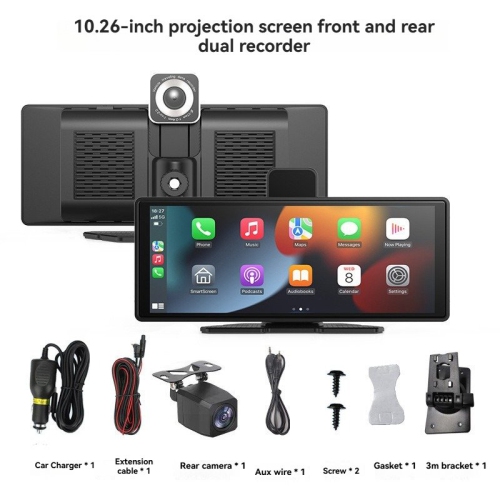
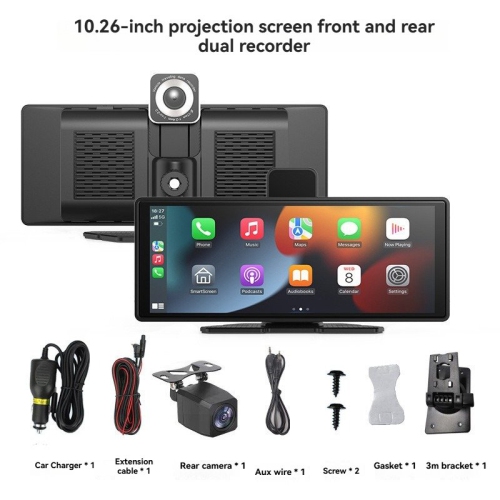
How app access, video quality, and installation compare
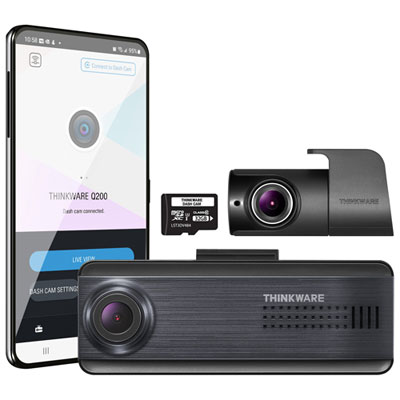
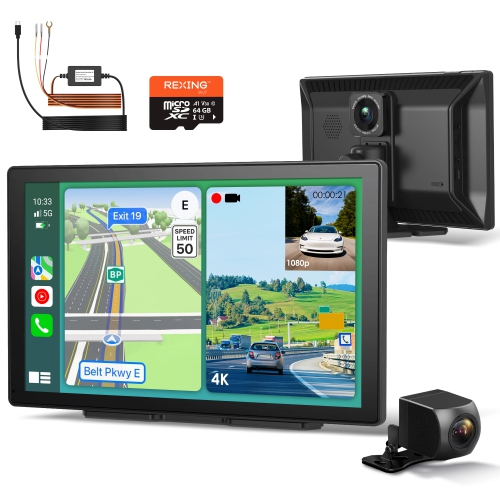
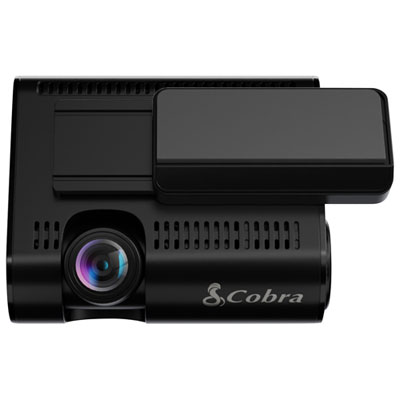
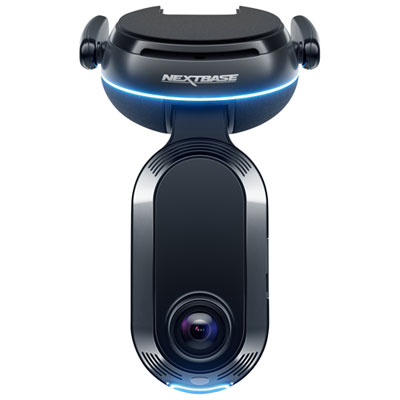
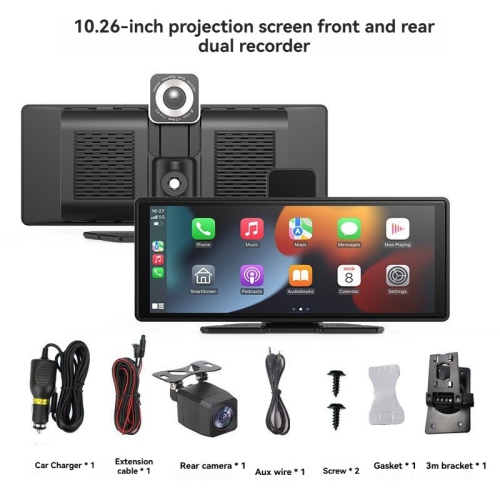
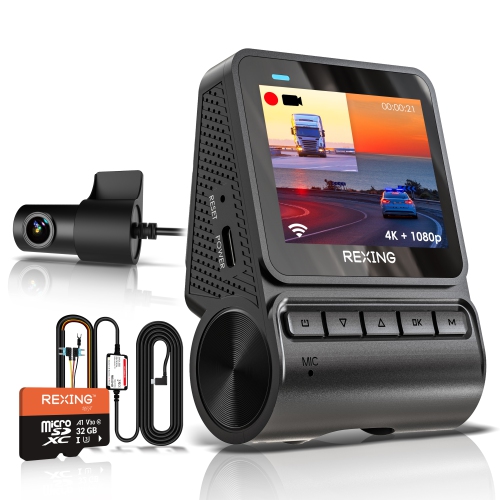
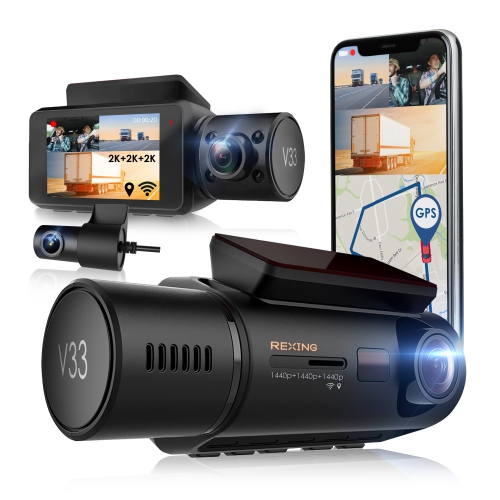
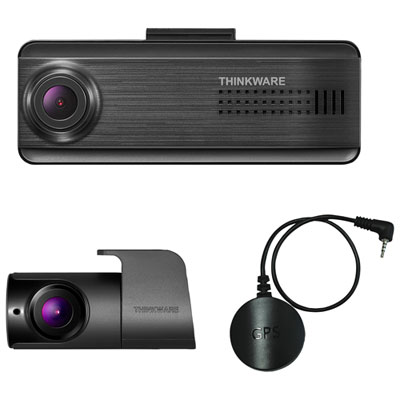
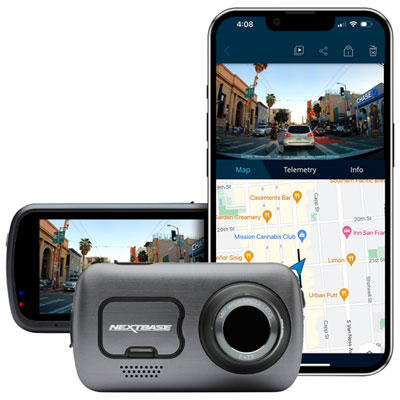
Wireless dash cams with front and rear cameras provide a broader view of the road than a forward-facing camera alone, while making it easier to manage recordings from a smartphone. In most cases, “wireless” refers to built-in Wi-Fi or Bluetooth that lets you connect the dash cam to an app, review clips, change settings, and download video without removing the microSD card or connecting the camera to a computer with a USB cable. The cameras themselves still generally need power while driving. The front unit typically connects to the vehicle’s 12V power outlet or to a professionally installed hardwire kit, while the rear camera is usually connected to the front camera with a long, discreet cable routed along the headliner and interior trim. This distinction is important when comparing wireless dash cams front and rear, since a truly cable-free dual-camera system is uncommon. Some advanced models may offer cellular connectivity for remote access, but even these require a steady vehicle power source. A front and rear setup can be useful for everyday commuting, road trips, rideshare driving, new drivers, and anyone who wants a clearer record of what happened before, during, and behind the vehicle. The front view can document traffic signals, lane changes, road hazards, and changing conditions ahead, while the rear view can capture following vehicles, rear-end collisions, parking-lot incidents, and activity behind the car. Footage may be helpful when discussing an incident with an insurer or providing details to law enforcement, although local rules regarding recording and privacy should always be considered. For a broader look at related configurations, explore the Dual Camera Dash Cam selection.
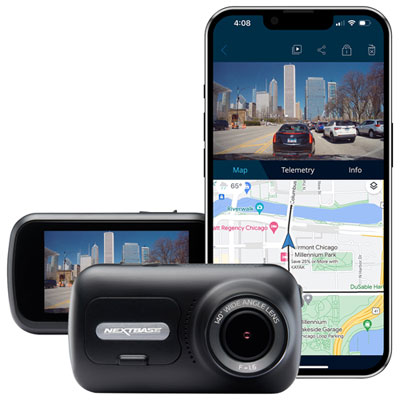
Image quality is one of the most important considerations when choosing a front and rear wireless dash cam. A front camera with 2K or 4K resolution can make small details easier to see, including road signs, lane markings, and licence plates at a reasonable distance. A rear camera may record in 1080p Full HD or a higher resolution, depending on the system. Resolution is only part of the picture, however. Look for a wide viewing angle that covers the road without creating excessive distortion, along with strong low-light performance for driving after sunset, through shaded streets, or during the cooler months when daylight fades earlier. High dynamic range can help balance bright headlights and darker surroundings, while a reliable frame rate can make moving vehicles and sudden events easier to review. Built-in GPS may record location, speed, and route information, which can add useful context to a clip. Smartphone connectivity is especially convenient when an incident occurs: instead of reaching for a card reader, you can park safely, open the companion app, connect to the camera’s Wi-Fi network, and save the relevant video directly to your phone. Check the storage requirements before buying, since higher-resolution footage uses more space. A compatible, high-endurance microSD card is often recommended for continuous recording, and loop recording allows the camera to overwrite older unlocked files when the card fills. Important clips should be saved promptly so they are not replaced. Features such as automatic incident detection can protect footage when a sudden impact is detected, while a manual save button can preserve a moment that may not trigger the sensor. Consider whether the controls and app feel straightforward as well; a camera that is difficult to connect or navigate can be frustrating when you need a clip quickly.
Installation and parking protection also deserve attention. A simple plug-in setup can be convenient for drivers who want to move the camera between vehicles or begin recording with minimal installation, although the power cable may remain visible around the windscreen. A hardwired installation can create a cleaner appearance and may enable parking mode, but it should be completed carefully so the vehicle’s electrical system and airbag pathways are not obstructed. Parking mode allows the camera to monitor the vehicle while it is turned off, using impact detection, motion detection, or time-lapse recording depending on the design. This can be useful in a shared driveway, workplace car park, shopping centre, or overnight street parking area, though it may require a hardwire kit or an additional power-management accessory. Heat and cold are also worth considering because a camera can remain inside a parked vehicle through bright summer afternoons and freezing winter nights. Models that use a supercapacitor rather than a traditional lithium battery are often selected for better tolerance of temperature extremes and for dependable shutdown after power is cut. Before installation, confirm that the rear cable is long enough for the vehicle’s size and body style, and check whether the camera will work with a hatchback, sedan, SUV, or pickup truck. A rear camera can be particularly helpful in larger vehicles where the view through the cabin is limited. These systems can make thoughtful gifts for a new driver, a family member with a long commute, a frequent road-tripper, or someone preparing a vehicle for changing road conditions as the weather warms and later turns cooler. The best choice balances video quality, app convenience, storage, parking features, installation preferences, and compatibility with the vehicle, creating a practical record of the journey without adding unnecessary distractions behind the wheel.
Image quality is one of the most important considerations when choosing a front and rear wireless dash cam. A front camera with 2K or 4K resolution can make small details easier to see, including road signs, lane markings, and licence plates at a reasonable distance. A rear camera may record in 1080p Full HD or a higher resolution, depending on the system. Resolution is only part of the picture, however. Look for a wide viewing angle that covers the road without creating excessive distortion, along with strong low-light performance for driving after sunset, through shaded streets, or during the cooler months when daylight fades earlier. High dynamic range can help balance bright headlights and darker surroundings, while a reliable frame rate can make moving vehicles and sudden events easier to review. Built-in GPS may record location, speed, and route information, which can add useful context to a clip. Smartphone connectivity is especially convenient when an incident occurs: instead of reaching for a card reader, you can park safely, open the companion app, connect to the camera’s Wi-Fi network, and save the relevant video directly to your phone. Check the storage requirements before buying, since higher-resolution footage uses more space. A compatible, high-endurance microSD card is often recommended for continuous recording, and loop recording allows the camera to overwrite older unlocked files when the card fills. Important clips should be saved promptly so they are not replaced. Features such as automatic incident detection can protect footage when a sudden impact is detected, while a manual save button can preserve a moment that may not trigger the sensor. Consider whether the controls and app feel straightforward as well; a camera that is difficult to connect or navigate can be frustrating when you need a clip quickly.
Installation and parking protection also deserve attention. A simple plug-in setup can be convenient for drivers who want to move the camera between vehicles or begin recording with minimal installation, although the power cable may remain visible around the windscreen. A hardwired installation can create a cleaner appearance and may enable parking mode, but it should be completed carefully so the vehicle’s electrical system and airbag pathways are not obstructed. Parking mode allows the camera to monitor the vehicle while it is turned off, using impact detection, motion detection, or time-lapse recording depending on the design. This can be useful in a shared driveway, workplace car park, shopping centre, or overnight street parking area, though it may require a hardwire kit or an additional power-management accessory. Heat and cold are also worth considering because a camera can remain inside a parked vehicle through bright summer afternoons and freezing winter nights. Models that use a supercapacitor rather than a traditional lithium battery are often selected for better tolerance of temperature extremes and for dependable shutdown after power is cut. Before installation, confirm that the rear cable is long enough for the vehicle’s size and body style, and check whether the camera will work with a hatchback, sedan, SUV, or pickup truck. A rear camera can be particularly helpful in larger vehicles where the view through the cabin is limited. These systems can make thoughtful gifts for a new driver, a family member with a long commute, a frequent road-tripper, or someone preparing a vehicle for changing road conditions as the weather warms and later turns cooler. The best choice balances video quality, app convenience, storage, parking features, installation preferences, and compatibility with the vehicle, creating a practical record of the journey without adding unnecessary distractions behind the wheel.
Top selling and popular products
-
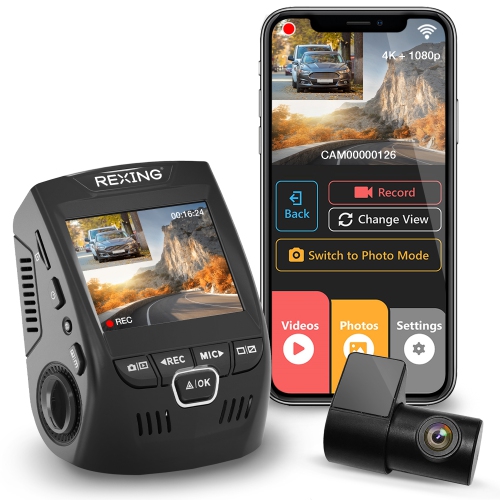 Your price for this item is $159.99
 -
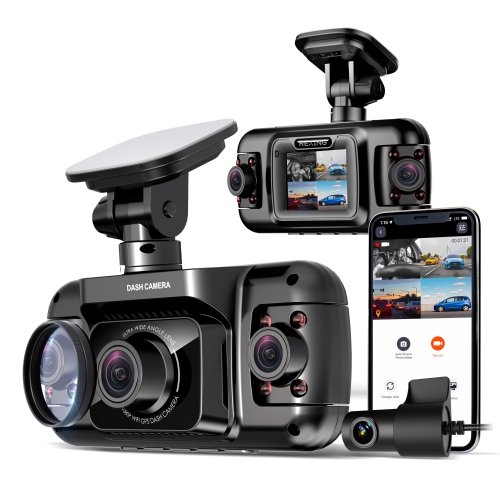 Your price for this item is $327.99
 -
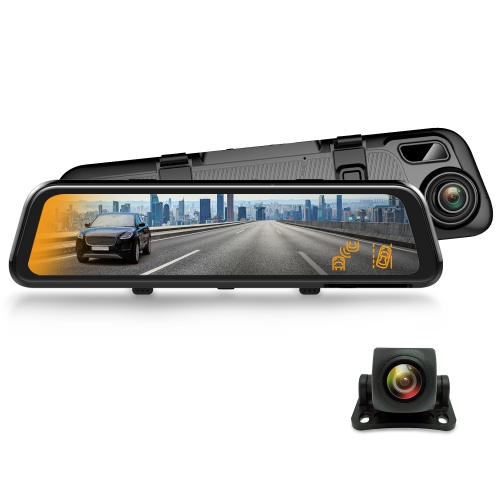 Your price for this item is $129.99
 -
 Your price for this item is $229.99
 -
 Your price for this item is $327.99
 -
 Your price for this item is $199.99
 -
 Your price for this item is $179.99
 -
 Your price for this item is $349.99
Discover more categories related to Wireless Dash Cam Front And Rear

Top Collections:
Pokemon Centers, Kindle Devices, Best Budget Office Chairs, Apple iPhones 16, Best Laptops for Writers, iPhone 15 Apple, Canon G7X Cameras, Refurbished Apple Laptops, Alarm Clock, Motorola Razr Phones
Some products may be subject to Environmental Handling Fees
(EHF) depending on your province.
Learn more about EHFs.