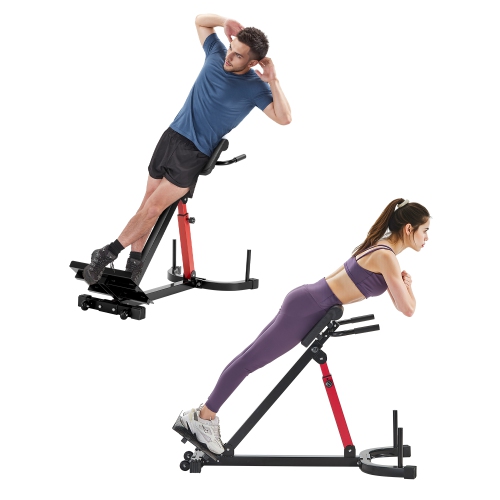
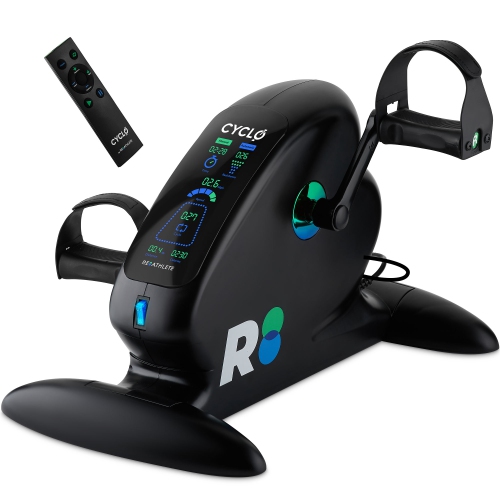
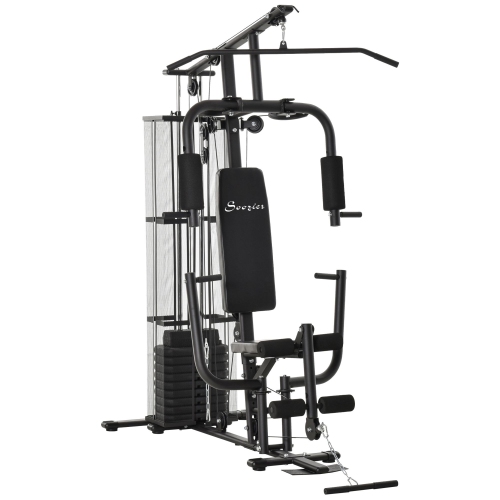
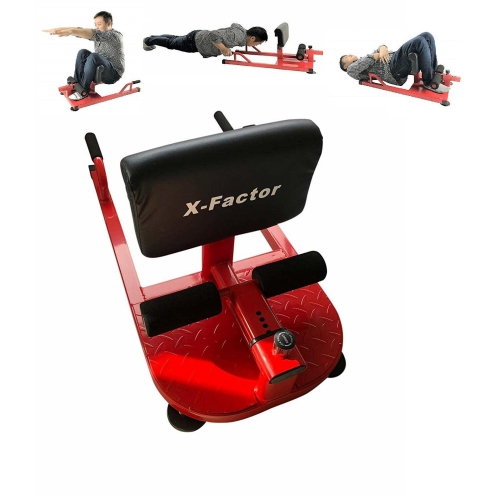
Cardio And Strength Training Machines

Shop cardio and strength training machines to build a workout setup that fits your goals and space. Compare fitness equipment for endurance and resistance training, considering each machine’s dimensions, exercise options, and the clearance needed to use it comfortably in your home gym.
Read More

Sort

Different training goals can share one workout space

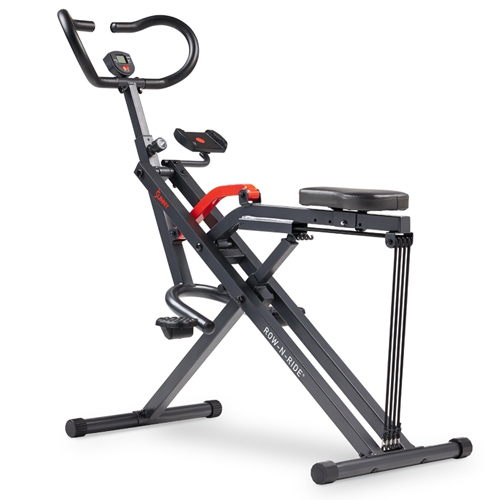
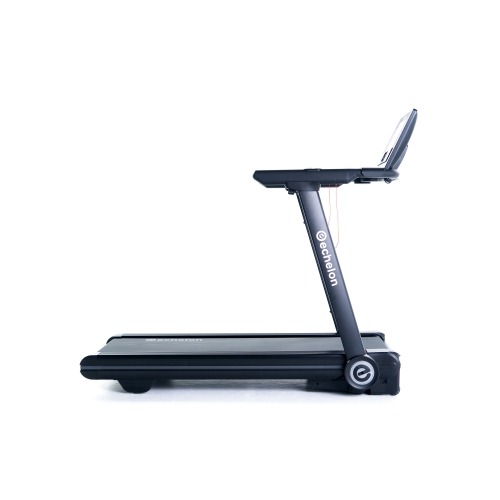
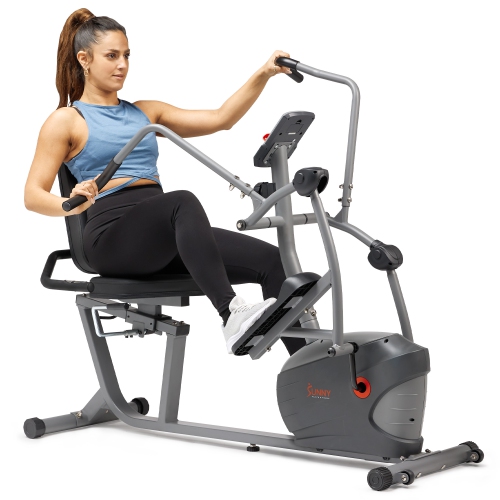
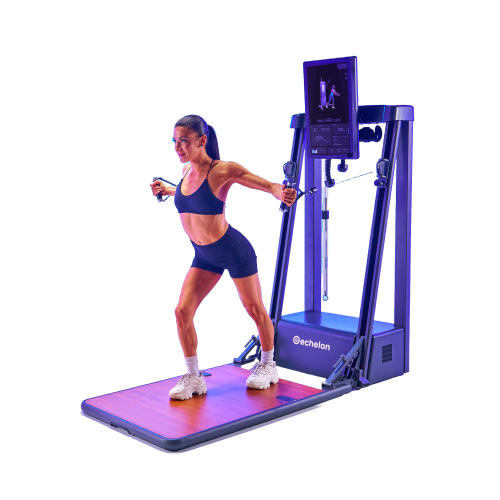
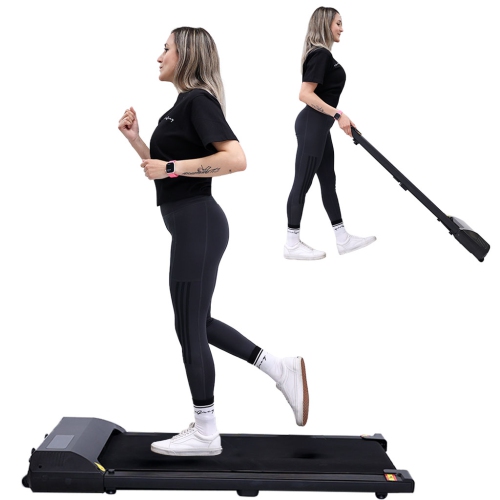
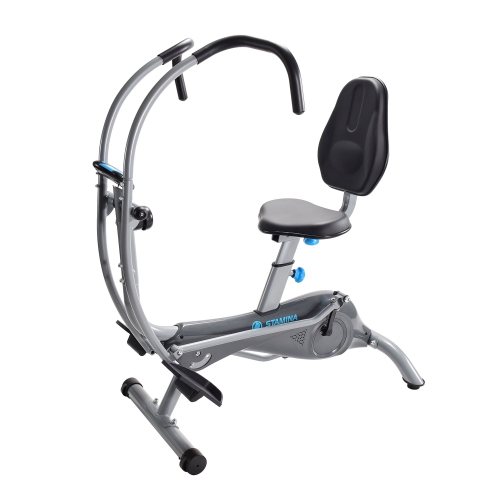
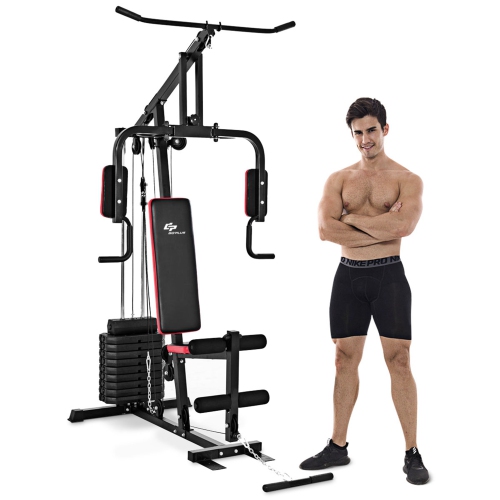
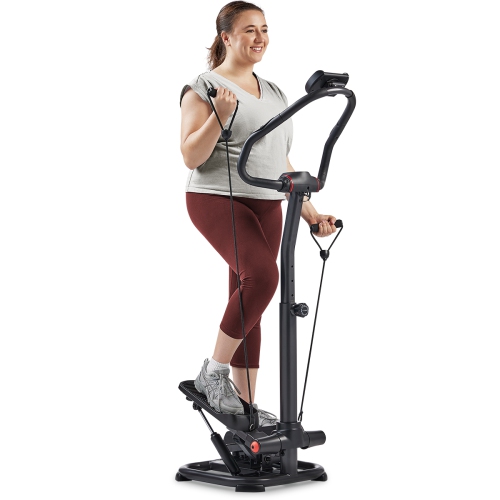
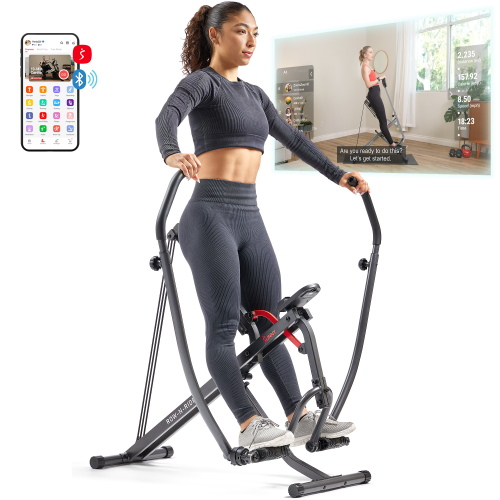
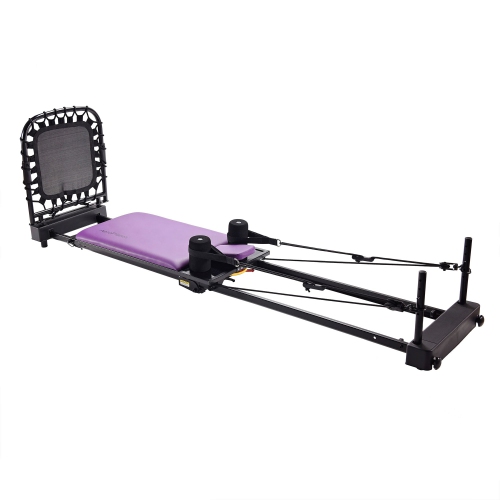
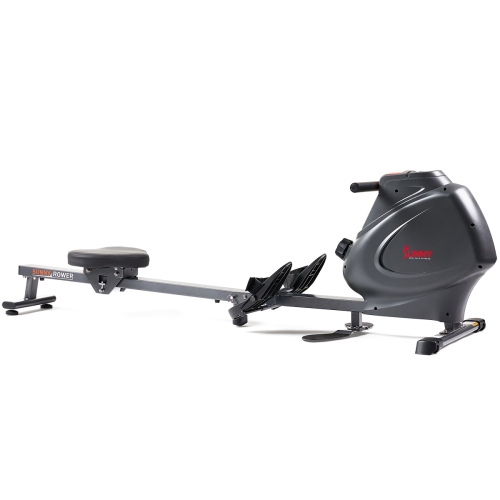
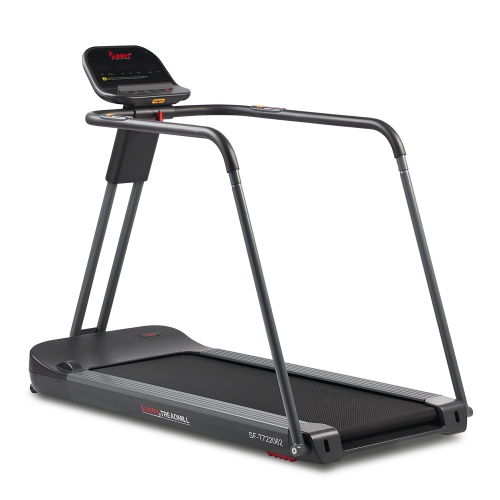
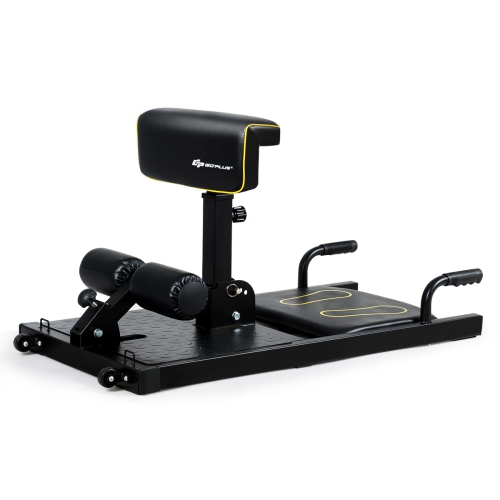
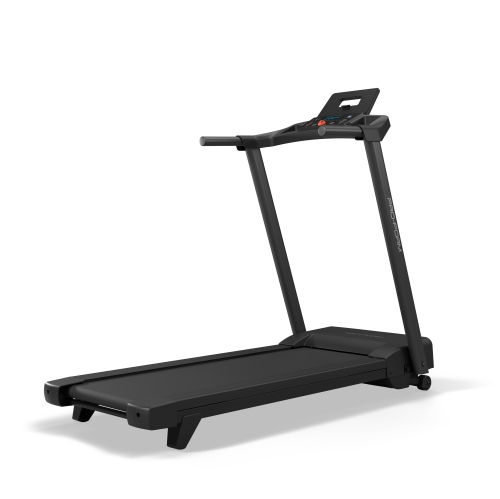
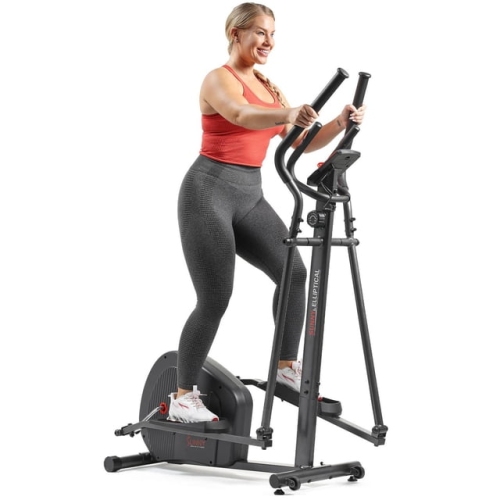
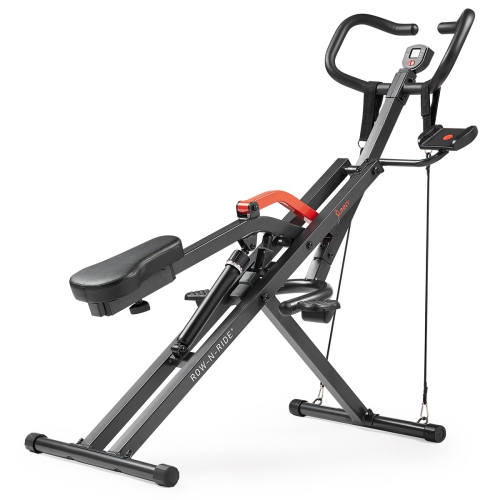
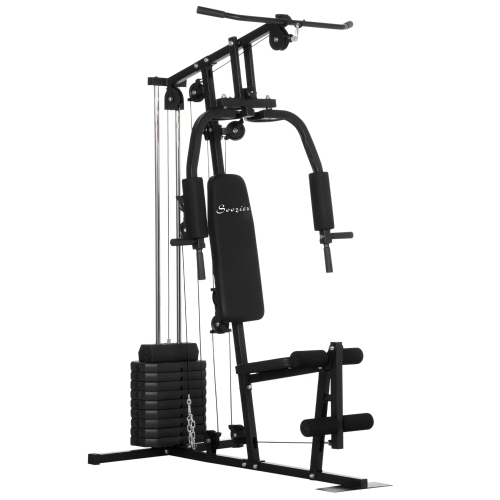
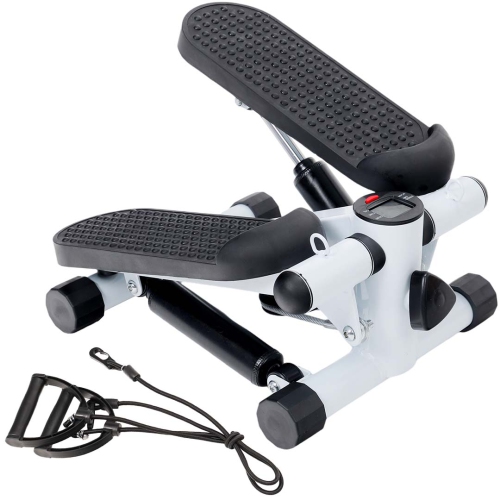
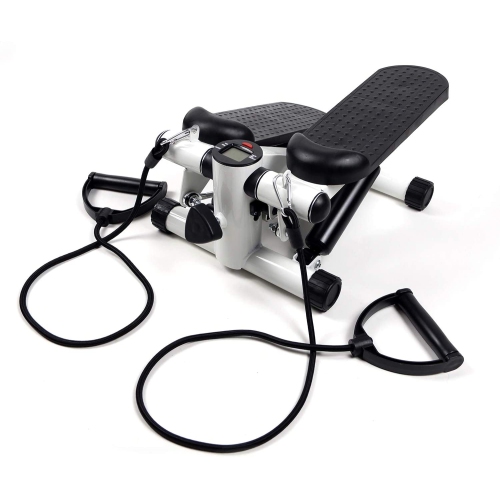
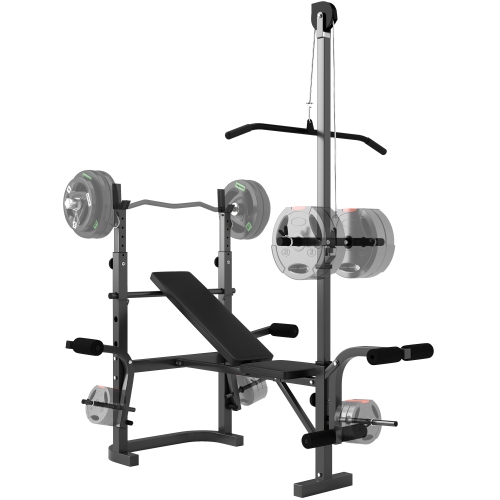
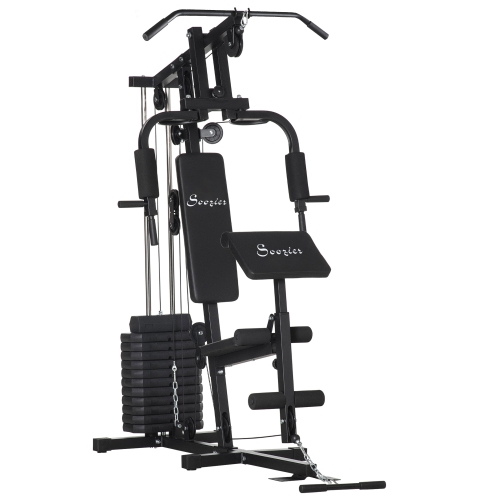
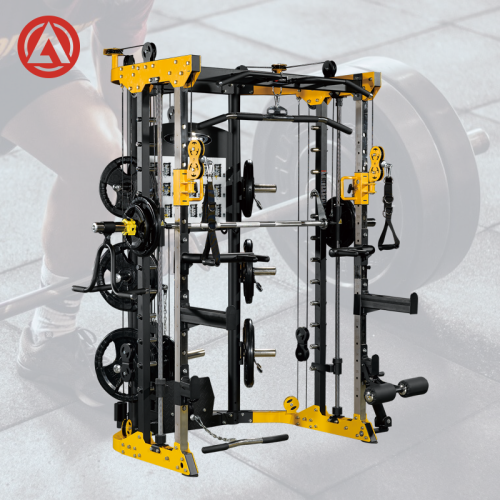
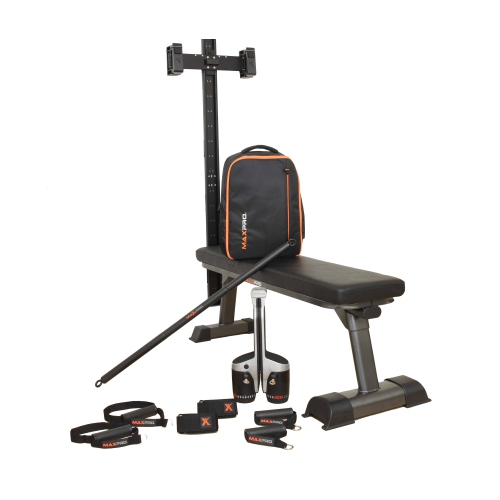
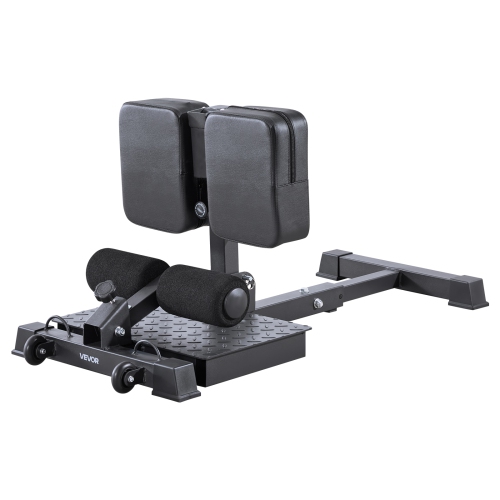
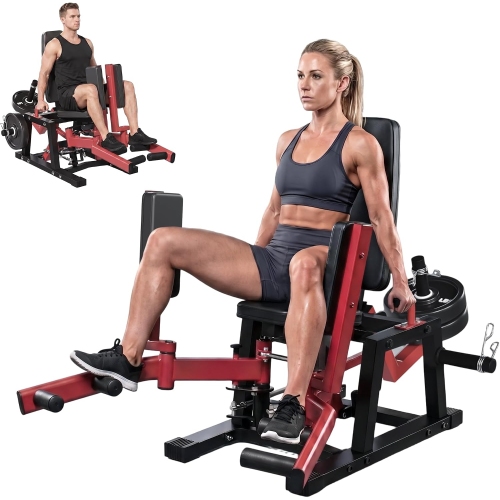
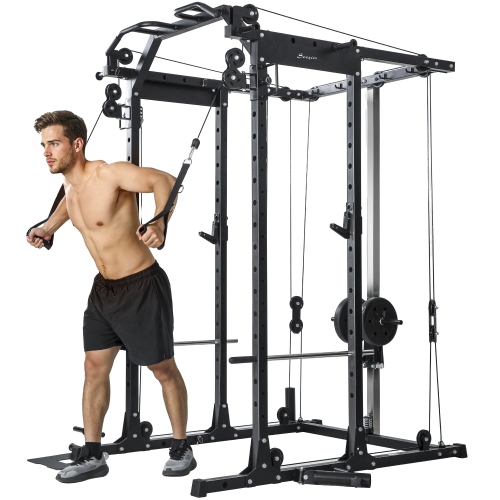
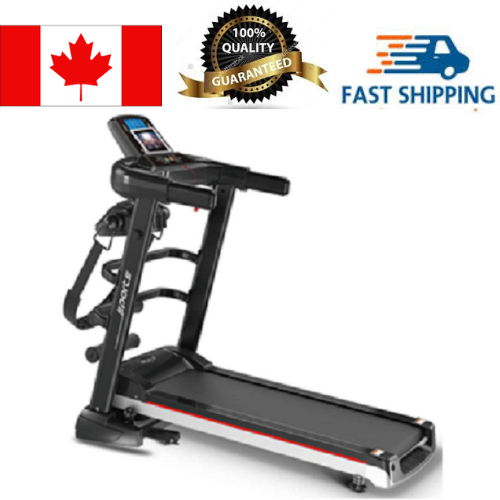
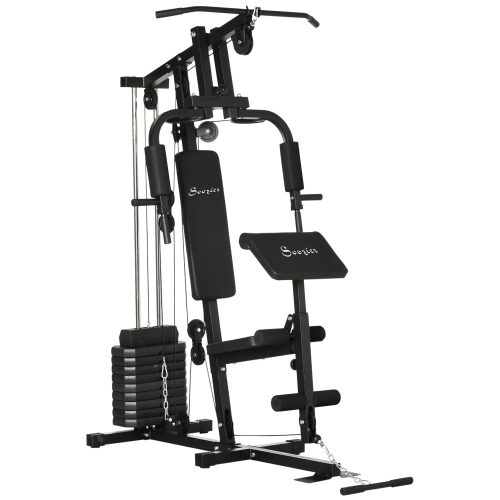
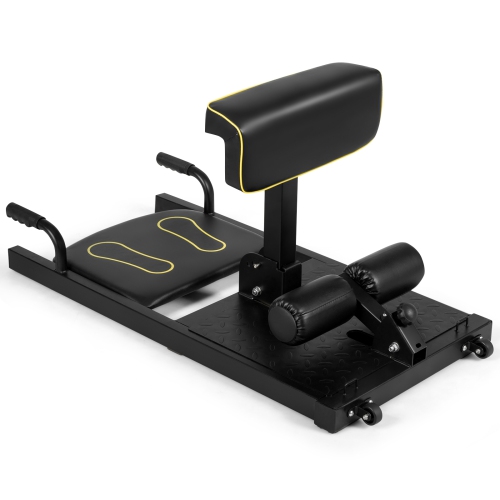
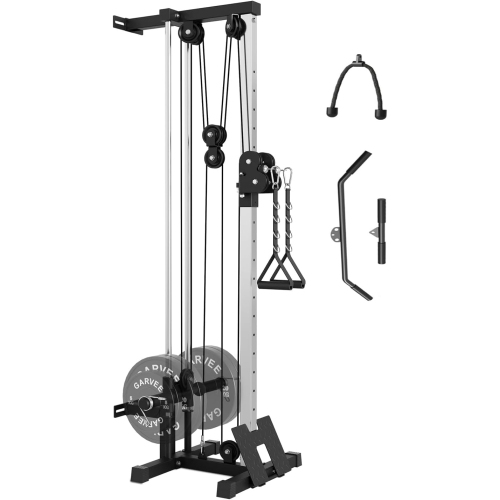
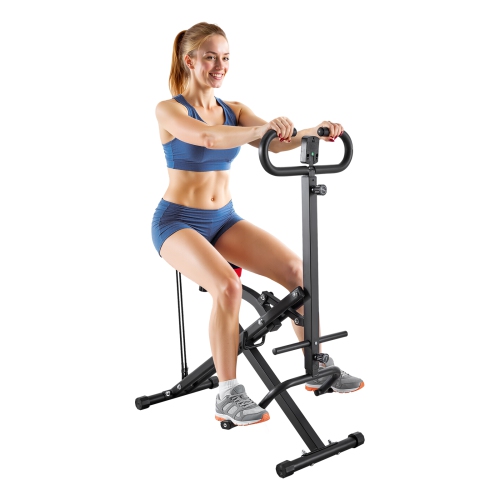
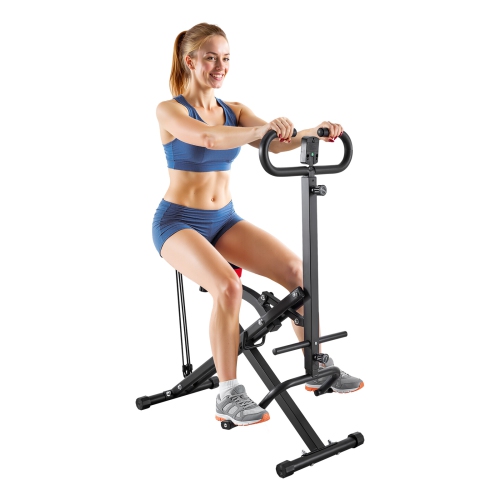
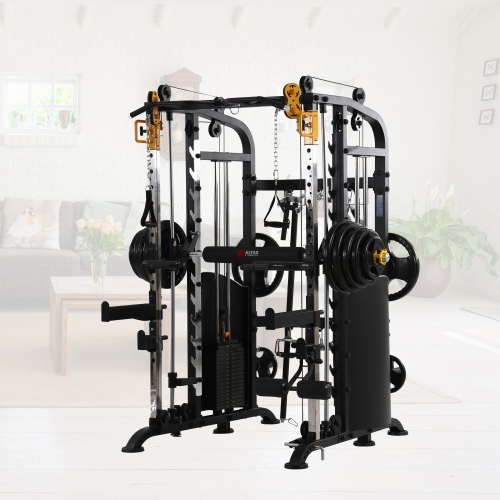
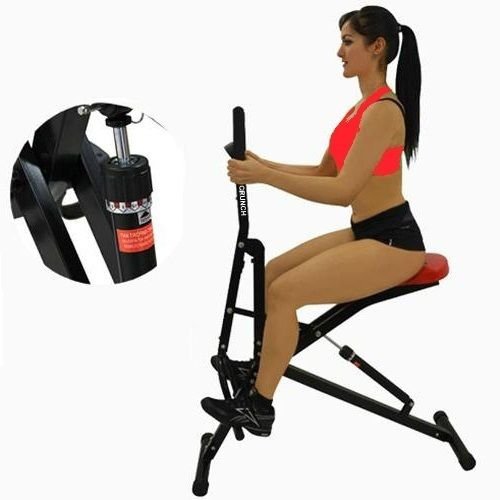
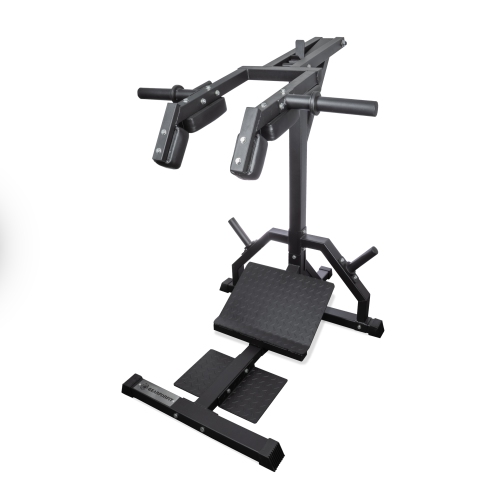
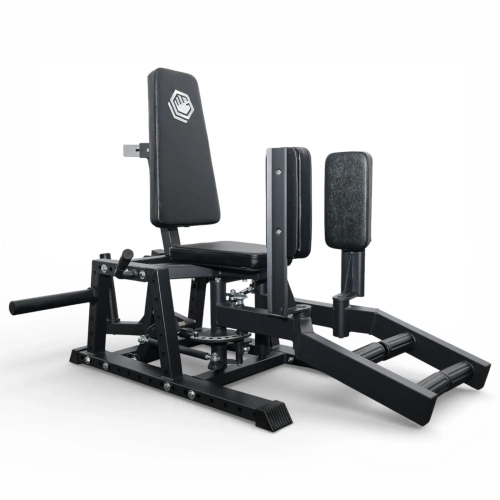
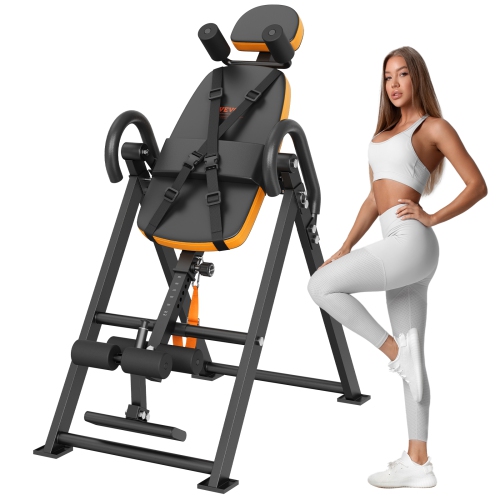
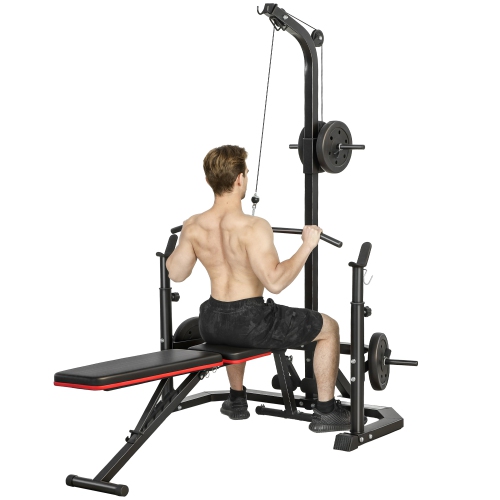
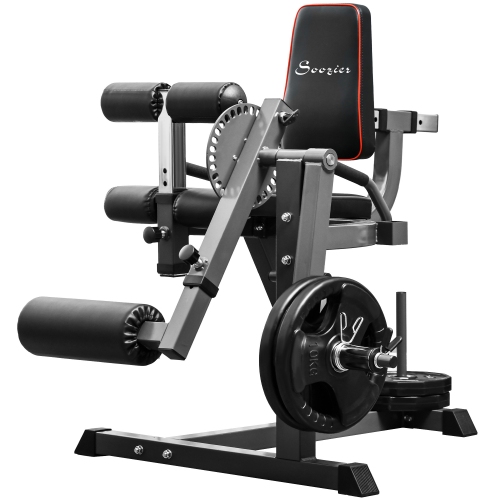
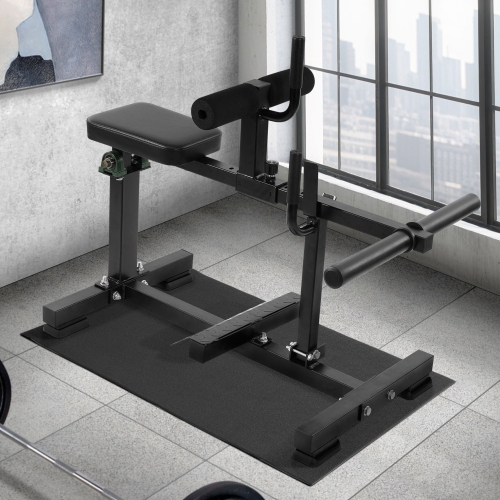
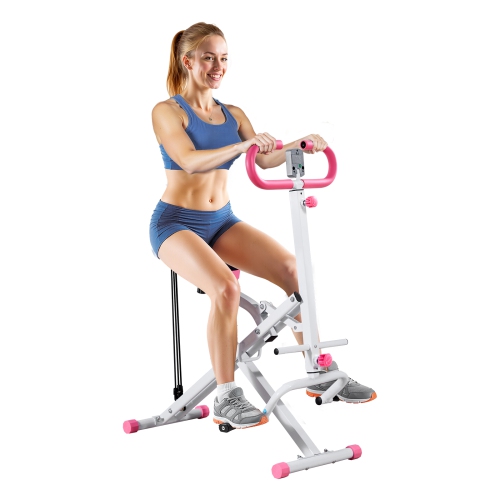
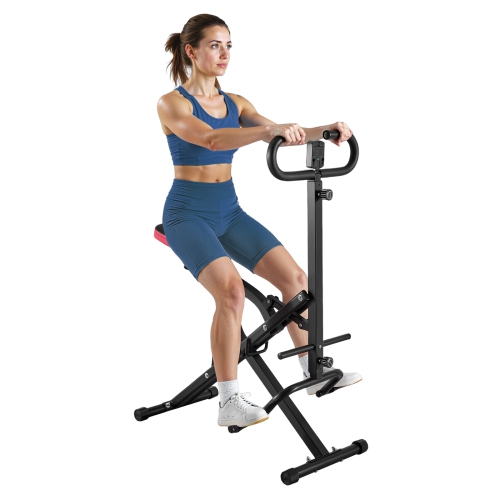
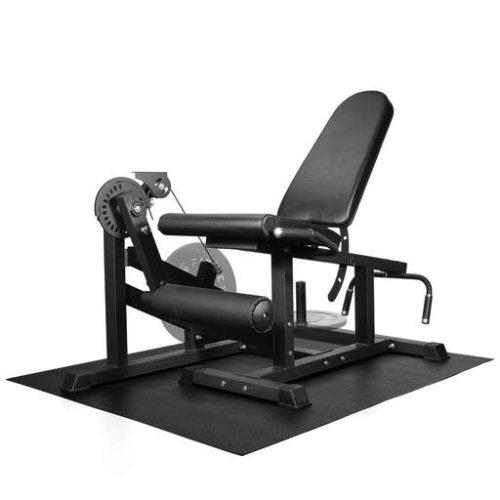
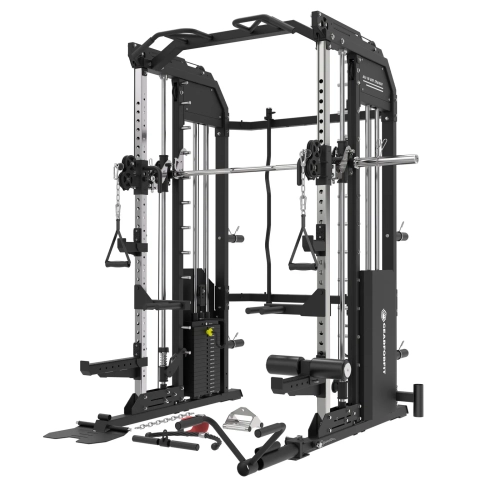
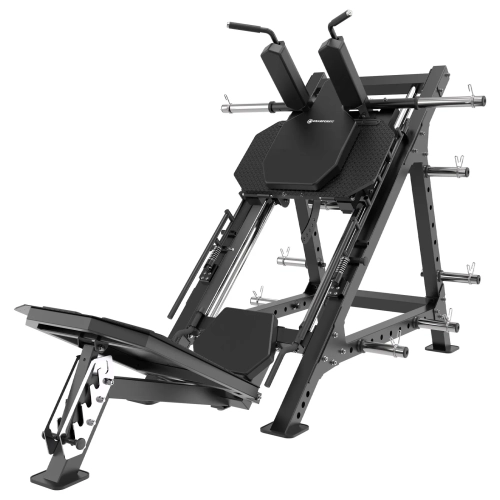
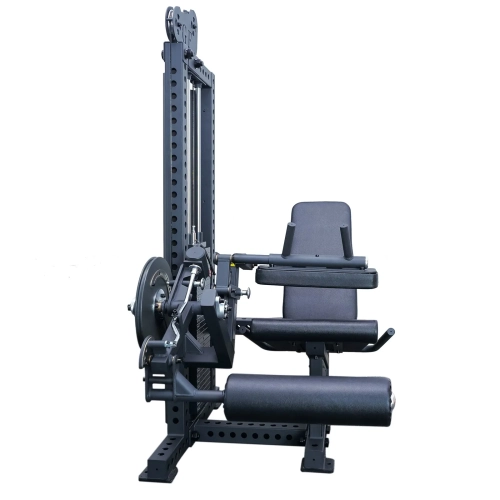
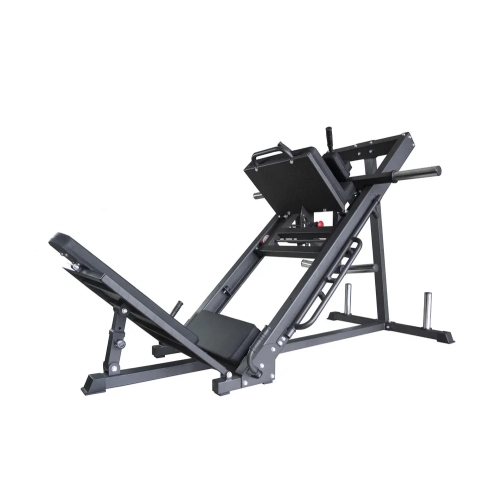
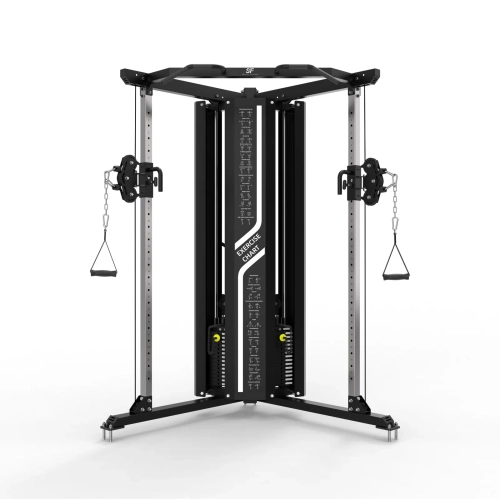
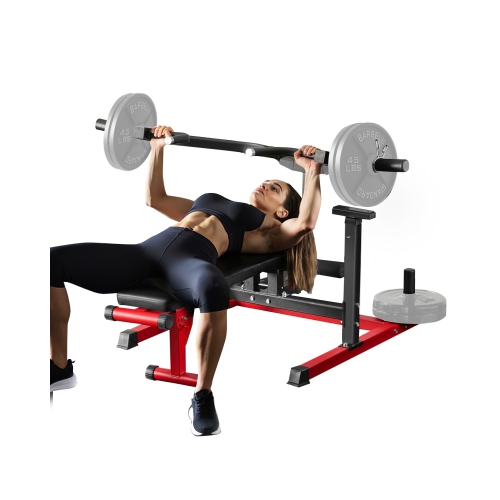
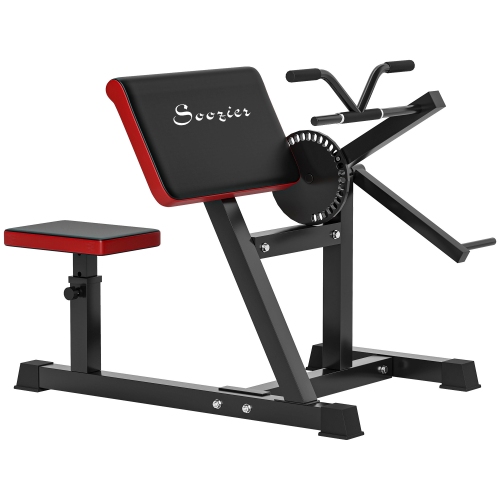
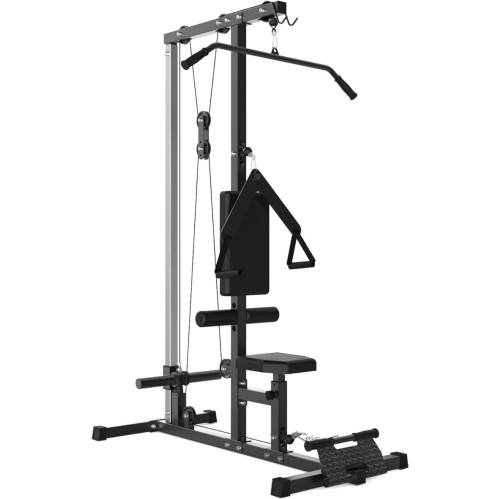
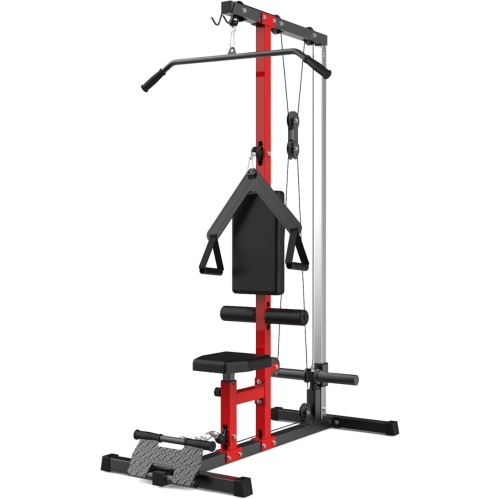
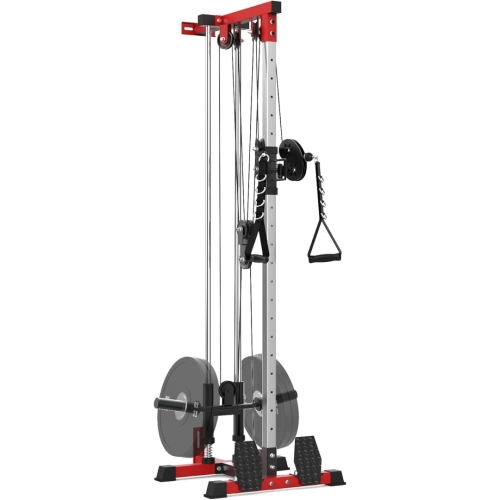
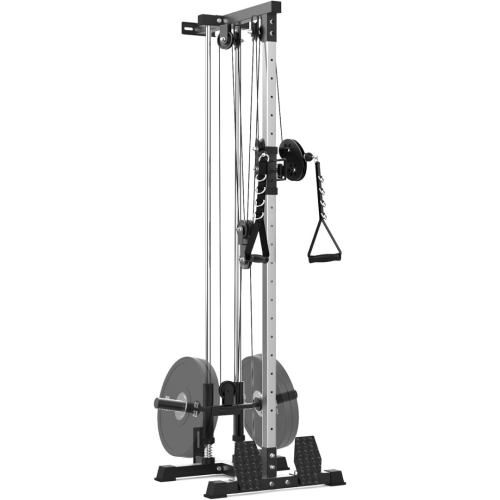
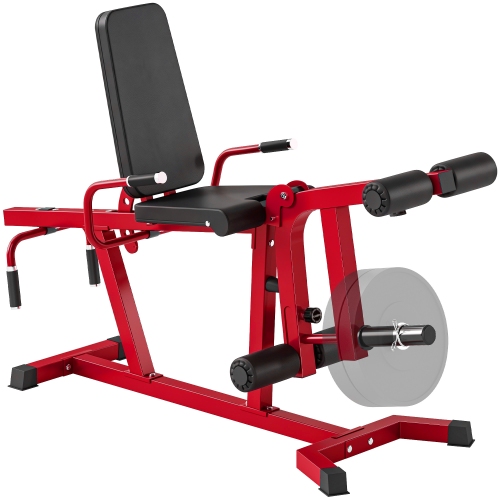
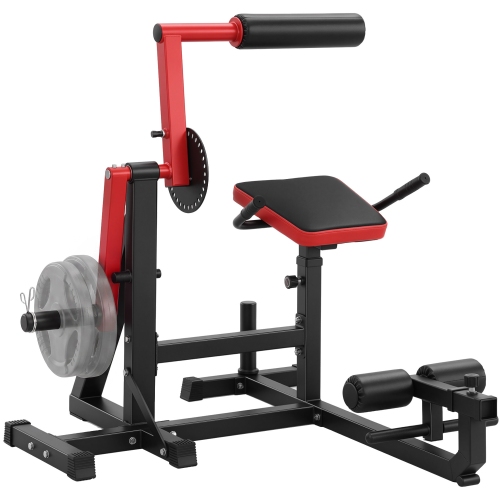
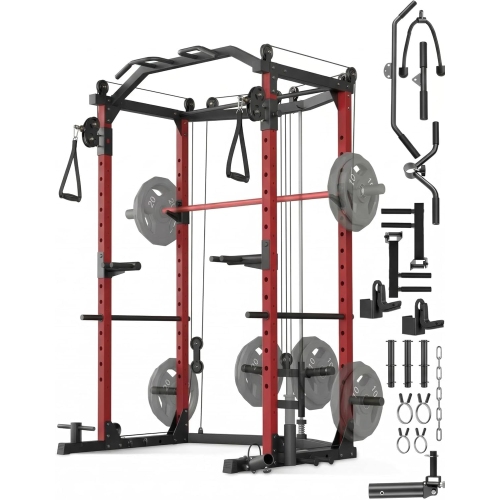
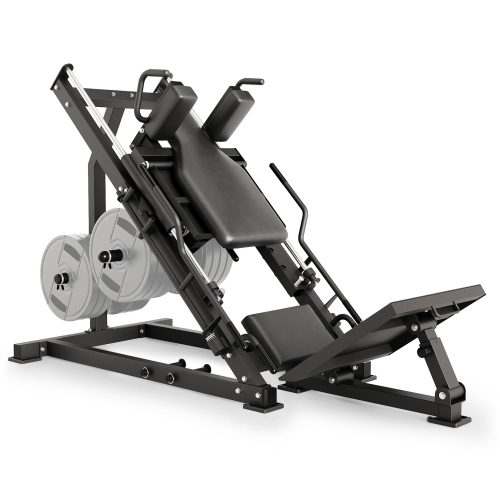
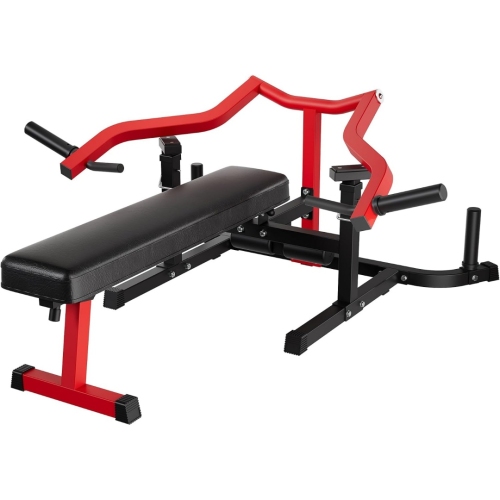
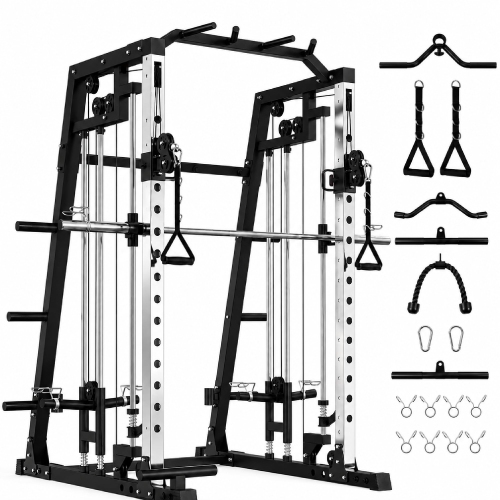
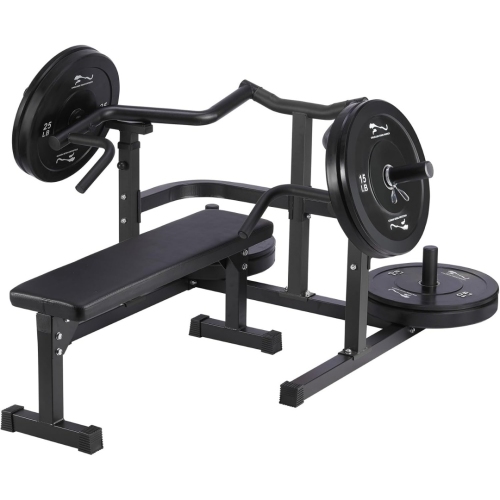
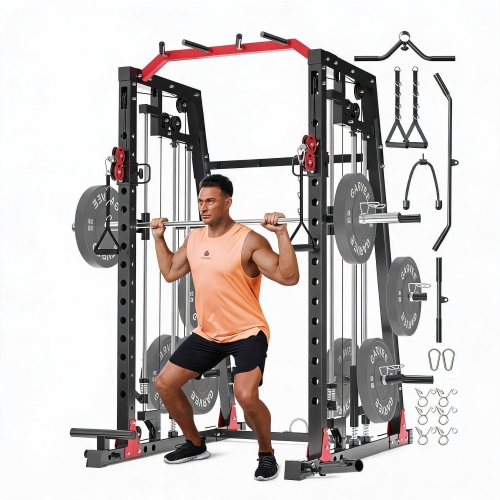
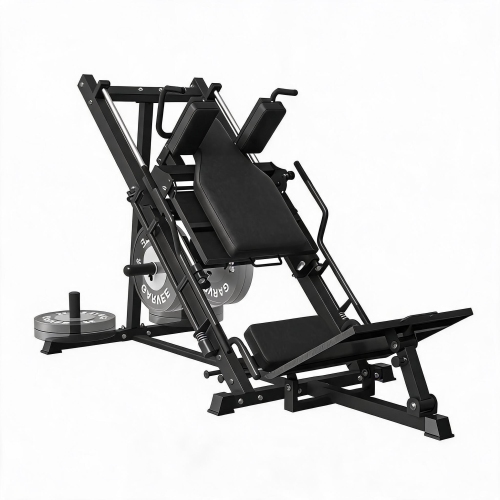
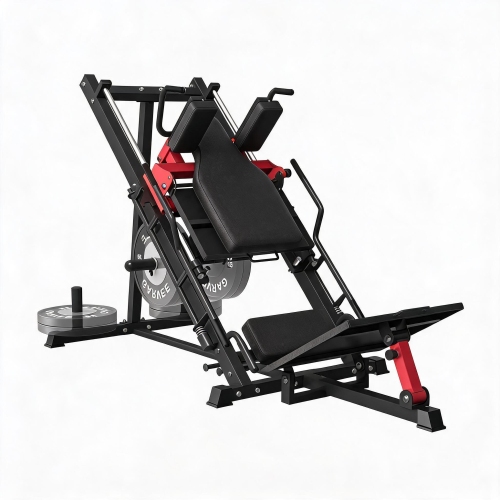
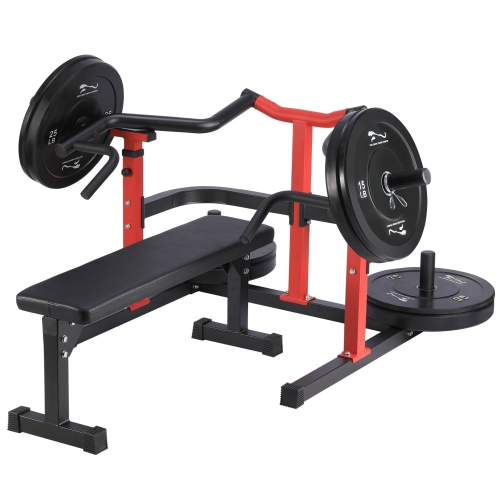
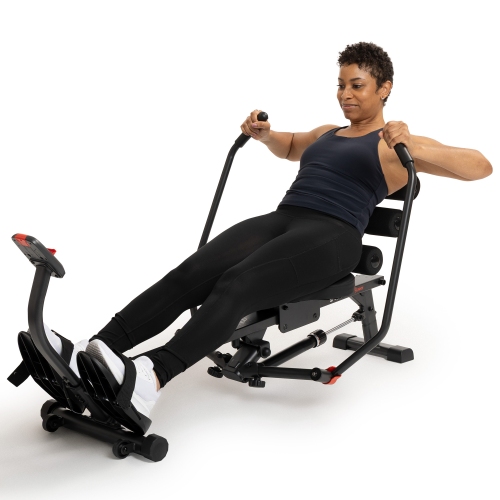
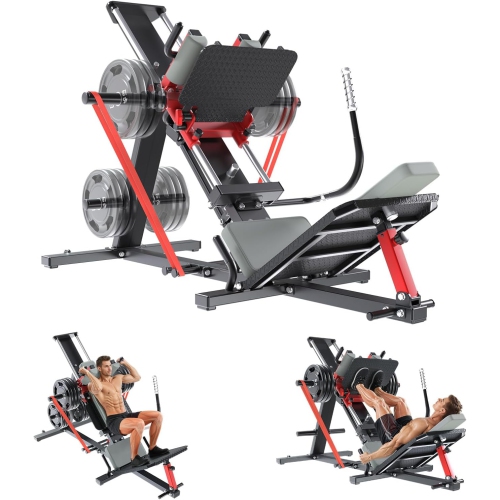
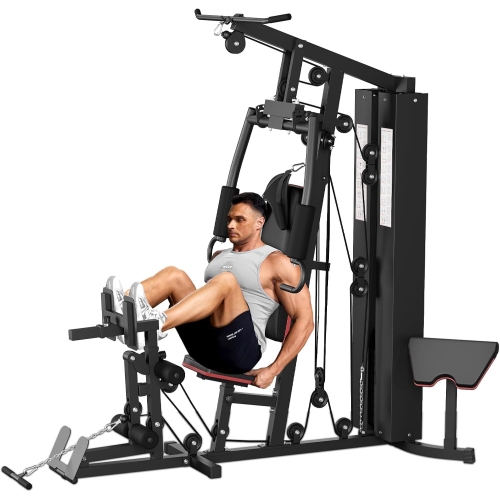
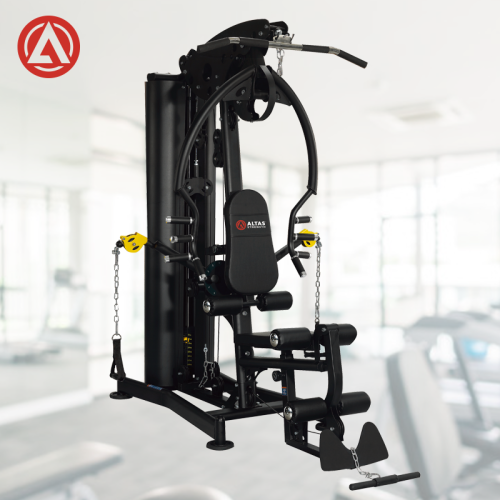
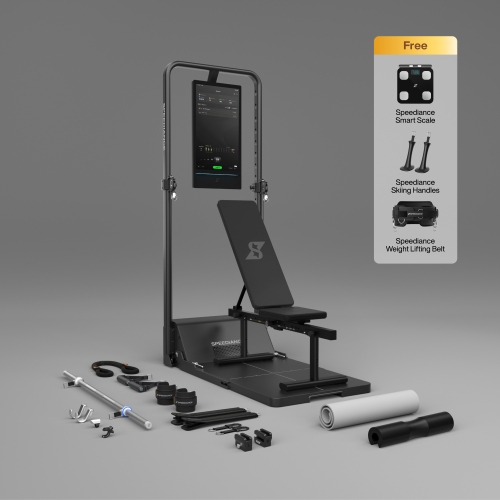
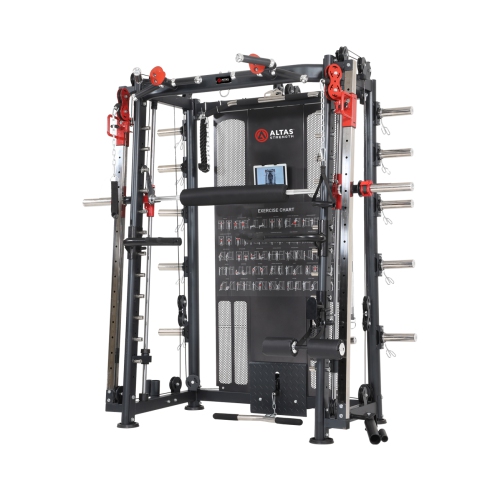
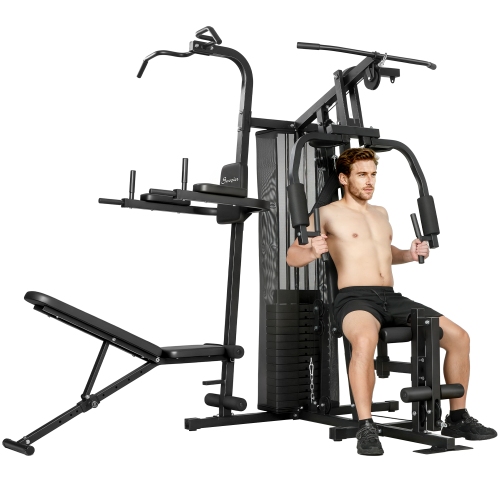
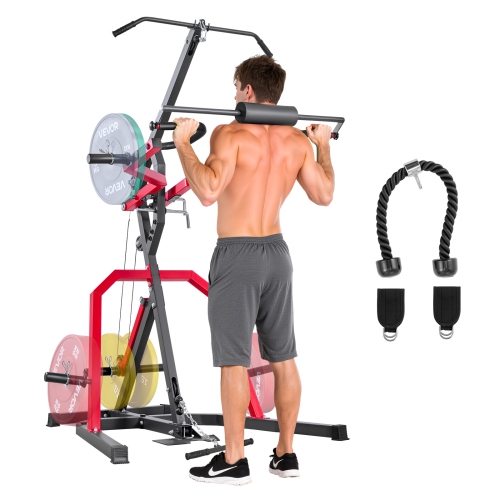
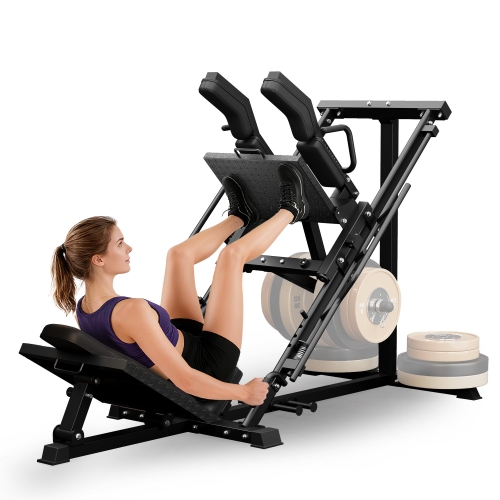
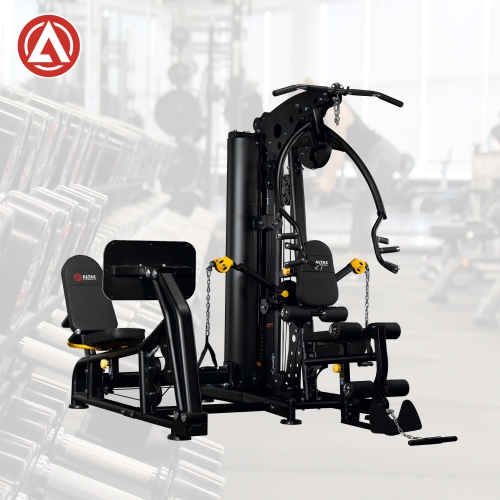
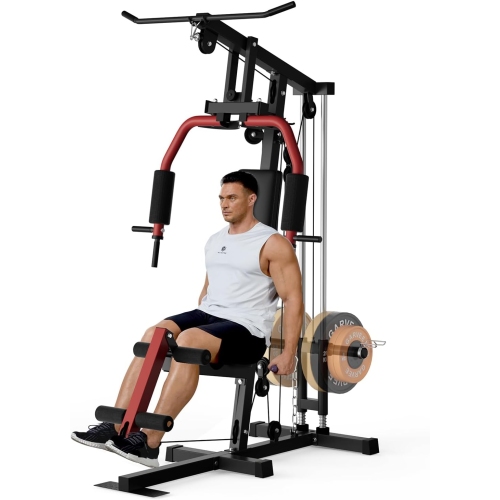
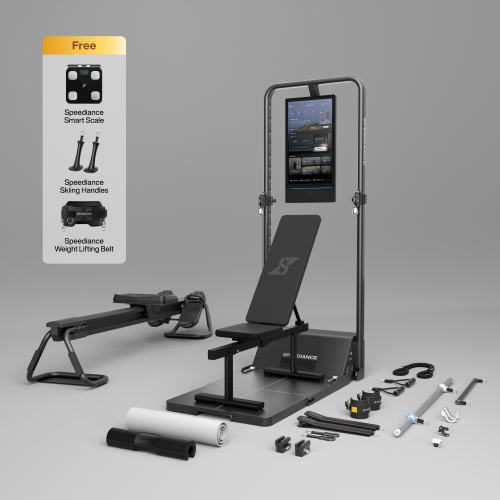
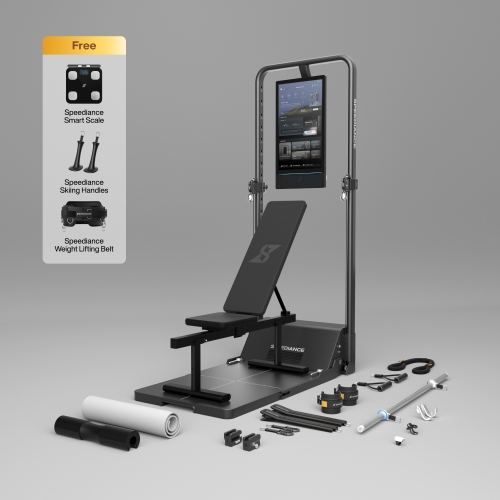
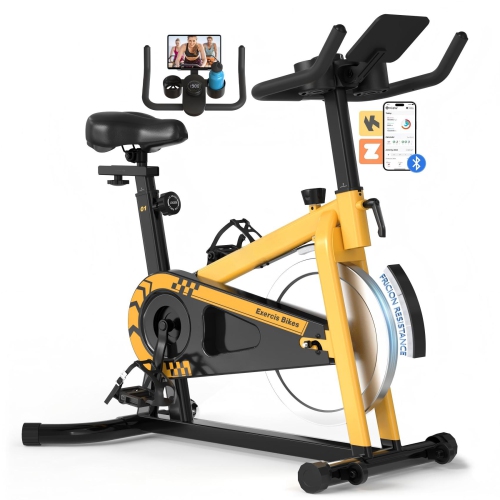
Cardio and strength training machines bring two complementary types of exercise into a home workout space: cardiovascular training uses repeated movement to support endurance, while resistance training challenges muscles through pushing, pulling, lifting, or pressing. Together, they can support a routine that includes aerobic activity, muscle development, and everyday physical function. Cardio equipment includes treadmills for walking and running, exercise bikes for seated pedalling, ellipticals for a gliding stride, and rowing machines that combine leg drive with upper-body pulling. Strength equipment includes cable systems, weight-stack machines, plate-loaded stations, and multi-gyms designed for several resistance exercises within one frame. Although rowing and air-resistance machines engage several muscle groups, they do not offer the same training stimulus as progressively loaded strength exercises. That distinction matters when a workout space needs to serve more than one goal. Someone who enjoys steady walking and controlled resistance exercises may use a treadmill alongside a compact multi-gym, while someone who prefers shorter, more varied sessions may appreciate a bike paired with a cable station. Seated cardio equipment can appeal to people who prefer support during exercise, while adjustable resistance machines offer ways to practise movements at a manageable load. Lower-impact movement may feel more comfortable for some users, but comfort depends on individual needs, machine fit, and technique. A machine that feels natural to use is more likely to become part of an established routine, whether that means a morning ride, a walking break between desk tasks, or a dedicated strength session. For households with different fitness interests, separate cardio and strength stations can also let each person train at an appropriate pace. The value of a combined setup is not that every workout must include everything; it is having equipment that supports different activities without making the space difficult to use.

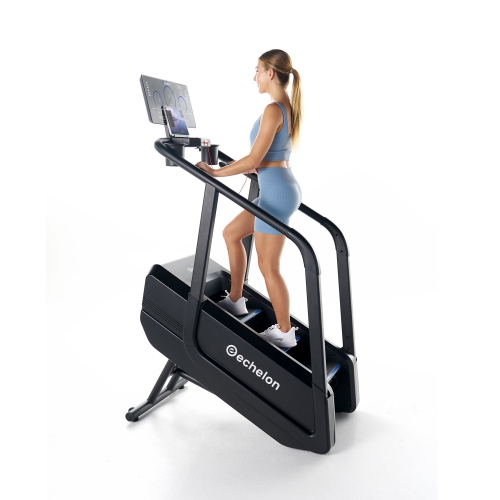
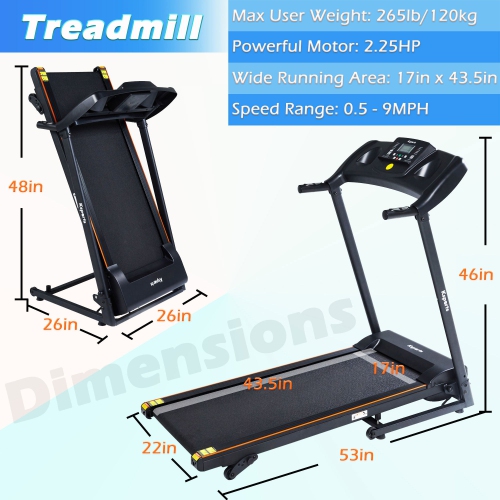
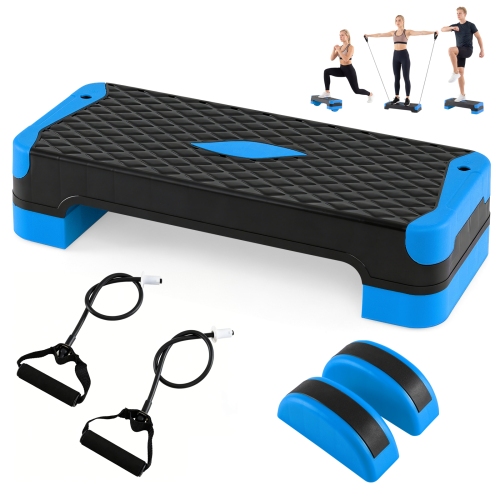
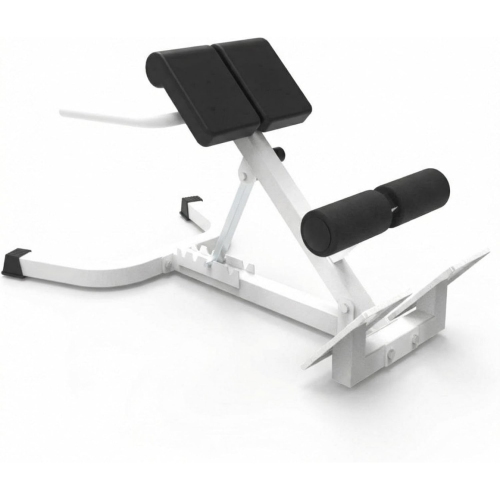
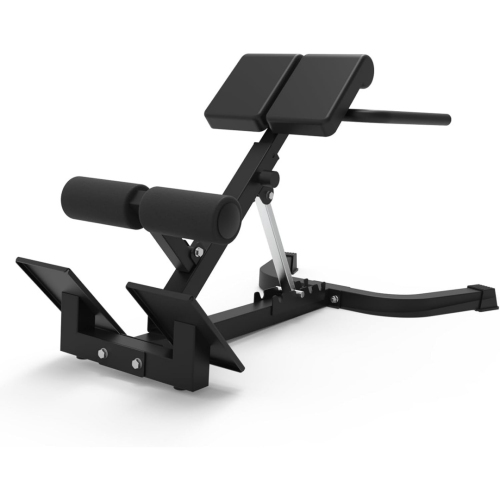
The dimensions and movement of cardio and strength training machines matter as much as the exercises they offer. A machine’s footprint describes the floor area it occupies, but comfortable use also requires room to get on and off, move handles or cables, and complete an exercise without contacting walls or furniture. Treadmills need the manufacturer’s specified clearances, particularly behind the running deck, while rowing machines need space for the full travel of the seat and handle. Ceiling height becomes important with incline treadmills, stepping machines, overhead presses, and tall pulley systems. Folding frames and transport wheels can make a shared room more flexible, although a folded machine still needs a secure storage position and may be heavy to move. Ergonomic adjustments help equipment accommodate different users: seat height, backrest position, handle reach, pedal spacing, and cable attachment points all influence how a movement feels. On a strength machine, the relationship between the user’s joints and the machine’s pivot points is especially important for a controlled range of motion. Construction also shapes the ownership experience. Steel frames provide structural support, while bearings, pulleys, cables, belts, and fastening hardware contribute to smooth operation and long-term durability. Upholstered pads should provide comfortable support, with coverings that can tolerate regular cleaning according to the manufacturer’s directions. Textured footplates and secure grips help maintain contact during movement, while accessible adjustment pins make changes between exercises less cumbersome. Maximum user weight and resistance capacity are separate specifications, and both should suit the intended use. Noise deserves attention in apartments and multipurpose rooms: a motor, fan, rowing mechanism, or moving weight stack can produce different sounds, and foot strikes may transmit vibration through the floor. A suitable equipment mat can help protect flooring and reduce some vibration, but it does not replace a level surface or proper assembly. Stable placement and enough space for controlled movement make a setup easier to use with confidence.

Day-to-day convenience often determines how well exercise equipment fits into home life. Clearly marked controls, readable displays, accessible bottle holders, and straightforward resistance adjustments can make a difference during a session, especially when more than one person shares the same machine. Cardio consoles may display time, distance, speed, or resistance level; calorie figures are estimates rather than precise measurements of individual energy use. Connected features can add workout variety, but basic operation, device compatibility, and any separate service requirements are worth understanding before making them central to a routine. For shoppers whose interests include weight management, Cardio Machines for Weight Loss offers a related category of equipment for regular aerobic activity, with results depending on exercise habits, nutrition, and individual circumstances. Strength equipment offers a different kind of progress, such as completing a movement with better control or gradually increasing resistance while maintaining sound technique. Small resistance increments can be useful when a large jump would make an exercise difficult to perform comfortably. Maintenance supports both types of training. Wiping away perspiration with an approved cleaning method, keeping moving parts free of debris, and inspecting accessible fasteners, cables, and upholstery help keep equipment ready for use. Treadmill belt care, rail cleaning, lubrication, and other service tasks vary by design, so the manufacturer’s schedule matters more than a one-size-fits-all routine. Heavy machines may also require periodic checks for level positioning and loosened hardware, particularly after being moved. In homes with children or pets, safety keys, secured attachments, and controlled access to moving parts deserve attention even when equipment is idle. The most practical home gym is not necessarily the one with the most stations. It is a space where the equipment suits the users, adjustments are easy to make, and cardio and resistance exercises can be performed comfortably, consistently, and with enough room to move.
Read More

FAQ

Some products may be subject to Environmental Handling Fees (EHF) depending on your province. Learn more about EHFs.