Carbon Fiber Phone Cases
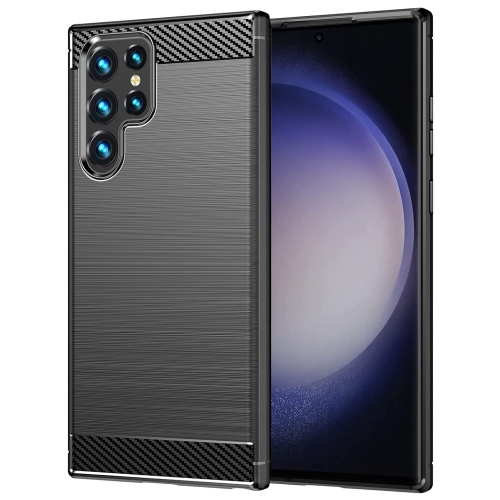
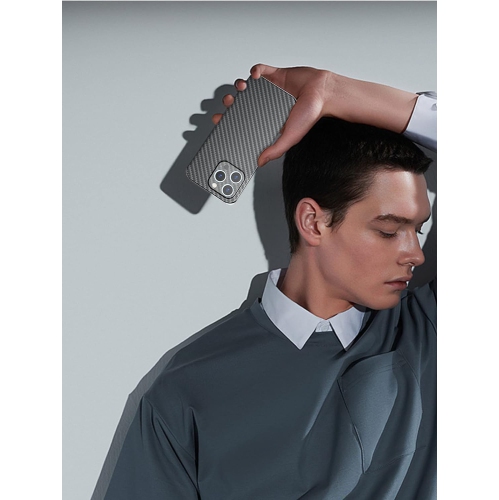
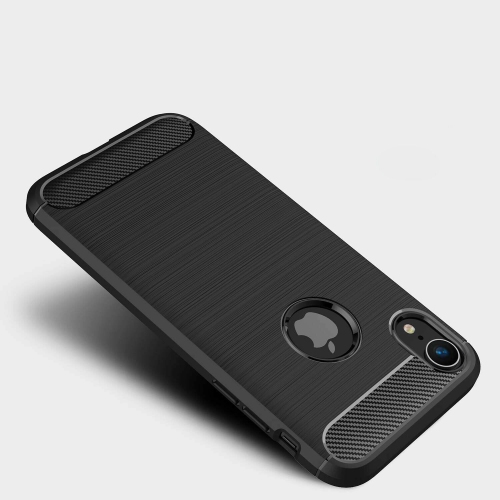
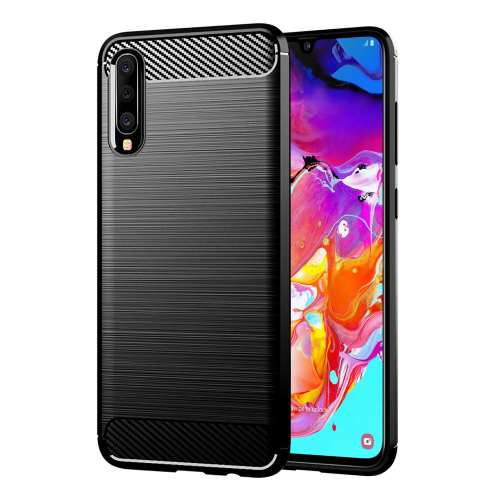
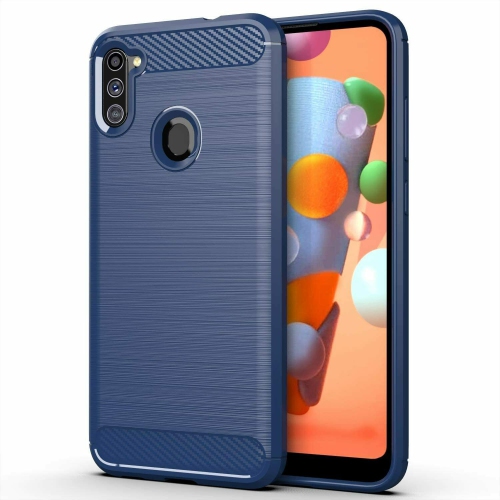
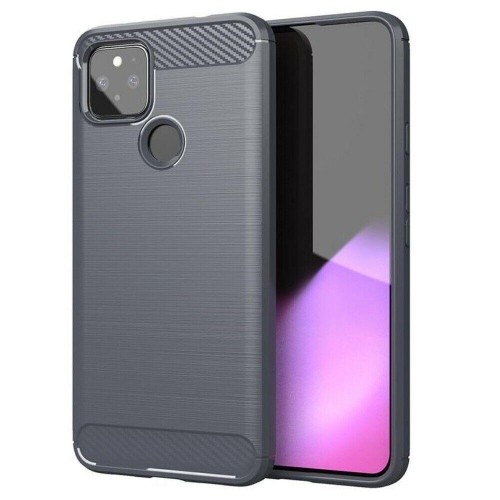
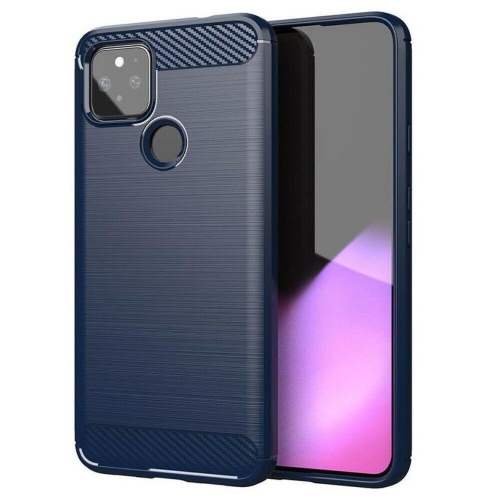
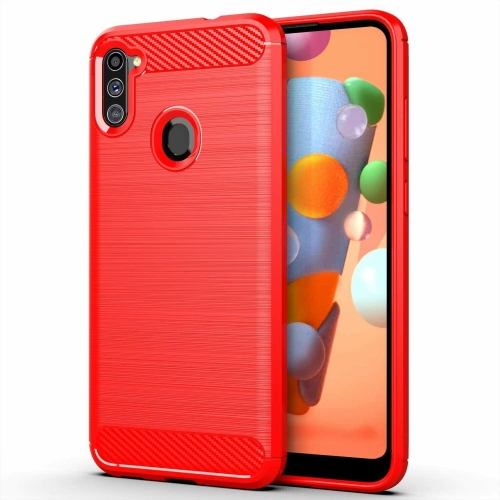
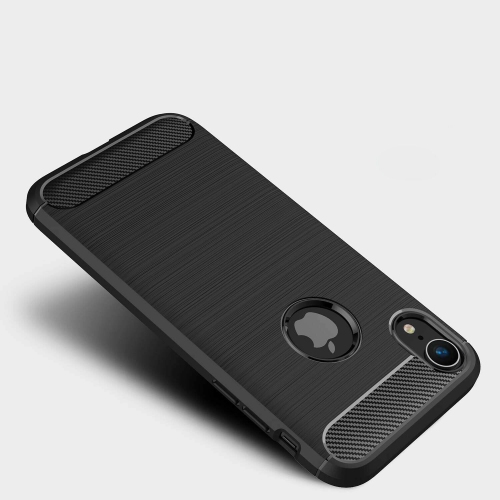
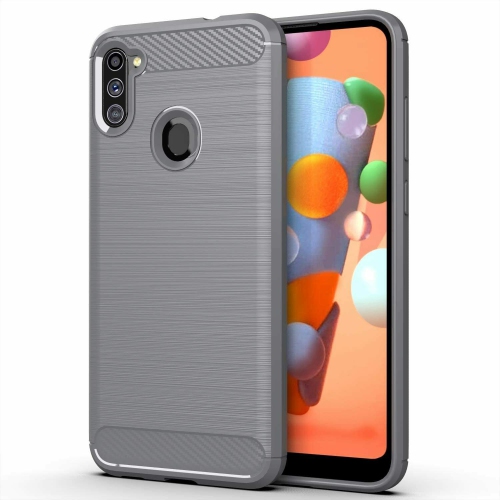
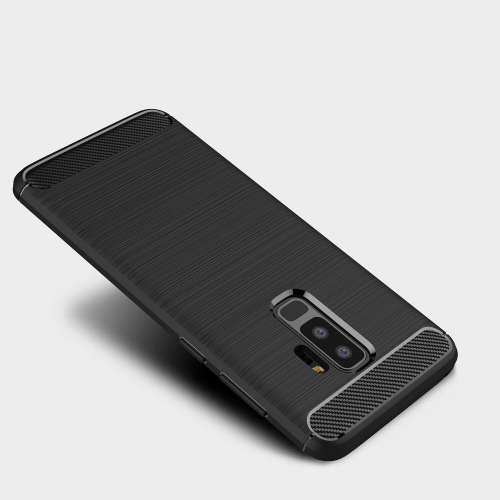
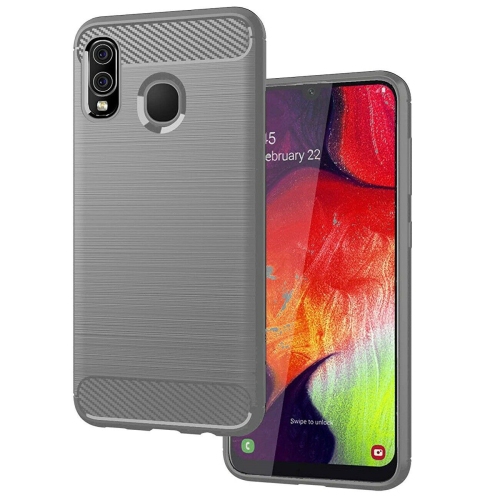
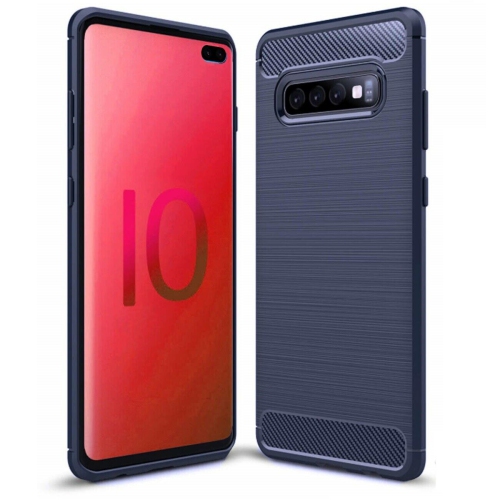
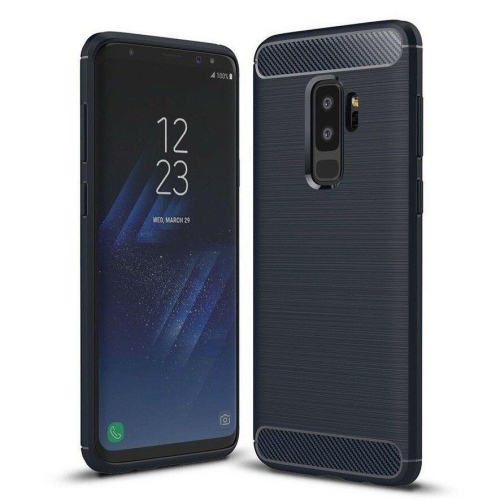
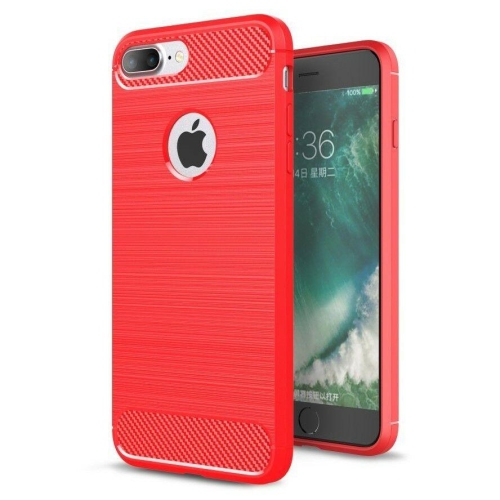
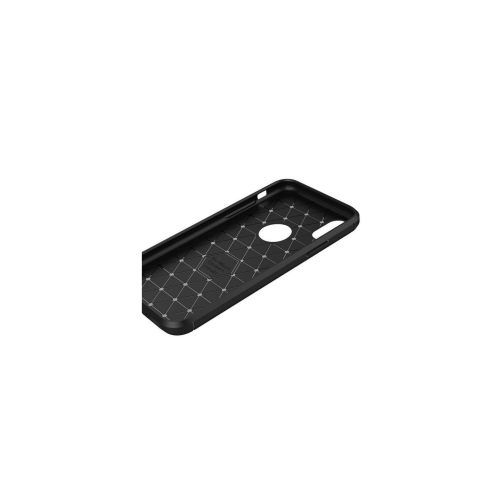
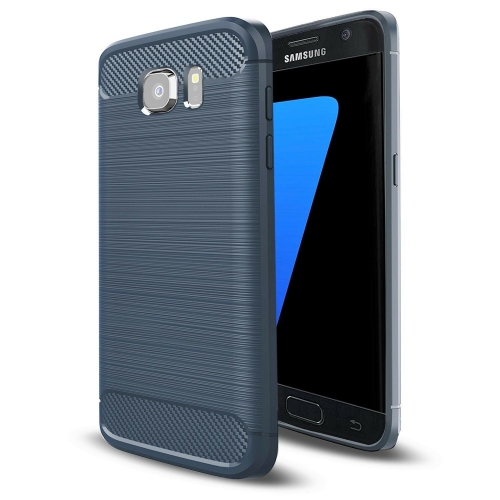
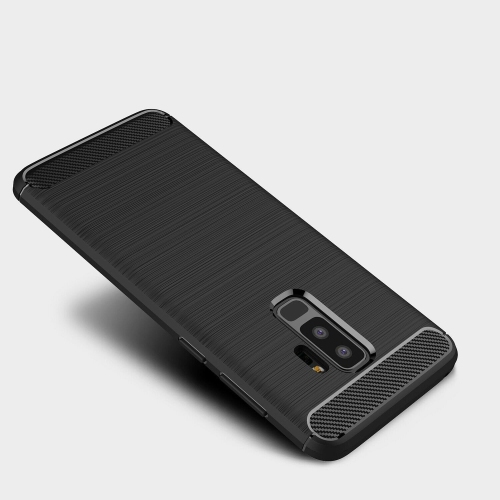
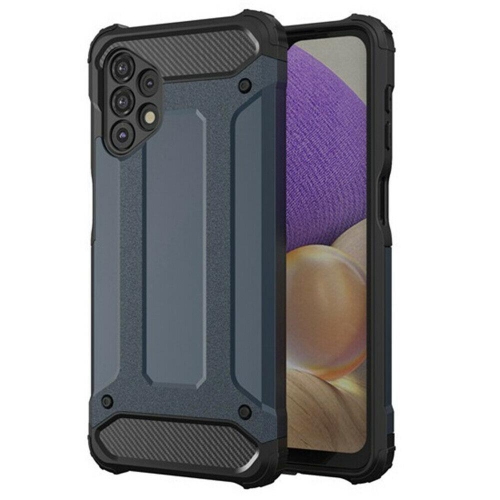
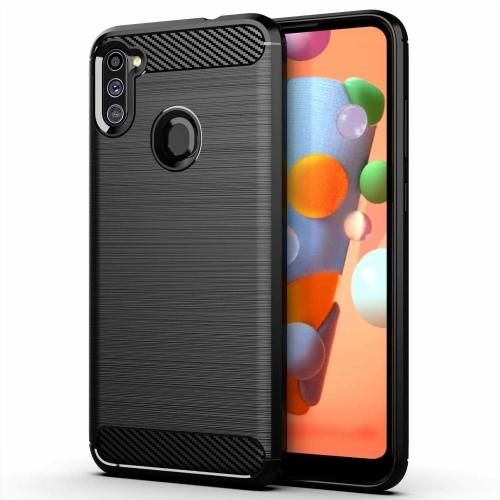
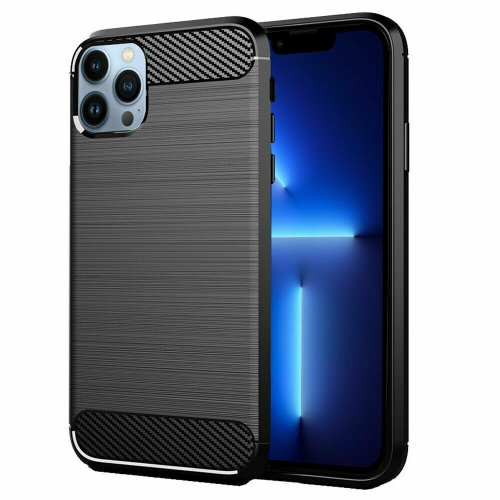
Carbon fiber phone cases provide a lightweight yet robust shield for your device. Whether you're a busy professional on the go or simply want to add a touch of sophistication to your phone, our carbon fiber cases are designed to meet your needs. With their sleek design and high-quality construction, these cases offer the perfect blend of style and functionality. Explore our range of carbon fiber phone cases today and give your device the protection it deserves.
Sort
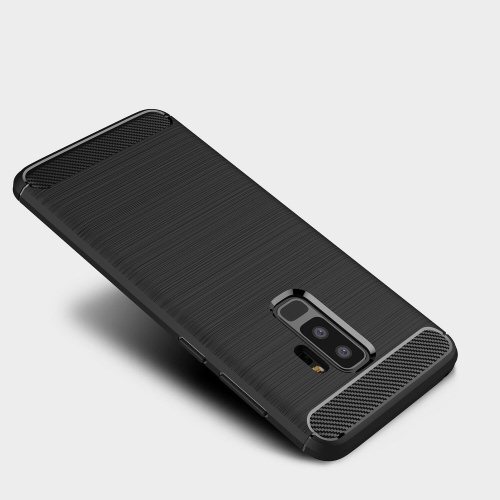
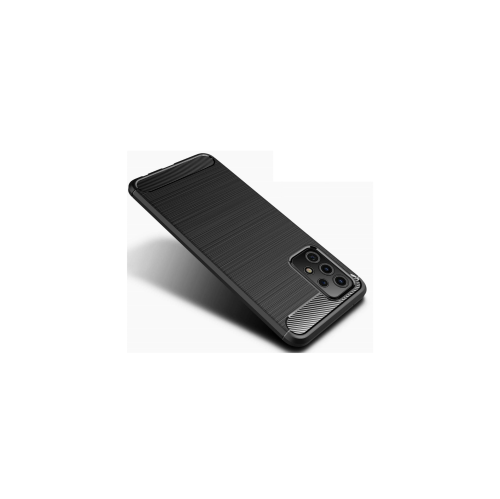
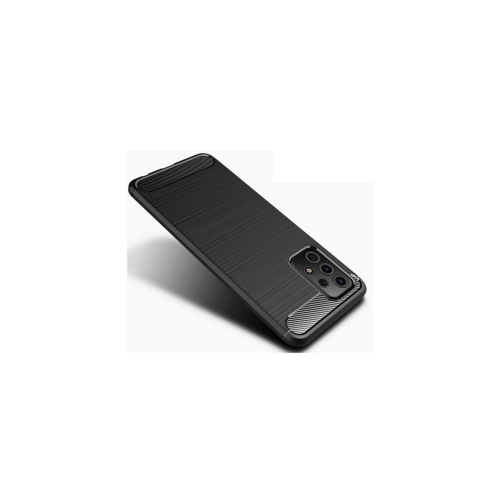
![GENERIC [Carbon Fiber] Case for Samsung Galaxy A8 2018, Durable [Shock Absorption] Slim Tpu Matte Lightweight Bumper](https://multimedia.bbycastatic.ca/multimedia/products/500x500/173/17392/17392009.jpeg)
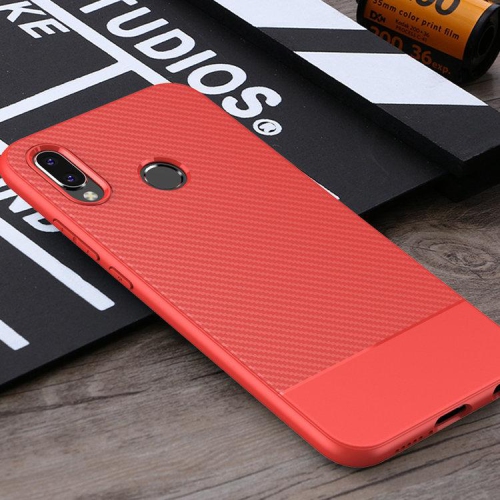

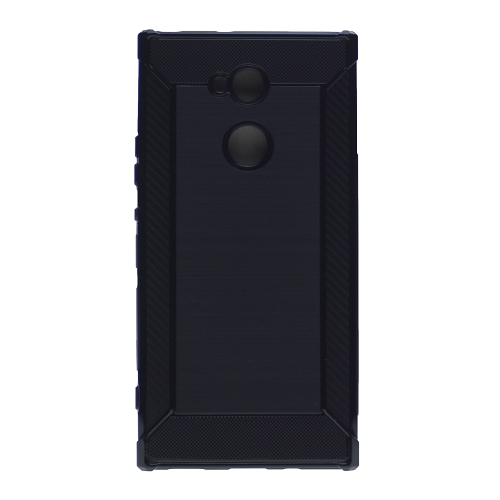
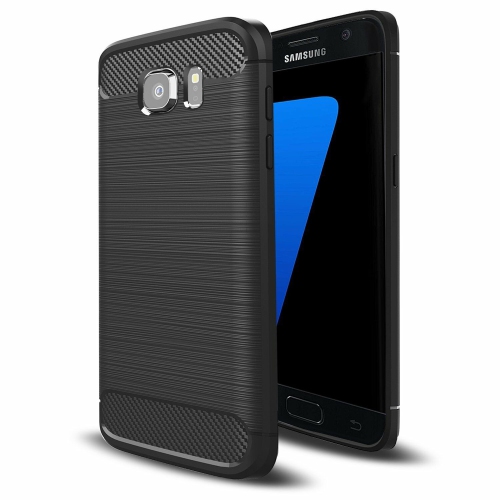
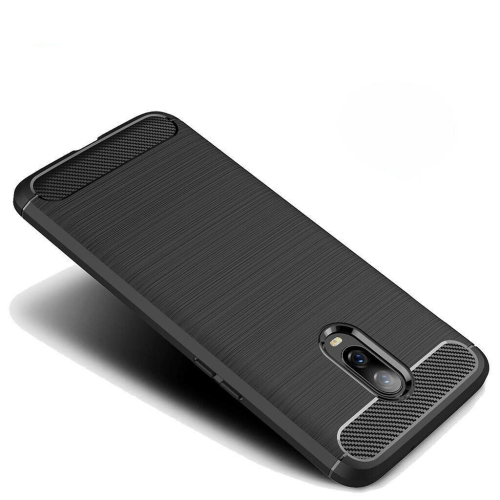
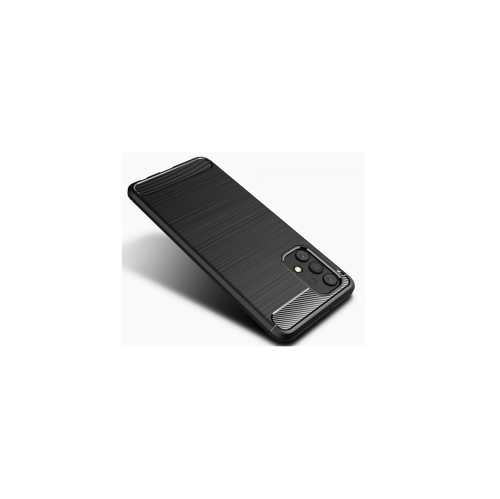
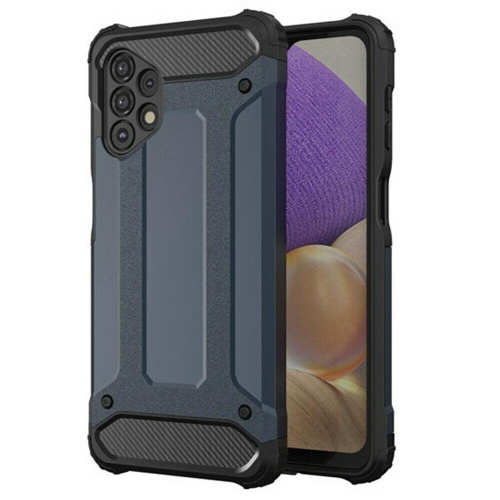
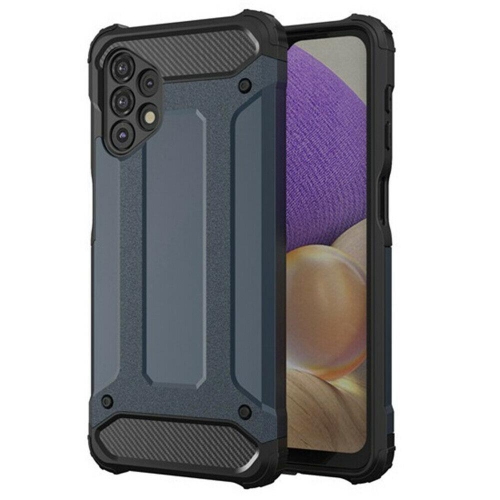
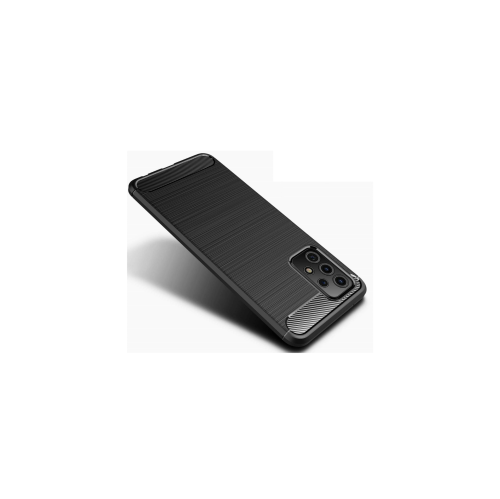
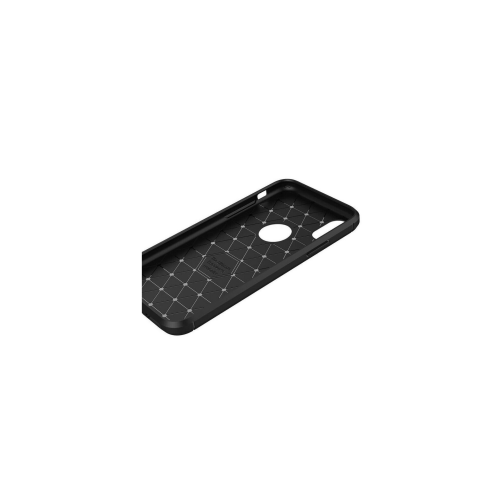
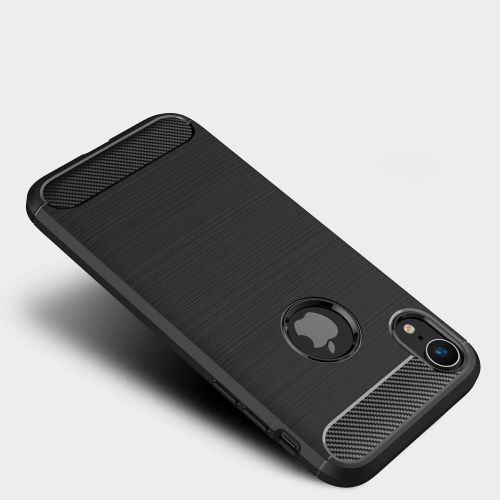
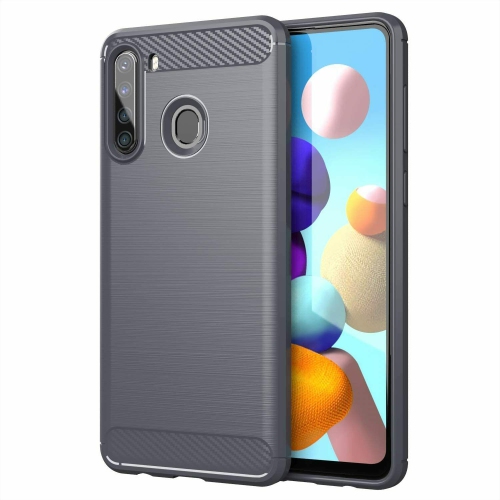
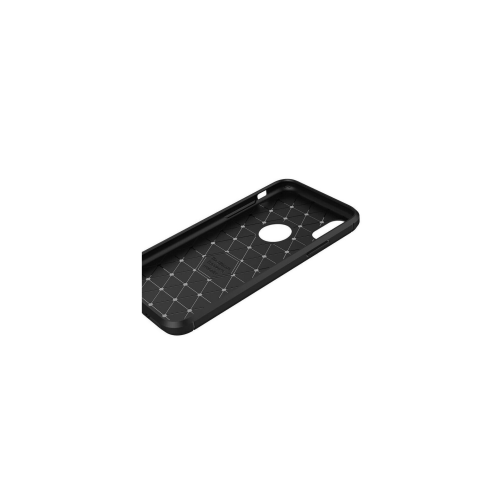
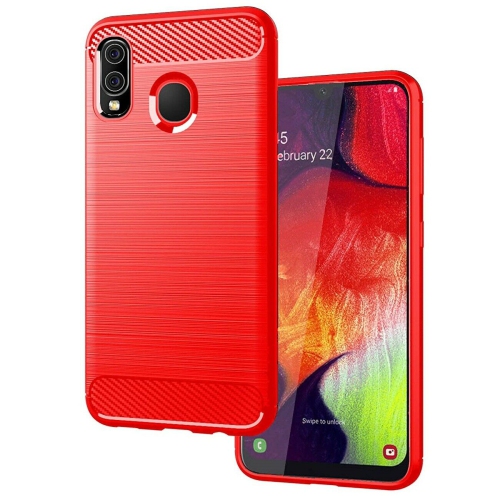
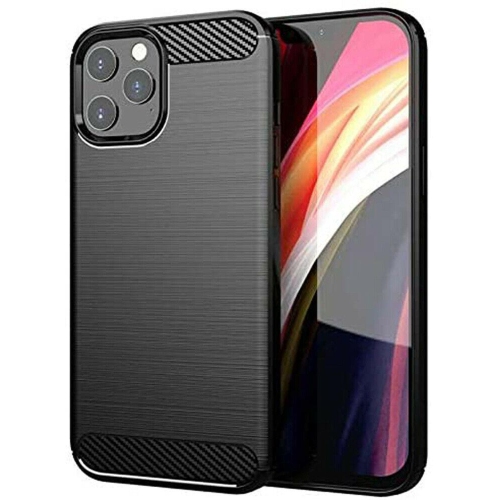
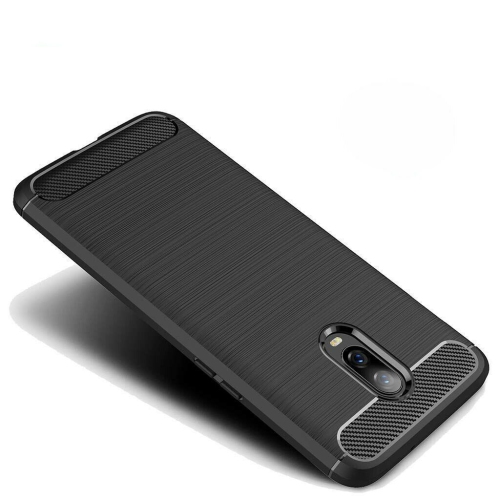
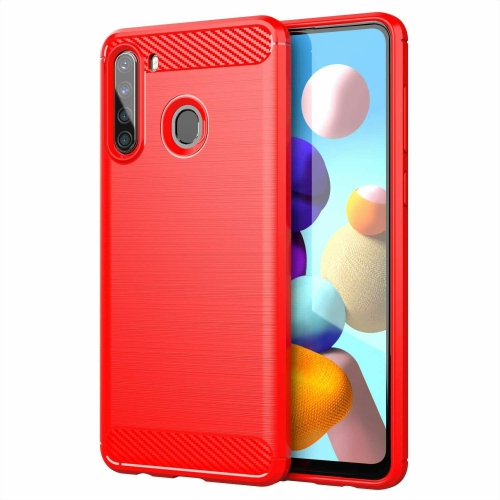
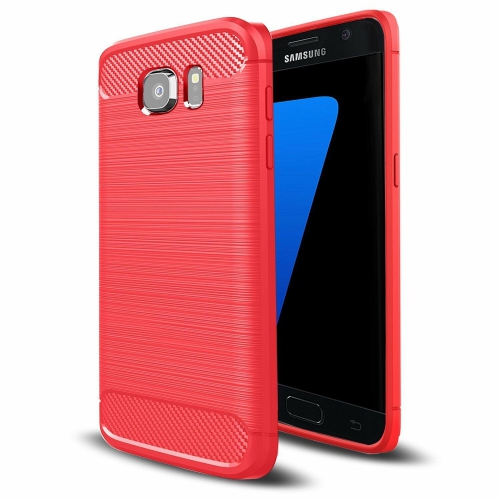
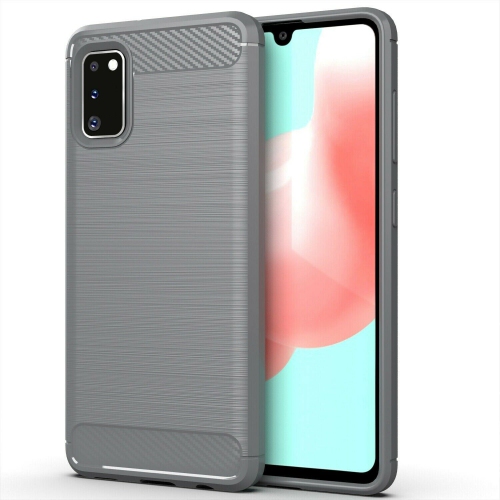
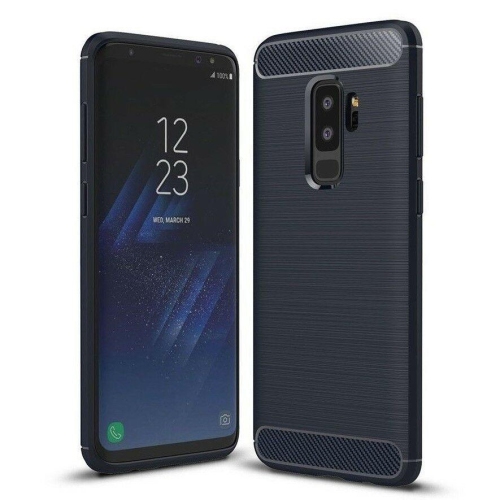
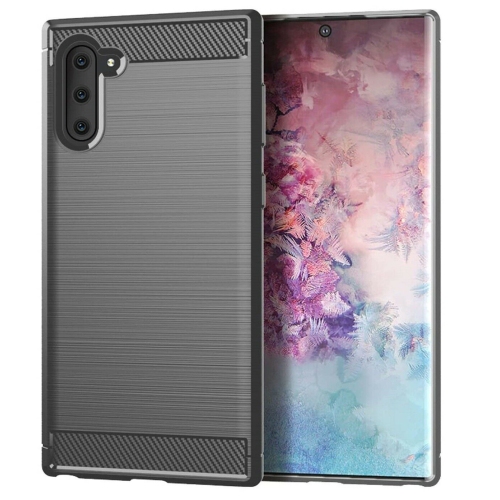

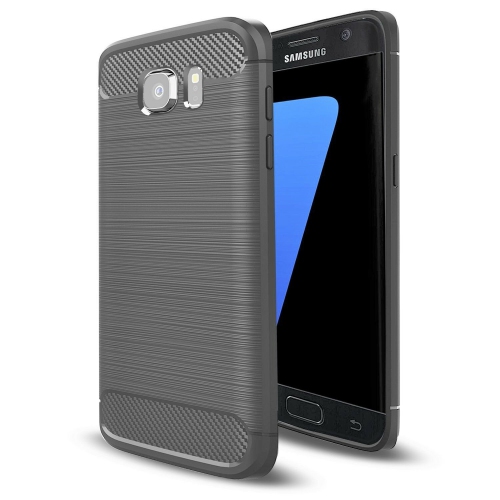
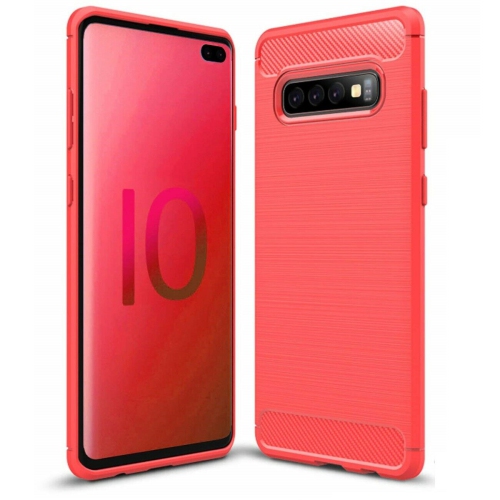
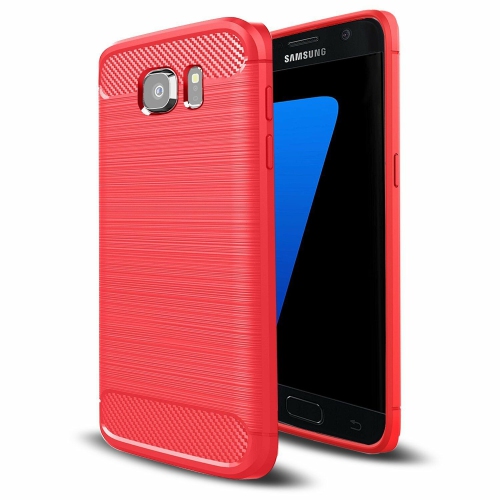
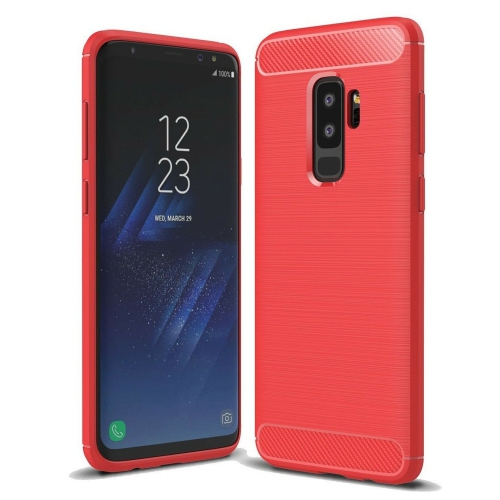
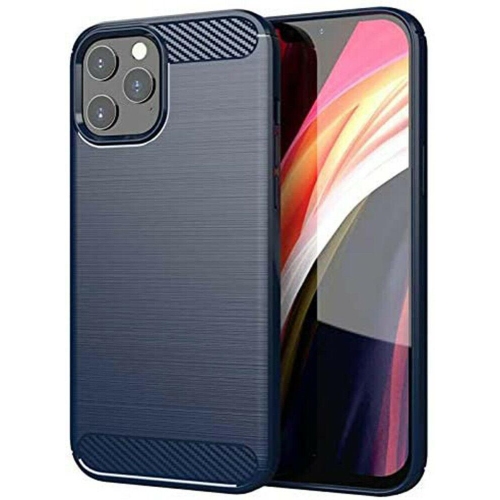
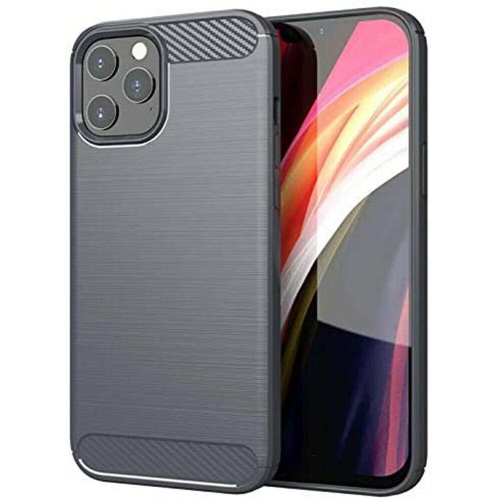
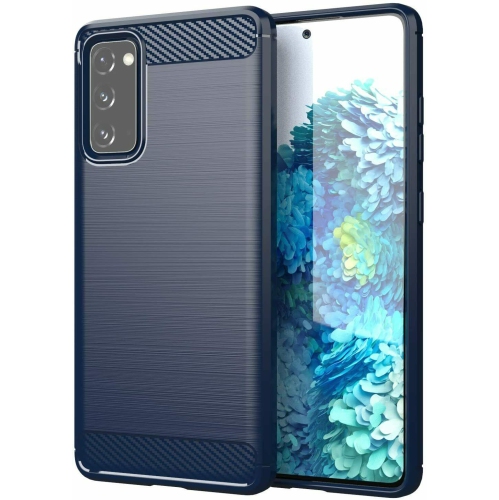
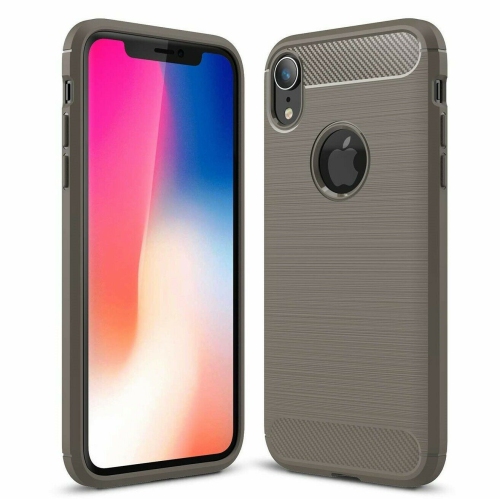
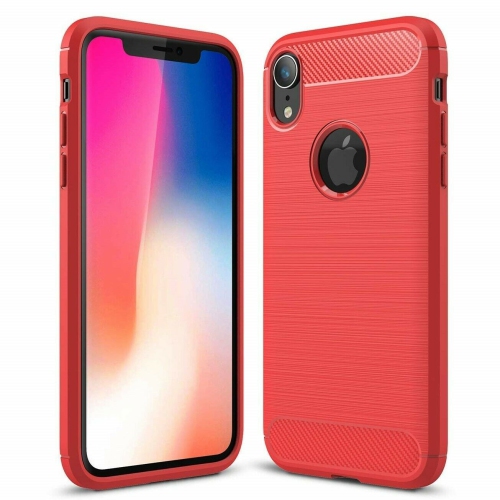
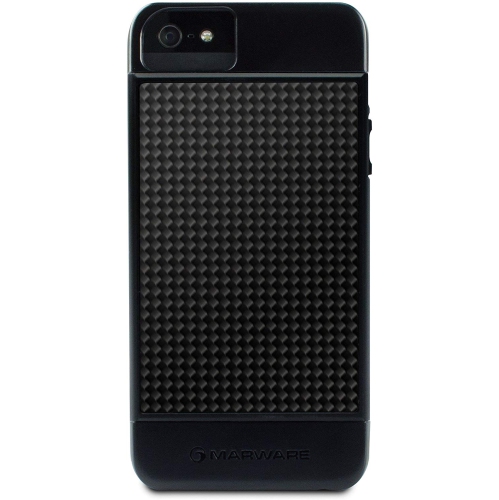
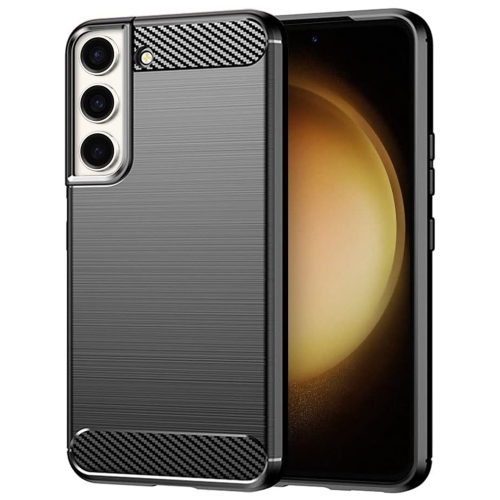
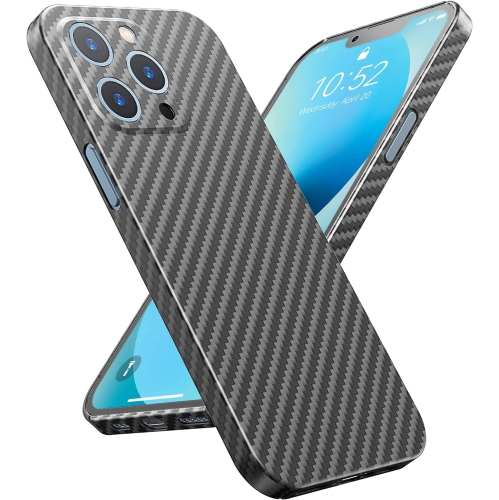
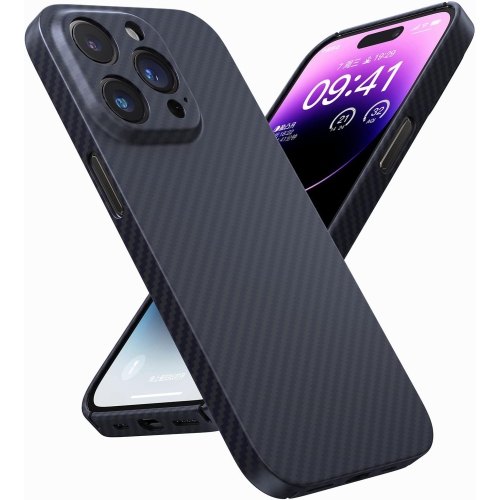
![GENERIC Ultra-Thin Case for Iphone 12 Pro Max · Carbon Fiber Texture [Fingerprint Prevention][Camera & Screen](https://multimedia.bbycastatic.ca/multimedia/products/500x500/173/17387/17387401.jpeg)
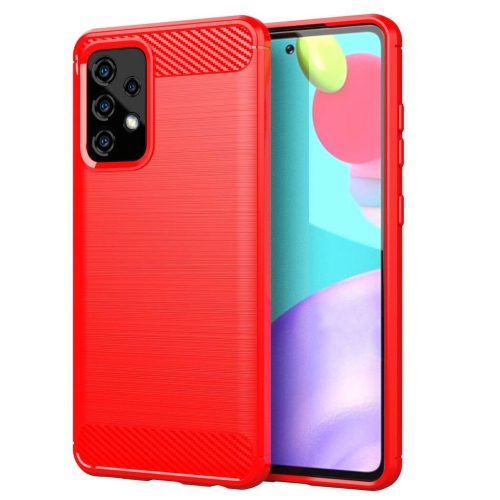
![UNKNOWN [Carbon Fiber] Case for Huawei P30 Pro, Durable [Shock Absorption] Slim Tpu Matte Lightweight Bumper Cover](https://multimedia.bbycastatic.ca/multimedia/products/500x500/182/18212/18212031.jpeg)
![UNKNOWN Case for Lg Velvet, [Black] Carbon Fiber Effect Gel Grip Protection Cover [Anti Scratch][Anti Collision]](https://multimedia.bbycastatic.ca/multimedia/products/500x500/182/18212/18212049.jpeg)
![UNKNOWN [Carbon Fiber] Case for Huawei P30 Lite, Durable [Shock Absorption] Slim Tpu Matte Lightweight Bumper Cover](https://multimedia.bbycastatic.ca/multimedia/products/500x500/182/18212/18212307.jpeg)
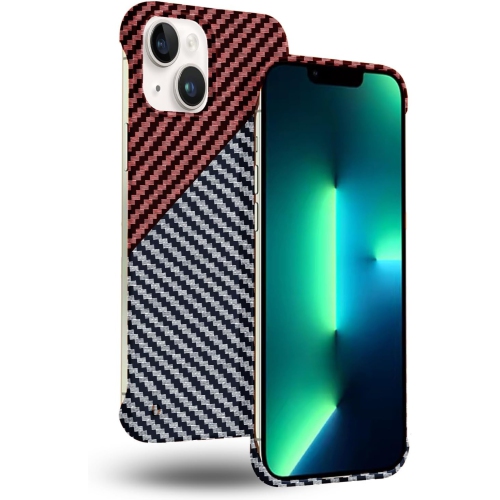
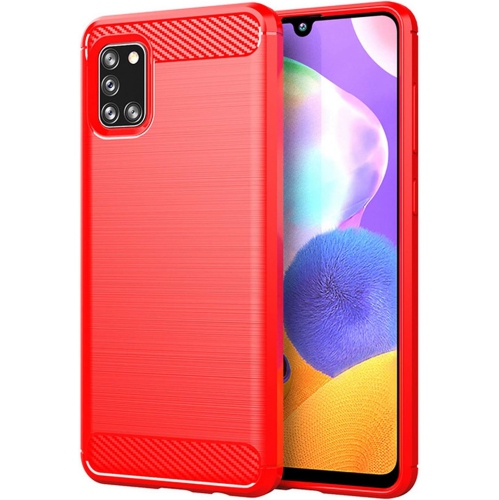
![UNKNOWN Case for Moto G8 Power Case, [Blue] Carbon Fiber Effect Gel Grip Protection Cover [Anti Scratch][Anti Collision]](https://multimedia.bbycastatic.ca/multimedia/products/500x500/182/18215/18215444.jpeg)
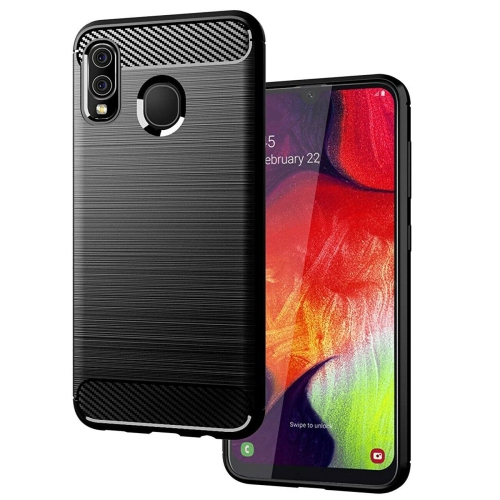
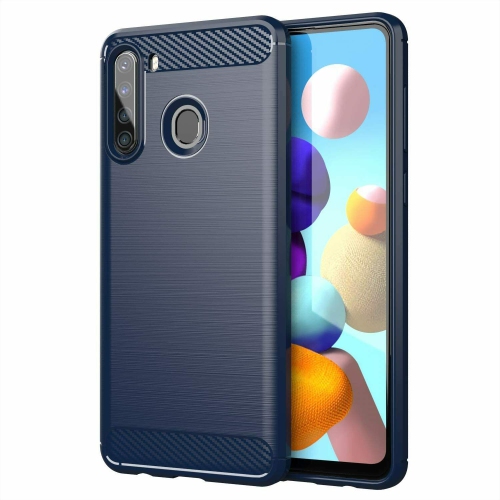
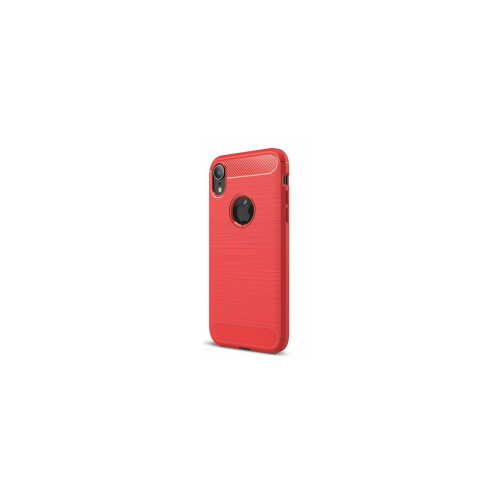
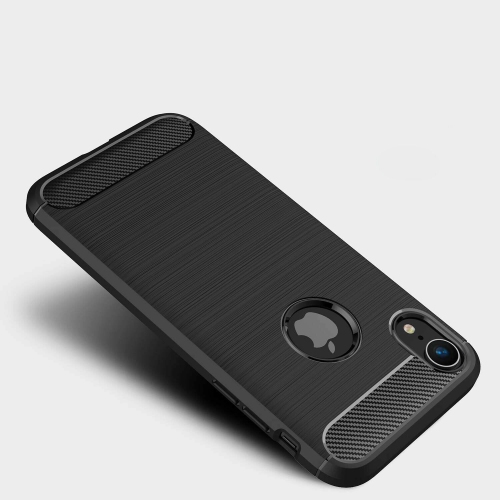
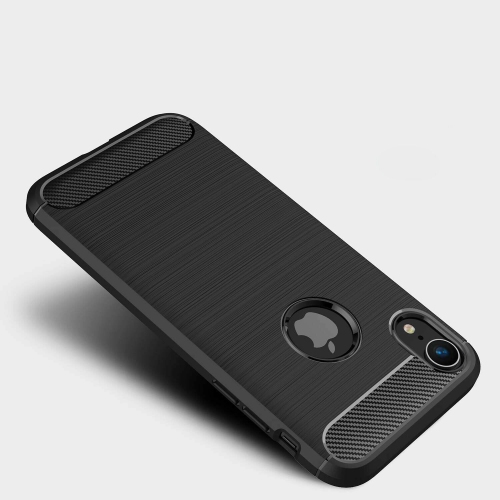
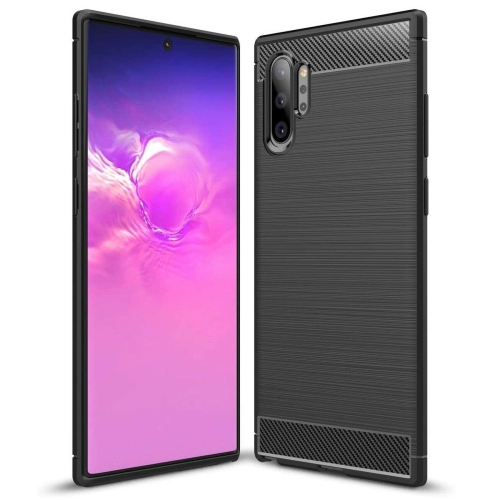

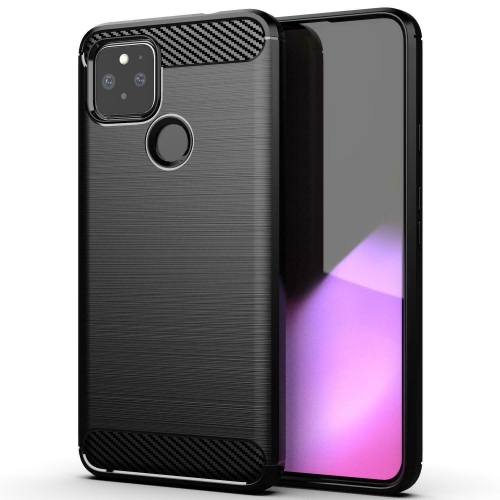
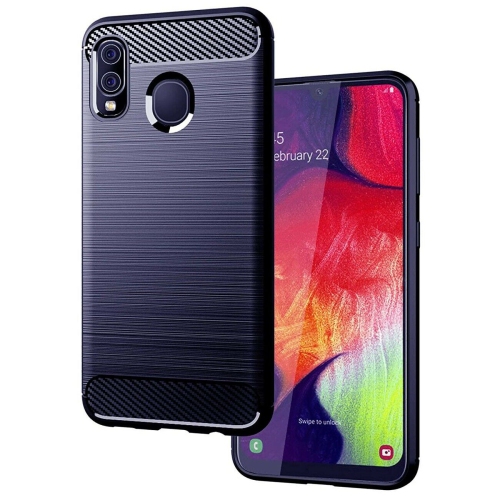
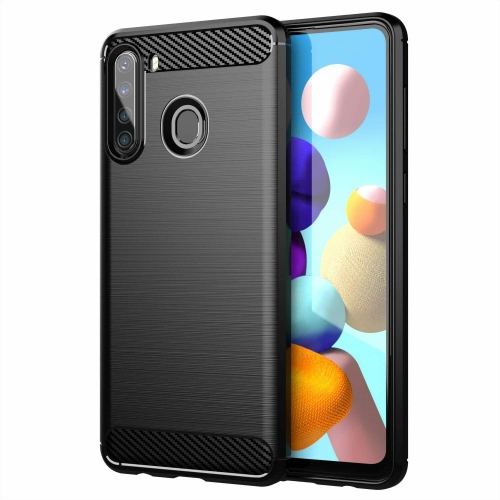
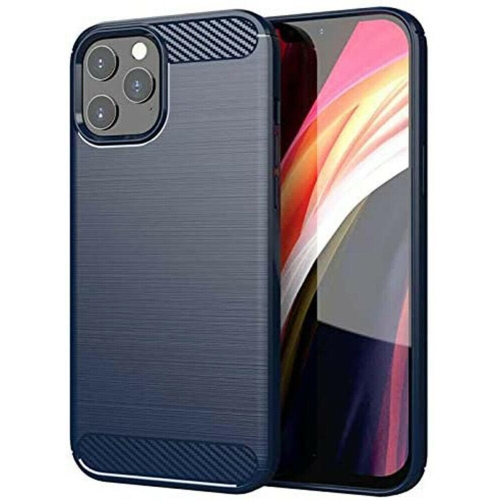
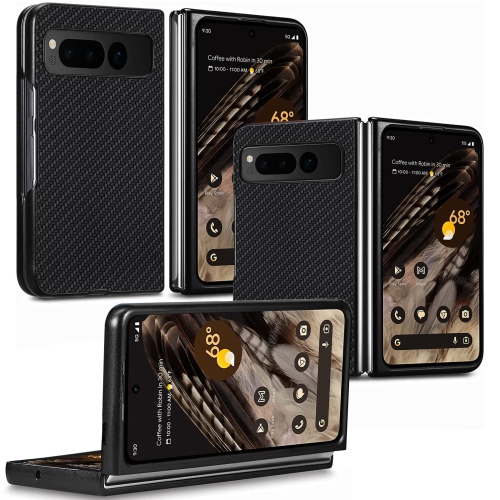
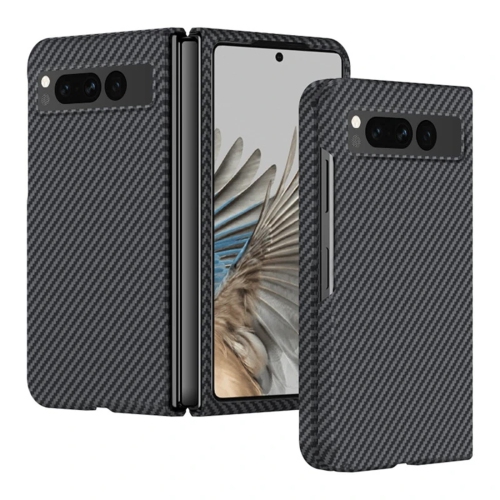
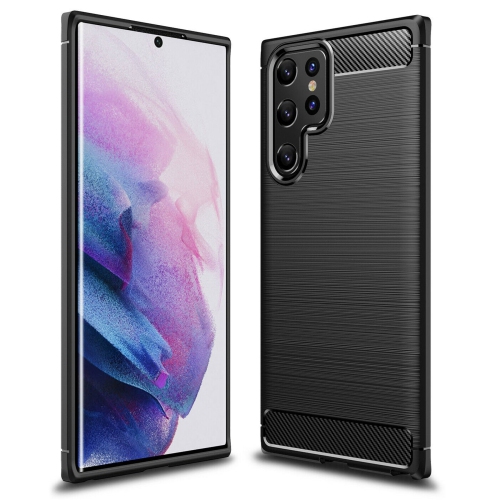
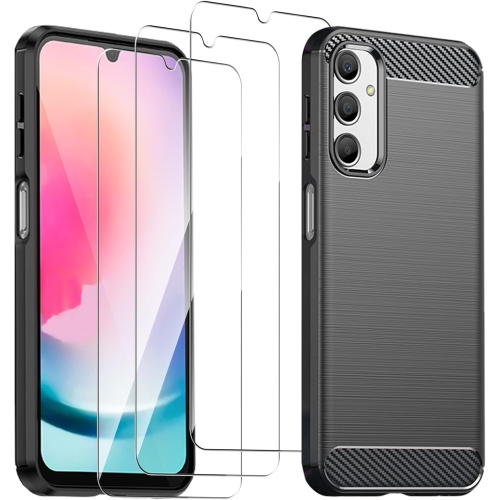
![UNKNOWN Case for Lg Stylo 6 Case, [Black] Carbon Fiber Effect Gel Grip Protection Cover [Anti Scratch][Anti Collision]](https://multimedia.bbycastatic.ca/multimedia/products/500x500/182/18211/18211947.jpeg)
Why case construction matters more than the weave
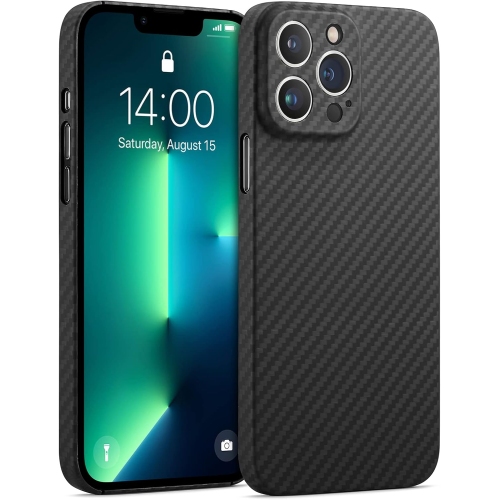
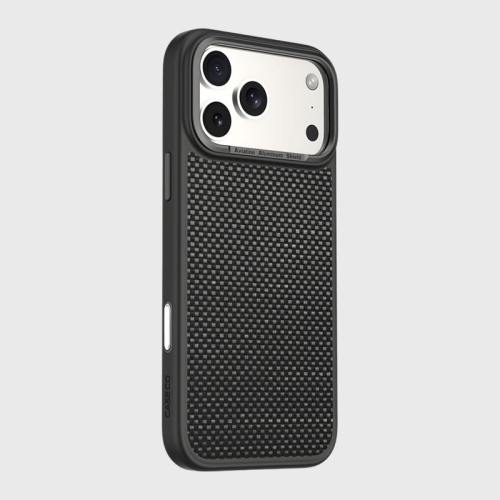
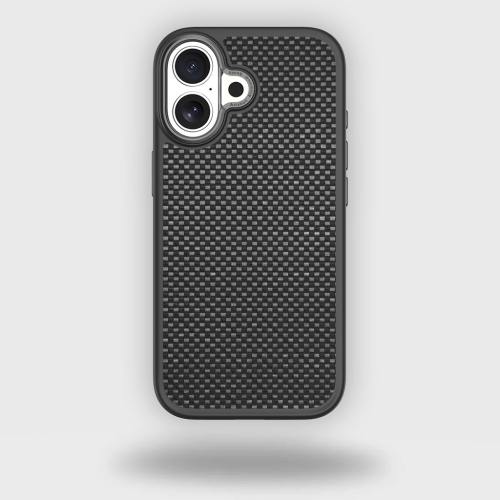
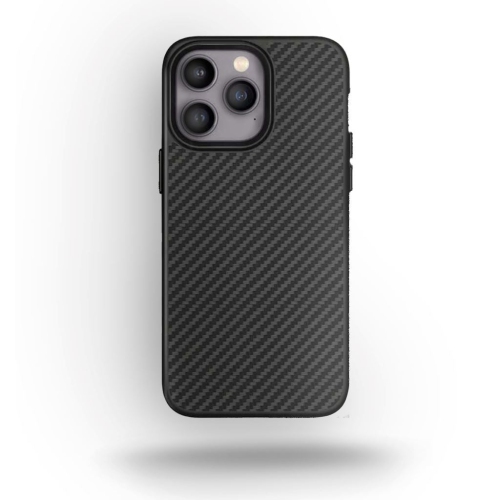
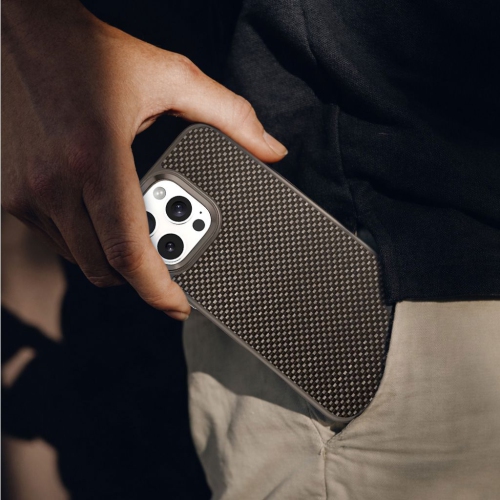
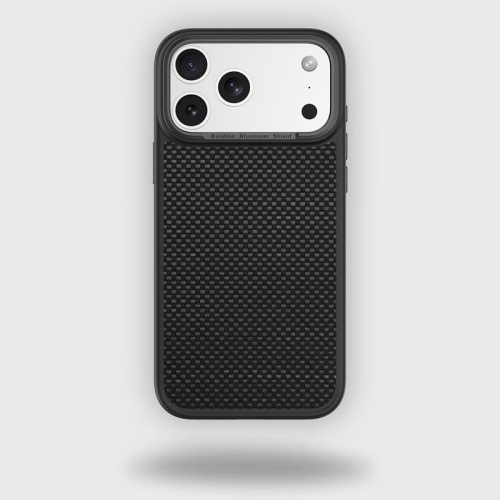
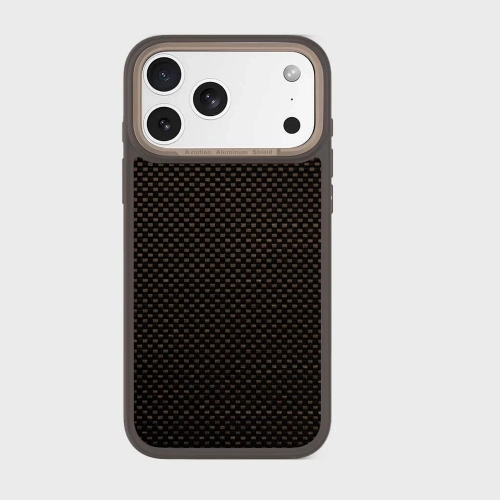
Carbon fibre phone cases pair a distinctive woven appearance with a light, streamlined feel, making them appealing to people who want protection without turning a slim phone into a bulky accessory. The term can describe several different constructions: genuine carbon fibre set in resin, a carbon fibre panel attached to a flexible frame, or a patterned finish that imitates the weave without containing carbon fibres. Those differences matter more than the pattern alone. Genuine carbon fibre is valued for its stiffness relative to its weight, but a thin, rigid shell does not necessarily absorb the force of a fall as effectively as a case with cushioning around its edges and corners. A hybrid design may combine a firm back with a softer bumper to balance shape, grip, and impact protection. Carbon-look cases made from thermoplastic polyurethane or polycarbonate can offer a similar visual style, with handling and protective qualities determined by their actual materials and construction. The familiar intersecting weave brings a technical, understated look that suits a desk, a car mount, or a phone carried between meetings. Matte finishes tend to look less reflective, while glossy finishes make the depth of the pattern more noticeable and may show fingerprints more readily. Texture also affects how securely the phone sits in a hand; a woven appearance does not always mean a grippy surface. For someone who regularly slides a phone into a trouser pocket or a small bag compartment, smooth edges and minimal thickness may be especially useful. For someone taking photos one-handed or checking directions while carrying groceries, a secure sidewall texture may matter more. These cases are best understood as a range of materials and protective designs with a shared visual character, rather than a single level of toughness. The material description, edge coverage, and any stated testing provide a clearer picture of everyday performance than the carbon pattern by itself.
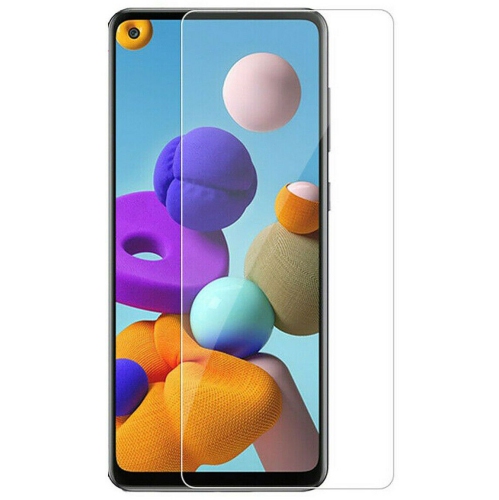
Wireless compatibility is an important distinction within this category. Genuine carbon fibre conducts electricity and can interfere with radio signals or wireless charging, depending on the case design, fibre placement, and the phone’s antenna layout. That does not mean every genuine carbon fibre case will cause a noticeable problem, but cellular reception, Wi-Fi, navigation, contactless functions, and charging compatibility should not be assumed from appearance alone. Aramid fibre is a separate material often used for similarly thin cases with a woven finish. Unlike carbon fibre, aramid fibre is electrically non-conductive, so the fibre itself is less likely to interfere with wireless signals. It is not another name for carbon fibre, and it does not make every finished case automatically compatible with every charger or accessory. Magnets, metal components, case thickness, and the placement of protective layers still matter. Clear compatibility information for the exact phone model is particularly useful when a case will stay on during charging or attach to a magnetic stand. A case that permits wireless charging does not necessarily include the magnetic alignment needed for a secure hold on a mount. Fit deserves the same attention as material. Phones with similar names or screen sizes may have different camera layouts, button positions, and body dimensions, so cases are generally made for a precise model and generation. A well-fitting shell should sit evenly around the device, leave microphones and speakers unobstructed, and allow charging cables to seat fully without pressure from the surrounding cutout. Covered buttons should remain easy to press, while openings around switches or other controls should leave enough room for comfortable access. Raised edges around the screen and camera area can help keep those surfaces from touching a flat tabletop, although they cannot prevent every scratch or impact. Compatibility with a screen protector also depends on the space around the display; an overly tight case edge can lift some protectors. For shoppers comparing other material descriptions, Graphene Phone Cases offer another point of comparison, with protection and handling still dependent on the complete case construction rather than the material name alone.
Everyday durability comes from how the whole case handles friction, flexing, and impact, not simply from the strength associated with its fibres. An ultra-thin shell can help shield the back of a phone from light surface wear while leaving more of the edges exposed. A design with full side coverage and reinforced corners may be better suited to a phone that frequently moves between a work bag, a kitchen counter, and a crowded shared desk. Even when a case carries a drop-test claim, the stated height, test conditions, and covered surfaces matter; no case can guarantee that a phone will survive every fall. Hard grit trapped inside a case can also rub against the phone over time, which makes occasional removal and gentle cleaning worthwhile. A soft, lint-free cloth is useful for routine wiping, and any moisture or cleaning product should follow the case maker’s care directions. Abrasive pads and strong solvents can damage coatings, printed patterns, adhesives, or resin finishes. The phone and case should both be dry before refitting, and a rigid shell should not be bent sharply during removal. Chipped edges, cracks, loose sections, or a stretched bumper can affect fit and are reasons to reassess whether the case still offers dependable coverage. A carbon fibre or carbon-look case can make a practical gift for someone who enjoys a restrained technical style, provided the exact phone model and accessory needs are known. Commuters may appreciate a pocket-friendly profile, frequent photographers may value camera clearance and a confident grip, and people who use a mounted phone for directions may prioritize a secure attachment. For everyday handling, the most useful balance is a case that feels comfortable, fits precisely, supports the phone’s regular functions, and provides protection suited to how it is carried. The woven finish adds visual interest, but those practical details determine how naturally the case fits into daily use.
Wireless compatibility is an important distinction within this category. Genuine carbon fibre conducts electricity and can interfere with radio signals or wireless charging, depending on the case design, fibre placement, and the phone’s antenna layout. That does not mean every genuine carbon fibre case will cause a noticeable problem, but cellular reception, Wi-Fi, navigation, contactless functions, and charging compatibility should not be assumed from appearance alone. Aramid fibre is a separate material often used for similarly thin cases with a woven finish. Unlike carbon fibre, aramid fibre is electrically non-conductive, so the fibre itself is less likely to interfere with wireless signals. It is not another name for carbon fibre, and it does not make every finished case automatically compatible with every charger or accessory. Magnets, metal components, case thickness, and the placement of protective layers still matter. Clear compatibility information for the exact phone model is particularly useful when a case will stay on during charging or attach to a magnetic stand. A case that permits wireless charging does not necessarily include the magnetic alignment needed for a secure hold on a mount. Fit deserves the same attention as material. Phones with similar names or screen sizes may have different camera layouts, button positions, and body dimensions, so cases are generally made for a precise model and generation. A well-fitting shell should sit evenly around the device, leave microphones and speakers unobstructed, and allow charging cables to seat fully without pressure from the surrounding cutout. Covered buttons should remain easy to press, while openings around switches or other controls should leave enough room for comfortable access. Raised edges around the screen and camera area can help keep those surfaces from touching a flat tabletop, although they cannot prevent every scratch or impact. Compatibility with a screen protector also depends on the space around the display; an overly tight case edge can lift some protectors. For shoppers comparing other material descriptions, Graphene Phone Cases offer another point of comparison, with protection and handling still dependent on the complete case construction rather than the material name alone.
Everyday durability comes from how the whole case handles friction, flexing, and impact, not simply from the strength associated with its fibres. An ultra-thin shell can help shield the back of a phone from light surface wear while leaving more of the edges exposed. A design with full side coverage and reinforced corners may be better suited to a phone that frequently moves between a work bag, a kitchen counter, and a crowded shared desk. Even when a case carries a drop-test claim, the stated height, test conditions, and covered surfaces matter; no case can guarantee that a phone will survive every fall. Hard grit trapped inside a case can also rub against the phone over time, which makes occasional removal and gentle cleaning worthwhile. A soft, lint-free cloth is useful for routine wiping, and any moisture or cleaning product should follow the case maker’s care directions. Abrasive pads and strong solvents can damage coatings, printed patterns, adhesives, or resin finishes. The phone and case should both be dry before refitting, and a rigid shell should not be bent sharply during removal. Chipped edges, cracks, loose sections, or a stretched bumper can affect fit and are reasons to reassess whether the case still offers dependable coverage. A carbon fibre or carbon-look case can make a practical gift for someone who enjoys a restrained technical style, provided the exact phone model and accessory needs are known. Commuters may appreciate a pocket-friendly profile, frequent photographers may value camera clearance and a confident grip, and people who use a mounted phone for directions may prioritize a secure attachment. For everyday handling, the most useful balance is a case that feels comfortable, fits precisely, supports the phone’s regular functions, and provides protection suited to how it is carried. The woven finish adds visual interest, but those practical details determine how naturally the case fits into daily use.
Top selling and popular products
-
 Your price for this item is $53.99
 -
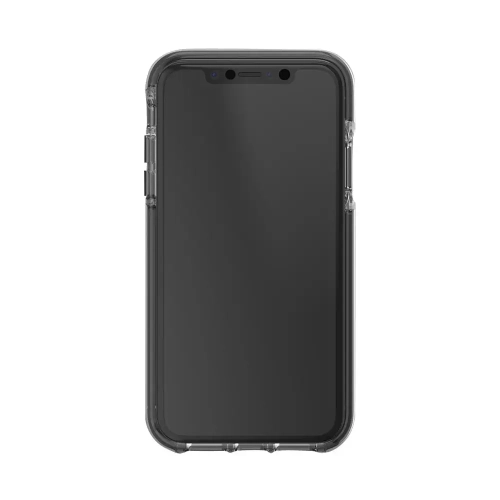 Your price for this item is $67.5
 -
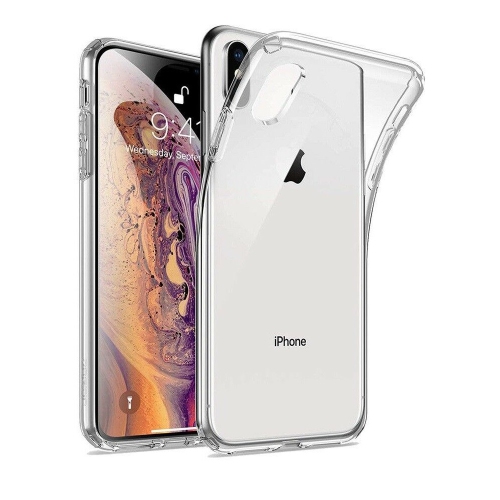 Your price for this item is $7.99
 -
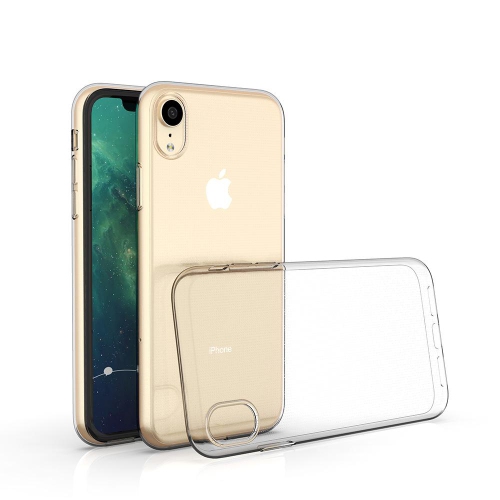 Your price for this item is $9.99
 -
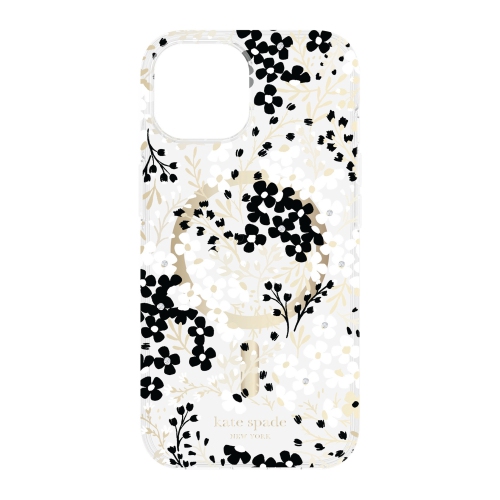 Your price for this item is $49.99
 -
 Your price for this item is $13.99
 -
 Your price for this item is $2.96
 -
 Your price for this item is $21.99
Discover more categories related to Carbon Fiber Phone Cases
Top Collections:
Pokemon Centers, Budget 4K TVs, Best Budget Office Chairs, Kindle Devices, Canon G7X Cameras, Apple iPhones 16, iPhone 15 Apple, Laptops for Business Work, Xiaomi Phones, Flip Phones
Some products may be subject to Environmental Handling Fees
(EHF) depending on your province.
Learn more about EHFs.