Carbon Fiber Watches
If you're looking for a sleek and sophisticated timepiece that exudes both style and durability, look no further than these carbon fiber watches. Crafted with precision and innovation, these watches feature a lightweight yet incredibly strong material that not only adds a modern touch to your wrist but also ensures long-lasting performance. Whether you're a sports enthusiast seeking a reliable companion for your active lifestyle or a fashion-forward individual looking to make a statement, our carbon fiber watches are the perfect blend of functionality and elegance.


Why a lightweight case is only the beginning
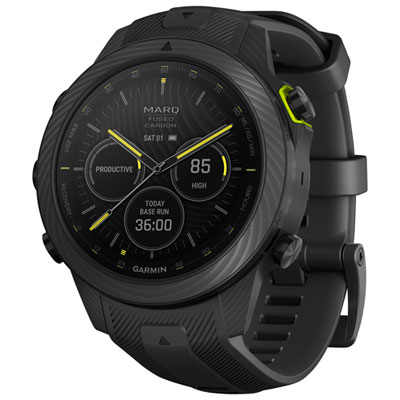
Carbon fibre watches bring a distinctive combination of low weight, structural strength, and patterned surfaces to everyday timepieces. Carbon fibre is typically used as part of a composite: fine carbon strands are held within a resin matrix to form a rigid material that can be shaped into a case, bezel, dial, or bracelet component. Its appeal goes beyond the dark, technical appearance. A lightweight case can make a larger watch feel less cumbersome on the wrist, particularly during a full day of typing, commuting, or moving between appointments. Woven carbon fibre often has an orderly, interlaced pattern that catches light differently as the wrist turns. Forged carbon generally uses shorter pieces of fibre compressed with resin, creating irregular, marbled markings rather than a uniform weave. Depending on the manufacturing process, those markings can vary from one component to another. Neither appearance alone establishes quality or durability; the composite construction, finishing, and overall watch design all matter. A watch with a carbon fibre dial may still have a stainless steel case, while a carbon composite case may use metal around the crown, case back, or attachment points. A carbon-fibre-effect surface provides a similar visual theme without necessarily containing structural carbon fibre. These distinctions help explain differences in feel, weight, and wear characteristics. Carbon composites can offer a high strength-to-weight ratio, but they are not immune to scratches, chipped edges, or damage from a hard impact. The lens over the dial, often called the crystal, also has its own properties, separate from those of the case. Sapphire generally offers strong scratch resistance, while mineral glass and acrylic have different resistance and repair characteristics. Together, the case material, crystal, dial layout, and strap create the character of the watch, whether that means an understated black-on-black design for office wear or a more expressive face with contrasting hands and textured details. A restrained dial can let the material stand out without making the watch difficult to coordinate with everyday clothing.
Comfort depends as much on proportions and fit as it does on material. Case diameter describes width, but the distance between the strap attachments helps determine whether a watch sits neatly across the wrist or extends beyond its edges. Thickness matters beneath a shirt cuff, and the position of a crown or pushers can affect comfort when the wrist bends. A lighter carbon composite case may suit someone who enjoys a substantial-looking watch without the weight of a large all-metal design, although a heavy bracelet can change that balance. A secure fit should limit excessive sliding without pinching, with enough room for normal wrist movement. Smooth case edges and a strap that curves comfortably downward can make a noticeable difference during long stretches at a desk. Readability deserves equal attention: strong contrast between the hands and dial, clear hour markers, and an uncluttered date window can be more useful than a busy face with numerous decorative details. Luminous markings can improve visibility in dim rooms, though their brightness and duration vary. The movement determines how the watch keeps time and what maintenance it needs. Quartz movements are battery-powered and generally offer convenient, accurate daily timekeeping. Automatic mechanical movements wind through wrist motion and may need resetting after time off the wrist, depending on their power reserve. A chronograph is a stopwatch function, not a separate movement type, and can be found on either quartz or mechanical watches. Its additional pushers and subdials can be useful for timing routine tasks, but they also change the layout and feel of the case. For travel, a second time-zone display may be practical; for exercise, a clear elapsed-time function may matter more. Carbon fibre construction alone does not establish suitability for swimming or water sports. The stated water-resistance rating and the manufacturer’s permitted activities remain the relevant measures, and crowns or pushers should not be operated underwater unless the watch is expressly designed for that use. A sporty appearance is a design choice, not a substitute for activity-specific specifications.
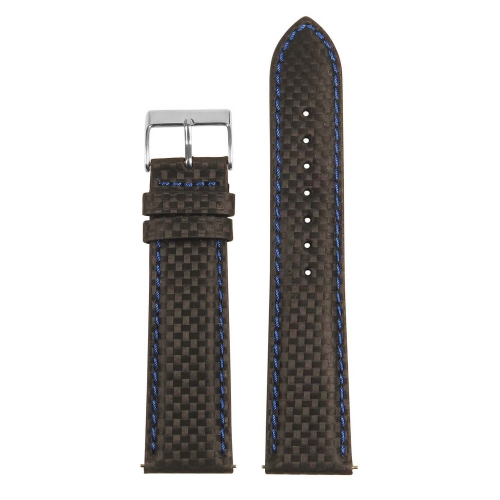
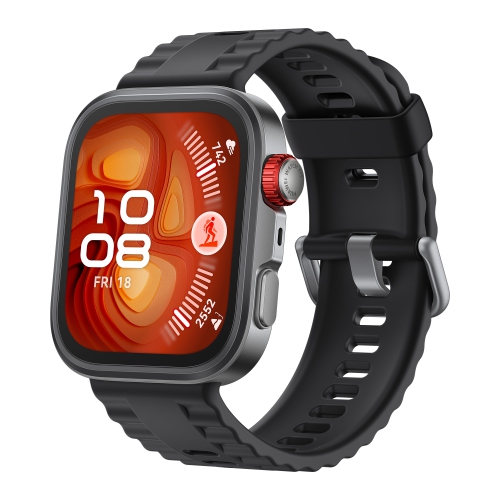
Strap material gives a carbon fibre watch much of its day-to-day personality. Silicone and rubber straps can provide a flexible feel and are often straightforward to wipe clean after ordinary wear, while leather offers a softer, more traditional contrast to a textured dial or case. Metal bracelets add weight and a more substantial feel; carbon composite bracelet components can retain the patterned look with different handling and adjustment requirements. Fabric straps bring another option, with comfort and drying characteristics that depend on their construction. For a smartwatch, a compatible replacement band can introduce this same material-inspired style without changing the watch itself. Carbon Fiber Galaxy Watch Bands provide a related option for that look, with compatibility depending on the watch model, connector design, and band dimensions. For any replacement strap, attachment width and wrist-size range need to match, and the clasp should close securely without creating pressure beneath the wrist. Skin contact is worth considering, too: even when the visible case is carbon composite, the case back, buckle, or bracelet hardware may contain metal. Routine care is usually simple, but it should suit every material in the watch rather than the carbon component alone. A soft, clean cloth helps remove fingerprints and everyday residue; abrasive cleaners, strong solvents, and unapproved polishing treatments can affect resin surfaces, coatings, or adjacent finishes. Cleaning instructions and water resistance should be checked before using a damp cloth or rinsing a strap, particularly when leather is involved. After a significant knock, an unusual rattle, loose attachment, or change in timekeeping deserves professional attention. A separate compartment or soft pouch helps prevent contact with jewellery and other watches during storage. As a gift for a graduation, anniversary, or career milestone, a carbon fibre watch can appeal to someone drawn to motorsport styling, modern materials, or lightweight accessories. Matching the recipient’s wrist size, preferred display, and willingness to maintain a mechanical movement makes the gift more personal than choosing by dial colour alone.
Top selling and popular products
-
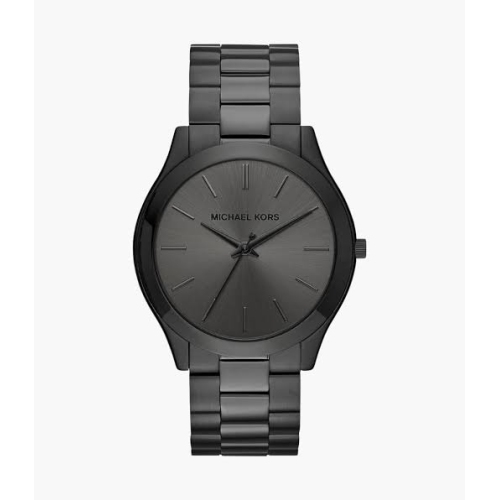 Your price for this item is $299
-
 Your price for this item is $139.99
-
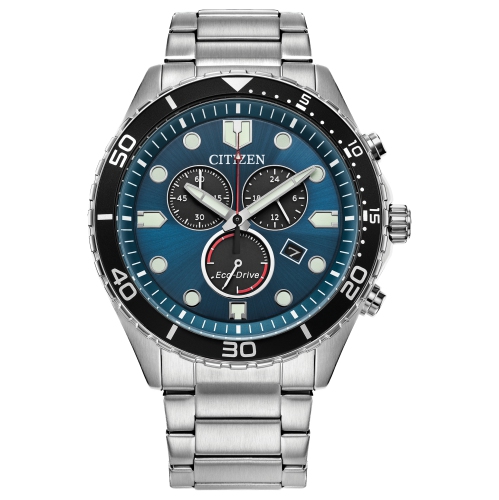 Your price for this item is $259.99
-
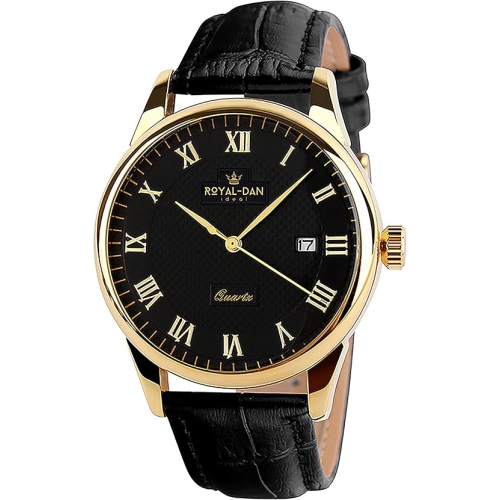 Your price for this item is $29.92
-
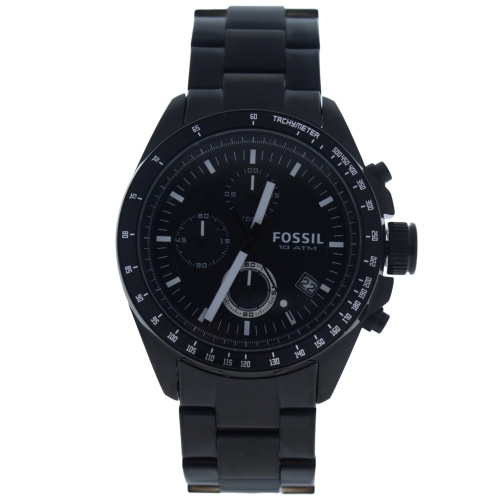 Your price for this item is $164.62
-
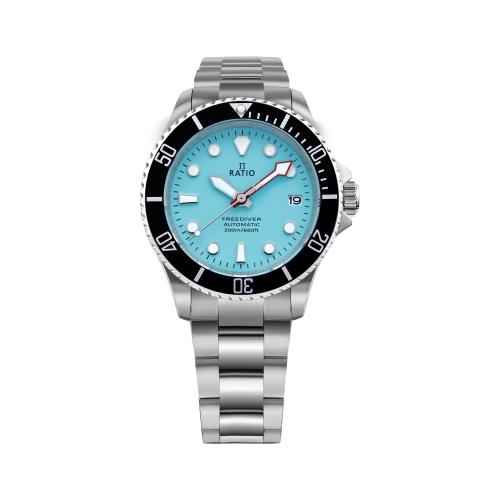 Your price for this item is $455.07
-
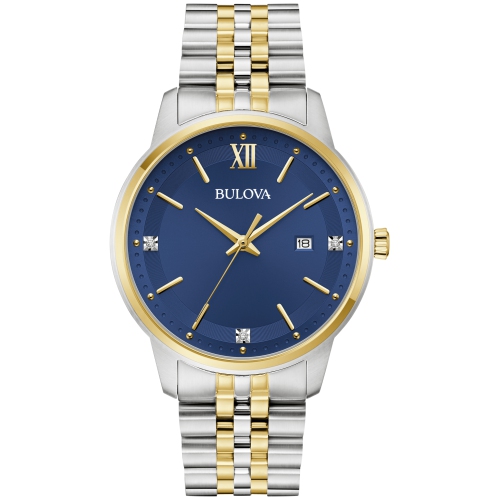 Your price for this item is $549.99
-
 Your price for this item is $389.99
Discover more categories related to Carbon Fiber Watches
Top Collections:
Best Black Friday Deals This Year, Best Black Friday Deals On Electronics, Kindle Devices, Best Black Friday Deals On Apple Products, Best Budget Office Chairs, Best Cameras for Sports Photography, Dyson Airwrap, Canon G7X Cameras, Best Laptops for Writers, Samsung Galaxy Phones
Some products may be subject to Environmental Handling Fees
(EHF) depending on your province.
Learn more about EHFs.