GE Washing Machines
Washing machines are one of the most important appliances in your home. These can save you time and energy while also providing a convenient way to keep your clothes clean. GE washing machines are designed to be efficient and reliable, making them a great choice for any household. Here are some great options available.
Sort

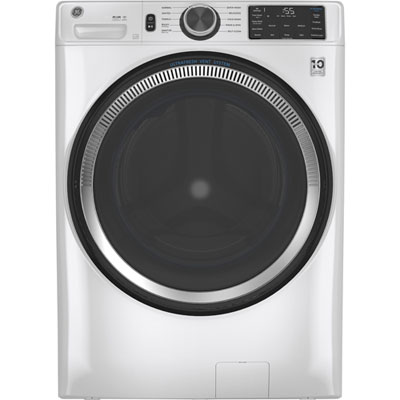
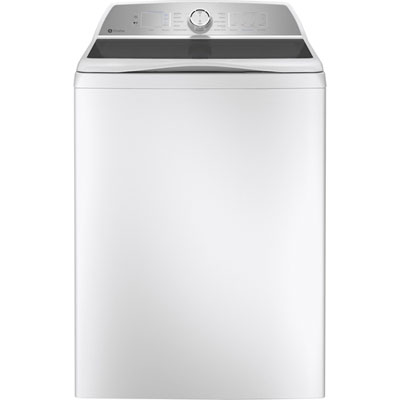
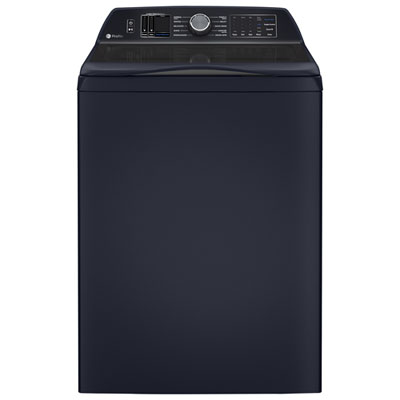

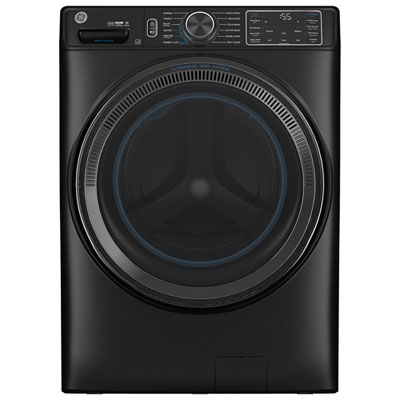
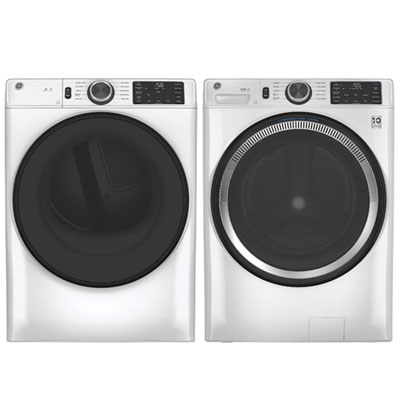
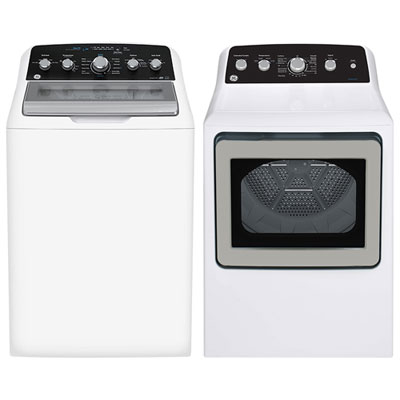
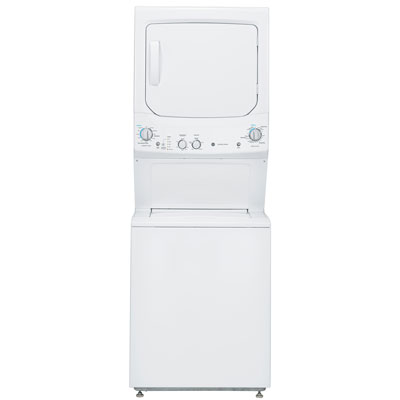
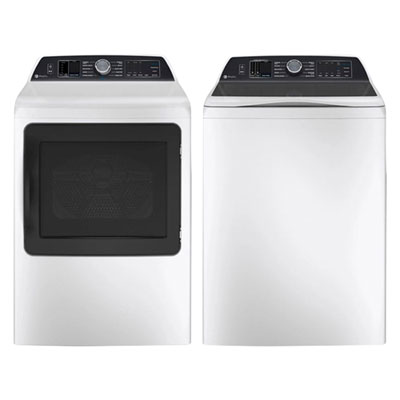

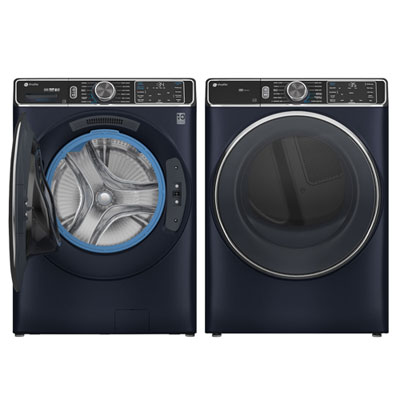
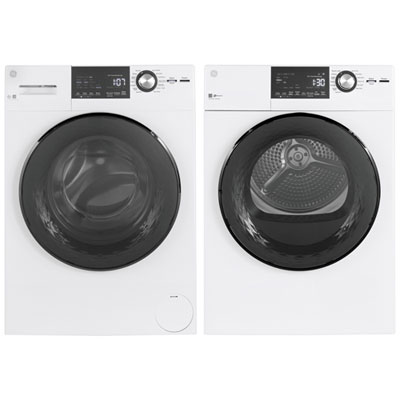
Washer types, load sizes, cycles, and care explained
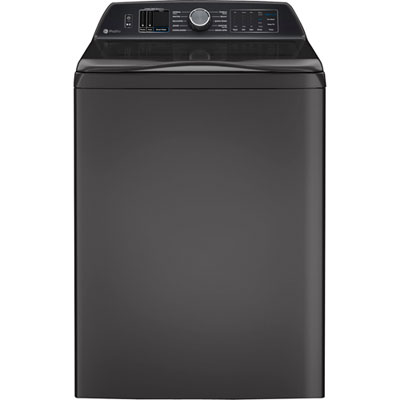
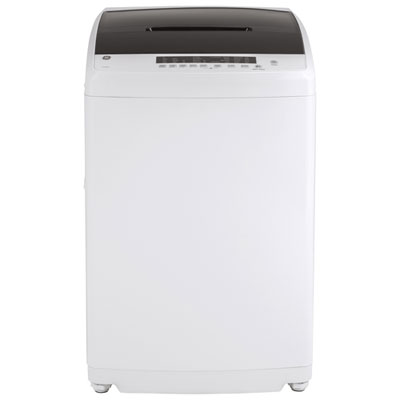
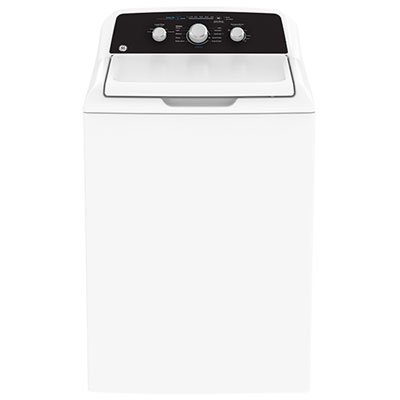
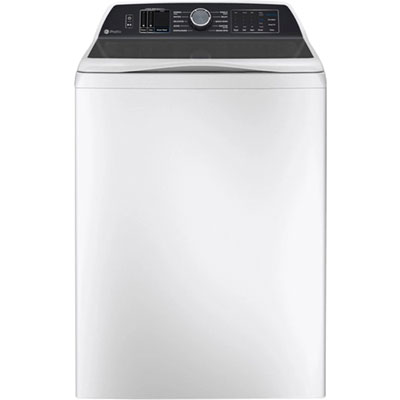
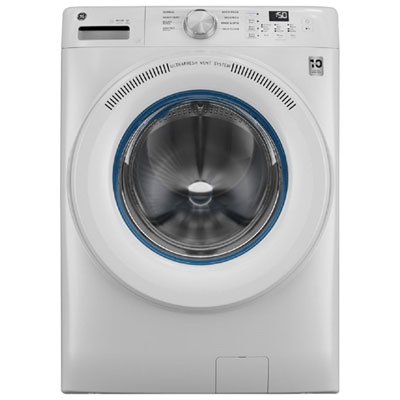
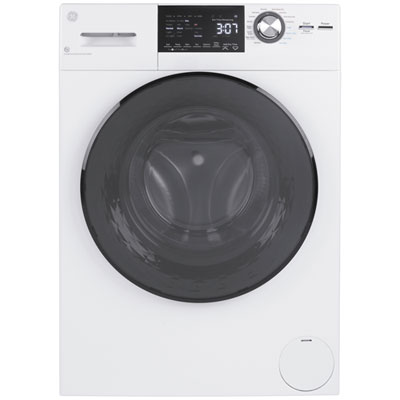
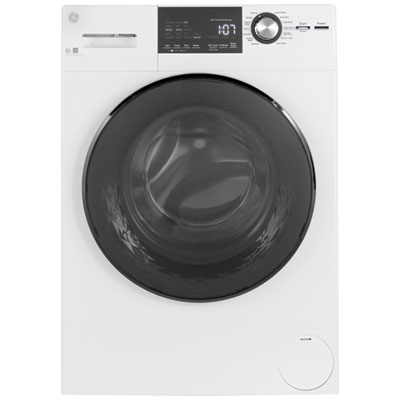
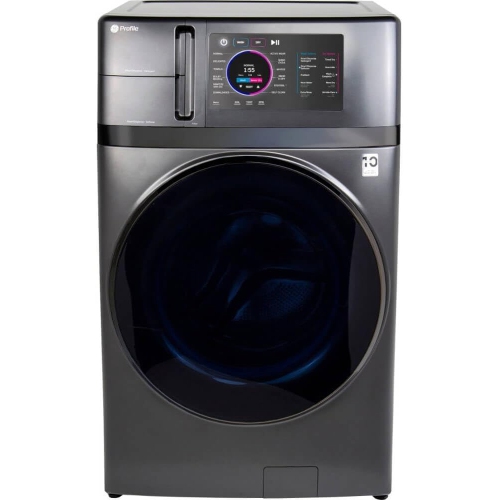
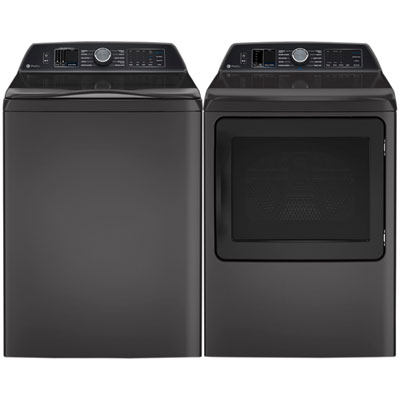
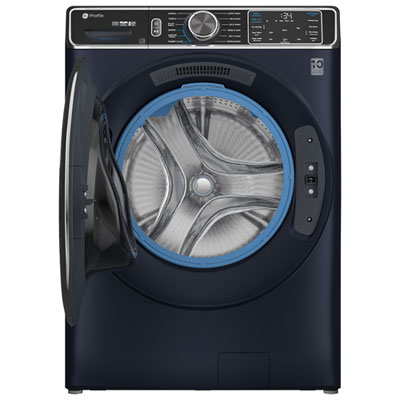
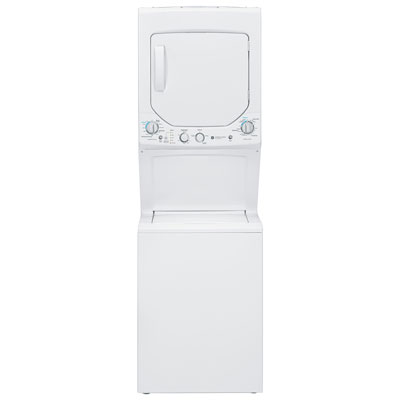
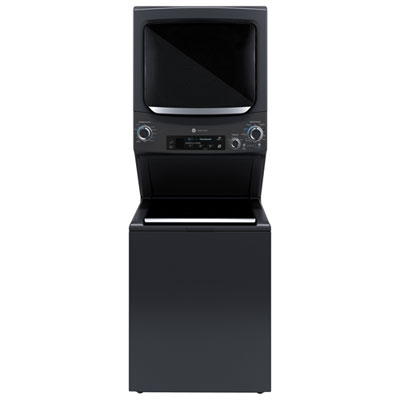
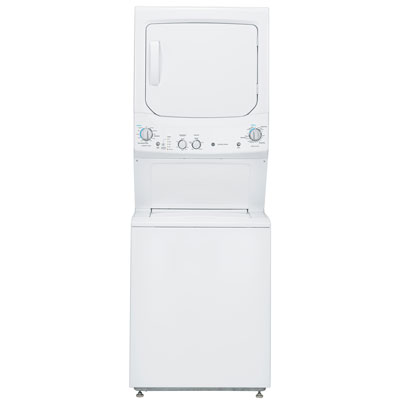
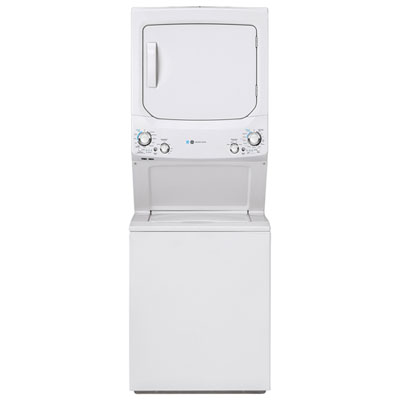
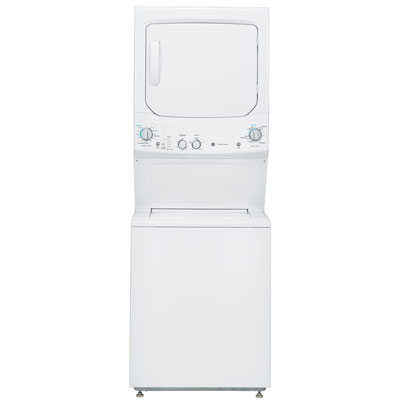
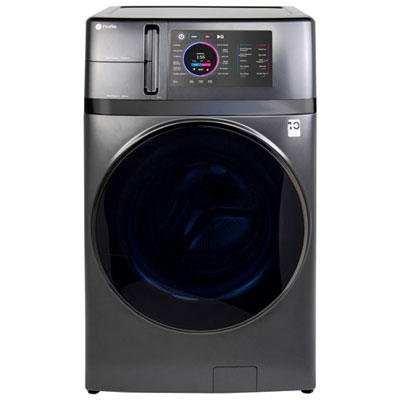
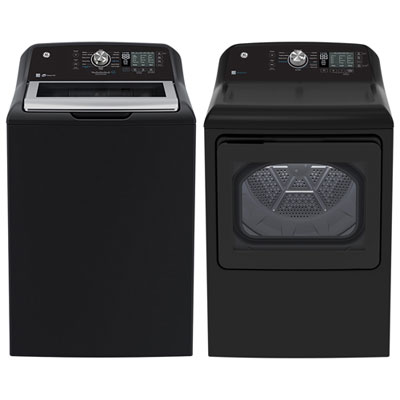
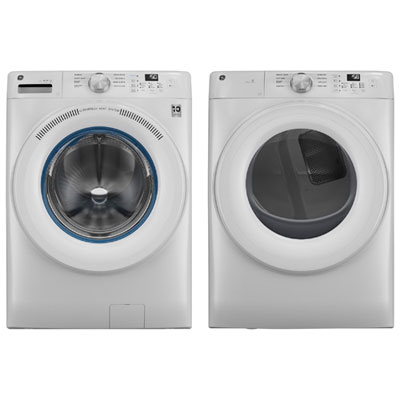
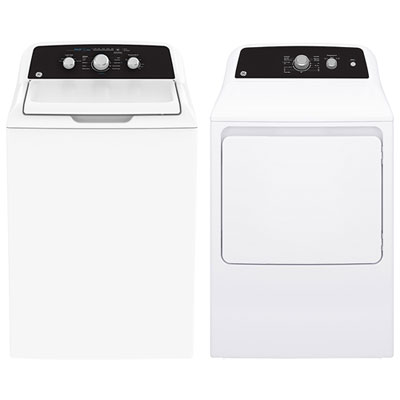
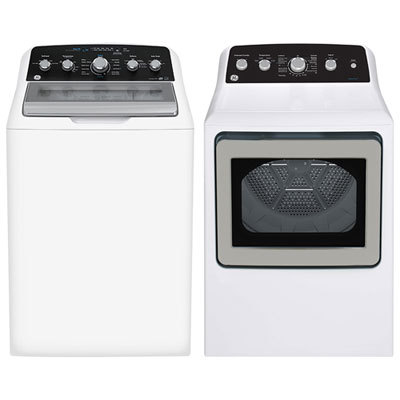
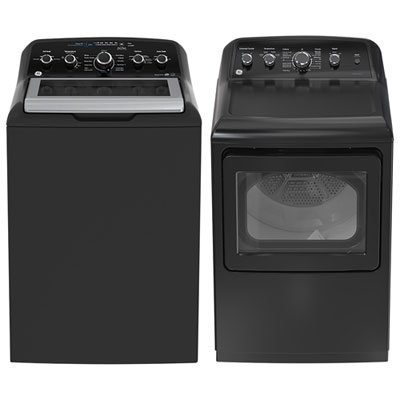
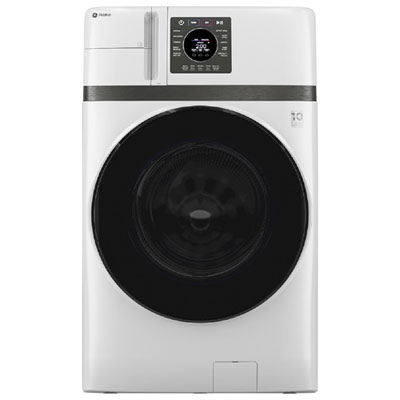
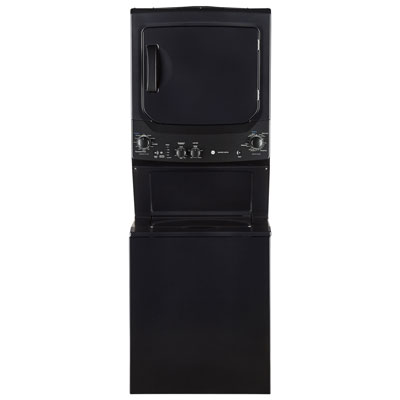
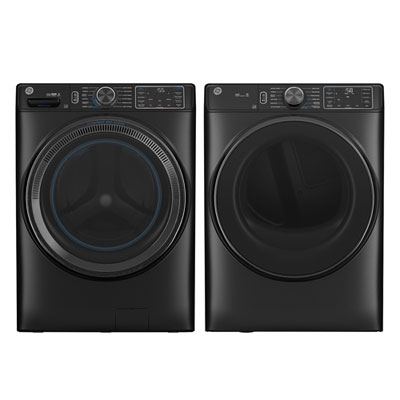
GE washing machines are available in a range of formats to suit different laundry rooms, household sizes, and washing routines. Traditional top-load models with a central agitator offer a familiar experience, with a visible mechanism that moves clothing through the wash and can be reassuring for households used to conventional laundry care. High-efficiency top-load models use a low-profile or no central agitator, creating more room for clothing while using carefully measured wash action and water levels. Front-load washers are another practical option, particularly for laundry rooms with a matching dryer that can be stacked to save floor space. Compact and portable-size machines can work well in apartments, secondary laundry areas, or homes where a full-size appliance would be difficult to accommodate. When comparing GE washing machines, start by considering the size of your household and the items you wash most often. A smaller capacity may suit one person or a couple with frequent, lighter loads, while a larger drum is useful for family laundry, towels, sports uniforms, pet bedding, and bulky blankets. If you regularly wash king-size bedding or winter layers during the cooler months, look for enough interior space for those items to move freely rather than packing the drum tightly. Overloading can prevent water and detergent from reaching every garment and may leave fabrics unevenly cleaned. It is also important to measure the laundry area carefully, including the width of doorways, the depth behind the machine for hoses, and the clearance needed to open a top lid or front door. For stacked installations, confirm that the washer and dryer are compatible and that the available ceiling height allows comfortable access to controls.
The right cycle selection can make a noticeable difference in everyday laundry. Standard cycles are useful for regular clothing, while dedicated settings for colours, delicate fabrics, bedding, towels, and heavily soiled items can help match the wash to the load. Some GE washing machines include deep-fill options for loads that need additional water, while high-efficiency models are designed to sense the size and condition of each load and adjust the wash accordingly. HE detergent is required in machines marked for high-efficiency use; regular detergent can create excess suds, interfere with rinsing, and affect performance. Dispenser design is another detail worth considering. Automatic dispensers can release detergent, fabric softener, or other laundry additives at the appropriate point in the cycle, which is convenient when several loads are being washed in succession. Smart features may provide cycle notifications, maintenance reminders, or remote status updates through a compatible app, helping you keep track of laundry while preparing dinner, working from home, or getting children ready for school. These connected functions are especially useful when a cycle finishes at an inconvenient time, since an alert can help prevent damp clothing from sitting in the drum for too long. Certain models also offer sanitation-oriented cycles that pair with an Oxi additive, and some use antimicrobial materials in selected components such as gaskets. These features can be helpful for households washing towels, reusable cloths, athletic clothing, or baby items, although care labels and detergent instructions should always be followed. For anyone moving into a first apartment, setting up a new home, or replacing an older washer after a busy stretch of family life, a washing machine can be a practical household purchase rather than a traditional gift. A compact model may suit a student or renter, while a full-size machine can be a thoughtful contribution for someone furnishing a home or preparing a dedicated laundry area.
Proper installation and regular care help GE washing machines perform consistently over time. Before the first load, check that the appliance is level and that the water supply and drain connections are secure. A machine that rocks or walks during the spin cycle may need its feet adjusted, and leaving enough space around the appliance can help with access for cleaning and service. Sort laundry by colour, fabric type, and soil level, then check pockets, close zippers, and follow the care labels on each garment. Distribute large items evenly around the drum instead of placing one heavy blanket by itself, as an unbalanced load can lead to extra vibration and a longer spin. Use the recommended amount of HE detergent when applicable; more detergent does not necessarily result in cleaner clothing and can leave residue on fabrics or inside the washer. After front-load cycles, wiping the door glass and gasket and leaving the door slightly open can help the interior dry between loads. Top-load owners can also leave the lid open when practical, allowing moisture to escape. Periodically clean the dispenser, inspect inlet hoses for wear, and run the washer-cleaning cycle according to the care instructions. Keep an eye on unusual odours, persistent drainage issues, leaks, or repeated error messages, and address them before a small problem interrupts a full laundry routine. For households comparing high-efficiency options, explore HE Laundry Machines to review appliances built around this style of washing. Whether laundry is a daily task for a busy family, a weekly chore for a smaller household, or a steady stream of towels and bedding during cooler weather, choosing the right capacity, configuration, controls, and maintenance features can make the entire routine feel more manageable.
The right cycle selection can make a noticeable difference in everyday laundry. Standard cycles are useful for regular clothing, while dedicated settings for colours, delicate fabrics, bedding, towels, and heavily soiled items can help match the wash to the load. Some GE washing machines include deep-fill options for loads that need additional water, while high-efficiency models are designed to sense the size and condition of each load and adjust the wash accordingly. HE detergent is required in machines marked for high-efficiency use; regular detergent can create excess suds, interfere with rinsing, and affect performance. Dispenser design is another detail worth considering. Automatic dispensers can release detergent, fabric softener, or other laundry additives at the appropriate point in the cycle, which is convenient when several loads are being washed in succession. Smart features may provide cycle notifications, maintenance reminders, or remote status updates through a compatible app, helping you keep track of laundry while preparing dinner, working from home, or getting children ready for school. These connected functions are especially useful when a cycle finishes at an inconvenient time, since an alert can help prevent damp clothing from sitting in the drum for too long. Certain models also offer sanitation-oriented cycles that pair with an Oxi additive, and some use antimicrobial materials in selected components such as gaskets. These features can be helpful for households washing towels, reusable cloths, athletic clothing, or baby items, although care labels and detergent instructions should always be followed. For anyone moving into a first apartment, setting up a new home, or replacing an older washer after a busy stretch of family life, a washing machine can be a practical household purchase rather than a traditional gift. A compact model may suit a student or renter, while a full-size machine can be a thoughtful contribution for someone furnishing a home or preparing a dedicated laundry area.
Proper installation and regular care help GE washing machines perform consistently over time. Before the first load, check that the appliance is level and that the water supply and drain connections are secure. A machine that rocks or walks during the spin cycle may need its feet adjusted, and leaving enough space around the appliance can help with access for cleaning and service. Sort laundry by colour, fabric type, and soil level, then check pockets, close zippers, and follow the care labels on each garment. Distribute large items evenly around the drum instead of placing one heavy blanket by itself, as an unbalanced load can lead to extra vibration and a longer spin. Use the recommended amount of HE detergent when applicable; more detergent does not necessarily result in cleaner clothing and can leave residue on fabrics or inside the washer. After front-load cycles, wiping the door glass and gasket and leaving the door slightly open can help the interior dry between loads. Top-load owners can also leave the lid open when practical, allowing moisture to escape. Periodically clean the dispenser, inspect inlet hoses for wear, and run the washer-cleaning cycle according to the care instructions. Keep an eye on unusual odours, persistent drainage issues, leaks, or repeated error messages, and address them before a small problem interrupts a full laundry routine. For households comparing high-efficiency options, explore HE Laundry Machines to review appliances built around this style of washing. Whether laundry is a daily task for a busy family, a weekly chore for a smaller household, or a steady stream of towels and bedding during cooler weather, choosing the right capacity, configuration, controls, and maintenance features can make the entire routine feel more manageable.
Top selling and popular products
-
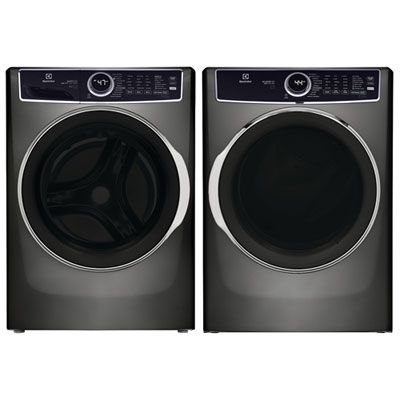 Your price for this item is $2485.98
 -
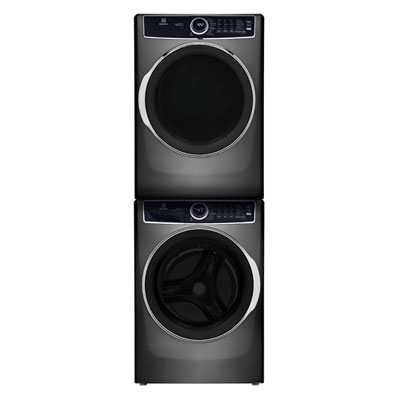 Your price for this item is $2533.97
 -
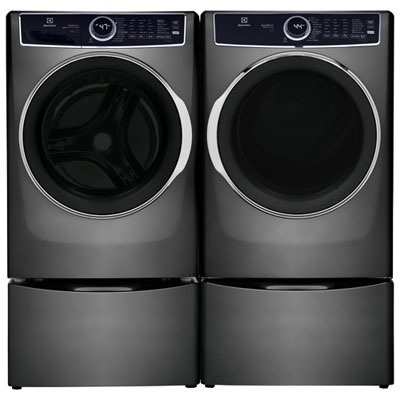 Your price for this item is $2785.96
 -
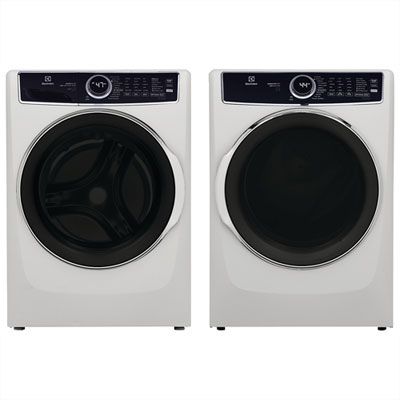 Your price for this item is $2599.98
 -
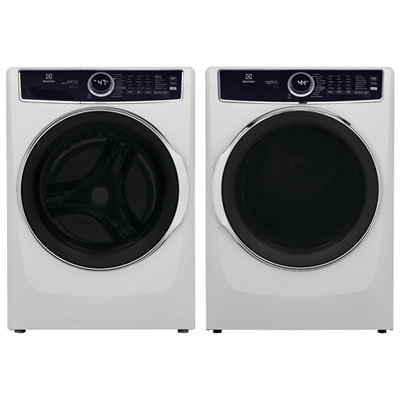 Your price for this item is $2399.98
 -
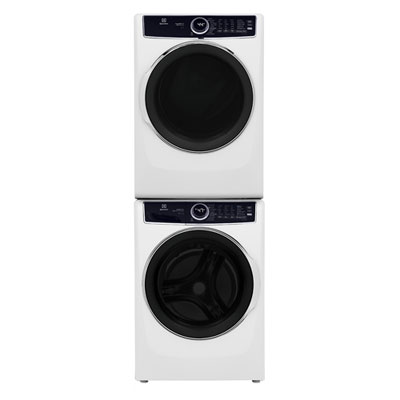 Your price for this item is $2447.97
 -
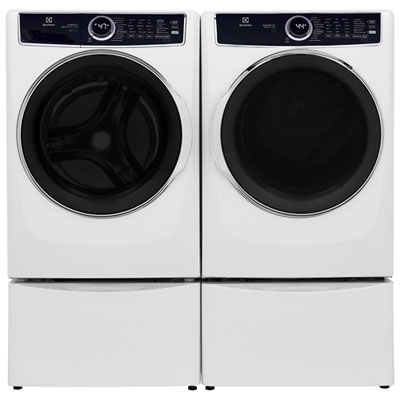 Your price for this item is $2699.96
 -
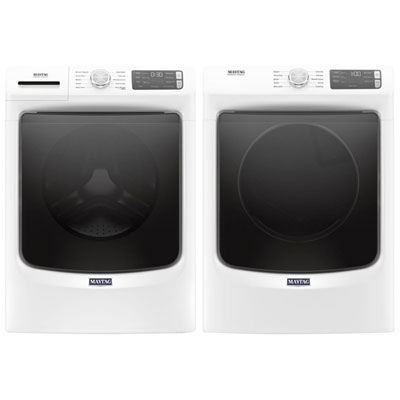 Your price for this item is $2299.98
Discover more categories related to GE Washing Machines
Top Collections:
Pokemon Centers, Best Cameras for Sports Photography, Kindle Devices, Samsung Galaxy Phones, Canon G7X Cameras, Pokémon 30th Celebration Cards, Refurbished Apple Laptops, iPhone 15 Apple, Laptops for Students, Budget Smartphones
Some products may be subject to Environmental Handling Fees
(EHF) depending on your province.
Learn more about EHFs.