iPhone 15 USB C
Looking for a reliable USB-C charging cable for your iPhone 15? Look no further! Our selection of high-quality USB-C cables is designed to provide fast and efficient charging for your device. Say goodbye to slow charging times and hello to quick and convenient power-ups. Whether you need an extra cable for the office, car, or home, we have you covered with our range of durable and versatile options. Upgrade your charging experience with our top-notch USB-C cables today!
Sort







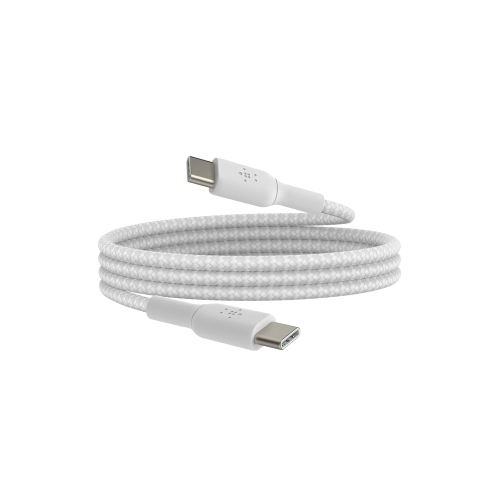
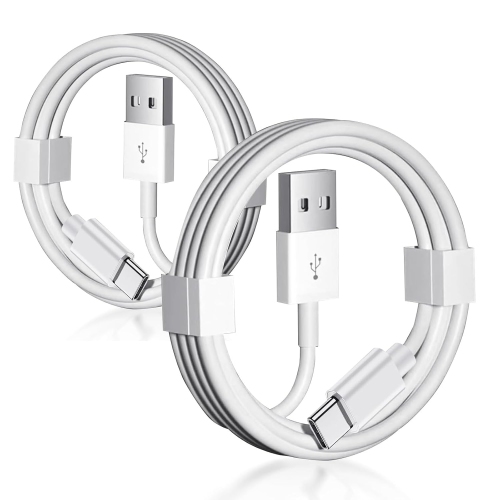


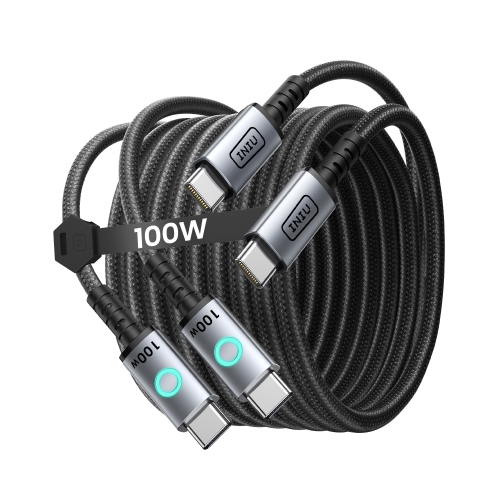
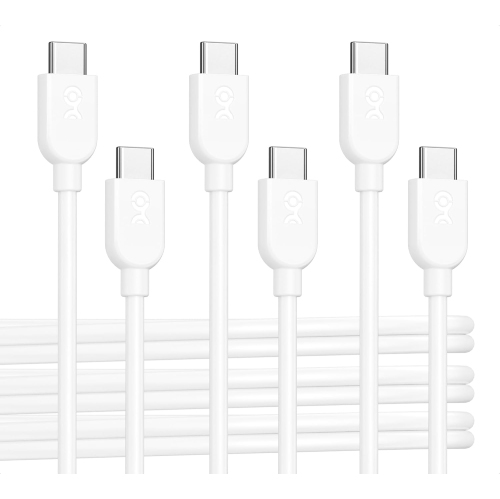
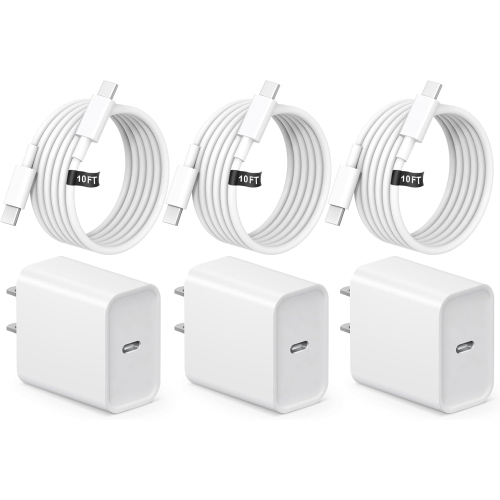


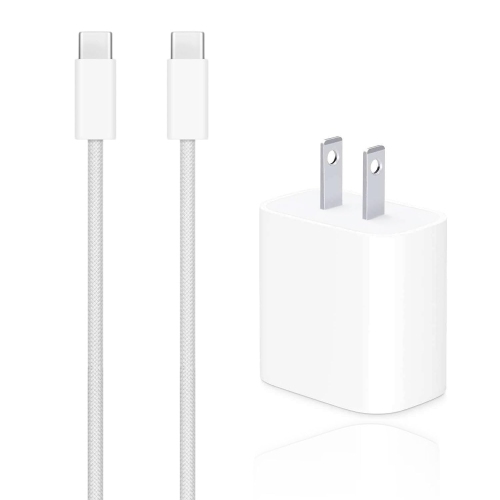
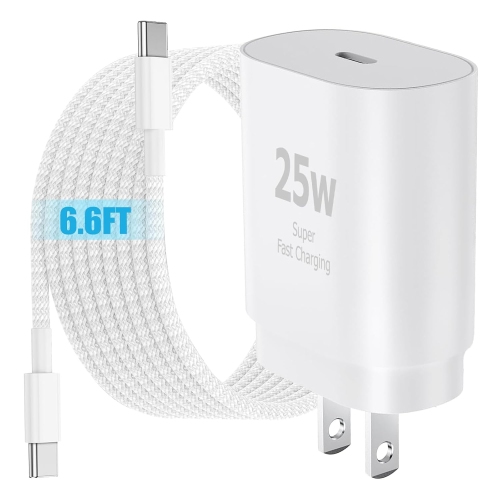

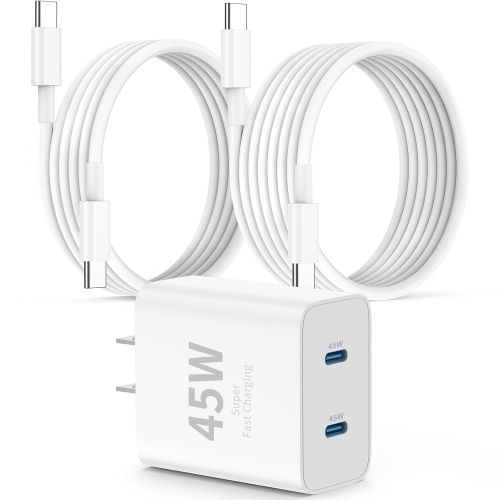

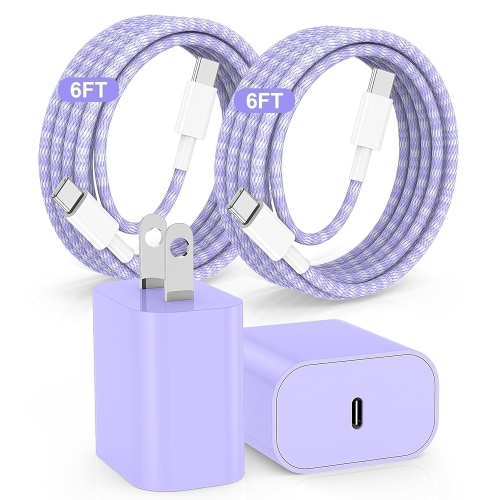
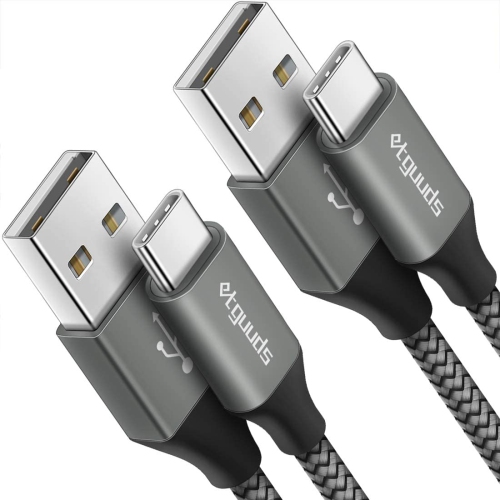
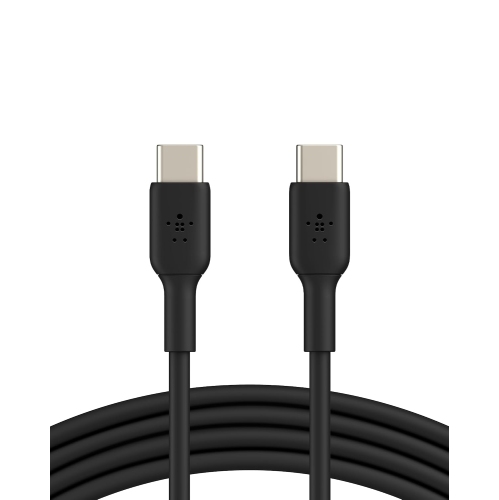
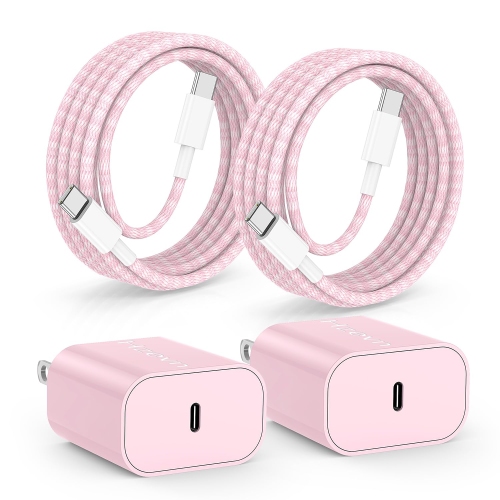


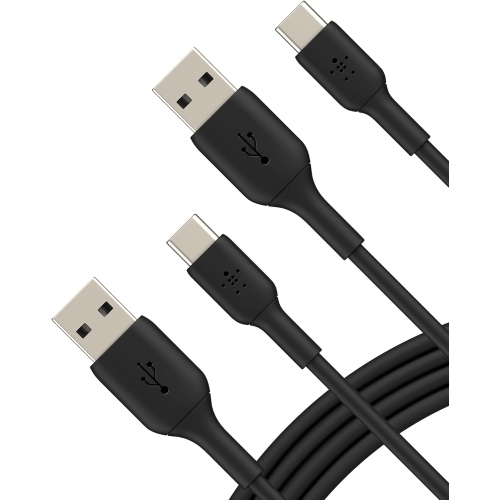
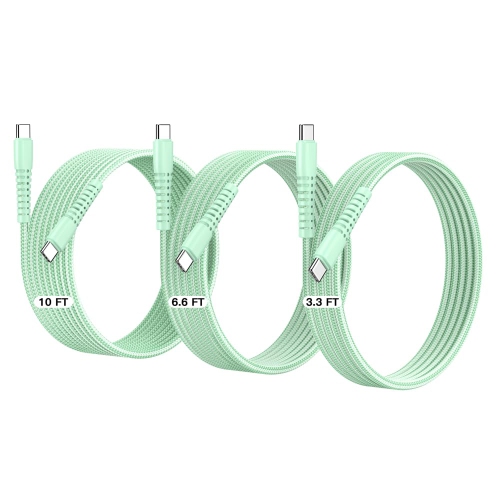
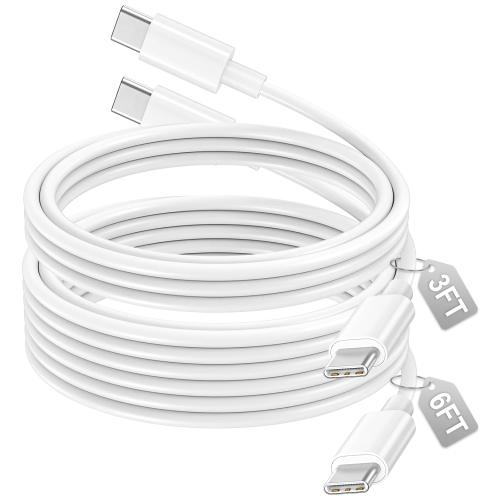
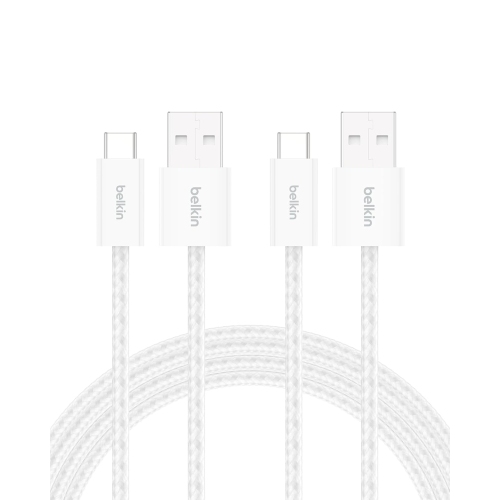
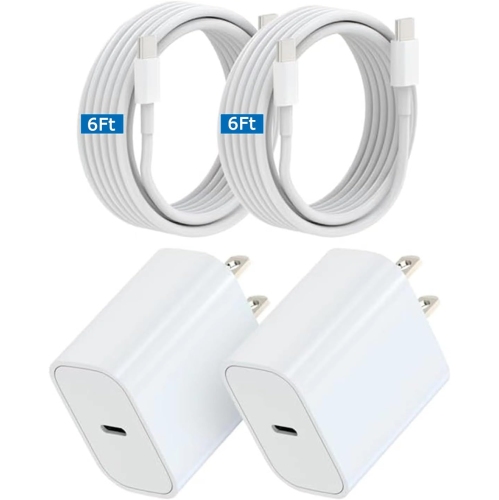
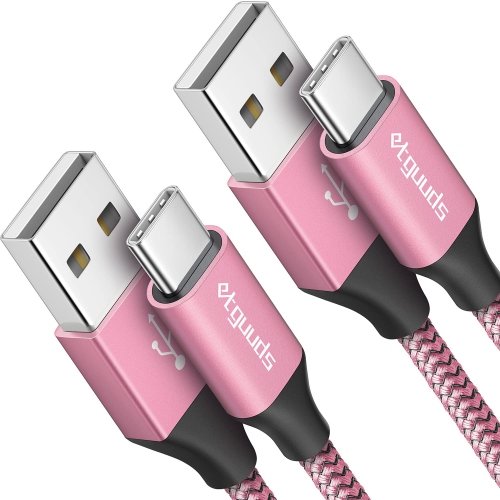
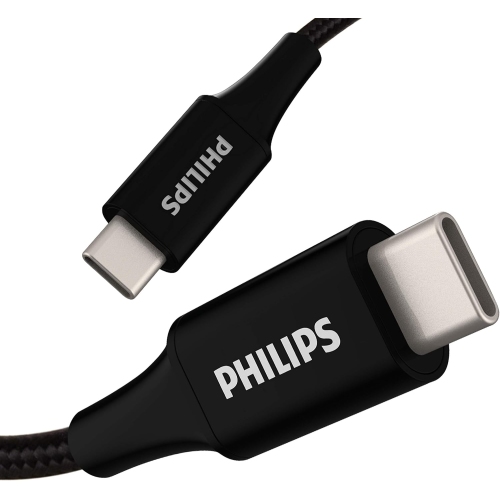
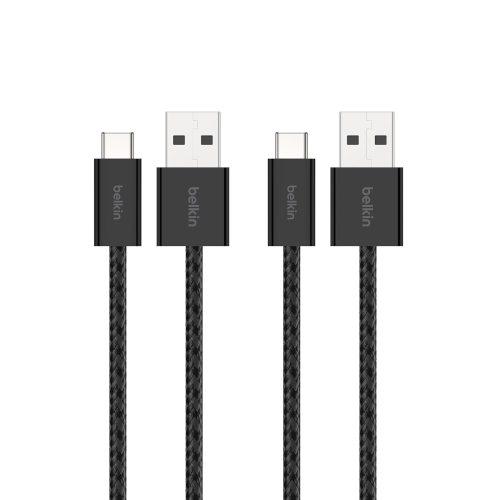
Why USB-C cables with matching plugs work differently
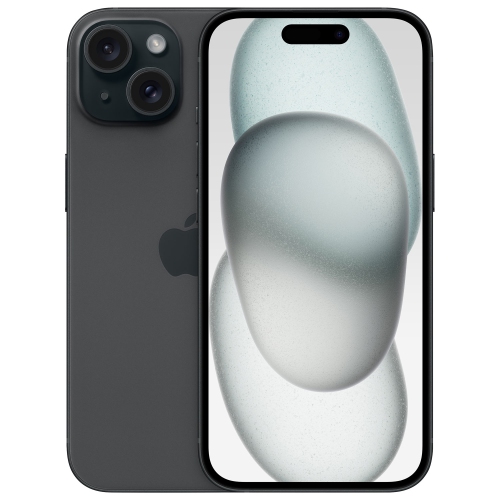
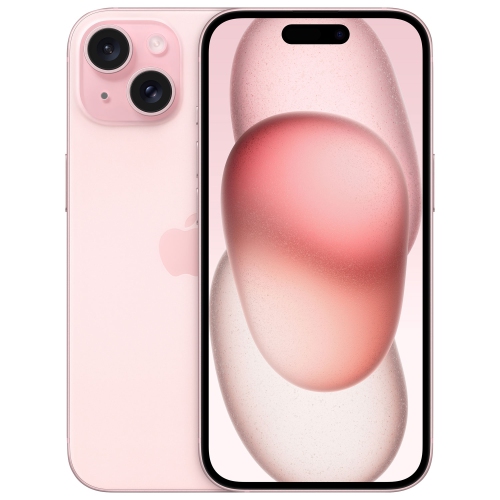
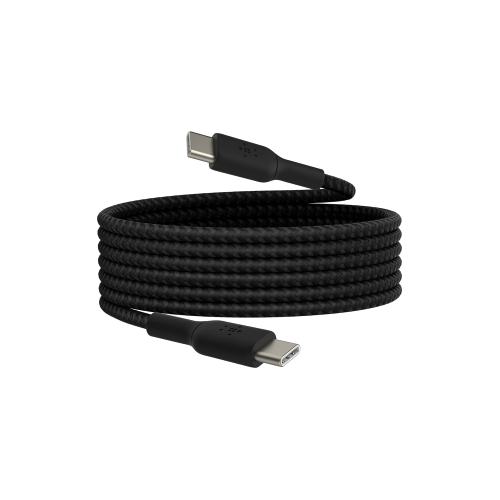
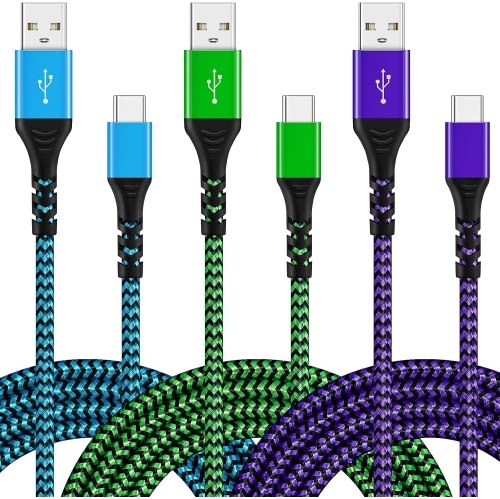
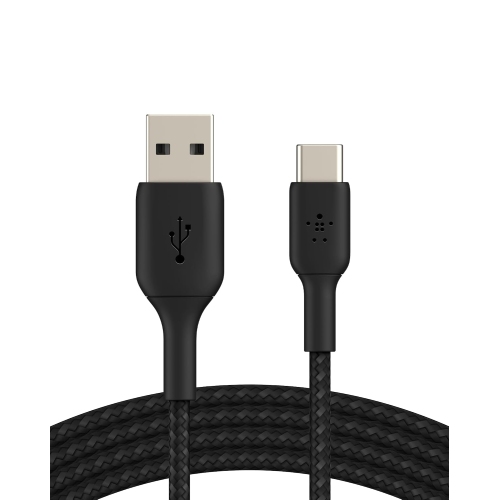
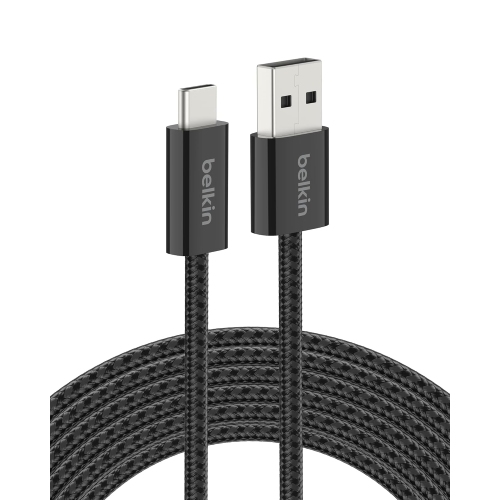
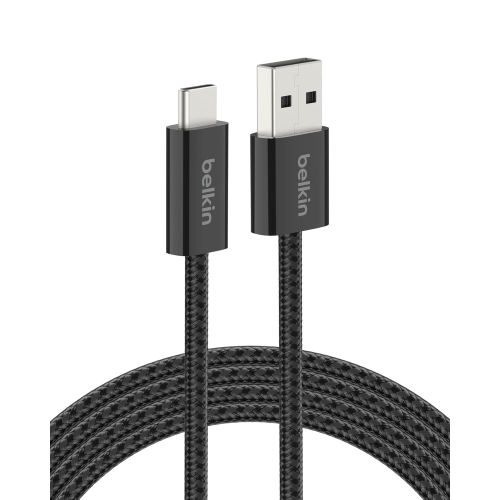
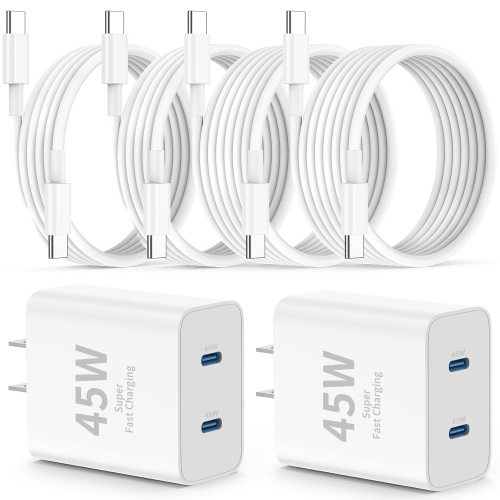
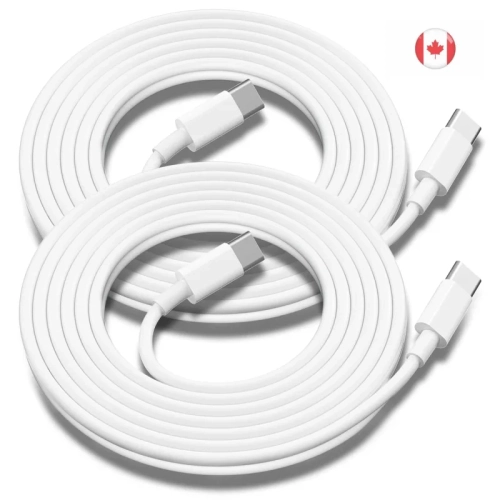
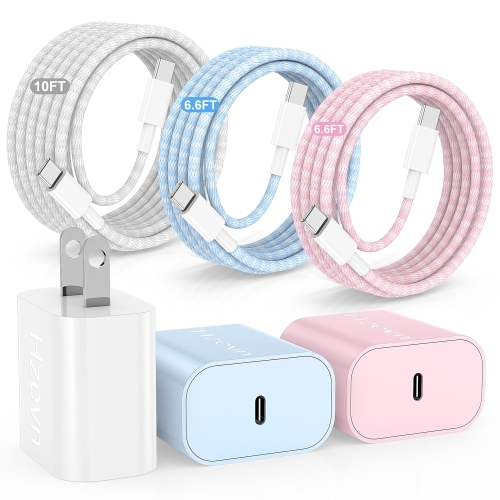
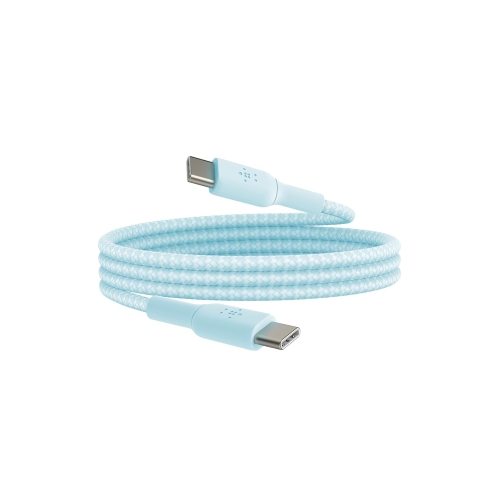
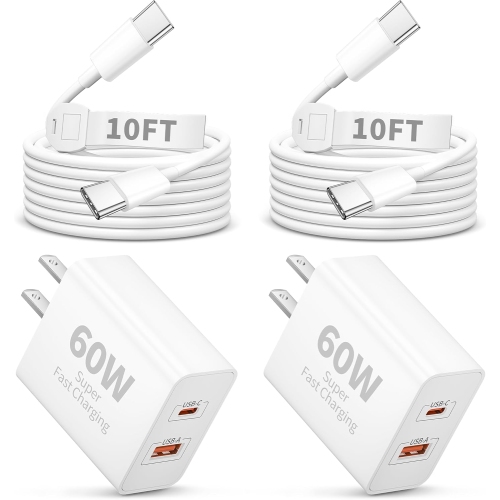
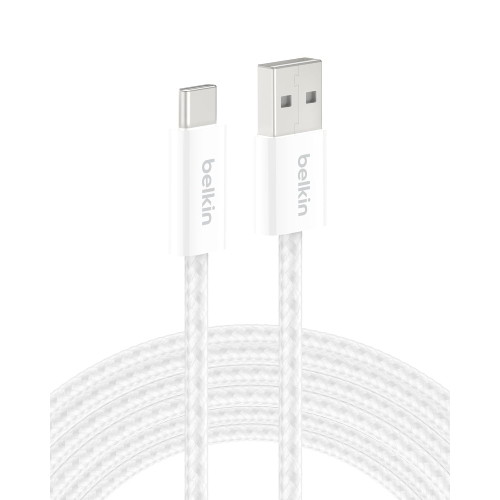
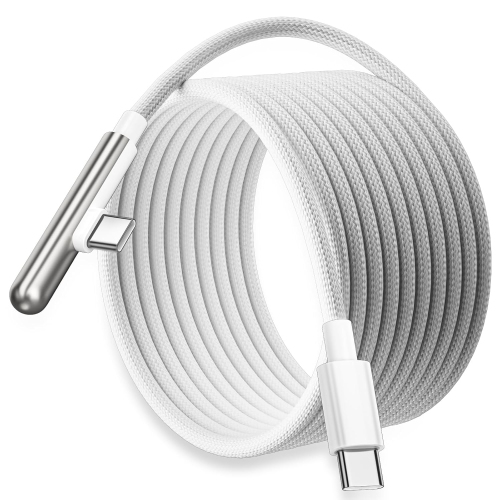
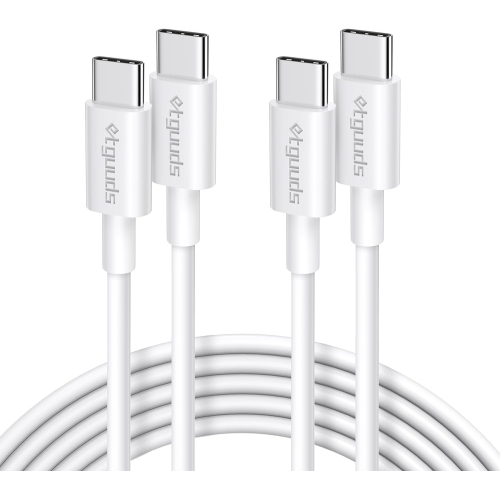
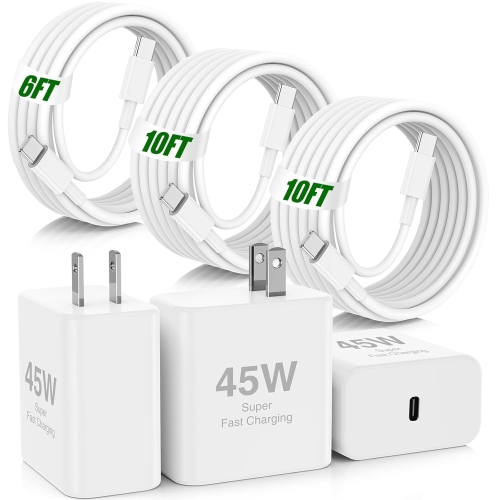
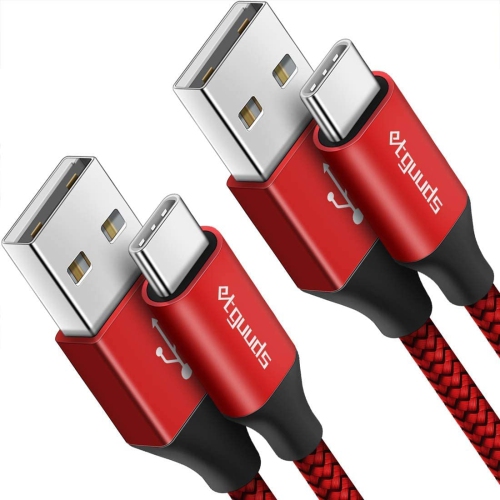
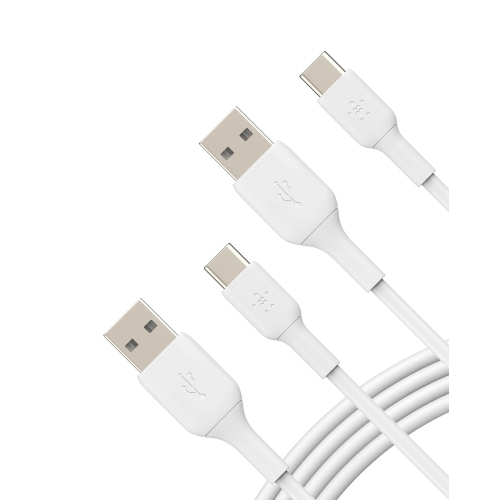
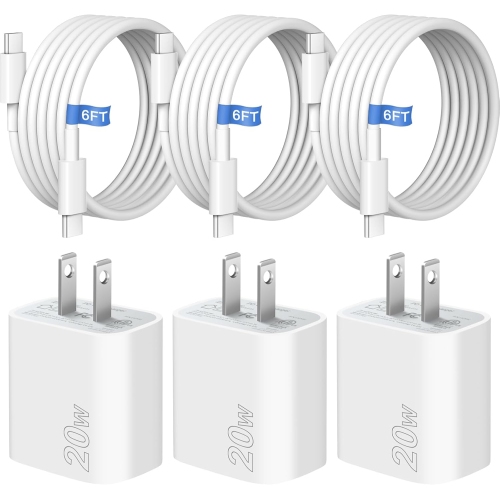
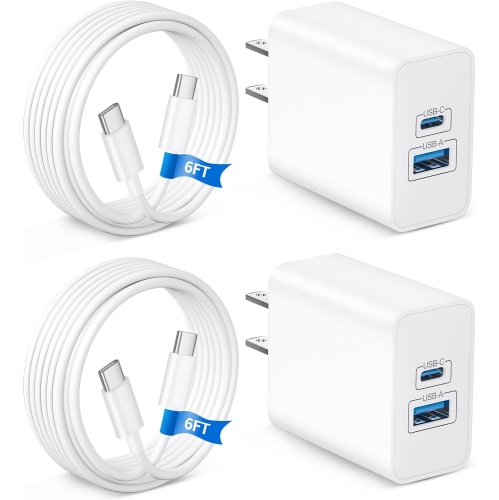
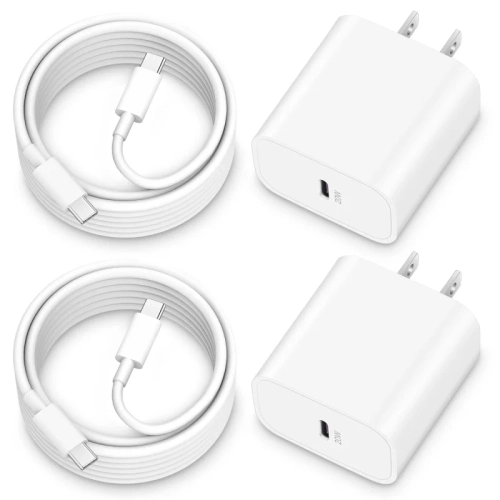
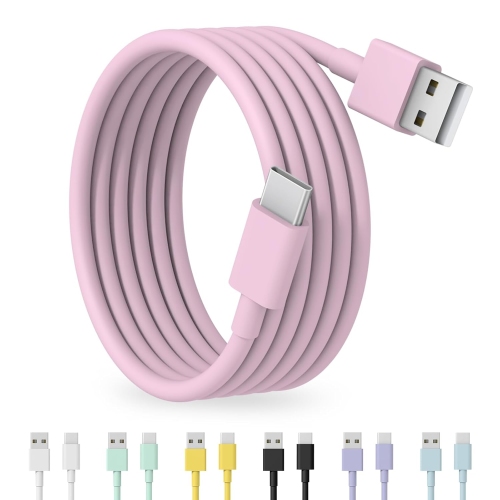
The iPhone 15 uses a USB-C connector for wired charging, data syncing, and compatible accessories, replacing the Lightning connection used on earlier models. The oval, reversible port accepts a USB-C plug in either orientation, making everyday connections straightforward at a desk, beside a bed, or in a vehicle. USB-C describes the connector shape, but cables and accessories with that connector can have different charging, data, and video capabilities. Charging cables, wall adapters, car chargers, and hubs each serve a different purpose, so the connection at both ends matters. A USB-C to USB-C cable connects the phone to a compatible USB-C wall charger, power bank, or computer. A USB-A to USB-C cable can connect it to an older rectangular USB-A port, although that setup does not provide the same USB-C Power Delivery fast-charging capability. A compatible USB-C Power Delivery adapter rated at 20 W or more can support fast charging; actual charging time varies with battery level, phone use, and the cable and adapter combination. A higher adapter wattage does not mean the phone receives all that power, since compatible devices negotiate the power they can accept. With a multiport charger, the output assigned to each port may also change when another device is connected. For the everyday connection between a phone and a power source, Iphone 15 Charging Cables include different lengths, connector combinations, and outer finishes suited to different routines. A shorter cable keeps a power bank connection tidy inside a bag, while a longer cable can reach from a wall outlet to a bedside table without pulling the phone towards the edge. Matching the cable’s power rating to the intended charging setup helps distinguish a suitable connection from one chosen only for its appearance. The most useful arrangement is one that reaches comfortably, fits securely, and supports the functions needed each day.
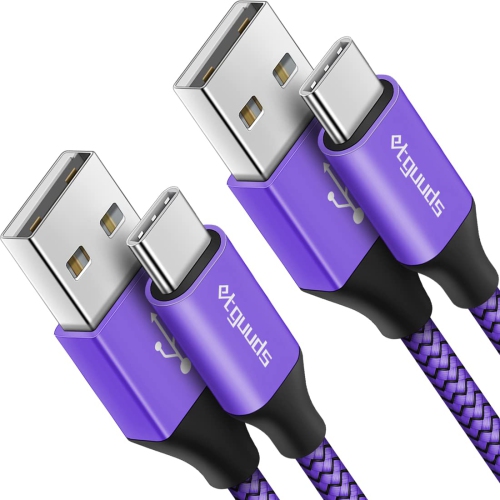
Cable construction affects how a charging setup feels and holds up through repeated use. Braided outer jackets can help resist abrasion where a cable brushes against a desk edge or travels alongside other belongings, while smooth, flexible jackets are easy to coil and wipe clean. Neither finish alone guarantees durability: the quality of the connector housing, internal construction, and strain relief near each plug also matters. These transition points take repeated bending when a phone is lifted from a table or used while connected. A cable with a flexible section behind the connector can reduce concentrated strain, especially when the lead runs around furniture. Length deserves equal attention. Extra reach is useful beside a sofa or across a work surface, but surplus cable can tangle in a bag or catch beneath a chair. Short leads suit portable charging and compact vehicle consoles, provided they do not leave the phone suspended from its port. Connector size also affects fit with a protective case. A thick plug housing or sharply angled connector may not sit fully inside a narrow case opening, even though the USB-C plug itself is the correct type. Right-angle connectors can keep a lead closer to the phone during handheld use, but their direction should suit the case and the way the device is held. For wall adapters and hubs, physical dimensions matter around closely spaced outlets and crowded desks. Routine care is simple: disconnect by holding the plug rather than pulling the cord, coil cables loosely instead of folding them tightly, and keep connectors clean and dry. A soft, dry cloth is suitable for wiping the outer jacket. Frayed insulation, exposed wiring, loose housings, or bent connectors are reasons to stop using an accessory. A dependable connection should not need pressure, repeated repositioning, or a particular bend in the cable to keep working.
Beyond charging, USB-C accessories can connect the phone to computers, audio equipment, external storage, and compatible displays. These uses make the cable’s supported functions as important as its connector. The standard iPhone 15 supports USB 2 wired data transfer at up to 480 Mbps, so a cable advertised with a higher transfer rate cannot increase that phone’s own data limit. A data-capable cable is useful for syncing files with a computer or transferring photos, while a charging-only connection will not perform those tasks. External storage adds further considerations, including drive format, app support, and power requirements; some drives need a separately powered hub rather than relying entirely on the phone. Display connections require a cable or adapter that explicitly supports video output, since a USB-C plug alone does not establish that capability. For audio, compatible USB-C headphones or a USB-C to 3.5 mm adapter with suitable digital audio support can provide a wired connection without relying on a wireless headset battery. Microphones and other recording accessories also need confirmed phone compatibility, particularly when an adapter or hub sits between the accessory and the port. In a vehicle, the correct cable depends on whether the console has USB-A or USB-C and whether that port carries data as well as power. A port that charges the phone does not necessarily support a wired connection to the vehicle’s display. These distinctions matter to commuters using navigation, students moving between study spaces, and people transferring photos or recordings after a day away from their computer. For travel, a compact charger and a cable of practical length can simplify packing, while a desk setup may benefit from a hub that combines several connections. Charging accessories can also make useful gifts when the recipient’s phone connection, existing charger, case opening, and daily habits are known. Matching those details makes the accessory useful beyond its first connection.
Top selling and popular products
-
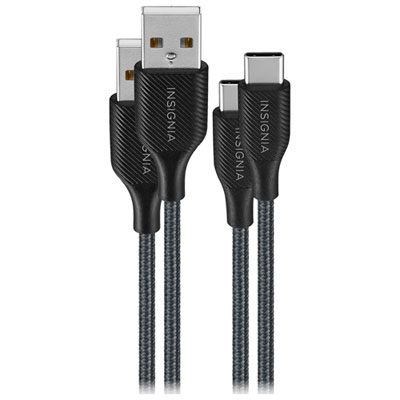 Your price for this item is $19.99
-
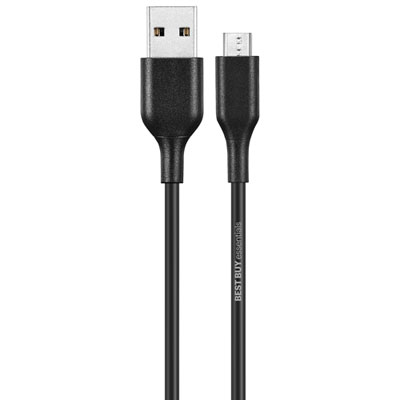 Your price for this item is $7.99
-
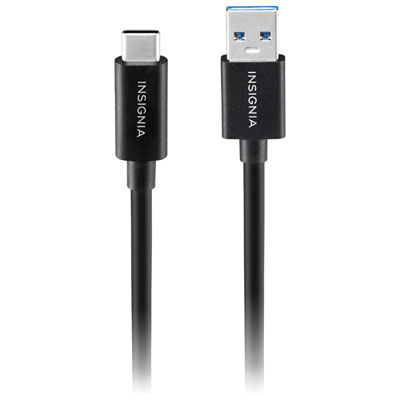 Your price for this item is $19.99
-
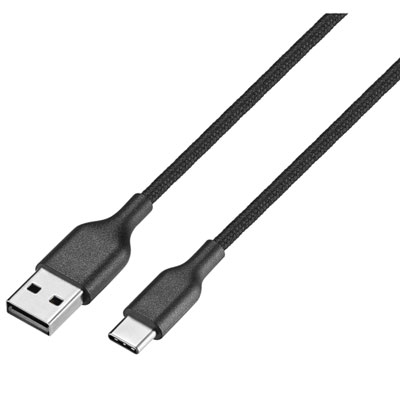 Your price for this item is $9.99
-
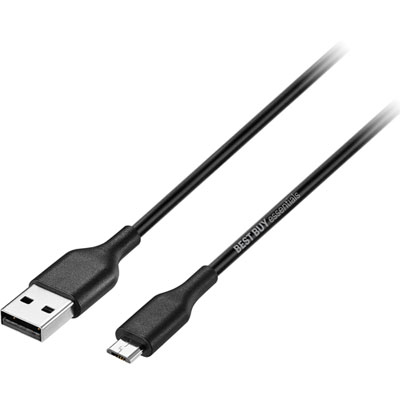 Your price for this item is $9.99
-
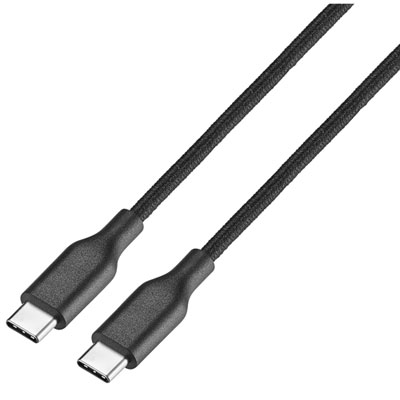 Your price for this item is $14.99
-
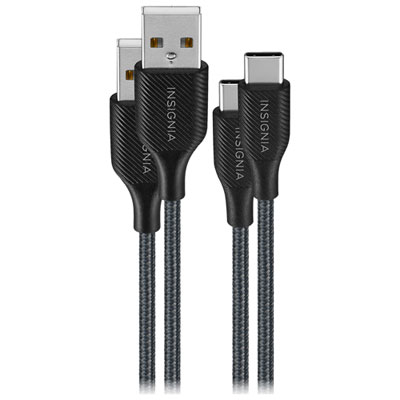 Your price for this item is $24.99
-
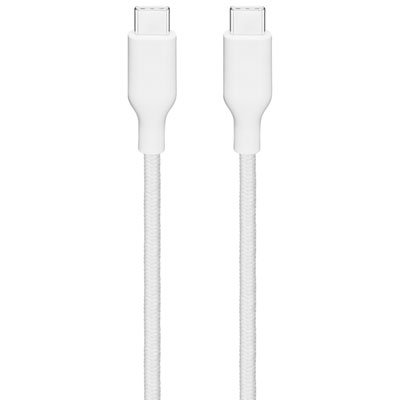 Your price for this item is $14.99
Discover more categories related to iPhone 15 USB C
Top Collections:
Pokemon Centers, Best Black Friday Deals This Year, Best Black Friday Deals On Electronics, Kindle Devices, Best Budget Office Chairs, Best Black Friday Deals On Apple Products, Best Cameras for Sports Photography, Pokémon 30th Celebration Cards, Dyson Airwrap, Canon G7X Cameras
Some products may be subject to Environmental Handling Fees
(EHF) depending on your province.
Learn more about EHFs.