iPhone 16 Chargers
Find the perfect iPhone 16 charger to keep your device powered up and ready for anything. Whether you need a charger for home, work, or travel, explore a wide range of options designed to fit your lifestyle. Discover chargers that offer reliable performance and convenient charging solutions for your iPhone 16, so you can stay connected throughout your day. Shop the latest selections and enjoy fast, efficient charging wherever you go.
Sort









Why charging speed depends on more than wattage
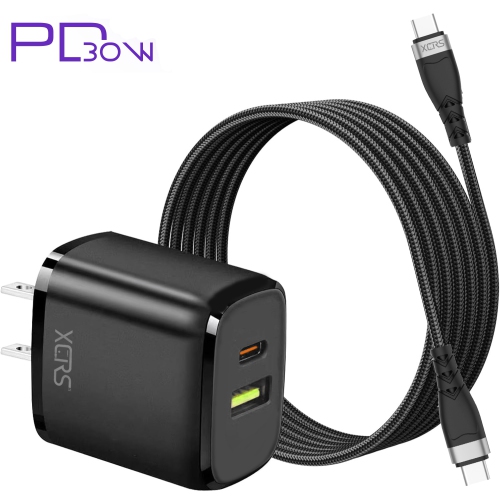
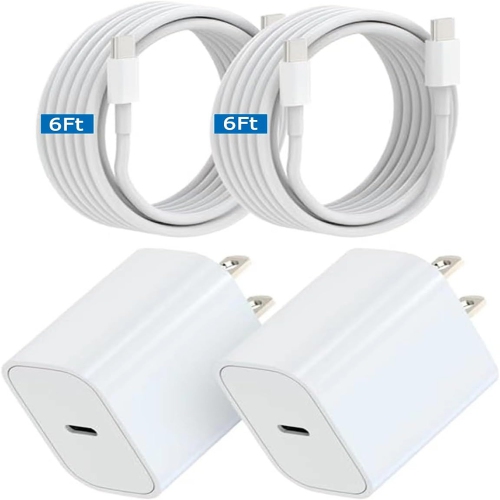
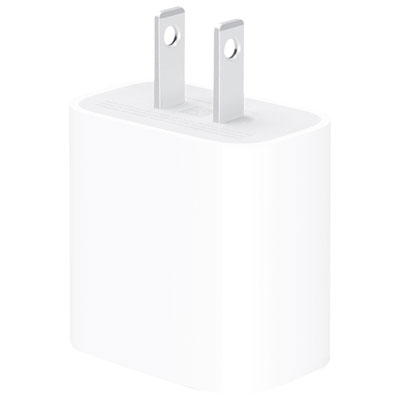
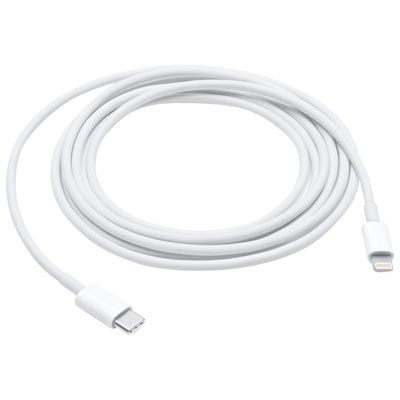
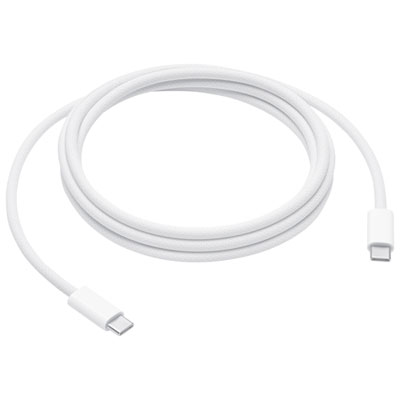
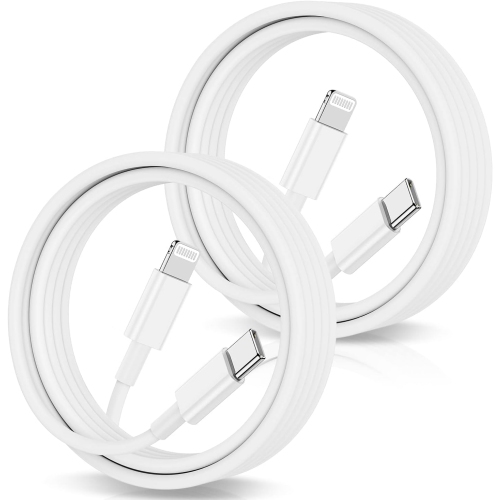
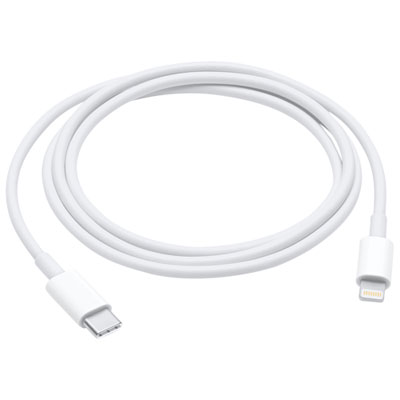
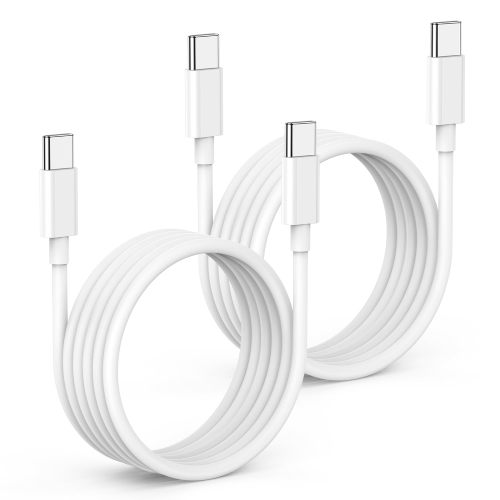
iPhone 16 chargers include USB-C power adapters, wired charging cables, wireless pads and stands, and charging accessories for use in a vehicle. For fast wired charging, an iPhone 16 needs a USB-C to USB-C cable and a USB Power Delivery adapter rated at 20W or higher. With a suitable setup, the phone can reach approximately 50% charge in around 30 minutes, although charging time varies with the starting battery level, phone settings and use during charging. The phone’s charging port is USB-C, so a Lightning connector will not fit. A lower-powered compatible charger can still replenish the battery, but it may take longer, especially while the phone is handling navigation, video calls or other demanding tasks. An adapter’s wattage describes the power it can supply, not an amount that it forces into the phone; with compatible USB Power Delivery equipment, the phone and adapter negotiate the supported power level. A higher-wattage adapter therefore does not automatically deliver a faster charge than the phone can accept. Cable quality and connector compatibility matter just as much as the number printed on the adapter. A USB-C to USB-C cable rated for the intended charging power is a straightforward choice, while data-transfer capabilities are a separate consideration for anyone who also connects their phone to a computer. The USB-C options found among Iphone 15 Charging Cables may also suit an iPhone 16 when their connectors and power specifications match the charging setup. Cable length makes a practical difference: a short cable keeps a desk tidy, while a longer one can reach from a wall outlet behind a sofa without pulling against the phone’s port. For everyday charging, a comfortably routed cable is preferable to one stretched tightly across a walkway or bent sharply at the connector. A dedicated adapter and cable at a frequently used outlet can also save the daily search through a bag before plugging in.
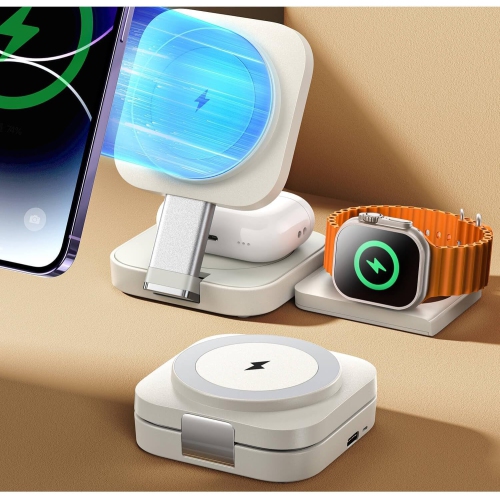
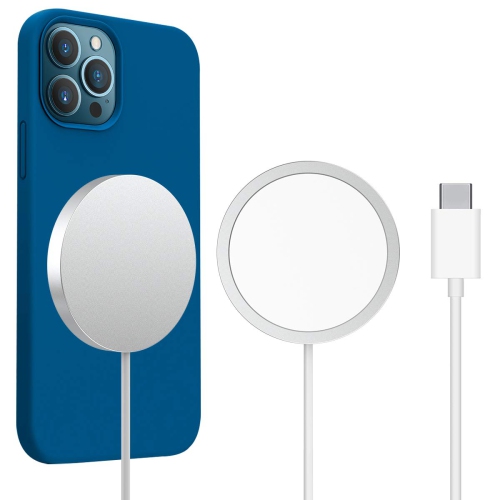
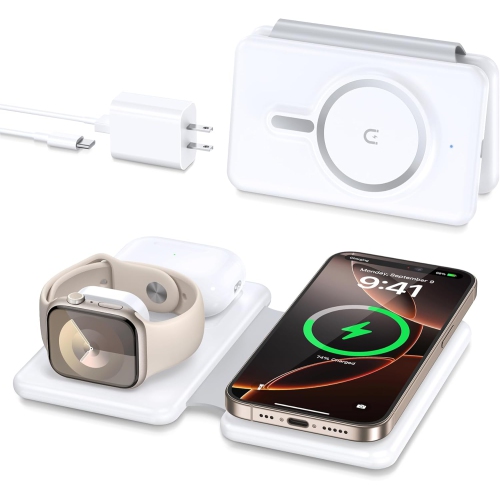
Wireless iPhone 16 chargers offer a different kind of convenience, particularly on a bedside table, kitchen counter or desk where the phone is picked up frequently. A charging pad lets the phone rest flat, while a stand can keep the screen visible for notifications or hands-free calls. Magnetic designs help position the phone over the charging coil, reducing the guesswork involved in placing it correctly. Wireless charging speeds depend on the charging standard, the charger’s supported output and the power adapter supplying it. Certain compatible magnetic charging systems support up to 25W with an appropriate 30W or higher USB-C adapter, but that capability should not be assumed for every wireless pad or stand. Other wireless chargers deliver lower charging rates, and a more powerful adapter cannot raise a charger beyond its own limits. Qi and Qi2 certification can help identify compatibility, though the stated charging rate still deserves attention. Case fit is equally important. A thick case, a metal plate used for a vehicle mount, or a wallet attachment between the phone and charger can interfere with charging or prevent secure magnetic alignment. A case designed for compatible magnetic charging can provide a more reliable fit than one that merely allows the phone to rest on a pad. Stand geometry matters, too: the phone should sit securely without its camera area forcing it away from the charging surface. For a bedside setup, a stable base and a discreet indicator light may be more useful than an elaborate design. On a work desk, support for portrait and landscape positioning can make the screen easier to see without interrupting charging. Wireless charging can generate warmth, so an uncovered, well-ventilated surface is preferable to bedding or a crowded drawer. Charging may slow when the phone becomes warm, and using demanding apps while it charges can affect the time needed to replenish the battery. A wired connection remains a practical alternative when a quick top-up is the priority.
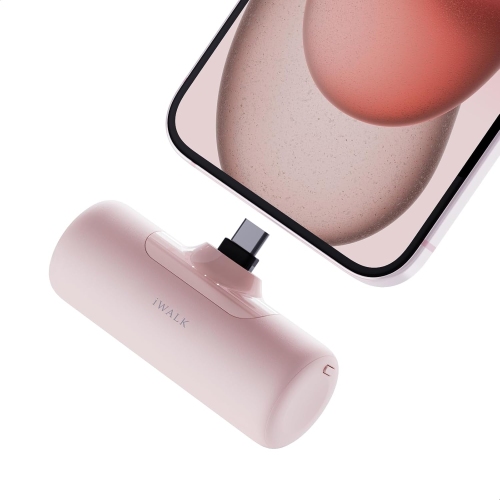
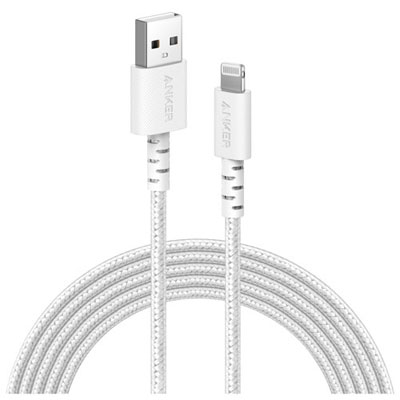
The most useful iPhone 16 charging setup is one that suits the places and routines in which the phone is used. A compact wall adapter is easy to carry between home, work and a travel bag, while a multi-port adapter can charge a phone alongside compatible accessories. With multi-port designs, the total wattage may be divided among connected devices, so the output available from one port can change when another device is plugged in. Gallium nitride, often shortened to GaN, can allow higher-output adapters to be made more compact, although size alone does not establish charging performance or build quality. For vehicle use, a securely fitting USB-C power adapter with USB Power Delivery can support wired charging during navigation, provided its output and cable meet the phone’s requirements. Materials and construction influence everyday durability: reinforced cable ends can help protect common bending points, braided coverings can resist abrasion, and flexible jackets can be easier to route around furniture. No covering makes a cable immune to damage, so avoid pinching it under chair wheels, pulling it out by the cord or winding it tightly around an adapter. Remove a cable by holding its connector, and replace it if the jacket splits, the connector becomes loose or charging repeatedly cuts out. Keep charging contacts dry and free of debris, following the accessory’s cleaning instructions rather than applying liquid directly to a port. Travellers should also check an adapter’s input-voltage range and whether its plug suits the destination’s outlets. For students, commuters or anyone setting up a new phone, a charger and cable can make a useful gift when the recipient’s preferred charging method and usual setup are known. Someone who carries a phone throughout the day may appreciate a compact wired option, while someone who keeps it on a desk may prefer a stable wireless stand. Matching the connector, charging standard, power output and physical fit helps make the accessory useful long after the first charge.
Top selling and popular products
-
 Your price for this item is $24.99
-
 Your price for this item is $25
-
 Your price for this item is $38.99
-
 Your price for this item is $39.99
-
 Your price for this item is $85
-
 Your price for this item is $24.99
-
 Your price for this item is $24.99
-
 Your price for this item is $24.99
Discover more categories related to iPhone 16 Chargers

Top Collections:
Pokemon Centers, Best Black Friday Deals This Year, Best Black Friday Deals On Electronics, Kindle Devices, Best Budget Office Chairs, Best Black Friday Deals On Apple Products, Best Cameras for Sports Photography, Pokémon 30th Celebration Cards, Dyson Airwrap, Canon G7X Cameras
Some products may be subject to Environmental Handling Fees
(EHF) depending on your province.
Learn more about EHFs.