Motorola Mobile Phones
Discover the latest selection of motorola mobile phones, designed to keep you connected and on the go. Whether you're looking for reliable performance, sleek designs, or innovative technology, there’s a motorola mobile phone to match your needs. Explore a variety of models and find the perfect fit for your lifestyle. Shop with confidence and enjoy great deals on motorola mobile phones at Best Buy.
Sort

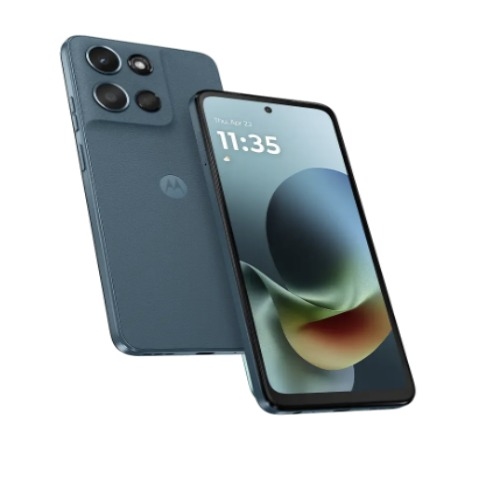

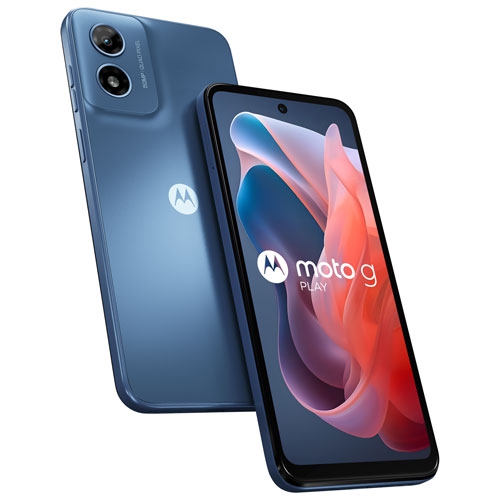


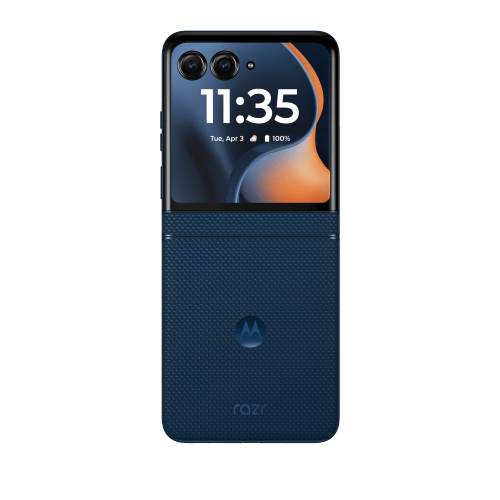
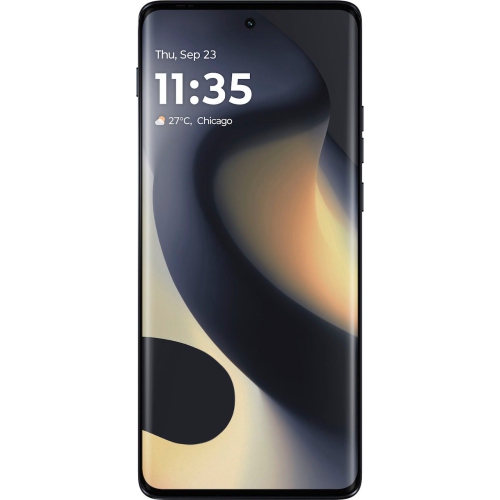


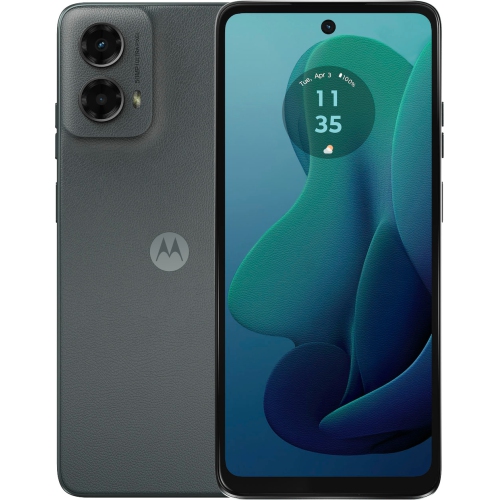
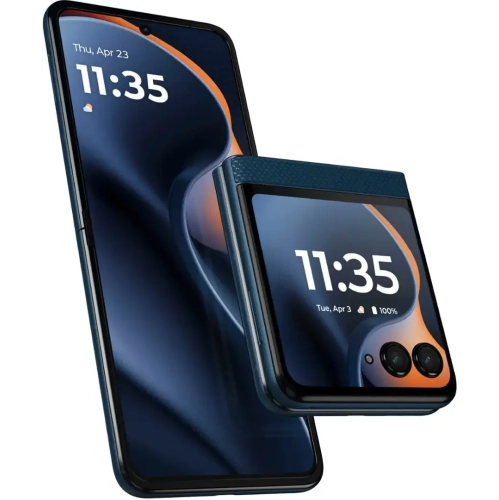

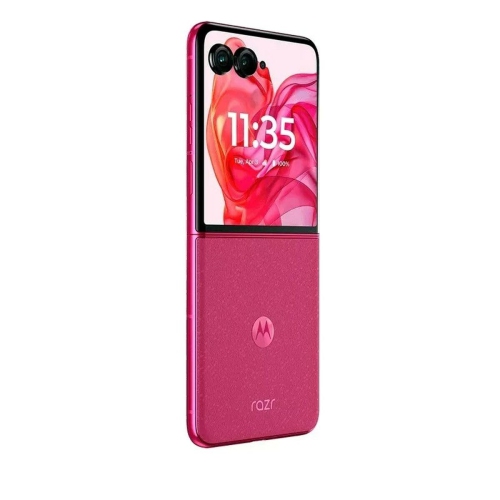
How phone size and design shape daily use
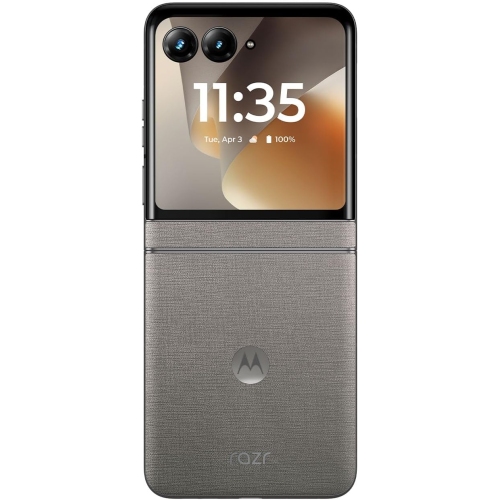
Mobile phones bring calls, messages, navigation, photography and entertainment into a device that travels easily between home, work and everything in between. The range includes familiar touchscreen designs and foldable formats, with differences in screen size, processing power, camera capabilities and everyday handling. A larger display gives maps, video calls and documents more room, while a narrower body can feel more manageable when typing a quick reply or slipping a phone into a small bag. Screen measurements describe the diagonal viewing area rather than the overall size of the handset, so dimensions and weight help explain how a phone will actually feel in use. Display brightness matters when reading directions outdoors, while resolution and contrast influence the appearance of text, photos and video. A higher refresh rate can make scrolling and compatible games look smoother, although its effect depends on the content and display settings. Materials also shape the experience: plastic, glass and metal components have different textures, weights and care requirements, and a glossy finish can feel quite different from a textured back. Foldable designs introduce another approach to portability, opening into a larger viewing surface and closing into a more compact shape. The Motorola Razr Phones collection offers a focused look at this style. Across phone formats, comfortable button placement, a secure grip and easy access to charging connections can matter as much as appearance. Inside the device, the processor and memory affect how comfortably it handles tasks such as switching between navigation, messaging and a video call. Storage serves a different purpose, holding apps, downloads, photos and other files. Someone who keeps music and videos downloaded for commuting may need more storage than someone who mainly streams over Wi-Fi. Expandable storage is not universal, and the stated capacity includes space used by the operating system and preinstalled software. These practical differences help distinguish phones intended for straightforward communication from those suited to heavier multitasking, gaming or frequent media use.
Camera features are another meaningful part of everyday phone use, whether the subject is a child crossing a finish line, a pet that rarely sits still or a receipt needed for an expense claim. Image quality depends on more than megapixel count. Lens quality, image processing, stabilization and lighting all influence the finished photograph, particularly when the subject is moving or the room is dim. Different camera lenses may provide wider views or closer framing, but their functions vary by model. Optical zoom and digital zoom also work differently, with digital enlargement potentially reducing detail. For video, stabilization can help steady handheld footage, while resolution and frame rate affect detail, motion and file size. The front-facing camera and microphone quality matter for video calls, online appointments and keeping in touch with family. Battery performance is similarly tied to real routines rather than capacity alone. Navigation, gaming, video recording, screen brightness and mobile signal strength all affect how long a charge lasts. Charging speed depends on the phone, cable and compatible power adapter, and wireless charging is a separate feature that is not included on every device. A phone used mainly for messages and occasional calls has different demands from one running navigation and audio throughout a busy day. Connectivity deserves equal attention. Support for 5G does not guarantee the same experience everywhere, since network coverage, carrier compatibility and the mobile plan all play a role. Wi-Fi can support calls and data use where the phone and carrier allow it, and Bluetooth connects compatible headphones, speakers and vehicle systems. SIM and eSIM support vary, as do options for using more than one mobile line. For travel or a separate work number, those details can be particularly useful. Compatibility with a Canadian carrier depends on more than whether a handset is unlocked; supported network bands and carrier requirements also matter. Software support, security updates and app compatibility round out the picture, especially for people who use their phones for banking, work accounts or private conversations.
The best fit for daily life also includes accessibility, protection and care. Adjustable text size, screen magnification, voice controls and hearing-related settings can make a phone easier to use, although the exact features differ between devices and software versions. Fingerprint readers and facial unlocking offer convenient ways to access a handset where supported, while a strong passcode remains important for protecting personal information. For someone receiving a first smartphone, straightforward controls, manageable dimensions and compatible parental tools may be more useful than advanced camera options. A frequent traveller may place greater value on navigation, battery endurance and flexible connectivity, while a photography enthusiast may appreciate camera controls and ample storage. Phones can also be thoughtful gifts for a student, a family member replacing an older handset or someone starting a new job, provided the device suits their carrier, preferred size and daily habits. Physical protection helps preserve comfort and function through regular handling. A properly fitted case should leave buttons, microphones, speakers and charging connections accessible without interfering with the camera. Screen protectors need to match the display design, and foldable screens require particular care around the flexible surface and hinge. Manufacturer guidance is important before adding or removing protective layers on a folding display. Water resistance, when specified, has defined test conditions and should not be treated as a guarantee against every spill or immersion. Resistance can also change with wear or damage. Routine care is usually simple: a soft, lint-free cloth helps remove fingerprints, while cleaning methods should follow the device maker’s directions. Moisture should be kept away from openings, and charging connections should be dry before use. Sand, keys and loose objects can scratch surfaces or place pressure on a phone inside a bag. Beyond the exterior, regular backups help protect photos, contacts and documents if a device is lost or damaged. Keeping software updated and reviewing app permissions supports everyday security. Together, thoughtful design, suitable features and consistent care make a mobile phone a practical companion for communication, entertainment and the small tasks that fill a day.
Top selling and popular products
-
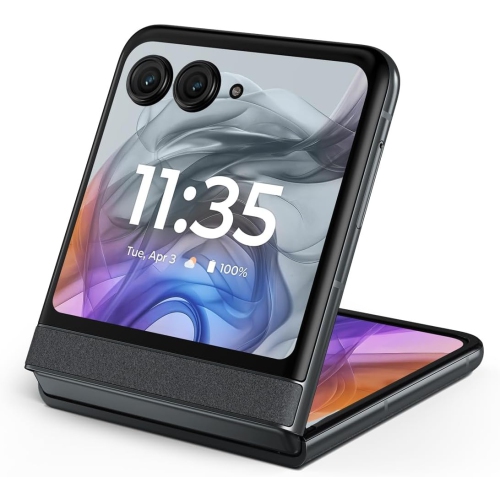 Your price for this item is $639.99
-
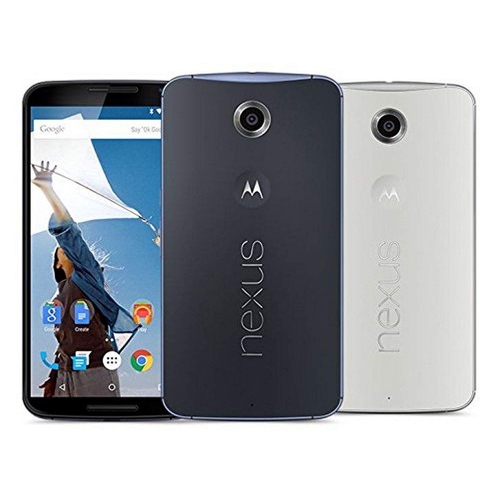 Your price for this item is $120
-
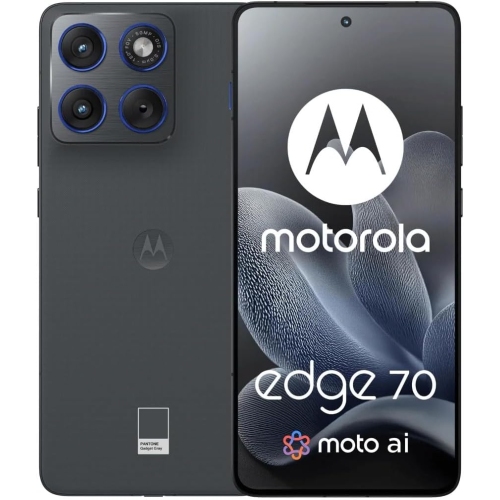 Your price for this item is $634.99
-
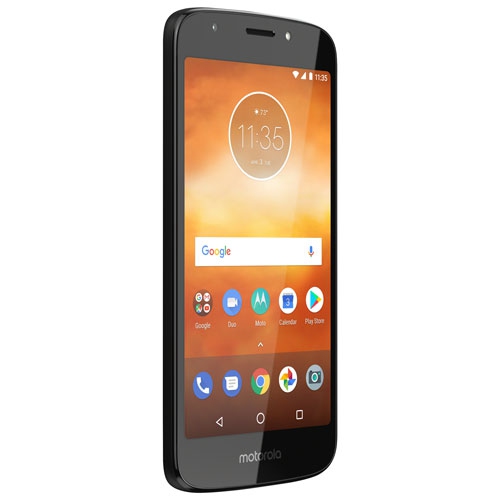 Your price for this item is $189.99
-
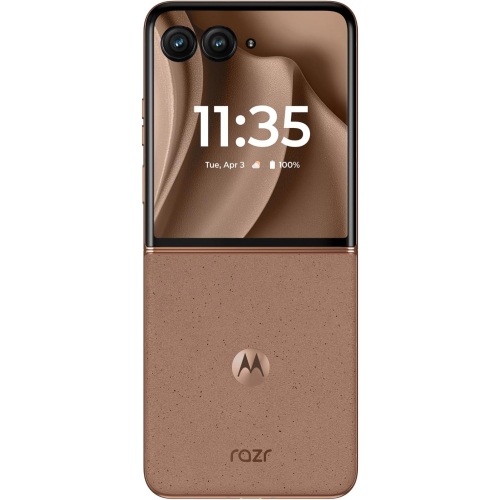 Your price for this item is $789.99
-
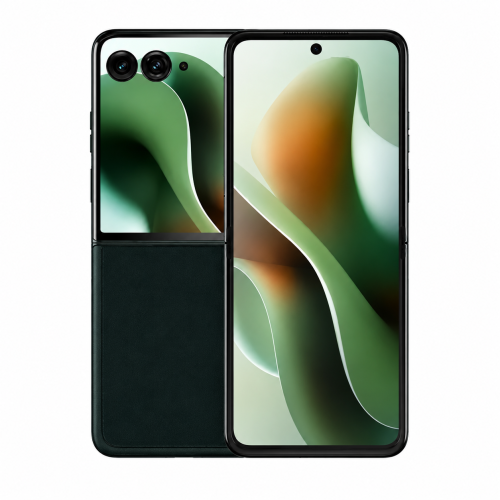 Your price for this item is $1204.17
-
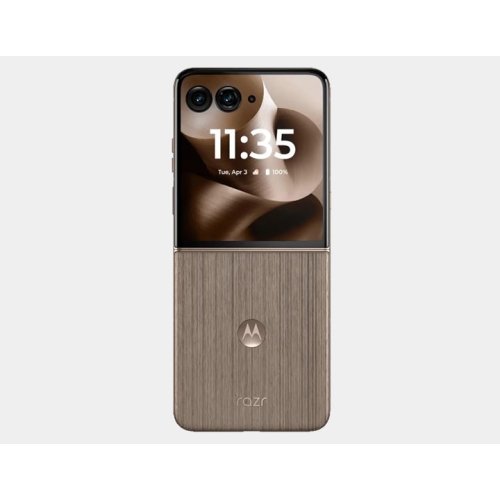 Your price for this item is $1362.99
-
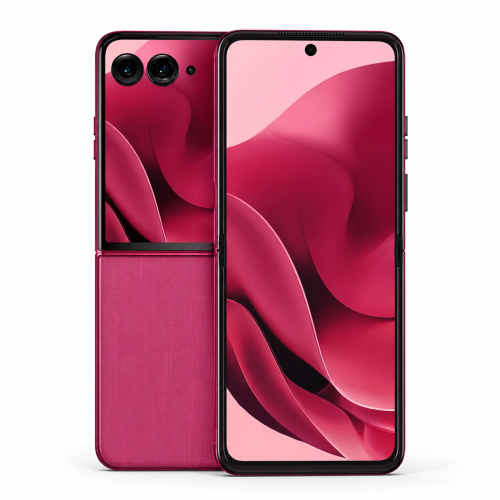 Your price for this item is $2651.99
Discover more categories related to Motorola Mobile Phones
Top Collections:
Best Black Friday Deals This Year, Best Black Friday Deals On Electronics, Kindle Devices, Pokemon Centers, Best Black Friday Deals On Apple Products, Best Cameras for Sports Photography, Dyson Airwrap, Pokémon 30th Celebration Cards, Apple iPhone 17 Pro, Canon G7X Cameras
Some products may be subject to Environmental Handling Fees
(EHF) depending on your province.
Learn more about EHFs.