Moto G Phones
Moto G Phones offer a smart and reliable choice for those seeking performance and value in a mobile device. With a variety of models to choose from, it's easy to find the right fit for your lifestyle, whether you need a device for everyday tasks or staying connected on the go. Explore the latest Moto G Phones and discover options that combine functionality with sleek design, making it simple to enjoy your favorite apps, capture memories, and keep up with friends and family. Find your next Moto G Phone and experience convenience at your fingertips.
Sort







How everyday habits shape your next phone choice
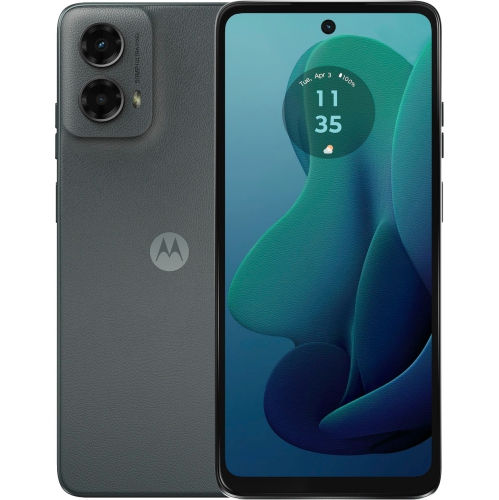
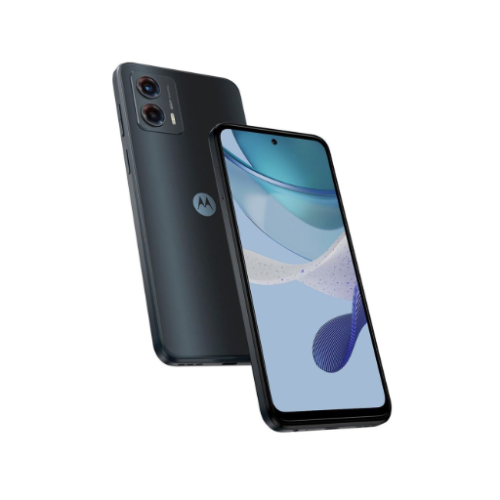
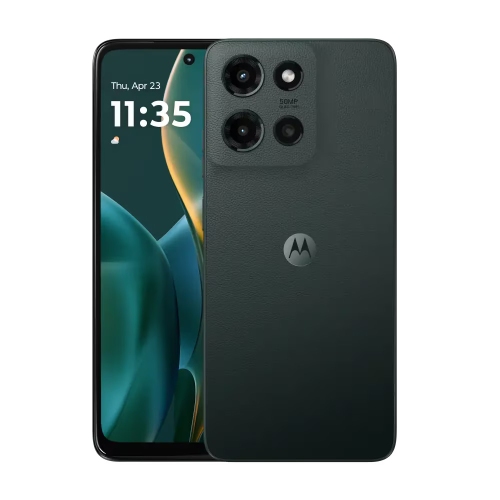
Moto G phones are Android smartphones designed for everyday communication, photography, navigation, and entertainment. Screen size, camera hardware, battery capacity, storage, and network support vary by model, giving the range different options for different routines. For someone who mainly sends messages, checks transit routes, and listens to podcasts, a responsive interface and comfortable grip can matter more than advanced camera controls. Someone who regularly joins video calls, switches between work apps, or watches longer videos may place more emphasis on screen clarity, processing power, and battery life. Android supports familiar services such as email, calendars, maps, and downloadable apps, while home screen layouts, text sizes, and notification settings can be adjusted to suit individual preferences. These phones can suit students organizing assignments, adults managing busy schedules, or family members who want straightforward access to calls and shared photos. They can also make a practical gift when the recipient’s carrier, preferred phone size, and accessibility needs are known. Mobile connectivity deserves particular attention: 5G support depends on the model, and access to a 5G connection also depends on a compatible plan and carrier coverage. Canadian carrier compatibility involves more than whether a phone is unlocked, since supported network bands and carrier requirements also affect service. Wi-Fi provides another way to connect for streaming, app downloads, and video conversations, while Bluetooth supports compatible wireless headphones, speakers, and vehicle systems. SIM arrangements differ, too, with physical SIM and eSIM support determined by the device and carrier. For people moving from an older phone, contact transfers, photo backups, and access to existing accounts help shape the experience just as much as the hardware. A familiar app layout, readable text, and dependable access to everyday tools can make the phone feel useful from the first call through the last message of the day.
The physical design of a phone influences how comfortably it fits into daily life. A larger display gives maps, recipes, subtitles, and video calls more room, while the overall width and weight determine how easily the device rests in one hand or slips into a pocket. Display measurements describe the screen diagonally in inches; they do not tell the whole story about the size of the phone’s body. Resolution affects the definition of text and images, brightness helps with visibility in bright surroundings, and a higher refresh rate can make scrolling and supported animations look smoother. These characteristics serve different purposes, so a large screen is not automatically the best fit for every user. Accessibility settings such as magnification, adjustable font sizes, captions, and screen reader support can be especially useful for someone who finds small controls difficult to use. Camera features also have practical differences. A main camera handles most everyday pictures, from a handwritten note to a group gathered around a table, while additional lenses, where included, offer other ways to frame a scene. Megapixel count describes image resolution, but it does not establish overall photo quality on its own. Autofocus, image processing, lens quality, and available light all influence the result. Close-up photographs of small objects, indoor portraits, and moving pets place different demands on the camera, making those familiar subjects useful reference points when comparing specifications. Front-facing cameras support video chats and self-portraits, with microphone quality and connection stability also contributing to clear conversations. For entertainment, speaker placement, headphone connectivity, and compatibility with preferred audio accessories help determine the listening experience. Storage matters here as well: downloaded playlists, saved videos, apps, and full-resolution photos all occupy space. Built-in storage and memory serve different roles, with storage holding files and apps while memory helps the phone manage active tasks. Memory card support, where included, may provide extra room for compatible files, although it does not replace every function of internal storage.
Battery life, charging, and durability round out the experience of using a phone every day. Battery capacity is measured in milliamp-hours, but the length of time between charges also depends on screen brightness, signal strength, navigation, gaming, and other activity. A day filled with video recording and mobile hotspot use places a different demand on the battery than occasional messaging and calls. Charging speed depends on the phone’s supported charging standard, the power adapter, and the cable, rather than the charger’s stated output alone. Wireless charging and included charging accessories also vary by model. For regular use, the materials and finish deserve attention alongside these specifications. Glass screens provide a clear touch surface, while back panels and frames may use different materials and textures that affect grip, weight, and appearance. A smooth finish can feel different once enclosed in a case, and a raised camera area may change how the phone rests on a desk. A properly fitted case and compatible screen protector can help reduce everyday wear, but neither makes a device damage-proof. Water resistance should be understood through the model’s stated rating and care instructions; it does not mean every phone is suitable for immersion. Cleaning with a soft, lint-free cloth and following the manufacturer’s guidance helps protect surfaces, ports, and coatings. Security features are another part of long-term use. A strong screen lock, supported fingerprint or face-unlock options, and software updates help protect personal information, with update commitments differing by model and release date. For a household sharing photos, a commuter relying on digital tickets, or a student carrying notes between classes, those everyday details often matter more than a single headline specification. The broader Motorola Phones collection provides further context for comparing designs and capabilities, while the most suitable choice remains the one that fits the user’s routines, carrier requirements, and preferred way of staying connected.
Top selling and popular products
-
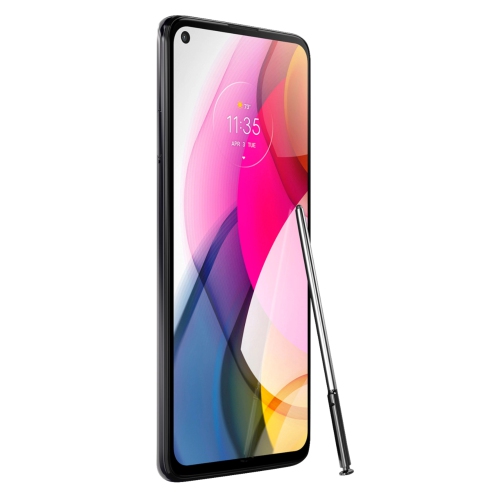 Your price for this item is $139
-
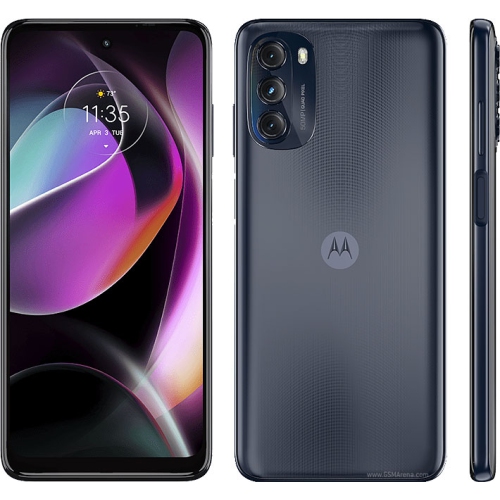 Your price for this item is $249
-
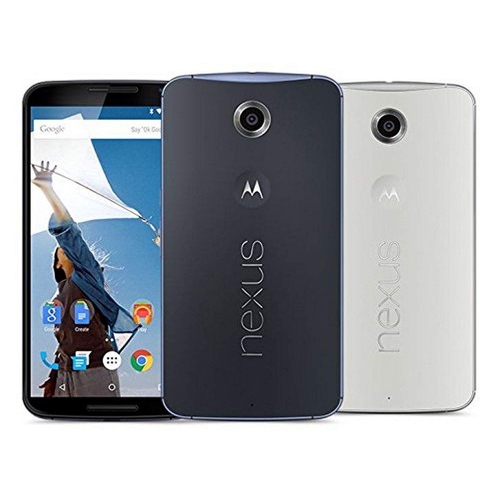 Your price for this item is $120
-
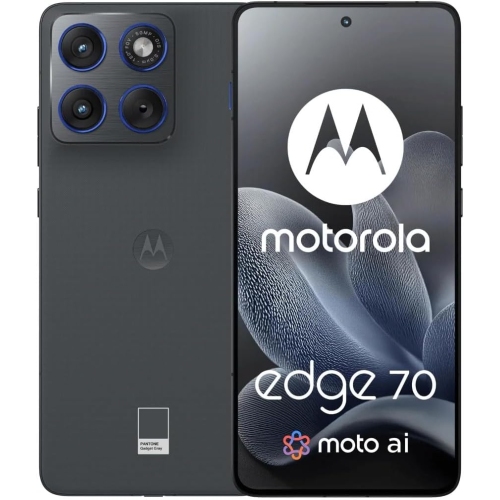 Your price for this item is $664.99
-
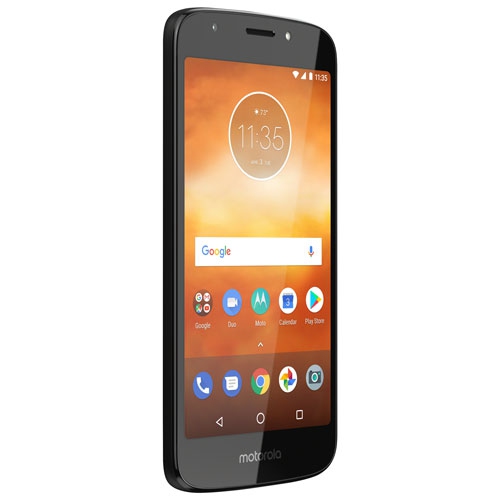 Your price for this item is $189.99
-
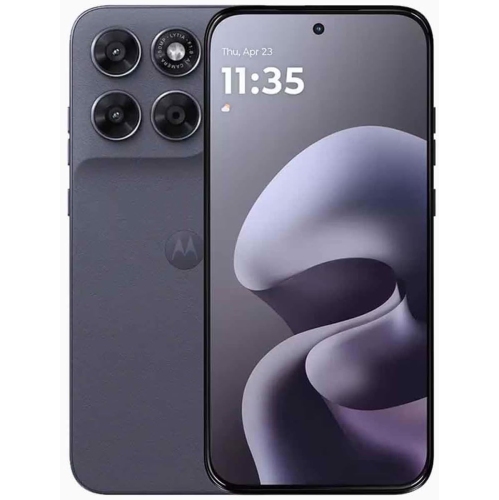 Your price for this item is $279.99
-
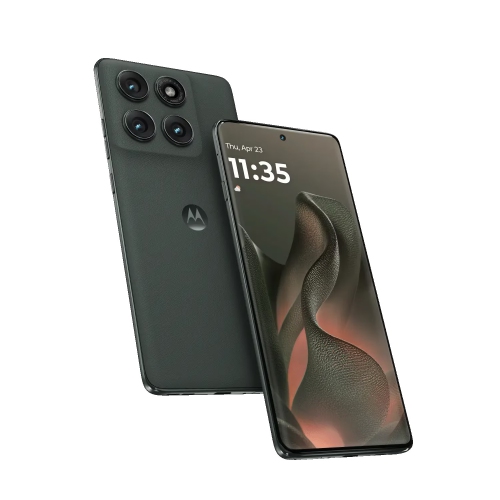 Your price for this item is $549.99
-
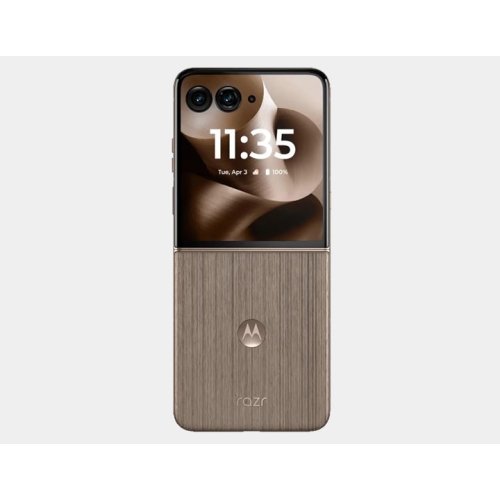 Your price for this item is $2651.99
Discover more categories related to Moto G Phones

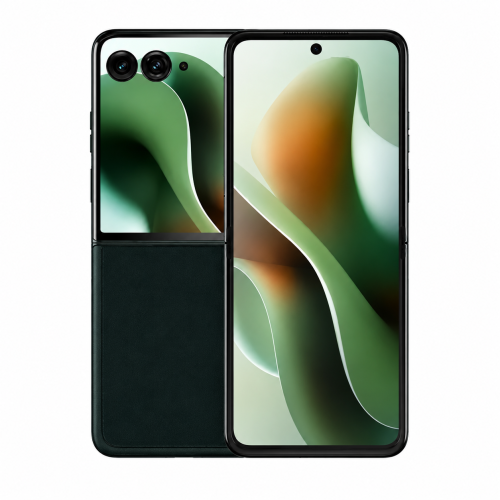
Top Collections:
Pokemon Centers, Best Cameras for Sports Photography, Kindle Devices, Samsung Galaxy Phones, Canon G7X Cameras, Pokémon 30th Celebration Cards, Refurbished Apple Laptops, iPhone 15 Apple, Laptops for Students, Budget Smartphones
Some products may be subject to Environmental Handling Fees
(EHF) depending on your province.
Learn more about EHFs.