Phone Carrying Cases
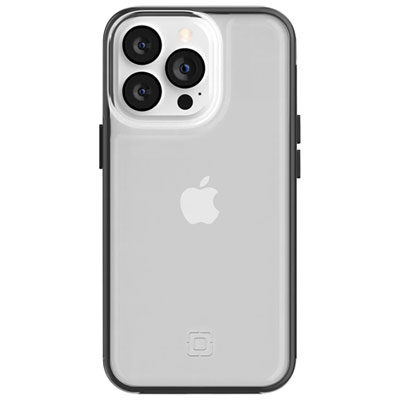
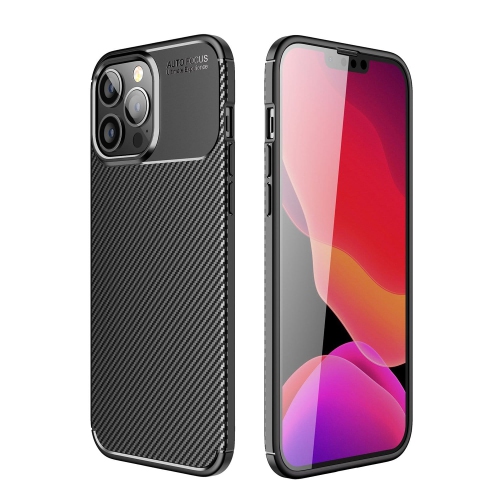
Protect your smartphone in style with this collection of phone carrying cases. Whether you prefer sleek and minimalist designs or bold and colorful options, we have a wide range of cases to suit your personal style and device model. From rugged shockproof cases for outdoor enthusiasts to elegant leather folios for the fashion-forward, find the perfect case to keep your phone safe from everyday wear and tear.
Sort

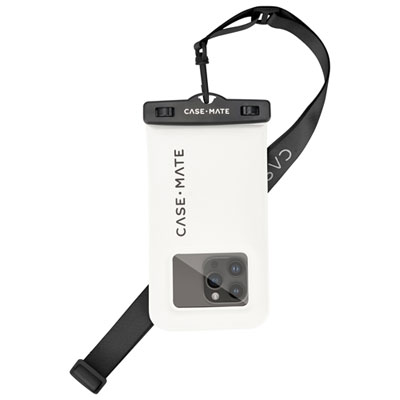
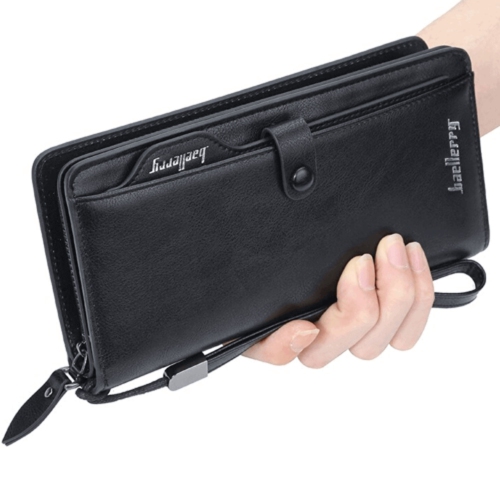
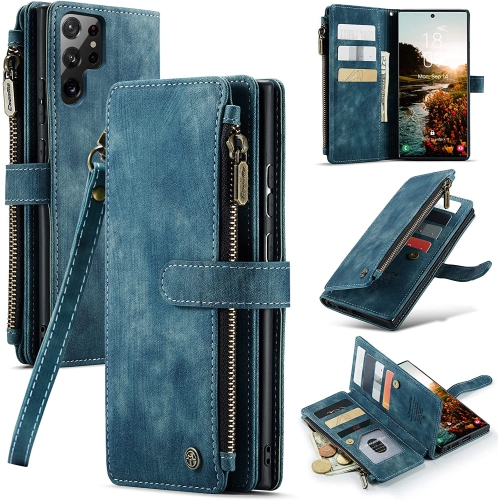

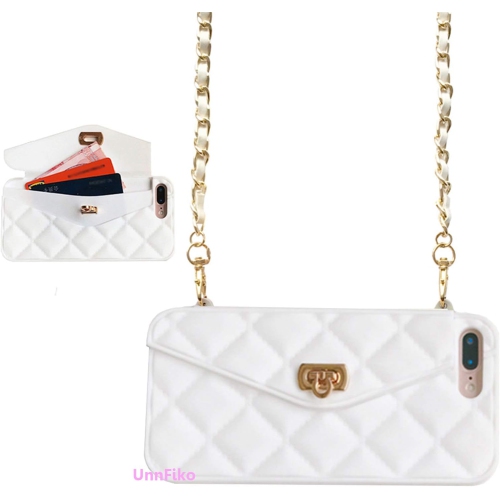
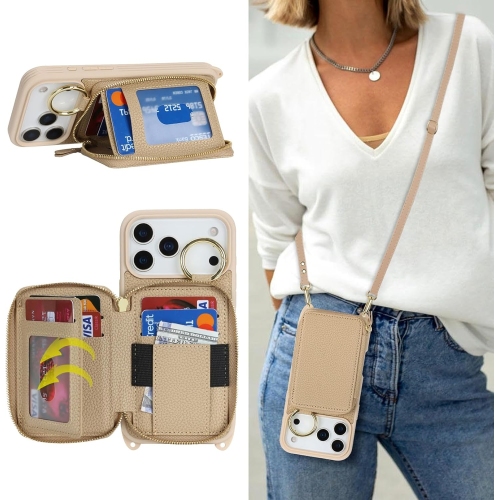
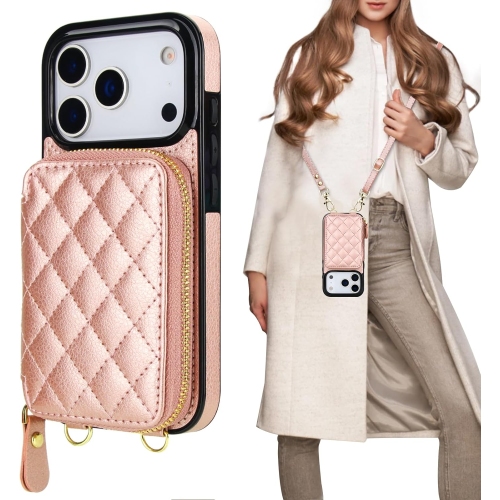
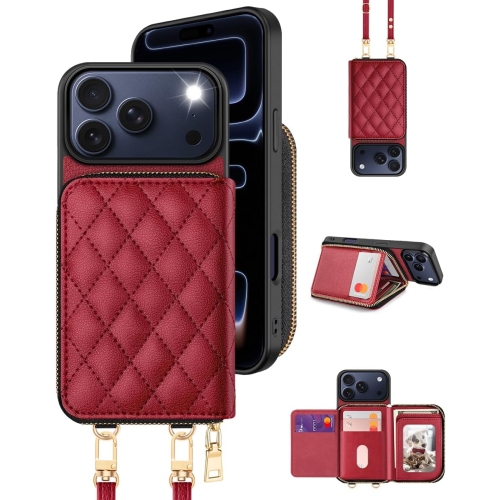
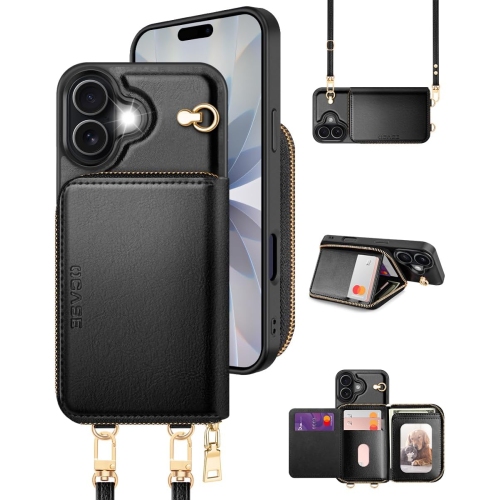
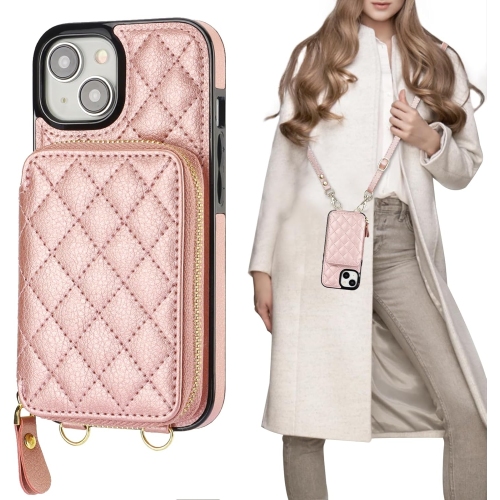
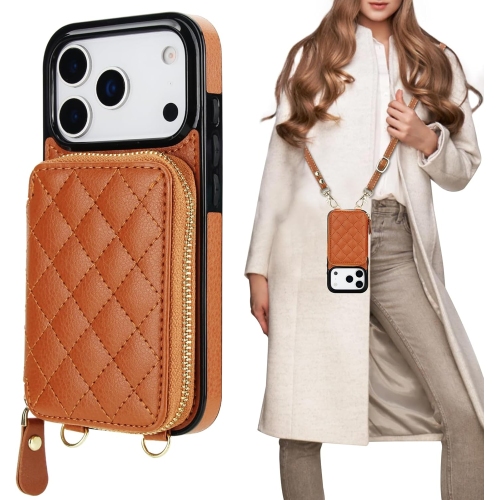
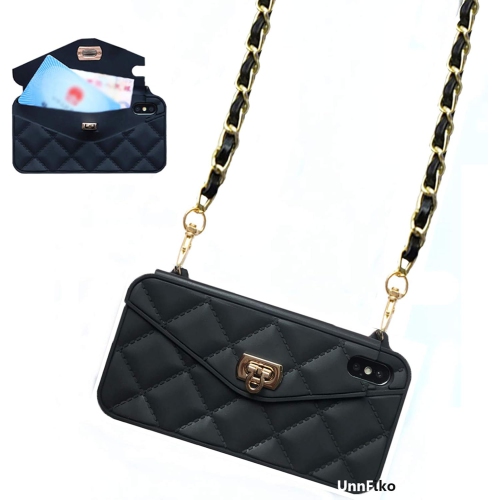
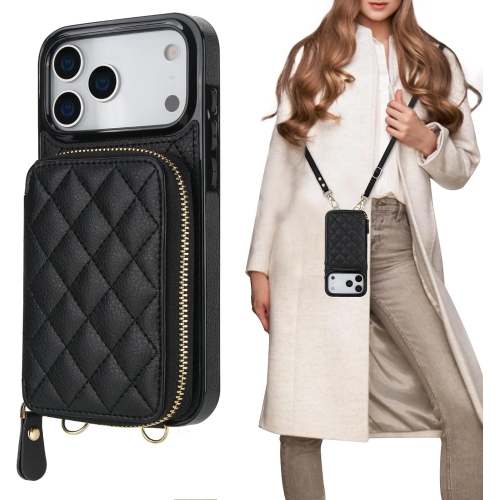
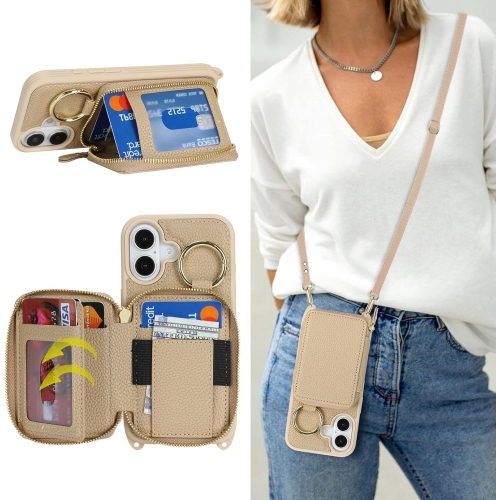
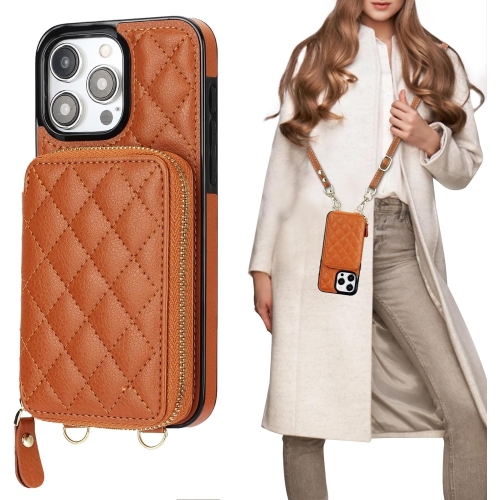
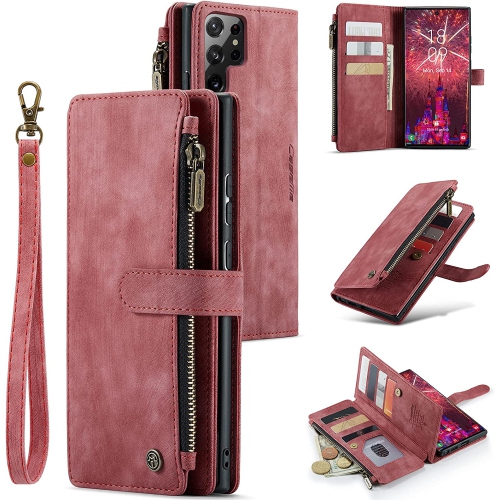
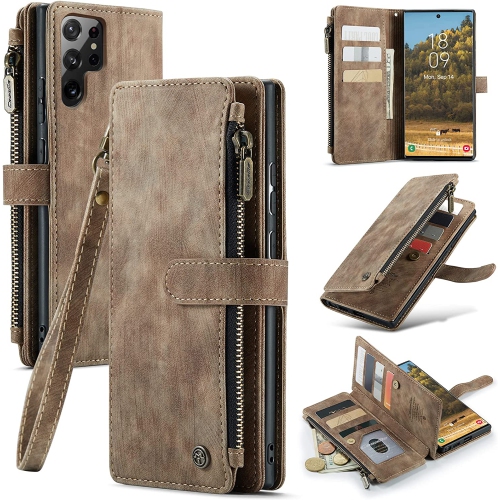

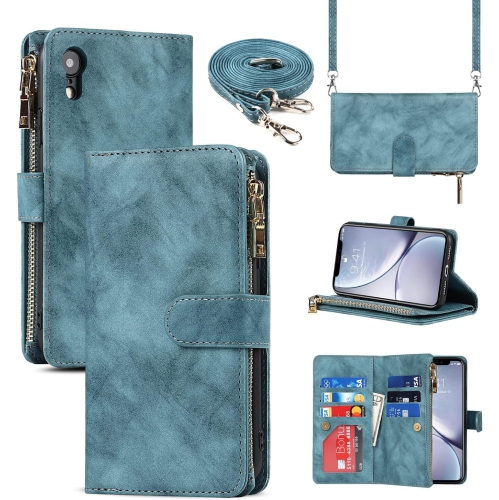
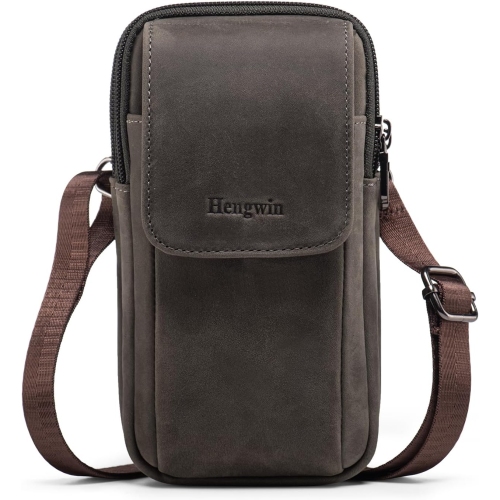
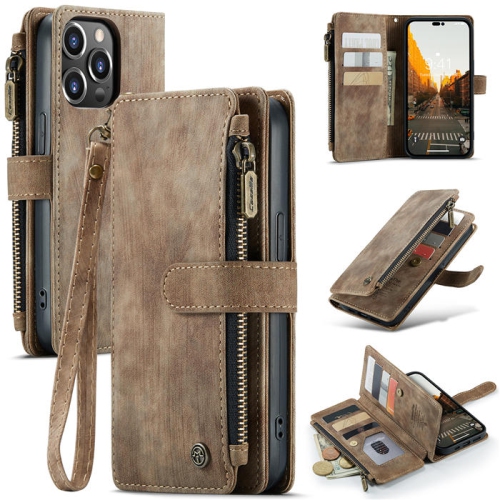
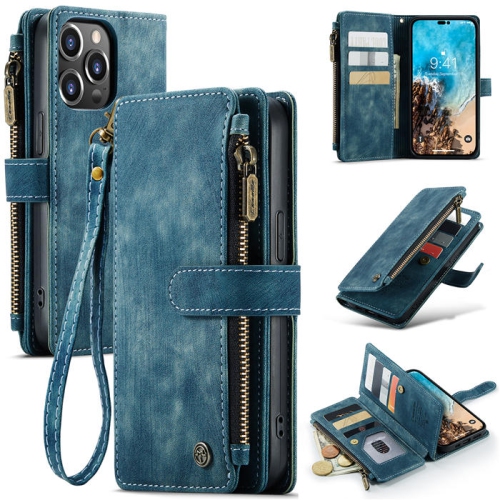

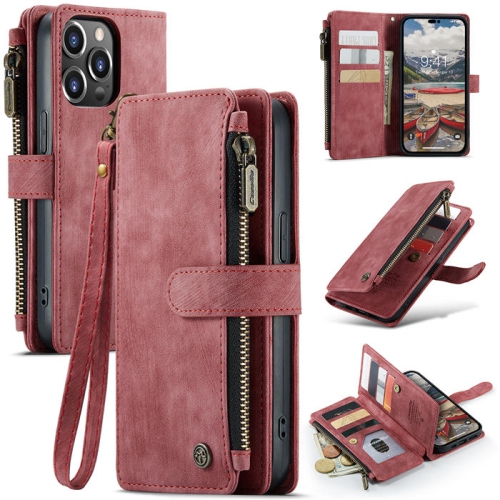
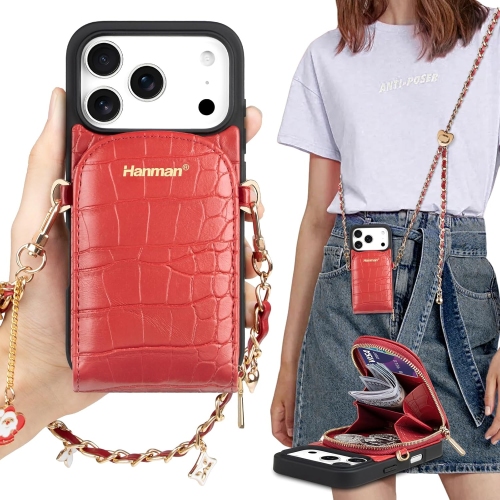
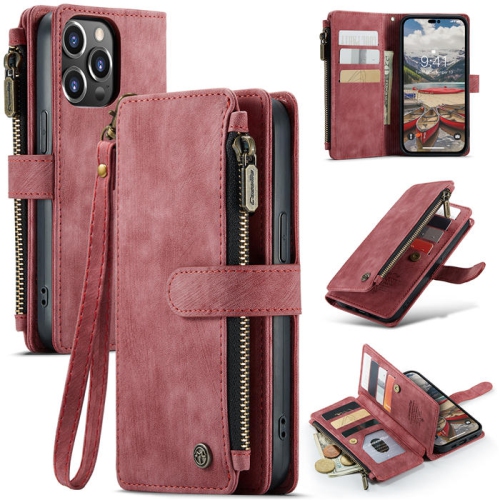
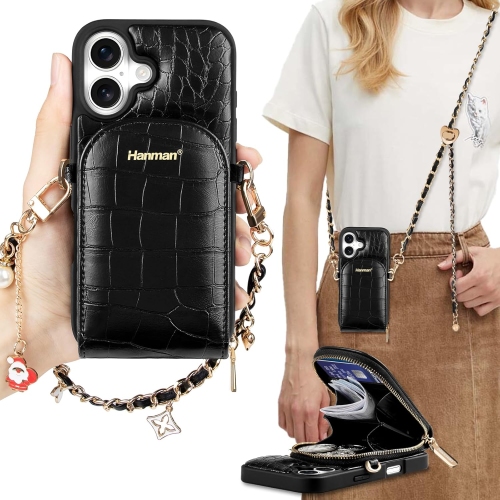
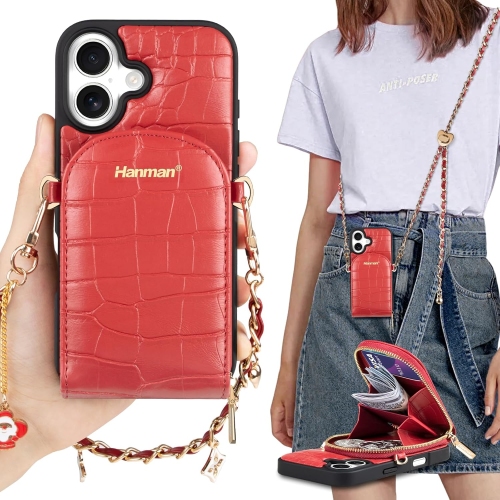
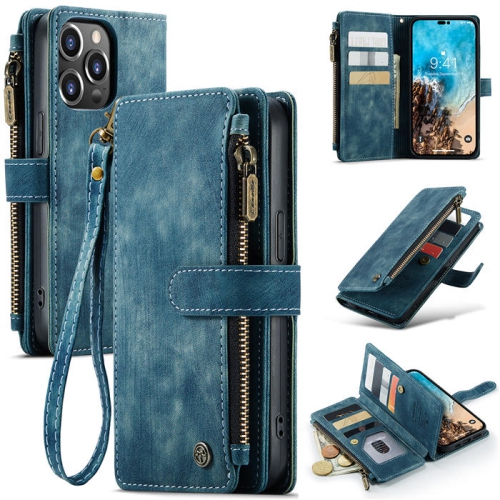
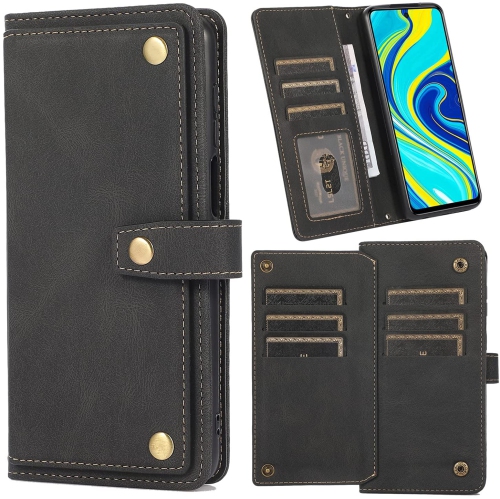
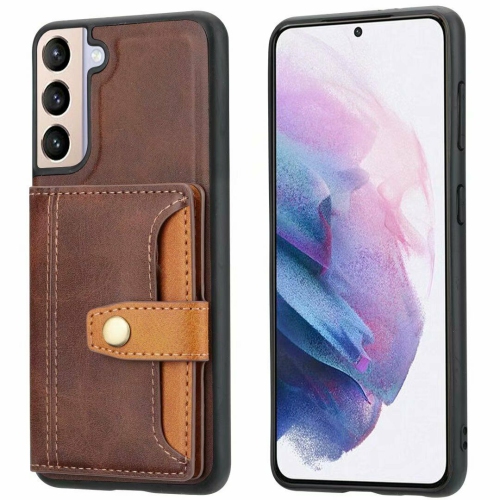

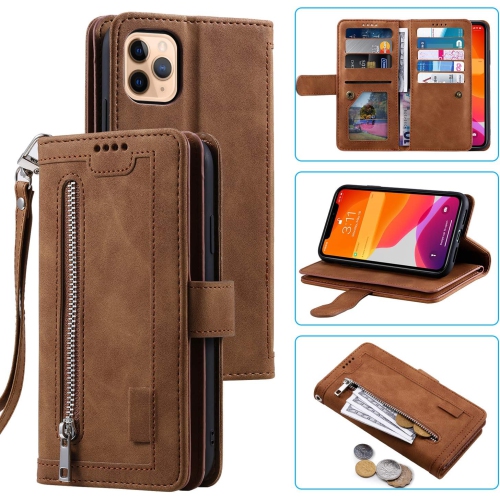
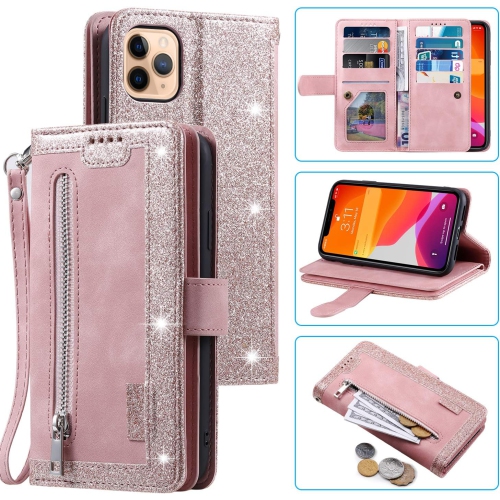

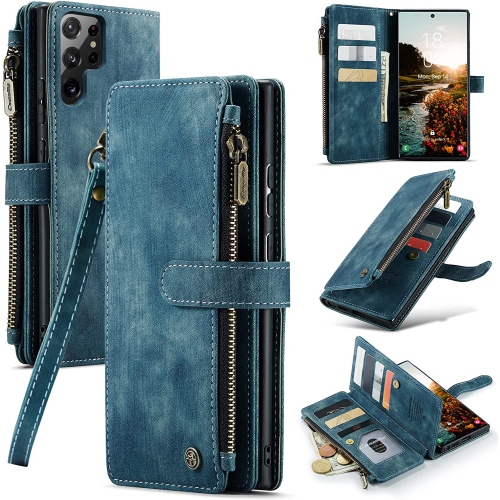
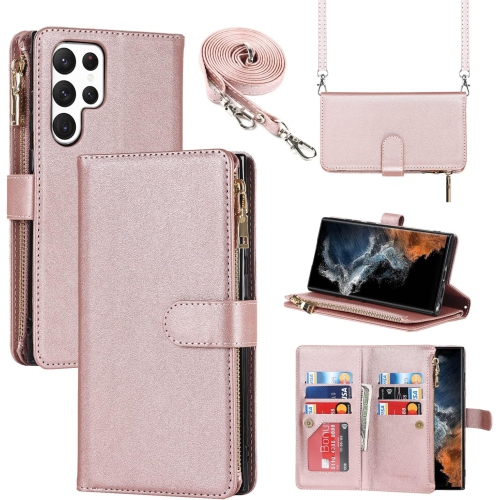
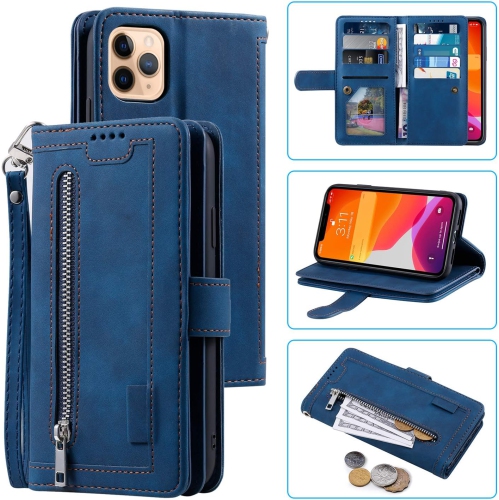
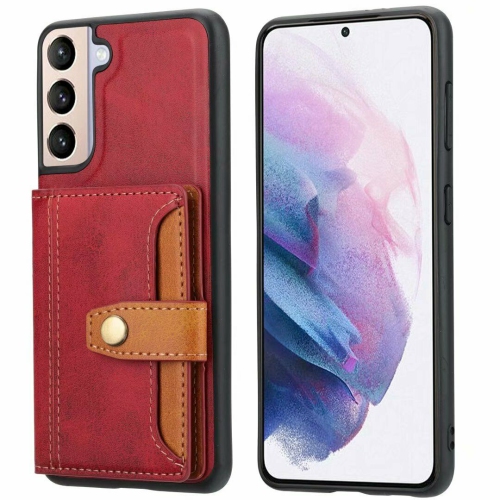
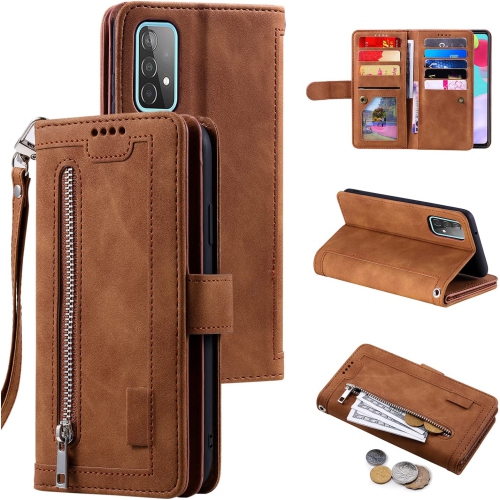
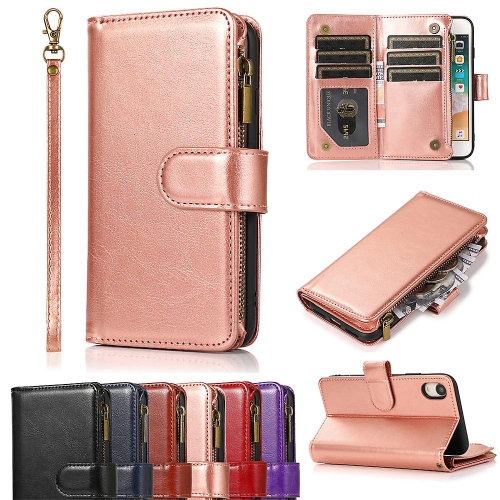
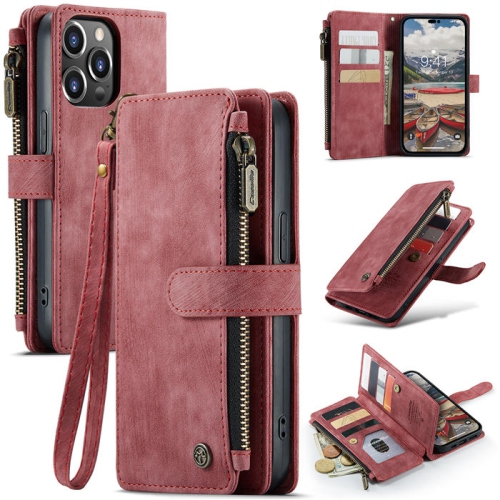
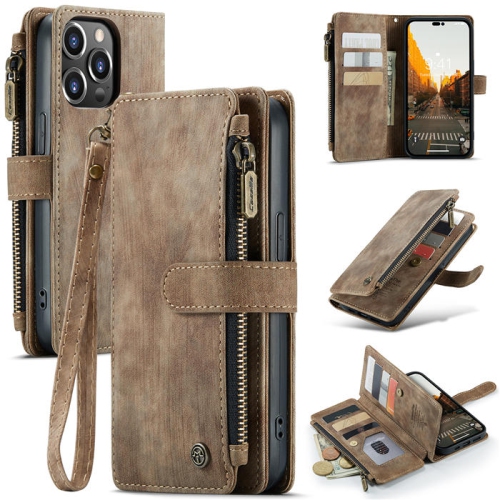
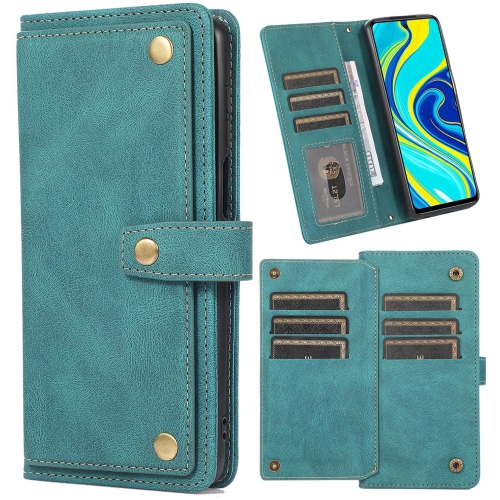

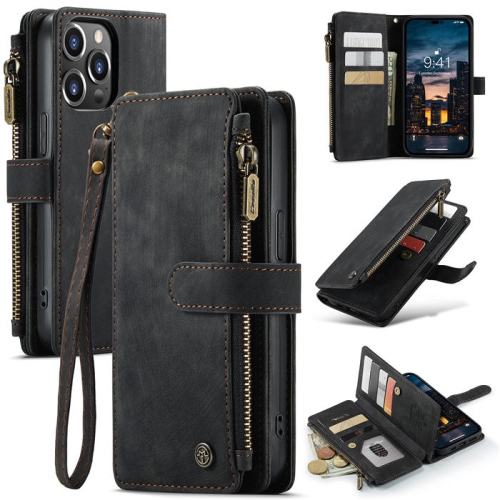
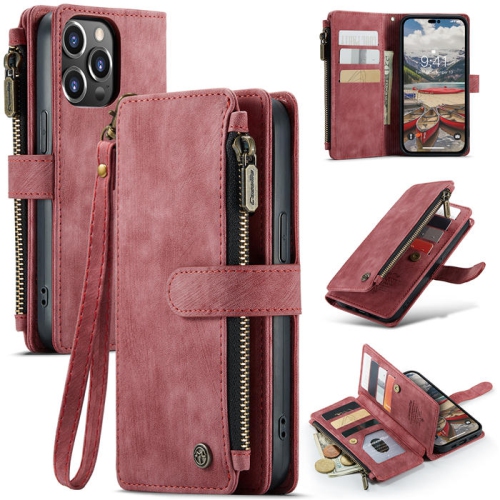
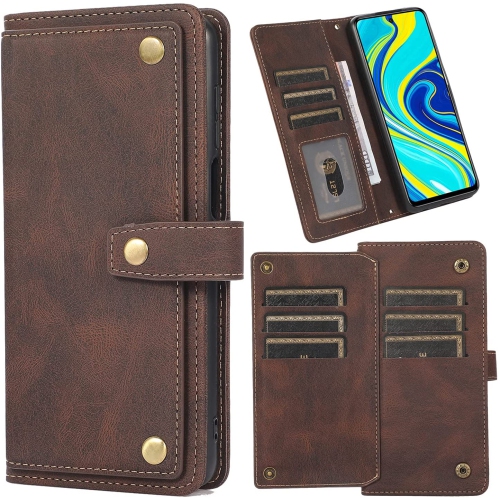
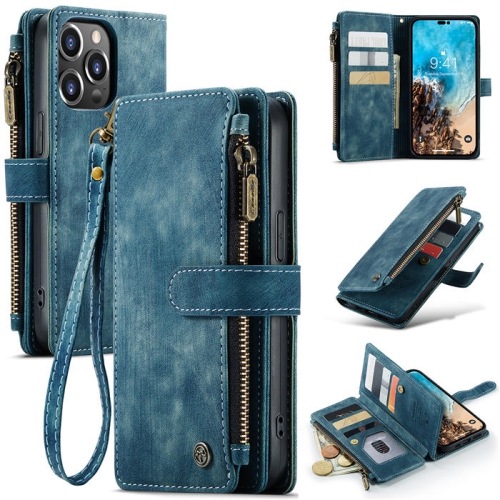
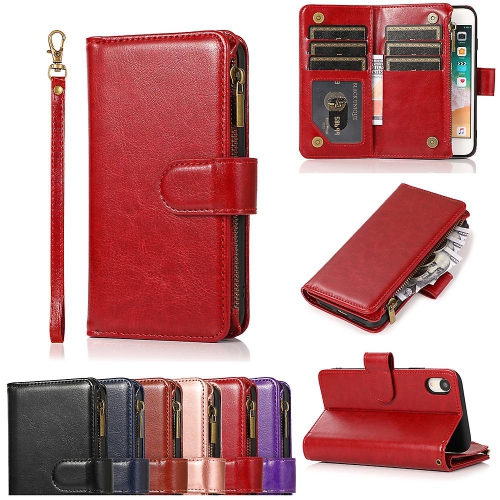
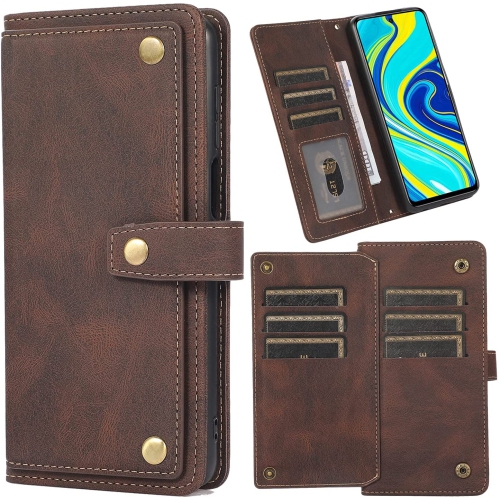
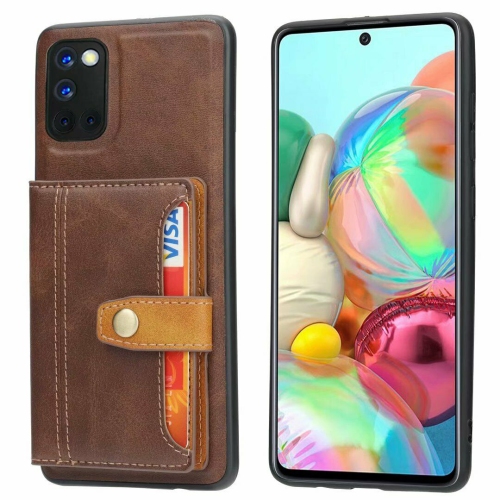
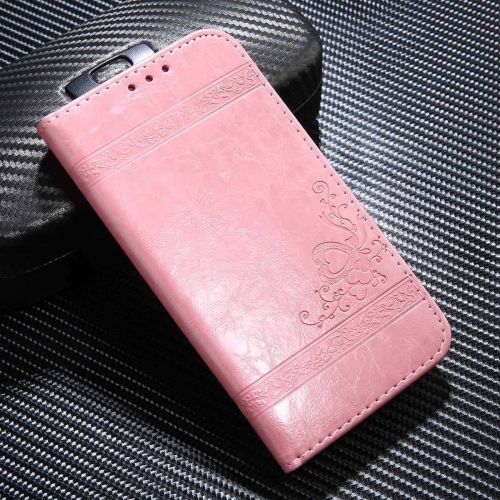
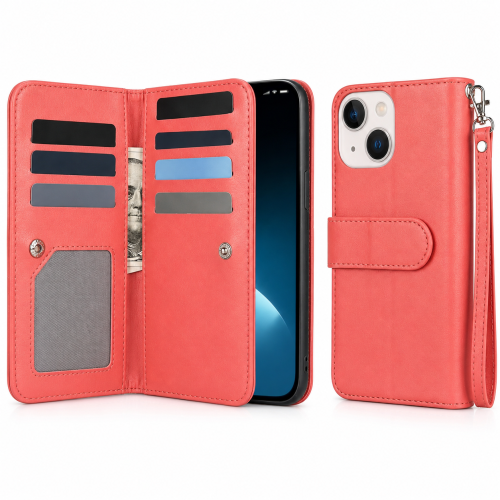
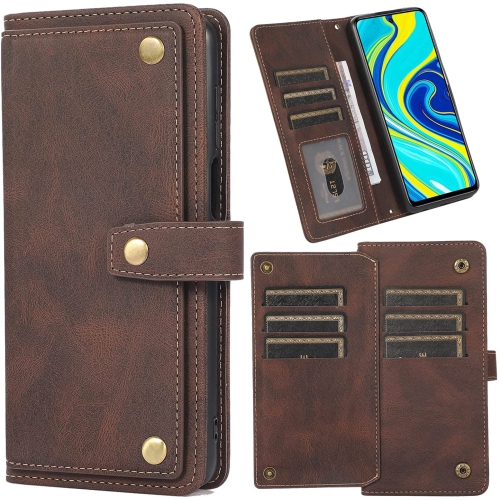
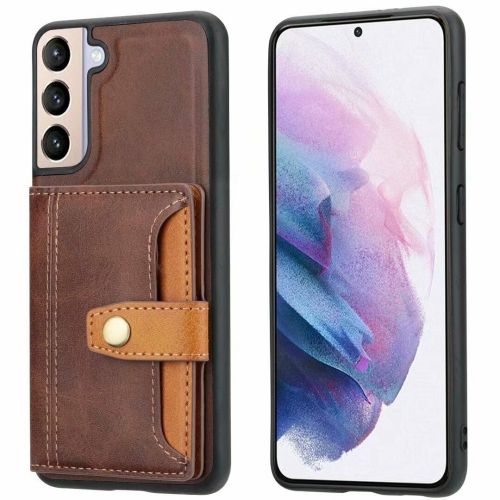
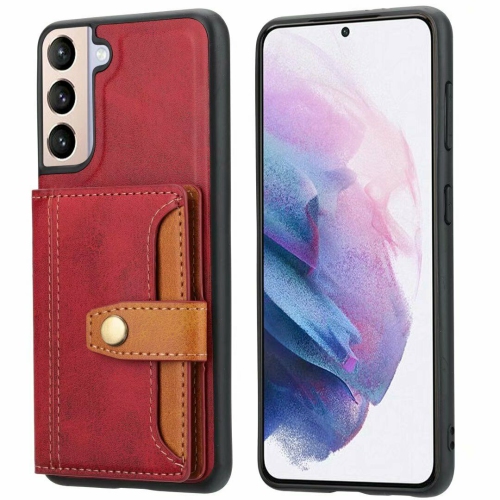
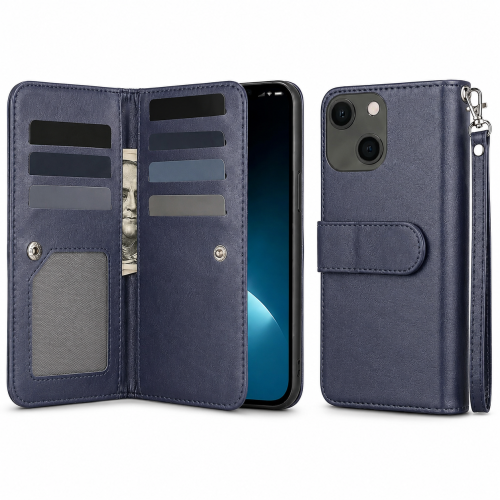

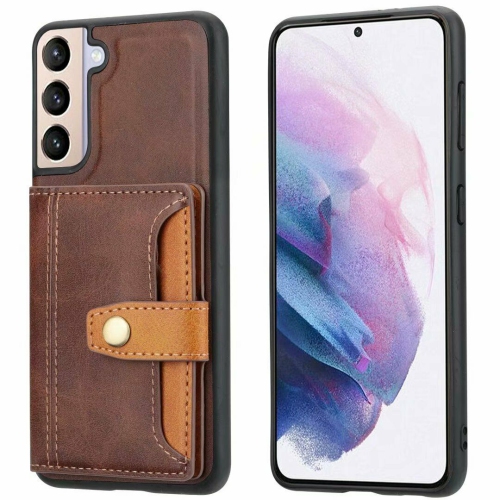
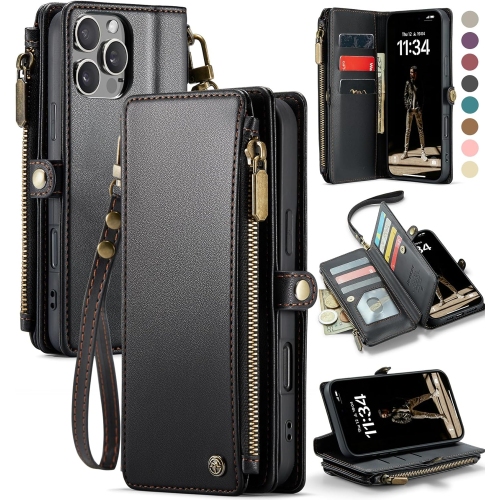
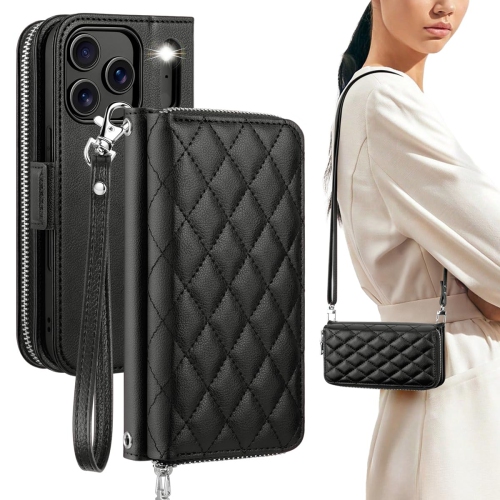
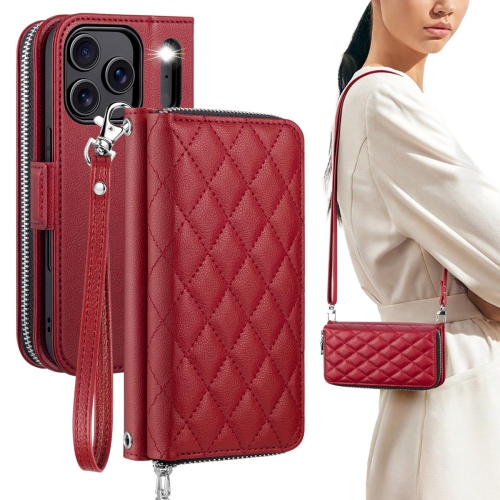
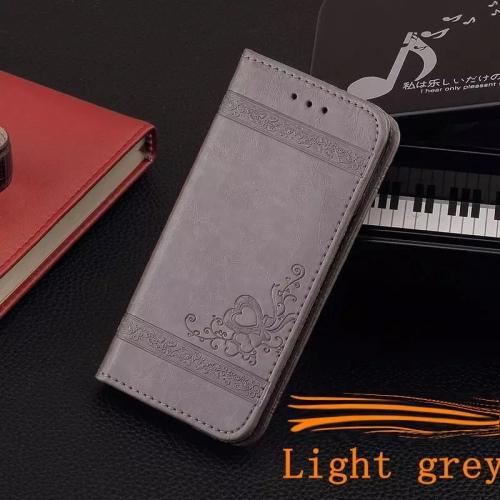
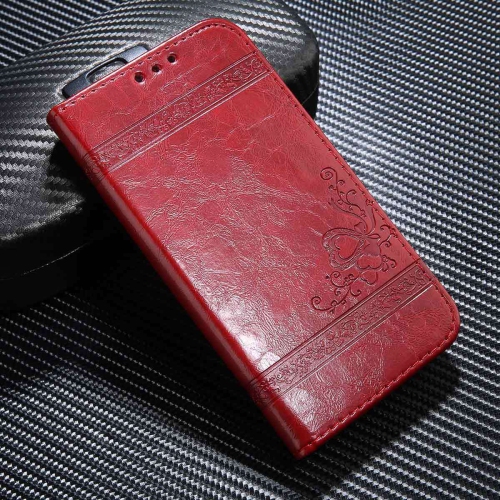
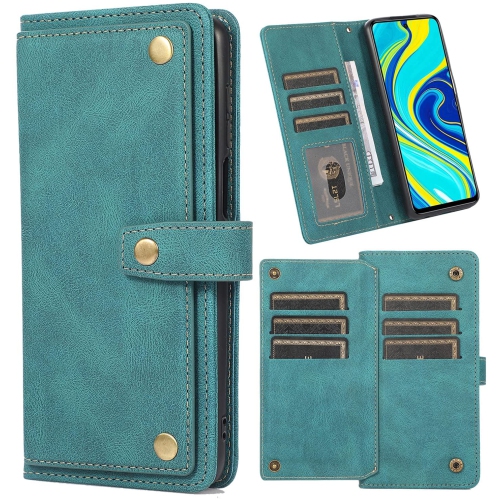
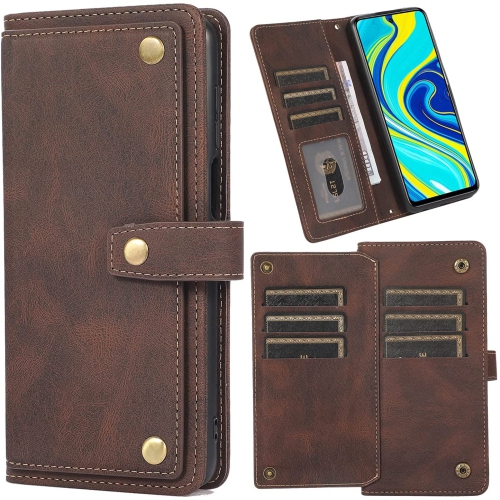

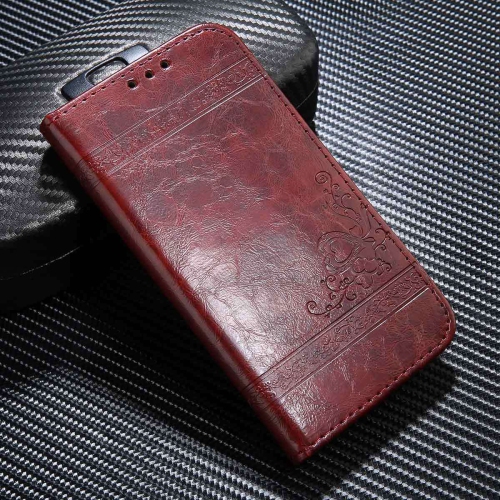
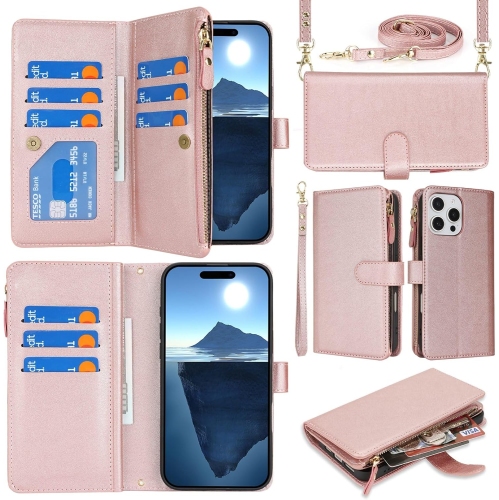
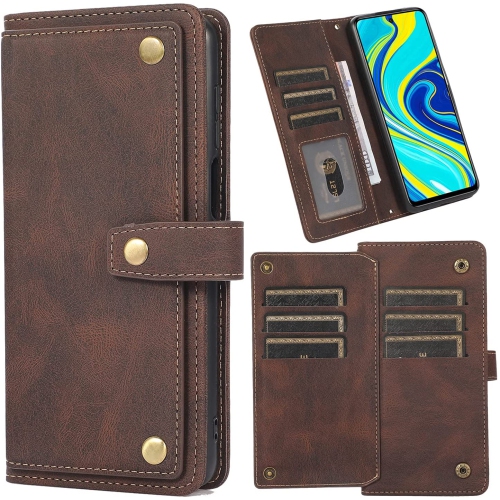
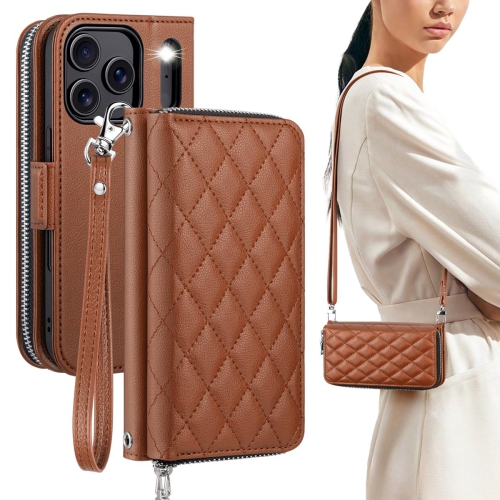

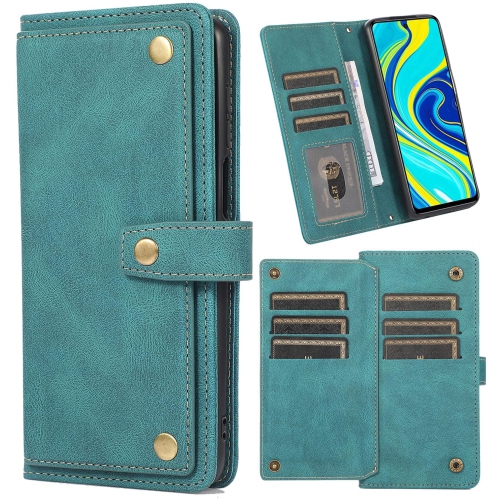
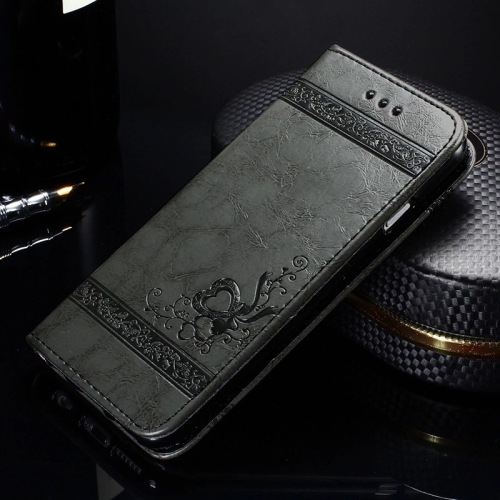
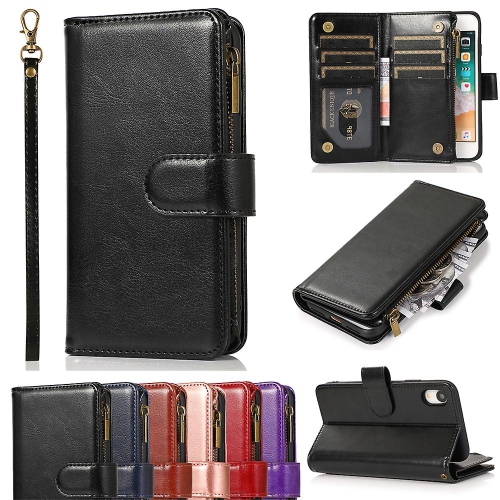
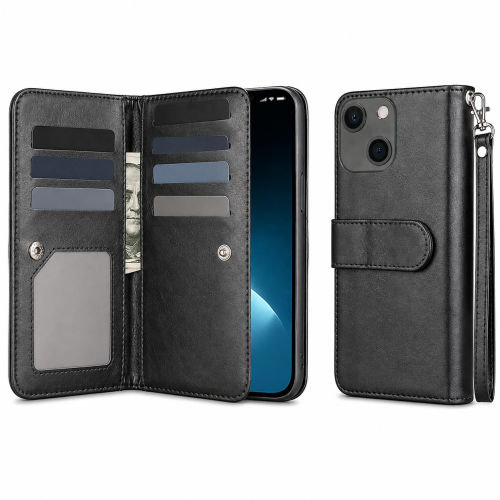


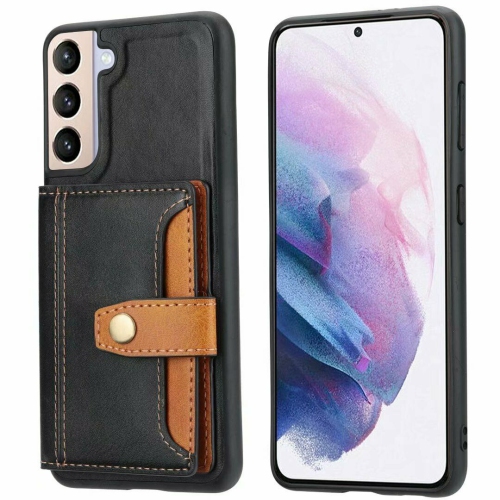
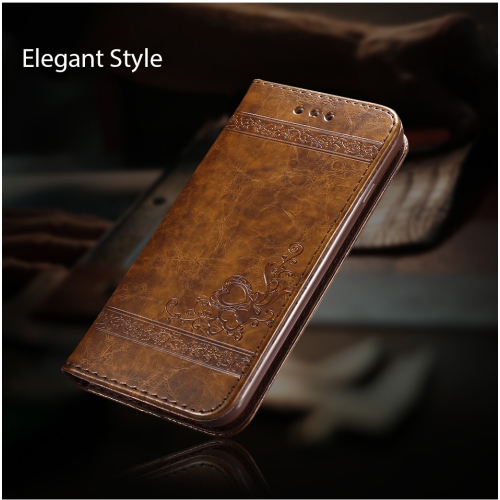
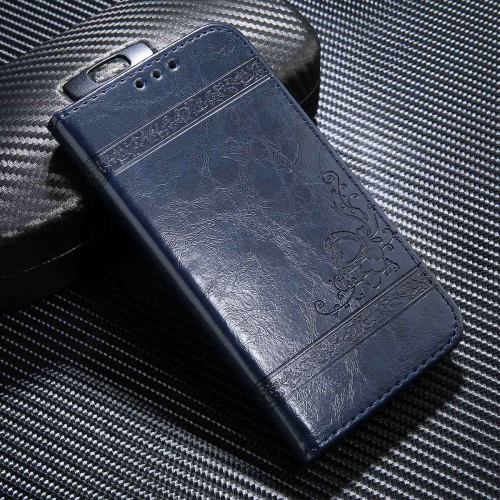
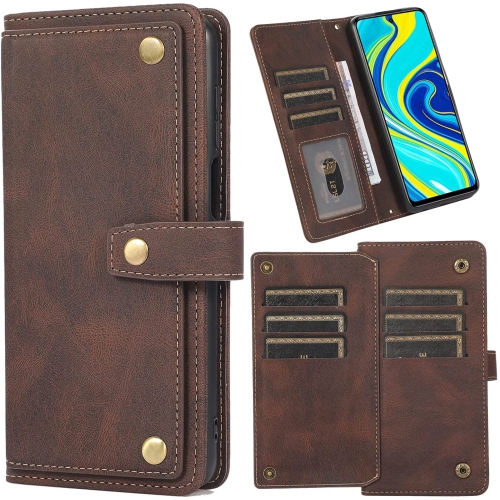
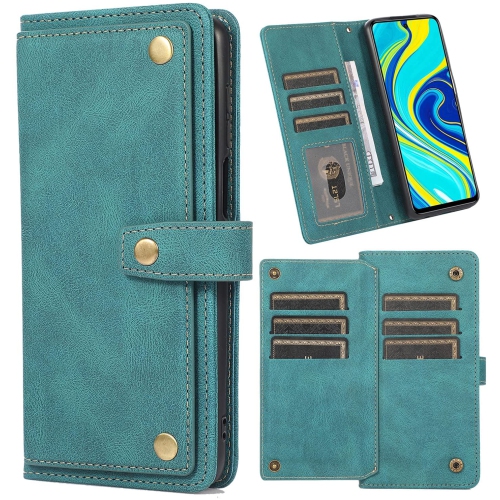
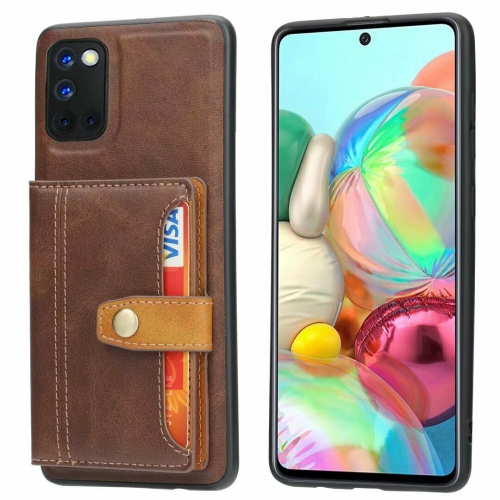
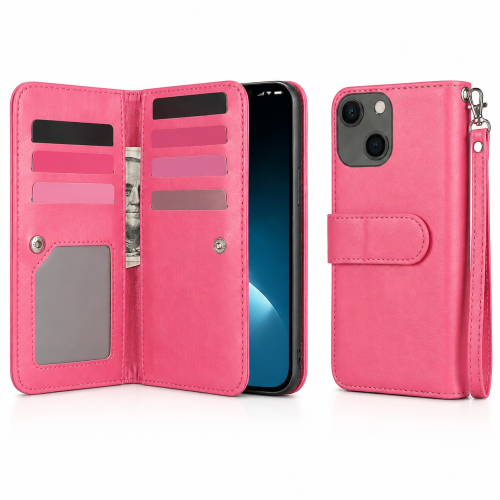
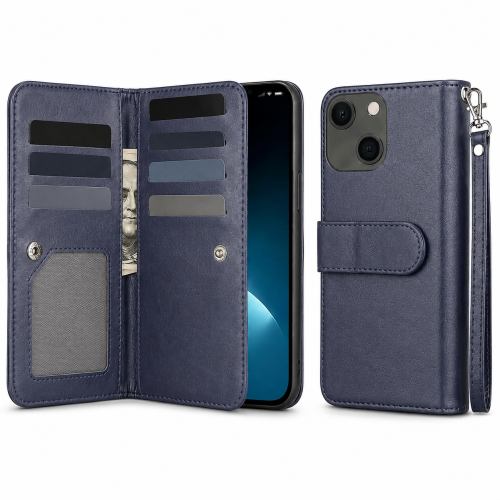
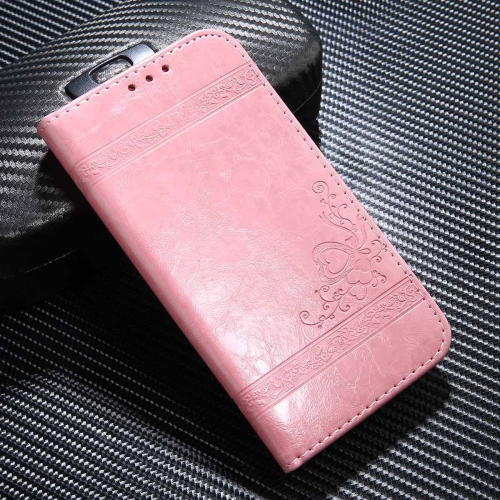
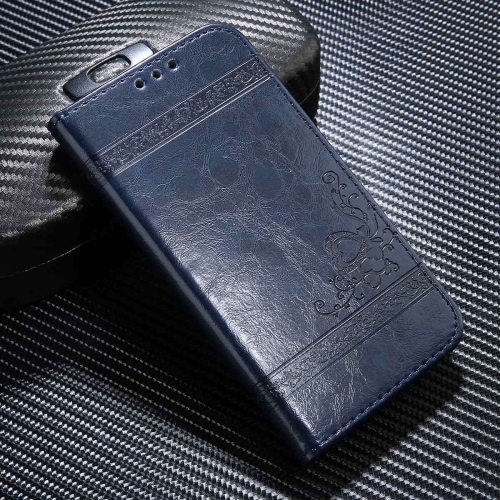
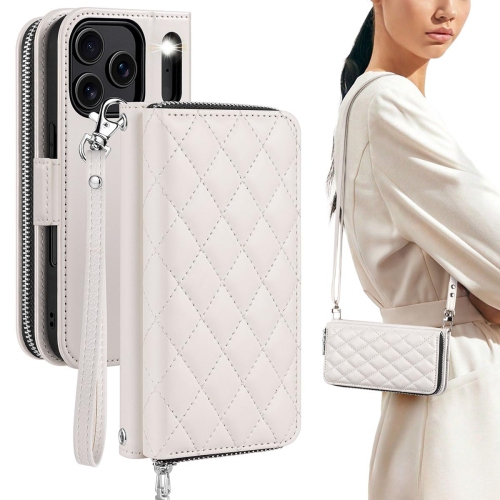

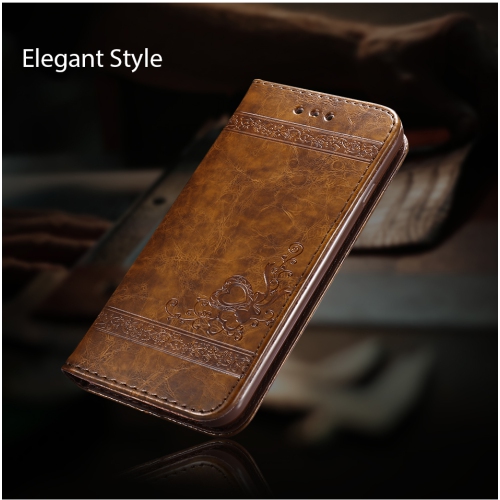
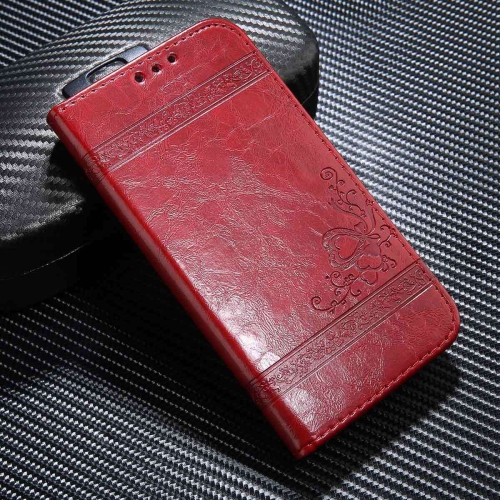
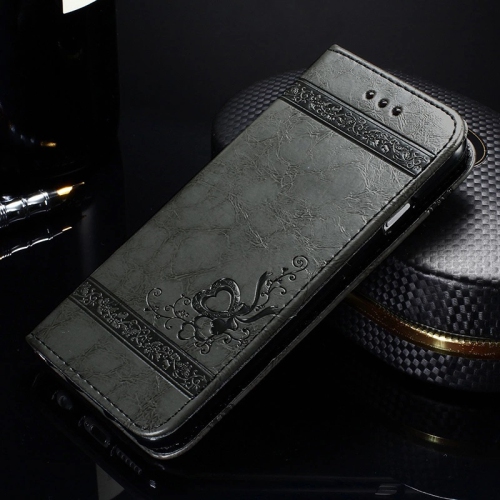
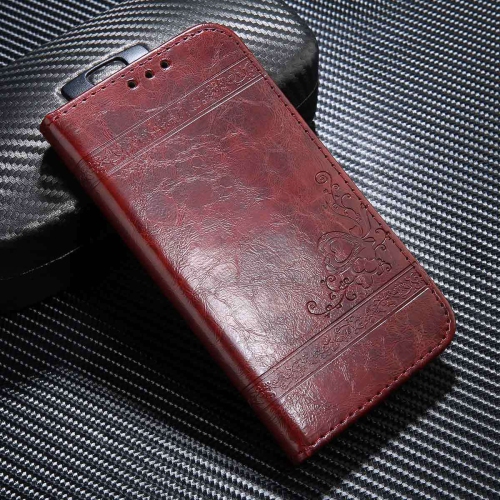
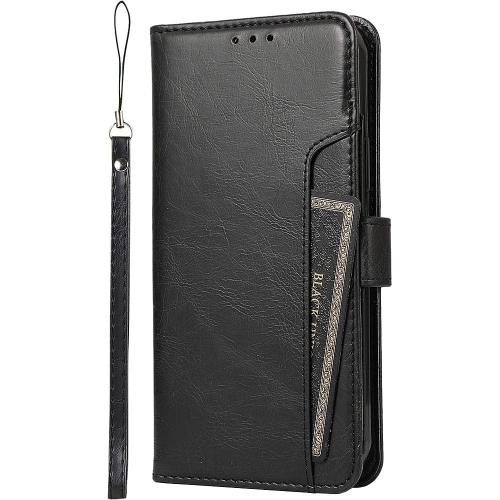
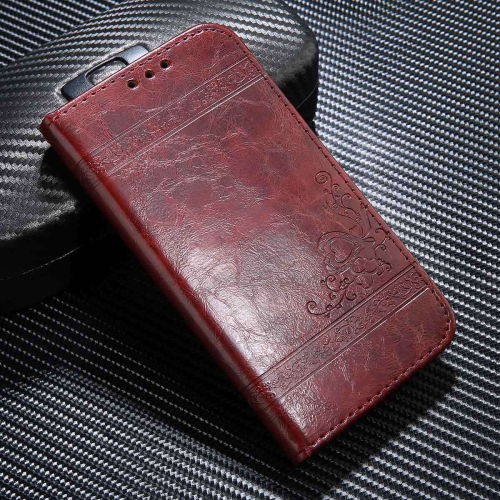
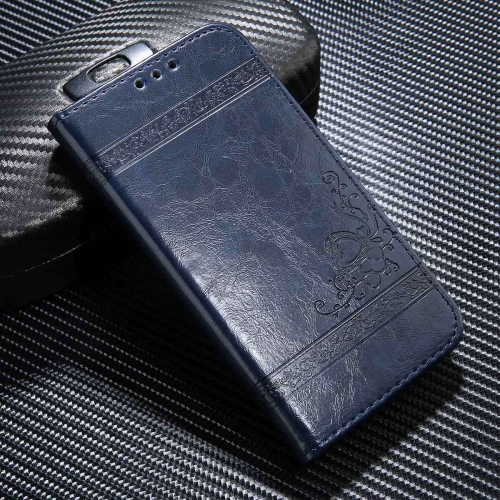
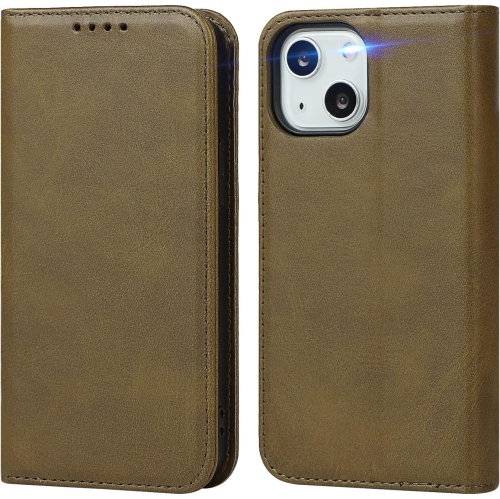
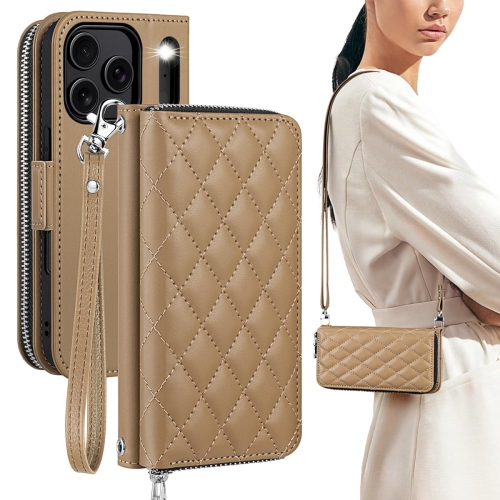
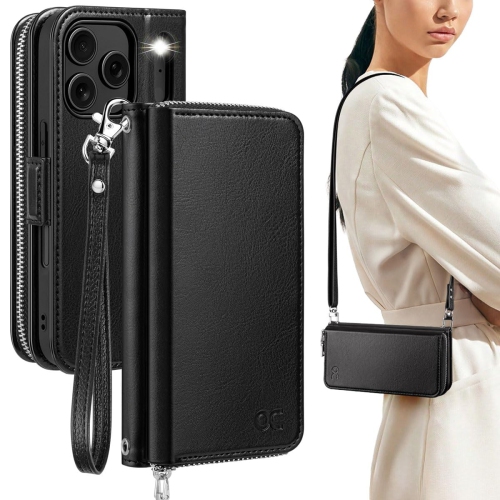
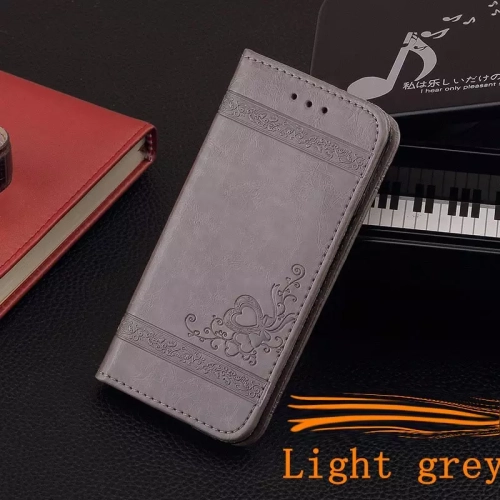
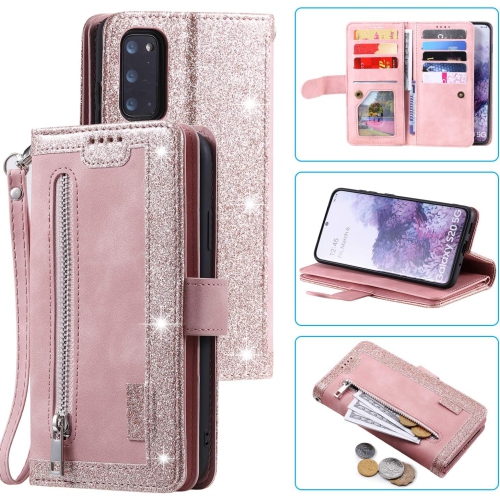
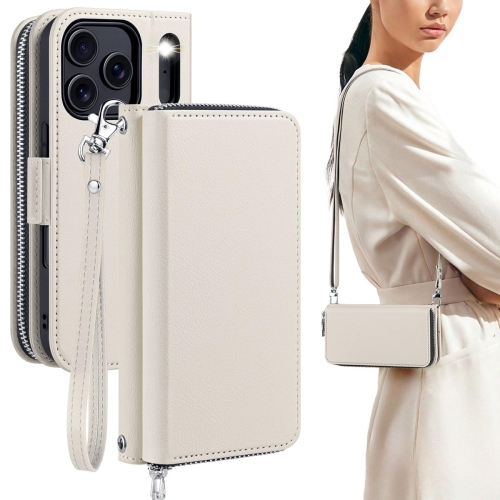
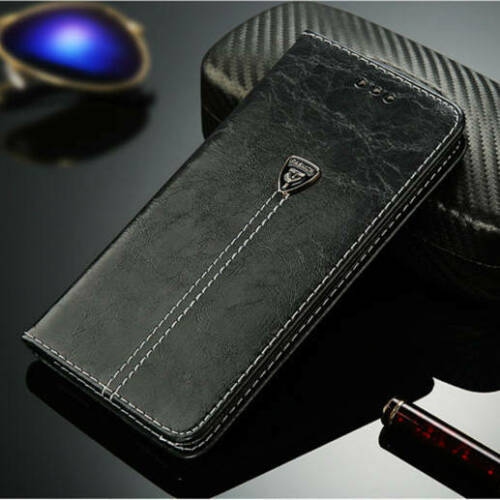
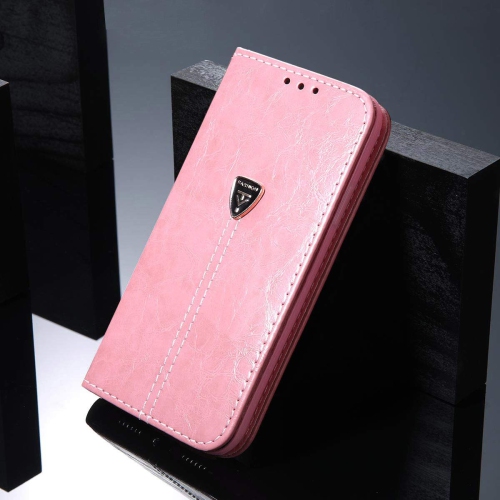
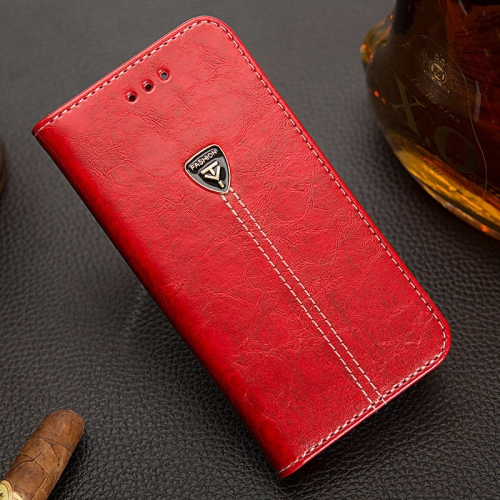
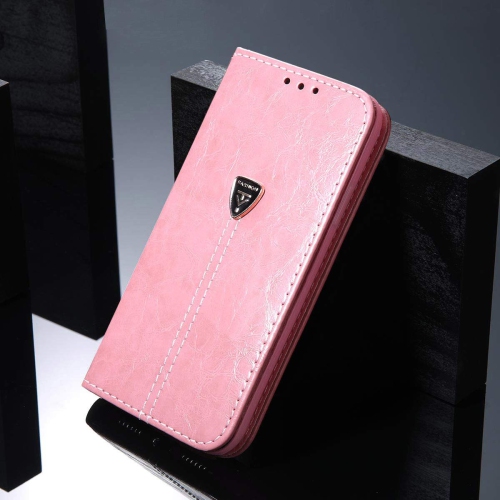
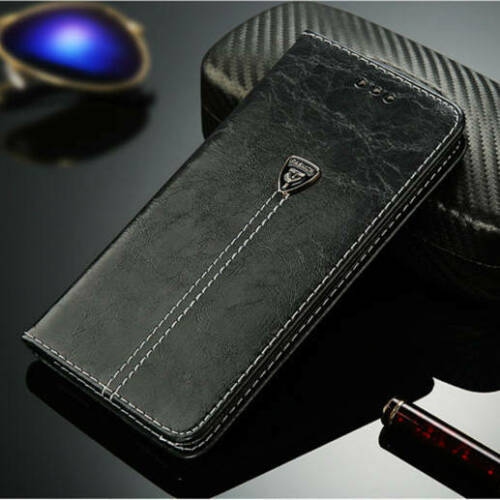
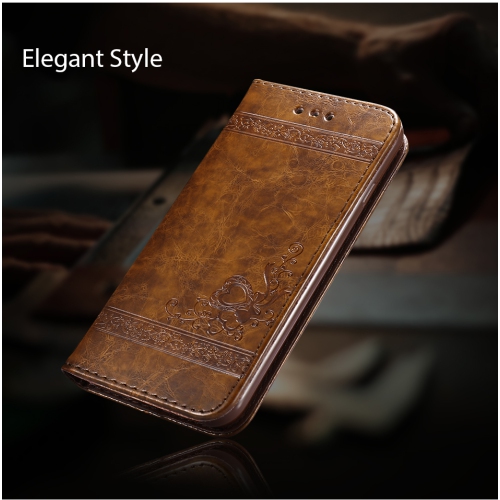
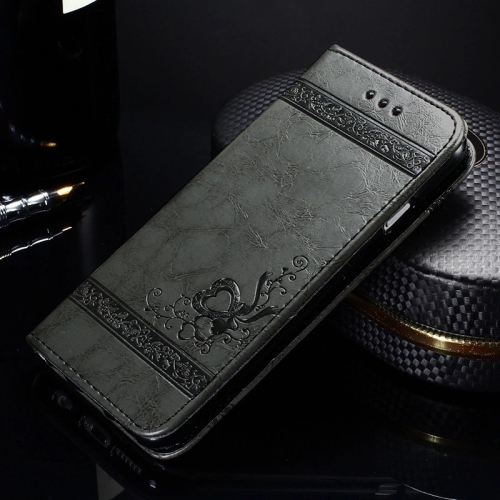
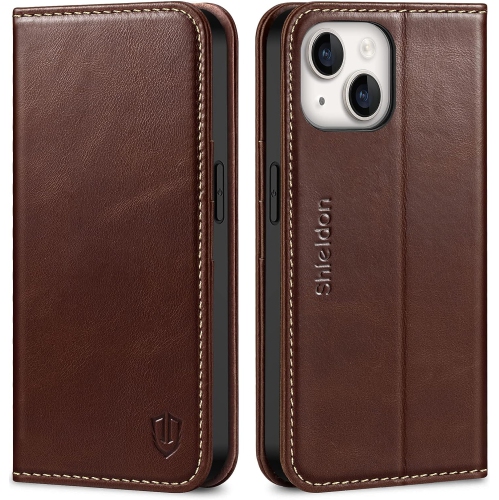

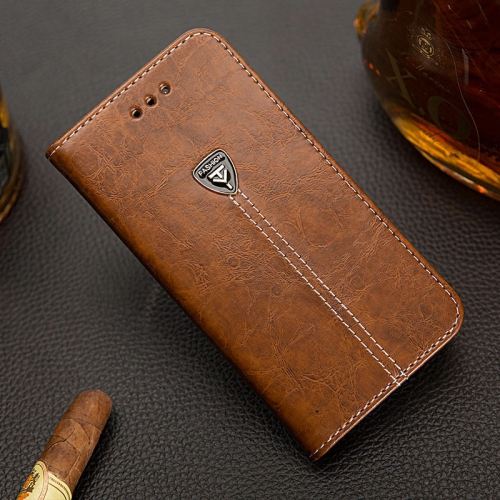
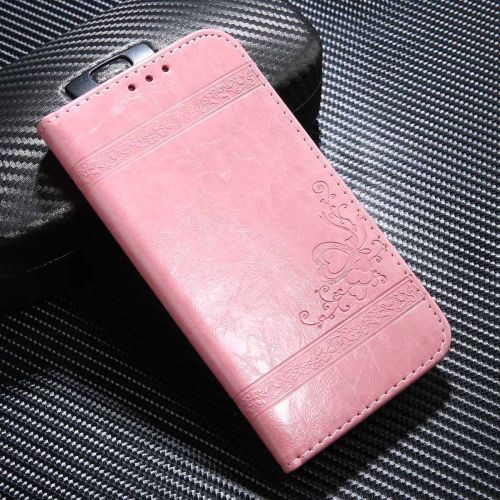
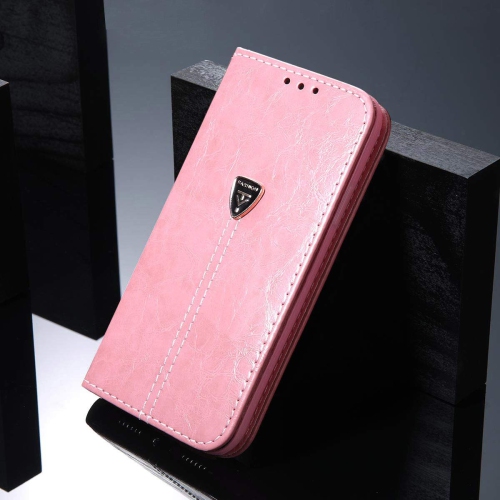
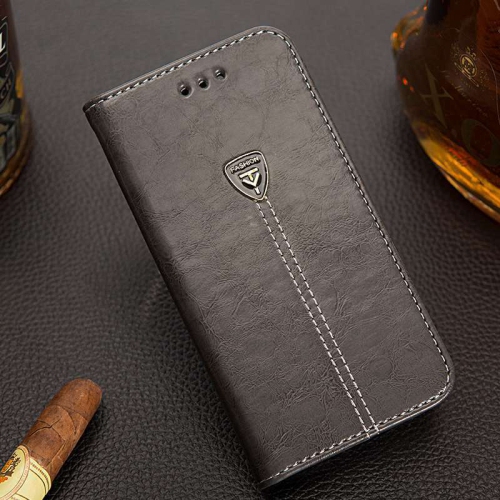
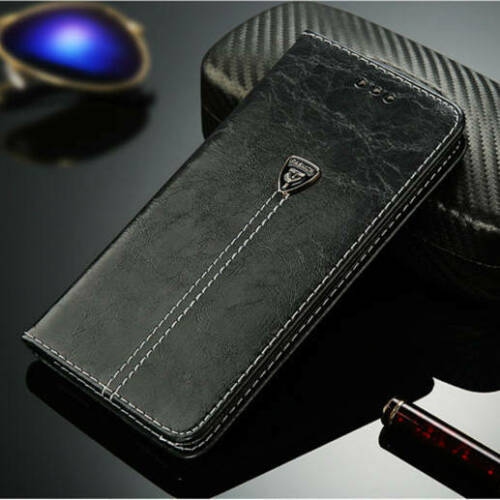
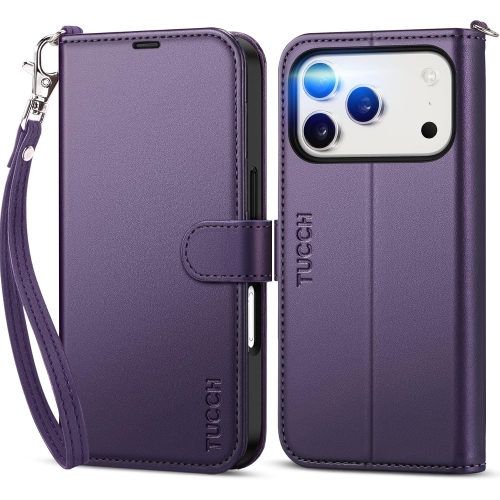
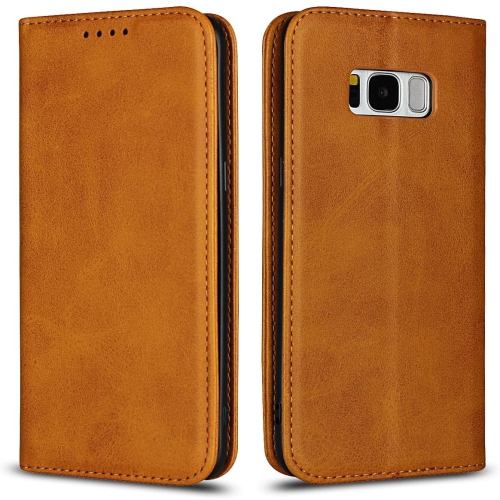
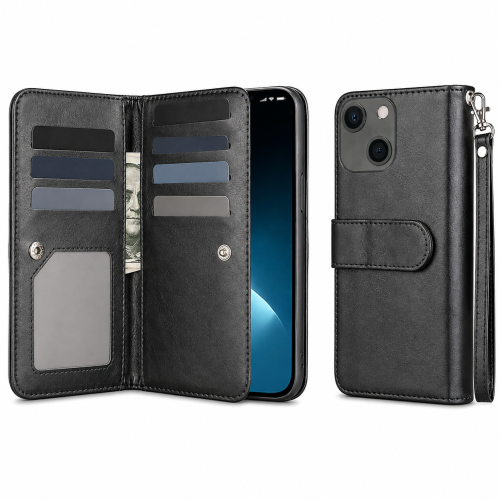
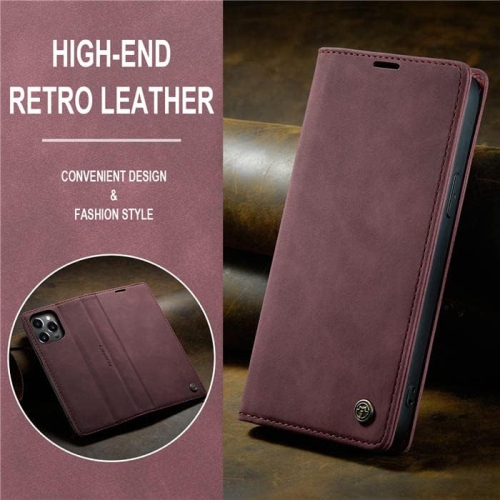
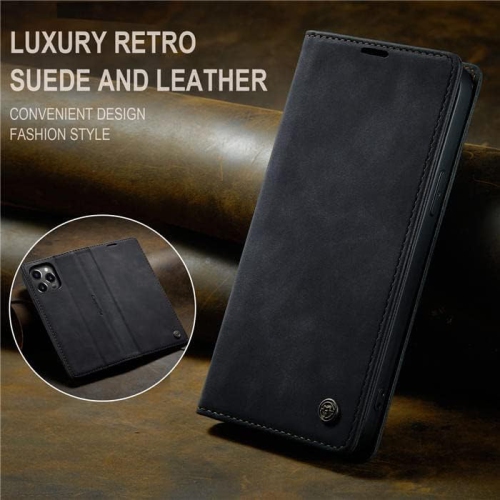
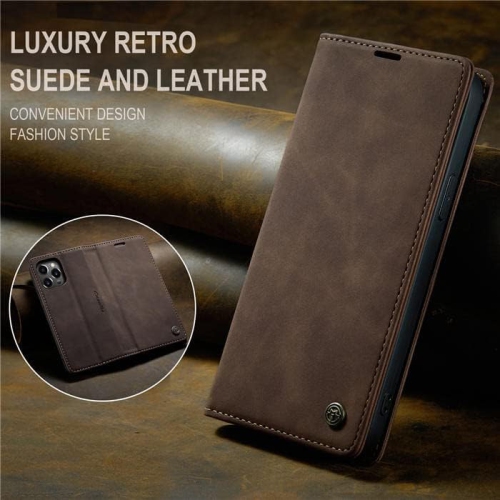
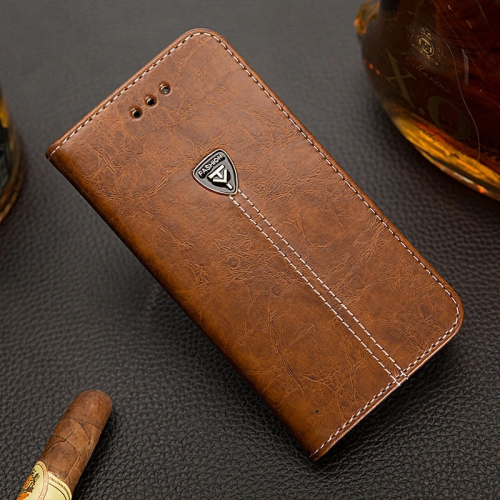
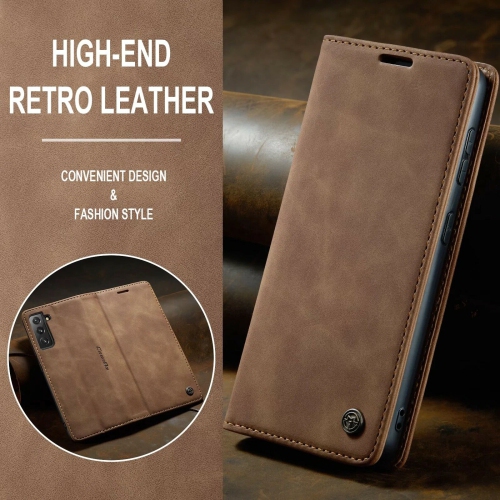
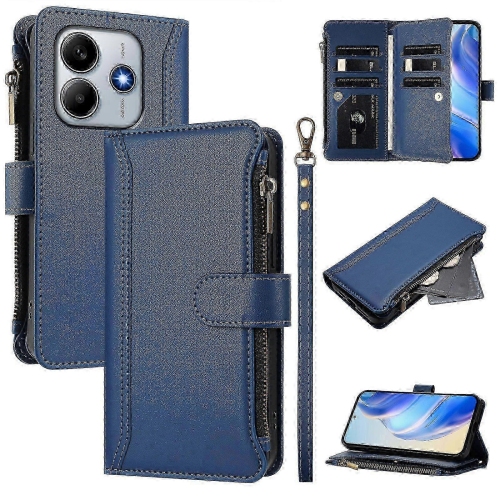
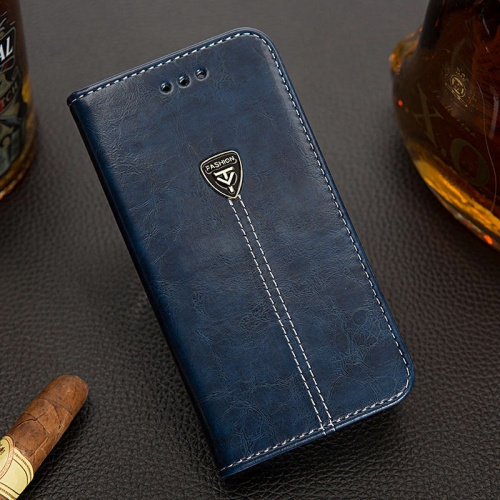
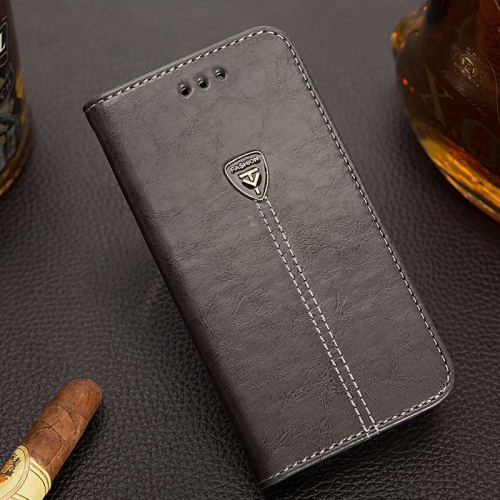
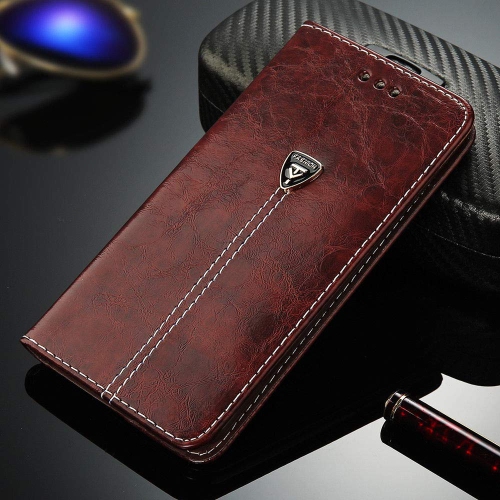
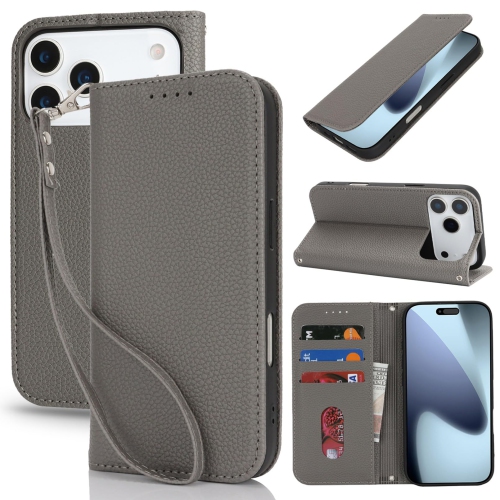
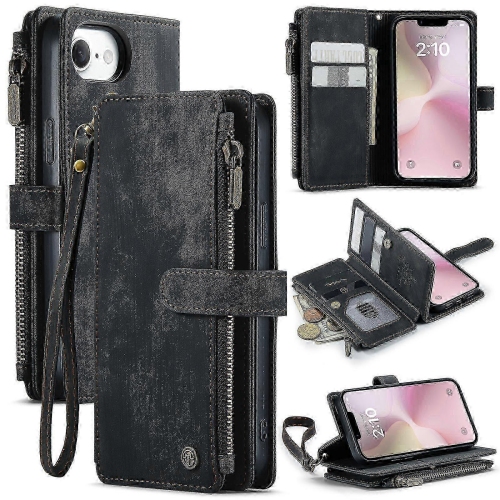
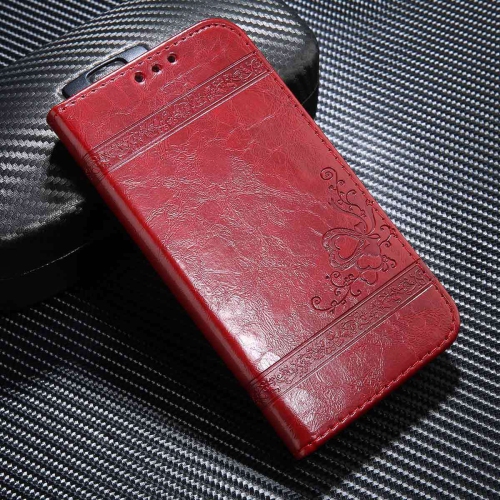
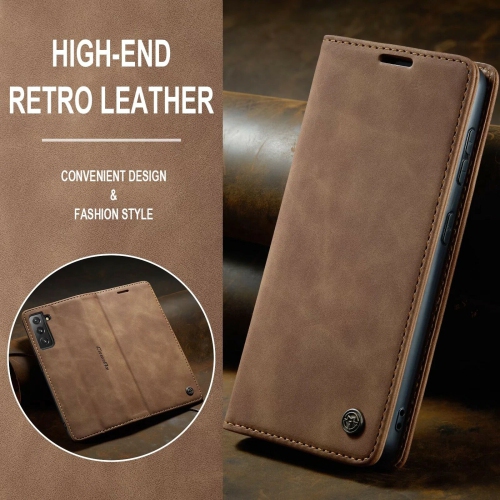
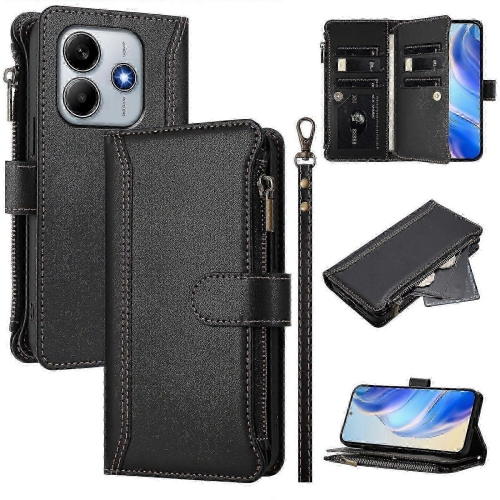
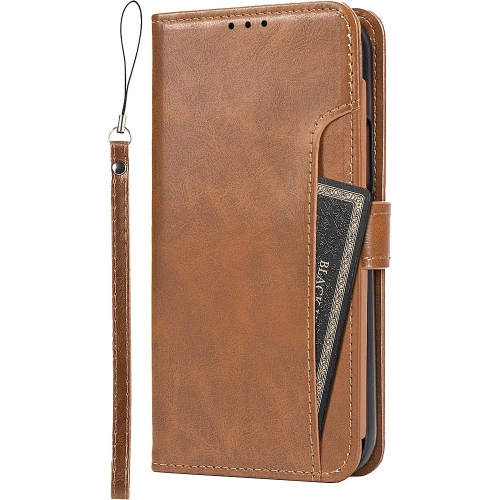
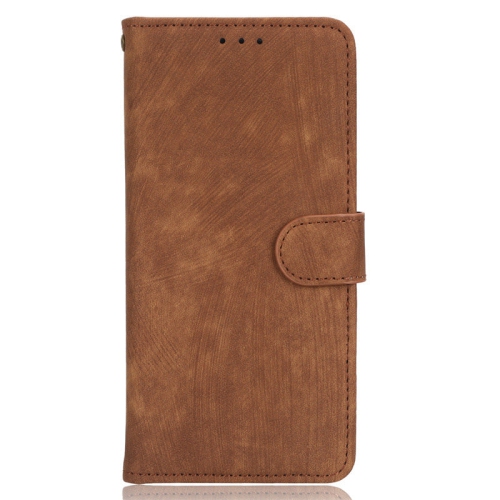

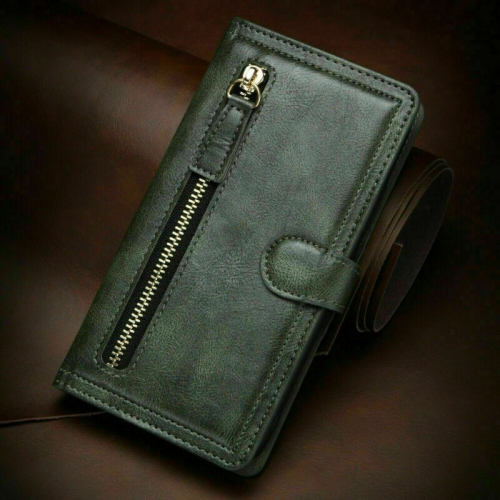

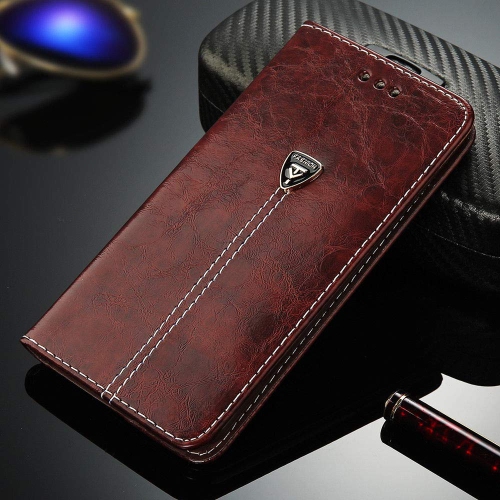
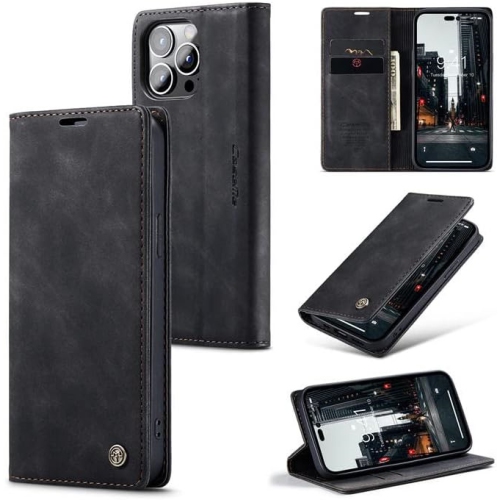
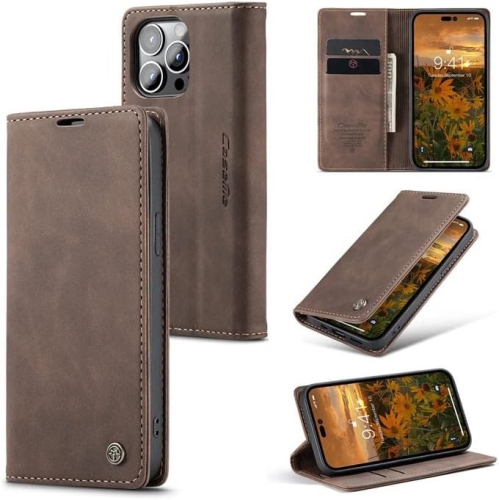
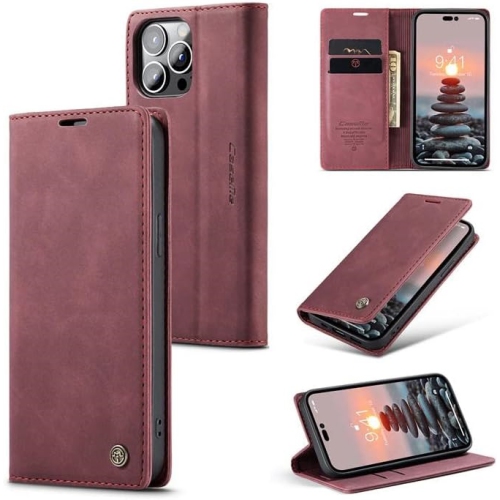
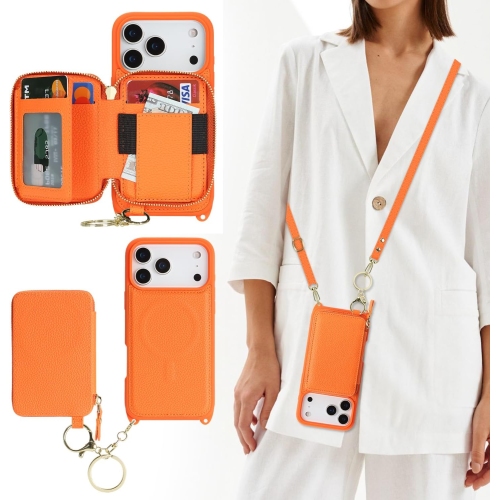
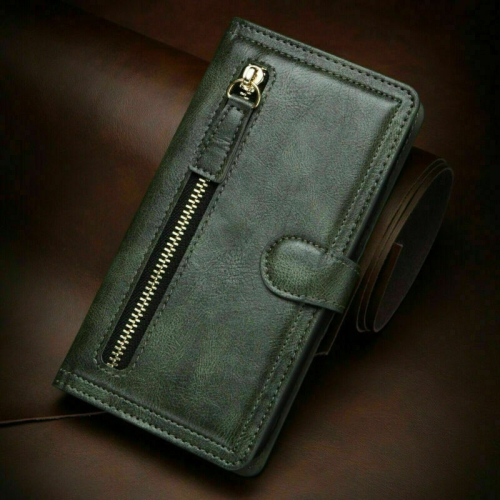

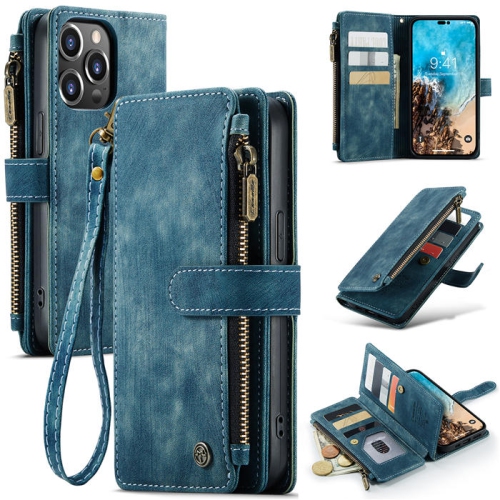
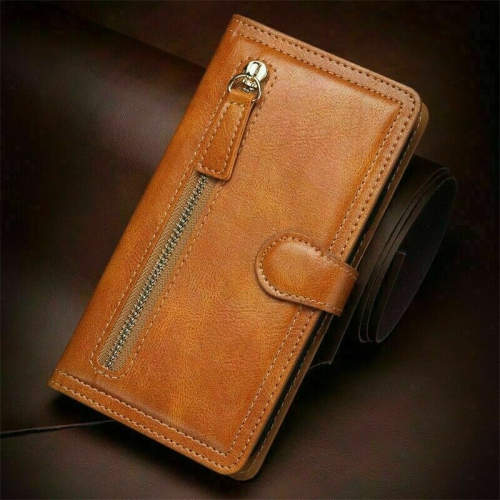
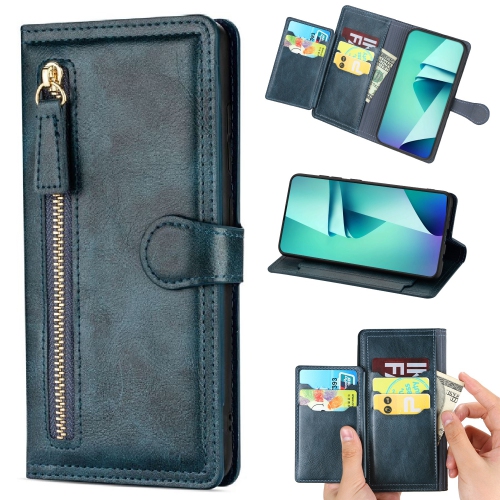
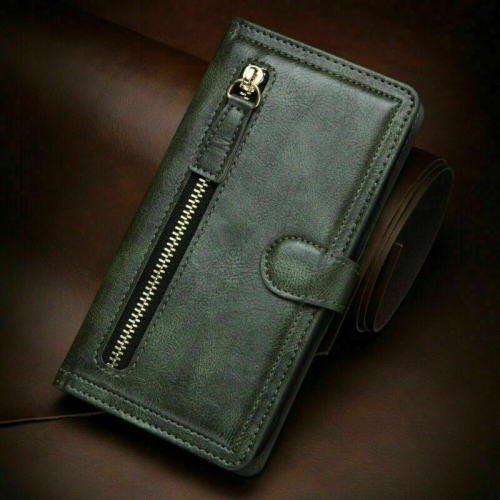
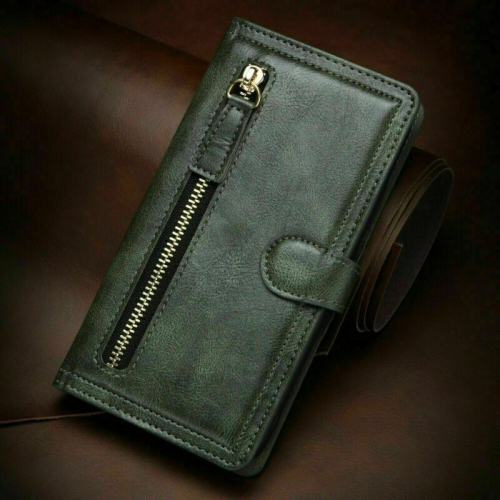
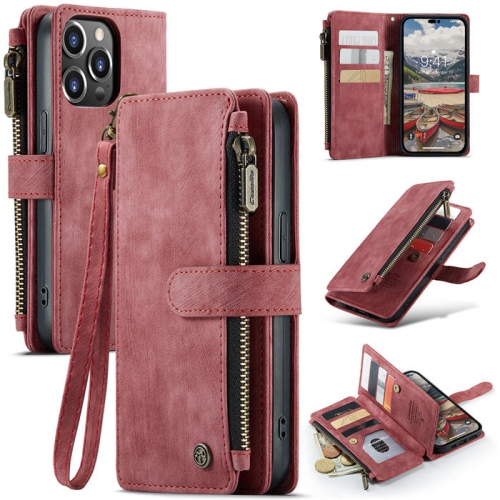
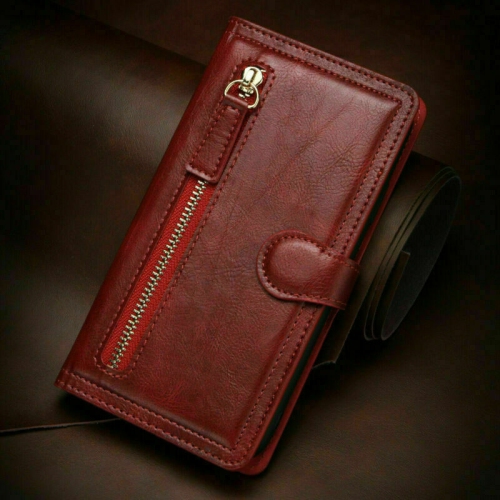
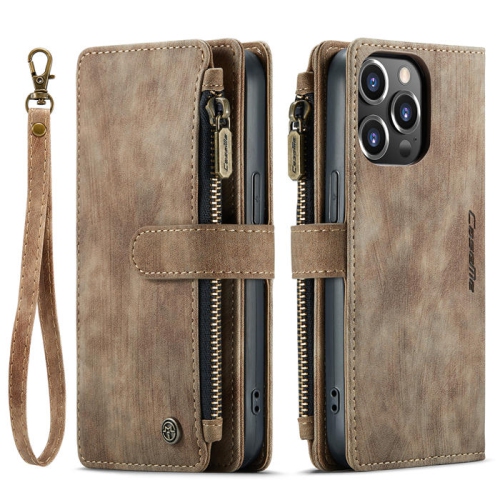
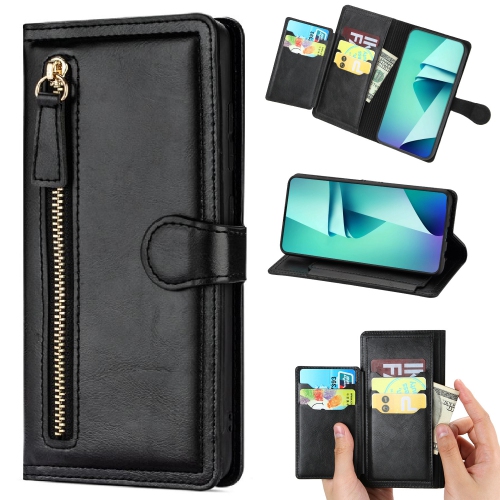
A place for your phone beyond your pocket
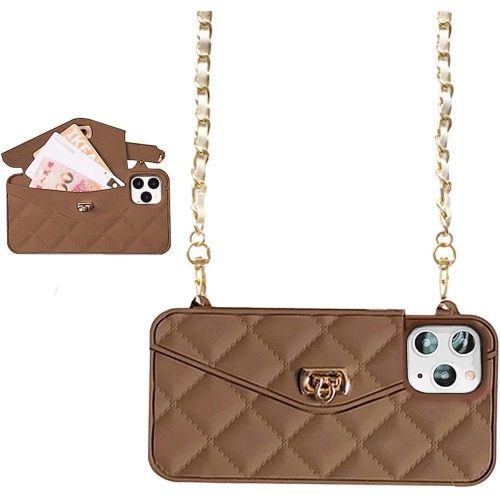
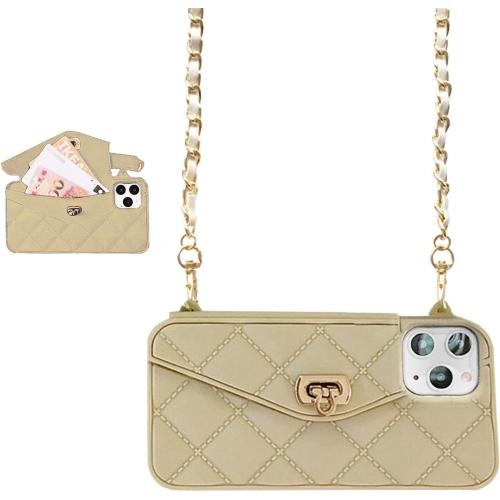
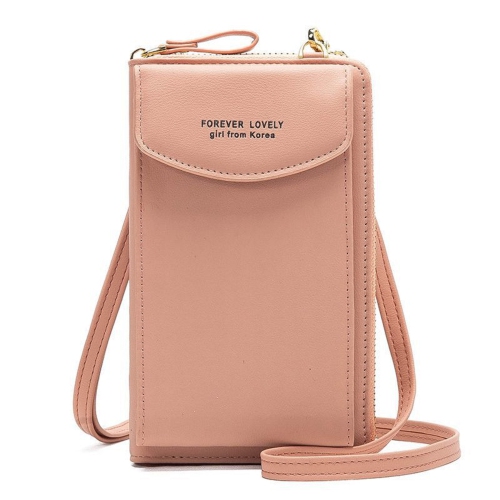
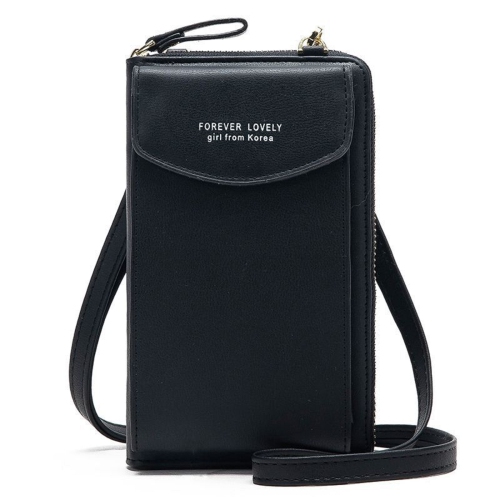
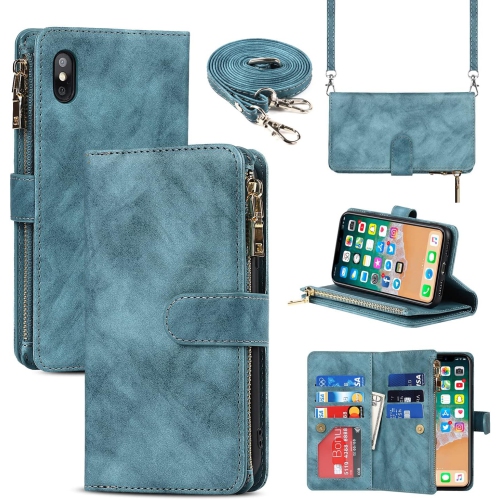
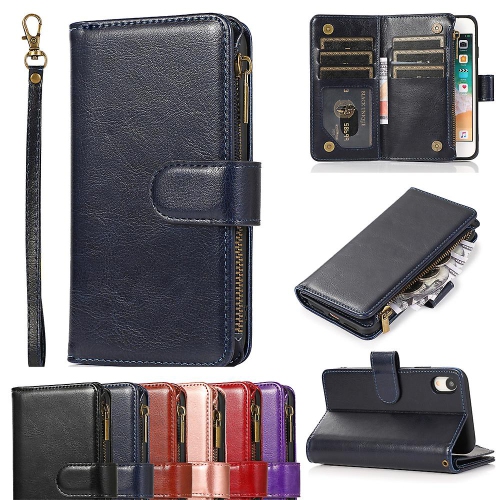
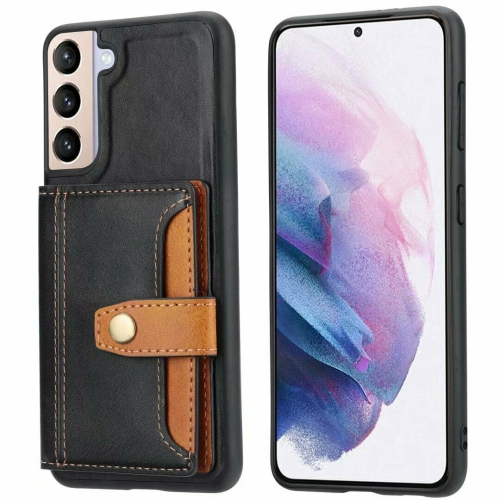
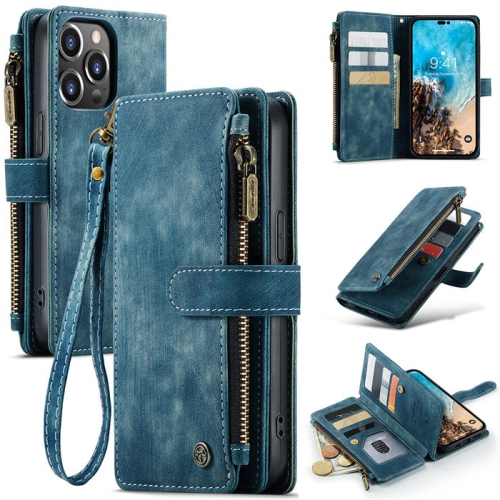
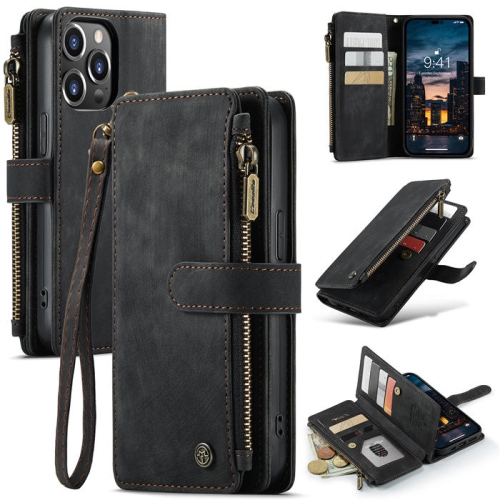
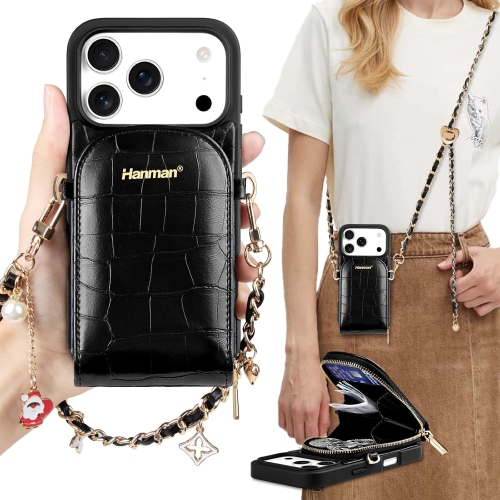
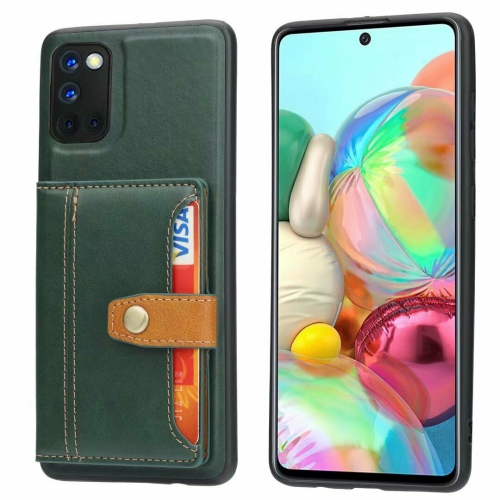
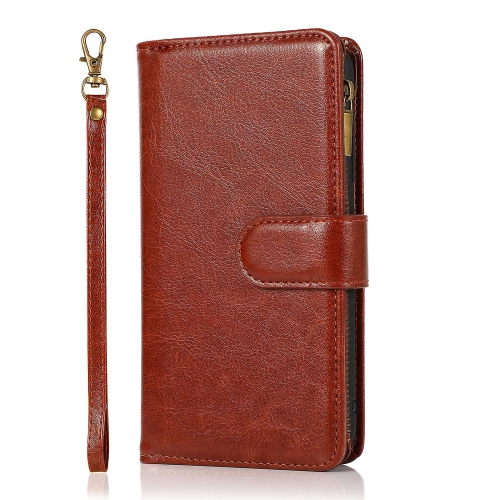
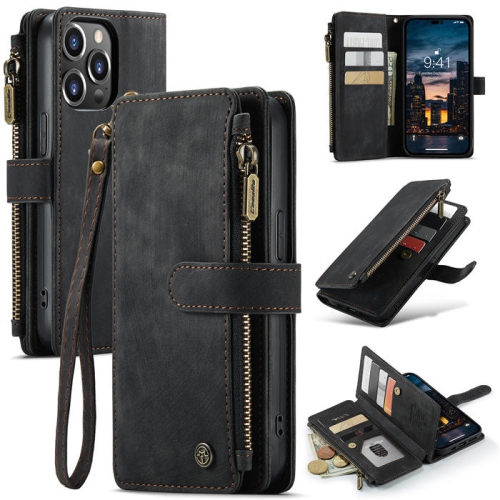
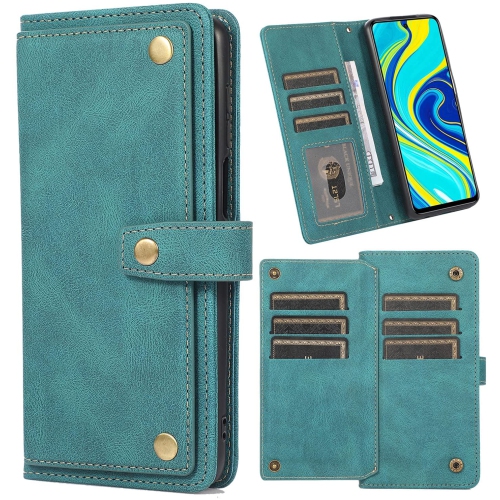
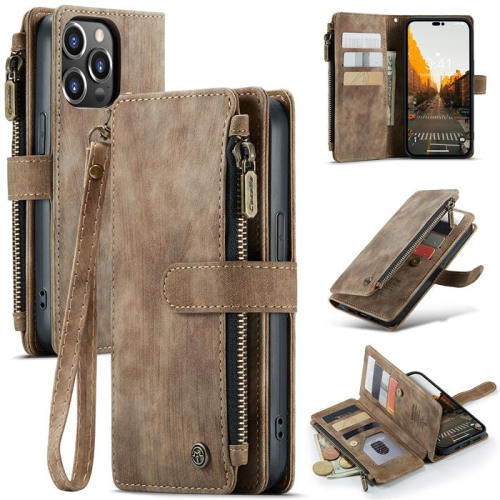
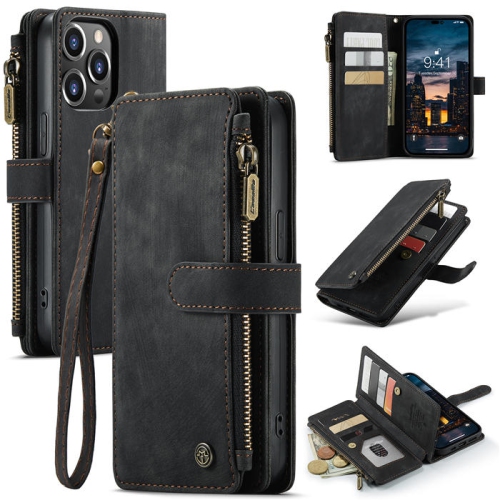
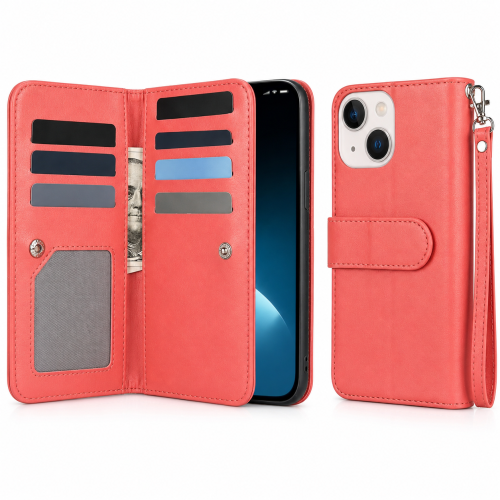
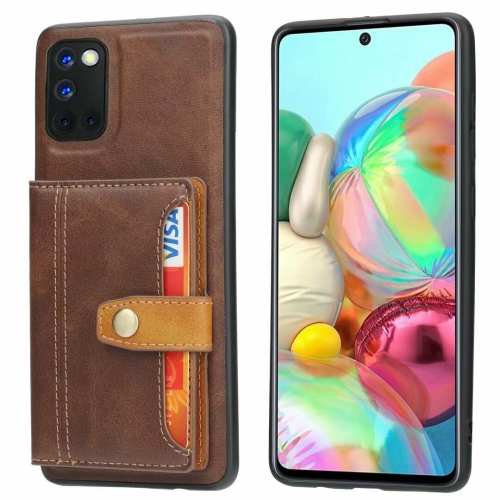
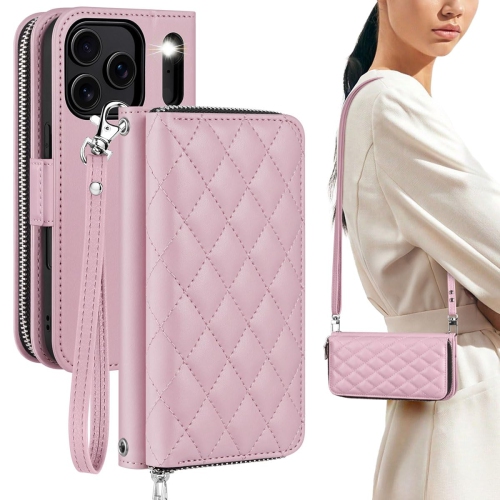
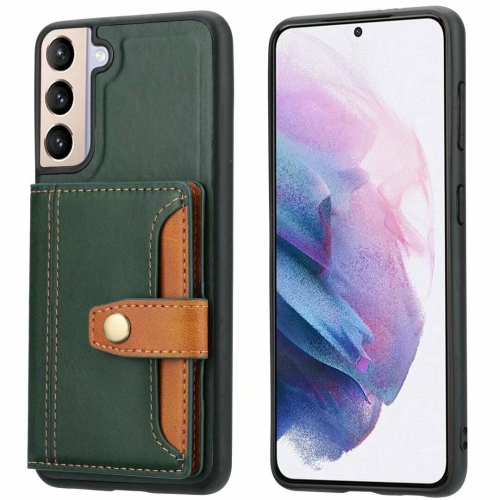
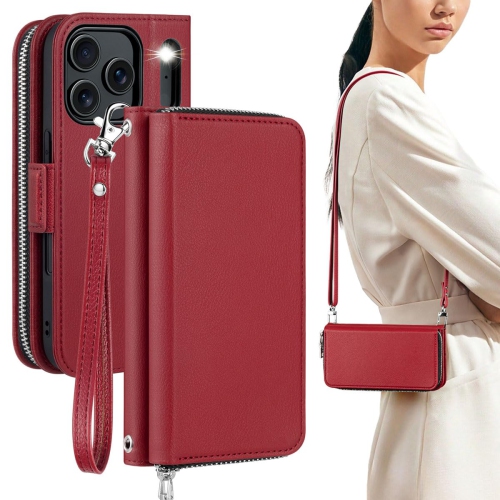
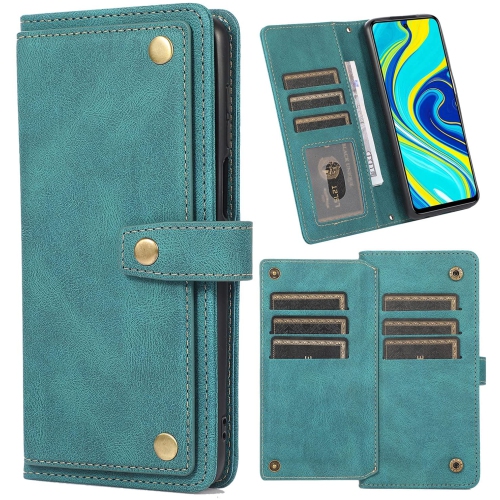
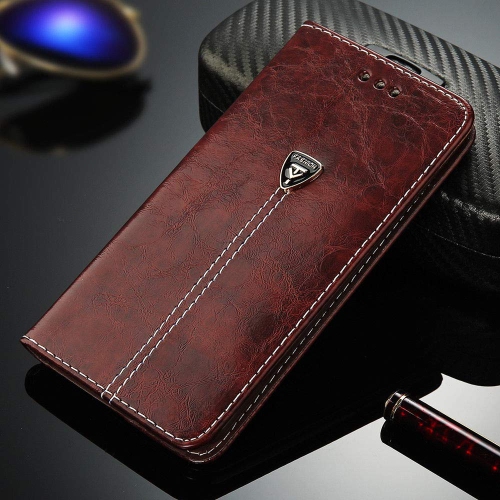
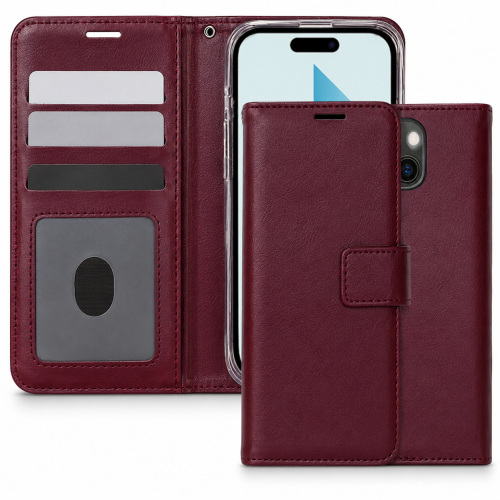
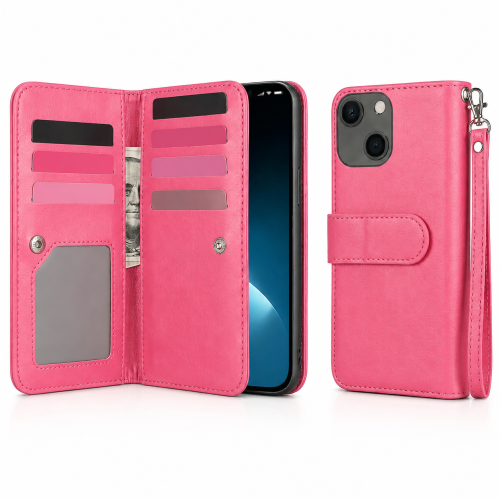
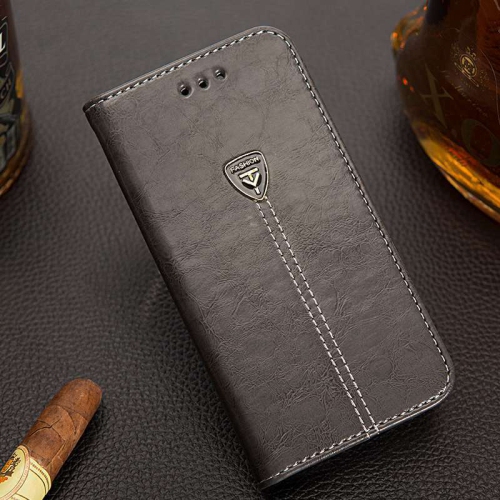
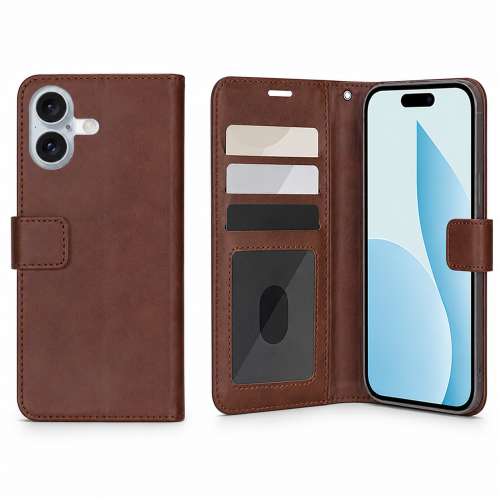
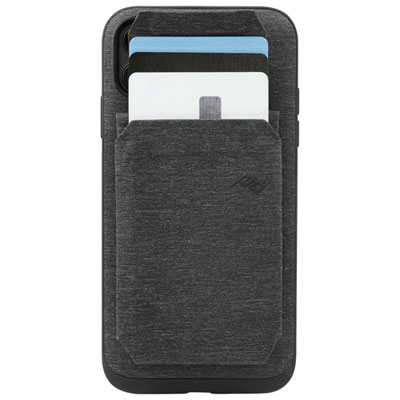
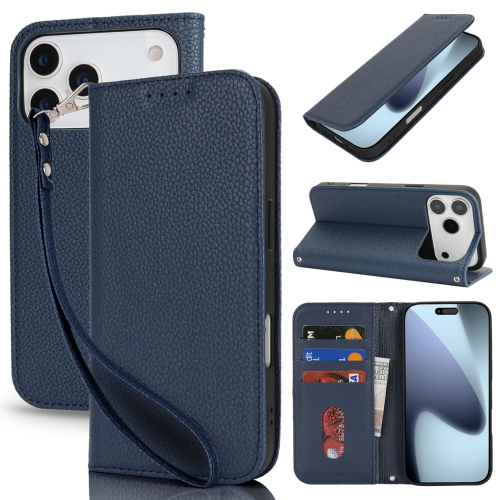
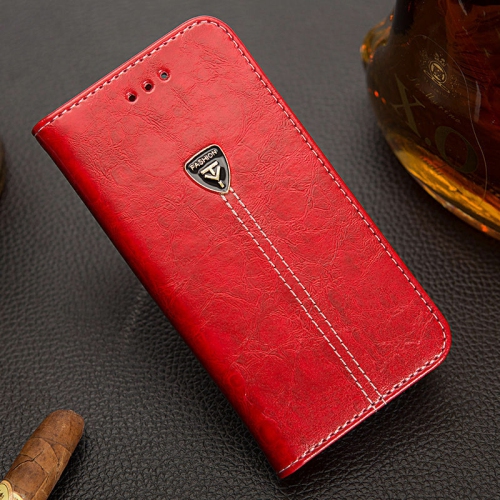
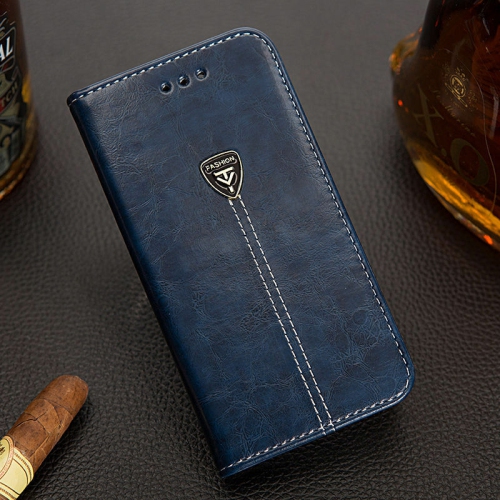
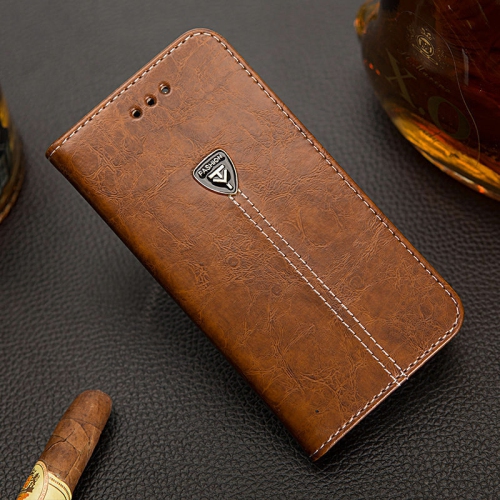
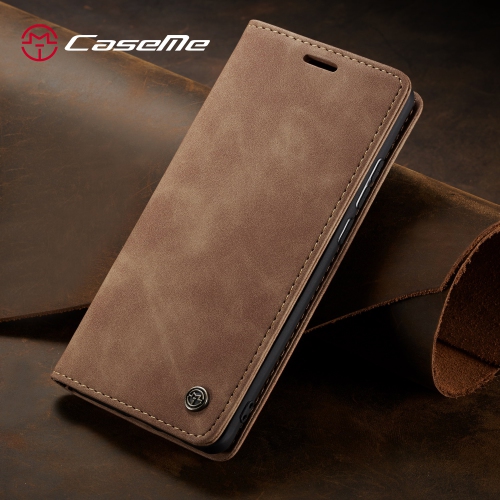
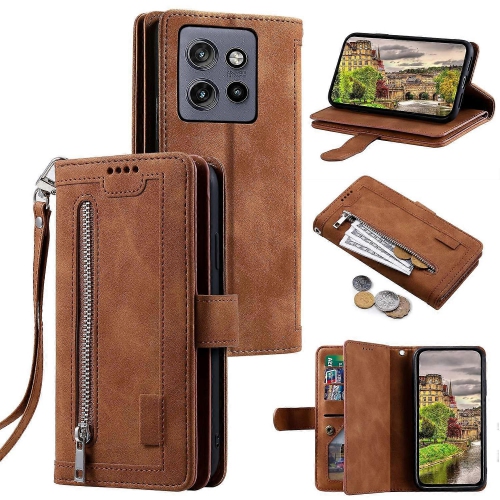
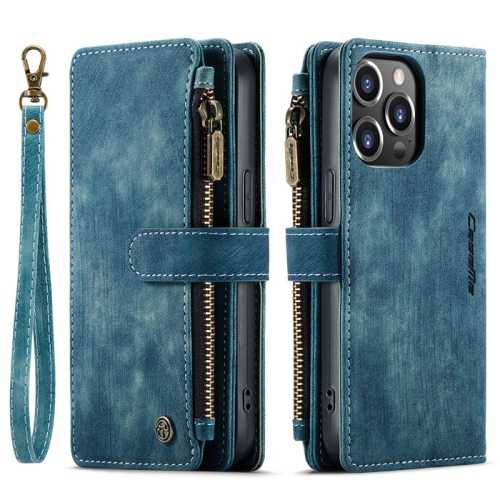
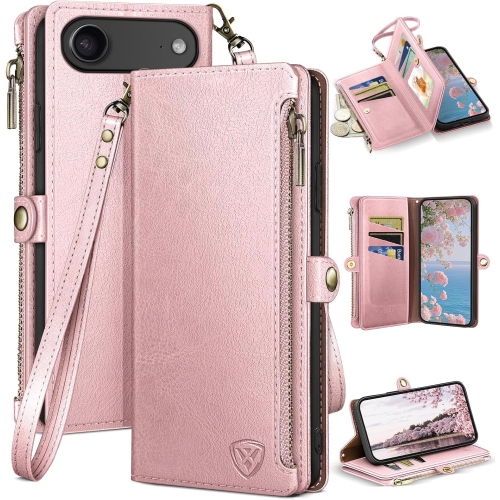
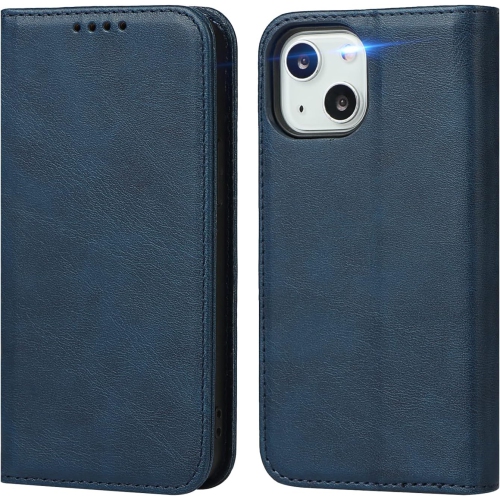
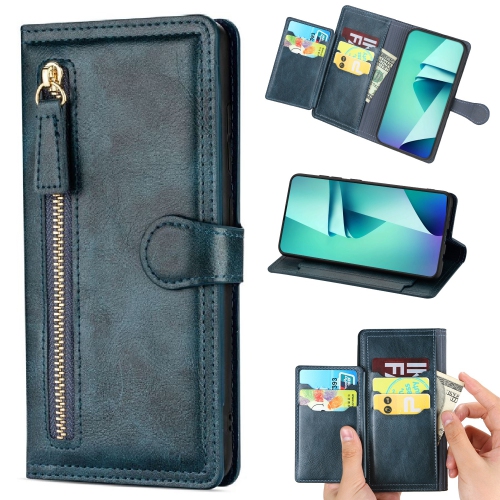
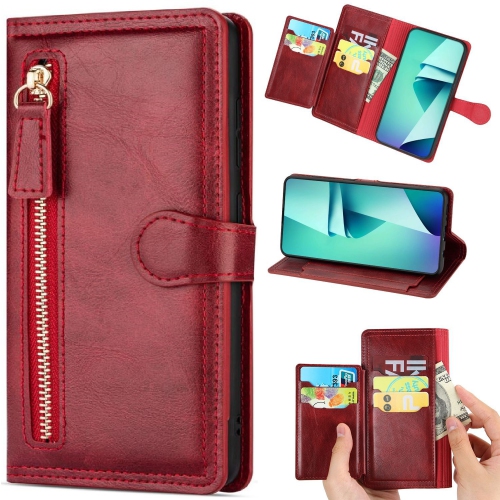
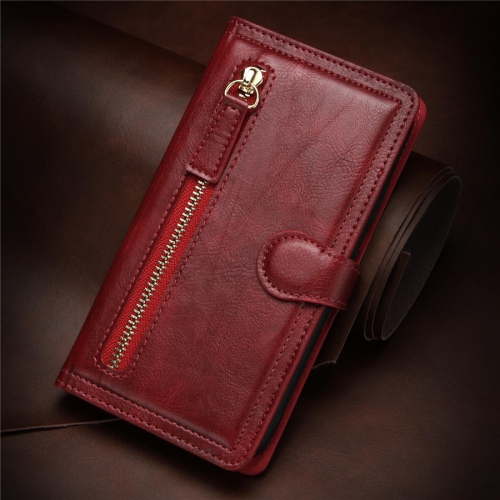
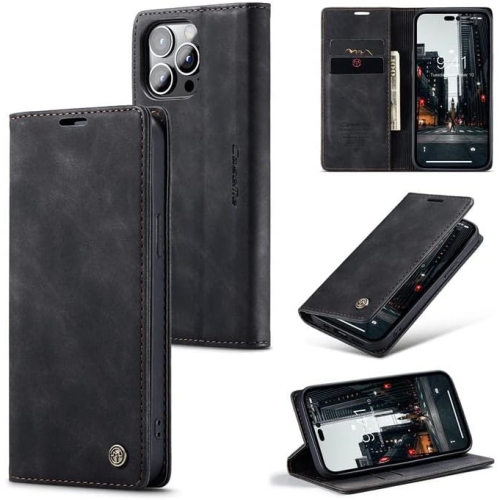
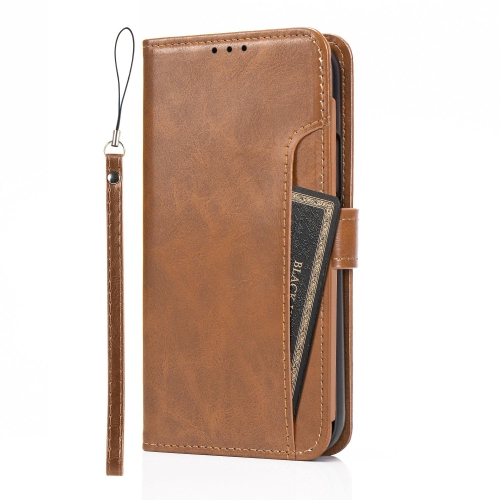
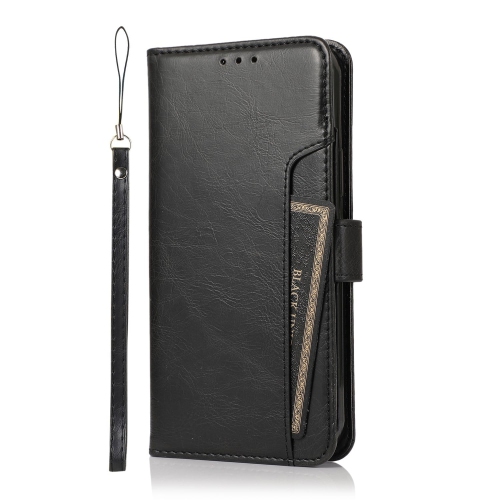
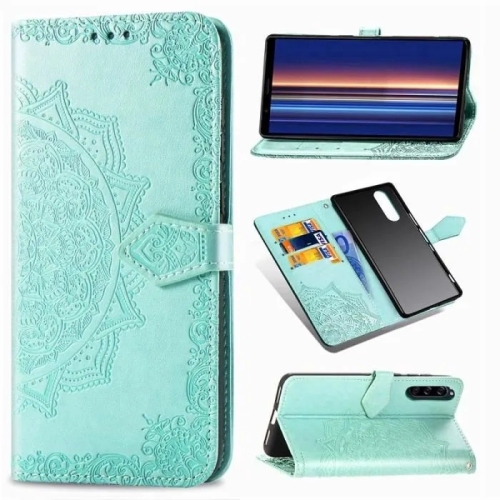
Phone carrying cases keep a phone close at hand through several designs, including belt holsters, crossbody pouches, protective sleeves, and wallet-style carriers. Each offers a different balance of access, coverage, and storage. A belt holster holds a phone at the waist, making it useful for someone who needs to answer calls without searching through a bag or filling a trouser pocket. Crossbody phone pouches use a shoulder strap to keep the device within reach while leaving hands free for shopping bags, a transit pass, or a stroller handle. Sleeves provide a dedicated place for a phone inside a backpack, briefcase, or handbag, helping separate its screen and body from keys and other loose objects. Wallet-style carrying cases bring phone storage together with compartments for a few cards or folded notes, while wristlet designs offer a compact option for short outings. Unlike a fitted cover that stays attached to the device, a carrying pouch or holster may hold the entire phone and require it to be removed before use. Some designs combine these functions, so the opening, closure, and way the phone sits inside are as important as the overall appearance. A deep pouch with a secure flap suits different habits from an open-top carrier designed for frequent access. Someone moving between job sites may appreciate a firm belt attachment, while a commuter may prefer a slim crossbody design that sits close to the body. For people who carry their phone in a larger bag, a brightly coloured sleeve can be easier to spot among notebooks, cables, and everyday essentials. The most useful style is one that fits naturally into the places a phone travels throughout the day, rather than adding extra bulk or making routine tasks awkward. Carrying cases can also give clothing with small or shallow pockets a practical alternative, keeping a device accessible without having to hold it continuously or leave it loose on a desk.
Fit depends on more than screen size. Two phones with the same display measurement can have different heights, widths, thicknesses, and camera profiles, and a fitted protective cover adds to those dimensions. A carrying case needs enough room for the complete device without allowing it to shift excessively inside. Interior measurements are particularly helpful for universal pouches, especially when the phone already has a raised camera surround, a finger grip, or another attached accessory. A closure that only just reaches may be under unnecessary strain, while an oversized sleeve can make the phone harder to retrieve securely. Belt loops and clips also vary: a loop threads onto a belt, whereas a clip may allow the carrier to be attached and removed without taking the belt off. Strap length, adjustment range, and attachment points influence how comfortably a crossbody pouch sits when walking or sitting down. A wider strap can distribute weight more comfortably when the carrier also holds cards and keys, though filling every compartment may make a compact pouch feel surprisingly bulky. Access details deserve equal attention. A zip opening can provide coverage around the top, a flap can shield the opening while offering straightforward access, and a snap or magnetic closure may be convenient for repeated use. None of these features alone establishes protection against drops or water; any protective rating needs to apply to the particular design. Charging access is another practical distinction. Some carriers leave a port accessible, while others are intended to be removed before connecting a cable or placing the phone on a compatible wireless charger. Transparent touch panels may allow basic interaction, but their responsiveness can vary with the phone, screen protector, and panel construction. For anyone pairing a pouch with Sony Cell Phone Cases, the dimensions of the phone with its fitted cover provide a more useful reference than the phone’s bare measurements.
Materials shape how a phone carrying case feels, wears, and fits into everyday routines. Leather can offer a structured finish and develop visible character with handling, while faux leather provides a similar look with different care requirements. Woven nylon and polyester are common choices for lightweight pouches, and their texture can make scuffs less noticeable than on a smooth surface. Neoprene sleeves offer a soft, flexible layer around the device, although padding should not be mistaken for a tested drop-protection claim. A soft lining helps limit direct contact with rough interior surfaces, but grit trapped inside any case can still mark a phone or its cover. Durable construction often comes down to details that receive repeated strain: stitching around belt loops, reinforcement at strap attachments, zipper movement, and the edges of card slots. A carrier used for frequent calls may have its closure opened many times a day, making those small components particularly important. Care is generally simplest when it matches the material and the maker’s directions. Emptying the case before cleaning, removing loose debris, and allowing it to dry fully before replacing the phone help keep the interior tidy. Leather may require a suitable care product, while some fabric surfaces tolerate gentle spot cleaning; machine washing is not appropriate unless expressly permitted. Colour and finish also affect everyday appeal. A subdued pouch can sit discreetly alongside work clothing, while a textured or colourful design is easier to identify in a shared bag or crowded drawer. As a gift, a phone carrying case can be thoughtful for a frequent traveller, a student moving between classes, or someone who prefers to leave a larger handbag behind for short errands. Knowing the recipient’s phone dimensions, existing cover, and preferred carrying style makes the choice more personal and useful. A comfortable strap, manageable closure, and sensible amount of storage tend to matter more in daily use than extra compartments that rarely get used.
Top selling and popular products
-
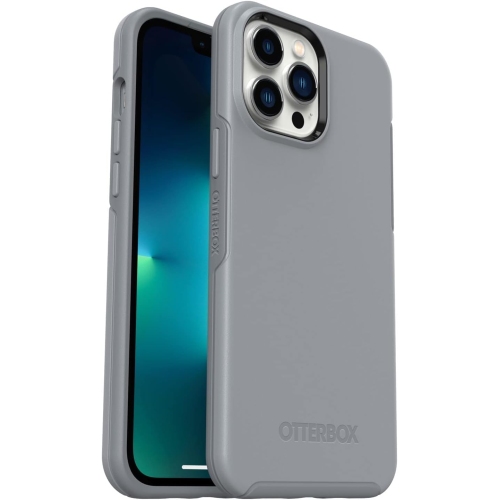 Your price for this item is $63
-
 Your price for this item is $49.99
-
 Your price for this item is $74.99
-
 Your price for this item is $74.99
-
 Your price for this item is $39.99
-
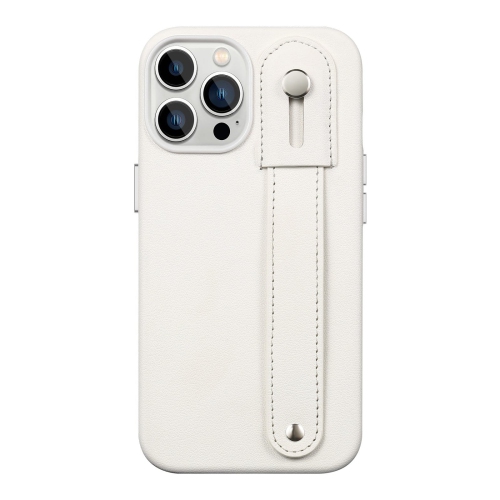 Your price for this item is $59.99
-
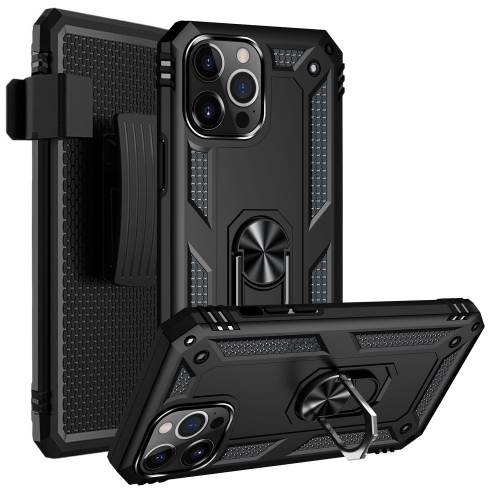 Your price for this item is $59.99
-
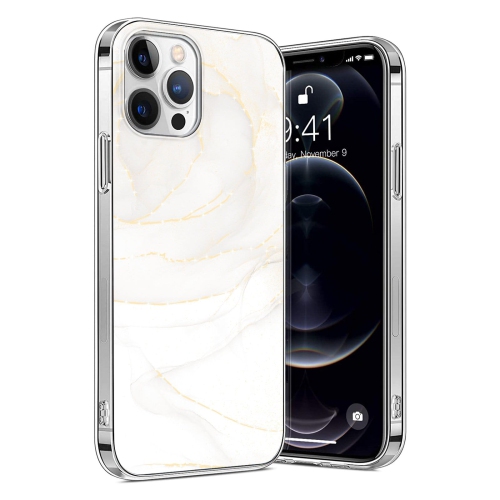 Your price for this item is $59.99
Discover more categories related to Phone Carrying Cases
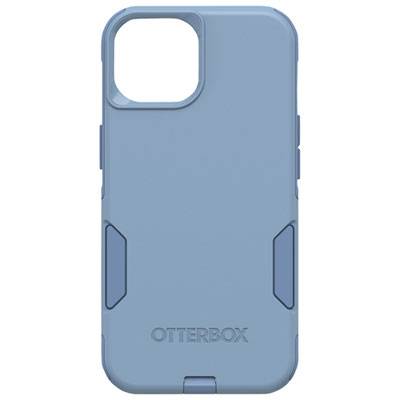
Top Collections:
Best Black Friday Deals This Year, Best Black Friday Deals On Electronics, Kindle Devices, Pokemon Centers, Best Black Friday Deals On Apple Products, Best Cameras for Sports Photography, Dyson Airwrap, Pokémon 30th Celebration Cards, Apple iPhone 17 Pro, Canon G7X Cameras
Some products may be subject to Environmental Handling Fees
(EHF) depending on your province.
Learn more about EHFs.