Phone Case That Charges Your Phones
Looking for a convenient way to keep your phone charged on the go? Look no further! Our selection of phone cases that charge your phone is here to revolutionize the way you stay connected. With these innovative accessories, you can say goodbye to low battery anxiety and hello to endless power. Whether you're a busy professional, a frequent traveler, or simply someone who relies heavily on their phone, our phone cases with built-in chargers are designed to provide you with the ultimate convenience and peace of mind. Discover the future of portable power right here at Best Buy Canada!
Sort
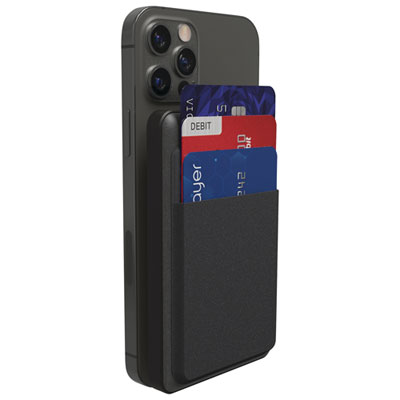
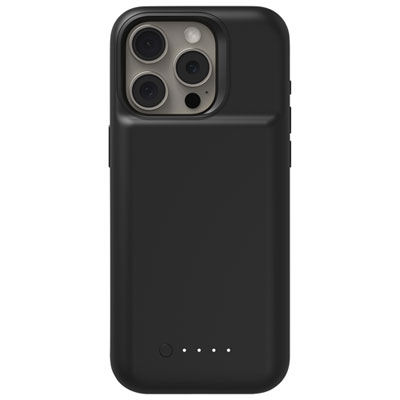
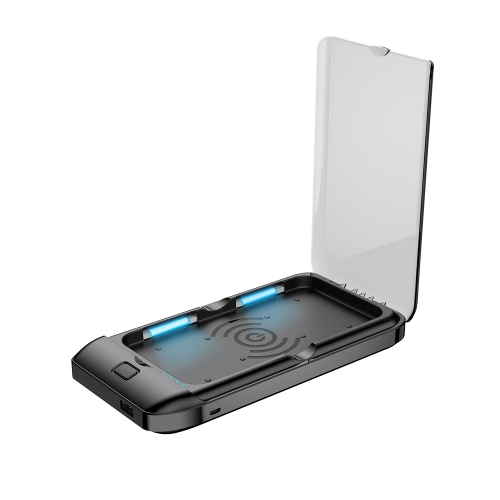
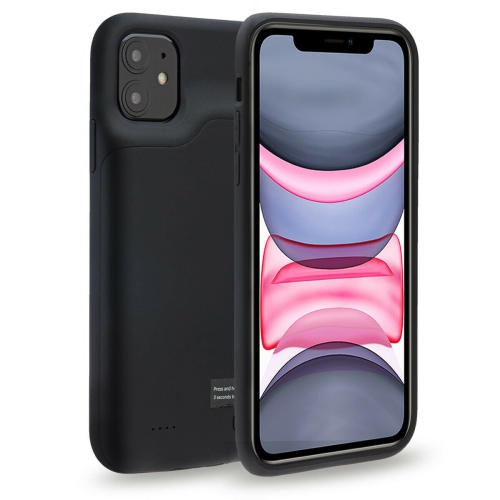
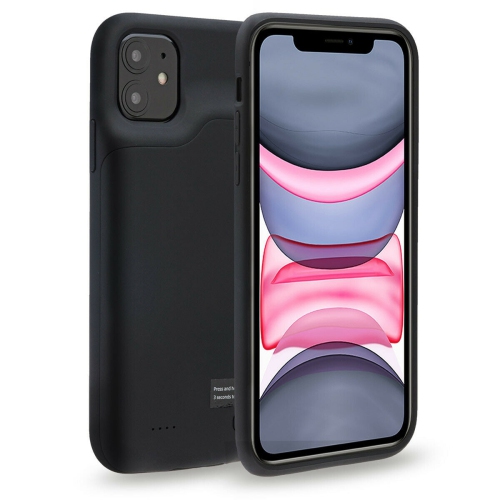
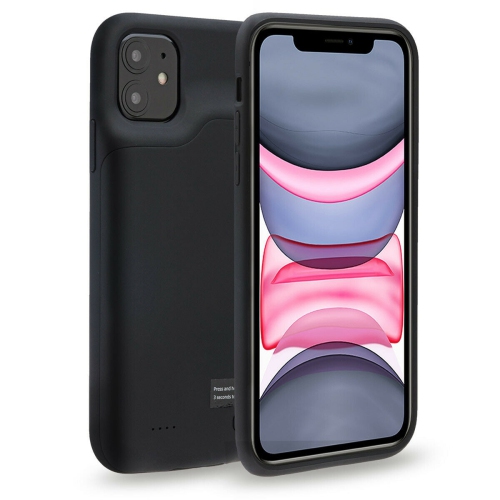
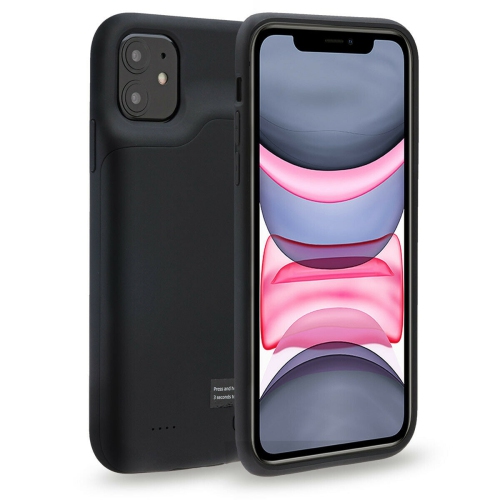
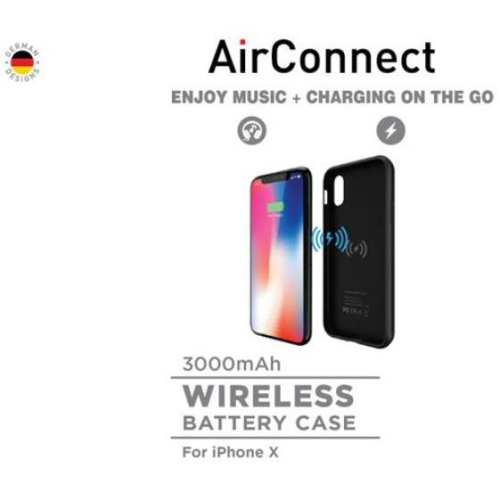
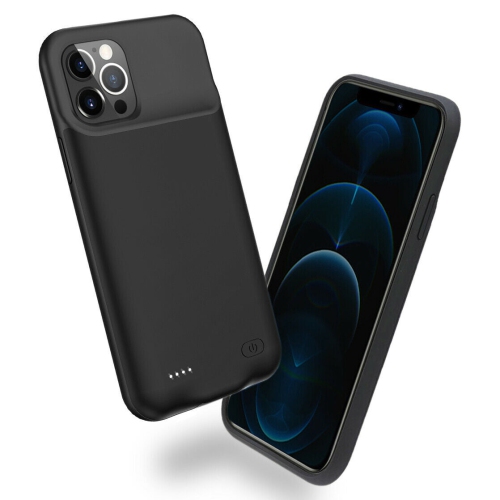
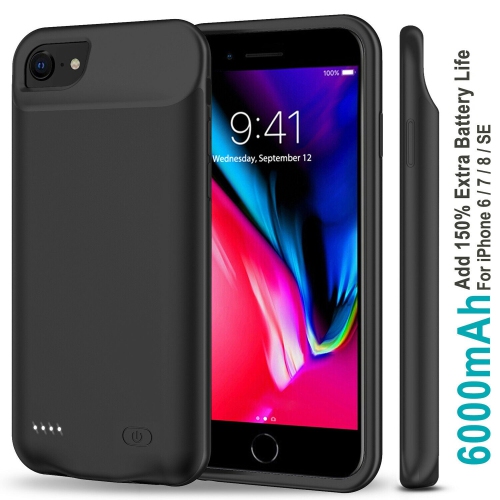

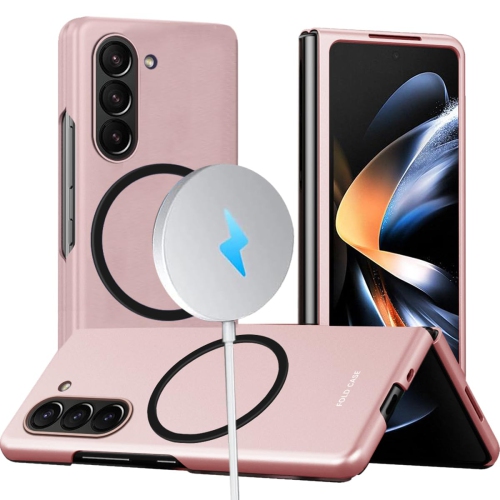

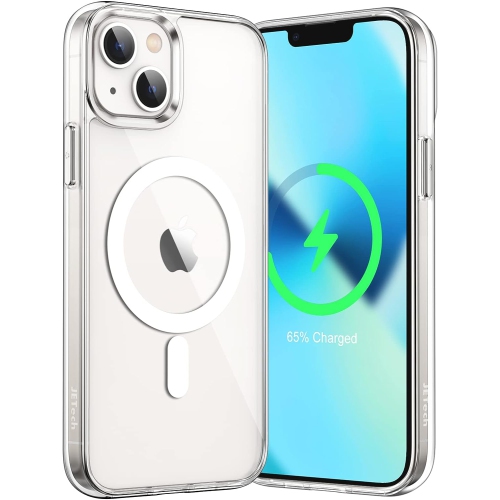
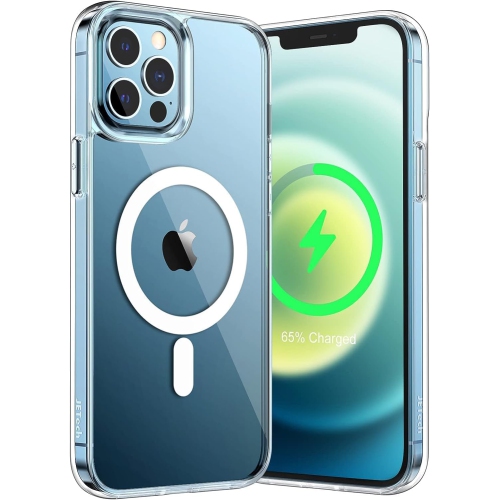
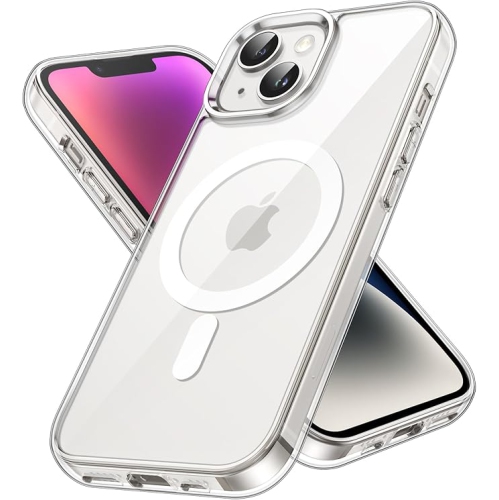
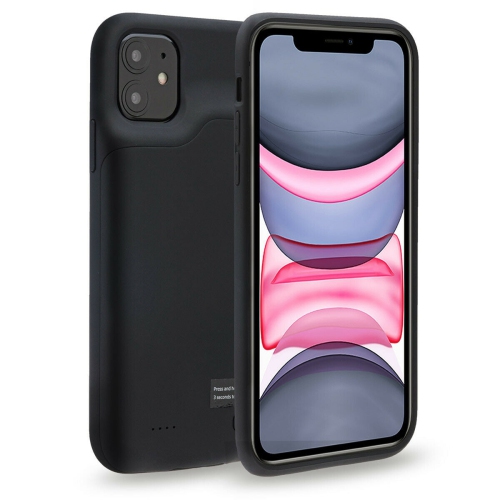
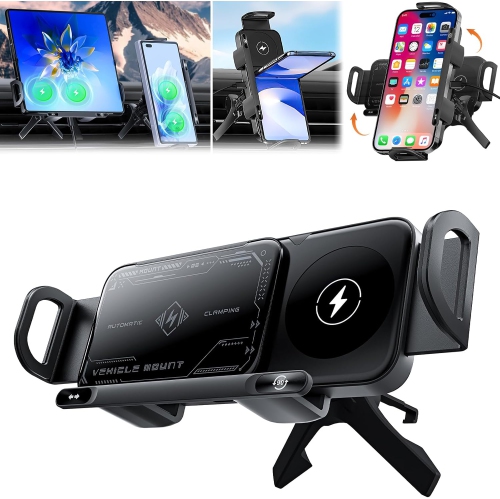
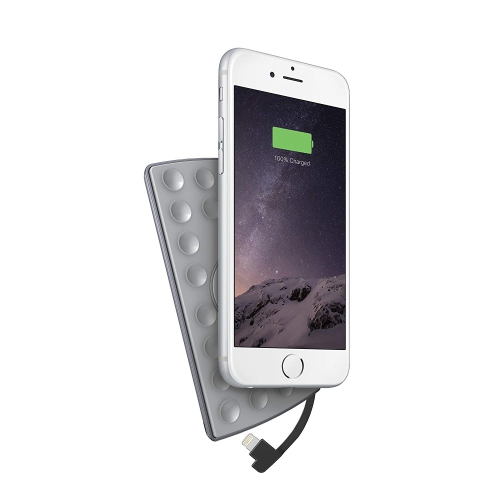

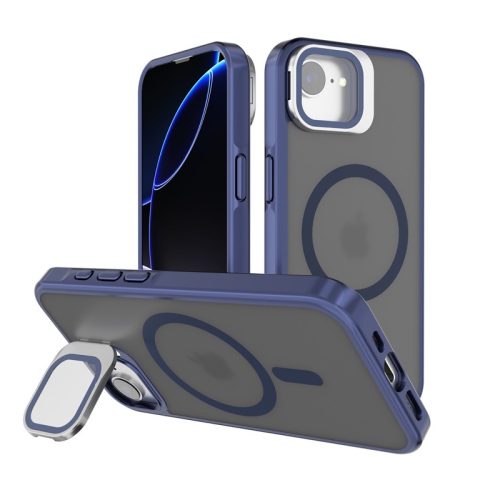
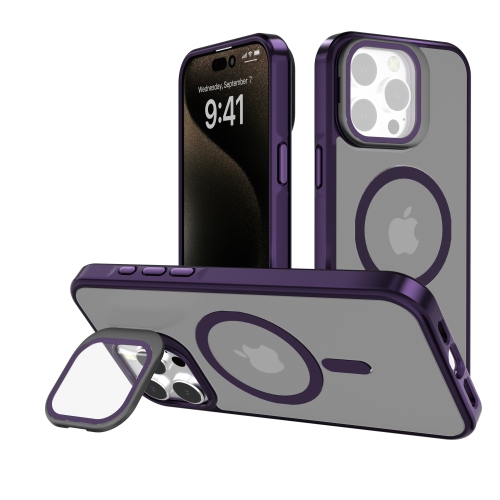
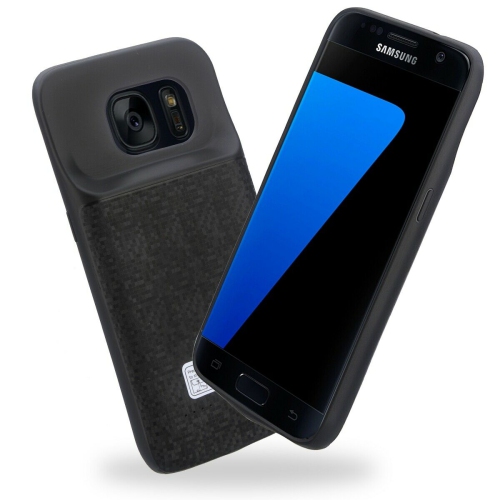
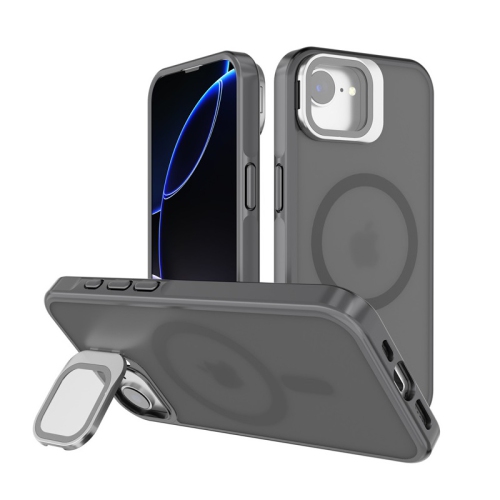
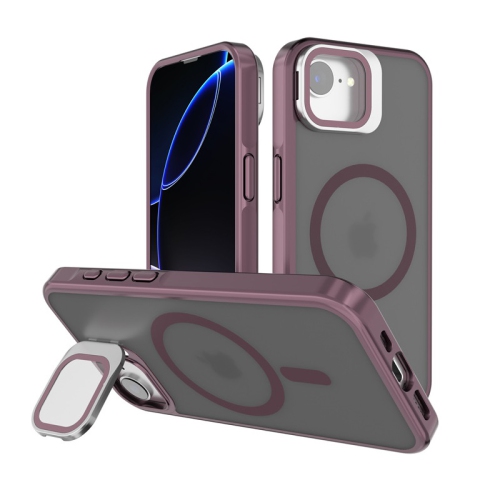
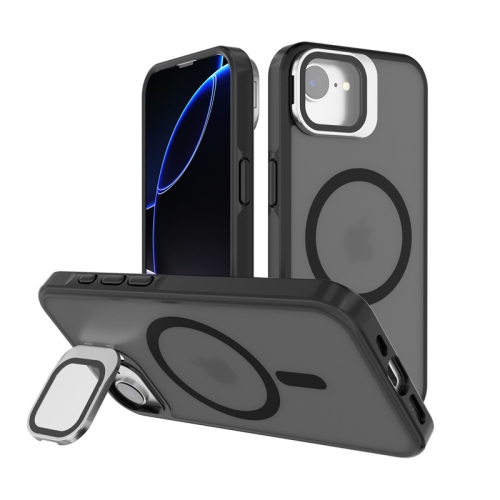
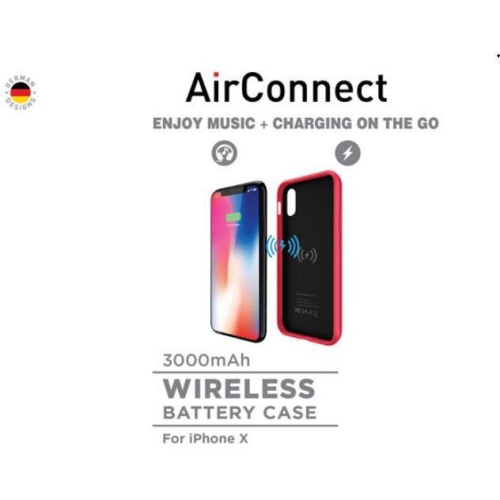
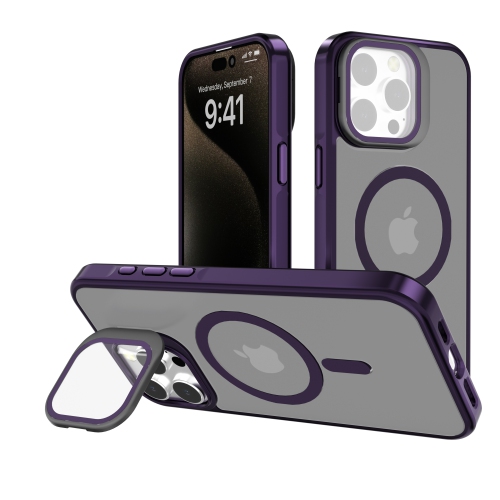
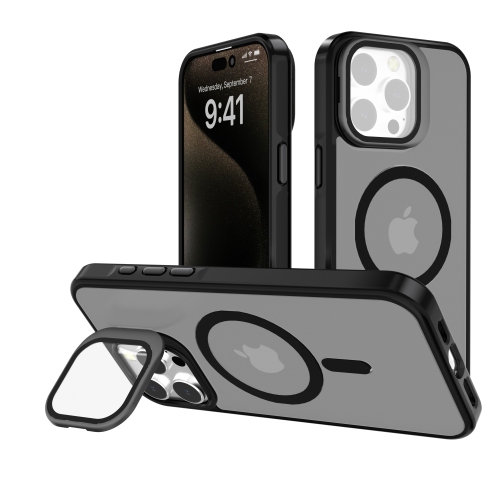
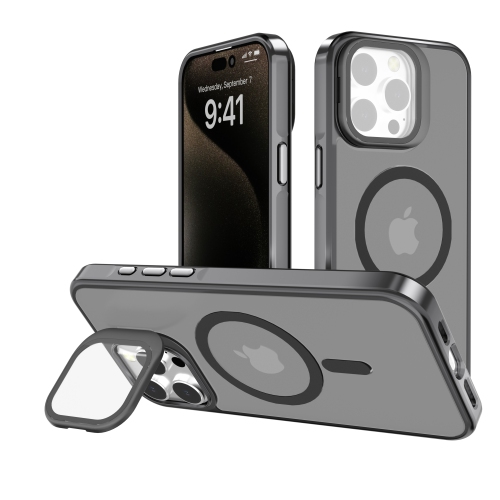
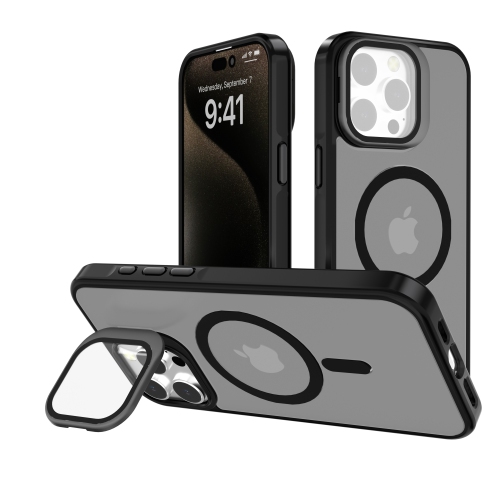
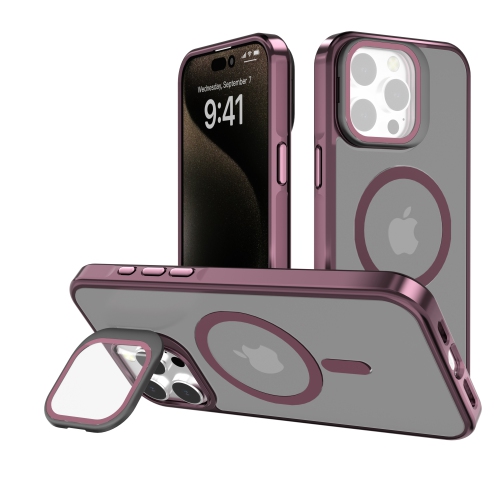
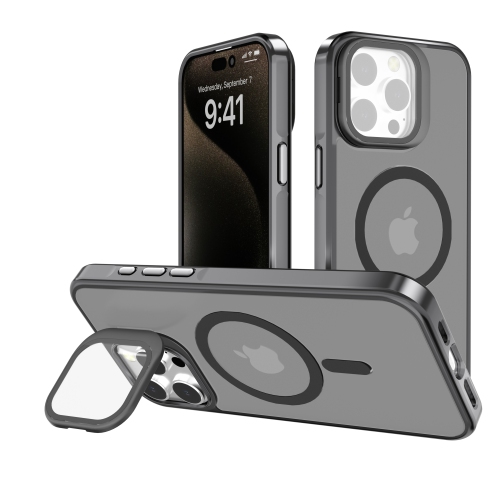
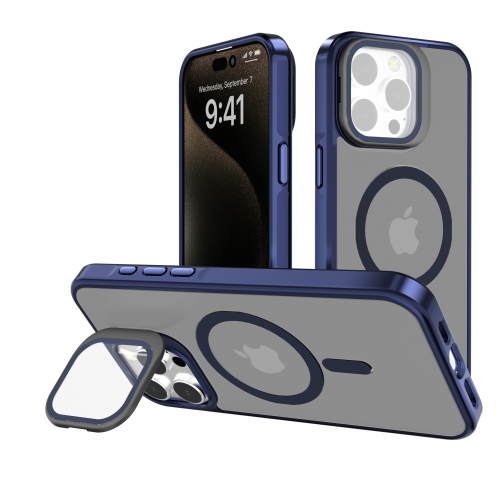
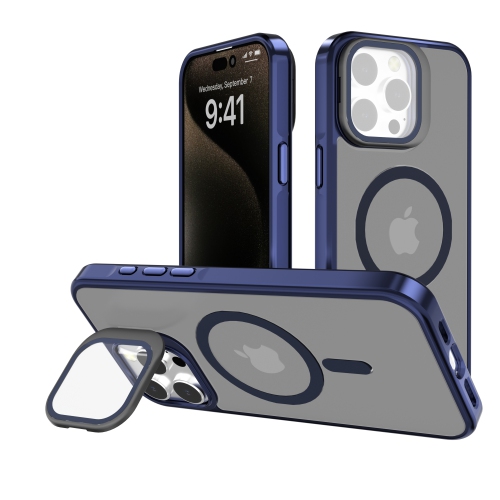
![YELLOW-PRICE [5200Mah] Ultra-Slim Portable Battery Case for Iphone Xs / X (5.8 Inch) - In Black](https://multimedia.bbycastatic.ca/multimedia/products/500x500/166/16600/16600808.jpeg)
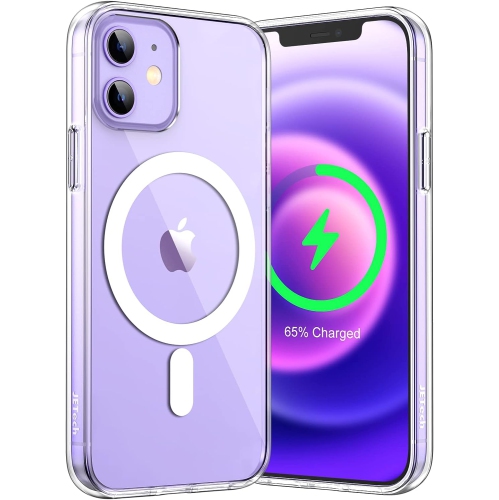
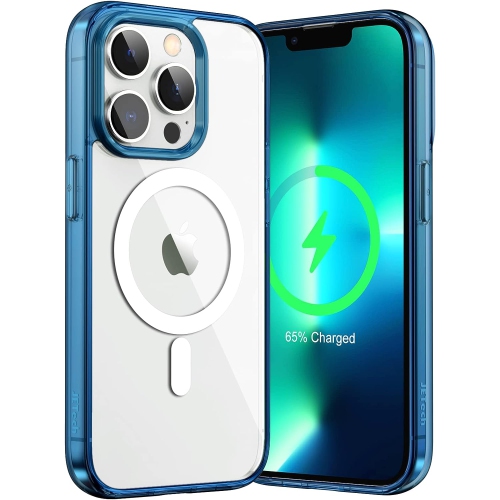
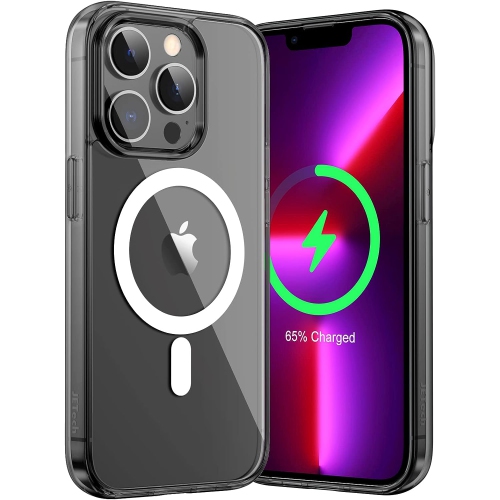
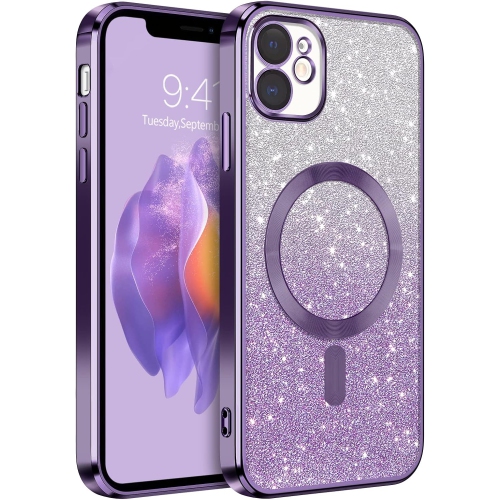
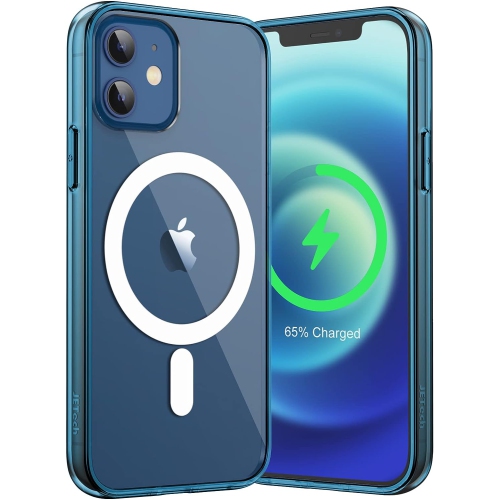
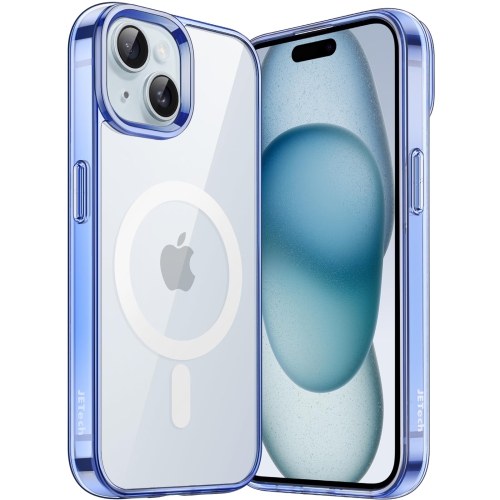
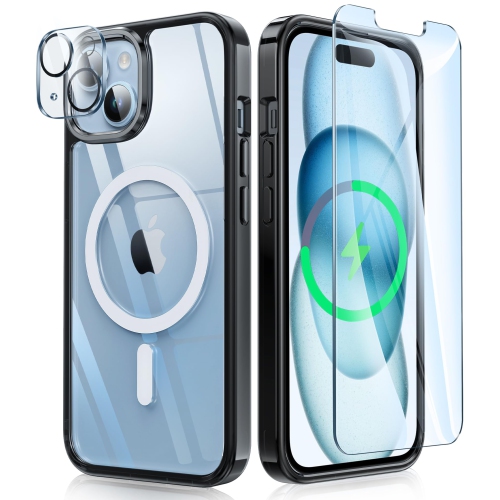
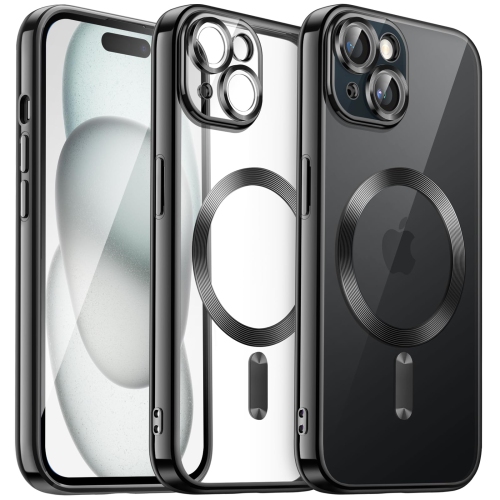
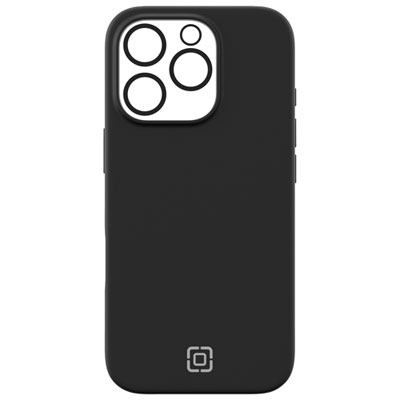
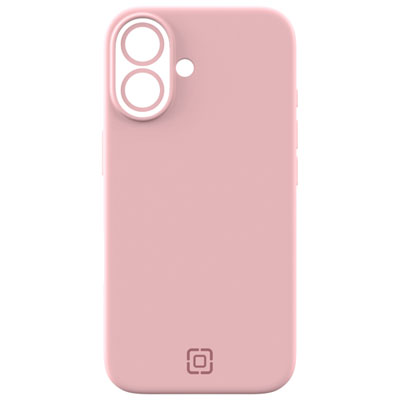
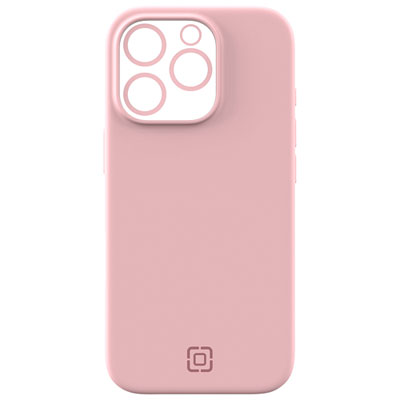
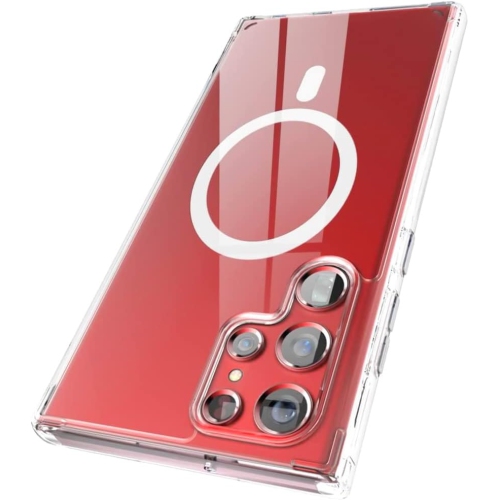
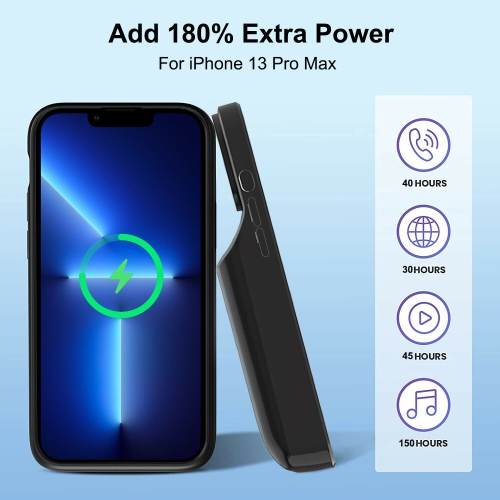
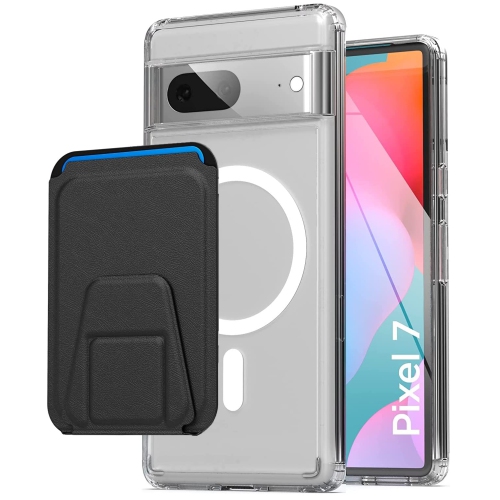
![YELLOW-PRICE [8000Mah] 15W Qi+20W Pd Fast Portable Battery Pack Power Case for Iphone 13 Pro](https://multimedia.bbycastatic.ca/multimedia/products/500x500/164/16494/16494469.jpeg)
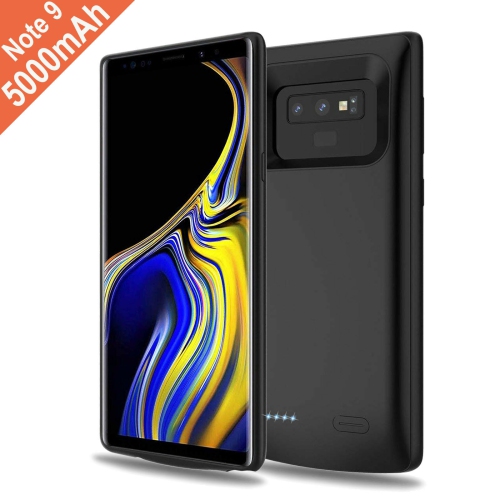

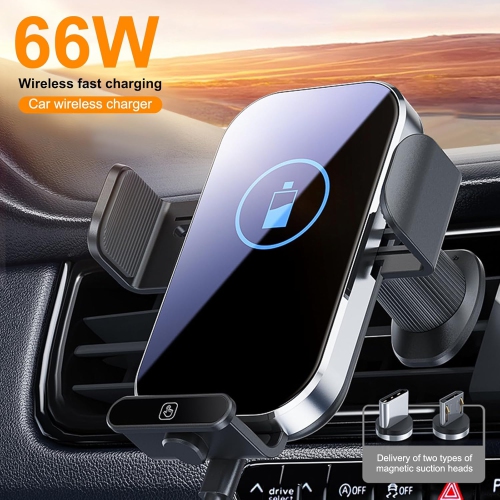
![YELLOW-PRICE High Capacity [8000Mah] 15W Wireless Charging Battery Case for Iphone 13/13 Pro](https://multimedia.bbycastatic.ca/multimedia/products/500x500/164/16499/16499917.jpeg)
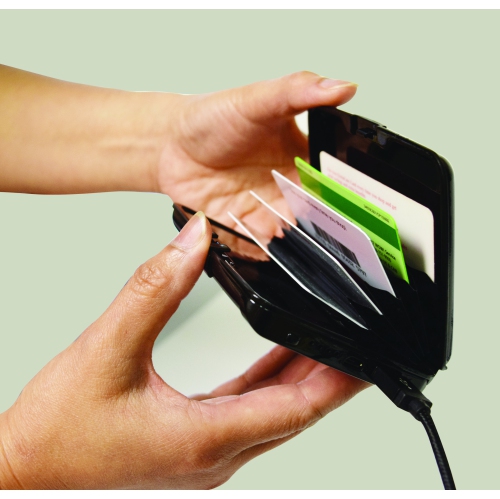
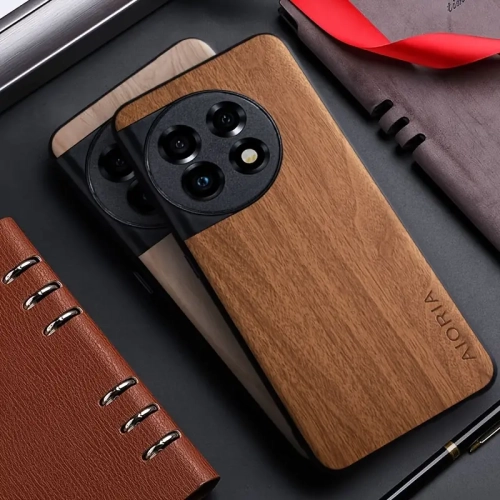
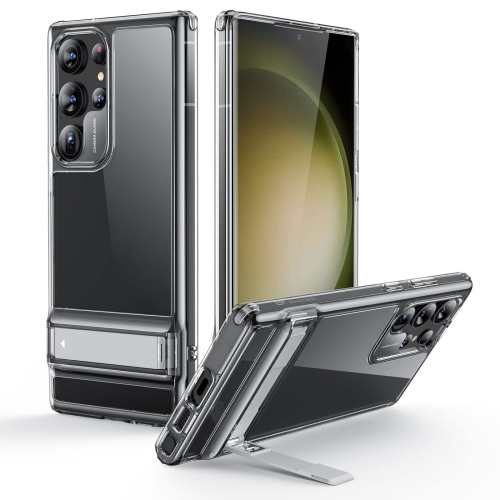
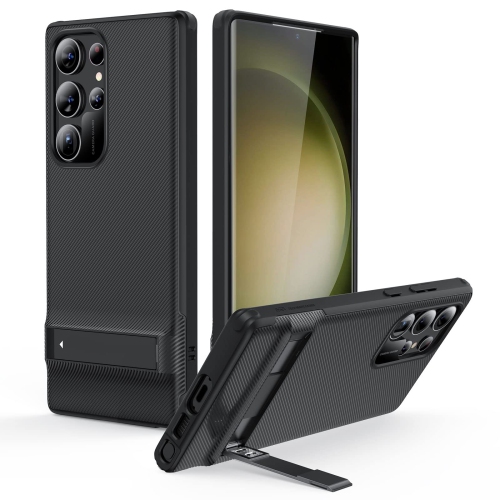
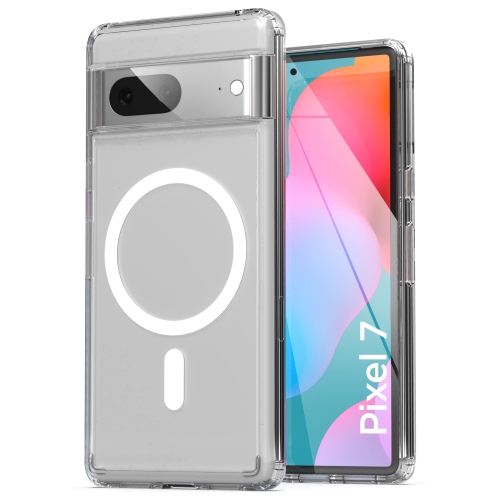
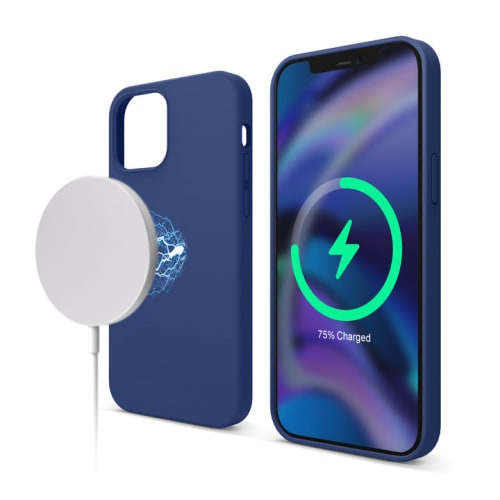
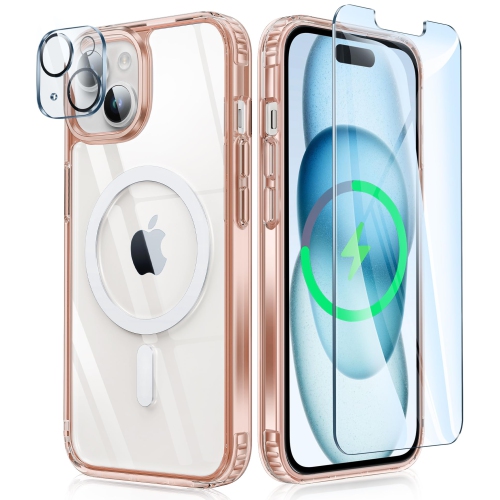
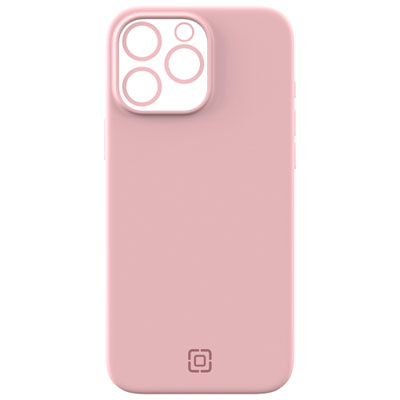
Extra phone power without a separate battery pack
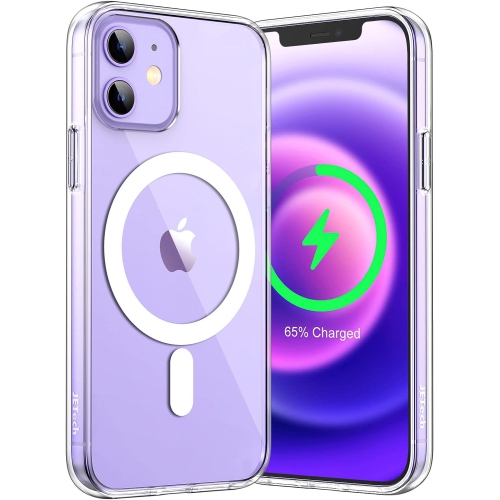
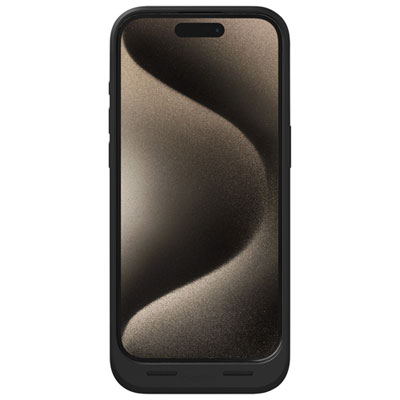
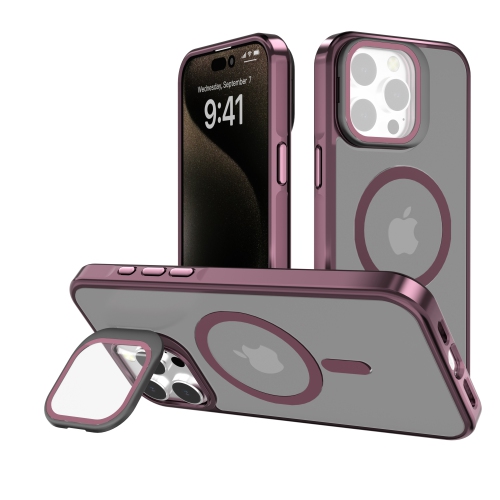
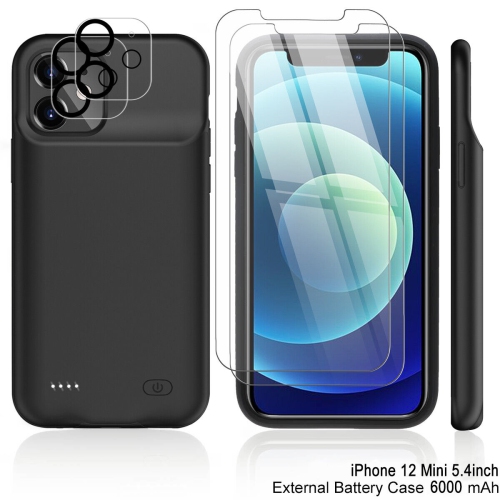
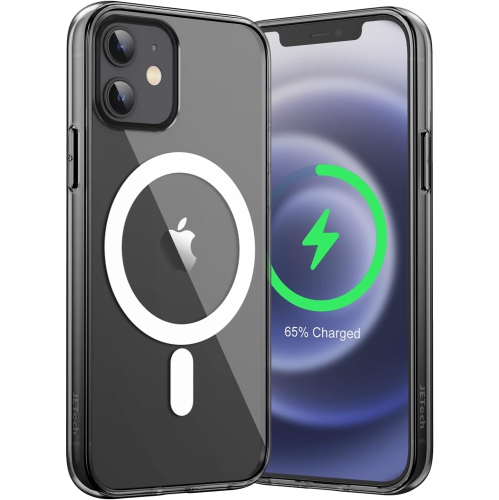
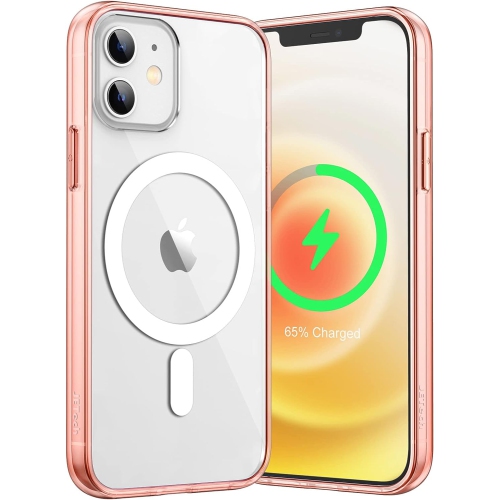
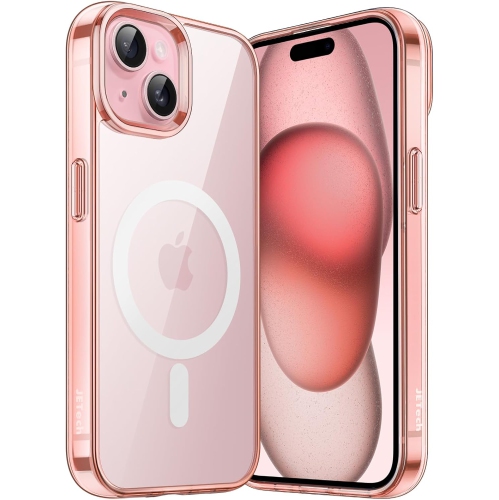
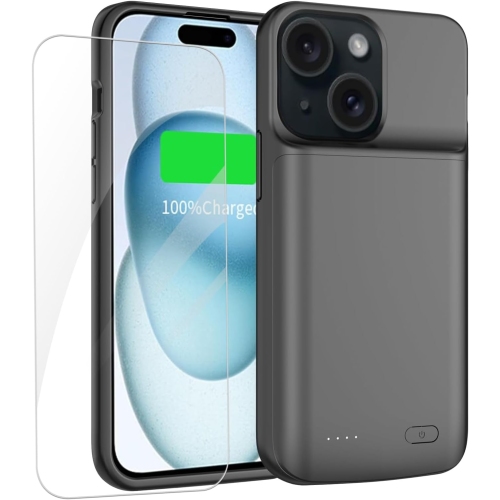
A phone charging case is a protective cover with a built-in rechargeable battery that supplies extra power to a compatible smartphone. Often called a battery case, it combines everyday coverage with portable charging, keeping the power source attached rather than carrying a separate battery pack and cable. Most designs connect through the phone’s charging port, while some use wireless charging technology; the connection method depends on the case and the phone it supports. A standard protective case does not charge a phone by itself, and a case described as wireless charging compatible does not necessarily contain a battery. That distinction matters when the goal is extra power away from an outlet rather than simply leaving a cover on while using a charging pad. For commuters following directions, students moving between lectures, or parents coordinating pickups, a charging case can help keep essential phone functions within reach through a busy day. It can also suit travellers using digital boarding passes, people capturing photos at family gatherings, and anyone whose phone battery struggles to last through their usual routine. The experience varies by design: some cases begin supplying power when connected, while others have a button that starts or stops charging. Indicator lights or a display may show the case’s remaining charge separately from the phone’s battery level. Battery capacity is commonly expressed in milliampere-hours, or mAh, but that number alone does not establish how many full phone charges a case will provide. Power conversion losses, the phone’s battery size, battery condition, and activity during charging all affect the result. A phone running navigation with a bright screen uses more power than one sitting idle in a bag. Higher-capacity cases generally add more weight and thickness, so the practical balance is between additional runtime and a shape that remains comfortable to hold, pocket, and use for calls. Slimmer designs may be easier to carry, while larger battery cases can make sense for longer stretches between charging opportunities.
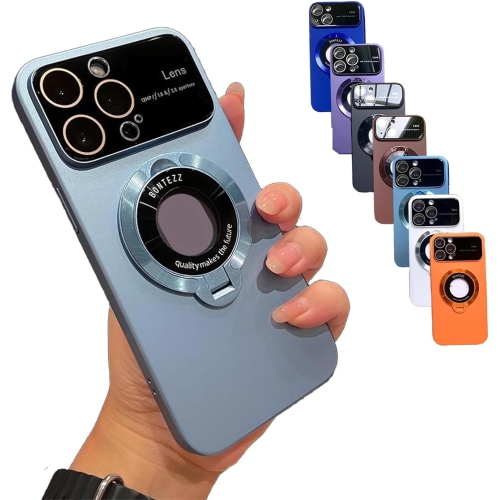
Fit is especially important with a charging phone case because the shell, camera opening, buttons, and charging connection must all match the intended handset. Phones with similar names or screen sizes can have different dimensions, camera layouts, or port positions, making exact model compatibility more useful than a broad size description. A fitted connector should meet the phone’s port without pressure or misalignment, and the case should leave microphones, speakers, and essential controls accessible. Depending on its construction, a battery case may use a flexible upper section, a removable top, or another opening that allows the phone to slide into place. Rigid plastic shells can provide structure around the battery, while flexible edges can make the case easier to grip and cushion everyday bumps. Textured backs, smooth finishes, and colour choices influence how the case feels in daily use, but the added battery means even a streamlined option will feel different from a basic cover. Raised edges around the screen or camera may help keep those surfaces from touching a flat tabletop; they do not make a phone immune to damage. Any claim about drop protection or water resistance should apply to the charging case itself rather than being assumed from the phone’s rating. A secure fit also matters for accessories. Screen protectors need enough clearance around their edges, and car mounts or stands must accommodate the combined thickness and weight. A case that feels comfortable for messaging may be less convenient for long reading sessions, especially when held in one hand. Port access deserves equal attention: a case may provide charging through its external socket without supporting wired audio, data transfer, or every function normally handled by the phone’s own port. Someone who connects a phone to a vehicle, computer, or wired accessory benefits from checking those functions separately. For gifting, knowing the recipient’s exact phone model and daily habits is more helpful than choosing by appearance alone. A person who spends hours away from a desk may value extra battery capacity, while someone who carries a phone in a small pocket may prefer less bulk.
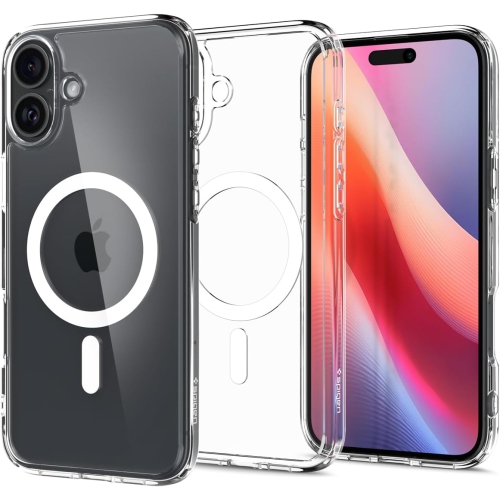
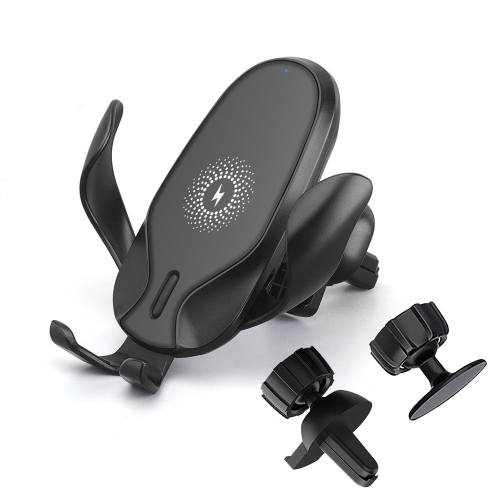
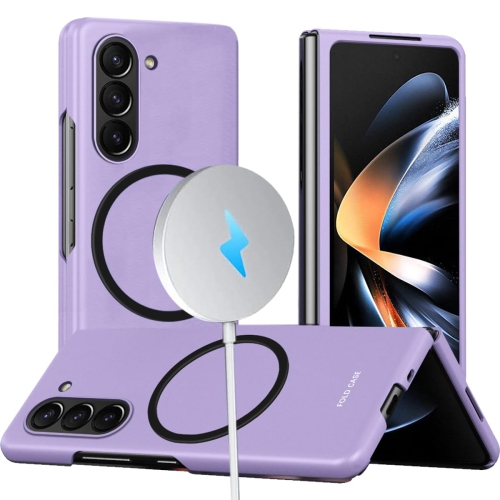
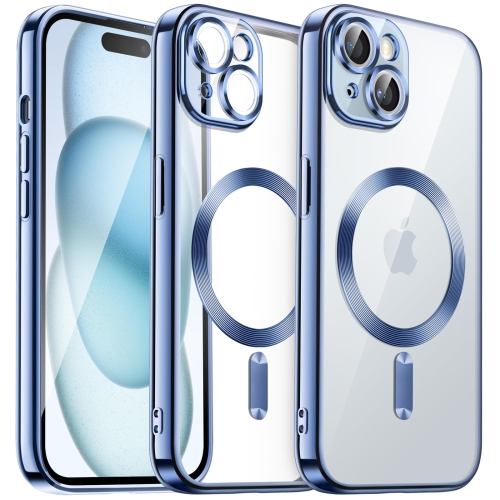
Charging features determine how naturally a battery case fits into an existing routine. The connector used to recharge the case may differ from the connector on the phone, so cable compatibility matters even when the case supplies power without an exposed cable during use. Some designs support pass-through charging, allowing a connected power source to recharge both the phone and the case, but the charging order and speed vary. Phone-first charging is a feature to confirm rather than assume, and fast charging requires compatible support across the case, phone, cable, and power adapter. Wireless features also need a close look. A case may accept power from a wireless pad, deliver power wirelessly to the phone, or support a different combination of functions. These capabilities are not interchangeable. For context on leaving a protective cover in place while using a charging pad, Wireless Charging With Phone Case covers a related but distinct charging setup. Magnetic attachment alone does not establish that a case contains a battery or supports wireless power delivery, and a detachable magnetic battery pack is different from a fitted battery case. Care is straightforward but important because the cover contains electronics as well as protective materials. A soft, dry cloth can remove fingerprints and surface dust, while occasional removal, where the design allows it, makes it easier to clear grit trapped against the phone. Charging ports and contacts should stay clean and dry, and the case should not be forced onto or off the handset. A split shell, damaged connector, swelling, or unusual odour is a reason to stop using it and follow the manufacturer’s safety directions. Rechargeable batteries gradually lose capacity with use, so long-term durability includes battery performance as well as the condition of the outer shell. A well-matched charging case brings together reliable fit, manageable weight, useful charging controls, and enough additional power for the way the phone is actually used, whether that means taking calls between appointments or keeping directions visible on the journey home.
Fit is especially important with a charging phone case because the shell, camera opening, buttons, and charging connection must all match the intended handset. Phones with similar names or screen sizes can have different dimensions, camera layouts, or port positions, making exact model compatibility more useful than a broad size description. A fitted connector should meet the phone’s port without pressure or misalignment, and the case should leave microphones, speakers, and essential controls accessible. Depending on its construction, a battery case may use a flexible upper section, a removable top, or another opening that allows the phone to slide into place. Rigid plastic shells can provide structure around the battery, while flexible edges can make the case easier to grip and cushion everyday bumps. Textured backs, smooth finishes, and colour choices influence how the case feels in daily use, but the added battery means even a streamlined option will feel different from a basic cover. Raised edges around the screen or camera may help keep those surfaces from touching a flat tabletop; they do not make a phone immune to damage. Any claim about drop protection or water resistance should apply to the charging case itself rather than being assumed from the phone’s rating. A secure fit also matters for accessories. Screen protectors need enough clearance around their edges, and car mounts or stands must accommodate the combined thickness and weight. A case that feels comfortable for messaging may be less convenient for long reading sessions, especially when held in one hand. Port access deserves equal attention: a case may provide charging through its external socket without supporting wired audio, data transfer, or every function normally handled by the phone’s own port. Someone who connects a phone to a vehicle, computer, or wired accessory benefits from checking those functions separately. For gifting, knowing the recipient’s exact phone model and daily habits is more helpful than choosing by appearance alone. A person who spends hours away from a desk may value extra battery capacity, while someone who carries a phone in a small pocket may prefer less bulk.
Charging features determine how naturally a battery case fits into an existing routine. The connector used to recharge the case may differ from the connector on the phone, so cable compatibility matters even when the case supplies power without an exposed cable during use. Some designs support pass-through charging, allowing a connected power source to recharge both the phone and the case, but the charging order and speed vary. Phone-first charging is a feature to confirm rather than assume, and fast charging requires compatible support across the case, phone, cable, and power adapter. Wireless features also need a close look. A case may accept power from a wireless pad, deliver power wirelessly to the phone, or support a different combination of functions. These capabilities are not interchangeable. For context on leaving a protective cover in place while using a charging pad, Wireless Charging With Phone Case covers a related but distinct charging setup. Magnetic attachment alone does not establish that a case contains a battery or supports wireless power delivery, and a detachable magnetic battery pack is different from a fitted battery case. Care is straightforward but important because the cover contains electronics as well as protective materials. A soft, dry cloth can remove fingerprints and surface dust, while occasional removal, where the design allows it, makes it easier to clear grit trapped against the phone. Charging ports and contacts should stay clean and dry, and the case should not be forced onto or off the handset. A split shell, damaged connector, swelling, or unusual odour is a reason to stop using it and follow the manufacturer’s safety directions. Rechargeable batteries gradually lose capacity with use, so long-term durability includes battery performance as well as the condition of the outer shell. A well-matched charging case brings together reliable fit, manageable weight, useful charging controls, and enough additional power for the way the phone is actually used, whether that means taking calls between appointments or keeping directions visible on the journey home.
Top selling and popular products
-
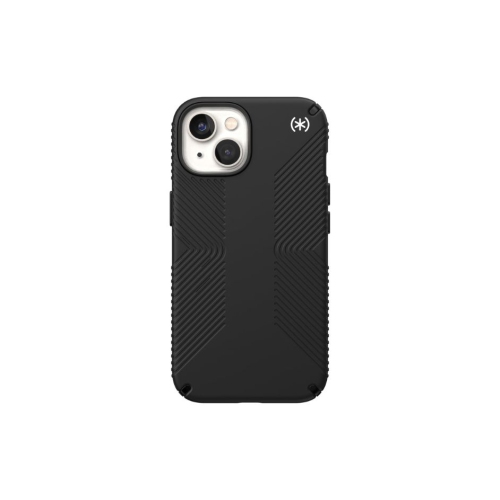 Your price for this item is $82.99
 -
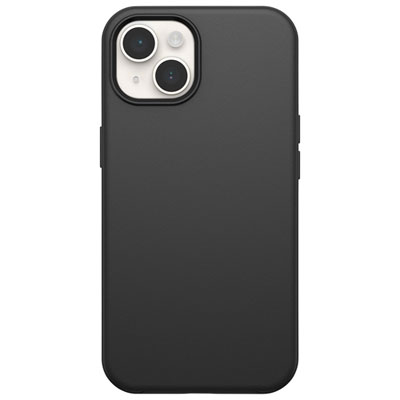 Your price for this item is $79.99
 -
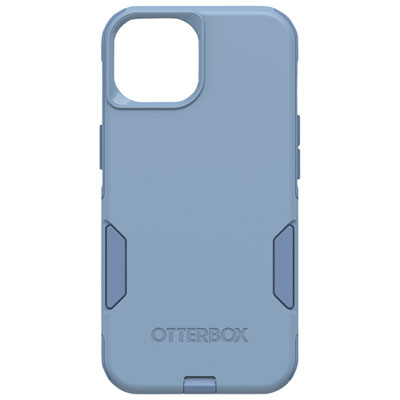 Your price for this item is $69.99
 -
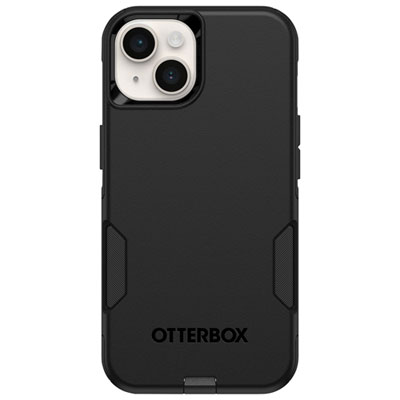 Your price for this item is $59.99
 -
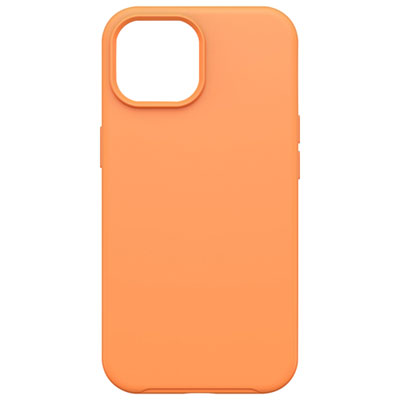 Your price for this item is $69.99
 -
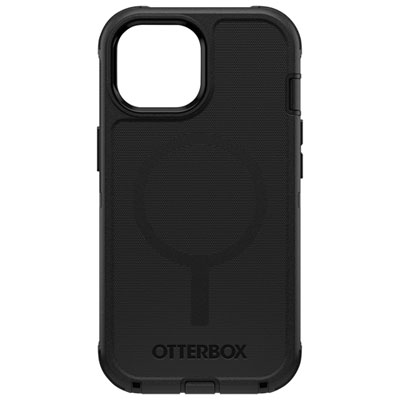 Your price for this item is $99.99
 -
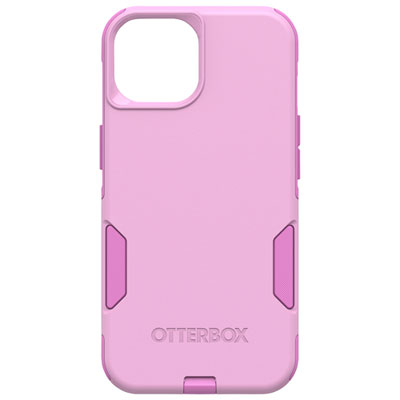 Your price for this item is $53.98
 -
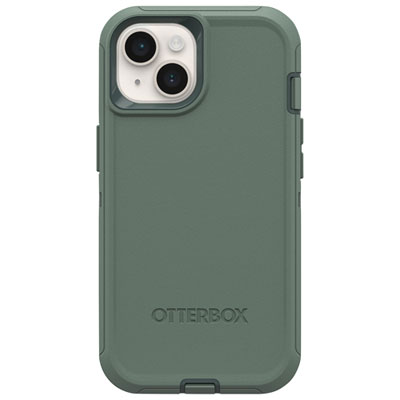 Your price for this item is $64.98
Discover more categories related to Phone Case That Charges Your Phones

Top Collections:
Pokemon Centers, Kindle Devices, Best Budget Office Chairs, Apple iPhones 16, Best Laptops for Writers, iPhone 15 Apple, Canon G7X Cameras, Refurbished Apple Laptops, Alarm Clock, Motorola Razr Phones
Some products may be subject to Environmental Handling Fees
(EHF) depending on your province.
Learn more about EHFs.