Podcast Lighting
Looking to elevate your podcasting setup with professional lighting solutions? Our range of podcast lighting options is designed to enhance the visual quality of your recordings, creating a polished and professional look for your videos. Whether you're a seasoned podcaster looking to upgrade your studio equipment or just starting out and want to make a strong first impression, our selection of lighting solutions offers versatility and performance to suit your needs. Illuminate your podcasting space with ease and take your content creation to the next level with our innovative lighting solutions.
Sort
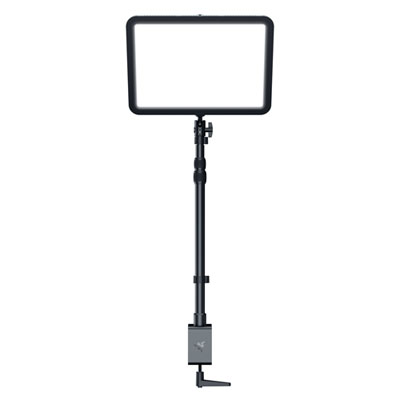
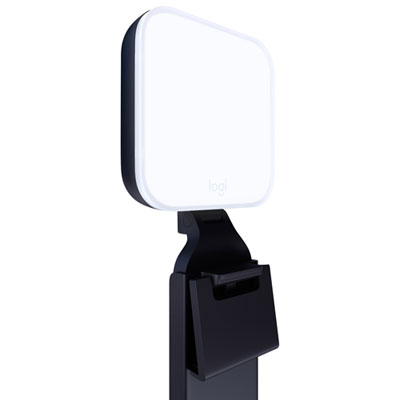
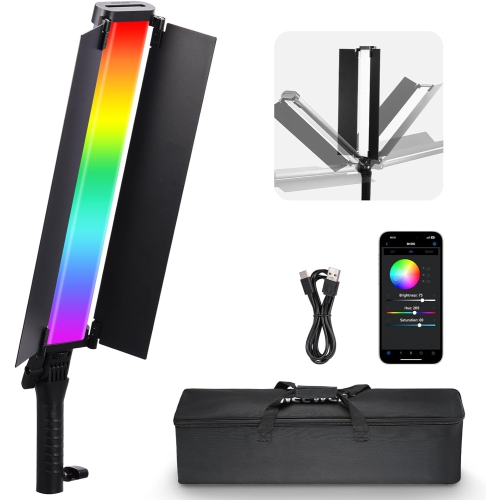
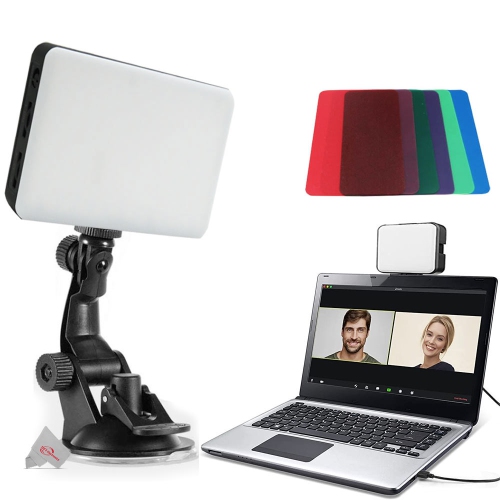

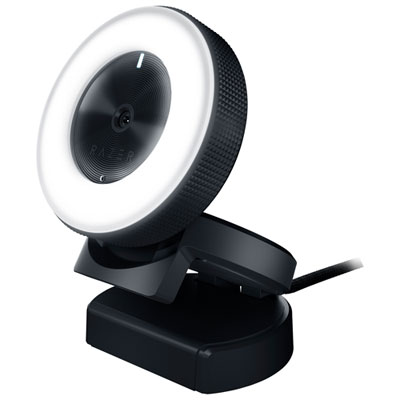
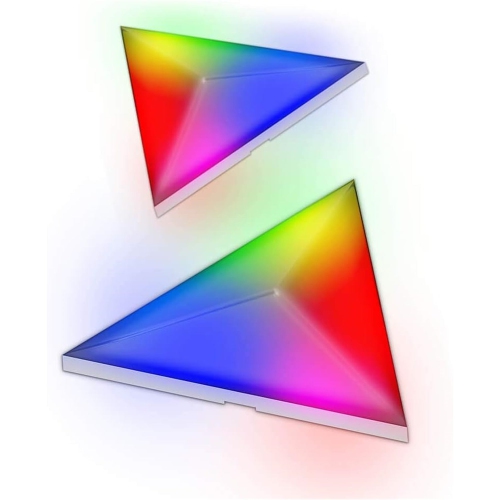
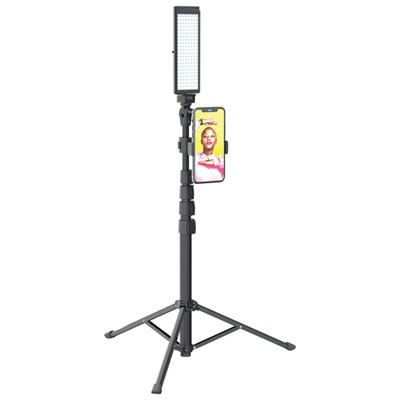
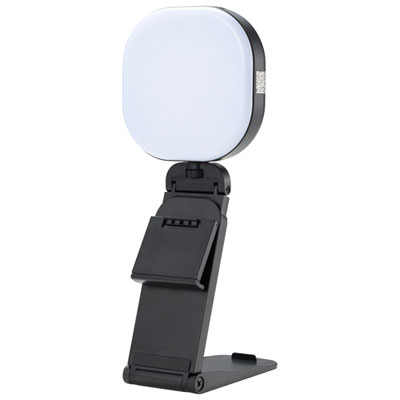
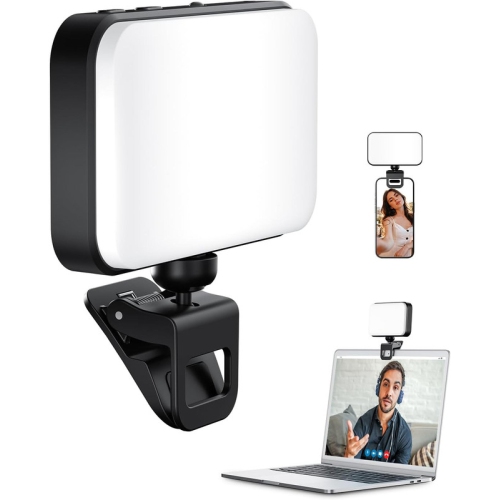
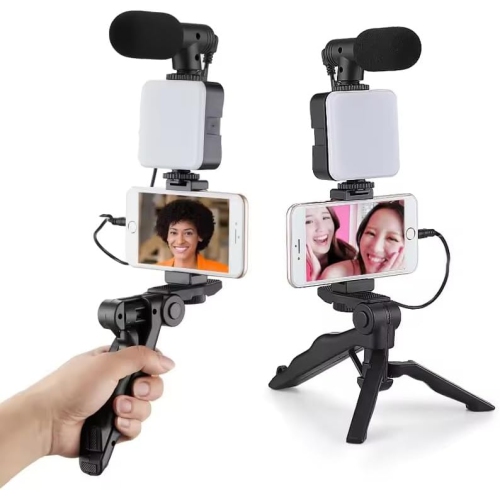
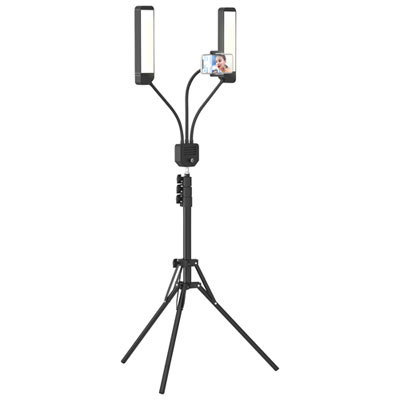
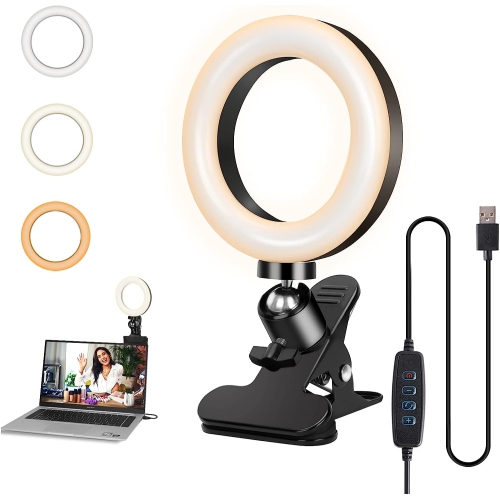

A clearer, more consistent look for every episode
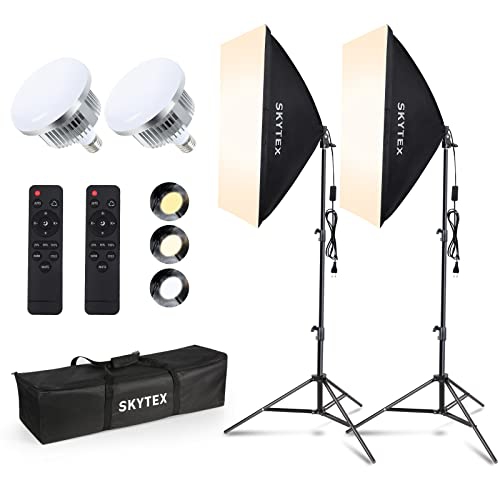
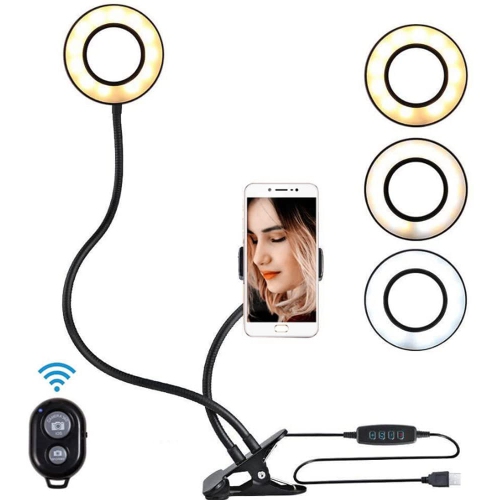
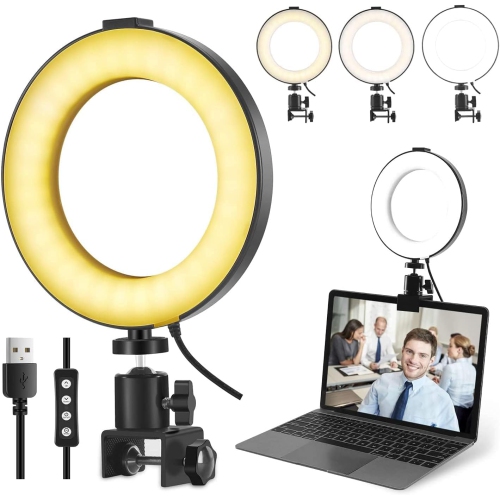
Podcast lighting helps create a polished, consistent look for video podcasts, interviews, livestreams, online courses, product demonstrations and social media clips. It can make a small room feel more intentional, bring clarity to each speaker’s expression and help cameras capture natural-looking skin tones without relying entirely on daylight from a nearby window. A useful starting point is a three-light arrangement built around a key light, fill light and background light. The key light is the main and brightest source, usually positioned about 45 degrees to one side of the host and slightly above eye level, then angled gently downward. This placement adds shape to the face while keeping the eyes bright and the image dimensional. A fill light sits on the opposite side at a lower intensity, softening the shadows created by the key light without flattening the entire scene. The background light is placed behind the host or directed towards the set, where it can separate people from the wall and add depth to the frame. For a smaller recording area, one adjustable light with a diffuser may be enough to improve an existing setup, while a larger room or show with multiple guests benefits from several lights that can be positioned independently. When selecting podcast lighting, consider the size of the space, the number of people on camera, the distance between the lights and the seating area, and whether the setup needs to be packed away after each recording. Compact lights are convenient for bedrooms, home offices and shared rooms, while lights with adjustable stands, tilting heads and flexible brightness settings make it easier to adapt when the furniture or camera position changes. A tidy setup also matters: stable bases, manageable cables and controls that are easy to reach can make the difference between a quick recording session and a frustrating one.
Soft, even illumination is generally more flattering and easier for cameras to handle than a bare, concentrated light source. Softboxes, built-in diffusers and other modifiers spread light across a larger surface, reducing hard shadows beneath the nose, chin and brows. You can also bounce light off a pale wall or ceiling when the room allows, creating a gentle effect that feels less direct, though the result may be less predictable than using a dedicated modifier. A key light should illuminate the face without creating a bright patch on the forehead or distracting reflections in glasses. If a guest wears spectacles, move the light slightly higher or farther to the side, and adjust the angle until the reflection no longer overlaps the eyes. Keep the light just outside the camera’s view while leaving enough distance to avoid an overly dramatic falloff across the face. For two hosts, place the main light so it covers both seats evenly, or use separate lights with similar settings to maintain consistent exposure. Colour temperature is another important consideration. Mixing a cool daylight source from a window with a warm lamp can leave faces looking uneven, with one side appearing blue and the other orange. Set all lights to a matching colour temperature whenever possible, commonly somewhere between 3200K and 4500K, and adjust the camera’s white balance to suit. A warmer setting can give a relaxed studio feel, while a cooler setting may suit a bright, modern set; consistency is more important than choosing one exact number. Dimmable lights are useful when the recording space changes throughout the day, especially during the cooler months when natural light may fade before a session ends. Adjustable colour modes can also help match existing room lighting, but using too many colours at once can distract from the speakers. Background illumination can be subtle: a soft wash on a wall, a gentle glow behind shelving or a small accent placed outside the main frame can add visual separation without competing with the conversation.
Podcast lighting is well suited to creators who record interviews, commentary, educational content, gaming discussions, business updates or community programming from home or a dedicated studio. It can also be a practical gift for someone starting a podcast, building a video channel or improving the quality of remote presentations. A beginner may appreciate a straightforward light with simple controls, while a more experienced creator may look for adjustable brightness, colour temperature control, remote operation or several mounting options for a more permanent set. Before choosing, check the available floor and desk space, the height of the ceiling, the type of camera being used and the recording format. A phone or compact camera may need less light than a larger camera with a longer lens, while a wide shot showing several guests requires broader coverage than a close-up of one host. Think about the complete workflow as well: lights should be quiet enough for sensitive microphones, easy to position around tripods and comfortable to use for long conversations. Storage bags or collapsible designs can help mobile creators move between rooms, offices and event spaces, while sturdy stands and locking adjustments are valuable for a fixed studio where the arrangement is used repeatedly. Many hosts mark the position of their chair, camera and light stands on the floor so the set can be recreated with minimal effort. It is also helpful to record a short test clip before a full episode, checking for shadows, glare, uneven brightness and distracting reflections in the background. Explore Tech for Podcasters for related equipment that can complement a recording space. With thoughtful placement and matching settings, podcast lighting can give every episode a clear, welcoming appearance, whether the conversation takes place in a quiet home office, a busy shared room or a purpose-built studio.
Soft, even illumination is generally more flattering and easier for cameras to handle than a bare, concentrated light source. Softboxes, built-in diffusers and other modifiers spread light across a larger surface, reducing hard shadows beneath the nose, chin and brows. You can also bounce light off a pale wall or ceiling when the room allows, creating a gentle effect that feels less direct, though the result may be less predictable than using a dedicated modifier. A key light should illuminate the face without creating a bright patch on the forehead or distracting reflections in glasses. If a guest wears spectacles, move the light slightly higher or farther to the side, and adjust the angle until the reflection no longer overlaps the eyes. Keep the light just outside the camera’s view while leaving enough distance to avoid an overly dramatic falloff across the face. For two hosts, place the main light so it covers both seats evenly, or use separate lights with similar settings to maintain consistent exposure. Colour temperature is another important consideration. Mixing a cool daylight source from a window with a warm lamp can leave faces looking uneven, with one side appearing blue and the other orange. Set all lights to a matching colour temperature whenever possible, commonly somewhere between 3200K and 4500K, and adjust the camera’s white balance to suit. A warmer setting can give a relaxed studio feel, while a cooler setting may suit a bright, modern set; consistency is more important than choosing one exact number. Dimmable lights are useful when the recording space changes throughout the day, especially during the cooler months when natural light may fade before a session ends. Adjustable colour modes can also help match existing room lighting, but using too many colours at once can distract from the speakers. Background illumination can be subtle: a soft wash on a wall, a gentle glow behind shelving or a small accent placed outside the main frame can add visual separation without competing with the conversation.
Podcast lighting is well suited to creators who record interviews, commentary, educational content, gaming discussions, business updates or community programming from home or a dedicated studio. It can also be a practical gift for someone starting a podcast, building a video channel or improving the quality of remote presentations. A beginner may appreciate a straightforward light with simple controls, while a more experienced creator may look for adjustable brightness, colour temperature control, remote operation or several mounting options for a more permanent set. Before choosing, check the available floor and desk space, the height of the ceiling, the type of camera being used and the recording format. A phone or compact camera may need less light than a larger camera with a longer lens, while a wide shot showing several guests requires broader coverage than a close-up of one host. Think about the complete workflow as well: lights should be quiet enough for sensitive microphones, easy to position around tripods and comfortable to use for long conversations. Storage bags or collapsible designs can help mobile creators move between rooms, offices and event spaces, while sturdy stands and locking adjustments are valuable for a fixed studio where the arrangement is used repeatedly. Many hosts mark the position of their chair, camera and light stands on the floor so the set can be recreated with minimal effort. It is also helpful to record a short test clip before a full episode, checking for shadows, glare, uneven brightness and distracting reflections in the background. Explore Tech for Podcasters for related equipment that can complement a recording space. With thoughtful placement and matching settings, podcast lighting can give every episode a clear, welcoming appearance, whether the conversation takes place in a quiet home office, a busy shared room or a purpose-built studio.
Top selling and popular products
-
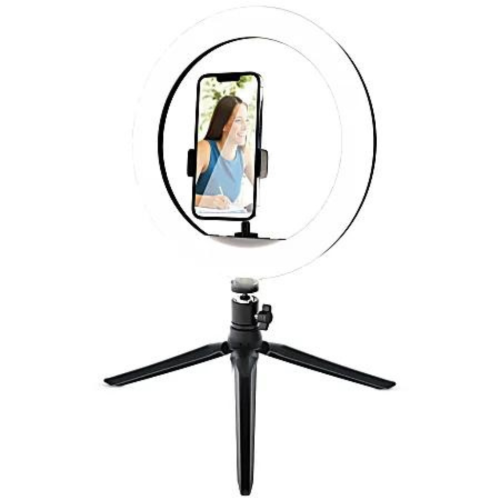 Your price for this item is $24.95
 -
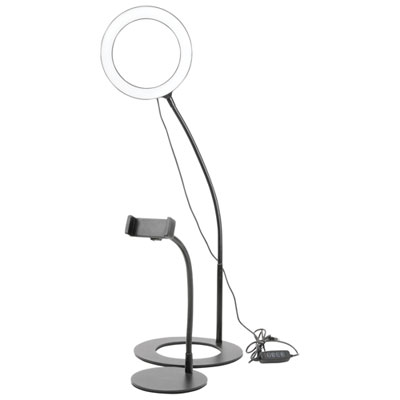 Your price for this item is $29.99
 -
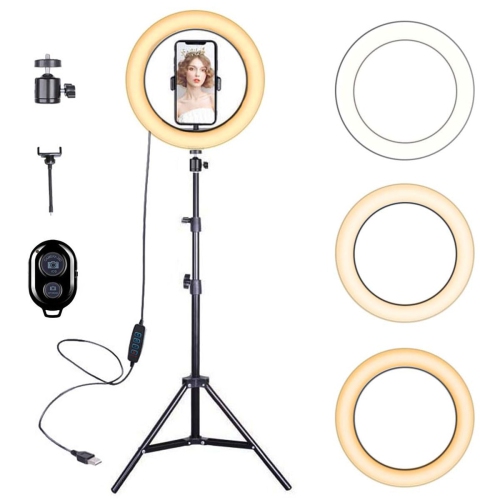 Your price for this item is $24.99
 -
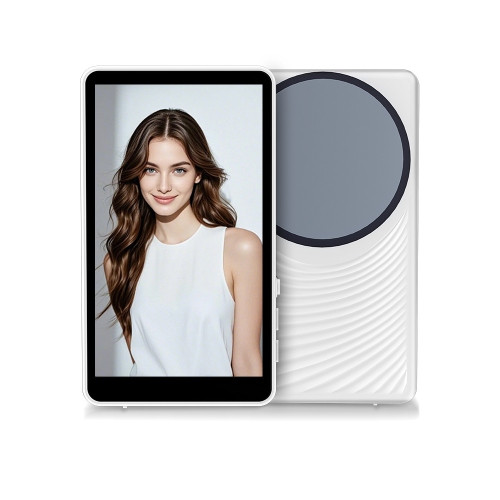 Your price for this item is $65.99
 -
![VIVIDER (Tm) Selfie Ring Light With Cell Phone Holder Stand for Live Stream/makeup, Led Camera Lighting [3-Light Mode] [10-Level Brightness]](https://multimedia.bbycastatic.ca/multimedia/products/500x500/150/15002/15002237.jpg) Your price for this item is $59.99
Your price for this item is $59.99 -
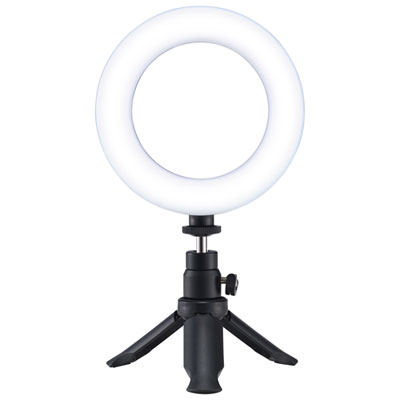 Your price for this item is $19.99
 -
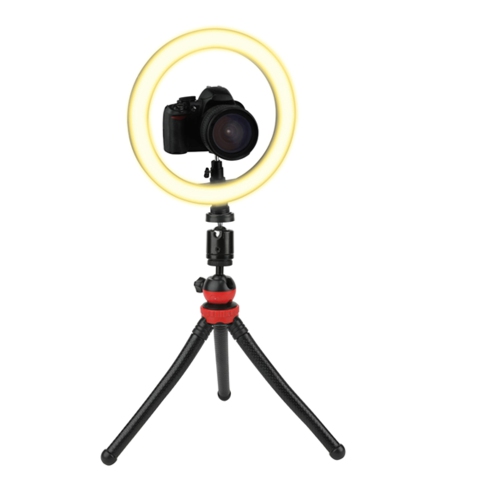 Your price for this item is $85.99
 -
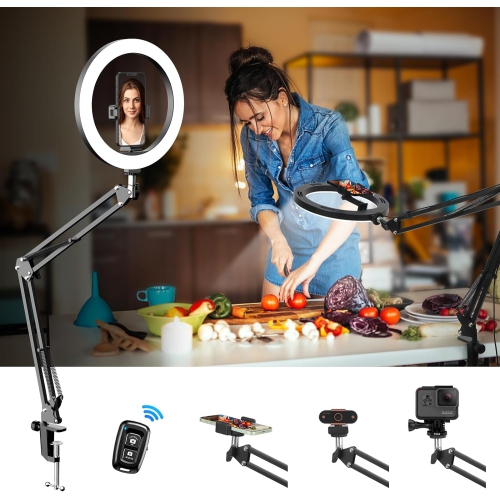 Your price for this item is $79.99
Discover more categories related to Podcast Lighting
Top Collections:
Pokemon Centers, Kindle Devices, Best Budget Office Chairs, Apple iPhones 16, Best Laptops for Writers, iPhone 15 Apple, Canon G7X Cameras, Refurbished Apple Laptops, Alarm Clock, Motorola Razr Phones
Some products may be subject to Environmental Handling Fees
(EHF) depending on your province.
Learn more about EHFs.