Podcasting Equipment
Looking to start your own podcast? Look no further than Best Buy's wide selection of podcasting equipment. Whether you're a seasoned podcaster or just starting out, we have everything you need to create high-quality audio content. From microphones and headphones to mixers and audio interfaces, our range of podcasting equipment is designed to meet the needs of almost every aspiring podcaster. With top-notch sound quality and reliable performance, our products will help you capture crystal-clear audio and engage your listeners like never before. Get ready to take your podcasting game to the next level with Best Buy's podcasting equipment.
Sort

From first microphone to a polished podcast setup
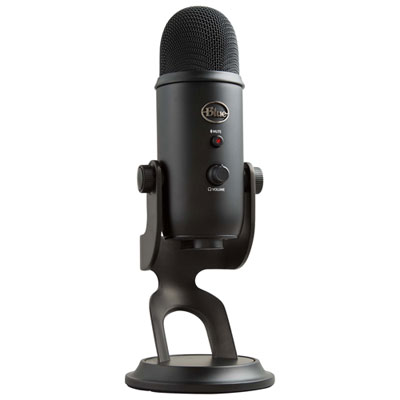
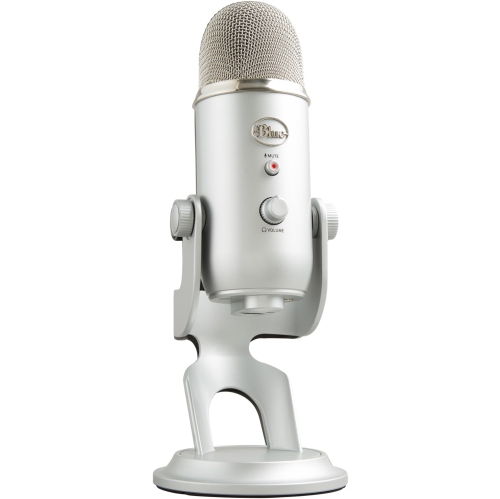
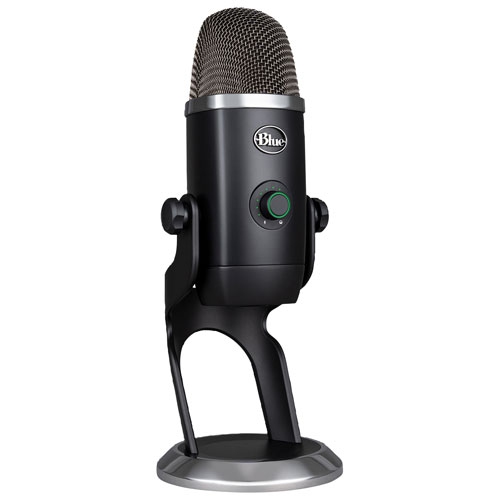
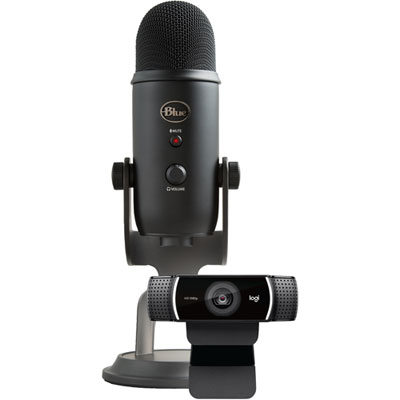
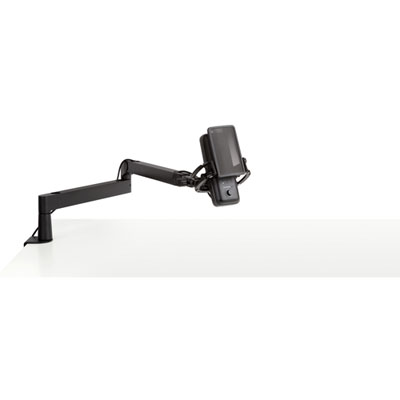
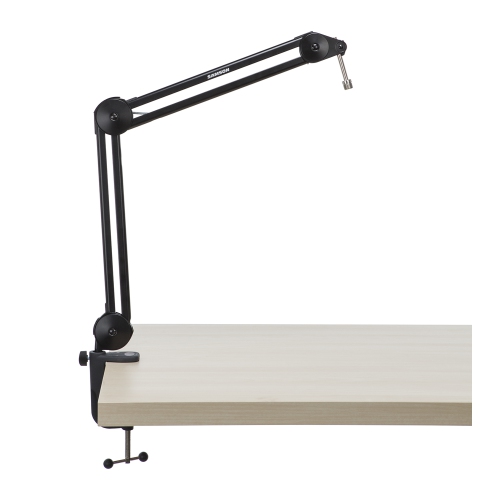
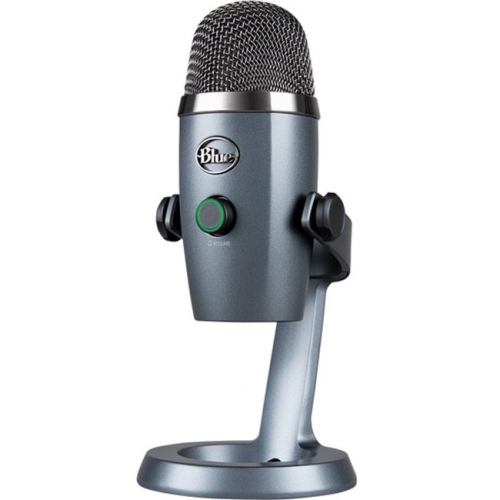
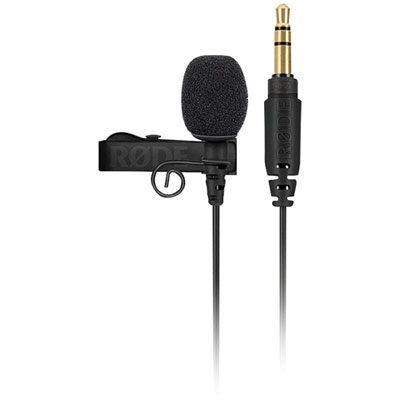
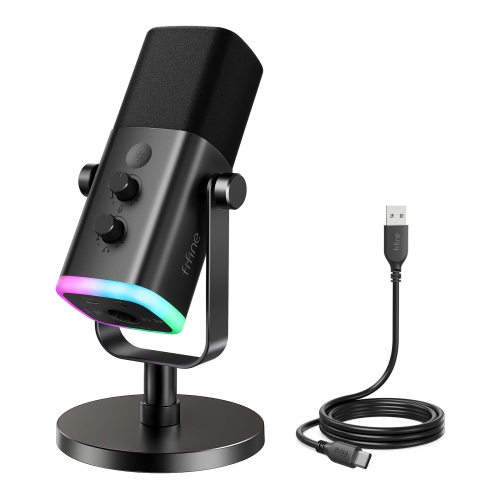
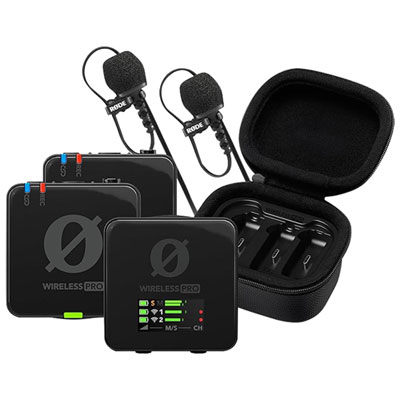
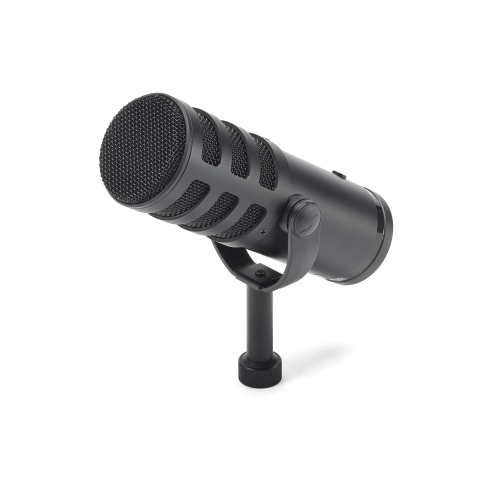
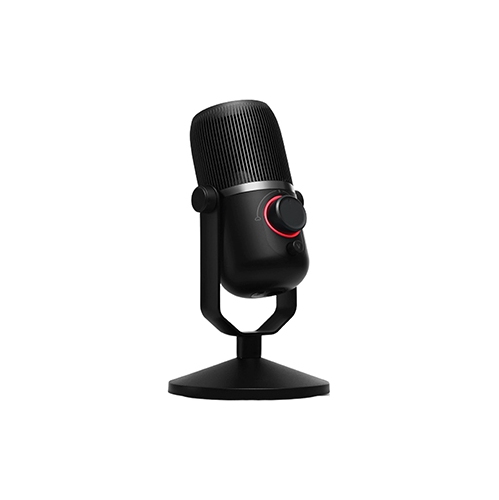
Podcasting equipment brings together the tools needed to capture, monitor, record, edit, and share spoken audio. A dependable microphone is the centre of most setups, whether you are recording a solo show at a desk, hosting a conversation with a co-host, or inviting guests into a small home studio. USB microphones are a straightforward choice for beginners because they connect directly to a computer and typically require little additional hardware. They can suit a first podcast, a video creator adding voice commentary, or anyone who wants a simple setup for interviews, narration, livestreams, and online meetings. XLR microphones offer a more flexible path for people who want to build a traditional recording setup over time. They connect to an audio interface or mixer, which can provide additional control over gain, monitoring, and multiple microphones. When comparing a Podcast Mic, consider the recording environment as much as the microphone itself. A sensitive microphone can capture a rich, detailed voice, but it may also pick up traffic, a humming refrigerator, keyboard clicks, or reflections from bare walls. A microphone with a suitable pickup pattern can help focus on the person speaking, while a pop filter or windscreen can soften sharp bursts of air from sounds such as “p” and “b.” A desktop stand keeps the microphone within a consistent position, and a boom arm can free up desk space while making it easier to adjust the microphone for different speakers. These small details often make a noticeable difference: the difference between a voice that sounds close and composed, and one that seems to drift away every time the host leans back.
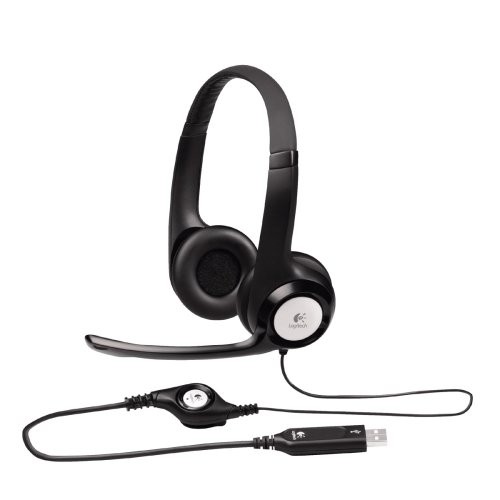
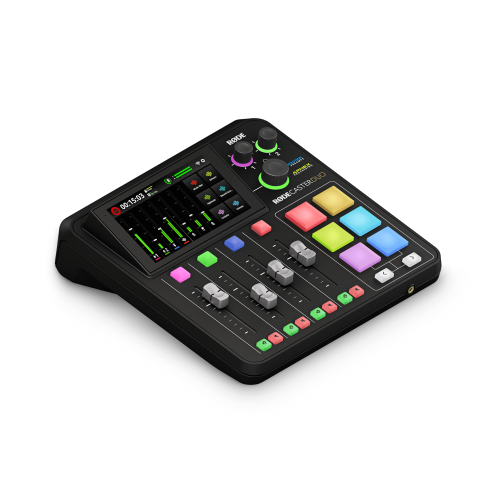
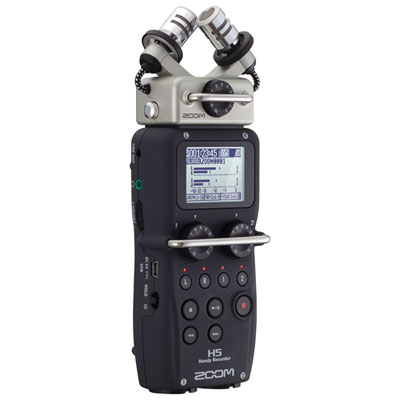
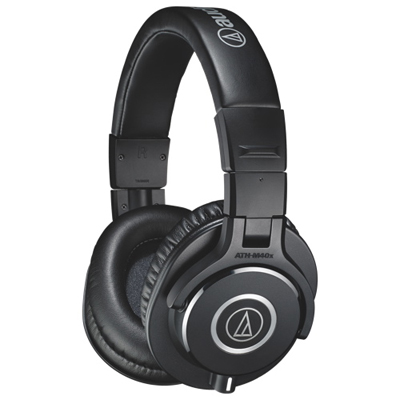
Headphones are another essential part of a podcasting setup because they let speakers hear their own voices, guests, background noise, and unwanted distortion as it happens. Wired over-ear headphones are often preferred for recording because they provide dependable, low-latency monitoring and help prevent the microphone from picking up playback through speakers. Closed-back designs can be useful when recording in a shared room, while comfortable ear cups and an adjustable headband become especially important during long interviews or editing sessions. An audio interface is the connection point between an XLR microphone and a computer, converting the microphone’s signal into audio that recording software can use. Basic interfaces are well suited to a solo host or a single guest, while models with multiple inputs can accommodate co-hosts, panel discussions, or in-person interviews without relying on repeated unplugging and reconnecting. Podcast mixers may add convenient controls for adjusting microphone levels, muting channels, managing headphone mixes, and combining several sound sources. Some recording devices are designed for portable use, making them practical for interviews at a library, community event, classroom, office, or quiet outdoor location. Before choosing, think about how many people will speak at once, whether everyone needs separate headphones, and whether the setup will stay on a desk or travel regularly. Someone recording a weekly solo show may value a compact USB arrangement, while a family member or friend launching a conversation-based series may appreciate an interface or mixer that leaves room for another microphone later. Podcasting equipment can also be a thoughtful gift for a student, musician, educator, storyteller, small-business owner, or aspiring video creator who enjoys sharing ideas and has been recording episodes with whatever equipment is already at hand.
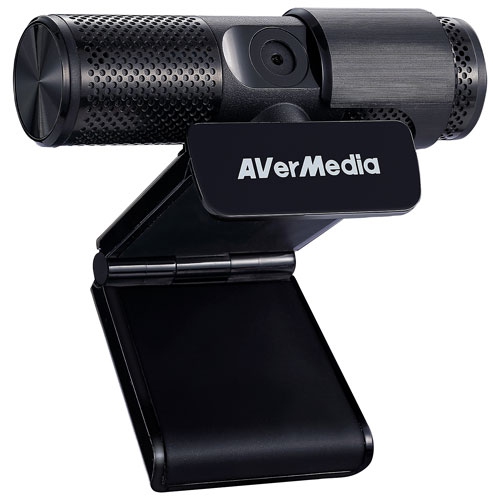
A complete setup also includes the computer or recording device and software used to capture and refine each episode. Free or paid digital audio workstation software can support basic tasks such as cutting pauses, removing mistakes, arranging music, adjusting volume, and exporting a finished file. Remote recording platforms may be helpful when guests are in different cities, particularly when each speaker’s audio is captured separately for cleaner editing. A pop filter, spare cables, microphone clips, headphone splitters, carrying cases, and cable-management accessories can make a recording space easier to use and less frustrating to maintain. Room placement matters, too. Positioning a desk away from windows and noisy appliances, adding soft furnishings, and keeping the microphone at a comfortable speaking distance can help reduce echo without turning a living room into a permanent studio. During the warmer months and into the cooler months, a portable setup can make it easier to record in a quieter room, take an interview to a community space, or keep creating when schedules and surroundings change. Start by matching the equipment to the show’s format rather than choosing the most elaborate arrangement available. Audio-only podcasts generally put the greatest emphasis on microphone quality, monitoring, and a quiet recording space, while video podcasts may also need a camera, lighting, and a tidy background. Solo hosts can often begin with one microphone and headphones; two-person shows usually benefit from separate microphones and monitoring; and multi-guest productions may require a mixer or interface with enough inputs for every speaker. With the right combination of podcasting equipment, a spare room can become a focused recording corner, a kitchen table can host a thoughtful interview, and a simple idea can grow into a polished series that listeners enjoy returning to.
Headphones are another essential part of a podcasting setup because they let speakers hear their own voices, guests, background noise, and unwanted distortion as it happens. Wired over-ear headphones are often preferred for recording because they provide dependable, low-latency monitoring and help prevent the microphone from picking up playback through speakers. Closed-back designs can be useful when recording in a shared room, while comfortable ear cups and an adjustable headband become especially important during long interviews or editing sessions. An audio interface is the connection point between an XLR microphone and a computer, converting the microphone’s signal into audio that recording software can use. Basic interfaces are well suited to a solo host or a single guest, while models with multiple inputs can accommodate co-hosts, panel discussions, or in-person interviews without relying on repeated unplugging and reconnecting. Podcast mixers may add convenient controls for adjusting microphone levels, muting channels, managing headphone mixes, and combining several sound sources. Some recording devices are designed for portable use, making them practical for interviews at a library, community event, classroom, office, or quiet outdoor location. Before choosing, think about how many people will speak at once, whether everyone needs separate headphones, and whether the setup will stay on a desk or travel regularly. Someone recording a weekly solo show may value a compact USB arrangement, while a family member or friend launching a conversation-based series may appreciate an interface or mixer that leaves room for another microphone later. Podcasting equipment can also be a thoughtful gift for a student, musician, educator, storyteller, small-business owner, or aspiring video creator who enjoys sharing ideas and has been recording episodes with whatever equipment is already at hand.
A complete setup also includes the computer or recording device and software used to capture and refine each episode. Free or paid digital audio workstation software can support basic tasks such as cutting pauses, removing mistakes, arranging music, adjusting volume, and exporting a finished file. Remote recording platforms may be helpful when guests are in different cities, particularly when each speaker’s audio is captured separately for cleaner editing. A pop filter, spare cables, microphone clips, headphone splitters, carrying cases, and cable-management accessories can make a recording space easier to use and less frustrating to maintain. Room placement matters, too. Positioning a desk away from windows and noisy appliances, adding soft furnishings, and keeping the microphone at a comfortable speaking distance can help reduce echo without turning a living room into a permanent studio. During the warmer months and into the cooler months, a portable setup can make it easier to record in a quieter room, take an interview to a community space, or keep creating when schedules and surroundings change. Start by matching the equipment to the show’s format rather than choosing the most elaborate arrangement available. Audio-only podcasts generally put the greatest emphasis on microphone quality, monitoring, and a quiet recording space, while video podcasts may also need a camera, lighting, and a tidy background. Solo hosts can often begin with one microphone and headphones; two-person shows usually benefit from separate microphones and monitoring; and multi-guest productions may require a mixer or interface with enough inputs for every speaker. With the right combination of podcasting equipment, a spare room can become a focused recording corner, a kitchen table can host a thoughtful interview, and a simple idea can grow into a polished series that listeners enjoy returning to.
Top selling and popular products
-
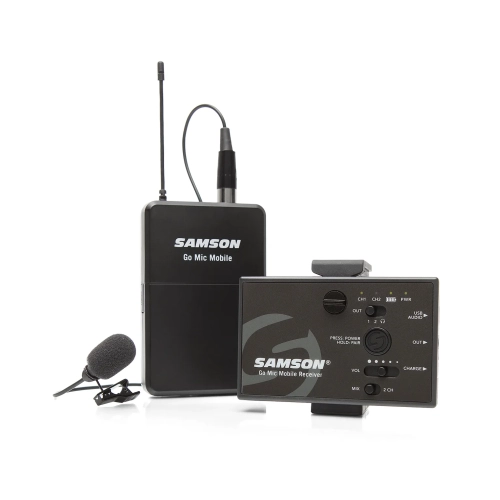 Your price for this item is $210.68
 -
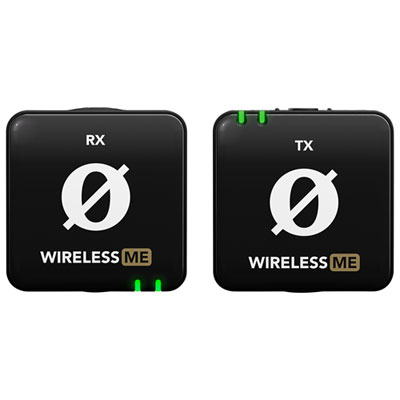 Your price for this item is $209.99
 -
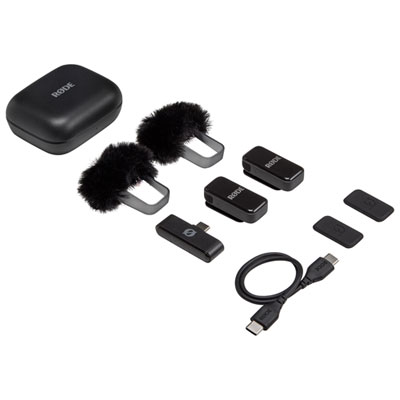 Your price for this item is $139.99
 -
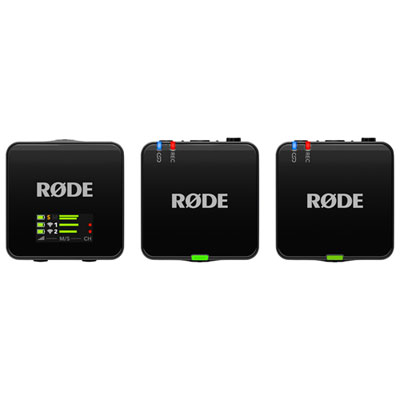 Your price for this item is $279.99
 -
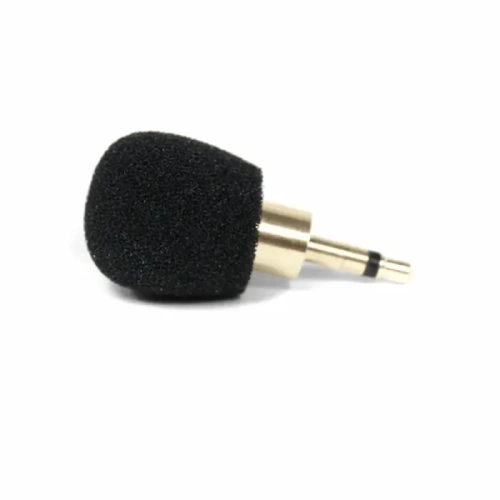 Your price for this item is $118.9
 -
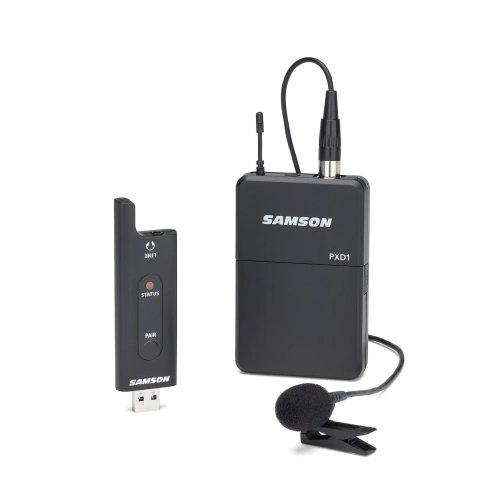 Your price for this item is $189.99
 -
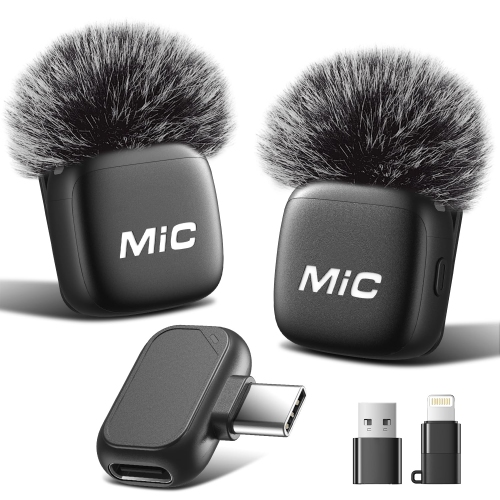 Your price for this item is $138.99
 -
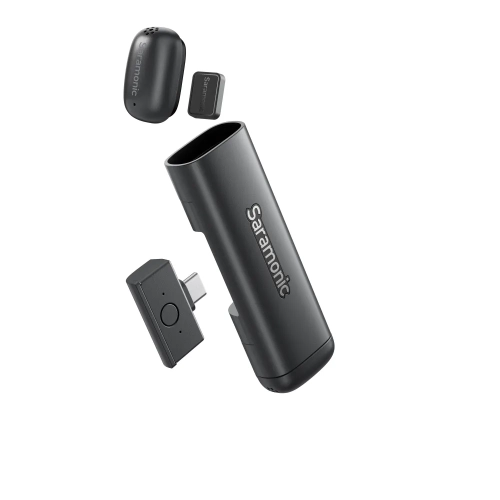 Your price for this item is $69.99
Discover more categories related to Podcasting Equipment
Top Collections:
Pokemon Centers, Kindle Devices, Best Budget Office Chairs, Canon G7X Cameras, Apple iPhones 16, Samsung Galaxy Phones, Refurbished Apple Laptops, Laptops for Students, iPhone 15 Apple, Budget Smartphones
Some products may be subject to Environmental Handling Fees
(EHF) depending on your province.
Learn more about EHFs.