Tv Antenna Pole
Looking to enhance your TV viewing experience without the need for expensive cable or satellite subscriptions? Look no further than our collection of TV antenna poles. These versatile accessories are designed to provide a stable and secure mounting solution for your TV antenna, ensuring optimal signal reception for crystal-clear picture quality. Whether you're looking to upgrade your existing setup or starting from scratch, our range of TV antenna poles offers a variety of options to suit your needs. Say goodbye to pixelated images and enjoy a seamless entertainment experience with our reliable and durable TV antenna poles.
Sort


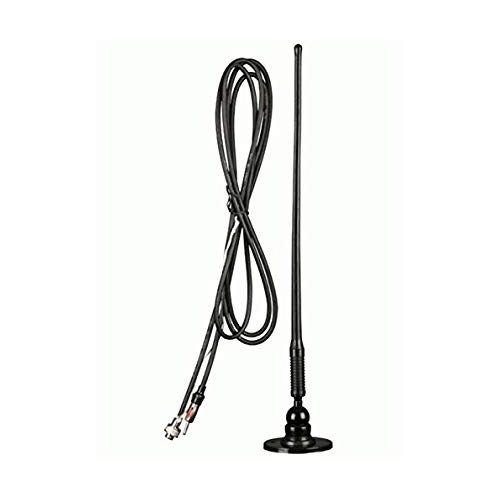
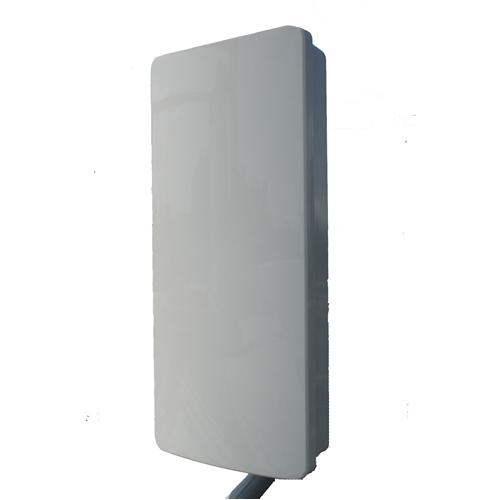
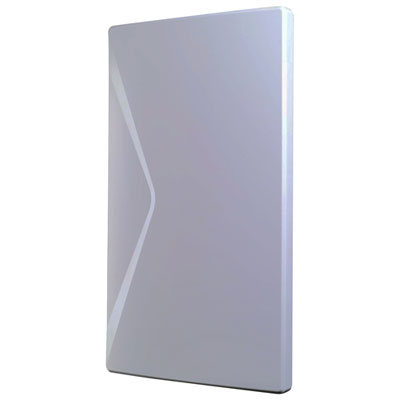
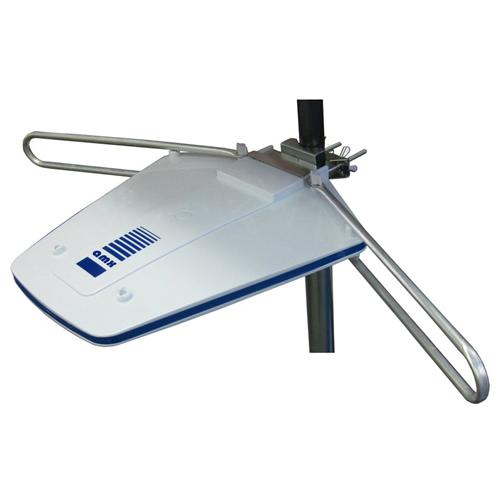



Why taller poles do not always mean better reception
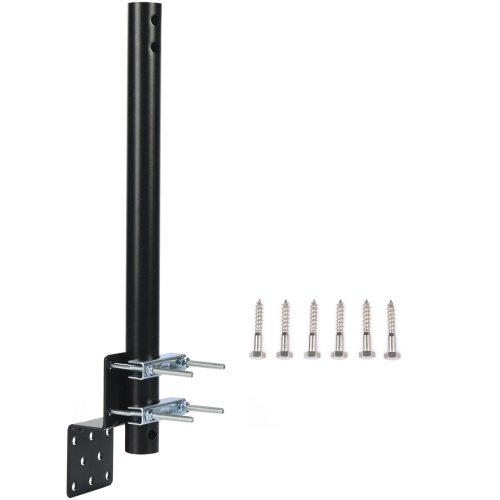
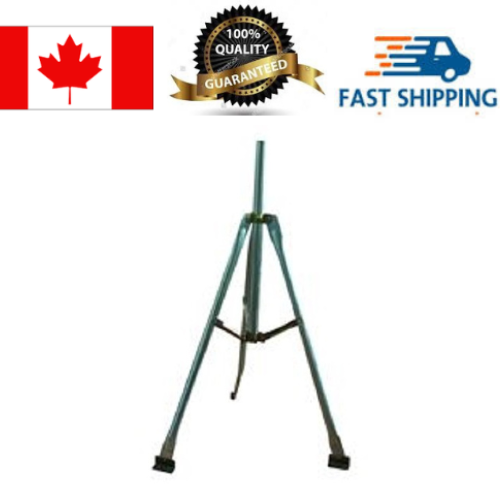
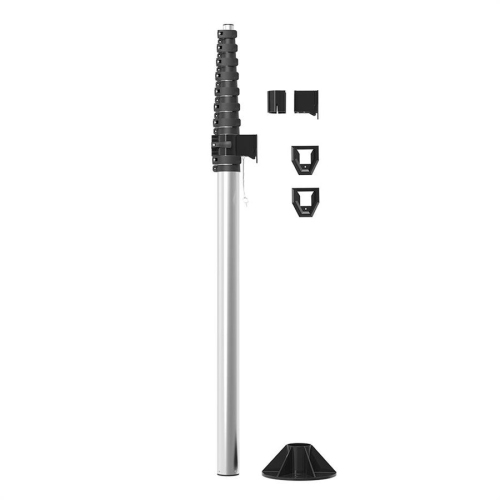
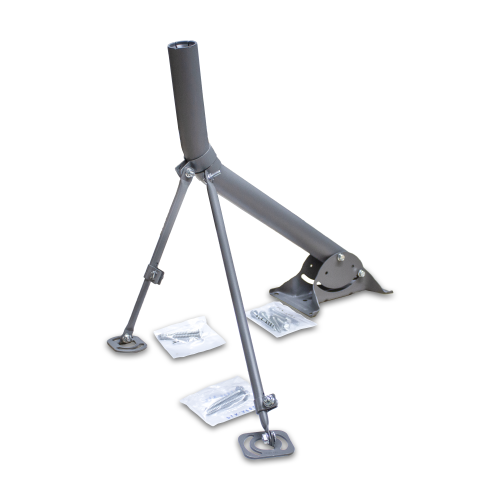
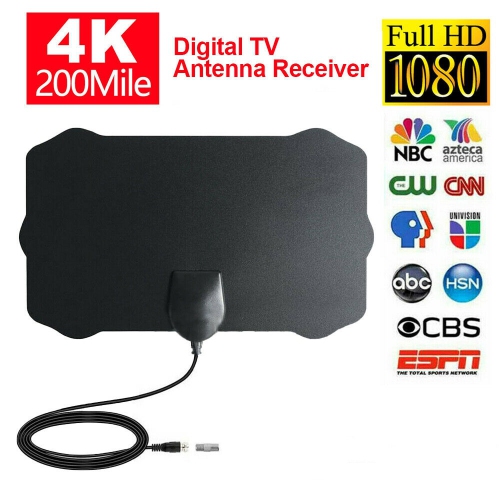
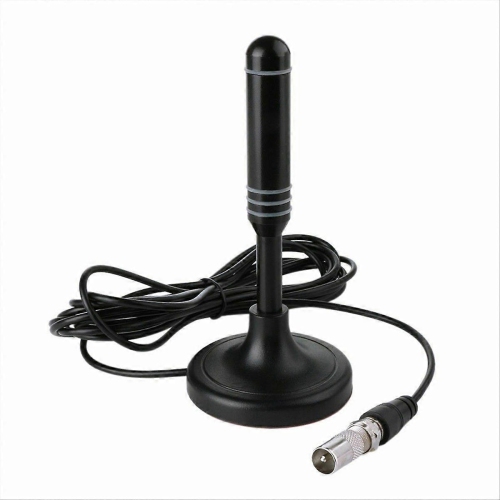
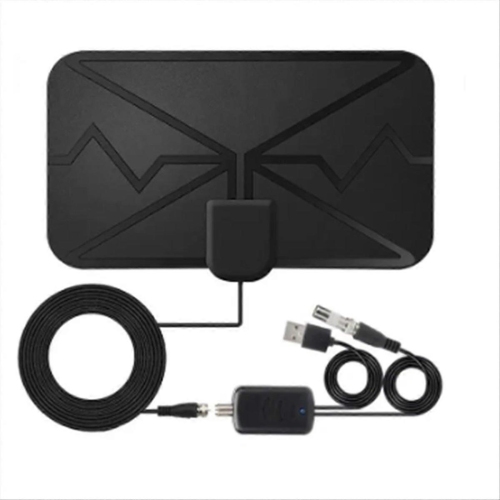
A TV antenna pole, also called an antenna mast, is the support that holds an outdoor television antenna in position above or away from nearby obstructions. Its job is mechanical rather than electronic: the pole does not amplify a broadcast signal, but it can help place an antenna where reception is clearer and more consistent. Raising an antenna beyond a roofline or moving it away from a wall may improve its path towards local broadcast towers, although results depend on terrain, buildings, trees, antenna design, and the channels transmitted in the area. TV antenna poles come in several common forms, including compact J-pole mounts, straight tubular masts, and adjustable telescoping masts. A J-pole has a bent profile that creates clearance between the antenna and its mounting surface, making it useful where only a modest amount of elevation or offset is needed. A straight mast provides a vertical mounting surface and can be supported by suitable wall brackets or a purpose-built base. A telescoping mast uses nested sections to provide adjustable height within its specified limits. These designs suit different situations rather than representing a simple progression from basic to better. A homeowner with a clear reception path above a garage may need a short, rigid support, while a property with a blocked sightline may call for a taller, more carefully supported installation. For households using over-the-air television, a well-matched pole helps keep the antenna aimed in the chosen direction without unnecessary movement. It can be a useful part of a setup for local news, sports, and other broadcast programming, subject to regional coverage and compatible receiving equipment. The most suitable height is the height that provides a workable antenna position within the limits of the mounting system; the tallest pole is not automatically the best choice.
Materials, dimensions, and mounting compatibility make a substantial difference to how a TV antenna mast fits into an installation. Galvanized steel is commonly used for its rigidity and protective zinc coating, while aluminum offers lower weight and resistance to corrosion. Neither material alone determines strength: tube diameter, wall thickness, section length, joint design, and the amount of unsupported pole all matter. A long, narrow tube can behave very differently from a shorter mast with a thicker wall, even when both use the same metal. Compatibility starts with the antenna’s mounting clamp and the mast’s outside diameter. The clamp must fit securely within its stated size range rather than being forced around an oversized pole or tightened beyond its intended travel on an undersized one. Brackets, U-bolts, bases, and other hardware also need matching dimensions and load ratings. Antenna weight is only part of the calculation, since a broad antenna mounted far above its highest bracket places more leverage on the support than a compact antenna mounted close to it. Some mast sections are designed to join together, but an end that appears to fit inside another tube does not establish that the combination is safe or approved. Extension limits, overlap requirements, locking mechanisms, bracket spacing, and any need for guy wires should follow the mast manufacturer’s specifications. A telescoping design is especially dependent on secure section locks and the required overlap at its working height. Mounting location deserves equal attention. A wall bracket needs attachment to an appropriate structural surface, not simply decorative siding, and its stand-off distance must allow the mast and antenna to clear eaves or other projections. A roof installation requires compatible mounting hardware and properly sealed penetrations, while a ground-supported installation needs a suitable foundation and bracing arrangement. A renter or condominium resident may also need permission before attaching equipment to the building. These details help distinguish a support that merely fits the antenna from one that suits the property and the intended installation.
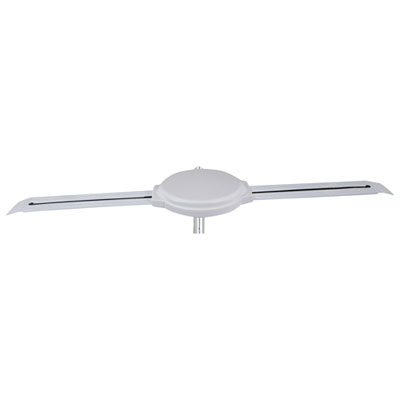
A complete antenna setup also needs room for the cable route, safe access, and ongoing care. The coaxial cable should reach the antenna without pulling against its connector, and it should be supported along the mast so its weight does not hang from the connection. Gentle bends, appropriate cable fasteners, and a protected entry point help keep the installation orderly without crushing the cable or leaving it to rub against sharp edges. Where practical, checking reception at a proposed location before making permanent attachments can help avoid unnecessary holes and repositioning. Signal strength and signal quality are not identical, so stable picture reception across the desired channels matters more than a single high reading. The pole itself is not specific to a television broadcast frequency, but that does not make every antenna suitable for every mast. Anyone considering a shared support for television equipment and Radio Antennas needs to account for each antenna’s mounting requirements, spacing, cable routing, and the total load on the structure. Adding another antenna changes the demands on the pole and its brackets, even if an unused section of mast appears to offer enough space. Safety is particularly important with long metal supports: the mast and antenna must remain well clear of overhead electrical lines during assembly, lifting, use, and removal. Taller installations and work at height are best assessed by a qualified installer with suitable access equipment. Metal masts and antenna cable systems also require appropriate grounding and bonding under applicable electrical requirements; this does not make an installation lightning-proof. Once installed, periodic checks can identify loose clamps, damaged coatings, corrosion around fasteners, shifting brackets, or cable wear before they become larger problems. Care generally centres on maintaining sound connections and intact protective finishes rather than frequent cleaning. A pole with clear specifications, compatible hardware, and an accessible mounting arrangement makes these checks more manageable and provides a dependable foundation for an outdoor TV antenna.
Top selling and popular products
-
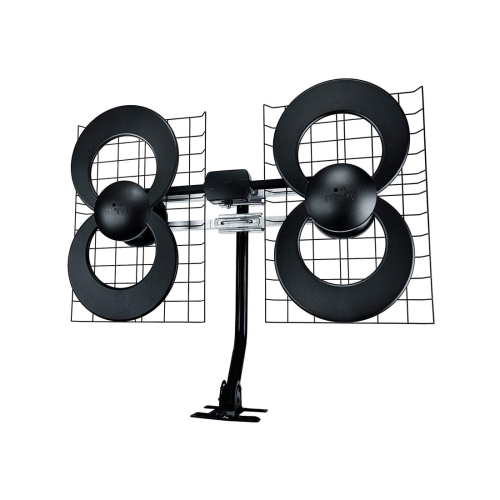 Your price for this item is $316.54
-
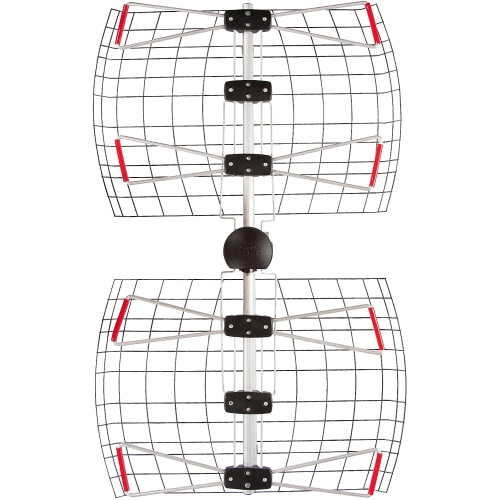 Your price for this item is $99.99
-
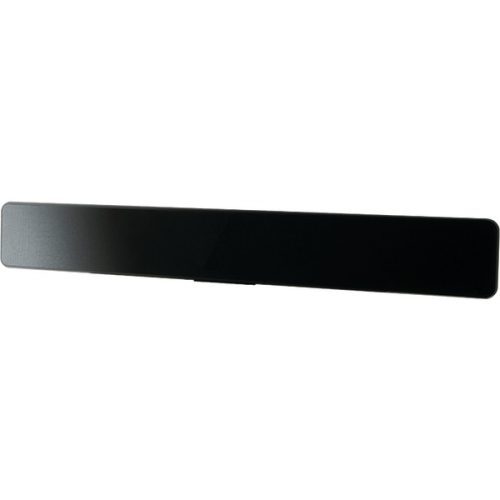 Your price for this item is $29
-
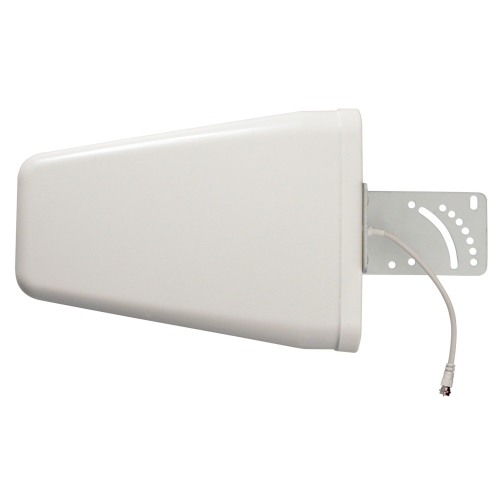 Your price for this item is $139.99
-
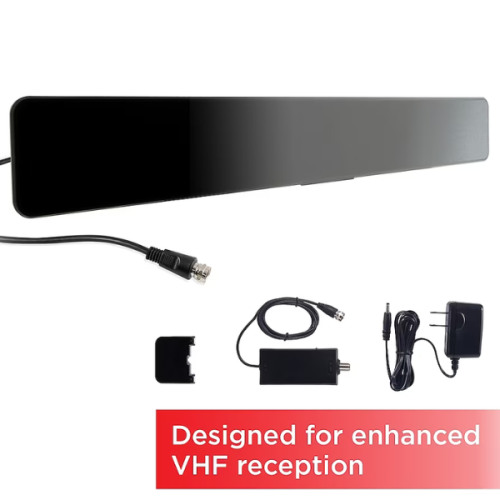 Your price for this item is $34.99
-
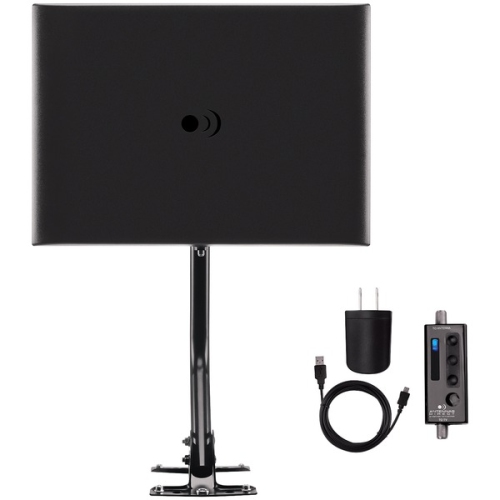 Your price for this item is $59
-
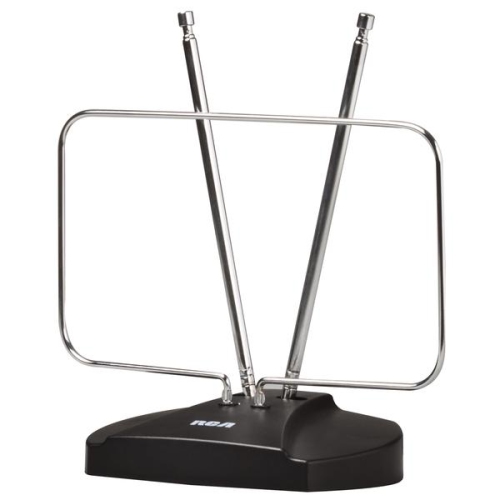 Your price for this item is $38.68
-
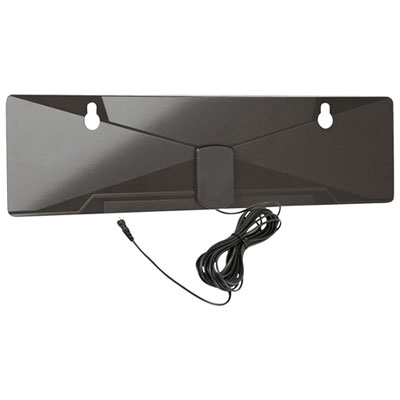 Your price for this item is $26.99
Discover more categories related to Tv Antenna Pole
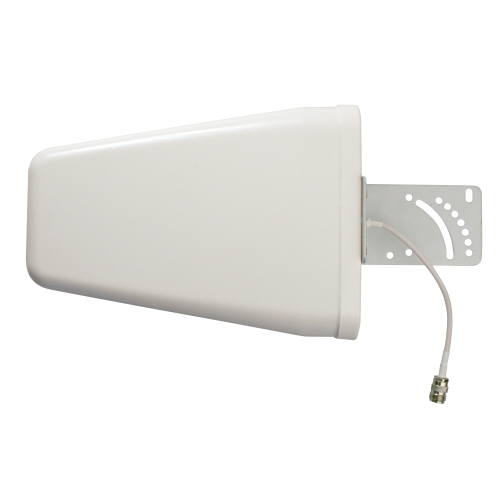
Top Collections:
Pokemon Centers, Best Cameras for Sports Photography, Kindle Devices, Samsung Galaxy Phones, Canon G7X Cameras, Pokémon 30th Celebration Cards, Refurbished Apple Laptops, iPhone 15 Apple, Laptops for Students, Budget Smartphones
Some products may be subject to Environmental Handling Fees
(EHF) depending on your province.
Learn more about EHFs.