Power Banks for Home
Keep your devices charged and ready to go with our selection of power banks for your home. Whether you're working from home, streaming your favourite shows, or simply staying connected, a reliable power bank is a must-have accessory. With various capacities and features to choose from, you can find the perfect power bank to suit your needs. Say goodbye to low battery anxiety and ensure that your smartphones, tablets, and other gadgets stay powered up throughout the day. Explore our collection of power banks to find the right one for you.
Sort

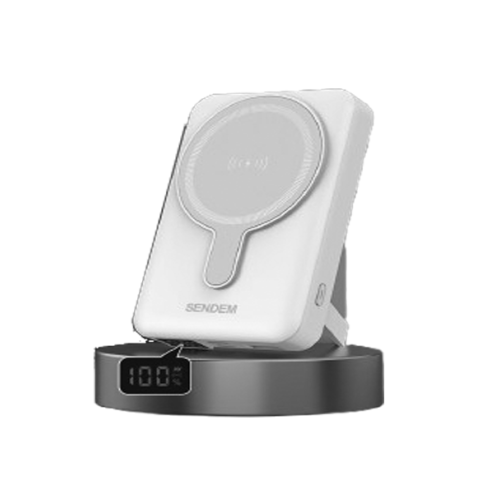
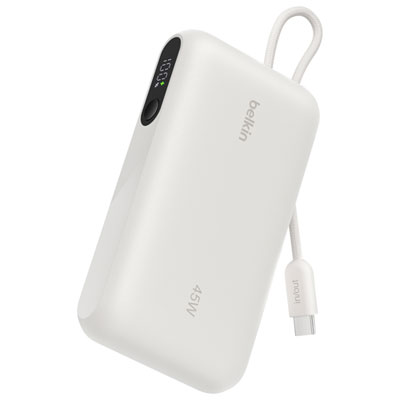
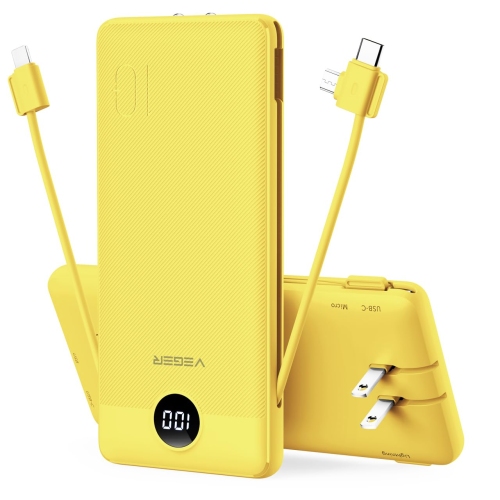
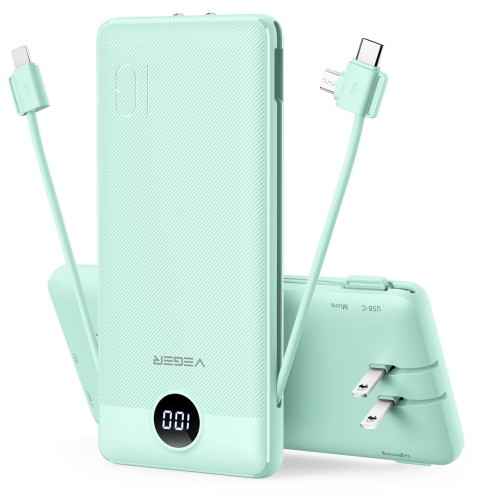
How battery capacity and output shape household backup
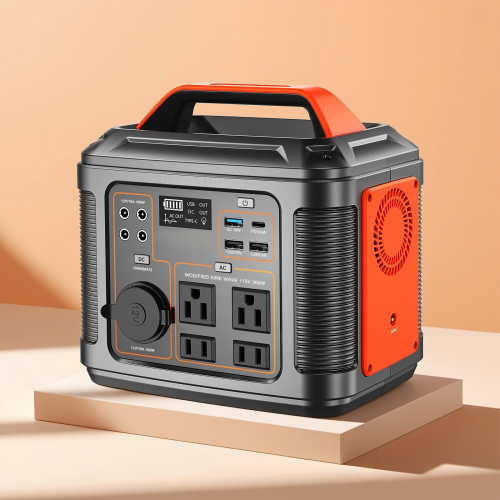
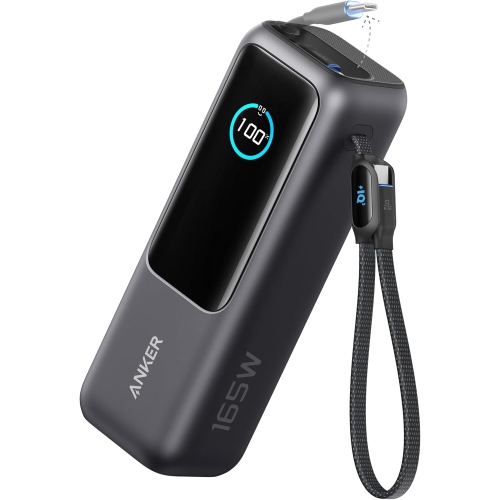
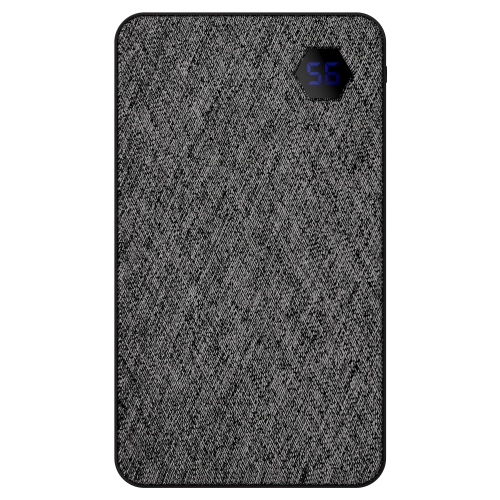
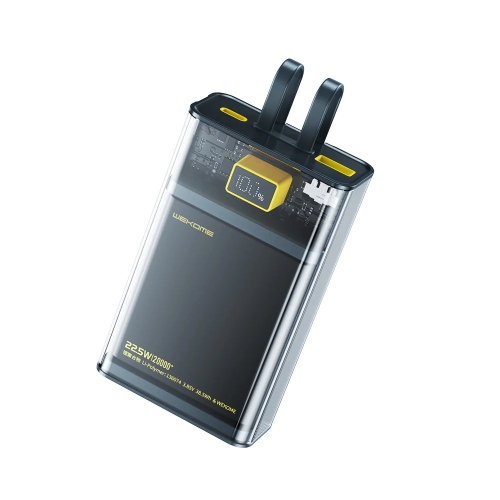
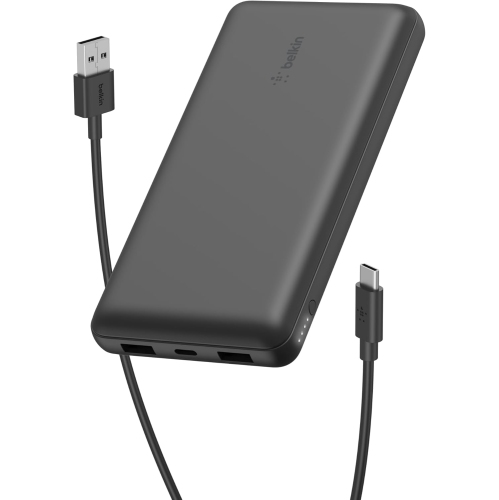
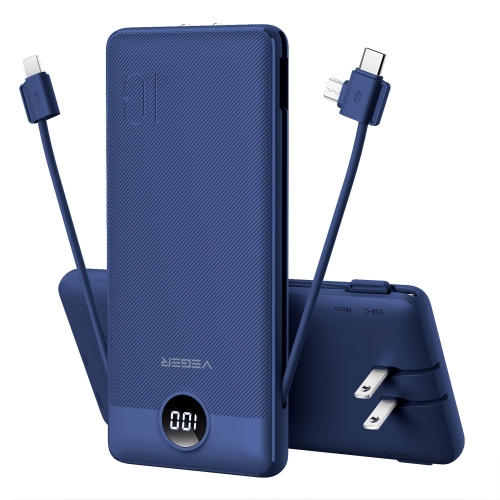
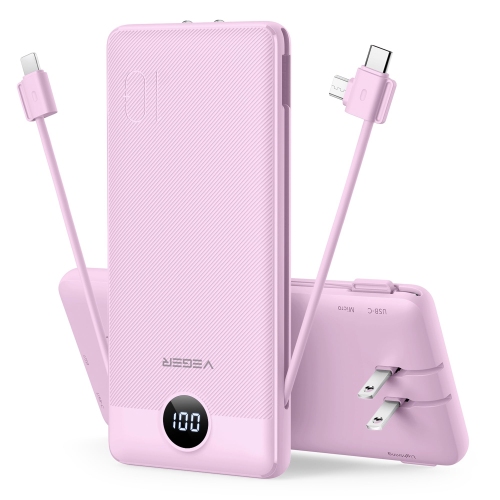
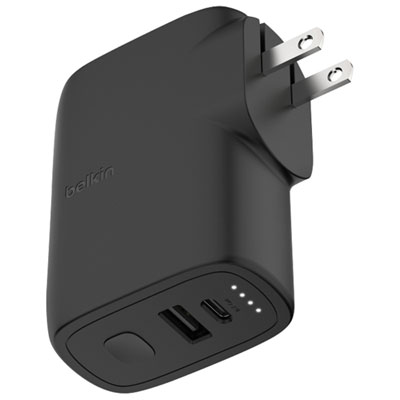
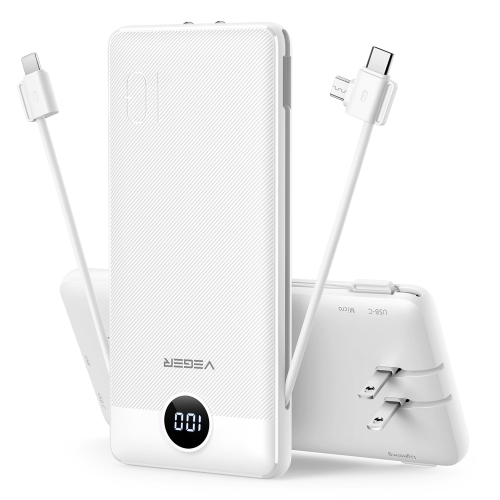
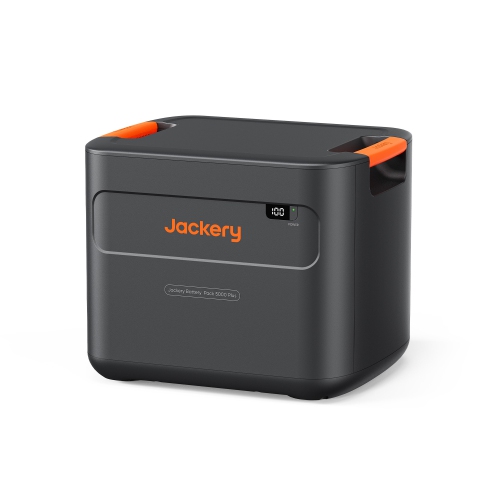
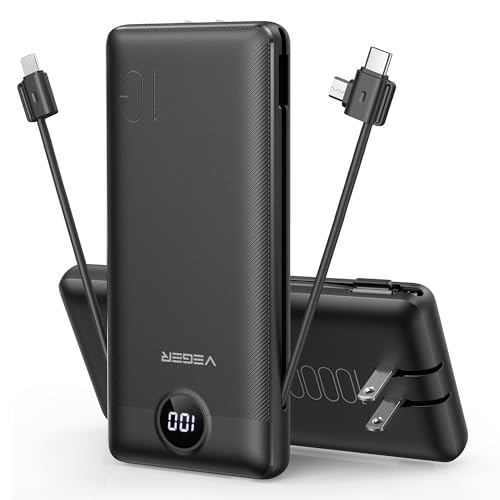
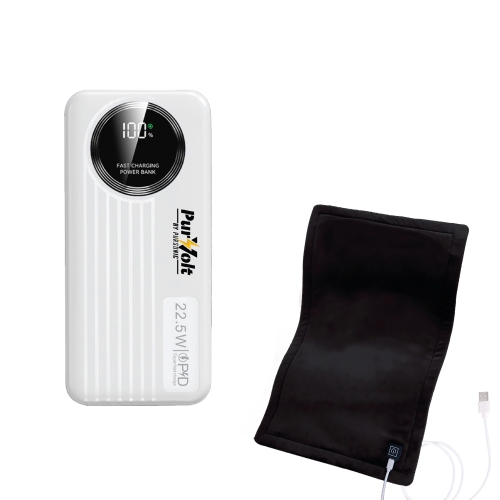
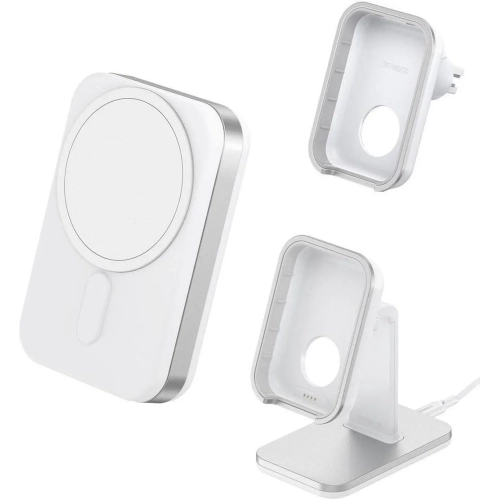
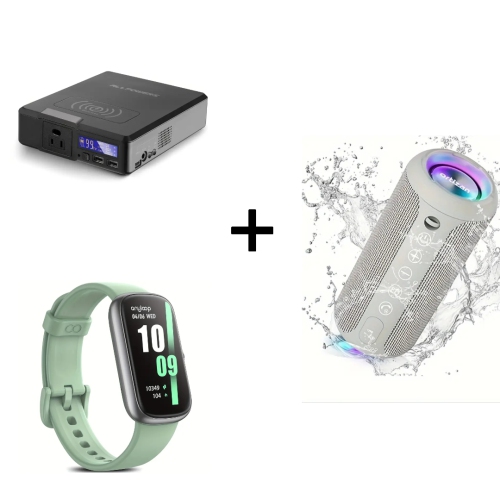
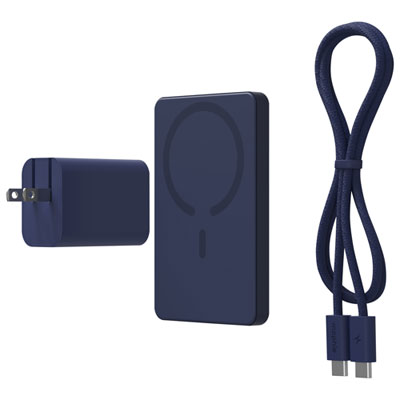
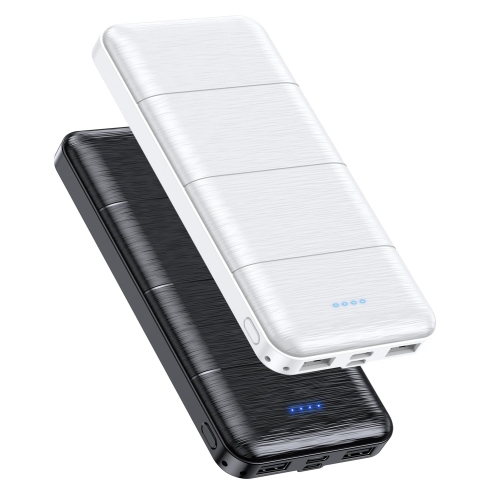
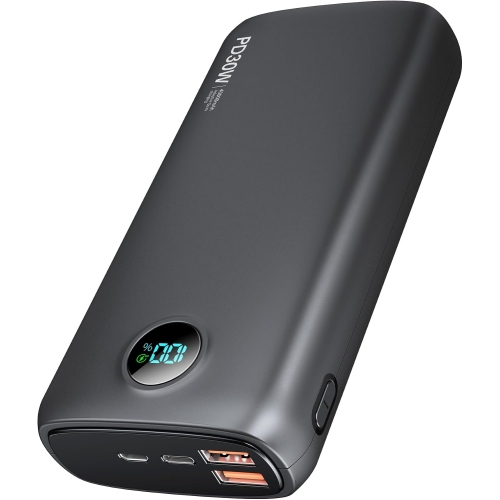
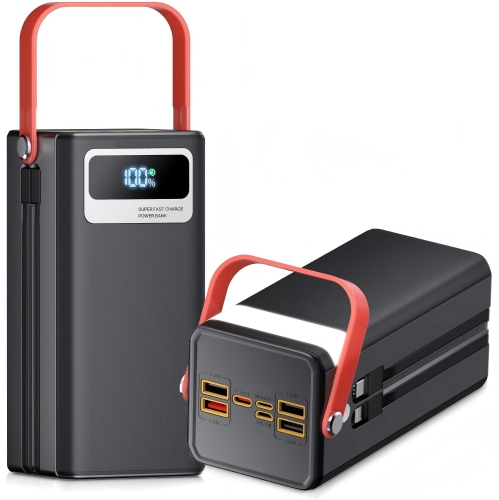
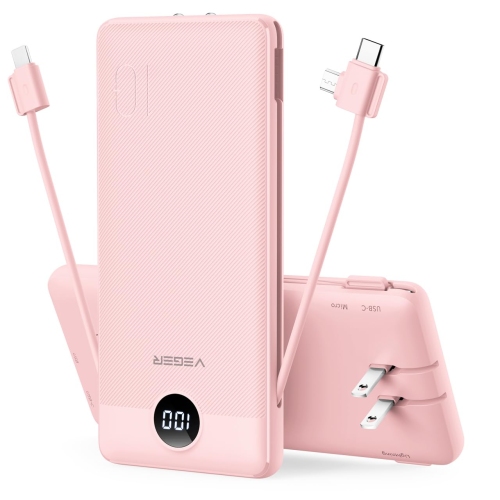
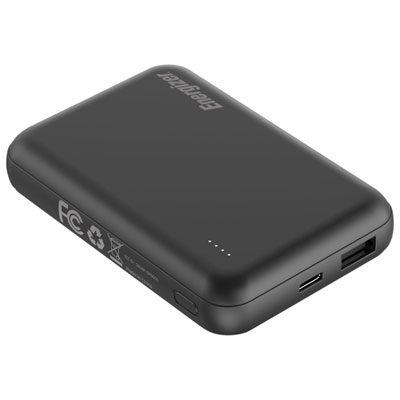
Power banks for home provide stored battery power for everyday devices and selected household essentials when an outlet is out of reach or the electricity goes out. The category includes compact rechargeable batteries for phones and tablets, along with larger portable power stations that can support electronics and some appliances through built-in AC outlets. A small power bank suits a phone on the sofa or a tablet at the kitchen table; a home power station serves a different purpose, with greater storage capacity and connections for more demanding equipment. These larger units typically combine a rechargeable battery, an inverter that supplies AC power, and a display showing charge level and power use. They can keep a desk lamp illuminated, recharge a laptop, or supply a modem and router during an interruption, although internet access still depends on the provider’s network remaining operational. For households that need refrigeration backup, compatibility depends on both the refrigerator’s running requirements and its starting surge, not simply whether the station has a standard outlet. Battery capacity, measured in watt-hours, describes how much energy a unit stores, while output, measured in watts, describes how much power it can deliver at once. Those two figures help distinguish a battery intended for personal electronics from one capable of supporting larger loads. A higher-capacity unit generally offers longer runtime for the same connected equipment, but it does not automatically have a higher output rating. Usable runtime also varies with inverter losses, the station’s own power use, and the way an appliance cycles on and off. For example, a refrigerator does not draw the same amount of power continuously, whereas a lamp tends to have a steadier demand. This makes home power banks useful for targeted backup rather than an automatic replacement for a whole-home system. Keeping a few important devices powered often calls for a different size and design than supplying multiple rooms or high-demand appliances.
The connections and charging features of a home power bank shape how comfortably it fits into daily life. USB-A ports accommodate many existing charging cables, while USB-C ports can support newer phones, tablets, and compatible laptops. The presence of a USB-C connection alone does not confirm laptop charging capability: the port’s supported charging protocol, wattage, and cable rating all matter. On larger portable power stations, AC outlets broaden the range of compatible equipment, and a pure sine wave inverter can be important for devices whose manufacturers specify that type of power supply. Multiple outlets are convenient for a shared charging spot, but all connected devices must stay within the unit’s combined output limits as well as any individual port limits. A laptop, monitor, and task light at a home office desk create a different load from a phone and reading lamp beside an armchair. Equipment with heating elements, including kettles and space heaters, can draw substantial power and deplete a battery quickly, even when its output rating can support them. Wall-outlet charging is a straightforward option for keeping a station ready at home. Some models also accept compatible solar panels or vehicle charging connections, with charging speed dependent on the input limit, accessories, and conditions of use. Solar compatibility requires matching the manufacturer’s voltage, current, and connector specifications; panels are not interchangeable simply because a plug appears to fit. Models offering pass-through charging can power supported devices while their own batteries recharge, but operating limits vary. Similarly, a backup or uninterruptible power supply feature needs closer attention for desktop computers and other equipment that cannot tolerate a brief interruption. Transfer time and manufacturer-stated compatibility determine whether a particular unit suits that role. Clear battery displays, accessible controls, and visible input and output readings make it easier to see what is connected and how quickly stored energy is being used, without relying on a percentage indicator alone.
Physical design matters just as much when a power station becomes part of a household’s backup setup. Compact power banks can slip into a drawer between uses, while higher-capacity stations may need a dedicated floor-level location with the clearance specified by the manufacturer. Sturdy handles, balanced weight distribution, and wheels on larger designs can make the difference between a unit that moves easily from a home office to a living room and one that is best left in place. Durable plastic or metal housings help protect internal components during ordinary handling, but neither material makes a battery waterproof or suitable for rough treatment unless it carries an appropriate rating. Lithium-ion battery designs vary; lithium iron phosphate, often labelled LiFePO4 or LFP, is commonly associated with longer cycle life, though service life depends on the particular battery and how it is used and stored. Cycle-life figures are most meaningful alongside the manufacturer’s stated remaining-capacity threshold, rather than as a promise that performance never changes. Unlike fuel-burning generators, battery power stations do not produce exhaust while supplying electricity, making models approved for indoor operation practical for homes and apartments. They still need a dry, stable surface, unobstructed vents, and care around children and pets. Cooling fans may be audible under load or during charging, so battery operation does not necessarily mean silent operation. Routine care includes checking cables and connectors for damage, wiping the exterior as directed, and following the recommended storage charge level and recharge schedule. A swollen, damaged, or unusually hot battery should be taken out of use and handled according to the manufacturer’s safety directions. Power stations must never feed a home’s electrical wiring through a wall receptacle; connection to household circuits requires approved equipment and qualified installation. They also should not be assumed suitable for life-sustaining medical equipment without explicit approval from the equipment manufacturers and an appropriate backup plan. For households focused on keeping phones and other communication devices charged, power banks for emergency charging offer a related option to consider alongside larger home units. Whether intended for a home office, shared family charging, or a practical gift, the most useful format is one matched to the recipient’s devices, available space, and ability to lift and operate it comfortably.
Top selling and popular products
-
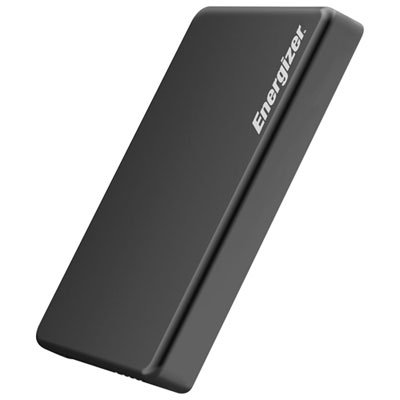 Your price for this item is $44.99
-
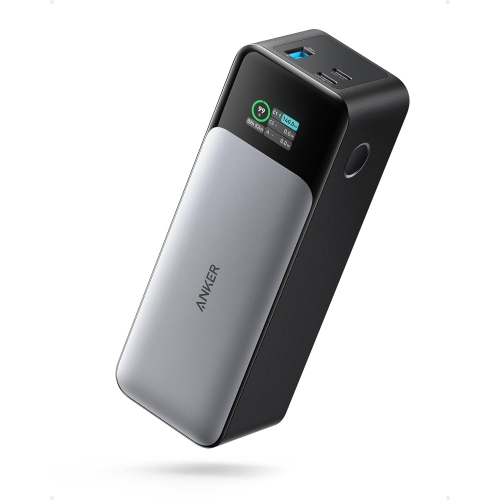 Your price for this item is $234
-
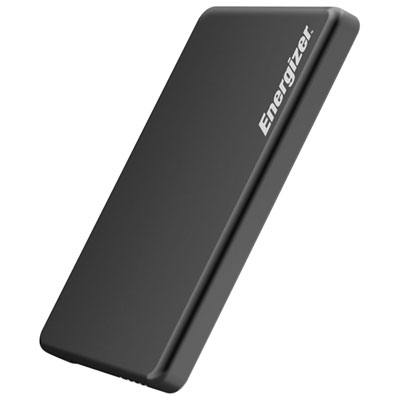 Your price for this item is $29.99
-
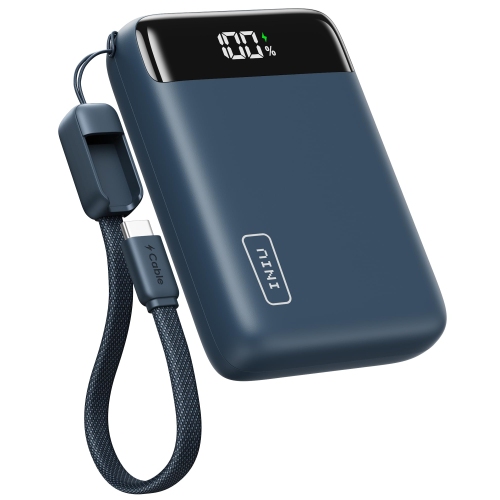 Your price for this item is $96.99
-
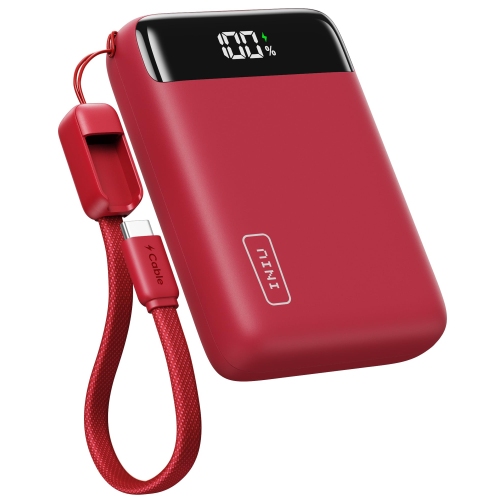 Your price for this item is $96.99
-
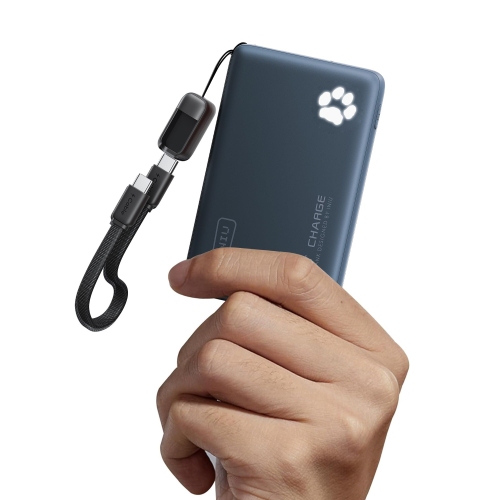 Your price for this item is $85.99
-
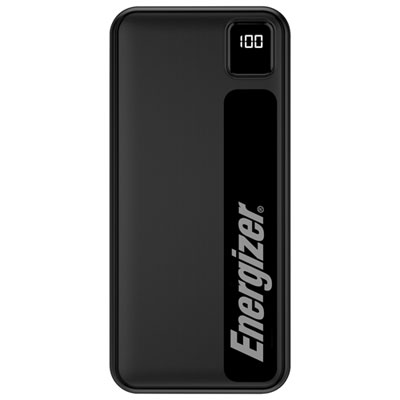 Your price for this item is $19.99
-
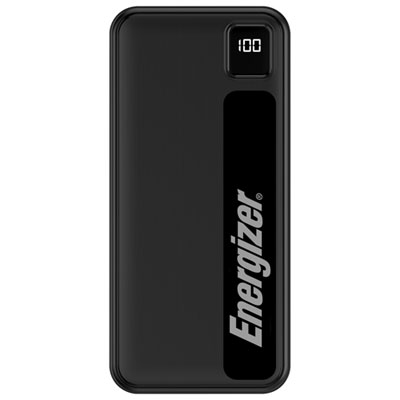 Your price for this item is $24.99
Discover more categories related to Power Banks for Home

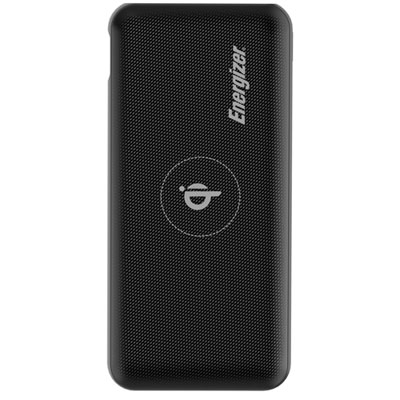
Top Collections:
Best Black Friday Deals This Year, Best Black Friday Deals On Electronics, Kindle Devices, Best Black Friday Deals On Apple Products, Best Budget Office Chairs, Best Cameras for Sports Photography, Dyson Airwrap, Canon G7X Cameras, Best Laptops for Writers, Samsung Galaxy Phones
Some products may be subject to Environmental Handling Fees
(EHF) depending on your province.
Learn more about EHFs.