Solar Power Bank for Home
Harness the power of the sun and keep your devices charged with a solar power bank for home. Whether you're camping in the great outdoors or experiencing a power outage, these innovative devices provide a reliable and sustainable solution to keep your smartphones, tablets, and other gadgets powered up. With their built-in solar panels, these power banks absorb sunlight during the day, converting it into energy that can be used to charge your devices whenever you need them.
Sort
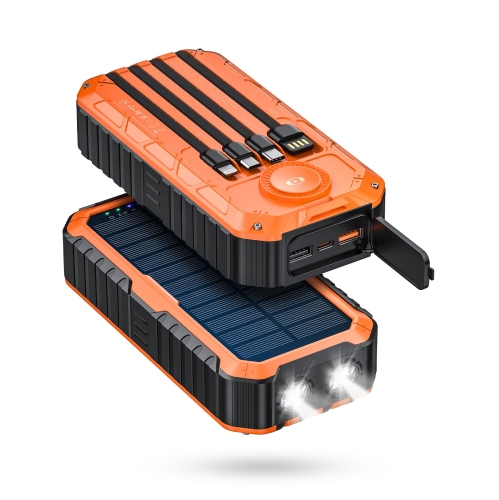

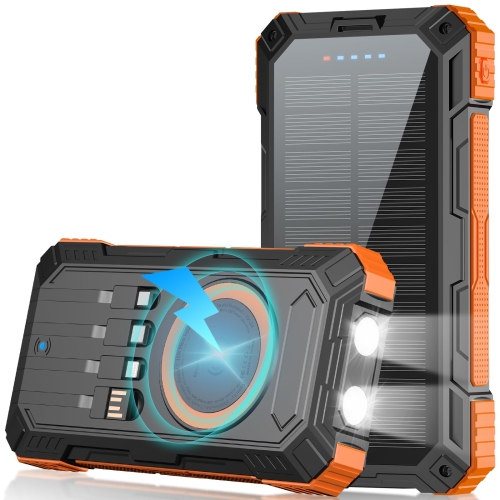
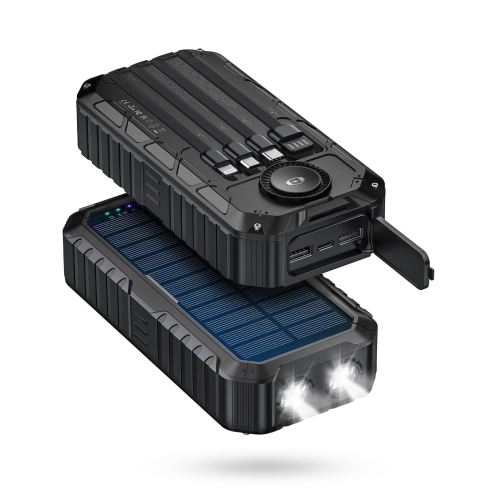
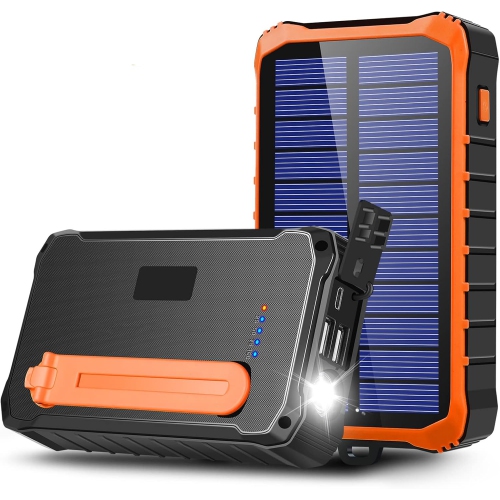
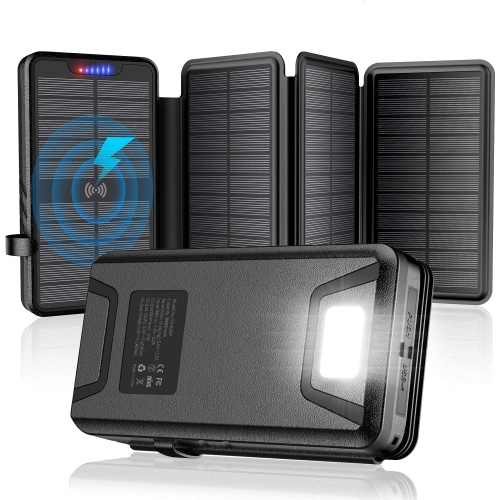
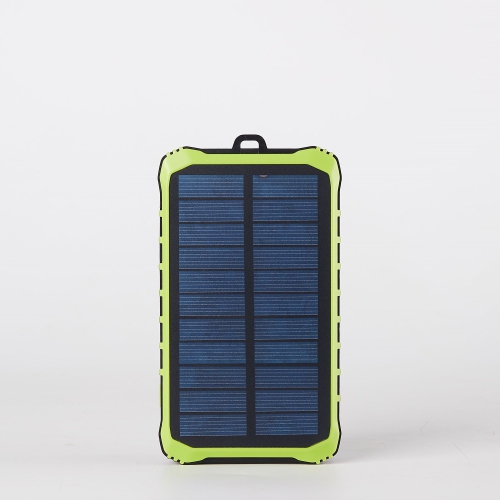
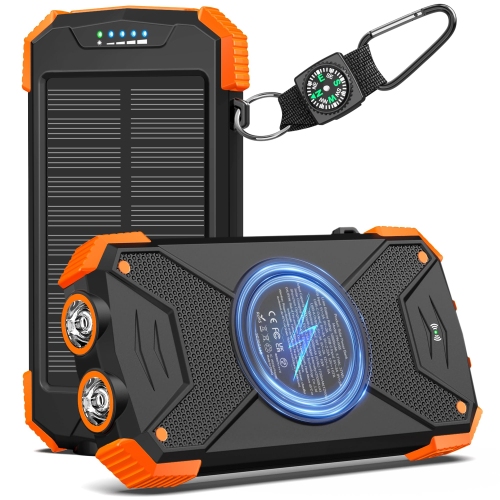
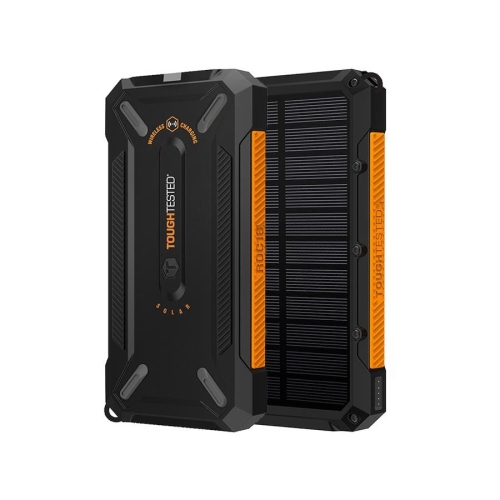




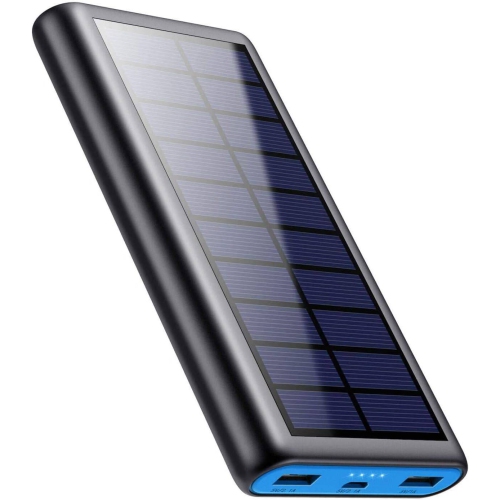
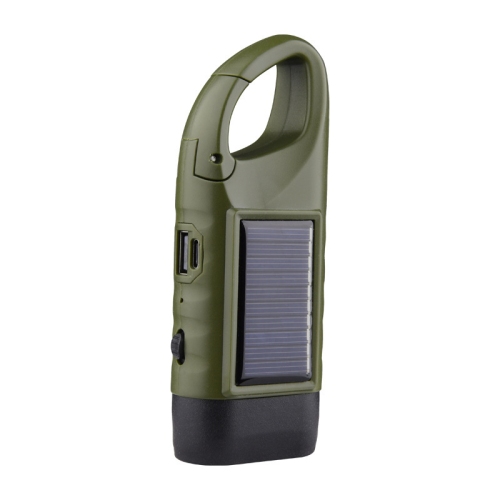
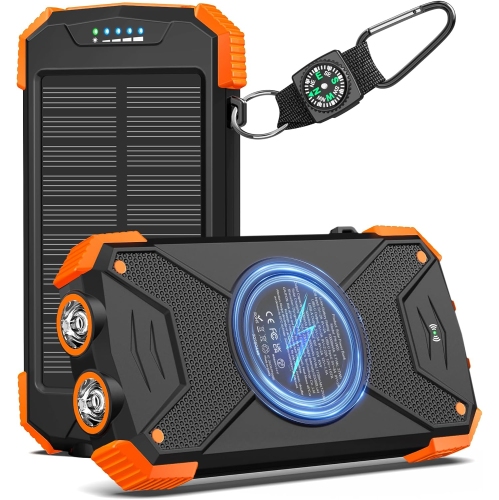
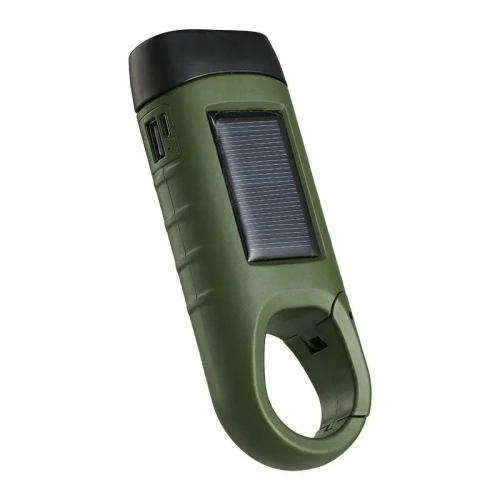
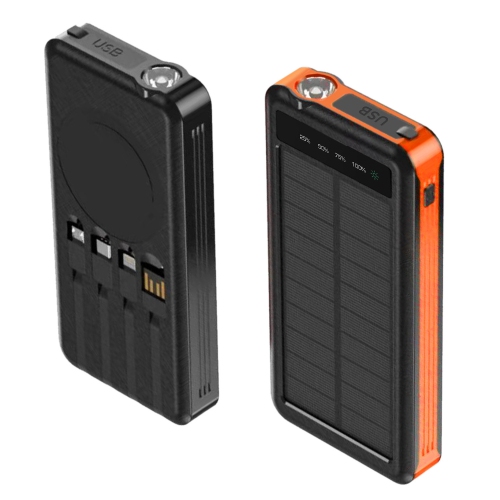
What portable solar backup can power at home
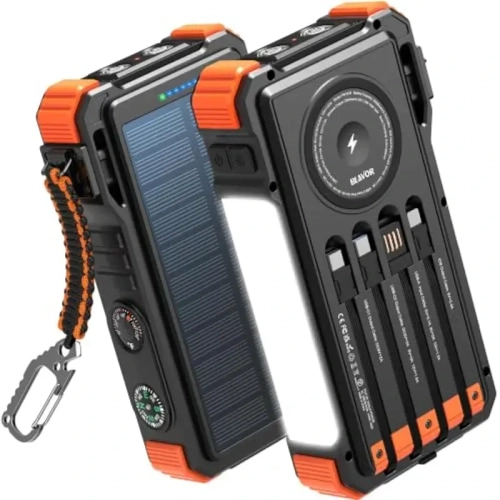
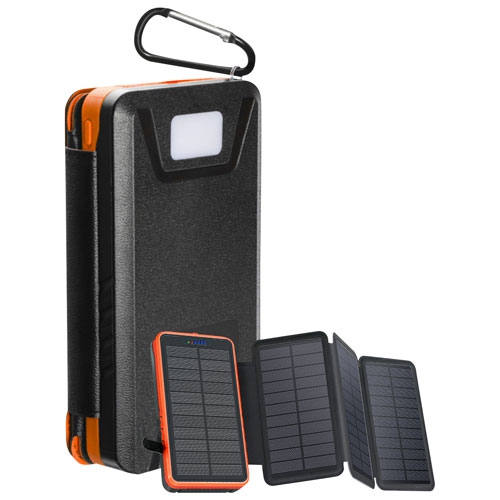
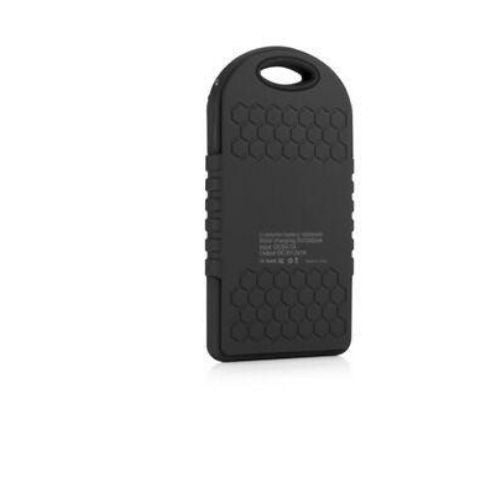
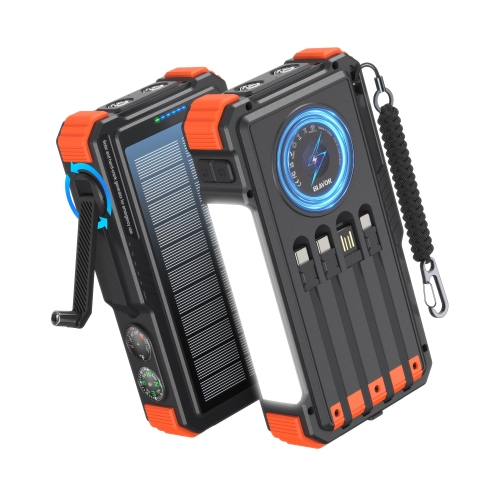
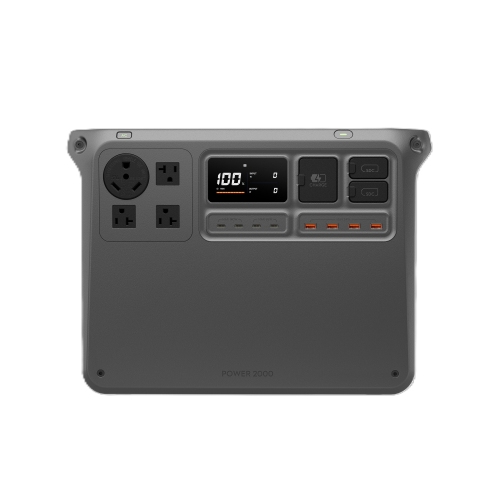
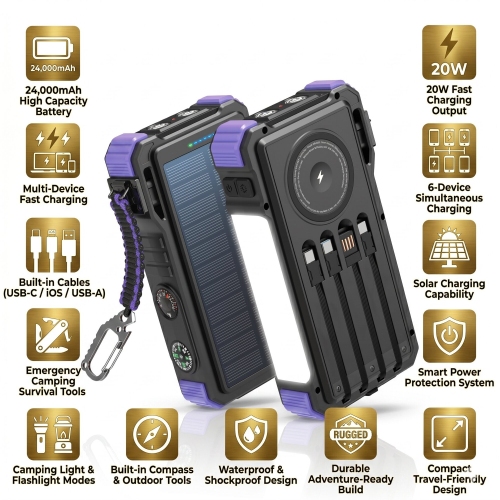
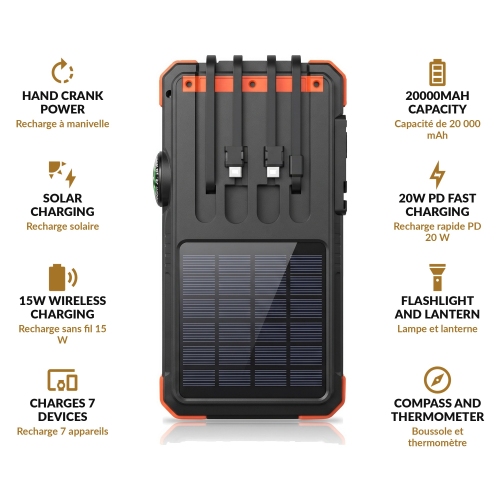
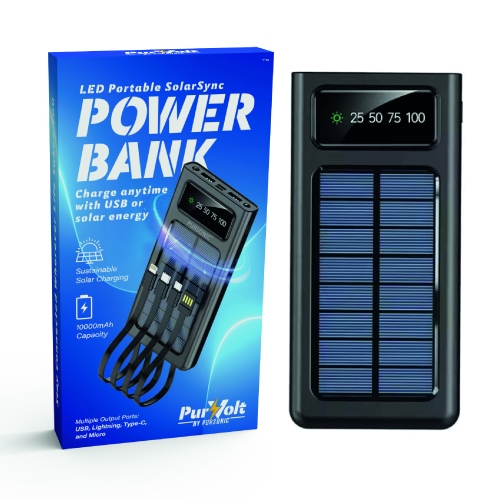
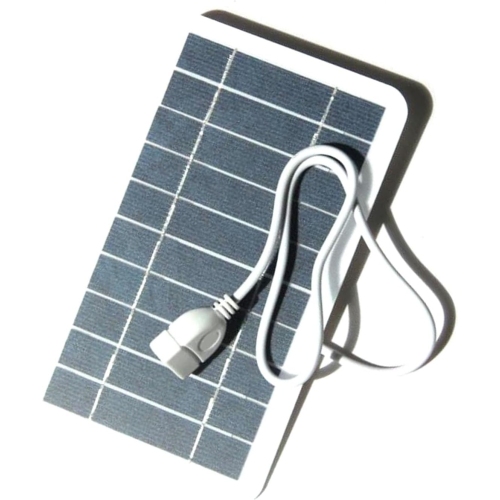
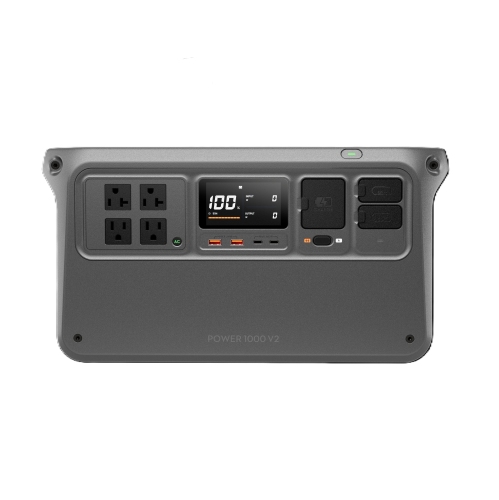
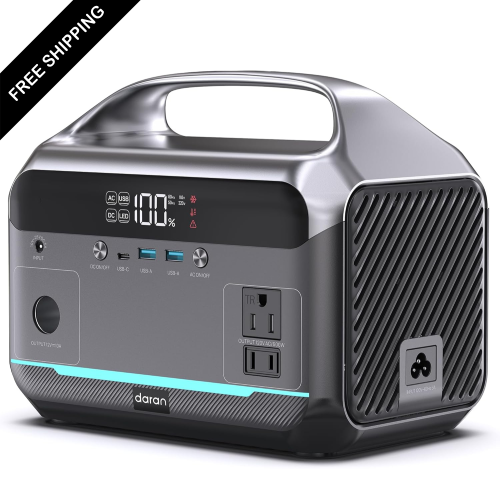
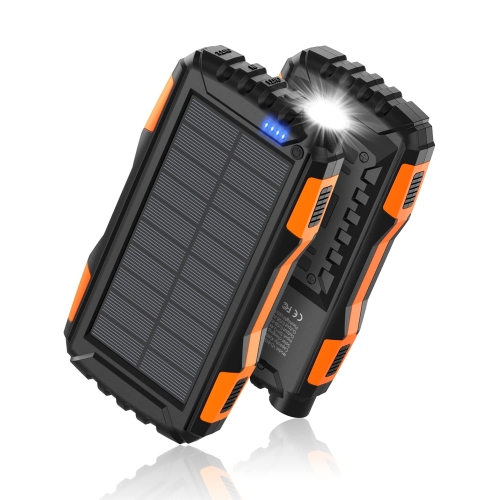
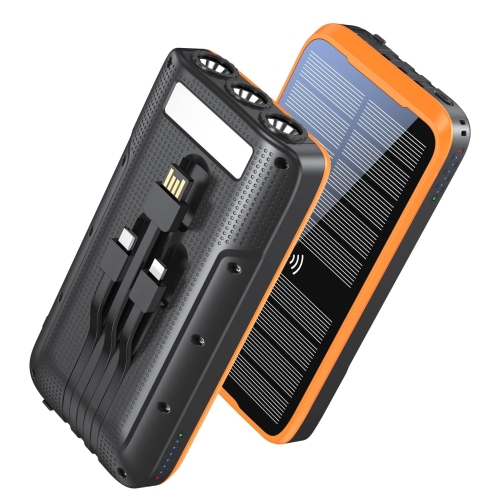
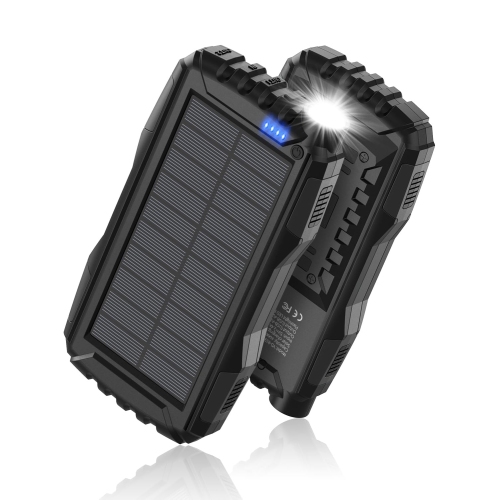
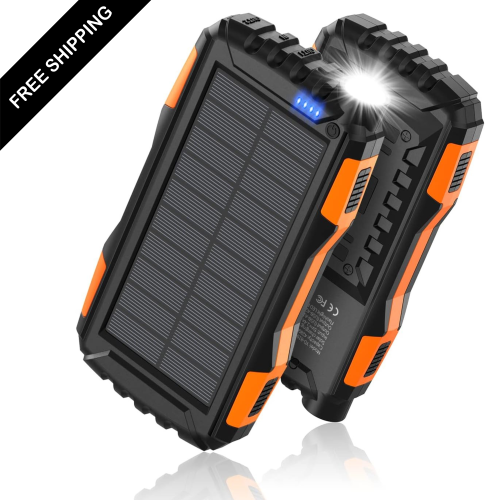
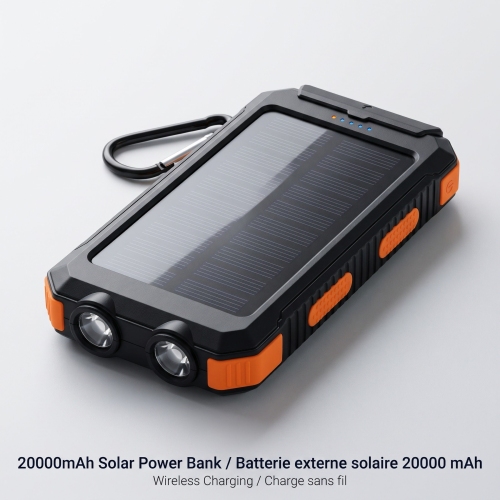
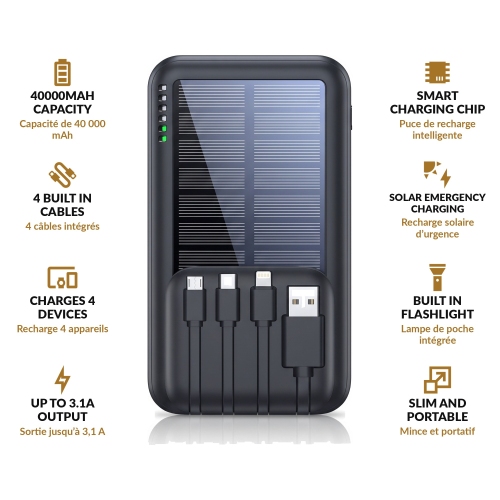
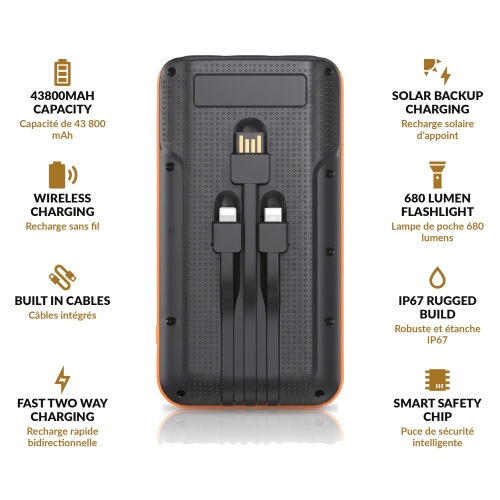
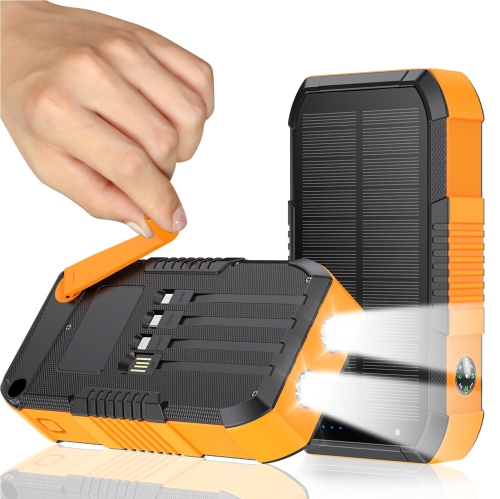
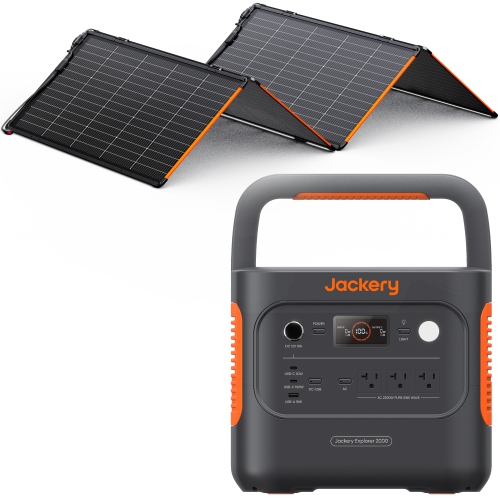
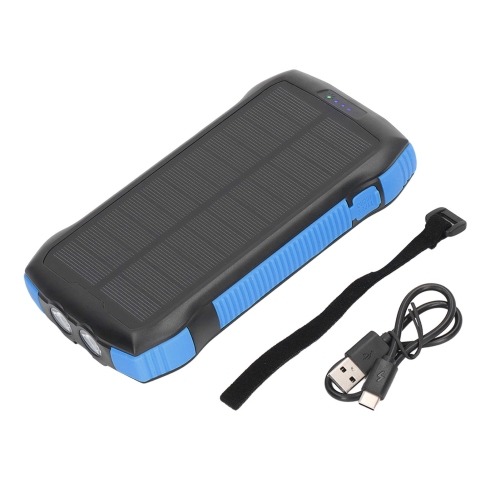
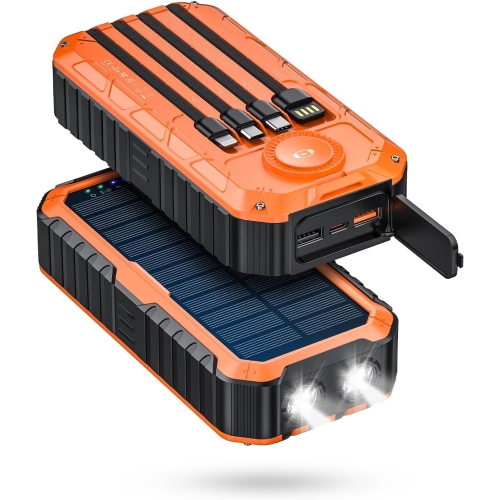
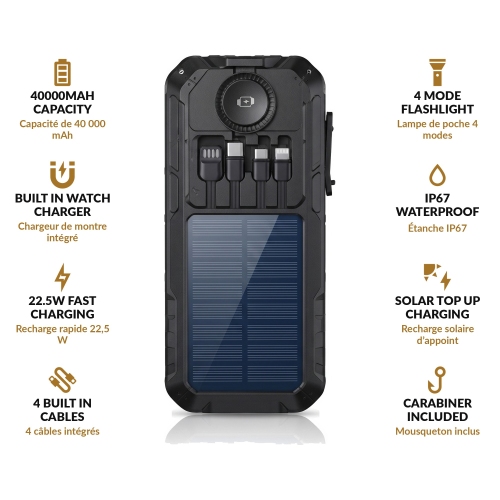
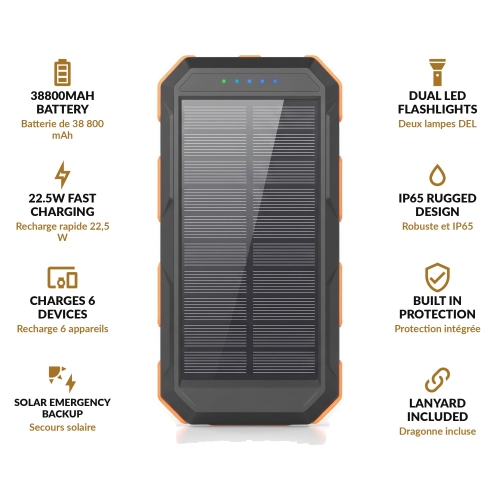
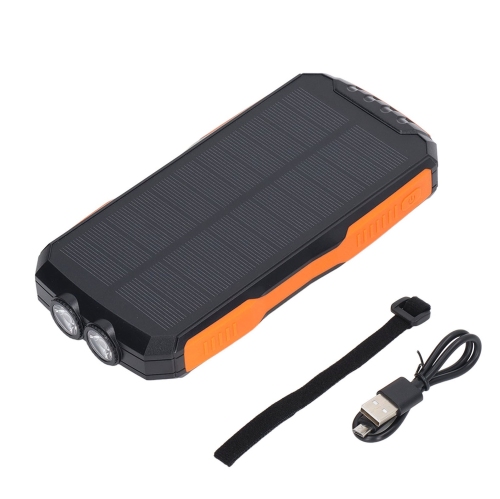
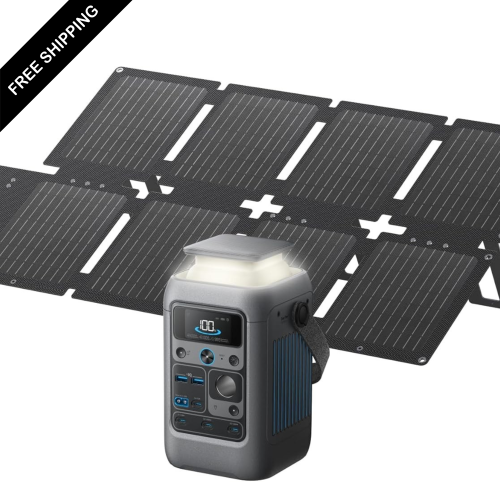
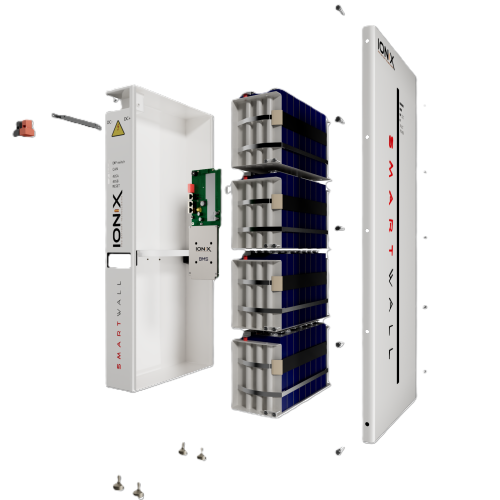
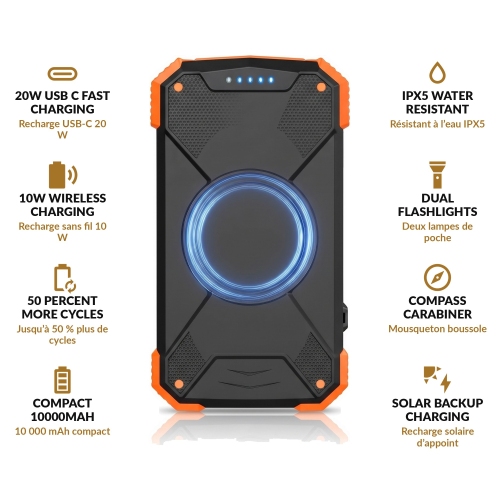
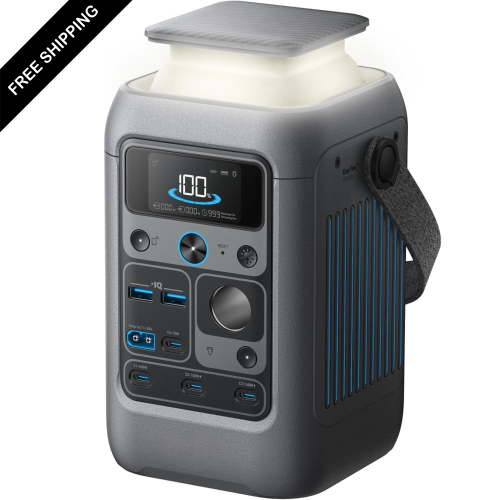
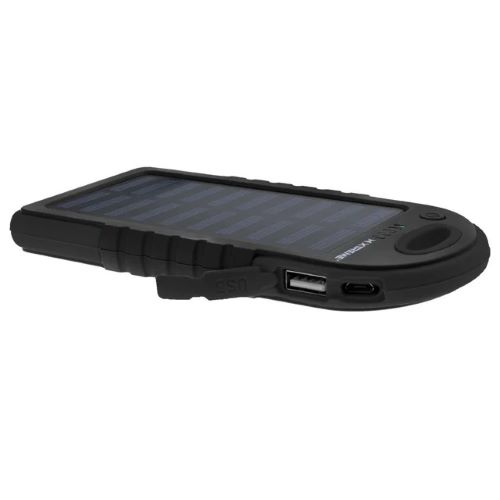
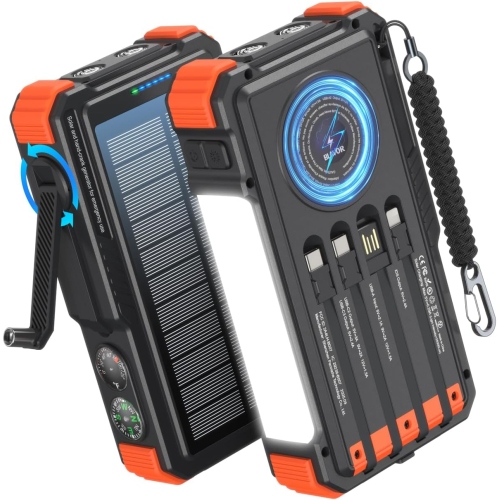
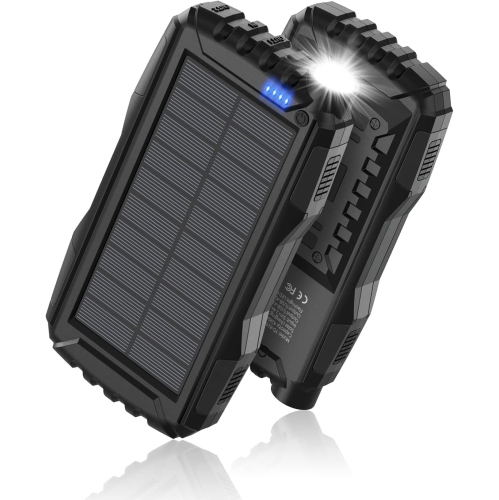
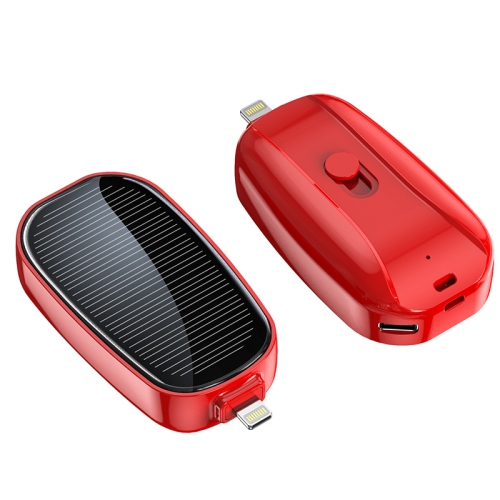
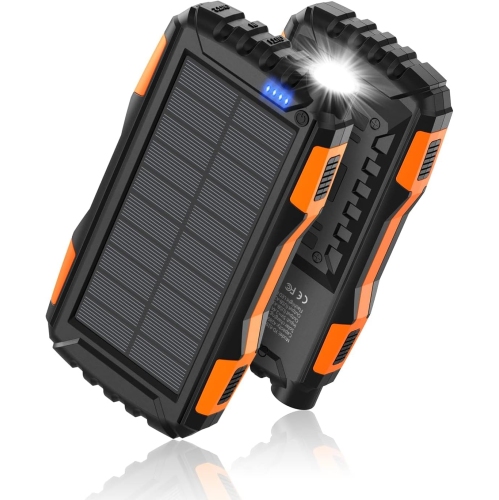
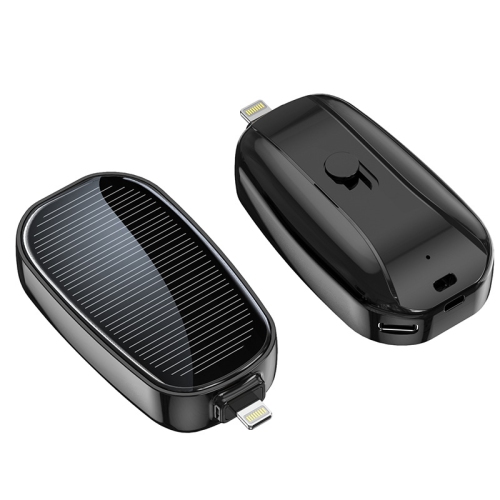
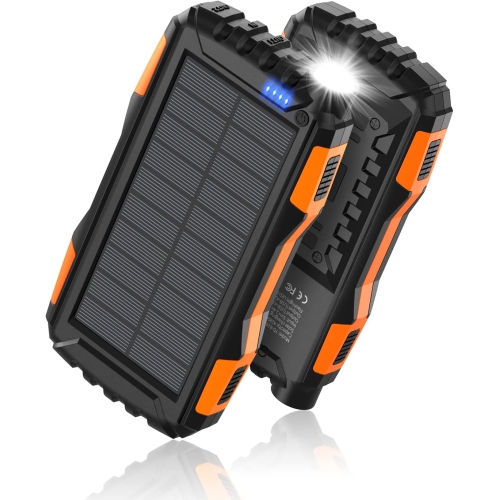
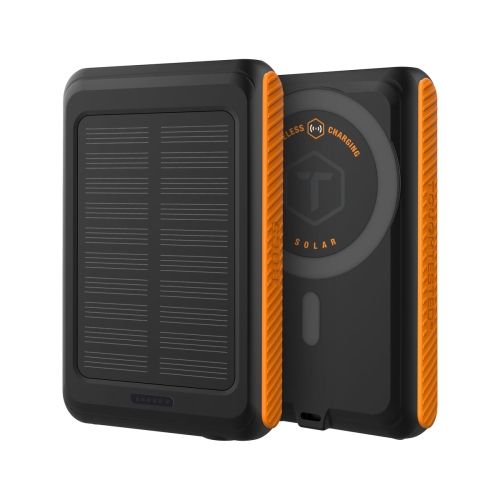
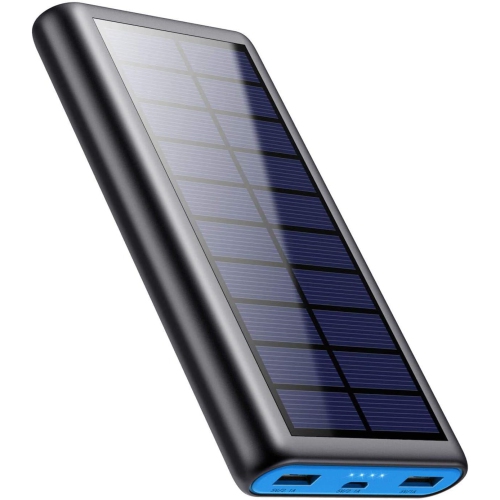
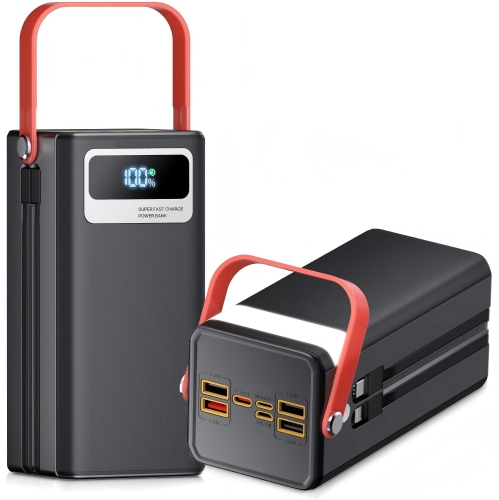
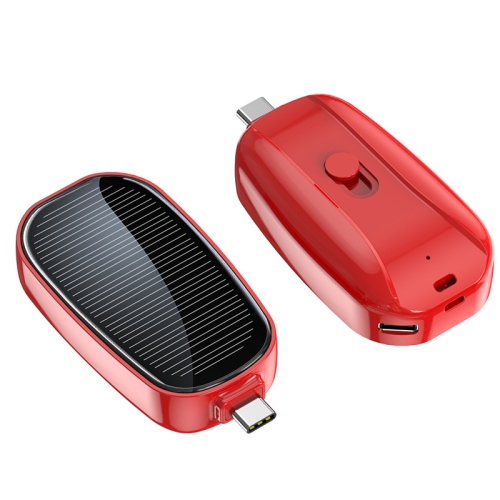
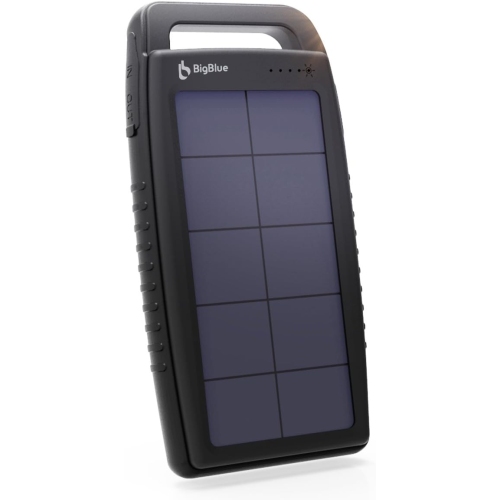
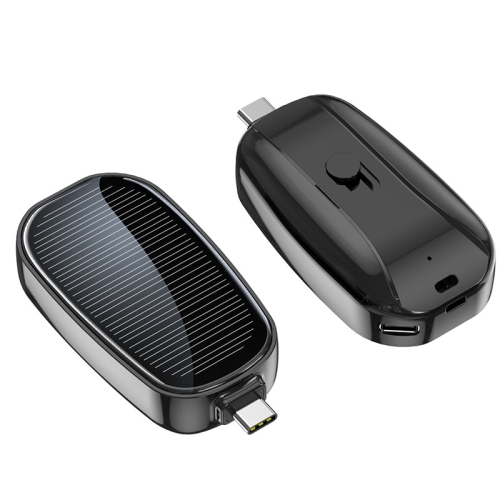
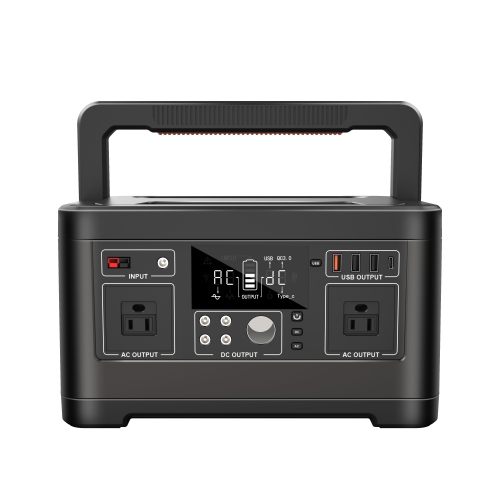
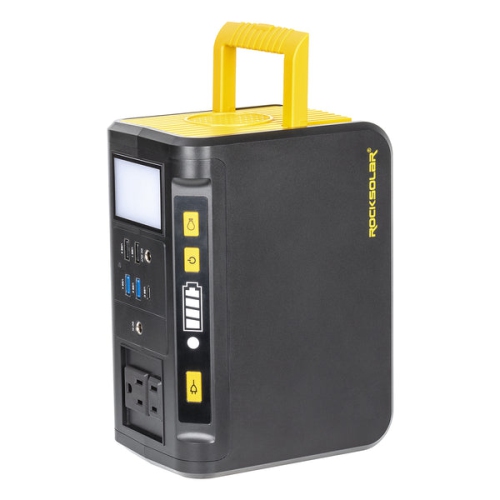
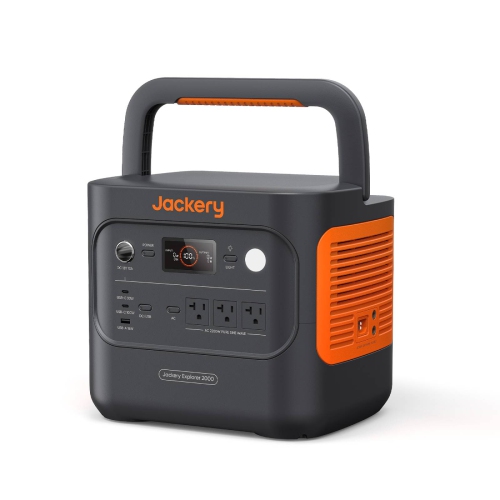
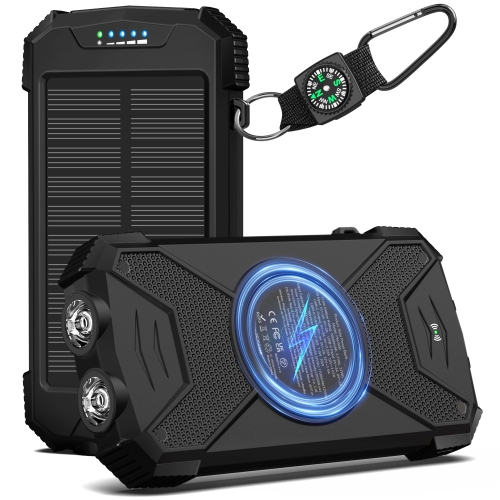
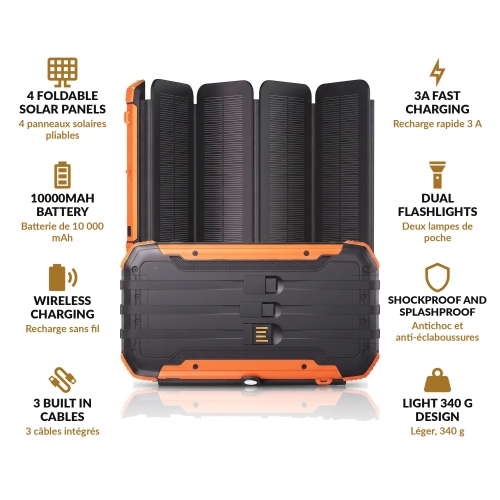
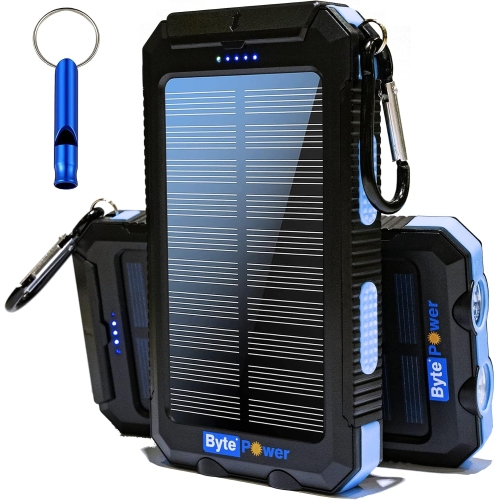
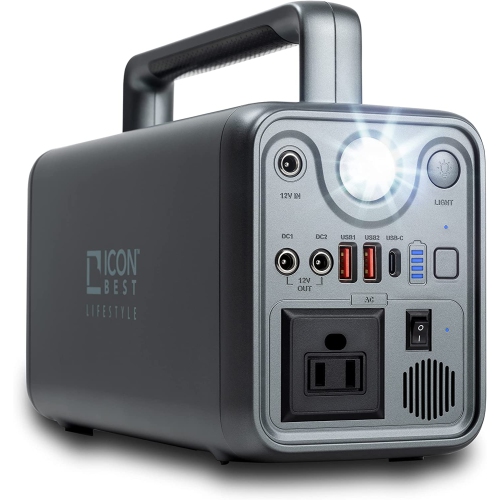
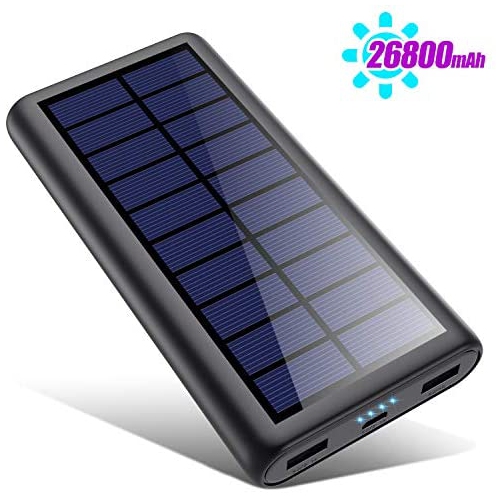
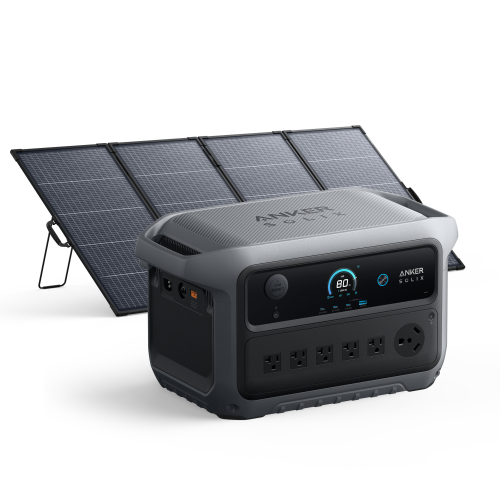
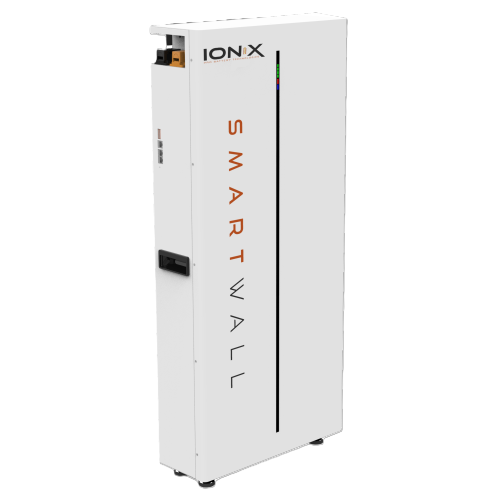
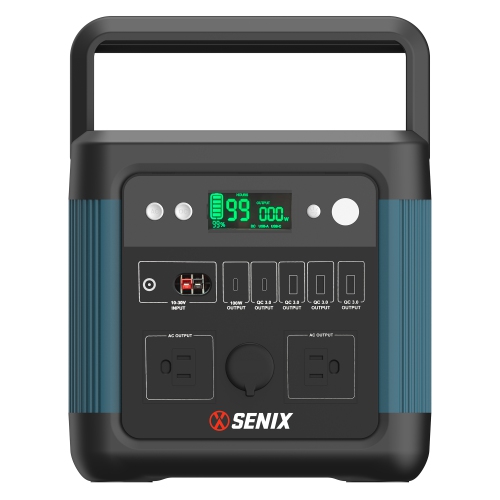
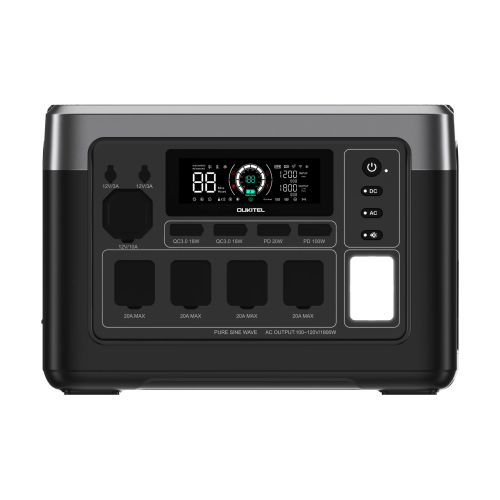
A solar power bank for home use is generally a battery-based portable power station that recharges from compatible solar panels and supplies electricity to selected household devices. It differs from a pocket-sized power bank in battery capacity, power output, and connections, which may include AC outlets, USB ports, and DC sockets. The panels generate electricity, the battery stores it, and an inverter converts stored power for devices that require AC electricity. For home backup, this distinction matters: a compact phone charger cannot replace a power station designed to run larger electronics, and a portable power station does not automatically provide whole-home power. Whole-home backup requires substantially greater capacity, suitable electrical equipment, and professional installation when connected to household circuits. For smaller charging needs, a solar power bank for phone charging offers a more compact format, although small built-in panels generally recharge batteries much more slowly than dedicated external panels. Home-focused systems suit more demanding tasks, such as keeping a laptop, internet modem, and task light powered during an interruption. A suitably rated unit may also support a refrigerator, but compressor starting requirements and expected runtime need particular attention. The intended use shapes the right size: keeping a work-from-home desk connected is quite different from supplying several appliances. Portable designs can move between rooms without becoming part of the home’s wiring, while larger battery systems may be better suited to a dedicated location. For renters or households without roof-mounted panels, a portable setup can offer a way to store solar-generated electricity without a permanent rooftop installation, provided there is a permitted, suitable place for the panels. Solar charging capability does not necessarily mean panels are included, so the battery unit, panel package, and required cables all matter when assessing a complete setup.
Battery capacity and output describe different capabilities. Capacity, usually expressed in watt-hours, indicates how much energy the battery can store; output, expressed in watts, indicates how much power it can deliver at once. A 1,000Wh battery supplying a steady 100W load has a theoretical runtime of 10 hours before inverter losses, the unit’s own electricity use, and other operating limits are considered. Actual runtime will be lower, and appliances that cycle on and off need a different estimate from devices drawing steady power. Continuous output must accommodate the combined loads connected to the station, while surge output must meet any brief starting demand. A refrigerator or pump can require considerably more power to start than to keep running. For electronics with AC adapters, a pure sine wave inverter is commonly preferred, with compatibility still determined by the device manufacturer’s requirements. USB-C Power Delivery can simplify laptop charging when the port’s supported wattage and voltage match the computer, potentially avoiding the extra conversion involved in using an AC adapter. The number of sockets alone does not establish how many devices can run together; shared port limits and total output remain important. Charging performance deserves the same attention. Solar input has its own maximum wattage, voltage range, and current limit, and compatible connectors alone do not establish that a panel is suitable. Panel wattage is a rating under specified test conditions rather than a promise of constant charging power. Sunlight, panel angle, shading, and available placement space affect how quickly energy reaches the battery. A foldable panel may be easier to put away between uses, while a rigid panel needs more storage room and a secure support arrangement. Wall charging can provide another way to prepare the battery, and some units support powering devices while recharging. That feature should not be assumed to provide the fast transfer or power protection of a dedicated uninterruptible power supply.
Physical design makes a noticeable difference when a home power station moves from occasional backup equipment to something handled regularly. Larger batteries can be heavy, so sturdy handles, manageable dimensions, and a stable base matter as much as the headline capacity. A unit that fits neatly beside a desk still needs the clearances specified for its ventilation openings, along with room for plugs and charging cables. Tough outer housings and reinforced corners can help with ordinary handling, but a rugged appearance does not establish resistance to water or dust; published ingress ratings define those limits. Panels and battery stations may have different protection ratings, and the battery should remain in a dry, suitable location even when panels are placed outside. Cable length also affects placement, with approved extensions and secure routing helping keep walkways clear. Battery chemistry contributes to weight, service life, and charging behaviour. Lithium iron phosphate, often labelled LiFePO4 or LFP, is one type of lithium-ion chemistry used in home-focused portable stations. Published cycle-life figures are most meaningful alongside their test conditions and stated remaining-capacity threshold, rather than as a guarantee of a particular number of years. For occasional use, manufacturer guidance on storage charge, inspection, and periodic recharging helps keep the battery ready. Clean, undamaged connectors and intact cables are especially important when equipment is repeatedly packed away. Clear displays showing remaining charge, input power, and output power can make everyday use easier, while fan noise may influence placement near a workspace or sleeping area. For household safety, connected loads must remain within the unit’s ratings, and a portable station must never feed a household circuit through a standard wall outlet. Any connection to home wiring requires approved equipment and a licensed electrician. Electrical certification accepted in Canada, accessible operating instructions, and clear warranty terms provide useful reassurance. For households that value practical backup power, or as a considered gift for someone with clearly understood charging needs, the best fit is a system matched to actual devices, realistic runtime expectations, and the space available for safe use.
Top selling and popular products
-
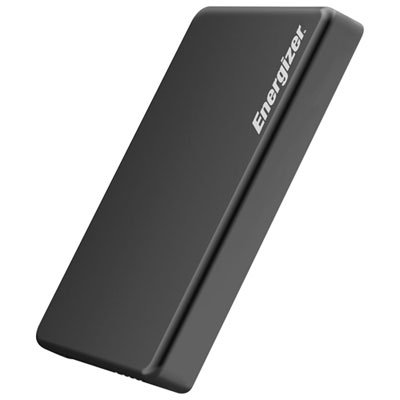 Your price for this item is $44.99
-
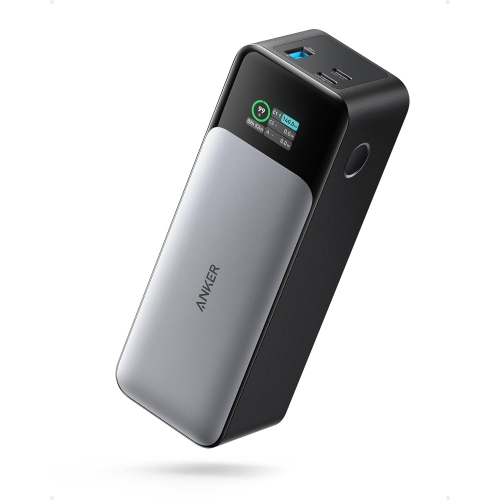 Your price for this item is $234
-
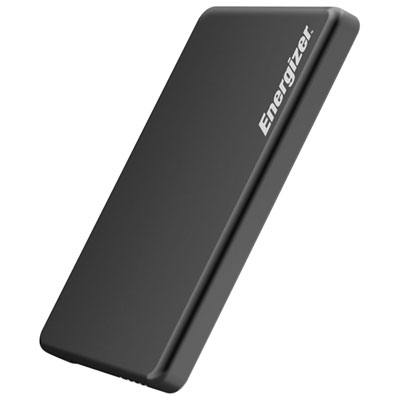 Your price for this item is $29.99
-
 Your price for this item is $96.99
-
 Your price for this item is $96.99
-
 Your price for this item is $85.99
-
 Your price for this item is $19.99
-
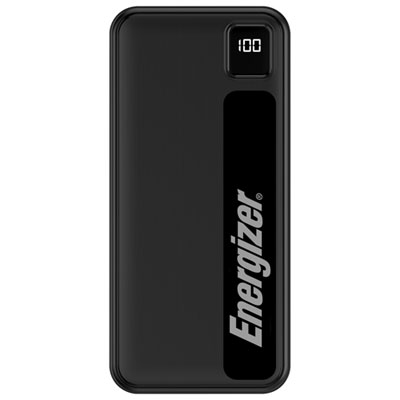 Your price for this item is $24.99
Discover more categories related to Solar Power Bank for Home
Top Collections:
Best Black Friday Deals This Year, Best Black Friday Deals On Electronics, Kindle Devices, Best Black Friday Deals On Apple Products, Best Budget Office Chairs, Best Cameras for Sports Photography, Dyson Airwrap, Canon G7X Cameras, Best Laptops for Writers, Samsung Galaxy Phones
Some products may be subject to Environmental Handling Fees
(EHF) depending on your province.
Learn more about EHFs.