Privacy Glasses
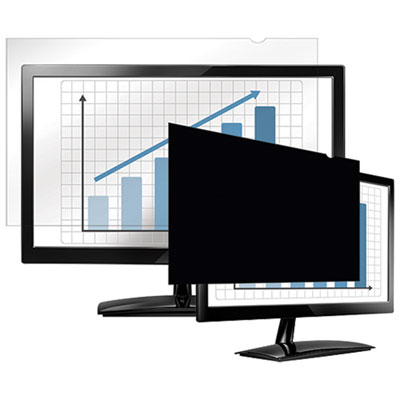
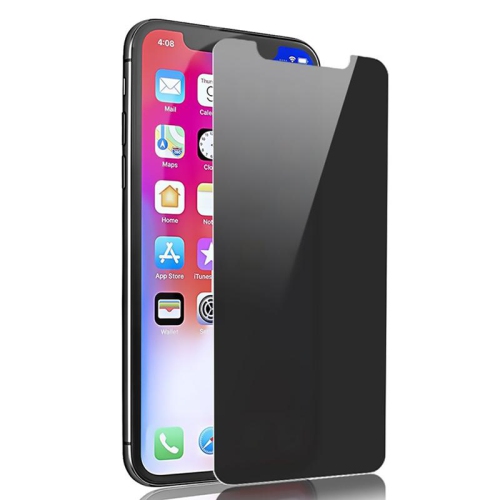
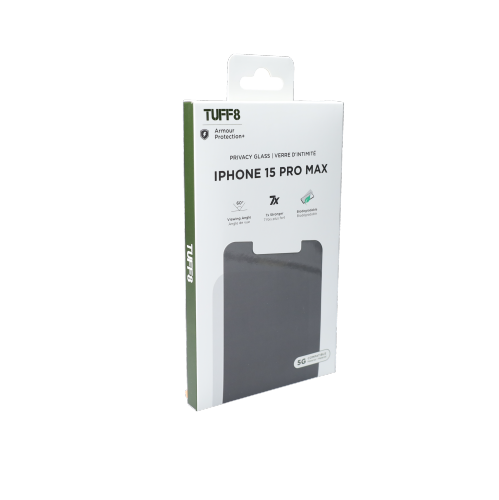
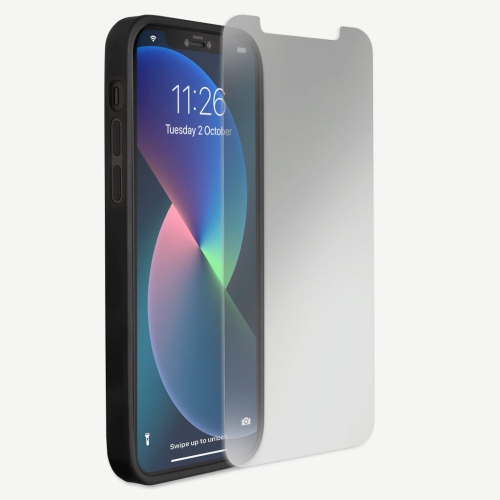
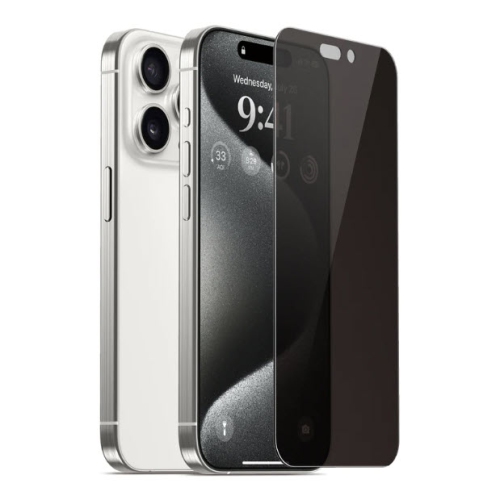
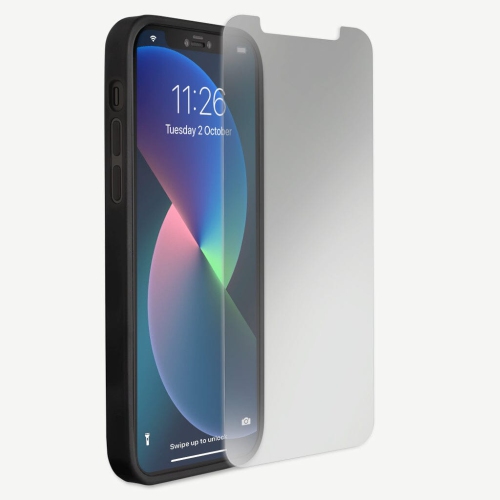
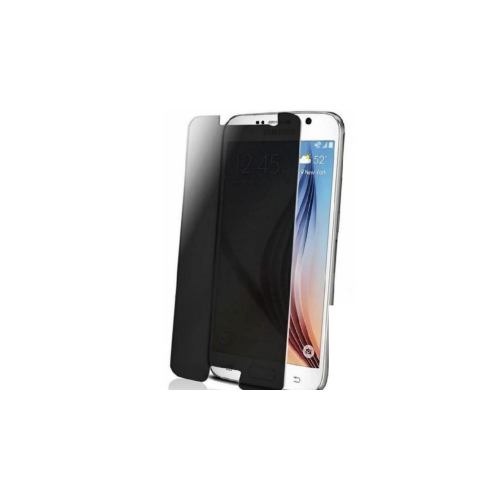
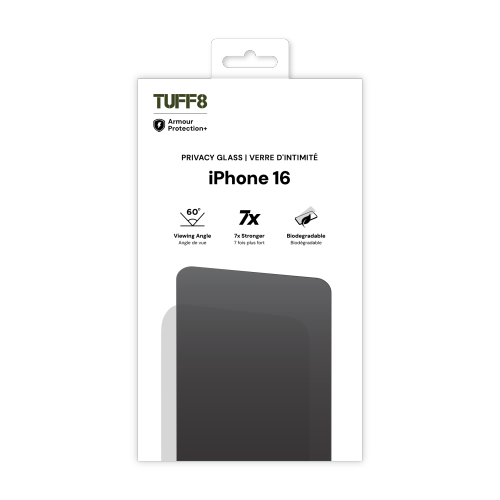
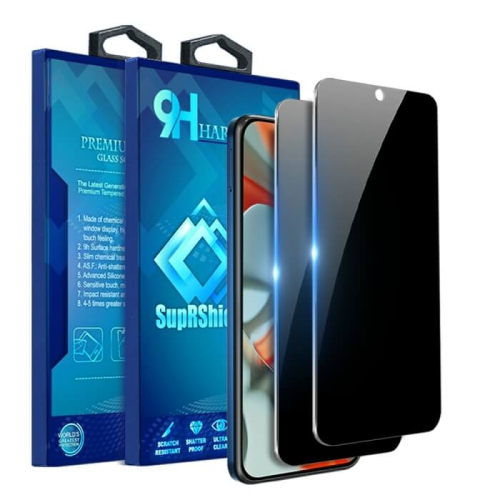
Privacy glass is the perfect solution for those who value discretion and security in their daily digital interactions. Designed to protect your screen from unwanted onlookers, privacy glass ensures that sensitive information remains confidential, whether you're working in a bustling café or commuting on public transport. Easily attached and available for a variety of devices, this innovative accessory not only safeguards your privacy but also helps reduce glare and protect your screen from scratches. Explore our selection to find the ideal privacy glass that fits seamlessly with your lifestyle, offering peace of mind wherever you go.
Sort
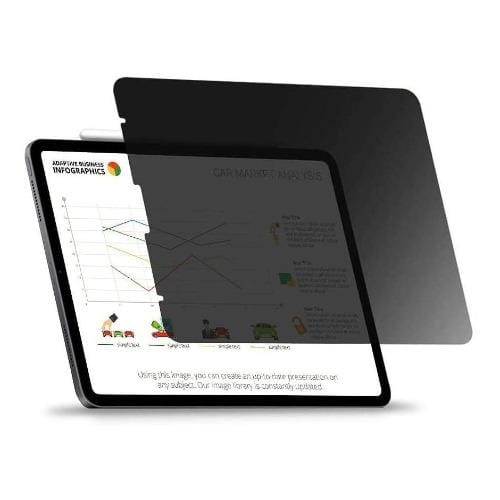
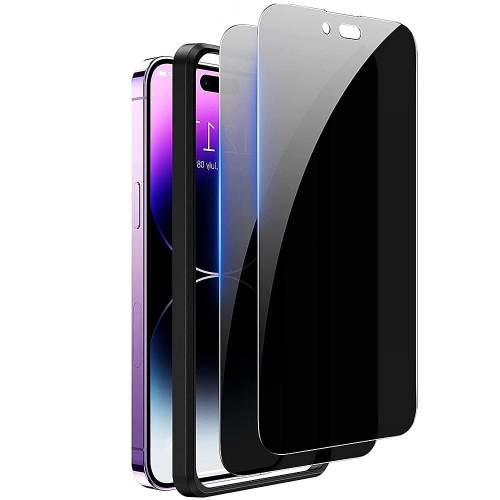
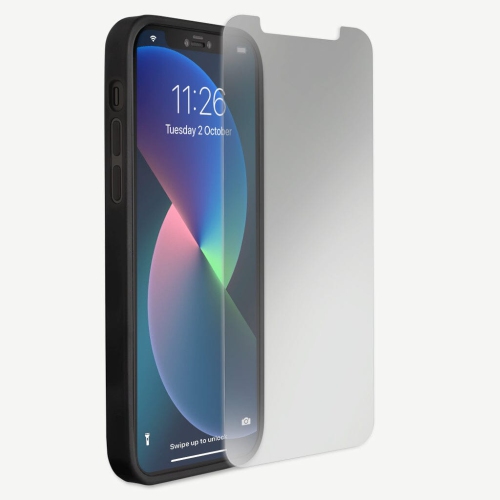
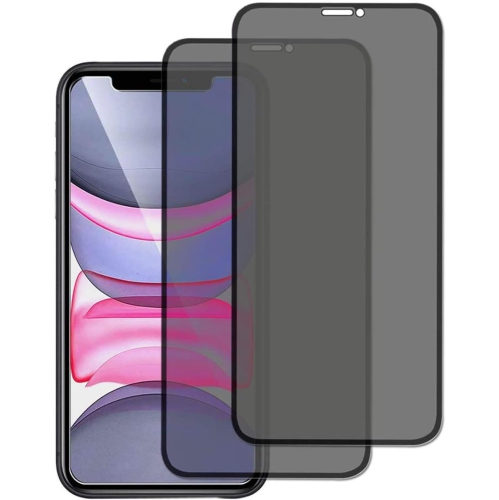
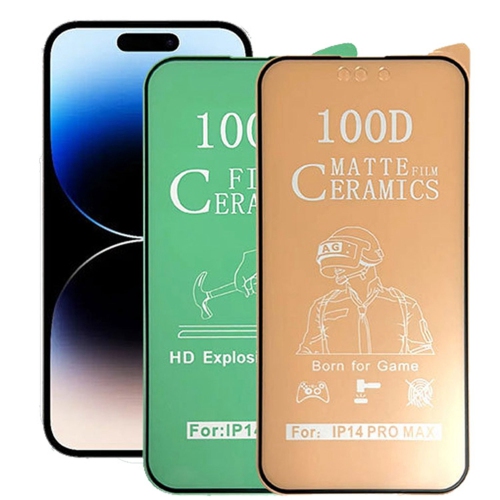
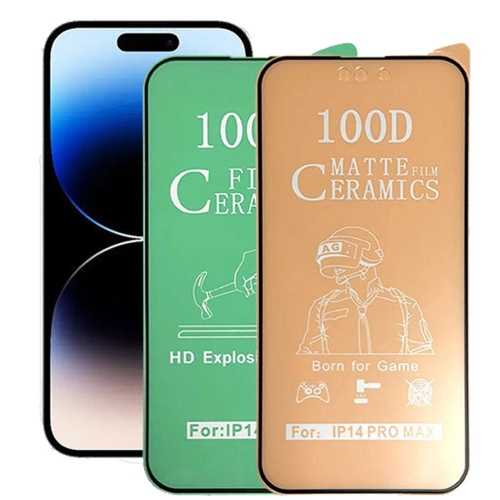
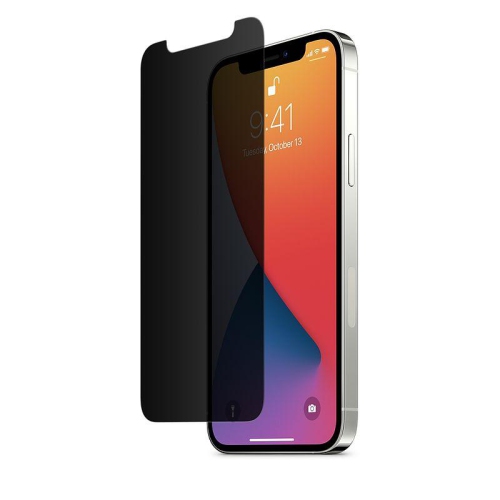
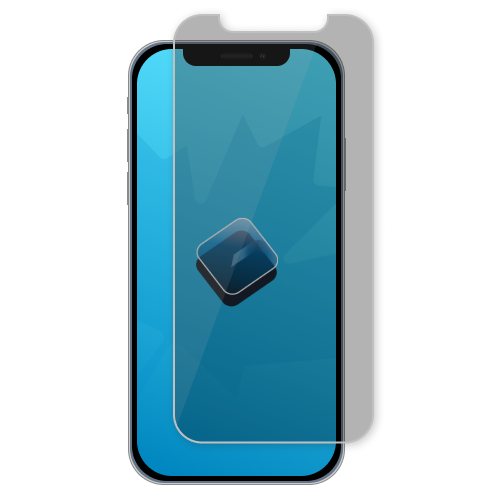
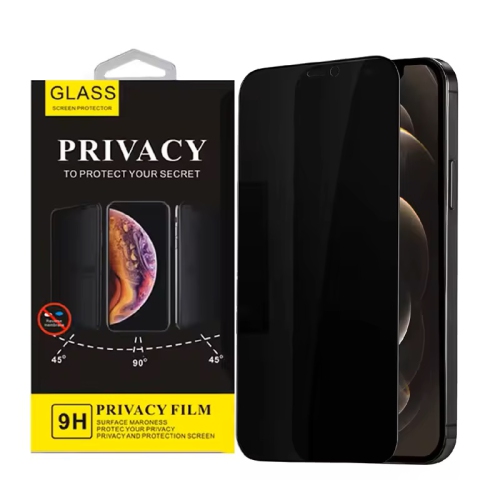
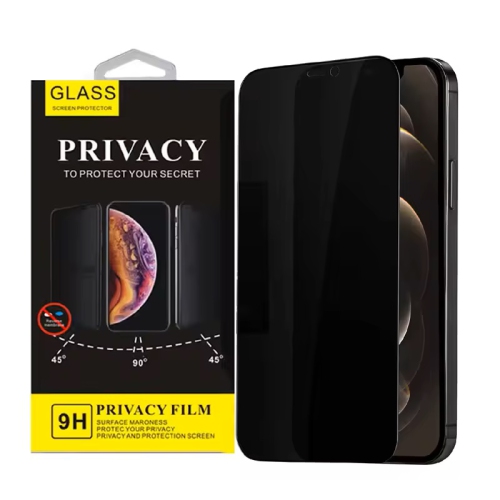
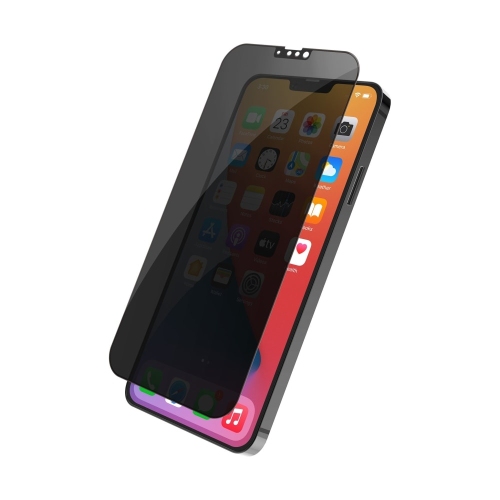
![HLD [2-Pack] Privacy Anti-Spy Case-Friendly Tempered Glass Screen Protector for Apple Iphone 12 & Apple Iphone 12 Pro (Privacy)](https://multimedia.bbycastatic.ca/multimedia/products/500x500/150/15081/15081635.jpeg)
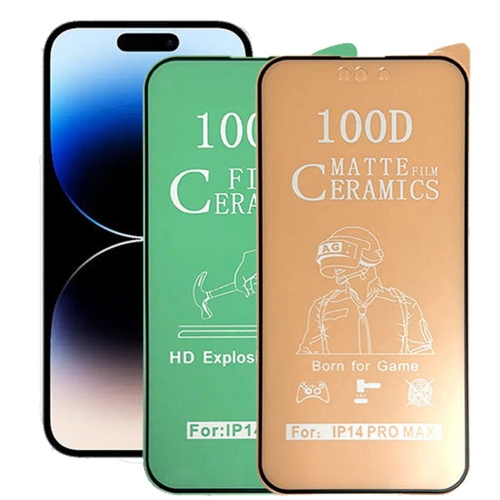
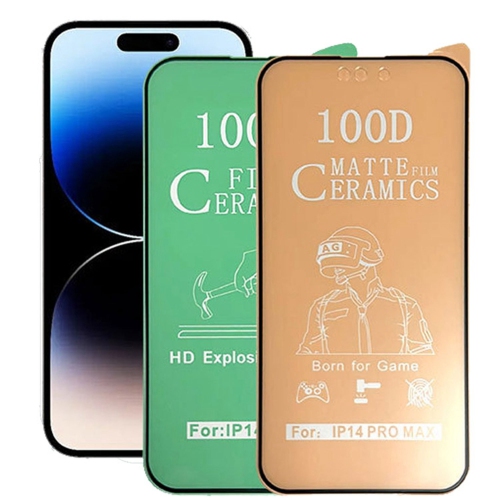
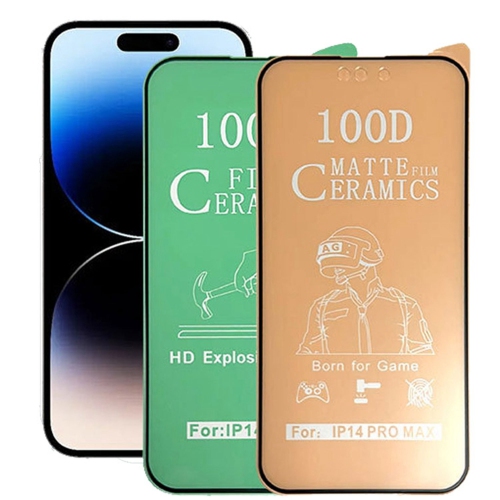
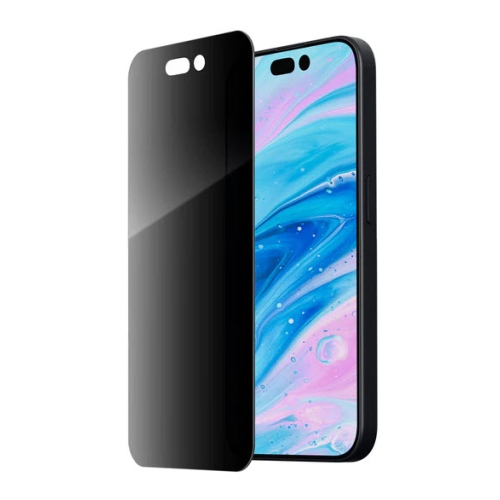
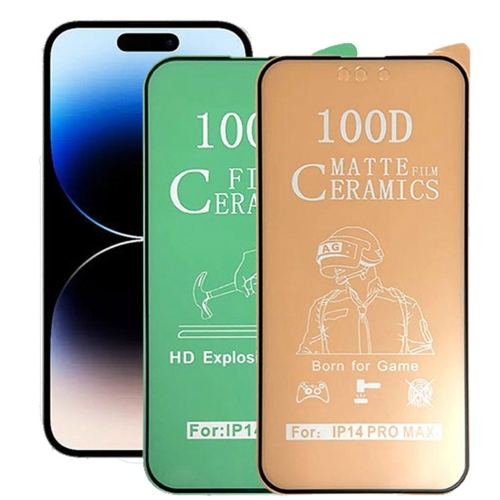
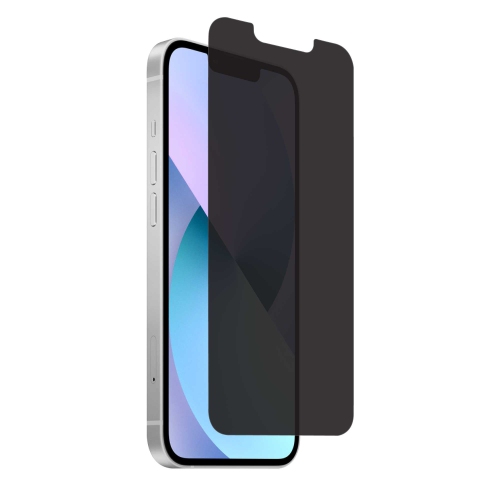
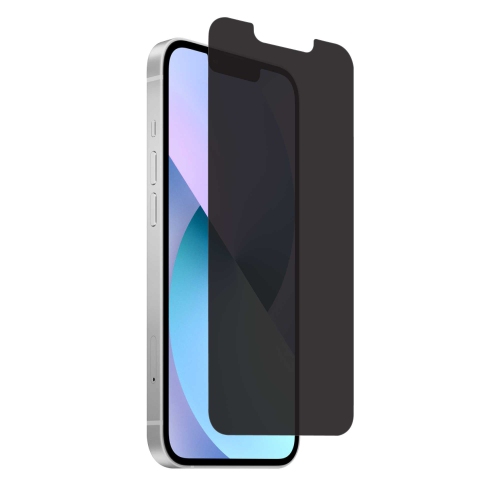
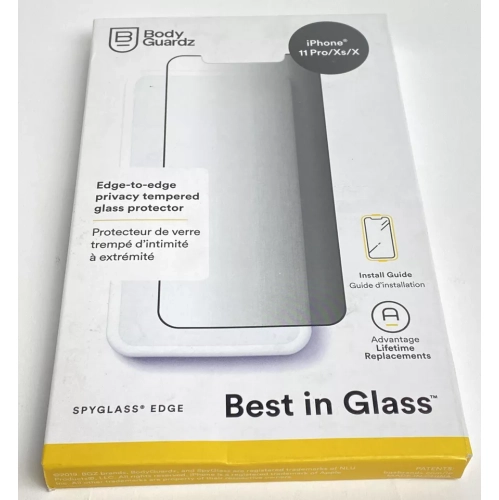
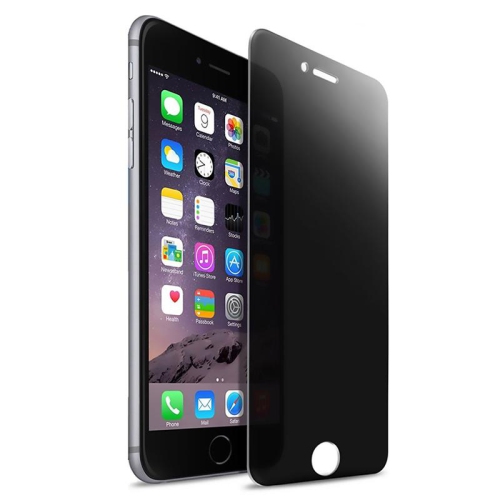
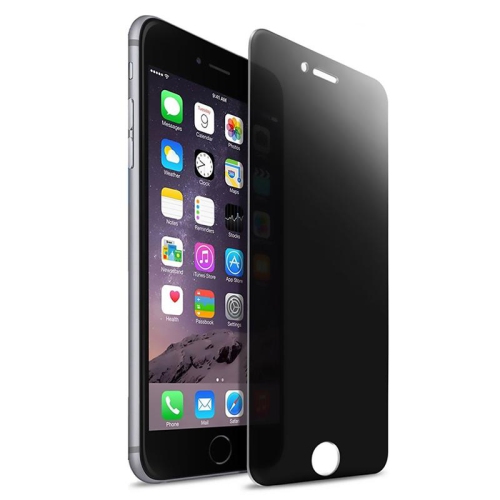
![GENERIC [2-Pack] Privacy Anti-Spy Case-Friendly Tempered Glass Screen Protector for Samsung Galaxy A11 (Privacy)](https://multimedia.bbycastatic.ca/multimedia/products/500x500/195/19511/19511040.jpeg)
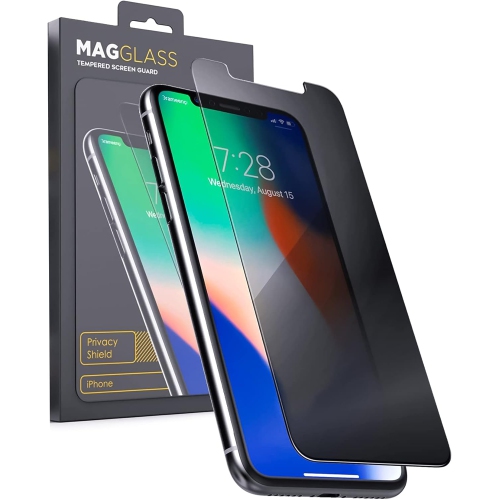
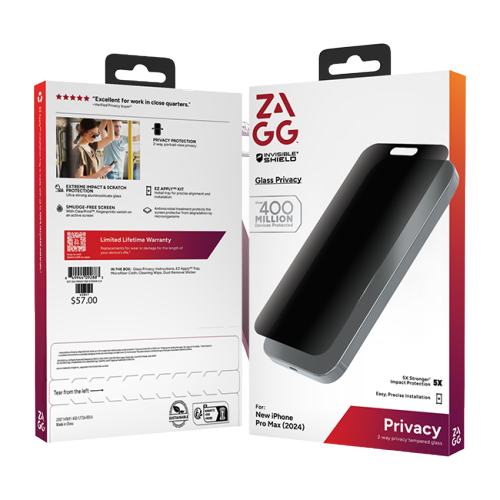
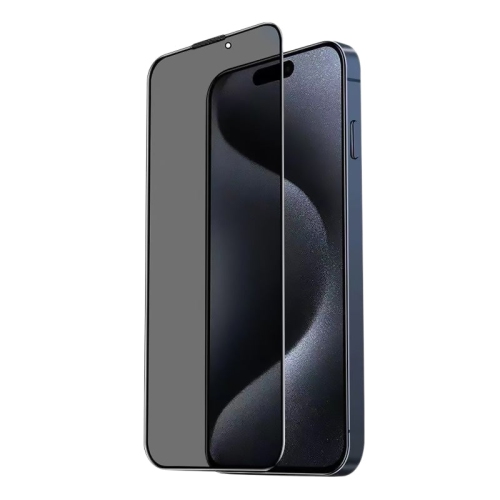
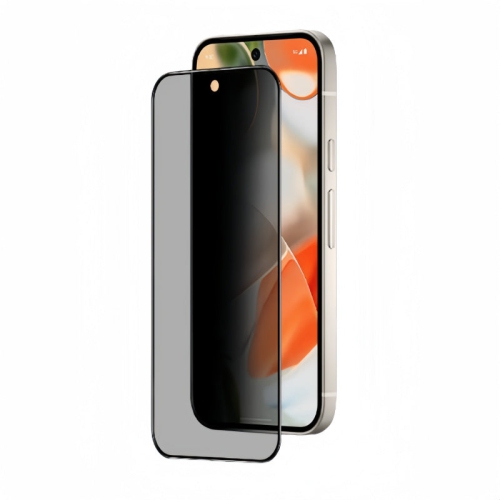
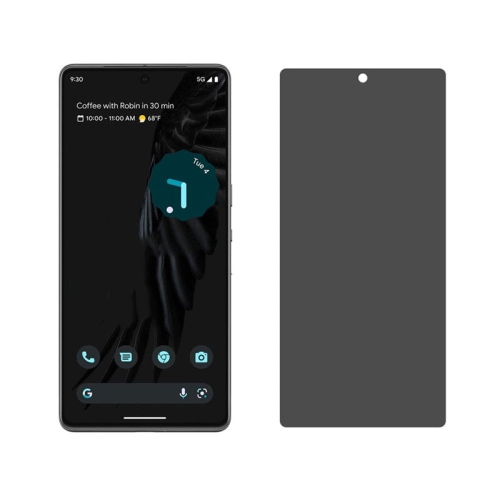
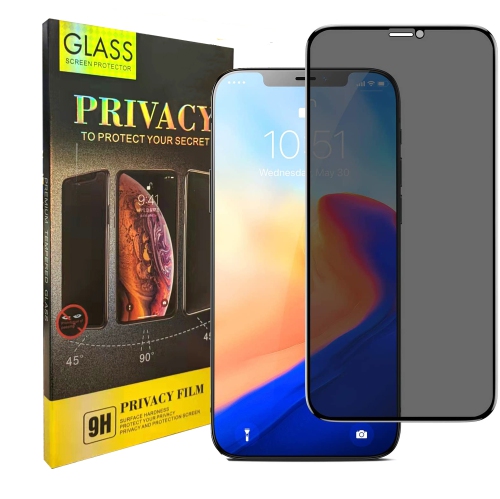
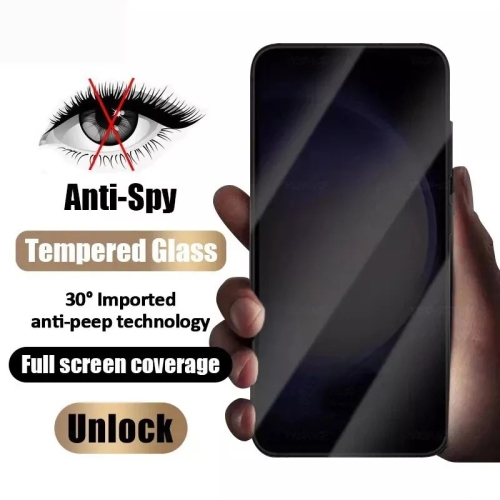
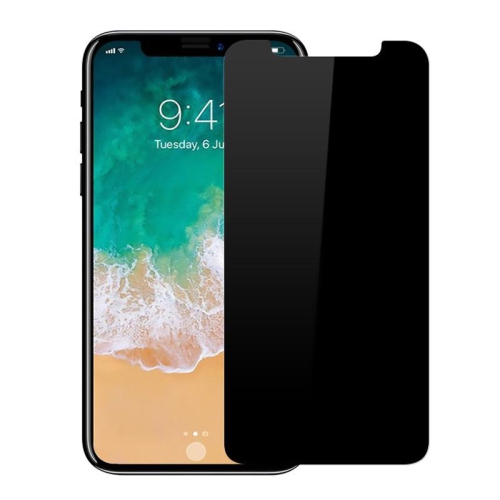
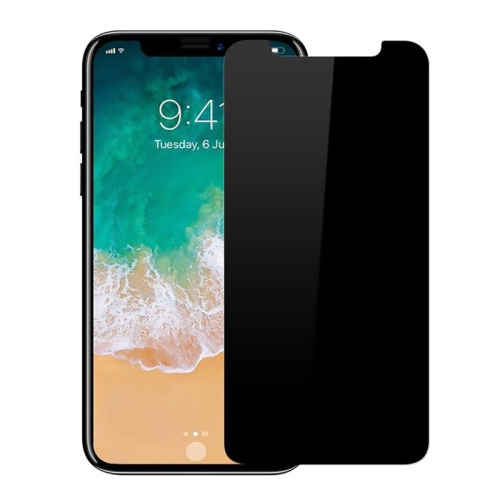
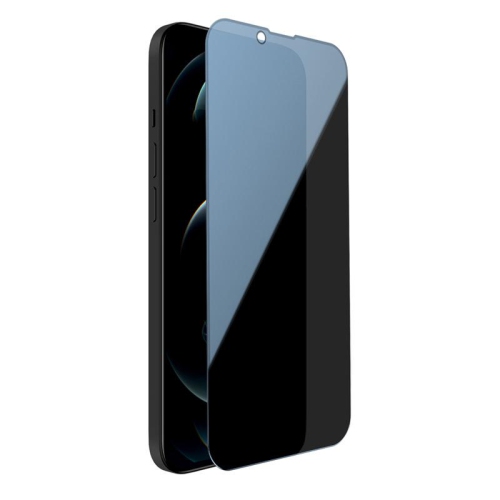
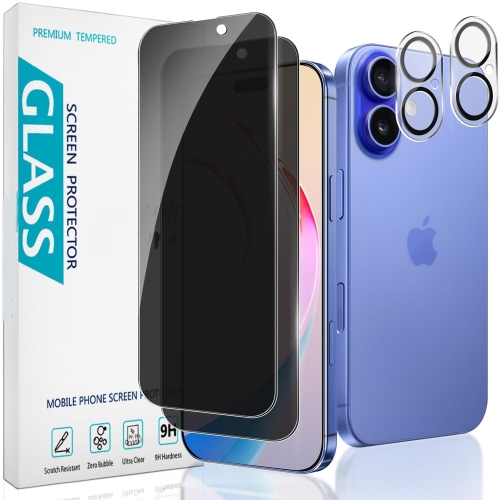
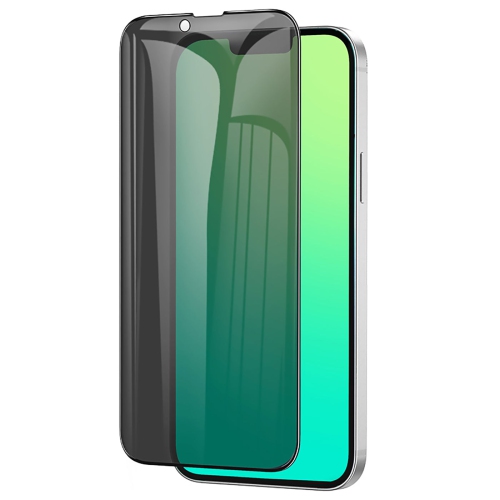
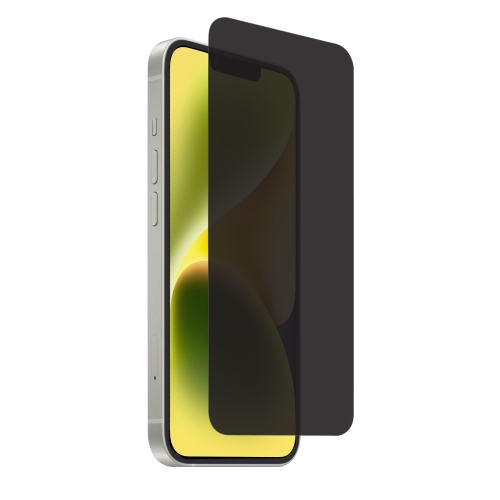
![ICM Topsave [Case Friendly] Full Protection Privacy Tempered Glass Apple for Iphone 14 Plus(6.7")](https://multimedia.bbycastatic.ca/multimedia/products/500x500/165/16530/16530054.jpeg)
![ICM Topsave [Case Friendly] Full Protection Privacy Tempered Glass Apple for Iphone 14 Pro Max (6.7")](https://multimedia.bbycastatic.ca/multimedia/products/500x500/165/16529/16529984.jpeg)
![ICM Topsave [Case Friendly] Full Protection Privacy Tempered Glass Apple for Iphone 14 Pro (6.1")](https://multimedia.bbycastatic.ca/multimedia/products/500x500/165/16502/16502316.jpeg)
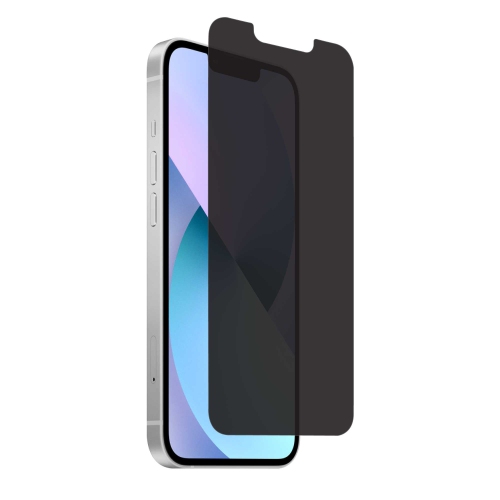
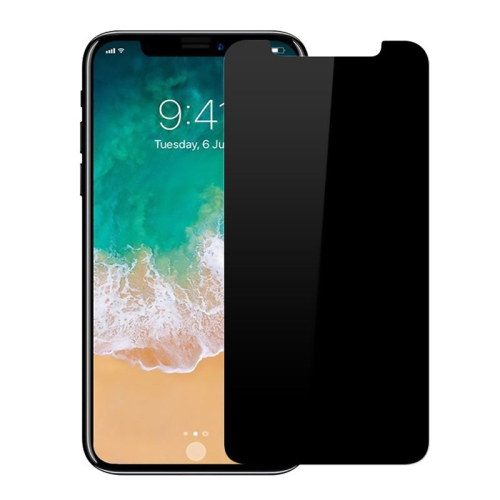
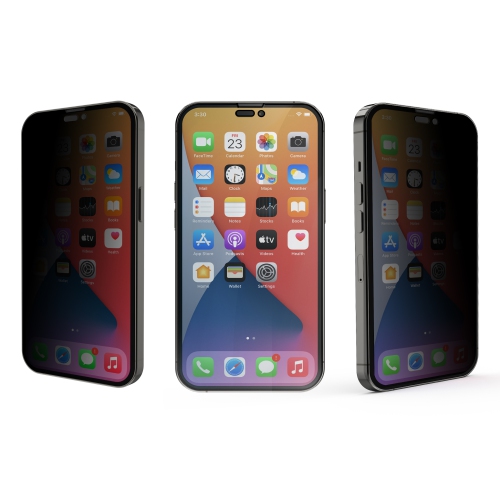
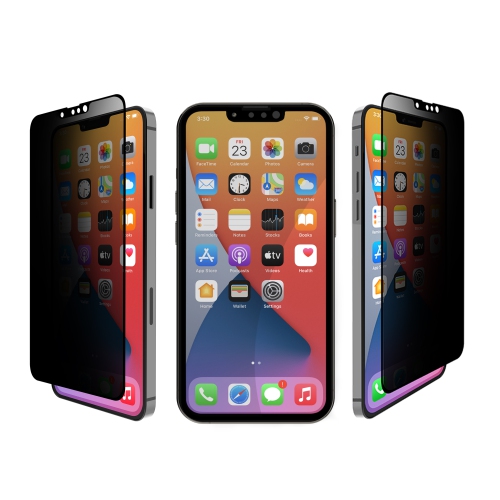
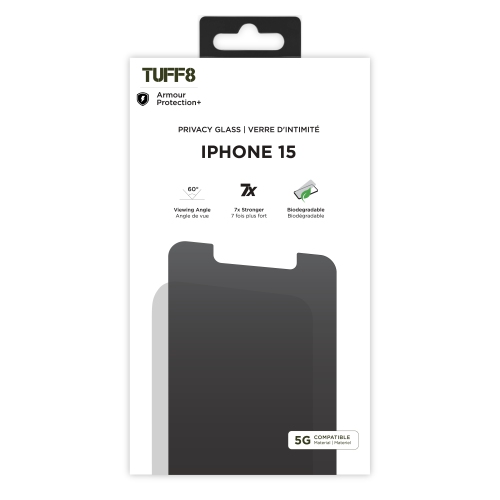
![GENERIC Privacy Glass [Anti-Spy] Compatible With Iphone 15 Plus Screen Protector, Full-Coverage Tempered Glass Privacy](https://multimedia.bbycastatic.ca/multimedia/products/500x500/174/17487/17487496.jpeg)
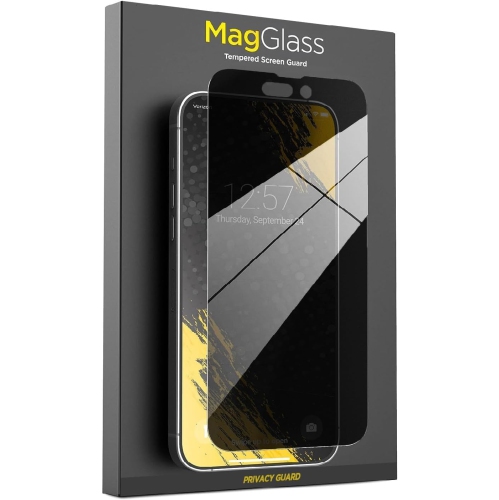
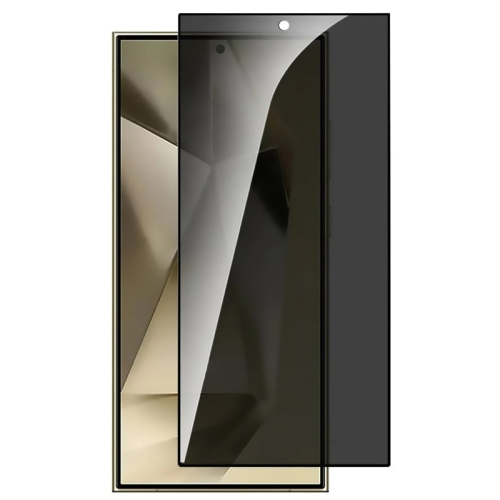
![GENERIC [3-Pack] Privacy Screen Protector for Samsung S23 Plus Privacy Glass Full Coverage Anti Spy Tempered Glass](https://multimedia.bbycastatic.ca/multimedia/products/500x500/174/17489/17489717.jpeg)
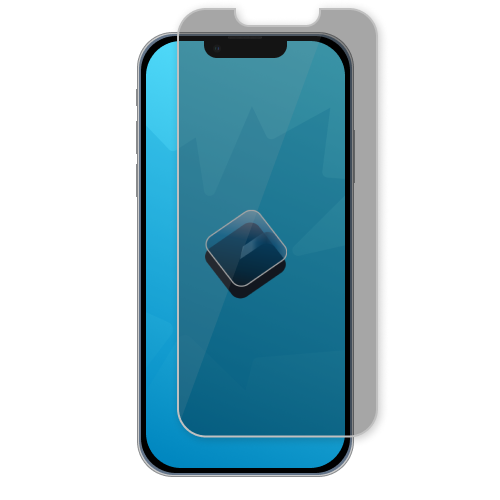

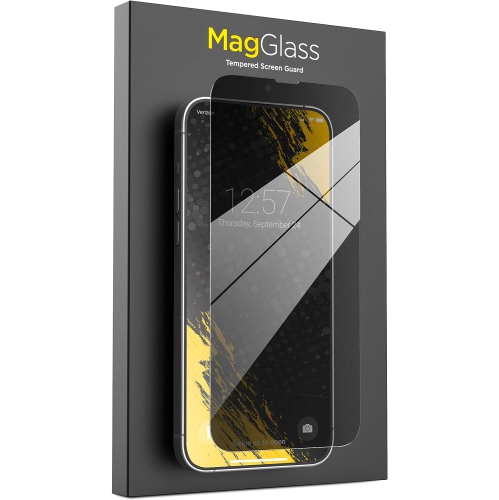
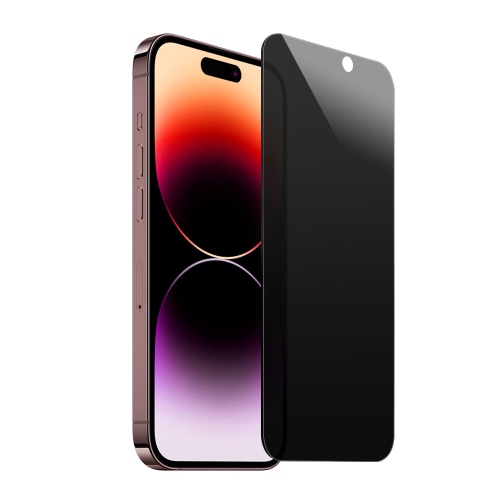
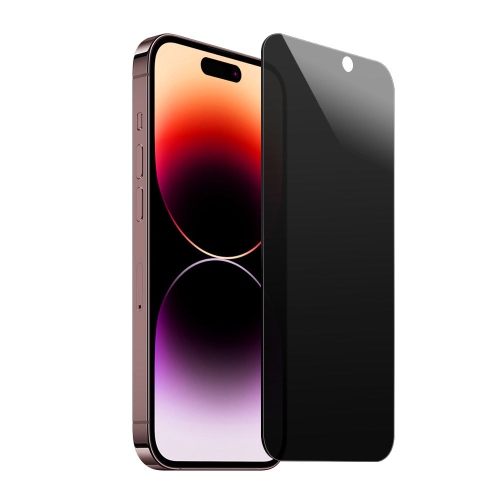
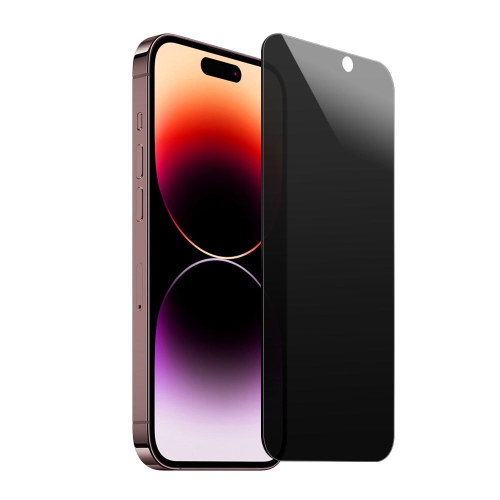
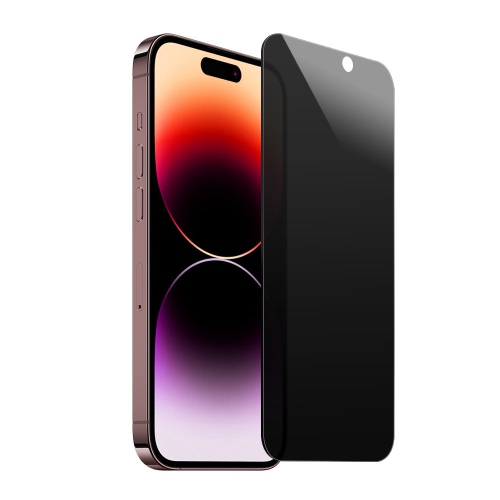
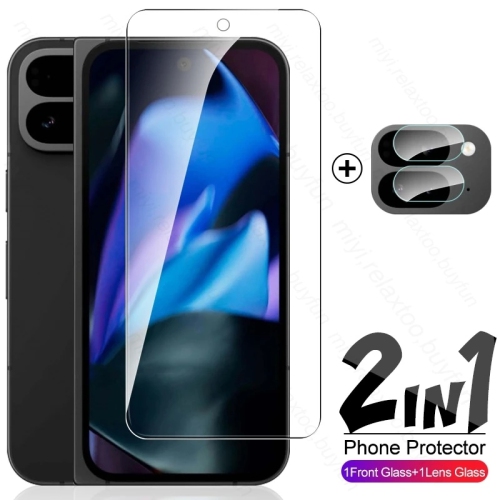
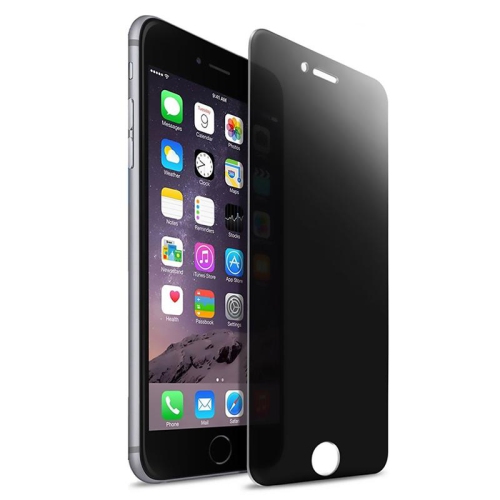
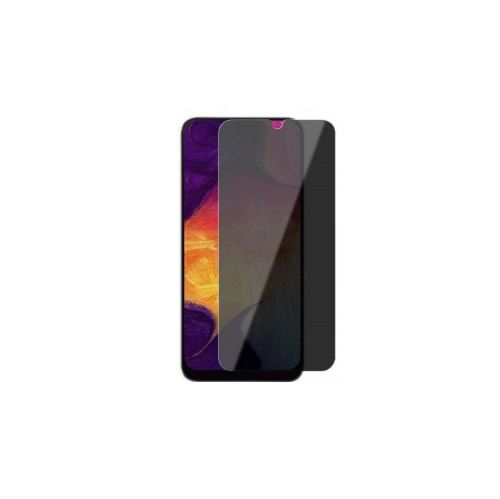
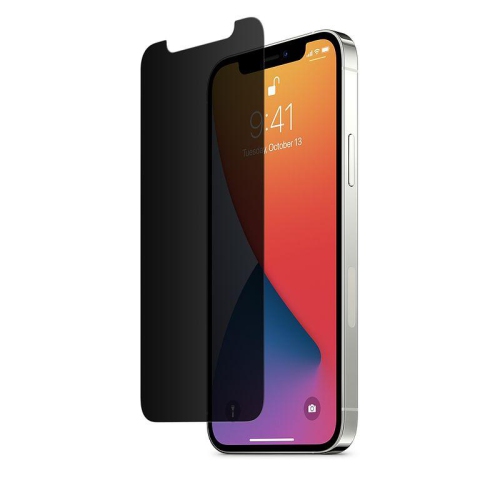
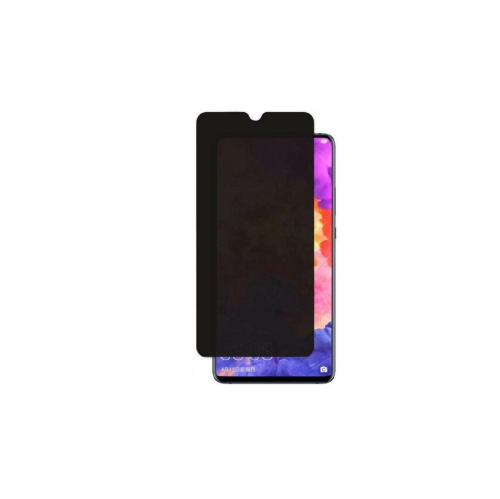




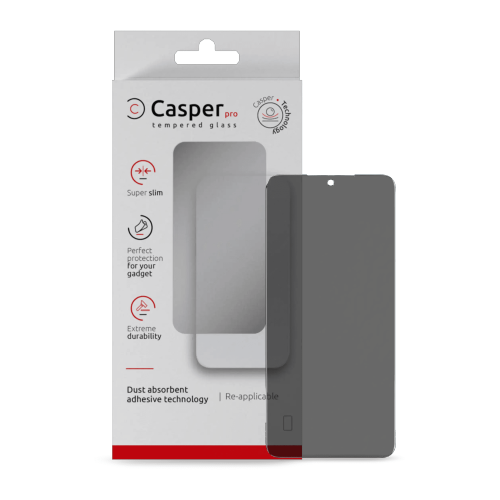
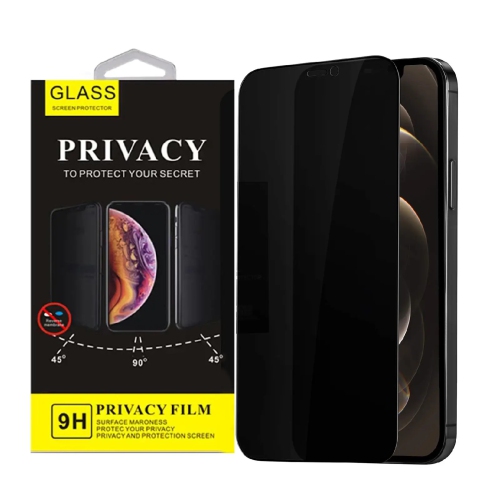

![GENERIC [3 Pack] Privacy Screen Protector for Iphone 13, Full Cover Anti-Spy Screen Protector Tempered Glass Film [6.1](https://multimedia.bbycastatic.ca/multimedia/products/500x500/174/17489/17489414.jpeg)
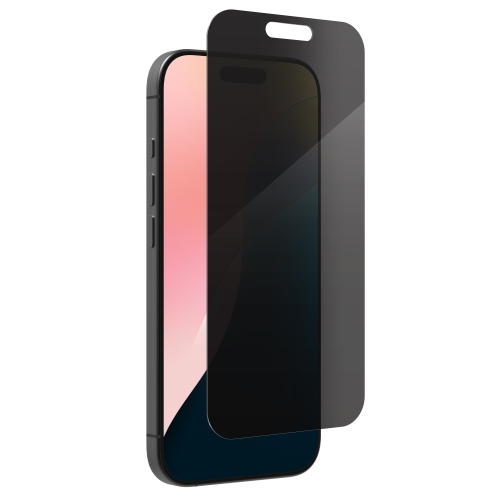
How eyewear can interfere with camera-based identification
Privacy glasses are eyewear designed to make certain facial features harder for some camera-based identification systems to capture or interpret. Depending on their construction, they may use lenses that filter near-infrared light, reflective frame materials, or shapes that partially shield the area around the eyes. Near-infrared light is invisible to the human eye, but some biometric systems use it to illuminate a face or gather information for identification. Materials that absorb or reflect particular wavelengths can change the detail those systems receive. The effect depends on the eyewear’s design, the wavelengths involved, the camera, the lighting, and the angle of view; privacy glasses do not provide a universal barrier against facial recognition. They also do not prevent ordinary cameras or camera-equipped smart glasses from recording visible images, and they have no effect on audio recording. This distinction matters when comparing privacy-focused eyewear with sunglasses, blue light glasses, and other everyday frames. A dark tint may conceal the eyes from a nearby person without meaningfully interfering with a camera. Similarly, glare reduction can improve visual comfort without providing any tested biometric privacy benefit. Some specialized designs target near-infrared imaging, while others rely primarily on physical coverage or reflections around the eyes. Those approaches are not interchangeable, and a visible sheen alone does not establish how well a lens performs. Meaningful specifications identify the light wavelengths a material filters or reflects and describe the conditions under which any privacy effect was tested. A result from one camera setup should not be treated as proof of protection against every identification system. For everyday wear, the practical balance is between a clearly described privacy function, comfortable vision, and a frame that suits the setting. Privacy eyewear is best understood as a potentially useful layer for particular situations, rather than a way to become invisible to cameras or to control what happens to an image after it has been captured.
Materials and fit play a large part in how privacy glasses feel during a full day of commuting, desk work, or walking between appointments. Frame materials commonly used in eyewear include moulded plastics, acetate, and metal, each with different weight, flexibility, and adjustment characteristics. A thicker frame may offer more coverage around the eyes, but it can also feel heavier across the bridge or behind the ears. Slimmer temples may sit more comfortably beneath headphones or a winter hat, while broad temples and side shields can reduce the view from the sides. That extra coverage deserves attention in busy settings, since a design that limits peripheral vision may be unsuitable for cycling or other activities that require a clear view of approaching traffic. Lens width, bridge width, and temple length offer a more useful starting point for fit than a general size label. Frames should rest securely without squeezing the temples, sliding down the nose, or touching the cheeks whenever the wearer smiles. Adjustable nose pads can help refine the position, though their comfort depends on the shape of the bridge and how evenly the weight is distributed. For anyone who needs prescription lenses, compatibility should be confirmed before assuming that a privacy treatment can be combined with a particular prescription. Replacing the original lenses may remove the feature responsible for the eyewear’s privacy function. Lens clarity matters just as much as frame comfort: colour shifts, strong reflections, or a pronounced tint can affect how screens, signs, and indoor spaces appear. Polarization, ultraviolet protection, impact resistance, and near-infrared filtering are separate properties, so evidence of one does not establish the others. Privacy glasses should not be treated as safety eyewear unless they carry the appropriate certification for the task. For driving, especially after dark, clear visibility and suitability for road use take priority over tint, coverage, or a claimed privacy effect.
Intended use helps distinguish a comfortable everyday pair from a design better suited to occasional wear. Someone concerned about camera-based identification during a commute may value a discreet appearance and a stable fit, while a person spending longer periods outdoors may also need documented ultraviolet protection. An office worker moving between a bright window and a monitor may be more sensitive to lens reflections or changes in colour. None of these needs is answered by a privacy claim alone. Reflective details can look subtle under one light source and quite noticeable under another, so appearance in ordinary indoor and outdoor light is part of the wearing experience. During the cooler months, moving from cold air into a warm building can leave lenses fogged, and a scarf worn close to the face may direct moisture upwards. Any anti-fog treatment needs to be compatible with the lens coating rather than added on the assumption that all eyewear surfaces behave alike. Care is especially important when a surface treatment contributes to the glasses’ intended function. Dust and grit should be removed using the cleaning method specified for the lenses, followed by a clean microfibre cloth rather than a sleeve, tissue, or rough paper towel. Harsh household cleaners, unapproved solvents, and abrasive polishing can damage coatings or leave the view hazy. A protective case helps prevent contact with keys and other hard objects in a bag, while placing glasses with the lenses facing upwards reduces accidental scuffing on a desk. Hinges, nose pads, and lens edges also benefit from periodic attention; looseness can change how the frames sit, and damaged coatings may affect performance. Privacy glasses can be a thoughtful gift for someone with an established interest in wearable technology or personal privacy, provided their fit, prescription needs, and expectations are understood. For broader gifting inspiration, Gift Glasses offers a related place to browse. The strongest match is eyewear that the recipient can wear comfortably and care for easily, with a purpose that is clearly explained and limitations that remain realistic.
Materials and fit play a large part in how privacy glasses feel during a full day of commuting, desk work, or walking between appointments. Frame materials commonly used in eyewear include moulded plastics, acetate, and metal, each with different weight, flexibility, and adjustment characteristics. A thicker frame may offer more coverage around the eyes, but it can also feel heavier across the bridge or behind the ears. Slimmer temples may sit more comfortably beneath headphones or a winter hat, while broad temples and side shields can reduce the view from the sides. That extra coverage deserves attention in busy settings, since a design that limits peripheral vision may be unsuitable for cycling or other activities that require a clear view of approaching traffic. Lens width, bridge width, and temple length offer a more useful starting point for fit than a general size label. Frames should rest securely without squeezing the temples, sliding down the nose, or touching the cheeks whenever the wearer smiles. Adjustable nose pads can help refine the position, though their comfort depends on the shape of the bridge and how evenly the weight is distributed. For anyone who needs prescription lenses, compatibility should be confirmed before assuming that a privacy treatment can be combined with a particular prescription. Replacing the original lenses may remove the feature responsible for the eyewear’s privacy function. Lens clarity matters just as much as frame comfort: colour shifts, strong reflections, or a pronounced tint can affect how screens, signs, and indoor spaces appear. Polarization, ultraviolet protection, impact resistance, and near-infrared filtering are separate properties, so evidence of one does not establish the others. Privacy glasses should not be treated as safety eyewear unless they carry the appropriate certification for the task. For driving, especially after dark, clear visibility and suitability for road use take priority over tint, coverage, or a claimed privacy effect.
Intended use helps distinguish a comfortable everyday pair from a design better suited to occasional wear. Someone concerned about camera-based identification during a commute may value a discreet appearance and a stable fit, while a person spending longer periods outdoors may also need documented ultraviolet protection. An office worker moving between a bright window and a monitor may be more sensitive to lens reflections or changes in colour. None of these needs is answered by a privacy claim alone. Reflective details can look subtle under one light source and quite noticeable under another, so appearance in ordinary indoor and outdoor light is part of the wearing experience. During the cooler months, moving from cold air into a warm building can leave lenses fogged, and a scarf worn close to the face may direct moisture upwards. Any anti-fog treatment needs to be compatible with the lens coating rather than added on the assumption that all eyewear surfaces behave alike. Care is especially important when a surface treatment contributes to the glasses’ intended function. Dust and grit should be removed using the cleaning method specified for the lenses, followed by a clean microfibre cloth rather than a sleeve, tissue, or rough paper towel. Harsh household cleaners, unapproved solvents, and abrasive polishing can damage coatings or leave the view hazy. A protective case helps prevent contact with keys and other hard objects in a bag, while placing glasses with the lenses facing upwards reduces accidental scuffing on a desk. Hinges, nose pads, and lens edges also benefit from periodic attention; looseness can change how the frames sit, and damaged coatings may affect performance. Privacy glasses can be a thoughtful gift for someone with an established interest in wearable technology or personal privacy, provided their fit, prescription needs, and expectations are understood. For broader gifting inspiration, Gift Glasses offers a related place to browse. The strongest match is eyewear that the recipient can wear comfortably and care for easily, with a purpose that is clearly explained and limitations that remain realistic.
Top selling and popular products
-
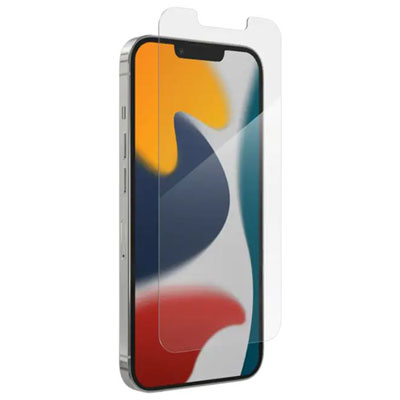 Your price for this item is $29.97
 -
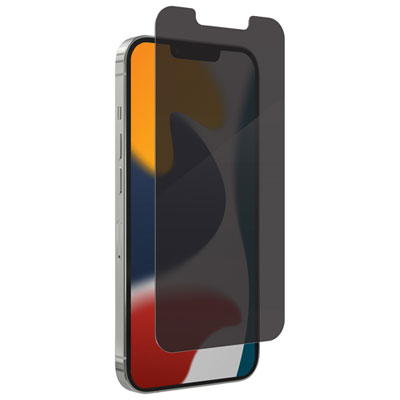 Your price for this item is $59.95
 -
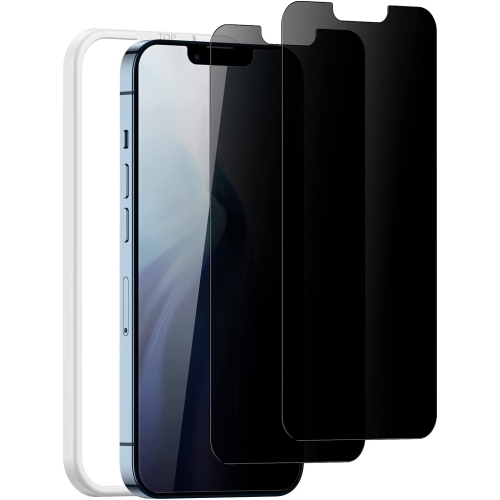 Your price for this item is $59
 -
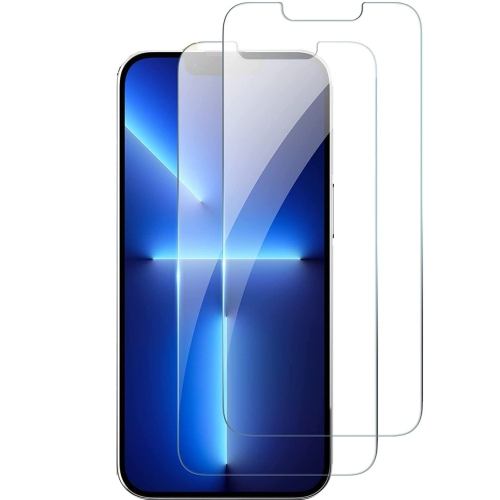 Your price for this item is $52
 -
 Your price for this item is $34.95
 -
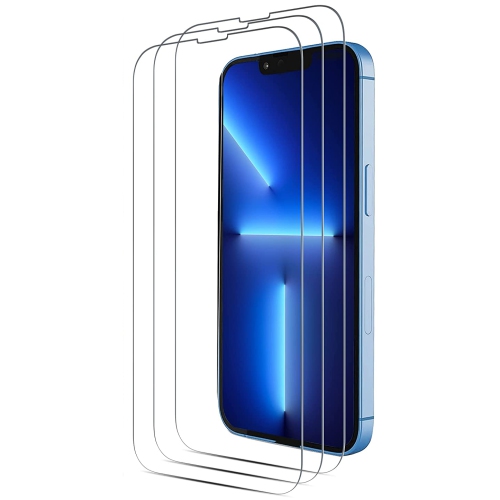 Your price for this item is $4.99
 -
![SUPERSHIELD Designed for Iphone 14 Screen Protector for Iphone 13/13 Pro Privacy Screen Protectors Tempered Glass [Case Friendly] [Anti Scratch]](https://multimedia.bbycastatic.ca/multimedia/products/500x500/172/17277/17277368.jpeg) Your price for this item is $8.94
Your price for this item is $8.94 -
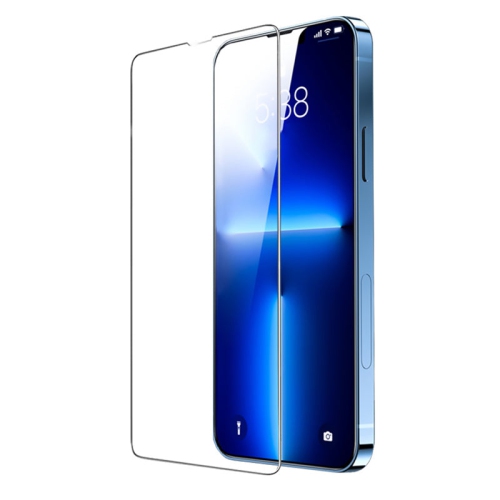 Your price for this item is $9.99
Discover more categories related to Privacy Glasses
Top Collections:
Pokemon Centers, Budget 4K TVs, Kindle Devices, Canon G7X Cameras, Apple iPhones 16, iPhone 15 Apple, Laptops for Business Work, Flip Phones, Xiaomi Phones, Refurbished Apple Laptops
Some products may be subject to Environmental Handling Fees
(EHF) depending on your province.
Learn more about EHFs.