Privacy Window Coverings
Enhance your home's privacy and style with our wide selection of privacy window coverings. Whether you're looking to create a cozy sanctuary or simply want to shield your living space from prying eyes, our range of window treatments offers the perfect solution. From elegant curtains to sleek blinds, our collection features an array of designs, materials, and colors to suit any decor. Discover the ideal window covering that not only adds a touch of sophistication to your home but also provides the privacy you desire.
Sort







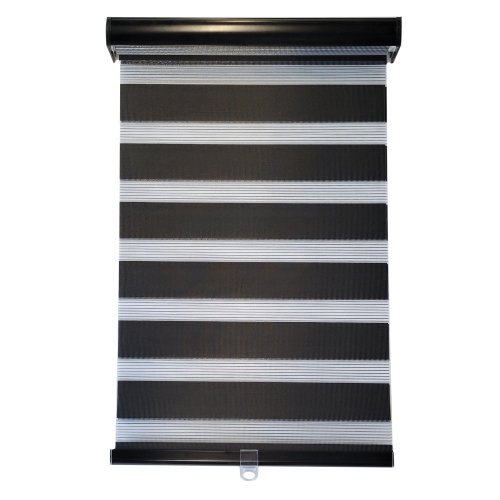
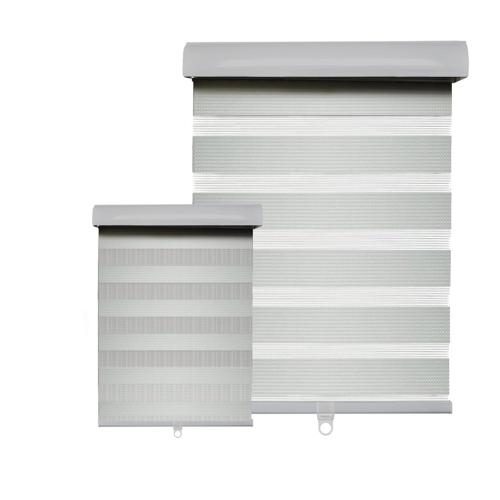
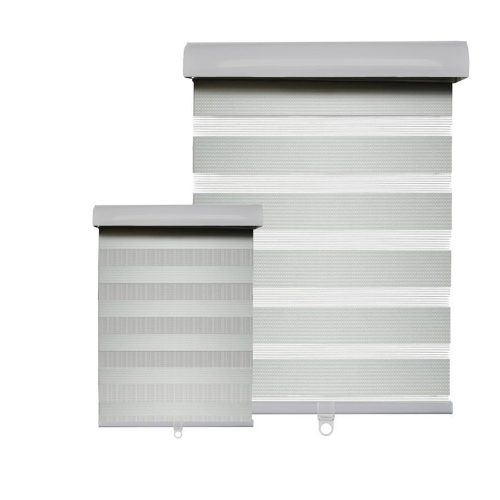

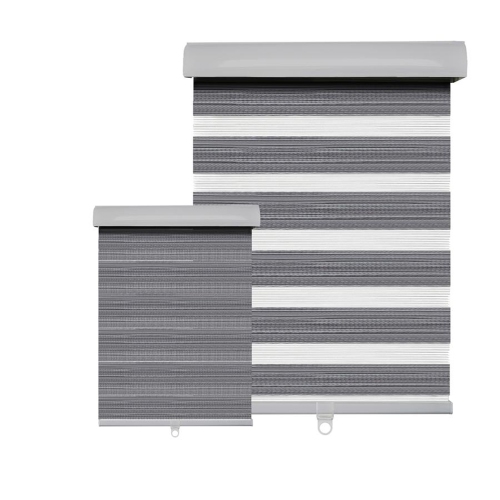

Why daytime privacy may not last after dark
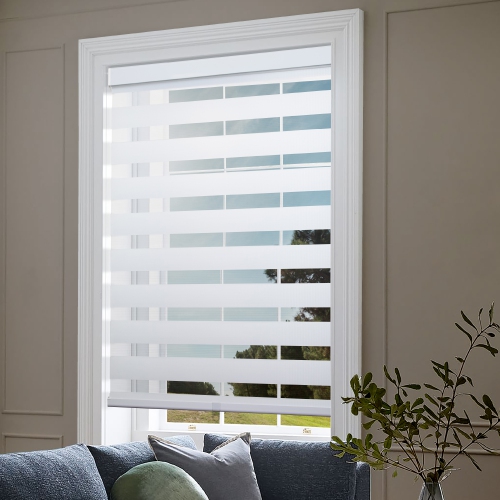
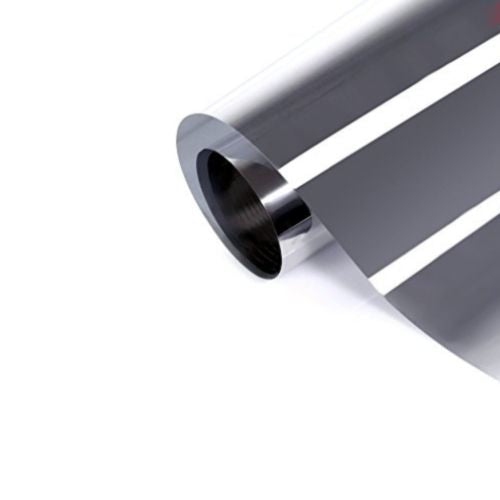
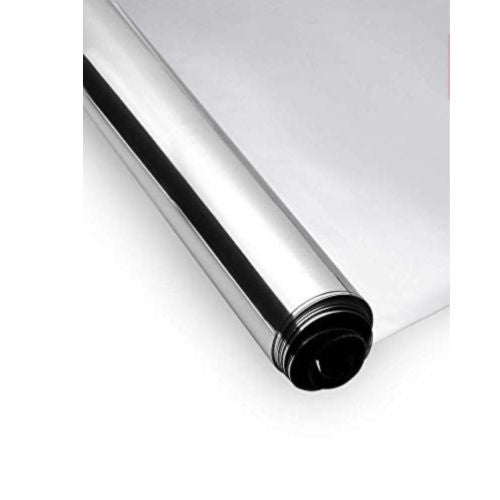
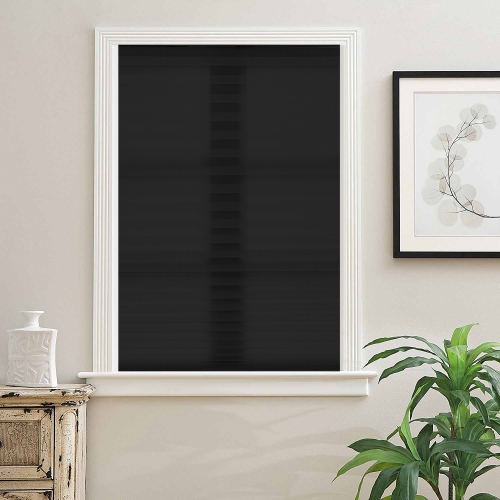
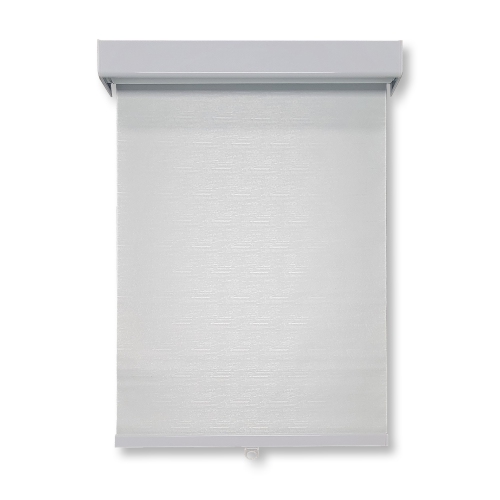
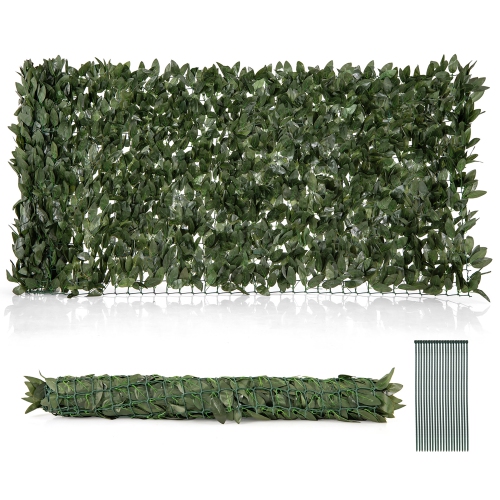
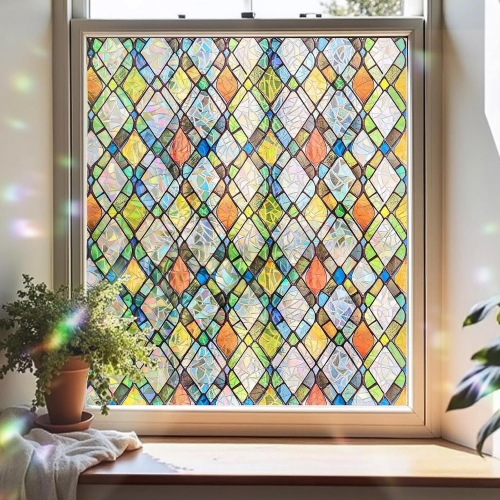
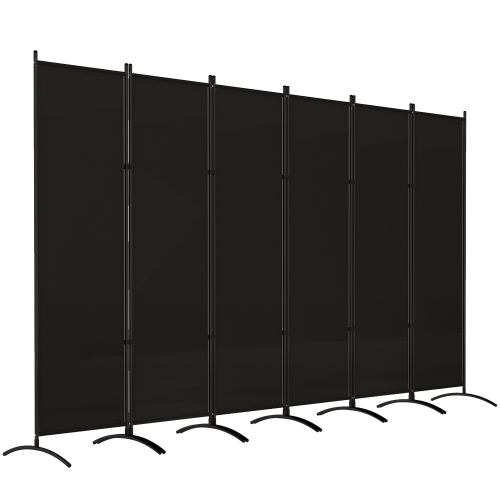
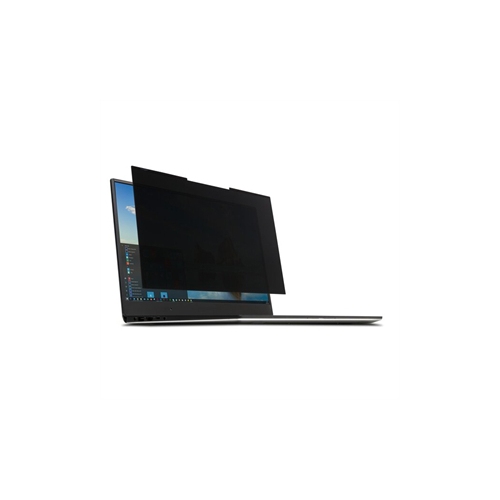
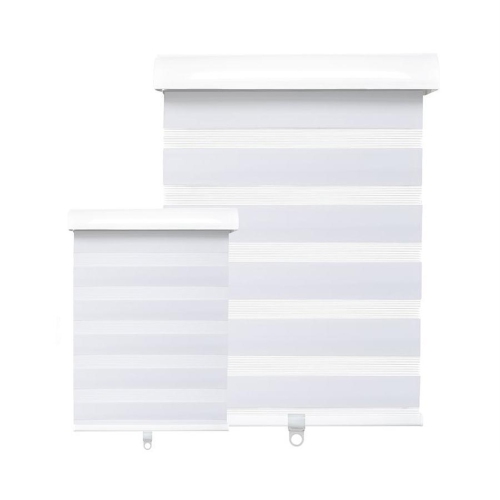
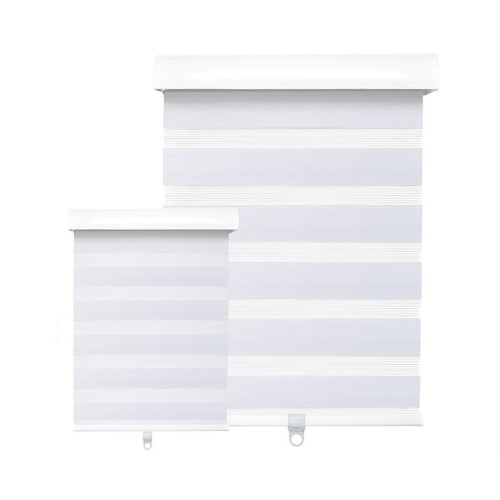
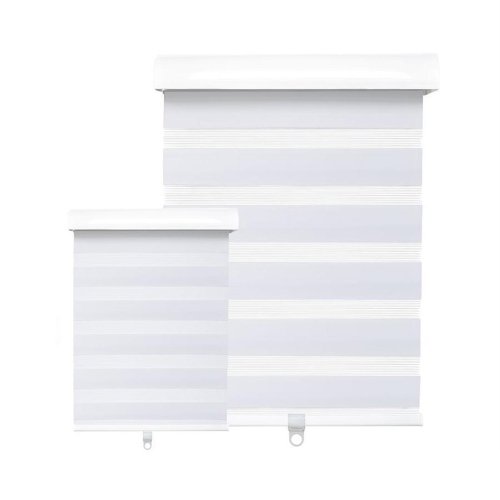
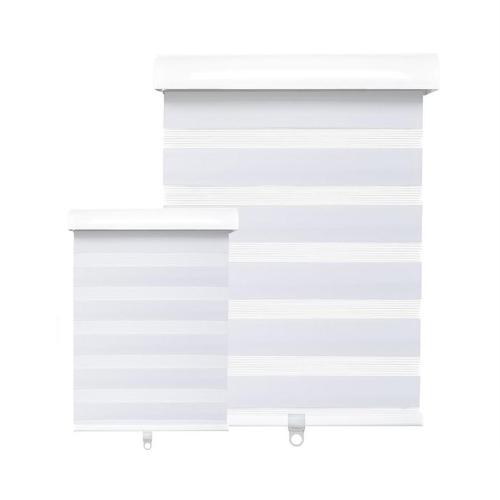
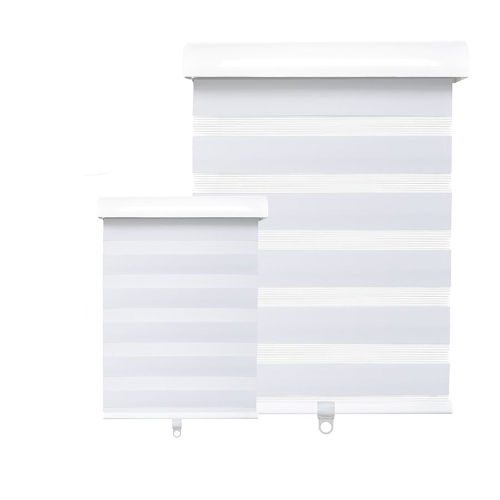
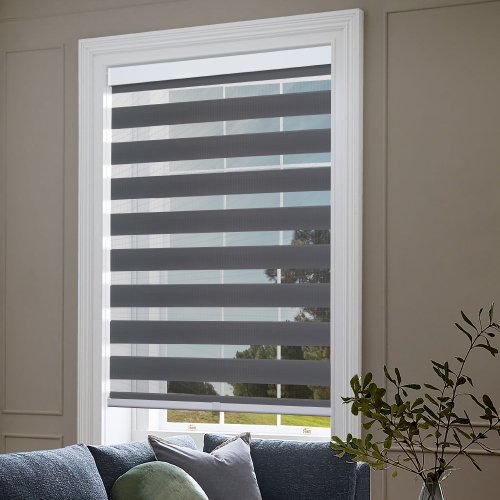
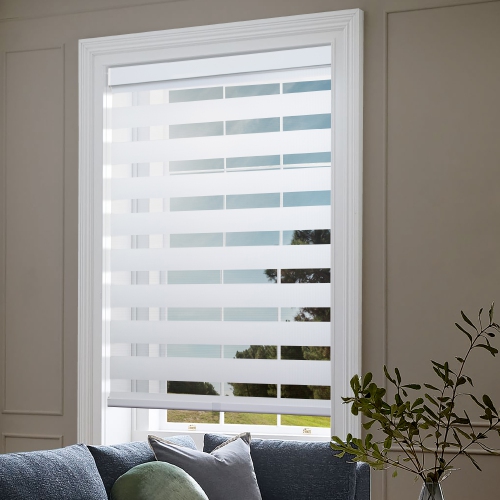
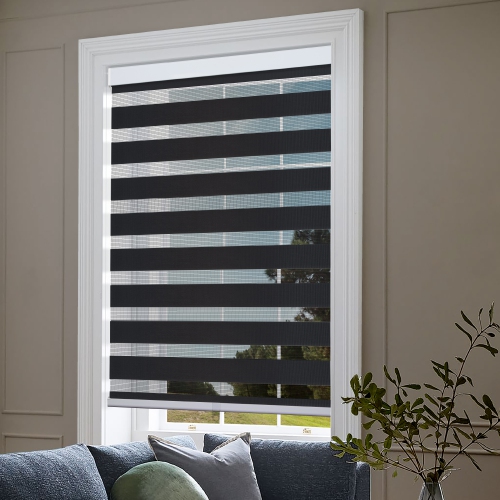
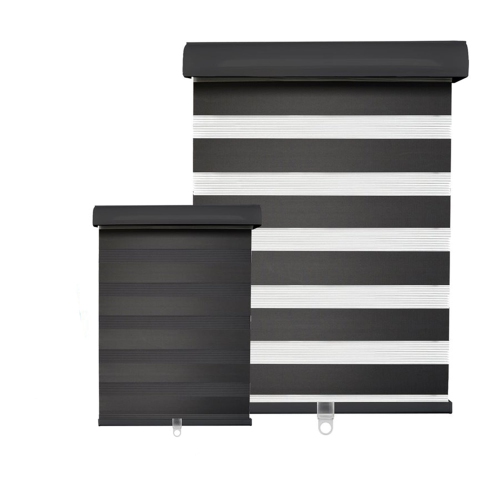
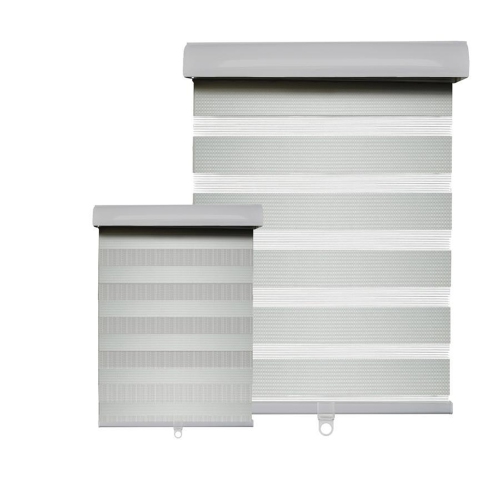
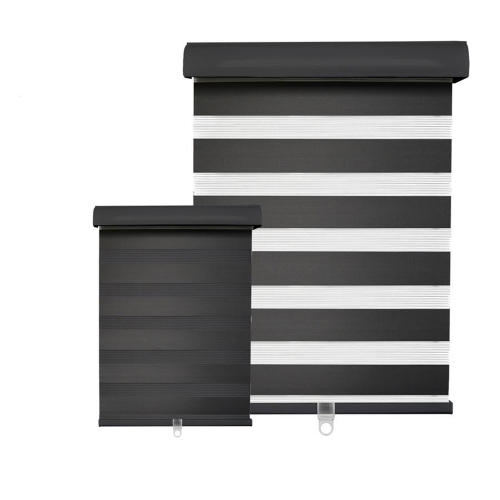
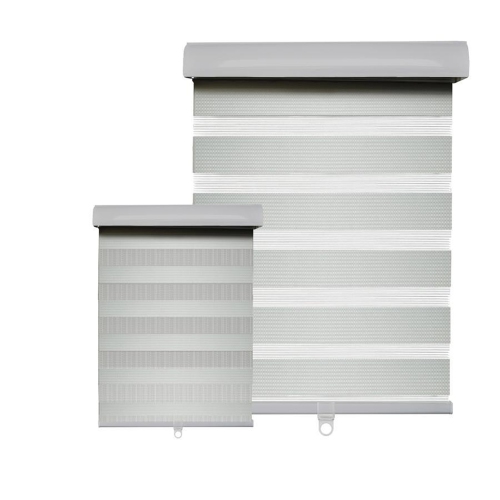
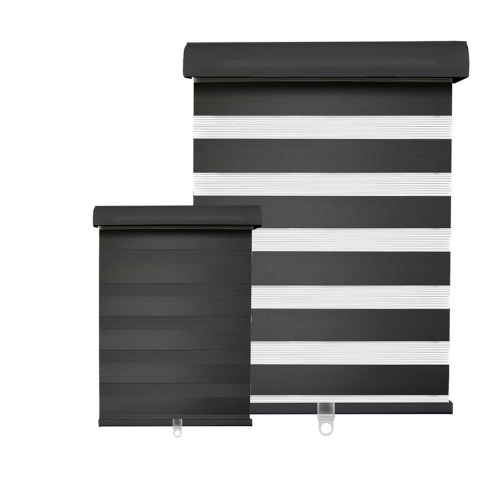
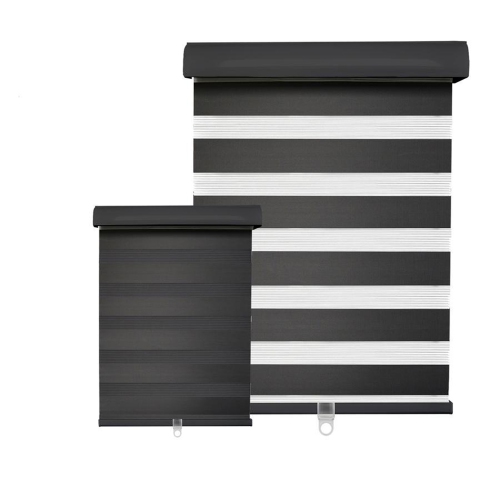
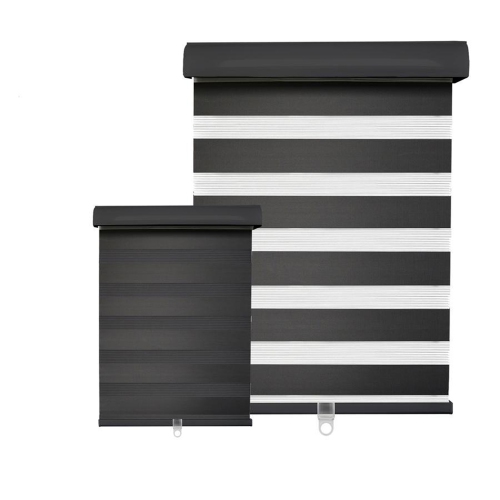
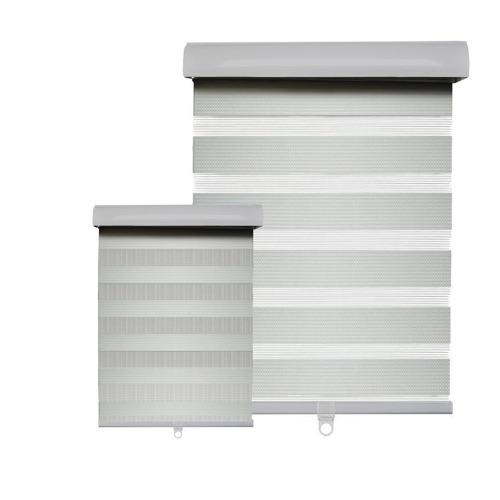
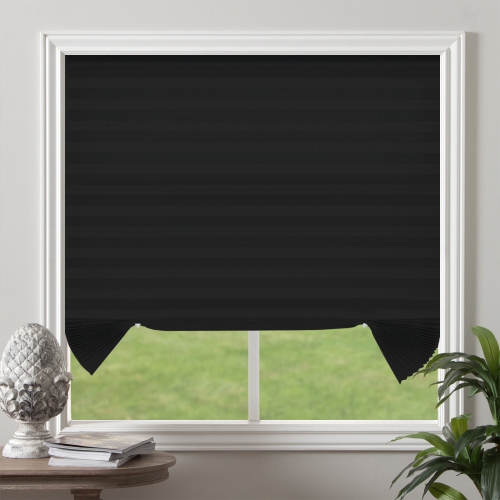
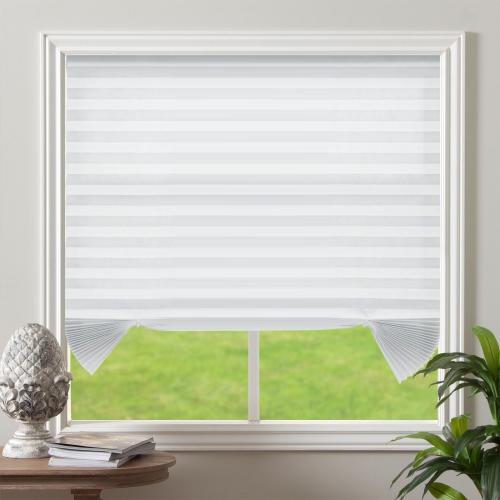
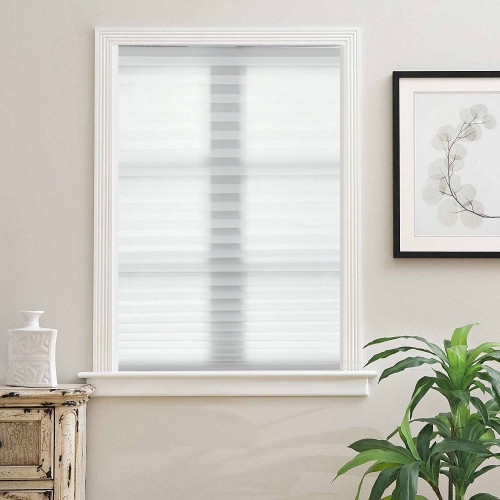
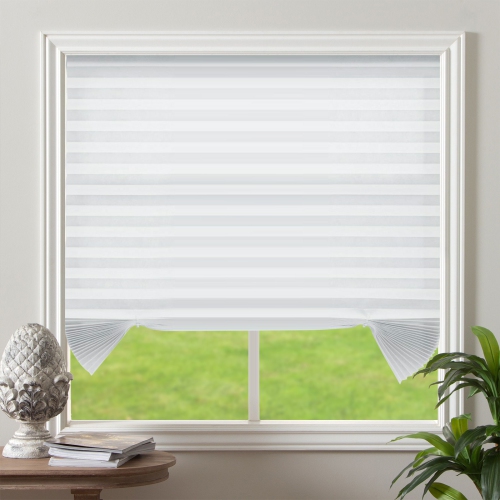
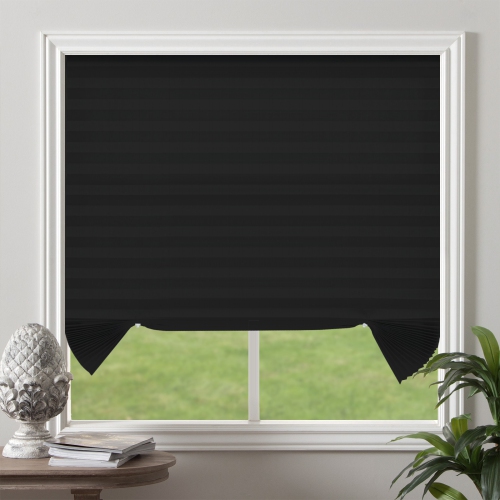
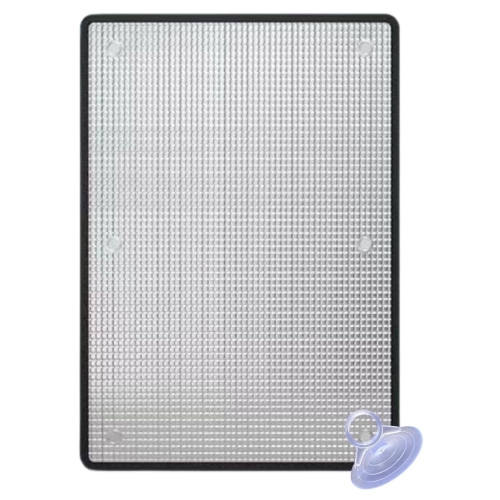
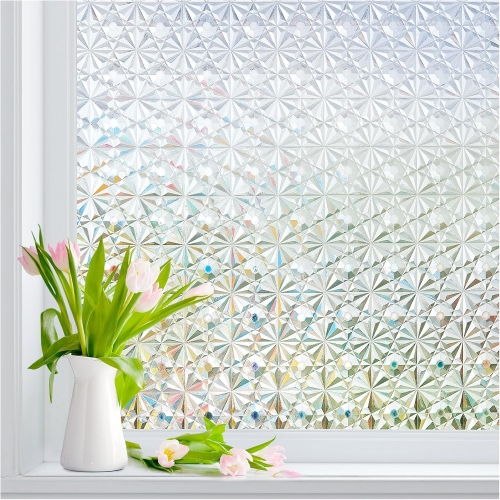
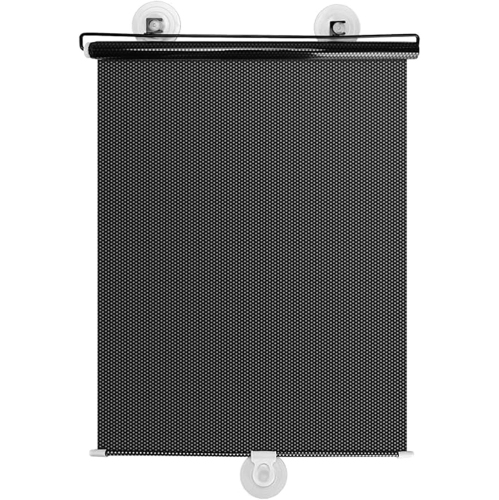
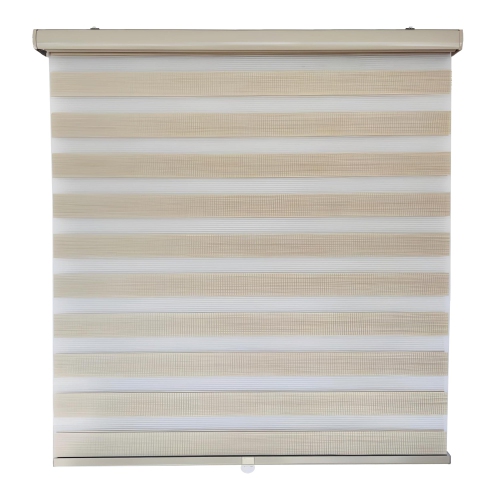
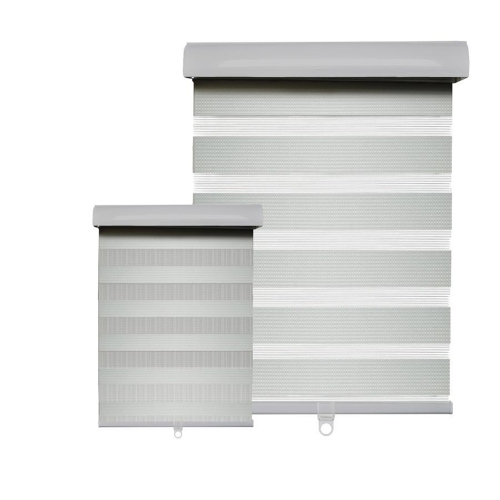
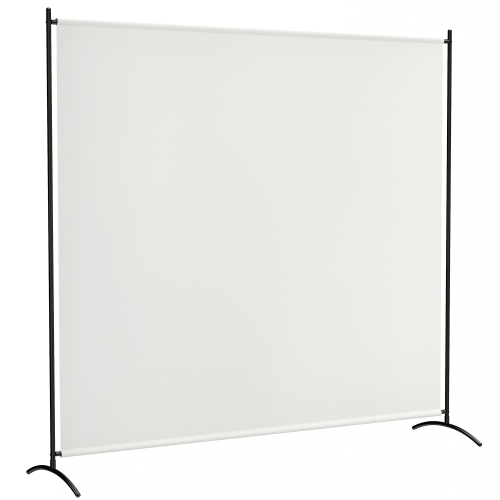
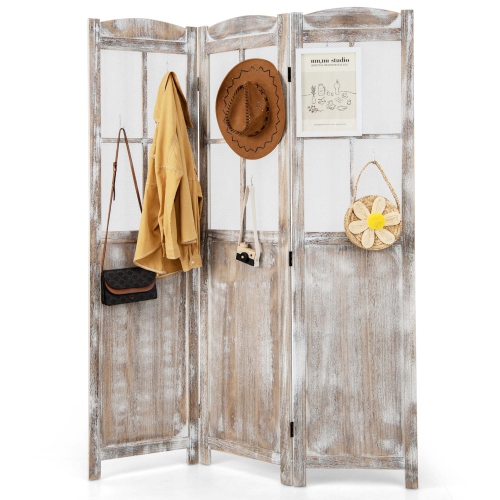
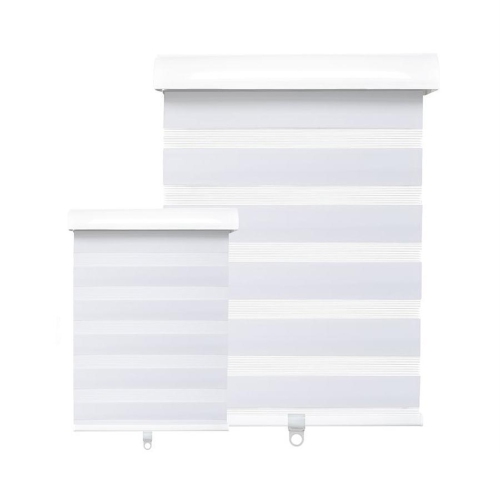
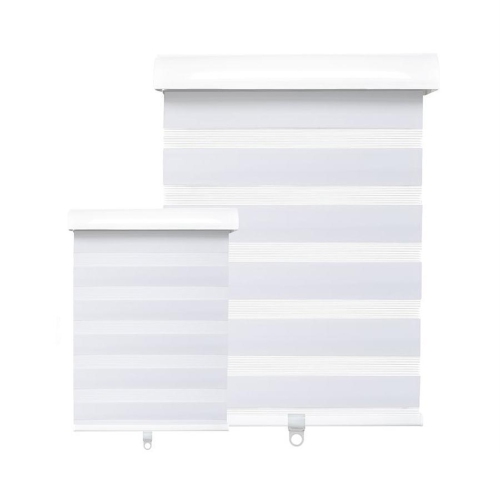
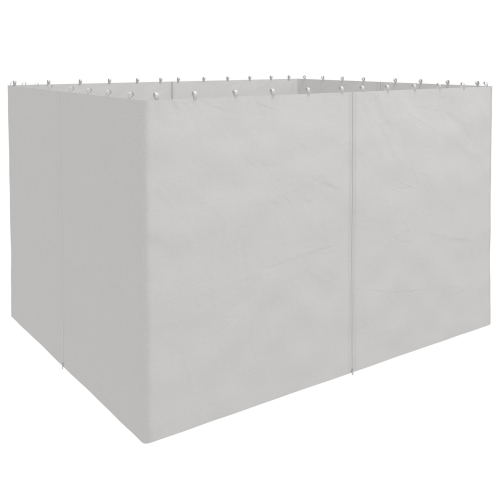
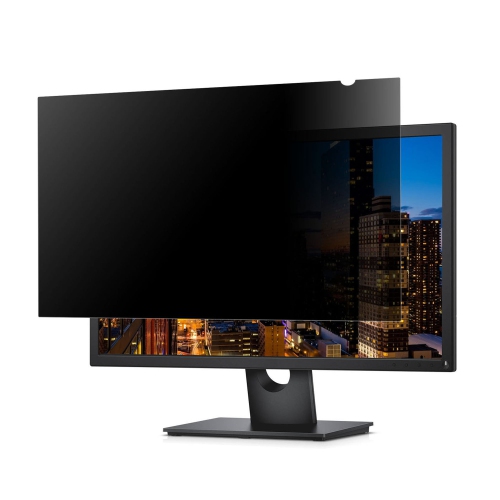
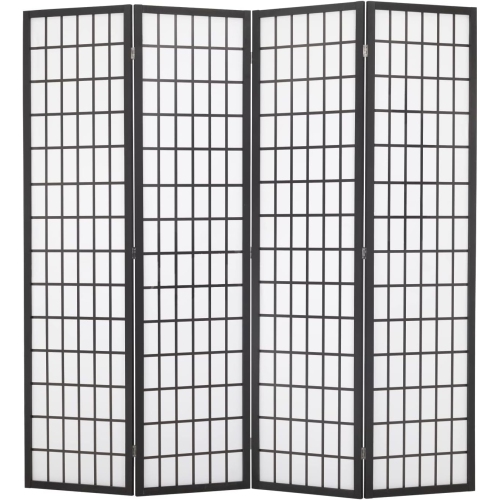
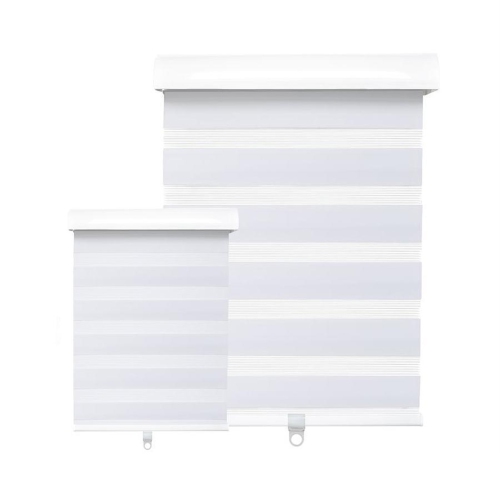
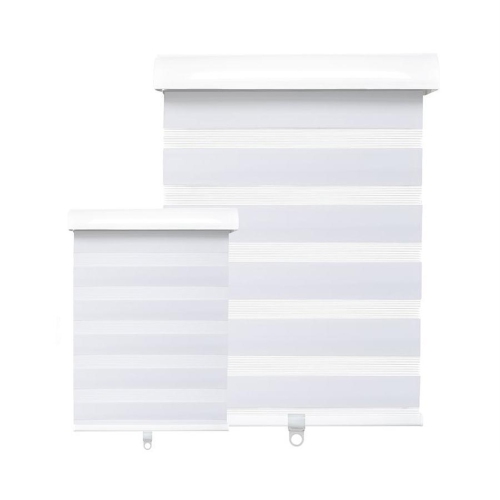
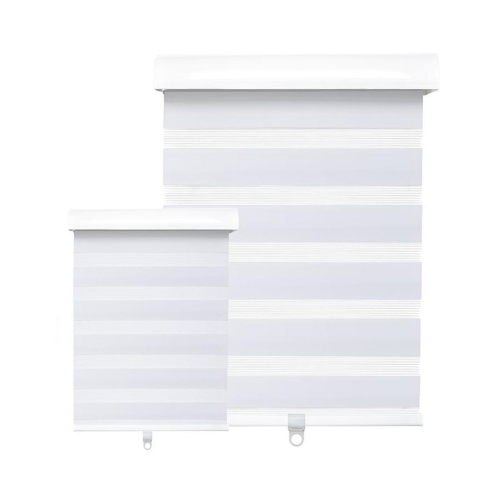
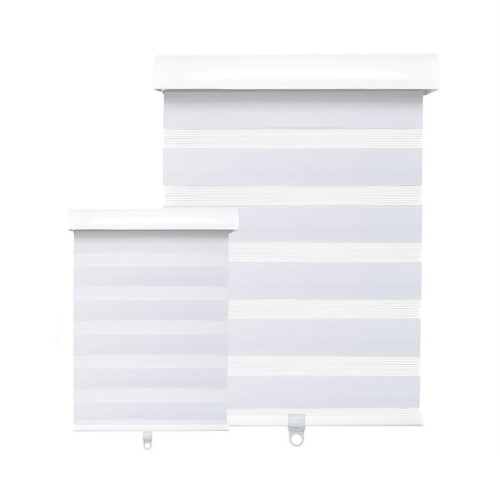
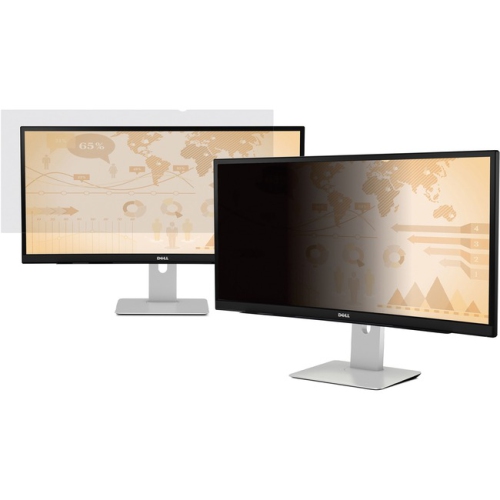
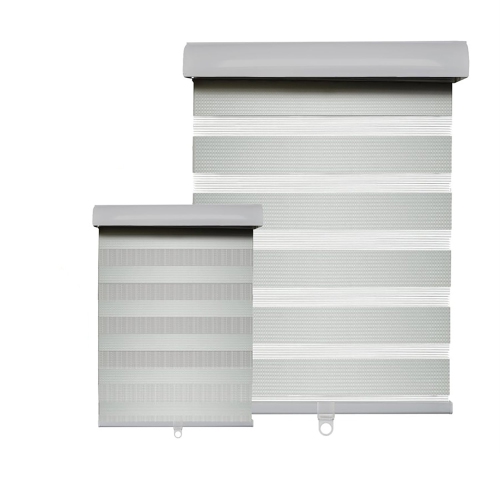
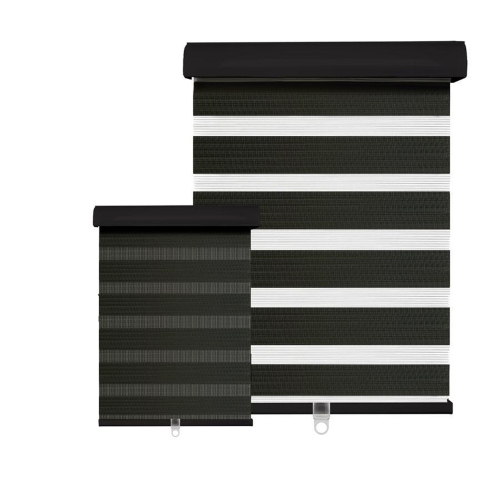
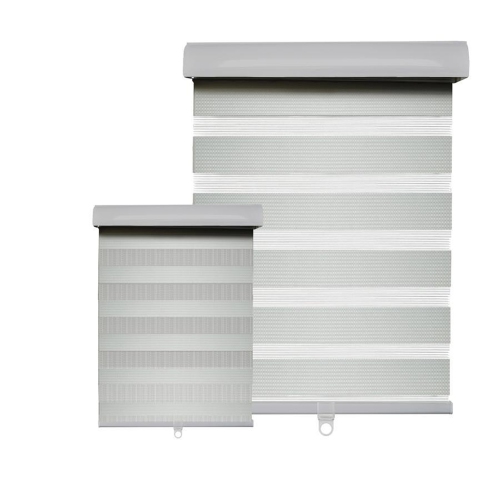
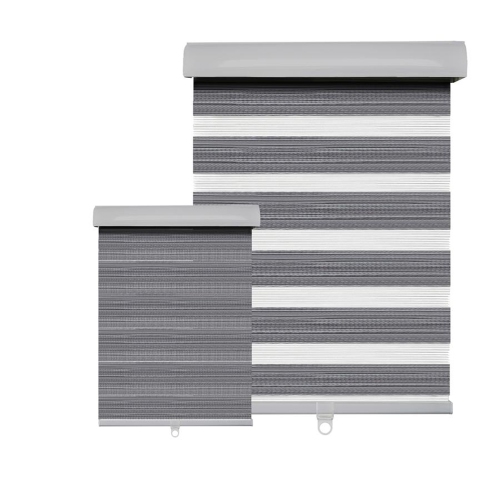
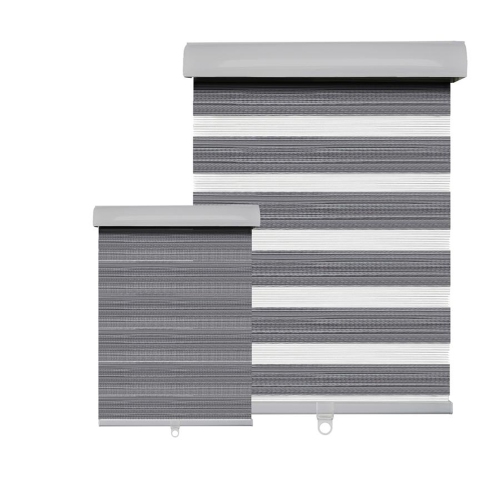
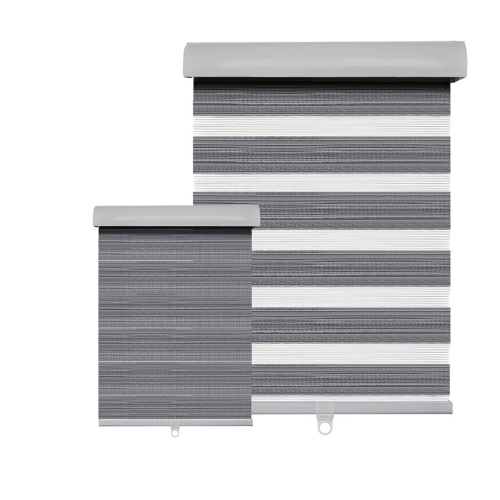
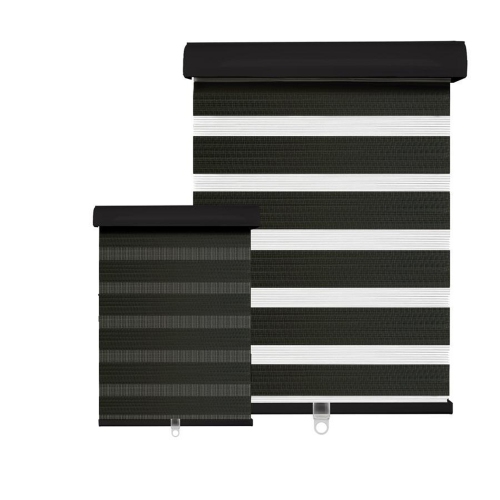
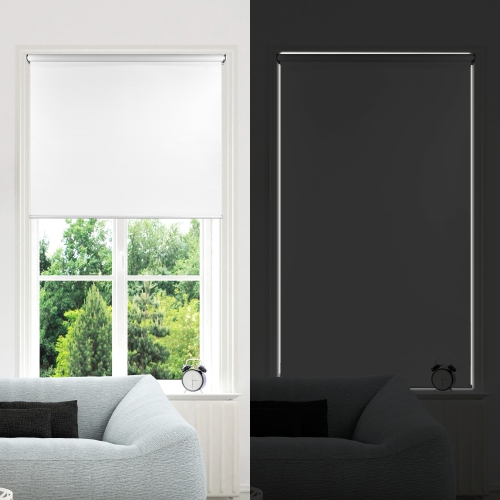
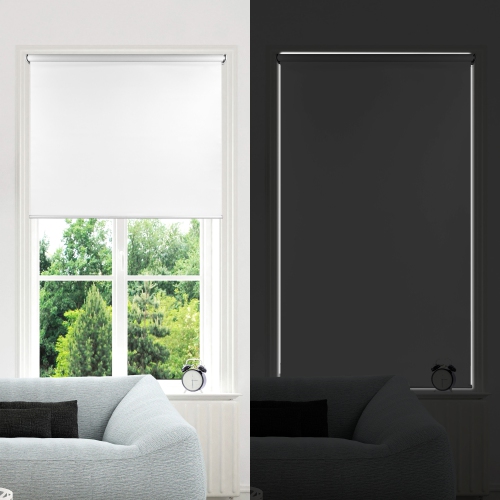
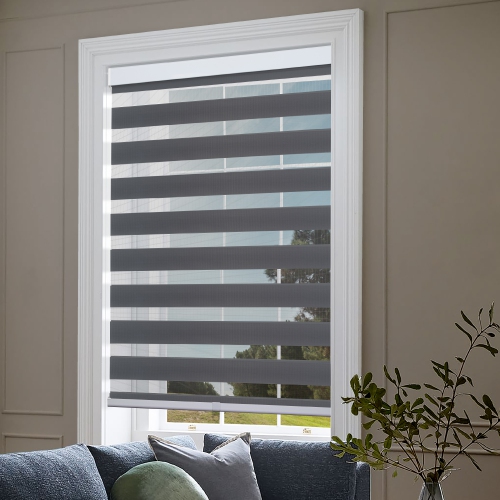
Privacy window coverings help limit views into a room, with options that range from light-filtering films to opaque blinds, shades, and curtains. The main distinction is between coverings that soften visibility while admitting daylight and those that block the view more fully when closed. For a street-facing living room, diffused light may matter as much as screening the sofa from passersby; for a bedroom, dependable coverage after dark is often the priority. Frosted window film gives clear glass a translucent finish, scattering light and obscuring details without requiring a fabric covering. Depending on its opacity, it can provide privacy during both the day and night, although silhouettes may remain visible when someone stands close to the glass with a light behind them. Patterned films offer a similar effect, but clear sections within a design can leave parts of the room exposed. Reflective, one-way mirror film works differently: its privacy effect depends on the outside being brighter than the inside. When interior lighting is brighter than the view outdoors, that effect can reverse, so reflective film alone is not a dependable solution for nighttime privacy. Light-filtering roller shades create a softer screen, while room-darkening and blackout materials offer greater opacity. These labels describe light control, however, and do not guarantee that the edges of a window will be fully covered. Sheer curtains can soften a view and reduce the sense of exposure during daylight, but usually need an opaque layer for privacy after dark. Layering sheers with lined curtains, or pairing frosted film with an adjustable shade, allows the same window to serve different needs throughout the day. In a home office facing a neighbouring building, an adjustable covering can screen the desk while leaving another part of the window open to daylight. The most useful choice depends on the sightline into the room, the amount of light preferred, and whether keeping a clear view outside is important.
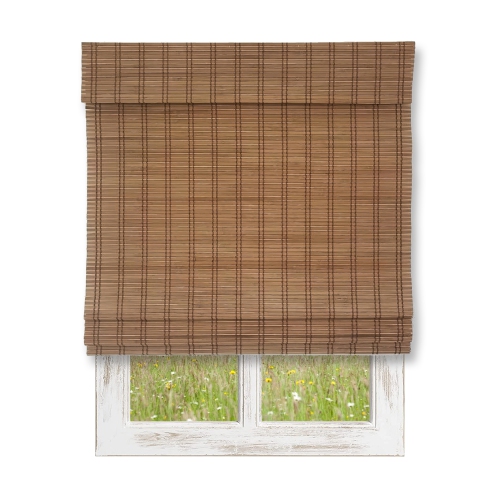
Materials and construction influence how privacy window coverings look, feel, and hold up to daily use. Polyester shades and curtains are often straightforward to maintain, though washing and spot-cleaning instructions vary by fabric, lining, and finish. Cotton and linen bring visible texture and a softer drape, but an open weave may allow more visibility than expected unless paired with a suitable lining. Tightly woven fabrics generally provide better screening than loose weaves, while blackout backings add opacity without necessarily requiring a dark fabric colour. Roller shades offer a clean, flat surface that suits compact spaces; Roman shades gather into folds and bring a more tailored fabric finish. Slatted blinds allow changes to both light and viewing angles, although gaps between slats and around the frame still affect privacy. For bathrooms and spaces near a sink, moisture tolerance deserves particular attention. Materials designed for humid locations are generally more practical than untreated wood or fabrics that remain damp, and any covering should be positioned away from direct splashes unless its care instructions permit them. Window films may use static cling or an adhesive backing. Static-cling film can often be removed and repositioned on compatible smooth glass, making it useful where a less permanent treatment is preferred. Adhesive film requires careful application, and removal may take more effort or leave residue, depending on the film and surface. Compatibility matters for both: textured glass, existing coatings, and certain glazing types may not suit every film, so the manufacturer's specifications should match the window. Temporary pleated paper shades can provide simple screening while a room is being set up, but paper is less suited to damp locations or frequent handling than sturdier materials. For students planning a shared living space, Dorm Room Window Coverings relate to similar needs for privacy, manageable upkeep, and installation that respects residence rules. Renters should also confirm whether adhesives, brackets, or tension-mounted fittings are permitted rather than assuming that a removable treatment cannot mark a surface.
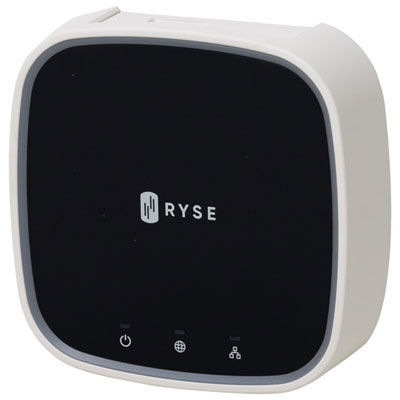
Fit is just as important as fabric opacity because even a dense covering can leave a direct sightline through an uncovered edge. Inside-mounted blinds and shades sit within the window recess for a neat appearance, but they require enough mounting depth and typically leave small side gaps. Outside-mounted treatments extend beyond the opening and can provide more overlap, provided the surrounding wall or trim can support the hardware. Measuring the width and height in several places helps account for frames that are not perfectly square; the manufacturer's measuring directions determine whether any deductions are needed. Curtain coverage depends on panel width, length, fullness, and rod placement, not simply the dimensions of the glass. Panels need enough width to close comfortably without pulling flat, and an overlap at the centre helps prevent a narrow opening between them. On a ground-floor window, coverage should address views from the pavement as well as from a neighbouring property. On a glazed door, the treatment must leave the handle, lock, and door movement unobstructed. Cordless operation is a practical consideration in homes with children or pets, avoiding accessible operating cords while keeping the window area tidy. Motorized operation can make high or hard-to-reach shades easier to adjust, though power access, charging needs, and control compatibility vary. No covering or mounting hardware should obstruct an emergency exit window. For everyday care, regular dusting helps keep slats and shade surfaces clean, while fabric treatments may need vacuuming with an appropriate attachment, spot cleaning, or laundering according to their labels. Film is generally best cleaned with a soft cloth and a compatible, non-abrasive cleaner, taking care around the edges. Gentle operation, secure brackets, and keeping moving fabric clear of furniture can help reduce wear. Once installed, checking the window from outside with the room lights on reveals gaps or visible silhouettes that may not be obvious indoors. That simple check helps confirm whether the treatment provides the intended privacy for dressing, sleeping, working, or relaxing at home.
Materials and construction influence how privacy window coverings look, feel, and hold up to daily use. Polyester shades and curtains are often straightforward to maintain, though washing and spot-cleaning instructions vary by fabric, lining, and finish. Cotton and linen bring visible texture and a softer drape, but an open weave may allow more visibility than expected unless paired with a suitable lining. Tightly woven fabrics generally provide better screening than loose weaves, while blackout backings add opacity without necessarily requiring a dark fabric colour. Roller shades offer a clean, flat surface that suits compact spaces; Roman shades gather into folds and bring a more tailored fabric finish. Slatted blinds allow changes to both light and viewing angles, although gaps between slats and around the frame still affect privacy. For bathrooms and spaces near a sink, moisture tolerance deserves particular attention. Materials designed for humid locations are generally more practical than untreated wood or fabrics that remain damp, and any covering should be positioned away from direct splashes unless its care instructions permit them. Window films may use static cling or an adhesive backing. Static-cling film can often be removed and repositioned on compatible smooth glass, making it useful where a less permanent treatment is preferred. Adhesive film requires careful application, and removal may take more effort or leave residue, depending on the film and surface. Compatibility matters for both: textured glass, existing coatings, and certain glazing types may not suit every film, so the manufacturer's specifications should match the window. Temporary pleated paper shades can provide simple screening while a room is being set up, but paper is less suited to damp locations or frequent handling than sturdier materials. For students planning a shared living space, Dorm Room Window Coverings relate to similar needs for privacy, manageable upkeep, and installation that respects residence rules. Renters should also confirm whether adhesives, brackets, or tension-mounted fittings are permitted rather than assuming that a removable treatment cannot mark a surface.
Fit is just as important as fabric opacity because even a dense covering can leave a direct sightline through an uncovered edge. Inside-mounted blinds and shades sit within the window recess for a neat appearance, but they require enough mounting depth and typically leave small side gaps. Outside-mounted treatments extend beyond the opening and can provide more overlap, provided the surrounding wall or trim can support the hardware. Measuring the width and height in several places helps account for frames that are not perfectly square; the manufacturer's measuring directions determine whether any deductions are needed. Curtain coverage depends on panel width, length, fullness, and rod placement, not simply the dimensions of the glass. Panels need enough width to close comfortably without pulling flat, and an overlap at the centre helps prevent a narrow opening between them. On a ground-floor window, coverage should address views from the pavement as well as from a neighbouring property. On a glazed door, the treatment must leave the handle, lock, and door movement unobstructed. Cordless operation is a practical consideration in homes with children or pets, avoiding accessible operating cords while keeping the window area tidy. Motorized operation can make high or hard-to-reach shades easier to adjust, though power access, charging needs, and control compatibility vary. No covering or mounting hardware should obstruct an emergency exit window. For everyday care, regular dusting helps keep slats and shade surfaces clean, while fabric treatments may need vacuuming with an appropriate attachment, spot cleaning, or laundering according to their labels. Film is generally best cleaned with a soft cloth and a compatible, non-abrasive cleaner, taking care around the edges. Gentle operation, secure brackets, and keeping moving fabric clear of furniture can help reduce wear. Once installed, checking the window from outside with the room lights on reveals gaps or visible silhouettes that may not be obvious indoors. That simple check helps confirm whether the treatment provides the intended privacy for dressing, sleeping, working, or relaxing at home.
Top selling and popular products
-
 Your price for this item is $134.97
 -
 Your price for this item is $119.97
 -
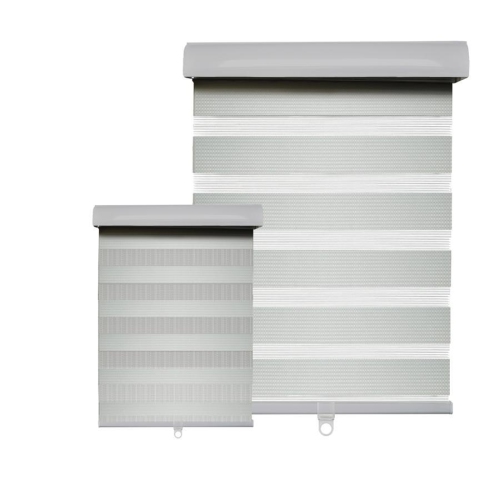 Your price for this item is $57.97
 -
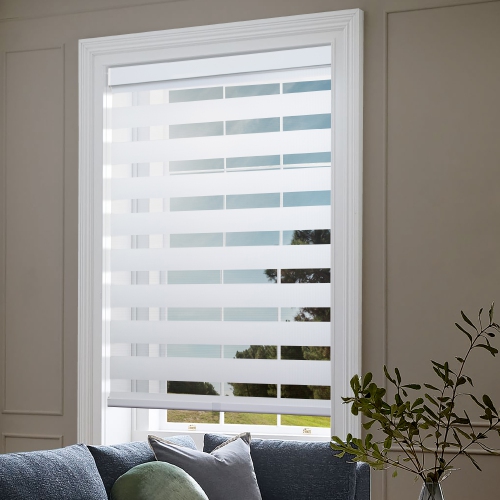 Your price for this item is $84.99
 -
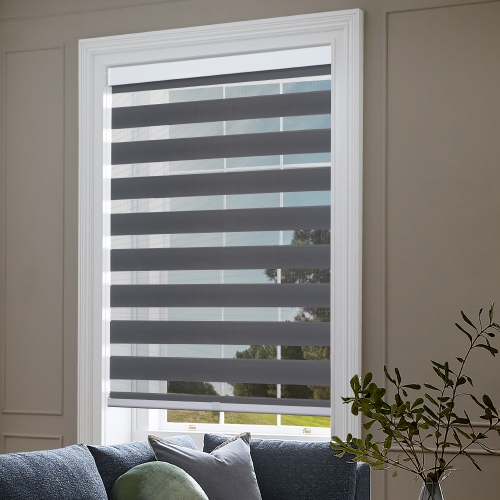 Your price for this item is $94.99
 -
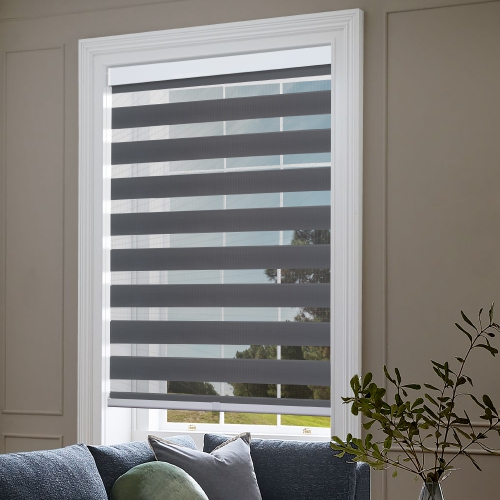 Your price for this item is $95.99
 -
 Your price for this item is $33.99
 -
 Your price for this item is $46.99
Discover more categories related to Privacy Window Coverings
Top Collections:
Pokemon Centers, Budget 4K TVs, Kindle Devices, Canon G7X Cameras, Apple iPhones 16, iPhone 15 Apple, Laptops for Business Work, Flip Phones, Xiaomi Phones, Refurbished Apple Laptops
Some products may be subject to Environmental Handling Fees
(EHF) depending on your province.
Learn more about EHFs.