QI Wireless Charging Phones
Looking for a convenient and hassle-free way to charge your phone? Look no further than our selection of Qi wireless charging phones. With these innovative technologies, you can say goodbye to tangled cables and enjoy the freedom of wireless charging. Whether you're at home, in the office, or on the go, these phones are designed to make your life easier. Simply place your phone on a compatible charging pad or stand, and watch as it powers up effortlessly. Here are some great options available.
Sort









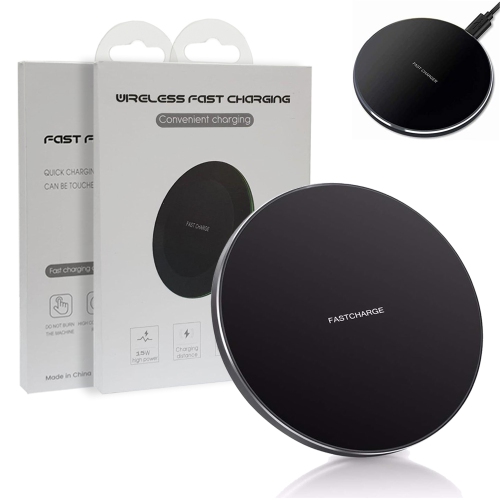
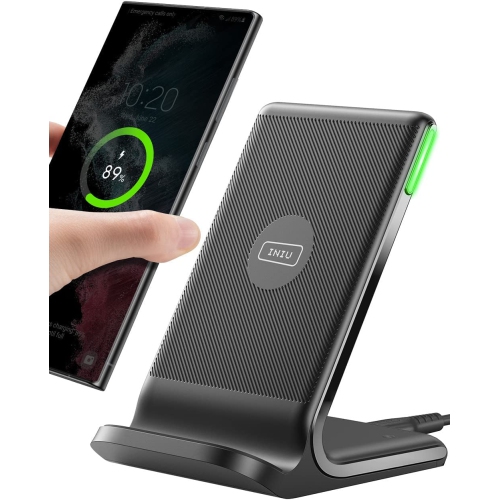
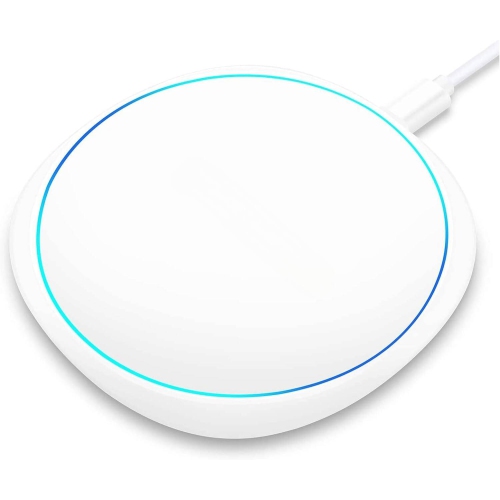
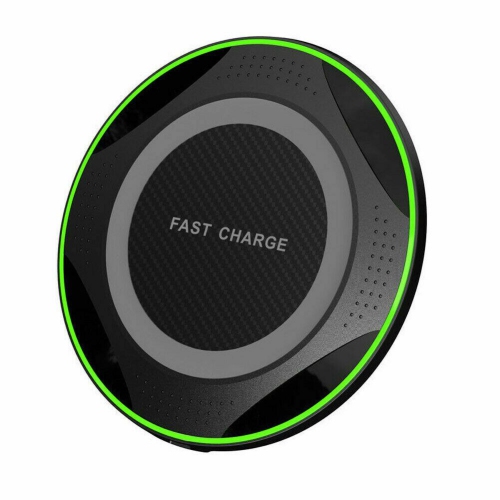






































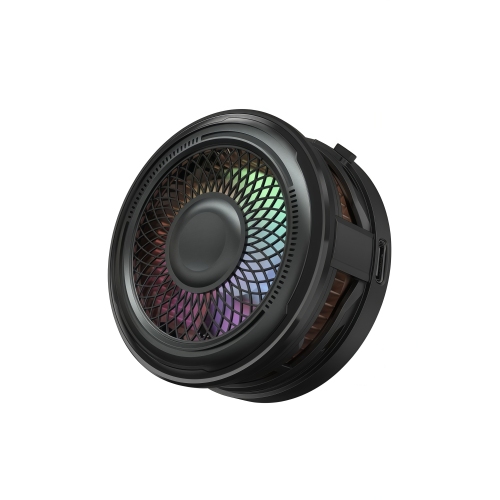
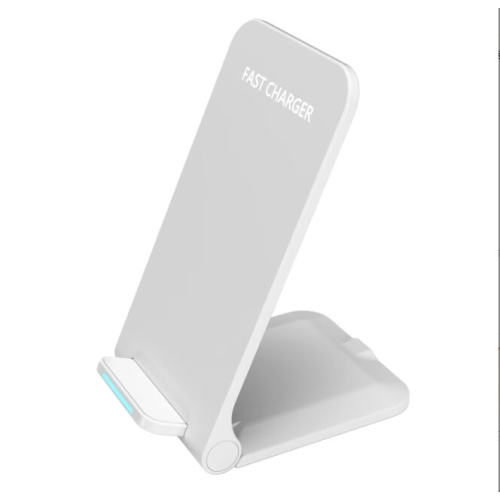
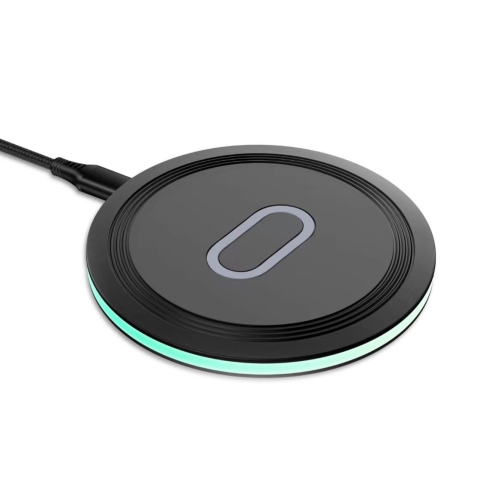
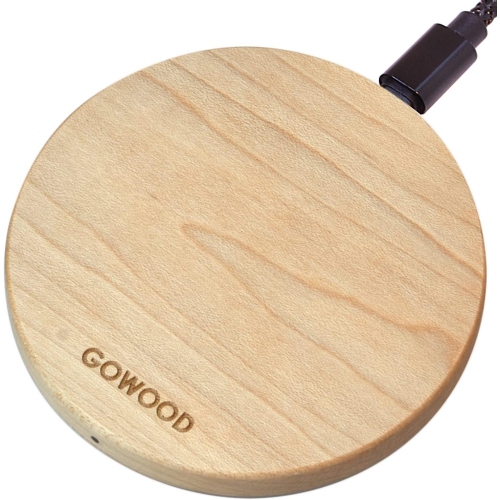
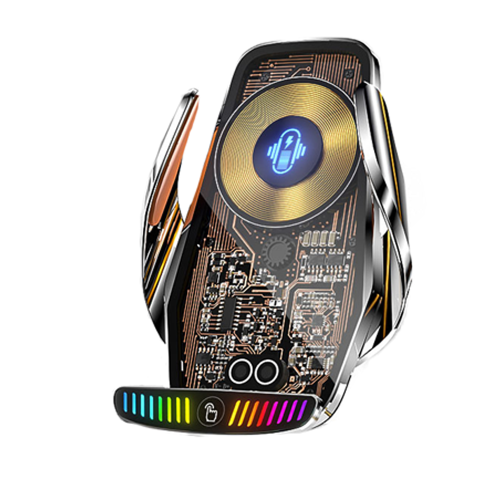
Why wireless charging depends on more than your phone
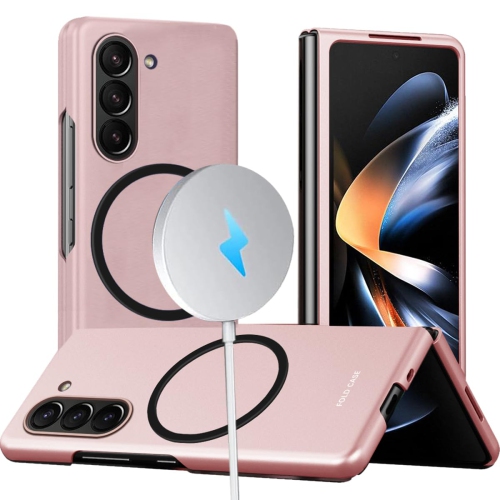
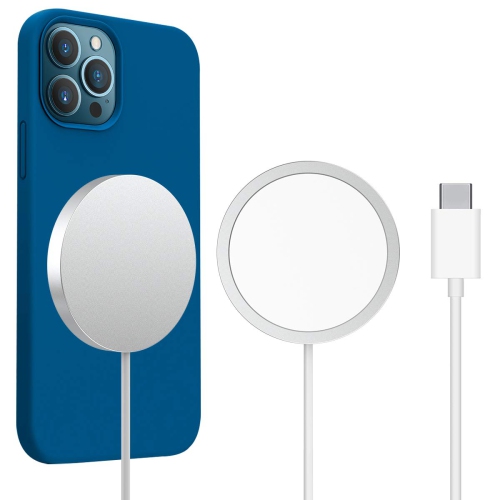
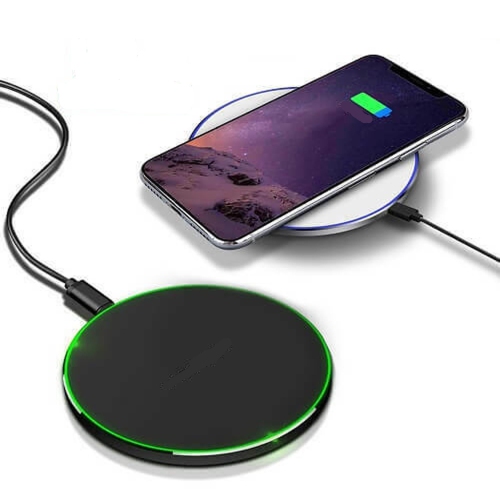
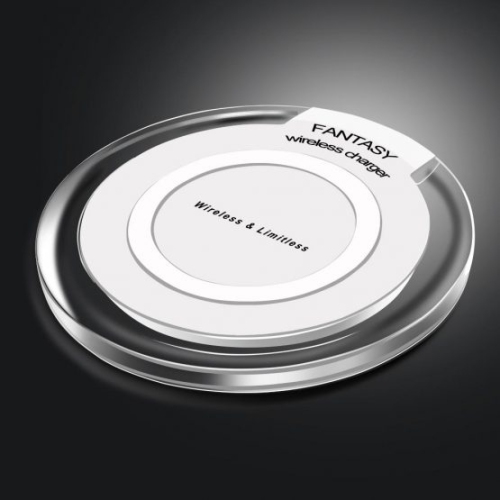
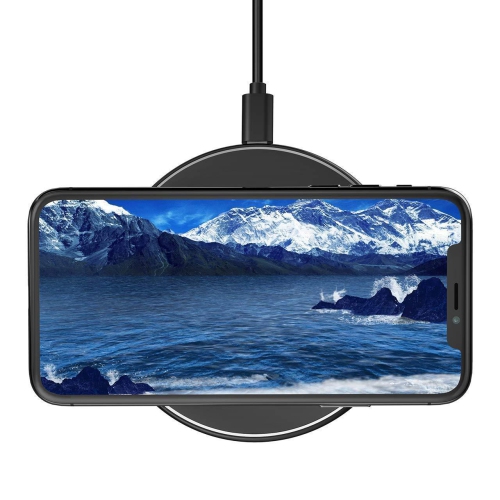
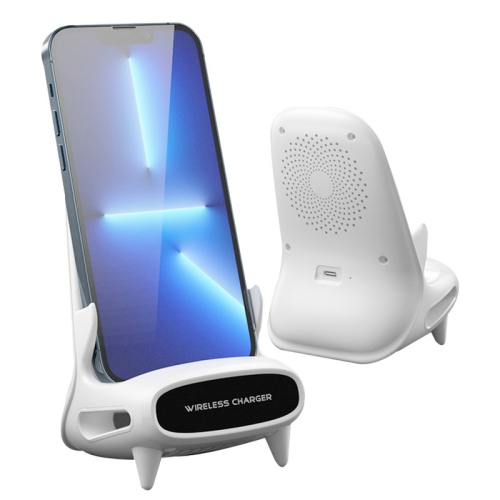
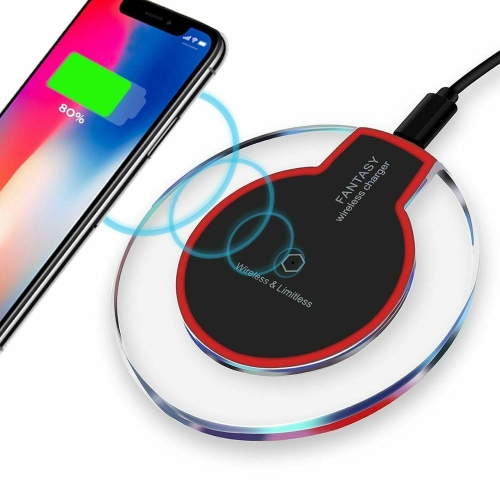
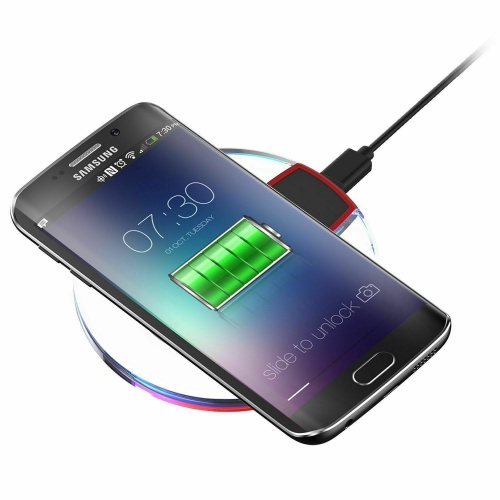
Qi wireless charging phones have a built-in receiver that allows the battery to charge when the phone rests on a compatible charging pad or stand, without a cable plugged into the handset. Qi, pronounced “chee,” is a widely used wireless charging standard that transfers power through closely aligned coils in the phone and charger. Many flagship smartphones and some mid-range models support Qi, although support varies by model and cannot be assumed from a phone’s appearance or price category. Common wireless charging power levels include 5W, 7.5W, 10W, and 15W, with some newer combinations supporting higher output. The actual charging rate depends on the phone, charger, power adapter, cable, and supported charging standard. A charger’s maximum wattage does not mean every phone placed on it will charge at that rate; the devices establish a compatible power level, and charging speed can change as the battery fills. Qi certification provides a useful indication that a device has been tested against the standard, while the phone’s specifications identify its supported wireless charging capabilities. Newer Qi2-compatible setups can offer magnetic alignment that helps position the charging coils, but magnetic attachment is not a feature of every Qi phone or charger. A magnetic case also does not give wireless charging capability to a phone that lacks the necessary receiver. Although the connection to the handset is cable-free, the charging pad or stand generally still needs a wired power source. Wireless charging does not require a Wi-Fi connection, and placing a phone on a pad does not transfer photos or other files. For everyday use, its appeal is straightforward: a phone can rest on a designated surface between calls, messages, or errands, then lift away without disconnecting a charging cable. Wired charging remains useful too, particularly when the phone supports faster charging through its port or needs to stay in hand during a longer session.
Materials, case fit, and the shape of the handset all influence how comfortably a Qi wireless charging phone works with a charging surface. Glass and other non-metal back materials are common in these phones because the charging system needs a suitable path between the receiving coil and the charger. The back material alone, however, does not establish compatibility. A slim silicone or polycarbonate case may work well with wireless charging, but case thickness, construction, and added attachments matter more than the material name by itself. Leather cases and rugged protective designs also vary, so a stated wireless charging compatibility rating is more useful than assuming that every case will work. A raised camera surround can leave a phone sitting unevenly on a flat pad, while a stand needs enough support and clearance to hold the handset securely. Metal plates, attached wallets, card holders, and some grip accessories can interfere with charging or prevent the coils from lining up. Payment cards and metal objects should not sit between the phone and charger. In a practical setup, the handset rests steadily, the charging indicator confirms a connection, and there is no need to keep nudging the phone into position. Everyday care is similarly simple: clean, dry contact surfaces help keep grit from rubbing against the back, and a soft cloth used according to the manufacturer’s care directions helps protect finishes. Wireless charging can produce warmth, and heavy use such as gaming or video recording while charging can add heat and affect charging speed. An uncovered charging surface is preferable to placing the phone beneath bedding or other insulating materials. Battery-management features may slow or pause charging to manage heat or follow an optimized charging schedule. Wireless charging support is separate from drop protection, scratch resistance, and water resistance, so those durability features still deserve attention when comparing phones intended for busy households, commuting, or frequent travel.
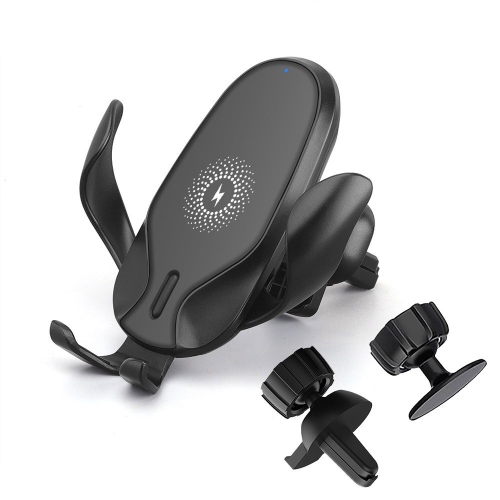
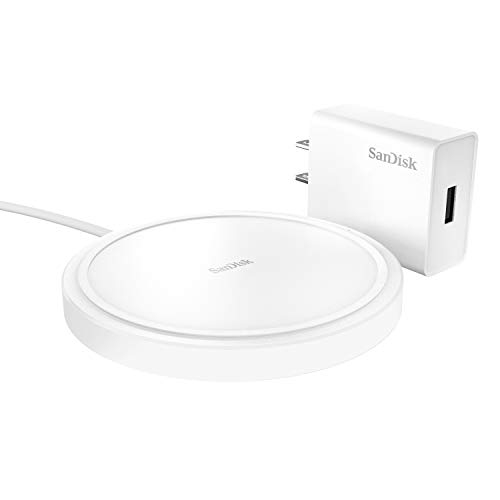
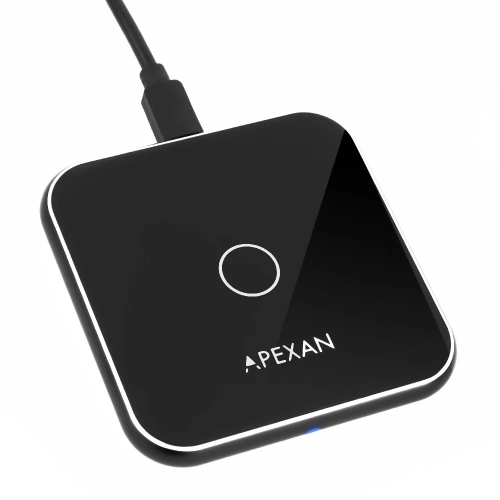
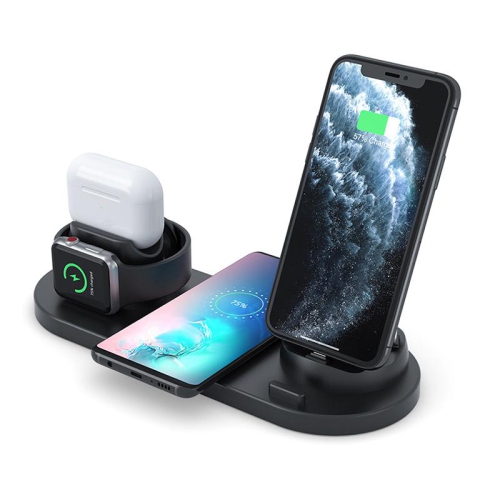
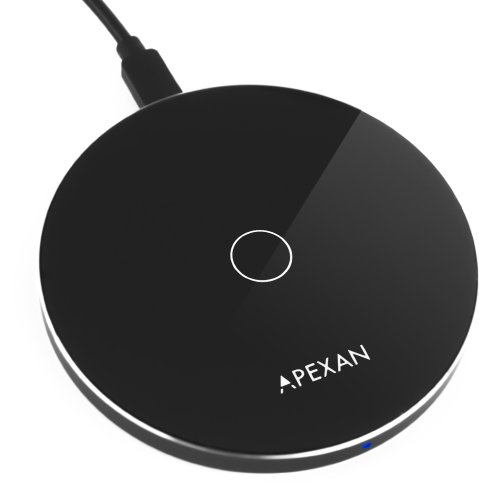
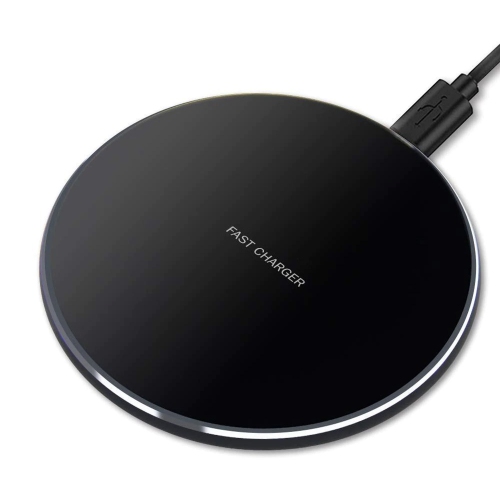
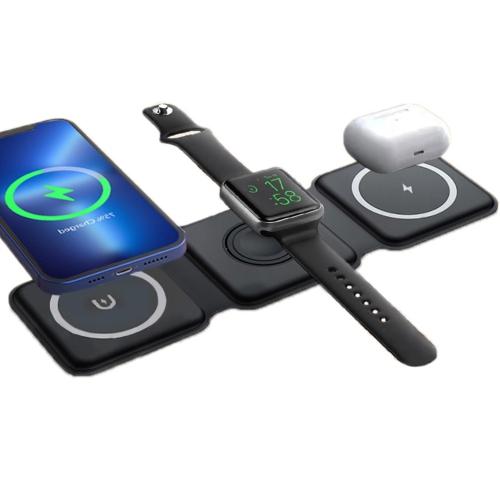
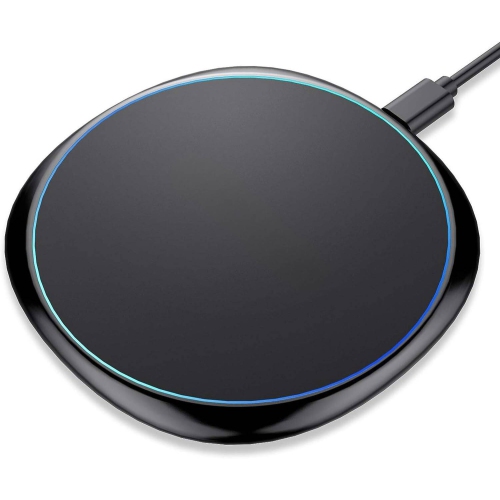
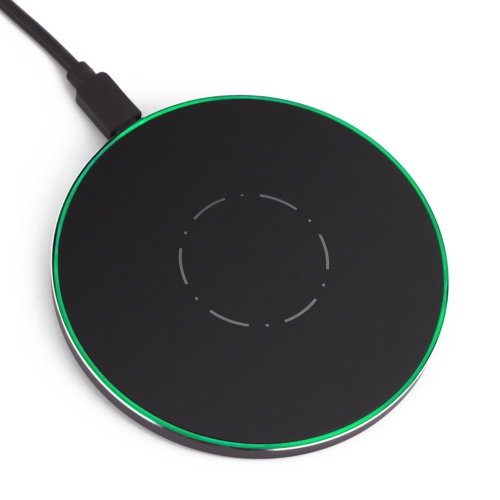
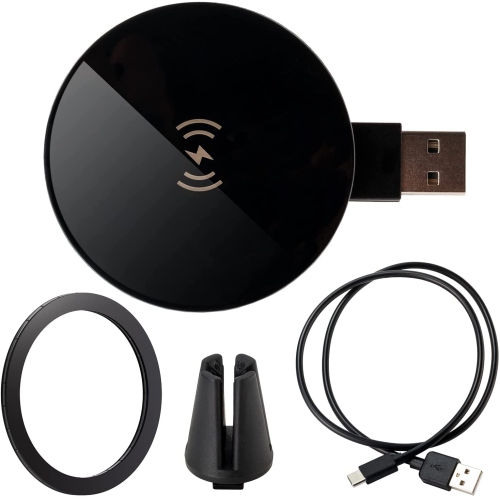
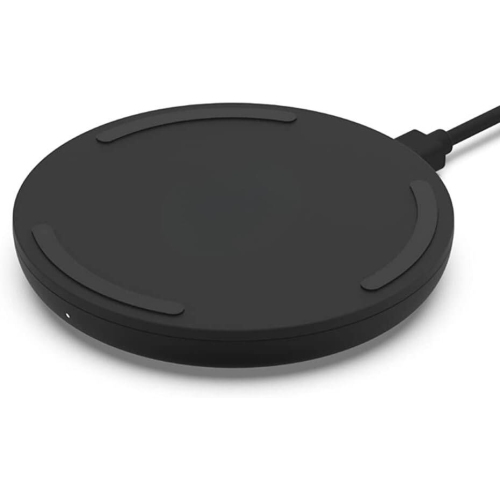
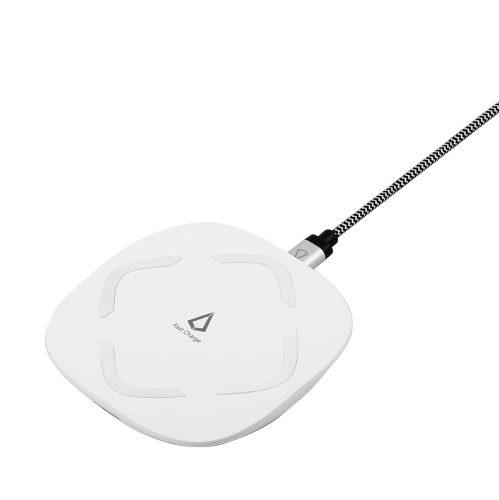
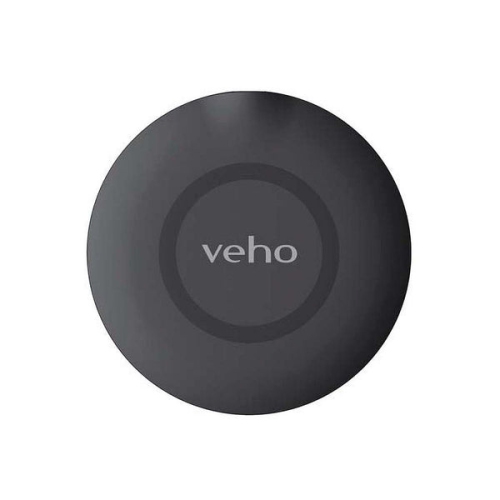
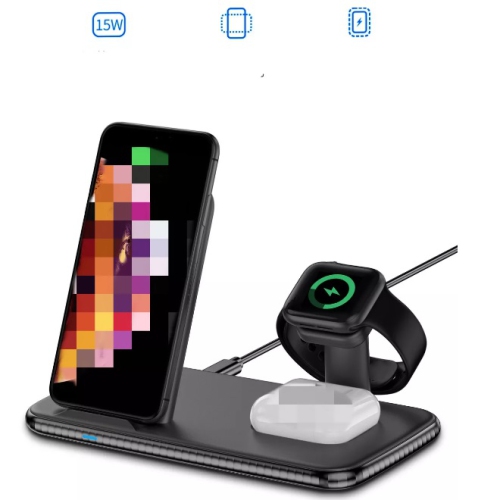
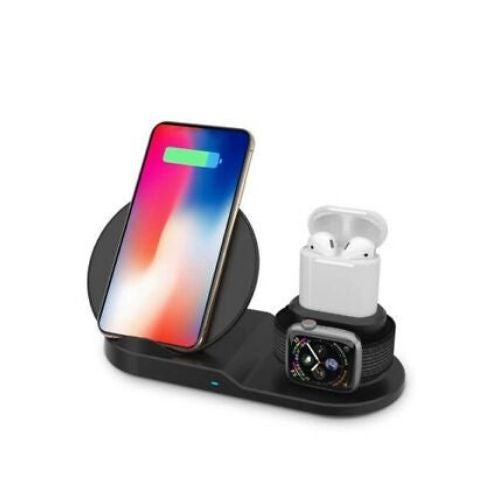
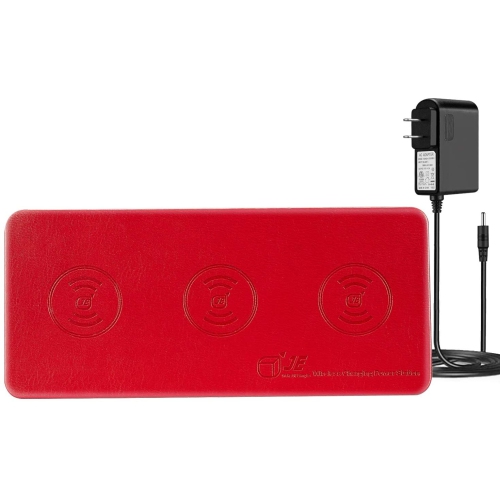
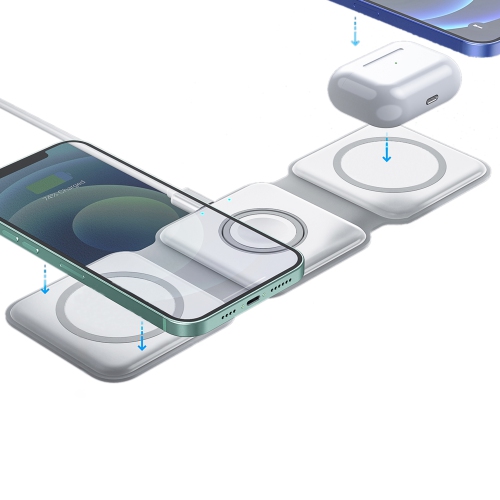
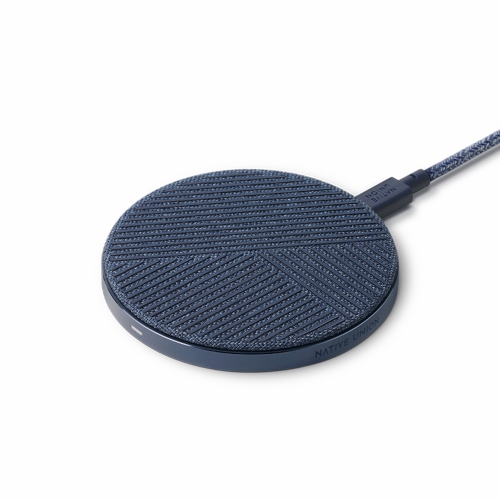
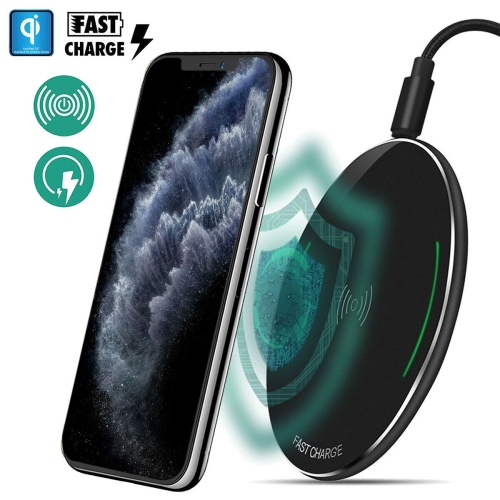
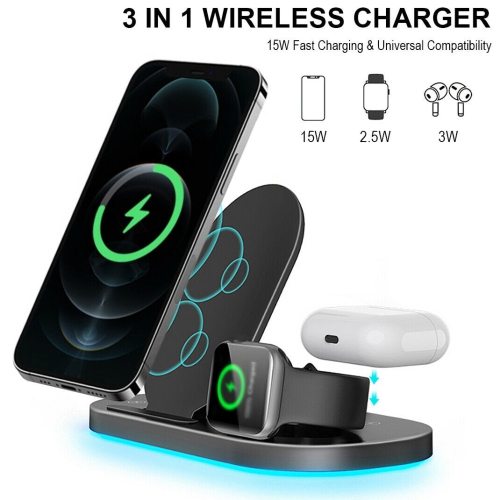
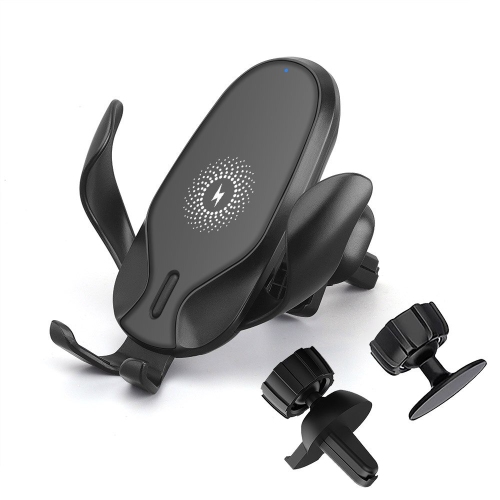
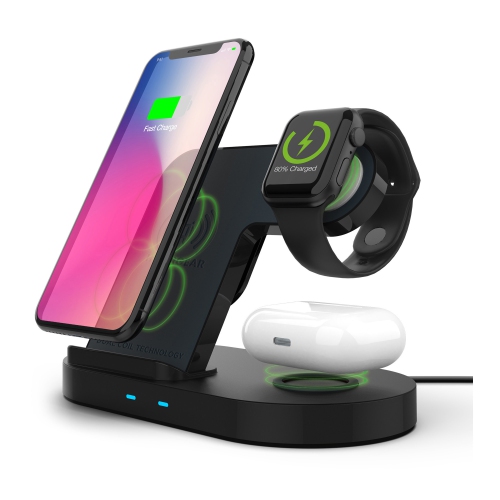
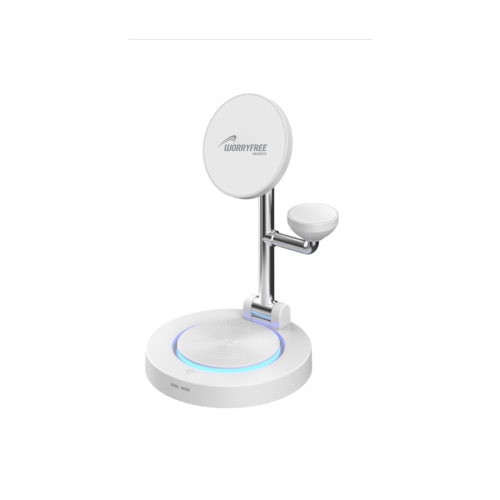
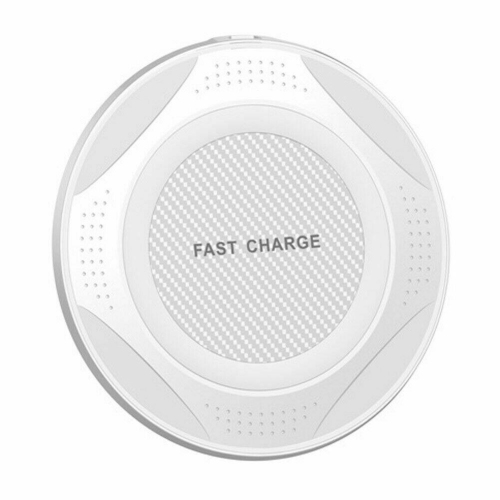
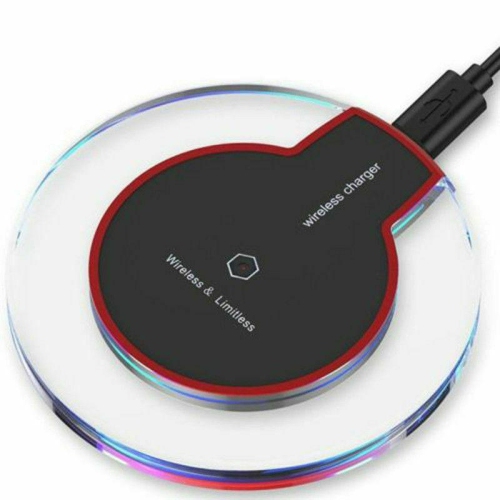
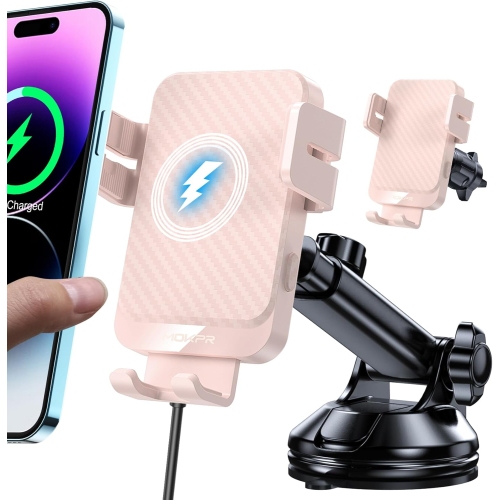
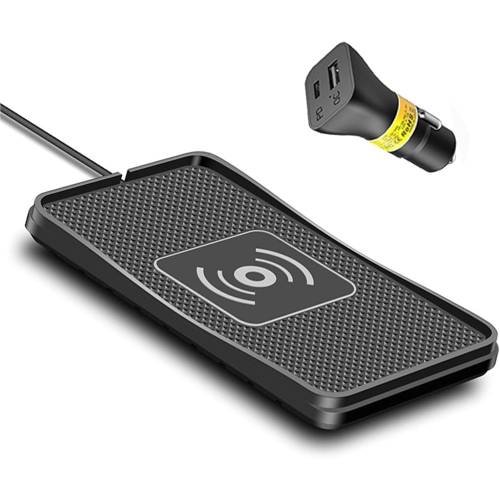
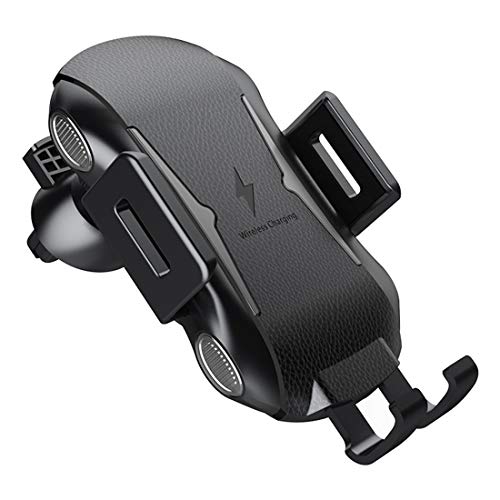
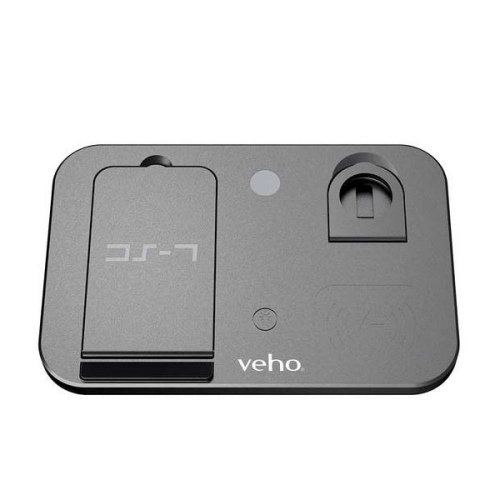
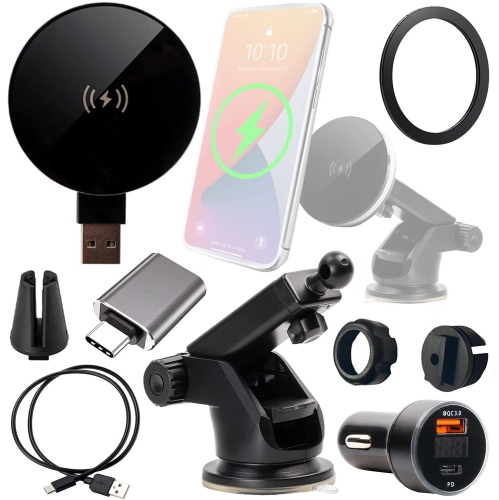
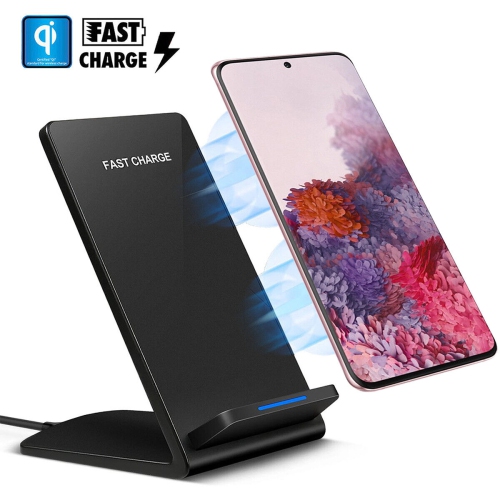
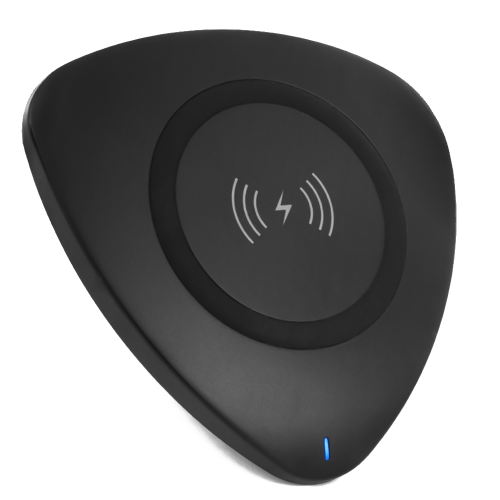
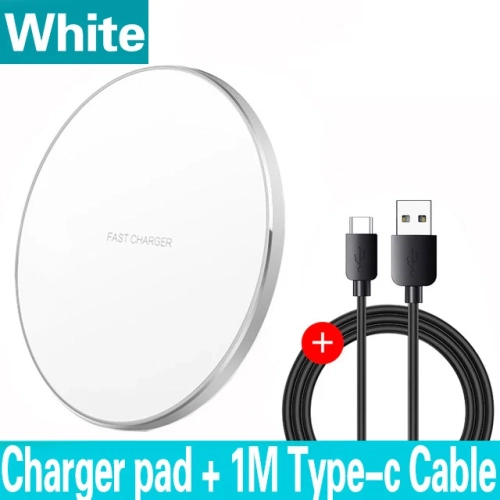
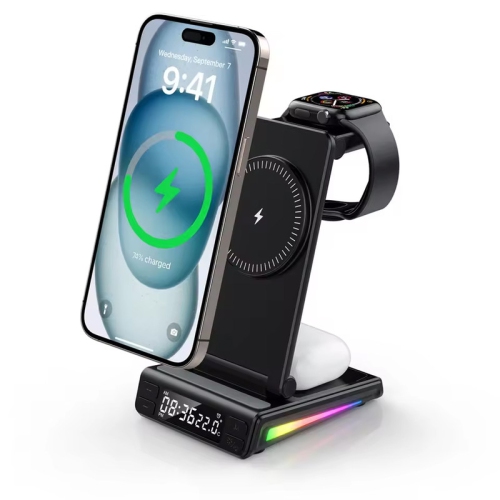
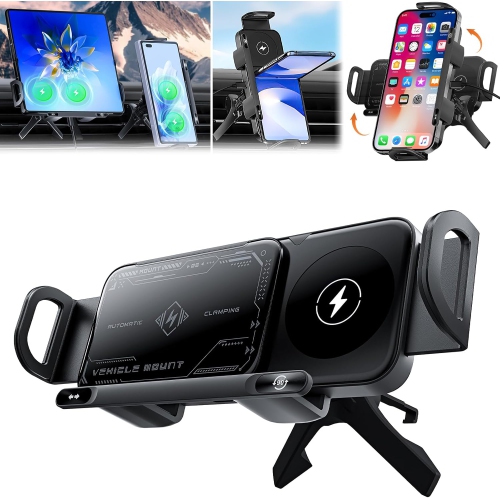
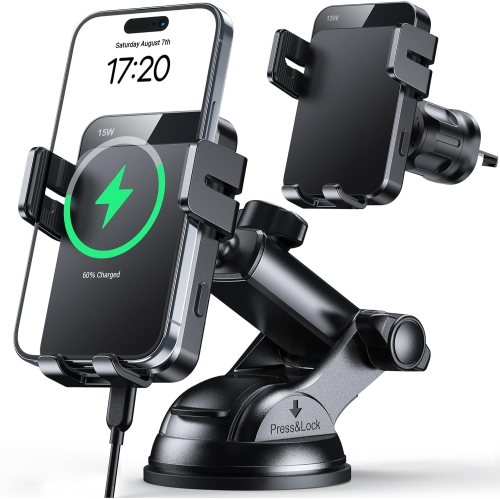
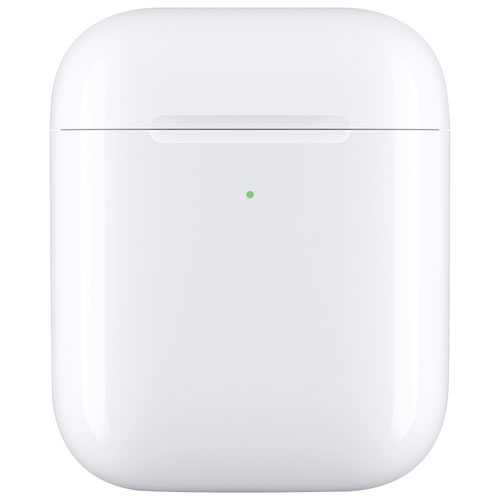
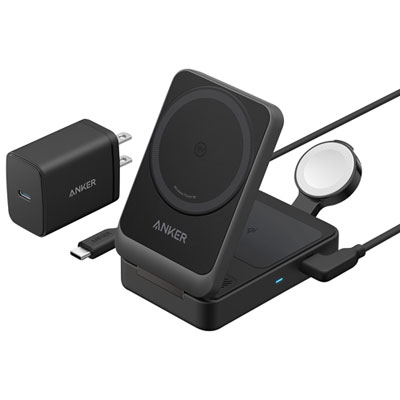
The most useful Qi wireless charging phones combine convenient charging with the features that matter throughout the rest of the day. On a desk, a charging stand can keep the screen visible for incoming calls or calendar alerts while the phone stays within reach. Beside a bed, a flat pad creates a consistent place to leave the handset, although charging lights, screen behaviour, and notification settings can affect how unobtrusive that arrangement feels. Shared spaces benefit from an obvious charging position, especially when household members use phones with different dimensions and supported charging rates. A compatible setup can pair these phones with Qi Standard Wireless Chargers, with the charger’s supported power levels, placement requirements, and included power accessories helping determine how well the combination works. Multi-device charging stations can reduce the number of separate charging spots, but each section needs to support the device placed on it; a surface intended for a phone does not necessarily charge every watch or pair of wireless earbuds. In a vehicle, wireless charging requires a suitable powered mount or built-in charging area, with a secure fit that does not obstruct controls or visibility. Beyond charging, screen size, handset weight, camera performance, storage capacity, battery life, accessibility features, and software support remain central to everyday satisfaction. A compact phone may suit someone who values an easy grip, while a larger display can make reading, navigation, and video calls more comfortable. Compatibility with the intended Canadian carrier and mobile plan is also important, particularly when changing devices. As a gift, a Qi-enabled phone is most useful when it fits the recipient’s preferred operating system, communication habits, and existing accessories rather than simply adding a new charging feature. For students, professionals, frequent callers, and anyone who regularly sets a phone down between tasks, wireless charging offers a convenient way to top up the battery without making the charging port the centre of the routine.
Top selling and popular products
-
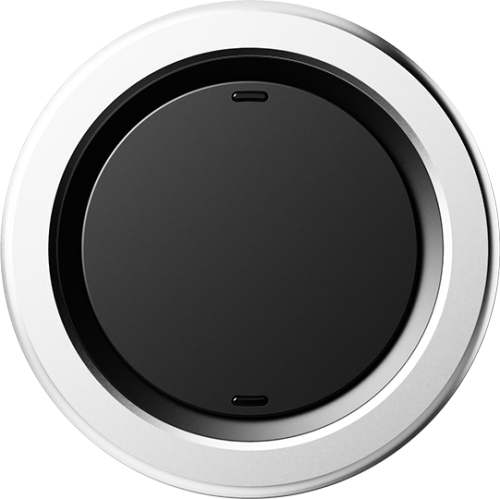 Your price for this item is $34.99
-
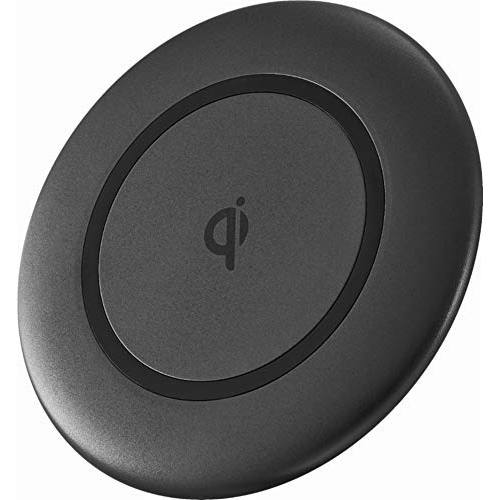 Your price for this item is $39
-
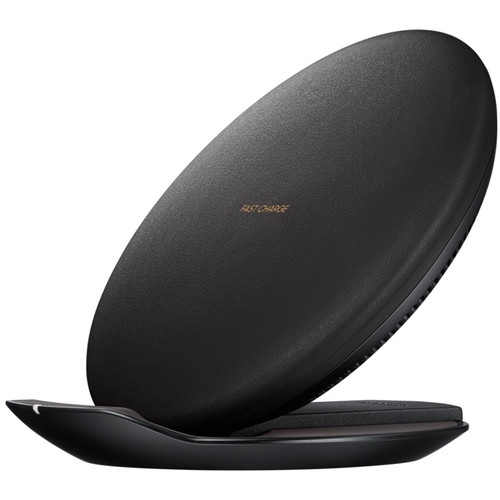 Your price for this item is $73.92
-
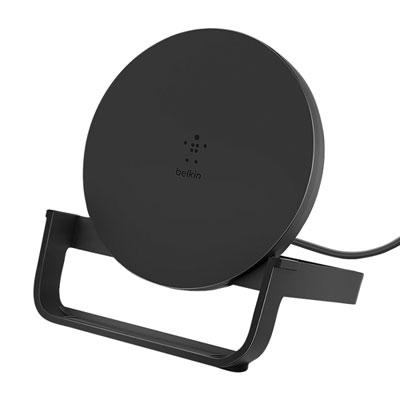 Your price for this item is $39.95
-
 Your price for this item is $179.95
-
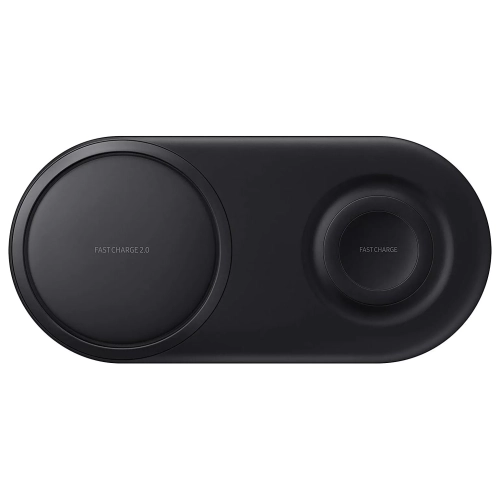 Your price for this item is $74.99
-
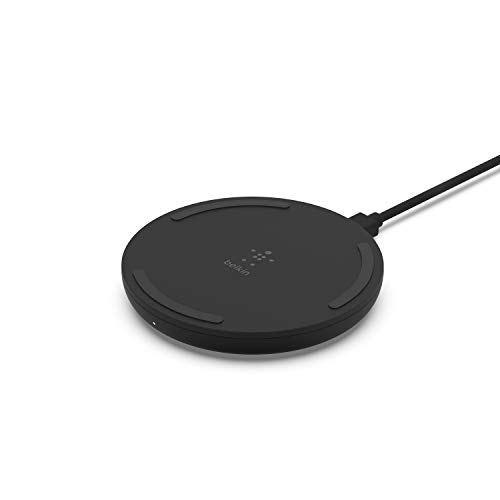 Your price for this item is $39.99
-
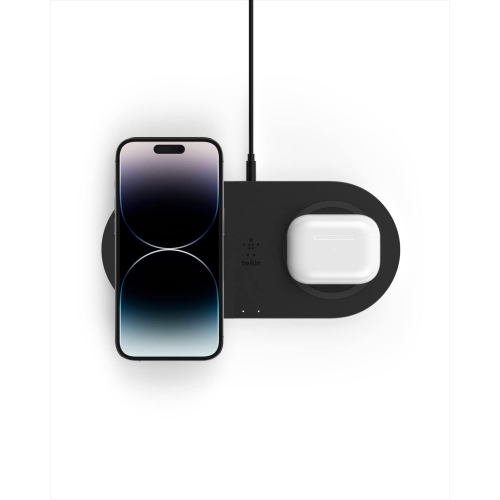 Your price for this item is $36.99
Discover more categories related to QI Wireless Charging Phones


Top Collections:
Pokemon Centers, Kindle Devices, Best Cameras for Sports Photography, Pokémon 30th Celebration Cards, Apple iPhones 16, Canon G7X Cameras, iPhone 15 Apple, Flip Phones, Samsung Galaxy Phones, Alarm Clock
Some products may be subject to Environmental Handling Fees
(EHF) depending on your province.
Learn more about EHFs.