Qi Standard Wireless Chargers
Looking for a hassle-free way to charge your devices? Look no further than Qi-standard wireless chargers. These innovative technologies allow you to power up your smartphone, tablet, or other compatible devices without the need for messy cables or plugs. Simply place your device on the charging pad and watch as it effortlessly refuels. With their sleek design and convenient functionality, Qi-standard wireless chargers are a must-have accessory for anyone seeking a more streamlined charging experience.
Sort
































































Why charger wattage doesn’t tell the whole story
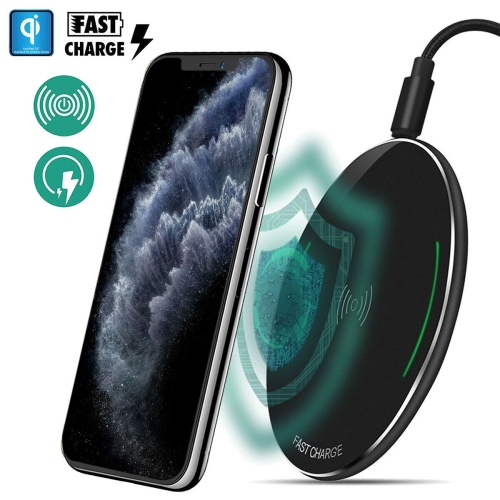
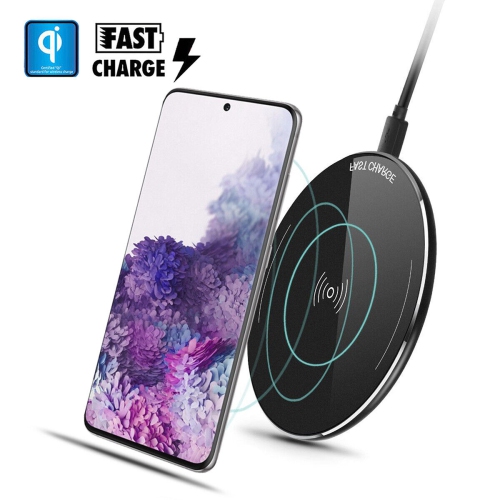
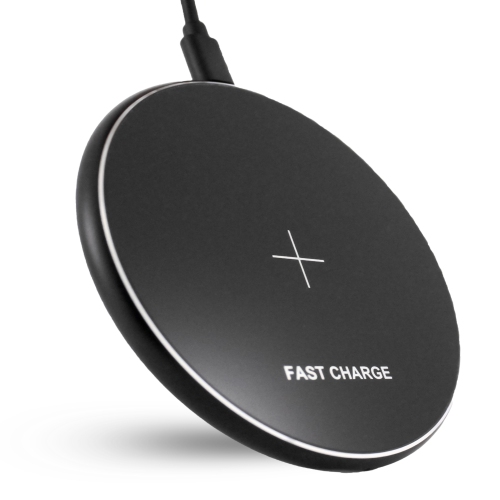
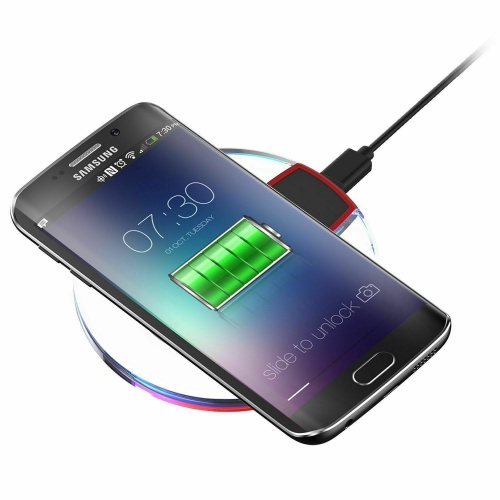
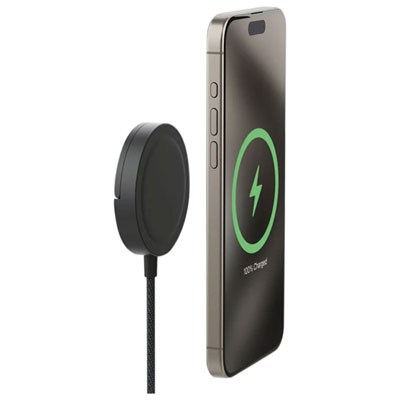
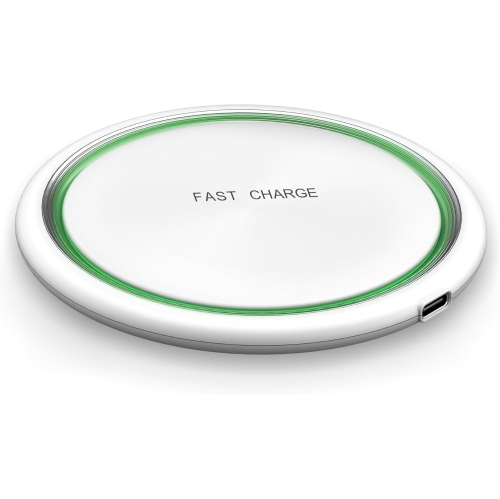
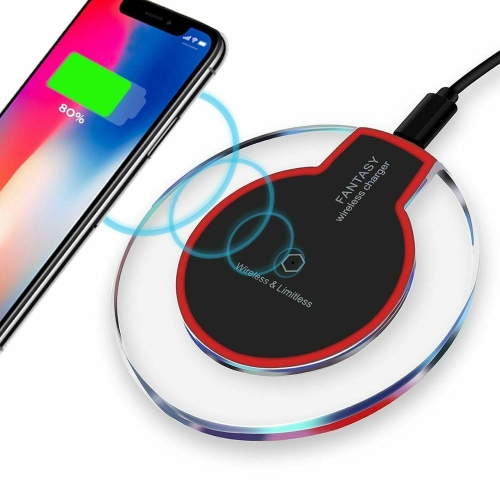
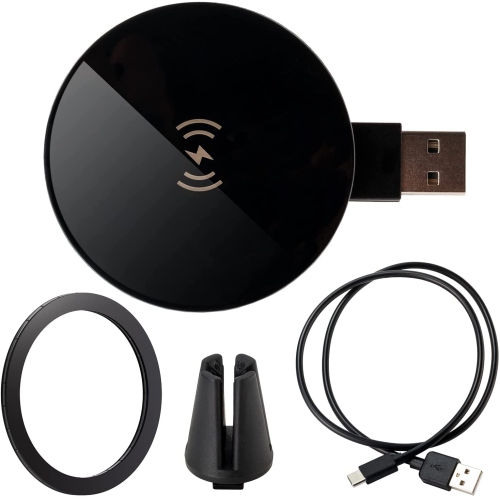
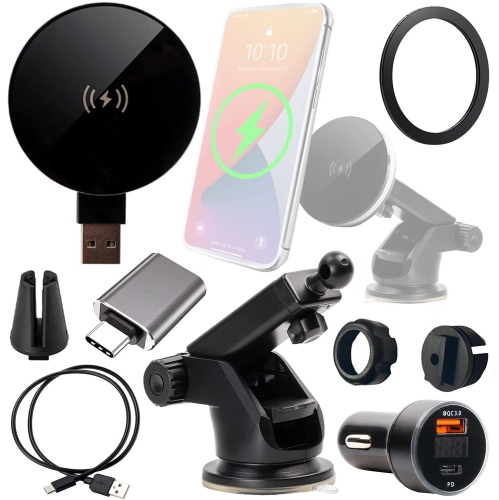
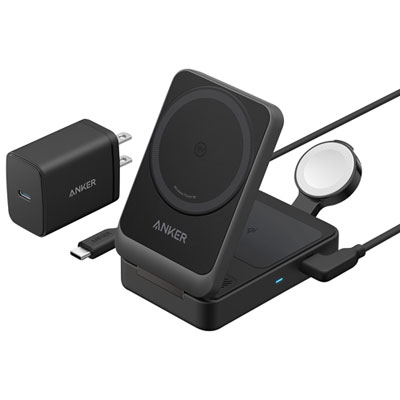
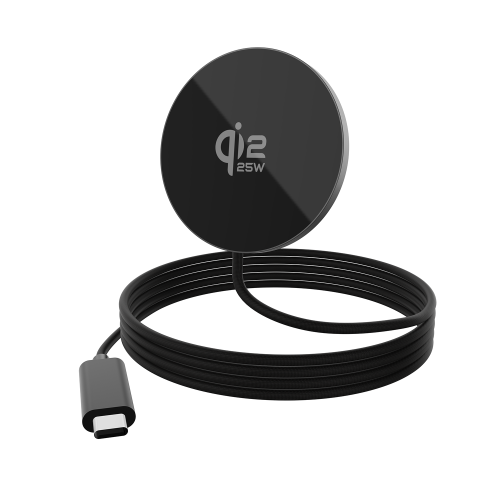
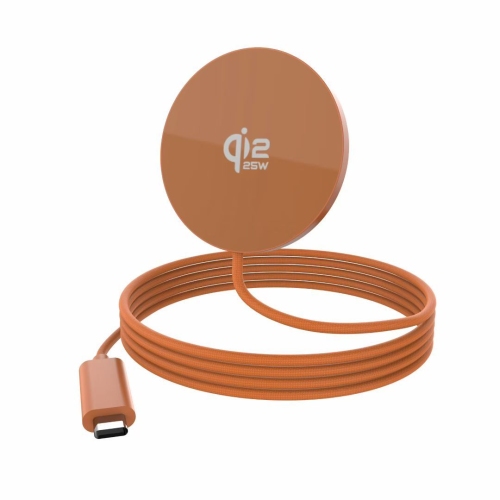
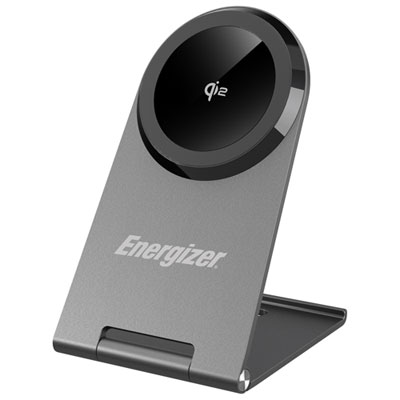
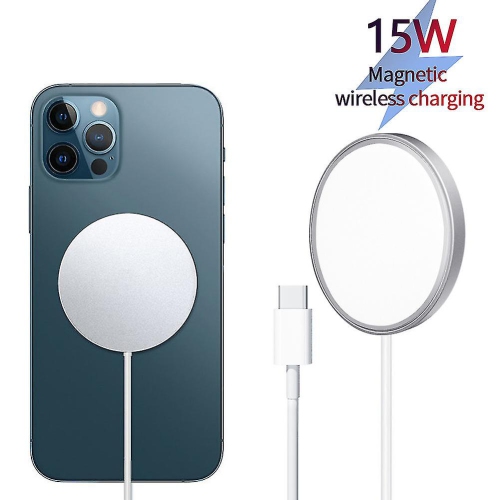
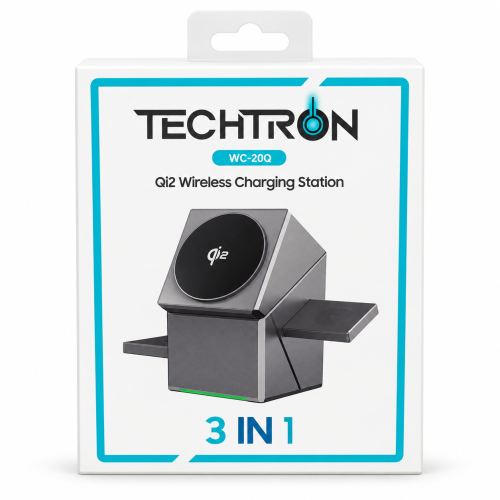
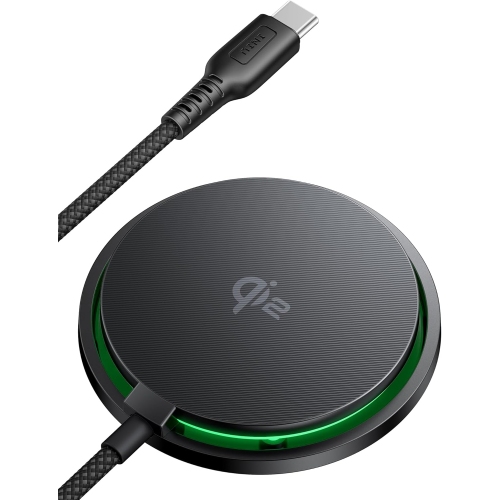
Qi standard wireless chargers transfer power to compatible phones and accessories through electromagnetic induction, allowing a device to charge without a cable plugged directly into its charging port. A transmitter coil inside the charger creates a magnetic field that transfers energy to a receiver coil inside the device when the two are correctly aligned. The charger itself still needs a wired connection to a suitable power source, but placing a phone on a pad or stand makes everyday charging a simple, repeatable habit. Qi is a wireless charging standard maintained by the Wireless Power Consortium, and Qi certification helps establish that a charger meets defined requirements for interoperability and safety. Compatibility depends on the receiving device supporting the appropriate wireless charging standard; a phone with a USB charging port does not necessarily support Qi charging. Charging speed also depends on the combination of charger, device, power adapter, and cable rather than the wattage printed on the charger alone. Basic Qi charging commonly supplies up to 5W, while compatible extended-power combinations can support up to 15W. Some devices accept intermediate rates, such as 7.5W or 10W, even when placed on a higher-rated pad. Newer Qi2 magnetic charging profiles can support up to 15W or 25W, depending on the generation and the capabilities of both devices. The Wireless Charger Qi2 collection is relevant for compatible devices that can benefit from magnetic alignment, which helps hold the receiving coil in the intended position. Magnetic attachment and maximum charging speed should not be assumed for every Qi-compatible phone, however. A case with a magnetic ring can help with positioning on a suitable charger, but it does not add wireless charging support to a phone that lacks it or change the phone’s supported charging profile. These distinctions matter for shared charging spots, where different household devices may use the same pad but charge at different rates.
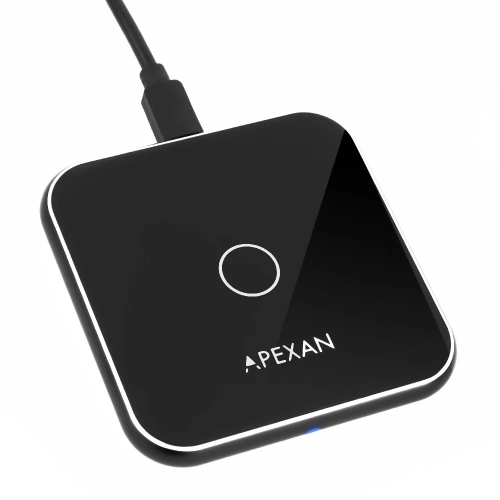
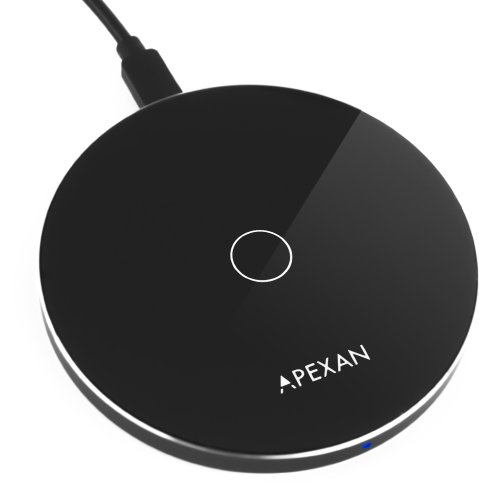
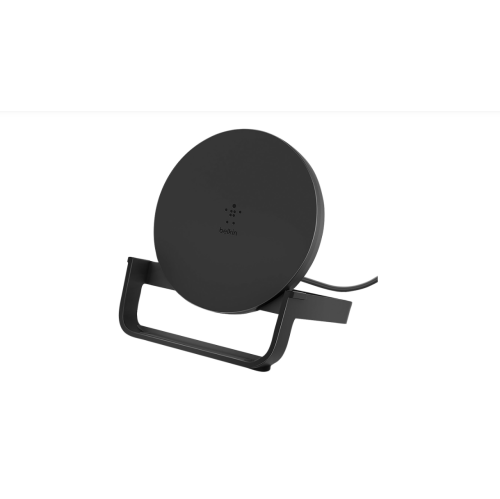
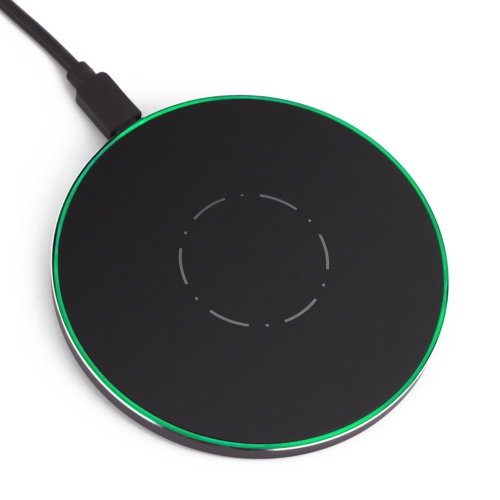
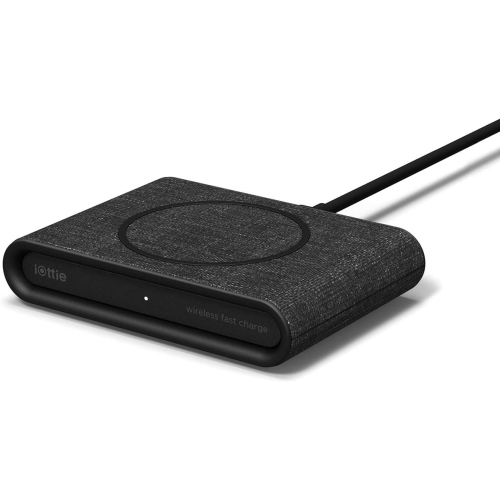
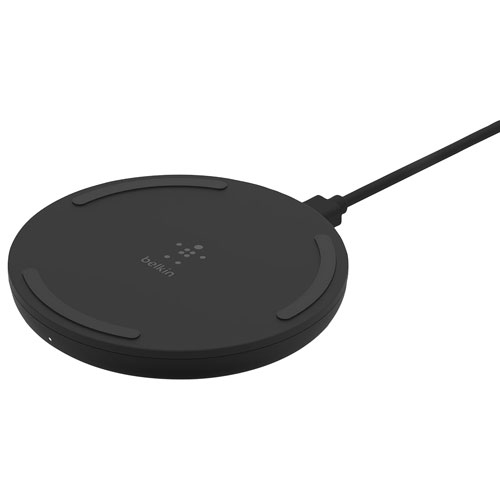
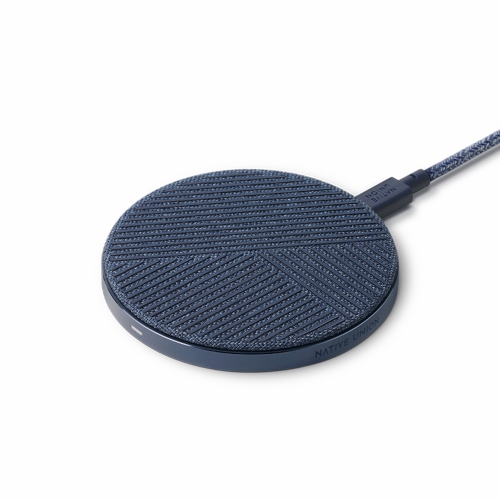
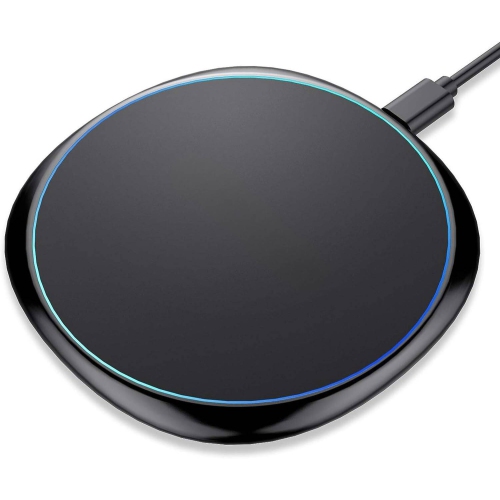
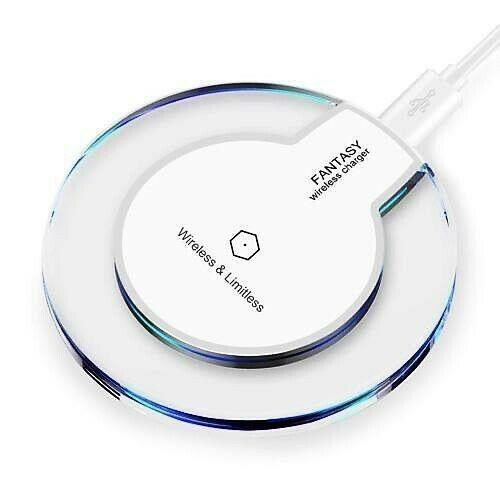
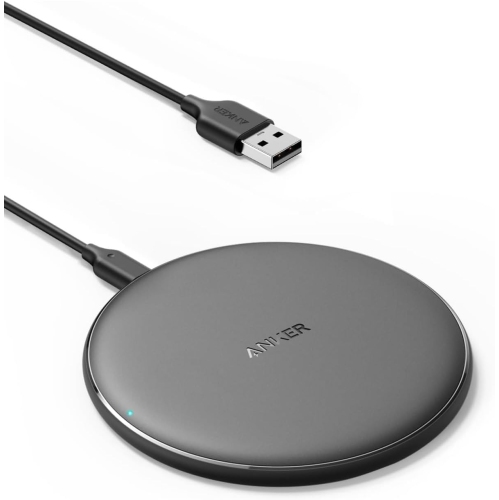
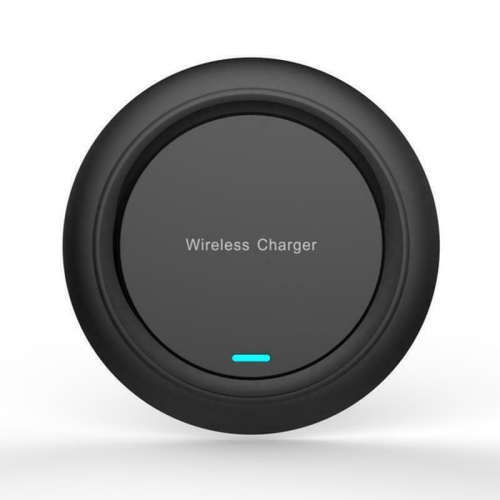
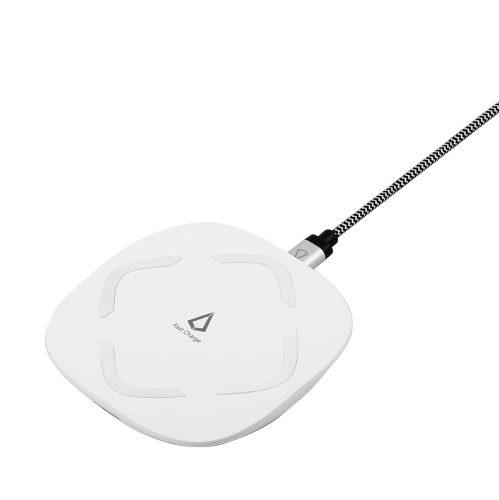
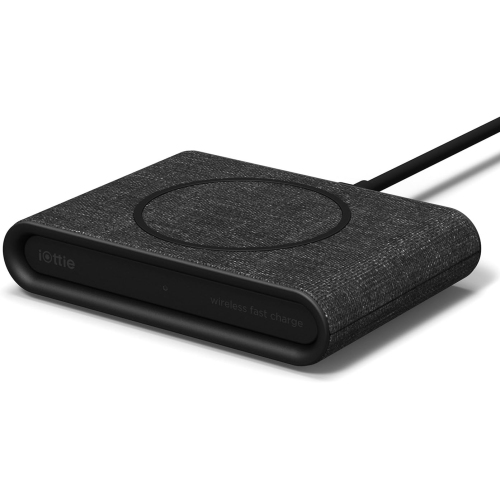
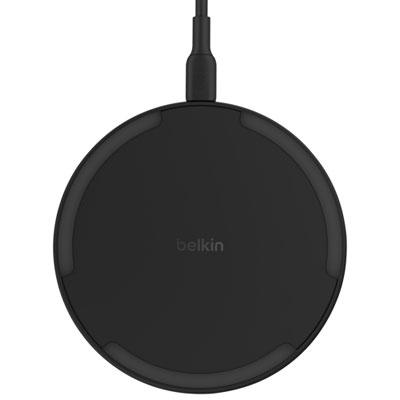
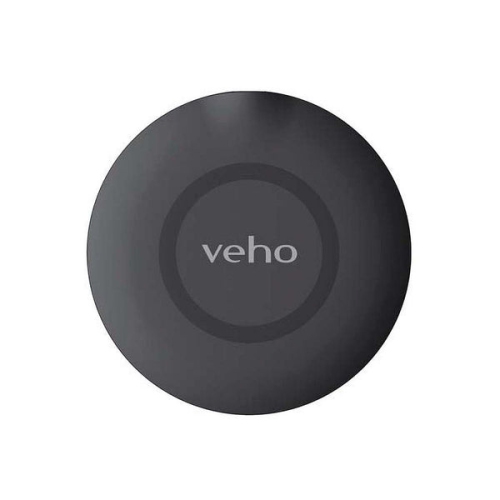
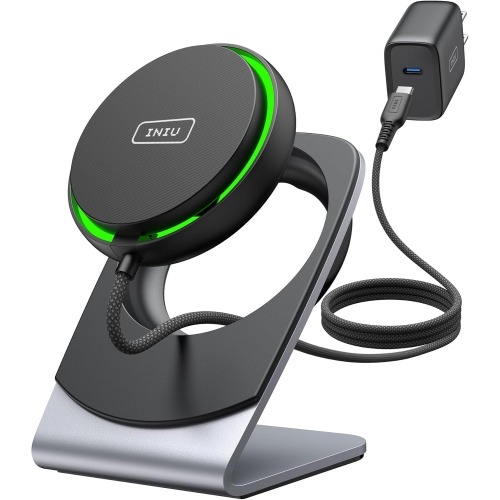
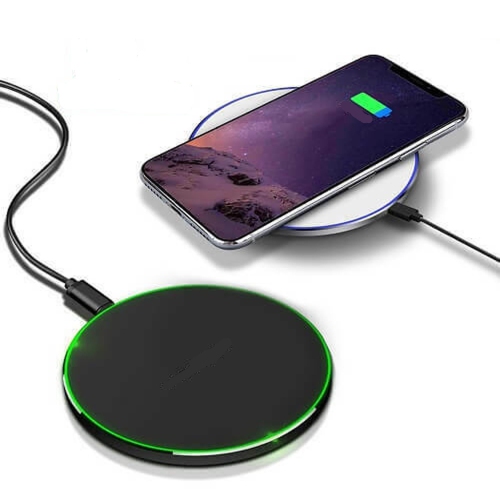
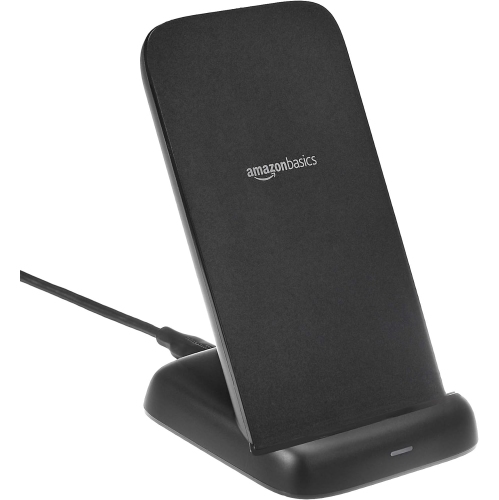
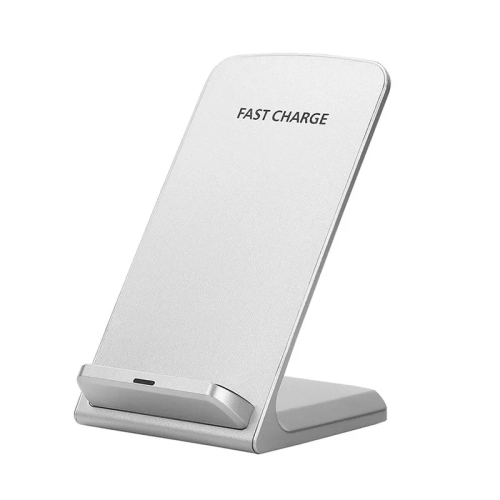
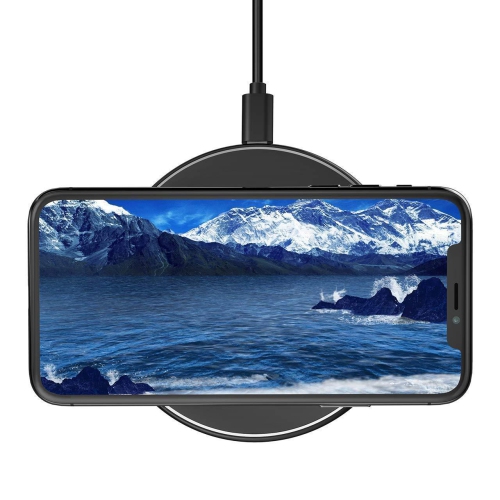
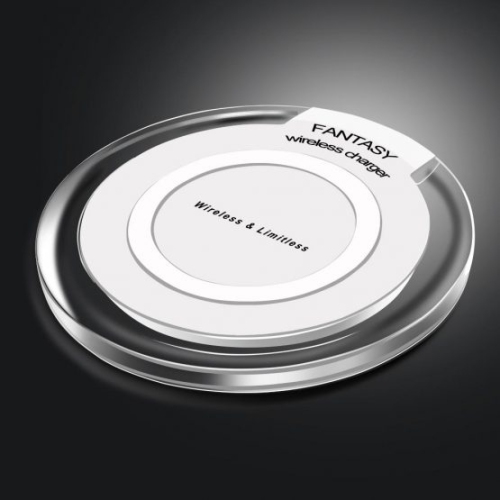
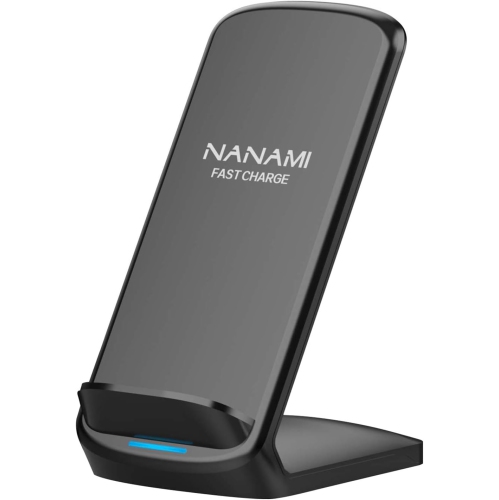
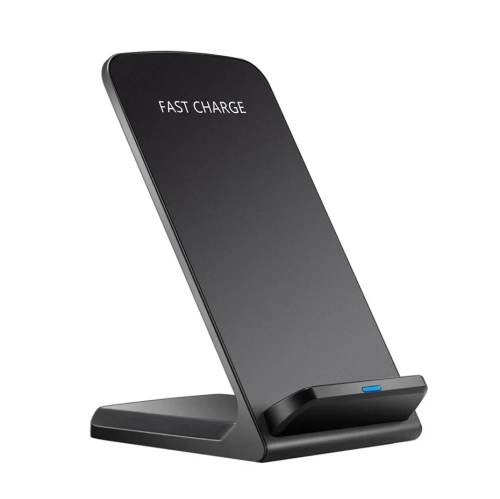
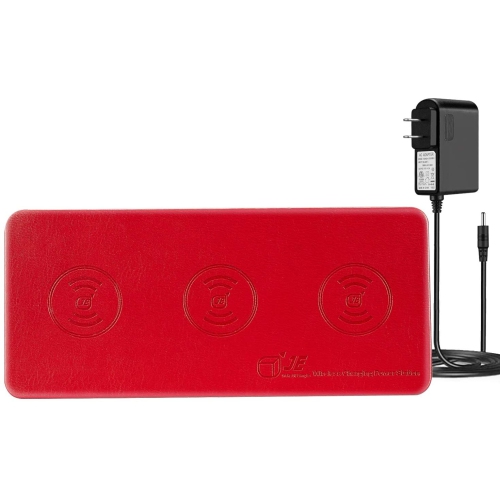
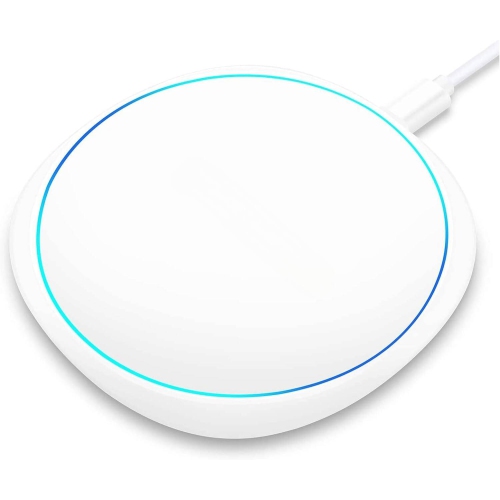
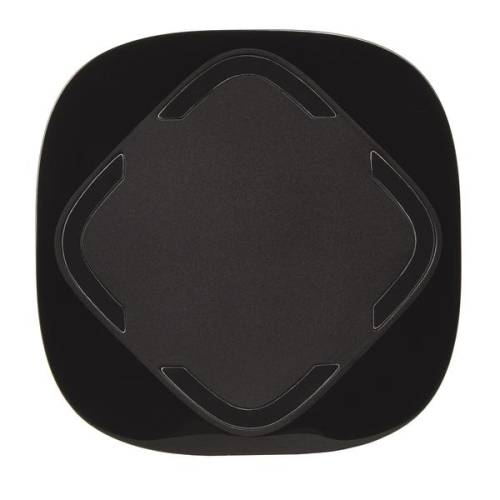
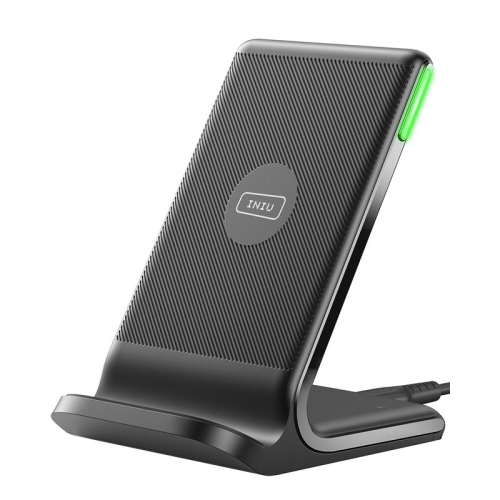
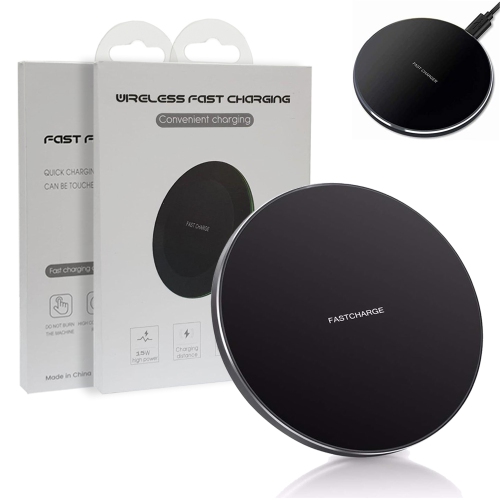
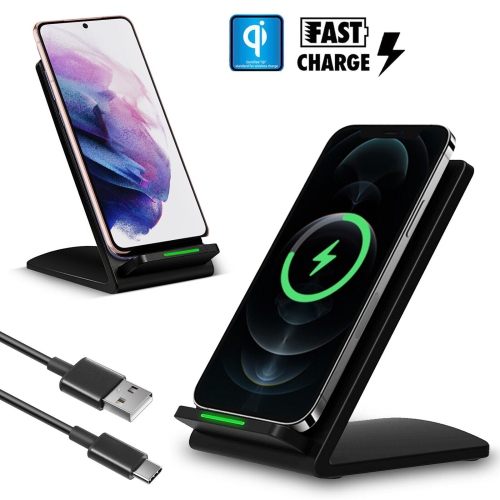
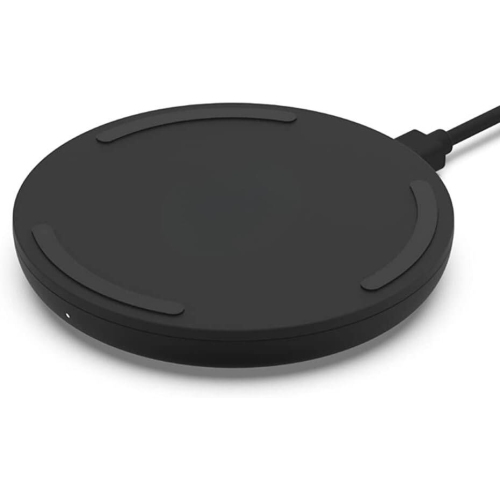
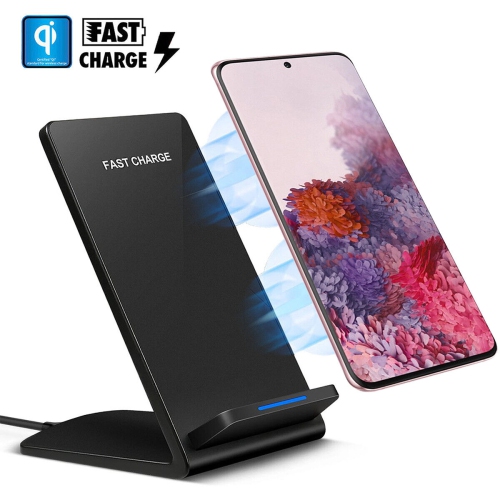
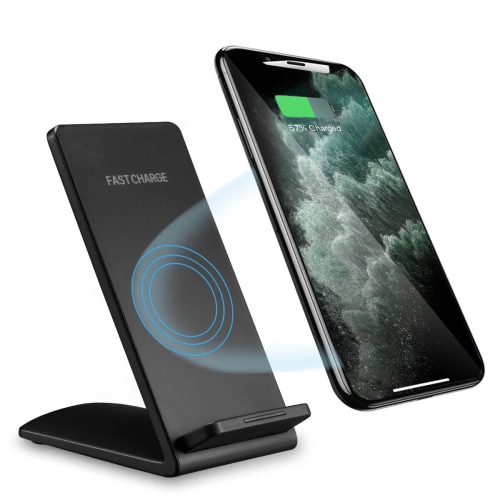
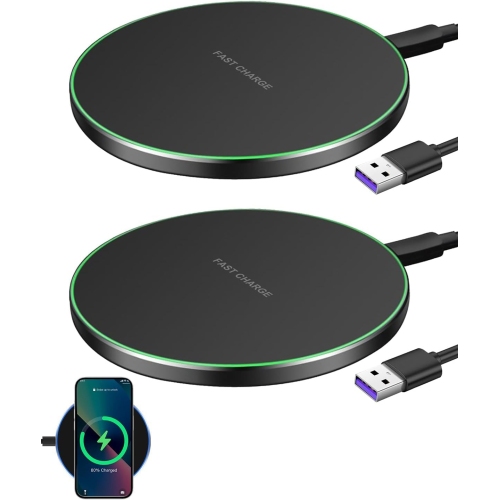
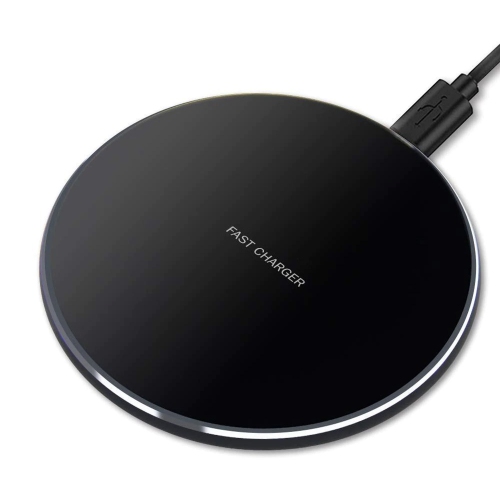
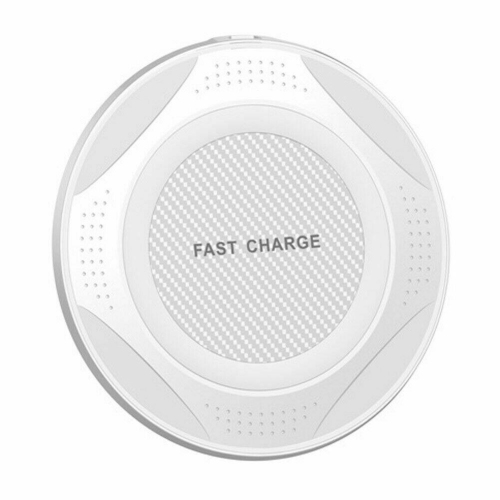
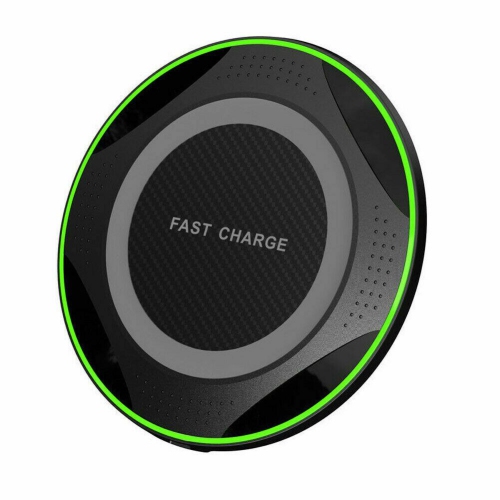
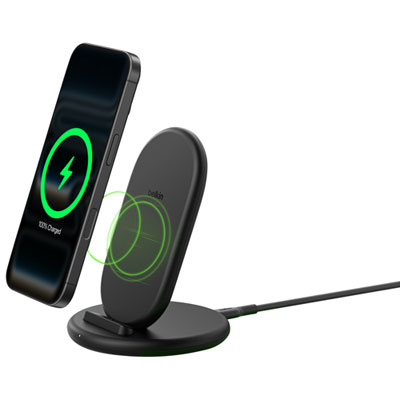
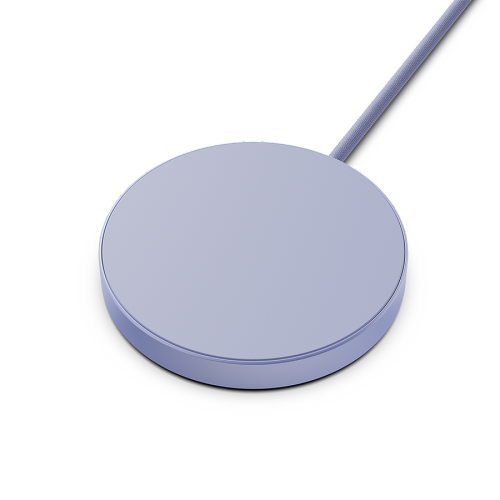
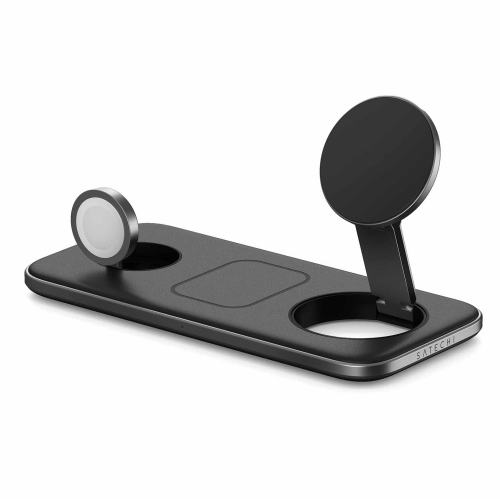
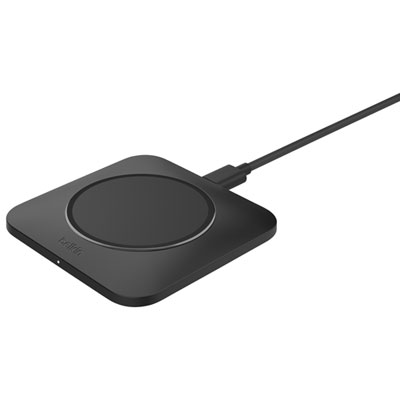
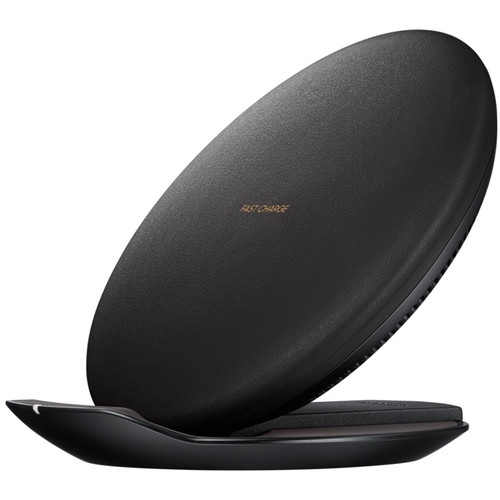
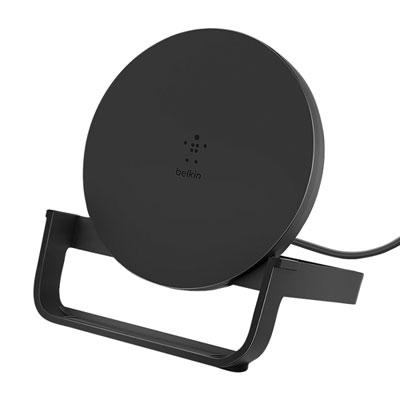
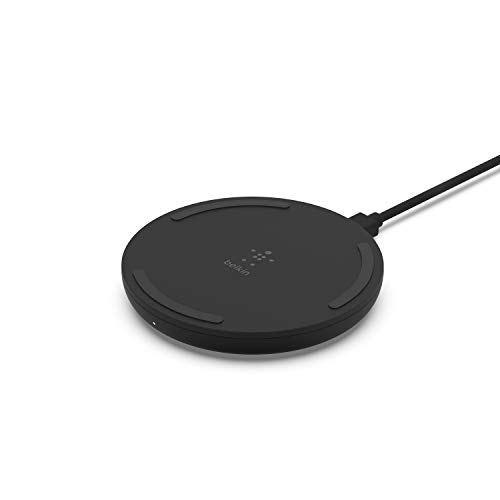
The shape of a wireless charger influences where it fits and how a device can be used while charging. A flat pad keeps a bedside table or entryway surface uncluttered and provides a natural landing place for a phone after a commute. An upright stand keeps the screen visible for incoming calls, calendar reminders, or a recipe on a kitchen counter, provided the charger is positioned away from splashes and cooking mess. Stands that support both portrait and landscape placement can be useful for video calls or watching content, although the coil position must still match the phone in either orientation. Adjustable angles offer more flexibility on a desk, while a broad base and non-slip feet help keep the setup steady when a notification prompts a quick tap. Phone size, camera protrusions, and case construction all affect fit. A large camera bump may prevent a handset from sitting flush against some charging surfaces, and a thick or uneven case can increase the distance between the coils enough to interrupt charging. Case compatibility is best understood as a specification of the charger-and-device combination rather than a promise that every protective cover will work. Metal plates used with some mounting accessories, attached wallets, grips, and cards can also interfere with placement or need removal before charging. Materials contribute to both appearance and daily handling: moulded plastic housings are often lightweight, metal bases can add stability, and silicone contact surfaces help resist sliding. Fabric-covered surfaces offer a softer texture but may need more attention to trapped dust or marks. Colour, finish, cable routing, and the location of the power connector influence how neatly a charger fits beside a lamp, monitor, or bedside clock. A compact footprint can leave room for other essentials, while enough clearance around the charging surface makes it easier to place and retrieve a phone without shifting nearby objects.
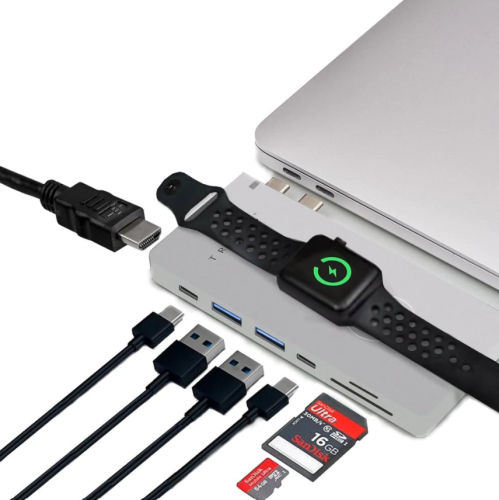
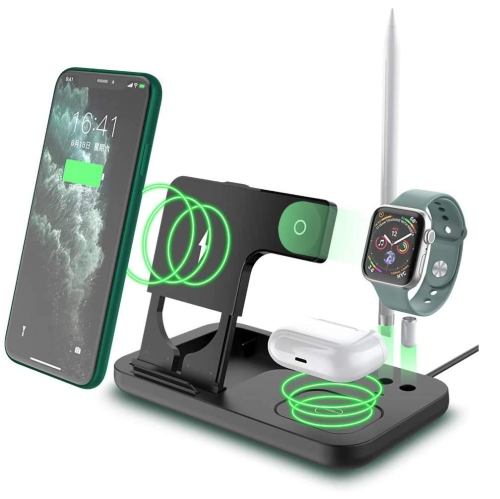
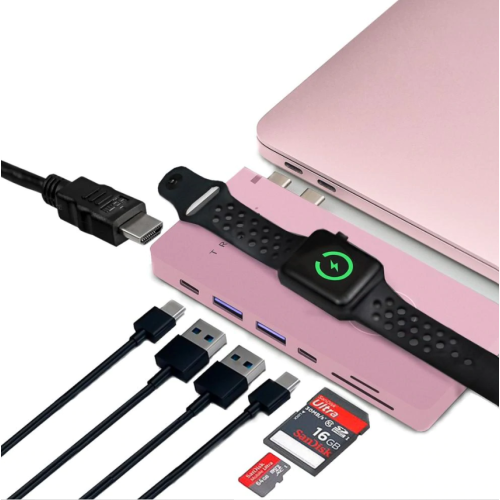
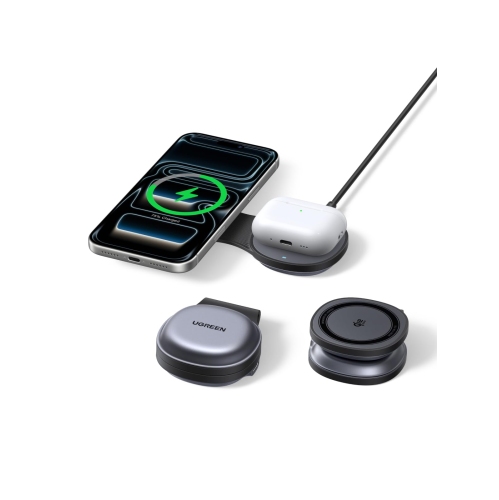
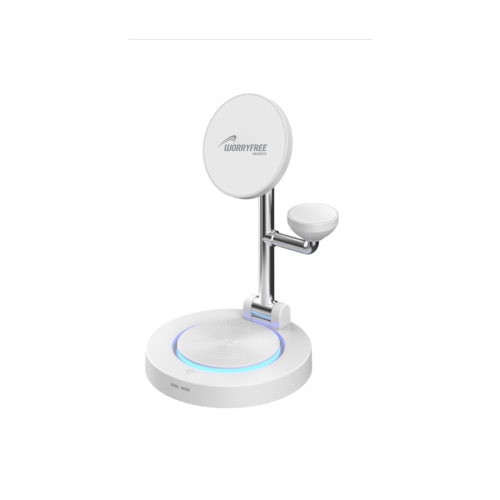
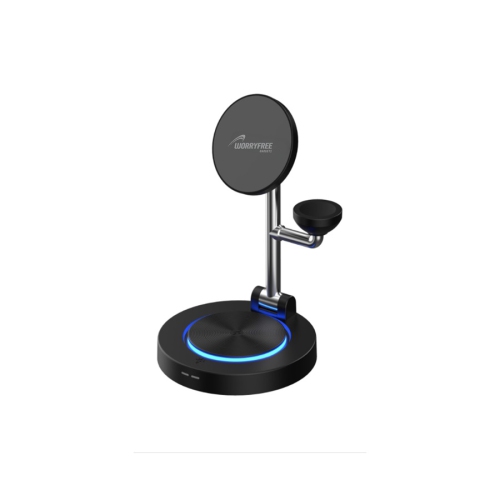
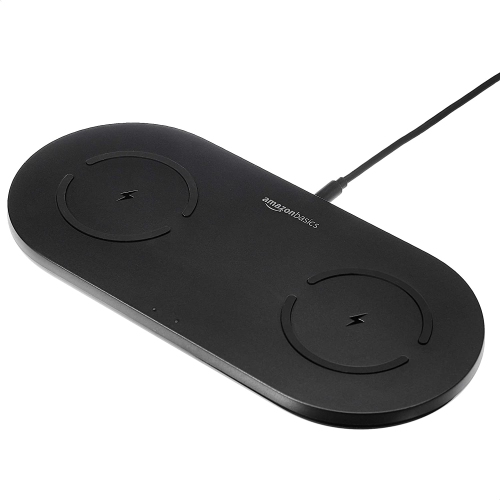
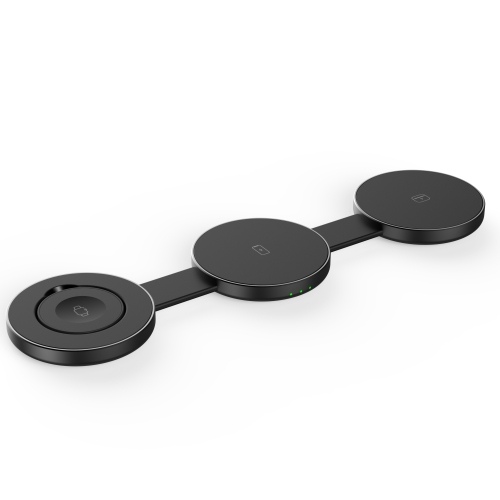
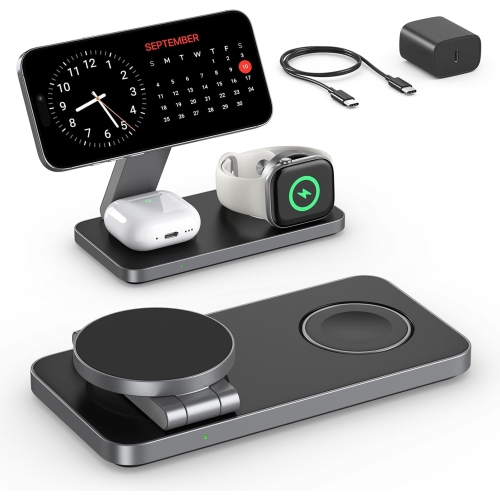
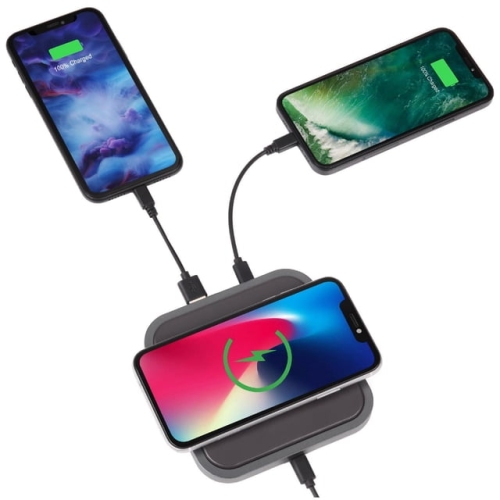
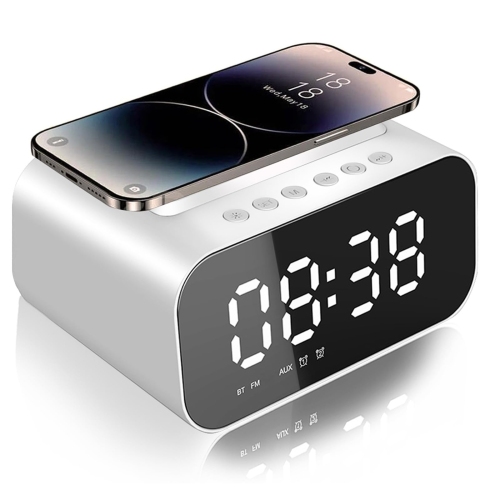
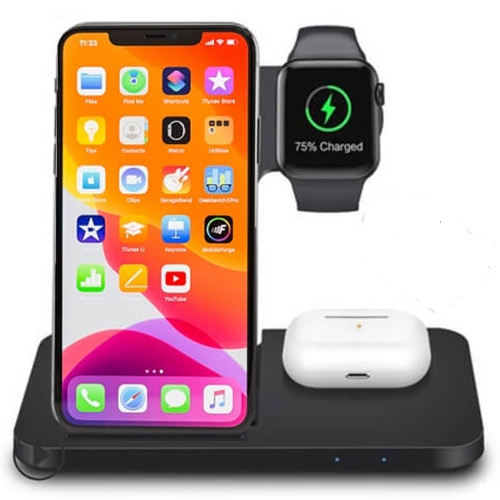
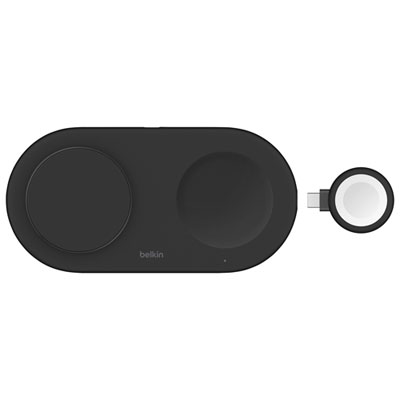
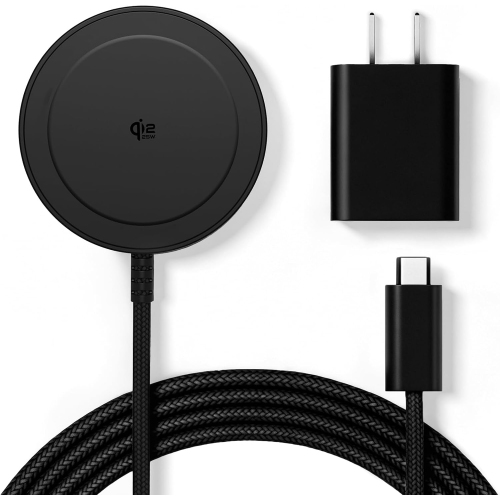
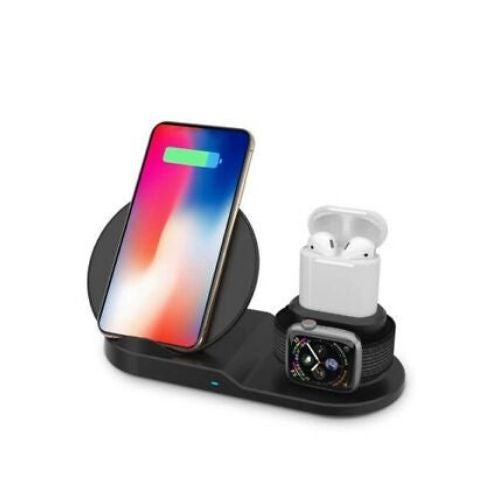
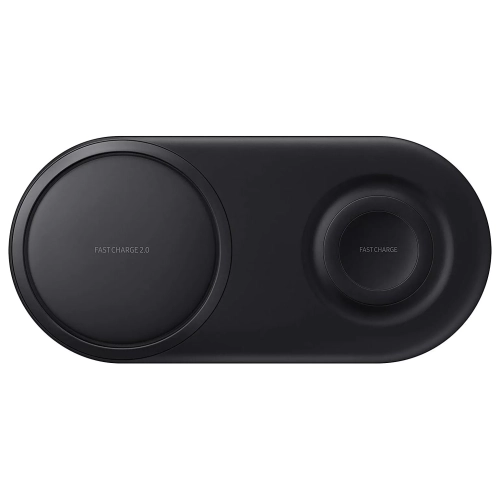
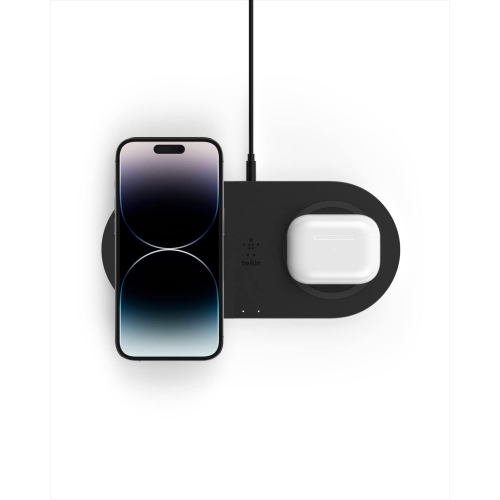
For households charging more than one device, multi-device wireless chargers can bring several charging positions together, but each position has its own compatibility requirements. A phone charging area may also work with a compatible wireless charging earbud case, while a watch charging position may rely on a separate, device-specific charging system rather than standard Qi charging. Total rated output can also be shared across charging zones, so simultaneous charging performance may differ from the maximum rate offered at one position. Power adapters and cables remain part of the setup: the required adapter output and charging protocol need to match the charger’s specifications, and an adapter may not be included. A laptop USB port or an older wall adapter may not provide the power needed for the charger’s highest supported rate. Clear status indicators can make it easier to confirm that charging has started, especially when a device looks correctly placed but its coils are slightly offset. Subdued or adjustable indicator lights are particularly useful beside a bed. For regular care, disconnecting the charger before wiping it with a soft, dry cloth helps keep the contact surface clean without introducing moisture into ports or seams. Protective cases and charging surfaces should also be kept free of debris that could affect how the device rests. Coins, keys, payment cards, and other loose objects belong away from the charging area; foreign-object detection is a safety feature, not a substitute for a clear surface. Wireless charging can generate warmth, and protective controls may reduce charging speed when necessary, so an uncovered position with adequate ventilation supports normal operation. A well-matched charger suits someone who returns to the same desk throughout the day, prefers a tidy bedside routine, or has difficulty repeatedly connecting a small charging plug. As a gift, its usefulness rests less on a claimed universal fit than on confirmed device compatibility, a suitable form factor, and the right power connection for the recipient’s space.
Top selling and popular products
-
 Your price for this item is $34.99
-
 Your price for this item is $39
-
 Your price for this item is $73.92
-
 Your price for this item is $39.95
-
 Your price for this item is $179.95
-
 Your price for this item is $74.99
-
 Your price for this item is $39.99
-
 Your price for this item is $36.99
Discover more categories related to Qi Standard Wireless Chargers
Top Collections:
Pokemon Centers, Kindle Devices, Best Cameras for Sports Photography, Pokémon 30th Celebration Cards, Apple iPhones 16, Canon G7X Cameras, iPhone 15 Apple, Flip Phones, Samsung Galaxy Phones, Alarm Clock
Some products may be subject to Environmental Handling Fees
(EHF) depending on your province.
Learn more about EHFs.