Replacement Parts
Keeping your favorite electronics and appliances in top condition is essential for enjoying their full potential, and having the right replacement parts on hand can make all the difference. Whether you're looking to extend the life of your gadgets or ensure seamless functionality, finding quality components is key. Explore a wide range of replacement parts designed to fit various needs, from household appliances to tech gadgets, ensuring your devices continue to perform at their best. With the right parts, you can maintain efficiency and reliability, making sure everything runs smoothly in your home or office.
Sort
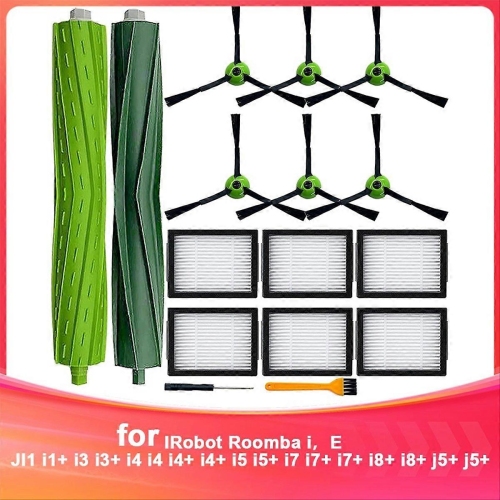

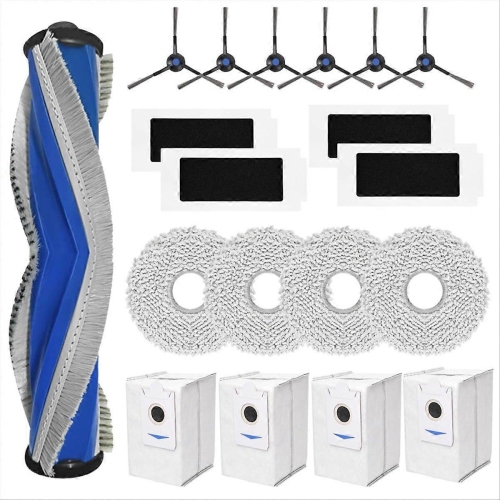
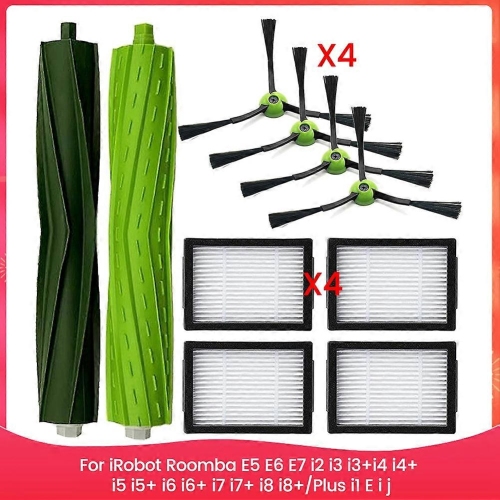
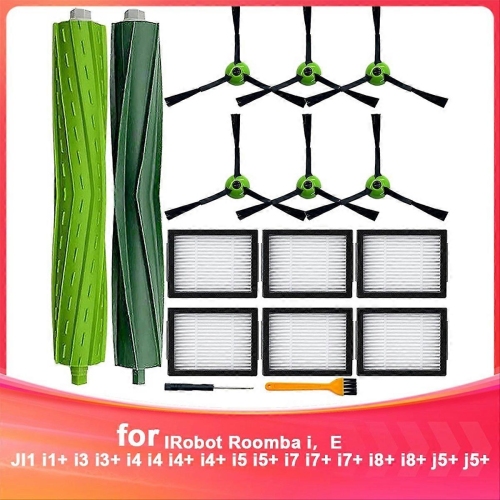
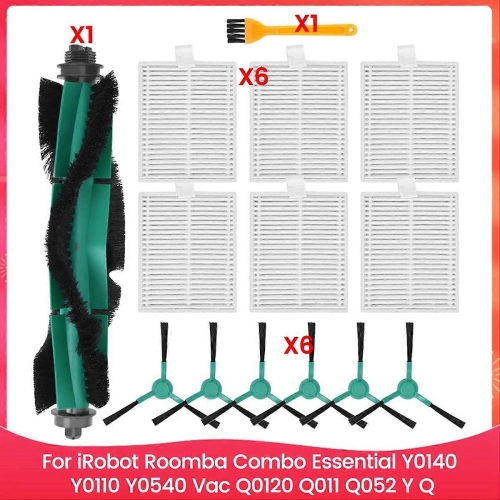
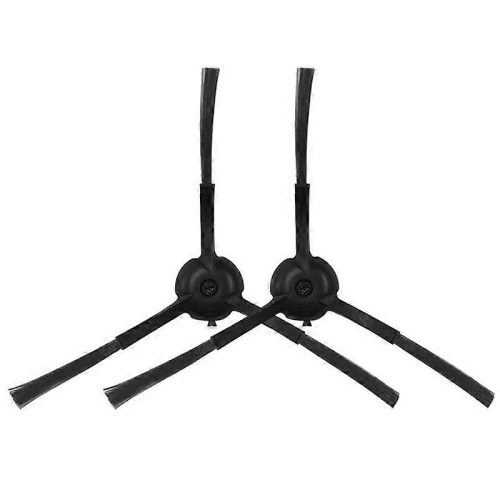
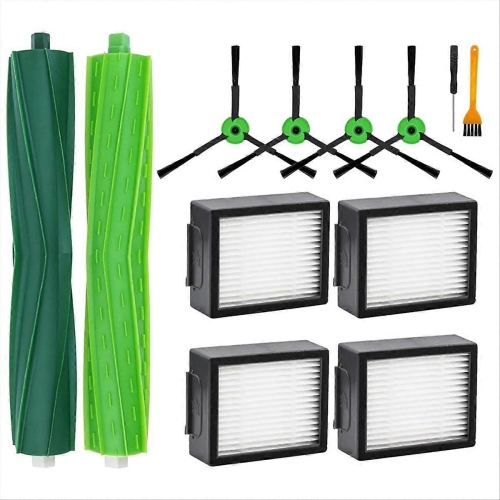
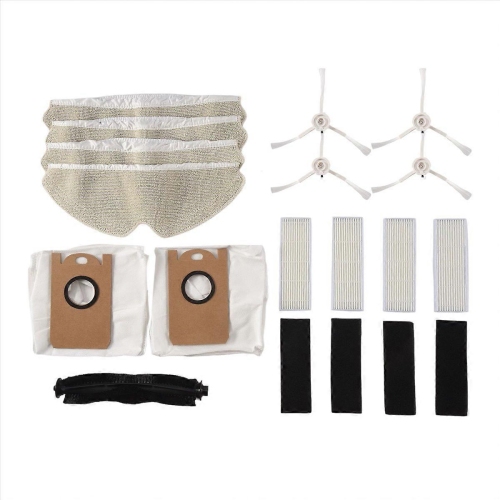
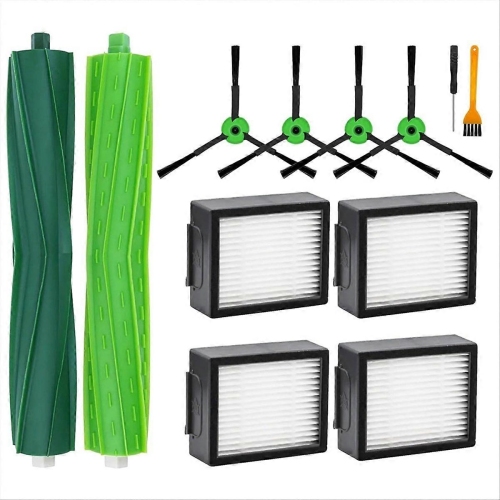


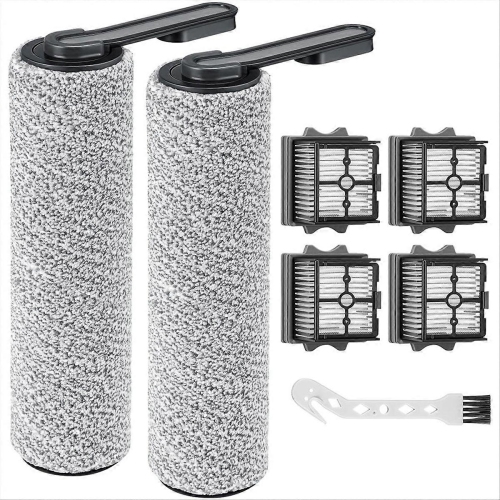
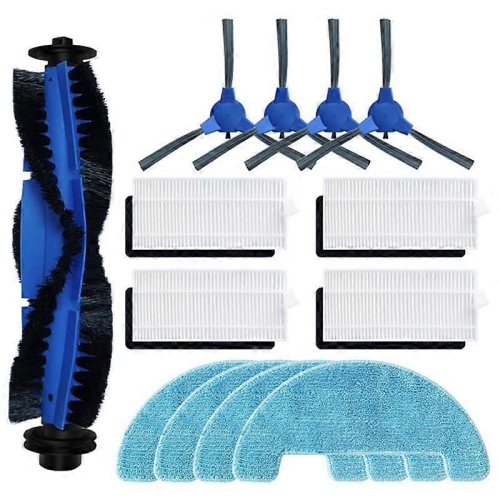

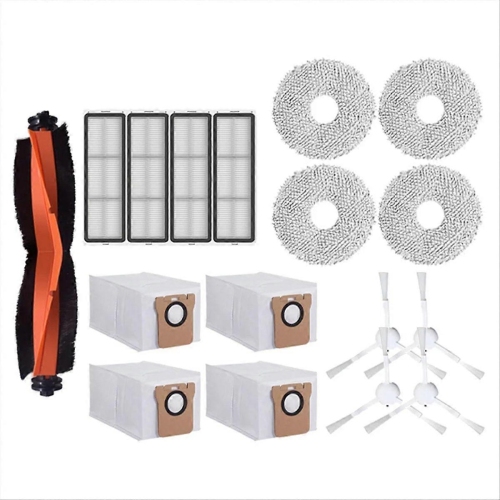
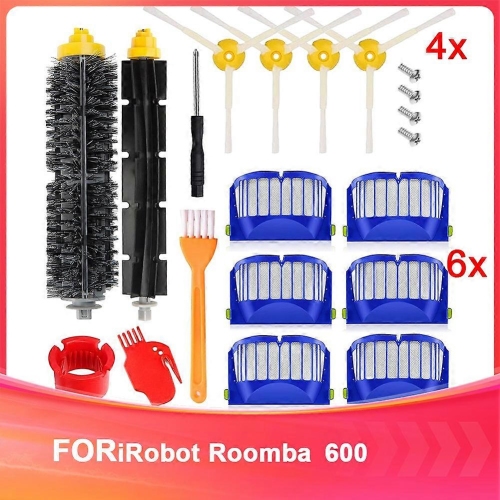
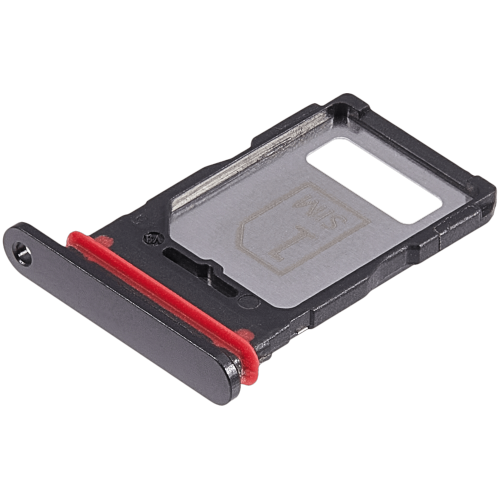
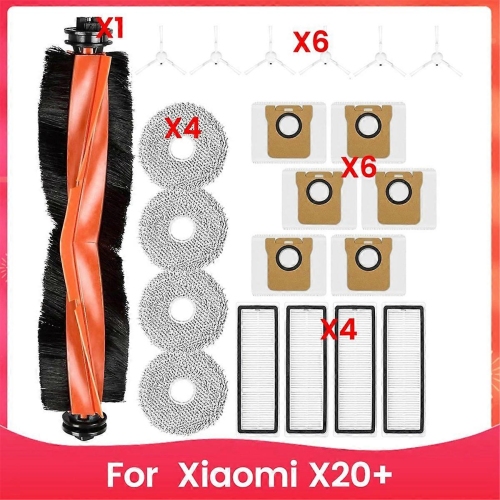
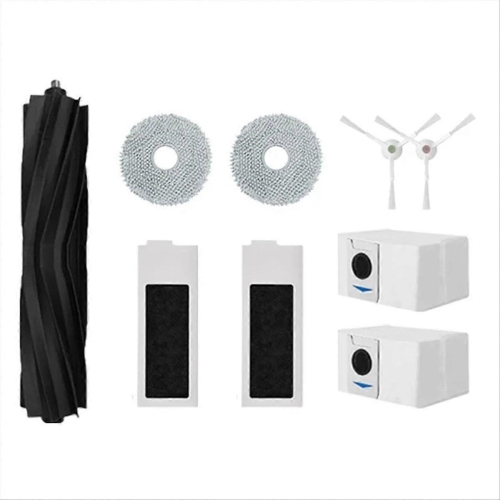
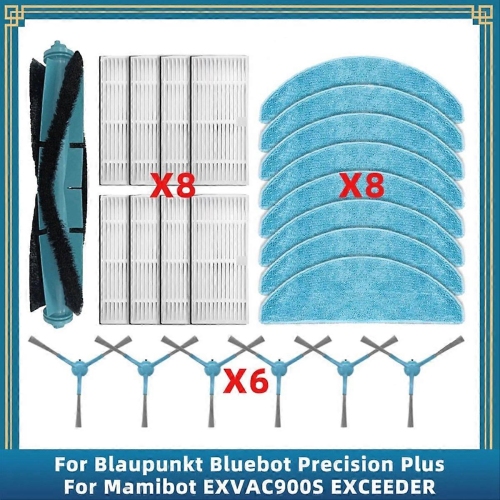


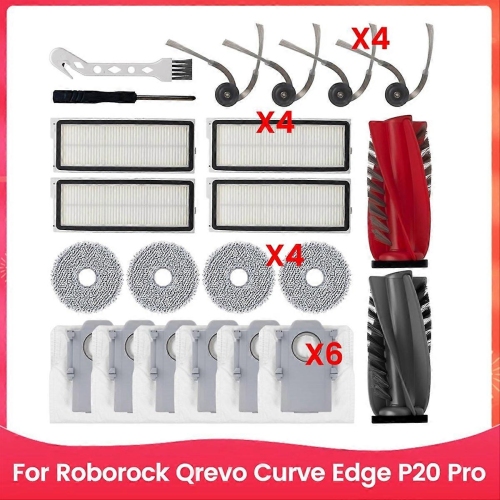
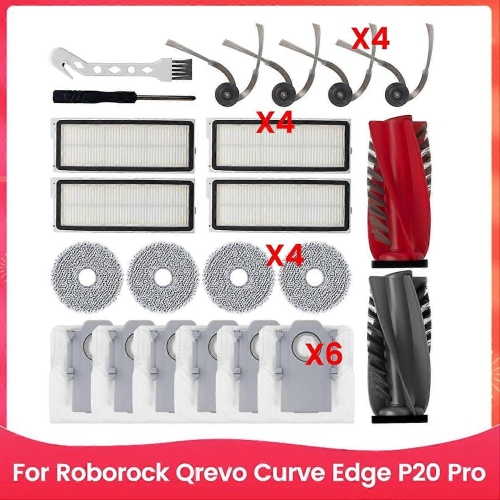

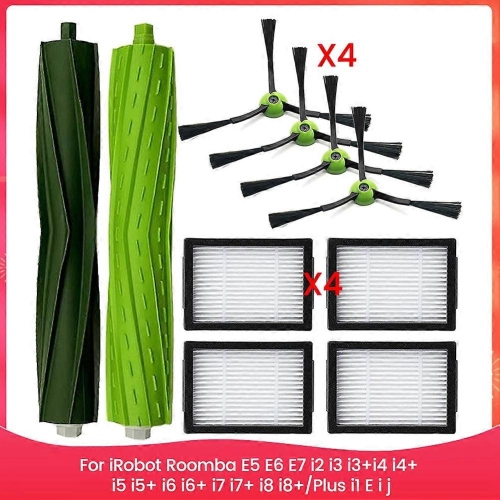
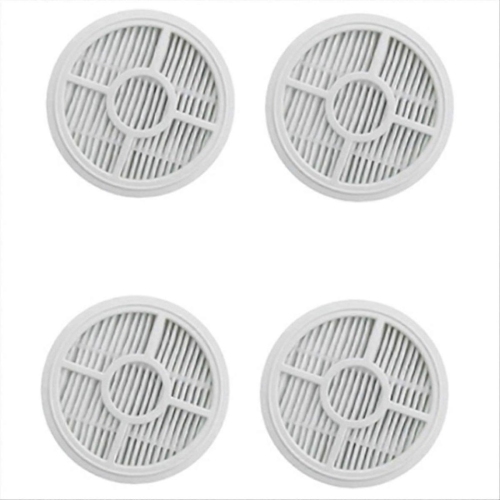
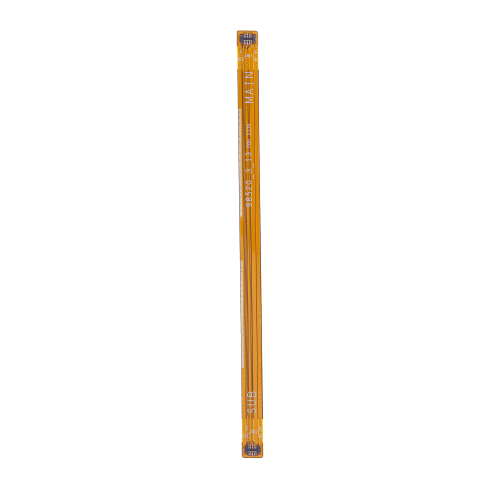
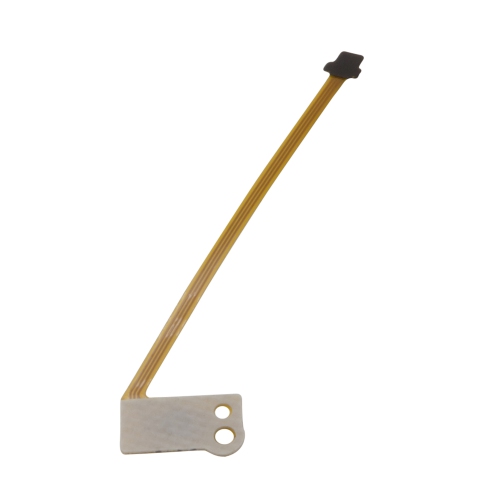
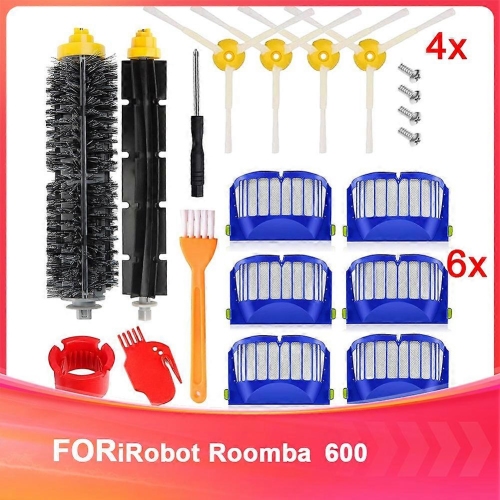
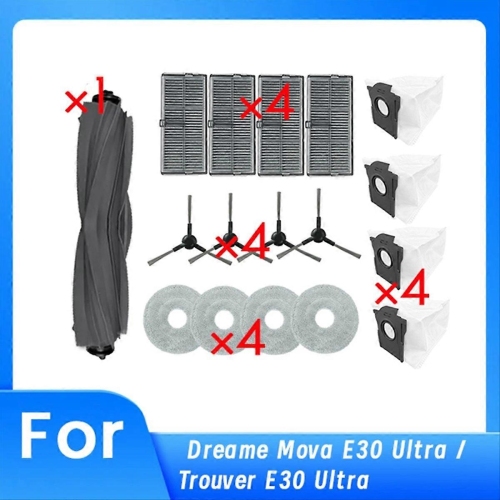
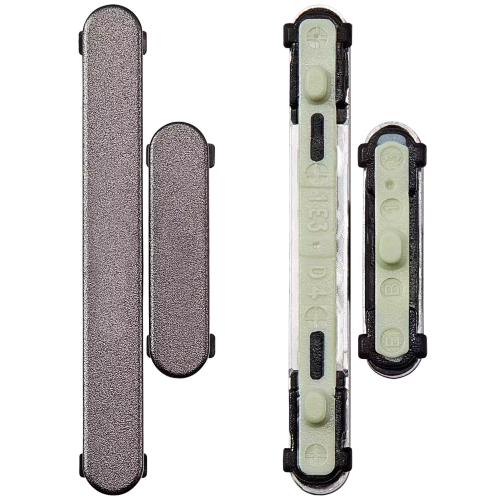

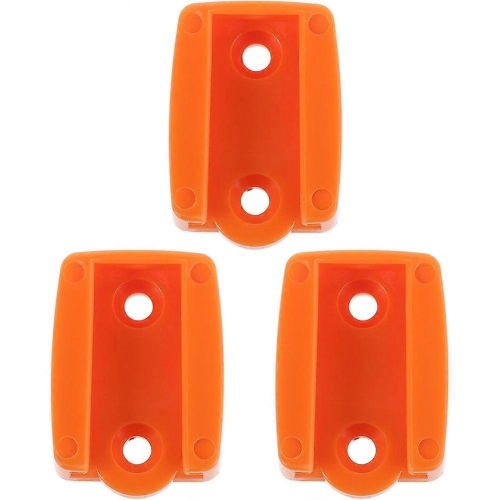
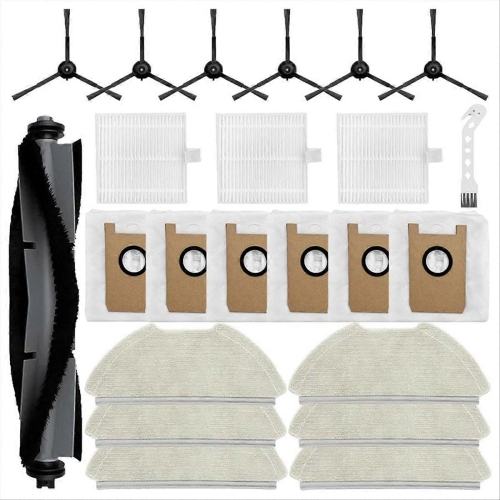

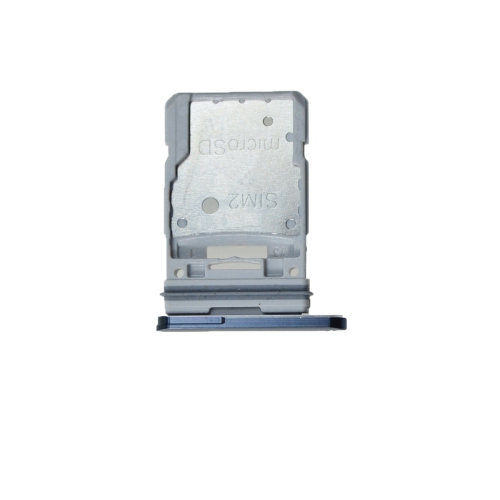
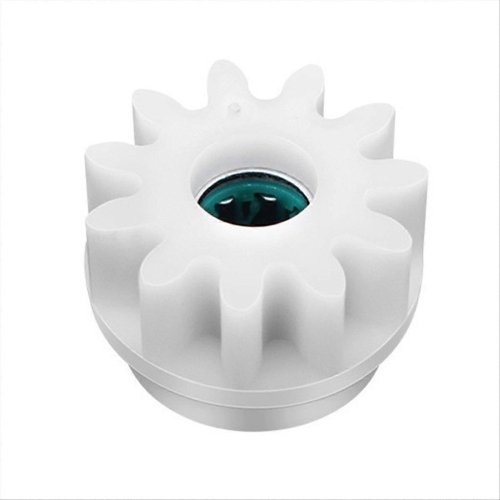
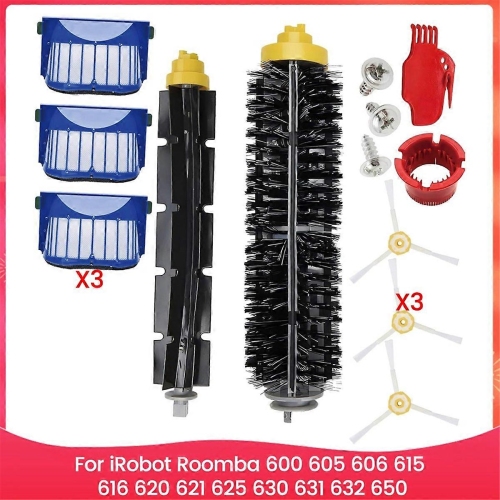
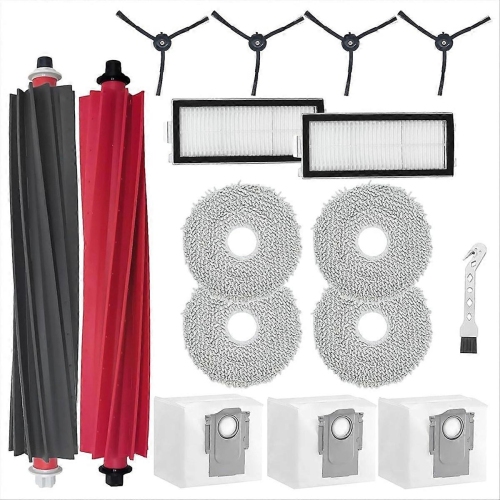
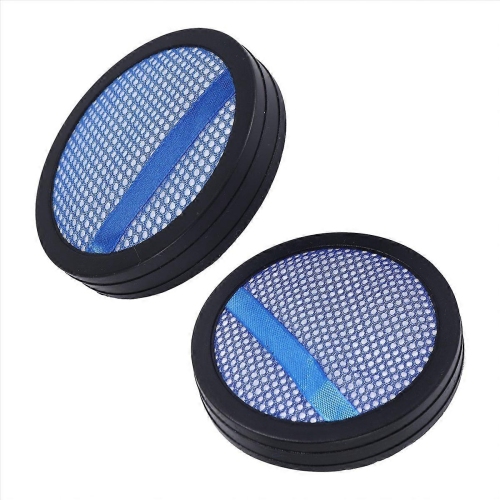


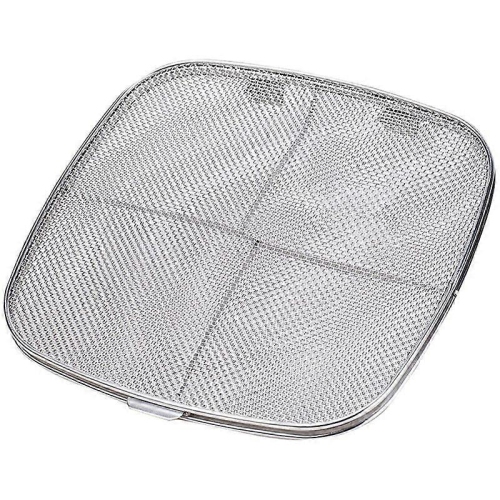

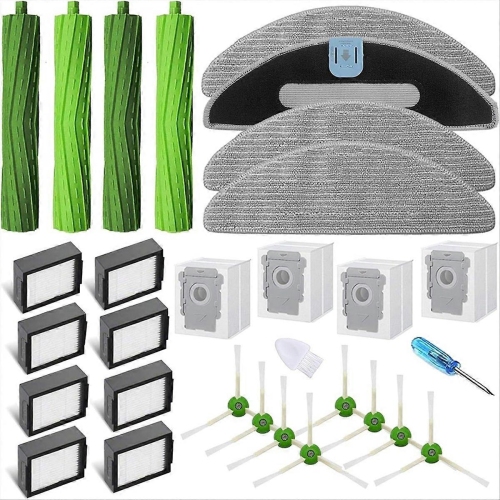
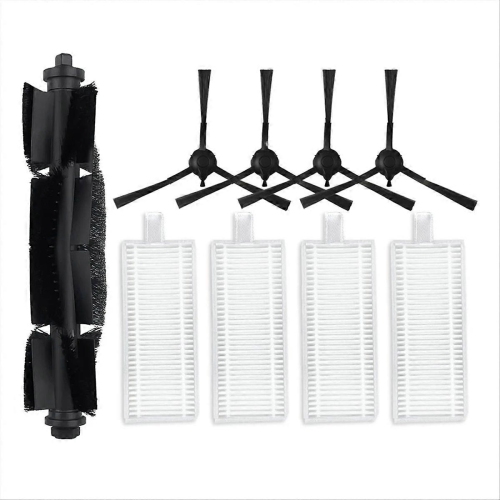
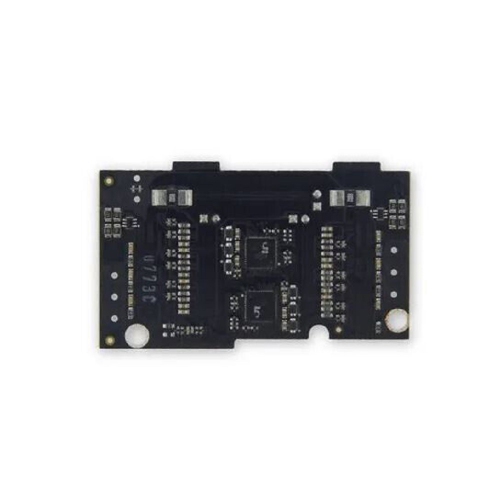
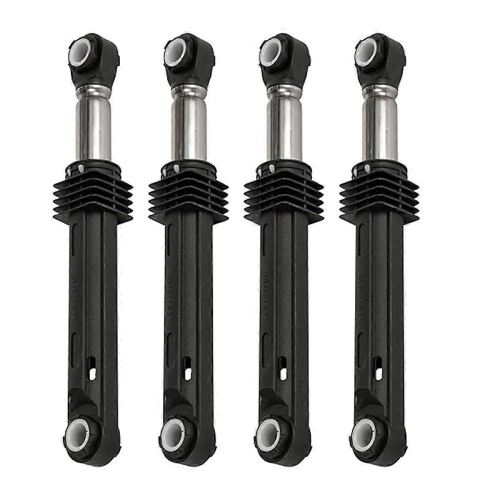
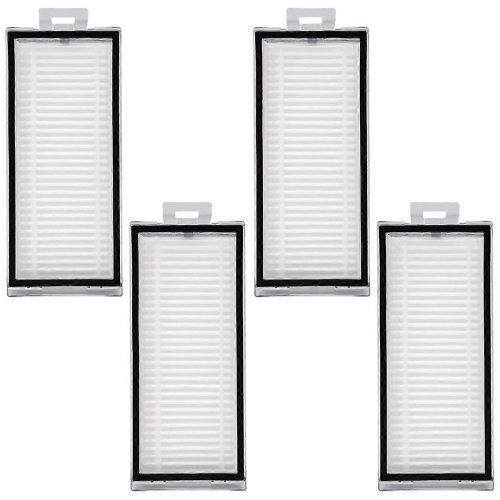
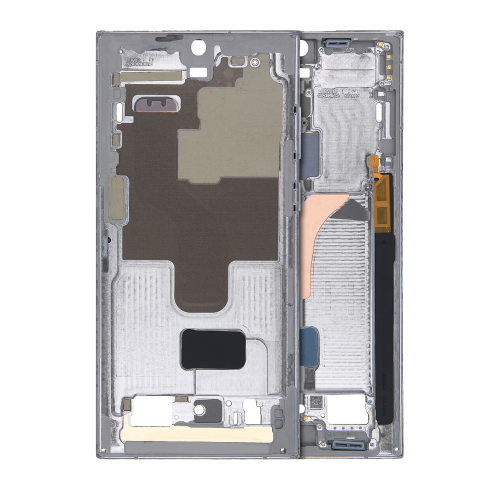
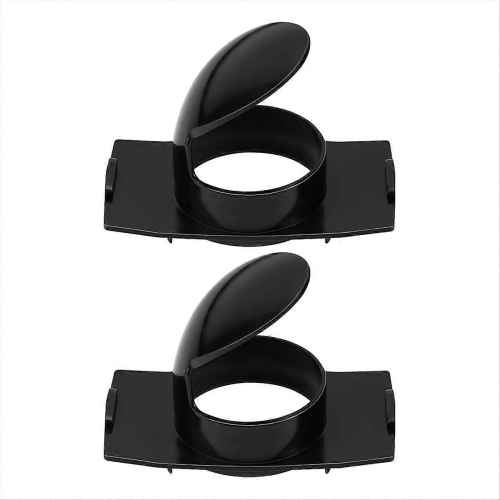
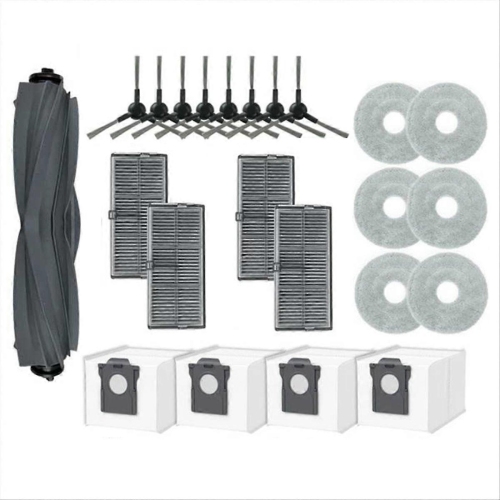
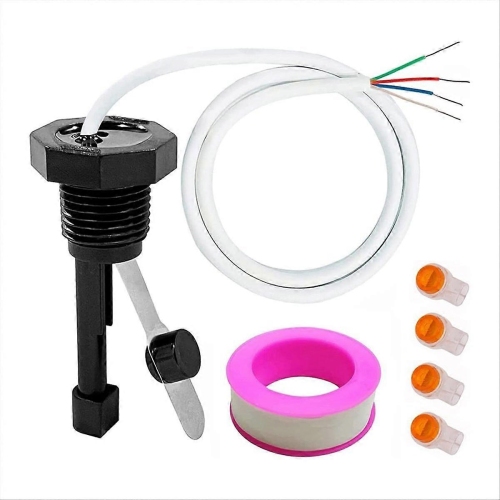
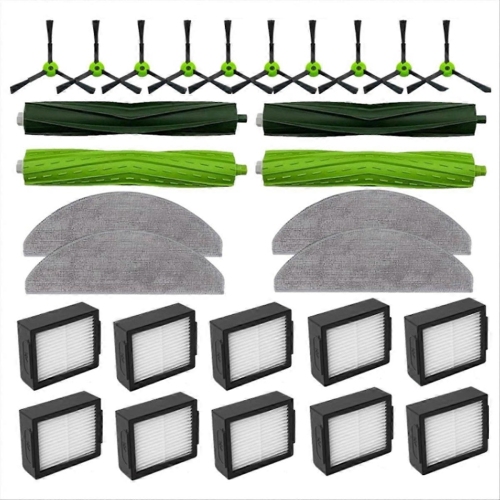
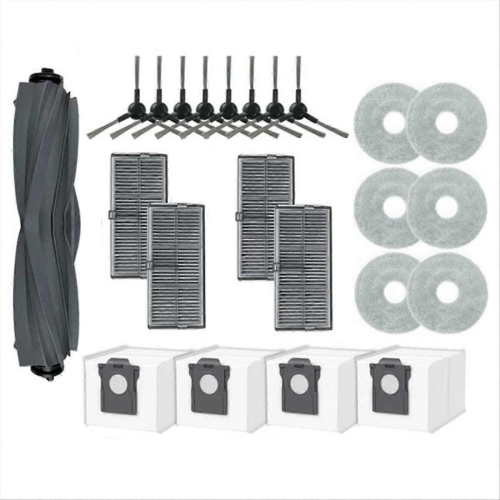


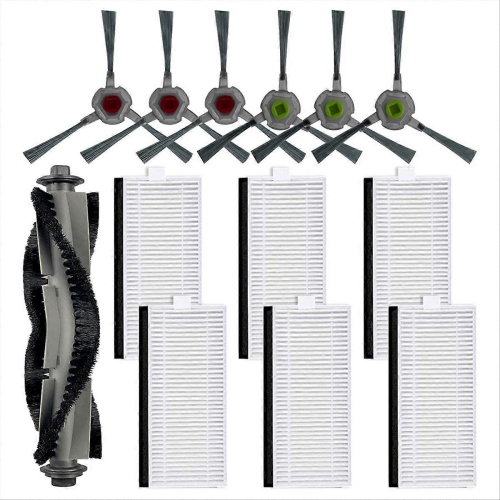

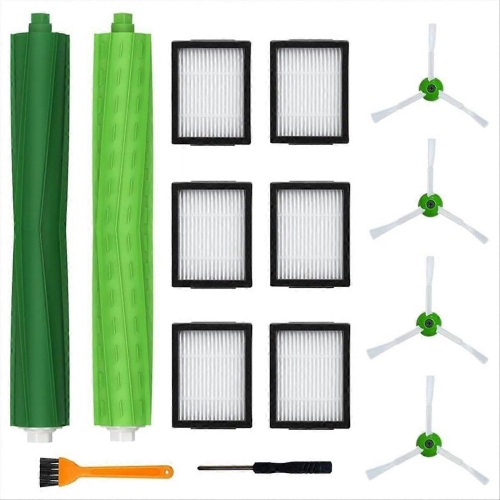
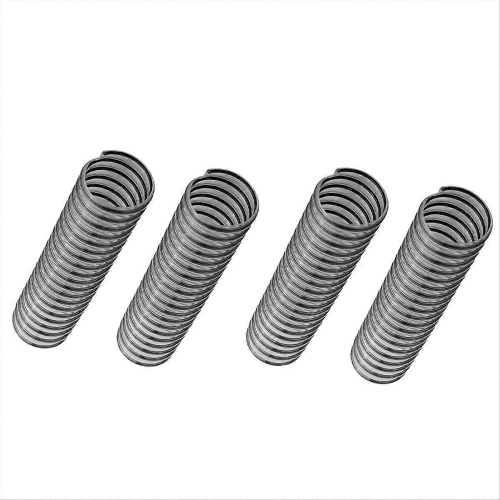
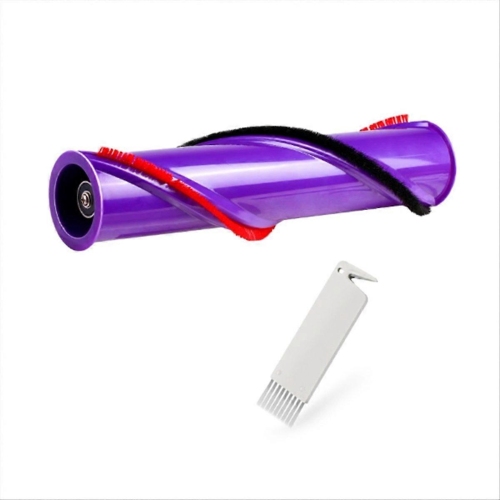


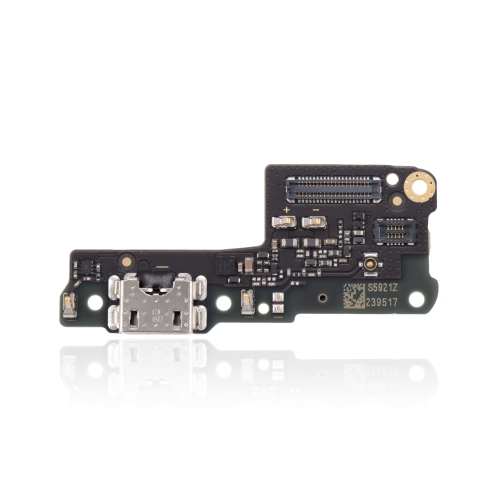
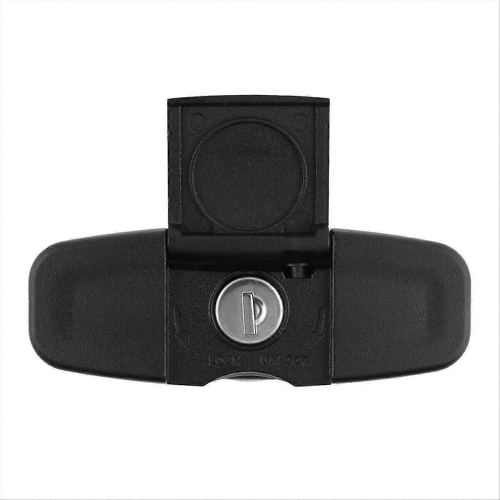
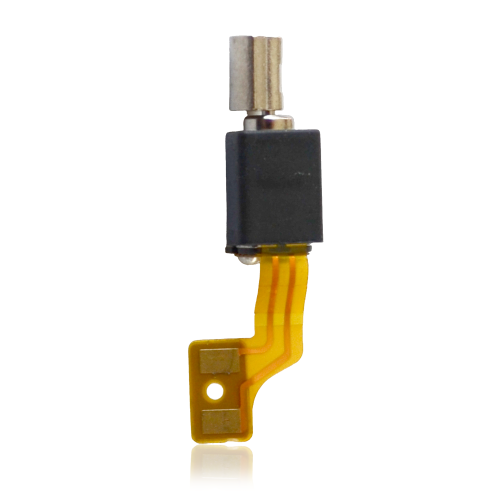
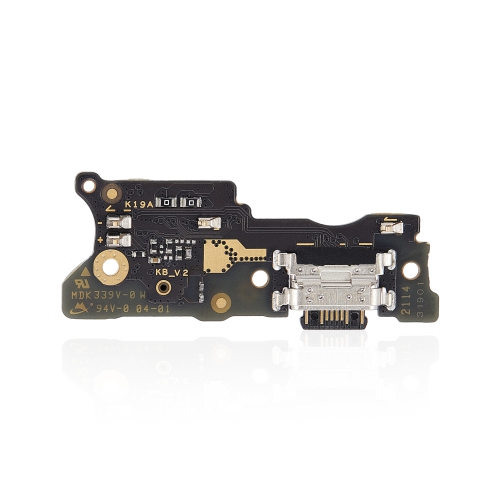
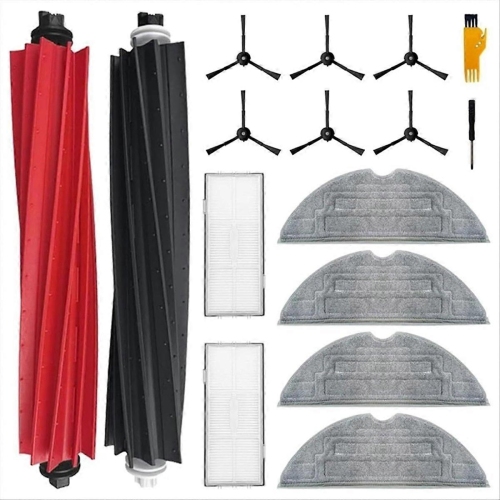

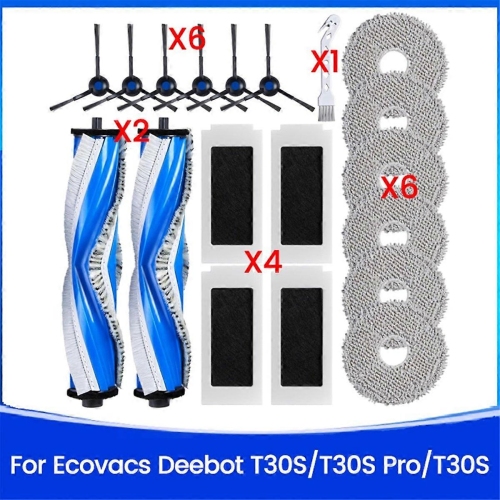
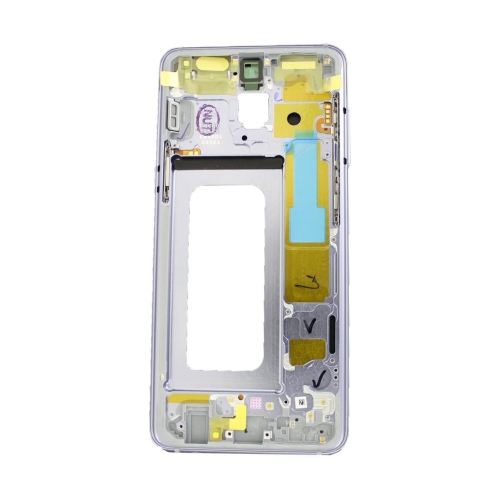
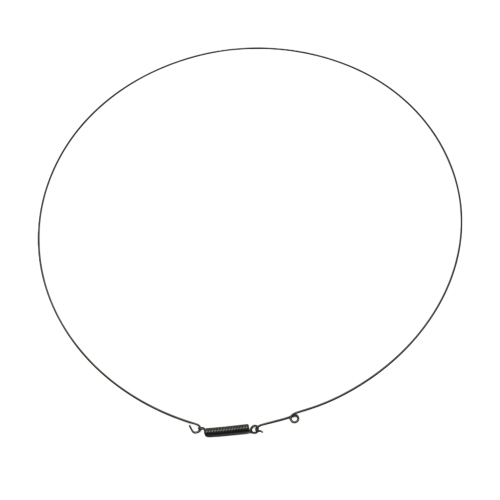
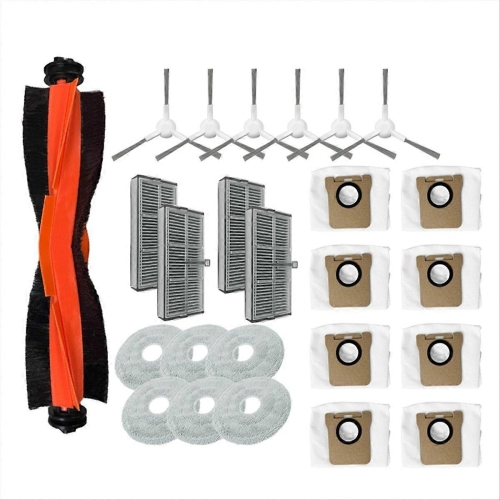
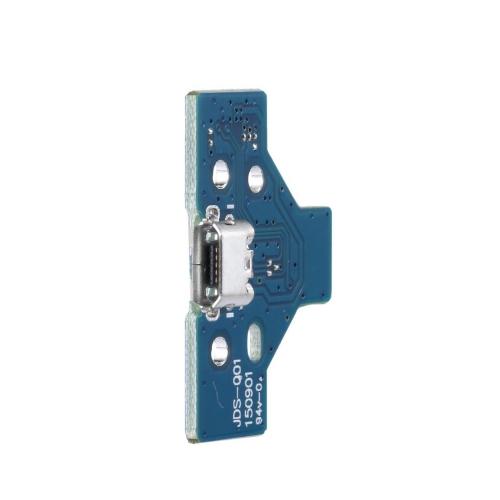


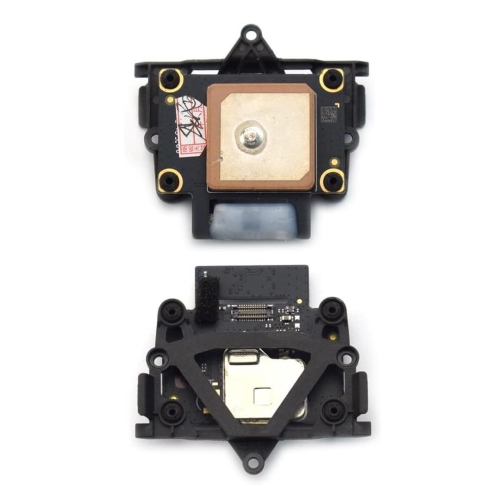


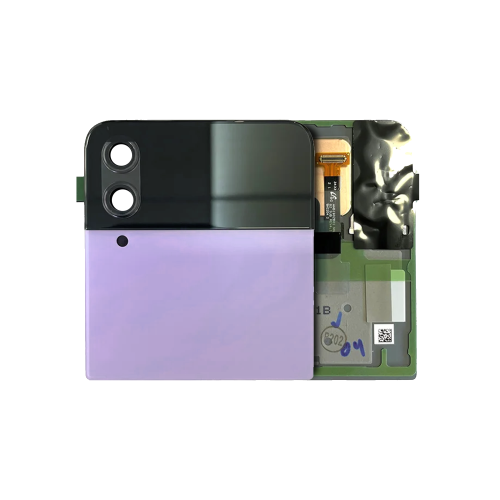
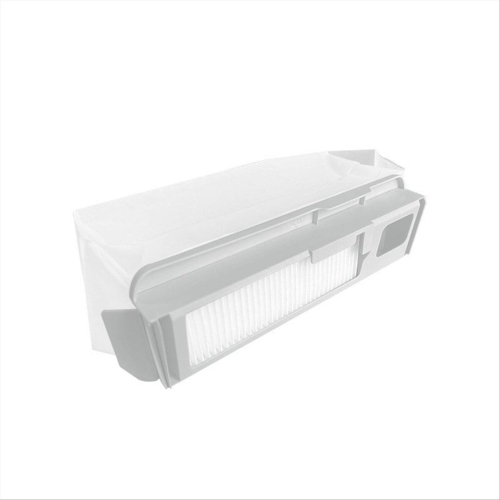
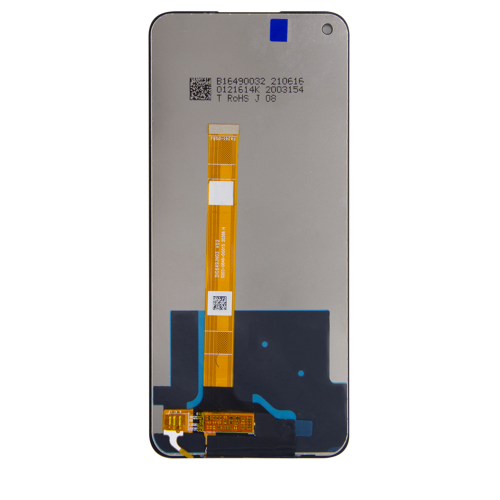
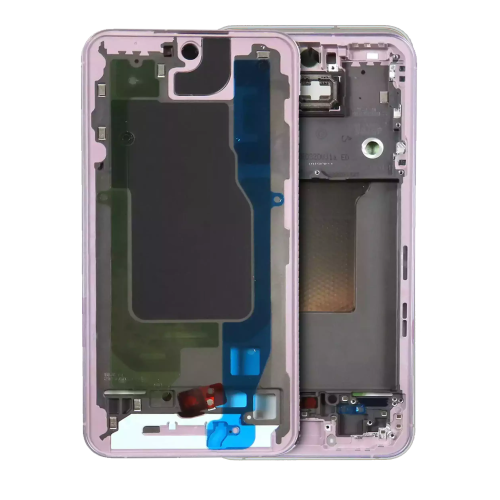


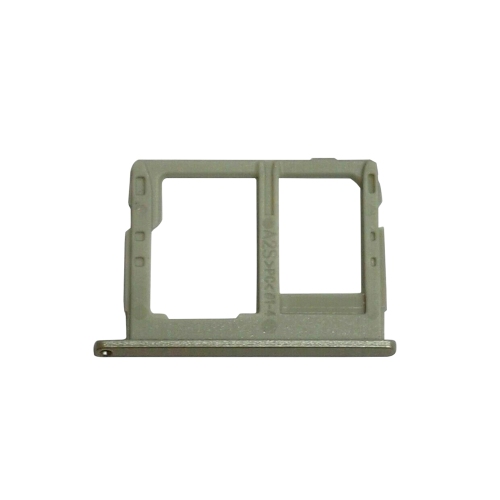
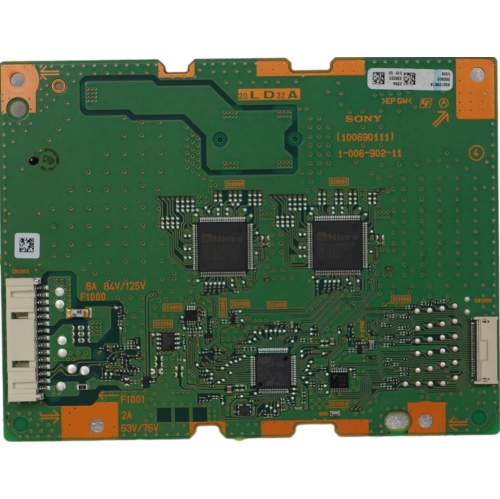

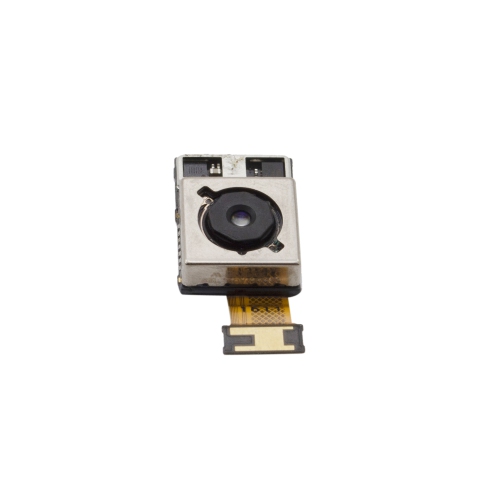
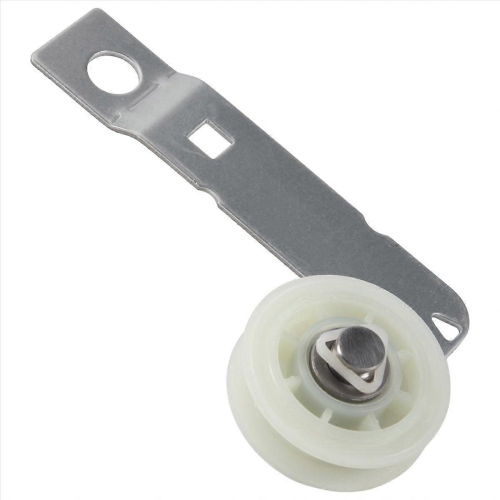
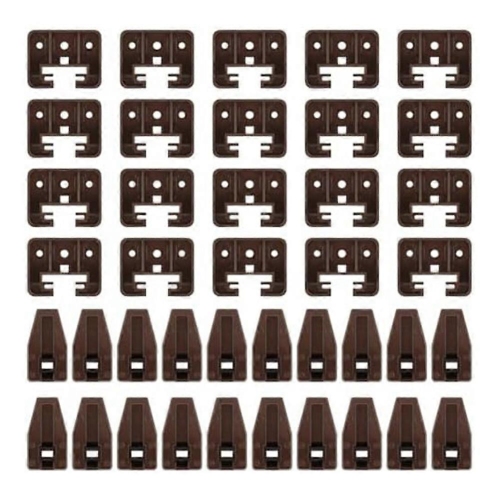
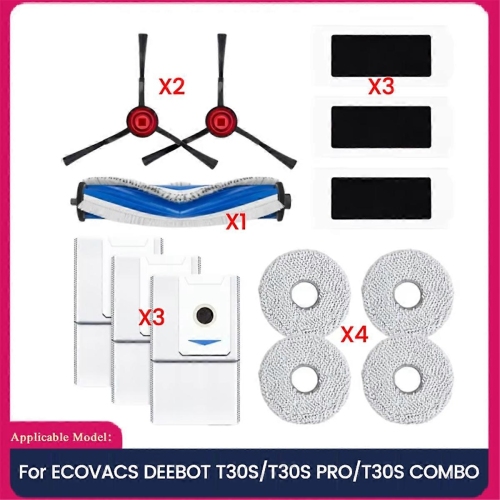
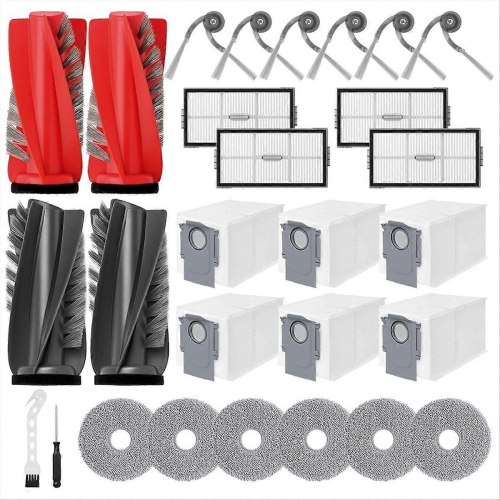

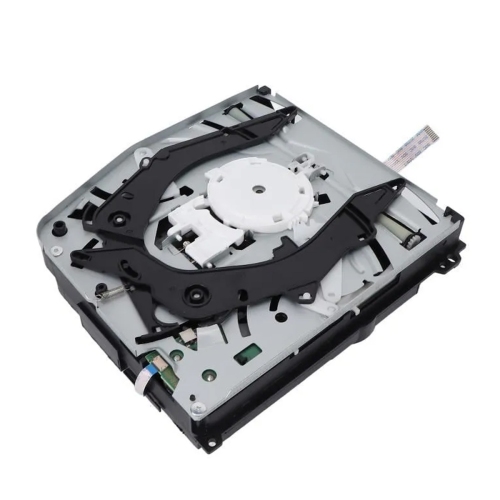
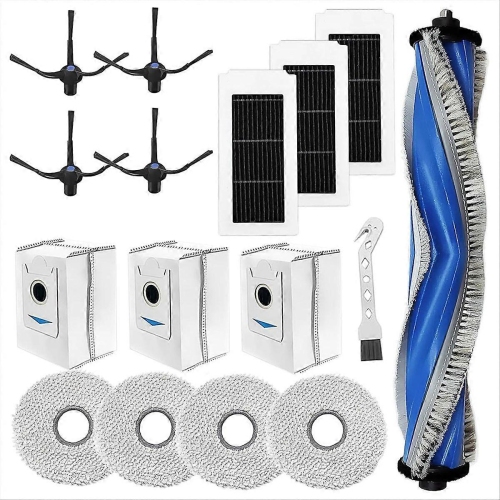
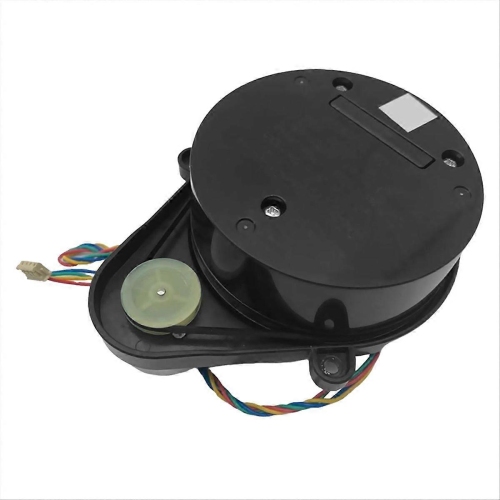

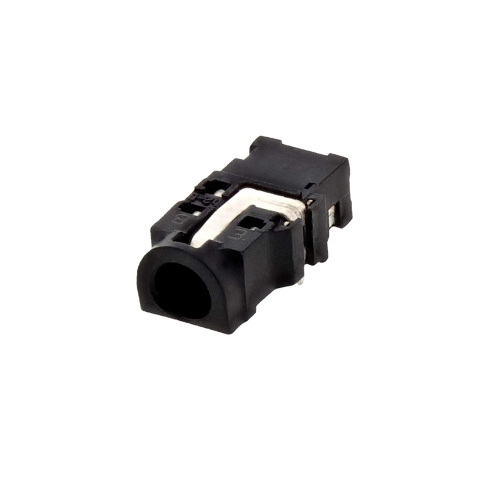
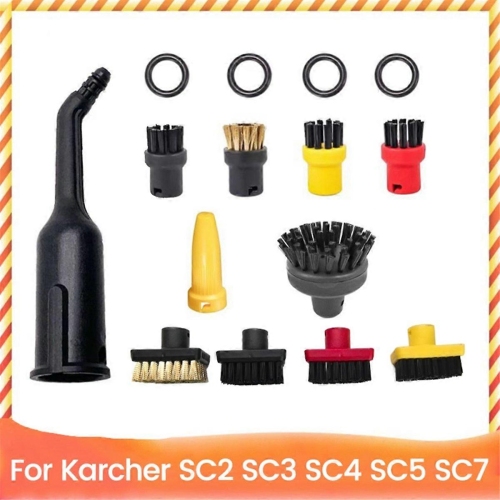
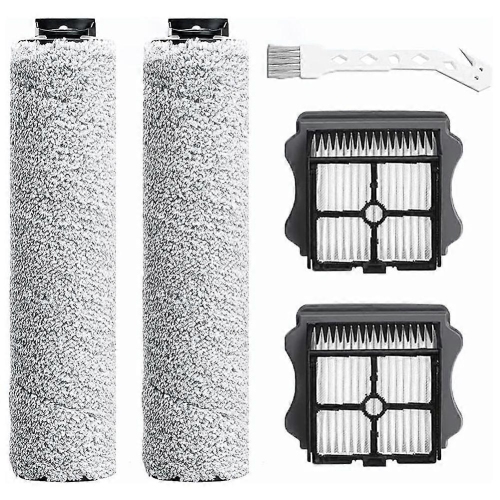
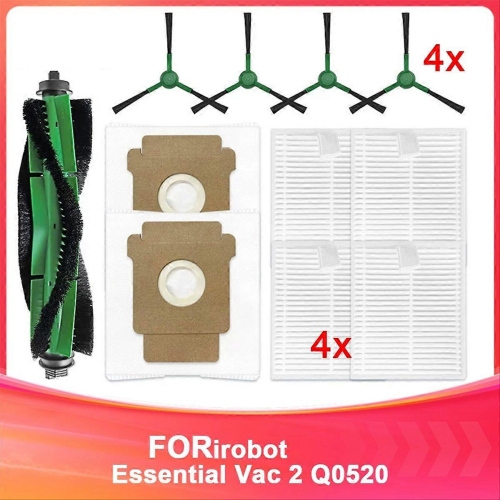
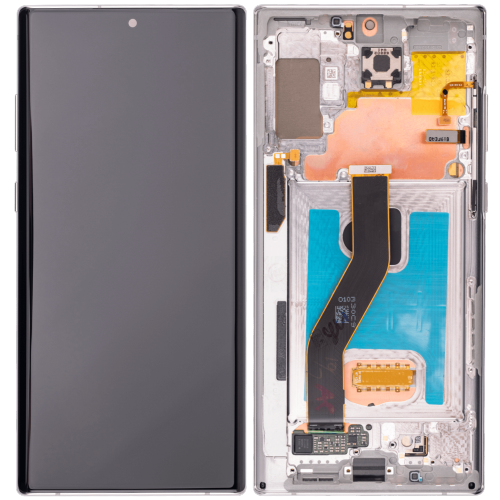
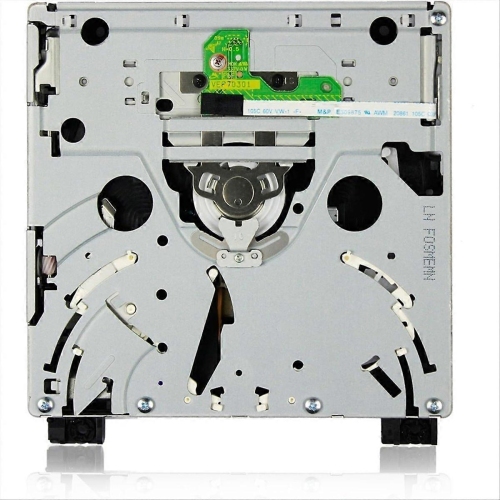

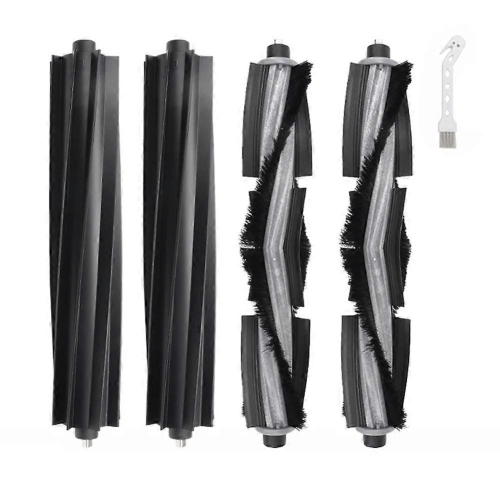
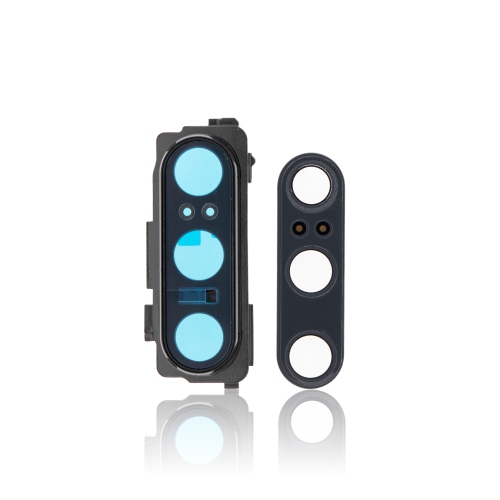
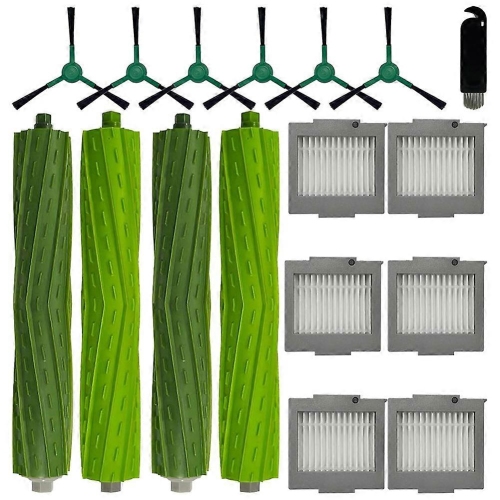
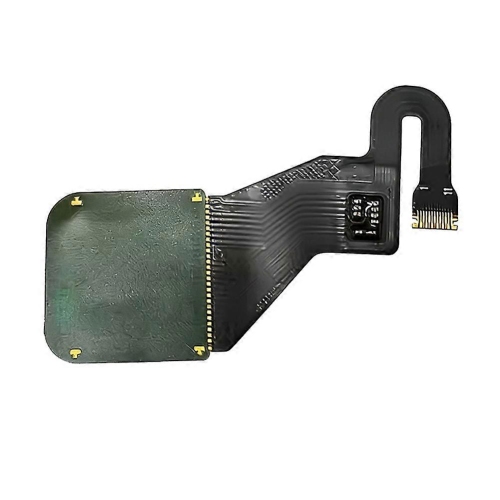

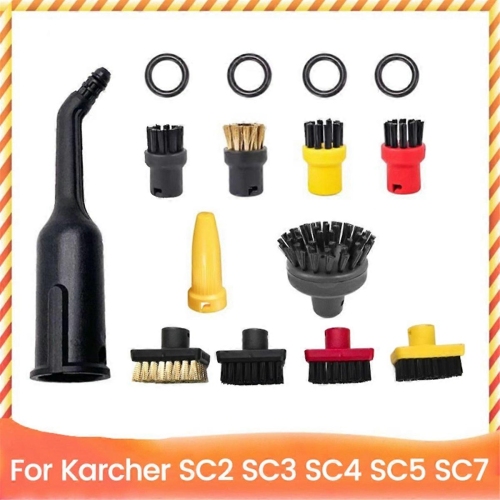
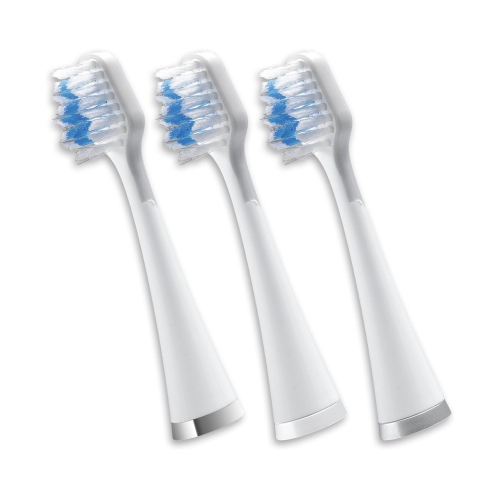

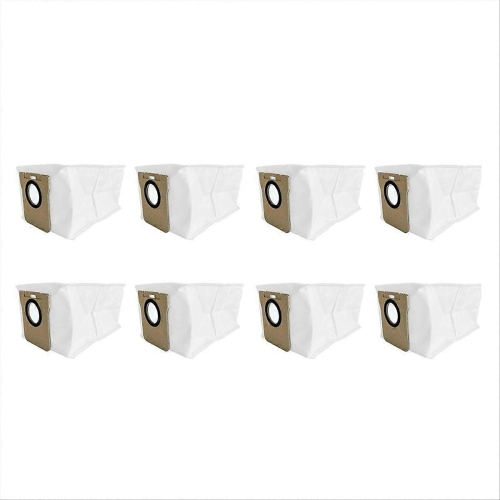
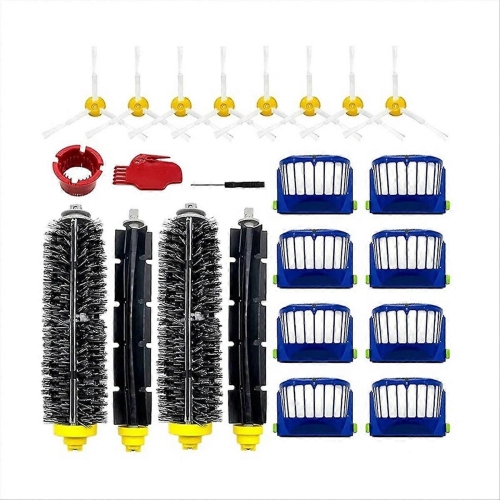
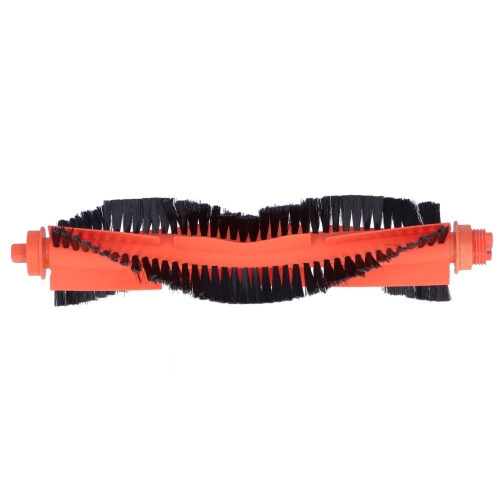


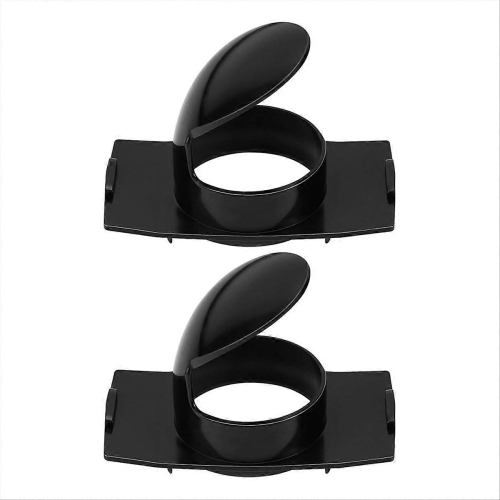
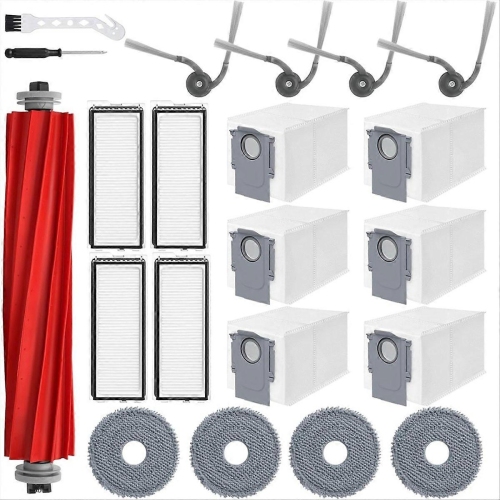
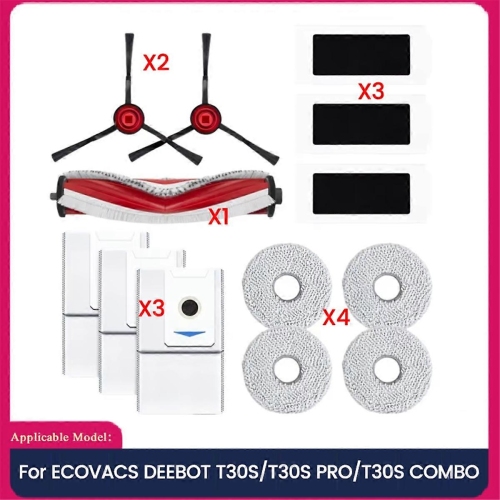
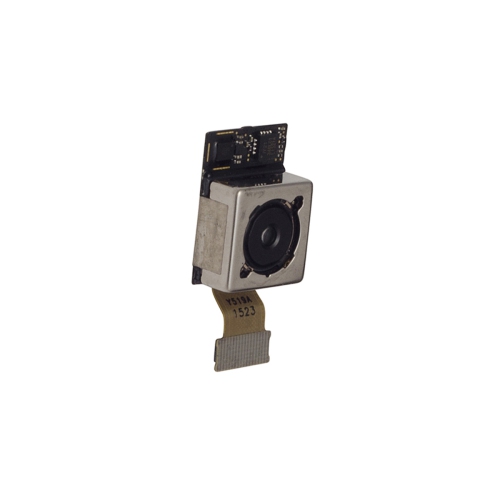
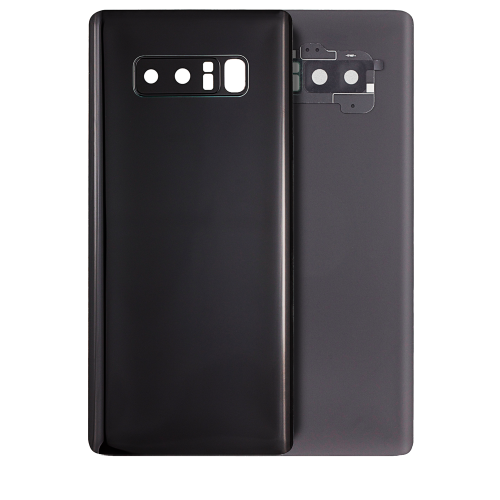
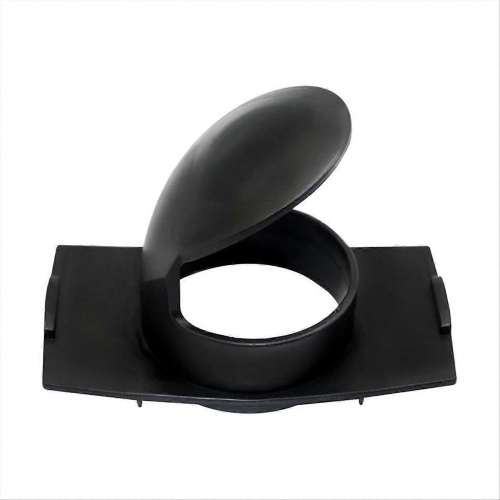


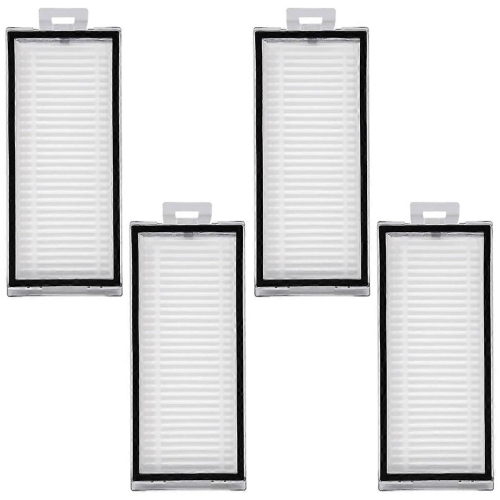
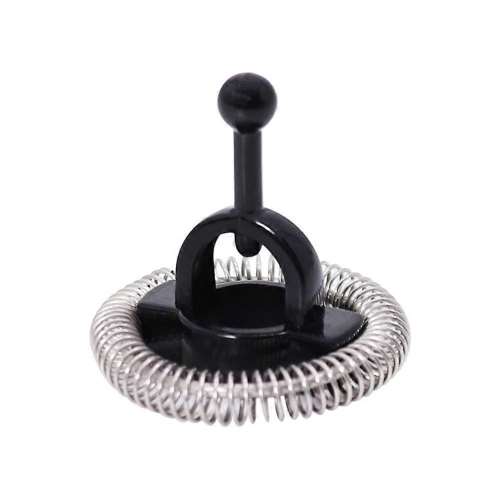

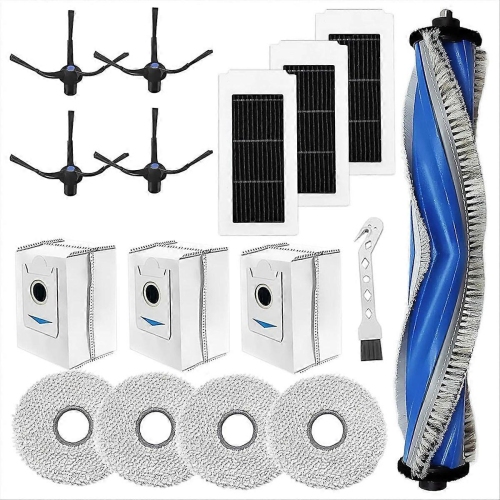
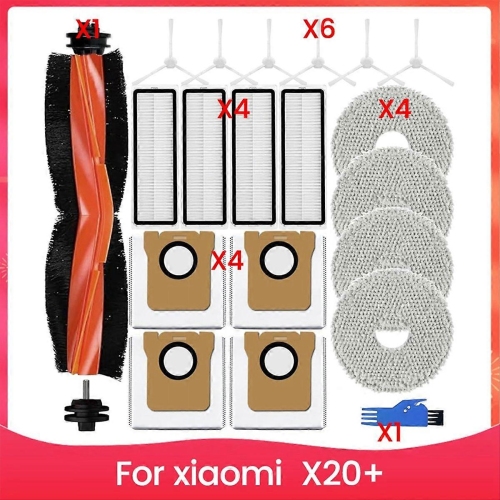


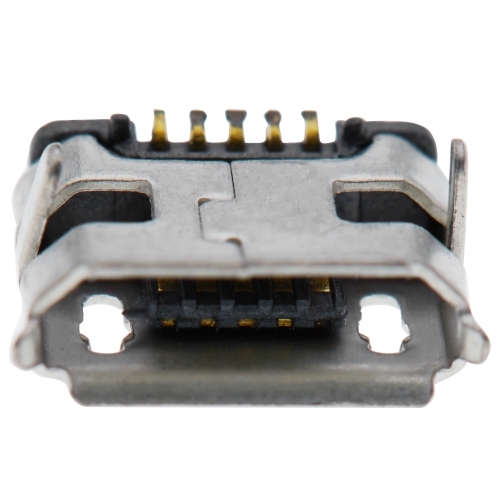


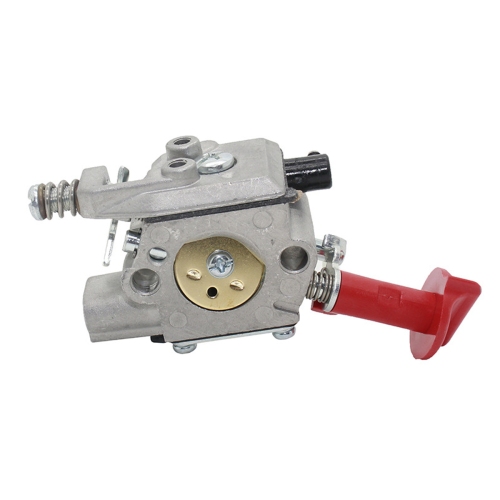


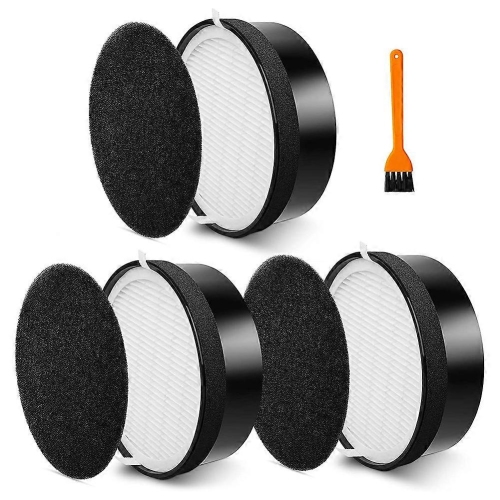
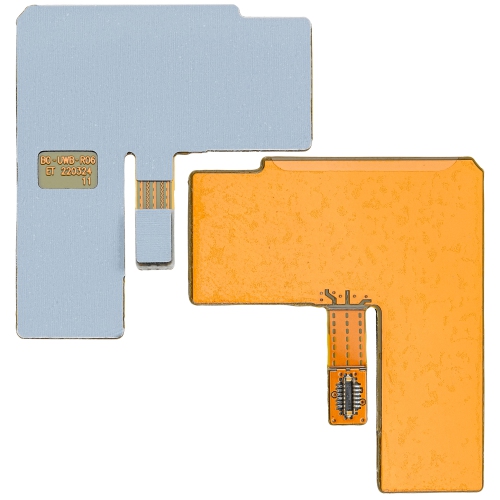


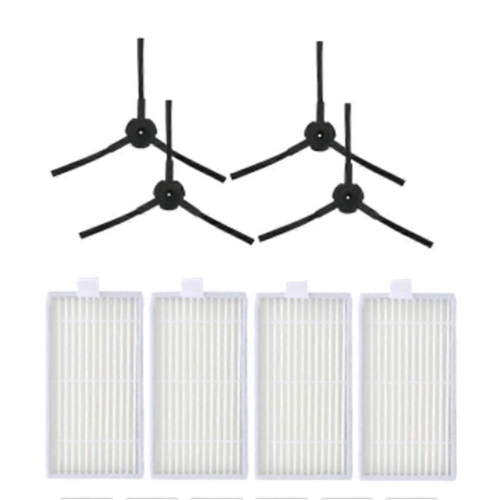
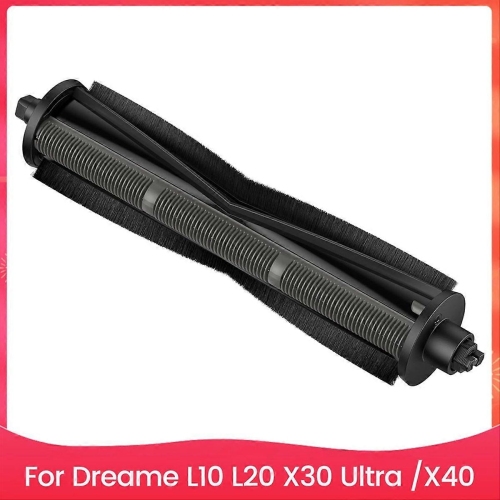
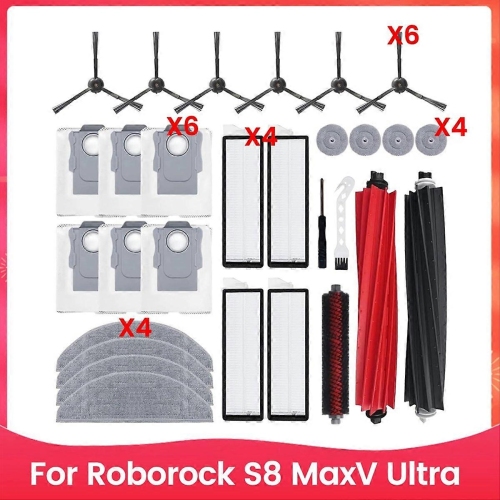

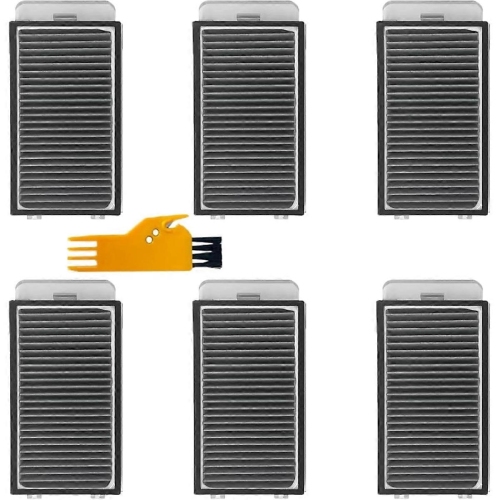

Match model details carefully for dependable repairs and maintenance
Replacement parts can restore the everyday items that keep a home, workshop, recreation area, or vehicle running smoothly. A worn seal, damaged filter, cracked handle, missing fastener, tired belt, or faulty control component can affect how well a larger appliance or piece of equipment works, and replacing the individual part is often a practical way to address the problem without replacing the entire item. These parts may be useful for homeowners, renters, DIY enthusiasts, property managers, hobbyists, boat owners, and anyone who prefers to maintain their equipment with care. They can also make thoughtful gifts for a family member who enjoys hands-on projects, maintains a cottage, spends time in a garage or workshop, or likes keeping household equipment in dependable working order. Before ordering, identify the item that needs attention and locate its model number, serial number, and product name. The model information is commonly printed on a data tag, rating plate, label, or sticker. Depending on the item, you may find it inside a door, along an inner rim, on the back, underneath the unit, near a battery compartment, or on the frame. Take a clear photo of the label and write down every letter, number, and dash; a single character can distinguish one version from another. It is also helpful to compare the shape, dimensions, connector style, mounting points, colour, and material of the old part before making a selection. When the original instruction manual is available, consult its parts list or illustrated diagram to understand where the component belongs. A service diagram can be especially helpful when several pieces look similar or when a small washer, clip, spring, or bracket fits into a larger assembly. If you are repairing an appliance or powered tool, disconnect the power before inspecting or removing a component, and follow the manufacturer’s instructions for shutting off water, fuel, gas, or other connections. For complicated repairs, sealed systems, electrical work, or components that affect safe operation, professional service may be the right choice.
Finding the correct replacement part begins with matching the item’s brand, model, and part number as closely as possible. Search tools and supplier catalogues may allow you to enter the model number and view compatible components, while illustrated parts diagrams can help you trace the position of a piece from the outside of the item to its internal assembly. Original equipment manufacturer (OEM) parts are designed for the specified product line and can be a strong choice when an exact fit, approved material, or particular performance standard matters. Aftermarket parts may also be available, but compatibility should be confirmed carefully rather than assumed from a similar appearance. Check the listed model range, dimensions, voltage, capacity, connection type, thread size, and installation requirements. For filters, bags, brushes, batteries, blades, belts, and other frequently replaced components, compare the part’s intended use and service interval with the way you use the equipment. A busy household may need replacements more often than a lightly used unit, while dust, moisture, vibration, heat, and storage conditions can influence wear. If the part is being used outdoors or around water, look for information about its intended setting and make sure the surrounding assembly is also in good condition. Replacing one worn component may reveal another issue, such as a loose fastener, frayed cable, damaged housing, blocked passage, or misaligned mechanism. Addressing the underlying cause can help prevent the new part from wearing out prematurely. Keep the old component nearby until the replacement has been checked against it, but do not rely on appearance alone; internal dimensions and electrical specifications may not be visible. Preserve screws and small hardware in a labelled container during disassembly, and take photos at each stage so wires, clips, and moving pieces can be returned to their original positions. If you are ordering several parts for the same repair, confirm that they belong to the same model variation and that any required gaskets, adapters, retaining rings, or installation hardware are included or ordered separately.
Replacement parts are useful well beyond routine home repairs. They can support seasonal maintenance before equipment is stored during cooler months, help prepare a cottage or workshop for periods of heavier use, and keep recreational gear ready when the weather warms. Owners of watercraft can browse Replacement Boat Parts when maintaining equipment used near the water, while people caring for household appliances, outdoor equipment, personal electronics, fitness machines, and workshop tools can look for components matched to the correct model. A small selection of commonly needed parts can also be useful in a home maintenance kit, particularly for people who live far from service centres or prefer to complete straightforward repairs themselves. Store new parts in a dry, organised location, keep packaging and instructions together, and record the model numbers of frequently used equipment for easier future searches. When a part arrives, inspect it for shipping damage and compare it with the listing details before installation. Do not force a component into place or modify it to make it fit; resistance, unusual gaps, loose connections, or misaligned holes can indicate that the part is not compatible. After installation, test the item carefully according to its instructions, listening for unusual sounds and checking for leaks, heat, vibration, or warning indicators. A replacement part can provide a simple way to extend the useful life of an item, but reliable results depend on accurate identification, careful installation, and attention to the condition of the complete system. Whether the repair involves a household essential, a workshop favourite, recreational equipment, or a thoughtful gift for a practical-minded relative, choosing the right part helps keep familiar tools and equipment ready for the tasks and routines that matter.
Top selling and popular products
-
 Your price for this item is $19.99
-
 Your price for this item is $9.99
-
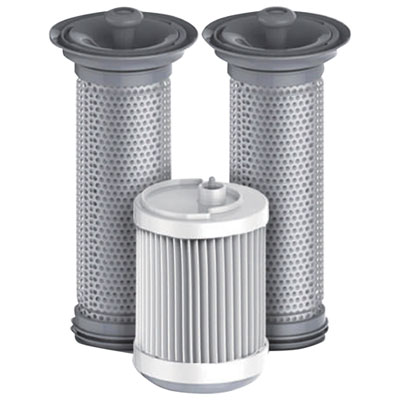 Your price for this item is $39.99
-
 Your price for this item is $129
-
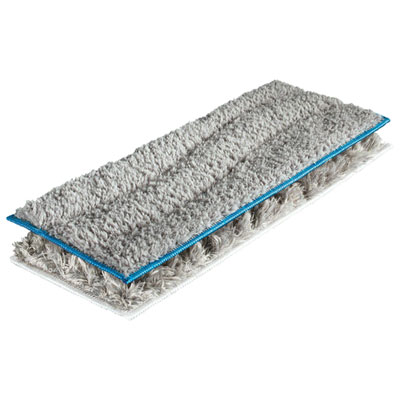 Your price for this item is $25.99
-
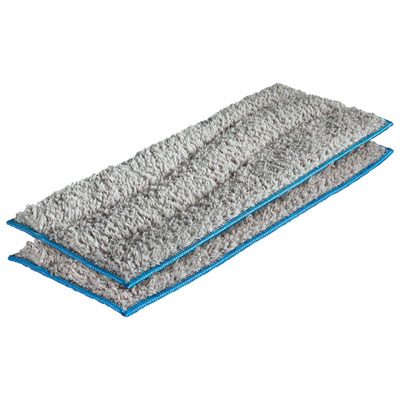 Your price for this item is $14.95
-
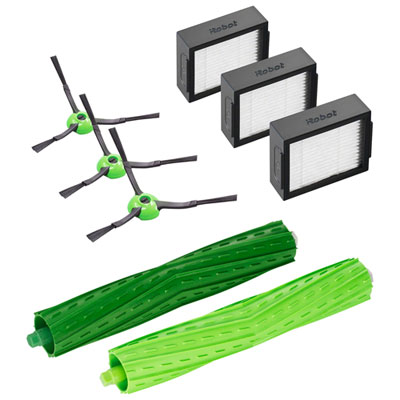 Your price for this item is $69.99
-
 Your price for this item is $39
Discover more categories related to Replacement Parts


Top Collections:
Pokemon Centers, Best Cameras for Sports Photography, Kindle Devices, Samsung Galaxy Phones, Canon G7X Cameras, Pokémon 30th Celebration Cards, Refurbished Apple Laptops, iPhone 15 Apple, Laptops for Students, Budget Smartphones
Some products may be subject to Environmental Handling Fees
(EHF) depending on your province.
Learn more about EHFs.