Short USB Cables
Looking for short USB cables that offer convenience and flexibility? Short USB cables are designed to provide you with the perfect solution for connecting your devices without dealing with excessive cable length. Whether you need a shorter cable for your smartphone, tablet, or other electronic devices, we have a wide range of options to suit your needs. With their compact size and reliable performance, these short USB cables are perfect for reducing clutter and ensuring seamless connectivity.
Sort
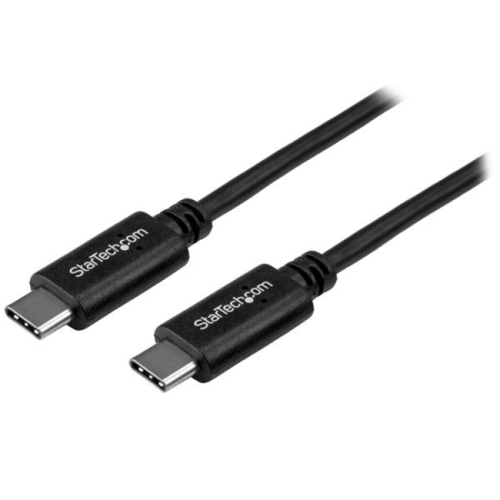
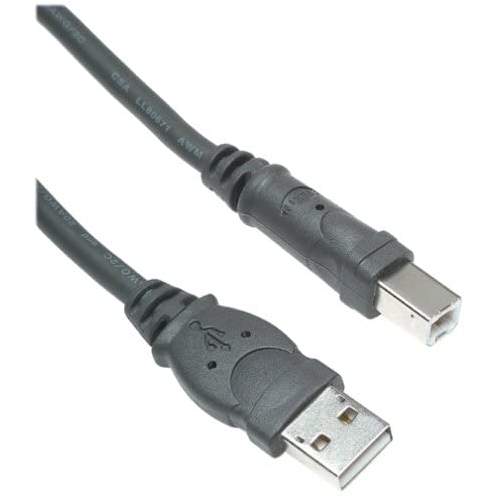
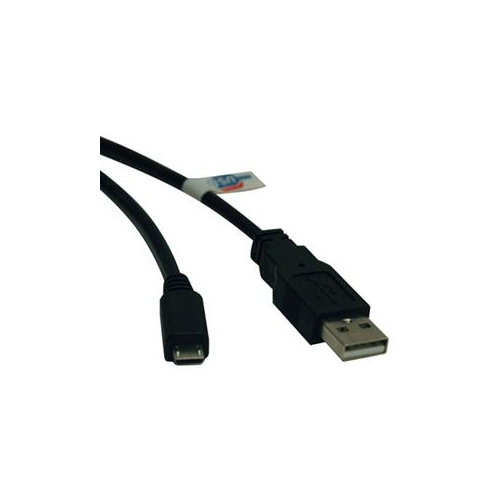
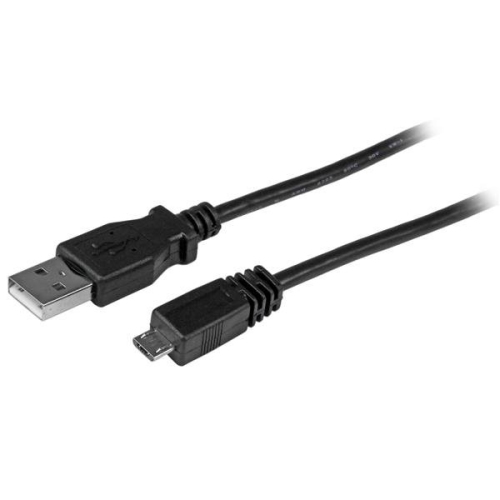

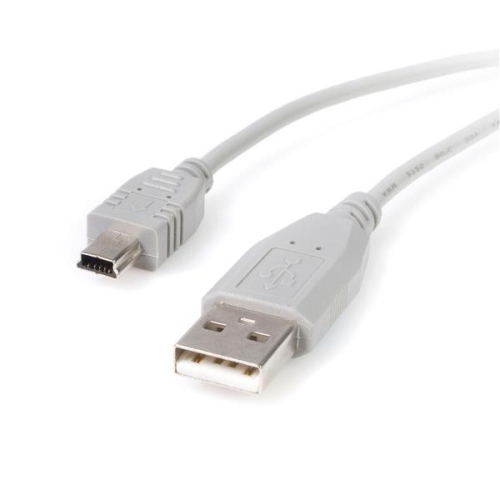
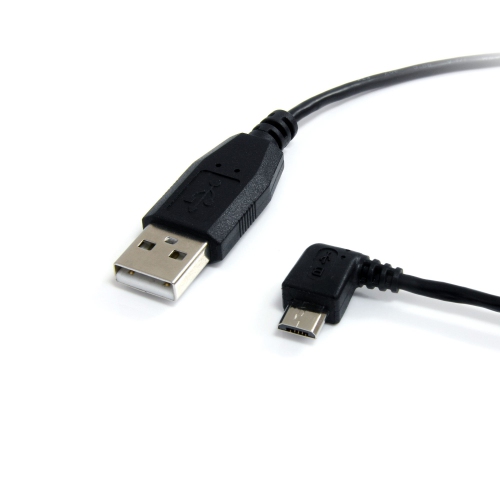
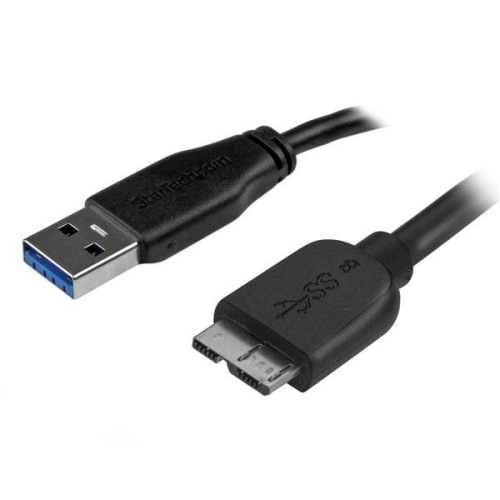
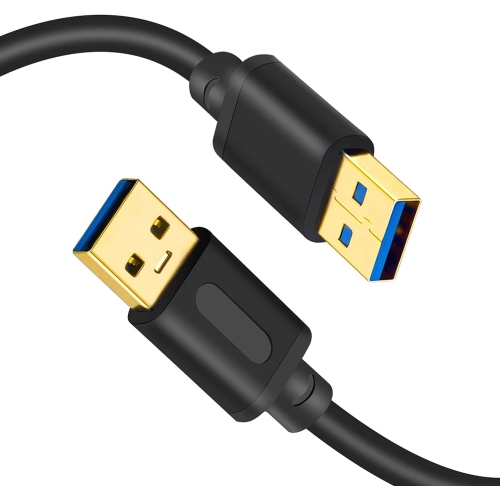
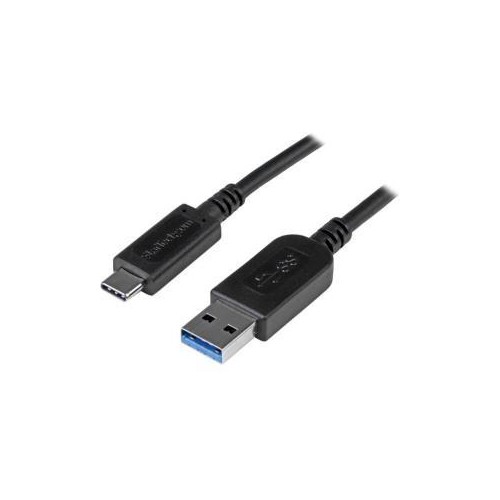
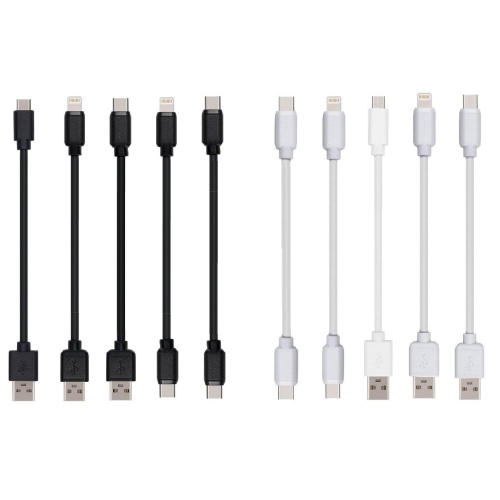
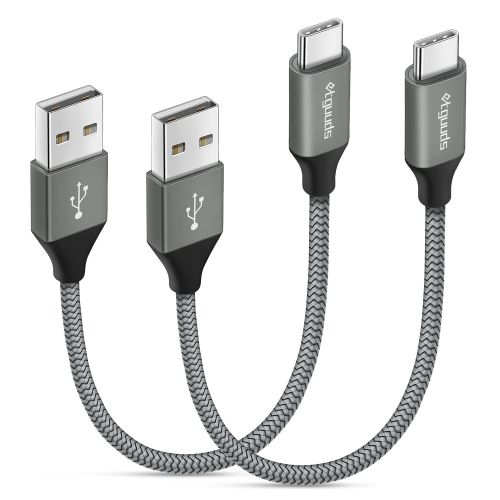

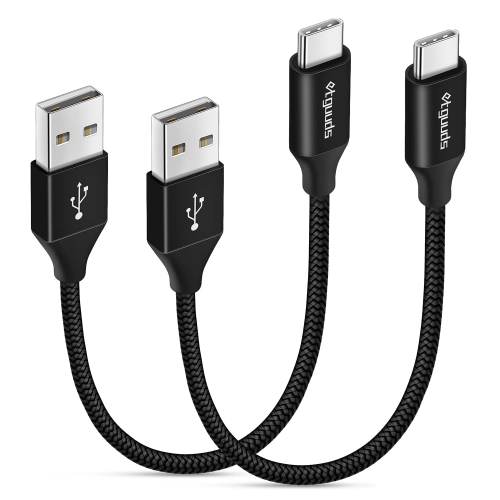
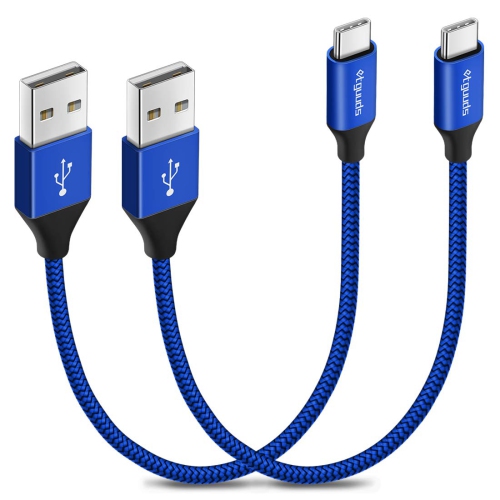
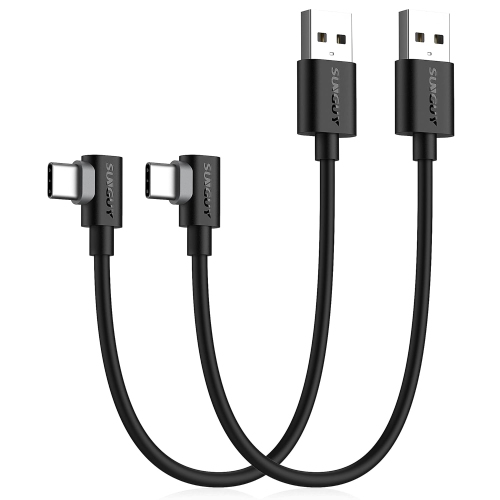
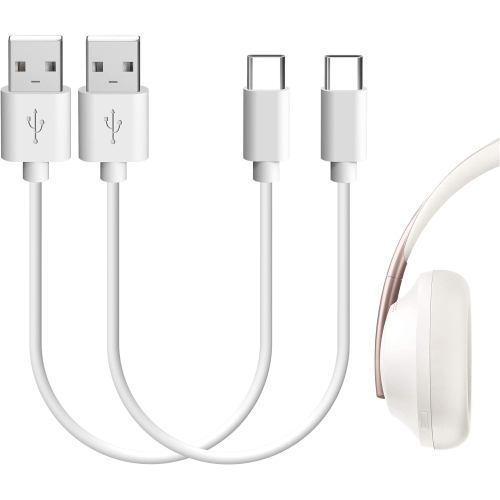
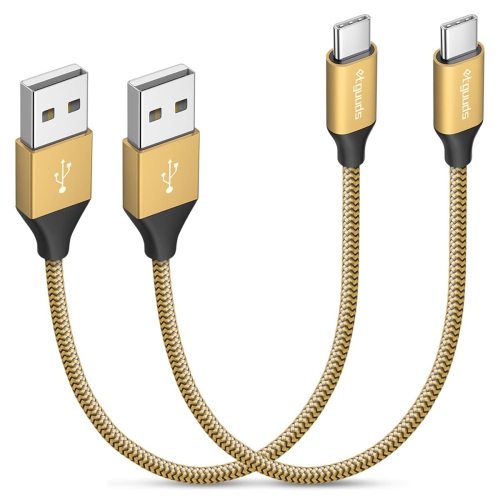
![ETGUUDS 6 Inch / 0.5Ft USB C Cable Short, [2-Pack] 60W Fast Charging USB A to USB C Cable Braided Data Cord for Iphone](https://multimedia.bbycastatic.ca/multimedia/products/500x500/188/18886/18886957.jpeg)
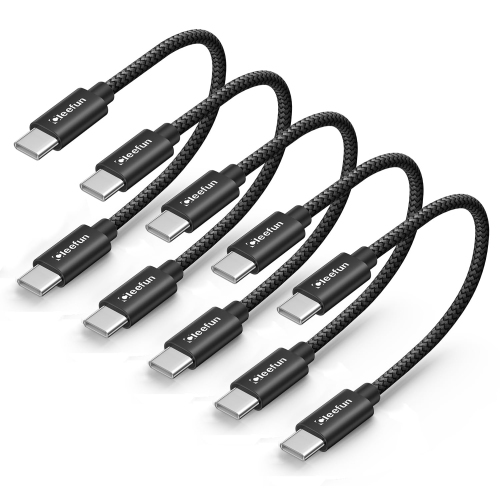
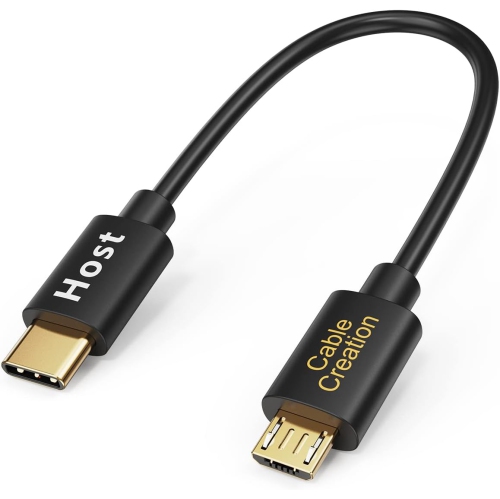
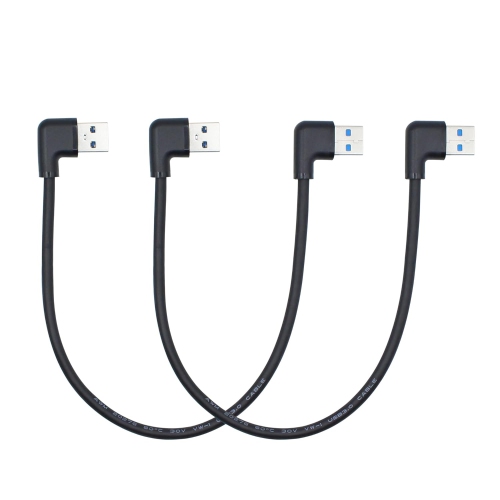
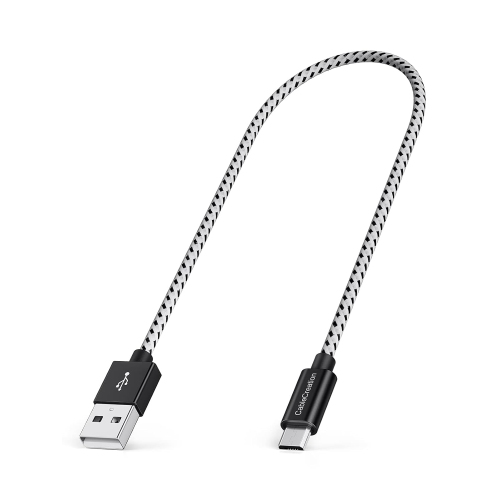
![CABLECREATION [2-Pack] Short Ro USB Cable 0.5Ft, Short USB to Ro USB Cable Fast Charger Cable Works With Ps5](https://multimedia.bbycastatic.ca/multimedia/products/500x500/188/18889/18889078.jpeg)
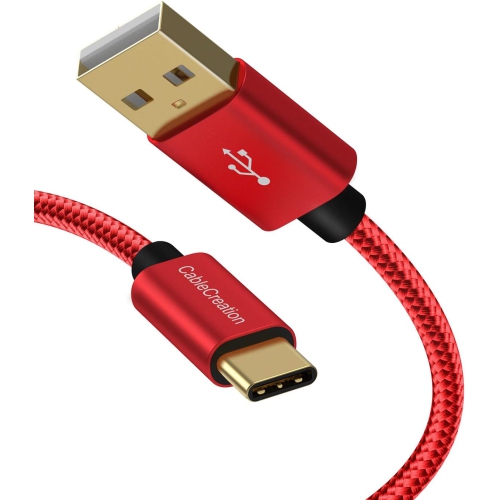
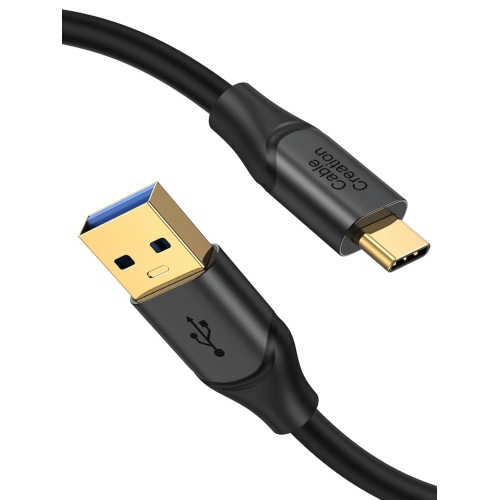
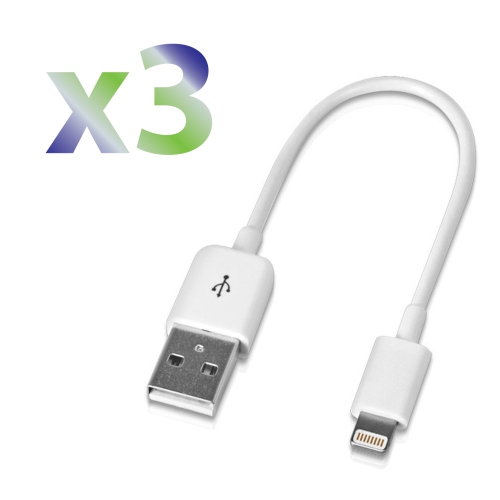
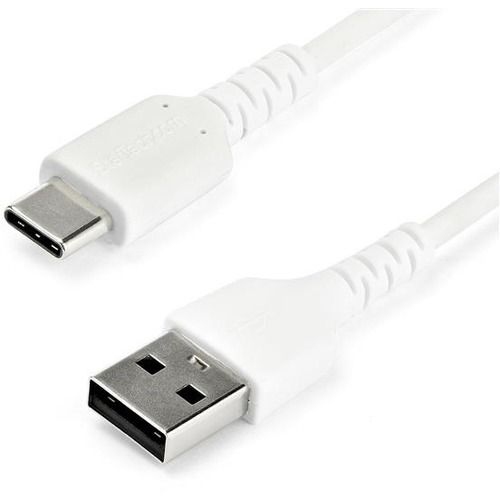
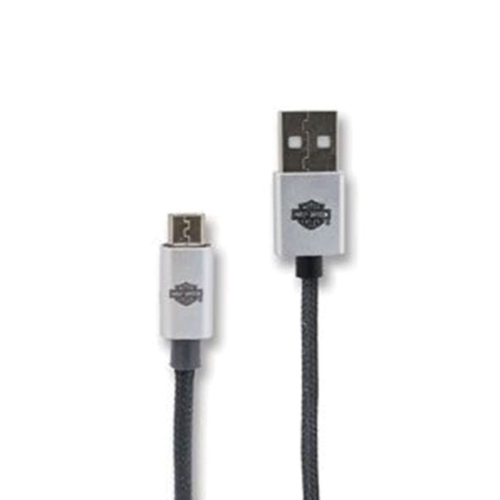
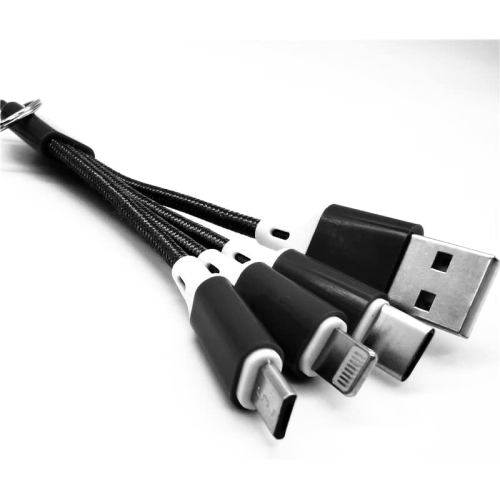
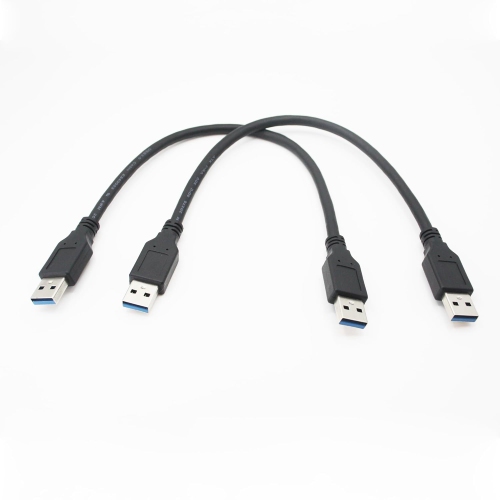
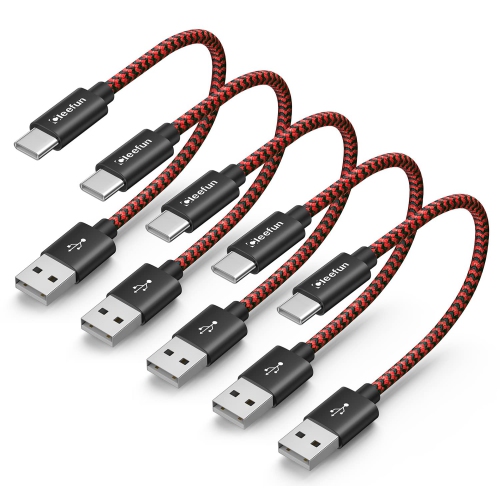
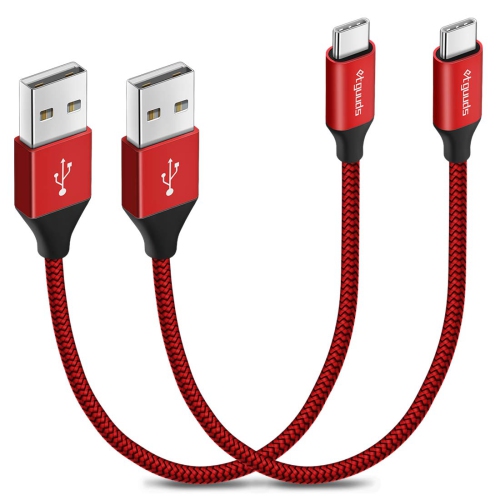
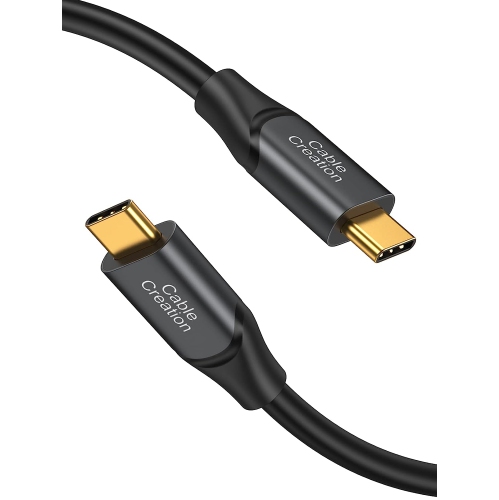
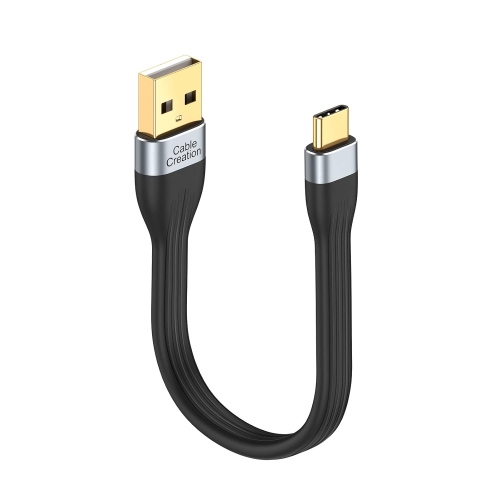
![CABLECREATION [2 Pack] 6 Inch Short USB C Cable, USB to USB C Cable 3A Fast Charging Cable, USB Male to USB C Male](https://multimedia.bbycastatic.ca/multimedia/products/500x500/188/18890/18890494.jpeg)
![LDLRUI Short USB 3.1/3.2 Gen 2 to USB C Cable 10GBps Data Sync [6Inch, 2-Pack], USB Type C Charger Cord 3A Fast Charging](https://multimedia.bbycastatic.ca/multimedia/products/500x500/188/18890/18890638.jpeg)
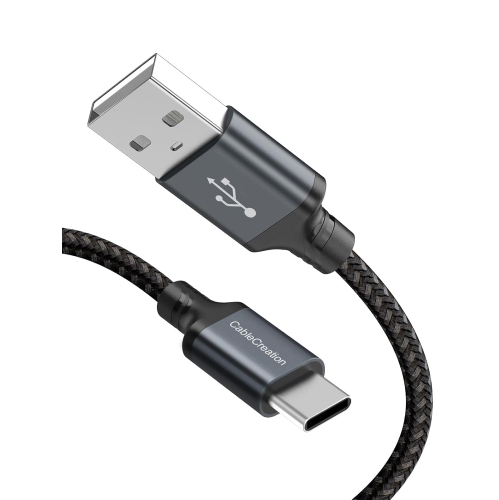
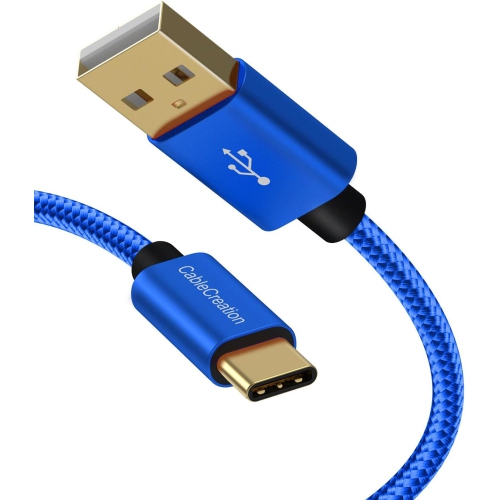
![CABLECREATION Short USB C Cable 0.5 Feet, [2-Pack] USB A to USB C Cable USB to C Cable Braided Fast Charging Cable 3A](https://multimedia.bbycastatic.ca/multimedia/products/500x500/188/18898/18898522.jpeg)
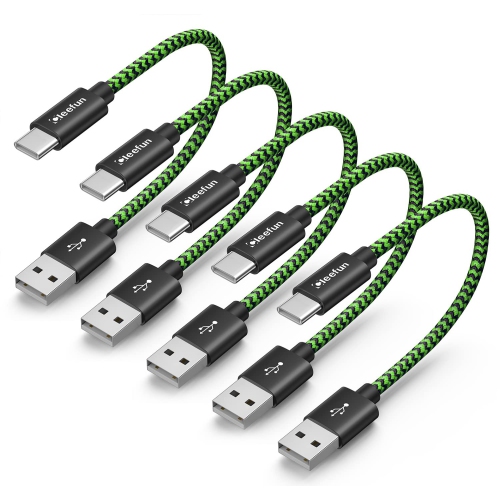
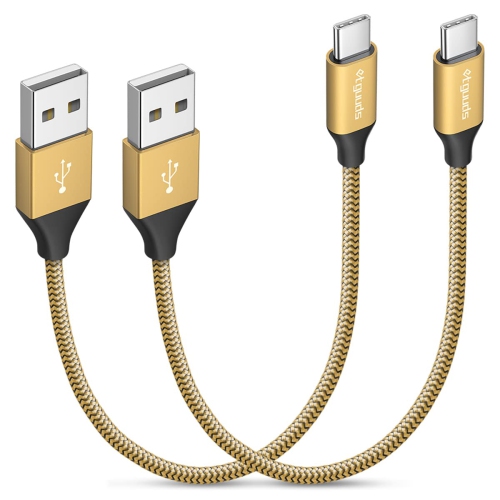
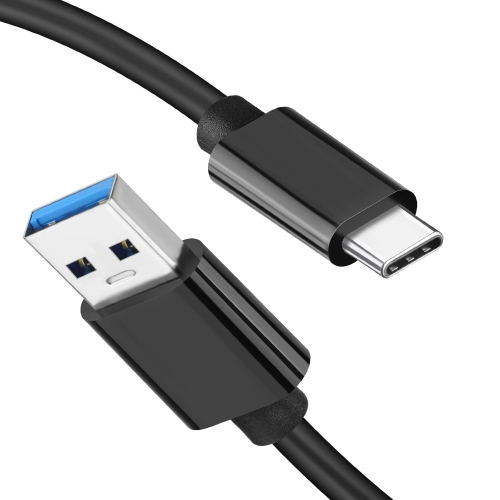
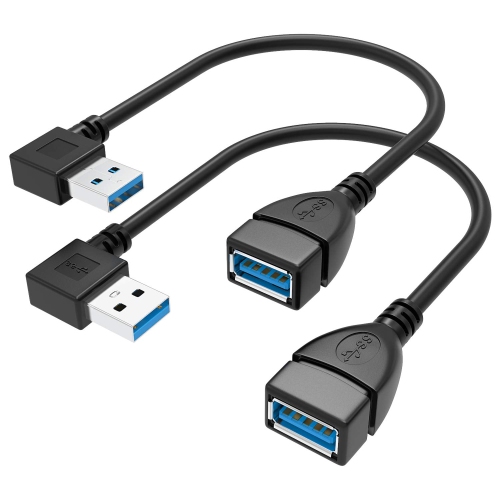
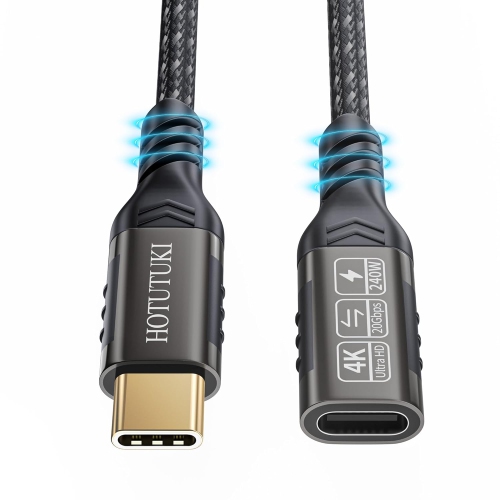
![GENERIC [2-Pack] Short USB to USB C Cable 6 Inch, USB A to USB C Cable Fast Charging Cable, 3A Type C Cable](https://multimedia.bbycastatic.ca/multimedia/products/500x500/196/19617/19617781.jpeg)
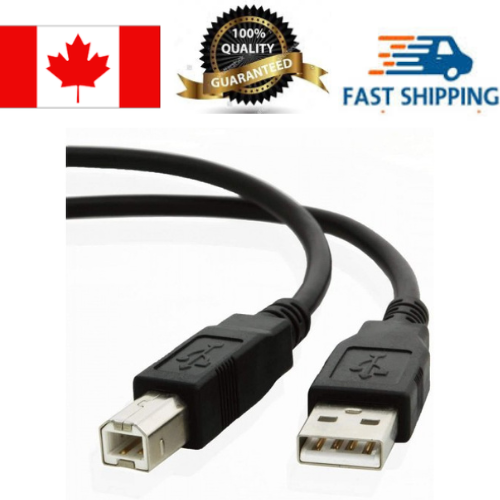
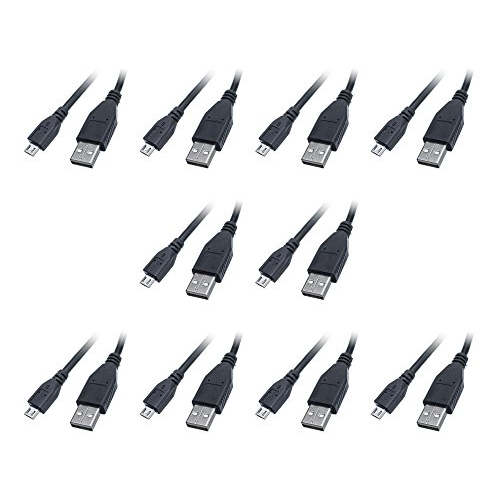
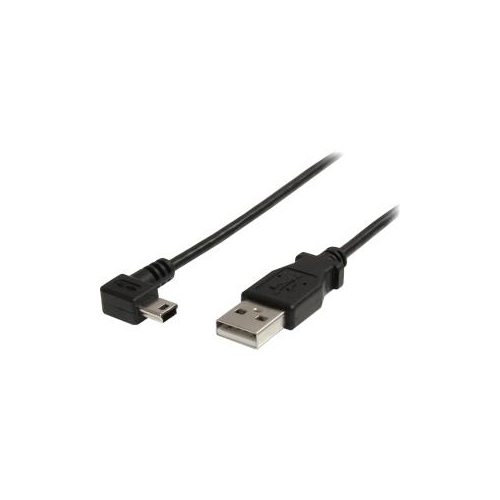
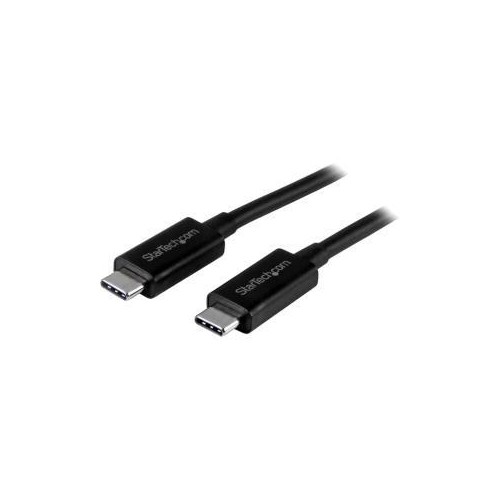

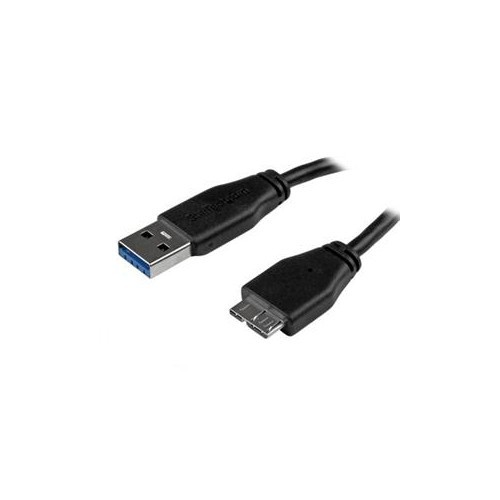
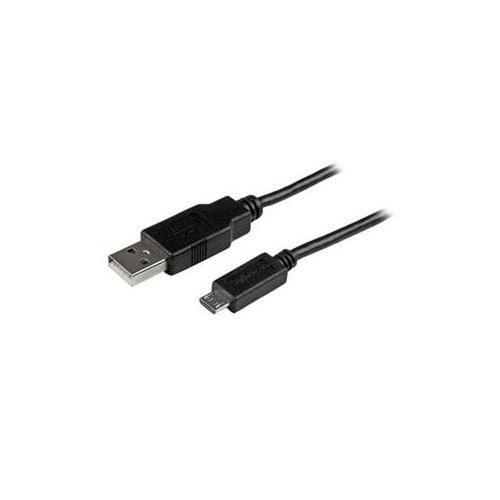
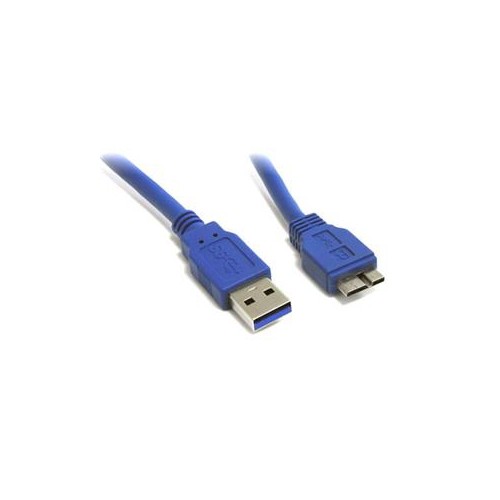
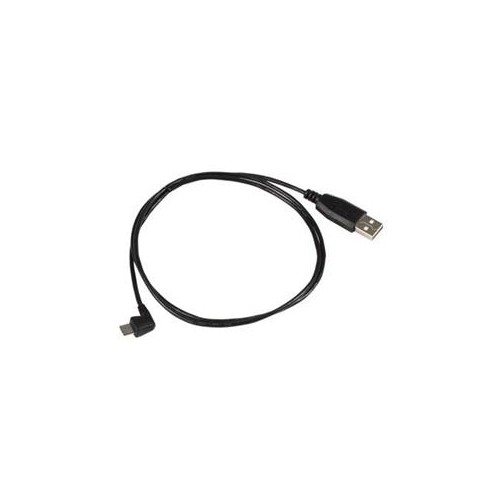
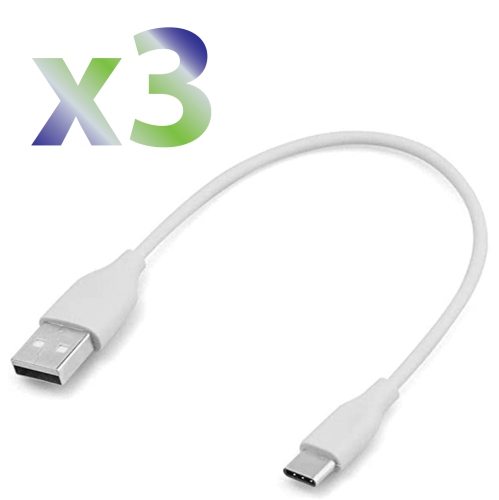
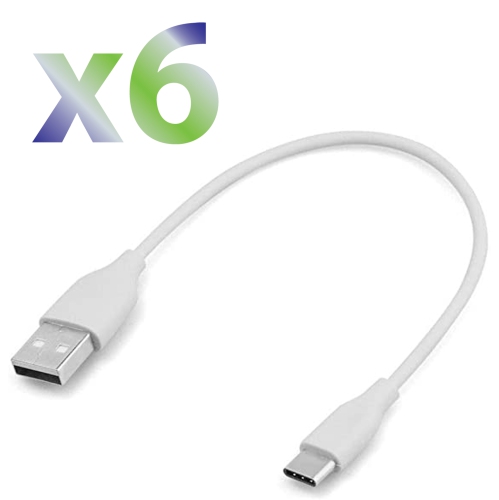
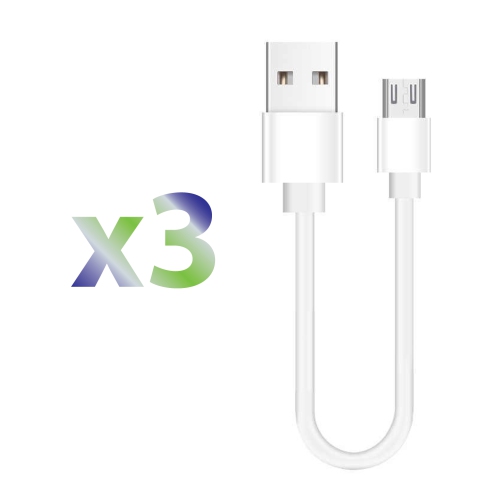
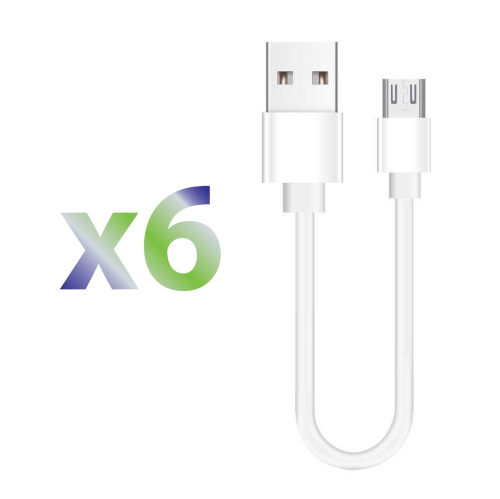
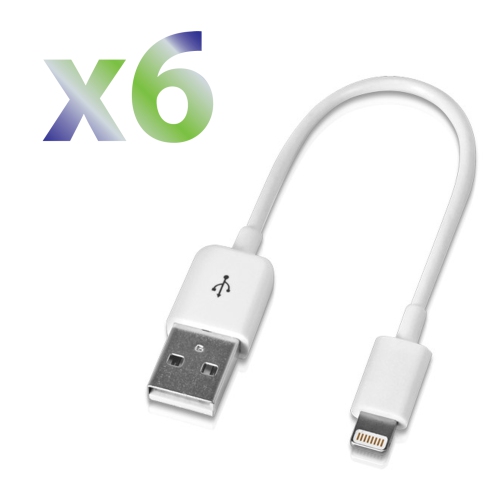
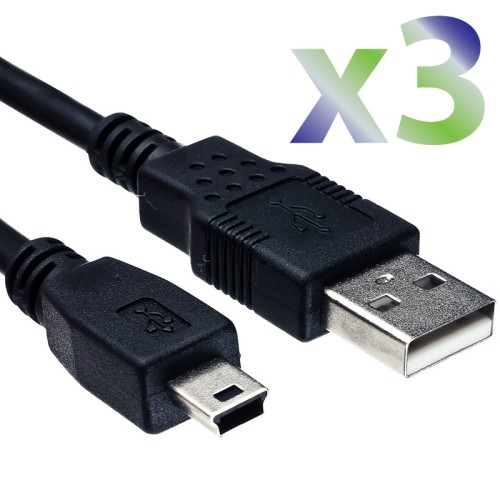
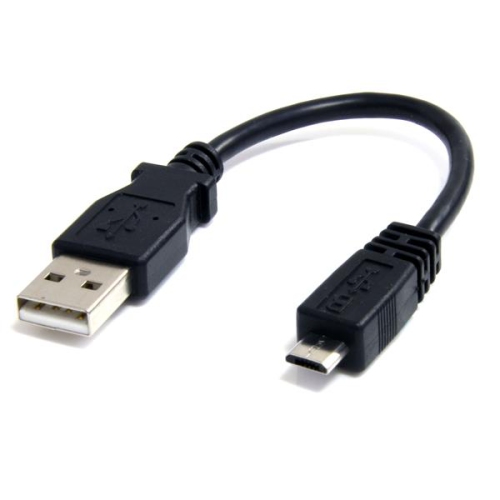
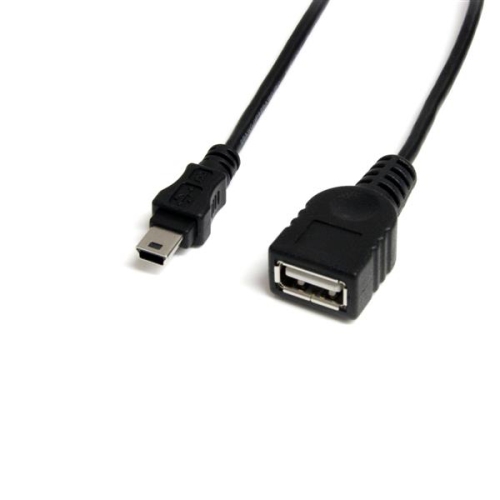

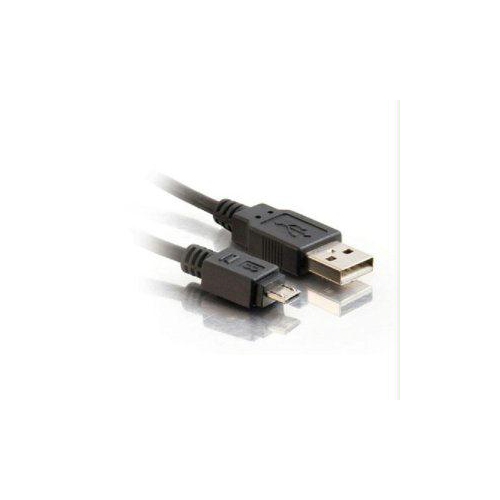
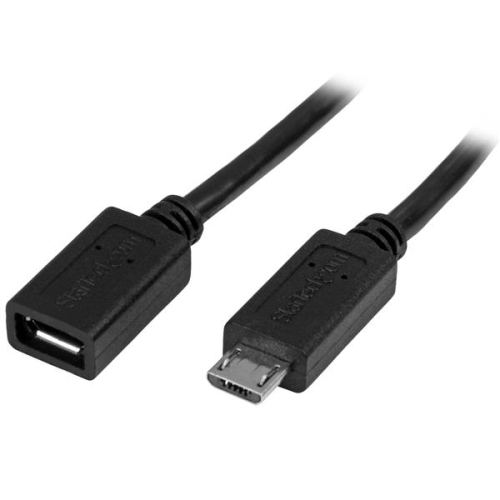
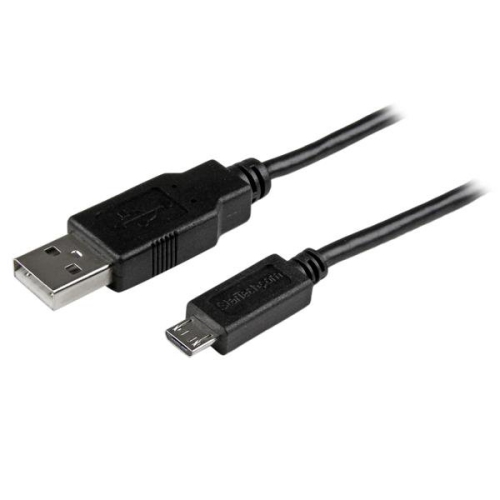
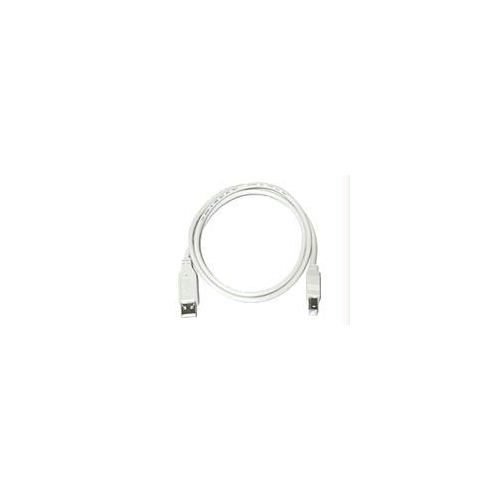
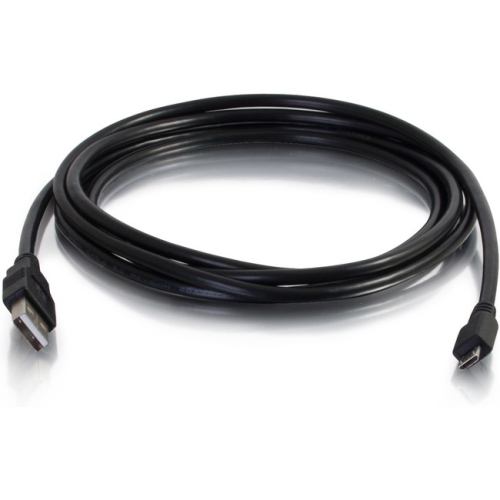
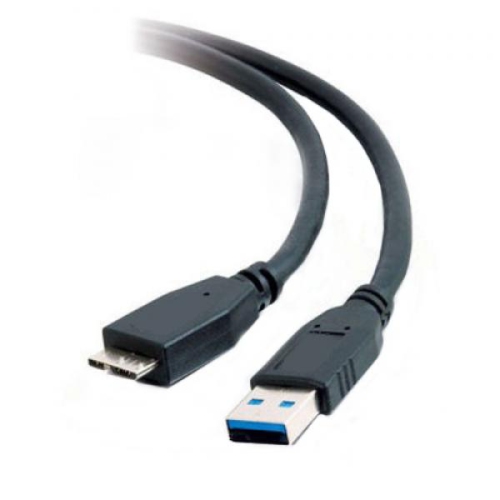
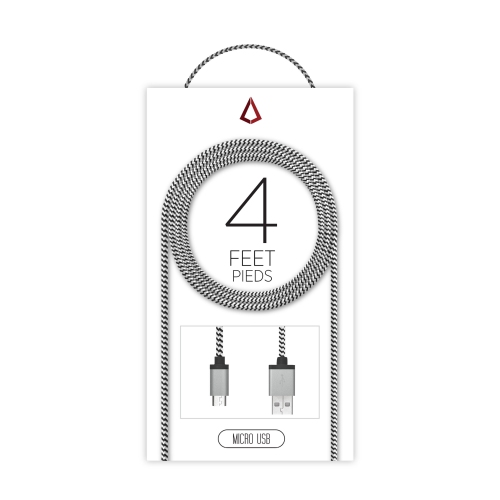
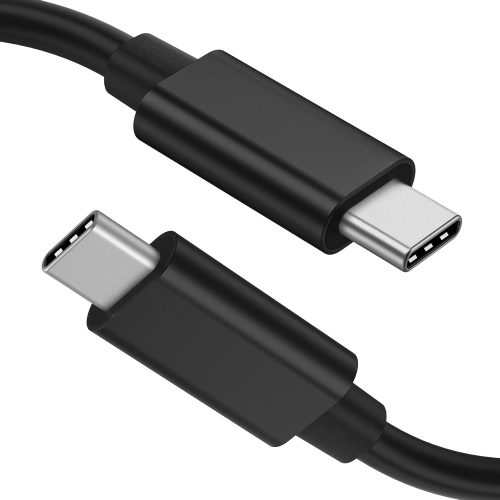
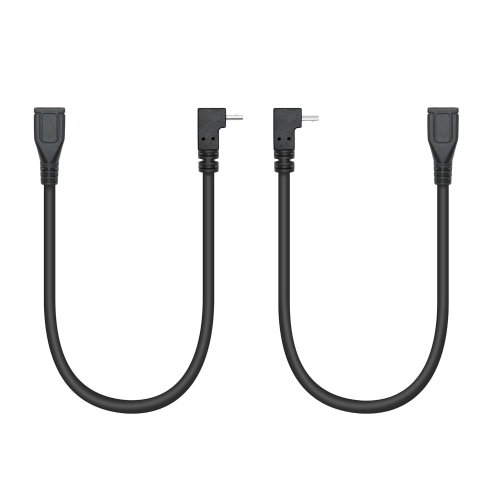
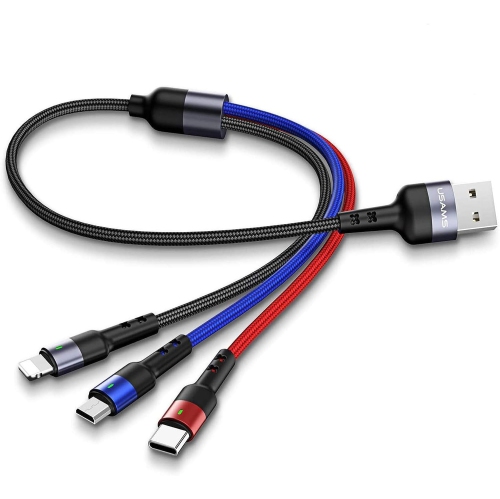
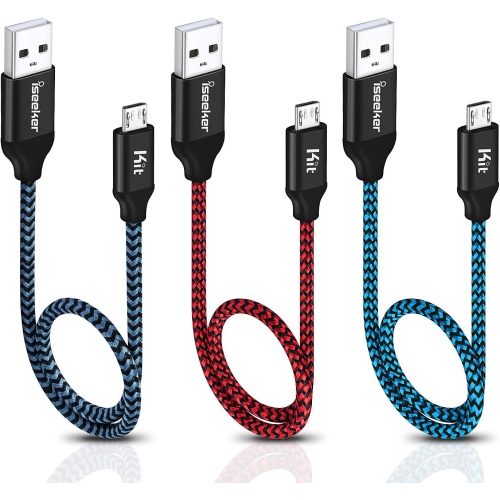
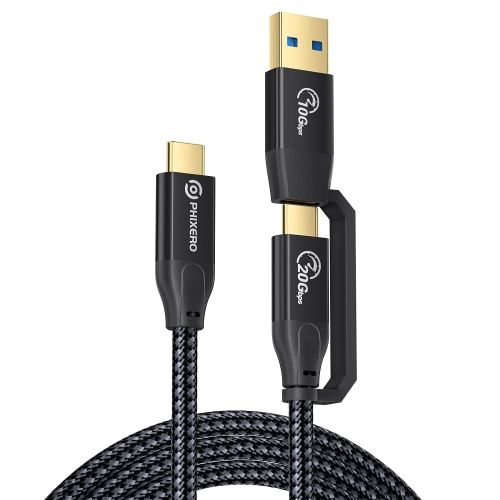
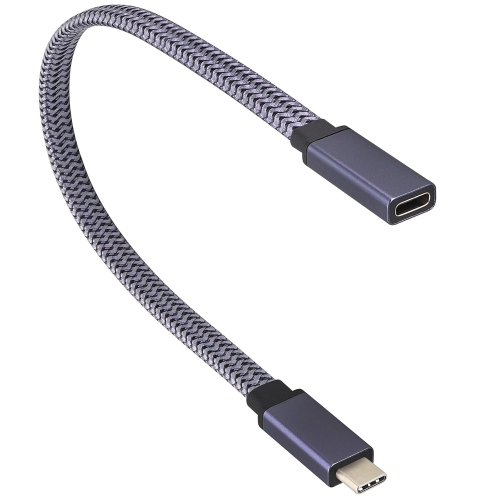
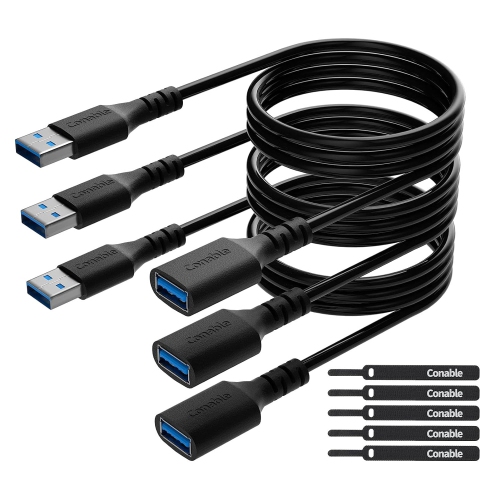
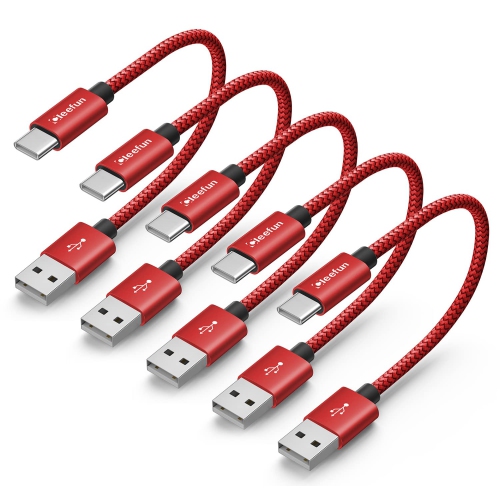
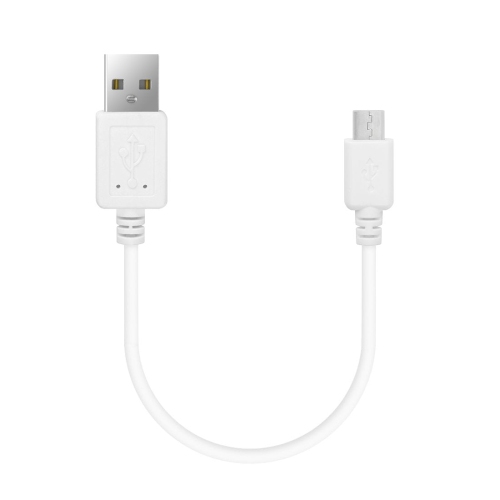
![UNKNOWN [5-Pack] Short USB to Micro USB Cable 6 Inch, USB2.0 Micro USB Charging Cable Triple Shielded Works](https://multimedia.bbycastatic.ca/multimedia/products/500x500/181/18144/18144104.jpeg)
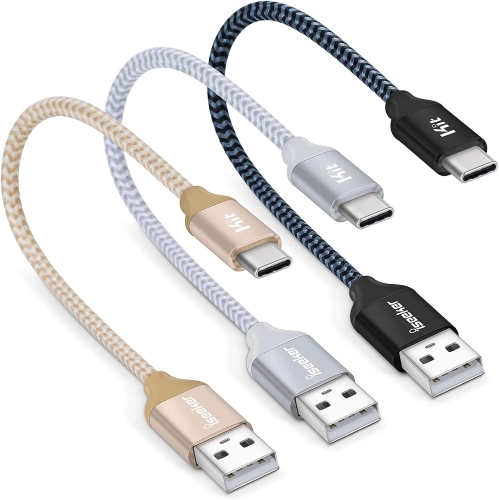

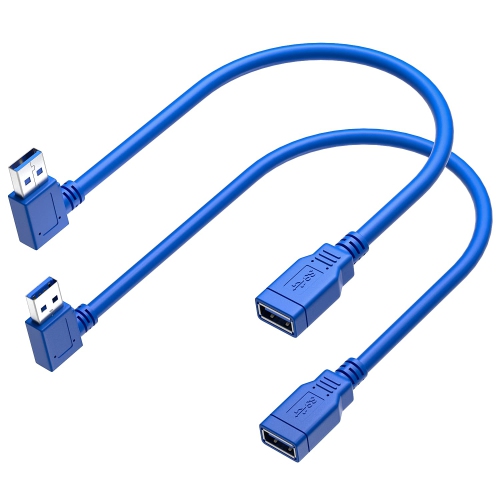
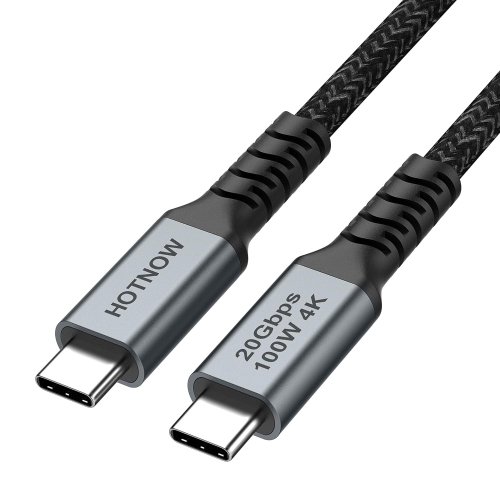
![UNKNOWN Short USB C Cable[3-Pack], 0.5 Ft 6 Inch USB C to USB A 2.0 Cable With 56K Resistor, Compatible](https://multimedia.bbycastatic.ca/multimedia/products/500x500/181/18144/18144040.jpeg)
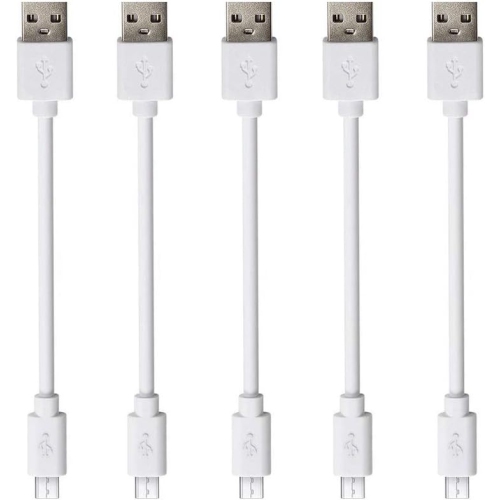
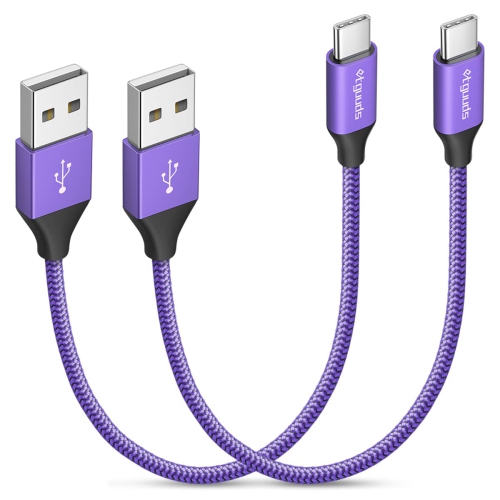
![UNKNOWN [1Ft, 5-Pack] Short USB C Cable 3.8A Fast Charging, USB A to USB C Cable Braided Data Cord Type C Charger Cable](https://multimedia.bbycastatic.ca/multimedia/products/500x500/181/18143/18143793.jpeg)
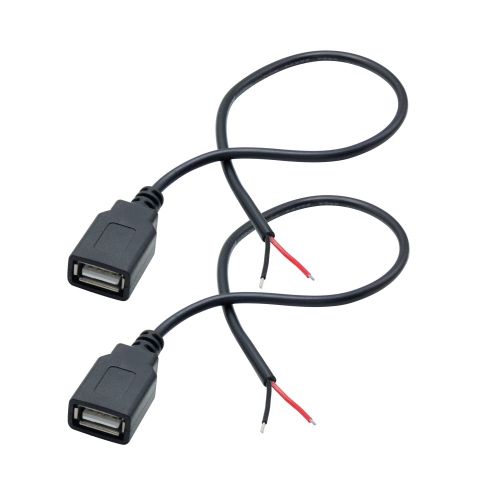
![UNKNOWN [2-Pack] Short USB to USB C Cable 6 Inch, USB A to USB C Cable Fast Charging Cable, 3A Type C Cable](https://multimedia.bbycastatic.ca/multimedia/products/500x500/181/18144/18144431.jpeg)
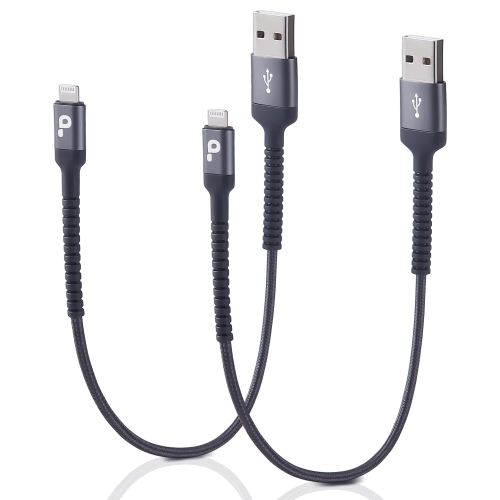
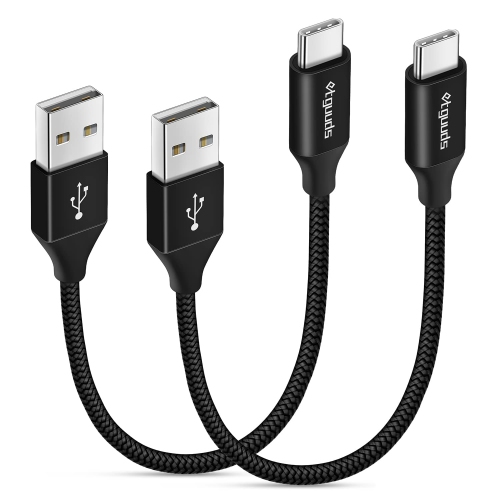
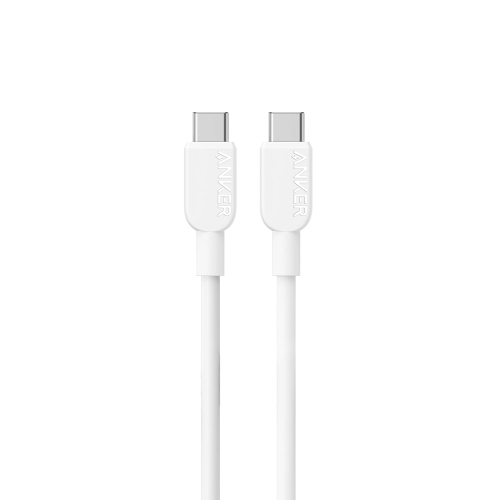
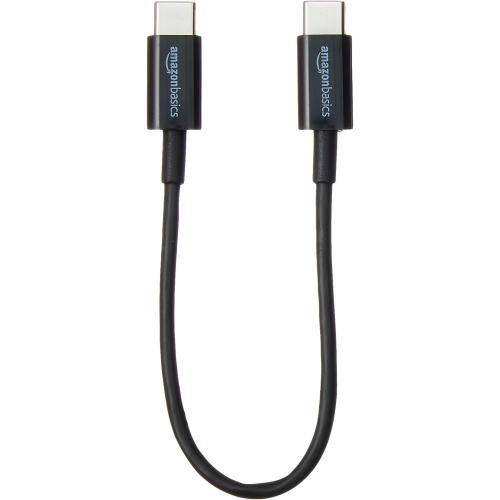
![UNKNOWN Short USB C to USB C Cable[1.5Ft, 3-Pack], 60W/3A Fast Charging USB 2.0 Type C Charging Cable Compatible](https://multimedia.bbycastatic.ca/multimedia/products/500x500/181/18144/18144233.jpeg)
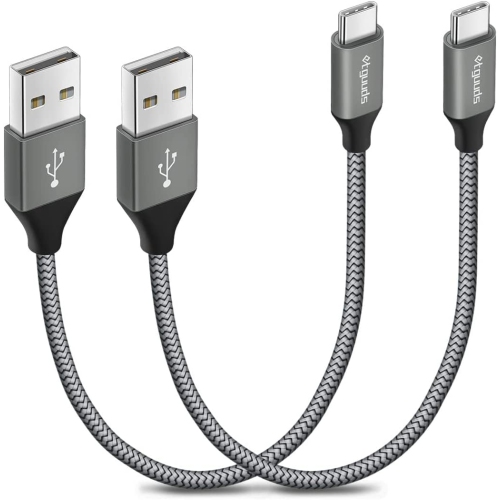
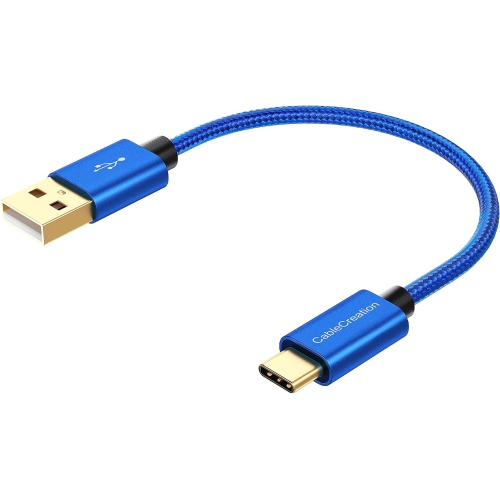
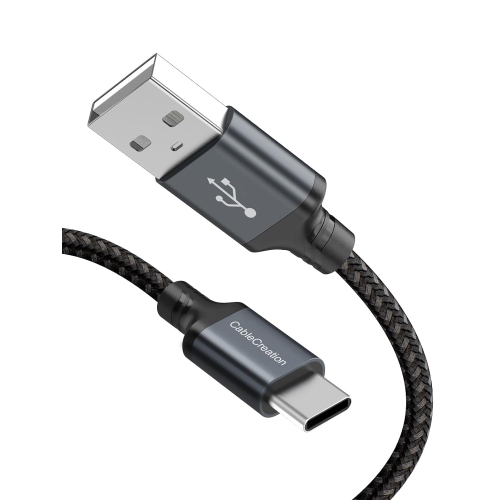
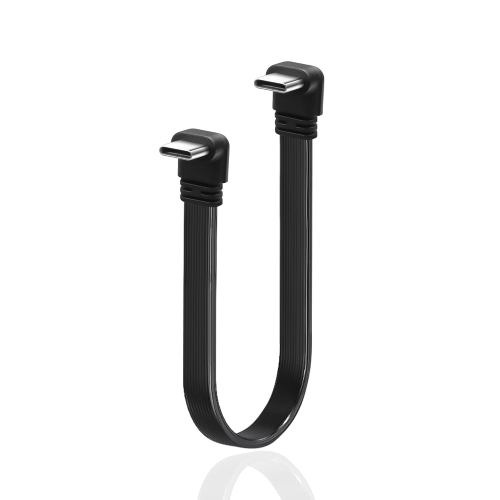
![UNKNOWN Right Angle USB C Cable 2Pack [1Ft/0.3M] 18W Short 90 Degree USB 2.0 USB-C Fast Charging Data Sync Cable Nylon](https://multimedia.bbycastatic.ca/multimedia/products/500x500/181/18144/18144727.jpeg)
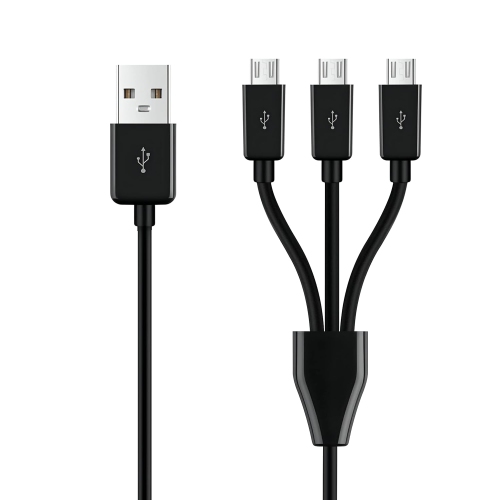
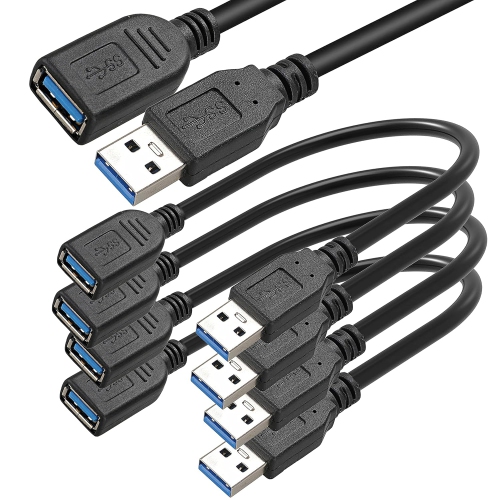
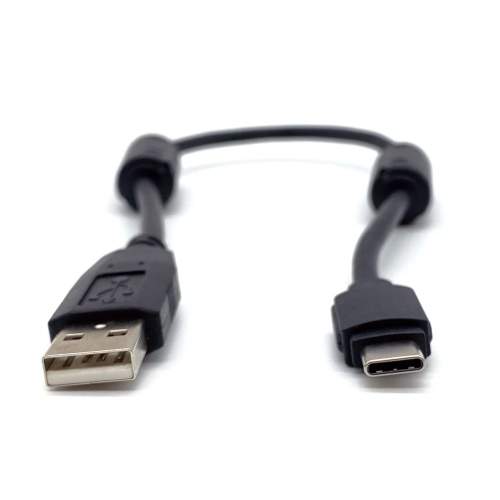
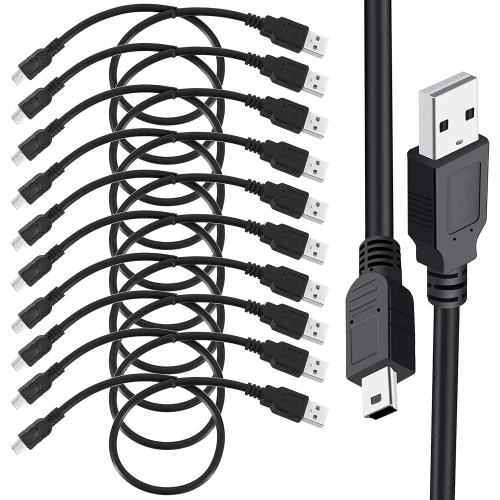
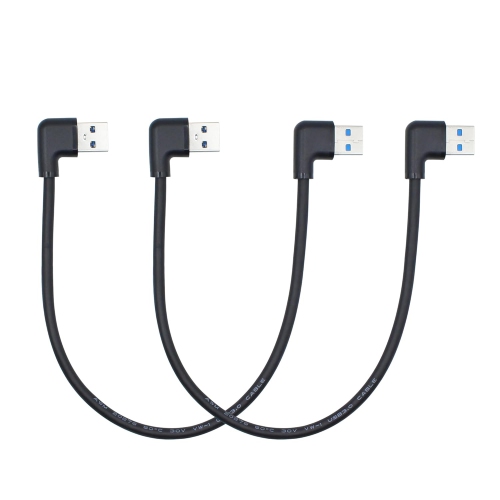
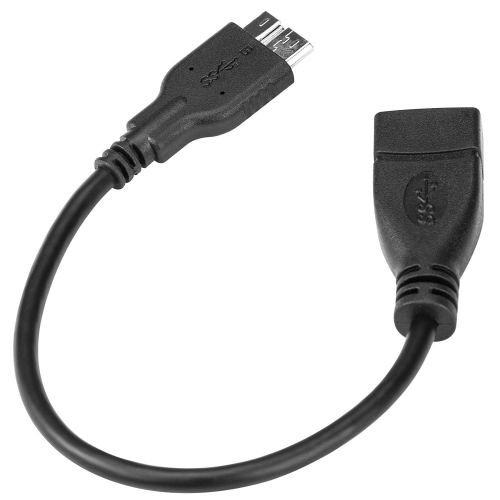
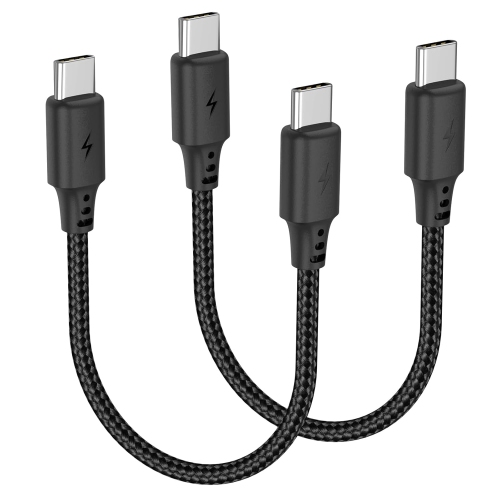
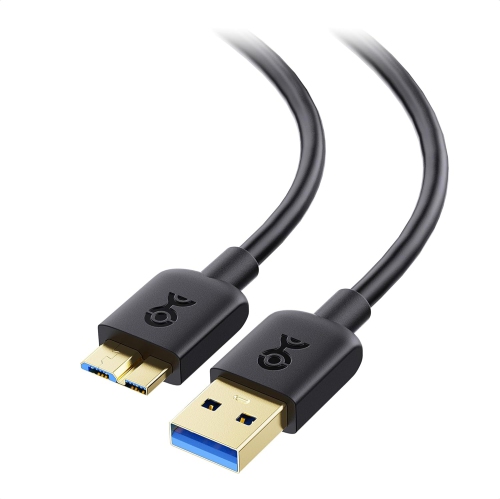
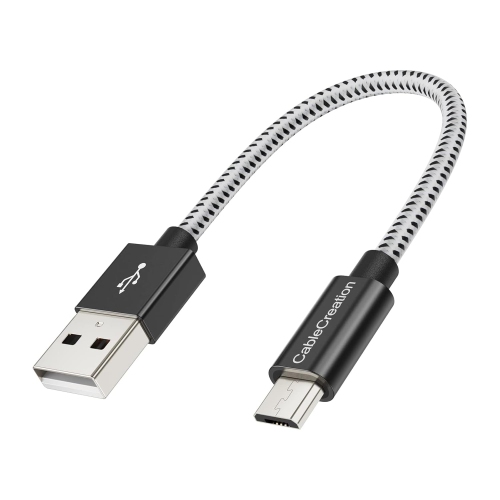
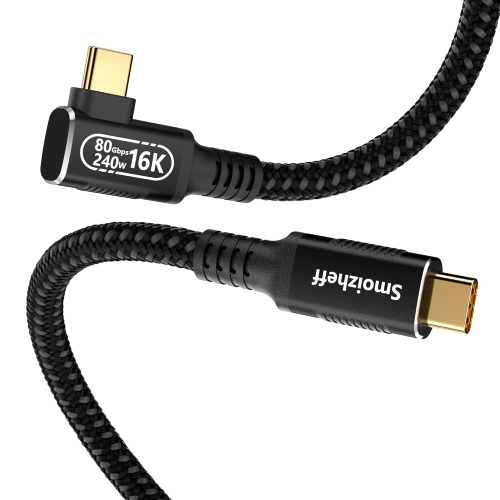
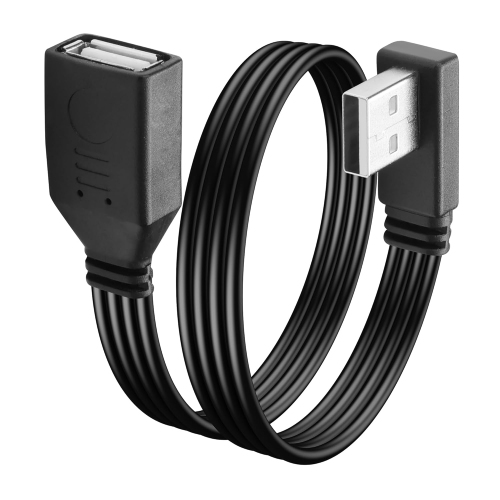
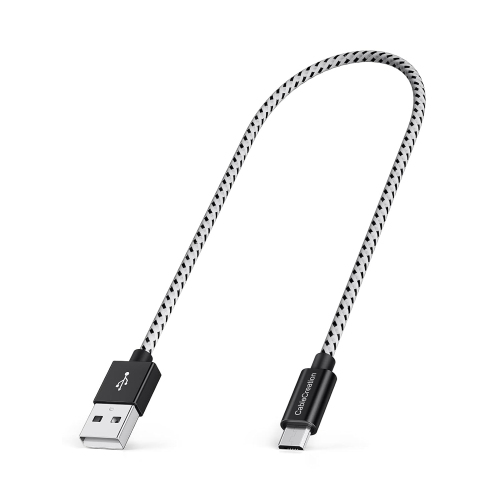
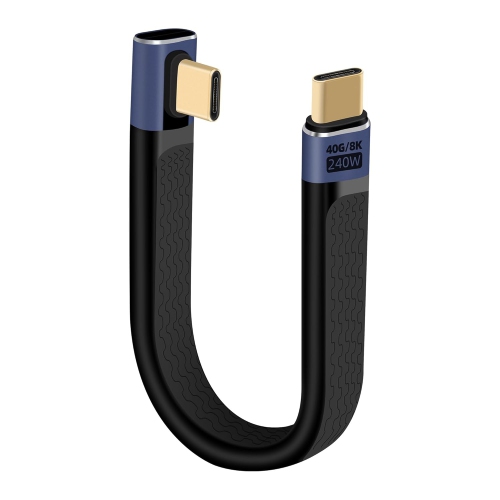
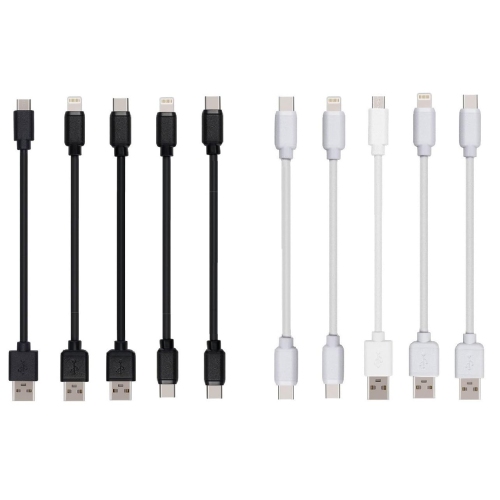
![DOLAER [1Ft, 10-Pack] Multi Short USB/c Cables Fast Charge & Sync to Type-C/lightning/micro USB Cords Bulk for Charging Stations Compatible w](https://multimedia.bbycastatic.ca/multimedia/products/500x500/196/19688/19688088.jpeg)
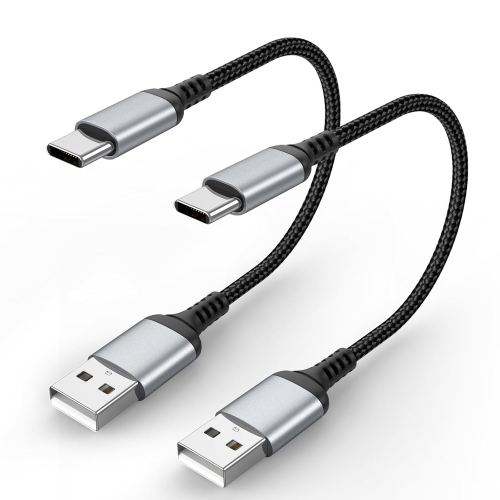
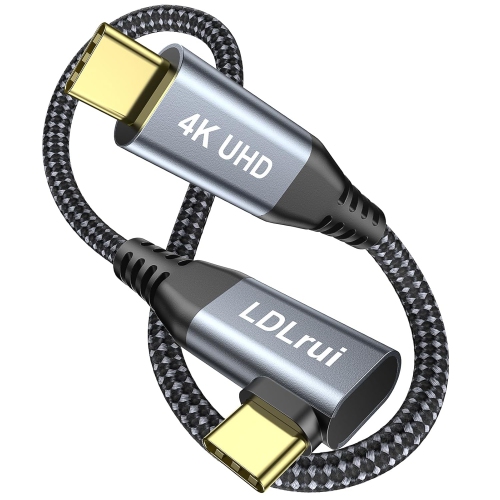
![DOLAER [6Inch, 2-Pack] Short USB 3.1/3.2 Gen 2 to USB C Cable 10GBps Data Transfer, Type C Charger Cord 3A Fast Charging for Sandisk Portable SSD](https://multimedia.bbycastatic.ca/multimedia/products/500x500/196/19687/19687833.jpeg)
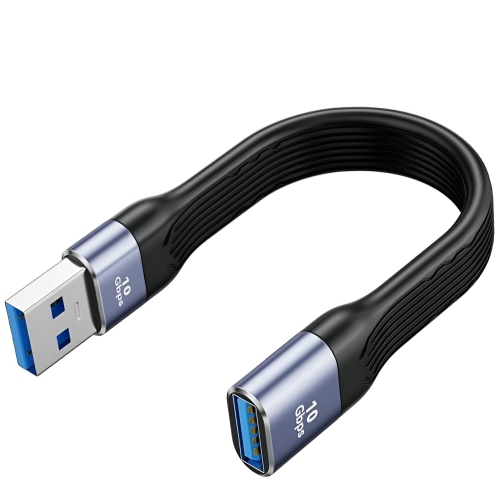
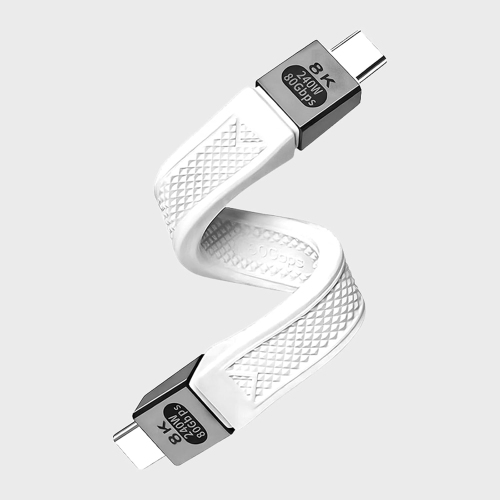
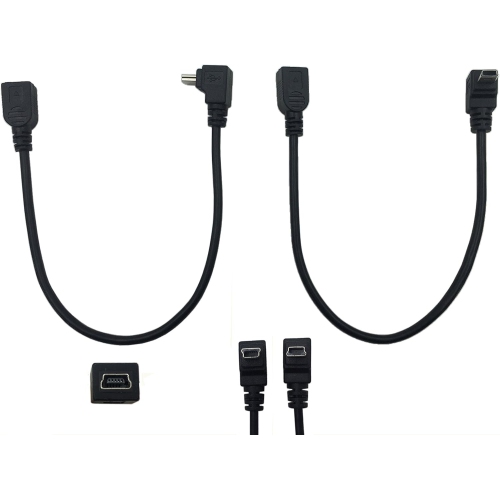
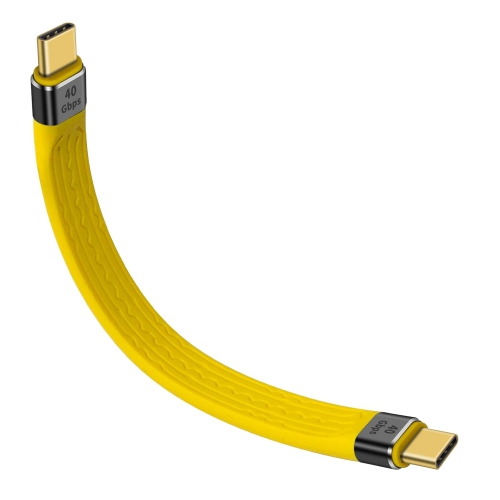
![DOLAER Micro USB Cable 1Ft[3Pack], Short USB to Micro Braided USB 2.0 Fast Charging And Data Sync Cord Compatible for Samsung Galaxy S6 S7 Edge, Moto](https://multimedia.bbycastatic.ca/multimedia/products/500x500/196/19688/19688563.jpeg)
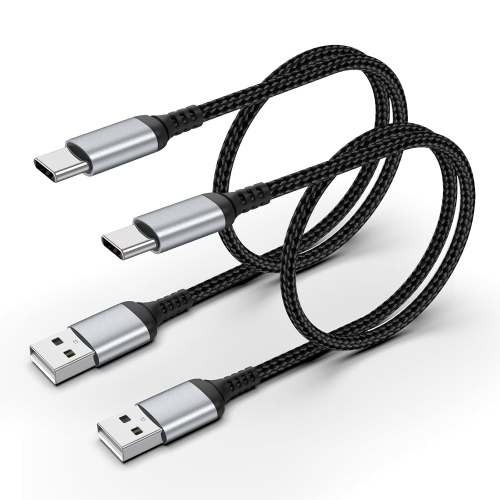
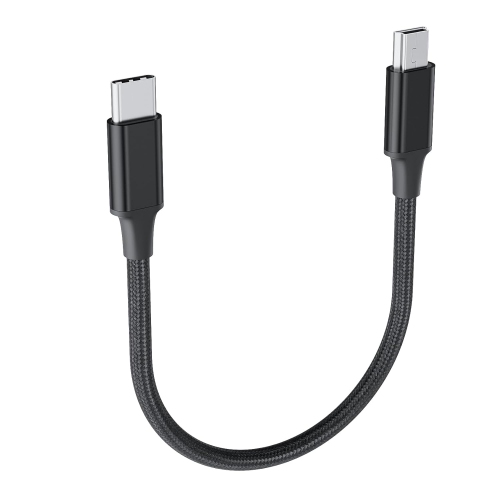
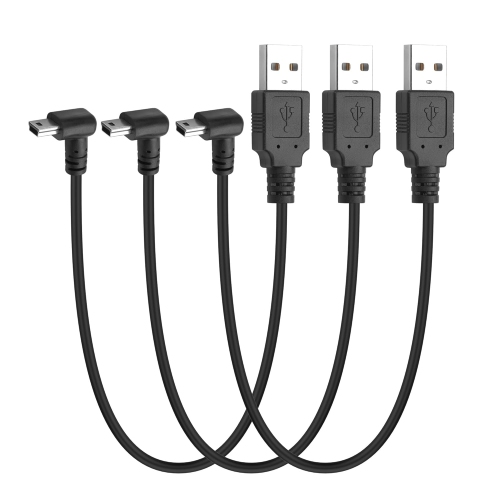
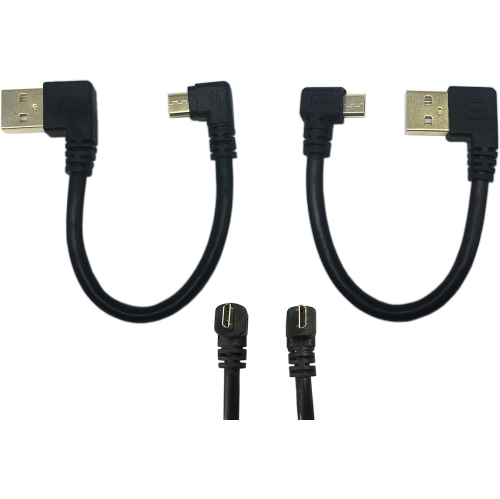
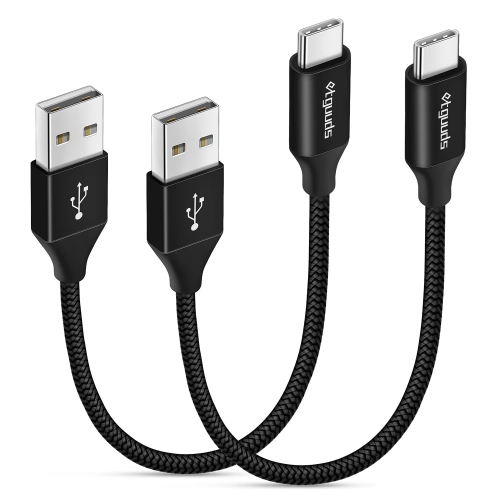
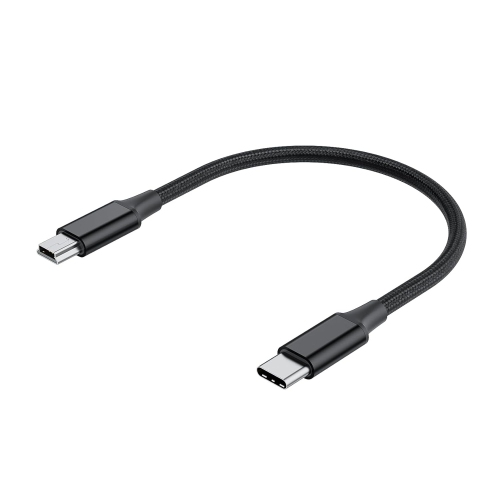
![DOLAER 6 Inch Short USB C Cable [3Pack], 0.5Ft USB A 3A Fast Charging Cable Data Transfer Braided Compatible w Iphone 16 15 Pro/pro Max/plus](https://multimedia.bbycastatic.ca/multimedia/products/500x500/196/19688/19688898.jpeg)
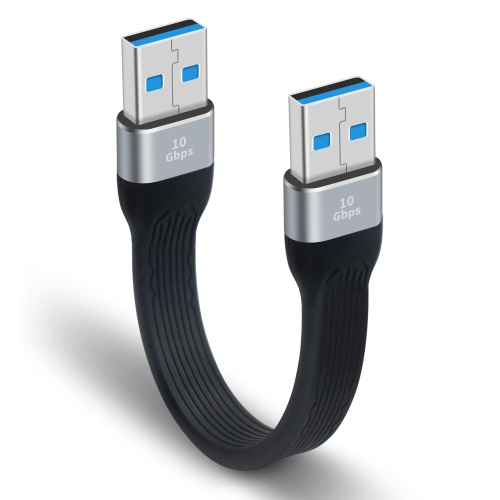
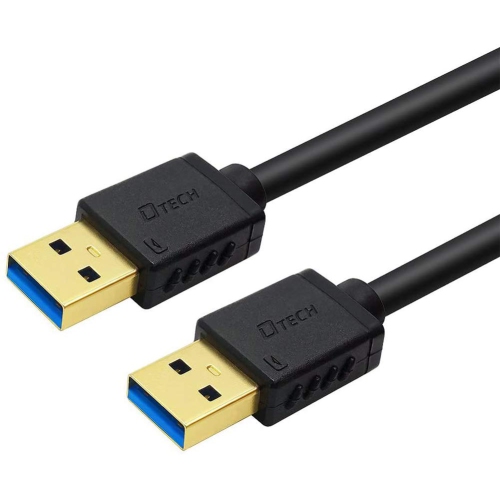
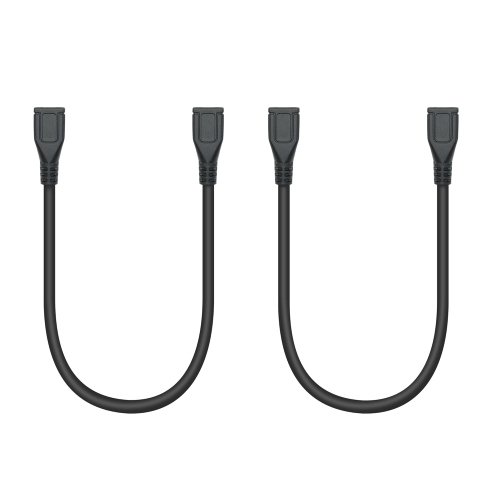
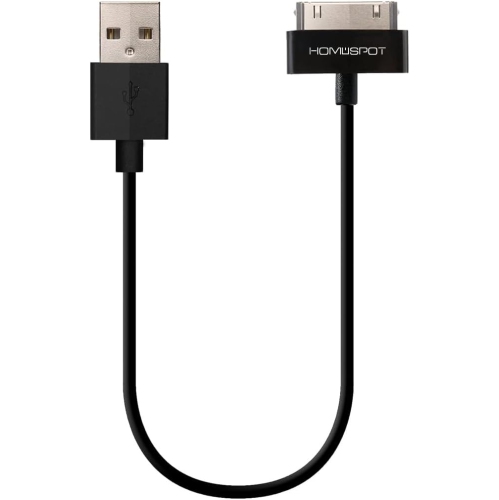
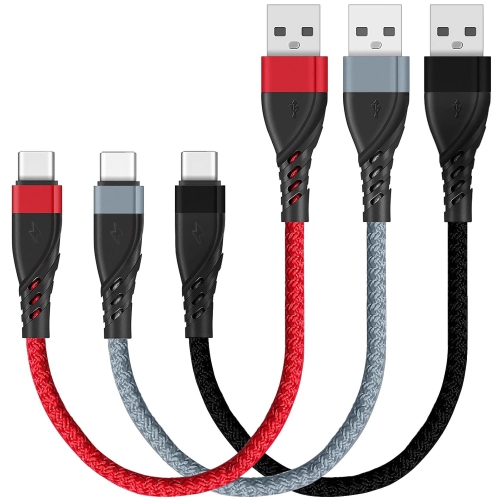
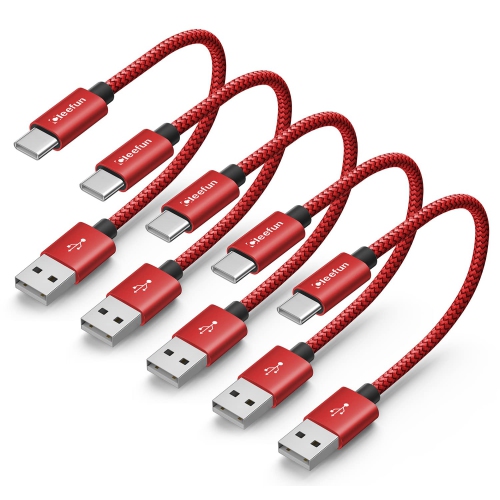
![DOLAER 6 Inch / 0.5Ft USB C Cable Short, [2-Pack] 60W Fast Charging USB A to USB C Cable Braided Data Cord for Iphone 16 15 Pro Max Plus Samsung](https://multimedia.bbycastatic.ca/multimedia/products/500x500/196/19689/19689631.jpeg)
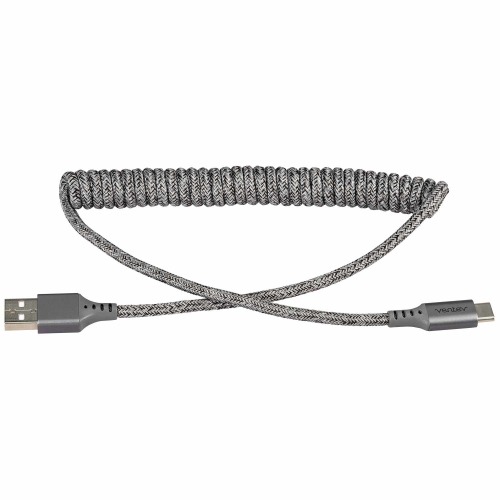
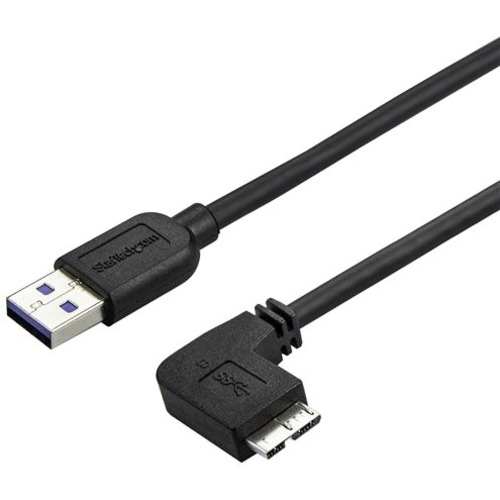
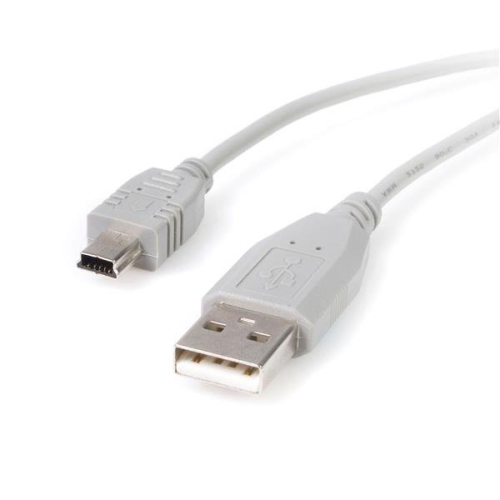
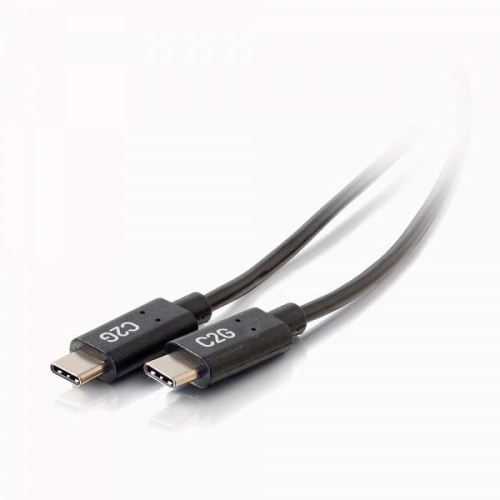
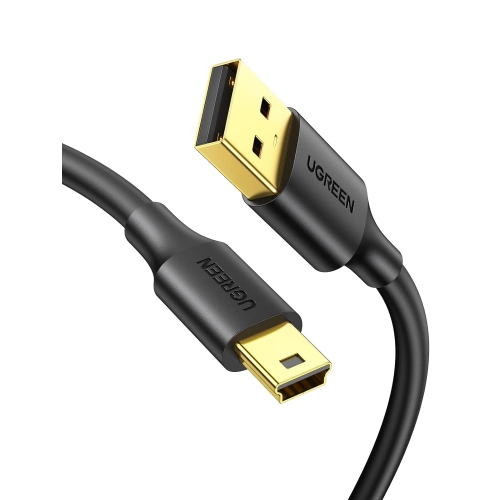
Less cord clutter between devices that sit close together
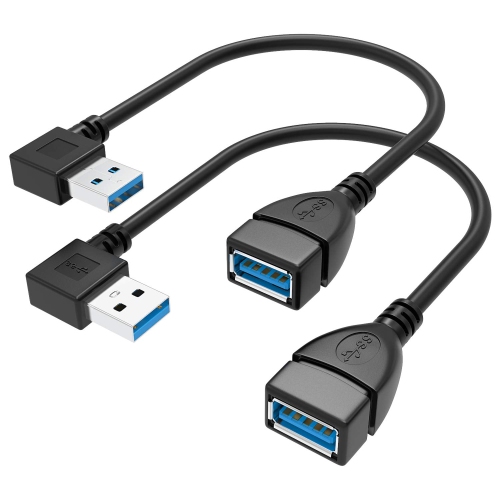
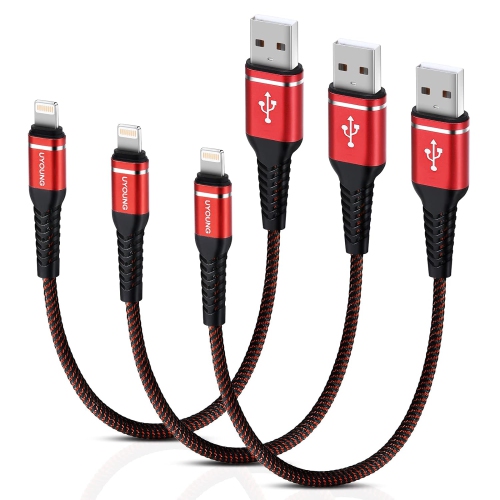
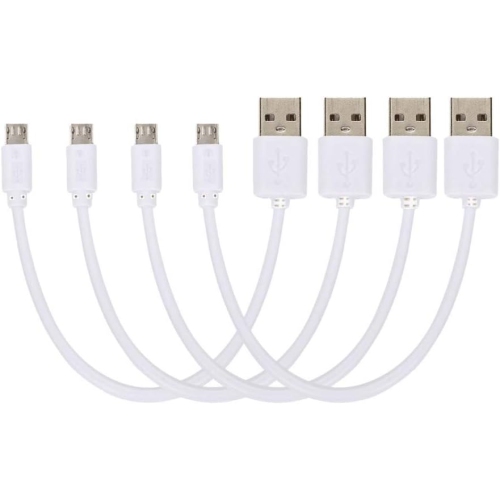
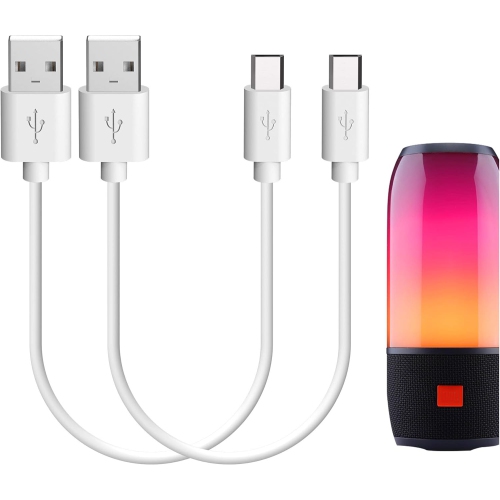
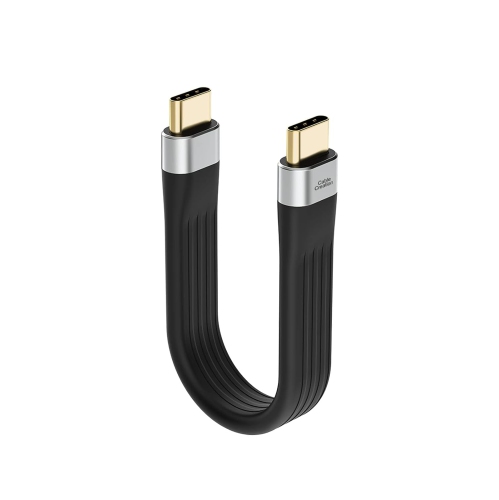
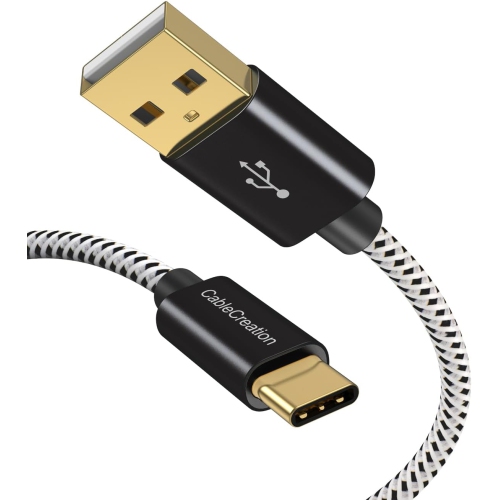
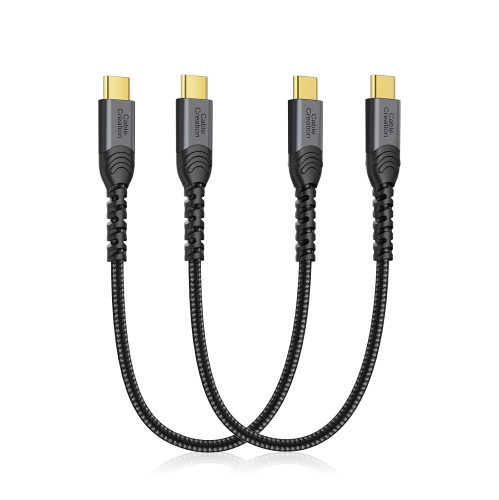
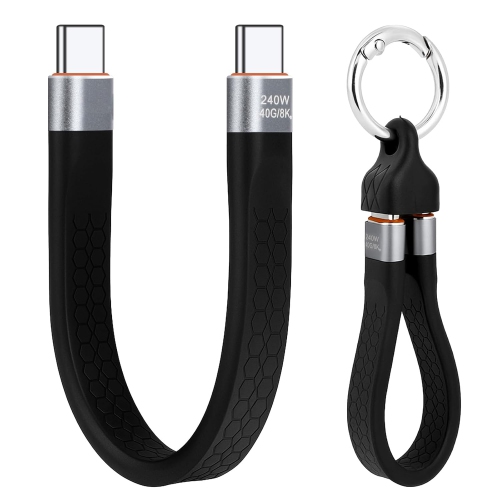
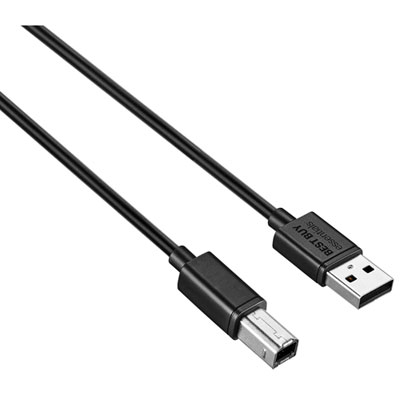
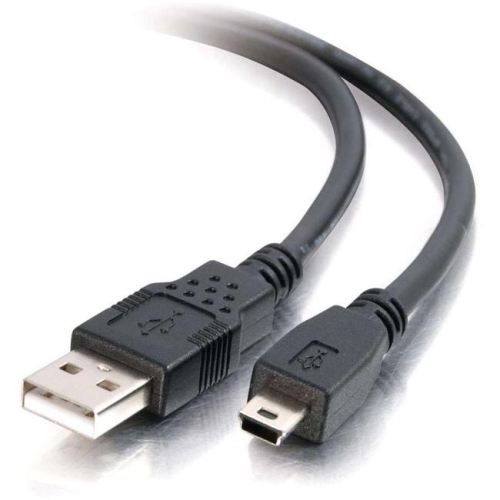
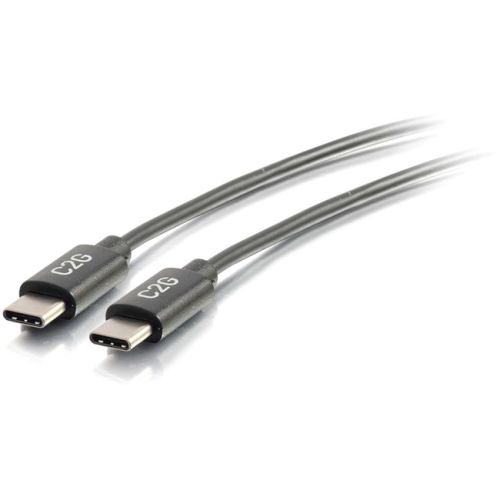
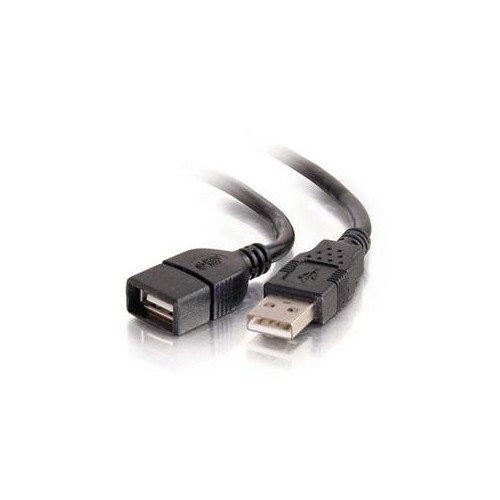
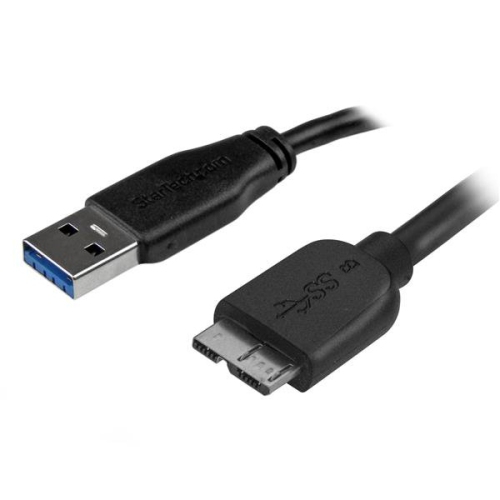
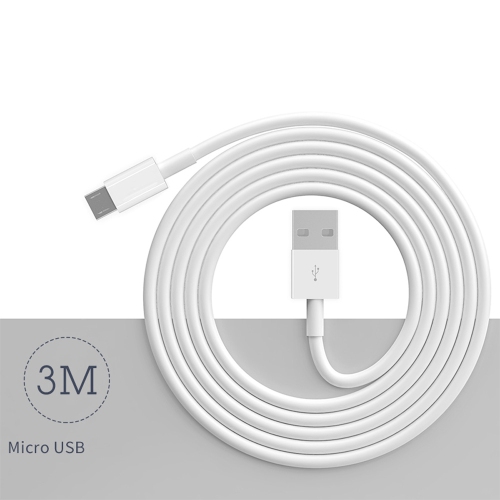
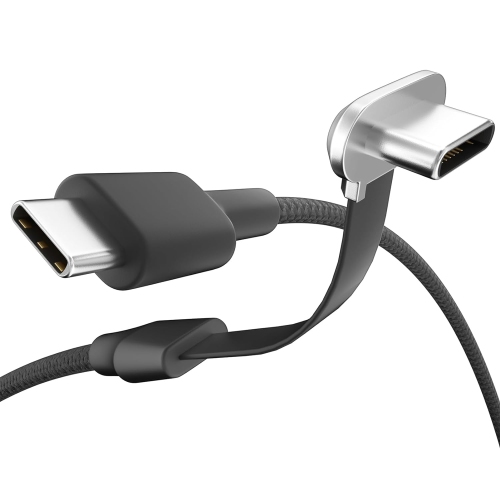
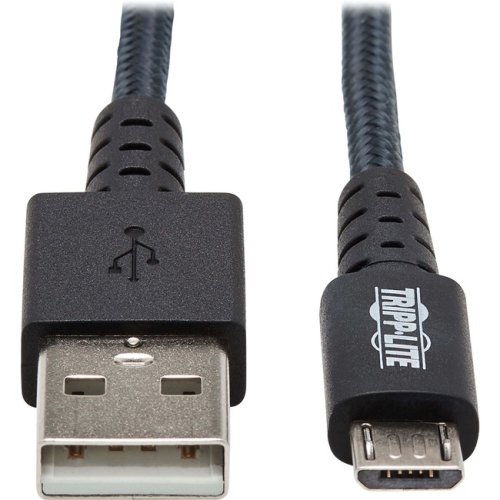
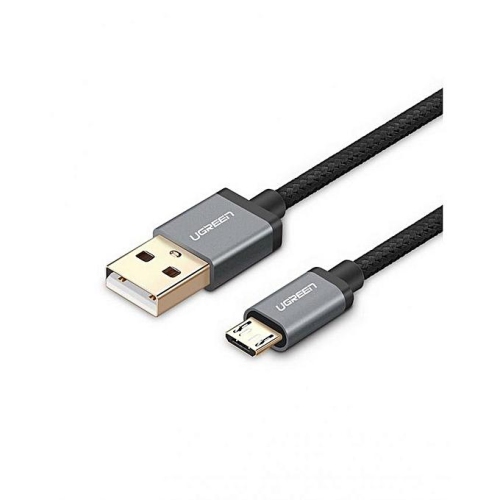
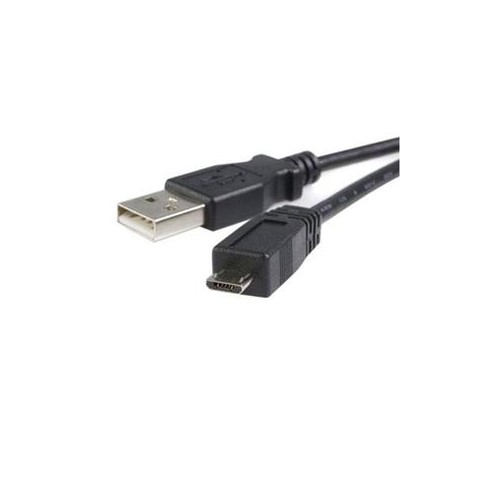
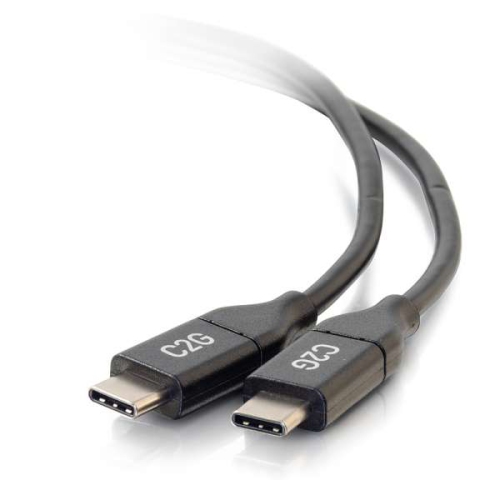
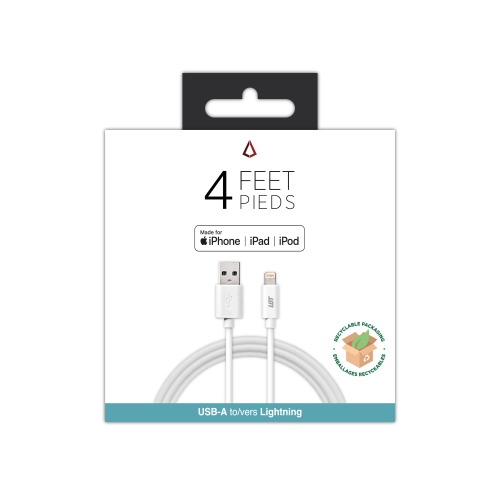
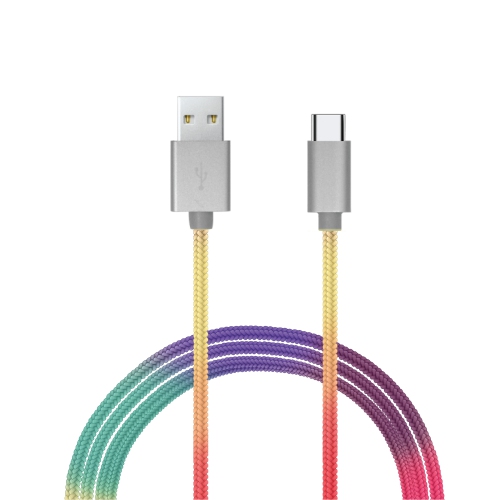
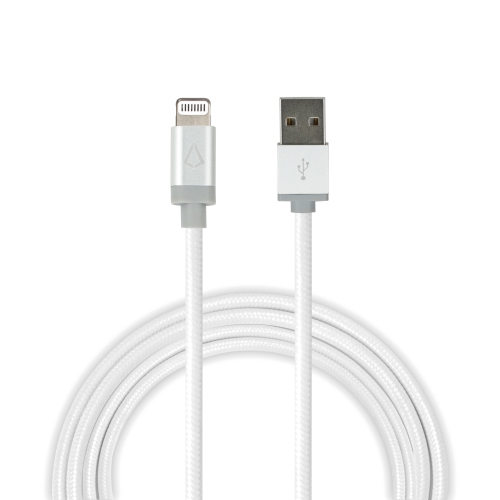
Short USB cables connect devices that sit close together, providing power, data transfer, or both without leaving a long loop of cord across a desk or inside a bag. Common short lengths include approximately 15 cm and 30 cm, also described as 6-inch and 12-inch cables, though dimensions vary. These compact connections are useful between a phone and a portable power bank, a laptop and a nearby accessory, or a vehicle’s USB port and a phone resting in a console tray. Less excess cable means less cord to gather, fewer loops to catch on neighbouring objects, and a tidier space around charging ports. A short USB charging cable can also make a shared charging station easier to manage, with each device placed near its power source rather than connected by a coil of unused cord. The most useful length depends on the actual path between the ports, not simply the distance between the devices. A connection may need to curve around a protective case, reach a port on the opposite side of a laptop, or pass through a cable opening in a stand. Allowing a little slack helps keep the plugs from pulling sideways against their sockets. For a phone carried alongside a power bank, a compact cable keeps the pair easy to handle, provided neither device hangs from the connection. At a desk, the same short reach works well for accessories that stay in one place but may feel restrictive for a device that is picked up frequently. Students, commuters, home-office users, and anyone organizing a small workspace can benefit from this focused approach to cable length. Short cables also fit neatly into accessory pouches, where they take up less space than longer cords and are easier to separate from chargers and adapters. Their main advantage is a connection sized to the task, rather than extra reach that has to be tucked away.
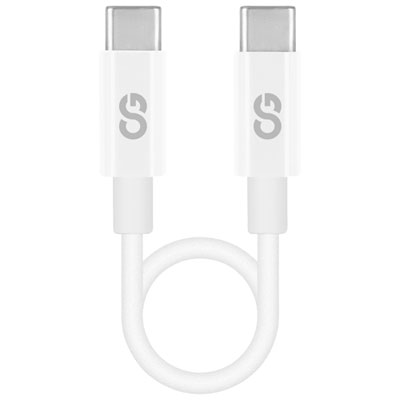
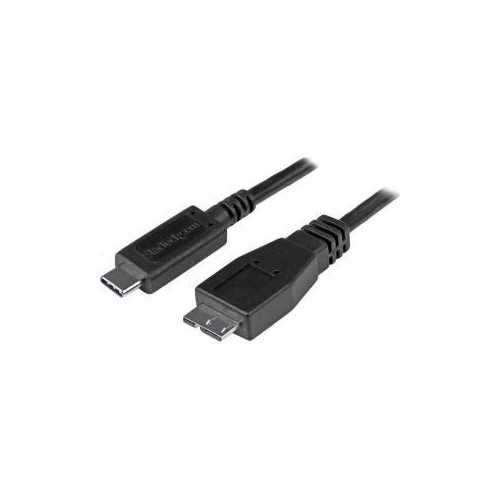
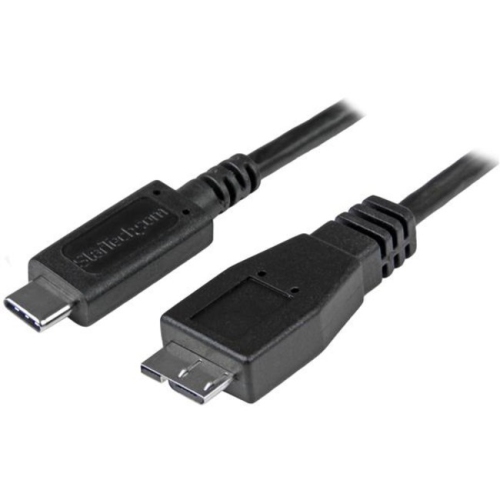
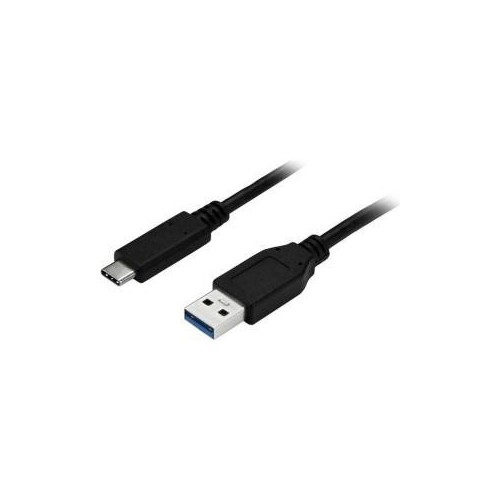
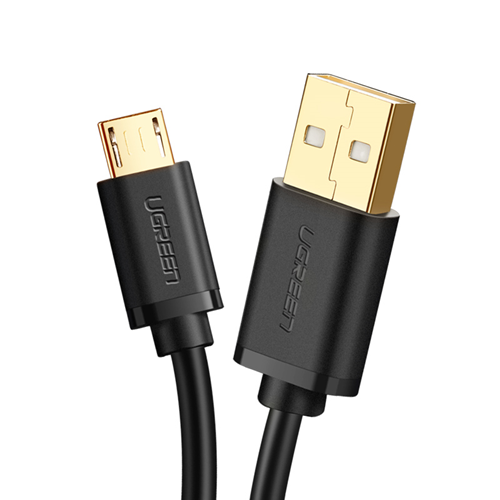
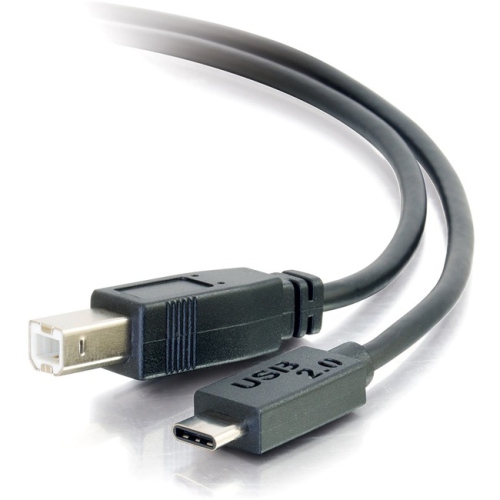
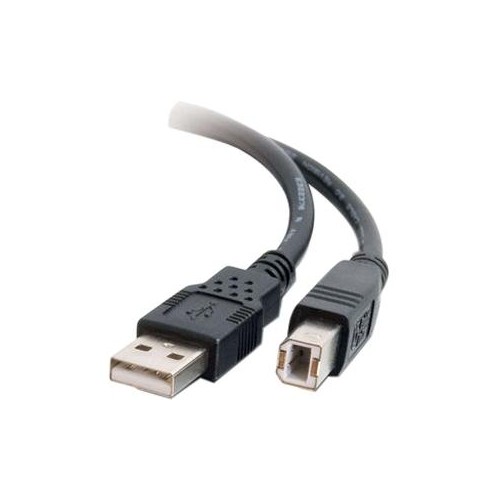
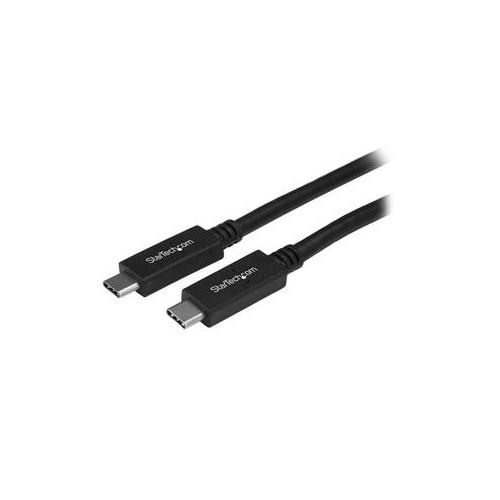
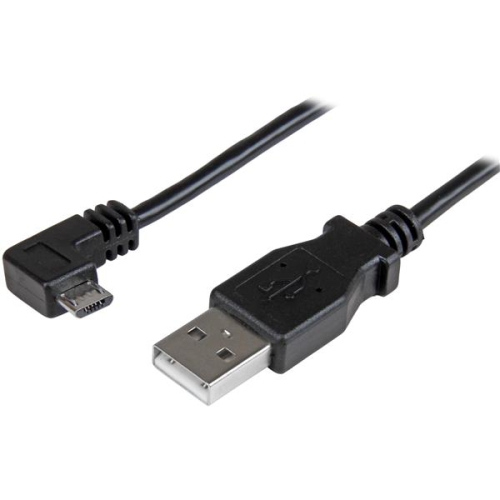
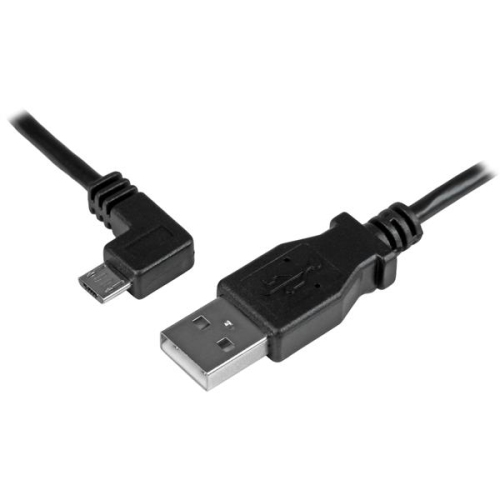
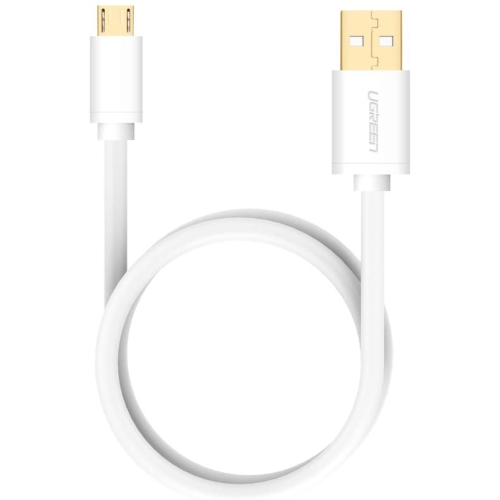
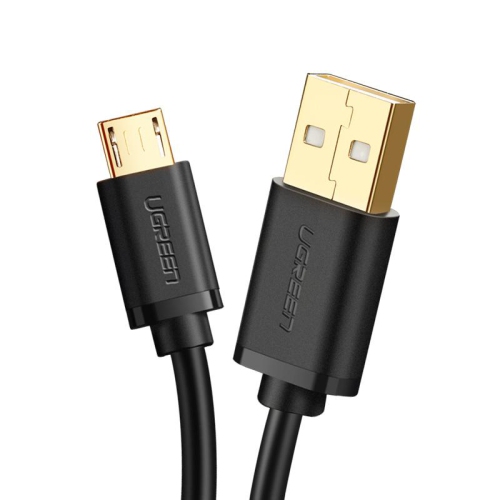
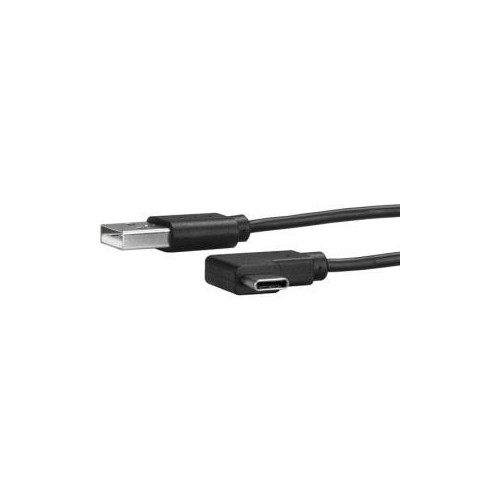
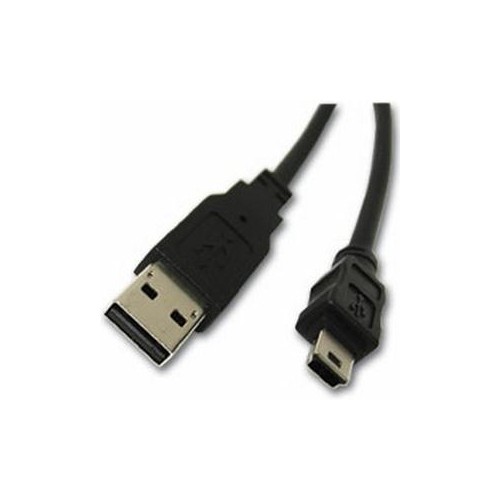
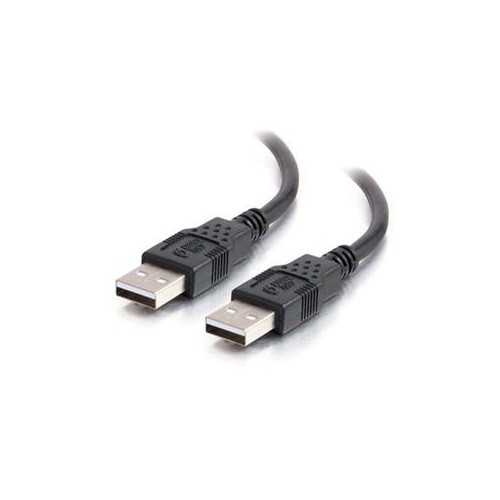
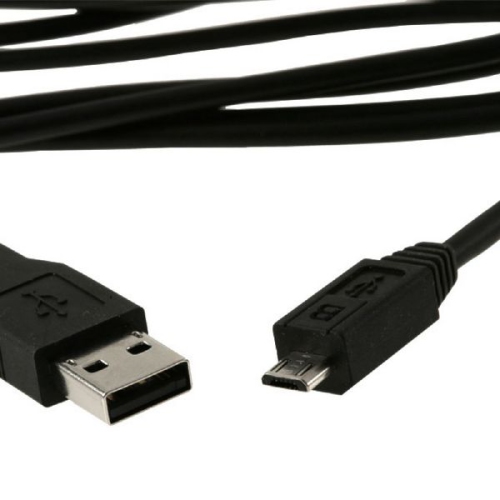
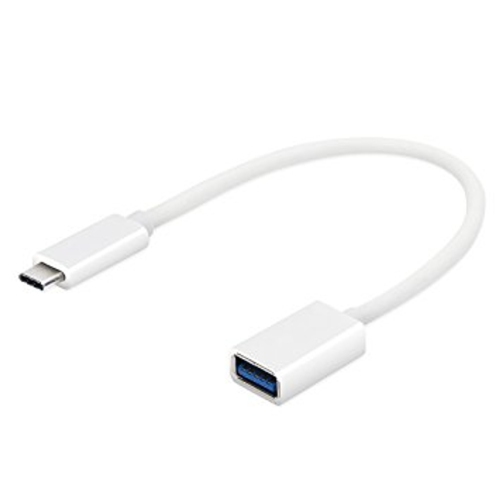
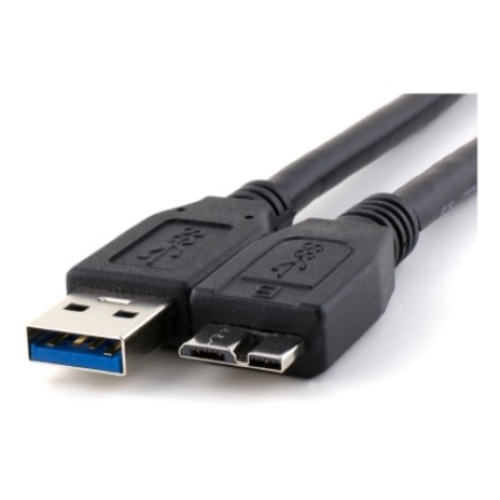
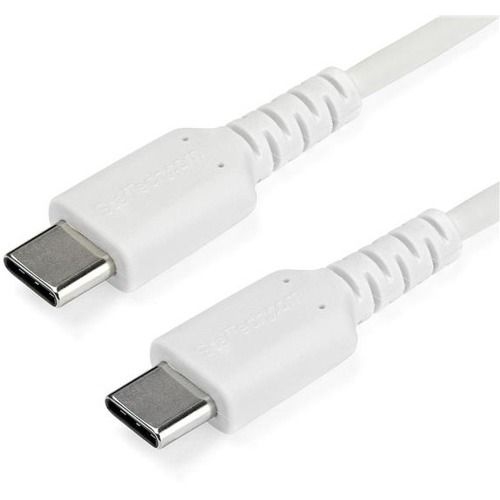
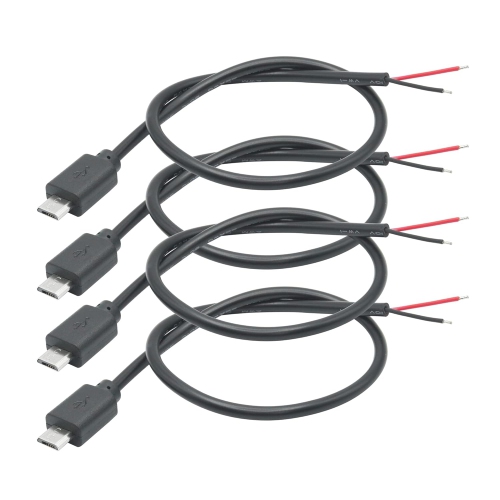
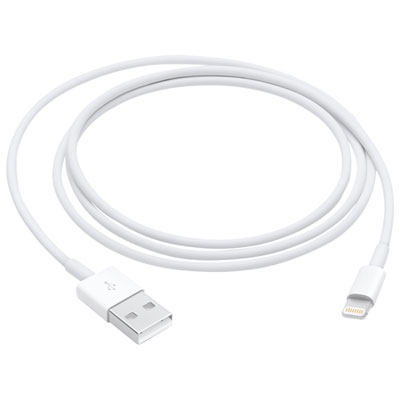
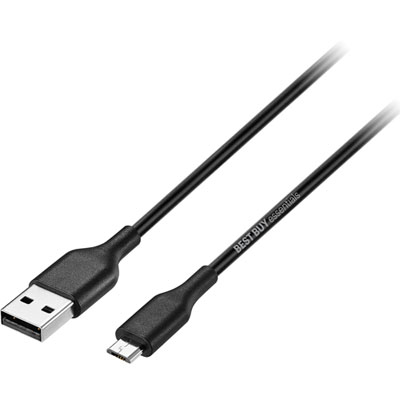
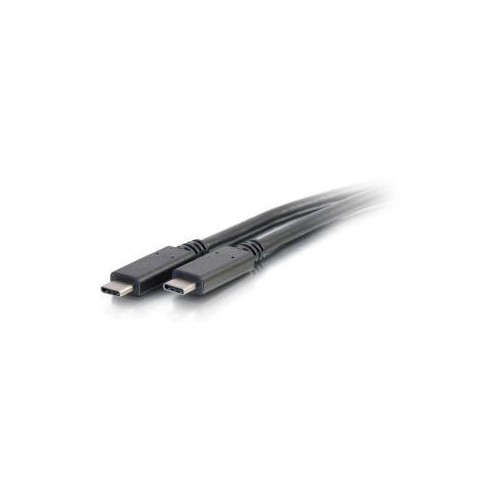
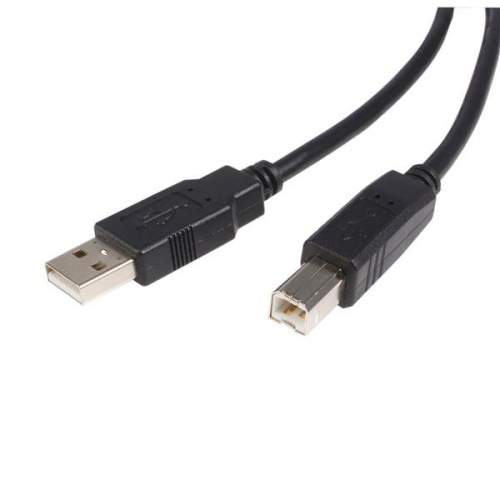
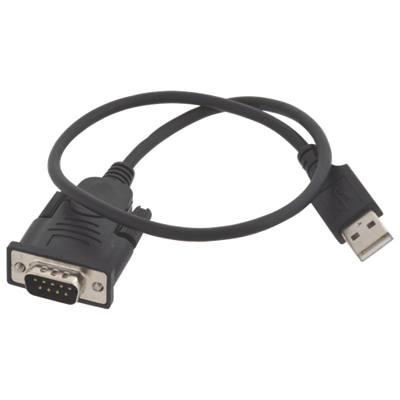
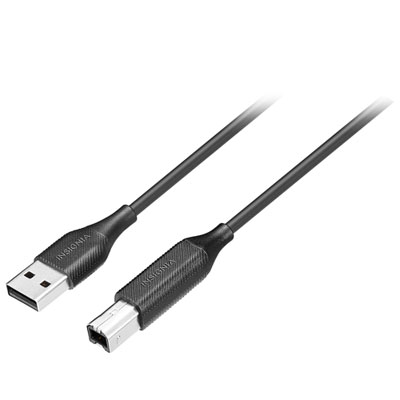
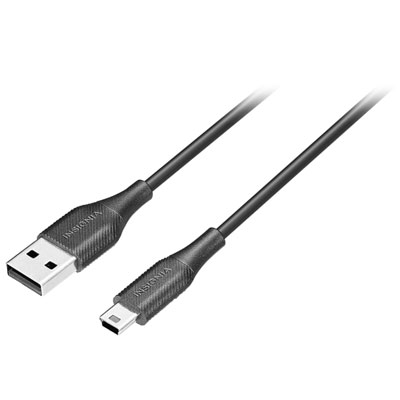
Connector type is just as important as length when choosing short USB cables. USB-A is the familiar rectangular connection found on many computers, chargers, and vehicle ports, while USB-C has a smaller, reversible shape used across many phones, tablets, laptops, and accessories. Micro-USB remains relevant for some older electronics and compact rechargeable devices. A USB-A to USB-C cable serves a different connection than a USB-C to USB-C cable, even when both are intended to charge the same phone from different power sources. Checking both ends avoids a cable that fits the device but not the charger. The connector’s outer housing matters, too: a thick plug may not fit through a narrow case opening or beside another occupied port. Right-angle connectors can help route a cord along the edge of a device, although their orientation needs to suit the port location and surrounding space. Beyond physical fit, charging and data capabilities deserve separate attention. A USB-C connector does not, by itself, establish charging wattage, transfer speed, or support for a display. Fast charging depends on compatible capabilities across the device, power source, and cable; a shorter cord alone does not make charging faster. For higher-power laptop charging, the cable’s stated power rating must meet the intended requirements, and some power levels require an electronically marked cable. Data transfer has its own specifications, so a cable suited to everyday charging may not deliver the speeds needed for moving large files to or from an external drive. Some cables are designed for charging only and do not support data transfer. This distinction also matters when a wired vehicle connection needs to carry information as well as power. For a portable monitor or another display connection, explicit video support is essential. Matching the cable’s documented capabilities to the task is more reliable than judging performance by connector shape, thickness, or appearance.
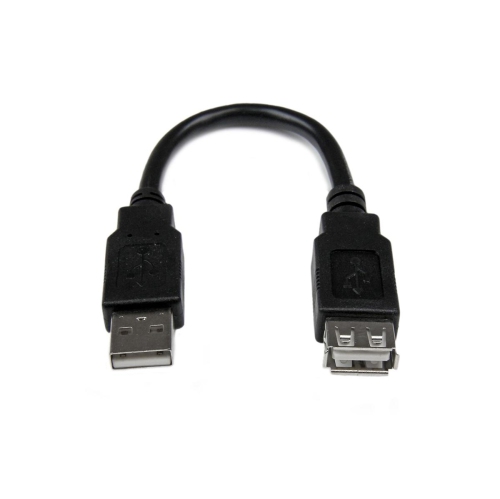
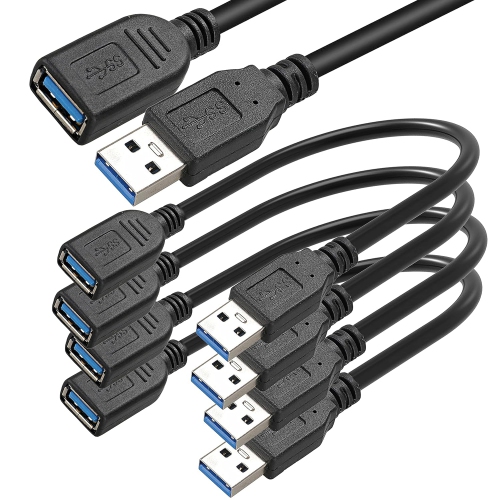
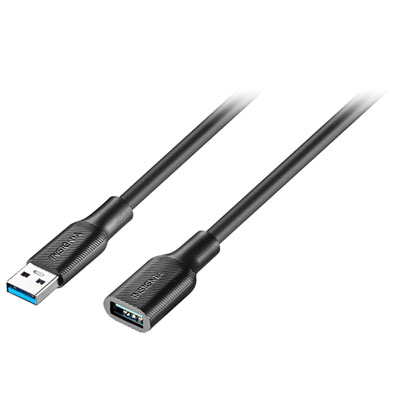
Materials and construction influence how a short USB cable feels in daily use and how well it handles repeated packing, plugging, and repositioning. Smooth plastic jackets can be easy to wipe clean and slide into a slim pouch, while flexible elastomer jackets may bend comfortably around closely spaced devices. Braided coverings add texture and can help resist surface wear, but a braid alone does not establish the strength of the internal wiring or the quality of the plugs. Well-formed connector housings and flexible strain relief at the points where the cable meets each plug are useful details to examine. These areas experience repeated bending, especially when a phone rests beside a charger or an accessory sits close to the edge of a desk. A very stiff cable may push against a lightweight device, while an overly tight bend can place unnecessary stress on the connection. For a compact charging setup, the aim is a relaxed curve rather than a sharp fold immediately behind the plug. Care is straightforward: disconnect by holding the connector housing instead of tugging on the cord, store the cable in a loose curve, and avoid trapping it beneath heavy objects or between moving furniture parts. Follow the manufacturer’s cleaning directions, keeping moisture out of connectors and allowing any cleaned surfaces to dry before use. Frayed coverings, loose plugs, exposed wiring, or unusual heat are reasons to stop using a cable and check the connection and equipment. A short cable can be a practical addition to a travel accessory kit or a useful gift alongside a compatible rechargeable device, particularly when its connector types and intended use are known. It is less suitable when a device needs to move freely or sit well away from its power source. For setups that genuinely need more reach, USB Extension Cables serve a different purpose, with compatibility and supported performance still worth checking. Choosing enough length for comfortable placement, without unnecessary excess, helps keep everyday connections accessible and organized.
Connector type is just as important as length when choosing short USB cables. USB-A is the familiar rectangular connection found on many computers, chargers, and vehicle ports, while USB-C has a smaller, reversible shape used across many phones, tablets, laptops, and accessories. Micro-USB remains relevant for some older electronics and compact rechargeable devices. A USB-A to USB-C cable serves a different connection than a USB-C to USB-C cable, even when both are intended to charge the same phone from different power sources. Checking both ends avoids a cable that fits the device but not the charger. The connector’s outer housing matters, too: a thick plug may not fit through a narrow case opening or beside another occupied port. Right-angle connectors can help route a cord along the edge of a device, although their orientation needs to suit the port location and surrounding space. Beyond physical fit, charging and data capabilities deserve separate attention. A USB-C connector does not, by itself, establish charging wattage, transfer speed, or support for a display. Fast charging depends on compatible capabilities across the device, power source, and cable; a shorter cord alone does not make charging faster. For higher-power laptop charging, the cable’s stated power rating must meet the intended requirements, and some power levels require an electronically marked cable. Data transfer has its own specifications, so a cable suited to everyday charging may not deliver the speeds needed for moving large files to or from an external drive. Some cables are designed for charging only and do not support data transfer. This distinction also matters when a wired vehicle connection needs to carry information as well as power. For a portable monitor or another display connection, explicit video support is essential. Matching the cable’s documented capabilities to the task is more reliable than judging performance by connector shape, thickness, or appearance.
Materials and construction influence how a short USB cable feels in daily use and how well it handles repeated packing, plugging, and repositioning. Smooth plastic jackets can be easy to wipe clean and slide into a slim pouch, while flexible elastomer jackets may bend comfortably around closely spaced devices. Braided coverings add texture and can help resist surface wear, but a braid alone does not establish the strength of the internal wiring or the quality of the plugs. Well-formed connector housings and flexible strain relief at the points where the cable meets each plug are useful details to examine. These areas experience repeated bending, especially when a phone rests beside a charger or an accessory sits close to the edge of a desk. A very stiff cable may push against a lightweight device, while an overly tight bend can place unnecessary stress on the connection. For a compact charging setup, the aim is a relaxed curve rather than a sharp fold immediately behind the plug. Care is straightforward: disconnect by holding the connector housing instead of tugging on the cord, store the cable in a loose curve, and avoid trapping it beneath heavy objects or between moving furniture parts. Follow the manufacturer’s cleaning directions, keeping moisture out of connectors and allowing any cleaned surfaces to dry before use. Frayed coverings, loose plugs, exposed wiring, or unusual heat are reasons to stop using a cable and check the connection and equipment. A short cable can be a practical addition to a travel accessory kit or a useful gift alongside a compatible rechargeable device, particularly when its connector types and intended use are known. It is less suitable when a device needs to move freely or sit well away from its power source. For setups that genuinely need more reach, USB Extension Cables serve a different purpose, with compatibility and supported performance still worth checking. Choosing enough length for comfortable placement, without unnecessary excess, helps keep everyday connections accessible and organized.
Top selling and popular products
-
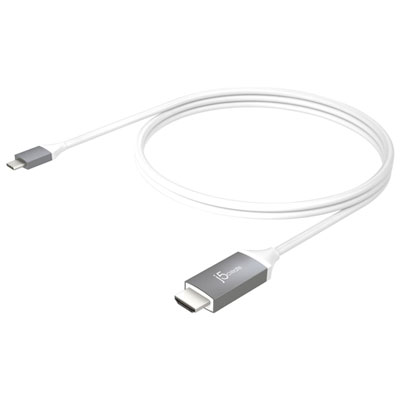 Your price for this item is $39.99
 -
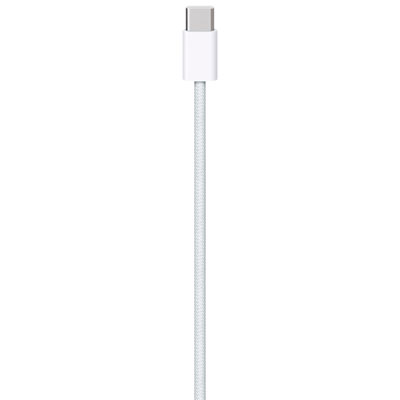 Your price for this item is $24.99
 -
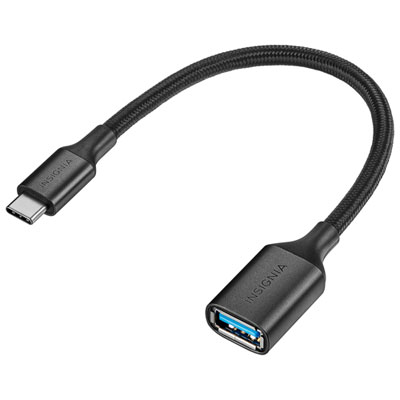 Your price for this item is $19.99
 -
 Your price for this item is $29.99
 -
 Your price for this item is $29.99
 -
 Your price for this item is $19.99
 -
 Your price for this item is $24.99
 -
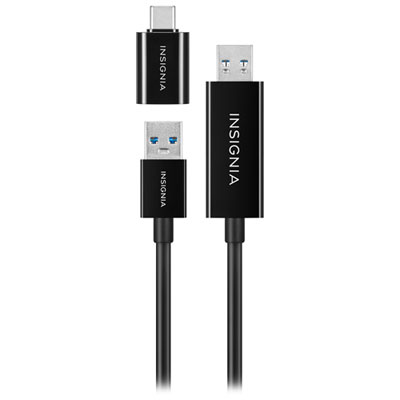 Your price for this item is $44.97
Discover more categories related to Short USB Cables
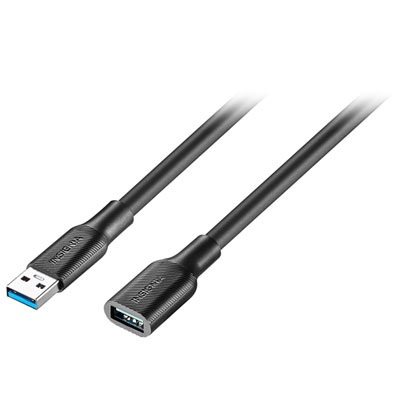
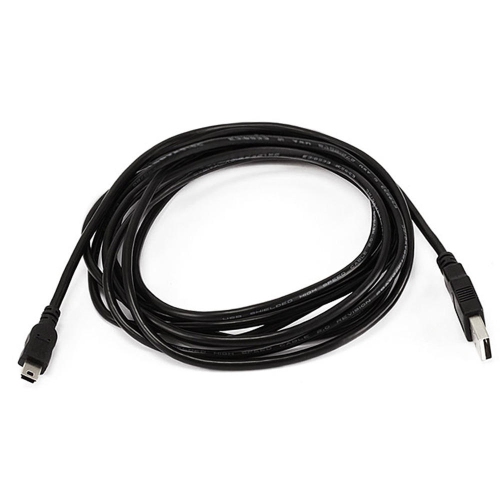
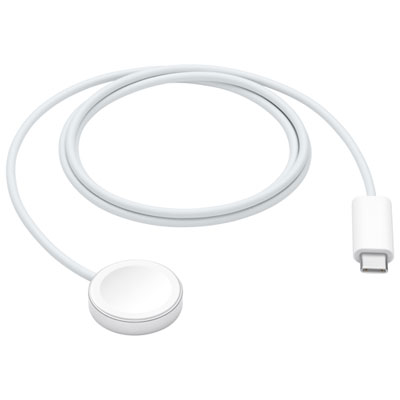
Top Collections:
Pokemon Centers, Kindle Devices, Best Budget Office Chairs, Apple iPhones 16, Best Laptops for Writers, iPhone 15 Apple, Canon G7X Cameras, Refurbished Apple Laptops, Alarm Clock, Motorola Razr Phones
Some products may be subject to Environmental Handling Fees
(EHF) depending on your province.
Learn more about EHFs.