USB Power Cables
Looking for a reliable and efficient way to keep your devices powered up? Look no further than our selection of USB power cables. These versatile cables are designed to provide a seamless charging experience for a wide range of devices, including smartphones, tablets, cameras, and more. With their universal compatibility and fast charging capabilities, USB power cables are an essential accessory for anyone on the go.
Sort
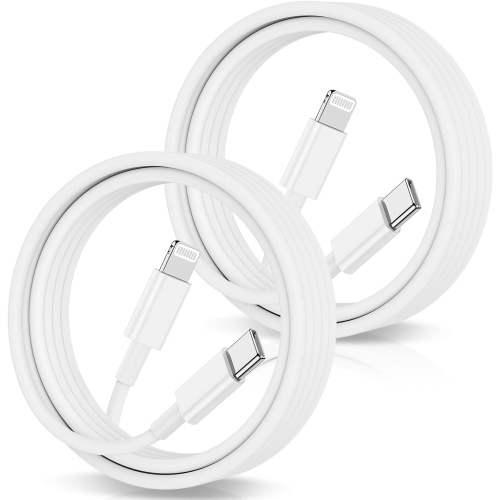
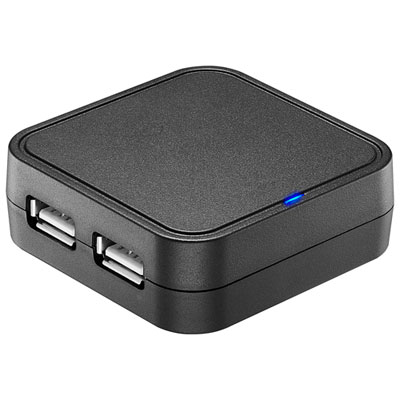
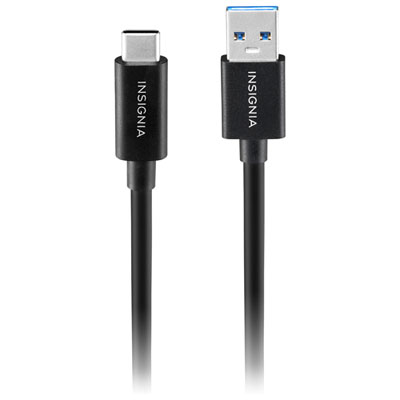
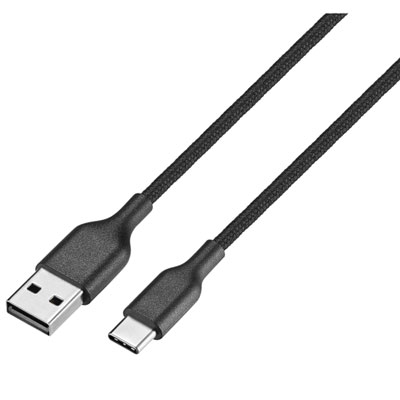
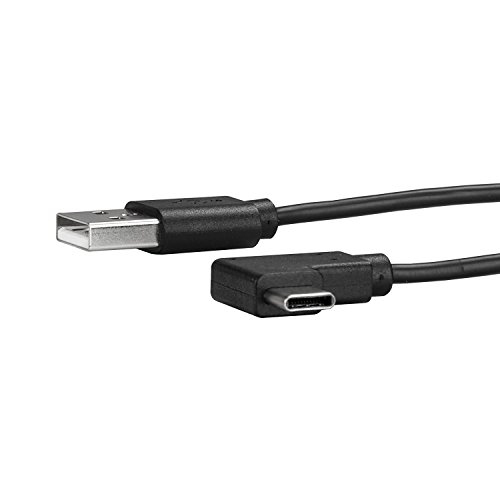
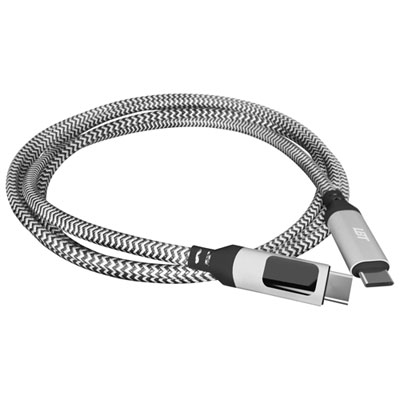
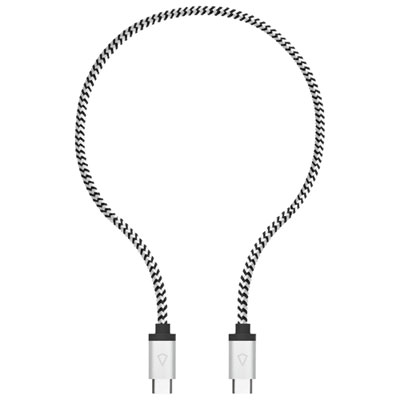
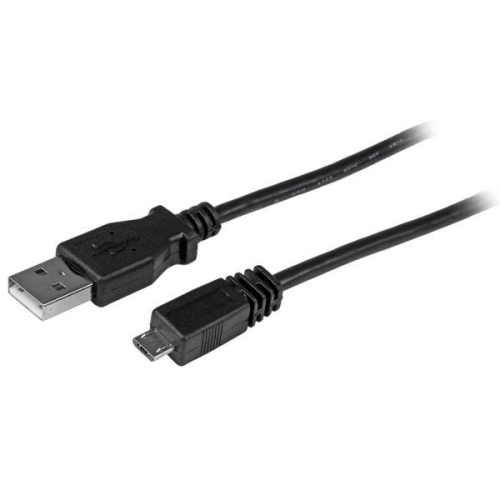
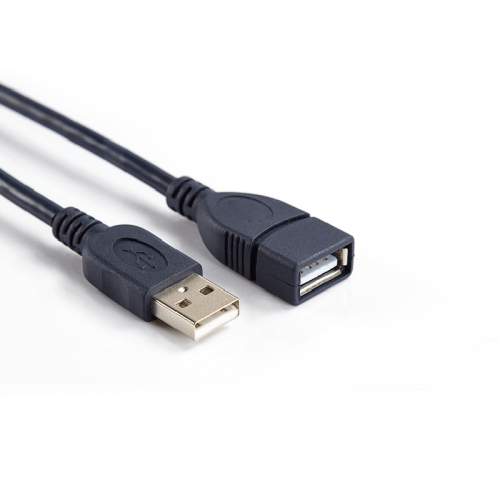
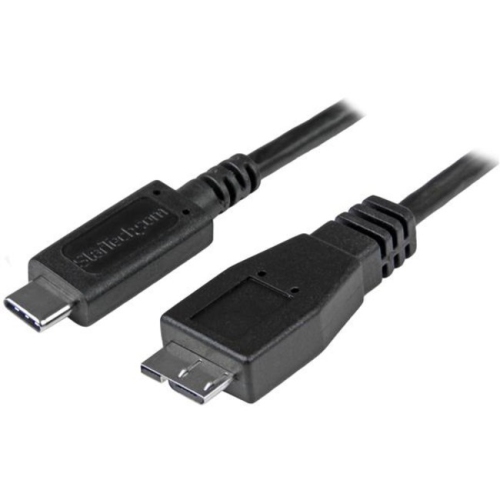
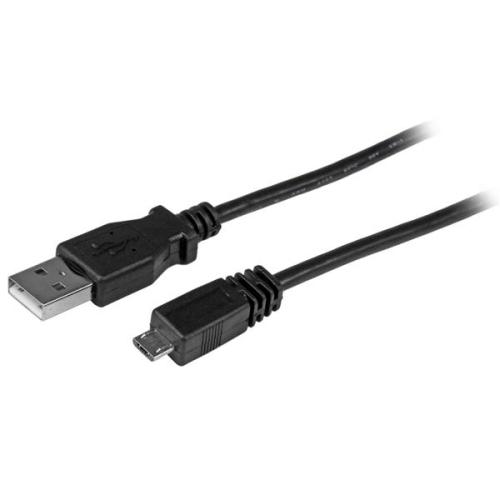


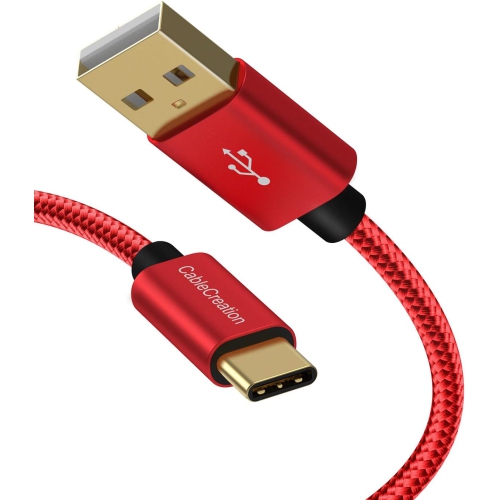
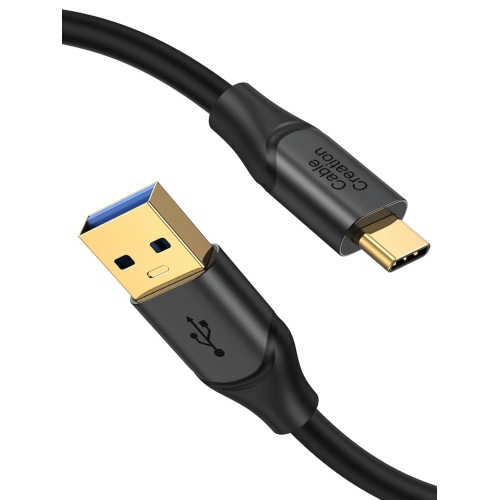
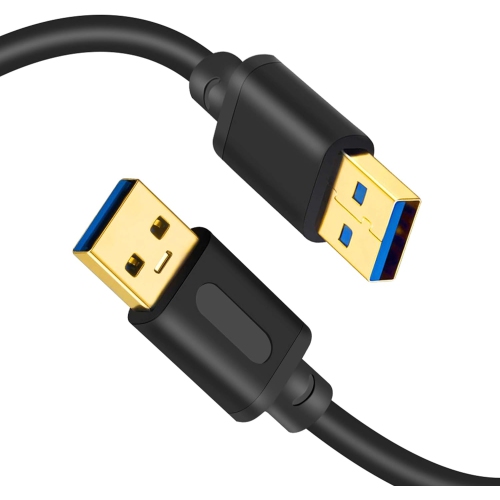
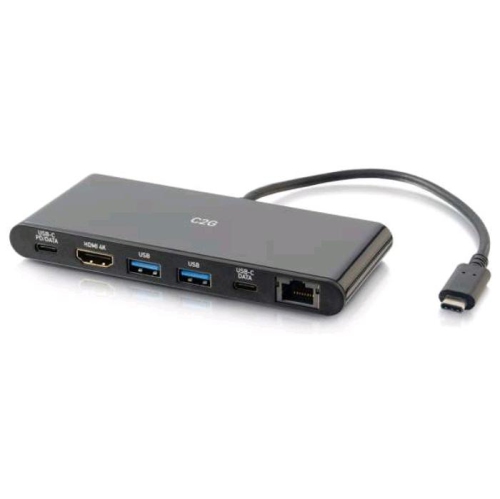
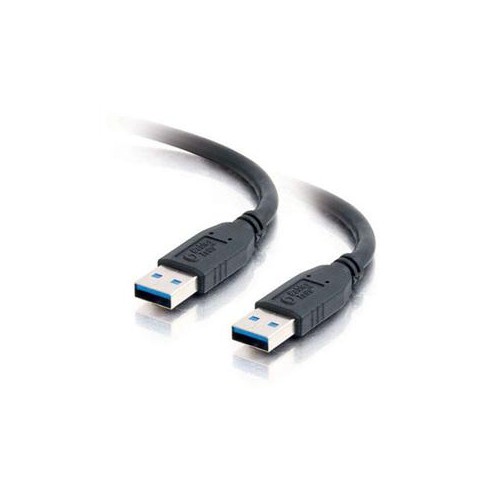
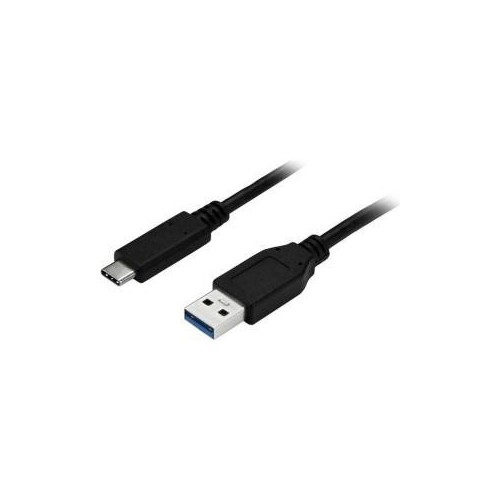
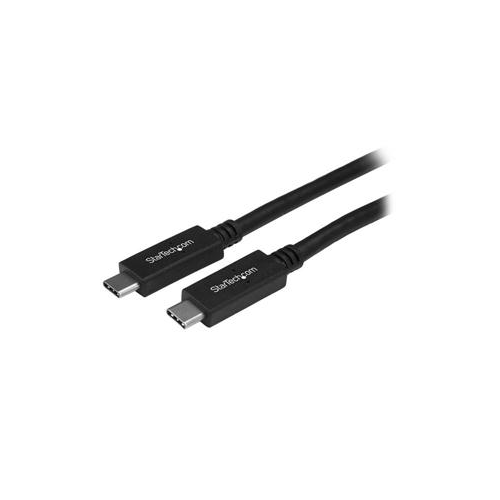
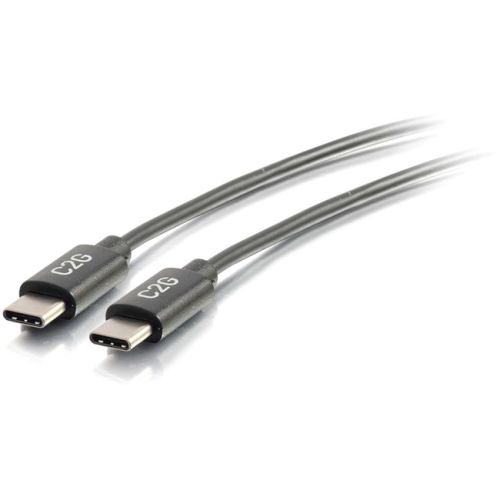
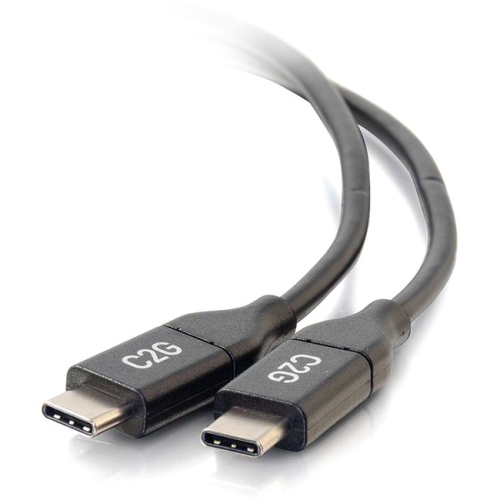
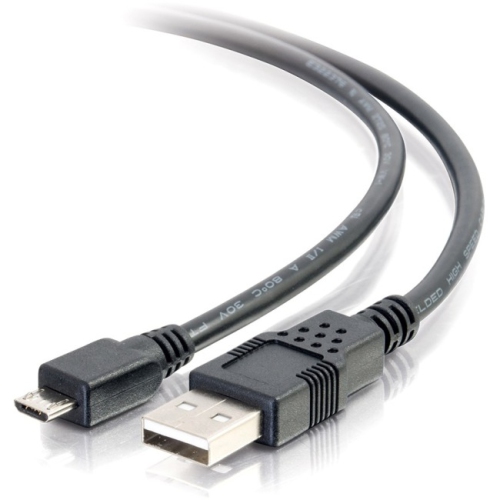
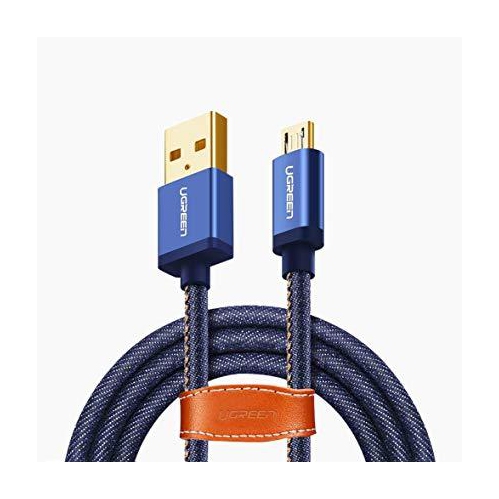
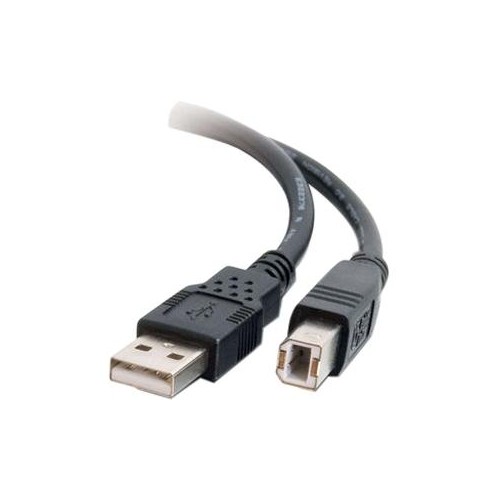
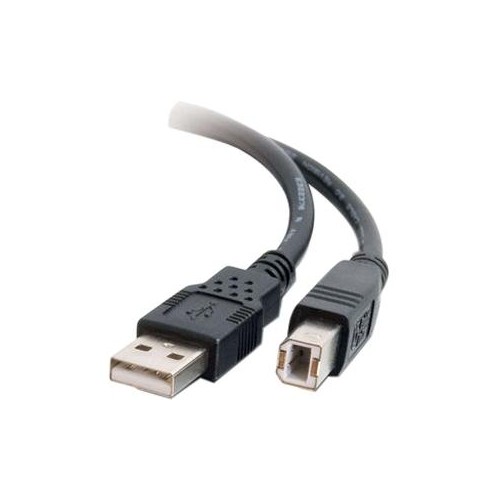
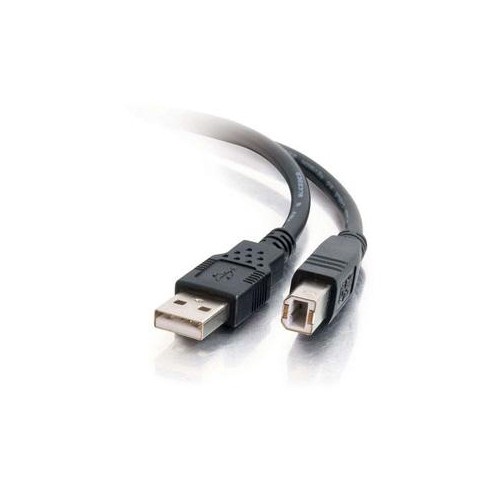


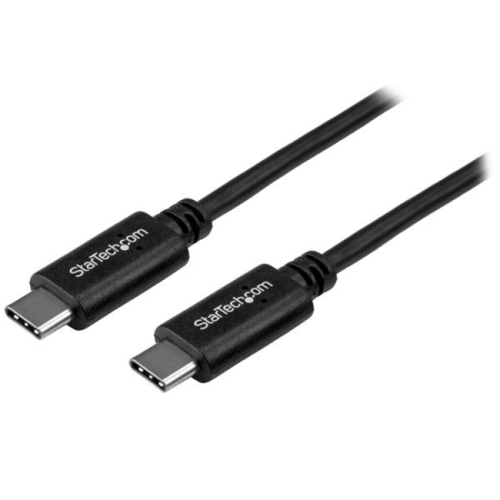
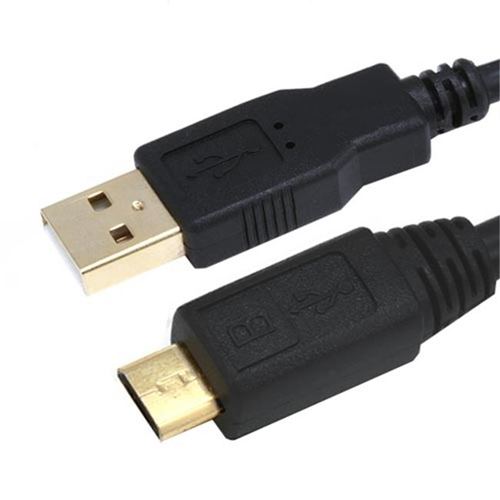
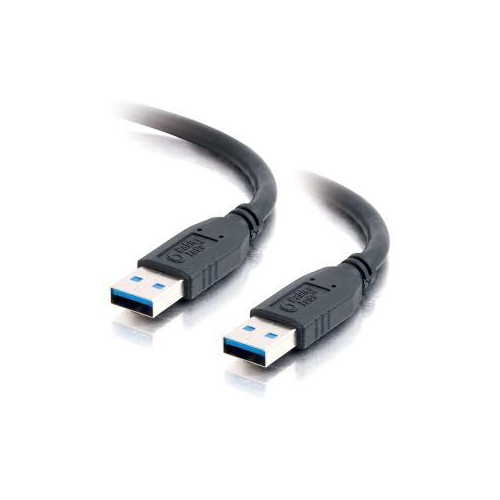
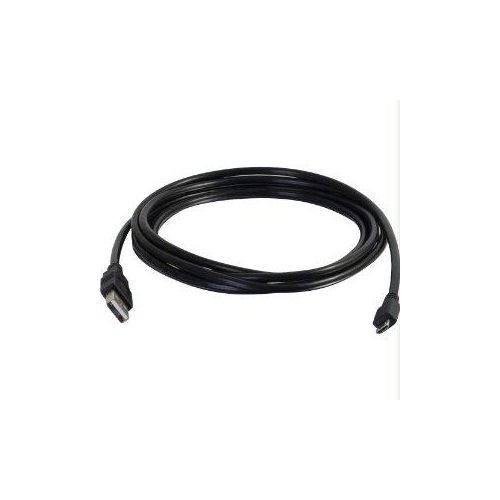

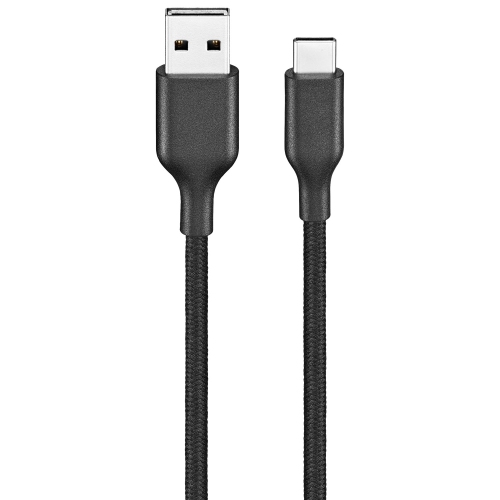
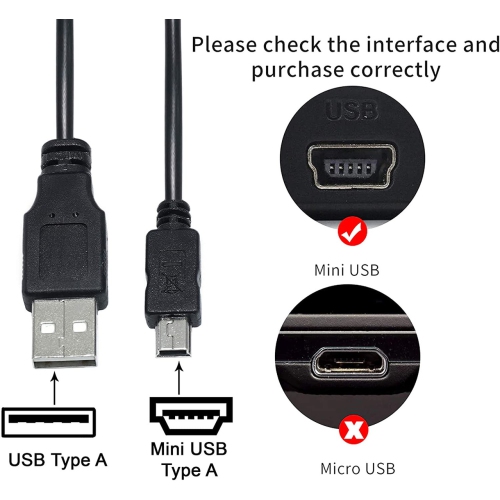
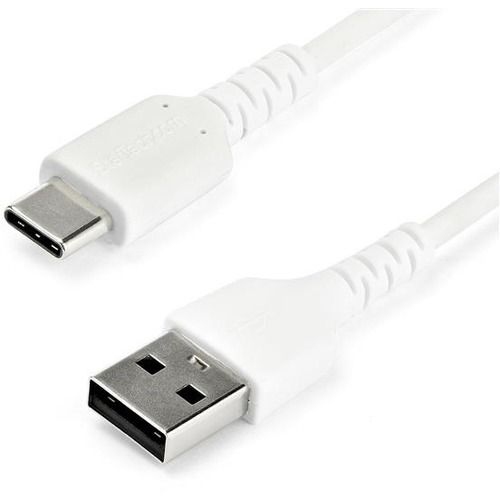

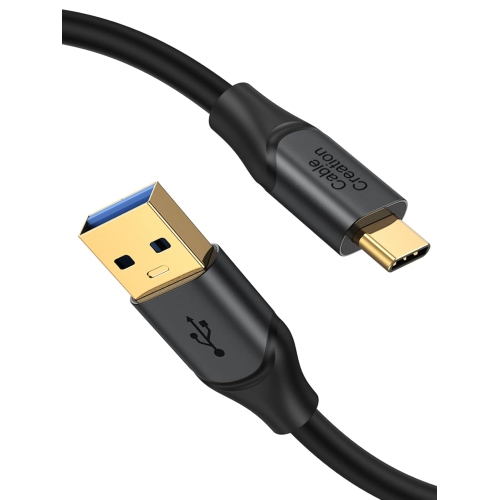

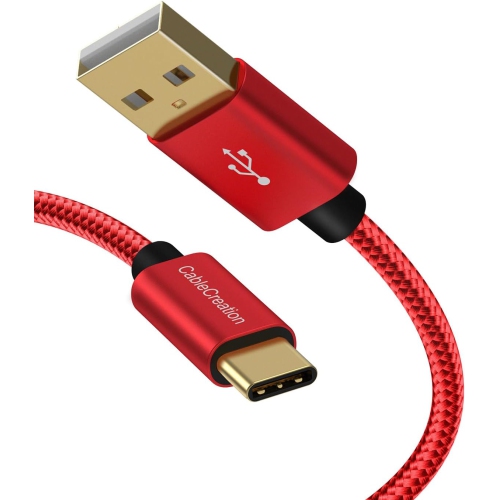
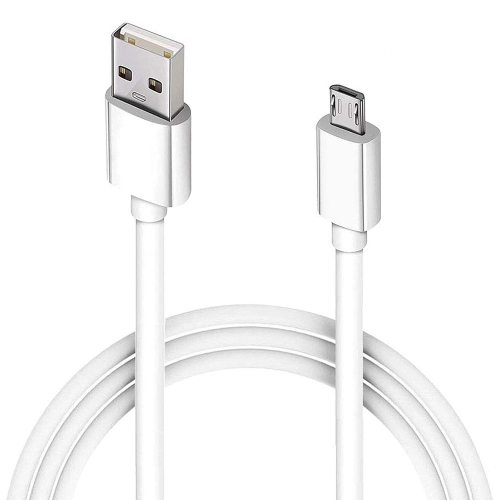
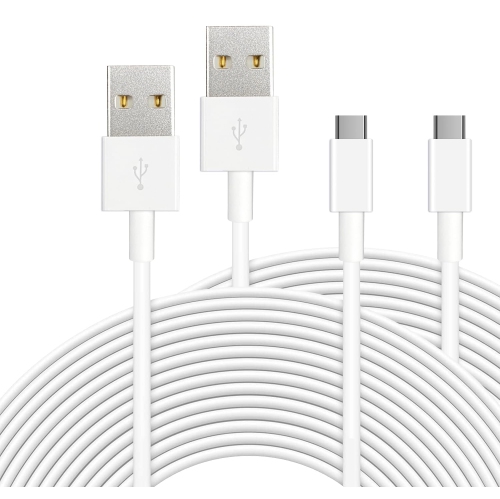
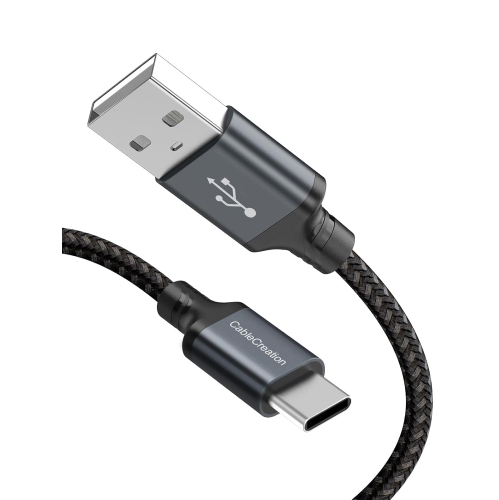
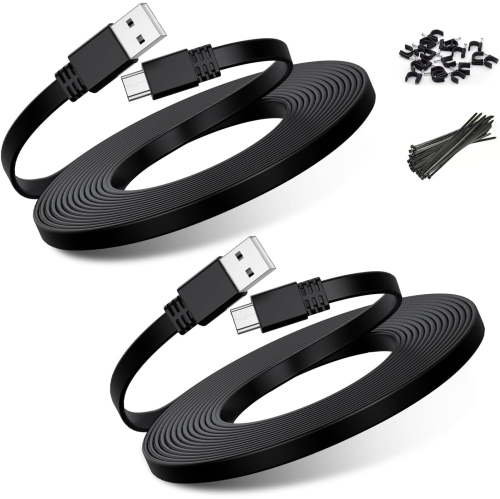
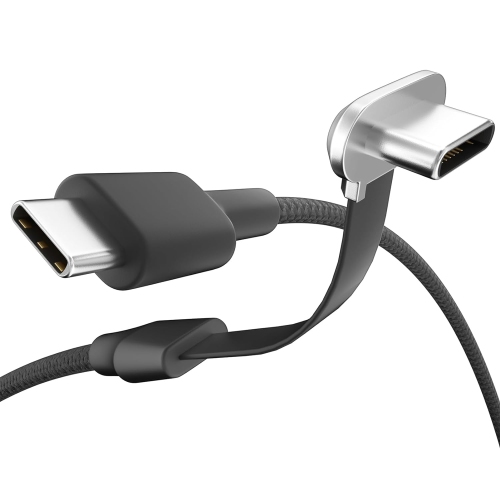
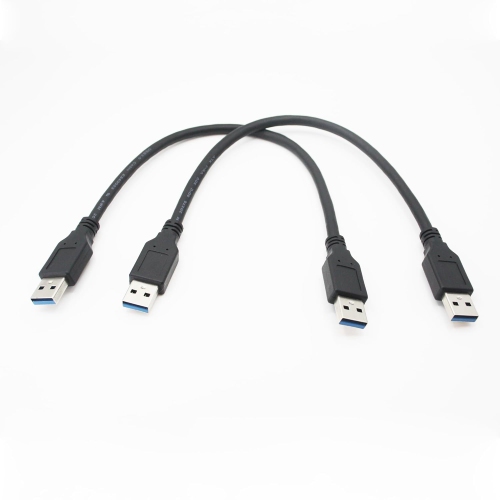
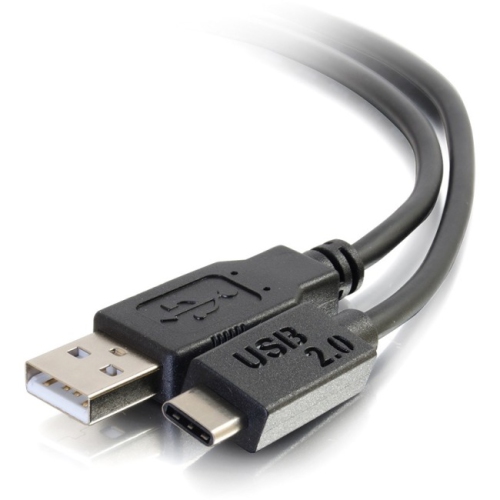
![CABLECREATION [2 Pack] 6 Inch Short USB C Cable, USB to USB C Cable 3A Fast Charging Cable, USB Male to USB C Male](https://multimedia.bbycastatic.ca/multimedia/products/500x500/188/18890/18890494.jpeg)
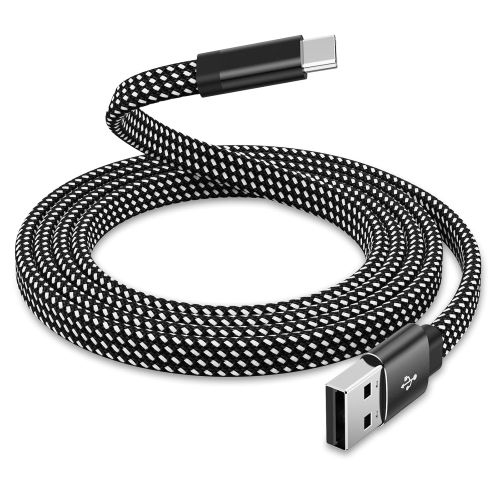
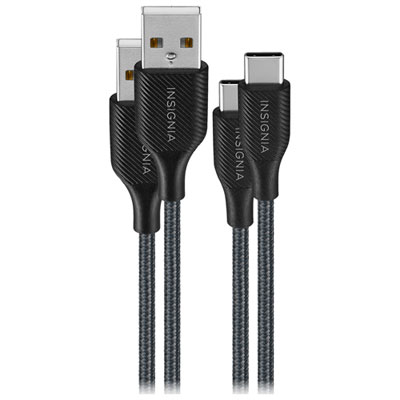
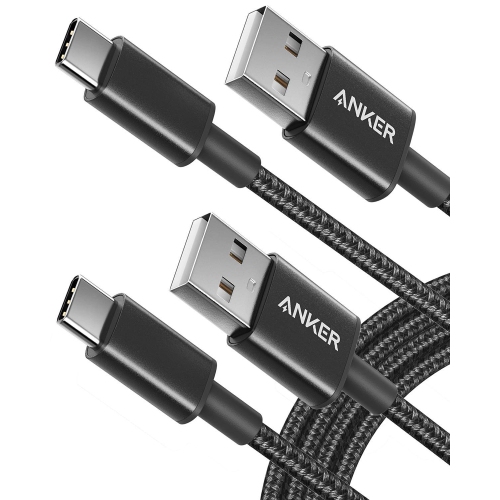
![CABLECREATION Short USB C Cable 0.5 Feet, [2-Pack] USB A to USB C Cable USB to C Cable Braided Fast Charging Cable 3A](https://multimedia.bbycastatic.ca/multimedia/products/500x500/188/18898/18898522.jpeg)
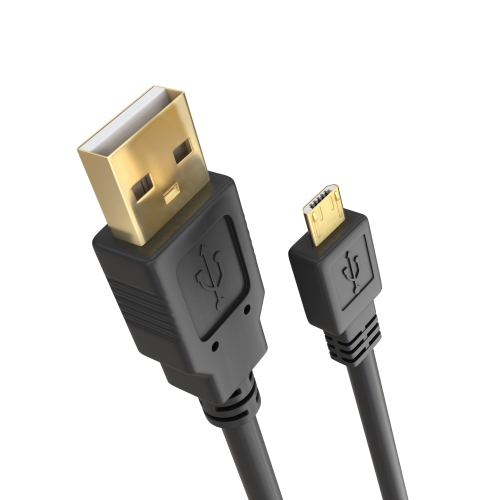

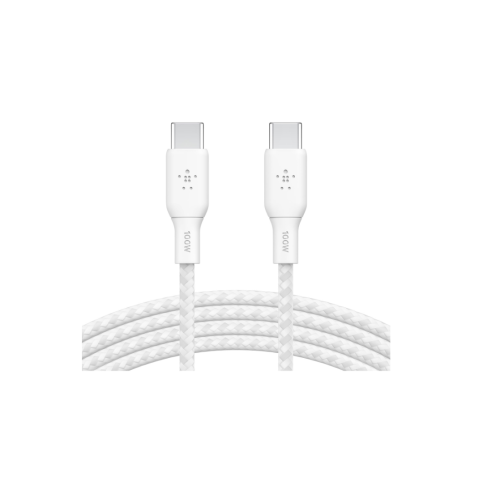
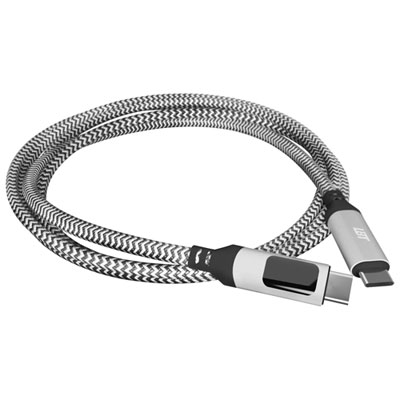
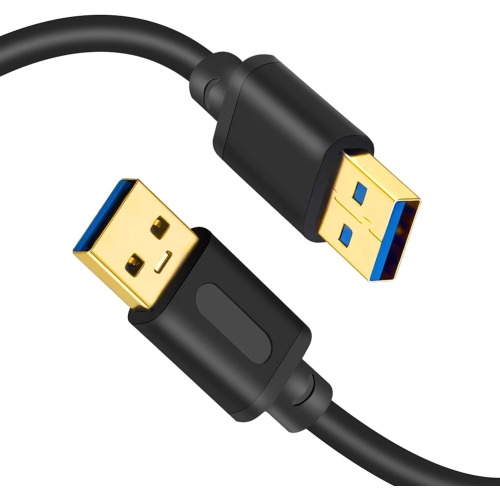
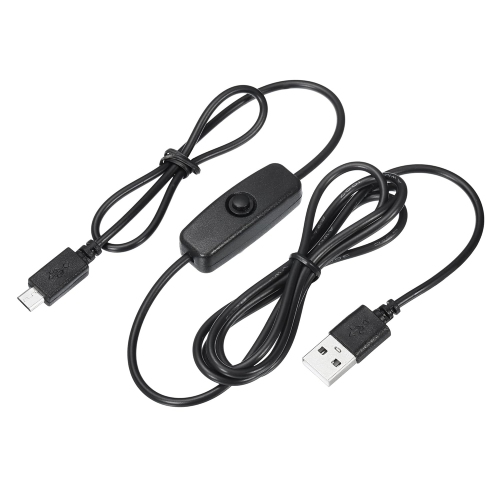
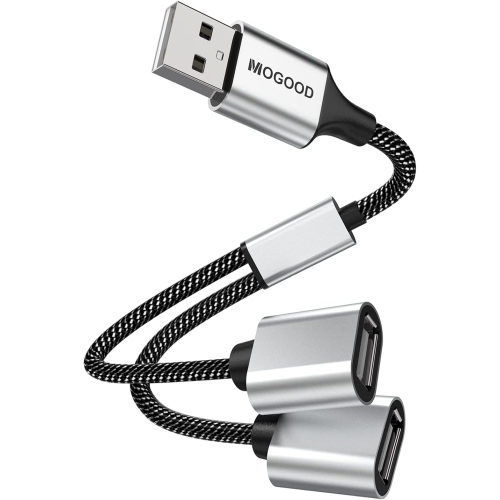
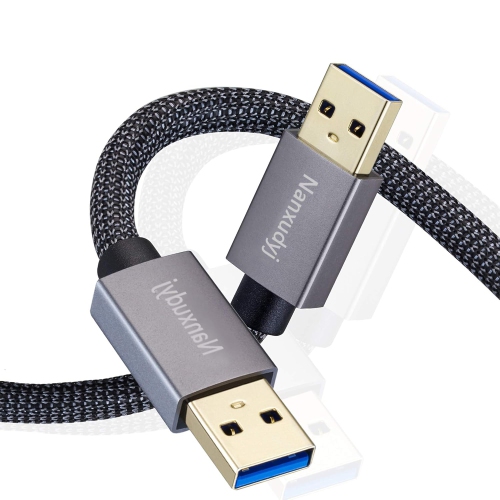
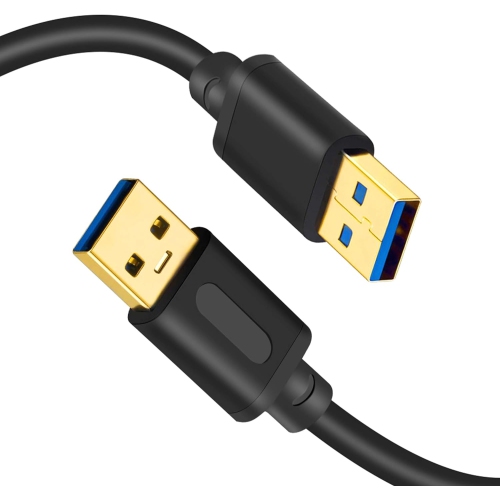
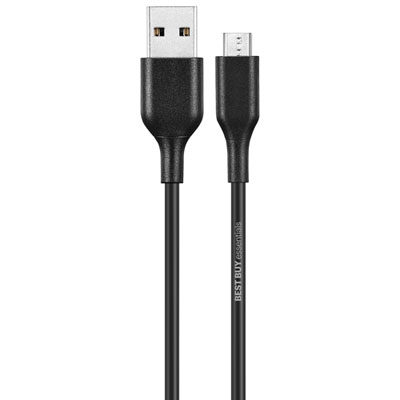
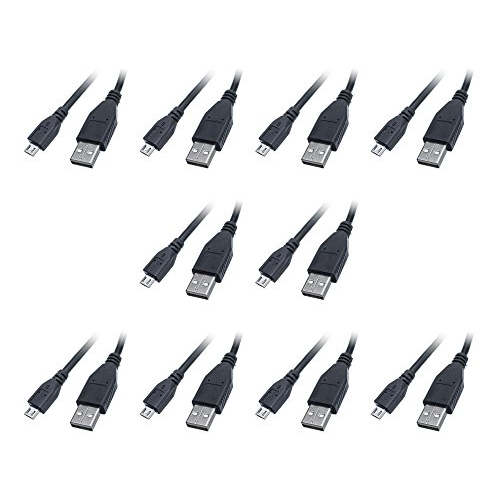
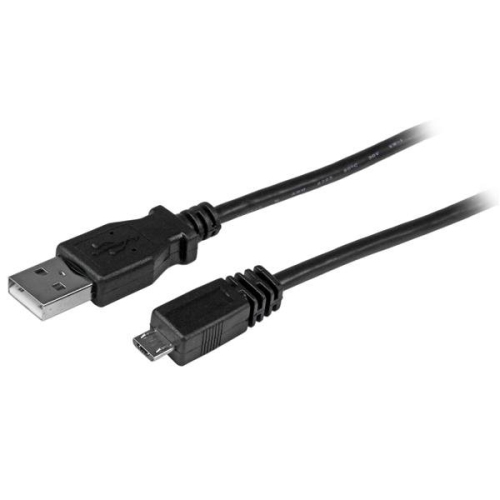
![SABRENT [6-Pack] 22Awg Premium 3Ft Micro USB Cables High Speed USB 2.0 A Male to Micro B Sync And Charge Cables [Black]](https://multimedia.bbycastatic.ca/multimedia/products/500x500/139/13987/13987493.jpg)
![POWSEED [Ul Listed] 6Ft 2 Prong Ac Wall Power Cable 2 Slot Cord for HP Dell Samsung Sony Asus Acer Toshiba Laptop](https://multimedia.bbycastatic.ca/multimedia/products/500x500/142/14201/14201685.jpg)
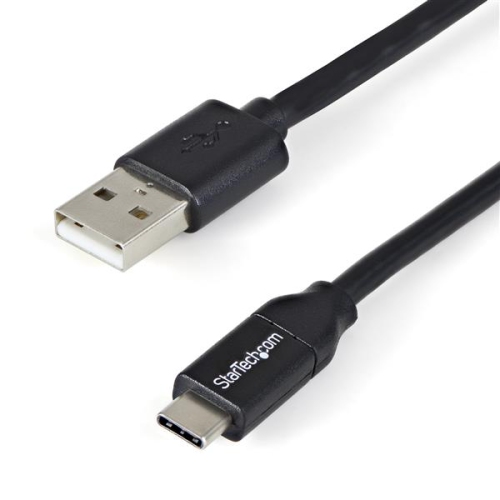
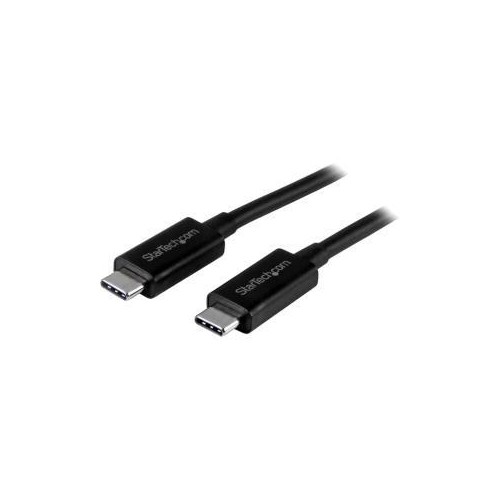
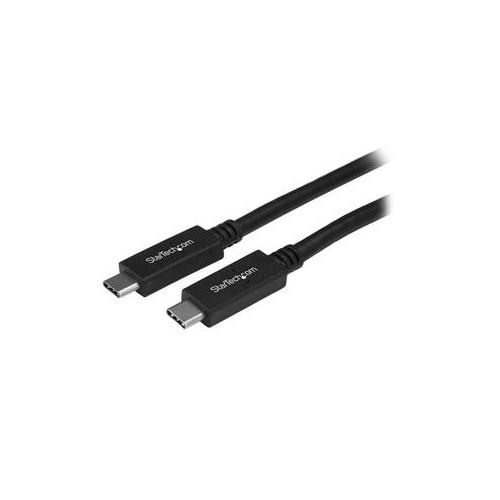
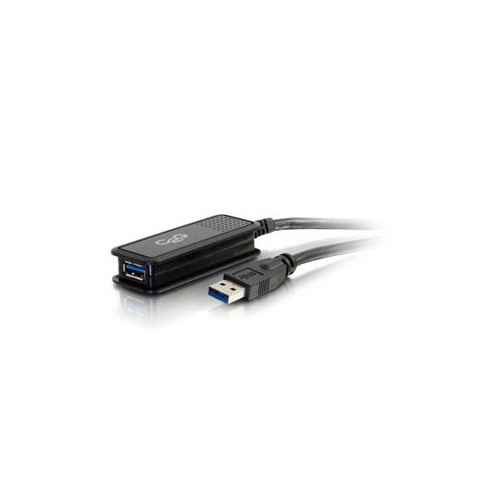
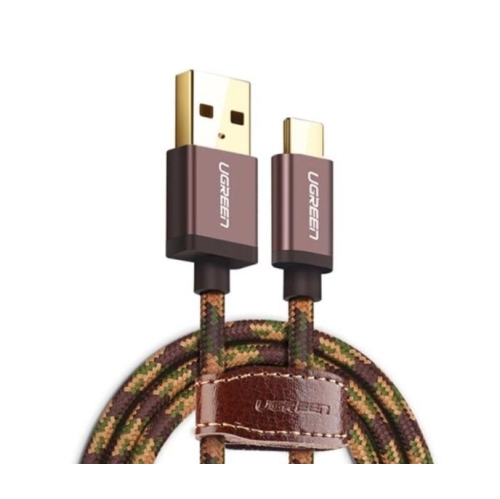
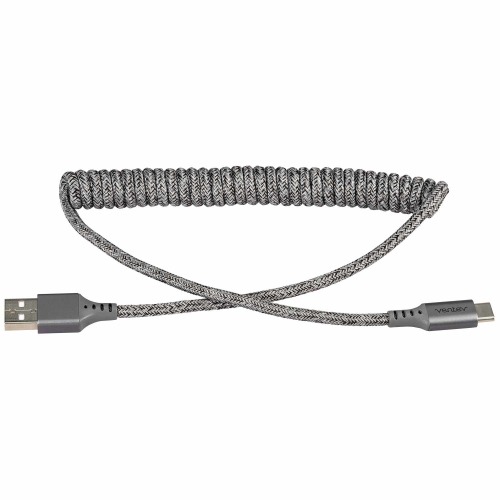
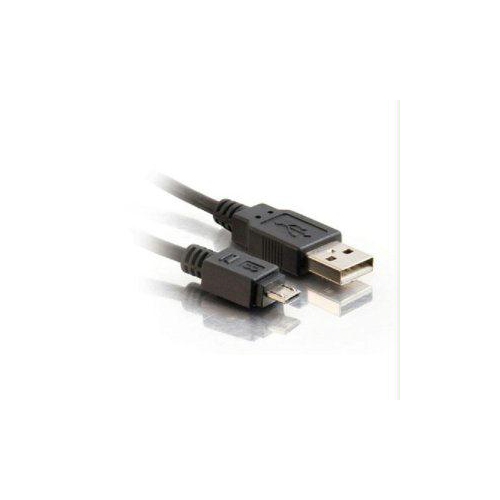
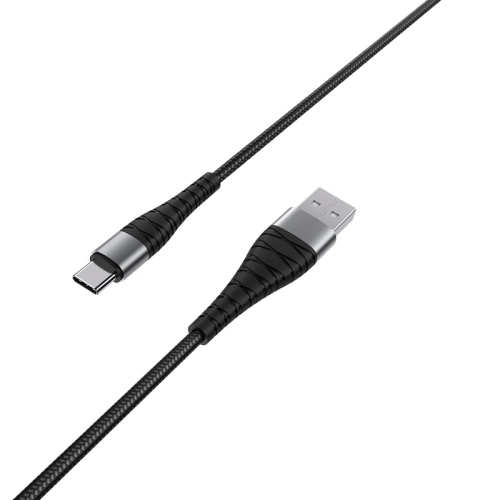
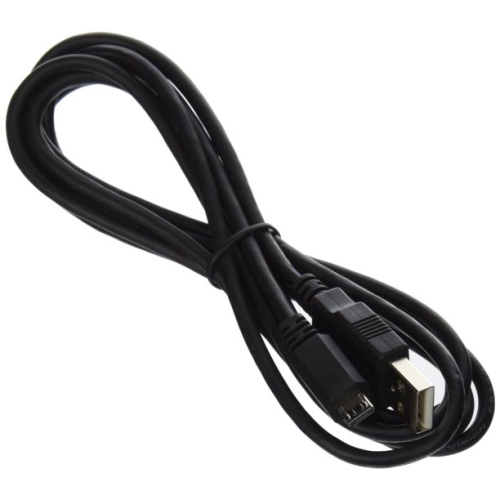
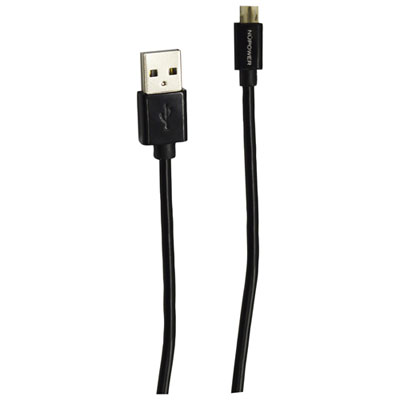
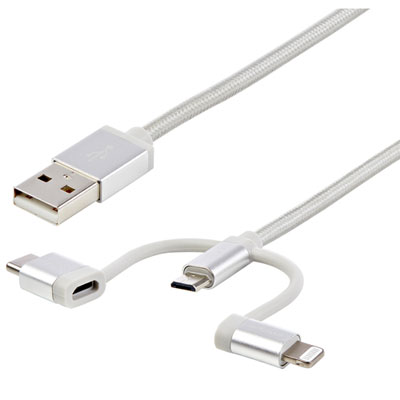
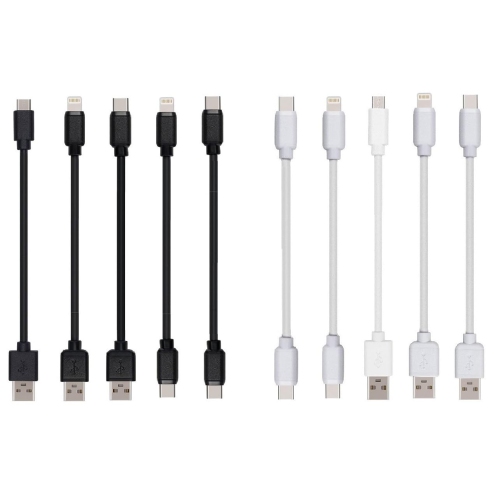
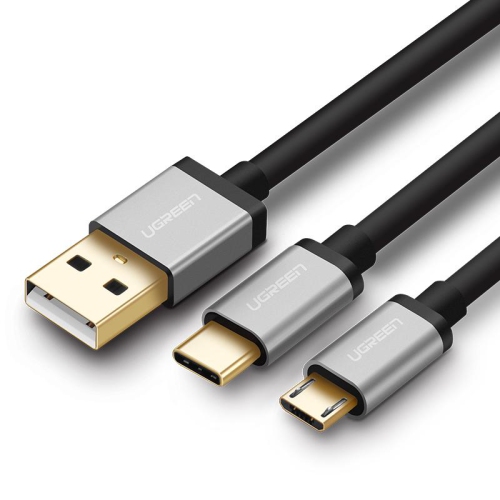
![UGREEN Durable 3-In-1 Multi-Charging Nylon Braided Cable [Apple Certified]1M](https://multimedia.bbycastatic.ca/multimedia/products/500x500/158/15854/15854551.jpeg)
![UGREEN [10 Pack] Durable 3-In-1 Multi-Charging Nylon Braided Cable [Apple Certified]1M](https://multimedia.bbycastatic.ca/multimedia/products/500x500/158/15854/15854550.jpeg)
![UGREEN [5 Pack] Durable 3-In-1 Multi-Charging Nylon Braided Cable [Apple Certified]1M](https://multimedia.bbycastatic.ca/multimedia/products/500x500/158/15854/15854549.jpeg)
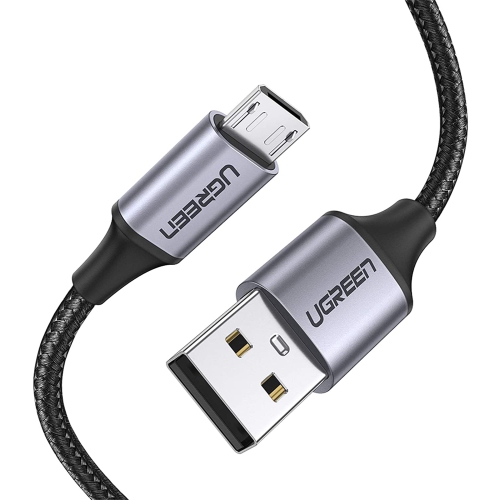
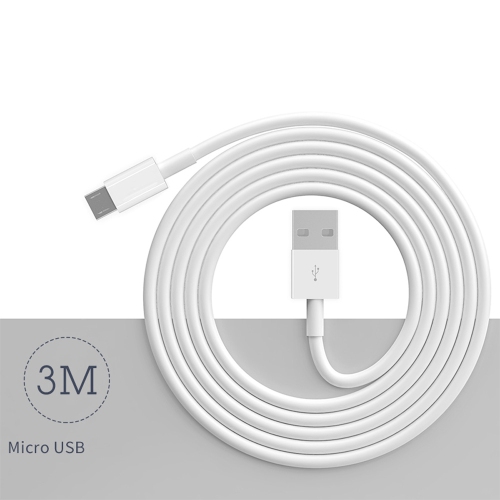
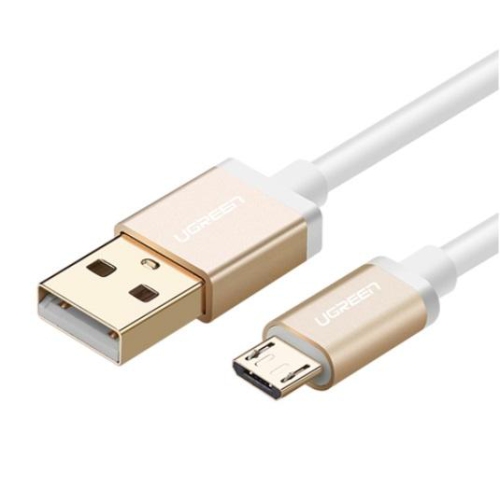
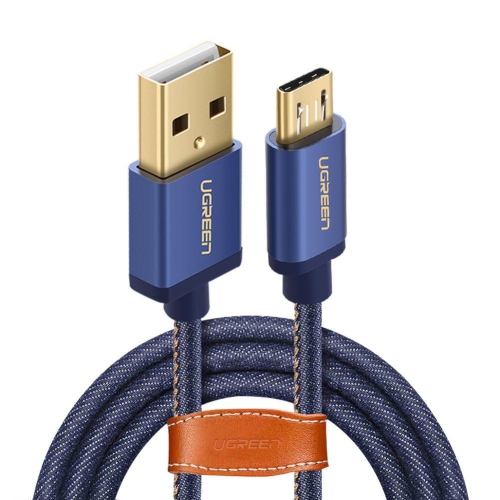
![UGREEN [2Pack ] Micro USB Cable USB to Micro USB 2.0 (3Ft)](https://multimedia.bbycastatic.ca/multimedia/products/500x500/153/15341/15341105.jpg)

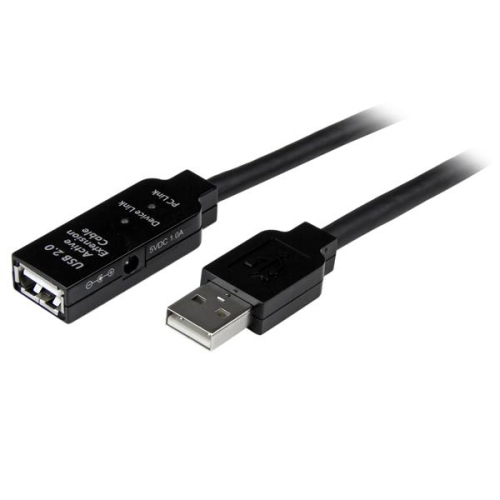
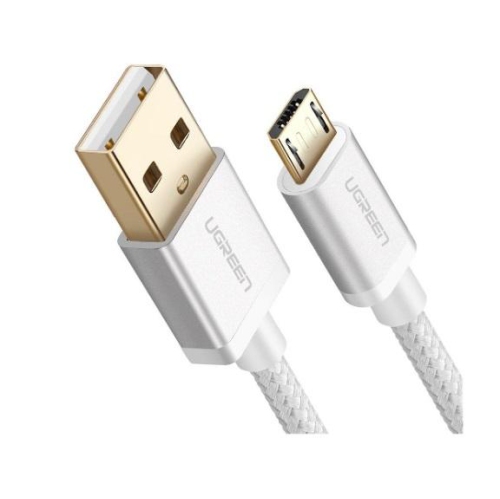

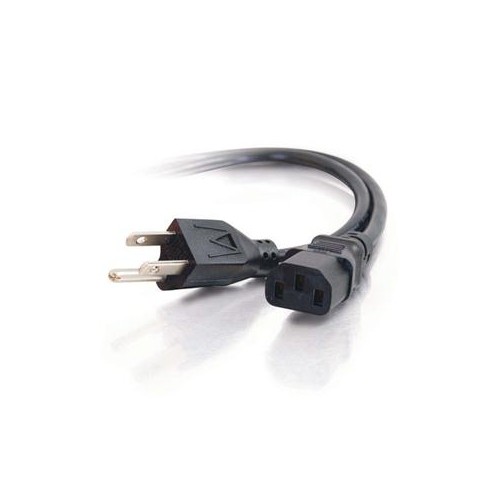
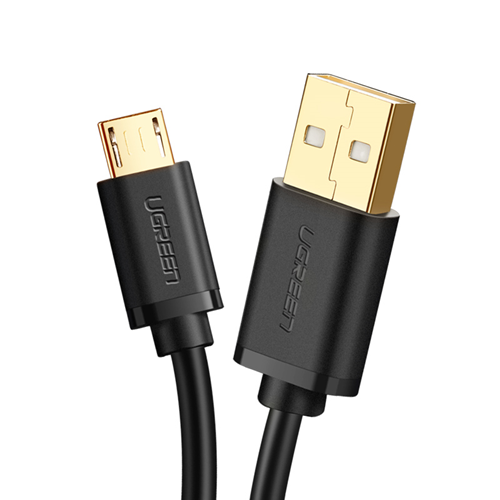
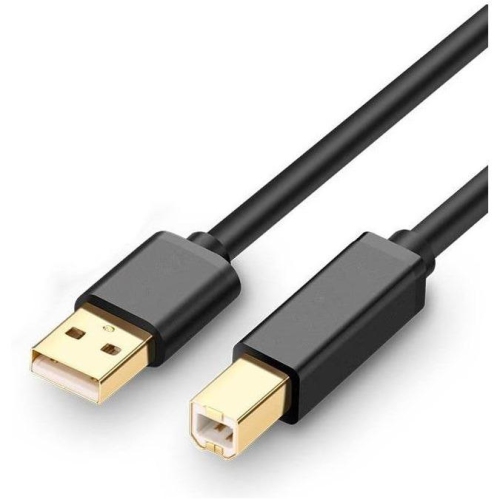

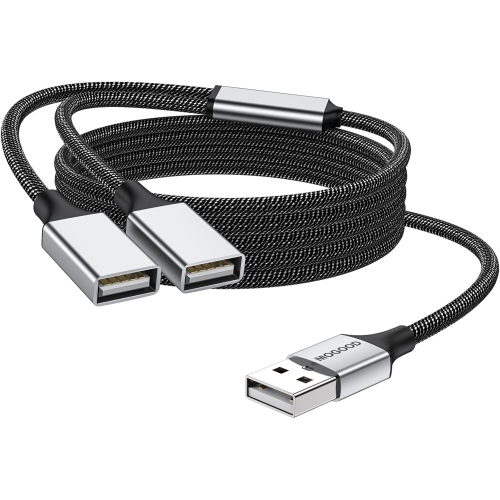
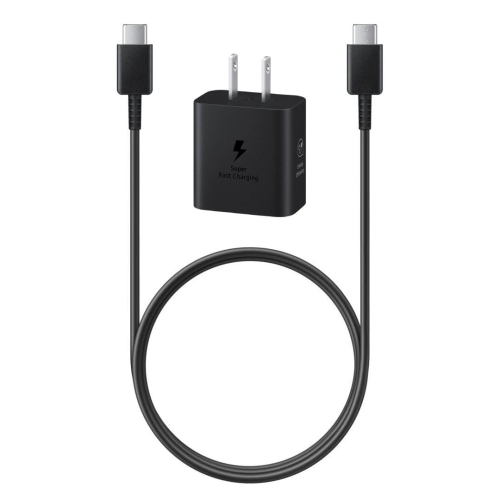
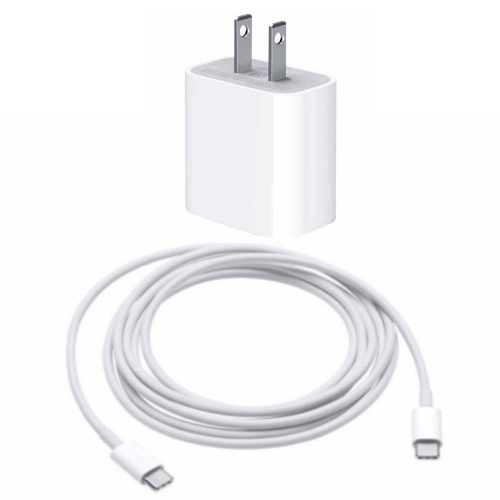

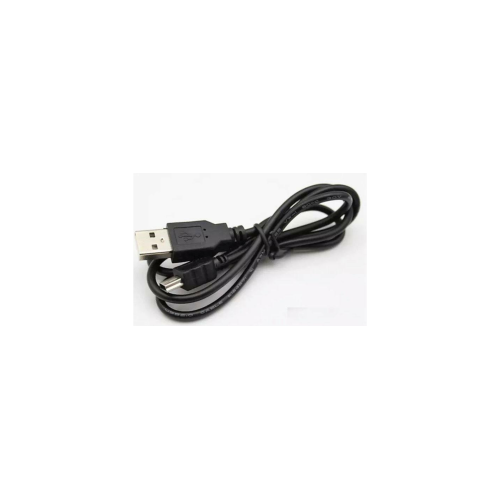
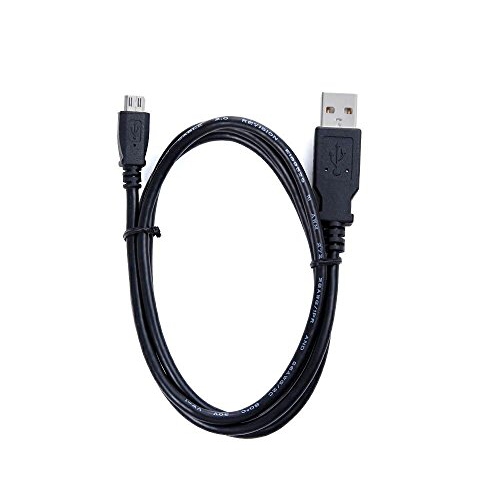
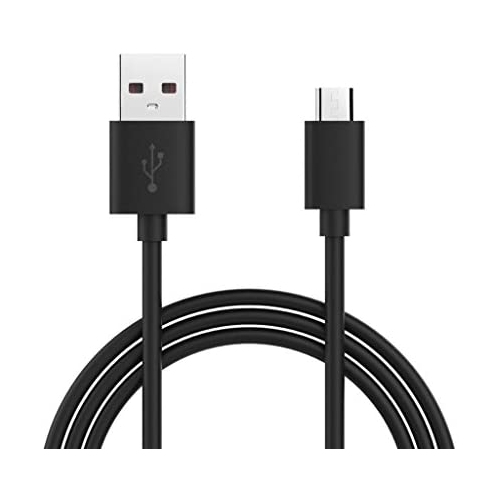
Reliable charging starts with matched connectors and power ratings
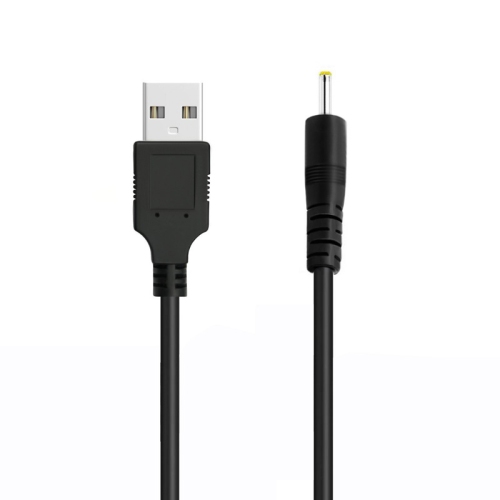
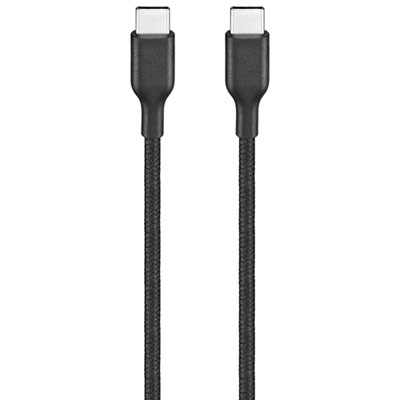
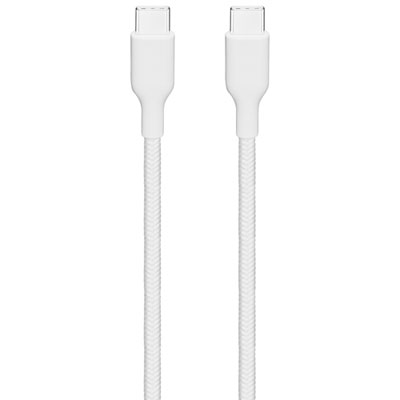
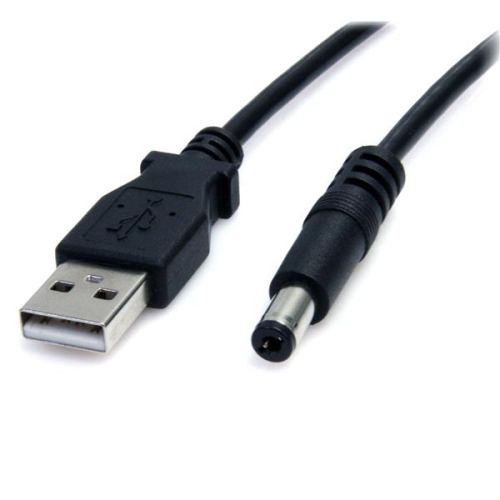
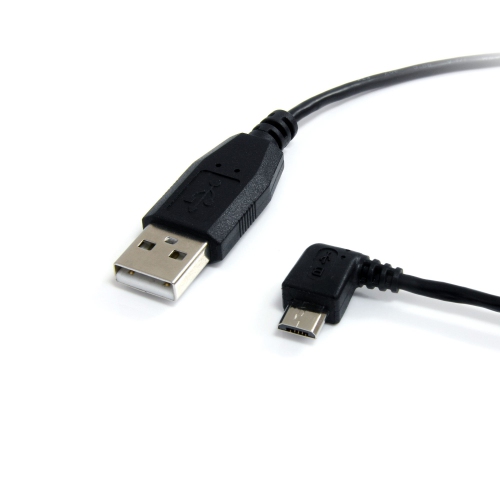
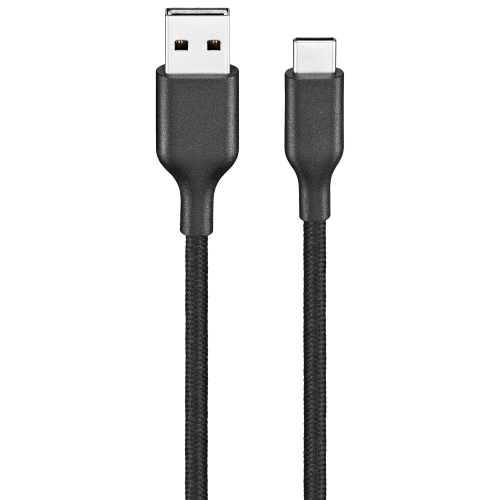
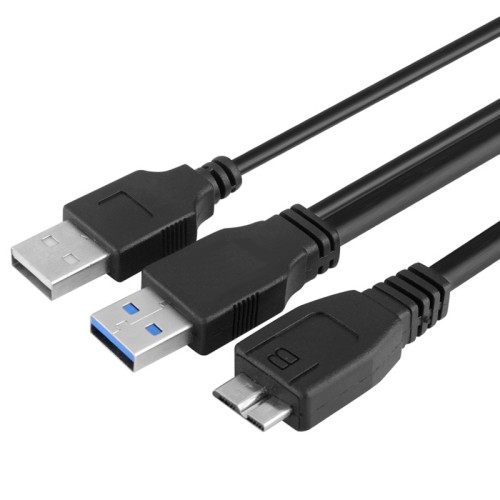
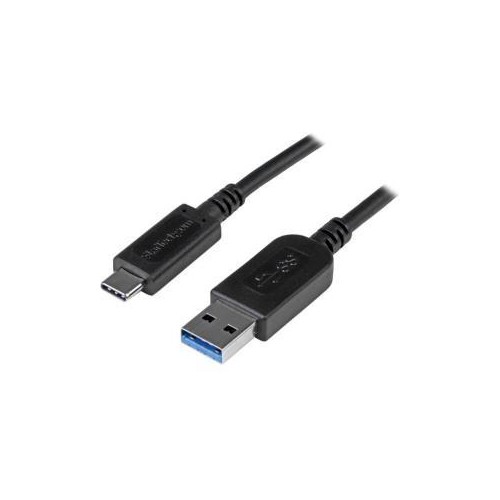
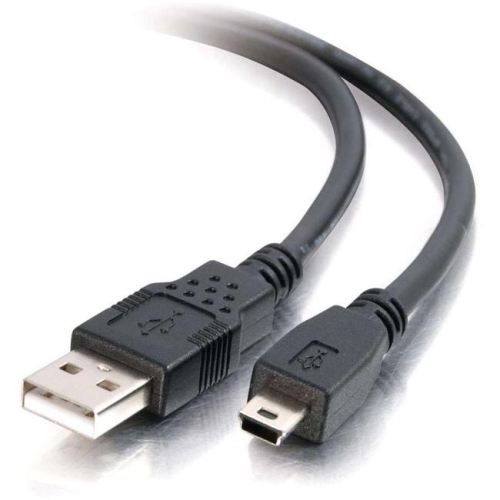
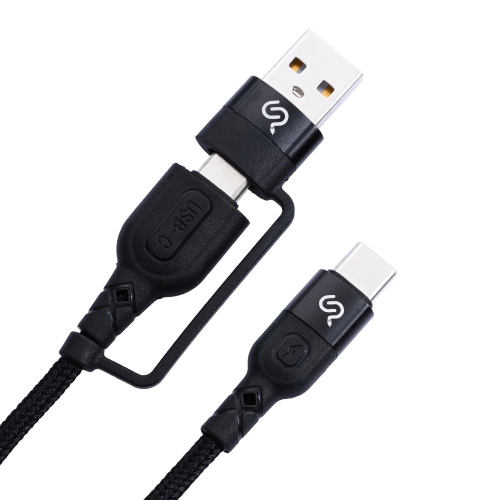
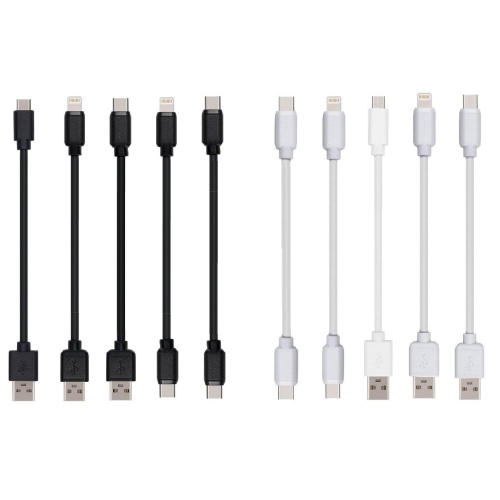
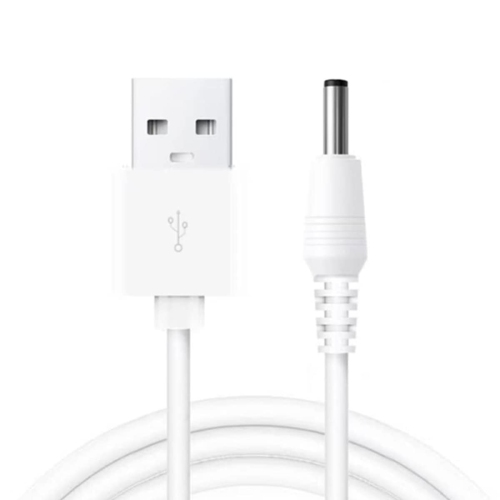
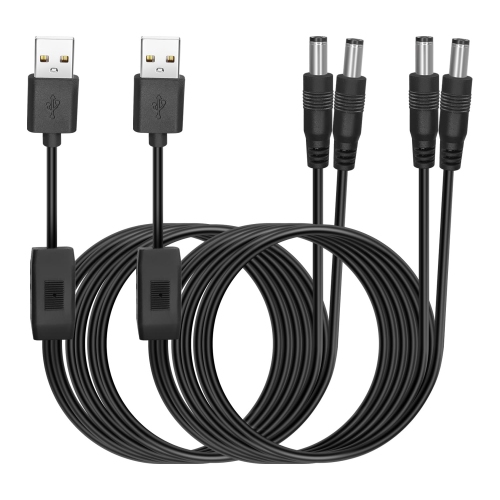
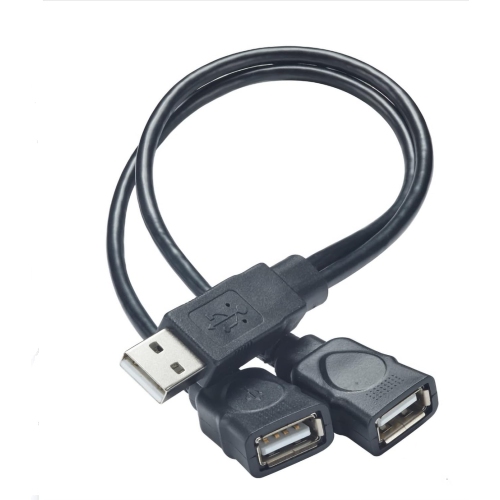
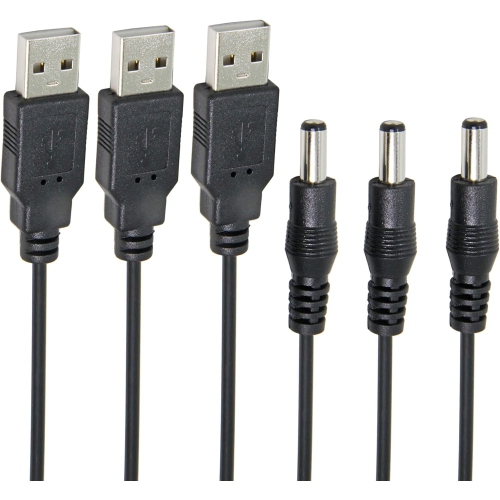
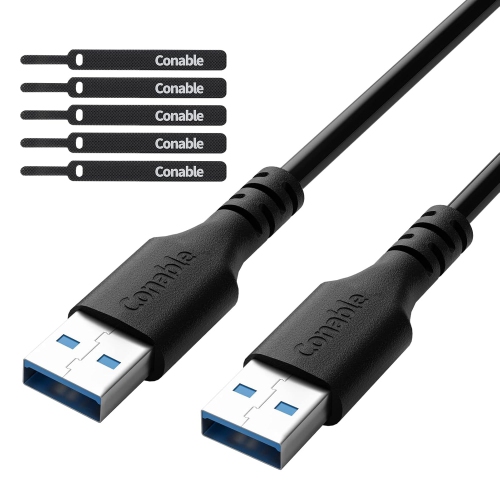
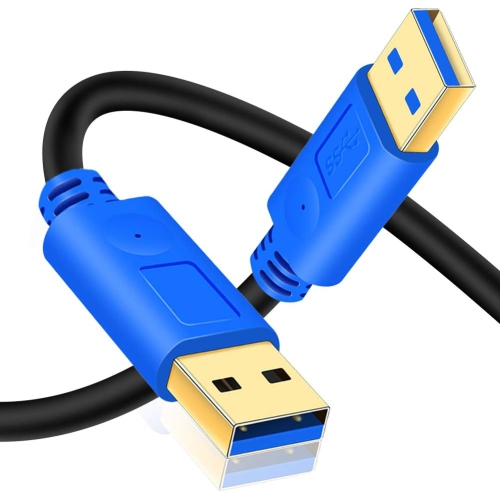
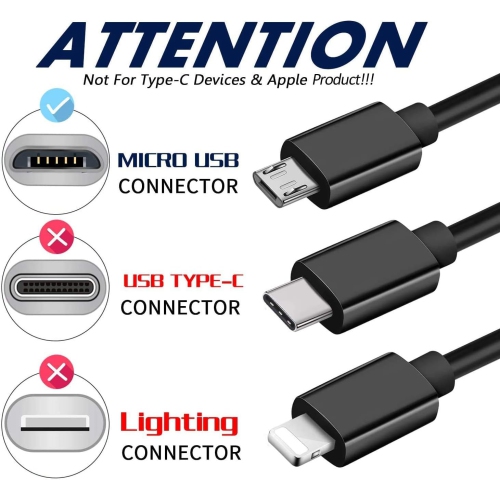
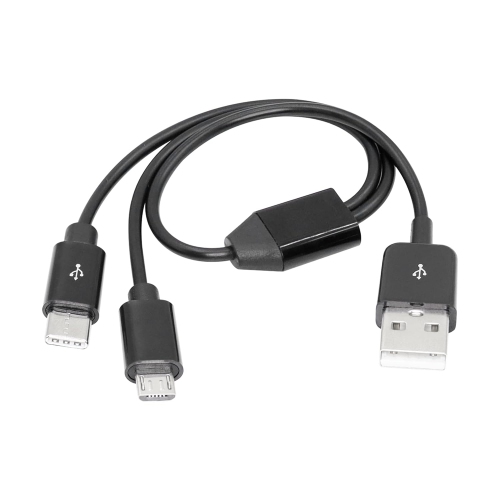
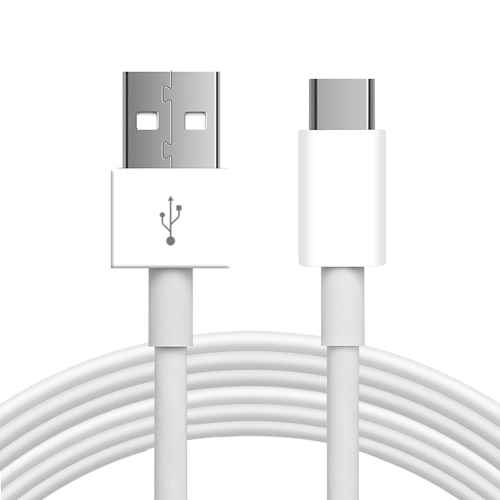
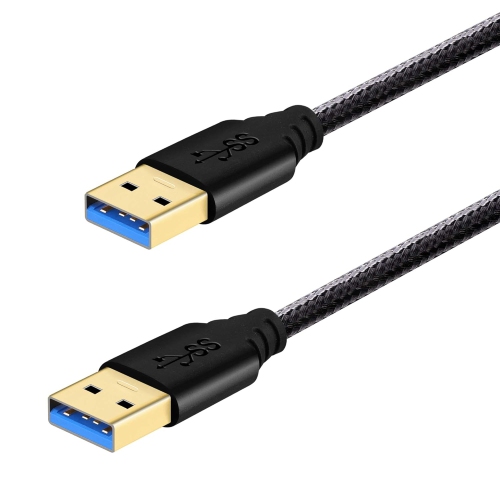
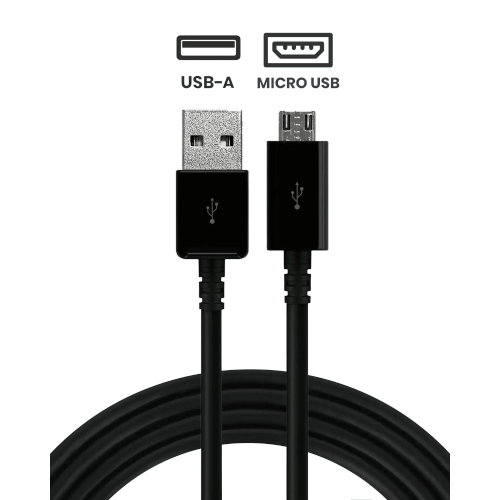
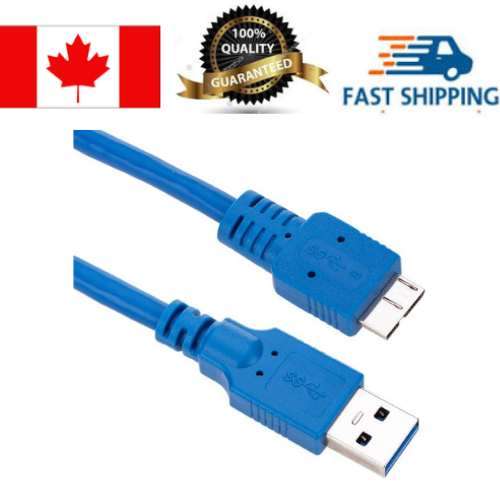
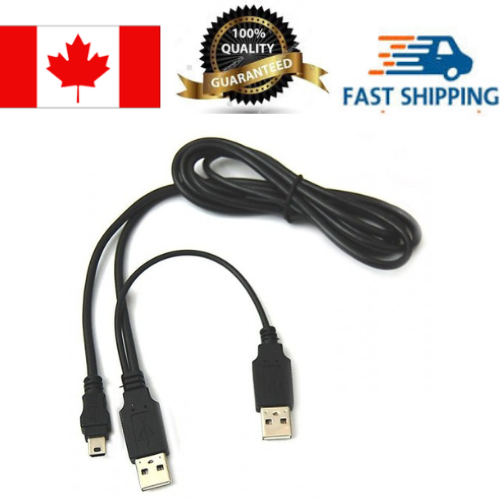
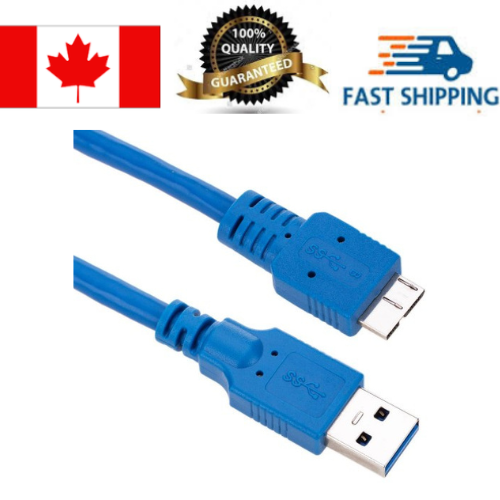
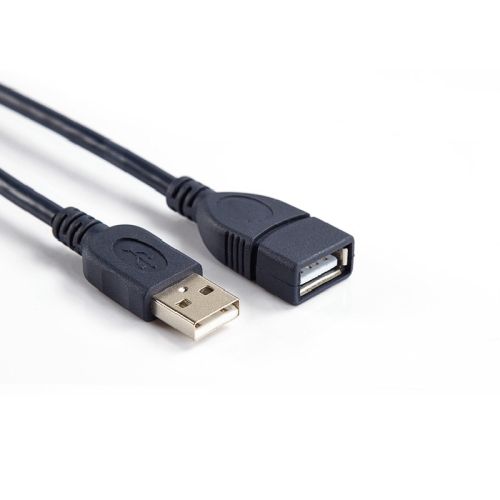
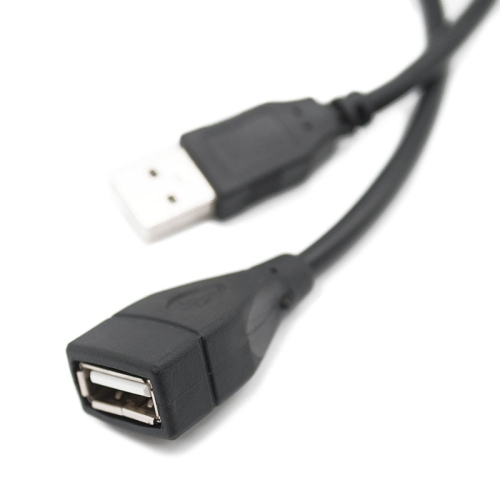
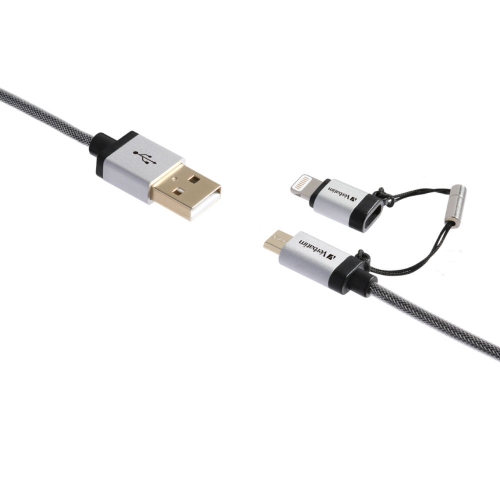
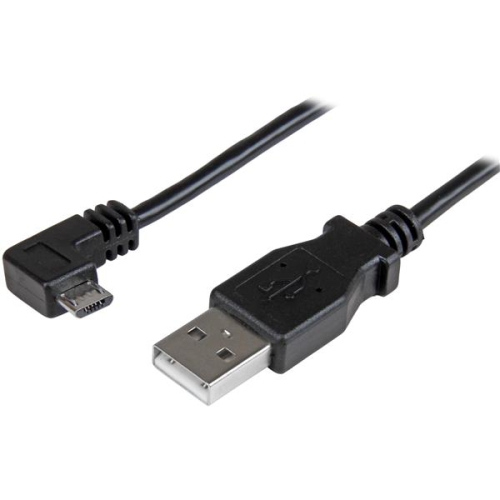
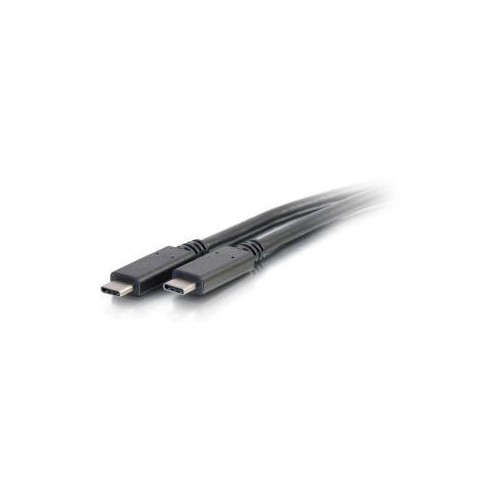
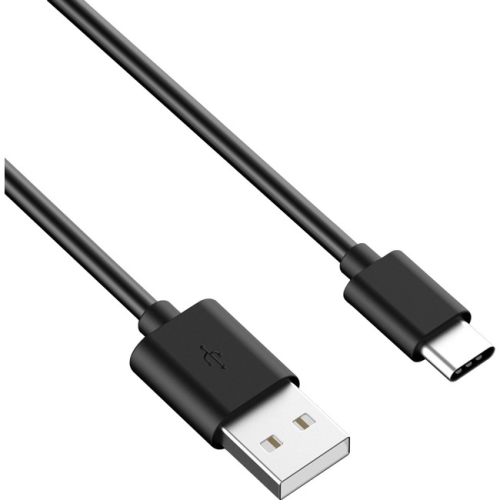
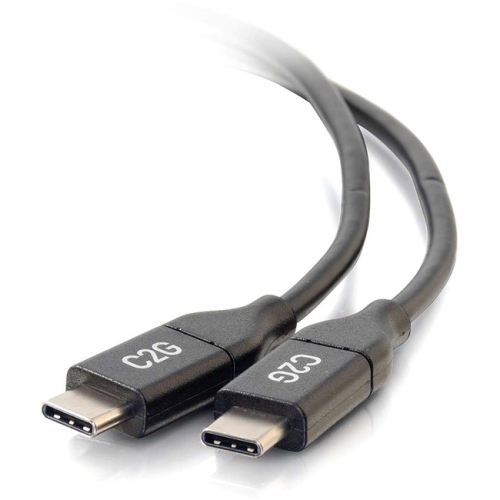
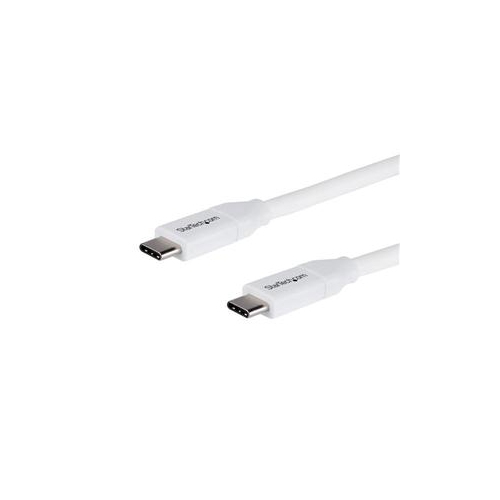
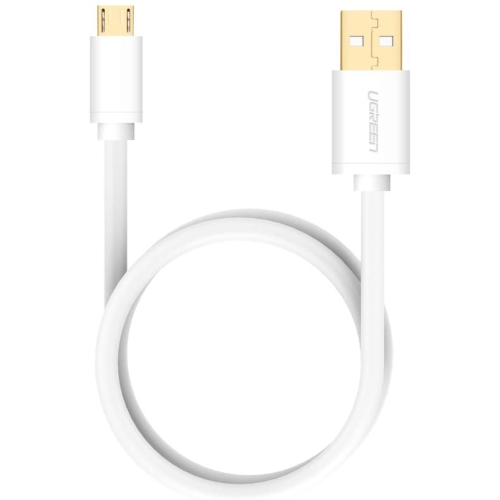
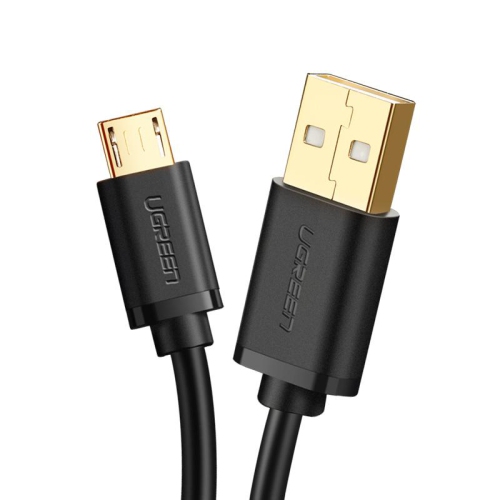
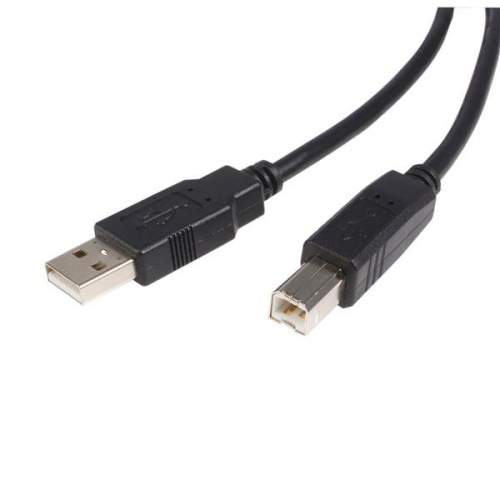
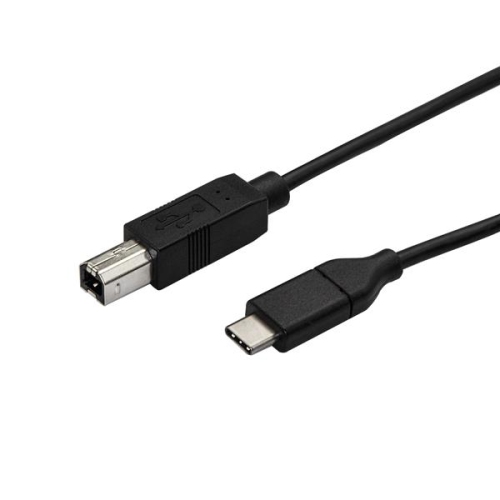
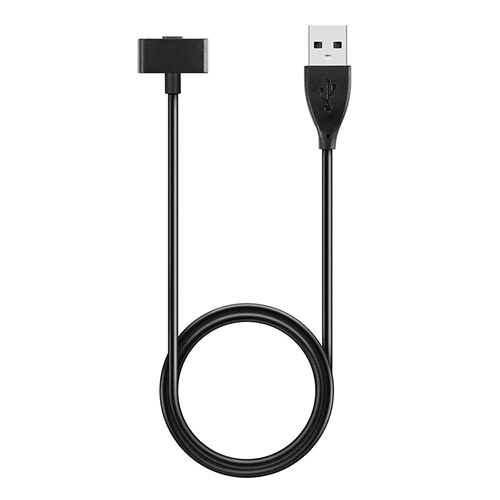
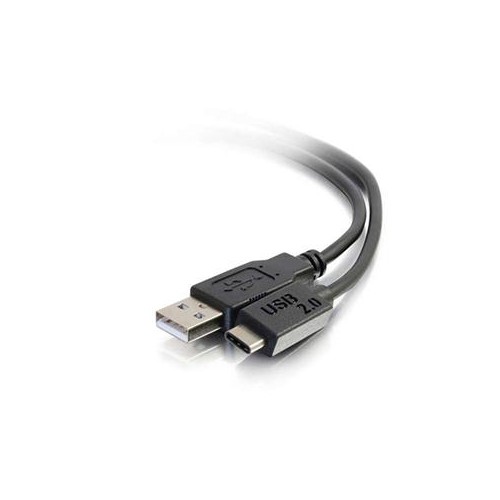
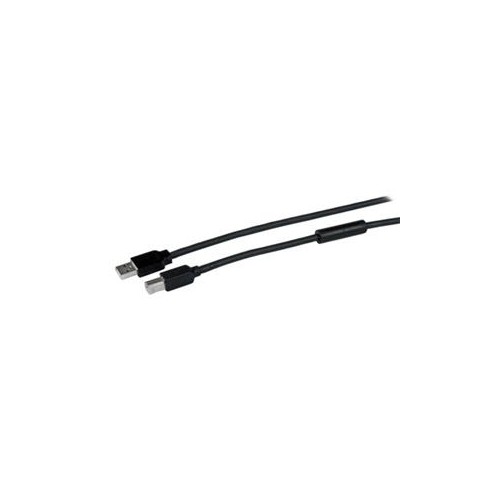
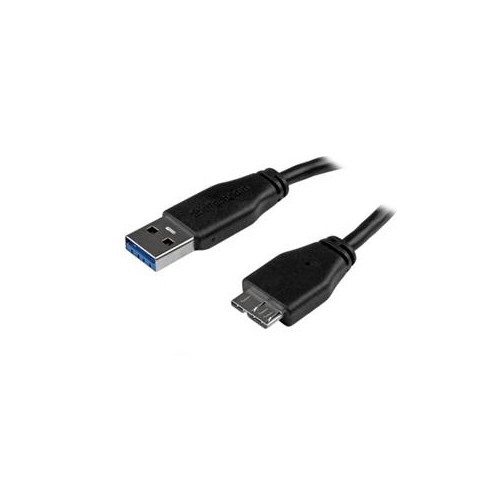
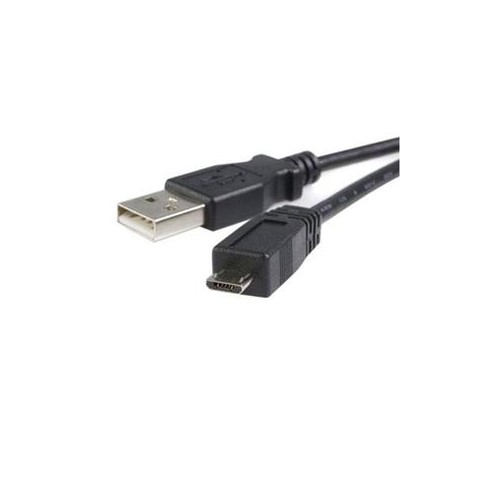
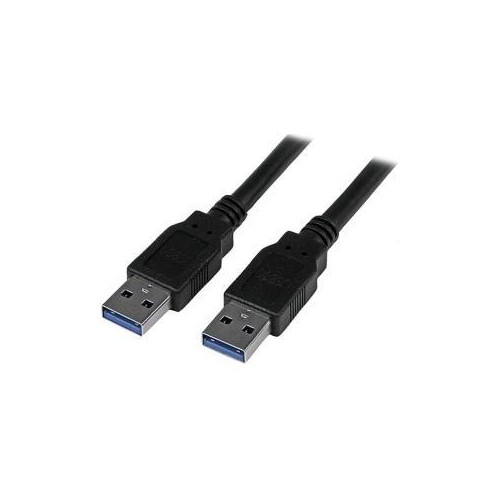
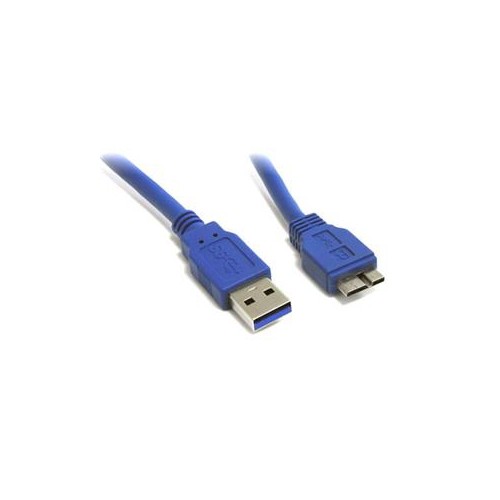
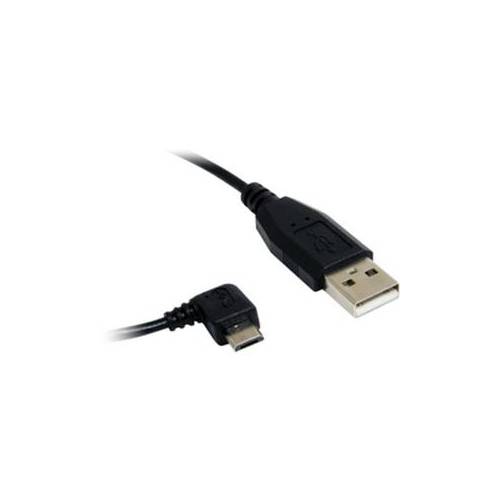
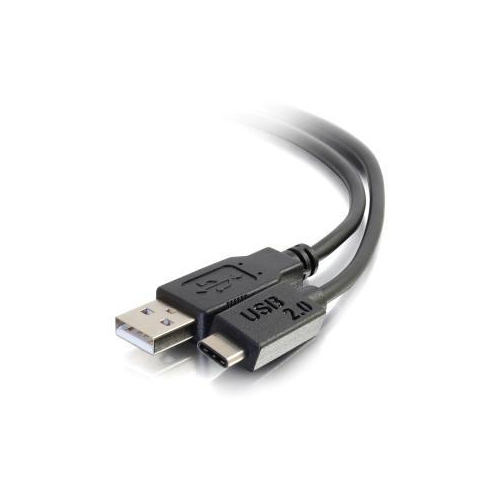
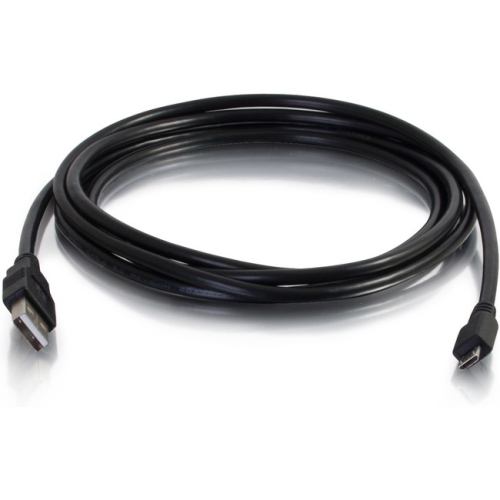
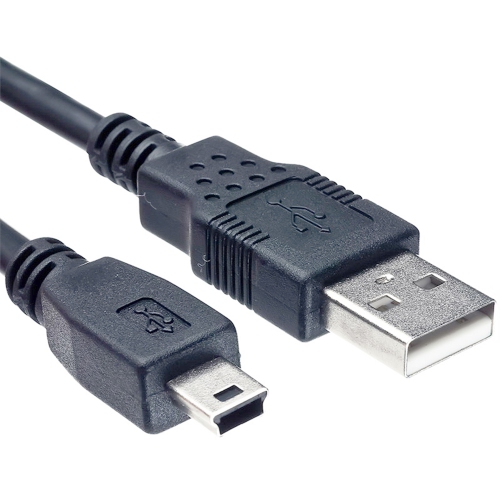
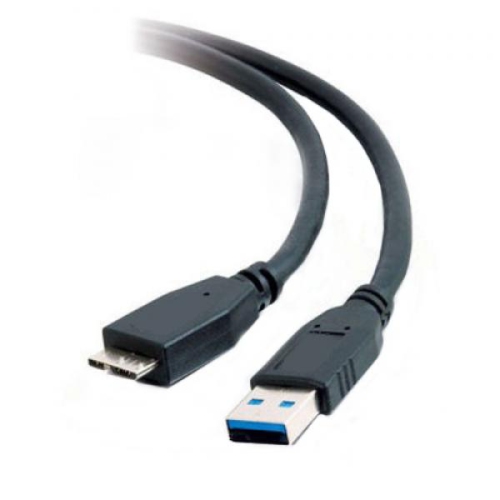
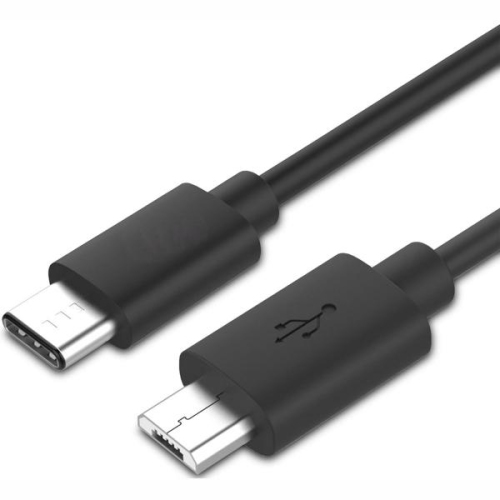
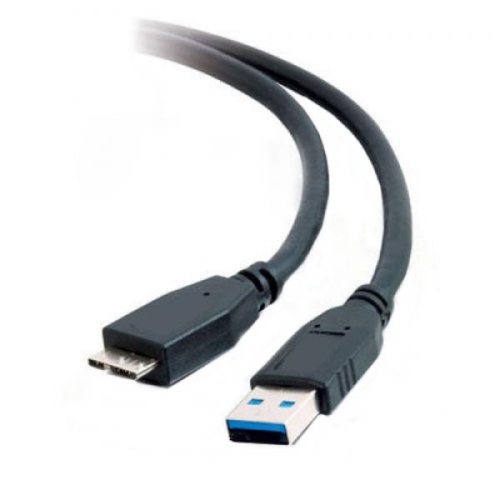
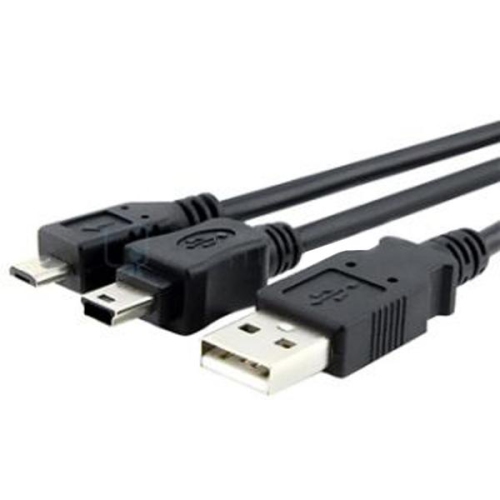
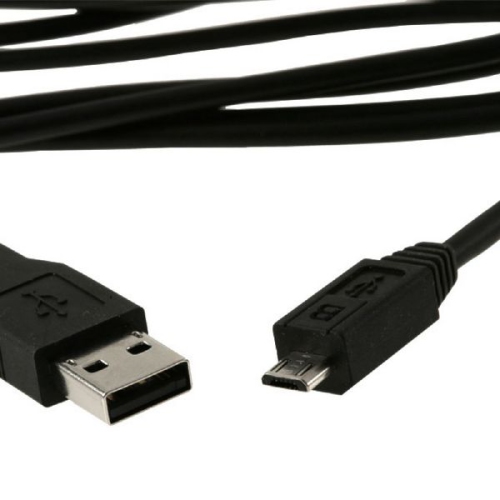
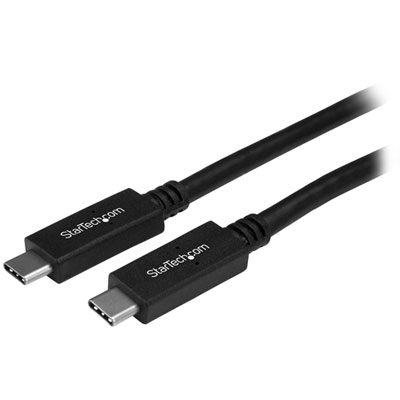
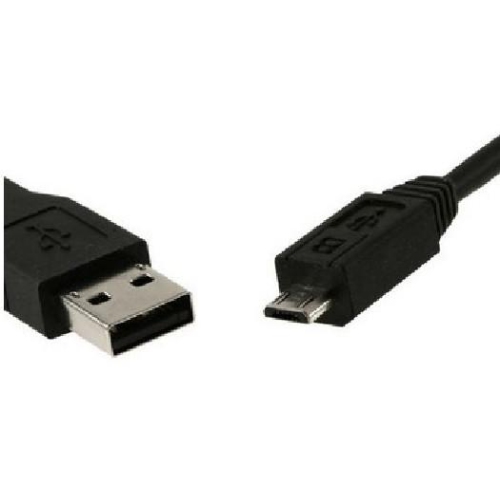
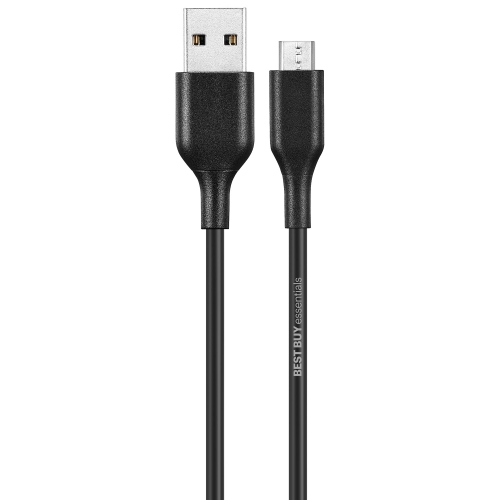
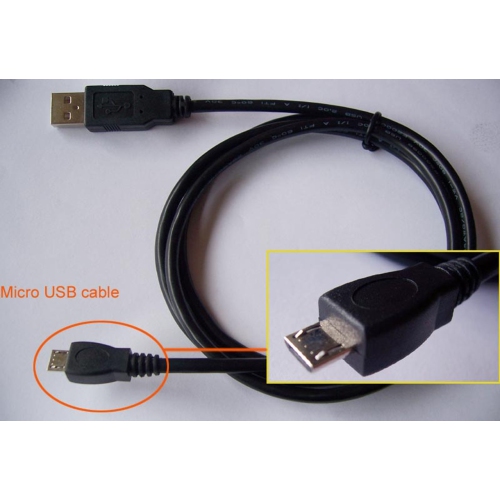
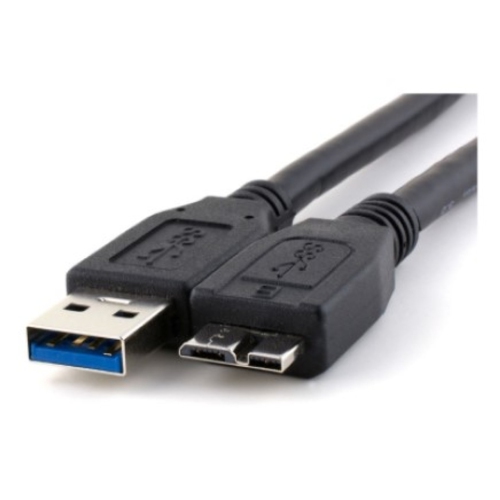
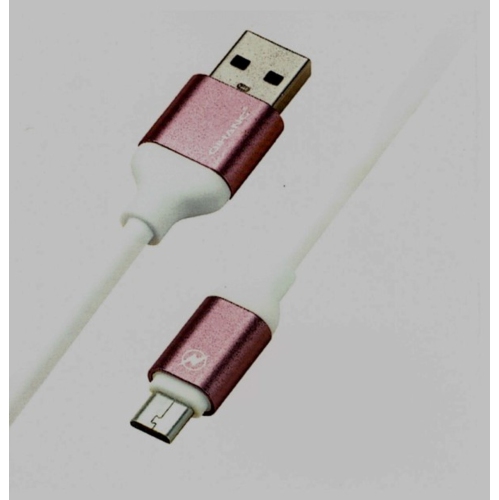
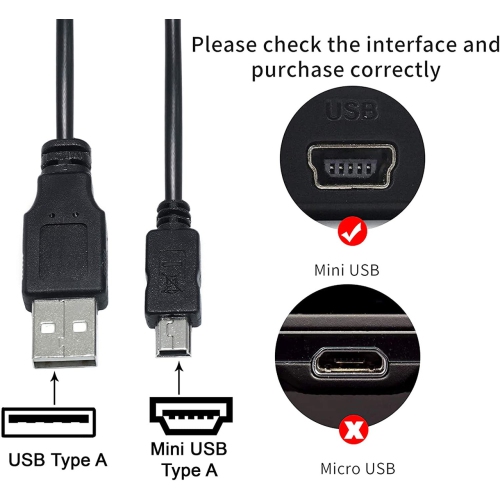
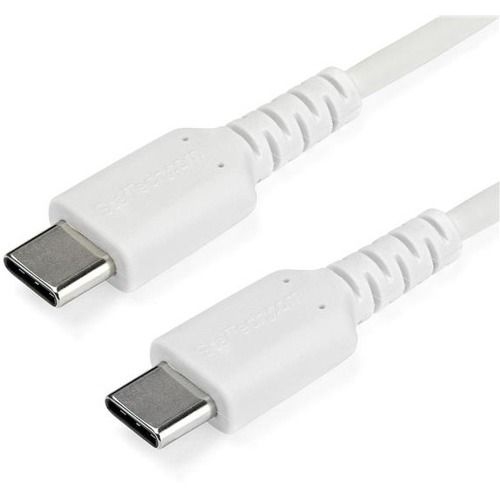
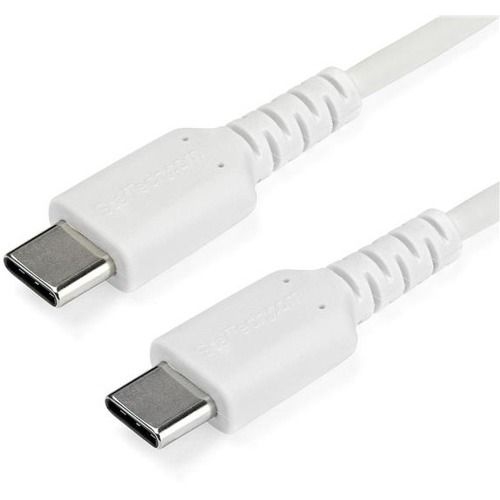
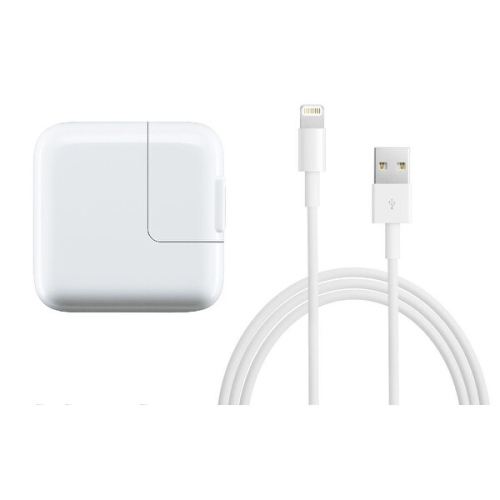
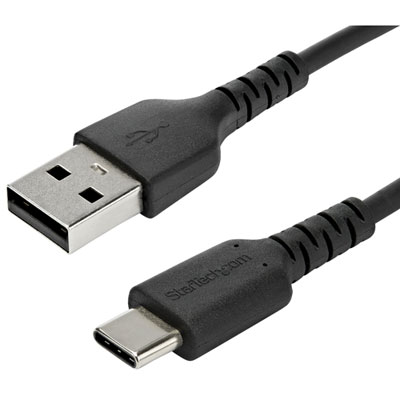
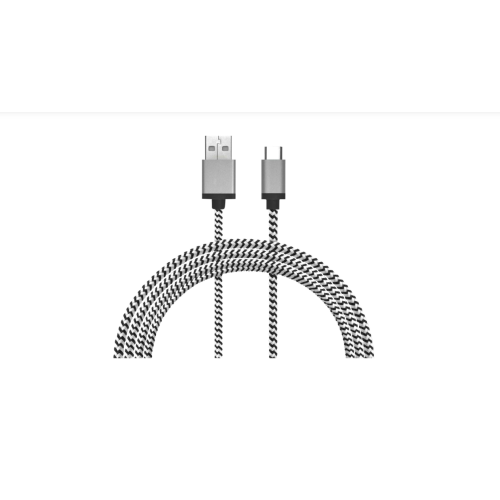
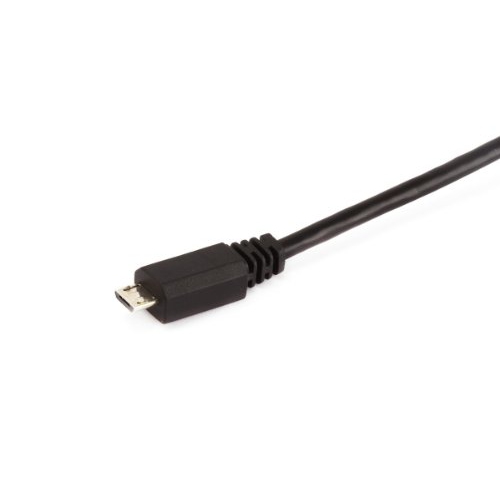
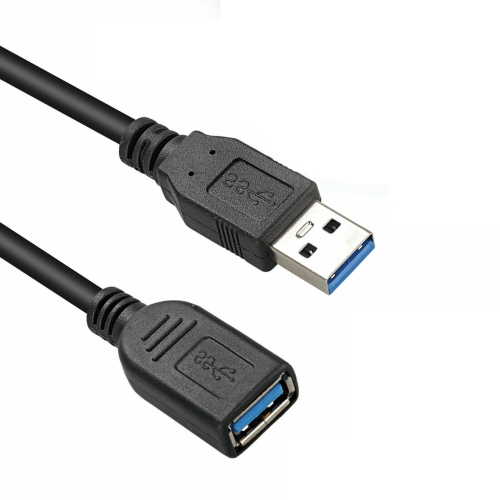
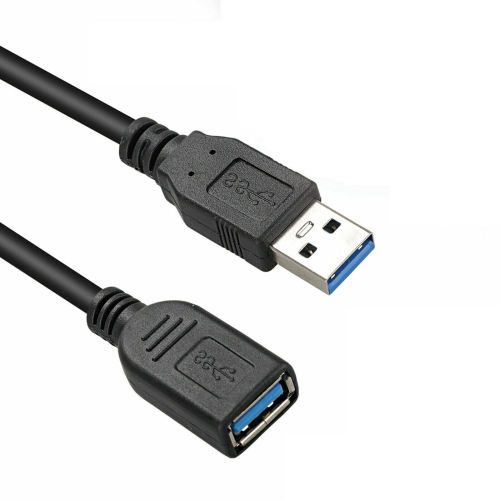
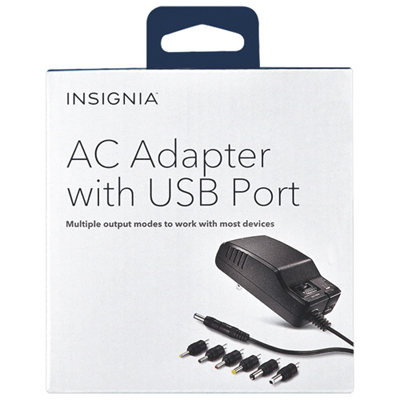
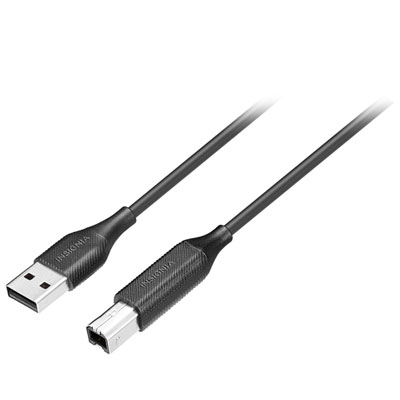
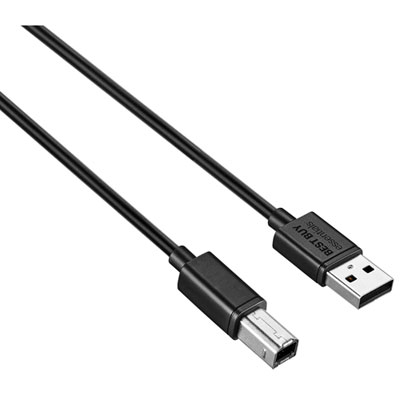
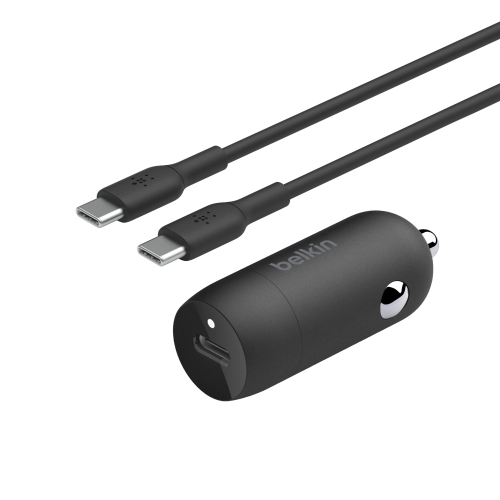
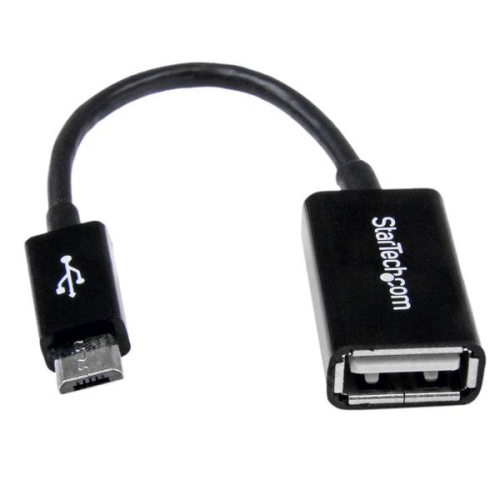
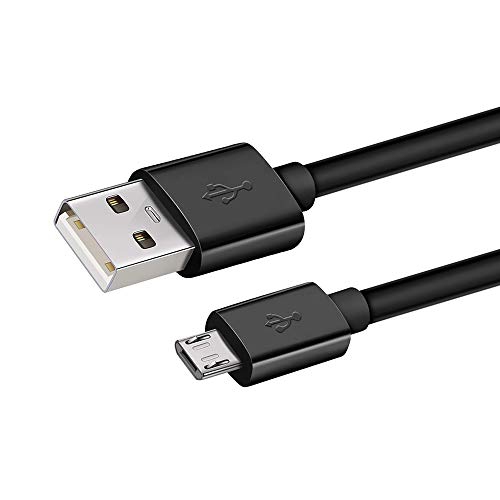
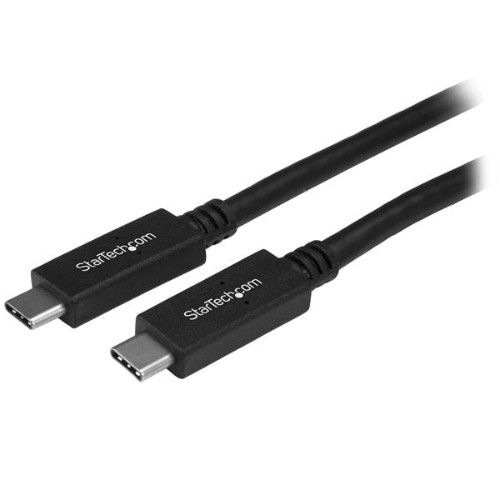
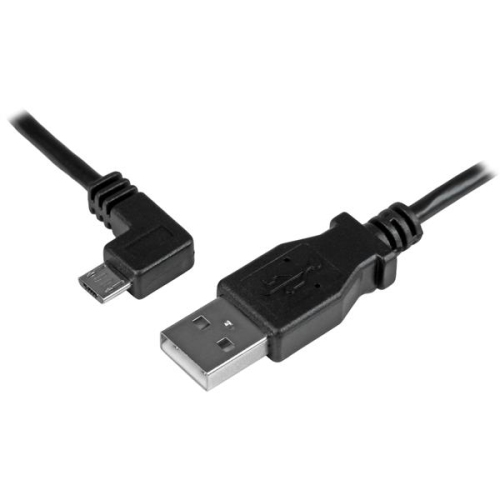
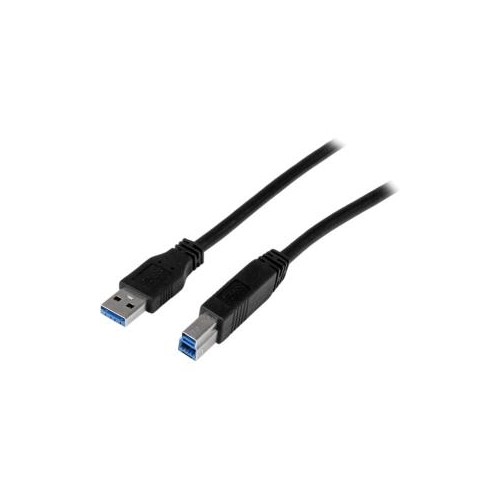
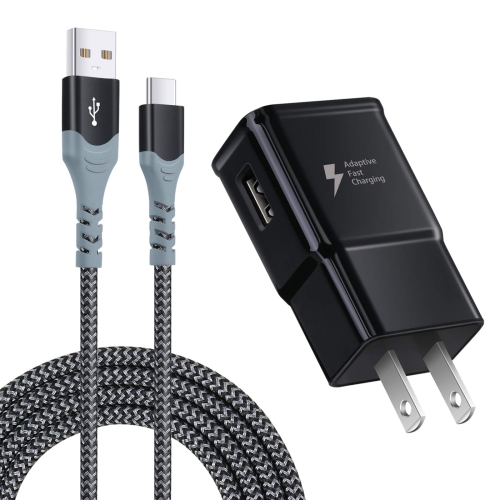
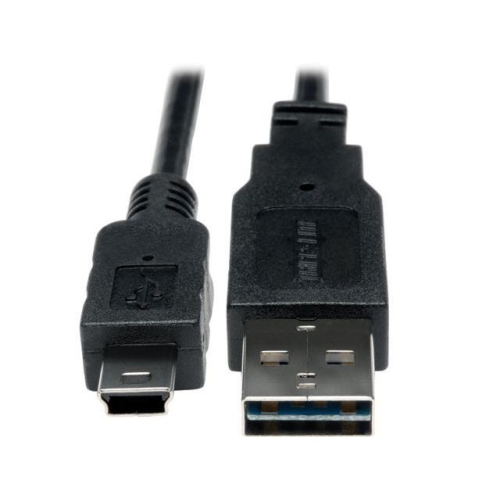
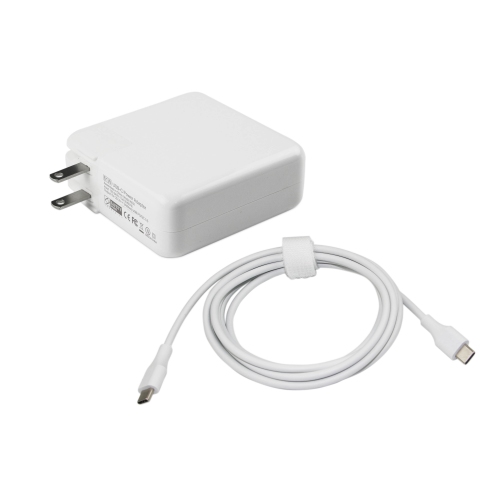
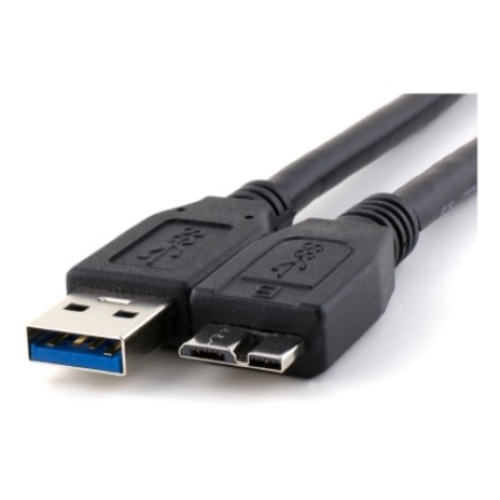
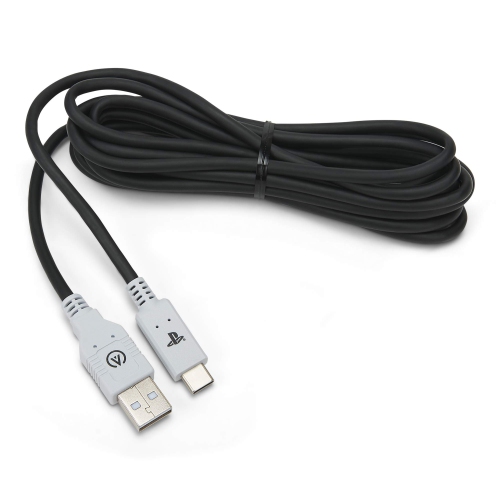
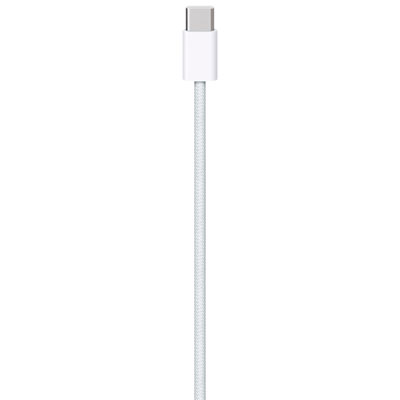
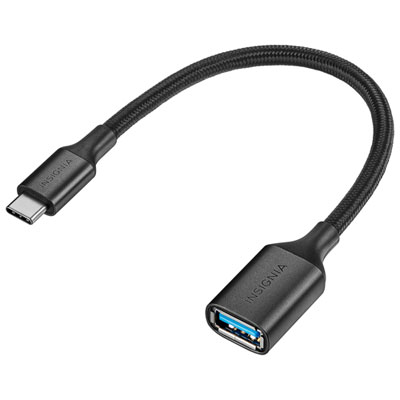
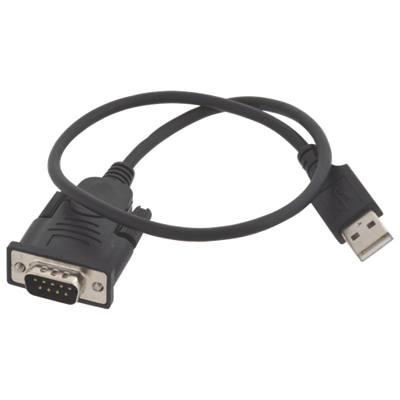
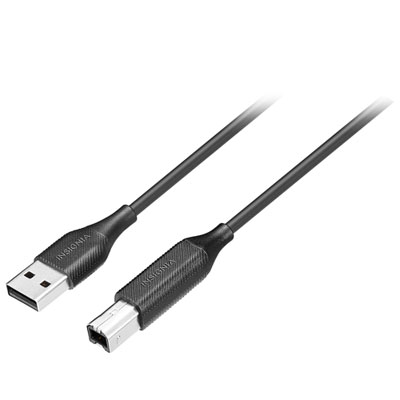
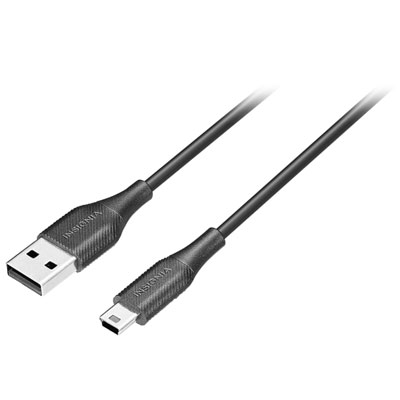
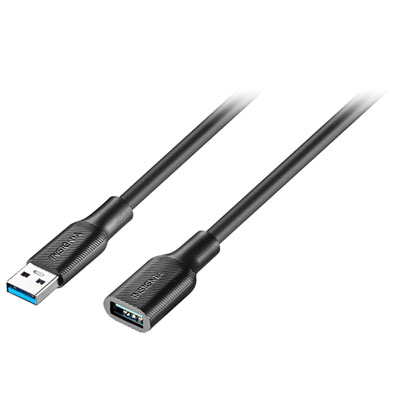
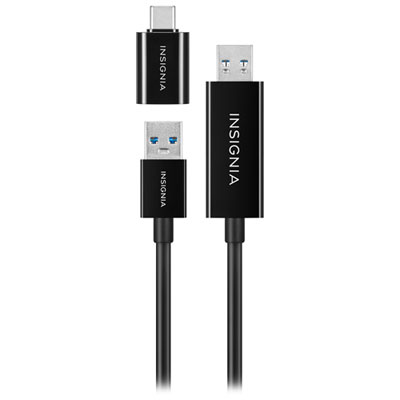
USB power cables make it easier to keep everyday electronics charged wherever a compatible power source is available. A wall charger, laptop, car adapter, power bank, or powered hub can all provide energy through the right cable, but the correct match depends on the ports at both ends. USB-A to USB-C cables remain useful with many existing chargers, computers, and vehicle ports, while USB-C to USB-C cables are increasingly common for newer phones, tablets, laptops, headphones, handheld game systems, and other portable electronics. Micro-USB cables continue to serve older devices and accessories, including some cameras, speakers, e-readers, controllers, and small household gadgets. There are also USB-to-DC barrel jack cables designed for select compact electronics, such as small routers, LED lights, speakers, and other low-voltage equipment. Because barrel connectors can vary in outer diameter, inner diameter, voltage, polarity, and plug length, the connector must match the device specifications exactly rather than simply appearing to fit. When browsing USB power cables, start by checking the charging port on the device and the output port on the adapter or power bank. A cable with the wrong connector will not connect securely, and a loose connection can lead to intermittent charging that is especially frustrating beside a bed, at a desk, or in the passenger area of a vehicle. Cable length is another practical consideration: a shorter cable can keep a tidy workstation or travel pouch organized, while a longer one can reach across a nightstand or behind furniture without placing tension on the connector. Look for a construction that suits the setting, whether that means a flexible cable for a frequently packed travel kit or a sturdier option for a family charging station where several people may handle it throughout the day. It is also helpful to consider bend relief at each end, since repeated sharp bends are common causes of fraying and charging interruptions. A neatly routed cable can make a noticeable difference during the cooler months, when a phone may be used indoors for navigation, recipes, entertainment, or video calls while it remains connected to a nearby power source.
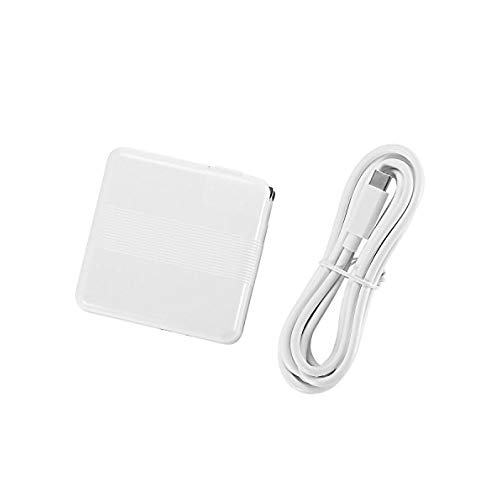
Power requirements deserve just as much attention as connector shape. Standard low-power accessories may only need a modest 5 V connection, while tablets and laptops can require substantially more wattage. USB-C cables intended for USB Power Delivery, often called USB-PD, can support higher charging levels when the charger, cable, and device are all compatible. Check the cable’s stated power rating in watts or its supported current in amperes, and compare that information with the requirements of the device and charger. A high-wattage charger cannot make an under-rated cable deliver more power safely, and a cable with a lower rating may charge a demanding device slowly or fail to provide the expected performance. Some USB cables are designed for power only, with no data wiring inside, while others support charging and data transfer. A power-only cable can be a sensible choice for a dedicated charging point, spare power bank, bedside table, or travel pouch, but a charge-and-sync cable is more suitable when files, photos, software updates, or device backups may need to move between electronics. For additional connector options and related solutions, explore Usb Adapter Cables. USB power cables can be useful additions to a student’s backpack, a commuter’s work bag, a family’s shared charging drawer, or a guest room prepared for visitors. They can also make practical gifts for someone setting up a first home office, replacing an ageing collection of mismatched cords, or travelling between work, school, and home. One small detail often saves the most inconvenience: label cables by connector and purpose, especially when several similar-looking cords are stored together. Keeping a USB-C cable rated for a laptop separate from a basic cable used for earbuds helps everyone choose confidently and reduces unnecessary swapping. Before connecting a barrel-jack cable, confirm the device’s required voltage, amperage, polarity, and dimensions; before using any cable, inspect it for exposed wires, crushed sections, bent connectors, or unusual heat. Selecting the proper cable for the intended device and power source helps maintain dependable charging, keeps portable electronics ready for the day ahead, and gives every charging space a more orderly, convenient feel.
Power requirements deserve just as much attention as connector shape. Standard low-power accessories may only need a modest 5 V connection, while tablets and laptops can require substantially more wattage. USB-C cables intended for USB Power Delivery, often called USB-PD, can support higher charging levels when the charger, cable, and device are all compatible. Check the cable’s stated power rating in watts or its supported current in amperes, and compare that information with the requirements of the device and charger. A high-wattage charger cannot make an under-rated cable deliver more power safely, and a cable with a lower rating may charge a demanding device slowly or fail to provide the expected performance. Some USB cables are designed for power only, with no data wiring inside, while others support charging and data transfer. A power-only cable can be a sensible choice for a dedicated charging point, spare power bank, bedside table, or travel pouch, but a charge-and-sync cable is more suitable when files, photos, software updates, or device backups may need to move between electronics. For additional connector options and related solutions, explore Usb Adapter Cables. USB power cables can be useful additions to a student’s backpack, a commuter’s work bag, a family’s shared charging drawer, or a guest room prepared for visitors. They can also make practical gifts for someone setting up a first home office, replacing an ageing collection of mismatched cords, or travelling between work, school, and home. One small detail often saves the most inconvenience: label cables by connector and purpose, especially when several similar-looking cords are stored together. Keeping a USB-C cable rated for a laptop separate from a basic cable used for earbuds helps everyone choose confidently and reduces unnecessary swapping. Before connecting a barrel-jack cable, confirm the device’s required voltage, amperage, polarity, and dimensions; before using any cable, inspect it for exposed wires, crushed sections, bent connectors, or unusual heat. Selecting the proper cable for the intended device and power source helps maintain dependable charging, keeps portable electronics ready for the day ahead, and gives every charging space a more orderly, convenient feel.
Top selling and popular products
-
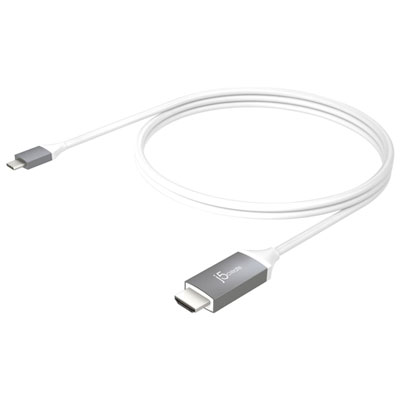 Your price for this item is $39.99
 -
 Your price for this item is $24.99
 -
 Your price for this item is $19.99
 -
 Your price for this item is $29.99
 -
 Your price for this item is $29.99
 -
 Your price for this item is $19.99
 -
 Your price for this item is $24.99
 -
 Your price for this item is $44.97
Discover more categories related to USB Power Cables
Top Collections:
Pokemon Centers, Kindle Devices, Best Budget Office Chairs, Apple iPhones 16, Best Laptops for Writers, iPhone 15 Apple, Canon G7X Cameras, Refurbished Apple Laptops, Alarm Clock, Motorola Razr Phones
Some products may be subject to Environmental Handling Fees
(EHF) depending on your province.
Learn more about EHFs.