Tempered Glasses
Discover the perfect blend of style, durability, and crystal-clear vision with our selection of tempered glasses. Engineered to withstand everyday wear and tear, these glasses offer superior scratch resistance and shatterproof protection, ensuring your lenses stay pristine longer. Whether you're looking for sleek designs to complement your tech gadgets or robust options for active lifestyles, our range of tempered glasses promises exceptional performance and longevity. Elevate your visual experience with advanced features that cater to both functionality and fashion.
Sort
![ICM Topsave [1 Piece] for Samsung Galaxy S23 Fe Tempered Glass, 9H Hardness, Case Friendly](https://multimedia.bbycastatic.ca/multimedia/products/500x500/174/17448/17448953.jpeg)
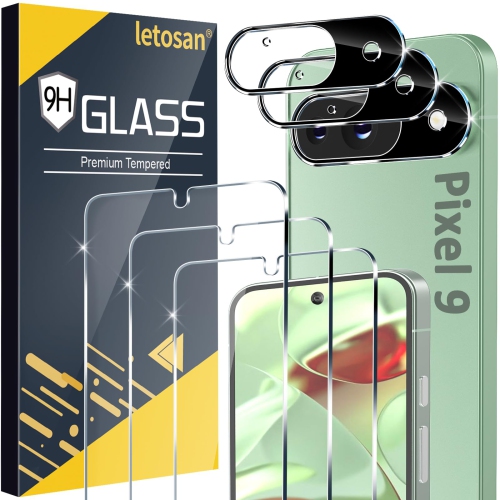

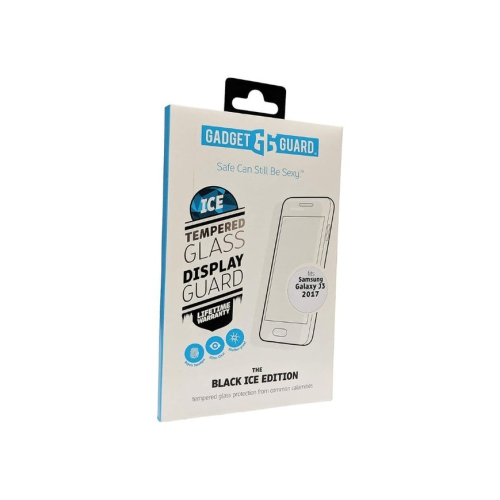

![CC Topsave [1 Piece] "flat" Tempered Glass, 9H Hardness, Case Friendly for Samsung Galaxy S24 Fe 6.7-Inch](https://multimedia.bbycastatic.ca/multimedia/products/500x500/186/18600/18600821.jpeg)
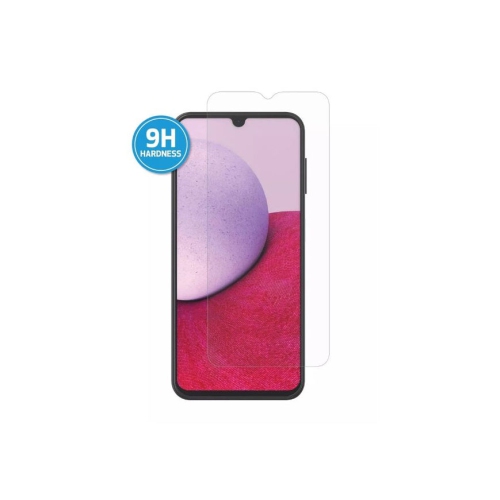
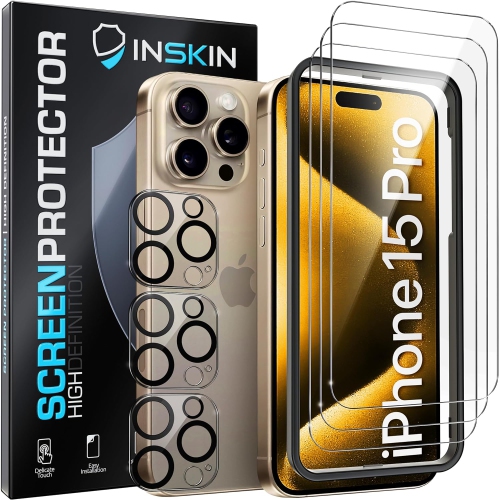
![DOME GLASS Whitestone Ea Glass Screen Protector Compatible With Galaxy S24 [Easy Installation Kit, 9H Tempered Glass] - 2 Pack](https://multimedia.bbycastatic.ca/multimedia/products/500x500/177/17724/17724179.jpeg)
![CC Topsave [1 Piece] "flat" Tempered Glass, 9H Hardness, Case Friendly for Samsung Galaxy S24 Plus (6.7")](https://multimedia.bbycastatic.ca/multimedia/products/500x500/177/17725/17725726.jpeg)
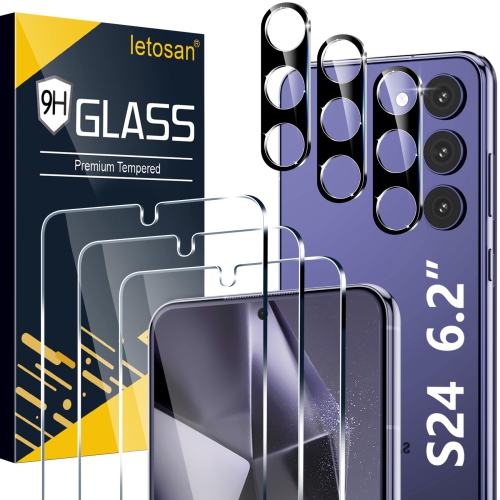
![ICM Topsave [1 Piece] "flat" Tempered Glass, 9H Hardness, Case Friendly for Samsung Galaxy S24 (6.2")](https://multimedia.bbycastatic.ca/multimedia/products/500x500/177/17724/17724604.jpeg)
![ICM Topsave [1 Piece] "flat" Tempered Glass, 9H Hardness, Case Friendly for Samsung Galaxy S24 Ultra (6.8")](https://multimedia.bbycastatic.ca/multimedia/products/500x500/177/17724/17724607.jpeg)
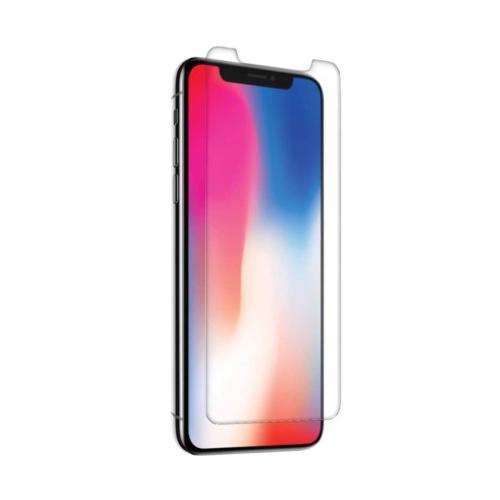
![ICM Topsave [Case Friendly] Full Protection Privacy Tempered Glass Apple for Iphone 14 Pro (6.1")](https://multimedia.bbycastatic.ca/multimedia/products/500x500/165/16502/16502316.jpeg)
![ICM Topsave [1 Pieces] for Iphone 14 Pro (6.1") Tempered Glass, 9H Hardness, Case Friendly](https://multimedia.bbycastatic.ca/multimedia/products/500x500/165/16502/16502314.jpeg)
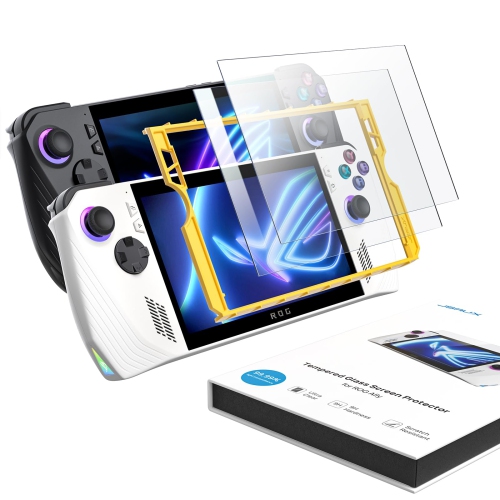
![GENERIC Front And Back Screen Protector for Iphone 12 Pro Max, Tempered Glass [Haptic Touch] Front And Rear Temper](https://multimedia.bbycastatic.ca/multimedia/products/500x500/195/19588/19588434.jpeg)
![CC Topsave [Edge to Edge Coverage] Full Protection Privacy Tempered Glass Apple for Iphone Xs Max(6.5"), Iphone 11 Pro Max(6.5")](https://multimedia.bbycastatic.ca/multimedia/products/500x500/146/14691/14691358.jpg)
![CC Topsave [Edge to Edge Coverage] Full Protection Privacy Tempered Glass Apple for Iphone 6+(5.5"), Iphone 6S+(5.5")](https://multimedia.bbycastatic.ca/multimedia/products/500x500/146/14691/14691351.jpg)
![CC [] 1 Piece for Iphone 4, Iphone 4S Tempered Glass, 9H Hardness, Case Friendly](https://multimedia.bbycastatic.ca/multimedia/products/500x500/146/14691/14691353.jpg)
![CC [] 1 Piece for Samsung A20, A30, A50 Tempered Glass, 9H Hardness, Case Friendly](https://multimedia.bbycastatic.ca/multimedia/products/500x500/146/14691/14691348.jpg)
![CC Topsave [Edge to Edge Coverage] Full Protection Durable Tempered Glass Apple for Iphone 7+(5.5"), Iphone 8+(5.5")](https://multimedia.bbycastatic.ca/multimedia/products/500x500/146/14691/14691345.jpg)
![CC Topsave [1 Piece] for Samsung A70 Tempered Glass, 9H Hardness, Case Friendly](https://multimedia.bbycastatic.ca/multimedia/products/500x500/146/14691/14691343.jpg)
![CC Topsave [Edge to Edge Coverage] Full Protection Durable Tempered Glass Apple for Iphone 7(4.7"), Iphone 8(4.7")](https://multimedia.bbycastatic.ca/multimedia/products/500x500/146/14691/14691377.jpg)
![CC Topsave [Case Friendly]3D Curve Protection Durable Tempered Glass Apple for Samsung Note10](https://multimedia.bbycastatic.ca/multimedia/products/500x500/146/14691/14691373.jpg)
![CC Topsave [Edge to Edge Coverage] Full Protection Durable Tempered Glass Apple for Iphone Xr (6.1"), Iphone 11 (6.1")](https://multimedia.bbycastatic.ca/multimedia/products/500x500/146/14691/14691375.jpeg)
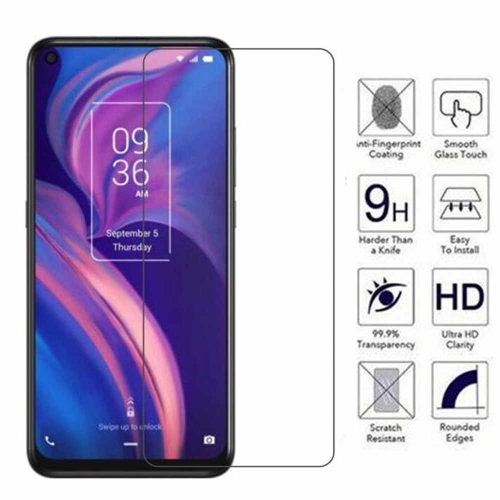
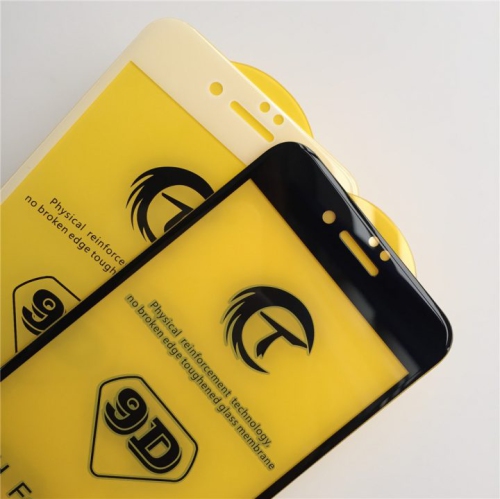
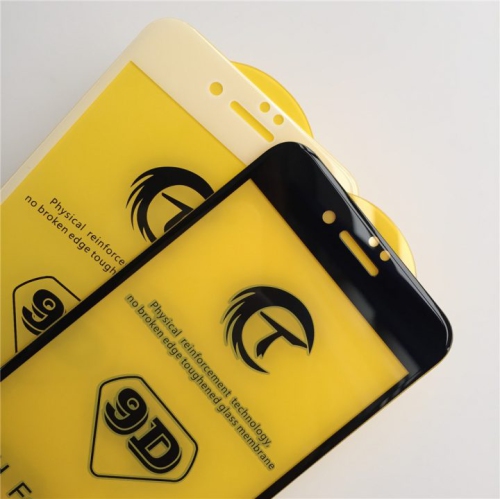
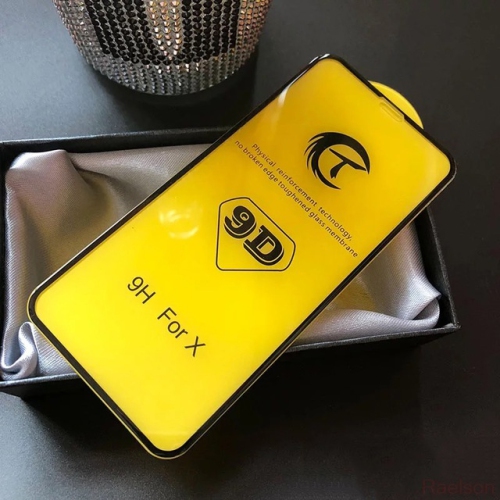
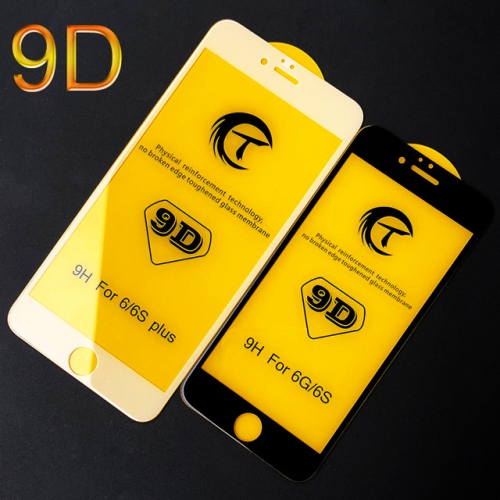
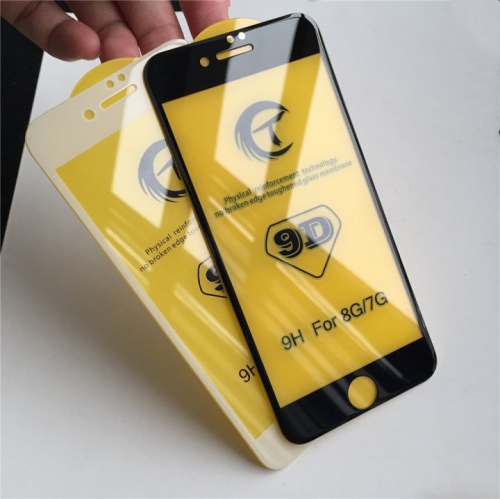
![CC [] 1 Piece Full Size Side Glue for Huawei P40 Pro Tempered Glass, 9H Hardness, Case Friendly](https://multimedia.bbycastatic.ca/multimedia/products/500x500/149/14924/14924968.jpg)
![CC Topsave [] 1 Piece for Moto G Fast(2020) Tempered Glass, 9H Hardness, Case Friendly](https://multimedia.bbycastatic.ca/multimedia/products/500x500/149/14924/14924965.jpg)
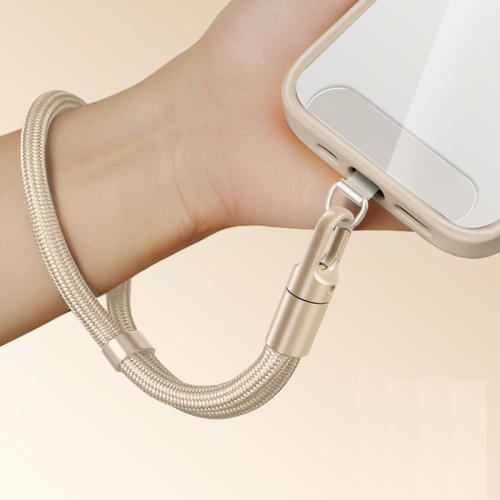
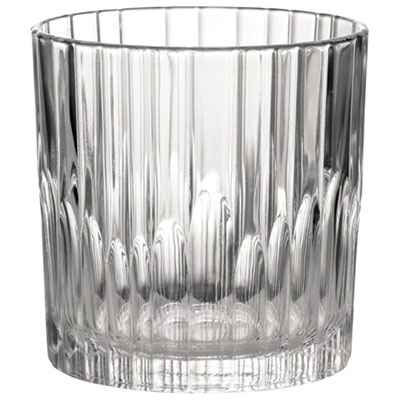
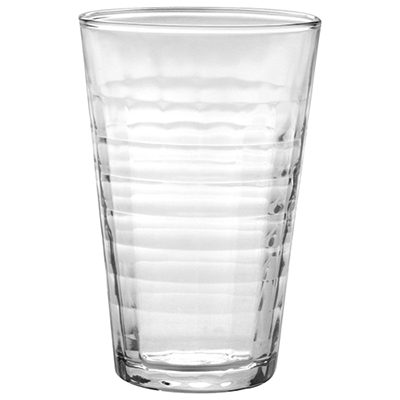
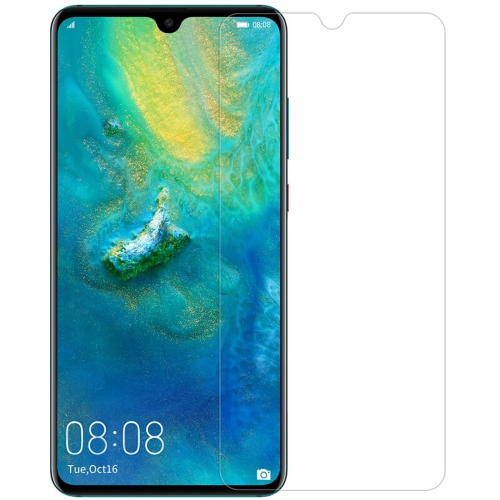
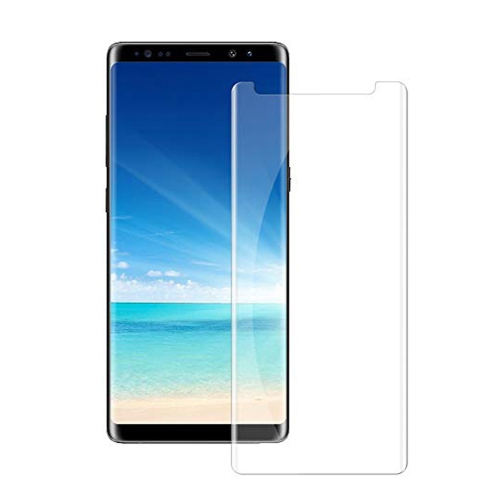
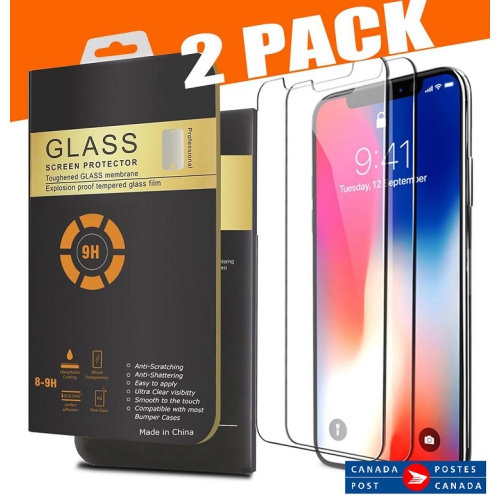
![CC Topsave [1 Piece] for Samsung Galaxy A03S 166MM Version Tempered Glass, 9H Hardness, Case Friendly](https://multimedia.bbycastatic.ca/multimedia/products/500x500/160/16000/16000814.jpeg)
![NAVOR Glass Screen Protector for Ipad Pro 12.9 2021 & 2020 & 2018 [Face Id Compatible] [Free Installation Frame] 9H-Hard HD Clear Tempered-Glass](https://multimedia.bbycastatic.ca/multimedia/products/500x500/160/16004/16004443.jpeg)
![CC [] (1 Piece) Huawei Gr5 Temper Glass Screen Protector](https://multimedia.bbycastatic.ca/multimedia/products/500x500/144/14425/14425895.jpg)
![CC Topsave [1 Piece] for Samsung Galaxy Z Fold 8 Front Screen Only Tempered Glass, 9H Hardness, Case Friendly](https://multimedia.bbycastatic.ca/multimedia/products/500x500/159/15932/15932366.jpeg)
![CC Topsave [1 Piece] Anti Light, Full Sized Full Coverage Tempered Glass, 9H Hardness, Case Friendly for Iphone 12 Pro Max (6.7") In Blue](https://multimedia.bbycastatic.ca/multimedia/products/500x500/159/15952/15952732.jpeg)
![CC Topsave [1 Piece] for Samsung Galaxy A53 5G Tempered Glass, 9H Hardness, Case Friendly](https://multimedia.bbycastatic.ca/multimedia/products/500x500/159/15952/15952664.jpeg)
![CC Topsave [1 Piece] "flat" Tempered Glass, 9H Hardness, Case Friendly for Samsung Galaxy S21 6.2"](https://multimedia.bbycastatic.ca/multimedia/products/500x500/159/15984/15984970.jpeg)
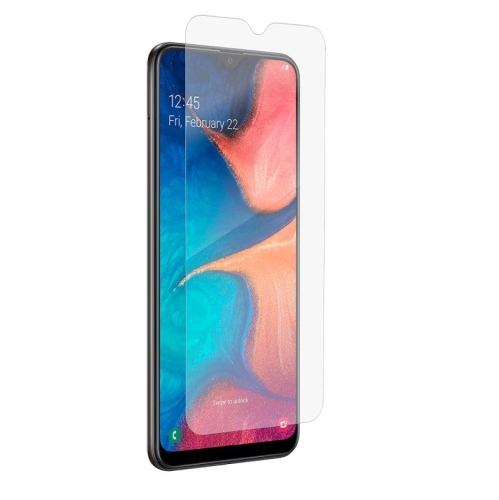
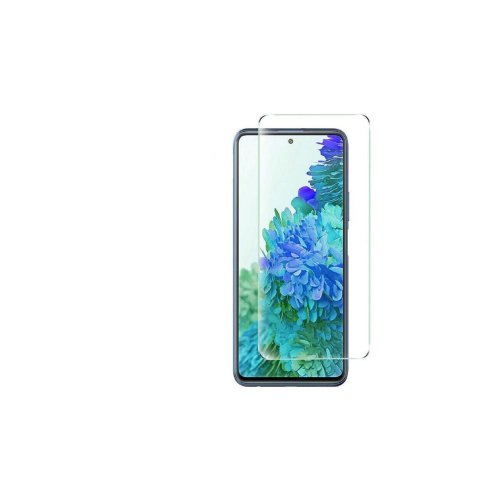
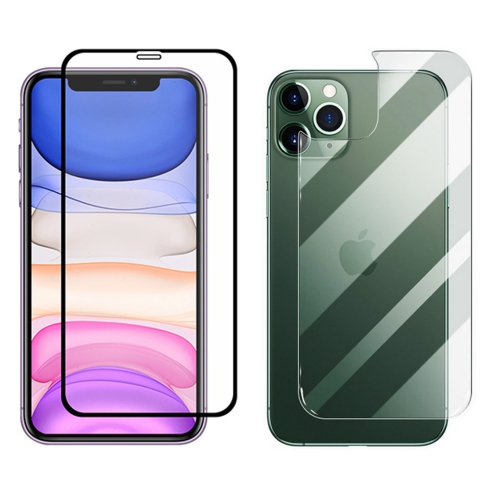
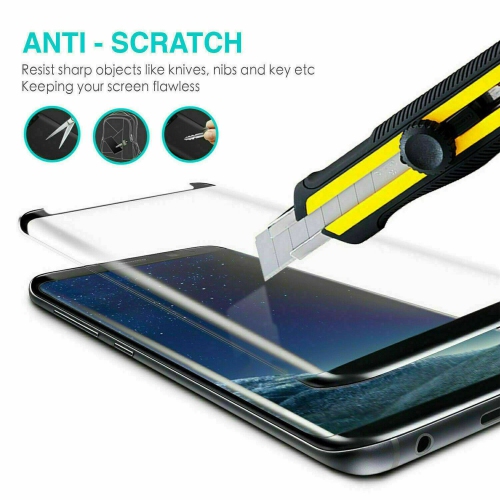
![ICM Topsave [1 Piece] "flat" Tempered Glass, 9H Hardness, Case Friendly for Samsung Galaxy S23 Plus 6.6" 5G](https://multimedia.bbycastatic.ca/multimedia/products/500x500/169/16916/16916643.jpeg)
![ICM Topsave [1 Piece] for Samsung Galaxy A14 6.6" 5G 5G Tempered Glass, 9H Hardness, Case Friendly](https://multimedia.bbycastatic.ca/multimedia/products/500x500/169/16916/16916644.jpeg)

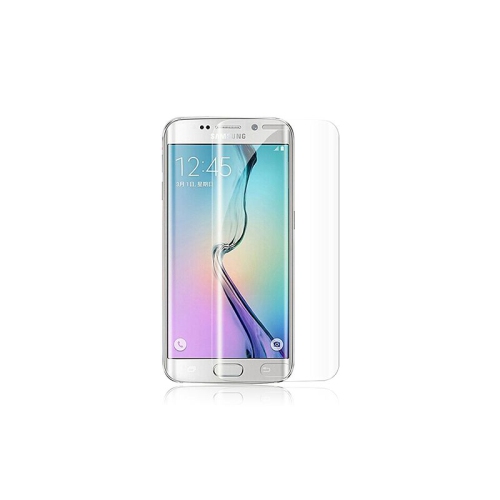


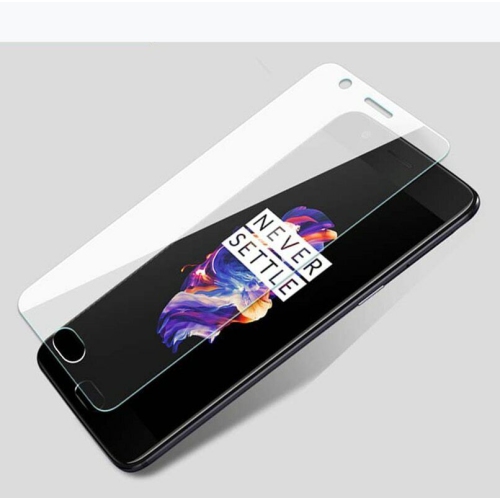
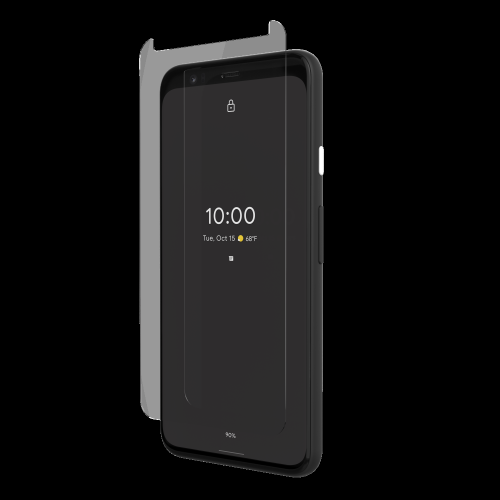
![CC Topsave [1 Piece] "flat" Tempered Glass, 9H Hardness, Case Friendly for Samsung Galaxy A54 6.4"](https://multimedia.bbycastatic.ca/multimedia/products/500x500/170/17073/17073779.jpeg)
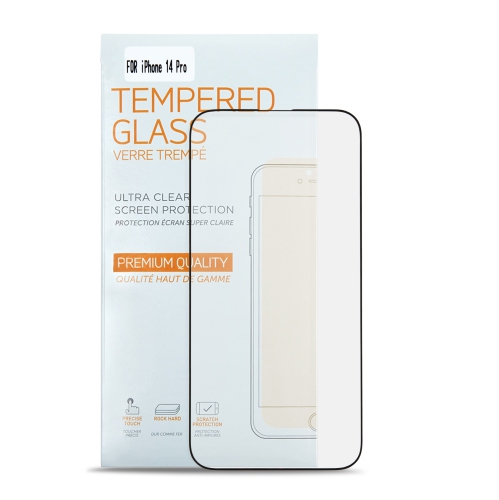
![XCRS Tempered Glass, With Accurate Touch, Screen Protector for Samsung Galaxy Z Fold 5 (2023) [2-Pack] (Front Glass Only)](https://multimedia.bbycastatic.ca/multimedia/products/500x500/173/17341/17341664.jpeg)
![ICM Topsave [Case Friendly] Full Protection Privacy Tempered Glass Apple for Iphone 14 Plus(6.7")](https://multimedia.bbycastatic.ca/multimedia/products/500x500/165/16530/16530054.jpeg)
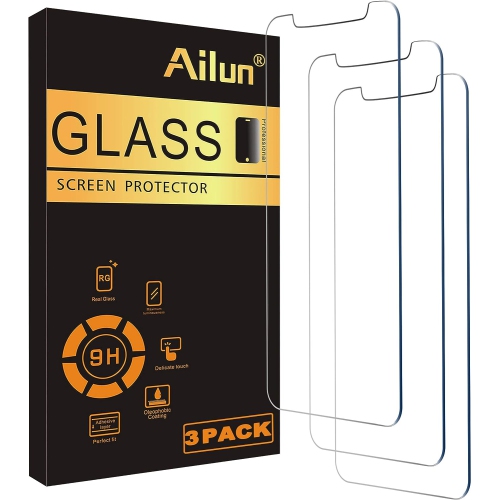
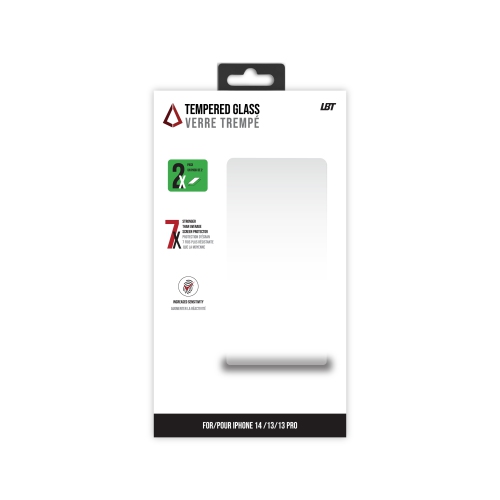
![GENERIC Glass Screen Protector for Iphone 14/13/13 Pro [6.1 Inch] Display 3 Pack Tempered Glass, Case Friendly](https://multimedia.bbycastatic.ca/multimedia/products/500x500/173/17388/17388210.jpeg)
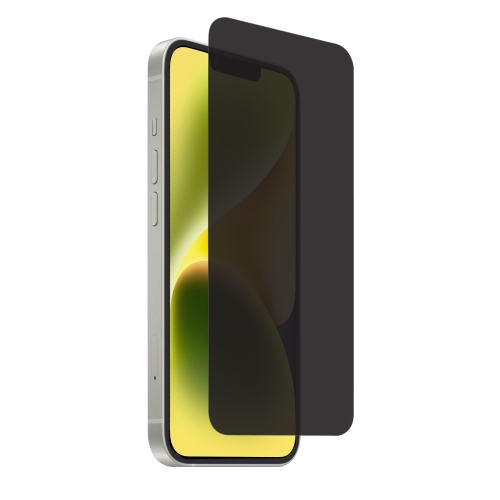
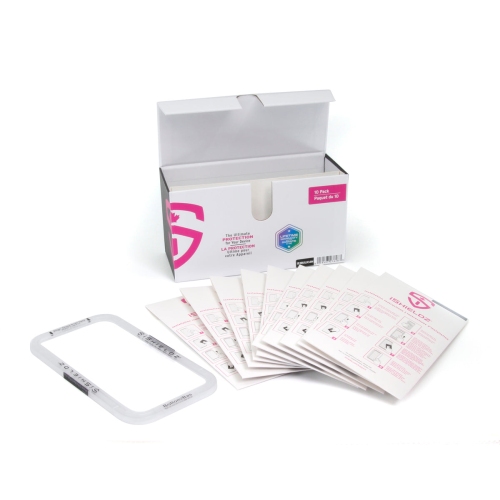
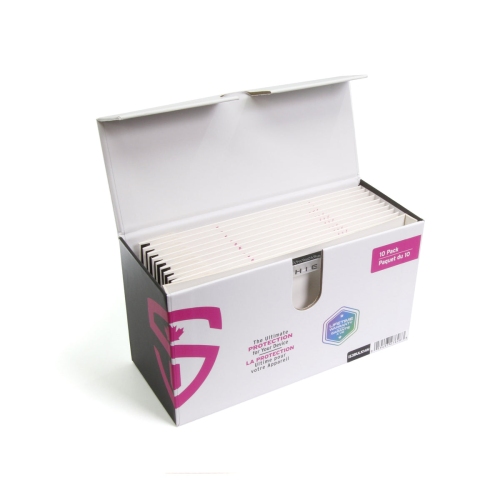
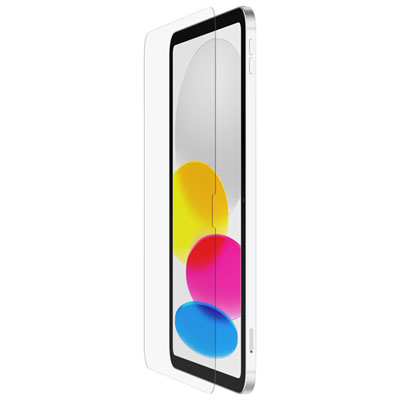
![DOME GLASS Whitestone Domesilk Janus Ultra-Thin Glass Screen Protector for Samsung Galaxy Z Flip 5 [HD Clarity, Full Protection] - 1 Pack](https://multimedia.bbycastatic.ca/multimedia/products/500x500/177/17725/17725015.jpeg)
![DOME GLASS Whitestone Ez Glass Screen Protector for Galaxy Z Flip 5 [Full Coverage Tempered Glass Shield, Easy Install] - 2 Pack](https://multimedia.bbycastatic.ca/multimedia/products/500x500/177/17725/17725016.jpeg)
![GENERIC Screen Protector for Iphone 11 Pro Max, Iphone Xs Max, Anti-Blue Light Temper Glass Film [Eye Protection ]](https://multimedia.bbycastatic.ca/multimedia/products/500x500/195/19587/19587869.jpeg)
![GENERIC Back Screen Protector for Iphone 12 Pro Max [3-Pack], Rear Tempered Glass [Haptic Touch] Temper Glass Film](https://multimedia.bbycastatic.ca/multimedia/products/500x500/195/19588/19588870.jpeg)
![CC Topsave [Case Friendly]3D Curve Protection Durable Tempered Glass Apple for Samsung Note8, Samsung Note9](https://multimedia.bbycastatic.ca/multimedia/products/500x500/146/14691/14691344.jpg)
![CC Topsave [Case Friendly]3D Curve Protection Durable Tempered Glass Apple for Samsung S7 Edge](https://multimedia.bbycastatic.ca/multimedia/products/500x500/146/14691/14691365.jpg)
![CC Topsave [1 Piece] "flat" Tempered Glass, 9H Hardness, Case Friendly for Samsung Galaxy A36/a56 5G-6.7 Inch](https://multimedia.bbycastatic.ca/multimedia/products/500x500/144/14424/14424729.jpeg)

![CC [] (1 Piece) Huawei Nexus6P Temper Glass Screen Protector](https://multimedia.bbycastatic.ca/multimedia/products/500x500/144/14425/14425899.jpg)
![CC Topsave [1 Piece] "flat" for Samsung A32 5G 6.5" Tempered Glass, 9H Hardness, Case Friendly](https://multimedia.bbycastatic.ca/multimedia/products/500x500/154/15428/15428844.jpg)
![CC Topsave [Case Friendly] Flat Border Full Cover Protection Durable Tempered Glass for Motorola Moto G Power(2021) In Black](https://multimedia.bbycastatic.ca/multimedia/products/500x500/155/15547/15547890.jpg)
![CC Topsave [1 Piece] Anti Light, Protect Your Eyes for Better Sleep Tempered Glass, 9H Hardness, Case Friendly for Iphone 13 Mini (5.4") In Blue](https://multimedia.bbycastatic.ca/multimedia/products/500x500/159/15952/15952729.jpeg)
![CC Topsave [1 Piece] Anti Light, Protect Your Eyes for Better Sleep Tempered Glass, 9H Hardness, Case Friendly for Iphone 13 Pro Max (6.7") In Blue](https://multimedia.bbycastatic.ca/multimedia/products/500x500/159/15952/15952733.jpeg)
![CC Topsave [Case Friendly][1 Pieces] 3D Curve Side Glue Protection Durable Tempered Glass for Samsung Galaxy S21 Ultra 6.8"](https://multimedia.bbycastatic.ca/multimedia/products/500x500/159/15984/15984973.jpeg)
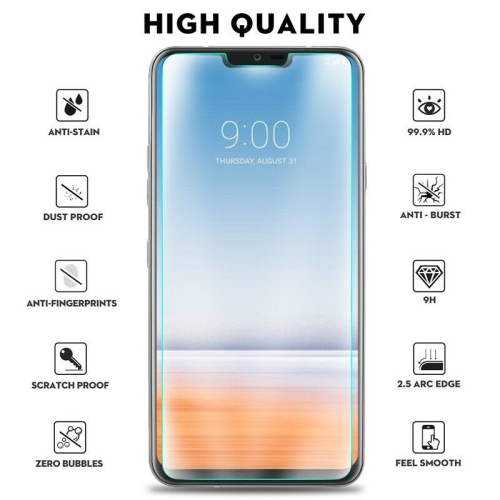


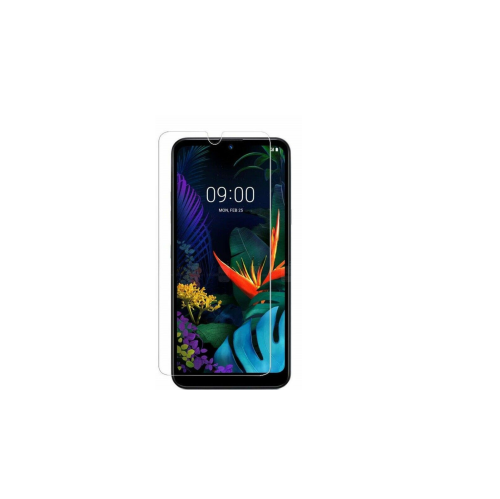
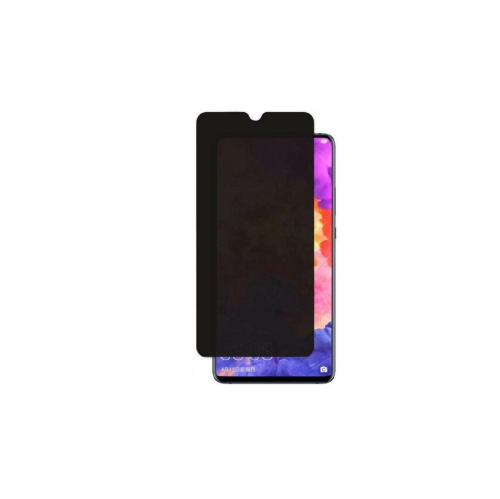
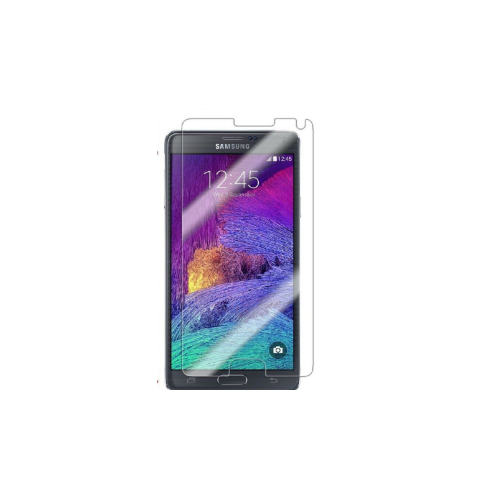
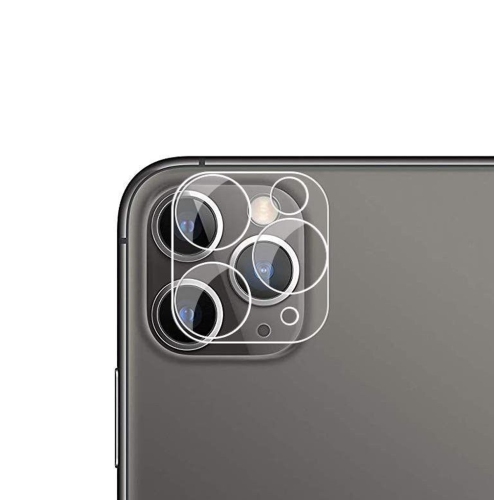
![ICM Topsave [1 Piece] "flat" Tempered Glass, 9H Hardness, Case Friendly for Samsung Galaxy S23 6.1" 5G](https://multimedia.bbycastatic.ca/multimedia/products/500x500/169/16916/16916650.jpeg)
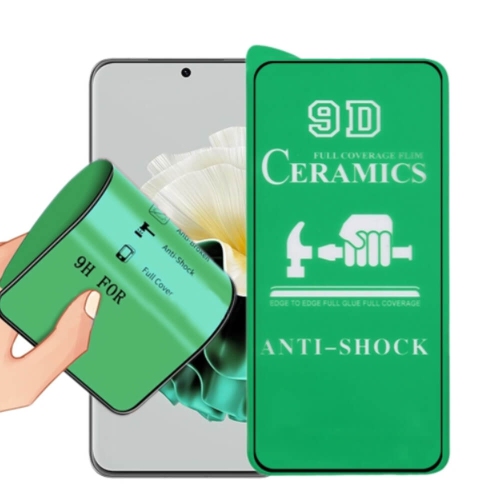
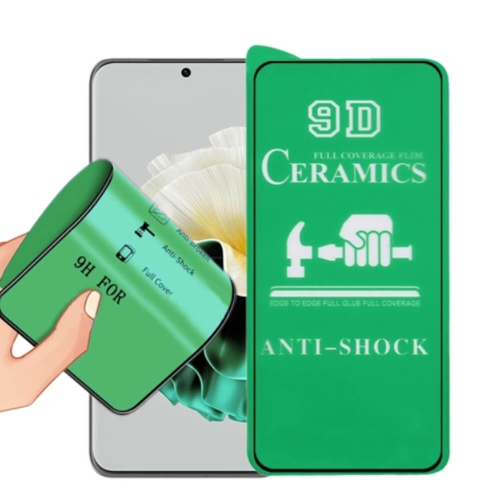
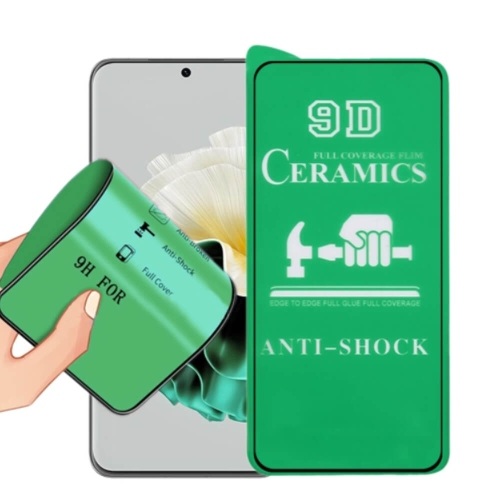
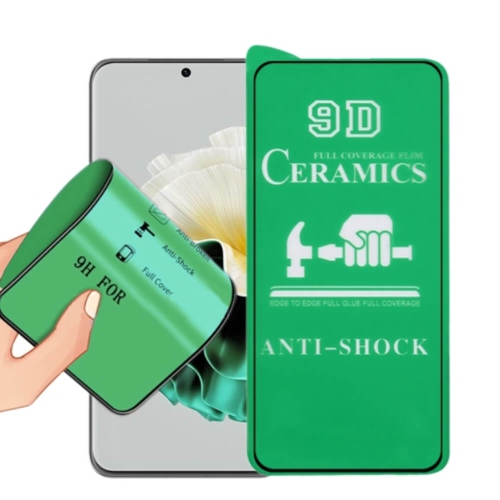
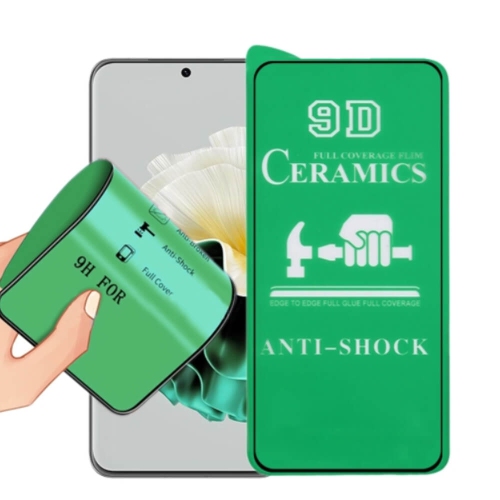
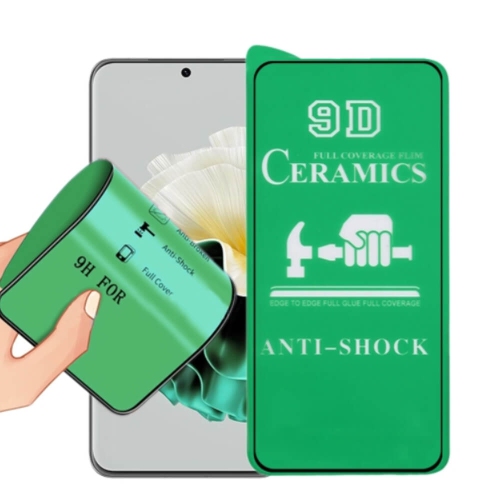
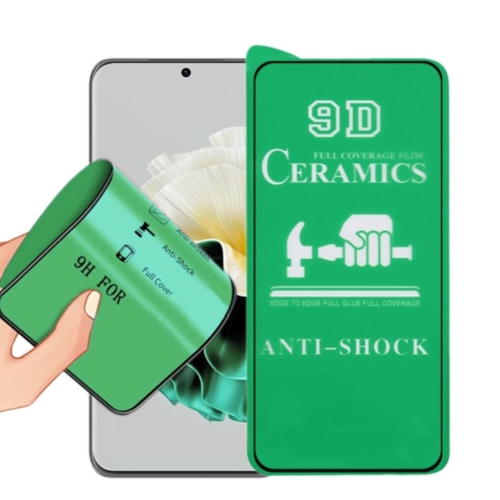
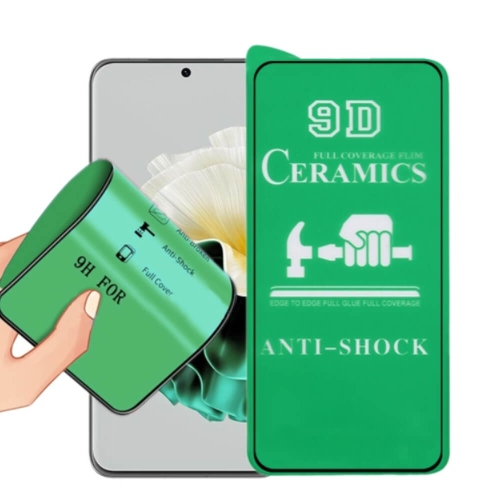
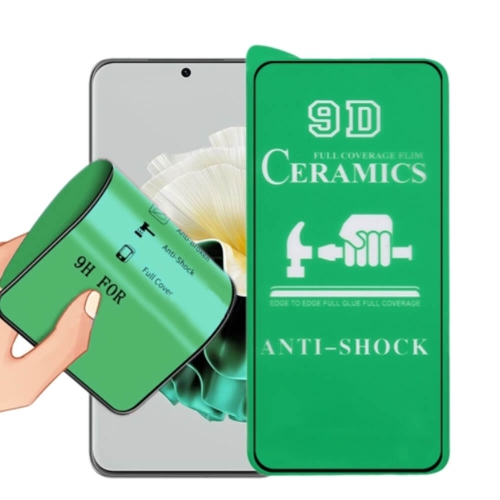
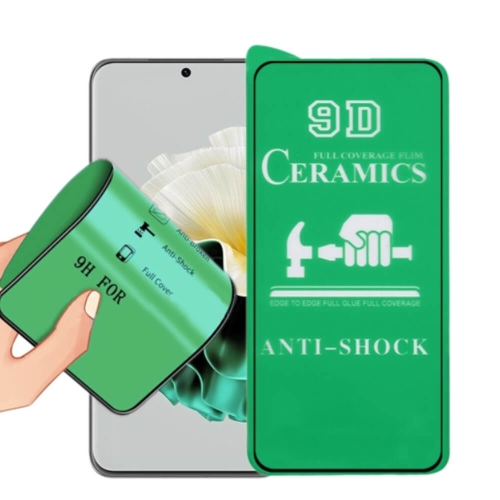
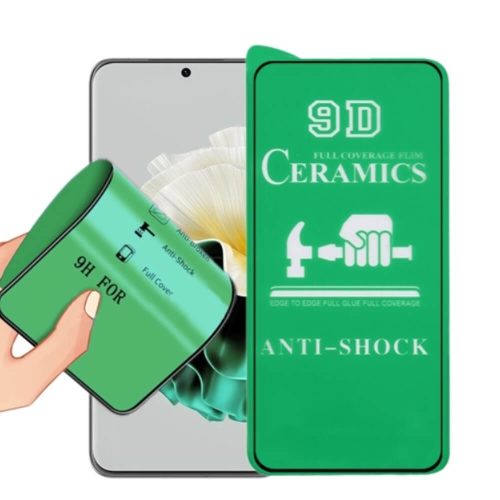
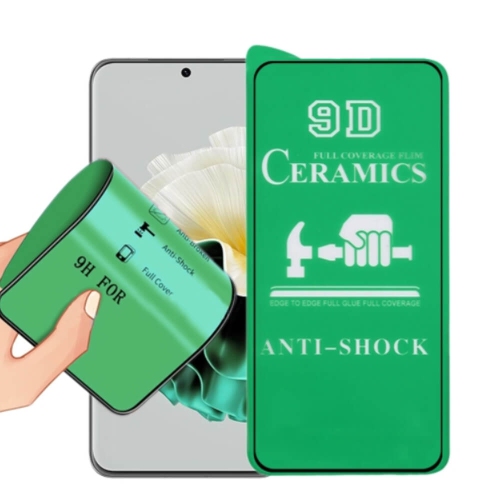

![CC Topsave [Case Friendly][1 Pieces] "flat" Protection Durable Tempered Glass for Samsung Galaxy A34 6.6"](https://multimedia.bbycastatic.ca/multimedia/products/500x500/170/17077/17077318.jpeg)
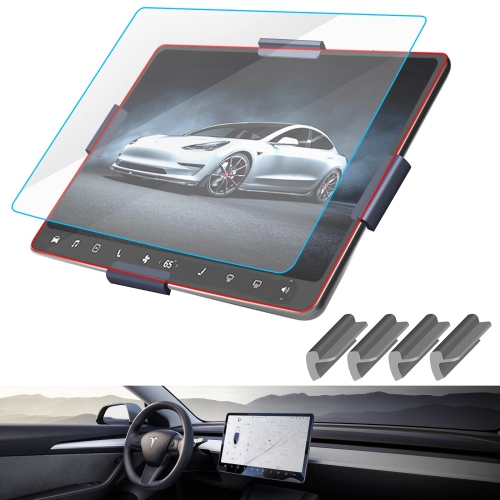
![UOLO [Shield] Iphone 15 Pro Max Tempered Glass, Shatter-Proof Screen Protector [9H Hardness] W/ Camera Lens Shield [Premium Gorilla Glass] & Align](https://multimedia.bbycastatic.ca/multimedia/products/500x500/172/17291/17291323.jpeg)
![ICM Topsave [1 Pieces] for Iphone 14 Plus(6.7") Tempered Glass, 9H Hardness, Case Friendly](https://multimedia.bbycastatic.ca/multimedia/products/500x500/165/16530/16530056.jpeg)
![ICM Topsave [Case Friendly] Full Protection Privacy Tempered Glass Apple for Iphone 14 Pro Max (6.7")](https://multimedia.bbycastatic.ca/multimedia/products/500x500/165/16529/16529984.jpeg)
![ICM Topsave [1 Pieces] for Iphone 14 (6.1") Tempered Glass, 9H Hardness, Case Friendly](https://multimedia.bbycastatic.ca/multimedia/products/500x500/165/16502/16502192.jpeg)
![HLD Glass Series Designed for Iphone 14 Pro Max Case 6.7 Inch, [2023 Upgrade] Full-Body Bumper Case w Built-In 9H Tempered Glass Screen Protector](https://multimedia.bbycastatic.ca/multimedia/products/500x500/165/16569/16569401.jpeg)
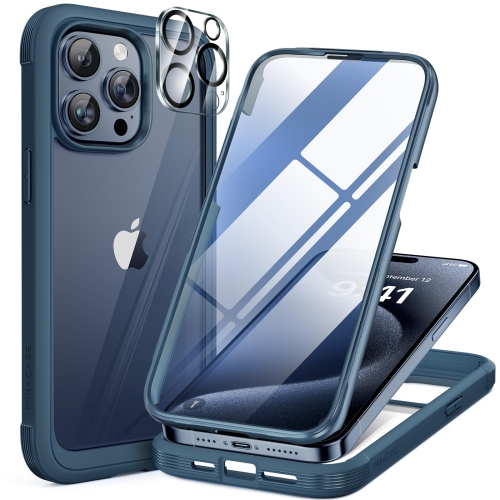
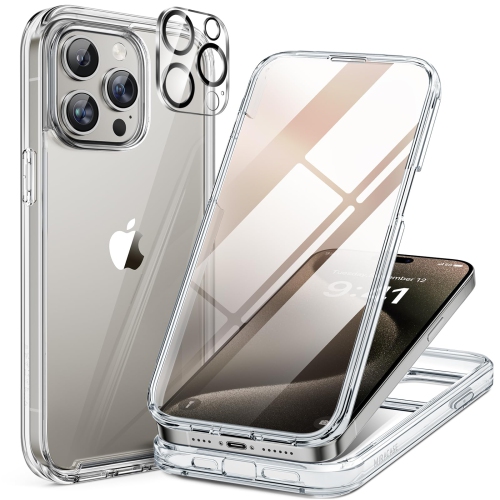
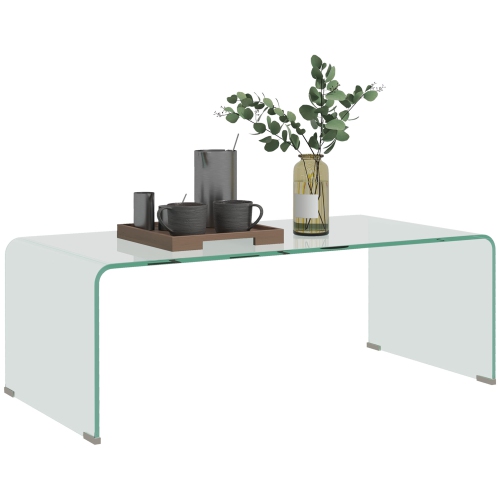
How glass gains strength without losing its clarity
Tempered glass brings transparency and added strength to products used throughout the home, from drinking glasses and furniture surfaces to protective accessories for electronics. The term describes glass that has been strengthened through a controlled treatment rather than a separate raw material. In thermal tempering, glass is heated and then rapidly cooled, leaving its outer surfaces under compression and its interior under tension. This balance of stresses helps it withstand more bending and impact than comparable untreated glass. Fully thermally tempered glass is commonly described as approximately four to five times stronger than ordinary annealed glass of the same thickness, although actual performance depends on its construction, condition, and application. Its breakage pattern is also different: instead of forming the long, sharp shards associated with ordinary glass, it generally breaks into many small, granular pieces. Those fragments can still cause cuts, so tempered glass should be understood as a safety material, not an unbreakable or harmless one. Some thin glass products, including many screen protectors, are chemically strengthened through an ion-exchange process rather than conventional thermal tempering. Their performance and breakage characteristics depend on the particular construction. For shoppers browsing tempered glasses, the intended use matters as much as the material name. A drinking vessel needs a comfortable rim and a suitable capacity, a furniture panel needs the correct dimensions and support, and a screen protector needs to match the device precisely. Thickness alone does not establish whether a piece is suitable for a particular purpose, nor does a clear appearance confirm its safety rating. Finished tempered glass cannot be cut, drilled, or reshaped without risking breakage; any openings, edge finishing, or sizing must be completed before thermal tempering. That makes accurate dimensions especially important for replacement panels and fitted surfaces. The practical appeal is straightforward: glass retains a light, open appearance while its treatment adds strength for the demands of its intended application.
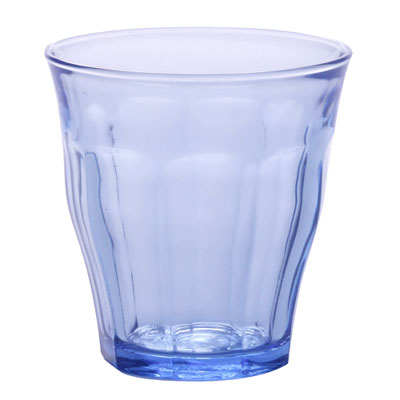
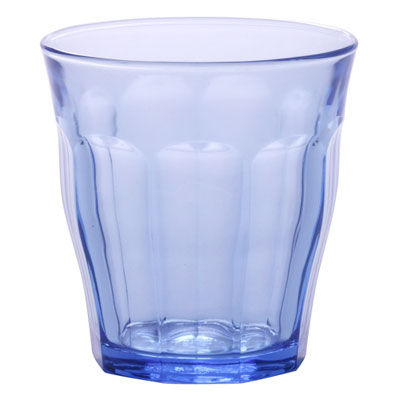
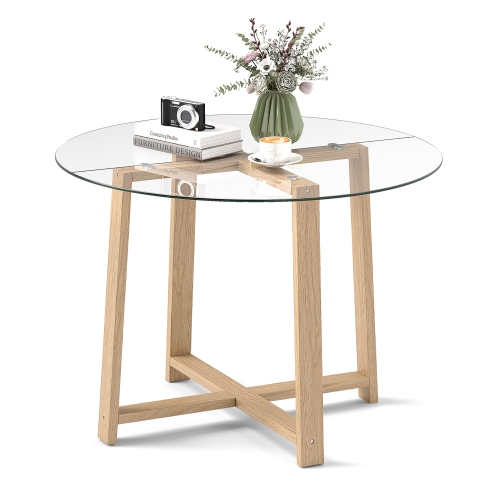
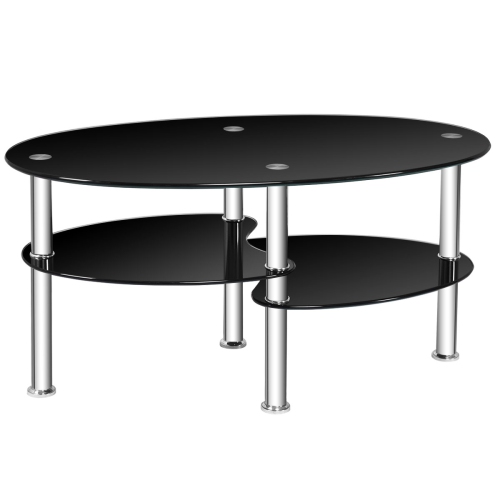
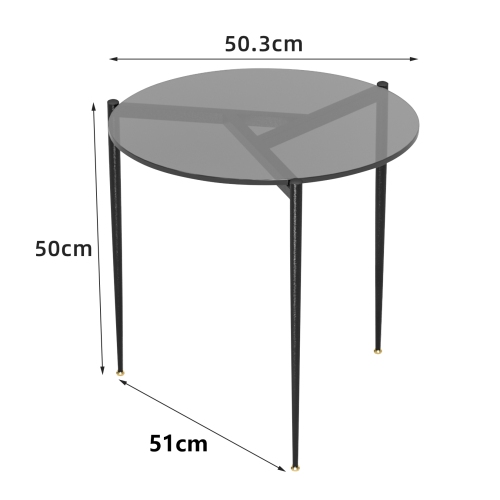
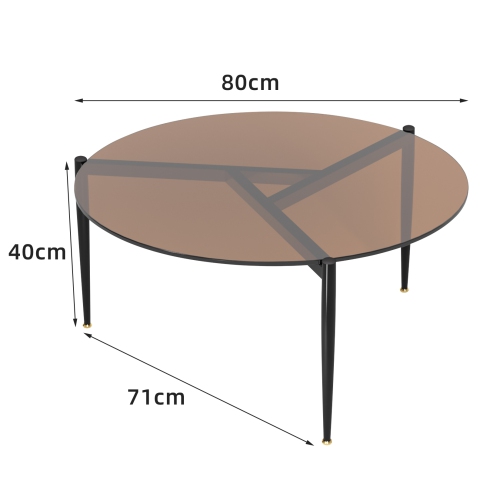
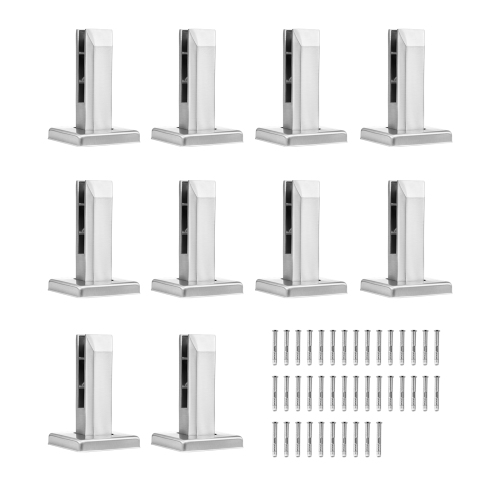
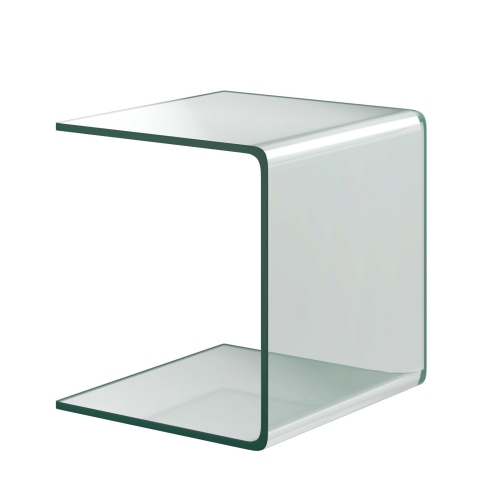
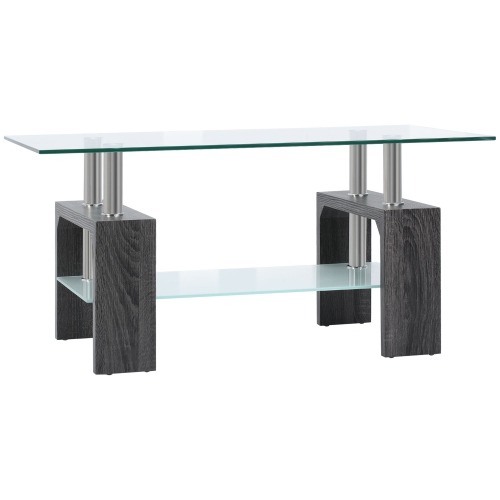
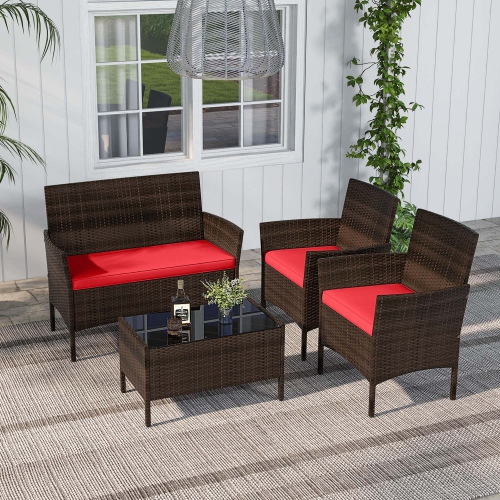
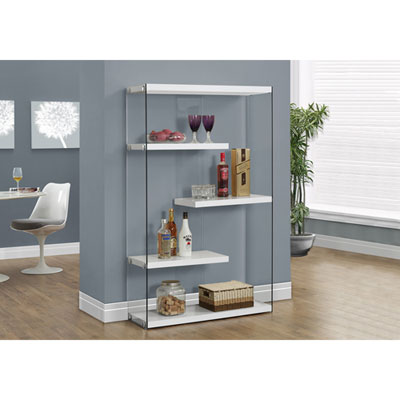
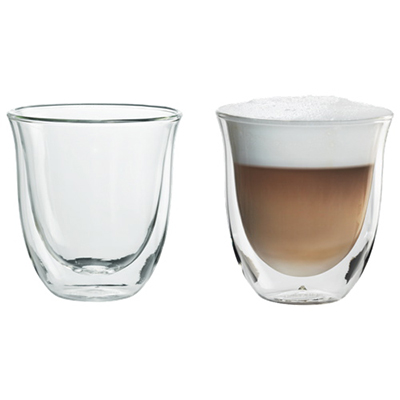
In living and dining spaces, tempered glass surfaces offer a clear view of the materials around them, allowing a wood base, metal frame, or patterned rug to remain part of the room’s appearance. Transparency can help furniture feel less visually bulky, particularly beside a sofa or within a compact dining area, while tinted and frosted finishes provide a different balance of visibility and privacy. Tempered Glass Tables bring this material into everyday settings where surface size, edge shape, and base stability all influence how comfortably the furniture fits. A rounded corner may suit a narrow walkway, while the space beneath a tabletop affects whether chairs tuck in neatly and seated guests have enough knee room. The glass, frame, fasteners, and supports function as a complete structure, so a thick top does not replace the need for a stable base or adherence to the stated load limit. In a busy household, visible glass edges, secure placement, and room to move around the furniture deserve particular attention. Tempered drinking glasses apply the same broad interest in strength to a smaller, more tactile product. Their weight, balance, and rim shape influence how they feel when lifted from a breakfast table or carried on a serving tray. A broad base can provide a reassuring stance, while a gently shaped body may be easier to hold than a wide, straight-sided tumbler. Capacity is most useful when considered alongside the intended drink: juice, water with ice, and layered beverages each occupy a glass differently. Stackable shapes can make cupboard storage more orderly, but stacking is appropriate only when the design supports it. Clear glass shows the colour of a drink and makes residue easier to spot during washing; textured surfaces offer a different feel and appearance. For a housewarming or a first apartment, tempered glass drinkware can be a practical gift when the recipient’s storage space, household size, and washing preferences are taken into account. Suitability for hot drinks, dishwashers, or microwaves should always be confirmed in the product’s care information rather than assumed from the word “tempered.”
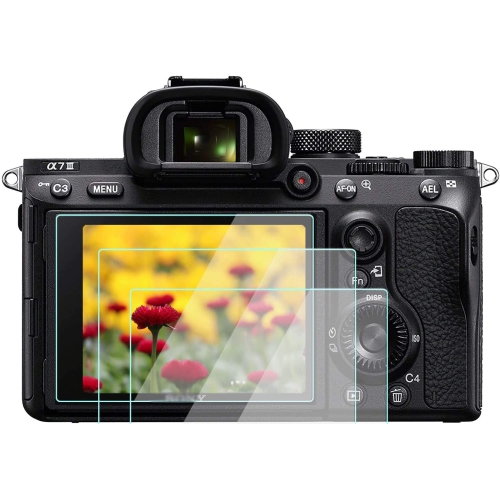
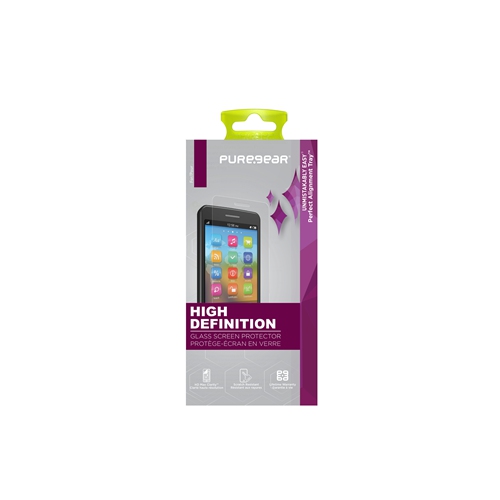
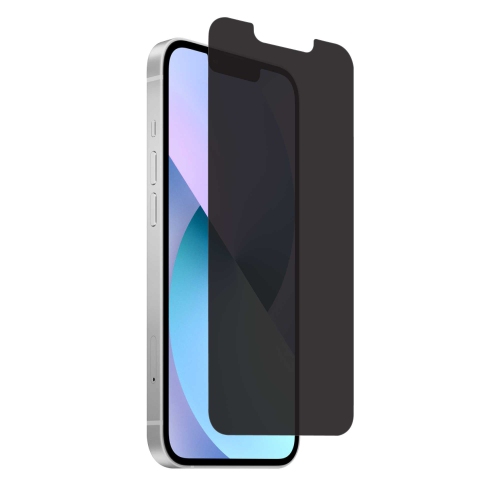
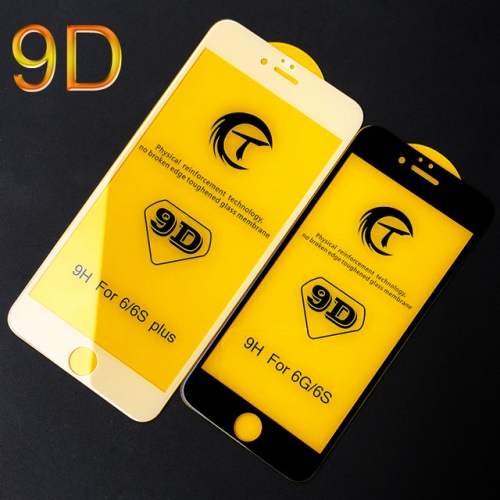
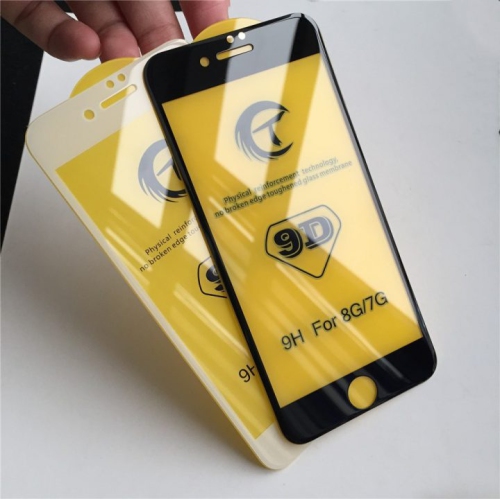
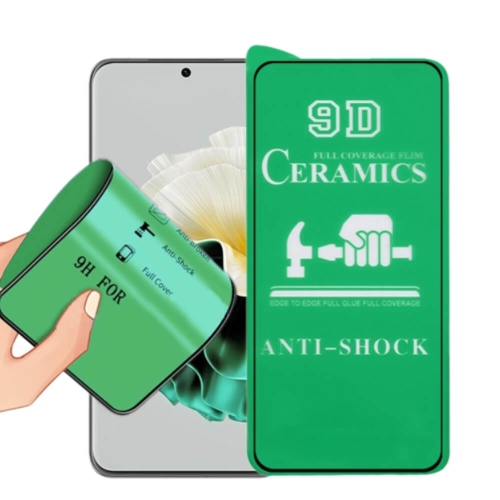
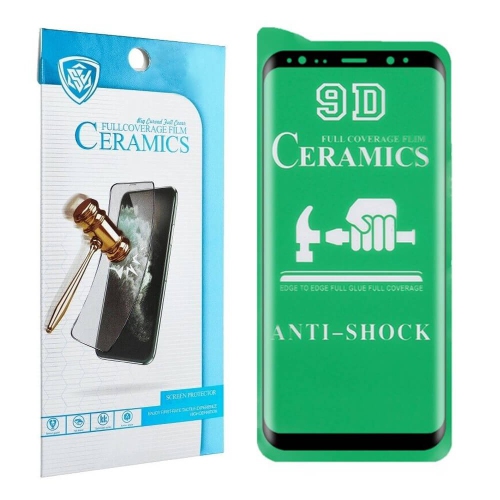
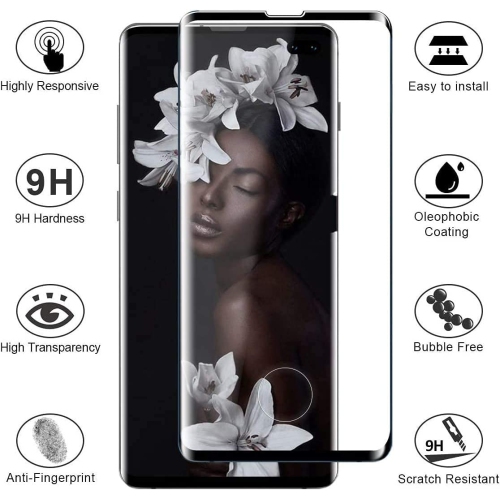
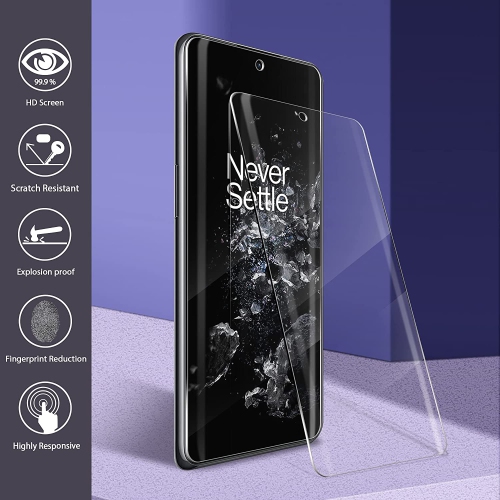
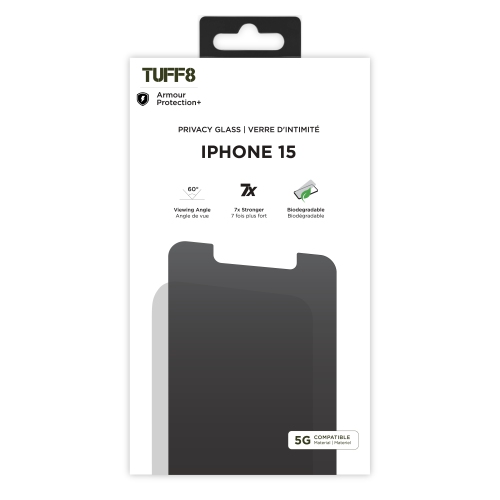
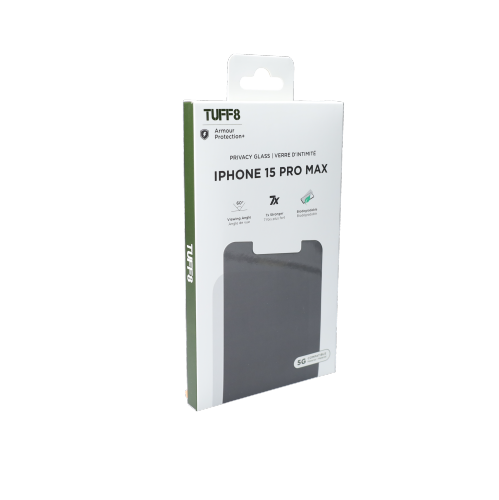
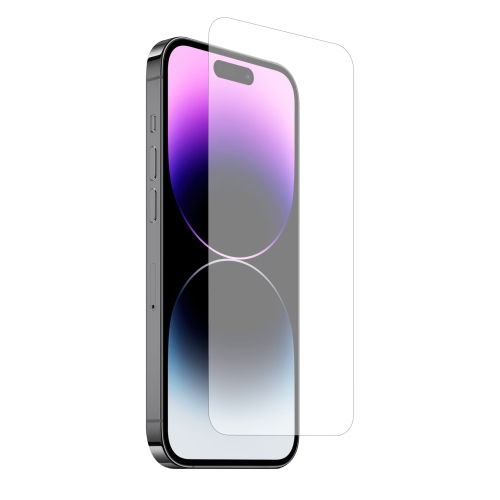
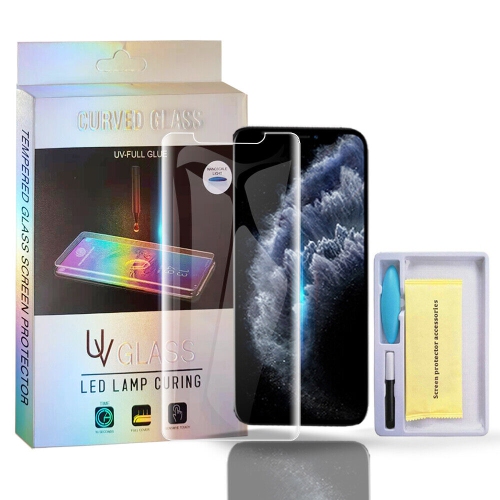
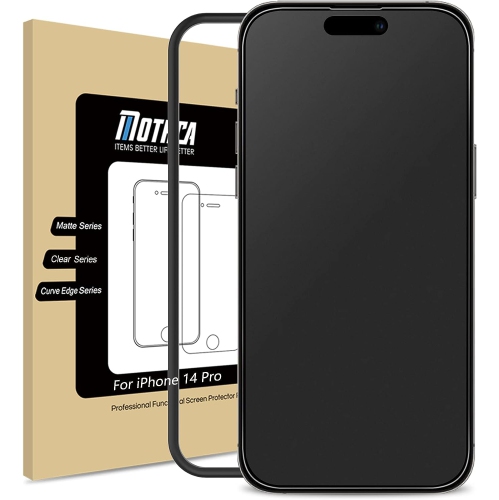
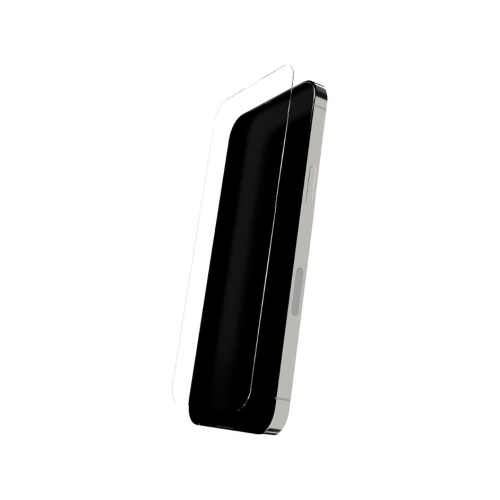
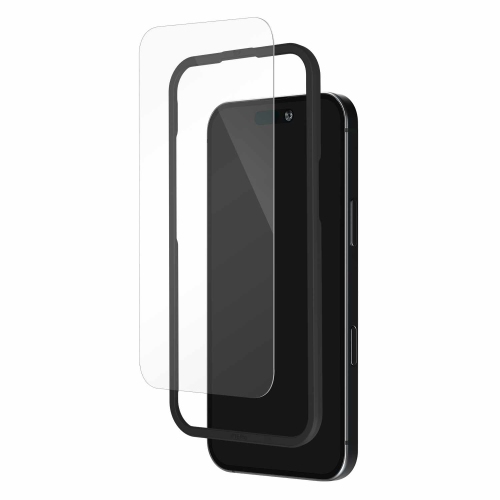
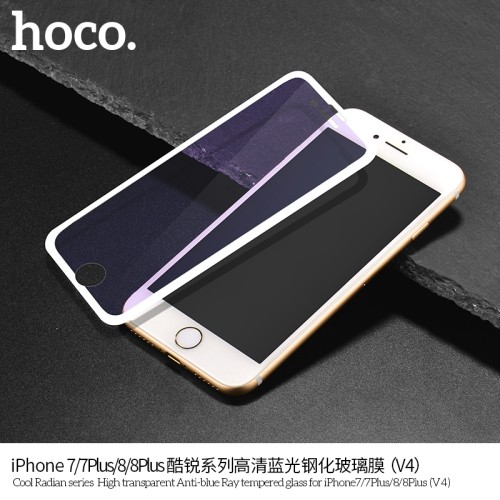
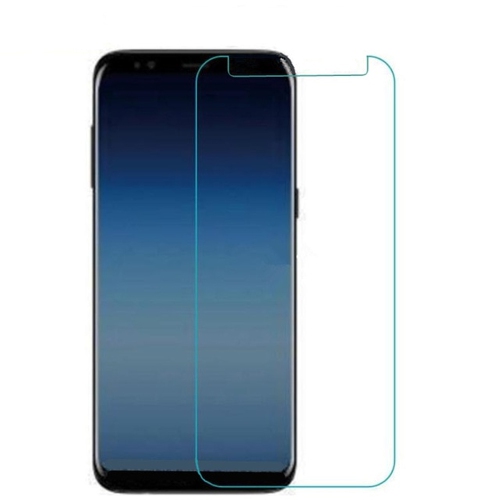
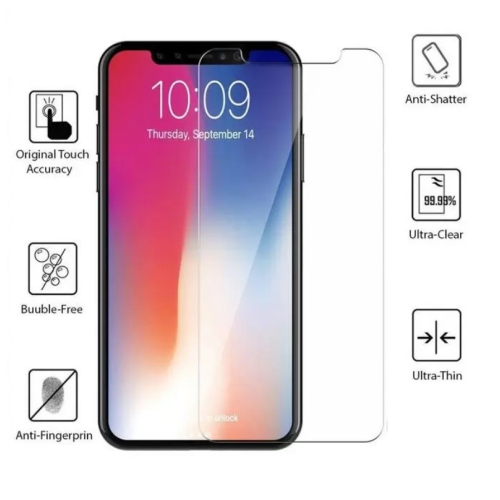
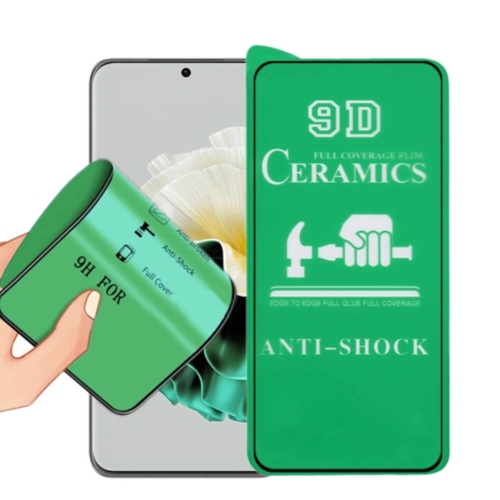
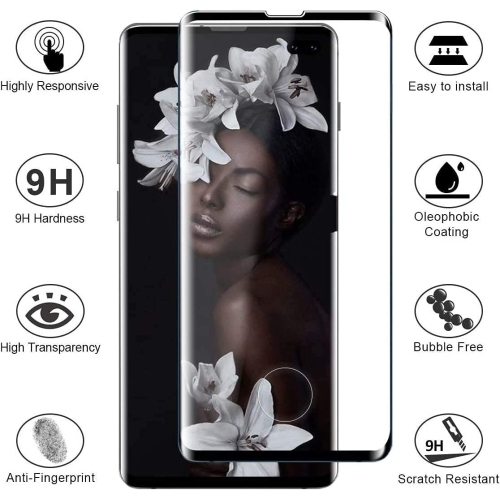
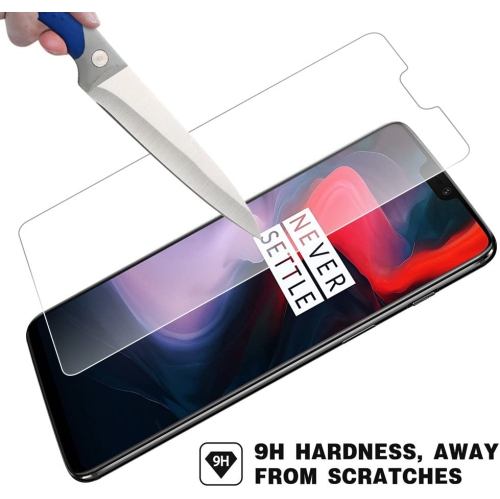
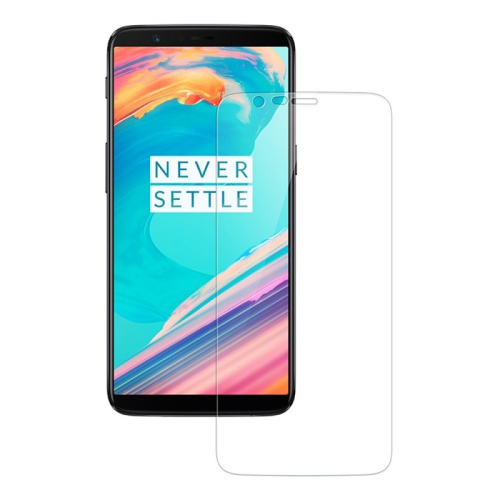
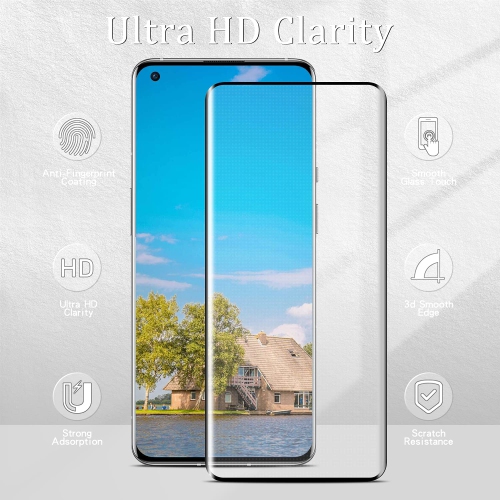
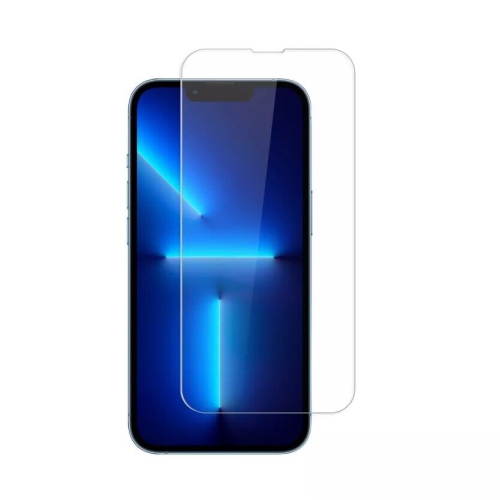
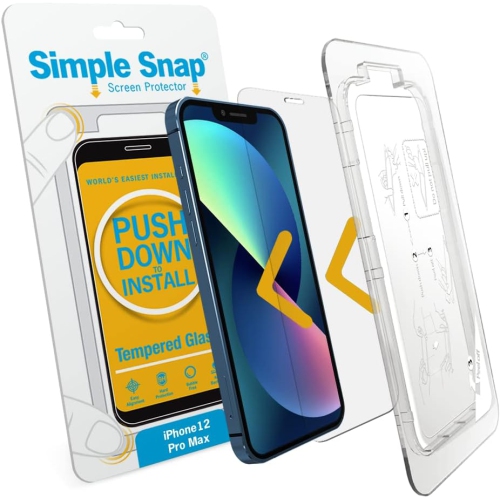
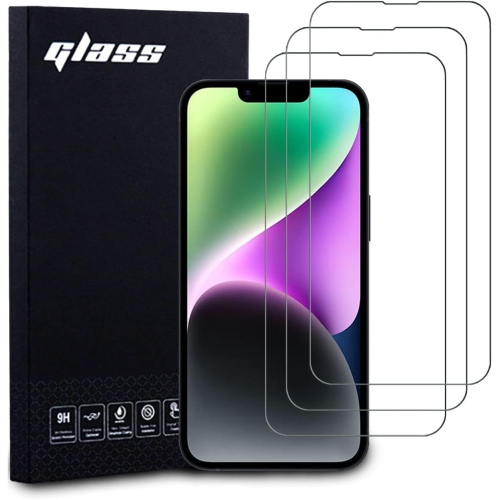
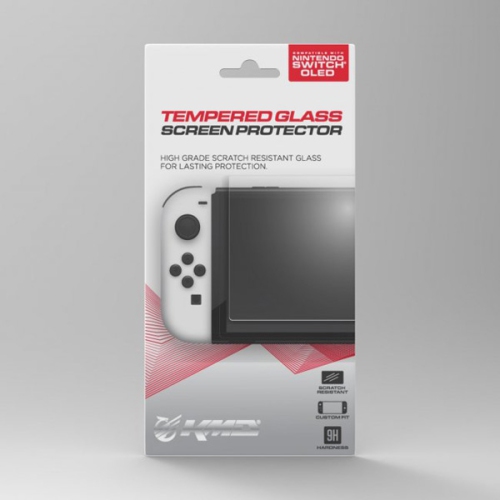
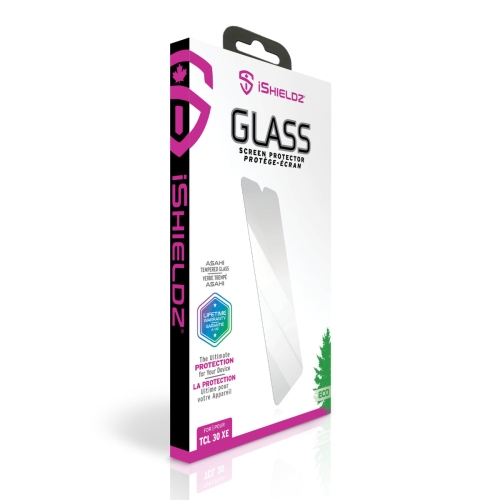
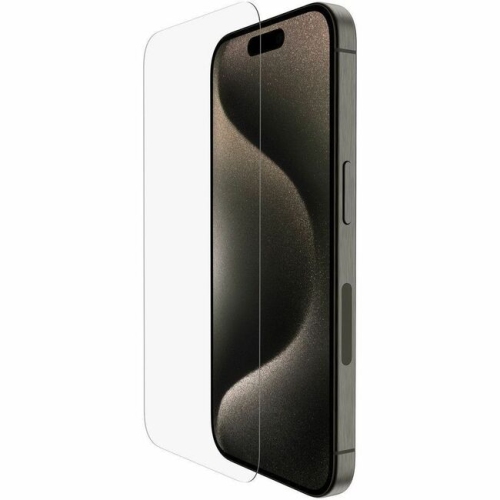
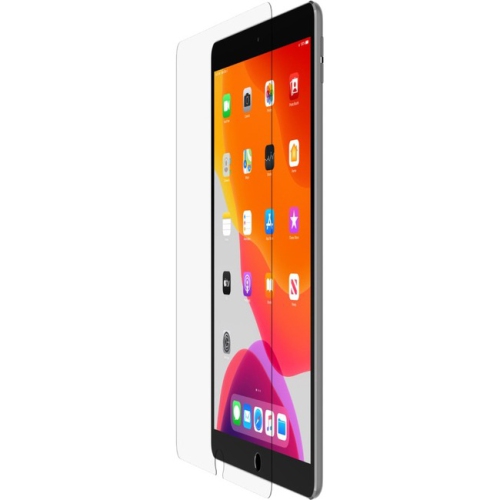
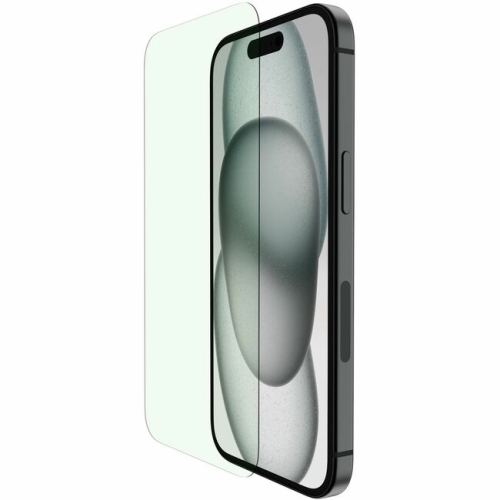
For phones, tablets, and other compatible displays, tempered glass protection serves a different purpose: adding a replaceable surface between everyday contact and the device’s screen. A well-fitted protector can help limit scratches and may absorb some impacts, but it cannot guarantee that the underlying display will survive a fall. Exact model compatibility is essential because devices with similar screen sizes can have different corner shapes, camera positions, sensor openings, and edge profiles. Case compatibility matters too; a case that presses against the protector can lift an edge, creating a place for dust to collect. Clear finishes prioritize an unobstructed view, matte finishes can reduce reflections while changing how fine detail appears, and privacy finishes narrow the viewing angle but may make the display look dimmer. Compatibility with fingerprint readers and stylus input should be checked where those functions are important. Clean installation helps preserve both appearance and touch response, since even a small particle can leave a visible bubble beneath the glass. Across these different product types, thoughtful care protects the surface and helps prevent avoidable damage. A soft, lint-free cloth and a cleaner approved for the product are generally preferable to abrasive pads or powders, which can mark glass or damage surface coatings. Electronics require particular care around openings, and cleaning liquid should not be allowed to seep into the device. Furniture glass benefits from suitable coasters and pads that keep rough ceramic bases or heavy objects from making direct contact with the surface. Although tempered glass can tolerate more thermal stress than ordinary glass, it is not automatically suitable for stovetops, ovens, or sudden temperature changes. Hot cookware belongs on an appropriate heat-resistant support unless the surface is expressly rated for that use. Edges and corners also need protection during handling because damage there can compromise the whole piece. Chipped drinkware, cracked protectors, and damaged furniture panels should be taken out of use and replaced as appropriate. Matching the glass to its purpose—and respecting the care and support requirements of the finished product—helps retain the clarity, comfortable handling, and everyday usefulness that make this material appealing.
In living and dining spaces, tempered glass surfaces offer a clear view of the materials around them, allowing a wood base, metal frame, or patterned rug to remain part of the room’s appearance. Transparency can help furniture feel less visually bulky, particularly beside a sofa or within a compact dining area, while tinted and frosted finishes provide a different balance of visibility and privacy. Tempered Glass Tables bring this material into everyday settings where surface size, edge shape, and base stability all influence how comfortably the furniture fits. A rounded corner may suit a narrow walkway, while the space beneath a tabletop affects whether chairs tuck in neatly and seated guests have enough knee room. The glass, frame, fasteners, and supports function as a complete structure, so a thick top does not replace the need for a stable base or adherence to the stated load limit. In a busy household, visible glass edges, secure placement, and room to move around the furniture deserve particular attention. Tempered drinking glasses apply the same broad interest in strength to a smaller, more tactile product. Their weight, balance, and rim shape influence how they feel when lifted from a breakfast table or carried on a serving tray. A broad base can provide a reassuring stance, while a gently shaped body may be easier to hold than a wide, straight-sided tumbler. Capacity is most useful when considered alongside the intended drink: juice, water with ice, and layered beverages each occupy a glass differently. Stackable shapes can make cupboard storage more orderly, but stacking is appropriate only when the design supports it. Clear glass shows the colour of a drink and makes residue easier to spot during washing; textured surfaces offer a different feel and appearance. For a housewarming or a first apartment, tempered glass drinkware can be a practical gift when the recipient’s storage space, household size, and washing preferences are taken into account. Suitability for hot drinks, dishwashers, or microwaves should always be confirmed in the product’s care information rather than assumed from the word “tempered.”
For phones, tablets, and other compatible displays, tempered glass protection serves a different purpose: adding a replaceable surface between everyday contact and the device’s screen. A well-fitted protector can help limit scratches and may absorb some impacts, but it cannot guarantee that the underlying display will survive a fall. Exact model compatibility is essential because devices with similar screen sizes can have different corner shapes, camera positions, sensor openings, and edge profiles. Case compatibility matters too; a case that presses against the protector can lift an edge, creating a place for dust to collect. Clear finishes prioritize an unobstructed view, matte finishes can reduce reflections while changing how fine detail appears, and privacy finishes narrow the viewing angle but may make the display look dimmer. Compatibility with fingerprint readers and stylus input should be checked where those functions are important. Clean installation helps preserve both appearance and touch response, since even a small particle can leave a visible bubble beneath the glass. Across these different product types, thoughtful care protects the surface and helps prevent avoidable damage. A soft, lint-free cloth and a cleaner approved for the product are generally preferable to abrasive pads or powders, which can mark glass or damage surface coatings. Electronics require particular care around openings, and cleaning liquid should not be allowed to seep into the device. Furniture glass benefits from suitable coasters and pads that keep rough ceramic bases or heavy objects from making direct contact with the surface. Although tempered glass can tolerate more thermal stress than ordinary glass, it is not automatically suitable for stovetops, ovens, or sudden temperature changes. Hot cookware belongs on an appropriate heat-resistant support unless the surface is expressly rated for that use. Edges and corners also need protection during handling because damage there can compromise the whole piece. Chipped drinkware, cracked protectors, and damaged furniture panels should be taken out of use and replaced as appropriate. Matching the glass to its purpose—and respecting the care and support requirements of the finished product—helps retain the clarity, comfortable handling, and everyday usefulness that make this material appealing.
Top selling and popular products
-
 Your price for this item is $44.99
 -
 Your price for this item is $42.68
 -
 Your price for this item is $39.68
 -
 Your price for this item is $39.99
 -
 Your price for this item is $83.17
 -
 Your price for this item is $95.28
 -
 Your price for this item is $29.99
 -
 Your price for this item is $49
Discover more categories related to Tempered Glasses
Top Collections:
Pokemon Centers, Kindle Devices, Best Budget Office Chairs, Apple iPhones 16, Best Laptops for Writers, iPhone 15 Apple, Canon G7X Cameras, Refurbished Apple Laptops, Alarm Clock, Motorola Razr Phones
Some products may be subject to Environmental Handling Fees
(EHF) depending on your province.
Learn more about EHFs.