Tempered Glass Tables
Elevate your living space with the sleek and modern appeal of tempered glass tables. Perfect for any room, these tables seamlessly blend functionality with style, offering a contemporary touch to your home decor. Whether you're looking to enhance your dining area, living room, or office space, tempered glass tables provide a versatile solution that complements a wide range of interior designs. Discover the elegance and durability of these tables as they become a focal point in your home, reflecting light and creating an open and airy atmosphere.
Sort

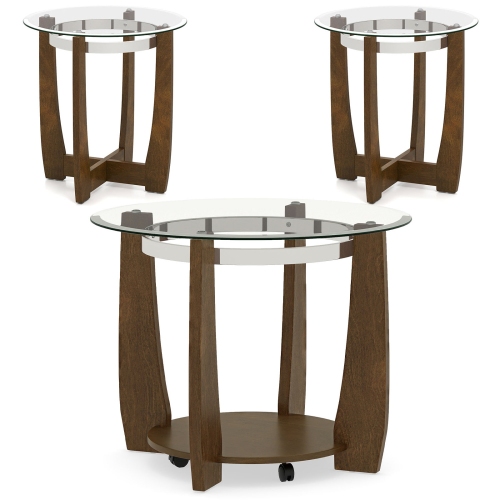
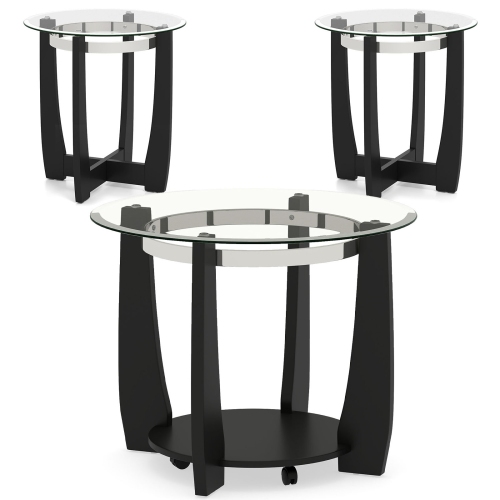


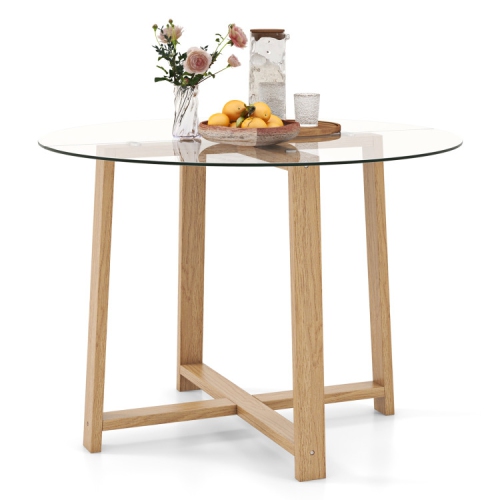
A stronger tabletop with a lighter visual presence
Tempered glass tables combine a heat-treated glass surface with a supporting base, creating a practical place for dining, working, or keeping everyday essentials within reach. Tempered glass is typically about four to five times stronger than ordinary annealed glass of the same thickness. Its strength comes from a controlled heating and rapid cooling process that creates compression at the surface. If it breaks, it generally fragments into small, granular pieces rather than the long, sharp shards associated with untreated glass. Those fragments can still cause injury, so tempered glass should not be considered unbreakable or harmless when damaged. For furniture, the appeal goes beyond strength: a transparent tabletop lets the floor, rug, and base remain visible, giving a room a more open appearance without reducing the table’s physical footprint. A clear dining table can show off upholstered chairs, while a glass coffee table allows the pattern of a rug to remain part of the room. Smoked, tinted, or frosted finishes offer a different effect, softening reflections or adding depth while retaining some of the visual lightness associated with glass. The base also shapes the overall look. Metal legs can create crisp lines, wooden supports add warmth and texture, and sculptural pedestal bases give the table a more prominent presence. Clear glass works with a broad range of colours, making it easier to coordinate with existing seating and flooring. Reflections from windows and lamps can brighten the surface, although placement matters when glare would interfere with reading or working. These tables suit people who like clean lines and visible detail, from a carefully chosen rug beneath a coffee table to the grain of a wooden dining base. They can be equally at home in a compact condo, a family dining area, or a living room where a visually heavy table would dominate the seating arrangement.
The right size and shape depend on how the table will be used and how people move around it. A dining table needs enough room for chairs to pull out and for someone to pass behind a seated guest; the tabletop dimensions alone do not describe the space it will occupy in use. The base deserves just as much attention, since wide supports, crossbars, or closely spaced legs can affect knee room and where chairs fit. Round tempered glass tables can make conversation feel more natural and avoid projecting corners, while rectangular designs often suit longer rooms and seating arrangements. An oval top offers an elongated surface with curved ends. For a coffee table, the relationship to the sofa is important: a surface close to the seat height is usually easier to reach, and a clear walking route helps prevent bumps against the edge. Side tables work best when their height is comfortable beside an armchair or bed, with enough surface area for a lamp and the objects used there every day. A narrow console can provide a useful landing place in an entryway, provided its depth leaves the passage clear. Glass desks offer a smooth work surface, though reflections, visible cables, and compatibility with an optical mouse are worth considering; a mouse pad can provide a more reliable tracking surface. Glass thickness should be considered alongside the tabletop’s span, edge finish, support points, and stated load limit rather than treated as a stand-alone measure of quality. A thicker top is not automatically suitable for every base. For a compatible replacement or a separate furniture project, Tempered Glass Table Tops should be matched to the base’s dimensions and support requirements. Tempered glass cannot be cut or drilled after tempering without breaking, so any required holes, shape, and dimensions must already be correct. Measurements also matter during delivery and assembly, especially where a large, heavy top must pass through a doorway or turn in a stairwell.
Everyday care helps preserve both the appearance and the safe use of a tempered glass table. Fingerprints, water rings, and crumbs are easy to notice on a transparent surface, particularly under direct light, but routine cleaning is generally straightforward. A soft microfibre cloth with a cleaner suitable for the glass finish can remove marks without leaving the haze that an abrasive pad may create. Manufacturer care directions take priority, especially for coated, tinted, or frosted surfaces and for the materials used in the base. Spraying cleaner onto the cloth rather than across the table helps limit liquid collecting around joints or reaching nearby wood and metal. Tempering improves strength, not immunity to scratches, so dragging ceramics, gritty objects, or metal accessories across the top can leave permanent marks. Coasters, placemats, and protective pads under decorative objects help separate hard surfaces, while a heat-resistant trivet keeps hot cookware from making direct contact with the glass. Sudden temperature differences can stress glass, even when it is tempered. The edges deserve particular care because a sharp impact or chip can compromise the whole pane; a damaged tabletop should be taken out of use rather than covered with a runner. Sitting, standing, or climbing on the surface places loads on the table that it may not be designed to support. In homes with children or pets, stable construction, secure attachments, smooth edge finishing, and thoughtful placement are important, and rounded corners do not make a table childproof. Assembly should follow the supplied directions, including any pads or fittings that separate glass from its supports. A large top is best handled by enough people to support it securely without striking its edges. With suitable sizing, careful handling, and simple daily care, a tempered glass table can serve as the centre of shared meals, a place for a book and a cup of coffee, or a tidy surface for focused work while keeping the room’s textures and furnishings in view.
Top selling and popular products
-
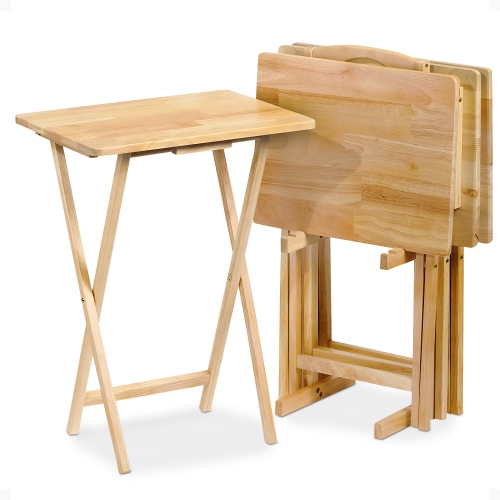 Your price for this item is $162.99
-
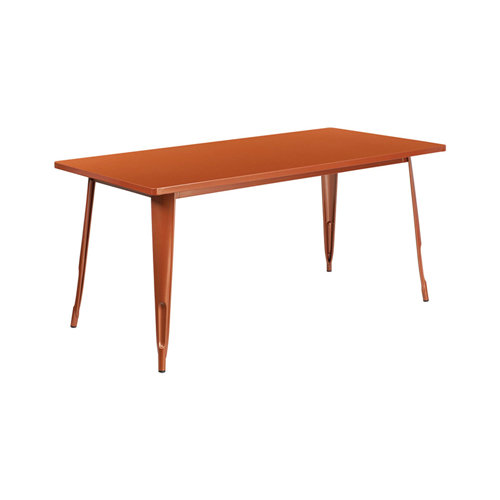 Your price for this item is $515.33
-
 Your price for this item is $115.99
-
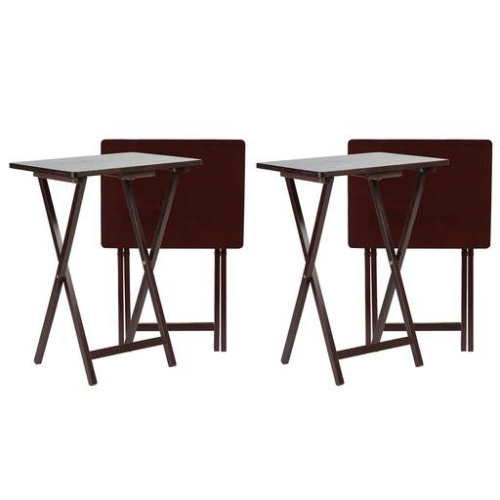 Your price for this item is $180.99
-
 Your price for this item is $149
-
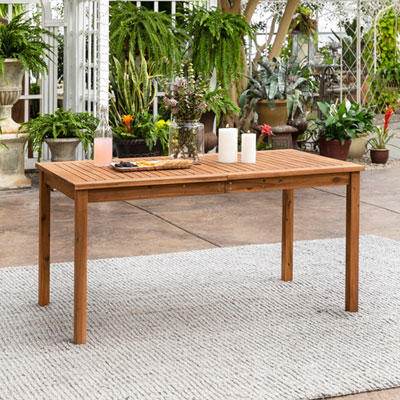 Your price for this item is $550.99
-
 Your price for this item is $259.99
-
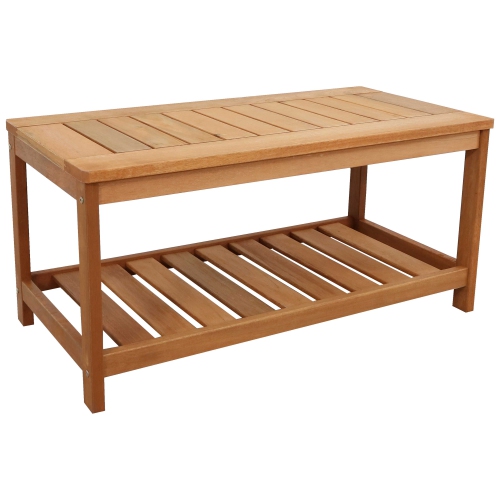 Your price for this item is $234.75
Discover more categories related to Tempered Glass Tables
Top Collections:
Pokemon Centers, Kindle Devices, Best Cameras for Sports Photography, Pokémon 30th Celebration Cards, Apple iPhones 16, Canon G7X Cameras, iPhone 15 Apple, Flip Phones, Samsung Galaxy Phones, Alarm Clock
Some products may be subject to Environmental Handling Fees
(EHF) depending on your province.
Learn more about EHFs.