Clarity Phones for Seniors
Clarity phones are designed to make life easier for seniors. The phones are easy to use, have large buttons, and come with an array of helpful accessories. They also come in a variety of colors and styles. Here are some of our favorites.
Sort

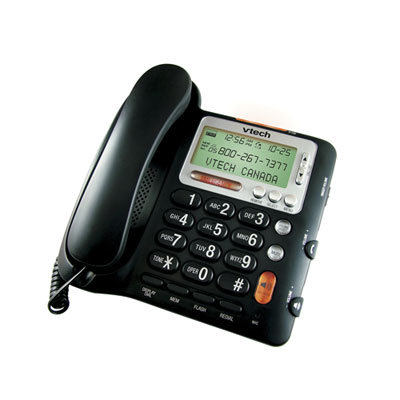
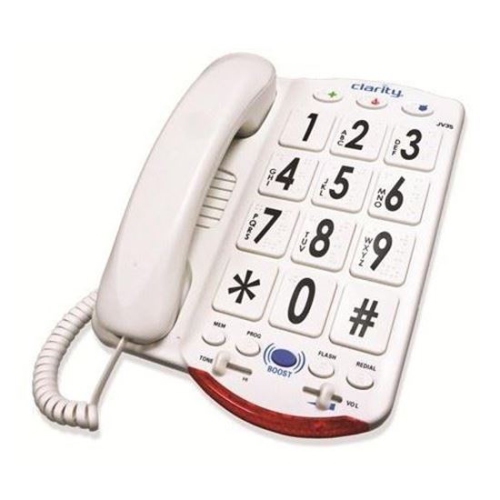
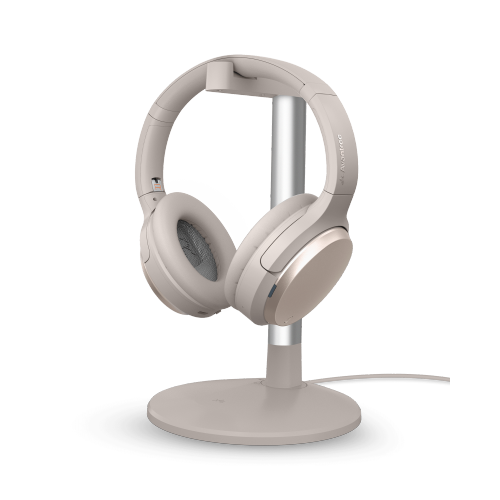
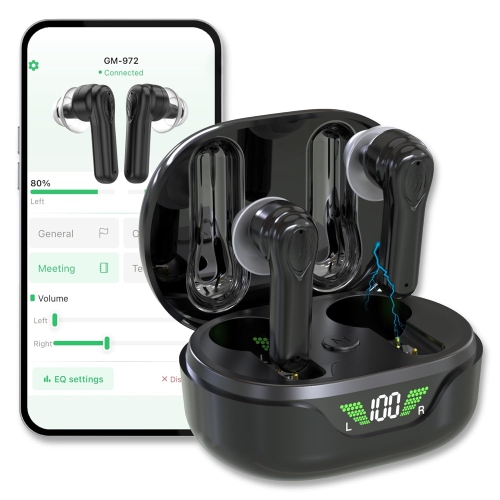
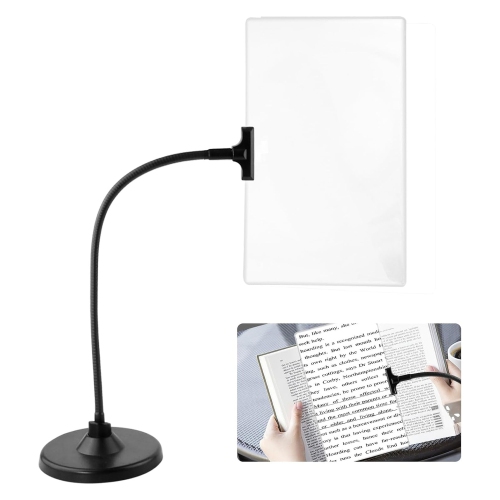
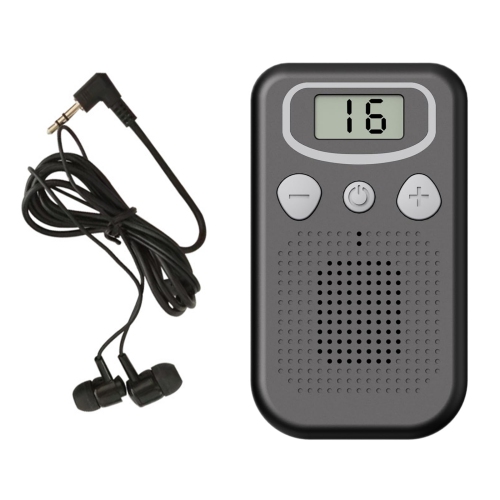
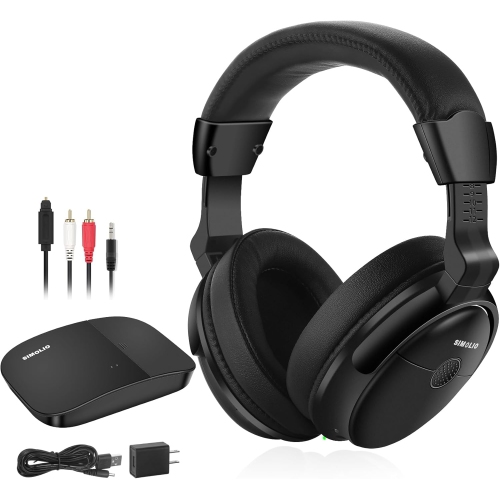

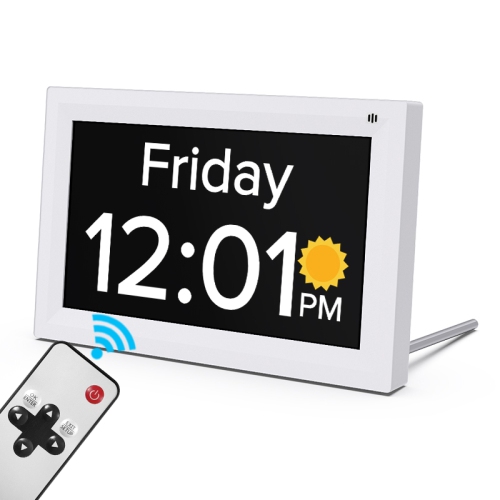

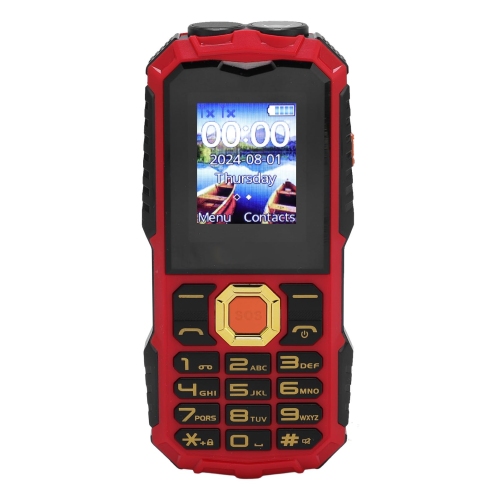
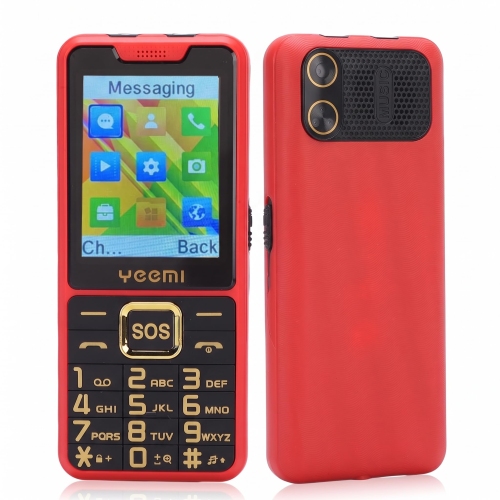
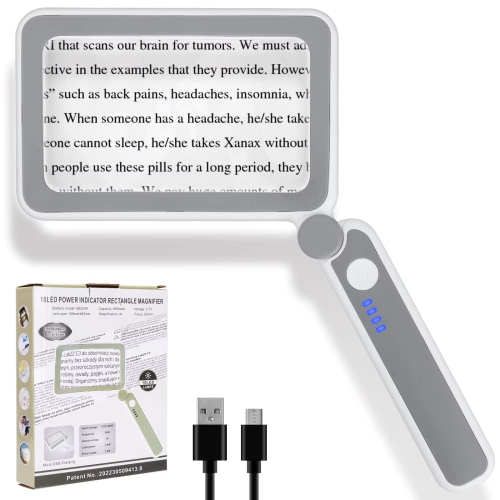
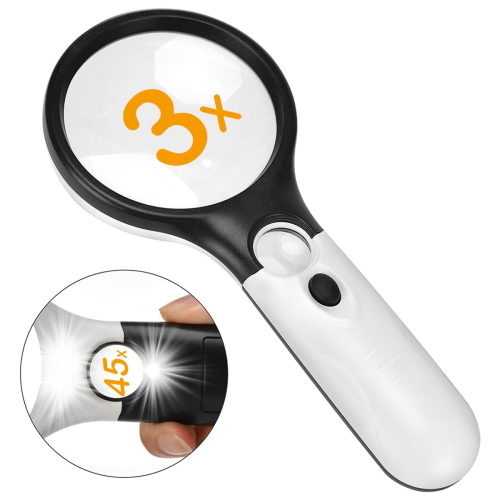
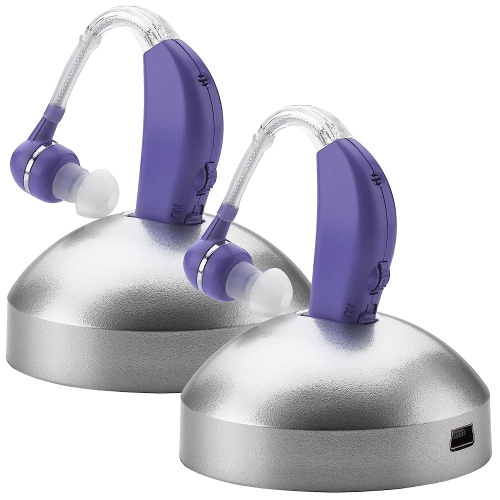
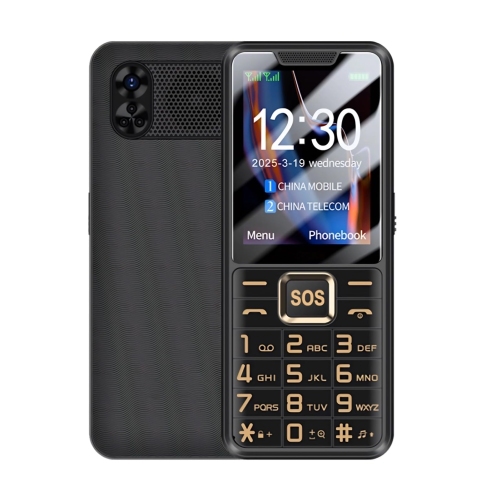
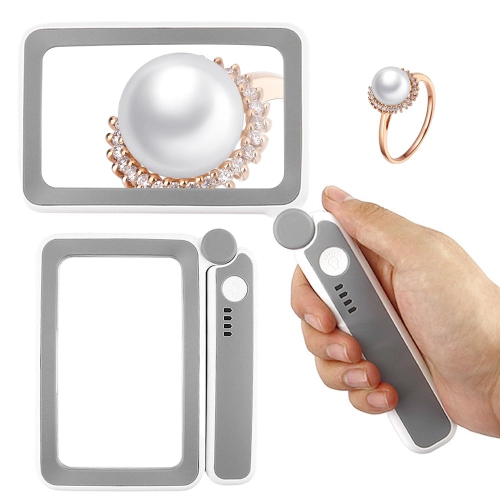
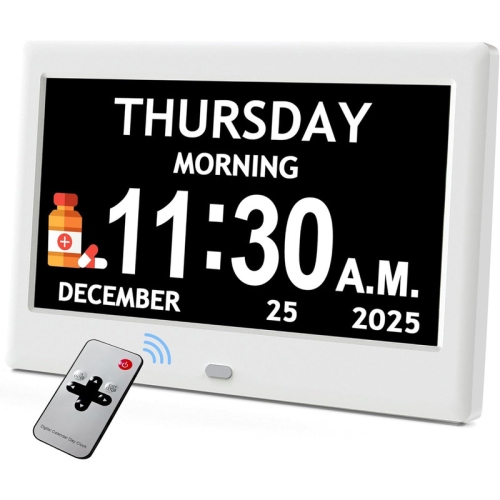
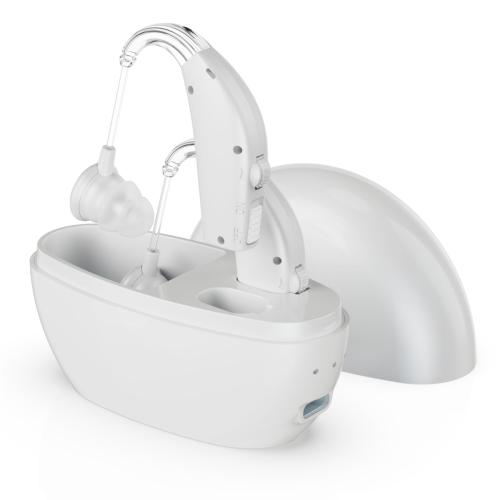
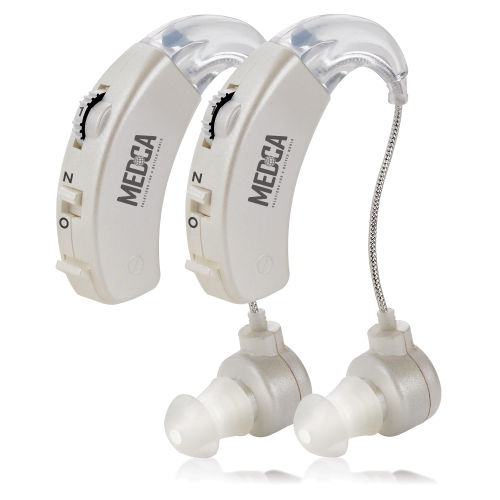
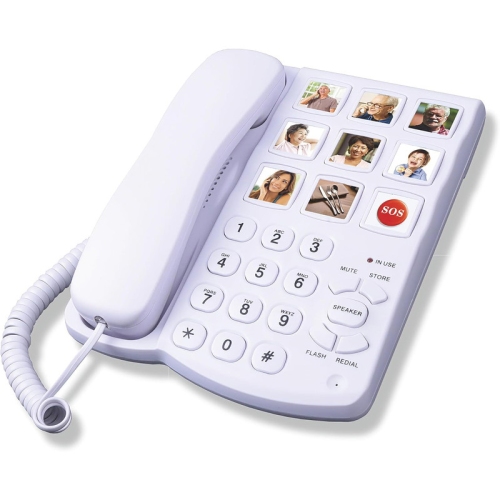
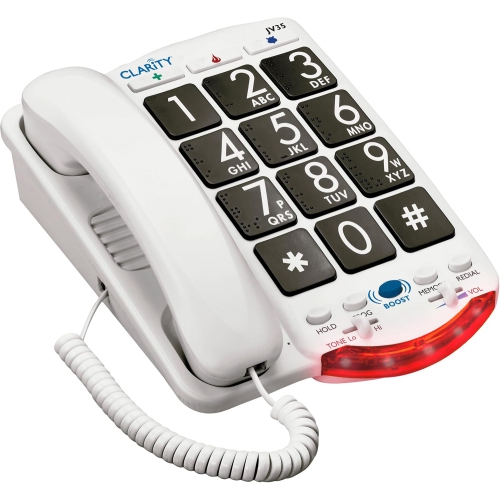
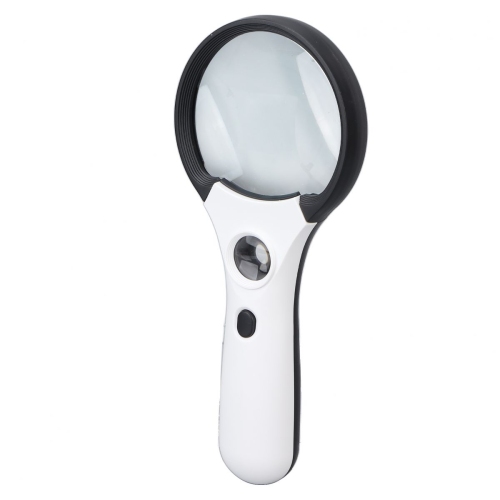
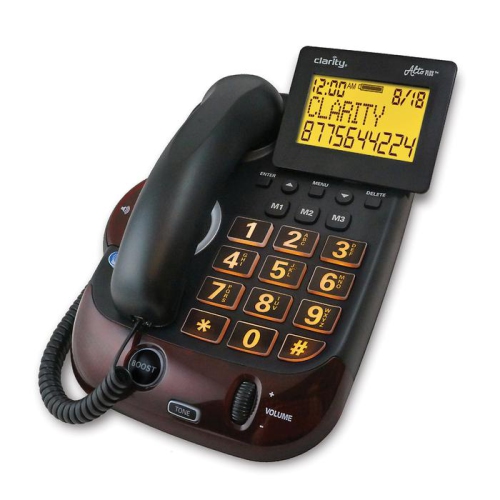
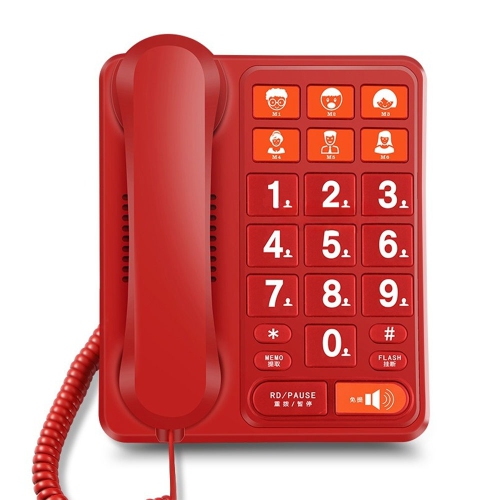

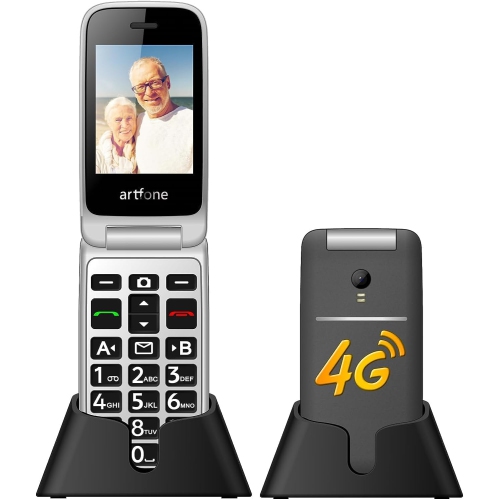
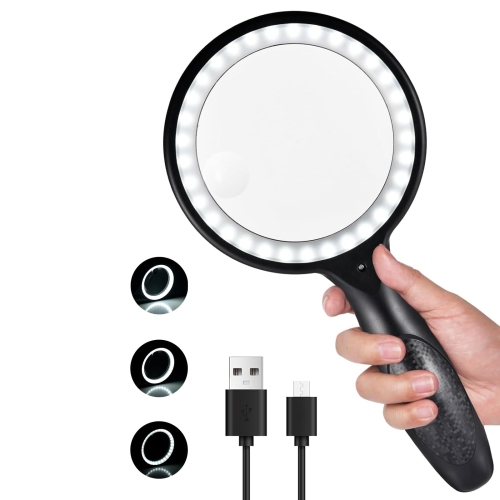
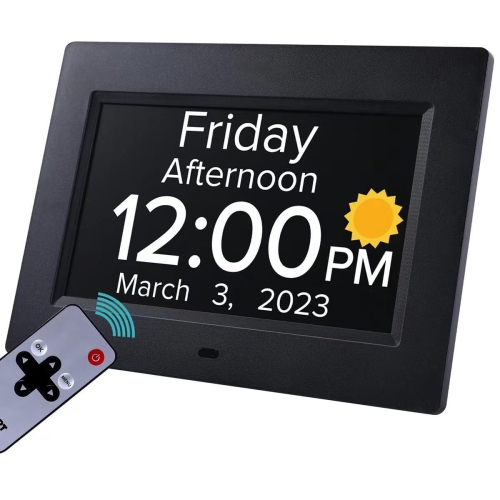
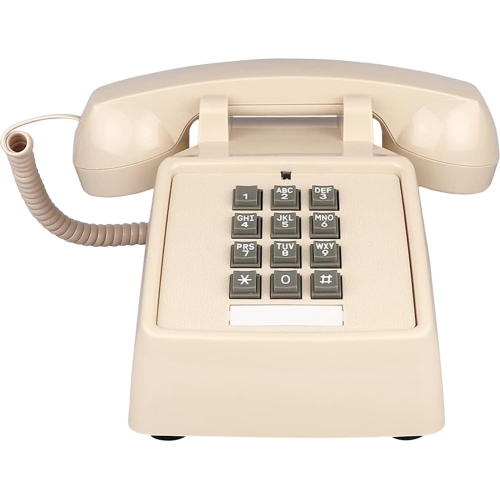
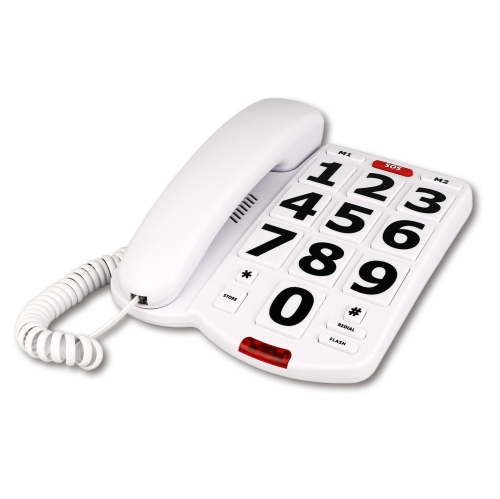
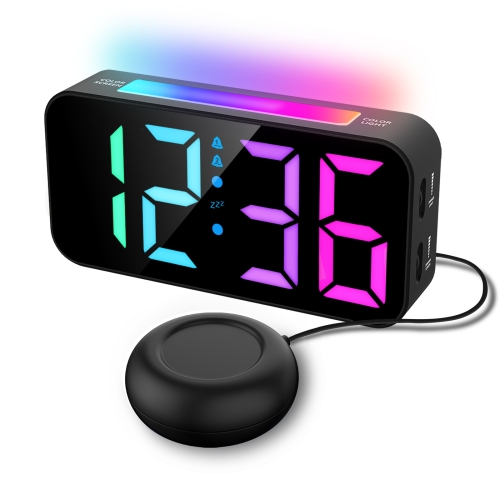
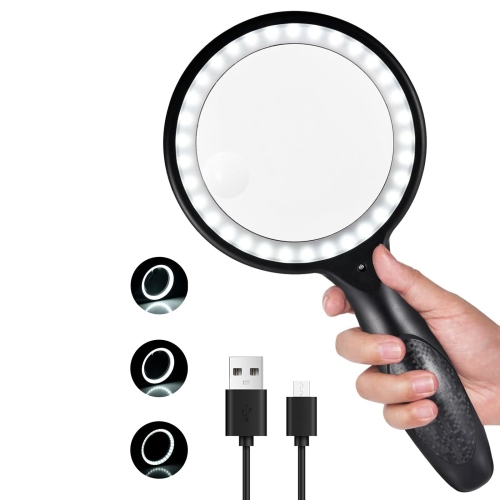


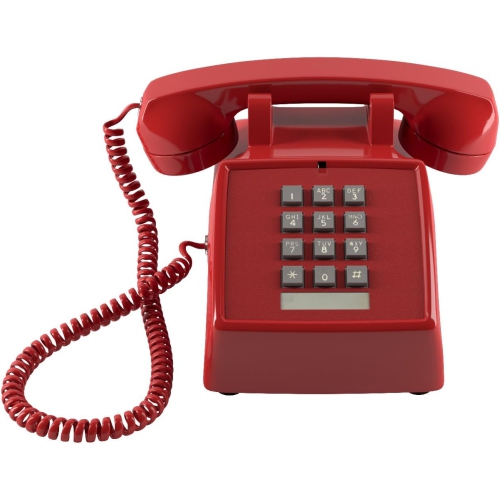
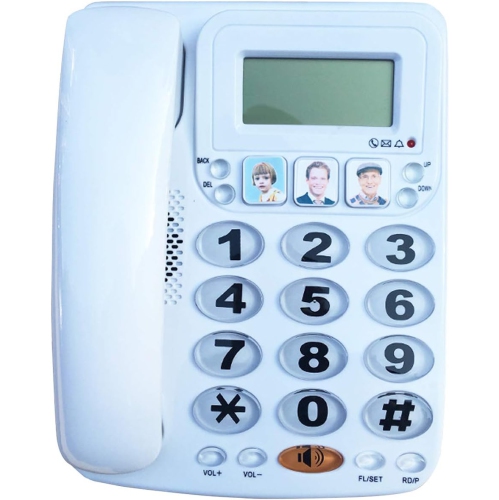
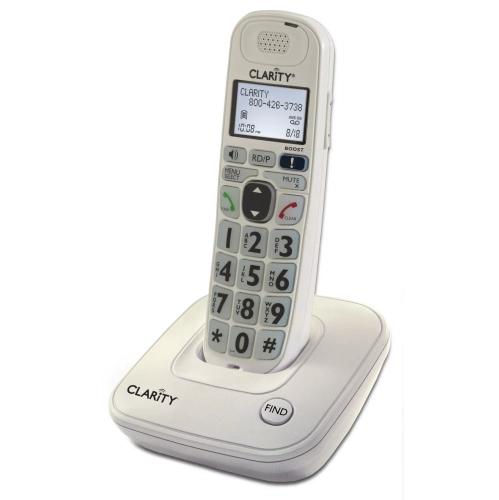
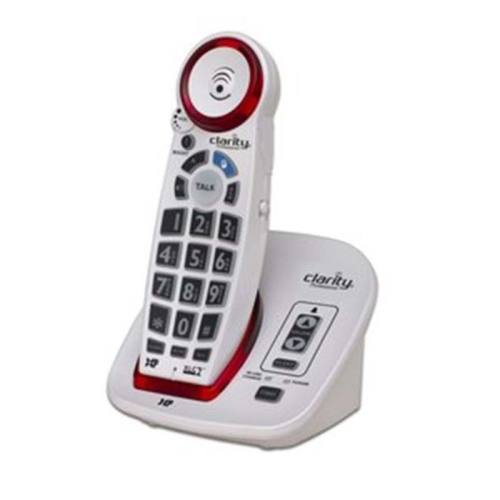
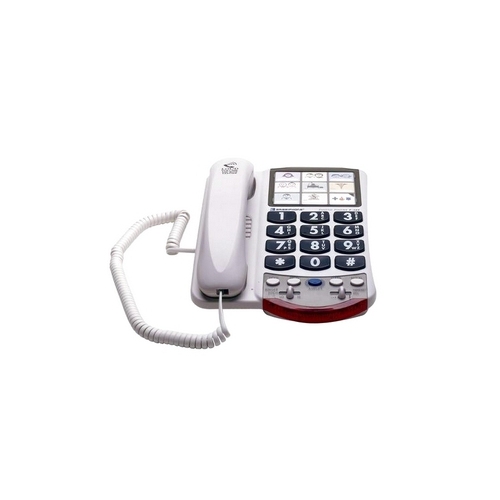

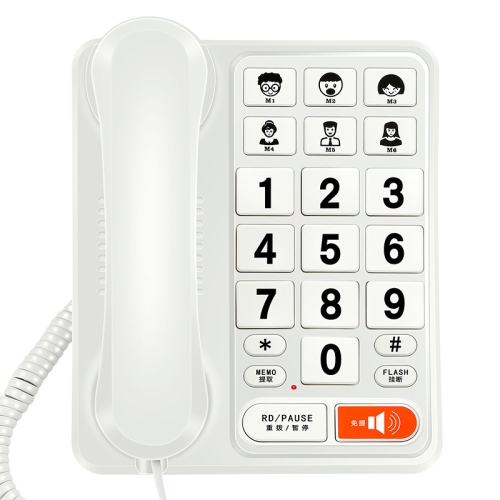


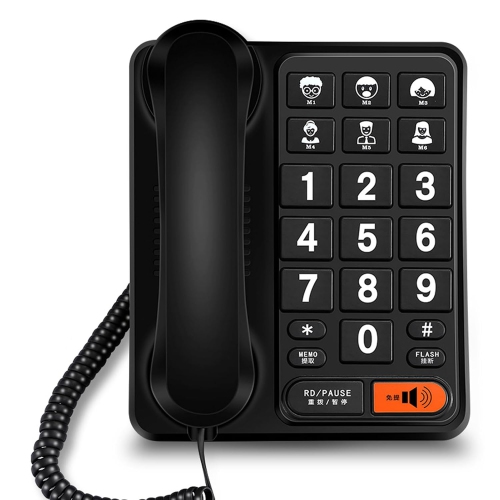
Clearer calls with larger controls and easier listening
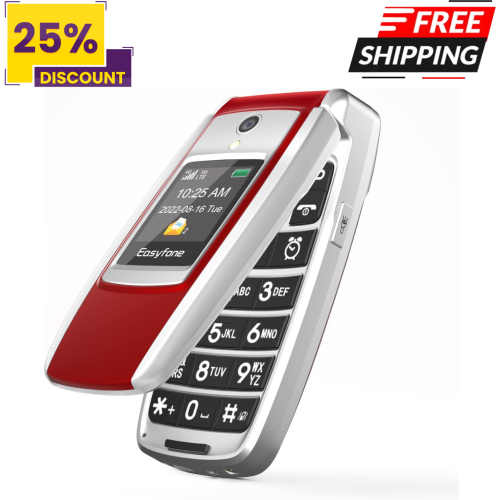
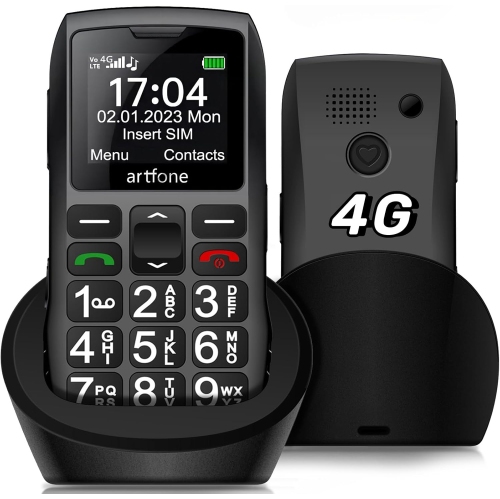
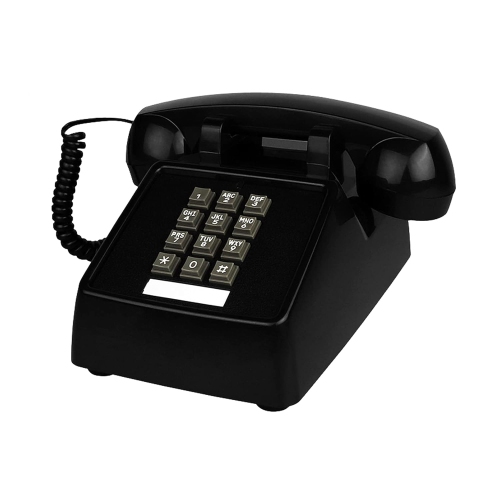
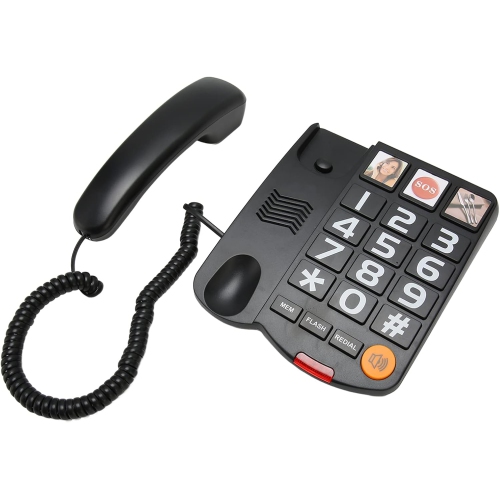
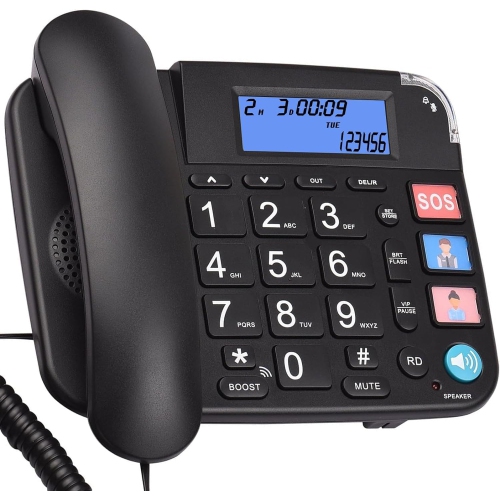
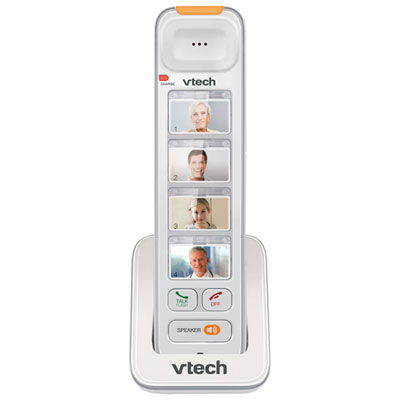
Amplified phones for seniors are designed to make everyday conversations more comfortable, understandable, and dependable for people who may find standard phones difficult to use. These phones can be a helpful choice for older adults with hearing loss, reduced vision, limited dexterity, or a preference for simple, familiar controls. They are also useful for anyone who wants a reliable home phone with clearer sound and more visible controls. A larger handset, generously sized buttons, high-contrast lettering, and straightforward functions can make a noticeable difference when calling family, arranging appointments, speaking with a health-care provider, or checking in with a neighbour. For someone who has started turning up the television, asking callers to repeat themselves, or avoiding phone conversations because they have become tiring, an amplified phone can help restore confidence. A family member may choose one as a practical gift for a parent, grandparent, or relative who lives independently, especially when staying connected by phone is an important part of their daily routine. These phones can also suit caregivers who want an easier way for someone to reach them without navigating a complicated menu or small touchscreen. For a broader selection of easy-to-use mobile and home communication options, browse Phones for Seniors.
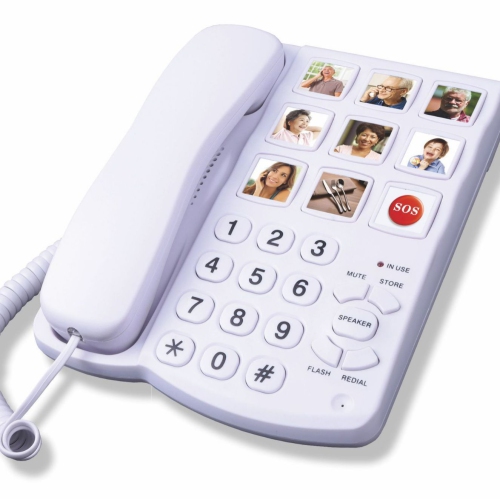
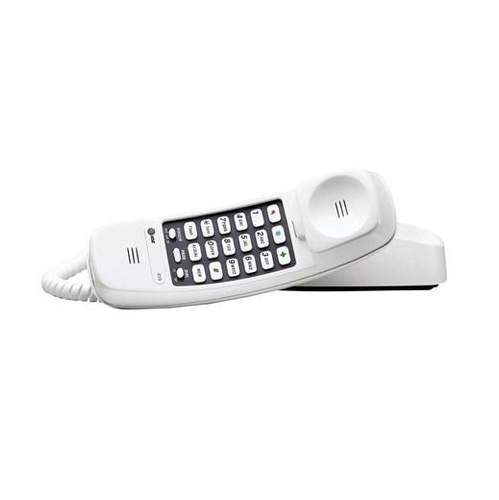
When comparing phones for seniors, start with the type of communication setup that best fits the person’s home and habits. Corded phones remain a dependable option for a desk, kitchen counter, bedside table, or common room, with the handset connected directly to the base. They do not need regular charging between calls, and a model with a battery backup may continue operating during a power outage, depending on the home phone service and the phone’s design. Cordless phones provide more freedom to move from room to room, which can be convenient for someone who prefers taking calls from a favourite chair, patio, or bedroom. If choosing a cordless model, consider the charging base, battery life, handset weight, and whether the user will remember to return the handset after a call. Sound controls deserve close attention. Volume amplification increases the loudness of incoming voices, while tone control can adjust the balance of frequencies to make speech easier to distinguish. This distinction matters because making a call louder does not always make every word clearer. A person who struggles with certain voices or high-pitched sounds may benefit from adjustable tone settings, while someone with more significant hearing loss may appreciate a higher amplification range. Hearing-aid compatibility can help reduce feedback and improve listening comfort, although compatibility and performance may vary by hearing aid and phone configuration. A talking keypad can announce numbers as they are pressed, helping users confirm that they have dialled the intended number. Large memory buttons, including photo or name labels, can make frequent calls more direct by reducing the need to remember or enter long phone numbers. Look for controls that are separated clearly, have a tactile feel, and are easy to identify in ordinary room lighting.
Visual and audible alerts can make an important difference in a busy household or a quieter bedroom. A loud, adjustable ringer may help someone hear an incoming call from another room, while a flashing visual ringer can provide a useful second signal for people who do not always notice sound. Some phones offer different ringer tones or adjustable ringer volume, allowing the setup to be tailored to the user rather than forcing everyone to adapt to one setting. A large display may show caller information, time, or dialled numbers in a more readable format, but consider screen contrast, font size, backlighting, and the viewing angle before choosing. Simple menus and clearly marked buttons are especially valuable for users who are not comfortable with modern devices or who find small icons and layered settings frustrating. Features such as speakerphone operation can support hands-free conversations, while a dedicated emergency or assistance button may provide added convenience when configured with the appropriate contacts or service. Families should also consider where the phone will be placed, how much space the base requires, and whether the user prefers a traditional handset or a wireless design. During the cooler months, when people may spend more time indoors and rely on regular check-ins, a phone that is easy to hear, see, and operate can help maintain comfortable communication with family, friends, medical offices, and community services. The best choice is the one that matches the user’s hearing and vision needs, hand strength, memory, home layout, and everyday calling habits without adding unnecessary complexity.
Top selling and popular products
-
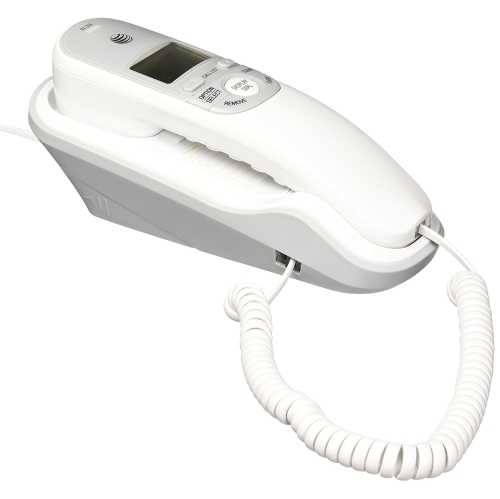 Your price for this item is $45.99
-
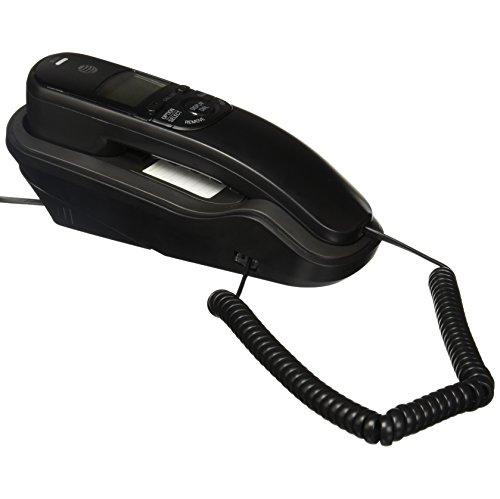 Your price for this item is $34.99
-
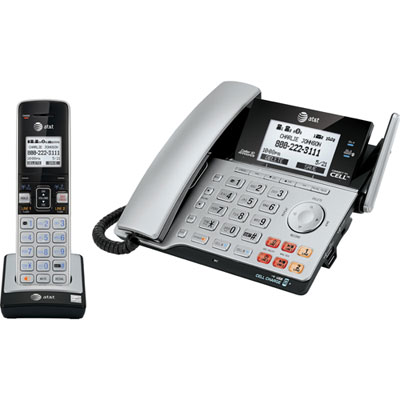 Your price for this item is $199.99
-
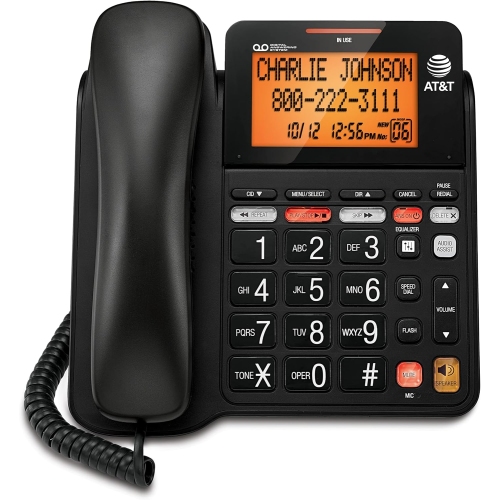 Your price for this item is $99.99
-
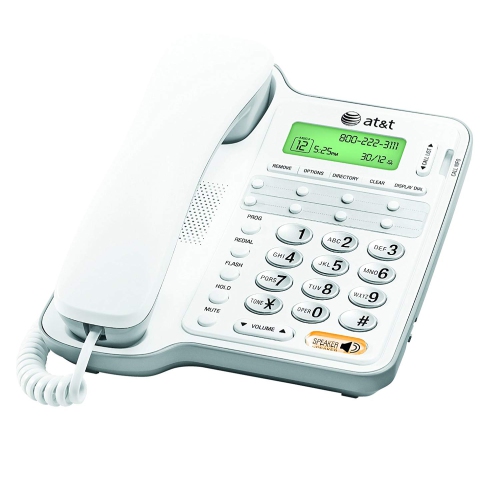 Your price for this item is $199.99
-
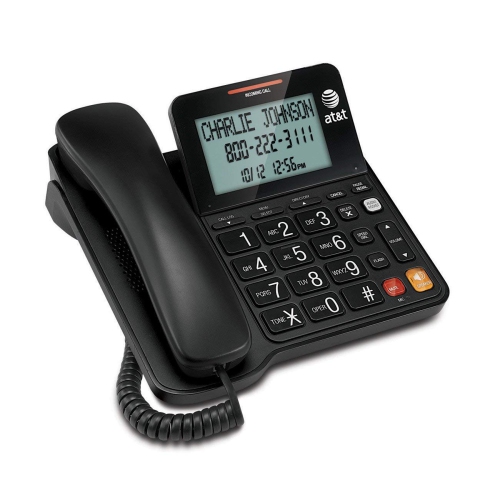 Your price for this item is $99.99
-
 Your price for this item is $99.99
-
 Your price for this item is $99.99
Discover more categories related to Clarity Phones for Seniors
Top Collections:
Pokemon Centers, Kindle Devices, Best Cameras for Sports Photography, Pokémon 30th Celebration Cards, Apple iPhones 16, Canon G7X Cameras, iPhone 15 Apple, Flip Phones, Samsung Galaxy Phones, Alarm Clock
Some products may be subject to Environmental Handling Fees
(EHF) depending on your province.
Learn more about EHFs.