Chargers for iPhone 12

Find chargers for iPhone 12 by comparing compatibility, power output, and connection type. Whether you prefer wired or wireless charging, check each listing for supported charging speeds and whether a power adapter or cable is included, so you can choose what works with your setup.
Read More

Sort

Charging speed is about more than wattage

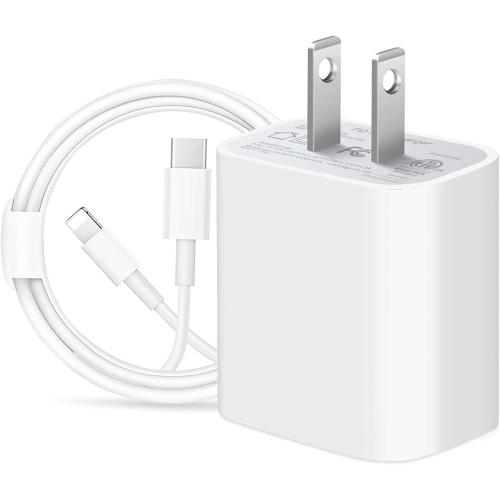
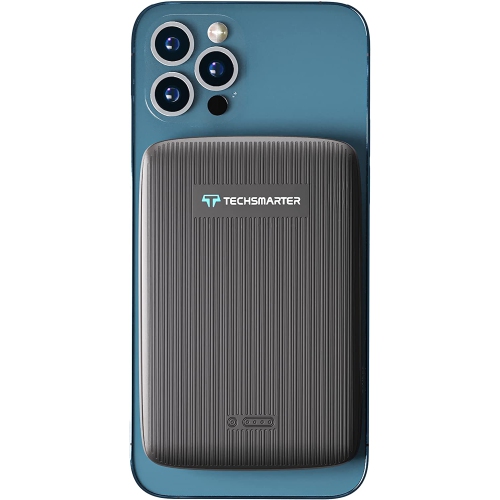
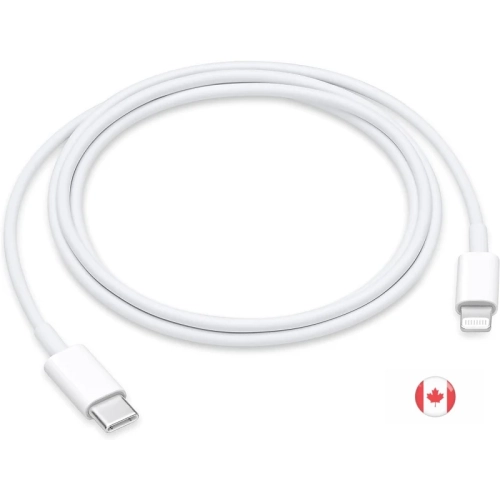
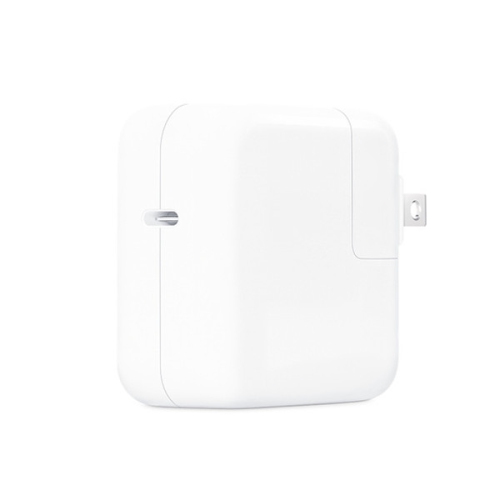
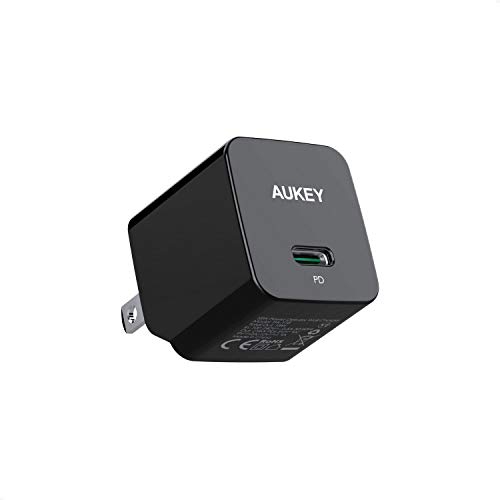
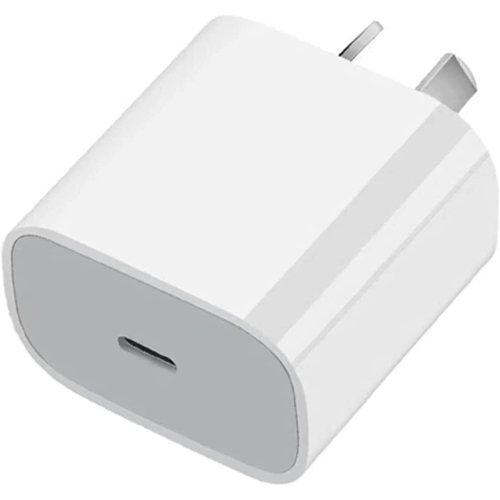
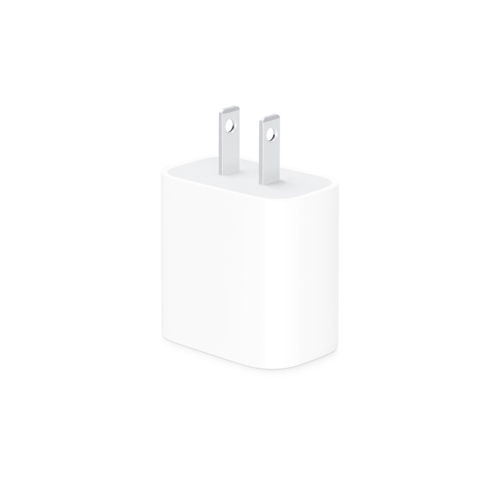
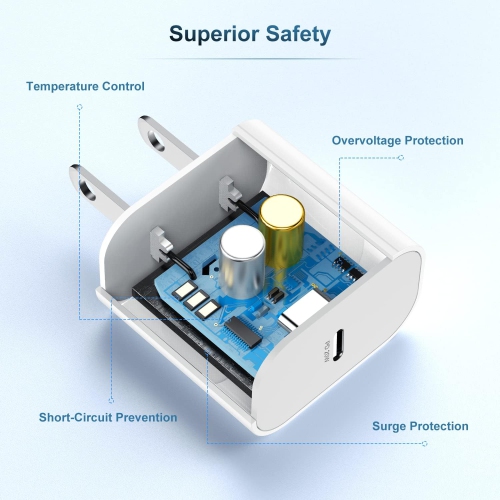
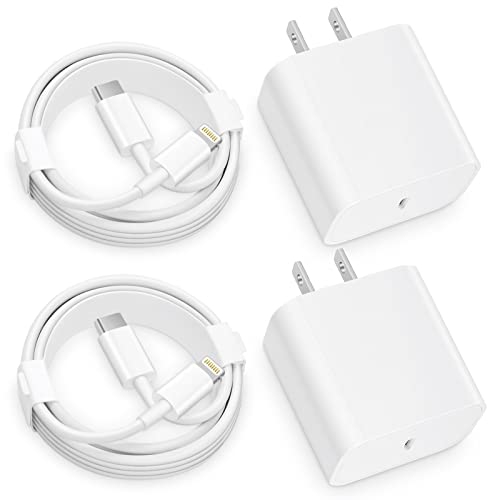
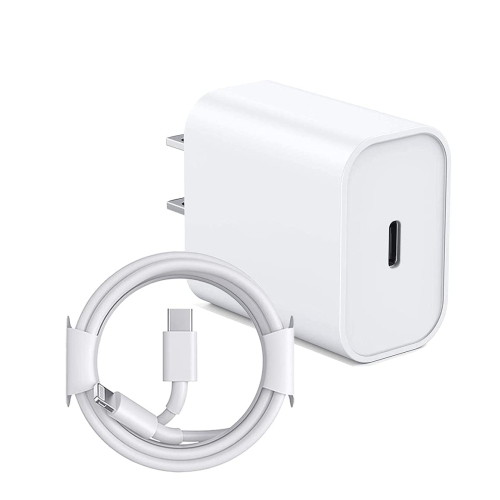
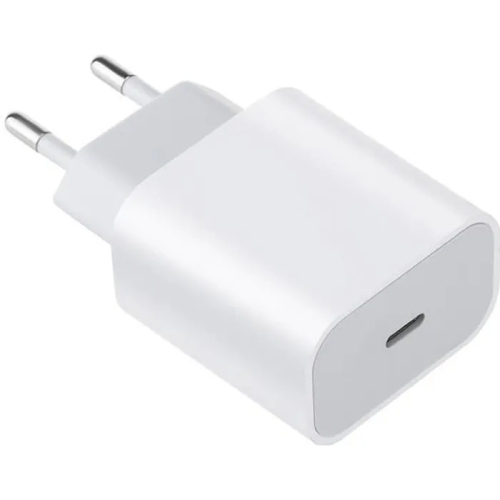
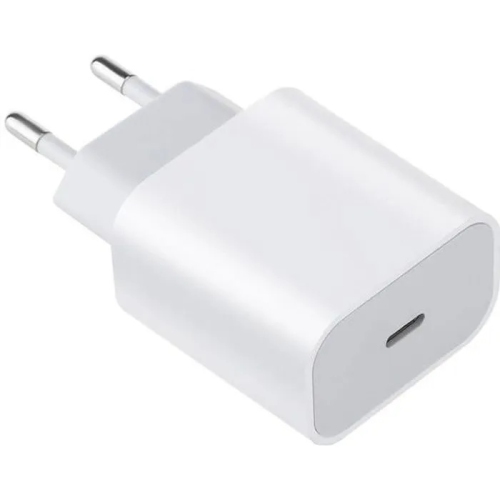
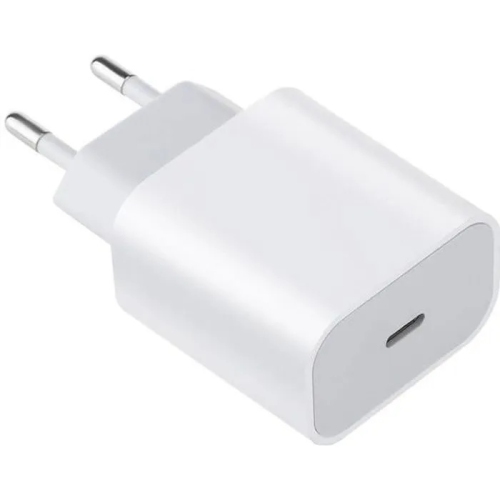
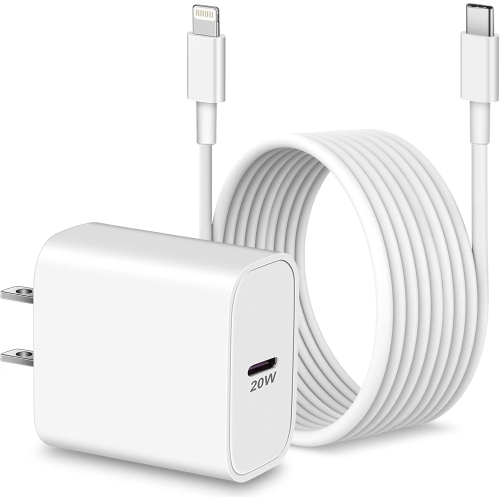
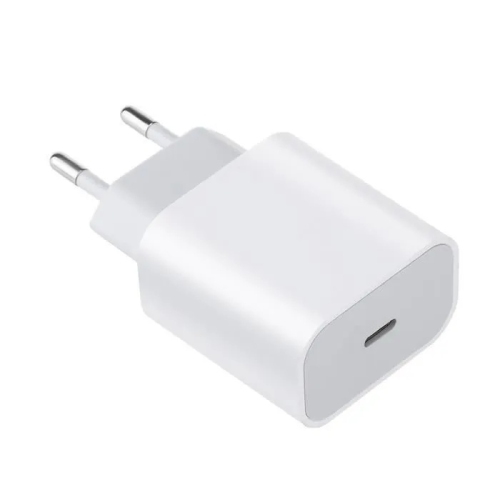
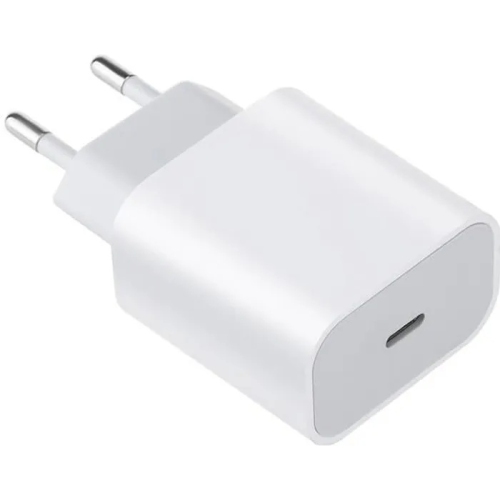
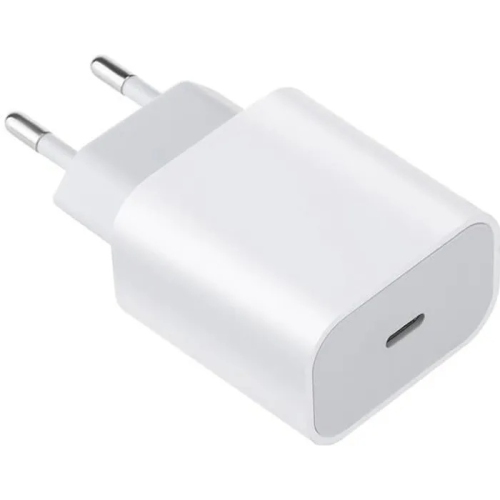
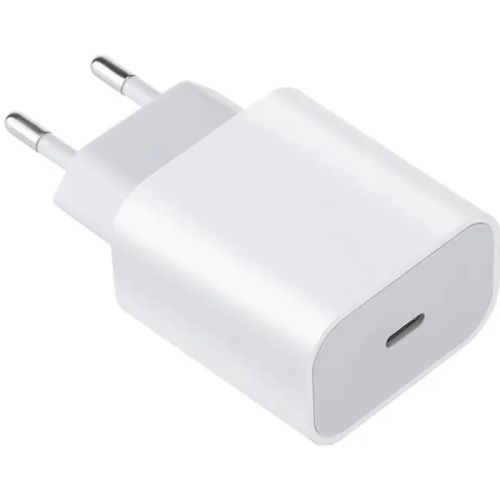
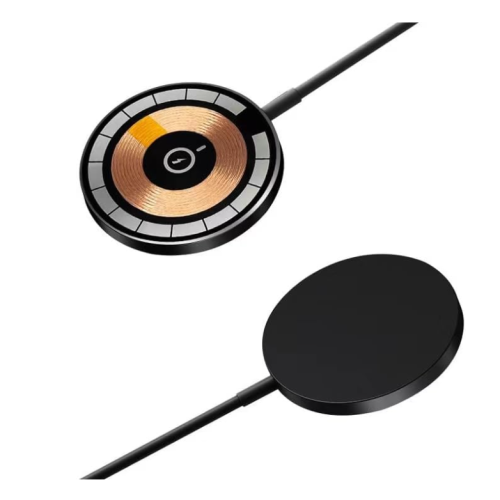
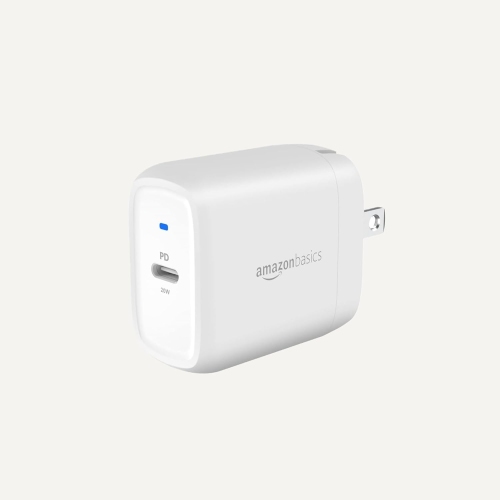
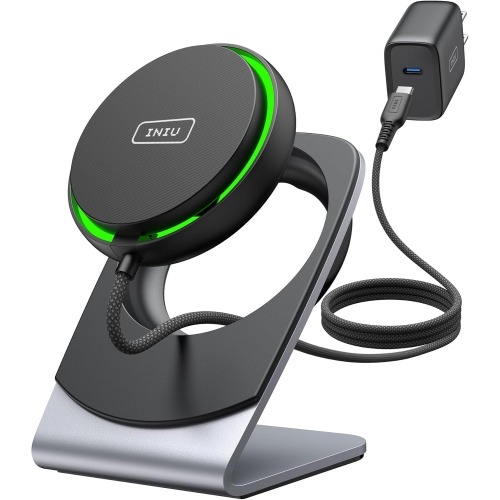
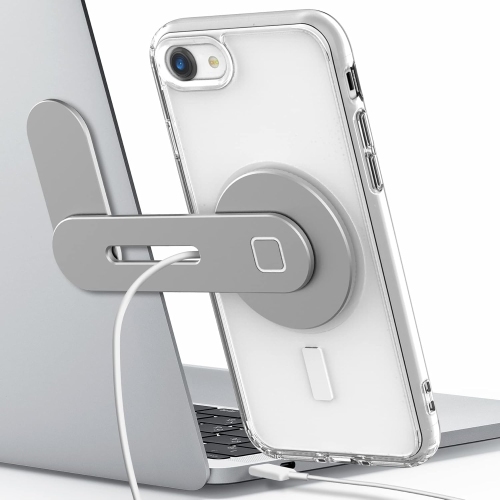
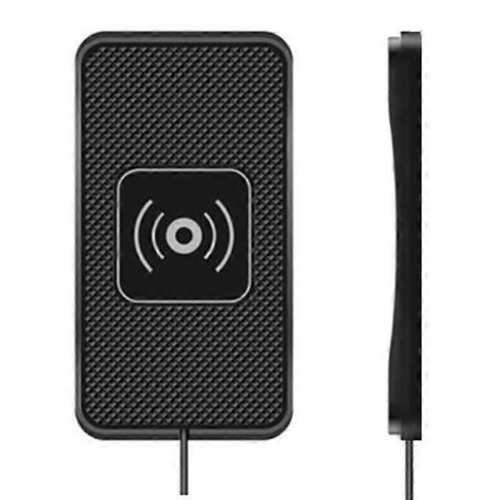
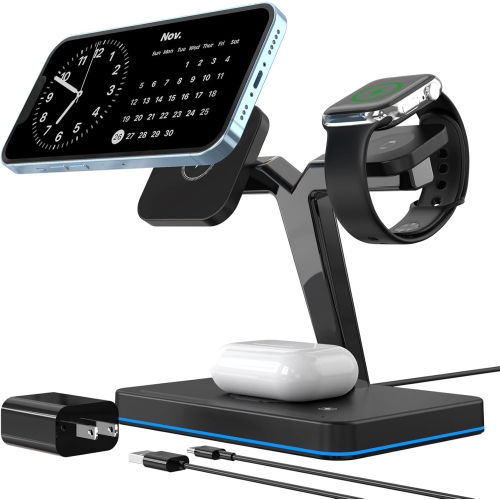
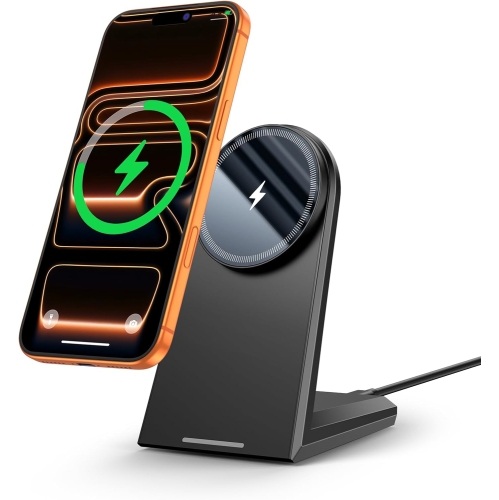
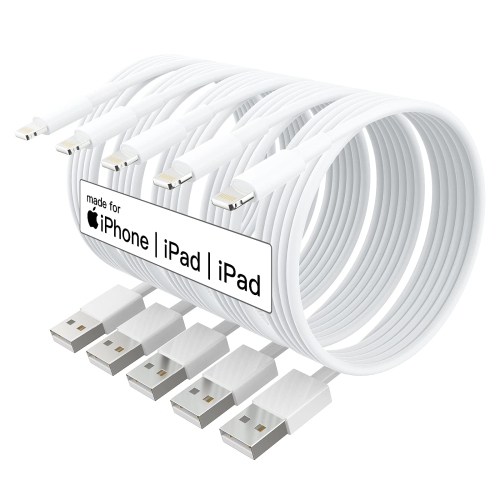
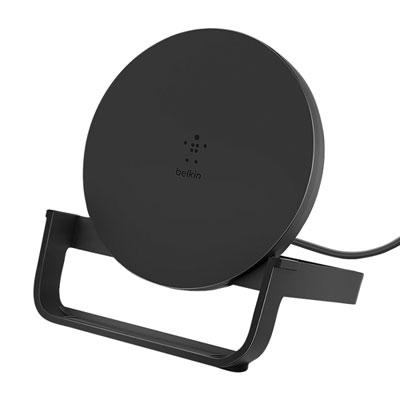
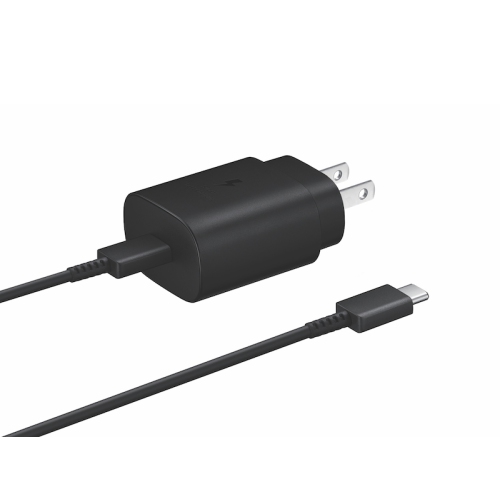
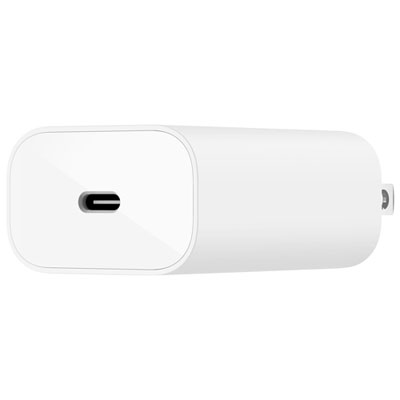
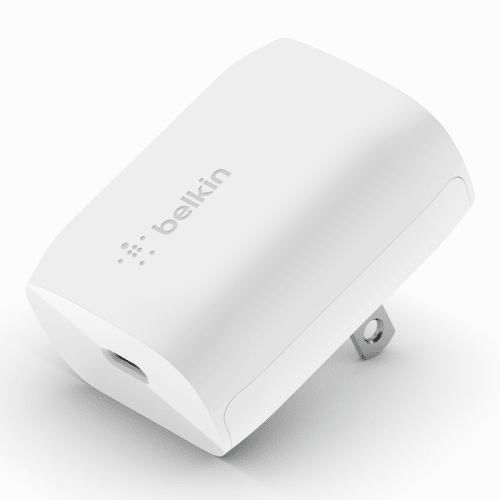
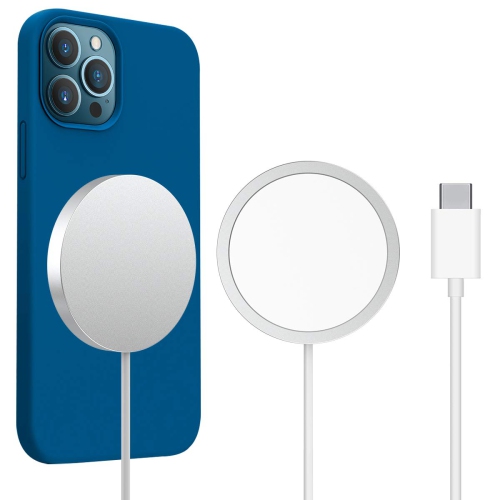
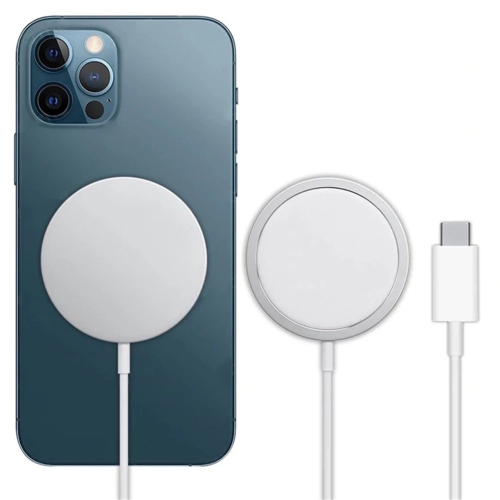
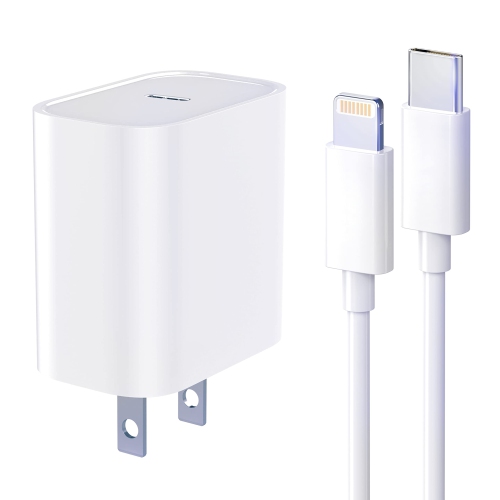
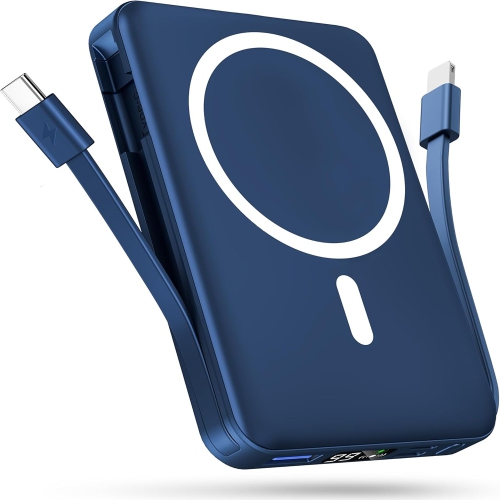
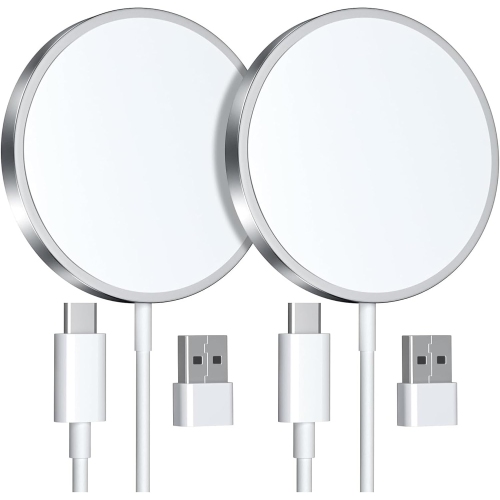
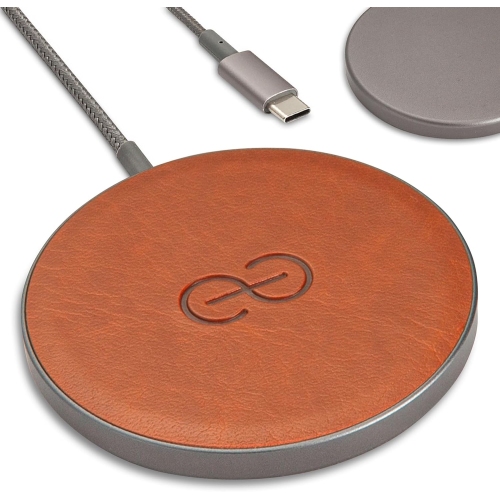
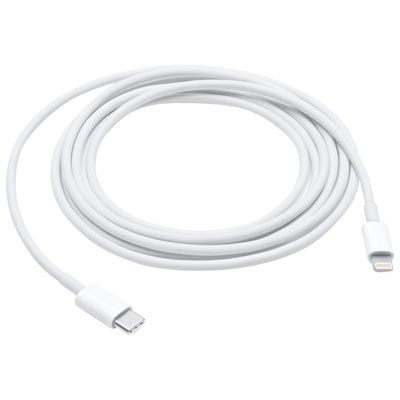
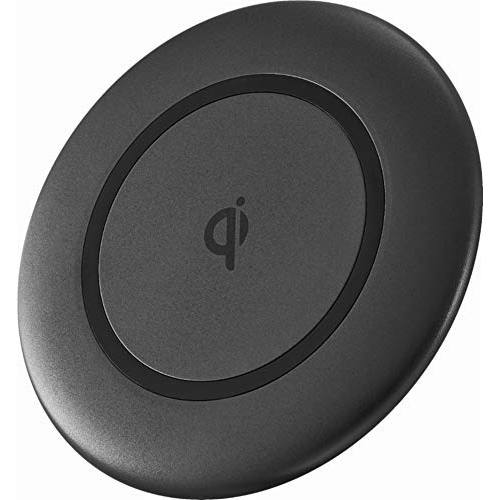
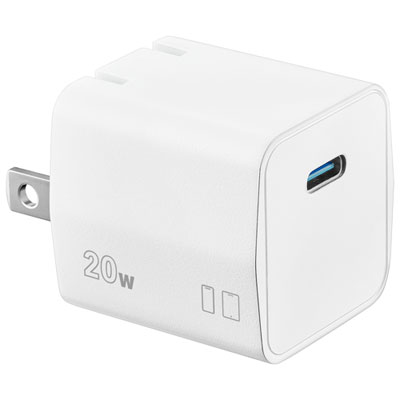
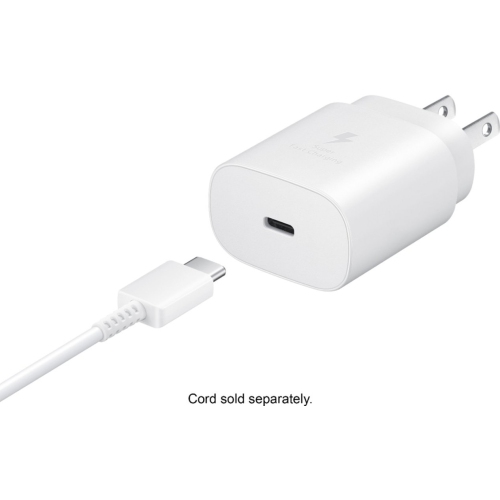
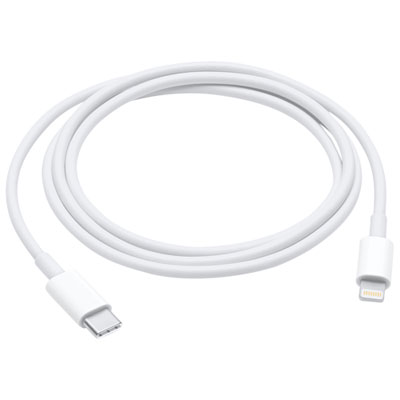
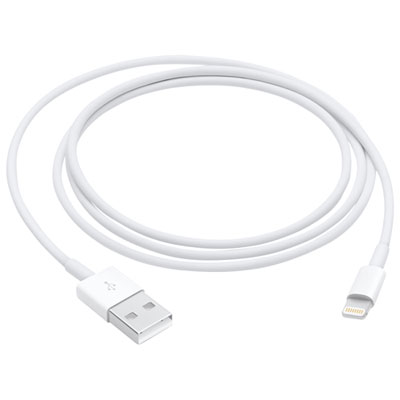
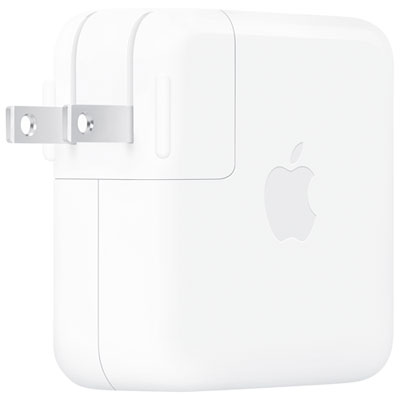
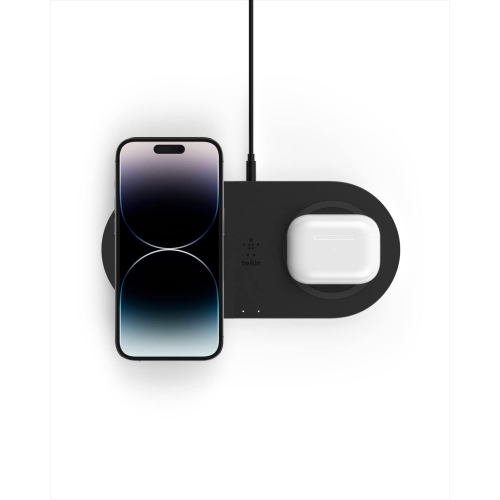
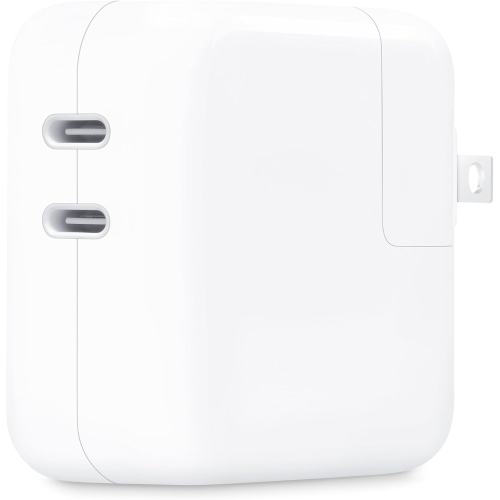
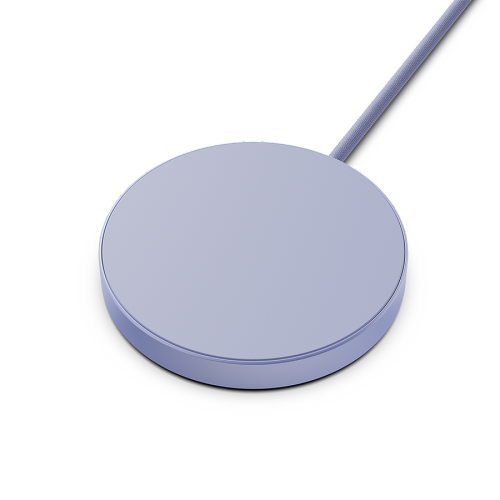
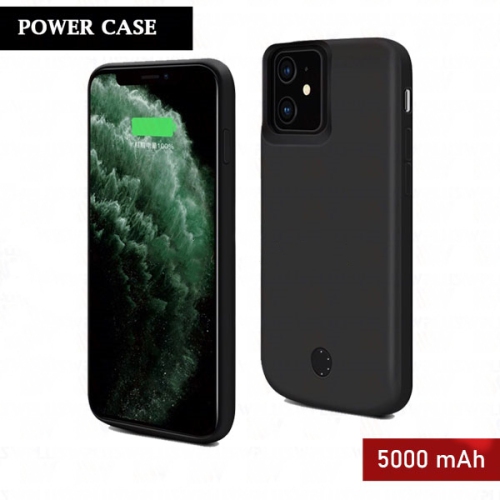
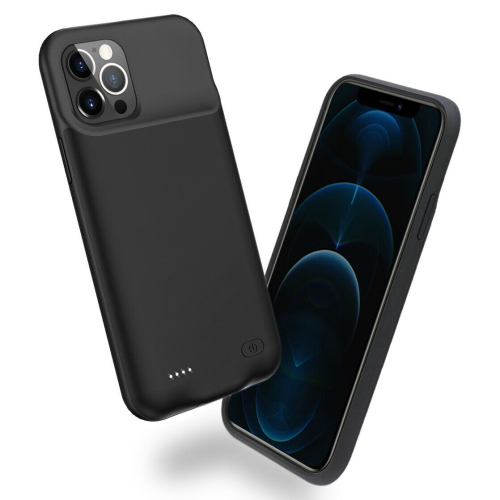
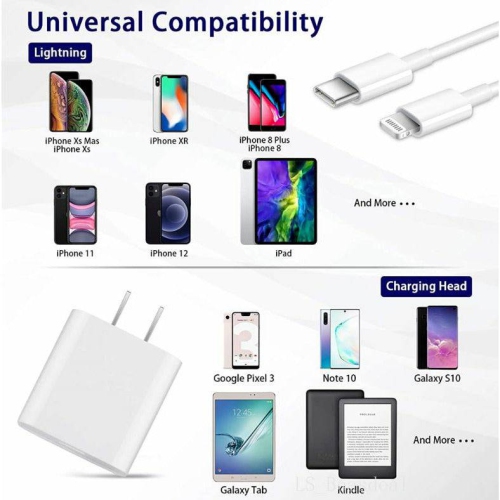
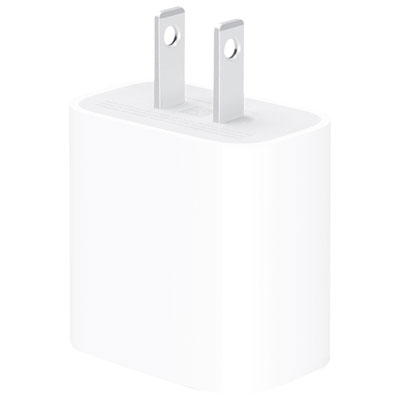
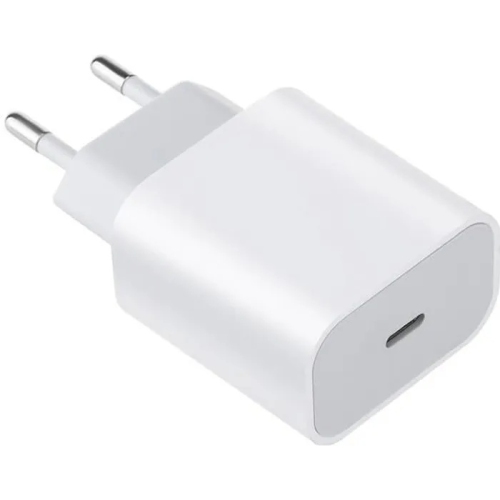
Chargers for iPhone 12 include wall adapters, charging cables, wireless pads, magnetic chargers, and car chargers, with different designs suited to a bedside table, a busy desk, or a daily commute. For wired fast charging, an iPhone 12 uses a USB-C to Lightning cable connected to a USB-C power adapter that supports USB Power Delivery, with a rating of 20 W or higher. The Lightning connector plugs into the phone, while the USB-C connector plugs into the adapter. A compatible USB-A to Lightning cable can also charge the phone from a suitable USB-A power source, although it does not provide the same USB Power Delivery fast-charging capability. A higher-wattage adapter does not force the phone to draw its full rated output; the phone takes the power it can accept. Wireless charging offers another approach, keeping the Lightning port free and making it easy to set the phone down between calls or pick it up when leaving a room. Conventional Qi charging pads generally deliver up to 7.5 W to an iPhone 12, while compatible MagSafe charging can deliver up to 15 W with an appropriate power adapter. Magnetic attachment alone does not guarantee that charging speed, so the supported charging standard matters as much as the way the phone attaches. Wireless chargers still need a connection to power, and their required adapter may be separate from the charging surface. Case compatibility also affects everyday use: a thick case, metal plate, or attached wallet can interfere with wireless charging, while a compatible magnetic case helps maintain alignment. For wired charging, the opening around the Lightning port needs enough clearance for the cable’s connector housing. These distinctions make the choice less about a single charging style and more about how the phone is used. A wired connection suits a quick top-up before leaving home, while a wireless stand creates a convenient resting place for a phone used to check messages throughout the day.

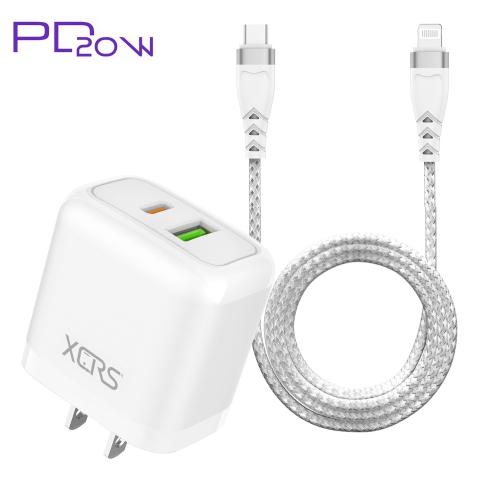
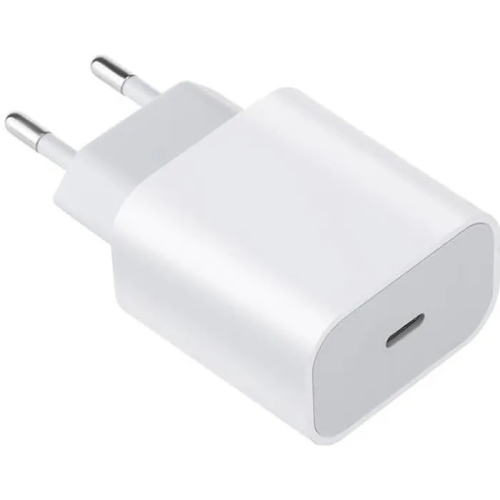
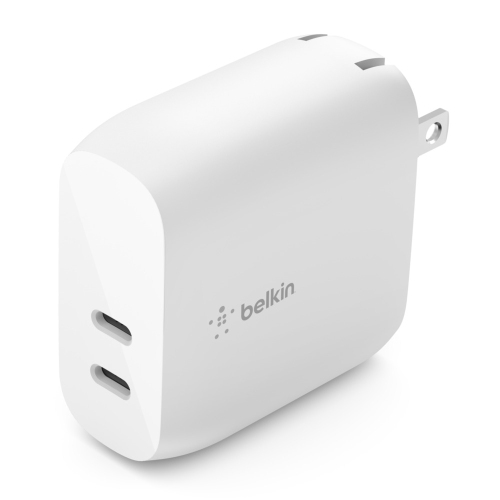
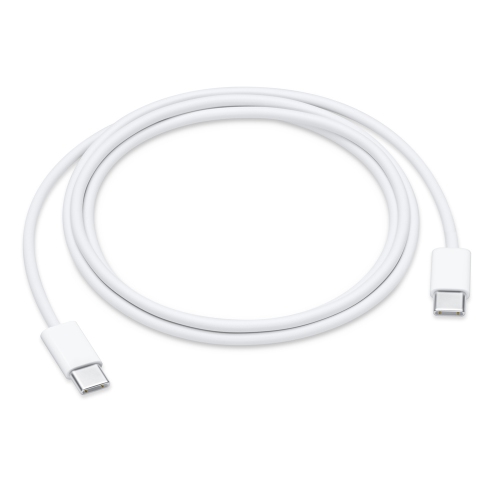
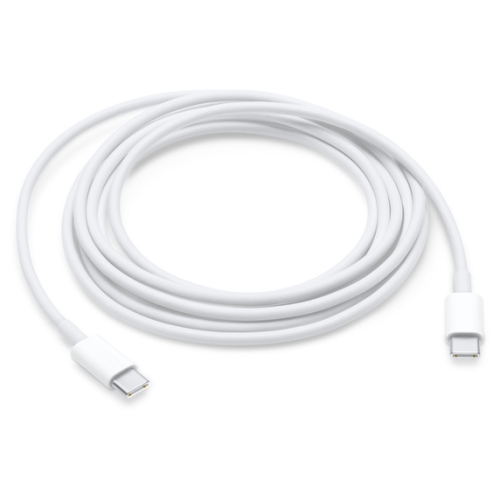
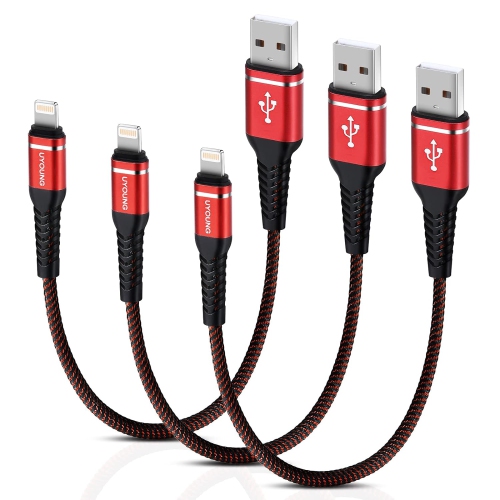
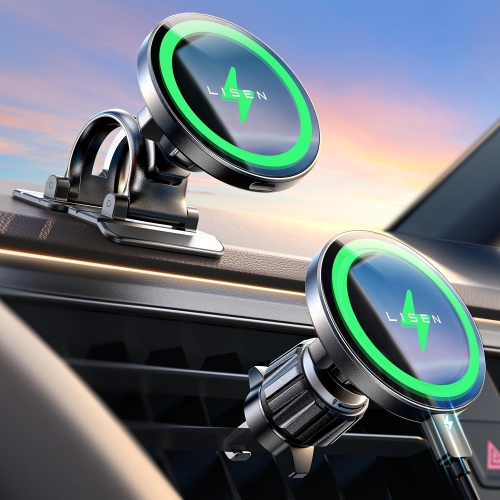
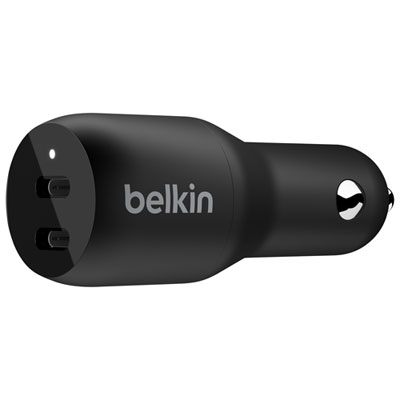
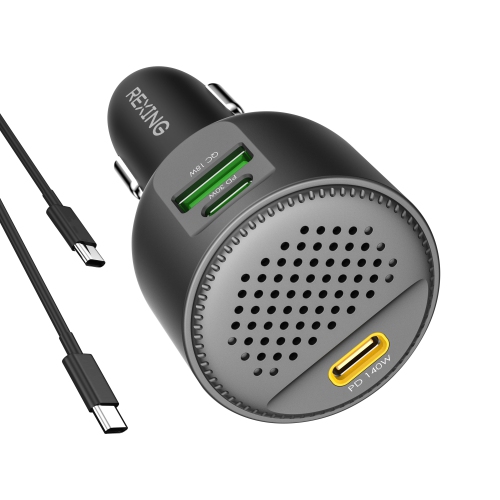
The shape, materials, and layout of a charger can make a noticeable difference once it becomes part of a regular routine. A compact wall adapter leaves more room around an outlet, and folding prongs are useful when it shares a bag with headphones, keys, and other small essentials. Multiport adapters can reduce the number of plugs needed at a desk, but their total wattage may be shared between connected devices. An adapter’s per-port output and power-sharing specifications are therefore important when a phone charges alongside a laptop or another accessory. Cable length deserves similar attention. A short cable keeps a car console tidy, while a longer cable can reach from an outlet behind a sofa without leaving the phone suspended by its connector. Extra length is useful only when it can be routed without crossing a walkway or catching in a chair wheel. Smooth cable jackets are easy to wipe clean, while braided exteriors can provide additional protection against everyday rubbing and scuffs; neither construction makes a cable immune to damage. Flexible strain relief near each connector helps accommodate repeated movement, and a well-finished connector housing is easier to grip without pulling on the wire. MFi-certified Lightning cables are designed to meet compatibility requirements for the Lightning connection. Wall adapters should also carry an electrical safety certification appropriate for use in Canada. On a charging stand, a broad base and non-slip contact points help keep the phone steady when a notification is tapped, while a flat pad offers a low-profile place to leave it face up. A car charger serves a different setting, drawing power from the vehicle’s accessory socket and keeping navigation or audio use from draining the battery during a drive. Wired fast charging in the car still depends on USB Power Delivery support and a suitable USB-C to Lightning cable. A wall adapter used for travel needs the correct plug arrangement and input-voltage rating for the destination; a plug converter changes the connection shape, not the electrical voltage.
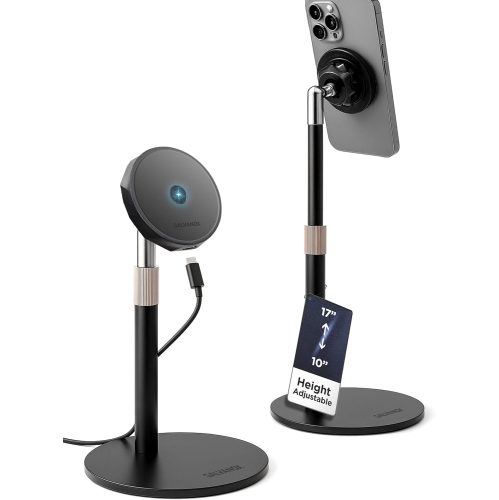
A useful charging setup often reflects the small details of a household rather than the largest wattage printed on an adapter. Someone who works between a kitchen counter and a home office may value a lightweight adapter and a cable that coils neatly, while a person who uses the phone for video calls may prefer a stand that holds the screen at a comfortable angle. A bedside charging surface can keep a phone within reach without a loose connector to find, although an indicator light’s brightness and the charger’s footprint can affect how well it fits the space. In a shared home, distinct cable colours or separate charging spots make it easier to keep track of accessories without repeatedly moving the same charger from room to room. Chargers can also make practical gifts for students, commuters, or family members who use an iPhone 12, provided the connection type and any case requirements match the recipient’s phone. Households with another compatible phone can also explore Chargers for iPhone 13; the charging standard, cable connector, and adapter output remain the key compatibility details. For lasting performance, charging accessories benefit from simple care: unplug a cable by holding its connector, store it in loose loops rather than tight bends, and keep connectors free from moisture and debris. Charging surfaces and adapter housings can be wiped with a soft, dry cloth when disconnected from power. Frayed insulation, bent plugs, exposed wiring, or a connection that repeatedly cuts out are signs that an accessory should no longer be used. Cables should not be pinched beneath furniture, and chargers should remain uncovered rather than tucked under bedding. A cable intended for charging may also support data transfer, but that capability depends on its specifications. Together, compatible connections, suitable power output, manageable cable lengths, and sound construction support a dependable routine, whether the phone spends its day beside a keyboard, in a vehicle mount, or moving between appointments.
Read More

FAQ

Some products may be subject to Environmental Handling Fees (EHF) depending on your province. Learn more about EHFs.