Bunk Beds With Stairs
Bunk beds with stairs offer a stylish and functional solution for maximizing space in bedrooms, making them an ideal choice for families and shared spaces. These innovative designs provide easy access to the top bunk while incorporating additional storage options within the stairs, helping to keep rooms organized and clutter-free. Whether you're looking to accommodate siblings or create a fun sleepover spot, bunk beds with stairs combine practicality with a touch of adventure, transforming almost any room into a versatile living area. Explore this selection to find the perfect fit for your home and lifestyle needs.
Sort
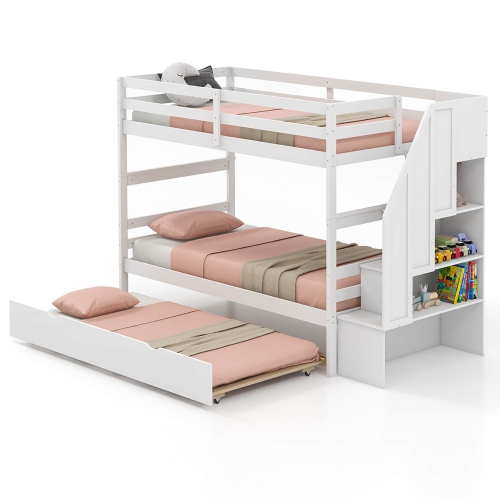
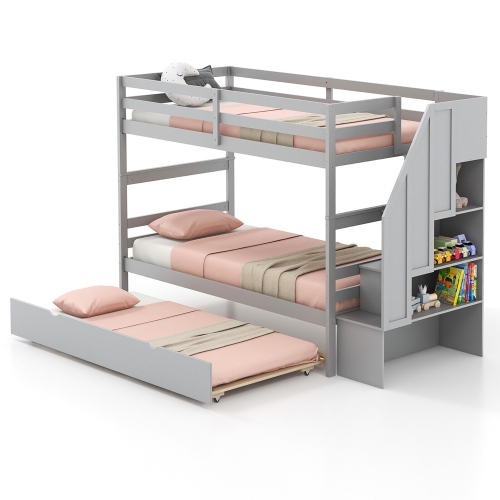
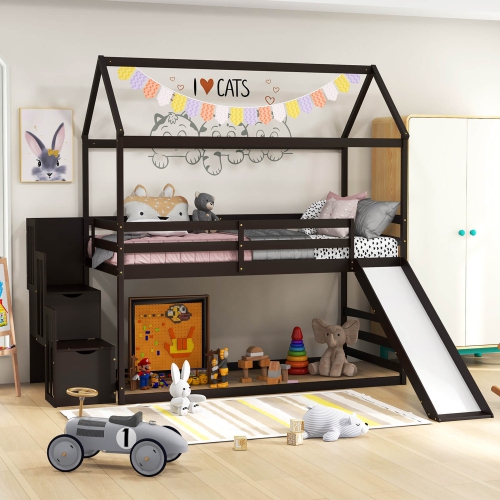
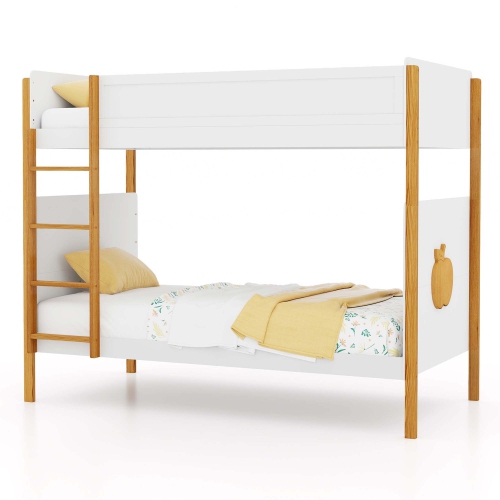
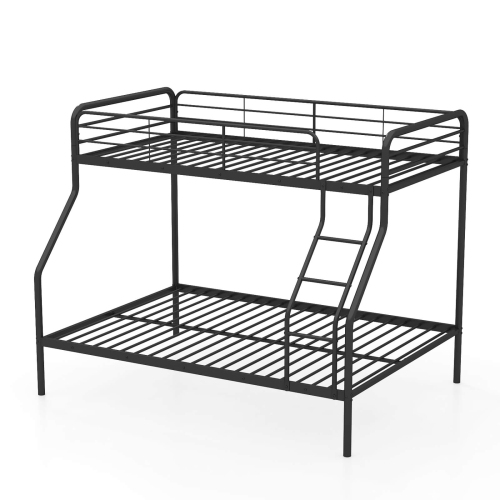
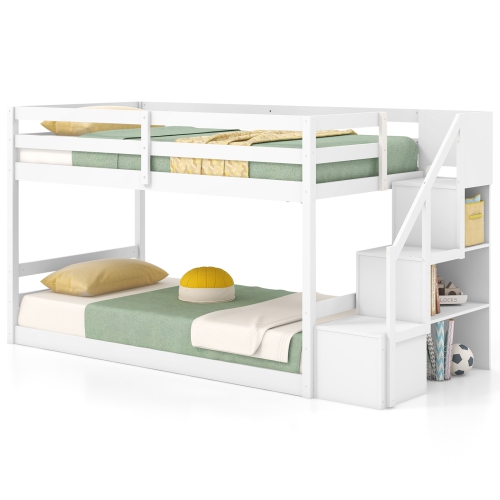
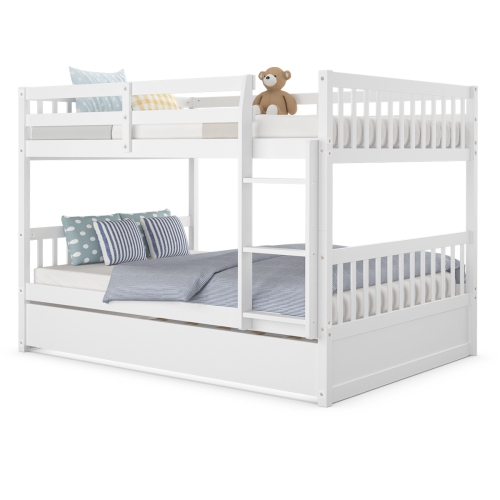
Two sleeping spaces with steps that can store more
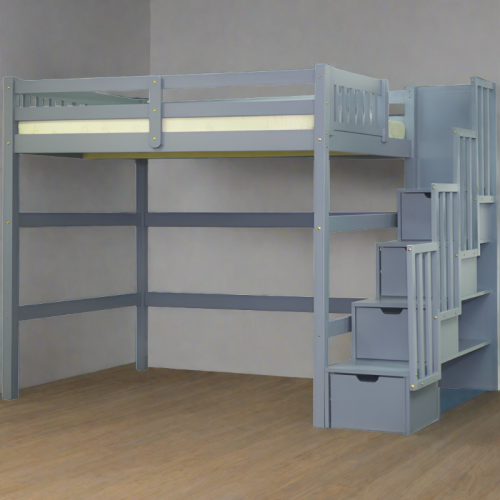
Bunk beds with stairs combine two sleeping spaces in a stacked frame with a staircase leading to the upper bunk. They are a practical choice for shared children’s bedrooms, rooms used by visiting family, and compact homes where floor space needs to serve several purposes. Unlike a vertical ladder, a staircase provides broader treads and a more gradual route to the top bed, although safe use still depends on the bed’s design, correct assembly, and the sleeper’s age and abilities. Many designs put the space beneath the steps to work with drawers, cupboards, or open shelves, bringing sleeping and storage into one piece of furniture. In a shared bedroom, that might mean a drawer for each child’s pyjamas, a shelf for bedtime books, and fewer separate storage units along the wall. Twin-over-twin bunk beds offer matching sleeping areas and can suit siblings who need similar amounts of room. Twin-over-full configurations pair a narrower upper bed with a wider lower bed, which may appeal when children of different ages share a room or when the lower sleeping area needs more space. Mattress dimensions and weight limits vary, so the configuration alone does not establish whether a bed is suitable for a teenager or an adult guest. Some frames can separate into individual beds, while others remain a single structure; that distinction matters when planning for changing room arrangements. Compared with bunk beds with ladder access, stair-access designs generally require more floor space at one end of the frame. Their appeal is the combination of defined steps, a handhold where provided, and potentially useful storage rather than simply a smaller footprint. For families furnishing a room that also holds a homework desk or a play area, the most useful arrangement is one that leaves clear walking routes and makes everyday belongings easy to reach without crowding the staircase.
Room fit involves more than checking whether the mattresses will fit between two walls. The full assembled width and length need to include the staircase, any projecting handles, and the space required to open drawers completely. A stair unit beside a wardrobe can look tidy on a floor plan but become awkward if a storage drawer blocks the wardrobe door. Stair placement also affects how naturally the room works: some beds allow installation at either end, while others have a fixed orientation. Ceiling height deserves equal attention, with enough room above the upper mattress for the intended sleeper to sit comfortably without approaching ceiling fixtures. Keep the bed away from ceiling fans, windows, and blind or curtain cords, and follow the manufacturer’s placement requirements. The top bunk is not suitable for children under six, even when access is by stairs; older children also need the ability to climb carefully and follow bunk-bed rules. Stairs should not be treated as a play structure, and a wider tread does not remove the possibility of a fall. Guardrails, the upper access opening, and mattress fit all work together, so use only the mattress size and thickness specified for the frame. An overly thick mattress or added topper can reduce the effective height of the guardrails, while an incorrectly sized mattress can leave unsafe gaps. Weight limits should be checked separately for each sleeping surface and for the stairs, including whether the stated limits account for the mattress. A low-profile night-light can make the steps easier to see during a nighttime bathroom trip, while keeping toys, laundry, and loose bedding off the treads helps maintain a clear route. Hooks, cords, and hanging accessories do not belong on the bed frame. These details are especially important in a shared room, where one child’s belongings can quickly spread into another child’s path.
Materials and construction influence both the appearance of bunk beds with stairs and how they hold up to daily use. Solid wood frames often have visible grain and substantial rails, bringing warmth to a bedroom with painted walls and soft bedding. Depending on the wood and finish, small marks may blend into the surface or stand out more clearly. Engineered wood is also used, particularly in storage components, where a smooth painted or laminated surface can give drawers and stair panels a consistent appearance. Metal frames offer a different look, often with slimmer profiles, although the construction of the complete bed matters more than the material label alone. Secure joints, properly fitted mattress supports, firmly attached guardrails, and sound stair connections are central to a dependable setup. Storage features deserve a close look as well: a deep drawer can hold folded bedding, but it still needs enough clearance to open and a manageable pull for its intended user. Open shelves make books easy to find, while enclosed compartments keep smaller belongings contained. Avoid filling stair storage so heavily that drawers become difficult to operate, and keep handles and drawer fronts in good repair. Assembly should follow the supplied instructions exactly, with all specified supports and fasteners in place and any required anchoring completed as directed. After the bed has settled into regular use, inspect connections at the intervals specified by the manufacturer and address looseness or damaged parts before continued use. Routine care is usually straightforward: remove dust from rails and steps, vacuum accessible spaces beneath the frame, and clean spills promptly using a method suited to the finish. Avoid soaking wood-based panels or using harsh cleaners unless the care instructions permit them. Practical bedding also makes a difference, since changing an upper bunk can take more effort than making a standard bed. Properly fitted sheets and bedding that stays clear of the steps help keep the sleeping area manageable. With suitable dimensions, age-appropriate use, and thoughtful storage, a stair-access bunk bed can give each sleeper a defined place to rest while leaving more of the room free for daily life.
Top selling and popular products
-
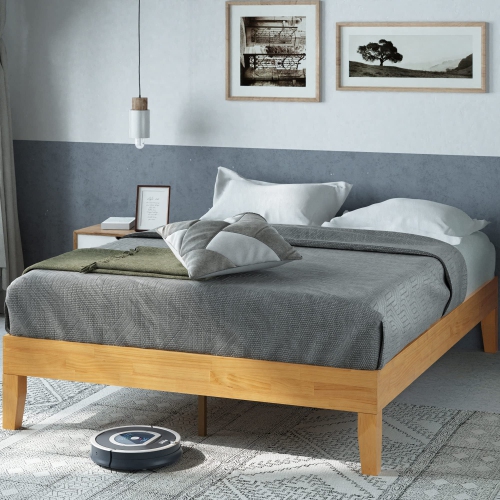 Your price for this item is $493.52
-
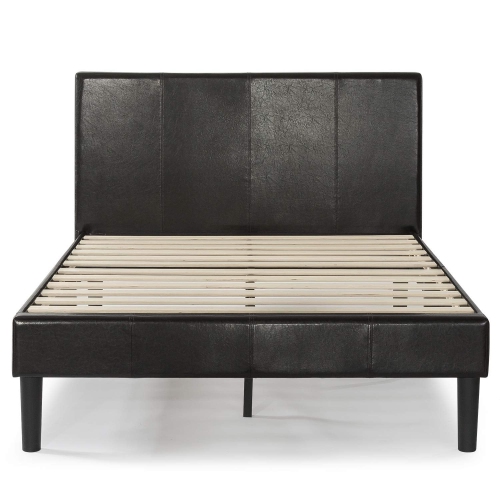 Your price for this item is $611.85
-
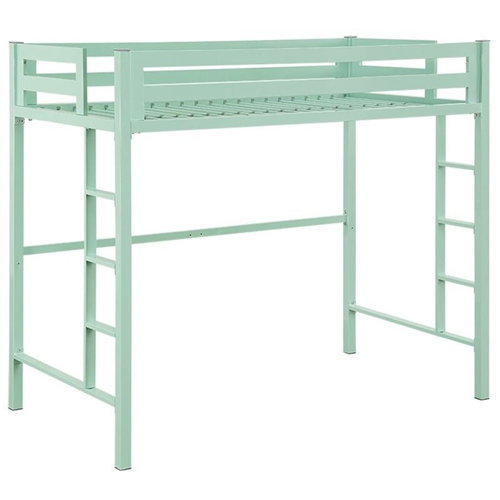 Your price for this item is $824.18
-
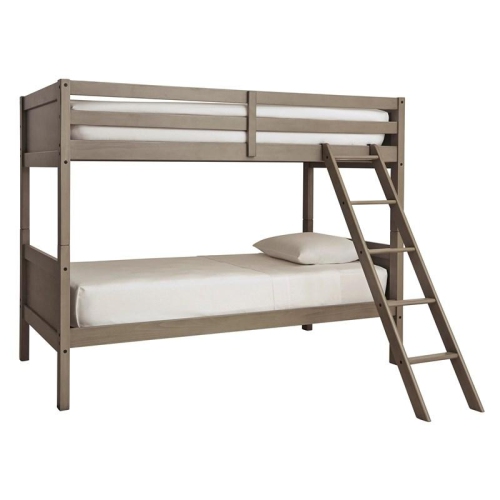 Your price for this item is $799.99
-
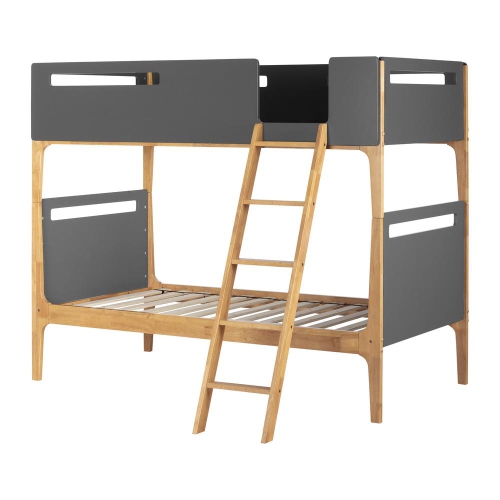 Your price for this item is $985.42
-
 Your price for this item is $157.99
-
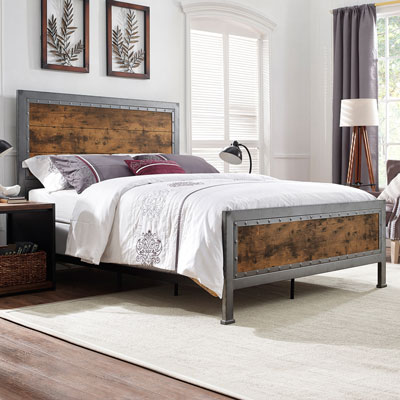 Your price for this item is $862.99
-
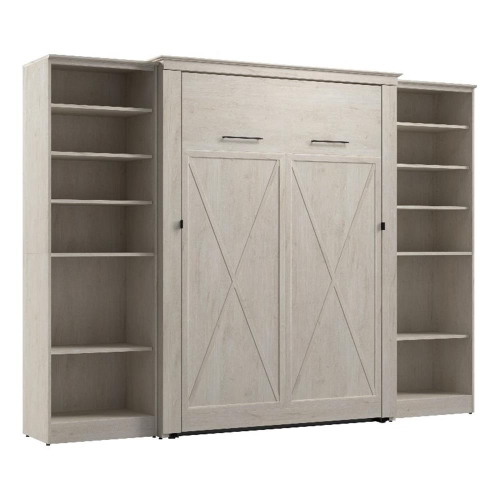 Your price for this item is $3099.99
Discover more categories related to Bunk Beds With Stairs
Top Collections:
Pokemon Centers, Best Cameras for Sports Photography, Kindle Devices, Samsung Galaxy Phones, Canon G7X Cameras, Pokémon 30th Celebration Cards, Refurbished Apple Laptops, iPhone 15 Apple, Laptops for Students, Budget Smartphones
Some products may be subject to Environmental Handling Fees
(EHF) depending on your province.
Learn more about EHFs.