Bunk Beds With Ladder
Looking to maximize space in your kids' room or guest bedroom? Our collection of bunk beds with ladders is the perfect solution for creating a cozy and functional sleeping area. These versatile pieces not only save valuable floor space but also add a touch of fun and style to any room. With sturdy construction and a variety of designs to choose from, these bunk beds are sure to meet your family's needs while providing a comfortable and safe sleeping environment.
Sort
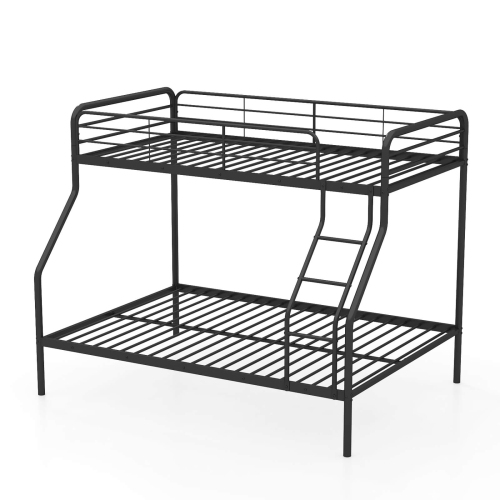
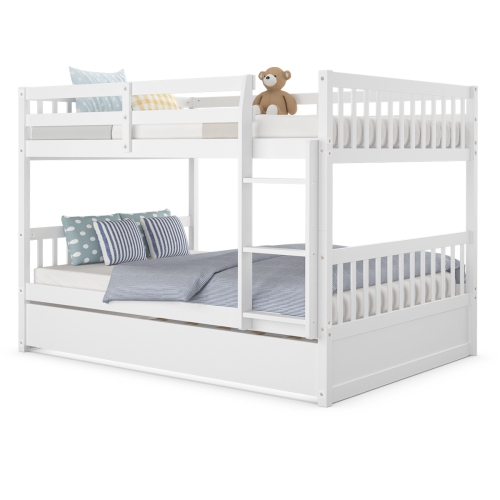
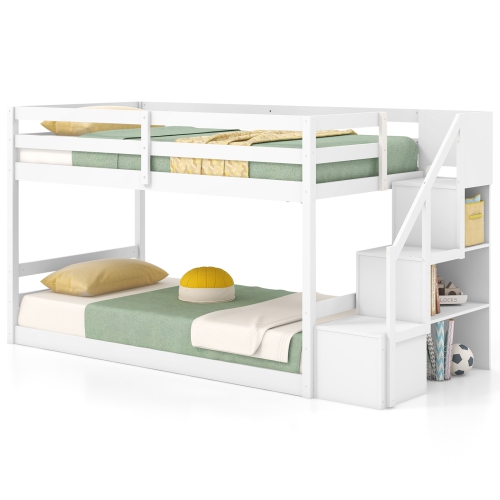


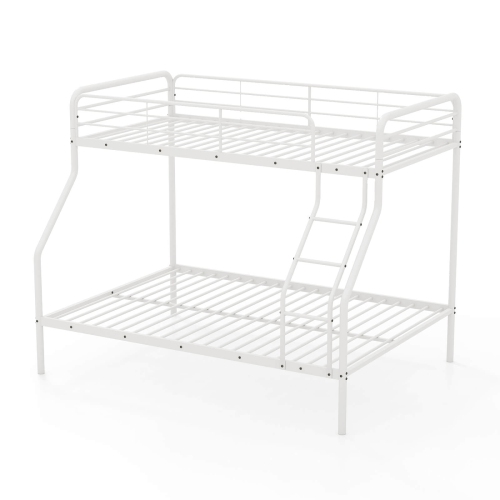

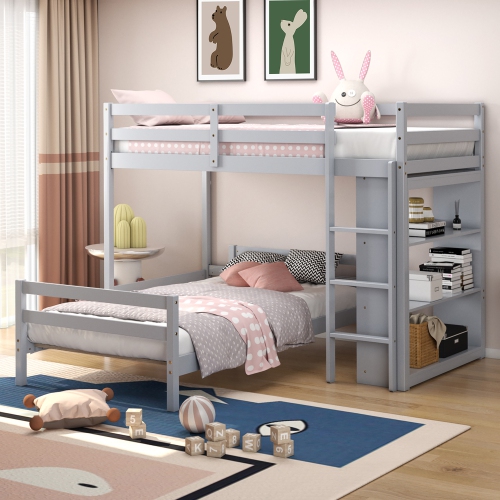

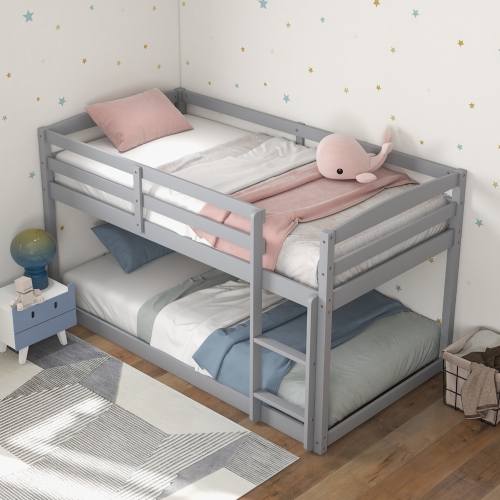

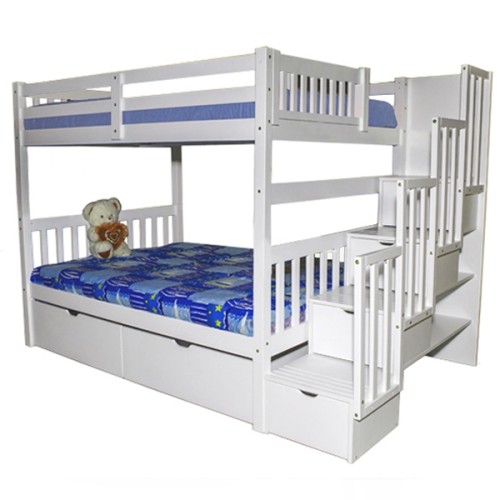

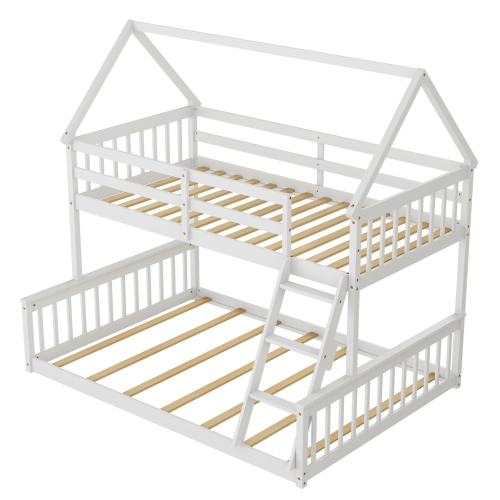
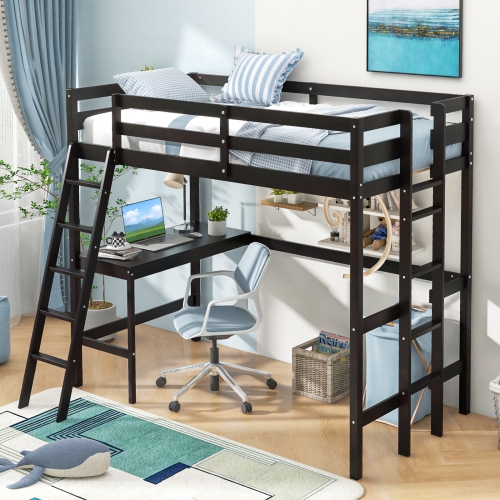
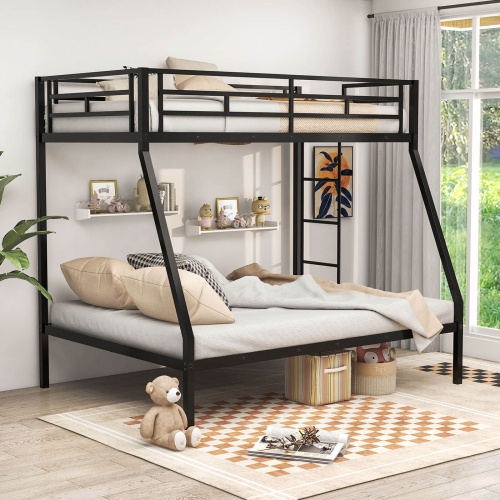

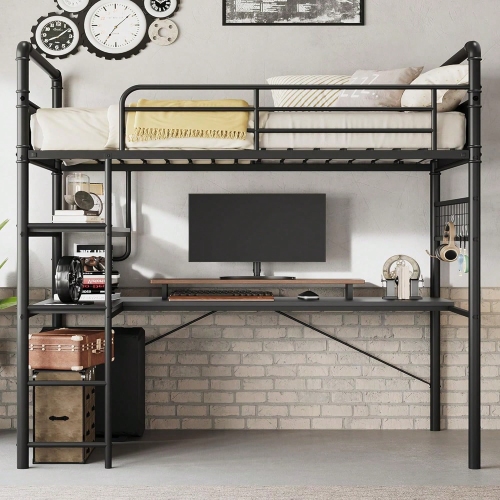
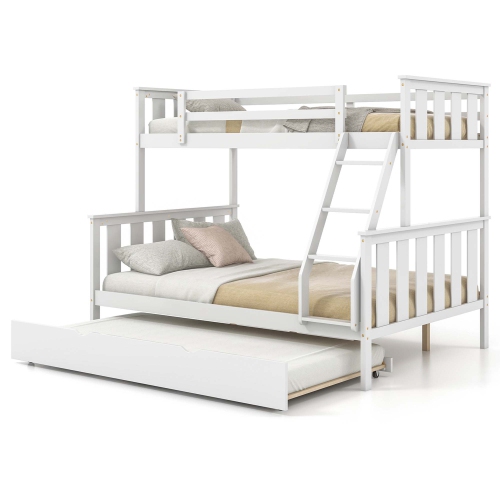
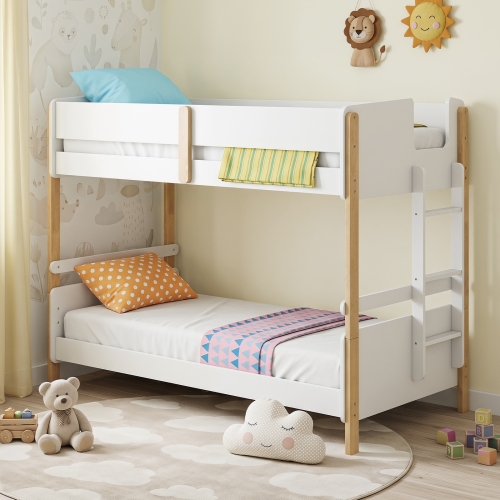
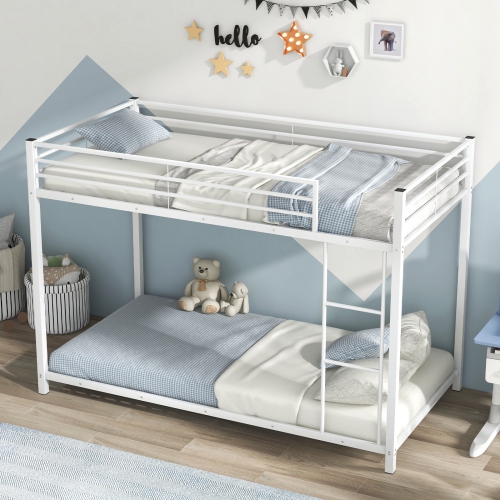

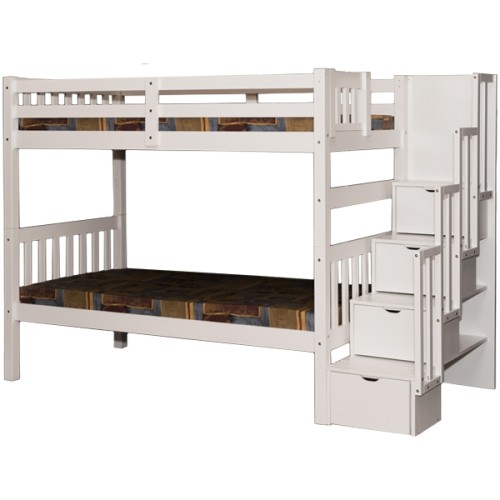
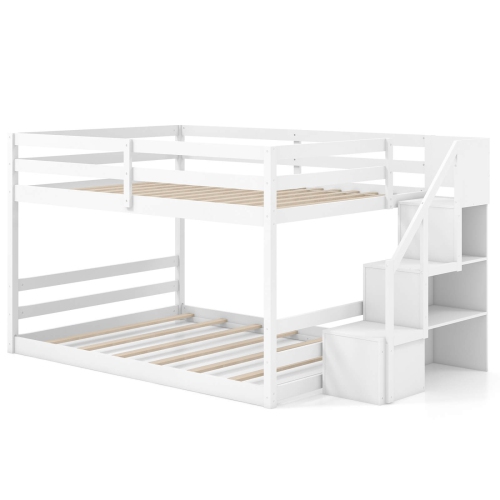
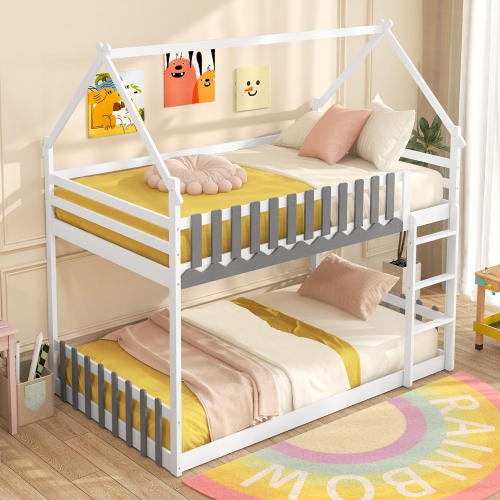
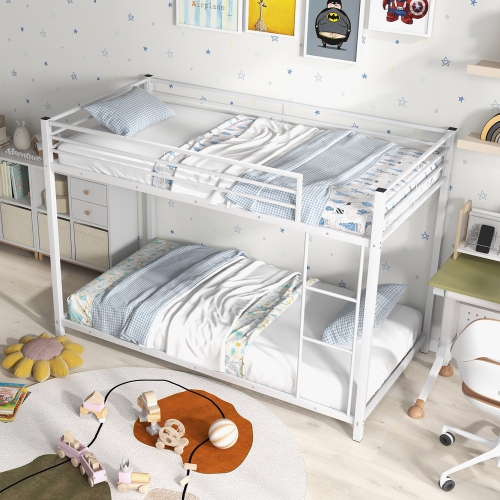
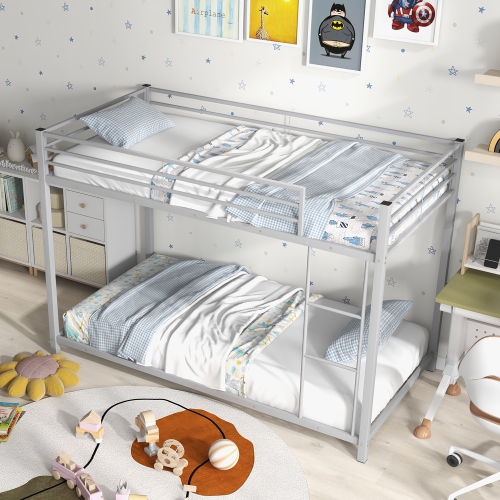
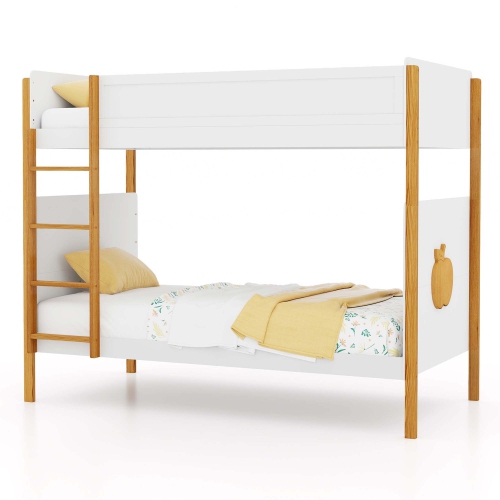
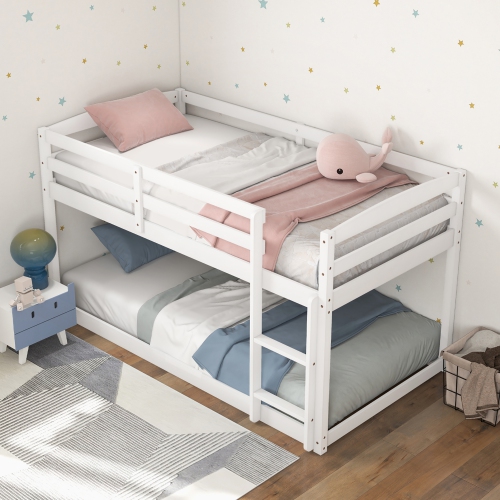
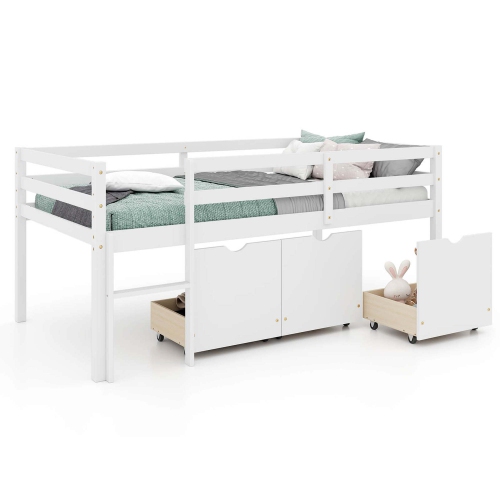
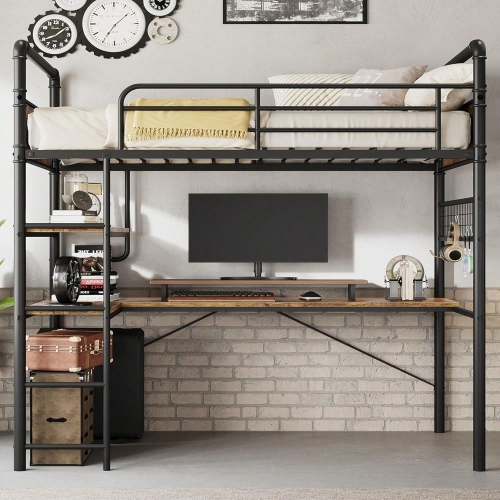

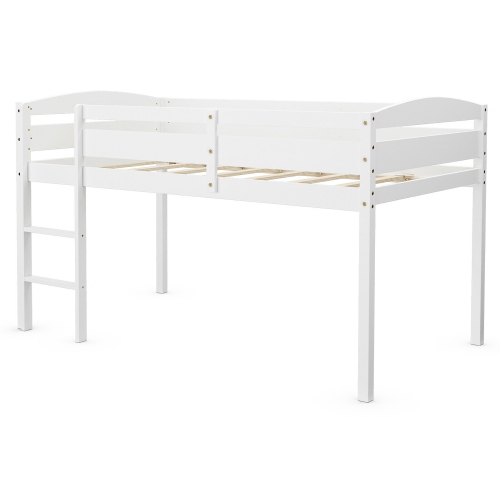
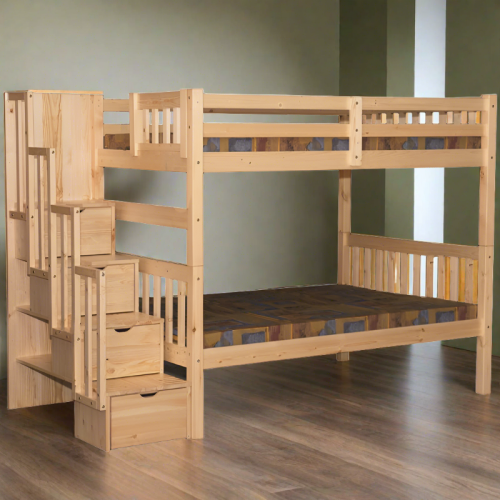
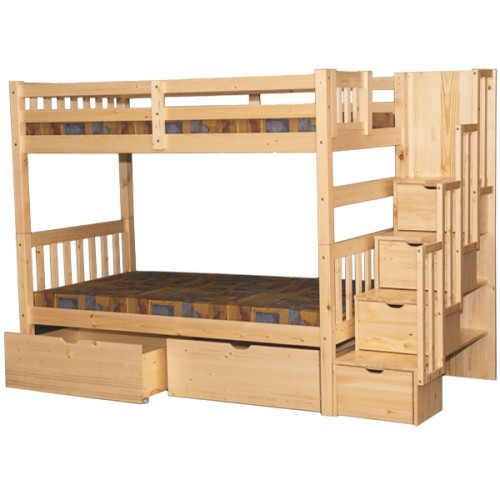
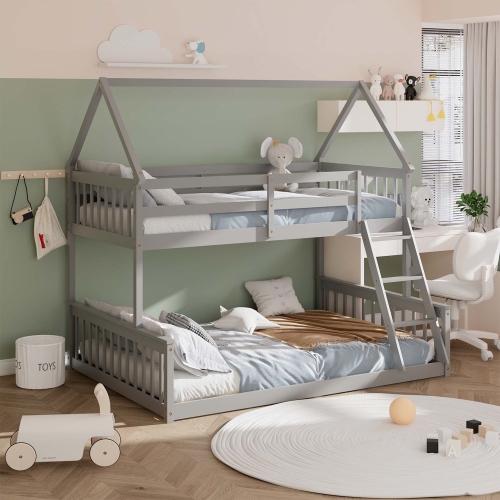
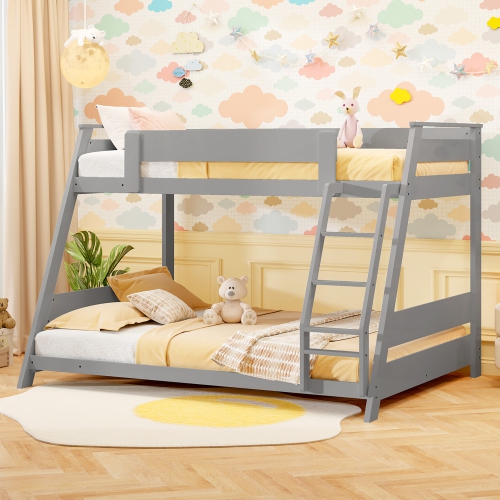


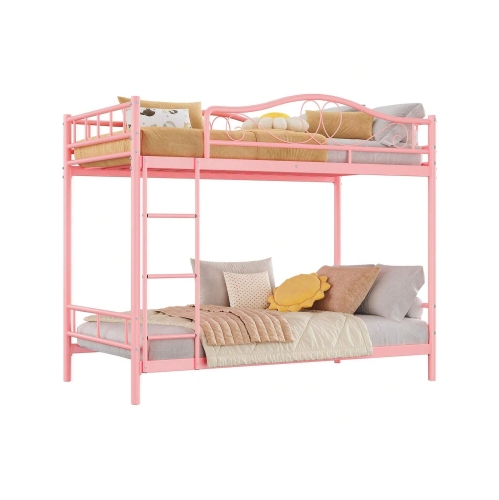

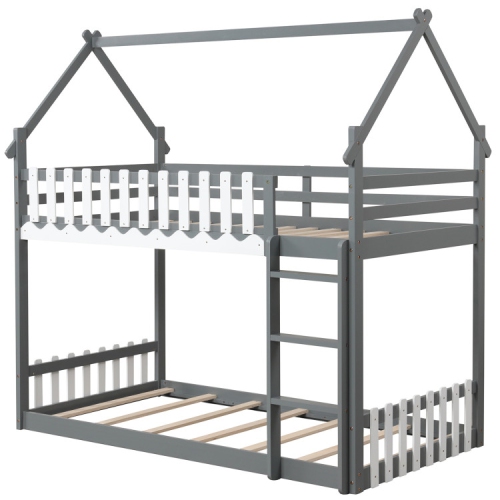
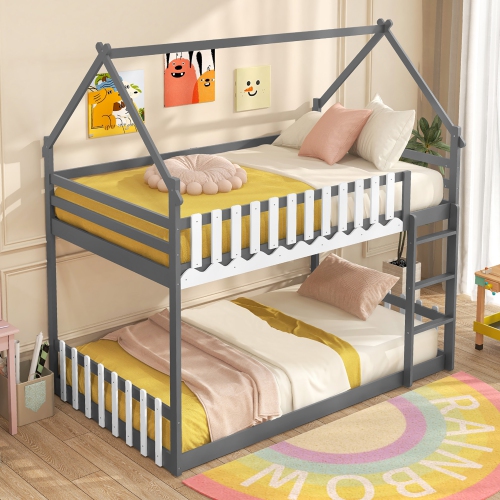

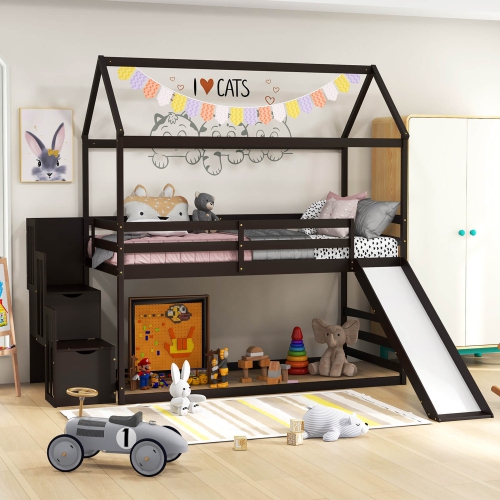
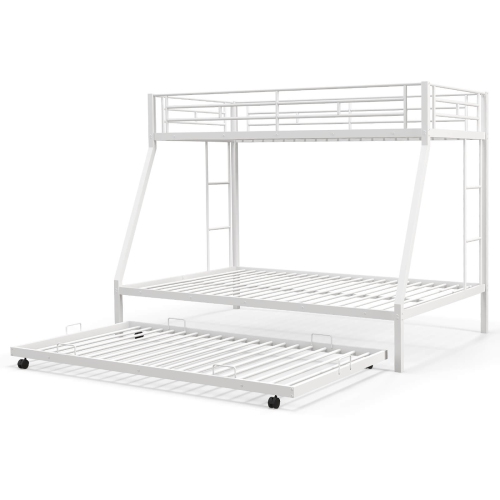


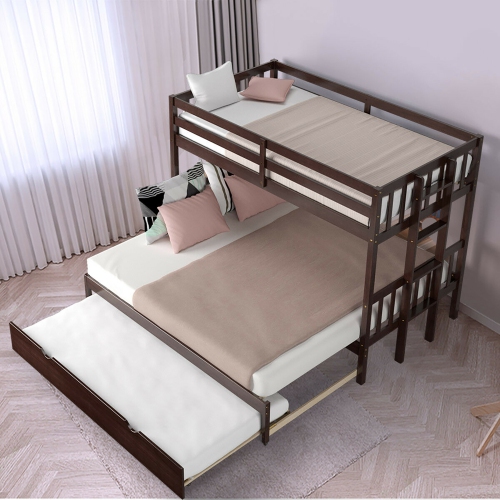
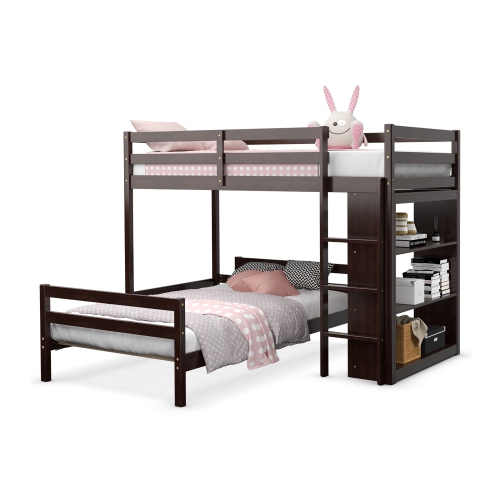


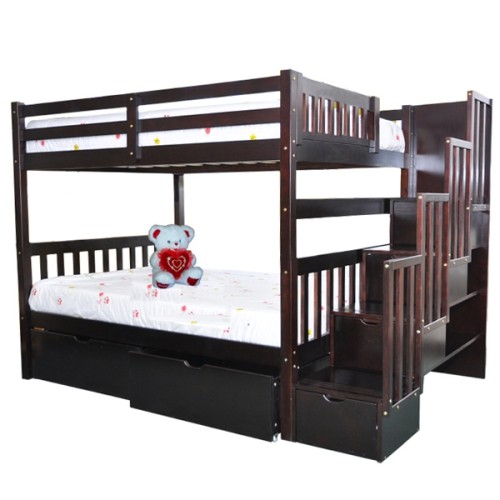
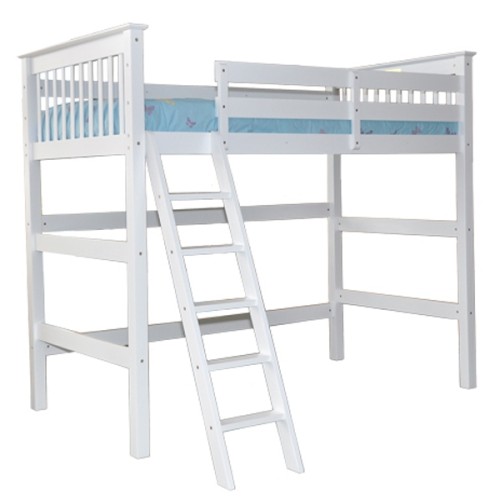
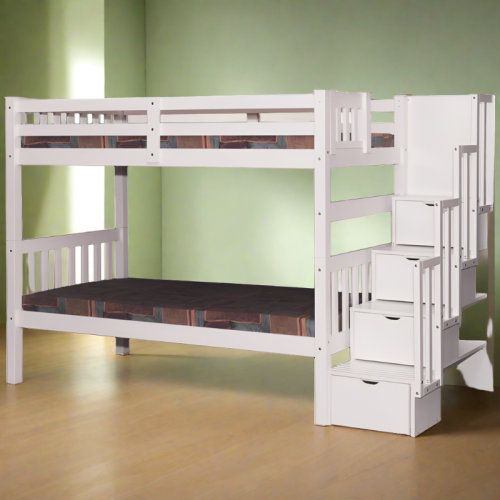
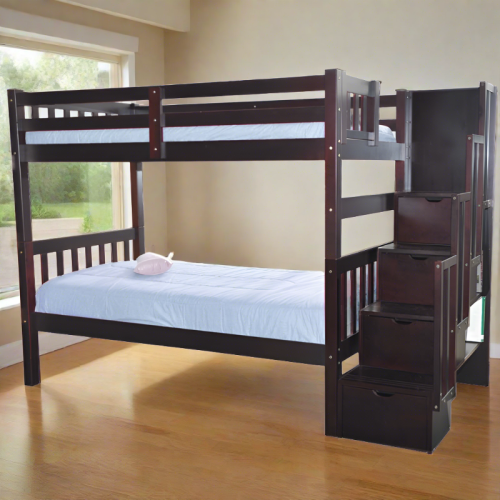
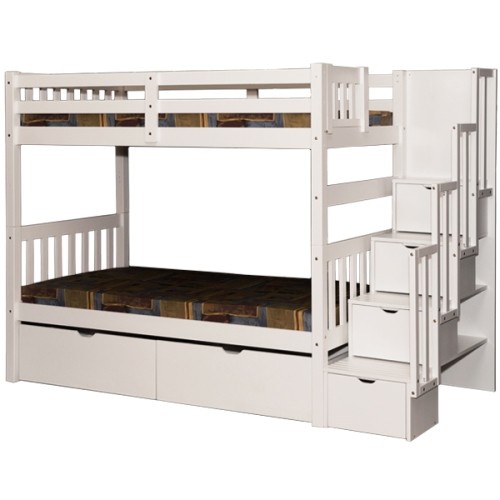
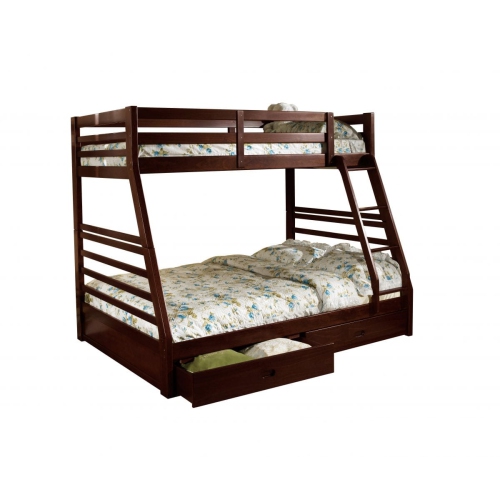
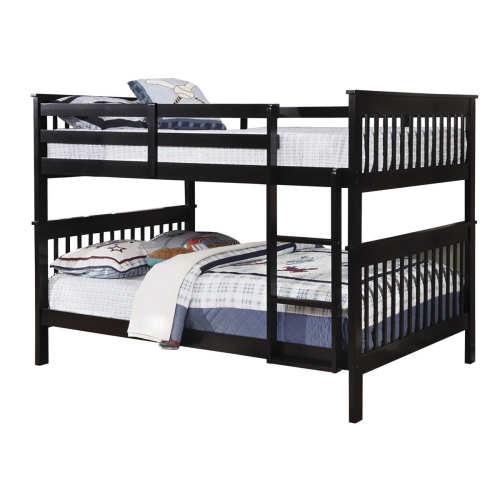
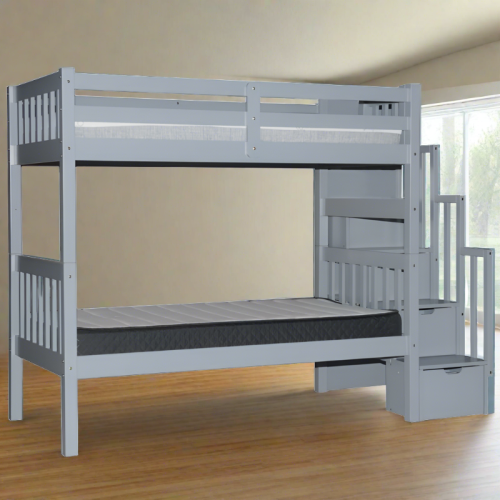
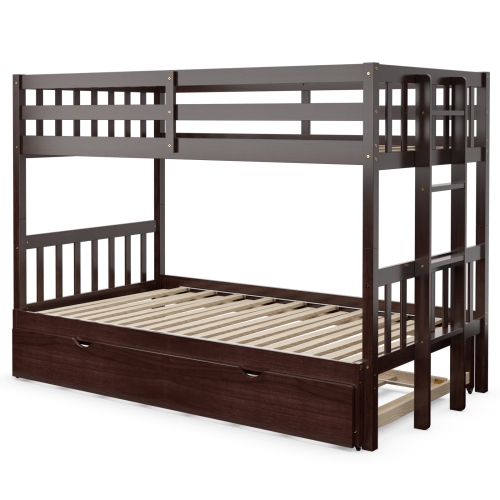
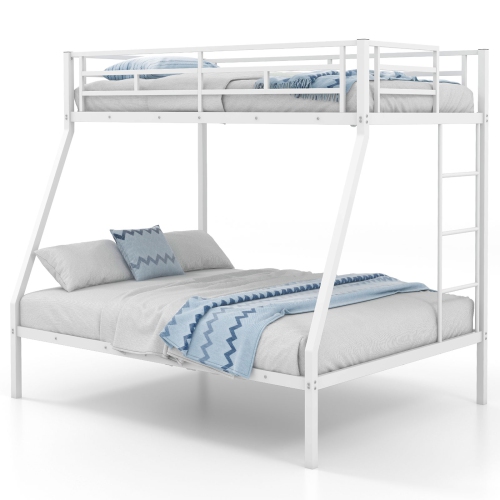
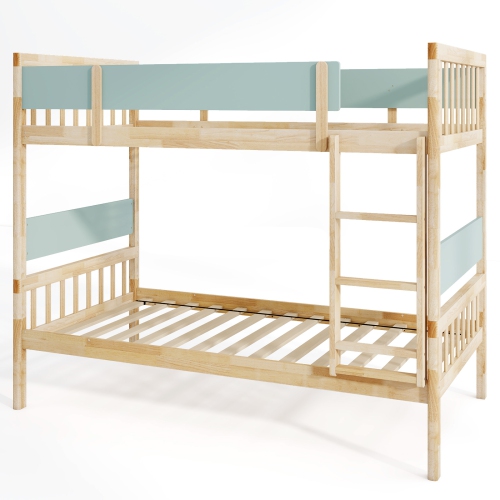
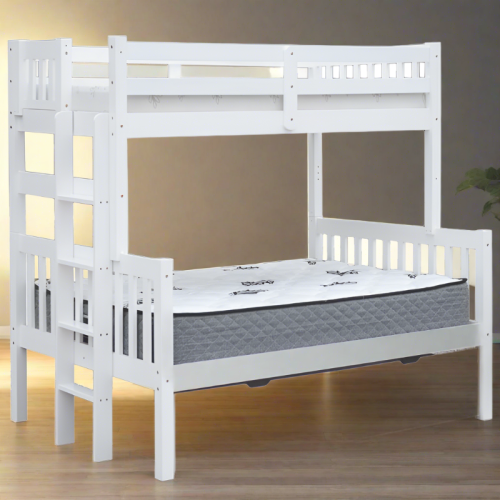
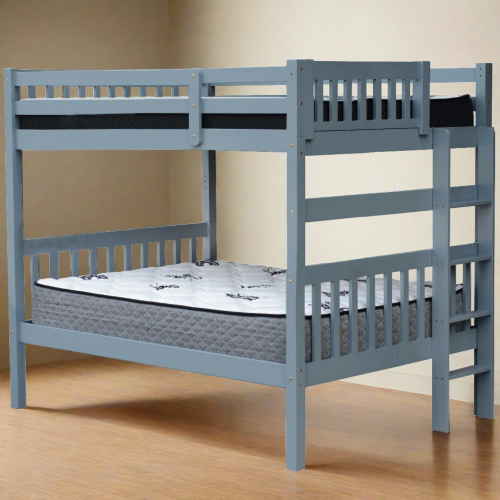
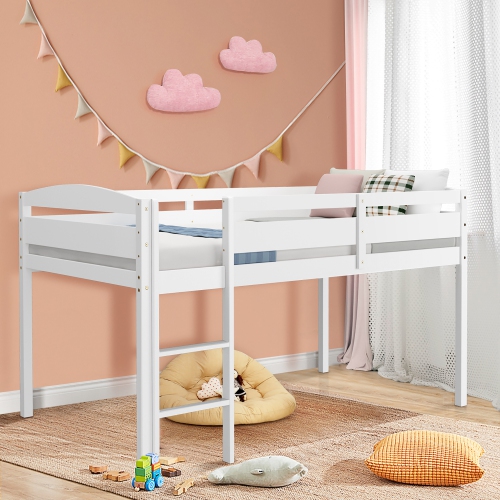
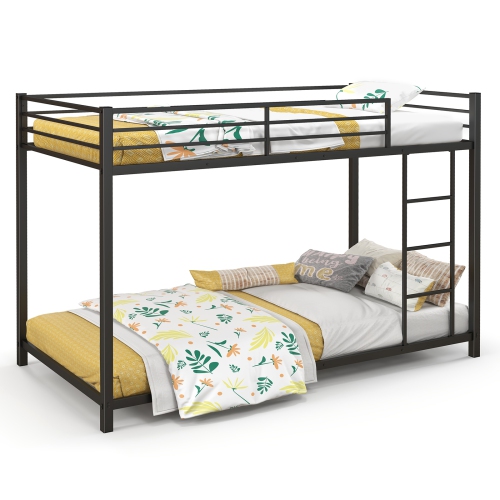
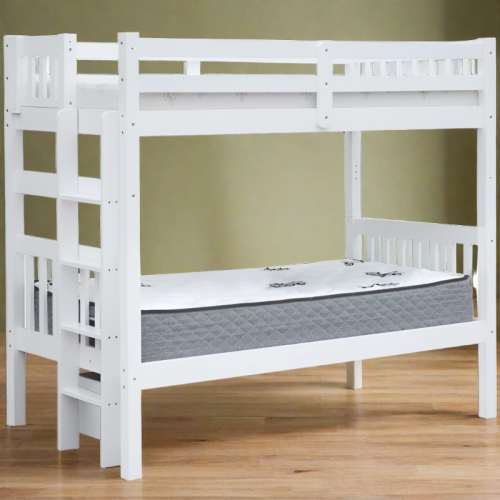
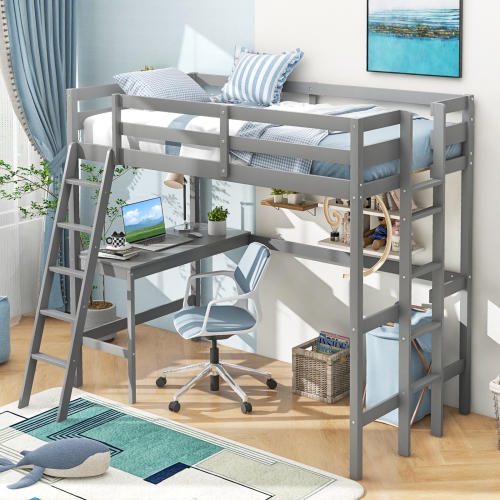
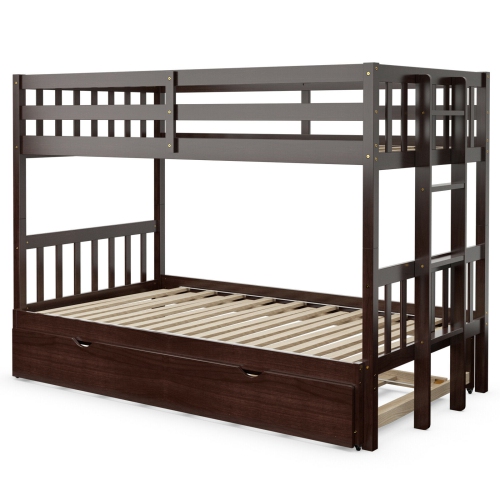
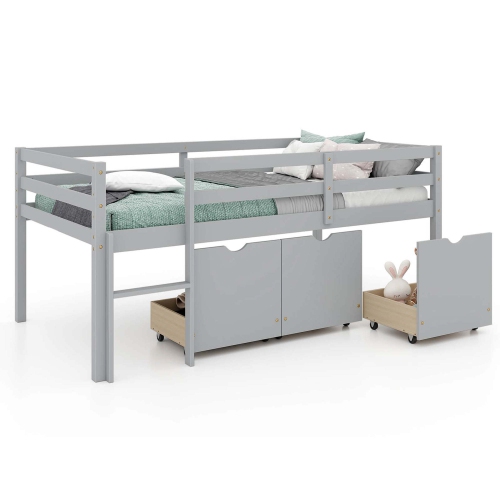
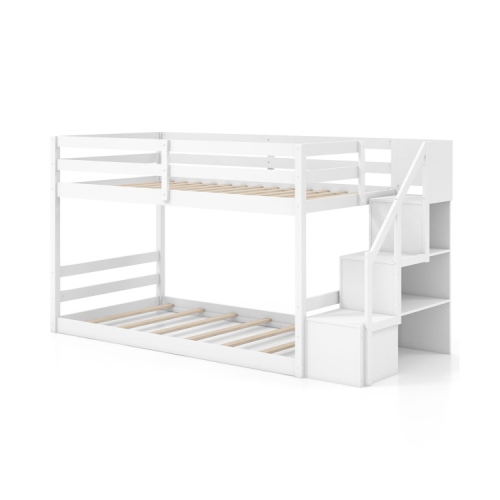
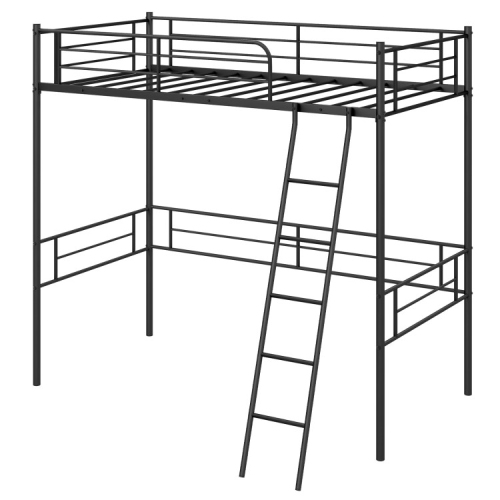
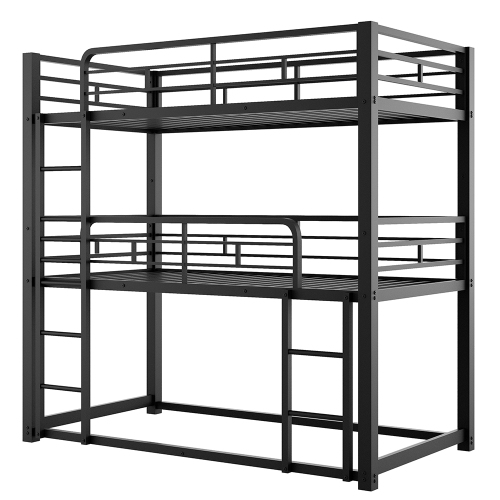
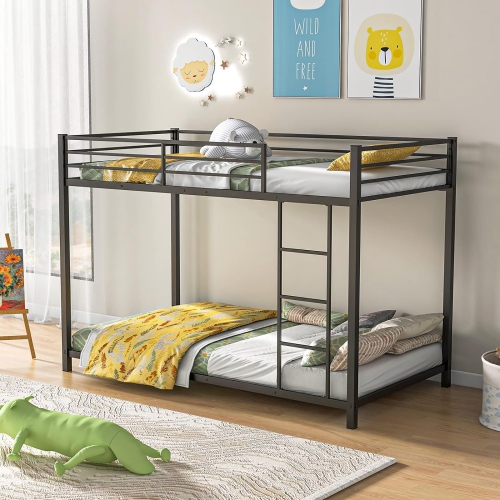
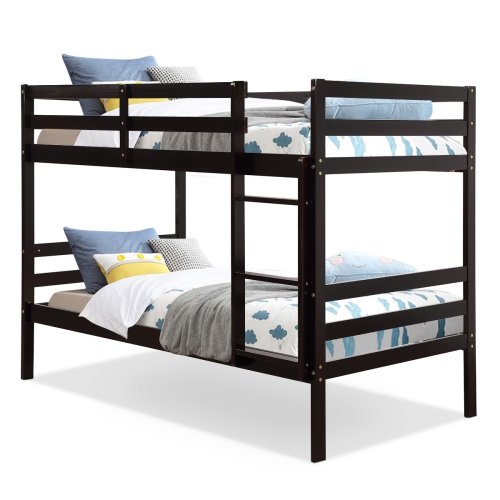


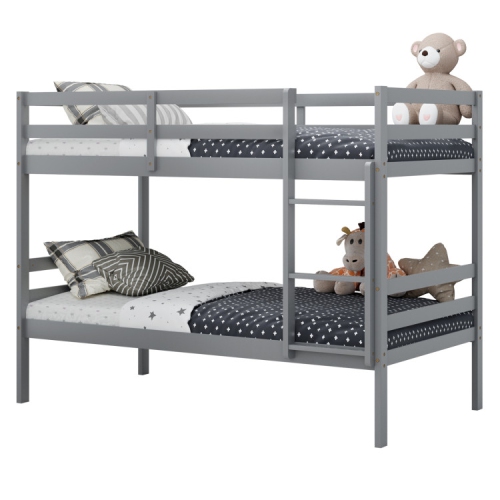


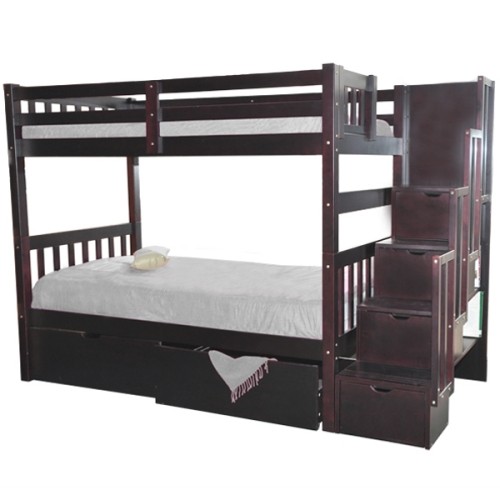


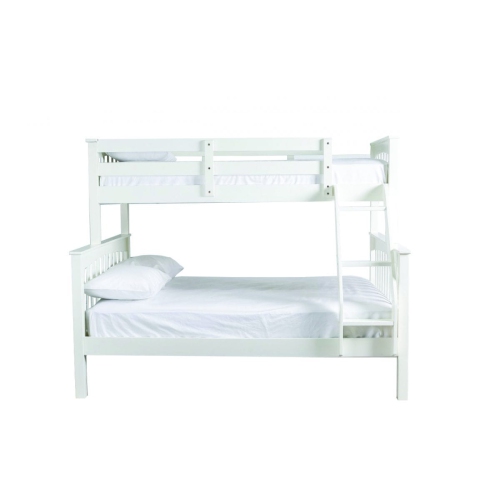
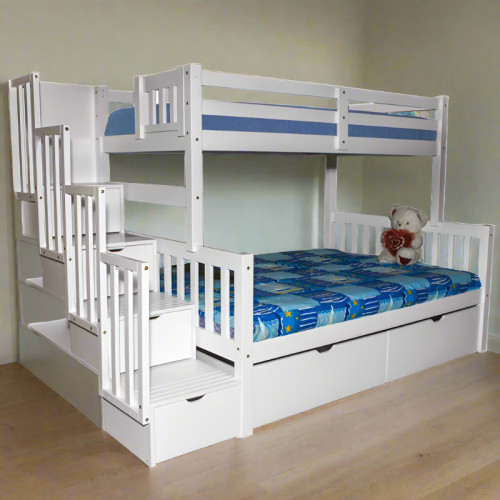
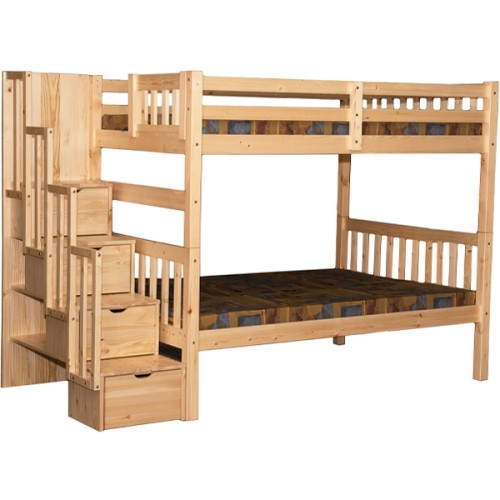
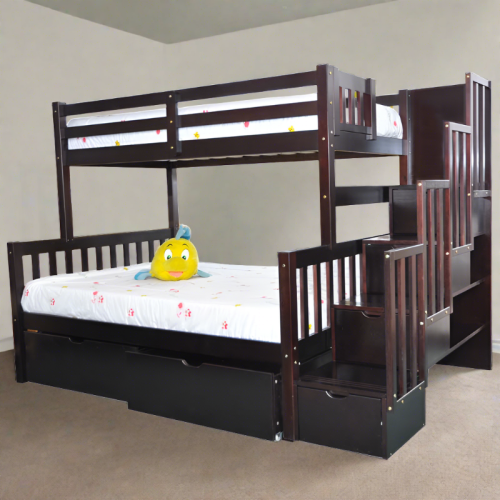
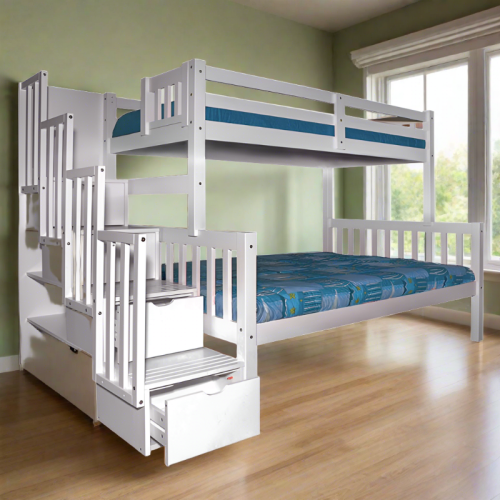

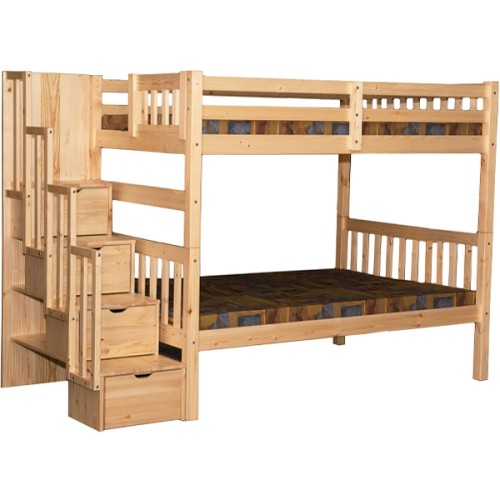
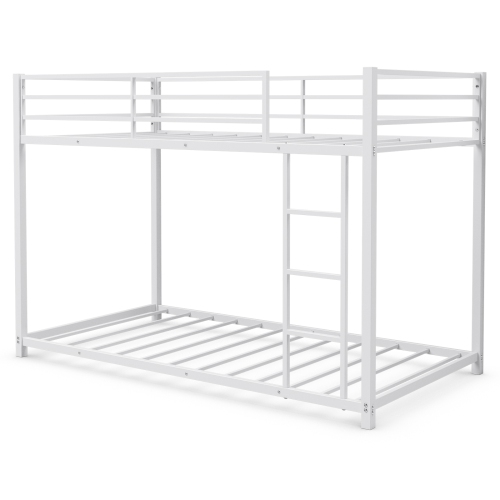

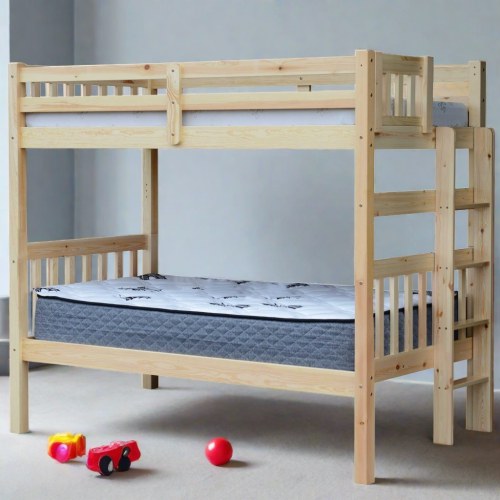
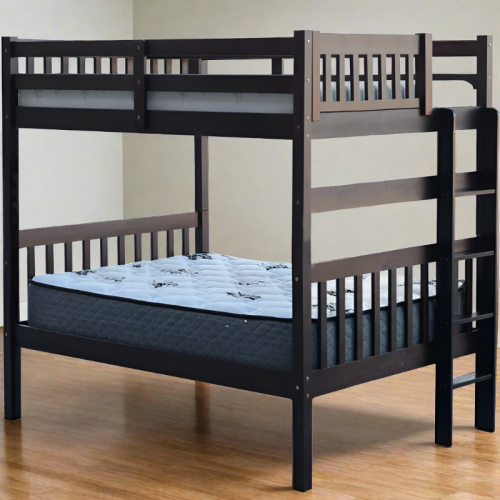
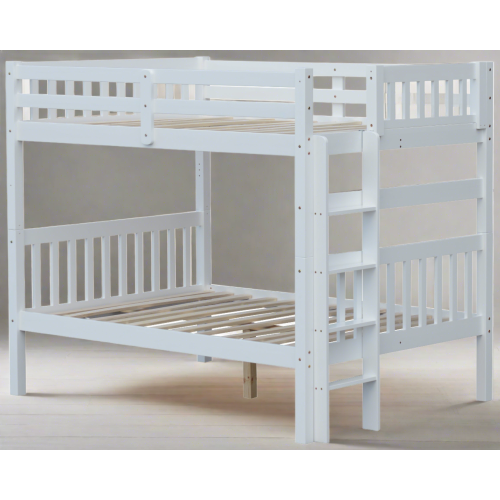

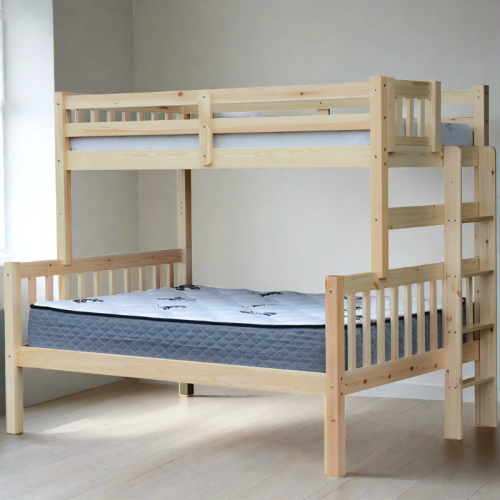
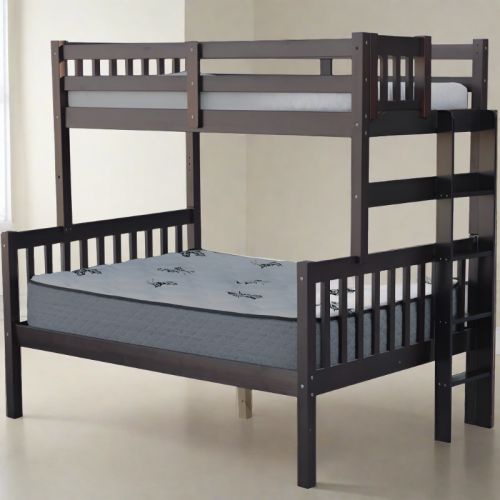


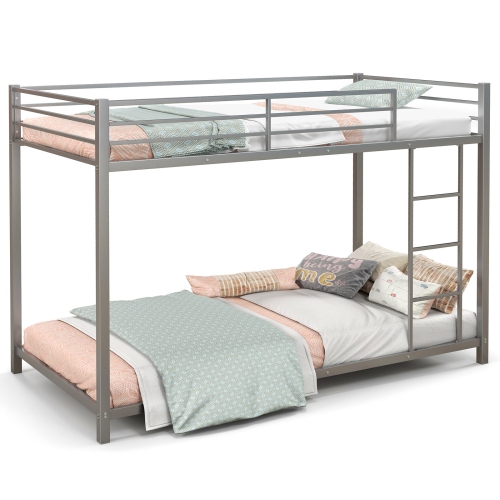
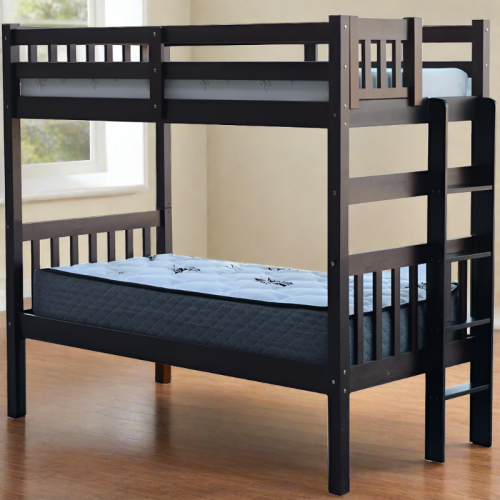

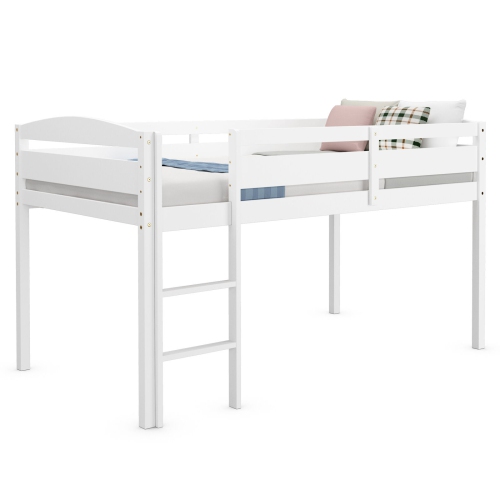


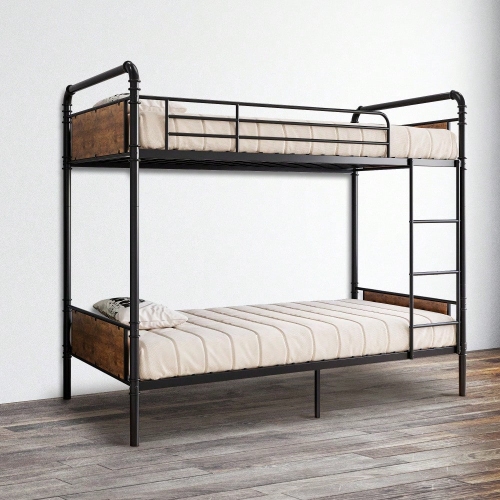
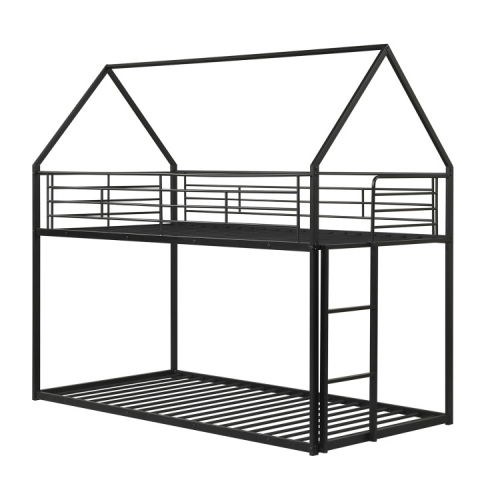
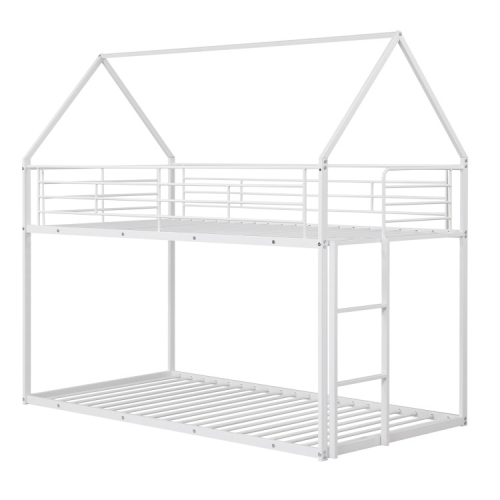

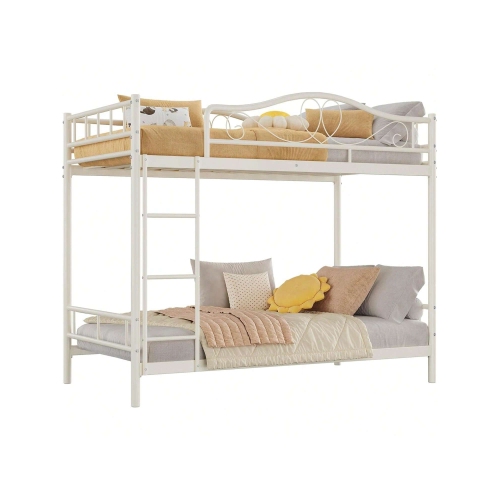


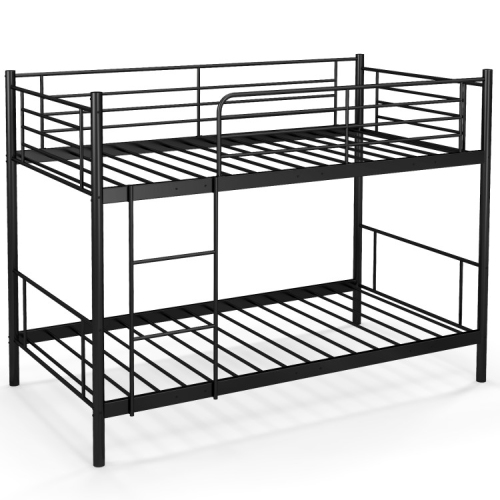


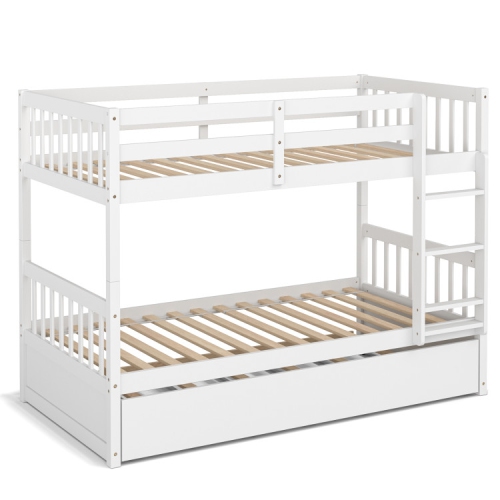

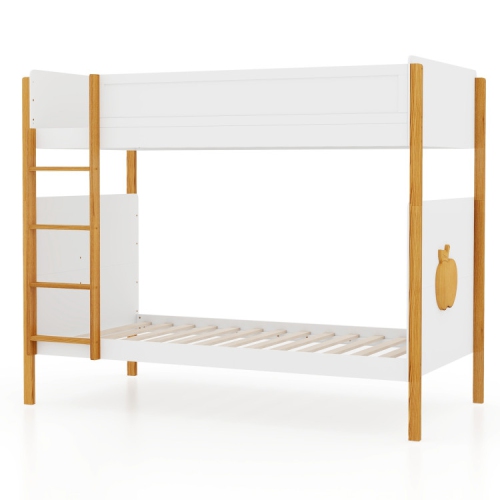
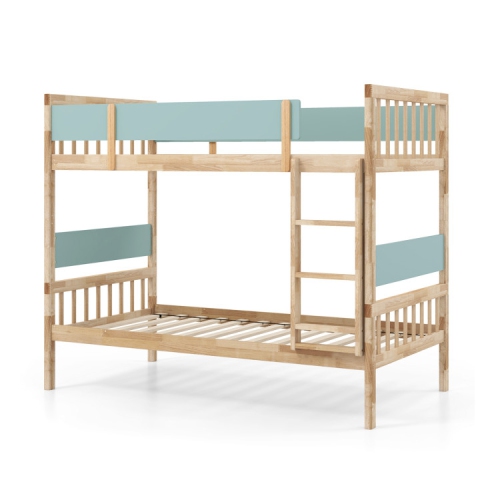
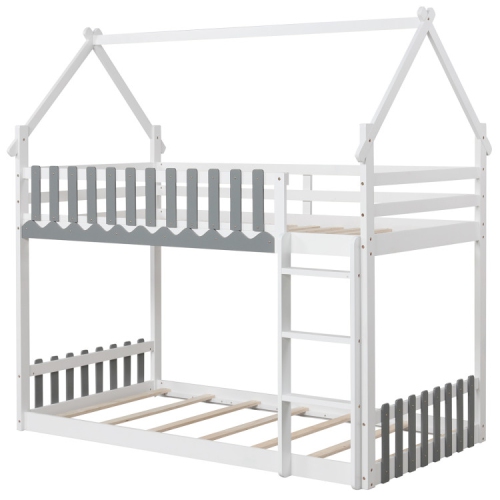

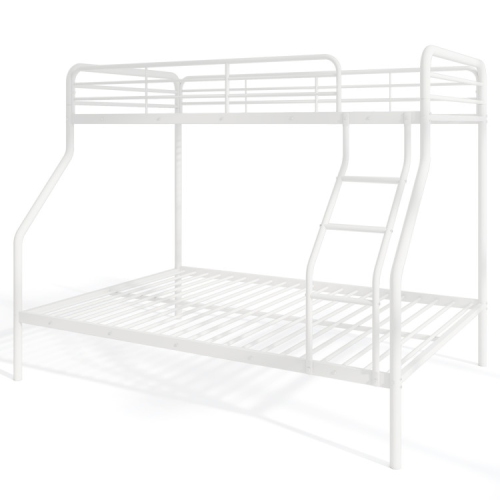
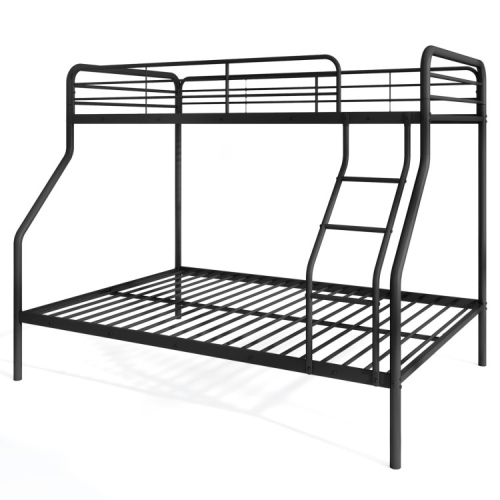
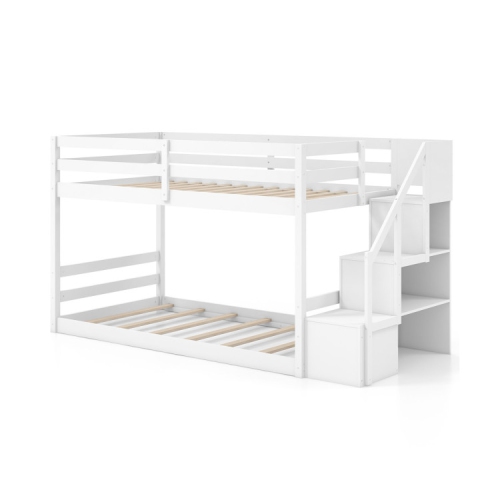

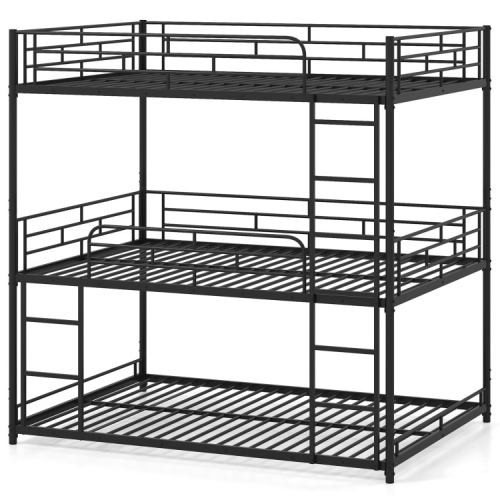


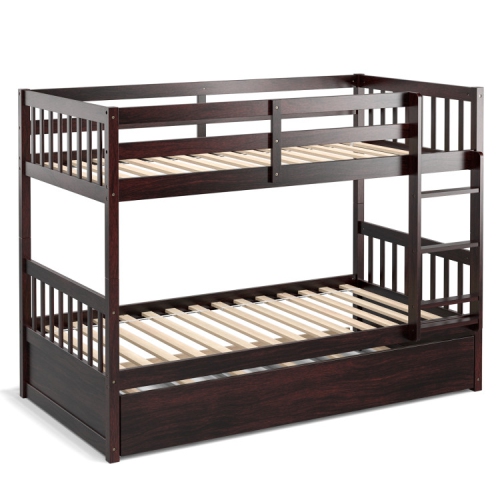


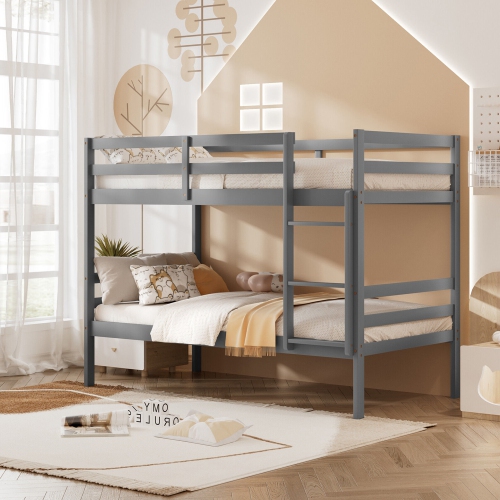
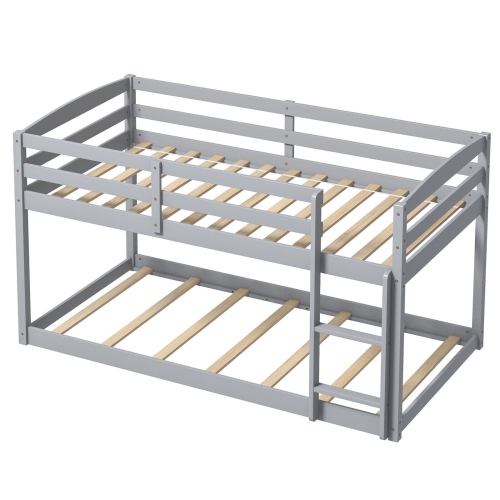
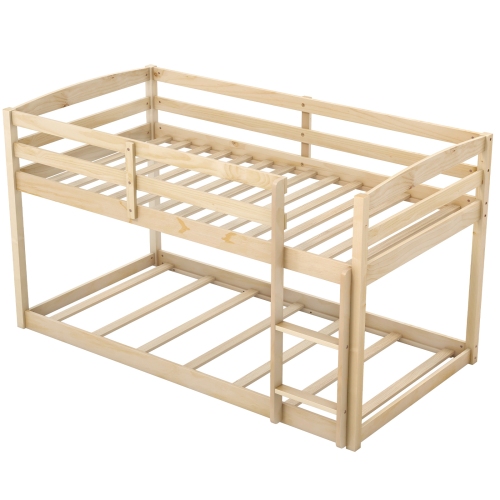
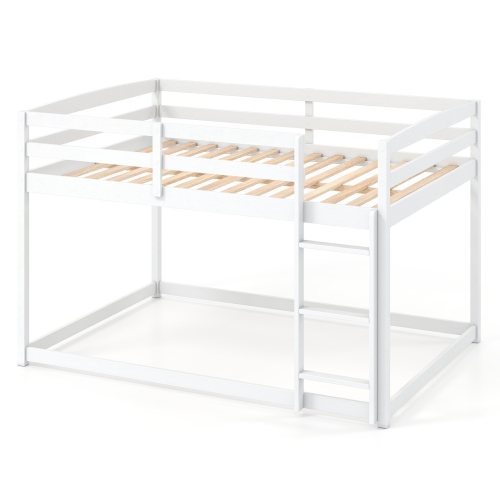
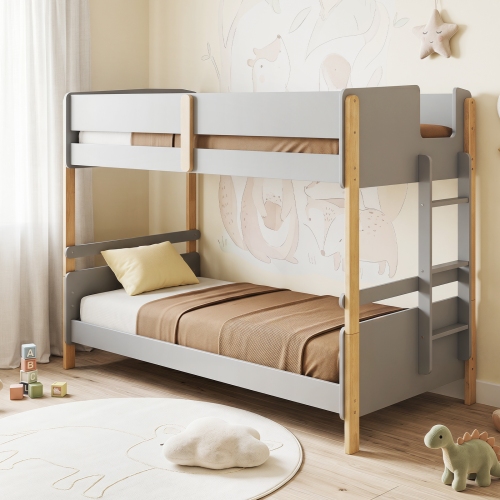


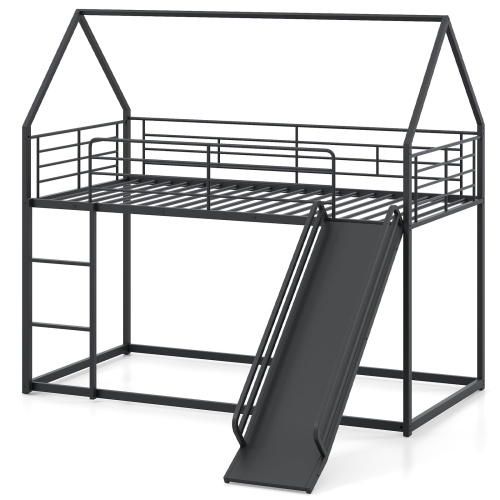
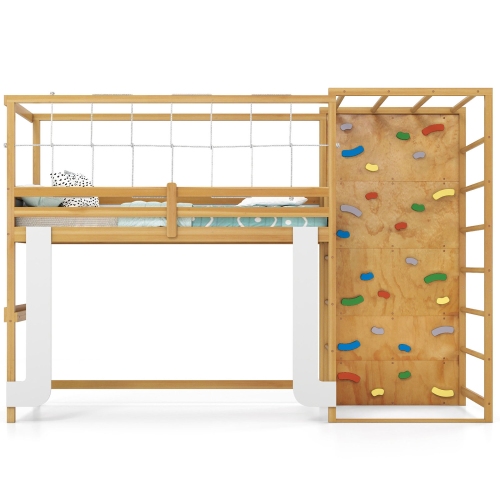
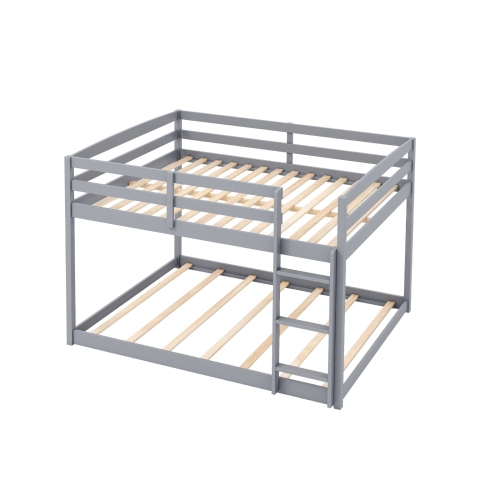
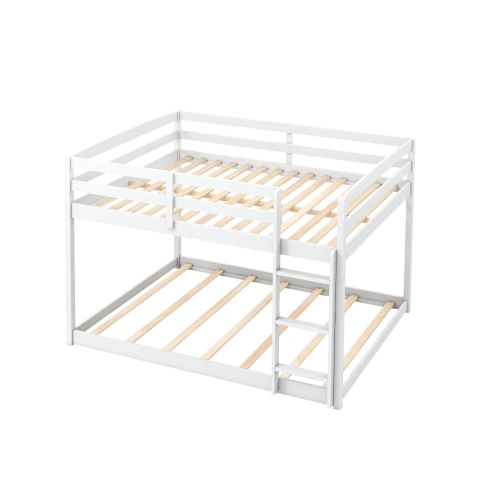
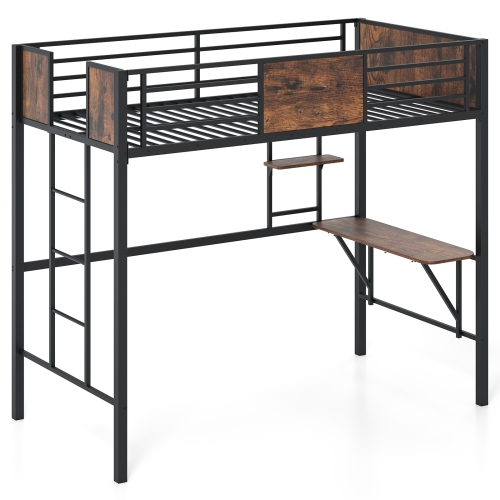
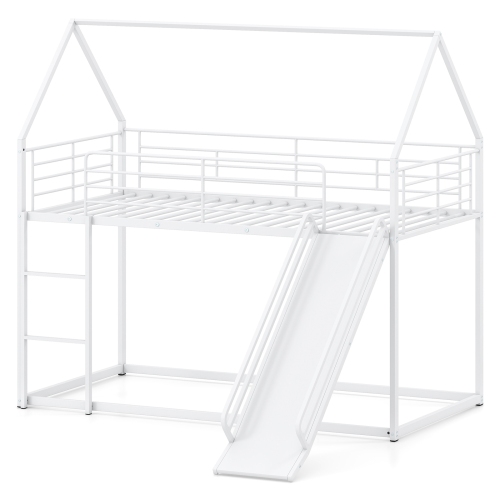
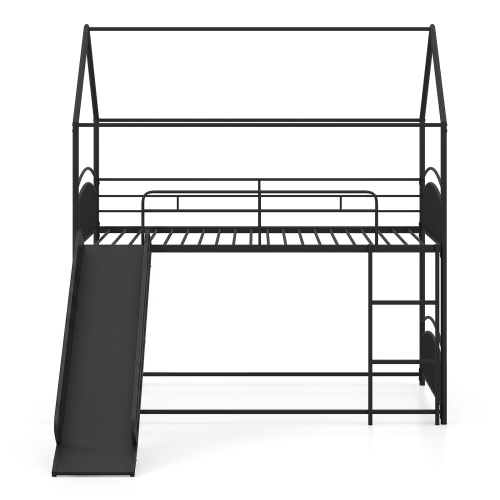
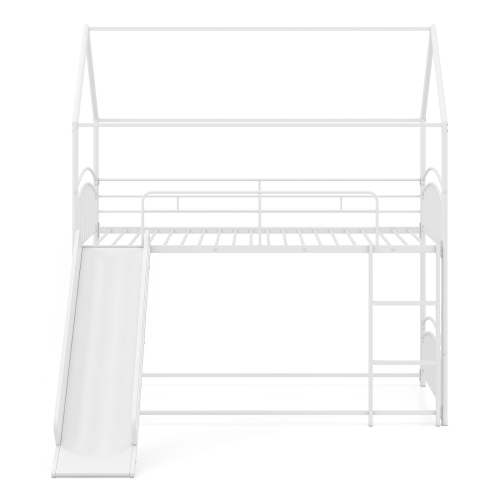
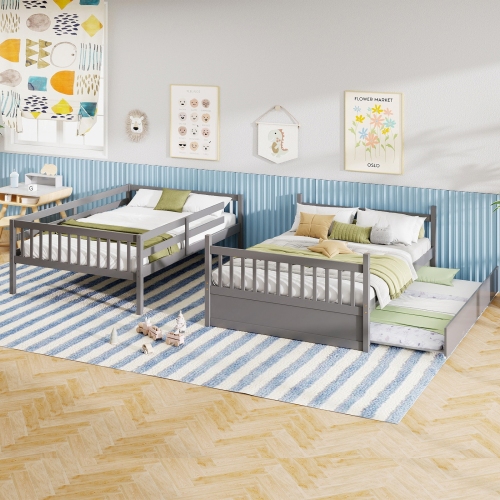
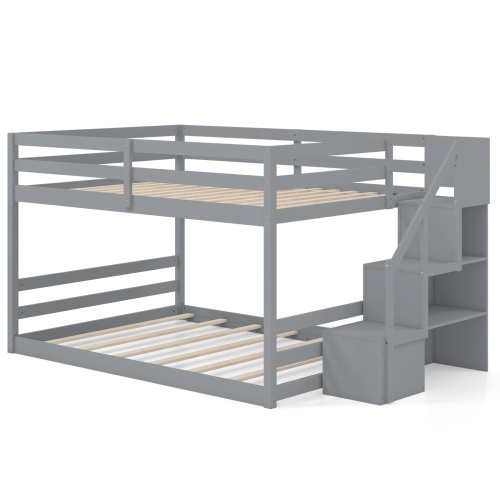
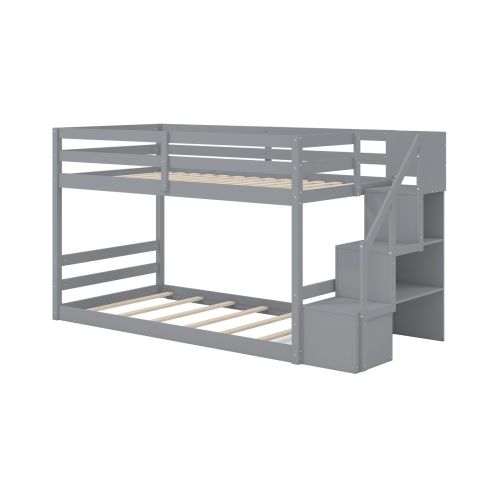

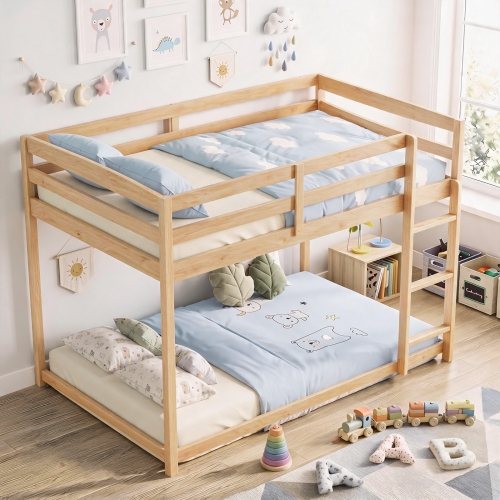
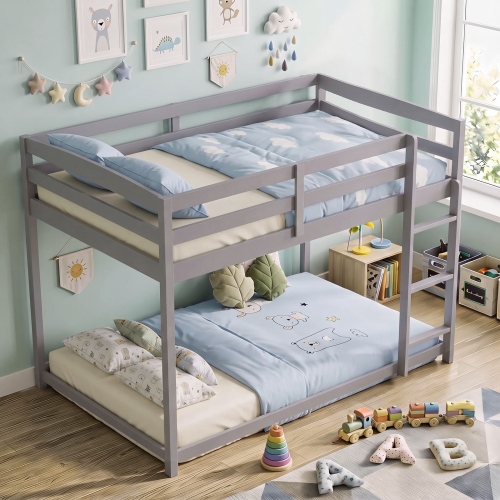
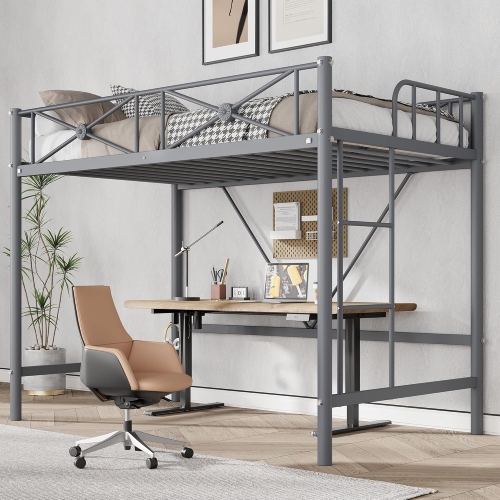
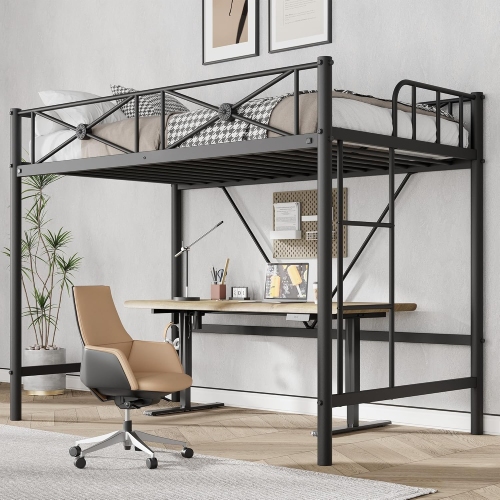
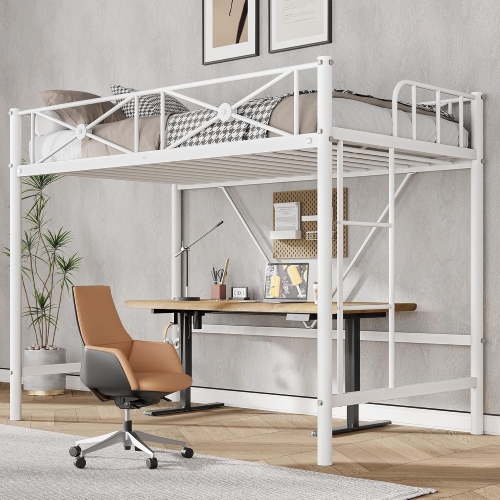
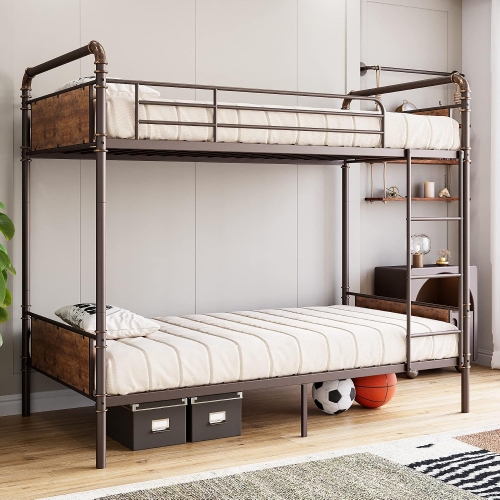
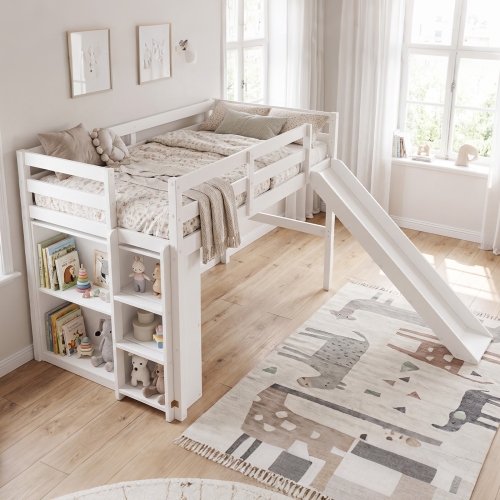
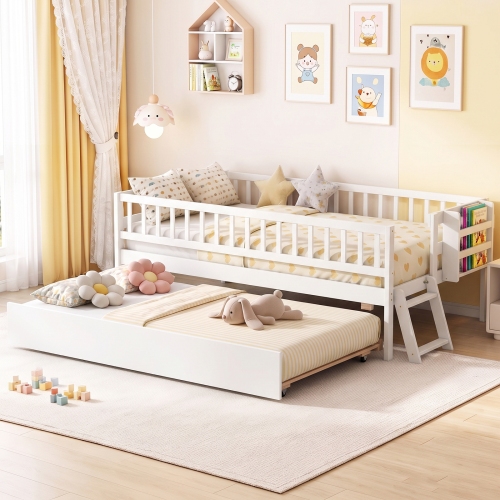
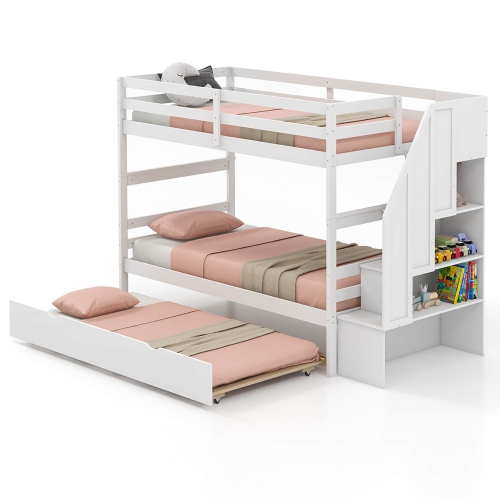
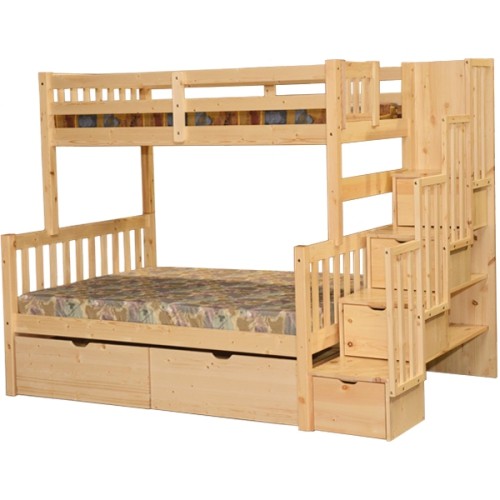
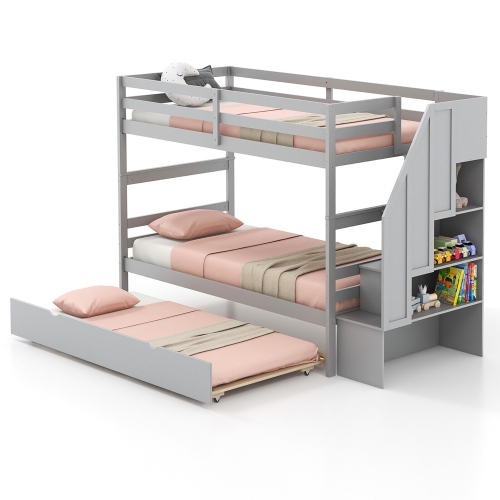

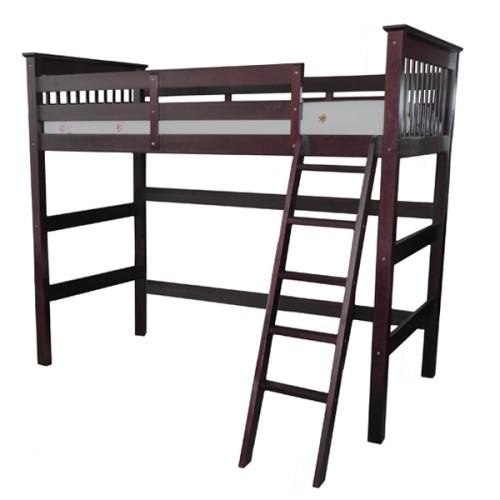
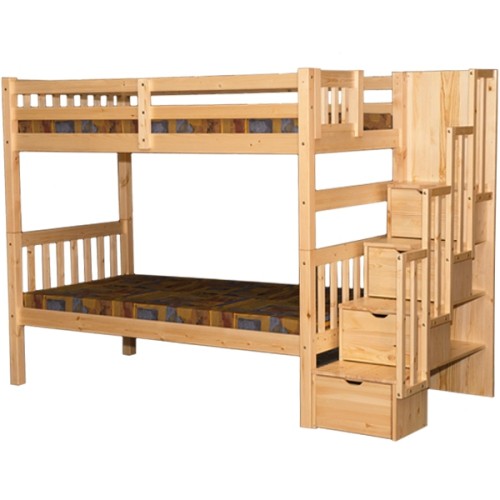
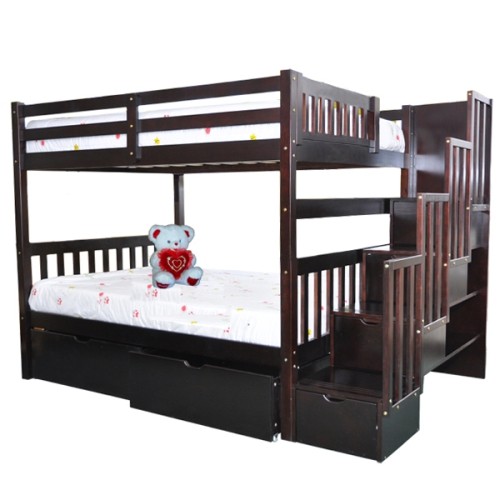
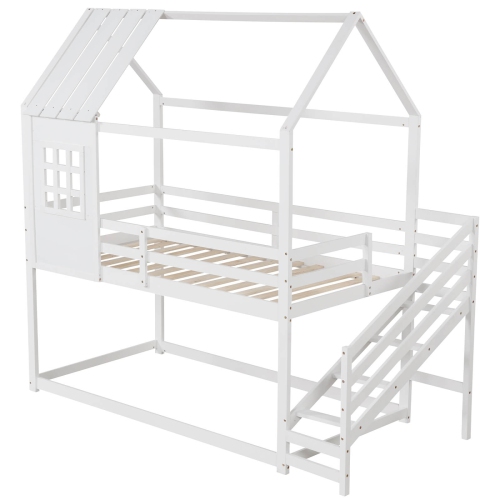

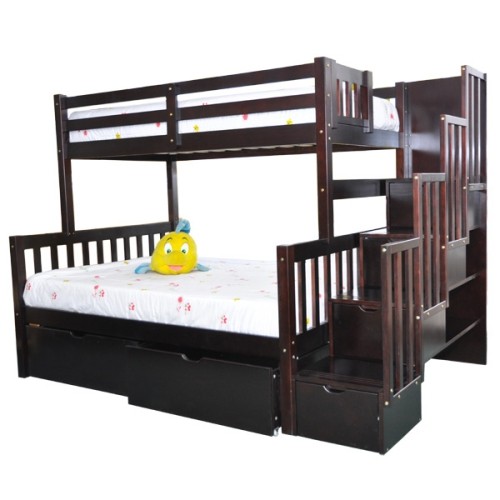
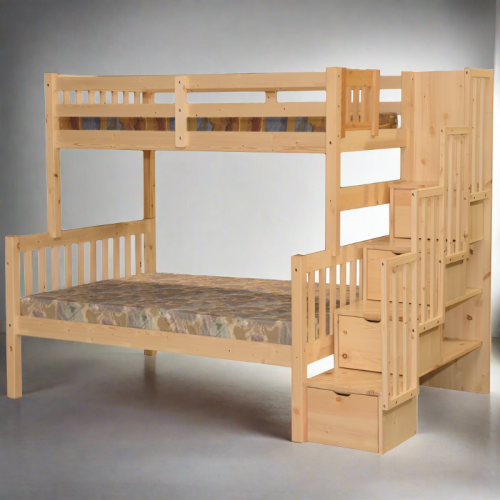
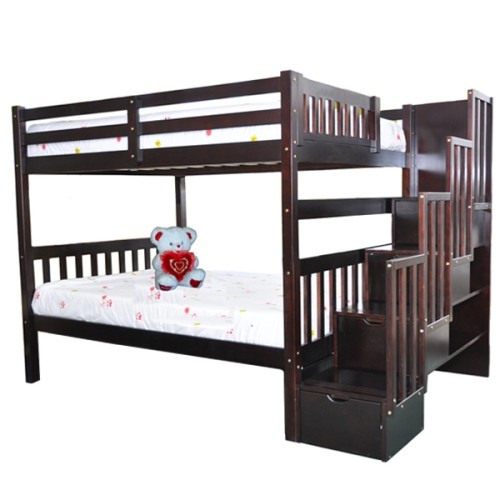


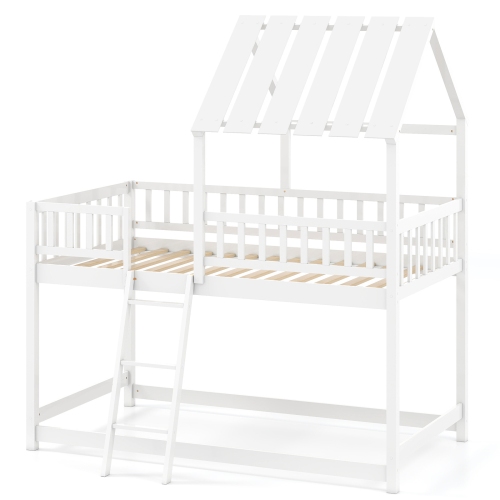
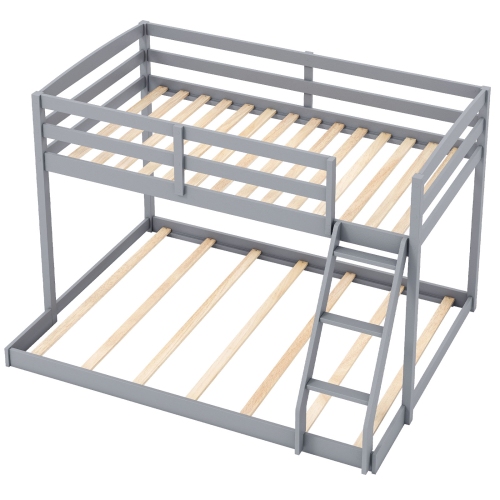

Space-saving layouts and ladder features for shared rooms
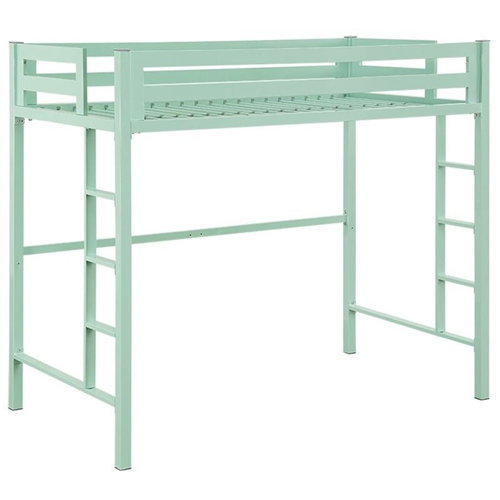
Bunk beds with ladders are a practical way to create two comfortable sleeping spaces without using the floor area required for side-by-side beds. By arranging one bed above the other, they can leave more room for a dresser, desk, toy storage, reading chair, or an open play area. This makes them especially useful in shared bedrooms, compact homes, cottages, guest rooms, and spaces that need to serve more than one purpose. Twin-over-twin designs are a familiar choice for siblings, while twin-over-full configurations offer a wider lower sleeping surface for an older child, teen, or visiting adult. Some families choose a bunk bed for sleepovers, giving guests a dedicated place to stay while keeping the room easy to use between visits. Others use the lower bunk as a cosy reading nook during the day, adding cushions and soft lighting before returning it to sleeping duty at night. As the weather turns cooler and children spend more time indoors, the extra floor space can be particularly helpful for homework, crafts, games, and indoor activities. Bunk beds may also be a thoughtful gift for families preparing a shared bedroom or updating a child’s room, although the available floor space, ceiling height, age of the sleepers, and room layout should be considered before choosing a design. Measure the room carefully, including the location of windows, doors, heating vents, ceiling fixtures, baseboards, and other furniture. Leave enough clearance around the ladder for safe climbing and enough open space to make the bed, change bedding, and move through the room comfortably. It is also important to check the overall height of the frame against the ceiling, since the person using the top bunk should have room to sit upright without feeling cramped. A taller design may provide more space between the two sleeping levels, but it can be less suitable for rooms with low ceilings. Lower-profile bunk beds can be easier to reach and may suit younger users, while loft-style configurations with one sleeping area above an open space can be useful when the room needs a dedicated study or activity zone.
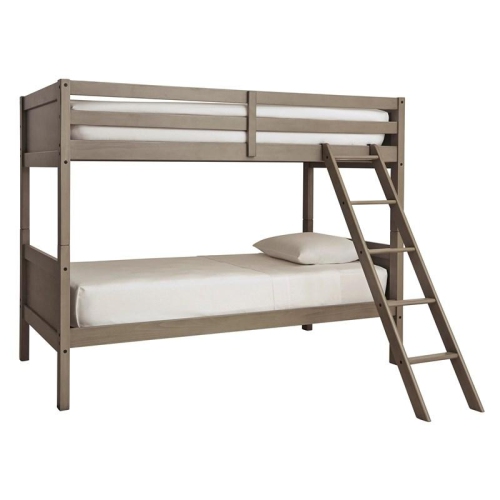
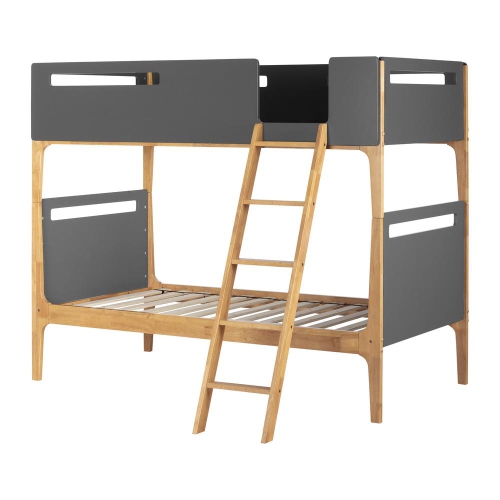
The ladder is one of the most important features to compare because its shape, position, and step design affect how easily the top bunk can be reached. A vertical ladder sits close to the frame and usually takes up very little floor space, making it a strong choice for narrow bedrooms or rooms where every centimetre matters. An angled ladder projects farther into the room, but its sloped shape and wider footholds can feel more comfortable for some sleepers, particularly when climbing with bedding or getting down during the night. Look for steps that are sturdy, evenly spaced, and easy to grip, with a surface that helps reduce slipping. Some frames allow the ladder to be installed on either the left or right side, which can make a significant difference when positioning the bed beside a wall, near a doorway, or between other pieces of furniture. Confirm the installation options before assembly rather than assuming the ladder can be moved later. Designs with integrated storage steps provide a broader alternative to a traditional ladder and may include drawers or cubbies for clothing, books, blankets, and toys. For shoppers interested in this layout, Bunk Beds With Stairs can provide another way to compare access and storage features. Whichever style you select, the upper bunk should include secure guardrails on the appropriate sides, and the guardrails should extend high enough above the mattress to help prevent accidental rolling. A commonly cited safety benchmark is at least 5 inches above the top of the mattress, but always follow the manufacturer’s instructions and use only the mattress thickness specified for the frame. A mattress that is too thick can reduce the effective height of the guardrails. Check that the ladder is firmly attached, that all fasteners are tightened correctly, and that the frame does not wobble or shift when weight is applied. Assembly is often easier with two adults, especially when aligning the upper frame, securing the ladder, and checking that every support is seated properly. Retighten hardware after the bed has been used for a short period, then inspect it periodically for looseness, damaged parts, or unusual movement.
Before making a final selection, review the recommended age guidance, mattress dimensions, maximum weight capacity for each sleeping level, and any restrictions on who should use the upper bunk. Weight limits can vary between the top and bottom bunks, and they may include the mattress or bedding, so read the specifications closely if an older teen or adult will be using the bed. Think about the practical routine of the people who will sleep there: a child who frequently gets up at night may benefit from a ladder with broad, easy-to-find steps, while a room shared by siblings may need a clearly defined storage area for each person. Bedding should fit neatly without bunching around the guardrails or ladder opening, and blankets should not be draped over access points where they could catch or make climbing difficult. Keep the area around the ladder free from baskets, toys, loose clothing, and cords, especially in a room where children move around in low light. A small night light can make the route to the ladder easier to see, while a bedside shelf or nearby table can keep books and water within reach without creating clutter on the sleeping surface. For homes with younger children, families should follow the product’s safety guidance regarding the minimum age for the upper bunk and teach children to use the ladder rather than climbing on the frame, guardrails, or furniture nearby. During cooler months, when thicker duvets and extra blankets may be added, check that the mattress height and guardrail clearance remain suitable. A well-chosen bunk bed with a ladder can make a shared room feel more open and organized while giving each sleeper a comfortable personal space. Careful measuring, thoughtful ladder placement, suitable mattress selection, and regular hardware checks help the bed remain functional as the room’s needs change.
Top selling and popular products
-
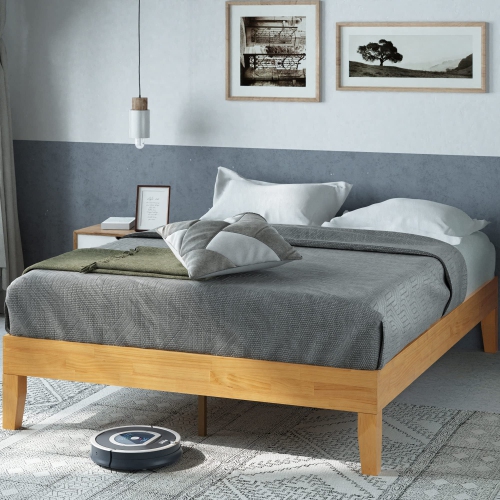 Your price for this item is $493.52
-
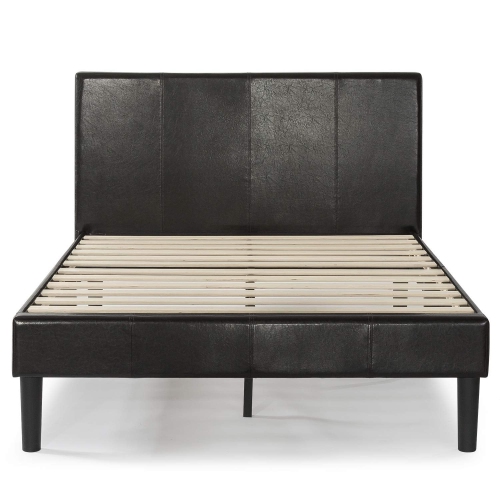 Your price for this item is $611.85
-
 Your price for this item is $824.18
-
 Your price for this item is $799.99
-
 Your price for this item is $985.42
-
 Your price for this item is $157.99
-
 Your price for this item is $862.99
-
 Your price for this item is $3099.99
Discover more categories related to Bunk Beds With Ladder
Top Collections:
Pokemon Centers, Best Cameras for Sports Photography, Kindle Devices, Samsung Galaxy Phones, Canon G7X Cameras, Pokémon 30th Celebration Cards, Refurbished Apple Laptops, iPhone 15 Apple, Laptops for Students, Budget Smartphones
Some products may be subject to Environmental Handling Fees
(EHF) depending on your province.
Learn more about EHFs.