Christmas Gifts for Preschoolers
Finding the perfect Christmas gifts for preschoolers can be a delightful yet challenging task. At Best Buy Canada, we understand the joy of seeing little ones' faces light up with excitement. Our carefully curated selection of toys and educational tools is designed to inspire creativity, foster learning, and provide endless hours of fun. From interactive playsets to cozy bedtime essentials, discover a world of enchanting options that will make this holiday season truly magical for your preschooler.
Sort
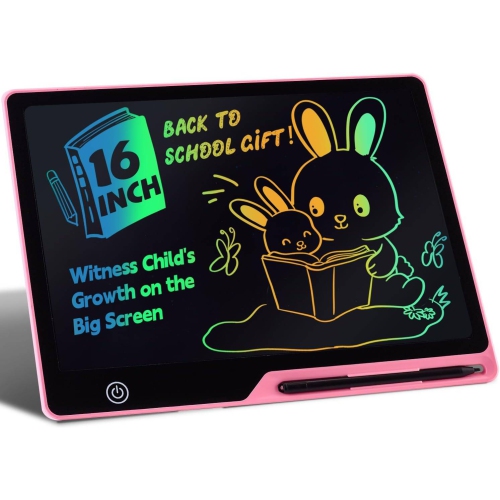
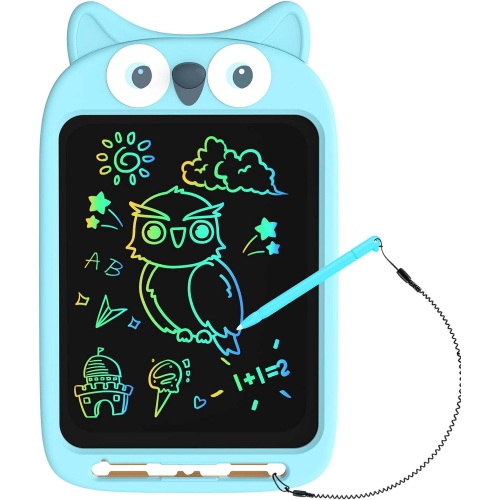



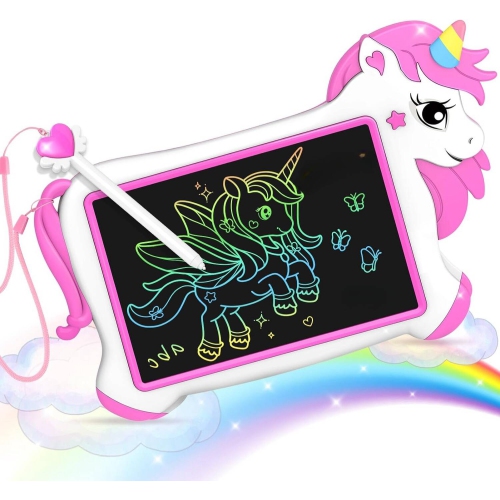
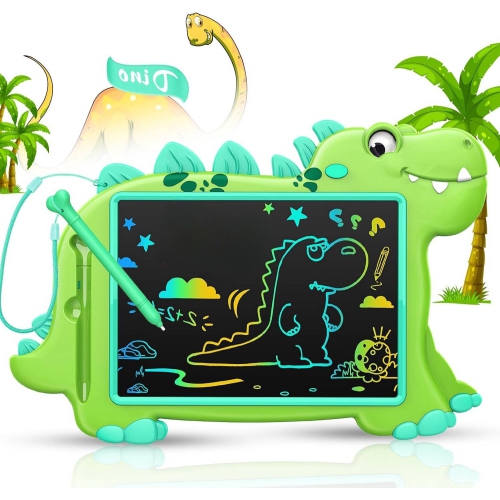
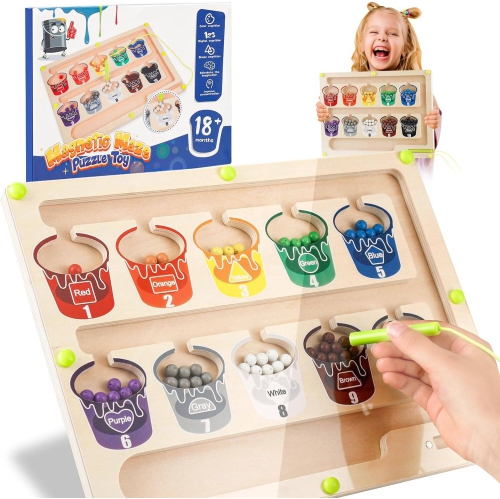
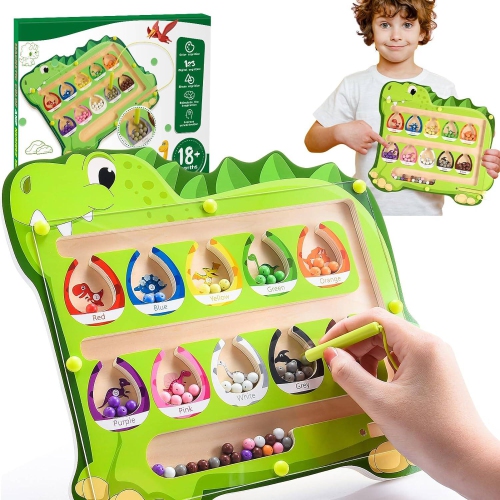
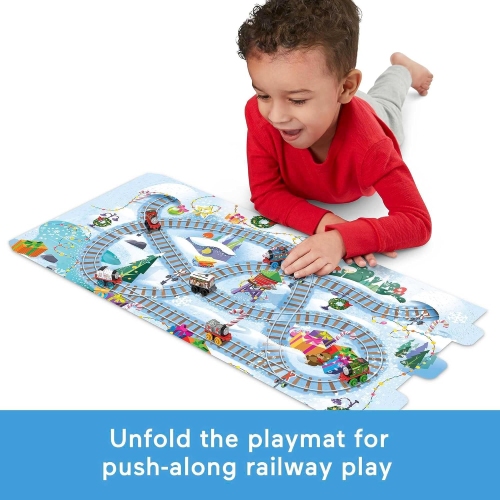


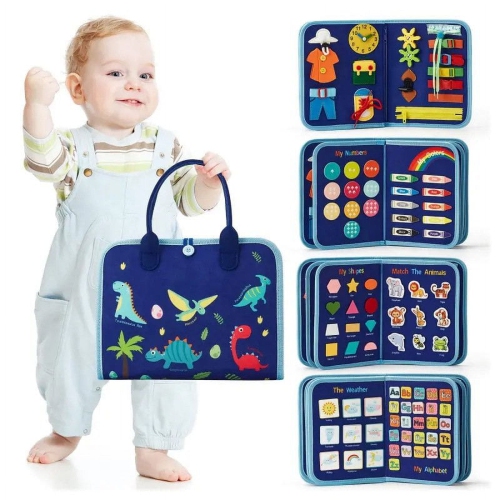

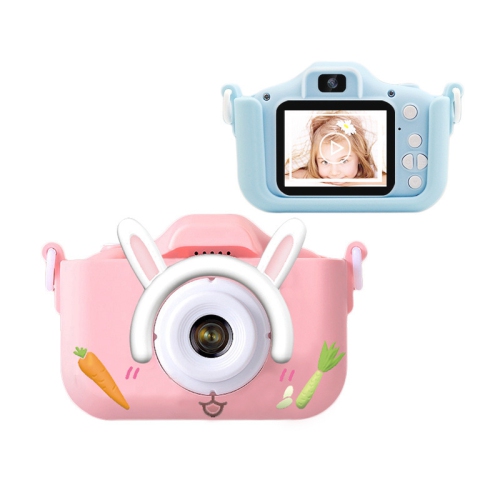

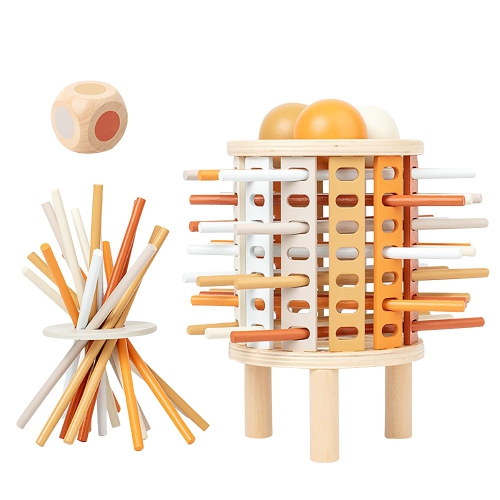


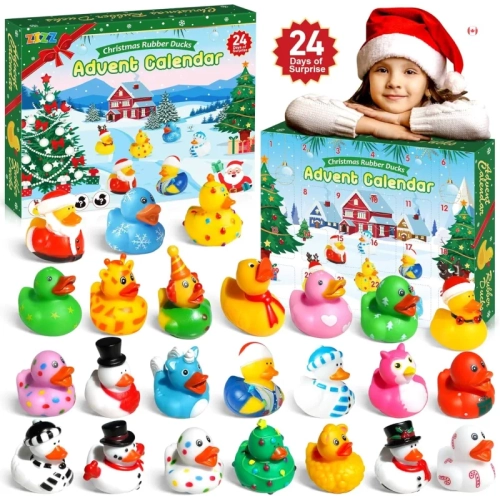
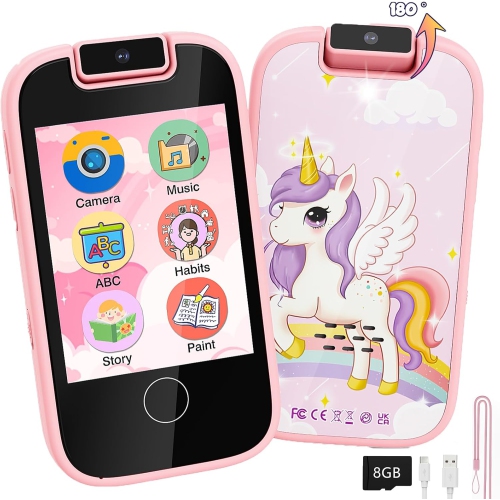
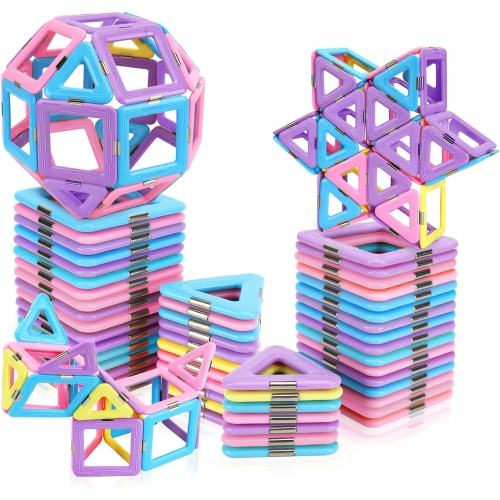

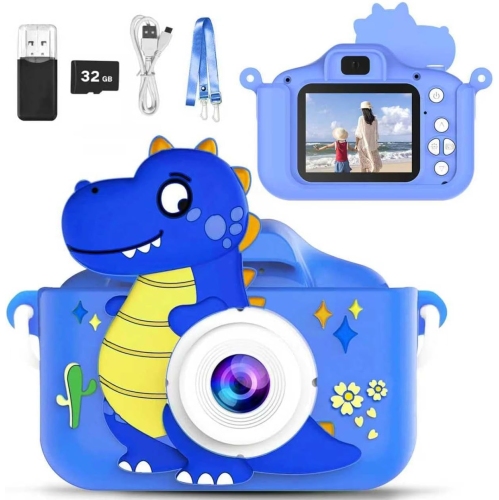
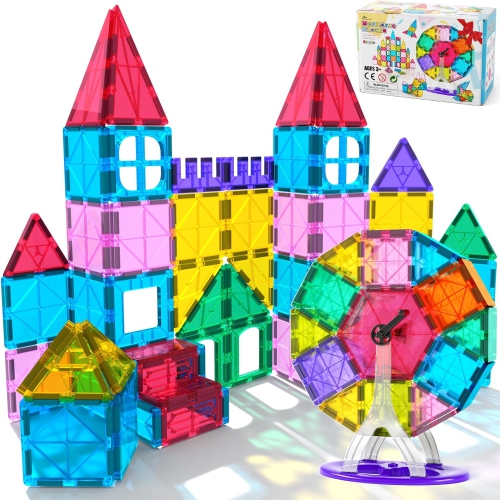
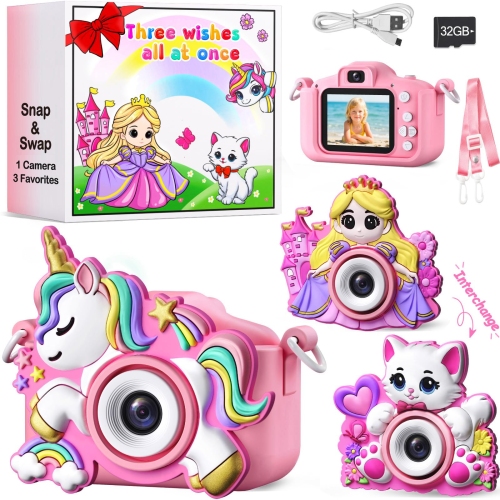
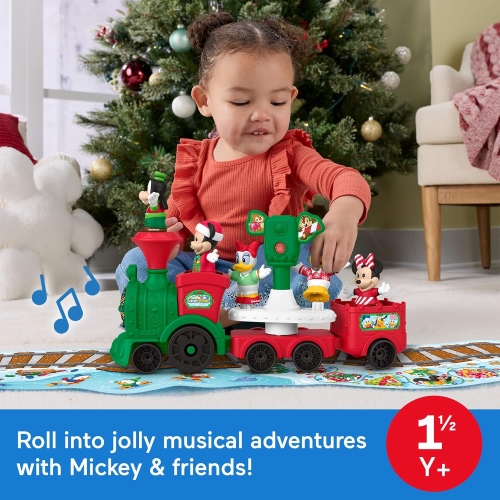

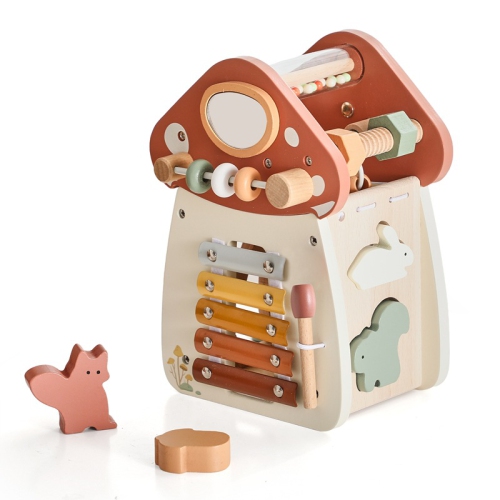
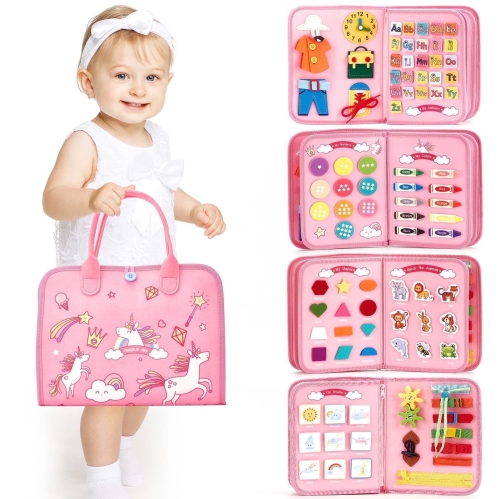
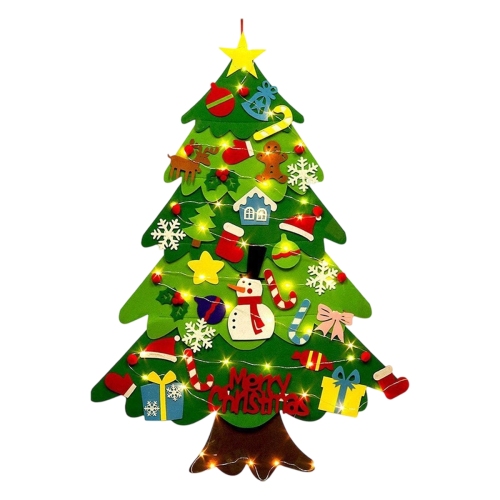
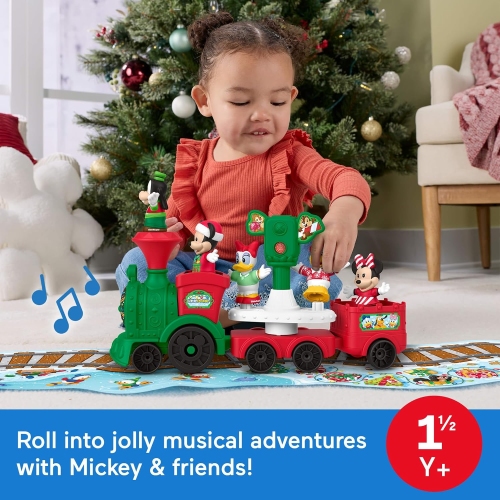
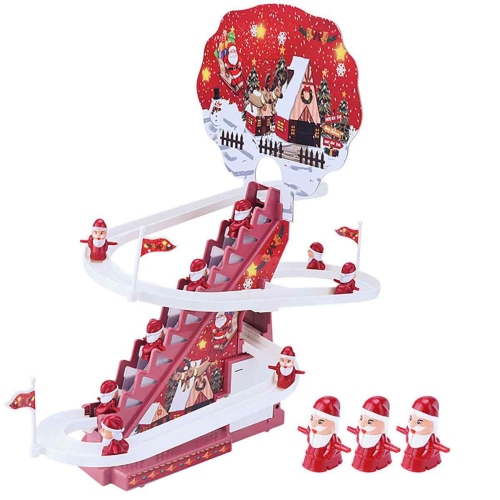
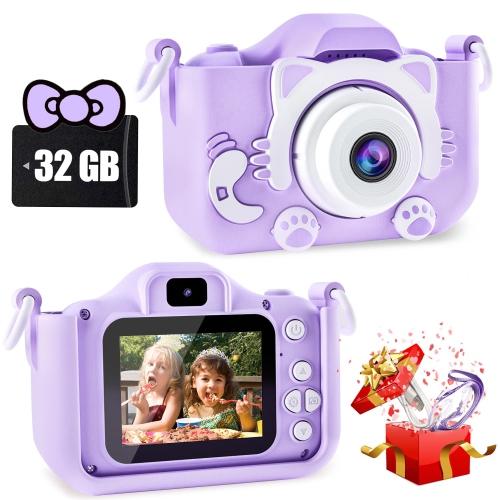
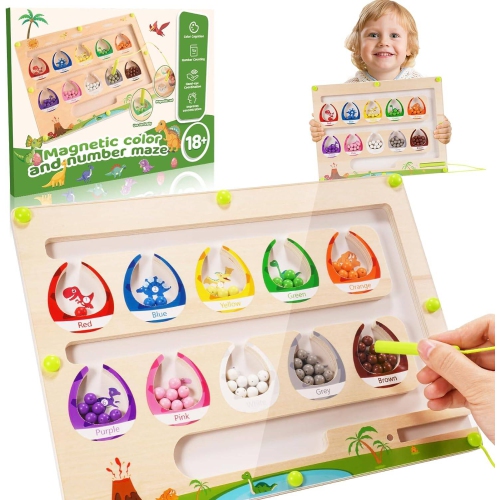


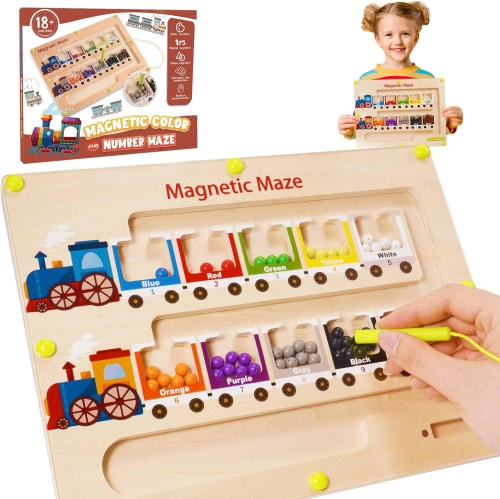
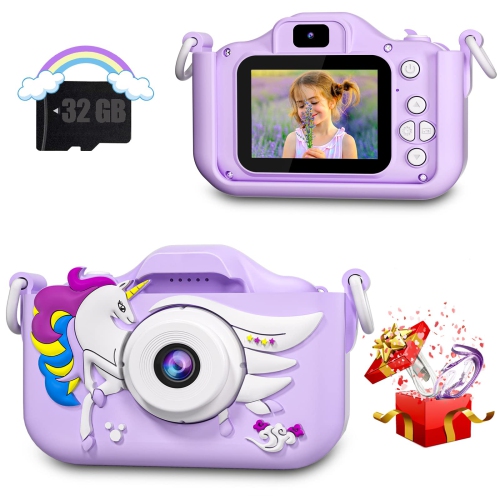
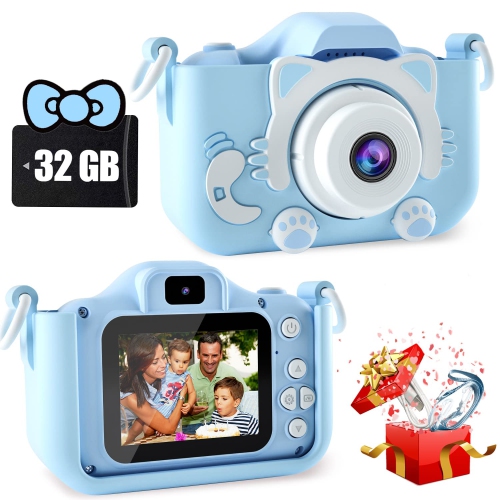
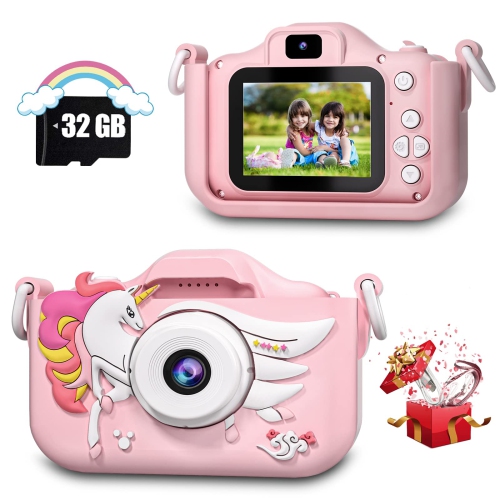
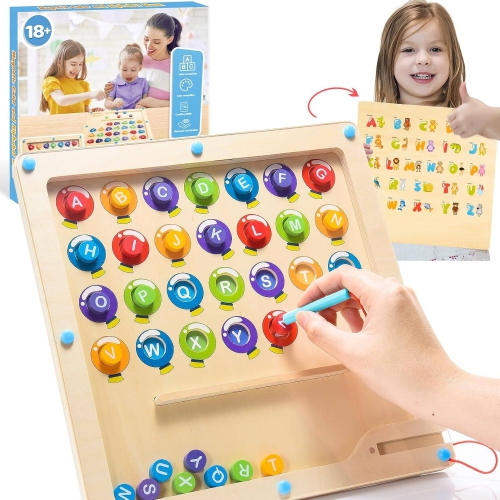
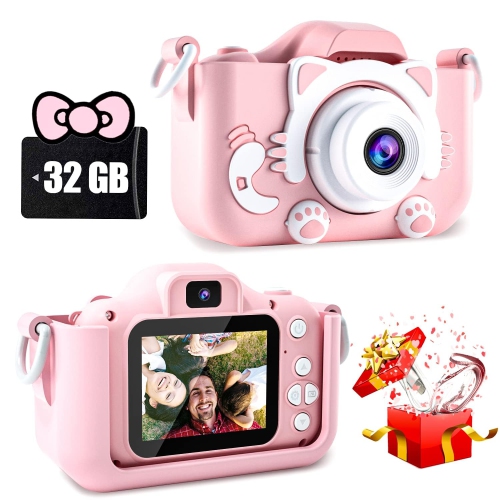
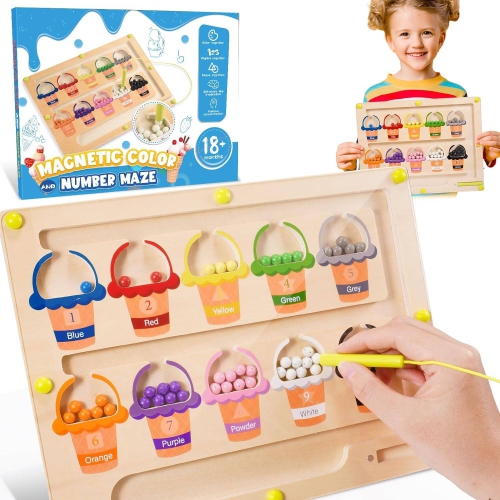
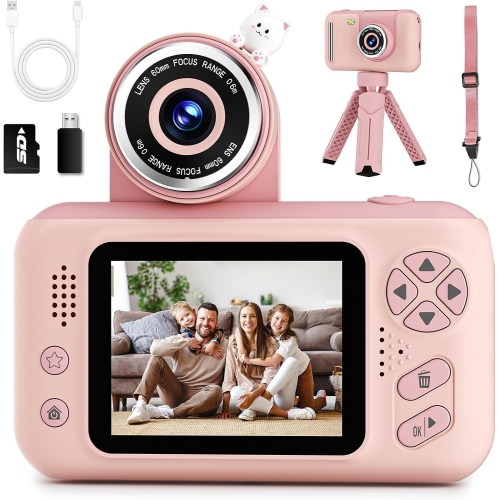
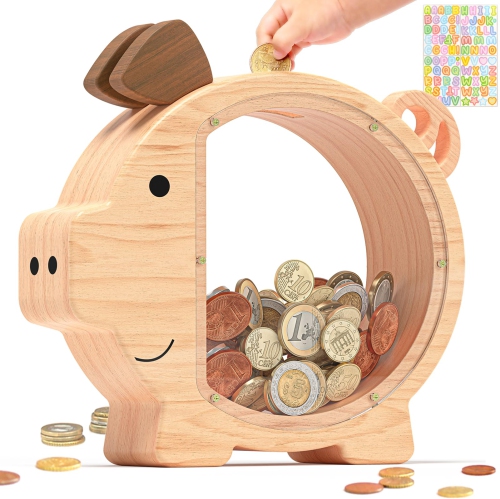

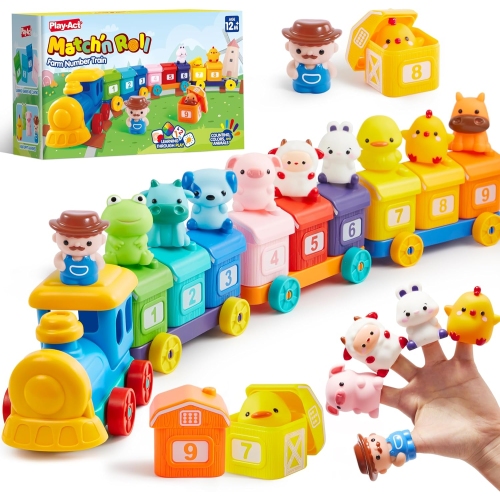
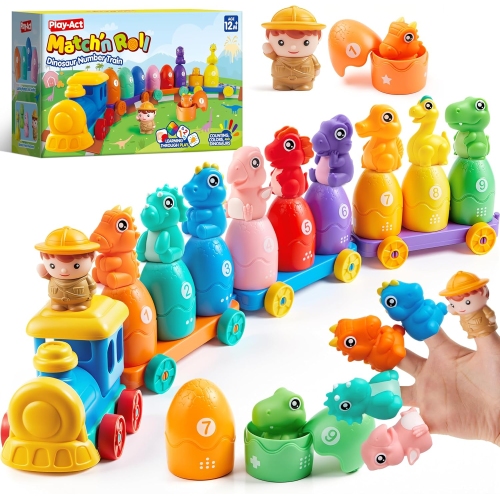

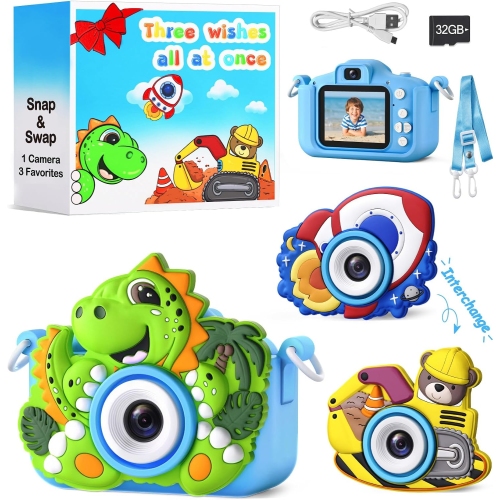

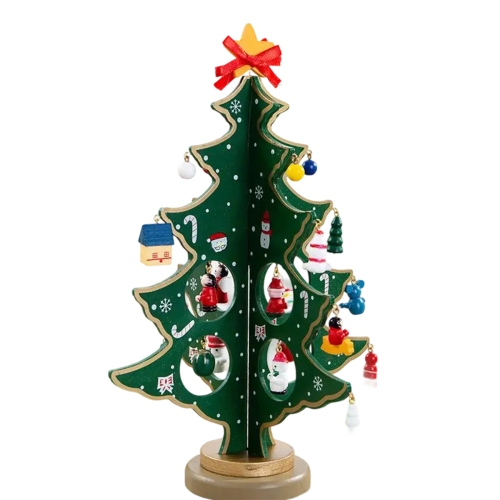
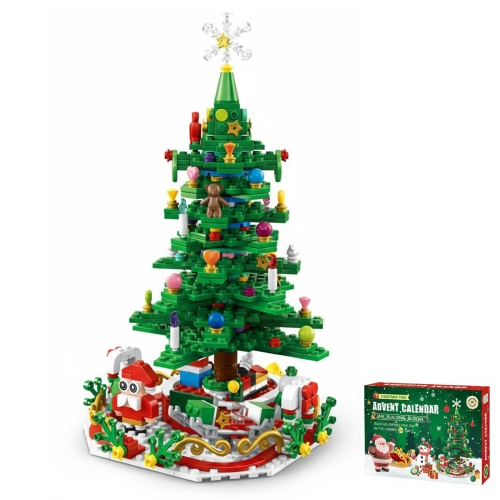
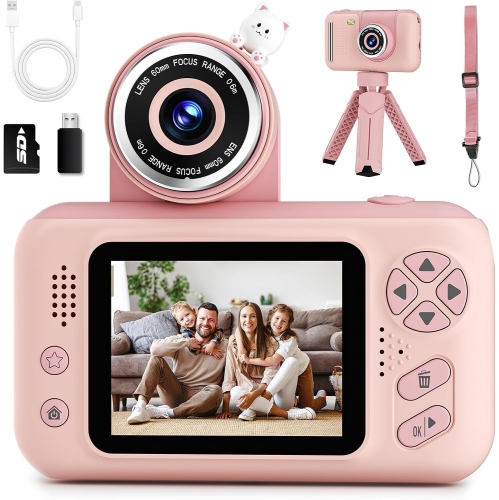

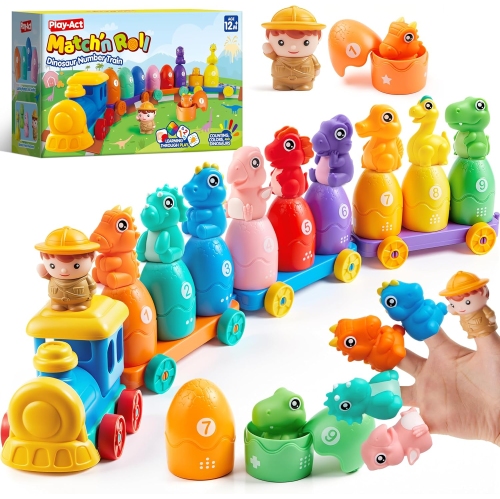
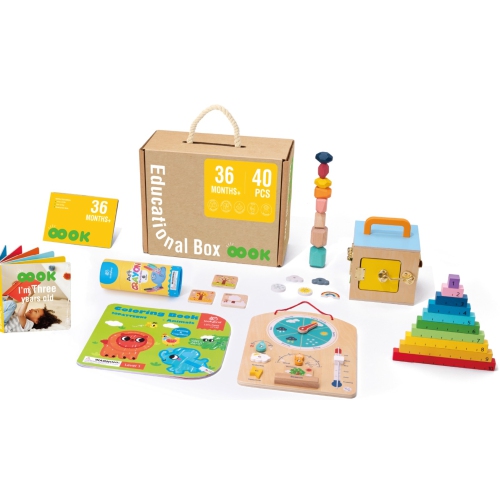
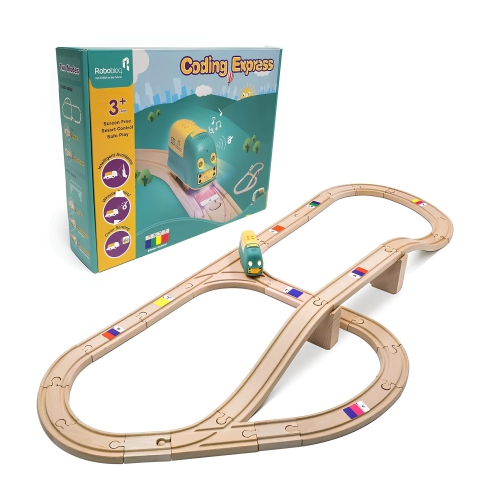
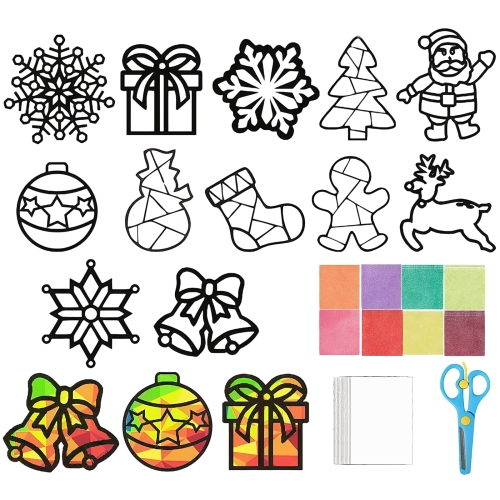
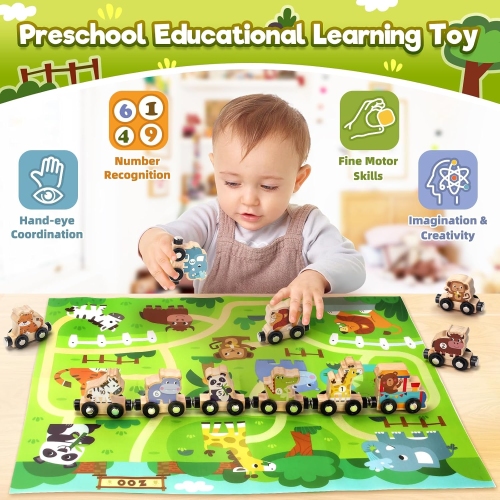
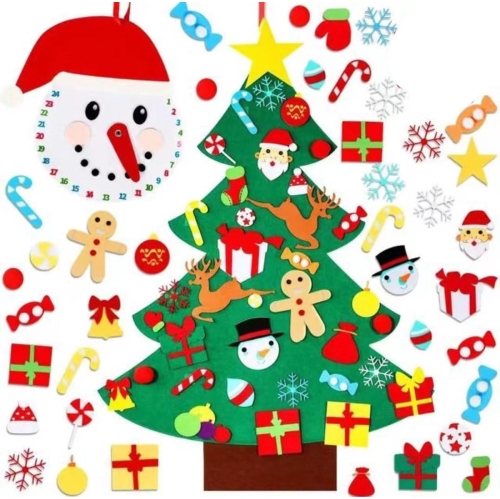



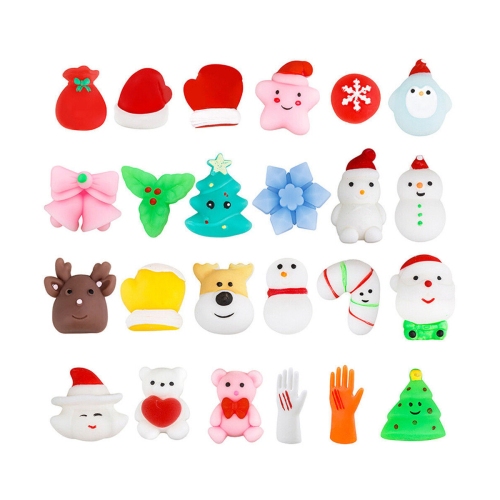
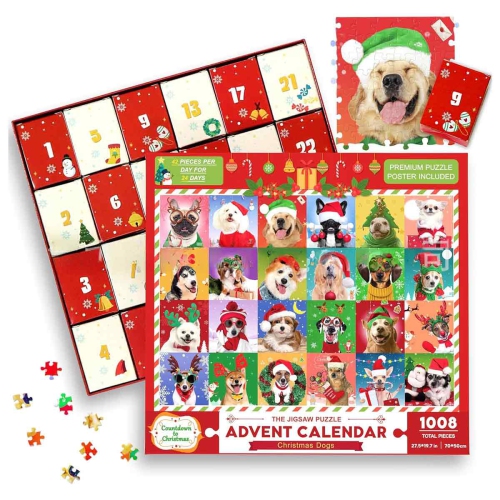
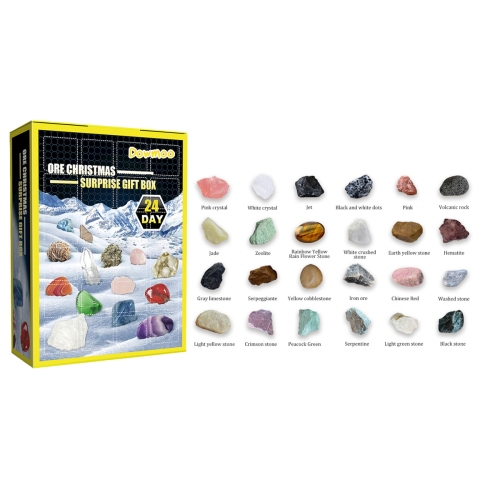
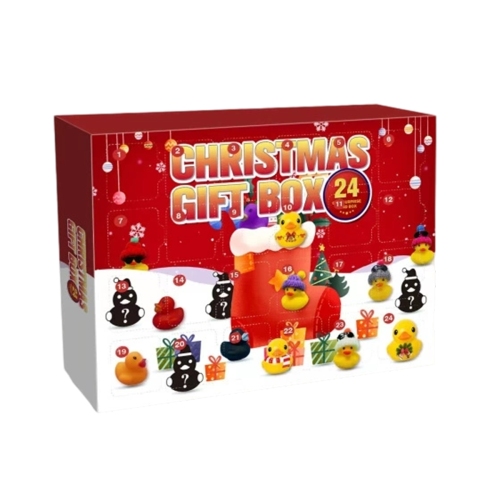
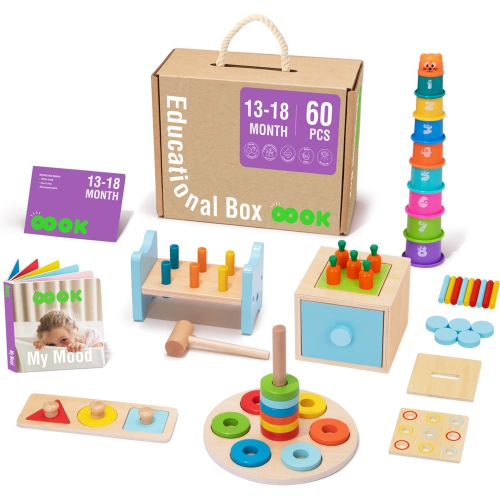
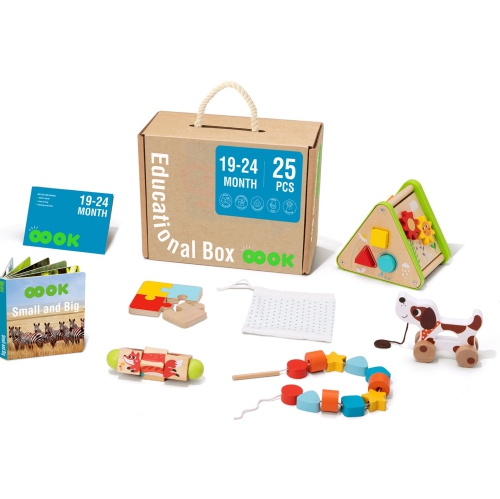

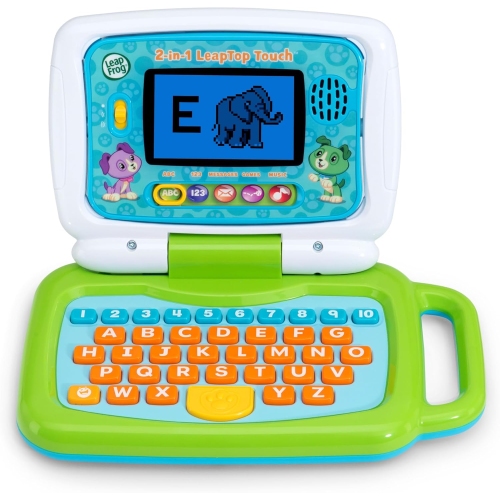
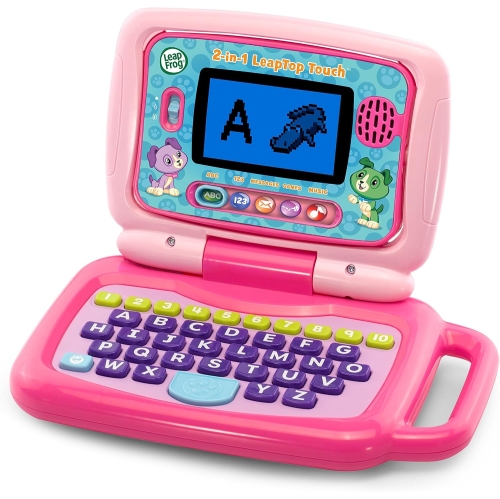
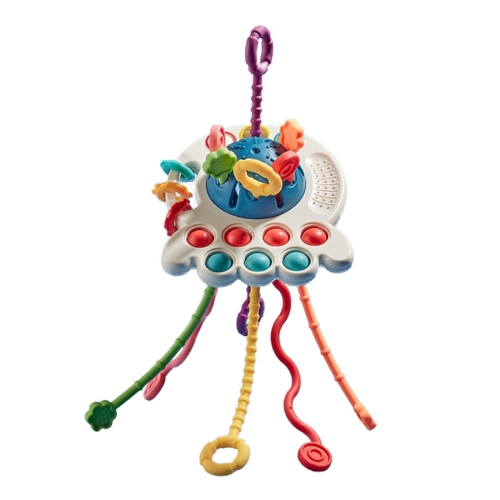

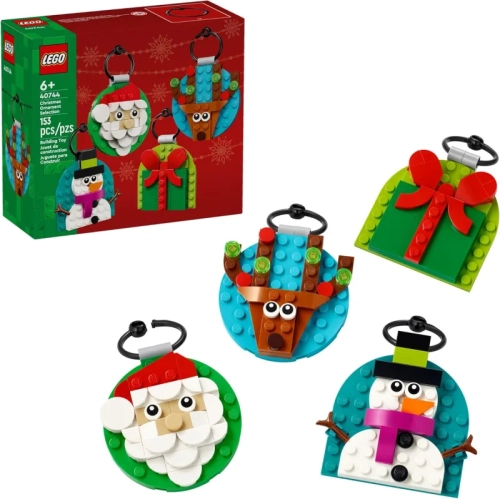
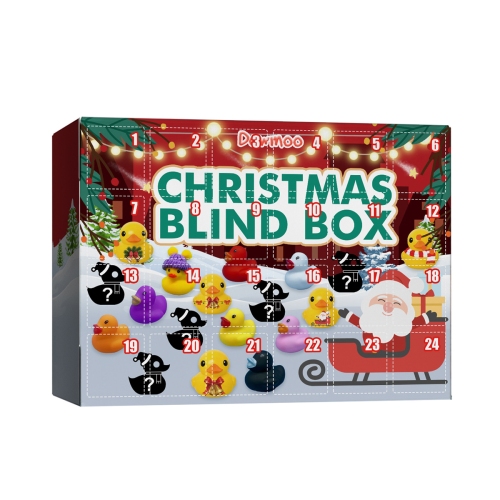
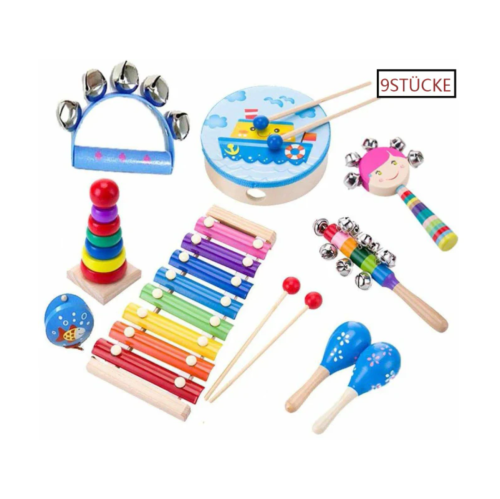
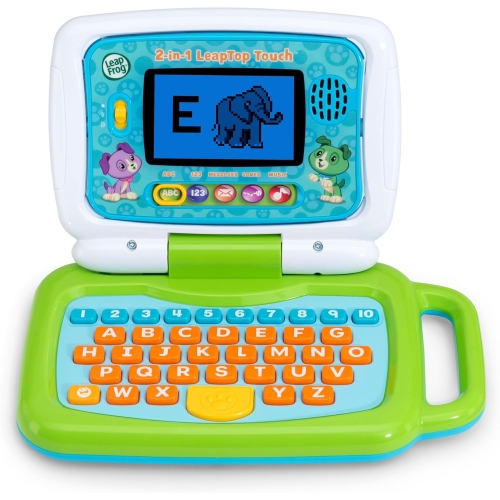
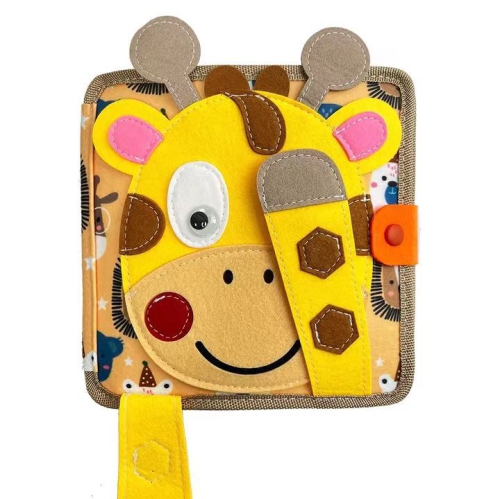
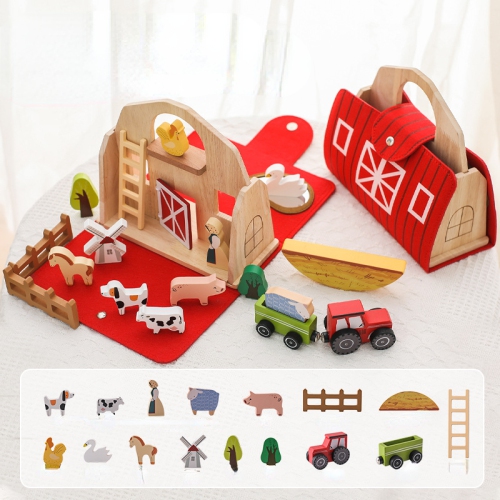
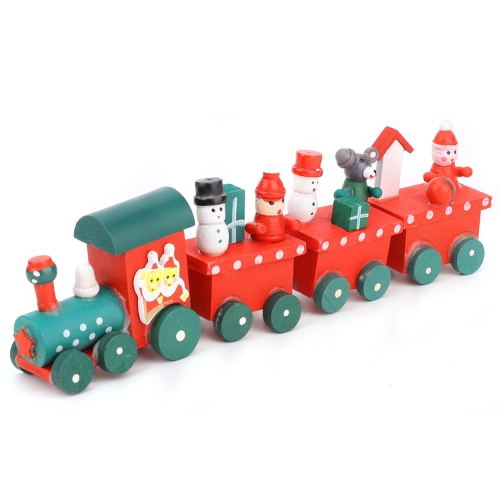
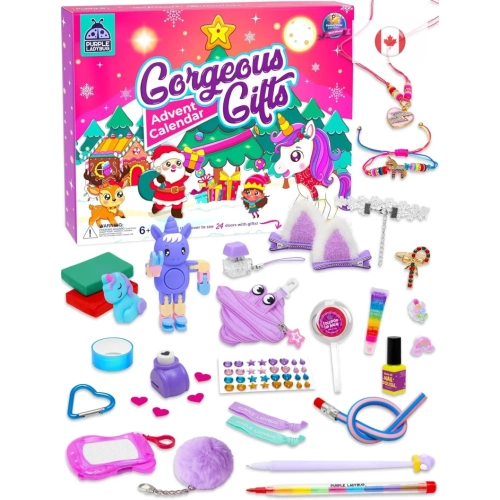

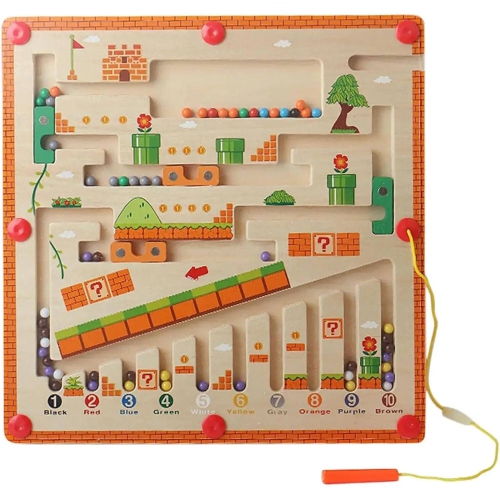

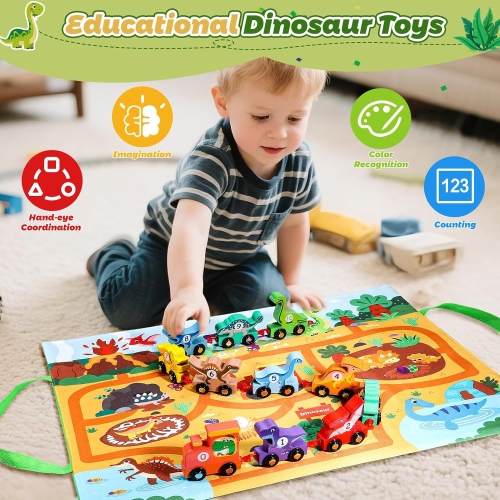
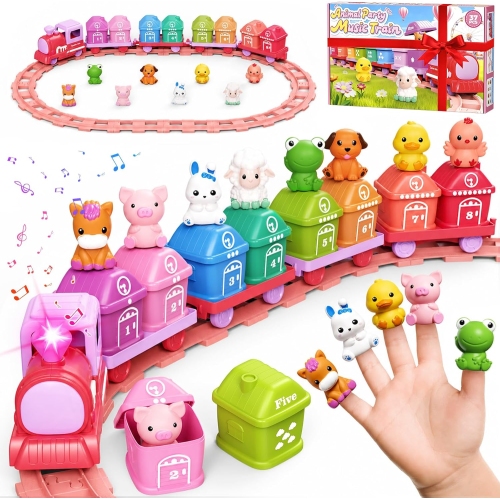
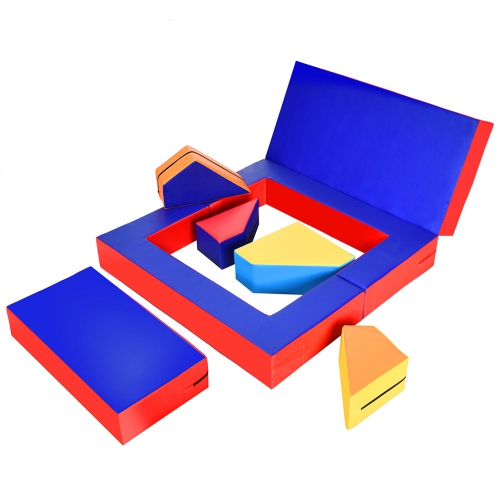

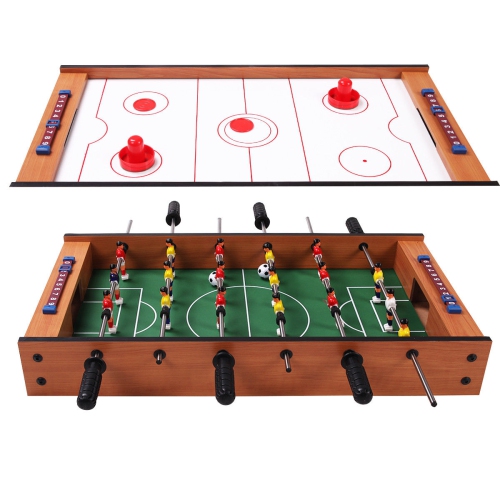
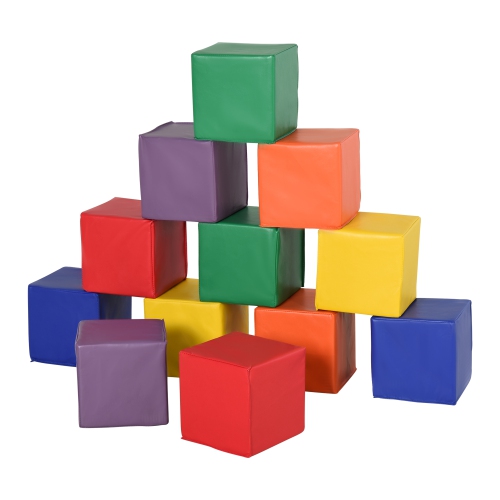

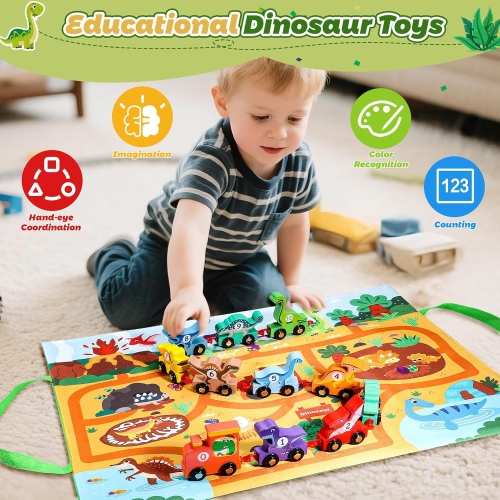
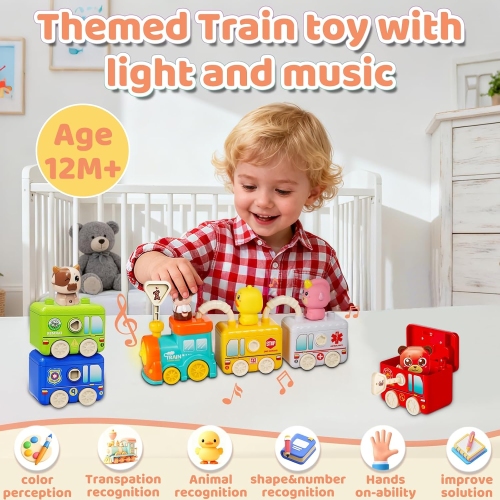
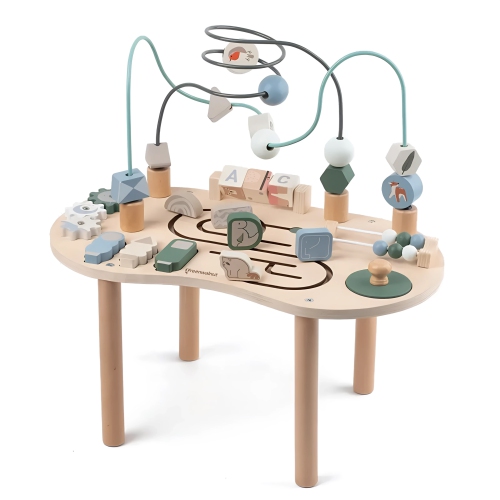
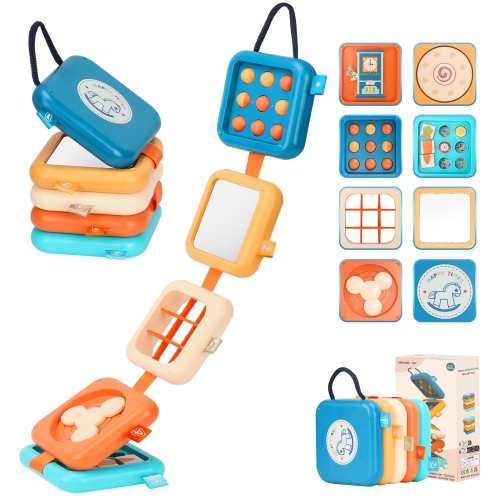
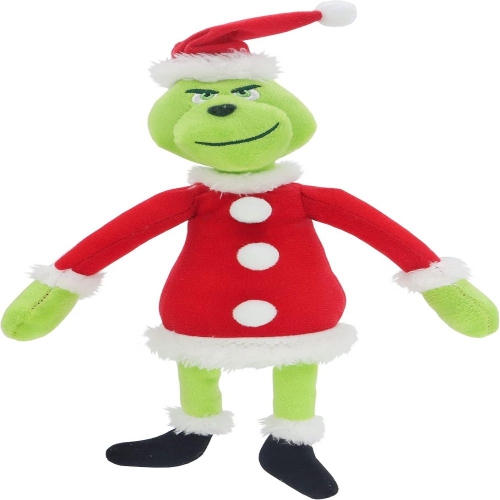
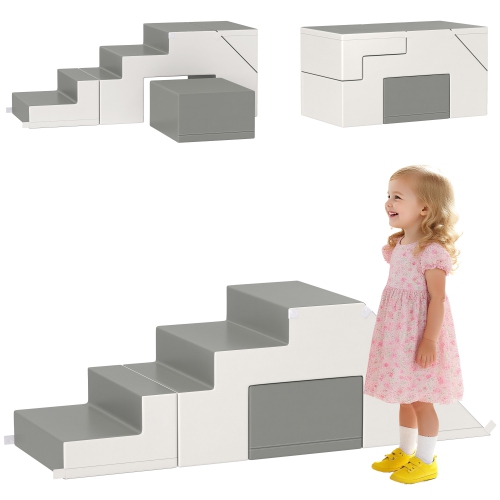

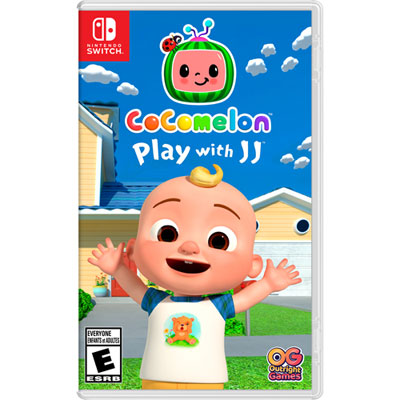
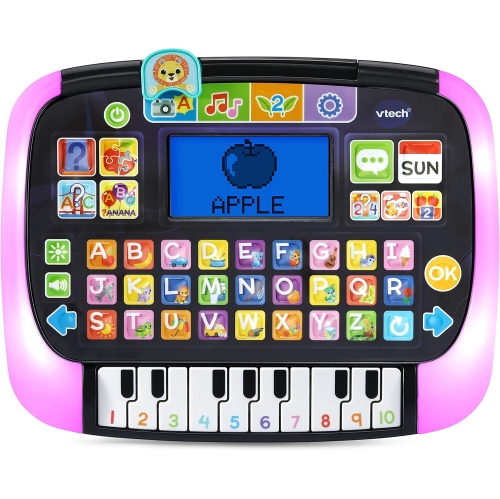
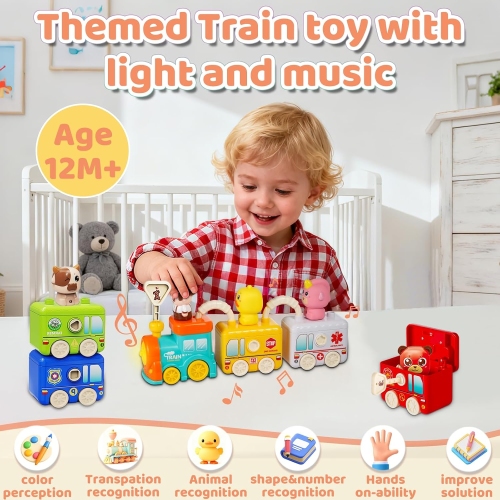


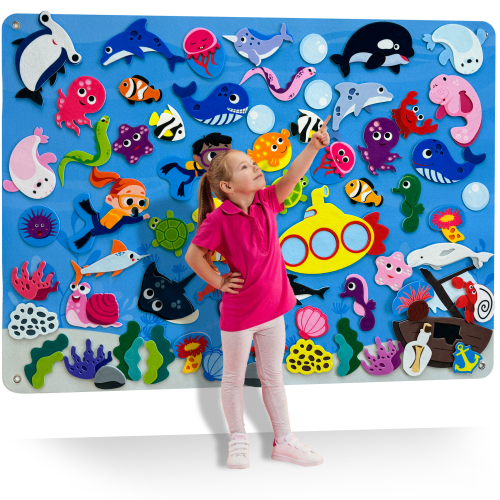
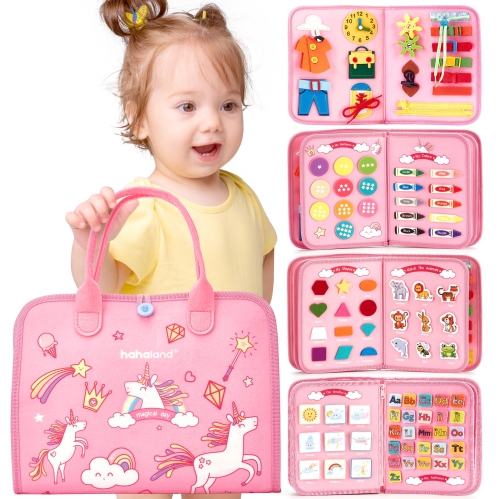
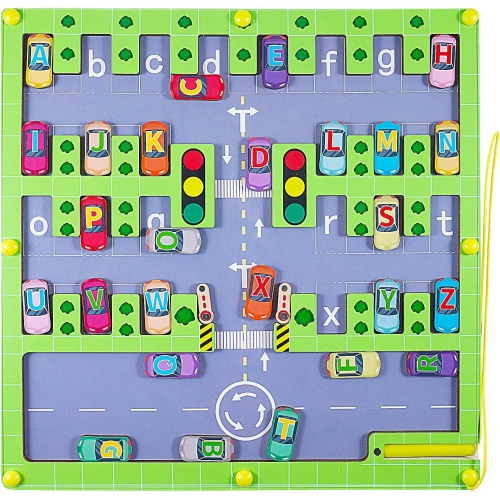
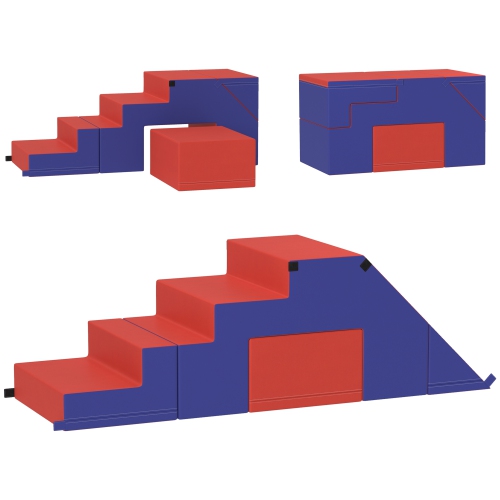
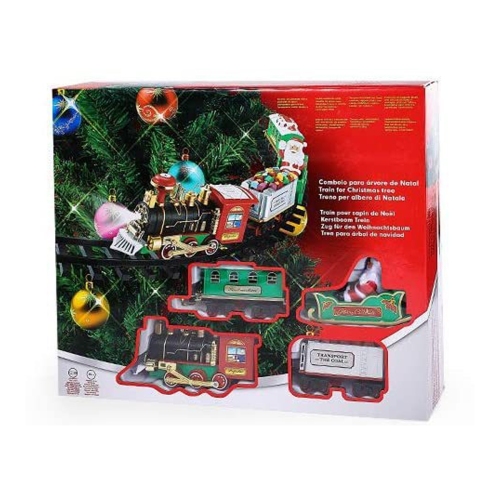


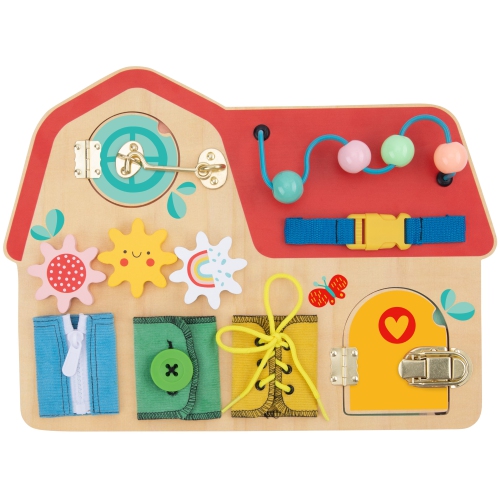
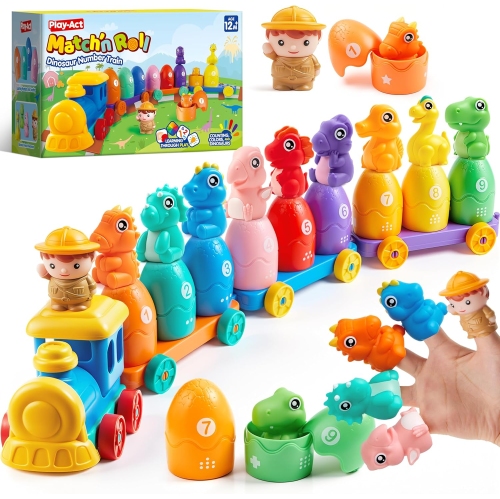
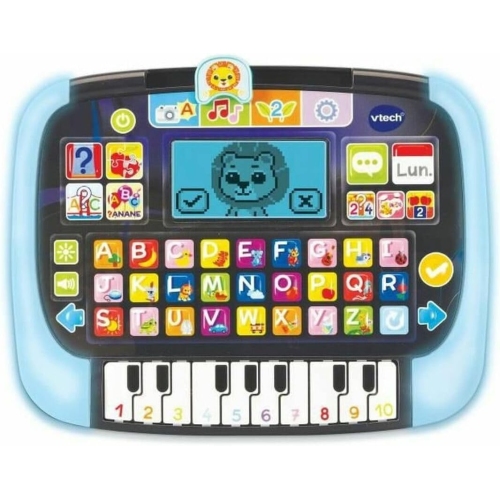
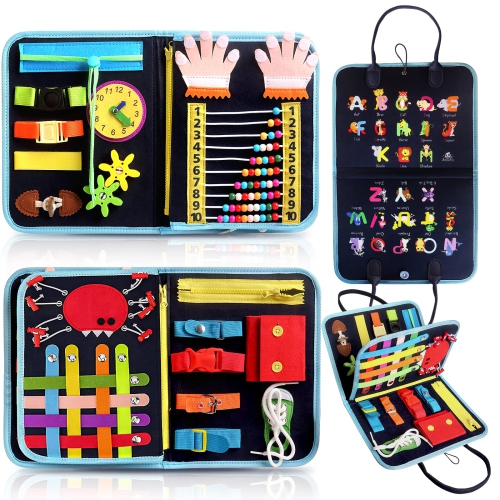
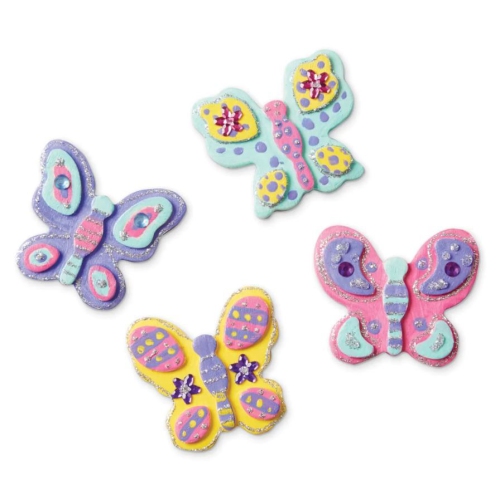
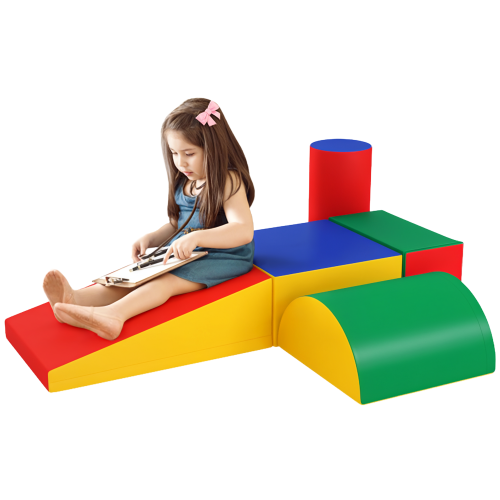
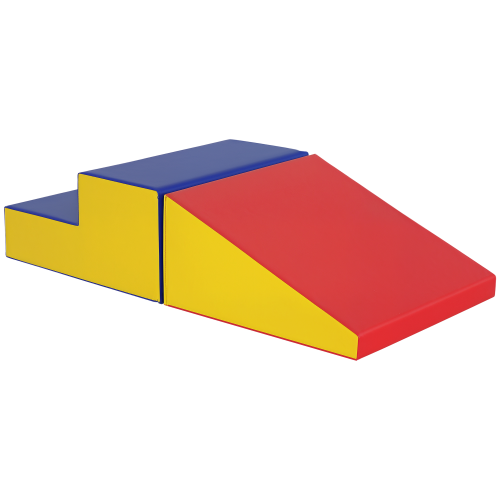

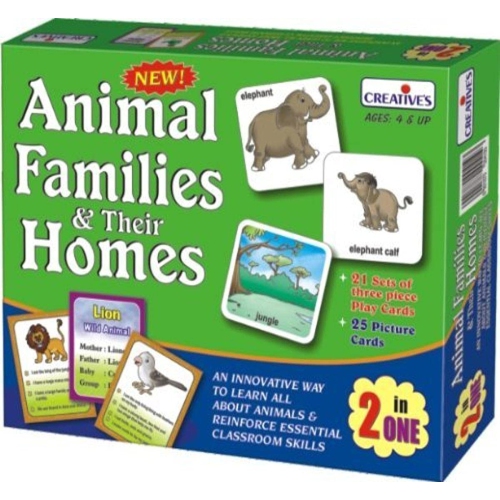
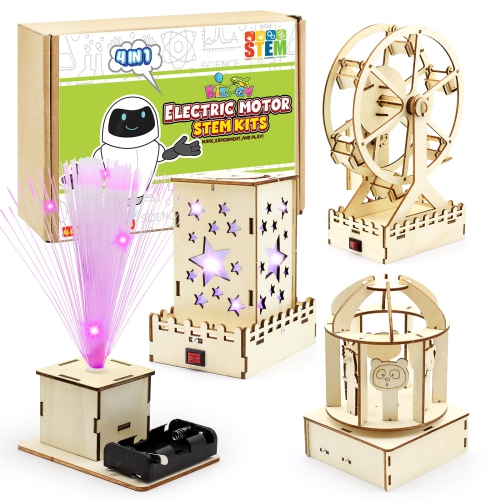
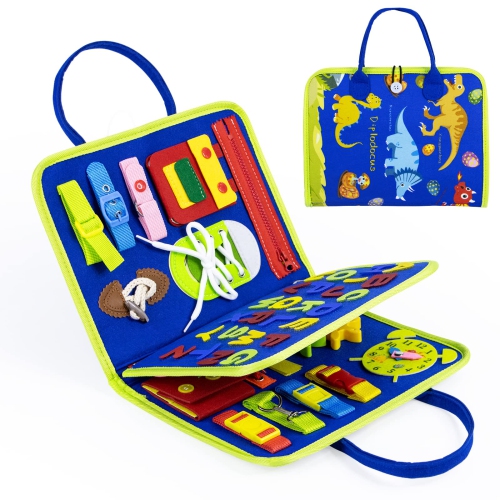
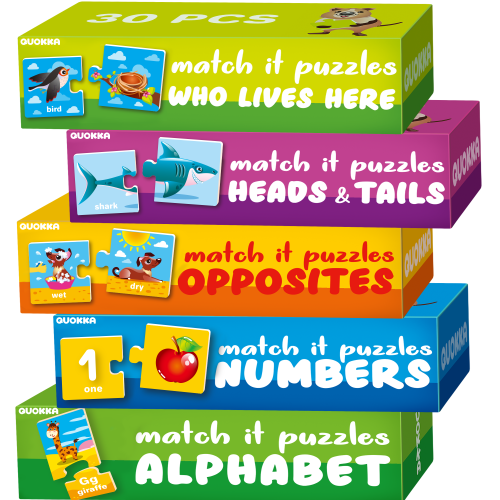
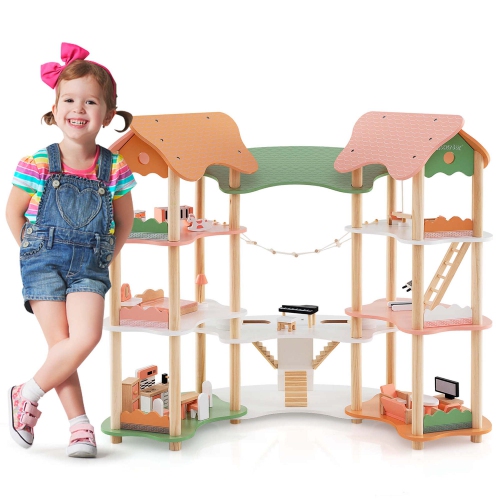
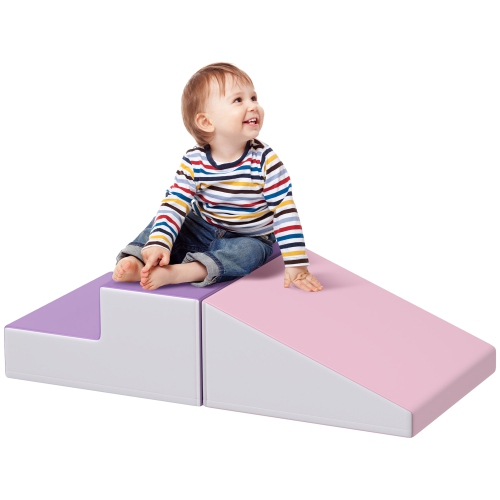
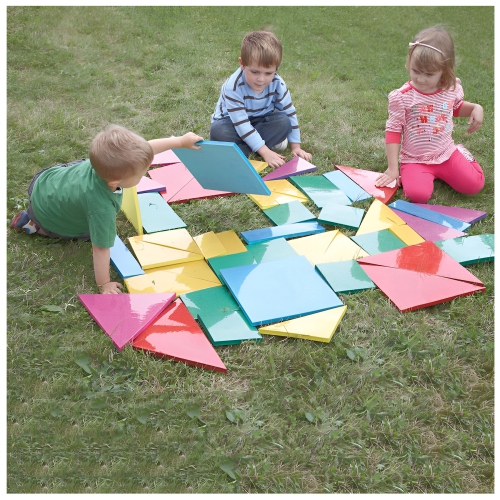

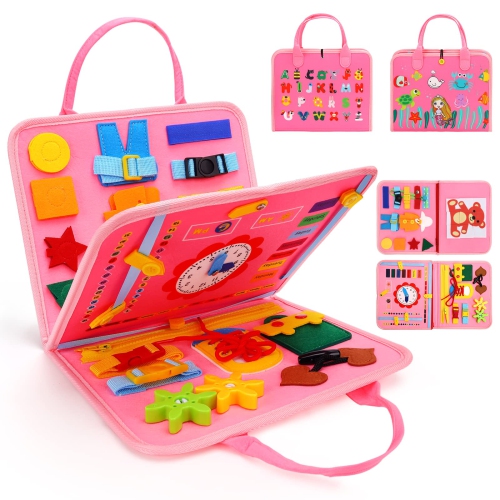
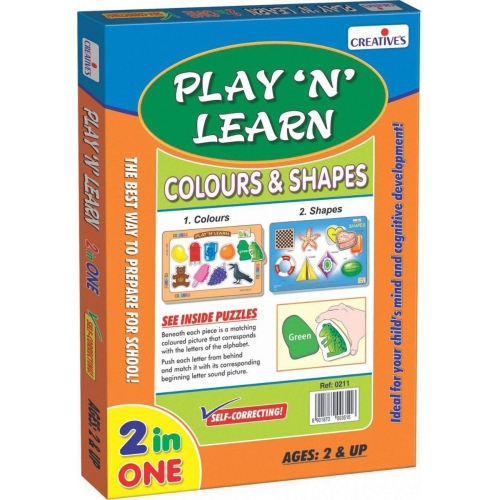
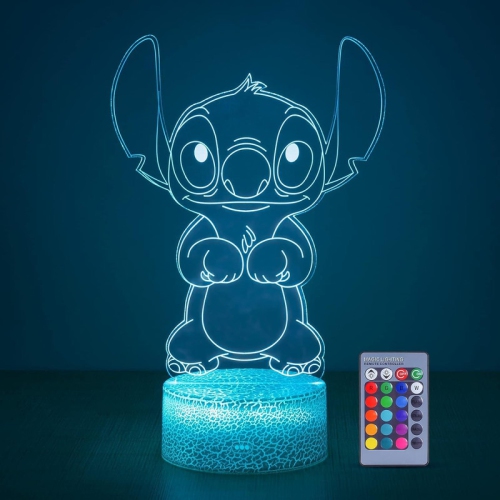


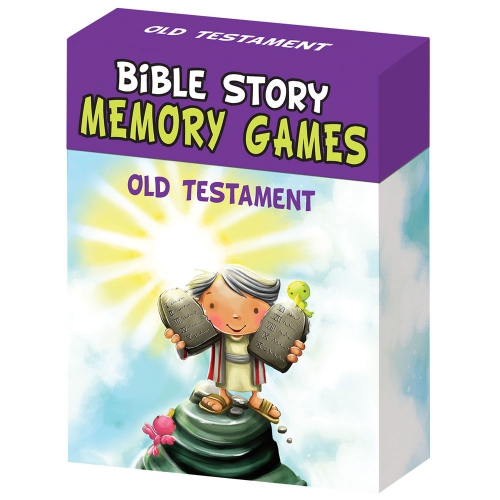
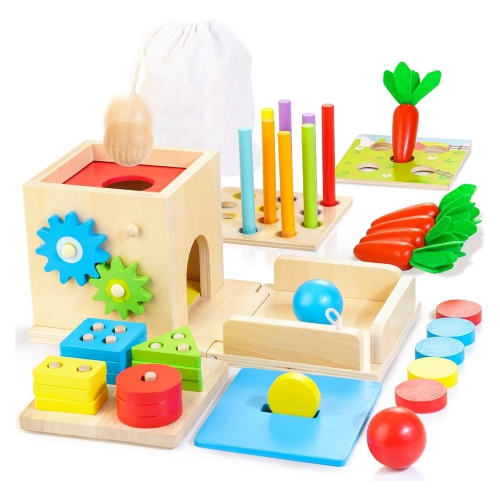

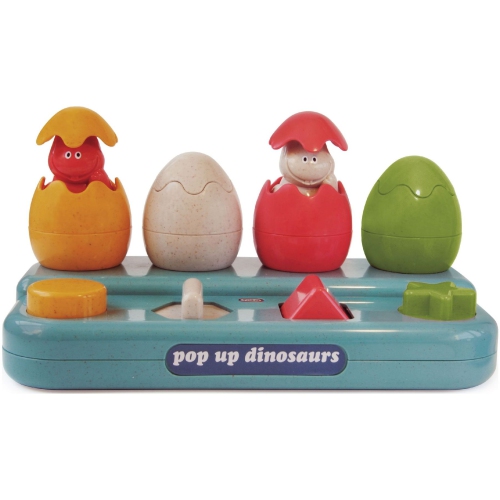
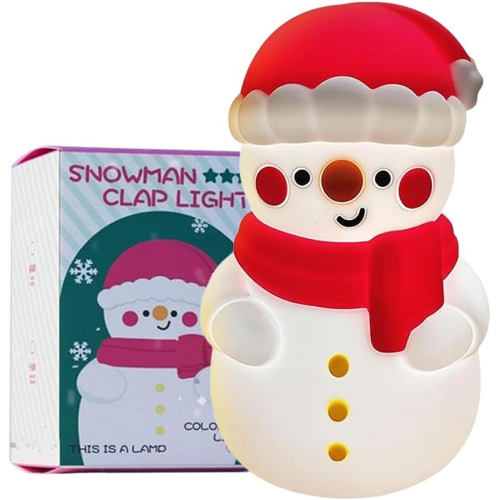
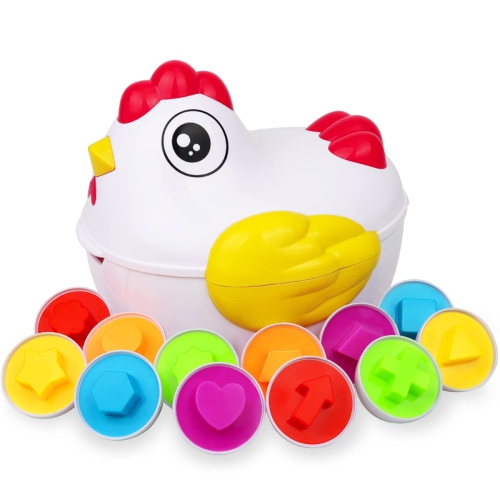



Open-ended gifts for a new adventure every day
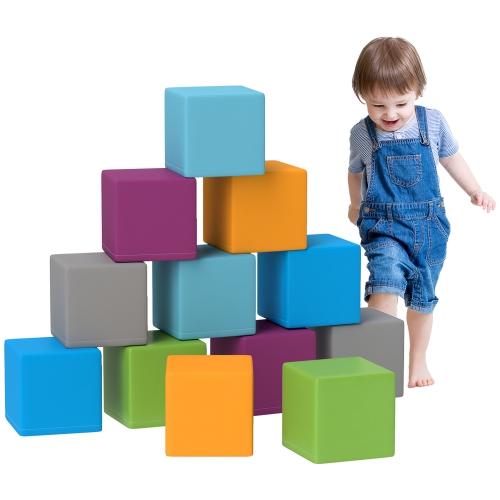
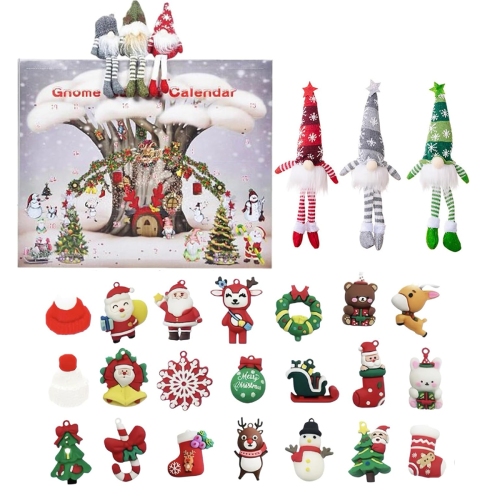
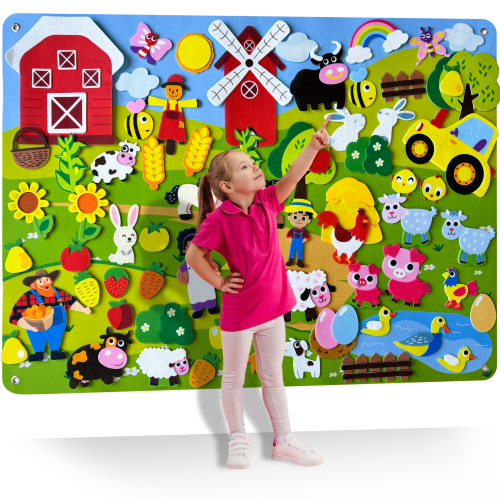
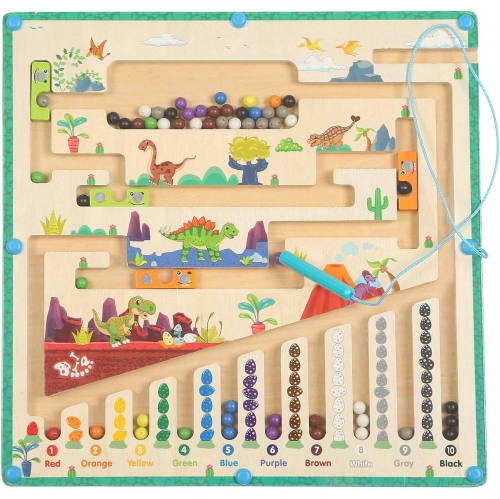
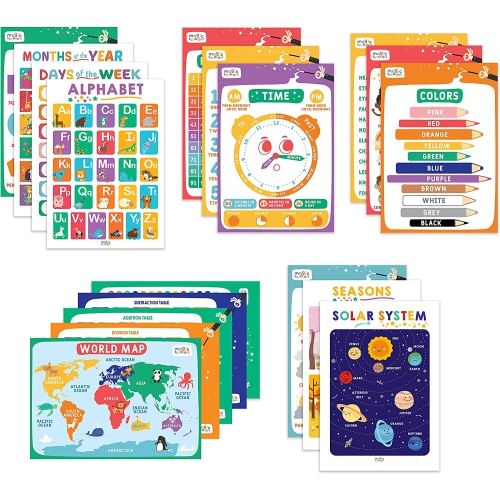
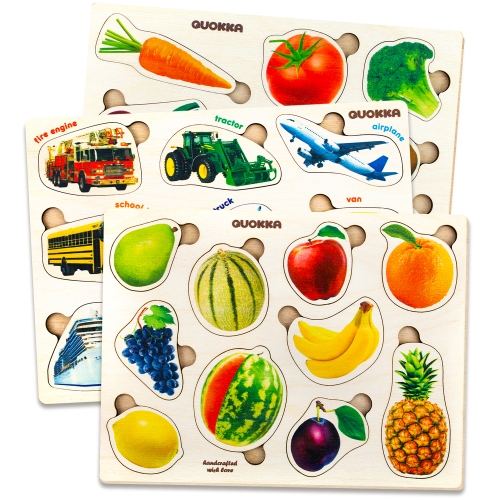
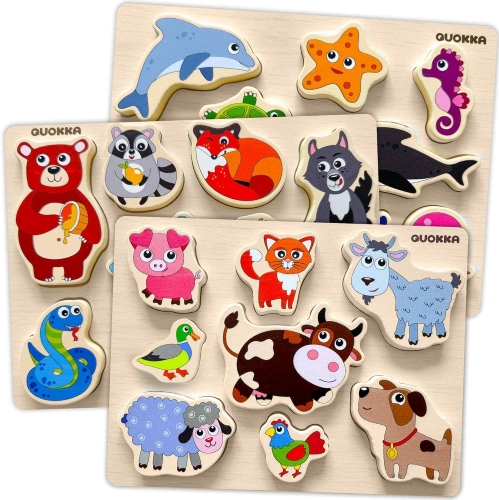
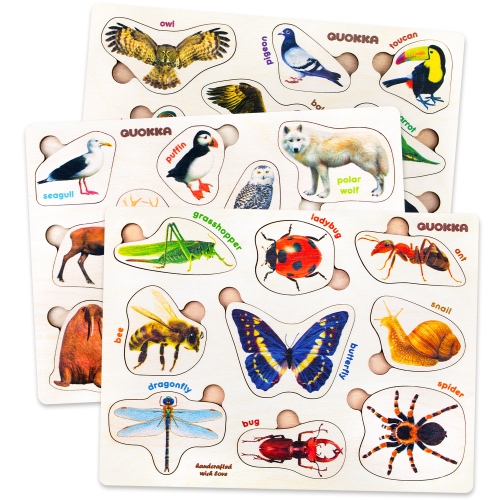
Christmas gifts for preschoolers often centre on imaginative play, creative activities, simple problem-solving, and movement, with age-appropriate choices typically intended for children aged three to five. At this stage, a child may spend one afternoon building a make-believe town and the next acting out a trip to the grocery store. Gifts that leave room for those changing interests can become part of everyday play long after the wrapping paper has been cleared away. Building toys, pretend-play sets, art supplies, puzzles, and active-play equipment each offer different ways to explore, whether a child prefers inventing stories or working patiently towards a finished picture. Open-ended play materials are especially versatile because there is no single correct result: a collection of shapes might become a bridge, a garage, or a home for an imaginary animal. More structured activities can appeal to preschoolers who enjoy matching, sorting, and seeing a task through to completion. The best fit depends on the child’s interests, abilities, and comfort with new challenges rather than age alone. A younger preschooler may enjoy large, easy-to-grasp pieces and a short activity with an adult nearby, while an older child may be ready for longer sequences, more detailed pretend play, or games with simple turn-taking rules. Familiar themes such as animals, vehicles, music, and everyday family routines can make a Christmas gift feel immediately inviting. For children who are still developing confidence with group play, an activity that works alone or with a partner offers useful flexibility. Gifts shared with siblings should suit the intended recipient without assuming that everyone in the household has the same skills. A quiet activity for the kitchen table, an imaginative setup in a bedroom corner, or something that encourages movement can each fill a different place in a preschooler’s day. That connection to real routines often matters more than a complicated set of features.
Materials, construction, and ease of handling make a noticeable difference to how preschool gifts feel in use. Smooth wood, sturdy plastic, washable fabric, and thick cardboard all serve different purposes, so the material should suit the activity and the way it will be cared for. Wooden play pieces benefit from smooth edges and a well-finished surface, while plastic components should feel robust enough for repeated assembly and everyday handling. Fabric accessories are easier to manage when their care instructions suit frequent washing, particularly if they will travel between home, childcare, and family visits. Art materials should be labelled for the child’s age and used as directed; washable does not necessarily mean a material will lift from every fabric or surface. A protected work area and an easy cleanup routine help creative play fit comfortably into family life. For anything worn, fit is as important as appearance. Dress-up clothing should allow comfortable movement without dragging hems or loose cords, and fastenings should be manageable for the child or an assisting adult. Active-play equipment needs to match the child’s size and developing skills, with attention to the manufacturer’s height, weight, and age requirements. Appropriate protective equipment, adult supervision, and a suitable play surface also matter. Across categories, age labels and safety warnings take priority over how advanced a child seems. Small parts may be unsuitable where younger siblings can reach them, and products containing magnets or batteries need particular care. Battery compartments should remain securely closed, and anything with damage that exposes a battery or magnet should be taken out of use. Durability includes the less obvious details, too: hinges that withstand repeated opening, seams that stay intact, and pieces that fit together without excessive force. Storage deserves similar attention. When components can be gathered into a manageable container and returned to an accessible spot, a preschooler has an easier time helping tidy up and finding the activity again. Following the manufacturer’s cleaning and storage directions helps keep gifts ready for repeated use.
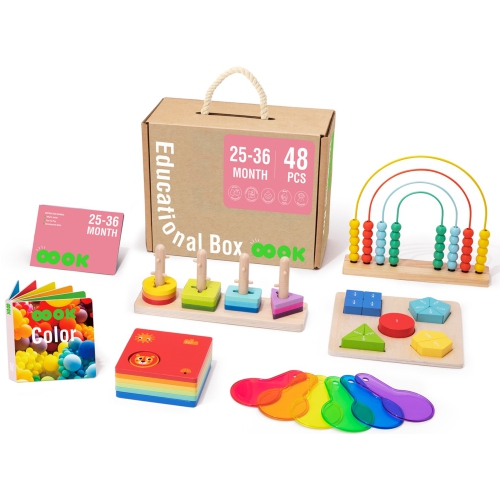
Playful learning is another natural part of choosing Christmas presents for this age group, though a gift does not need to resemble a lesson to offer something meaningful. Sorting by colour, fitting shapes together, following a picture sequence, and taking turns can all give children opportunities to practise emerging skills. Pretend play invites conversation as children assign roles, explain what happens next, and borrow phrases from the adults around them. Creative activities allow a different kind of exploration, from pressing and shaping materials to choosing colours and describing a finished creation. Simple games can introduce shared rules and the experience of waiting, winning, and trying again, especially when an adult keeps the pace relaxed. For a closer focus on these kinds of activities, Educational Gifts for Preschoolers connects the gift-giving occasion with early learning through play. Clear pictures, manageable steps, and opportunities to repeat an activity can be more useful than lots of instructions or features. Electronic learning toys may appeal to children who enjoy sounds and interactive responses, but volume controls, straightforward operation, and any setup requirements are worth considering. Language settings and whether an activity requires reading also affect how independently a preschooler can use it. During the cooler months, indoor space can shape the choice just as much as a child’s favourite theme. A household with a small shared living area may appreciate activities that pack away easily, while a dedicated play space can accommodate larger imaginative setups. Grandparents, relatives, and family friends can also consider whether a gift will stay at the child’s home or be used during visits. Something familiar enough to begin without a long explanation can make those shared moments feel relaxed. A satisfying preschool Christmas gift offers an inviting starting point, an appropriate level of challenge, and enough flexibility for the child to return with a different idea. Whether it leads to a carefully arranged pretend picnic or a lively story told across the living-room floor, its value lies in the play it makes possible.
Top selling and popular products
-
 Your price for this item is $299.13
-
 Your price for this item is $24.28
-
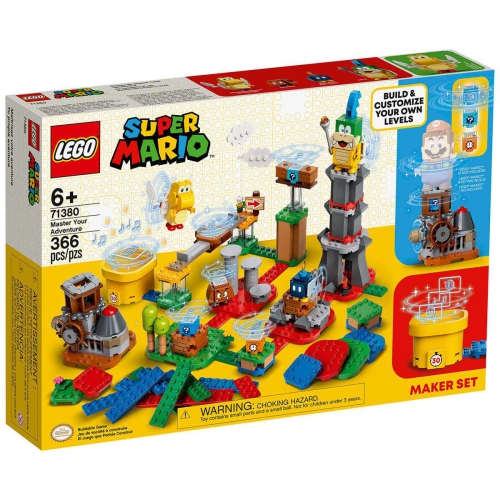 Your price for this item is $103.27
-
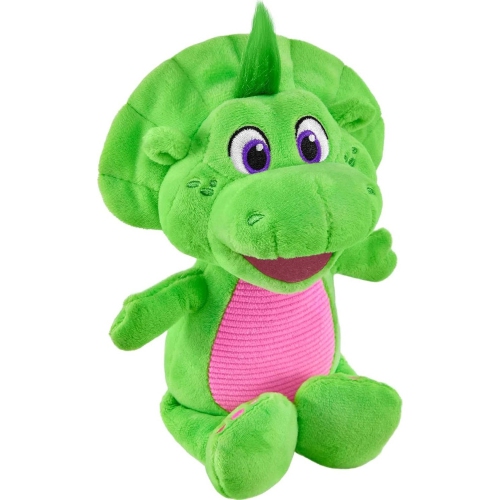 Your price for this item is $17.24
-
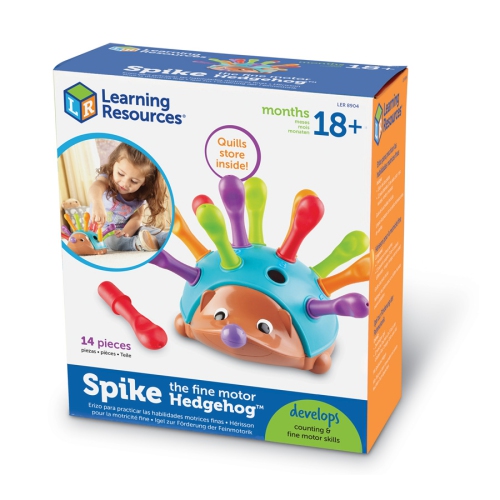 Your price for this item is $56.13
-
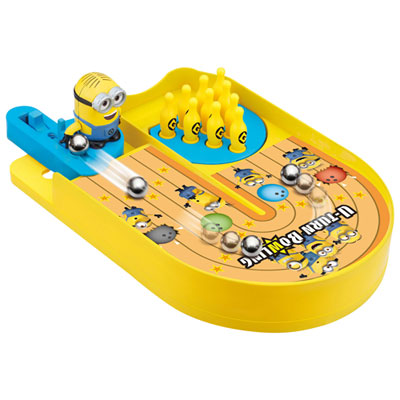 Your price for this item is $19.99
-
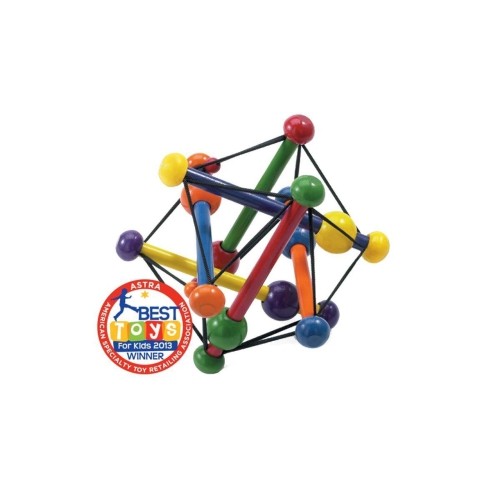 Your price for this item is $29.99
-
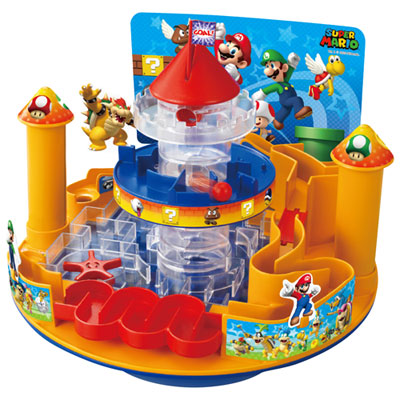 Your price for this item is $39.99
Discover more categories related to Christmas Gifts for Preschoolers
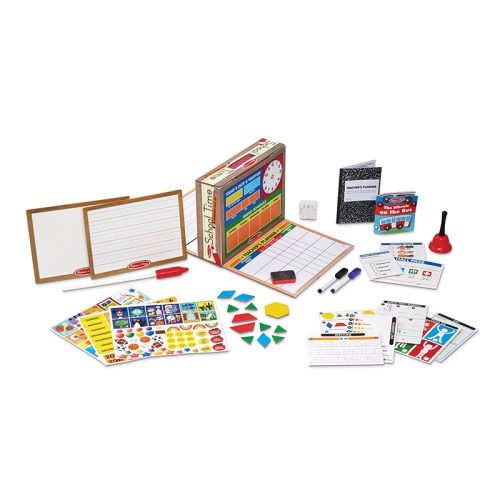
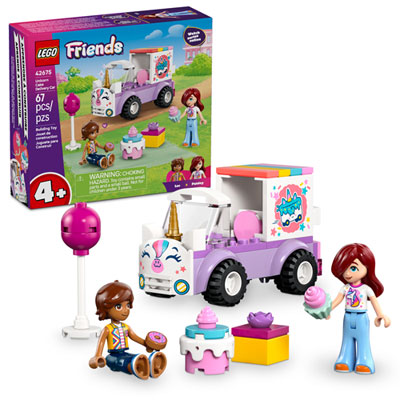

Top Collections:
Pokemon Centers, Best Cameras for Sports Photography, Kindle Devices, Samsung Galaxy Phones, Canon G7X Cameras, Pokémon 30th Celebration Cards, Refurbished Apple Laptops, iPhone 15 Apple, Laptops for Students, Budget Smartphones
Some products may be subject to Environmental Handling Fees
(EHF) depending on your province.
Learn more about EHFs.