Pink Trees
Transform your space into a whimsical wonderland with the enchanting allure of pink trees. Whether you're looking to add a splash of color to your holiday décor or seeking a unique centerpiece for any occasion, these vibrant trees offer a delightful twist on traditional greenery. Perfect for creating an inviting atmosphere, pink trees are versatile additions that can complement a variety of themes and settings. Explore our selection to find the perfect shade and style that will infuse your home with charm and joy.
Sort
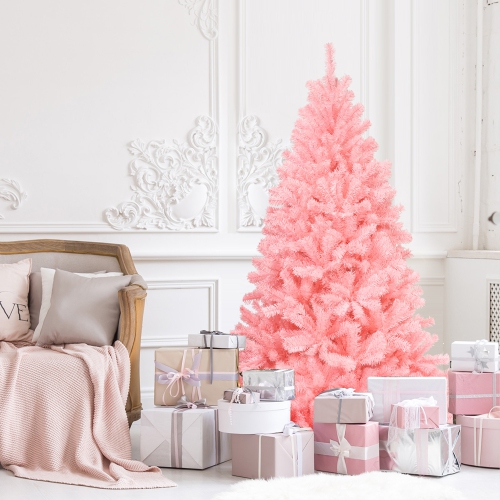

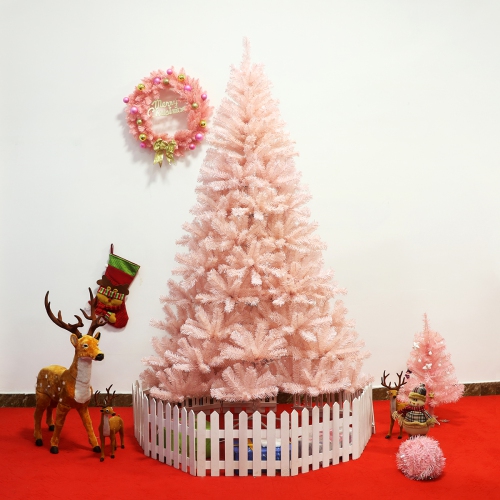
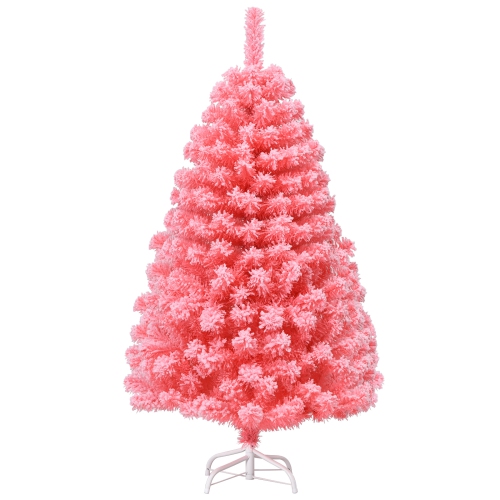


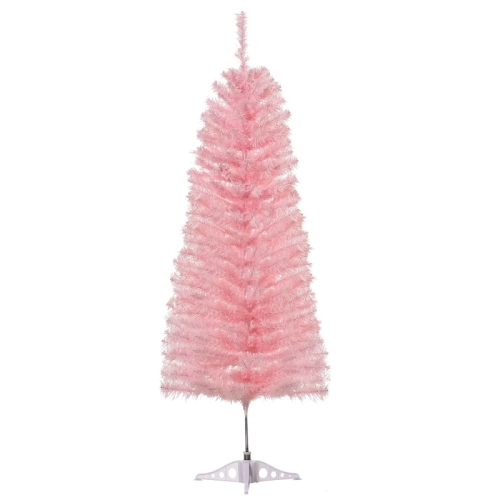
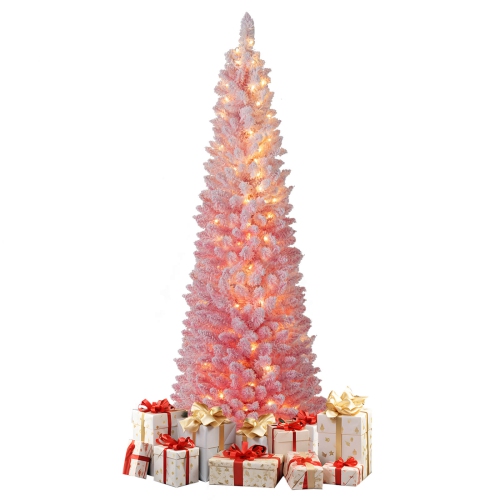
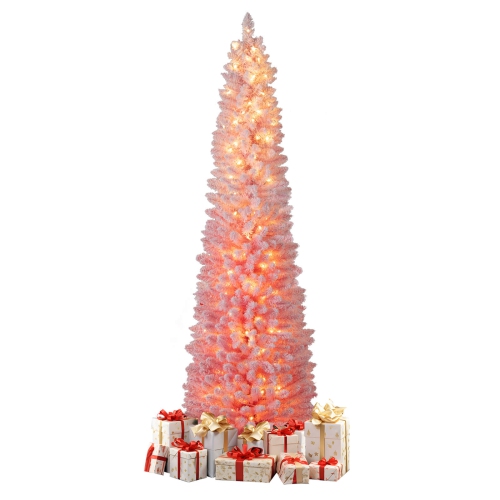
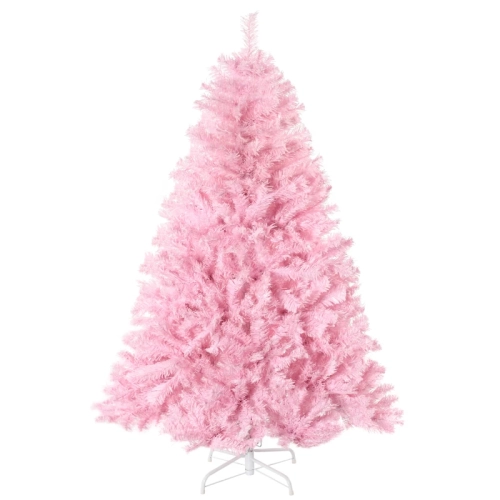
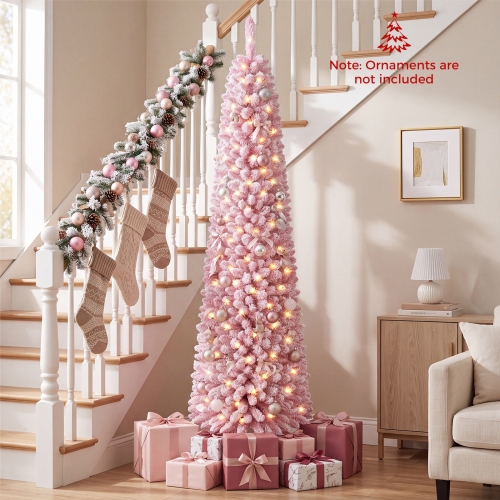
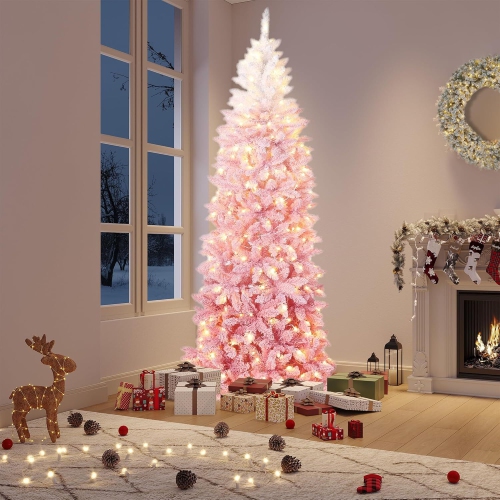
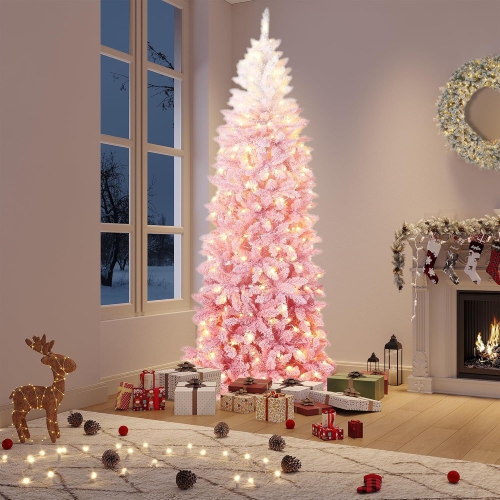
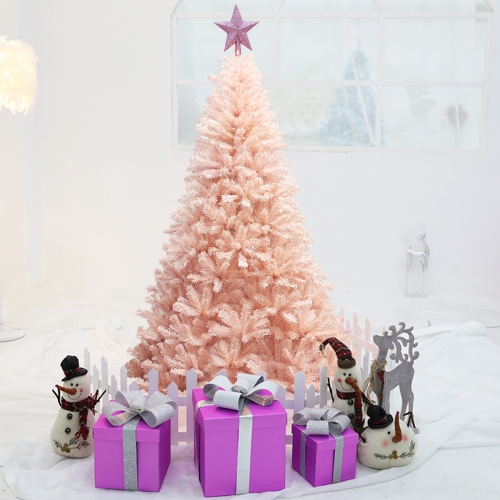
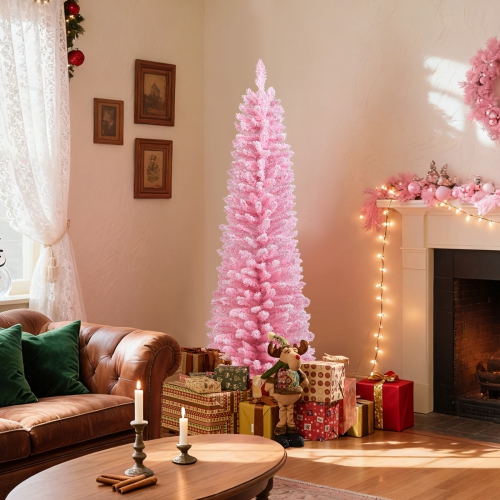
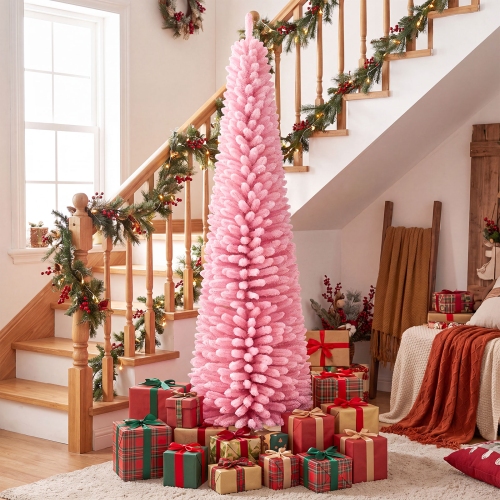


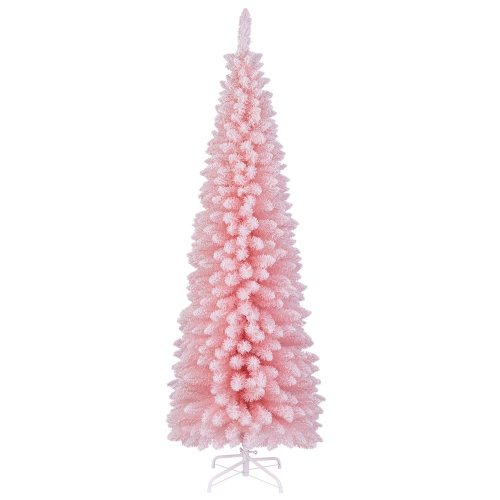
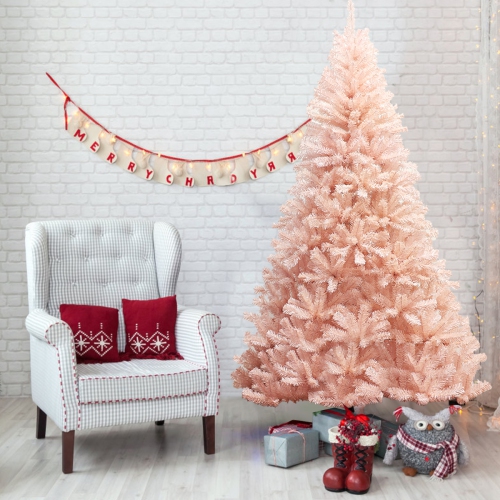

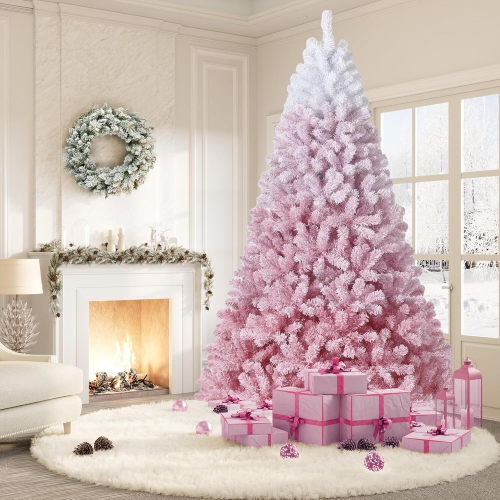

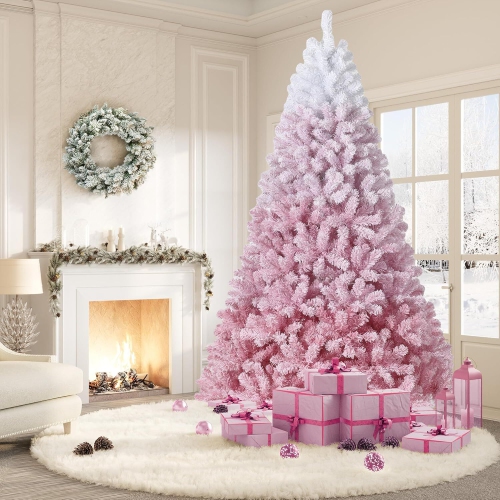

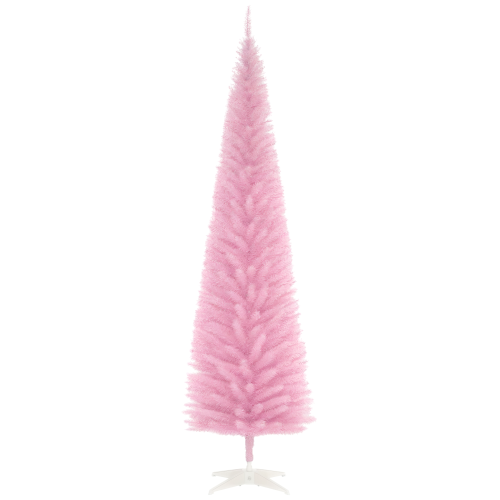
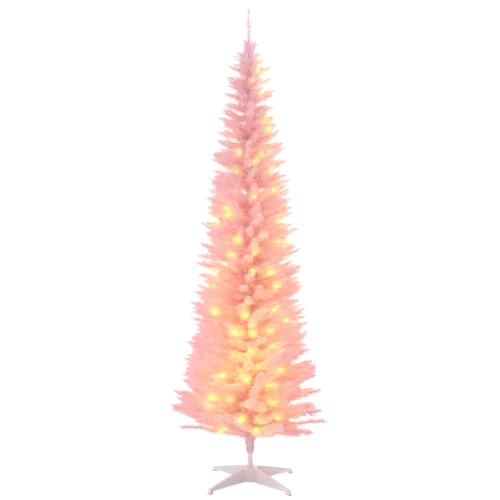
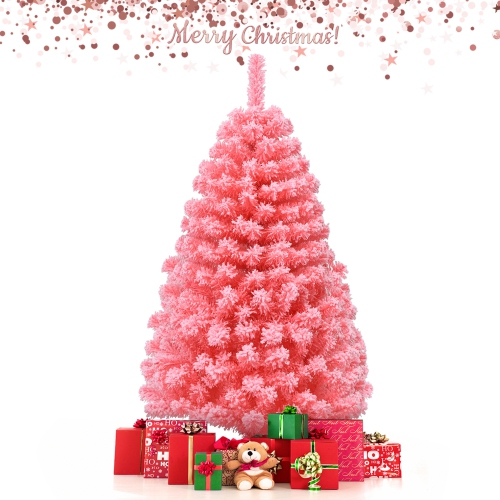
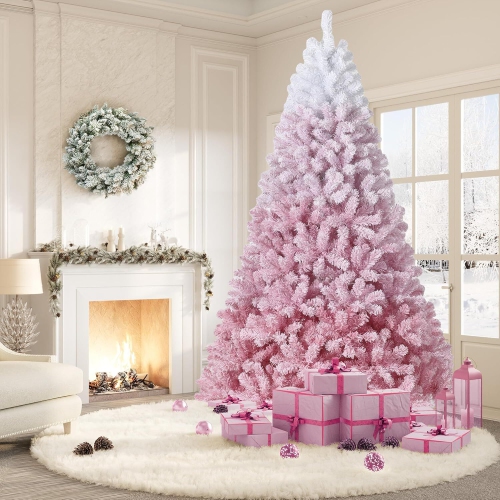
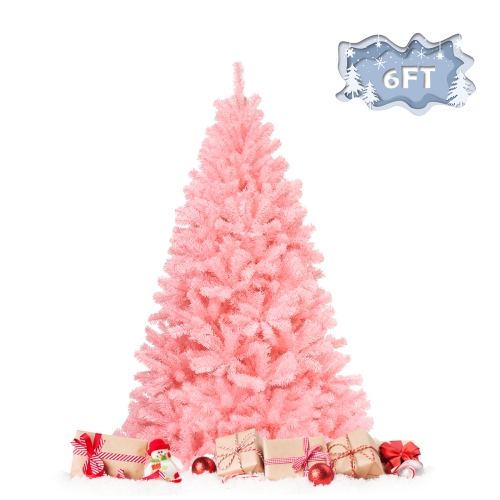

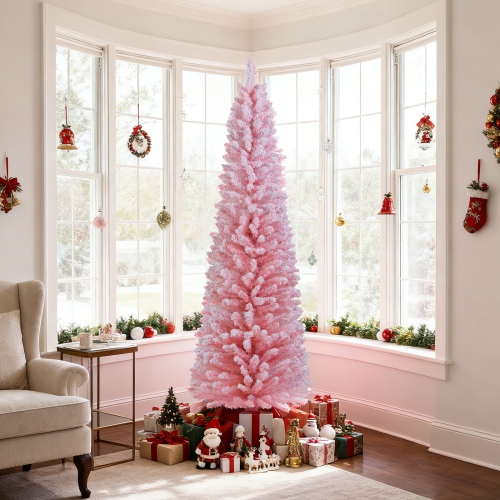
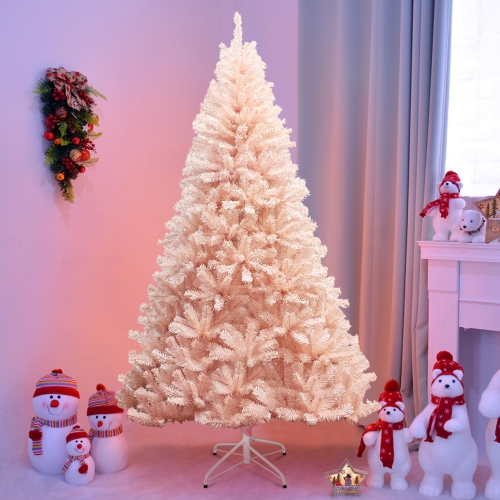
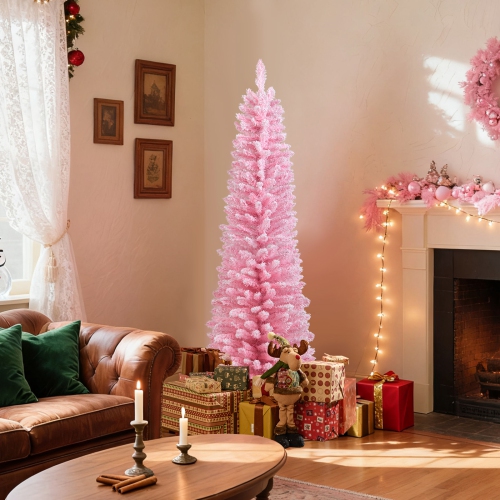
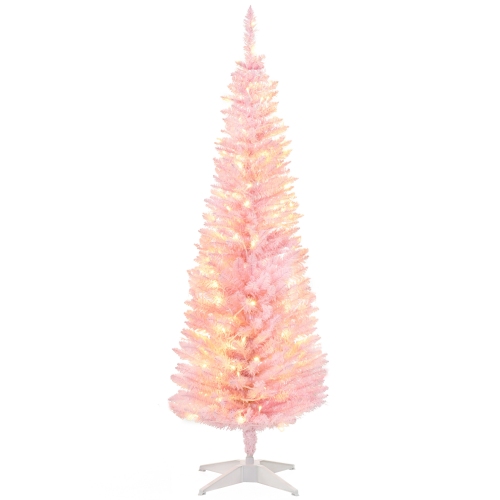
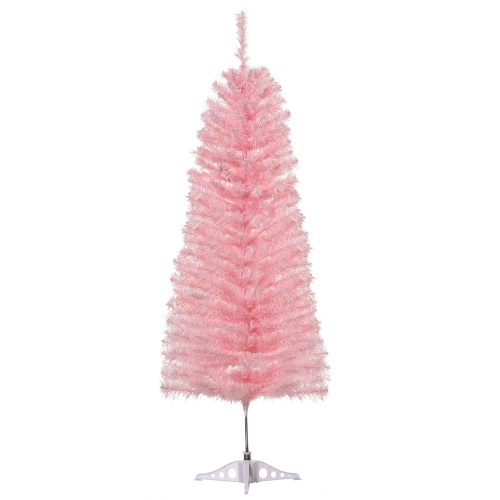
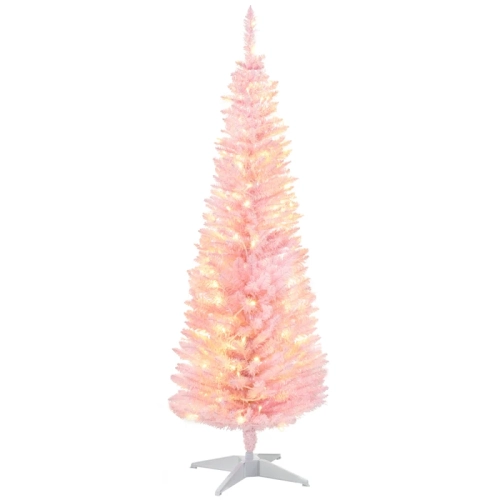
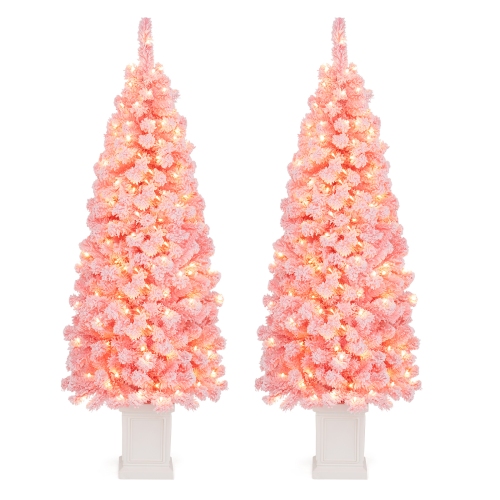
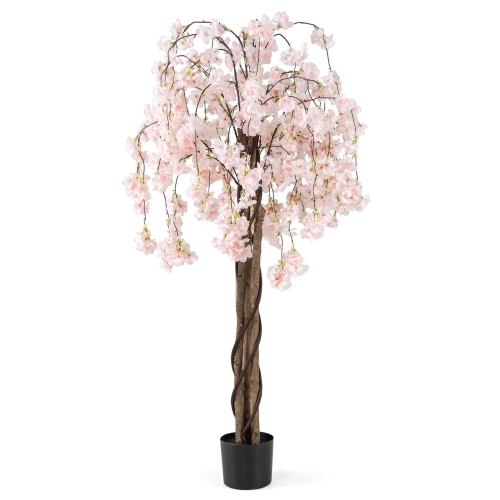
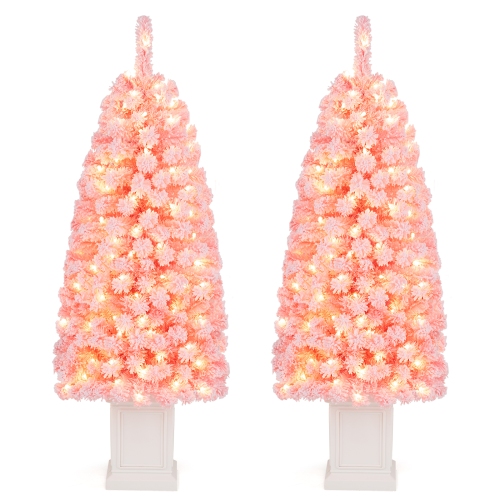

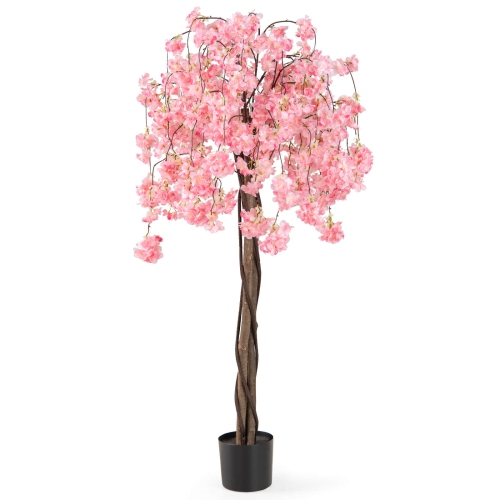
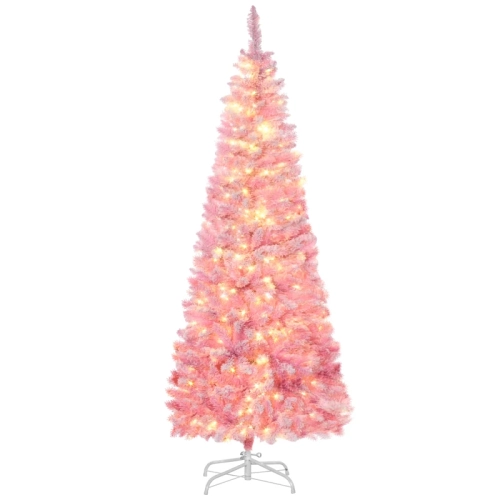
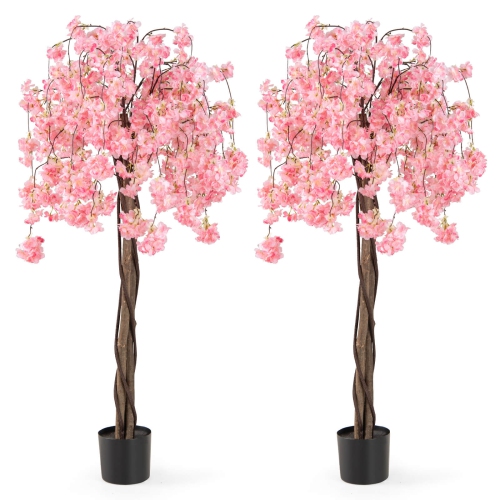
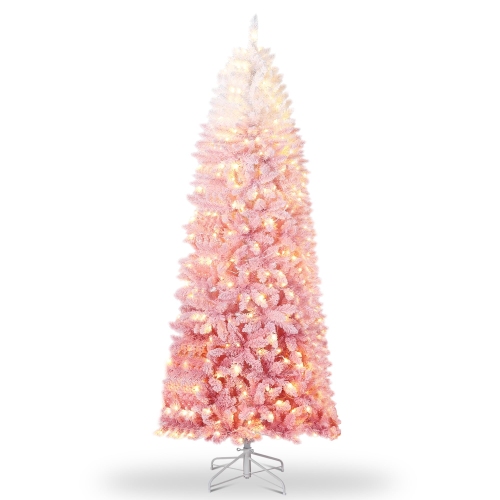

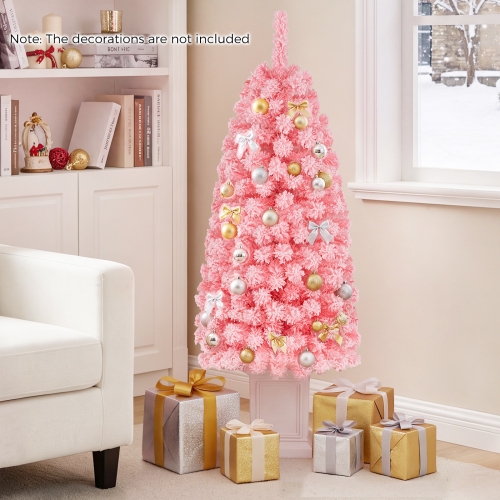
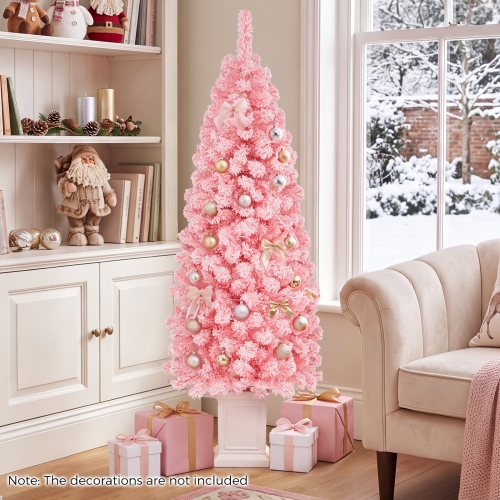
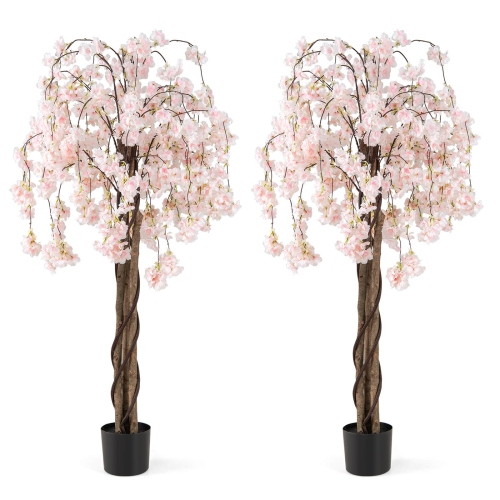
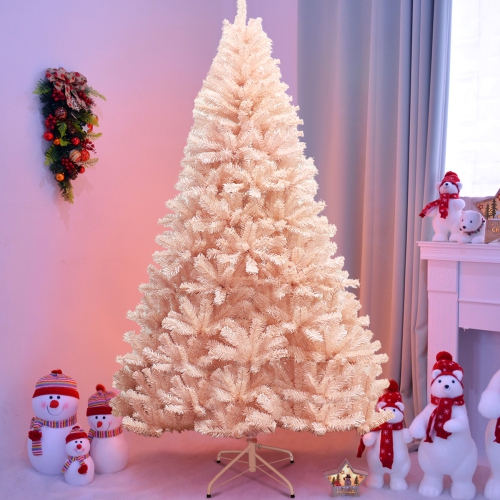
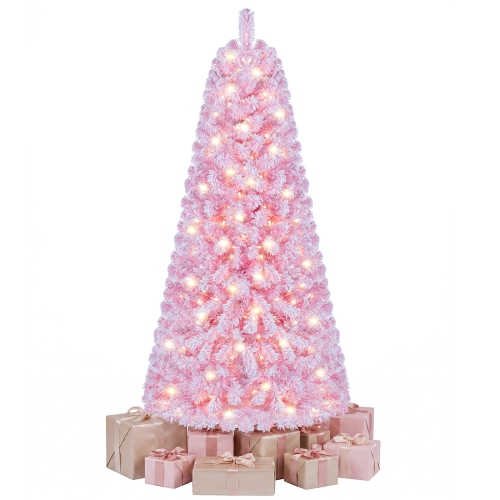
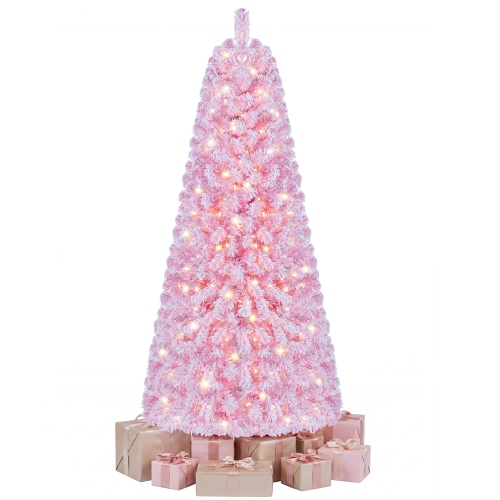
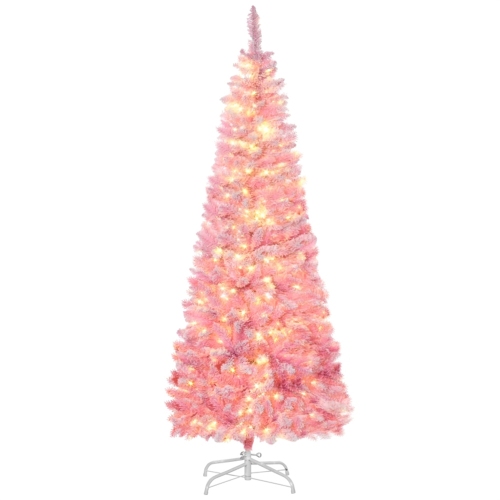
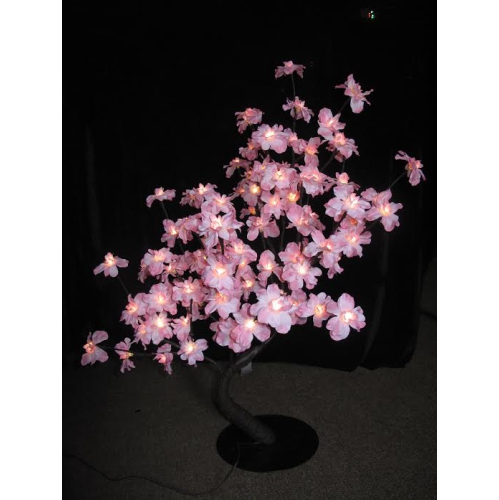
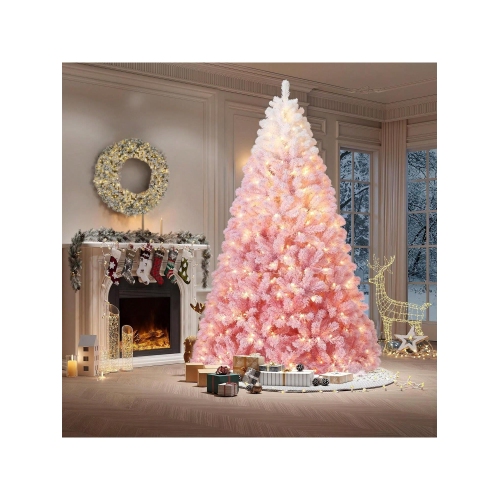
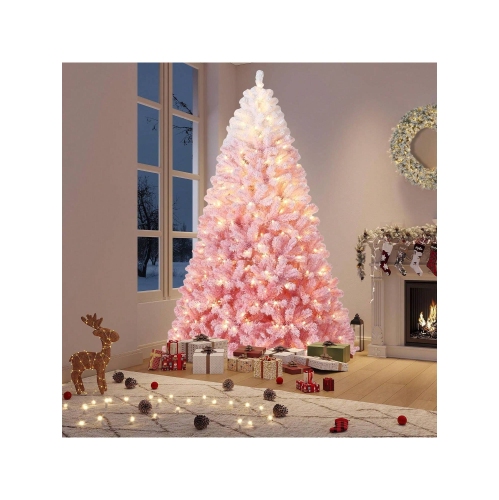

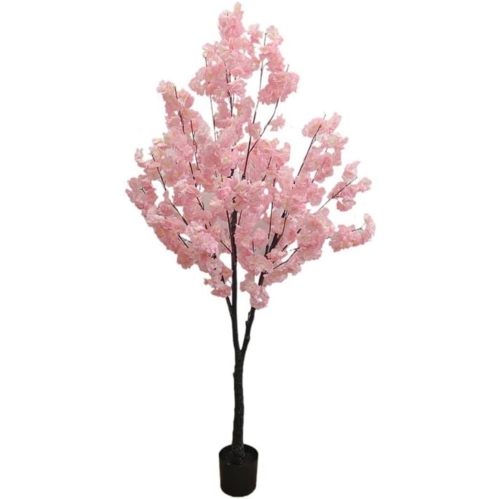
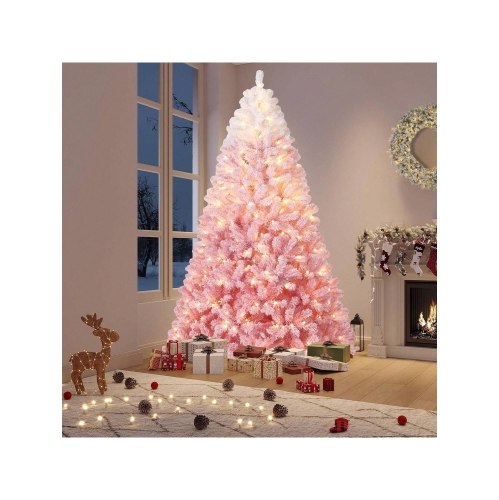
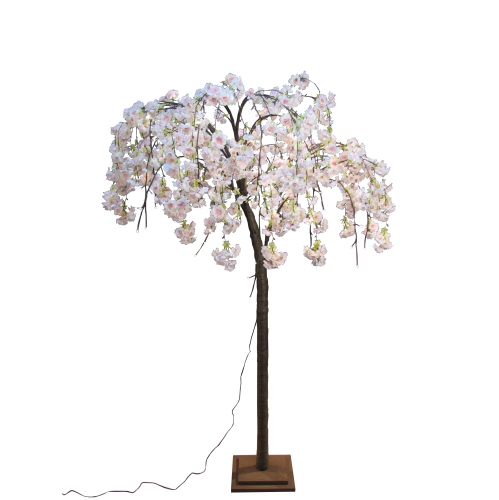

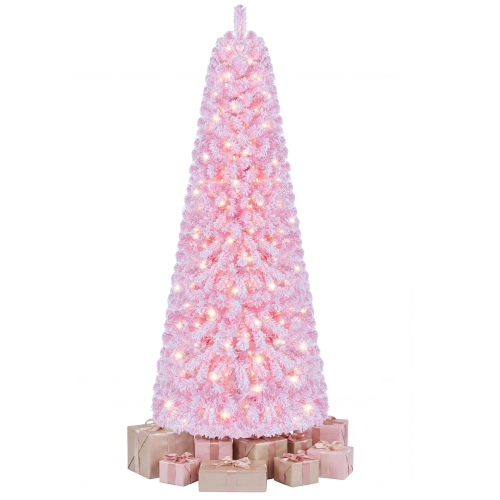
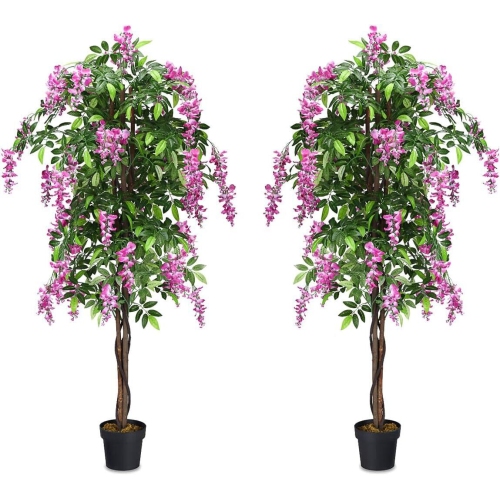
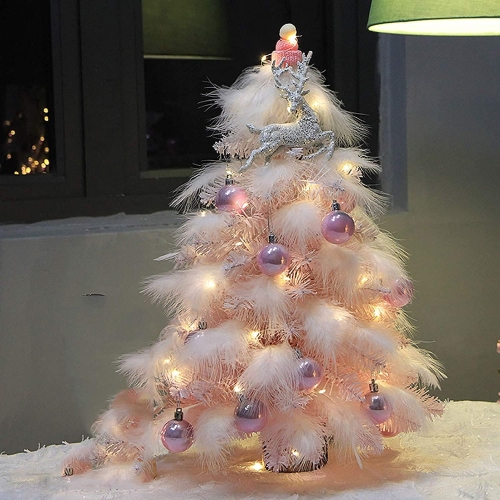
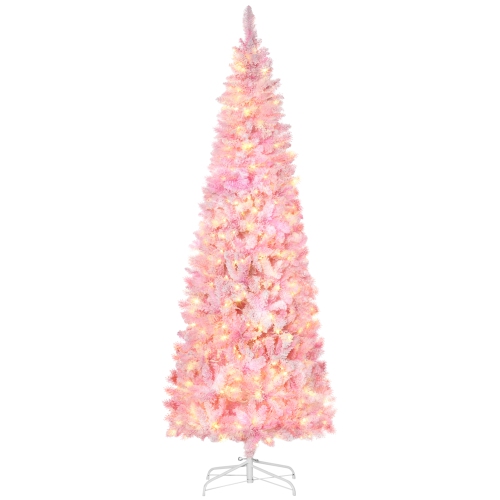
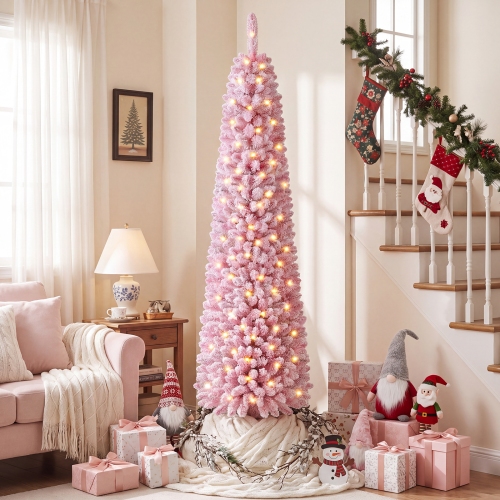
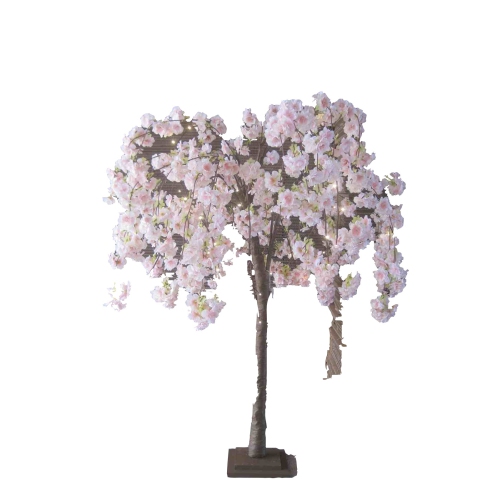
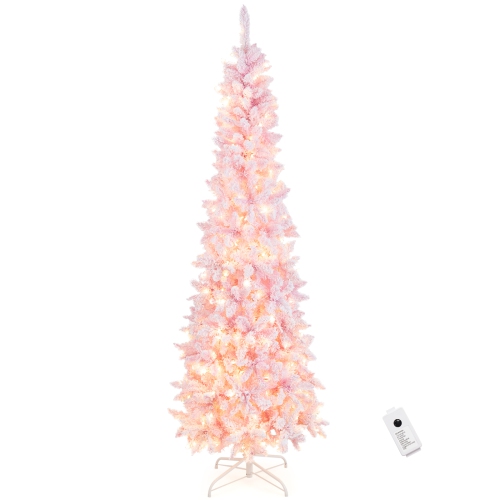
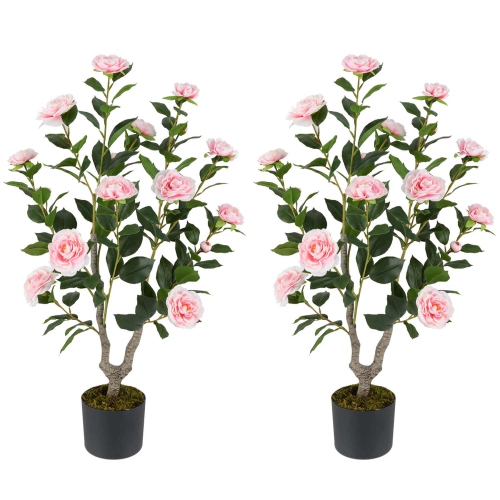
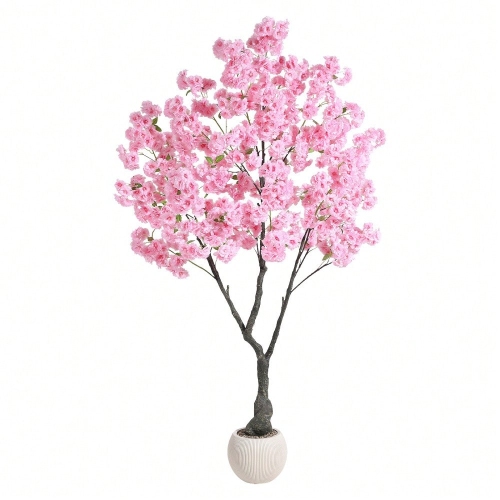
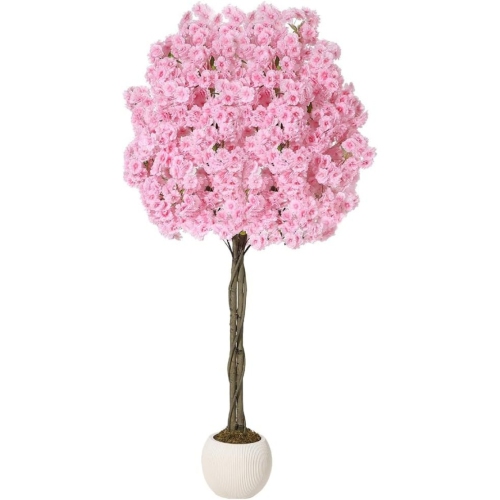
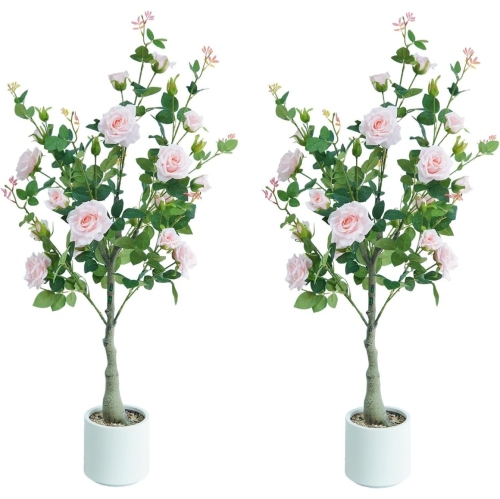
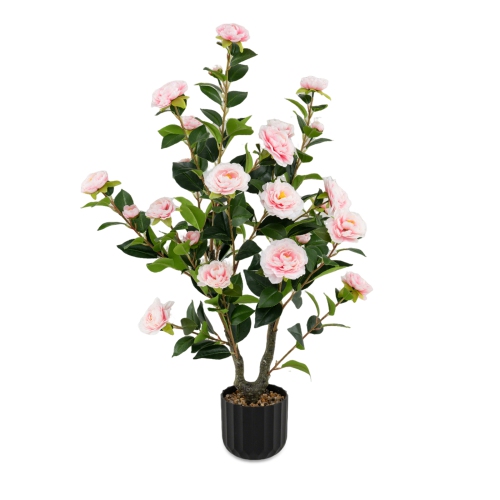
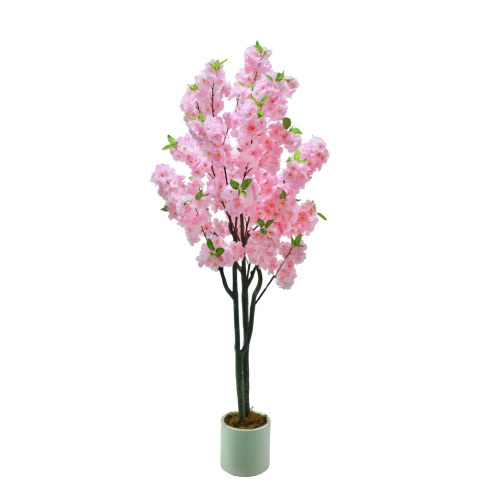
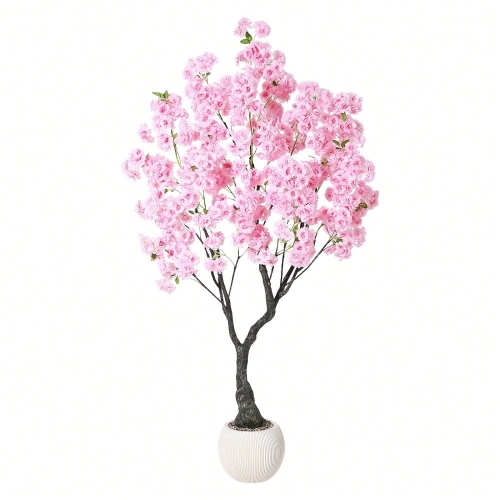
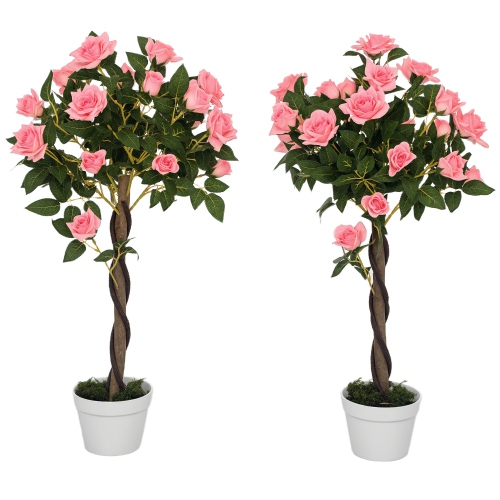
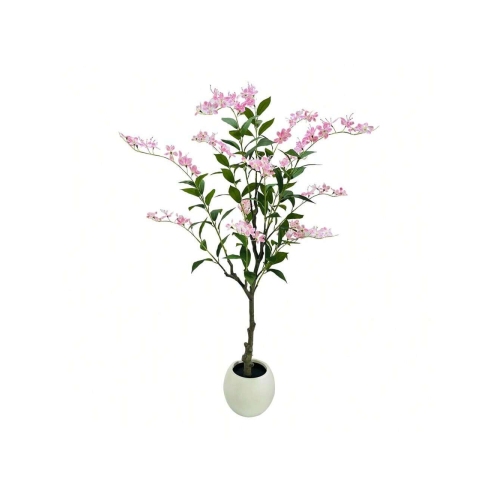
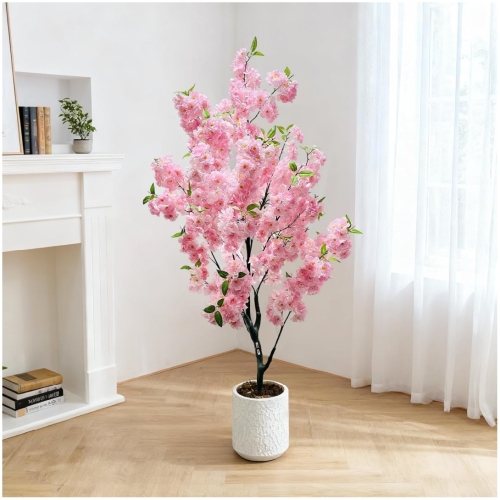
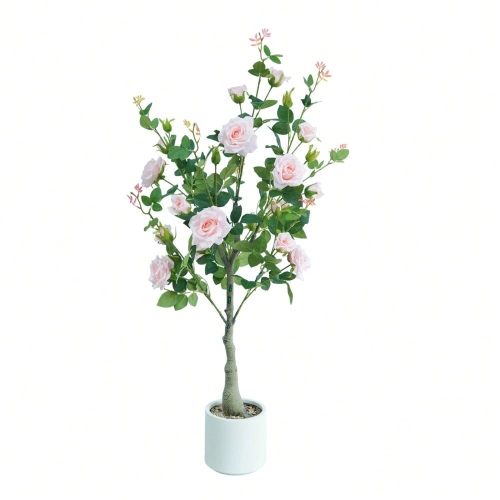
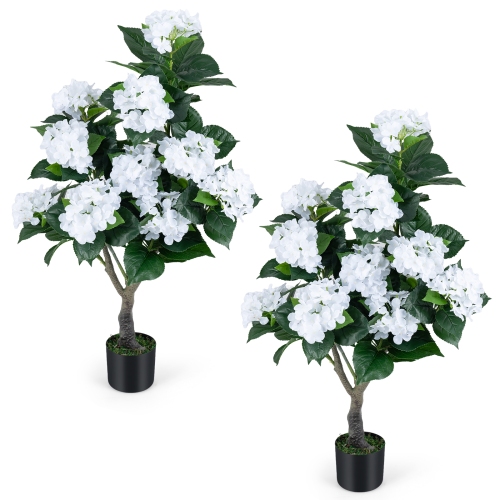
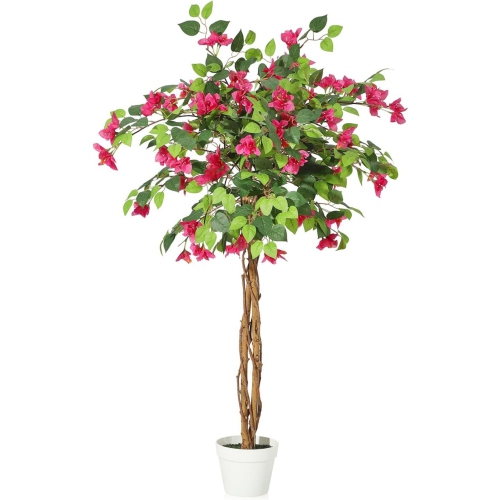
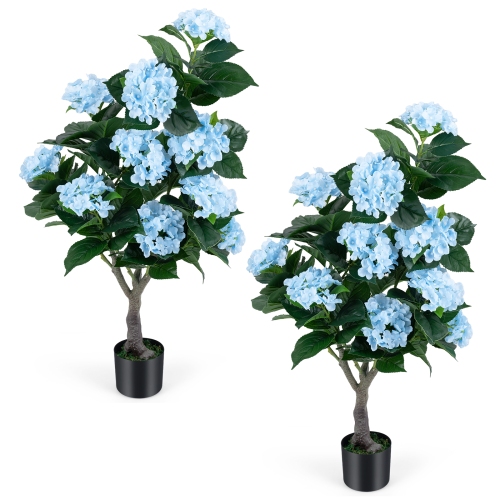
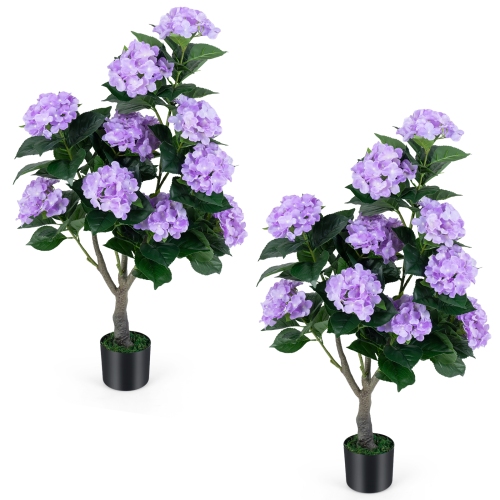
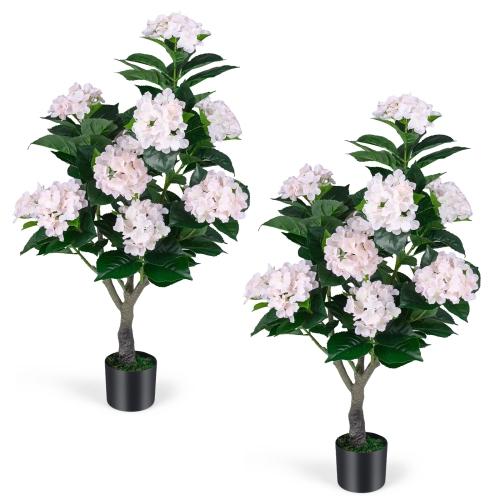
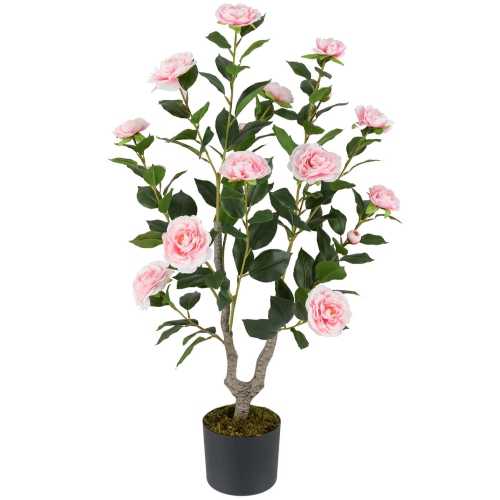
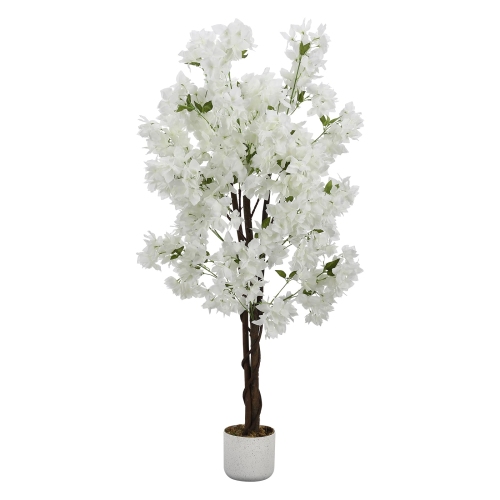
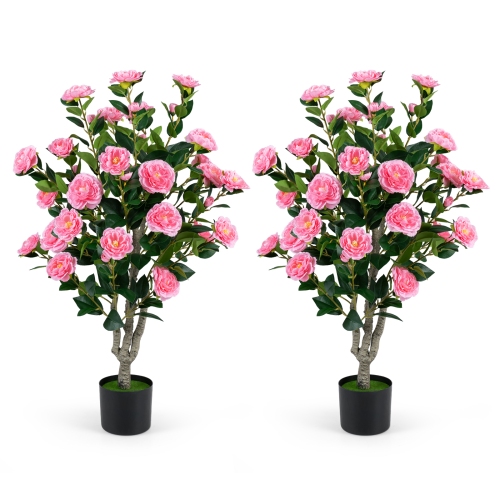
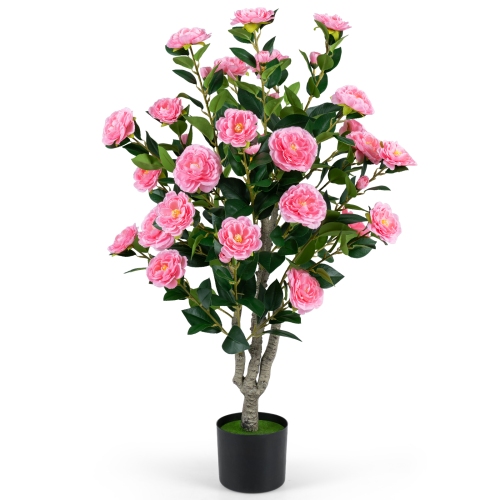
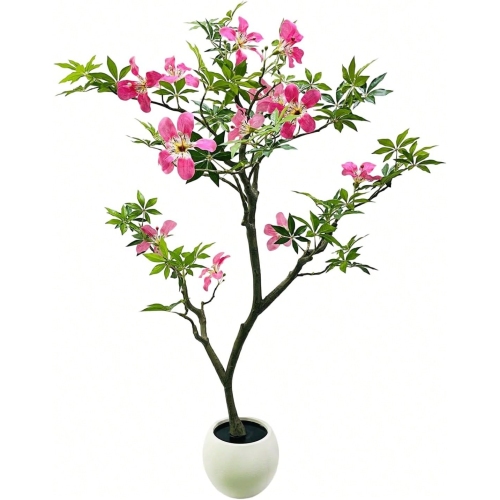
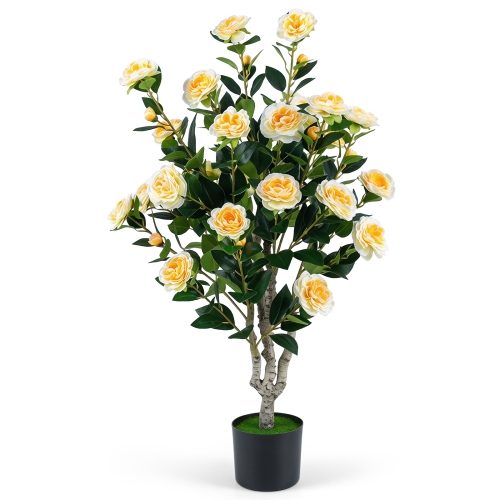
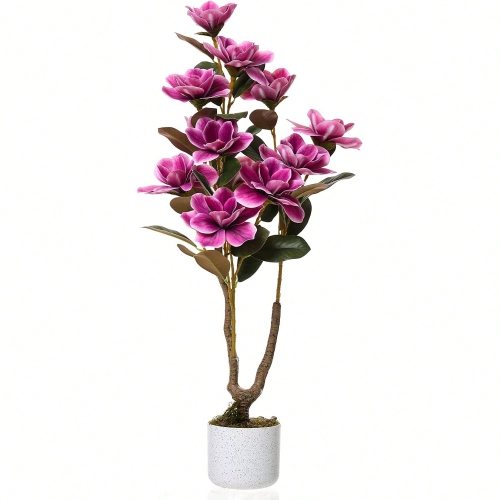
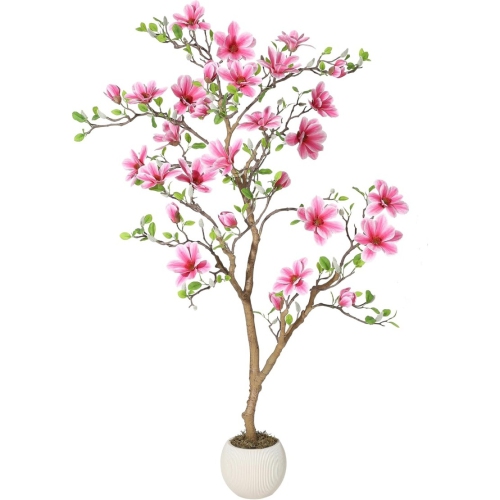
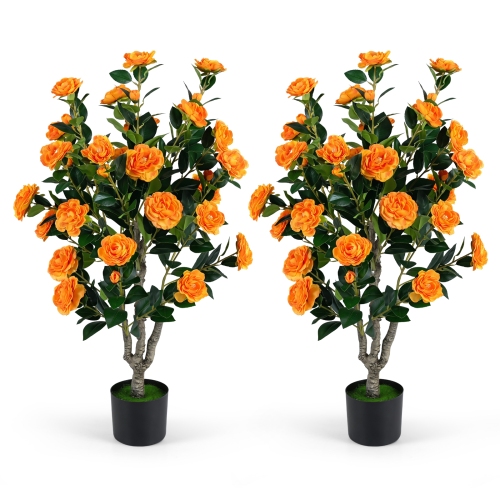
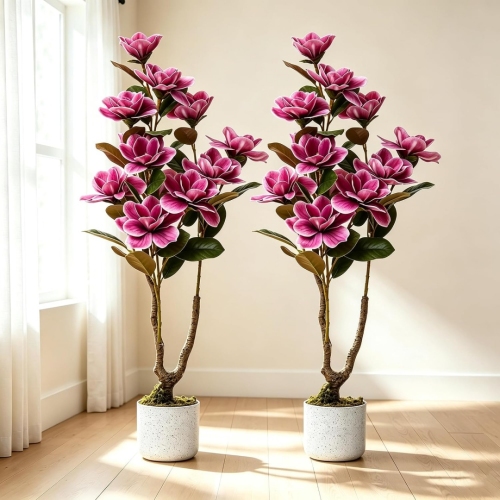
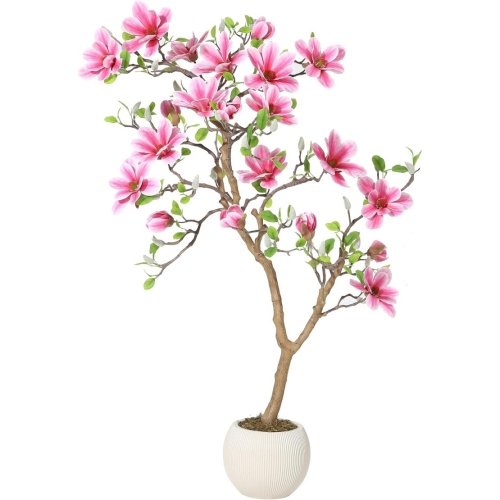
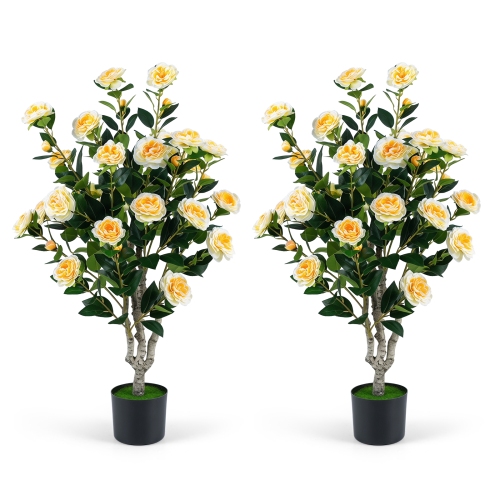
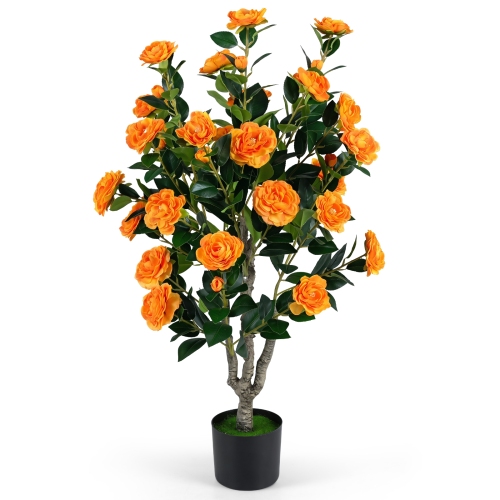
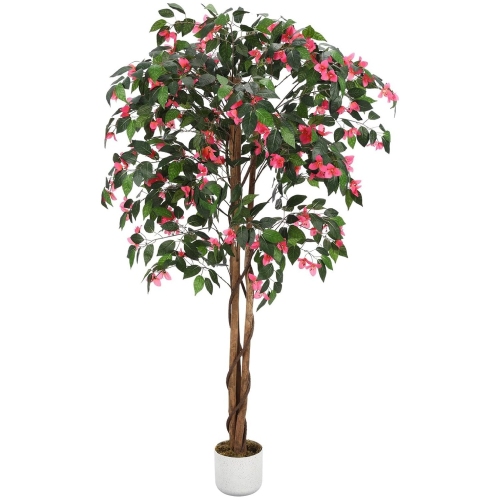
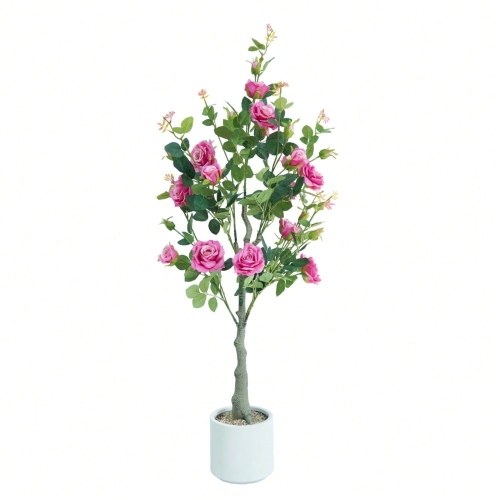
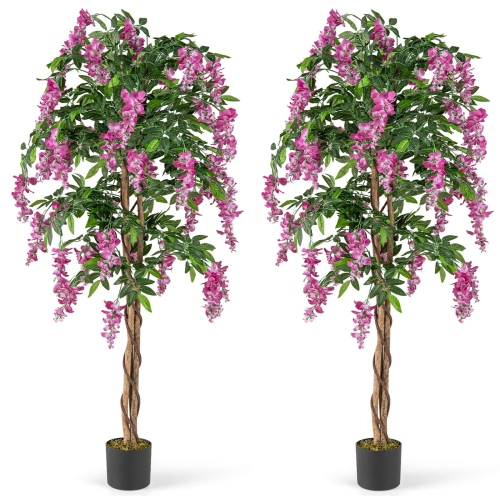
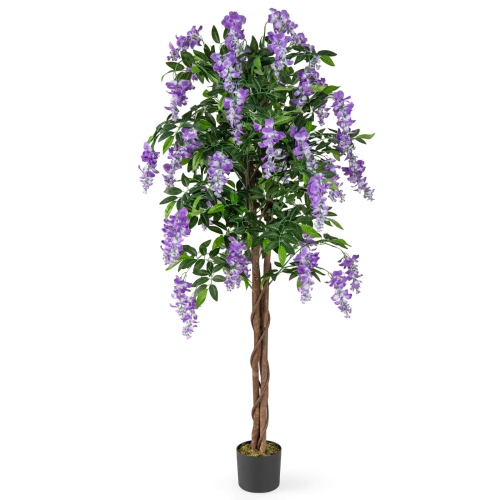
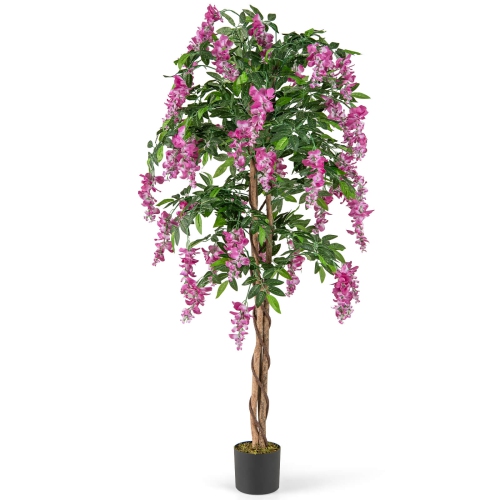
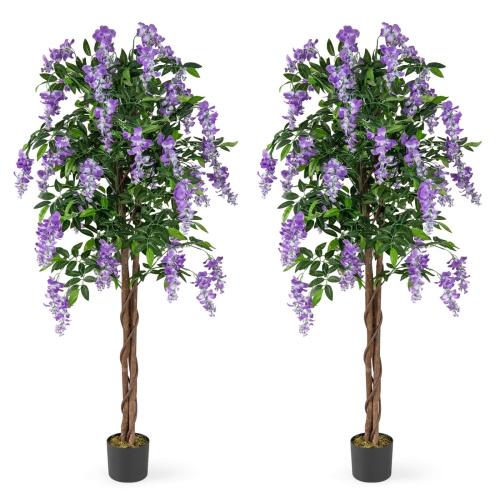
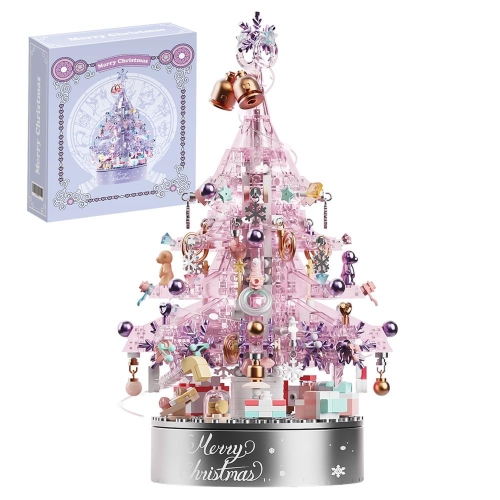
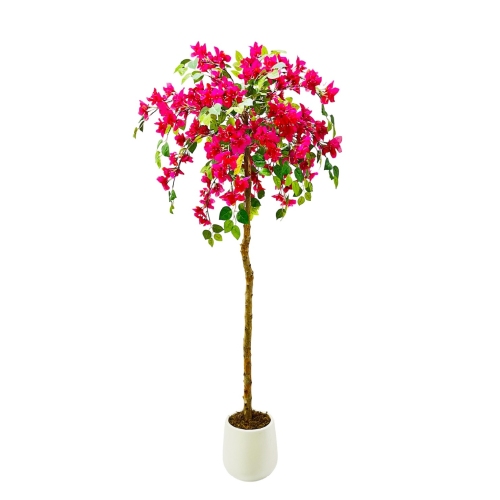
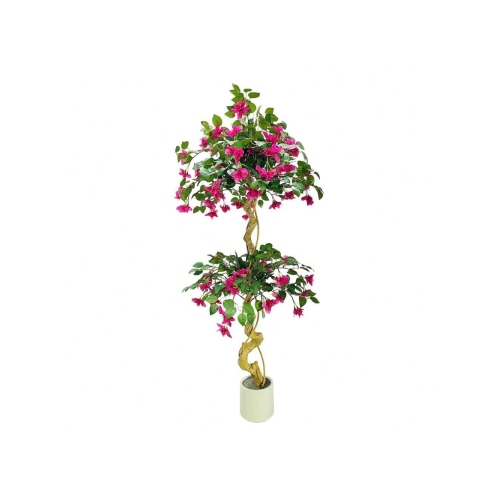
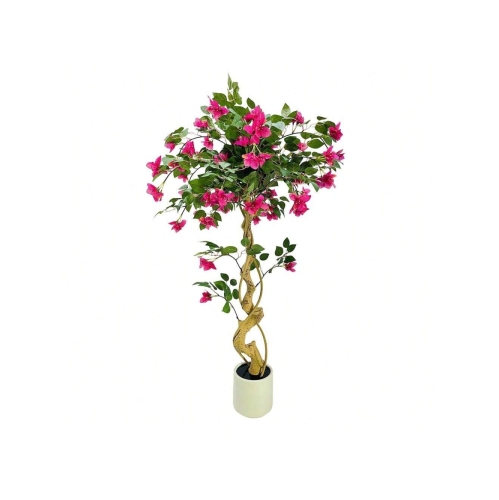
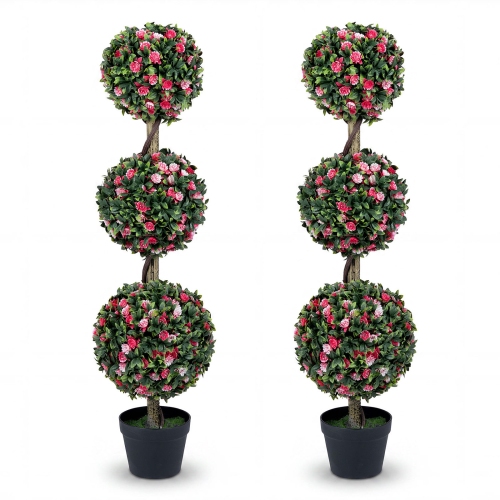
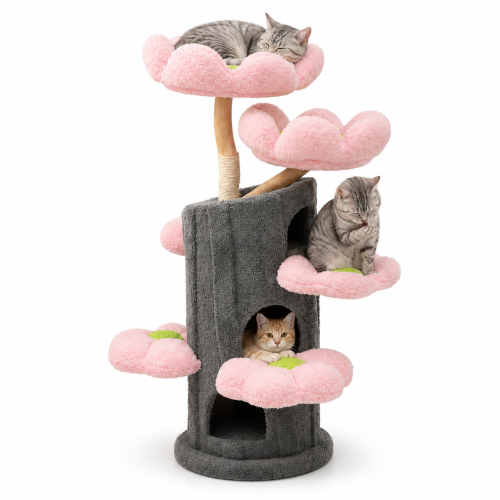
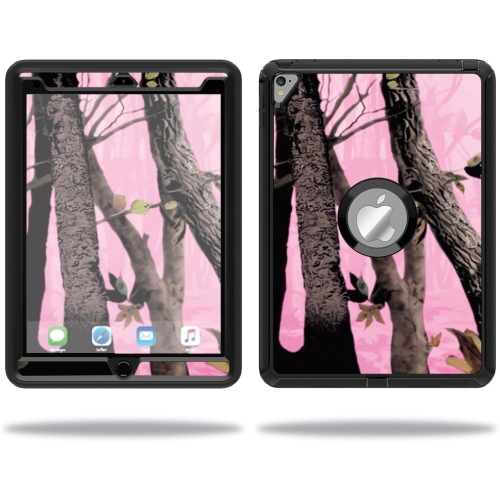
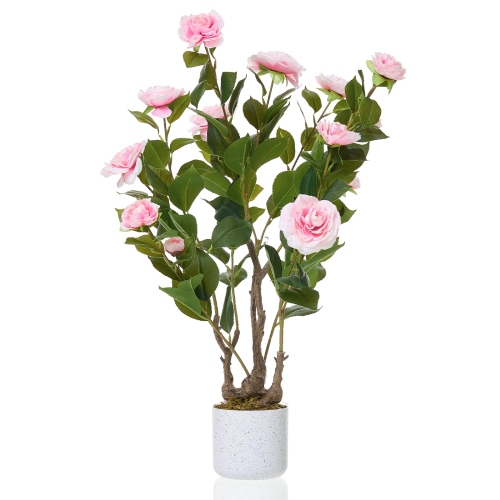
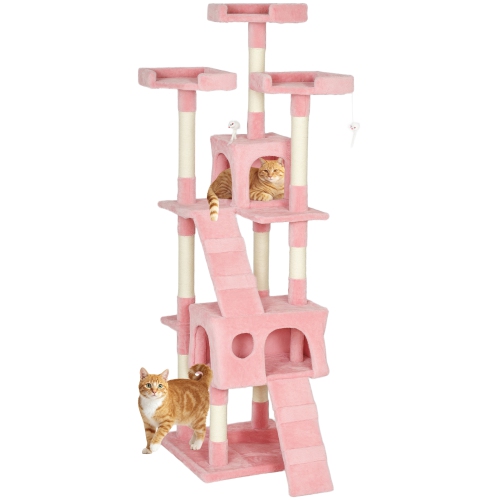
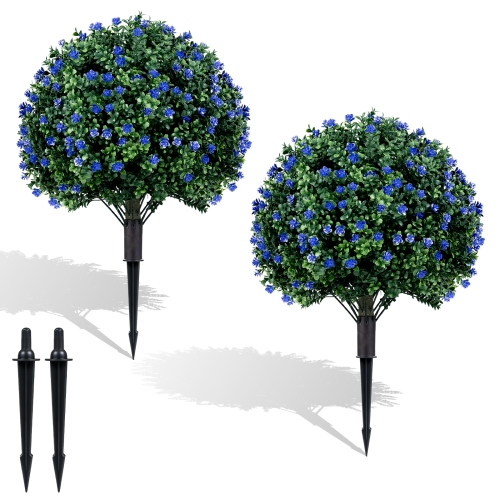
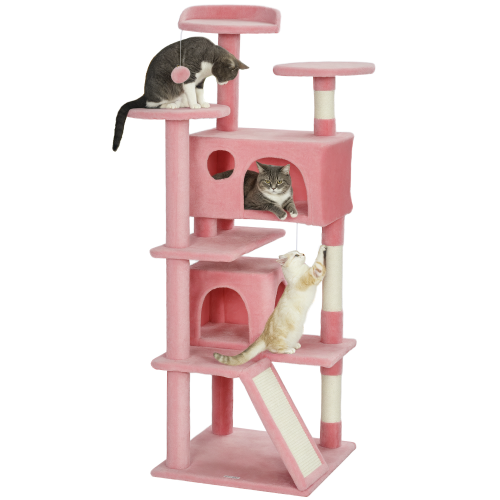
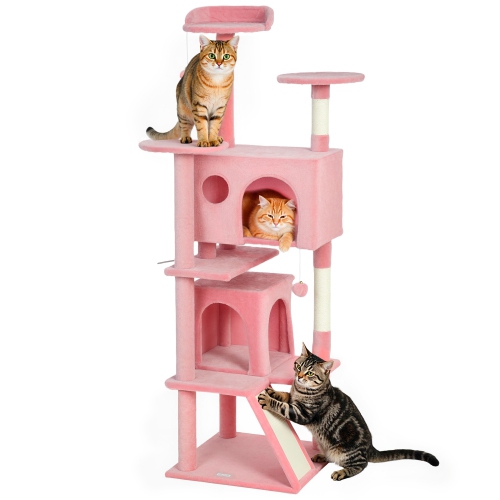
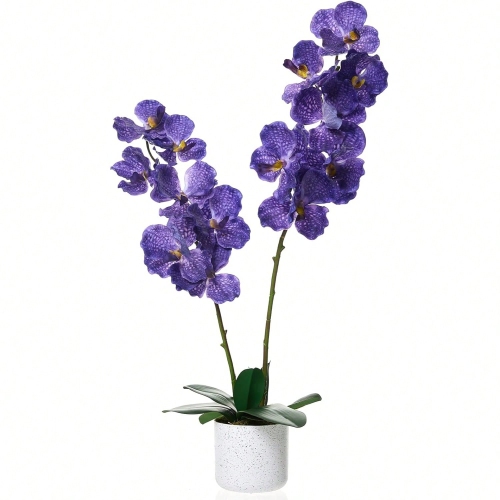
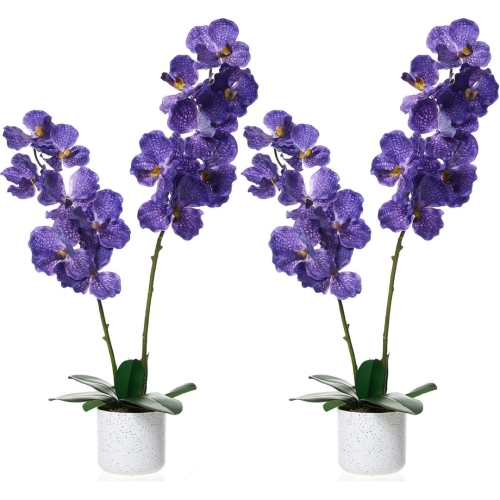
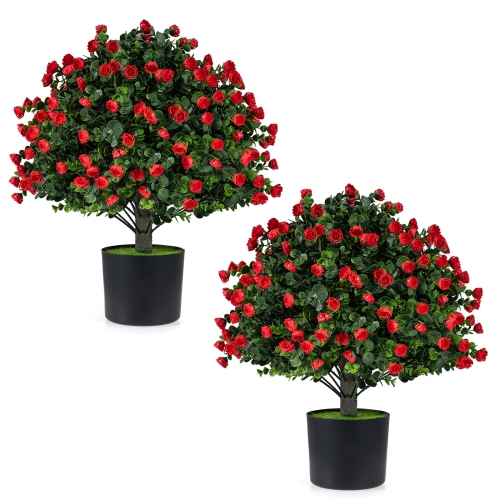
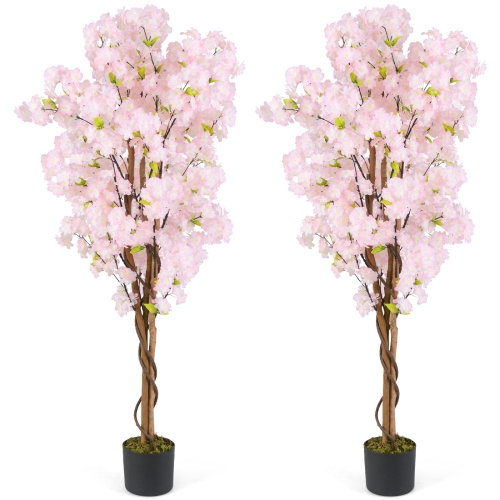
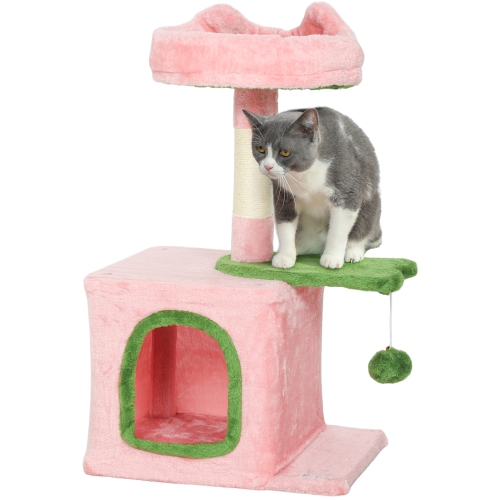
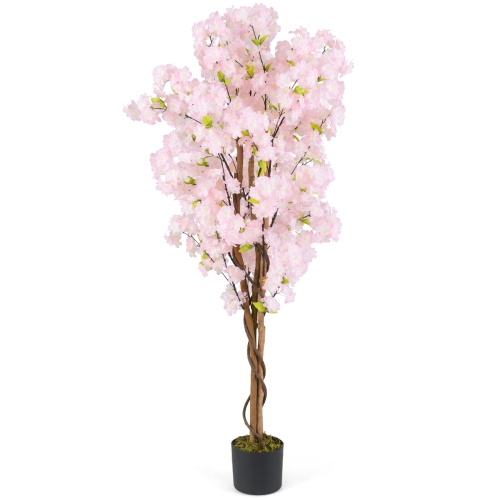
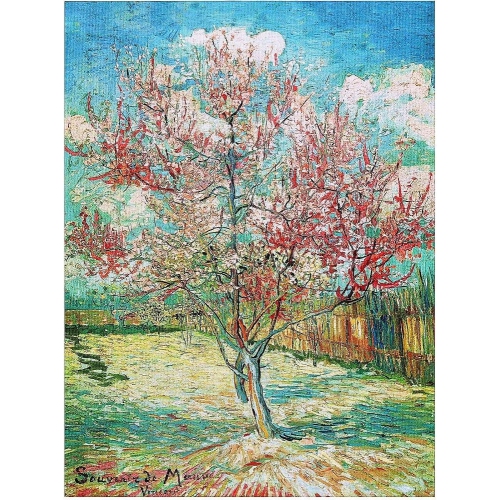
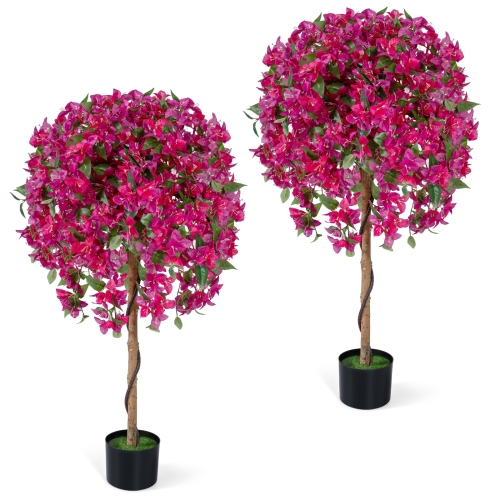
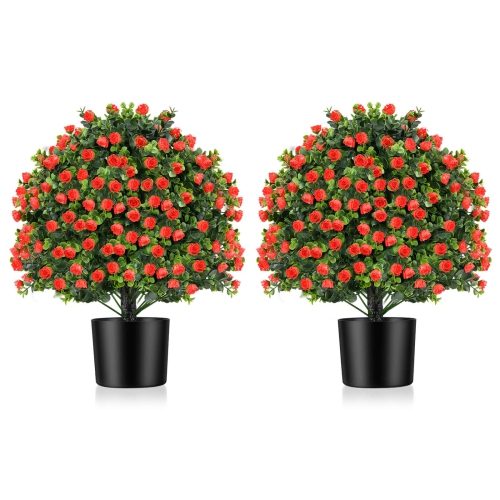
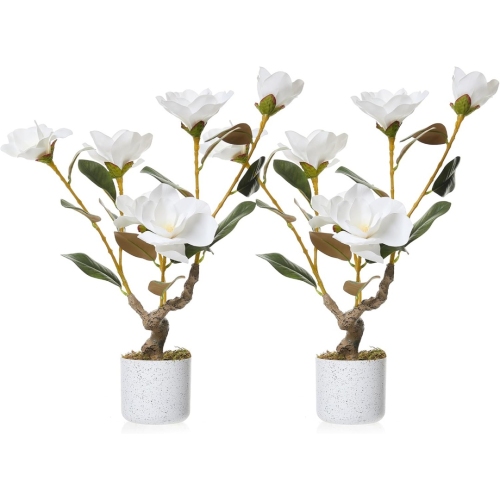
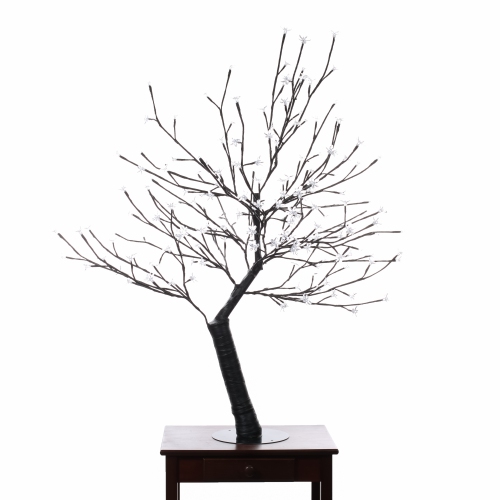
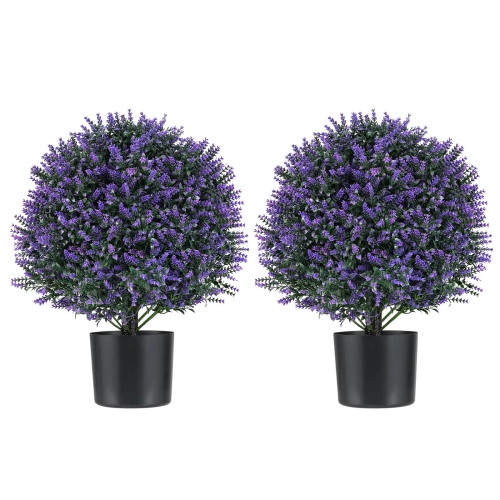
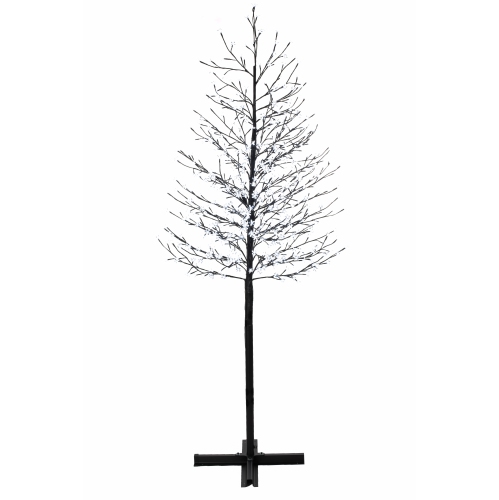
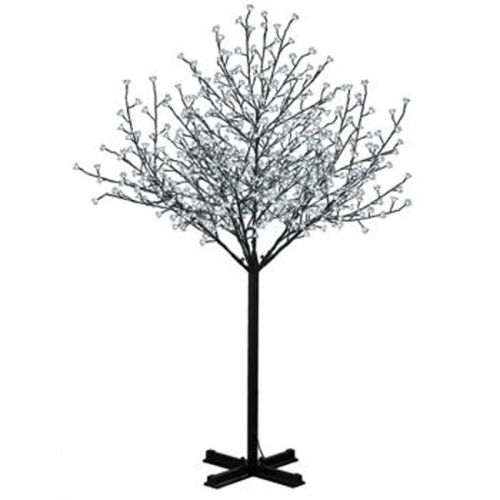
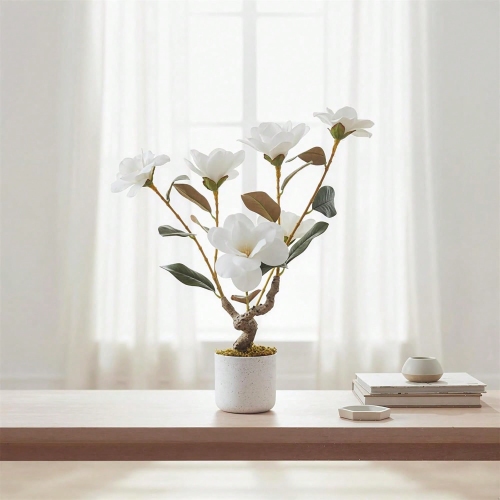
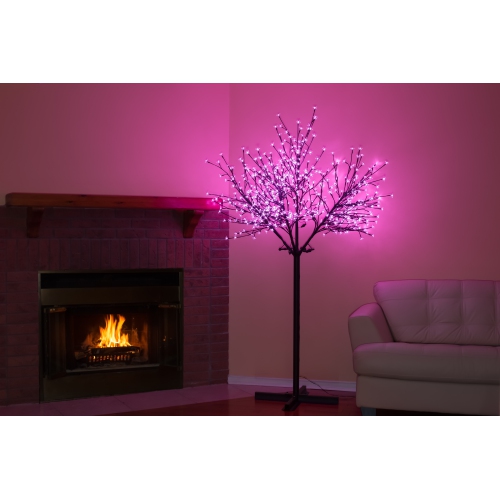
How pink shades and branch shapes change a room
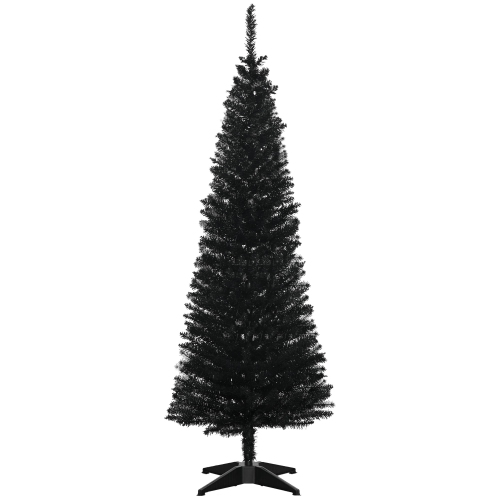
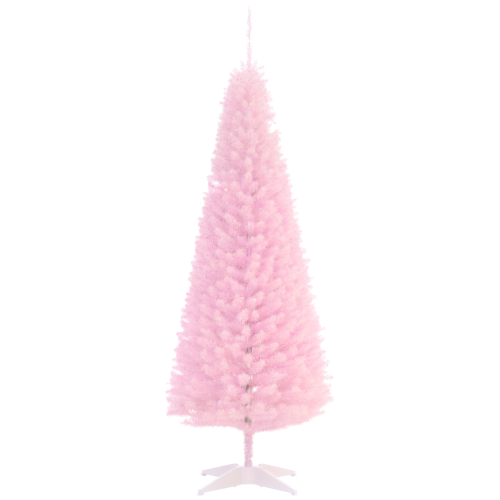
Pink trees include living ornamental trees with pink flowers and decorative trees made with pink blossoms, foliage, or needles. Familiar pink-flowering tree types include ornamental cherry, magnolia, redbud, crabapple, and flowering dogwood, though the exact flower colour depends on the species and cultivar. Their appearance ranges from clusters of tiny blooms along slender branches to broad, cup-shaped flowers that stand out against bare wood. Artificial pink trees draw on these distinctive shapes, bringing a blossom-filled look indoors without the watering, pruning, or natural light required by a living tree. Some have dark, branching trunks and scattered flowers for an airy silhouette; others feature dense clusters of petals that create a fuller display. Pink foliage trees and pink Christmas trees offer a different effect, with colour extending throughout the tree rather than appearing only at the branch tips. The shade makes a noticeable difference to the finished room. Pale blush can sit comfortably beside cream upholstery, light wood, and soft grey walls, while dusty rose adds warmth alongside walnut furniture and brass accents. Brighter pink creates a stronger focal point, particularly against a simple backdrop where the branches have room to stand out. A small decorative tree can add height to a console or brighten a reading corner, while a taller design can fill an otherwise empty space beside a sideboard. For a floral display inspired by flowering branches, Blossom Trees offer a related direction. The distinction between flowers and foliage is useful when picturing the result: scattered blossoms allow more of the trunk and surrounding room to show through, while a densely covered tree feels more substantial. Both can soften the straight lines of shelving, cabinets, and window frames, but they create different levels of visual fullness. In a compact room, an open branch structure can introduce colour without obscuring artwork or making a corner feel crowded.
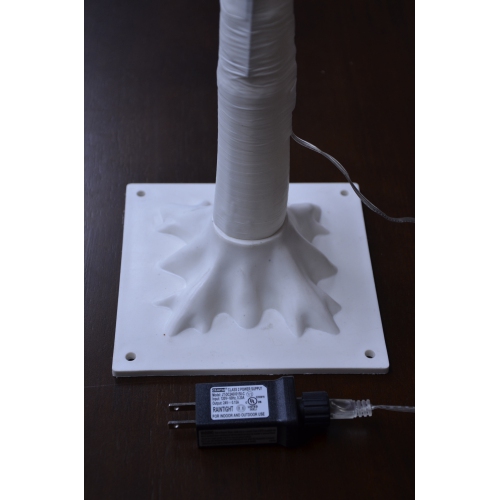
Materials, proportions, and construction help determine how a decorative pink tree looks up close and how well it suits its intended setting. Fabric petals can have a soft, layered appearance, while moulded plastic flowers may hold a more defined shape. Some artificial branches use internal wire so their position can be adjusted, and trunks may have a textured finish that resembles bark. These details matter most when a tree sits near eye level, such as beside a dining table or behind a sofa, where individual flowers and branch connections are easy to see. Height is only one part of the fit. The widest branch span, the size of the base, and the clearance needed above nearby furniture all affect placement. A tree that fits beneath the ceiling may still extend into a walkway or brush against curtains. Measuring the intended space at floor level and at the widest point of the branches gives a more useful picture than height alone. Base construction also deserves attention, especially for taller trees or homes with children and pets. A stable stand or weighted pot supports the display, while a decorative outer planter can help it coordinate with the room, provided the base remains level and secure. Where shaping is permitted, gently separating branches and turning flower clusters in different directions can make the silhouette look less uniform. Lit designs add another consideration: integrated lights can highlight the petals and branching pattern, while unlit trees keep the focus on texture and colour. For illuminated trees, the power source, cord length, switch position, and intended indoor or outdoor use affect where they can be placed. A nearby outlet is useful only if the cord can reach it without crossing a walking route. Pink Christmas trees have their own styling character, with pale needles providing a backdrop for silver, clear glass, or white ornaments and deeper pink branches creating a bolder holiday display. Blossom-style trees, by contrast, can remain part of a room’s décor beyond a single occasion.
Care and durability depend on the tree’s materials and where it is displayed. Artificial flowers generally need gentle dust removal rather than the watering and feeding associated with living plants. A soft brush or dry microfibre cloth can lift dust from petals, branch joints, and textured trunks without soaking the surfaces. Cleaning directions matter because moisture, sprays, or vigorous rubbing can affect dyes, adhesives, flocked finishes, and electrical components. Direct sunlight may fade some pink materials over time, so a position away from prolonged exposure can help preserve an even colour. Indoor decorative trees should not be treated as outdoor furnishings unless their stated use allows it; a sheltered-looking balcony or covered porch can still expose flowers, wiring, and bases to moisture. Gentle handling also helps retain the original shape. Supporting branches near their attachment points while adjusting them puts less strain on the connections than pulling at the tips. For trees that are packed away between uses, enough storage space to avoid crushing the flowers is as important as the strength of the trunk. Removable sections, when included, can make storage more manageable, but delicate petals still benefit from a clean, dry covering and protection from heavy objects. In everyday decorating, pink trees can suit living rooms, bedrooms, home offices, and reception areas where a touch of colour feels welcome. They can also form a backdrop for a birthday celebration, bridal shower, or wedding reception, particularly when the flower colour works with the linens and table arrangements. A smaller tree may make a thoughtful housewarming gift for someone who enjoys floral décor but prefers not to care for a living plant. For shared spaces or gifts, a restrained blush shade and a manageable footprint are often easier to place than a large, intensely coloured design. Keeping nearby accessories simple allows the tree’s branches and blossoms to provide the detail, whether it stands alone in a quiet corner or becomes part of a larger floral arrangement.
Top selling and popular products
-
 Your price for this item is $49.99
-
 Your price for this item is $51.99
-
 Your price for this item is $69.99
-
 Your price for this item is $48
-
 Your price for this item is $49.99
-
 Your price for this item is $125.99
-
 Your price for this item is $167.99
-
 Your price for this item is $107.99
Discover more categories related to Pink Trees
Top Collections:
Best Black Friday Deals This Year, Best Black Friday Deals On Electronics, Kindle Devices, Dyson Airwrap, Best Cameras for Sports Photography, Best Black Friday Deals On Apple Products, PS5 Pro Consoles, Portable Snow Blowers, Canon G7X Cameras, Pokémon 30th Celebration Cards
Some products may be subject to Environmental Handling Fees
(EHF) depending on your province.
Learn more about EHFs.