Round Mirrored Coffee Tables
A round mirrored coffee table is a unique piece of furniture that will make your living room stand out. It is a perfect addition to any home, whether it's a modern apartment or a traditional house. The table has a very simple design, but it looks very stylish and elegant. Here are some great options available today.
Sort


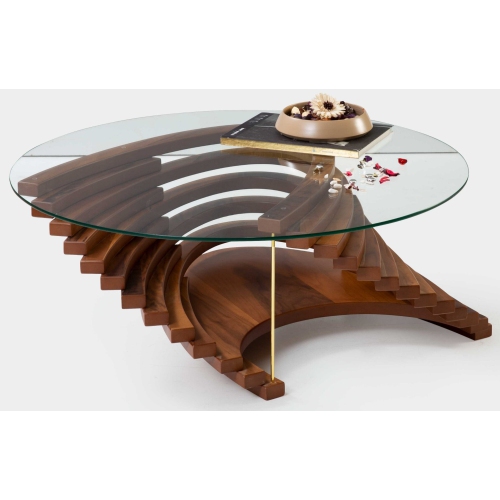
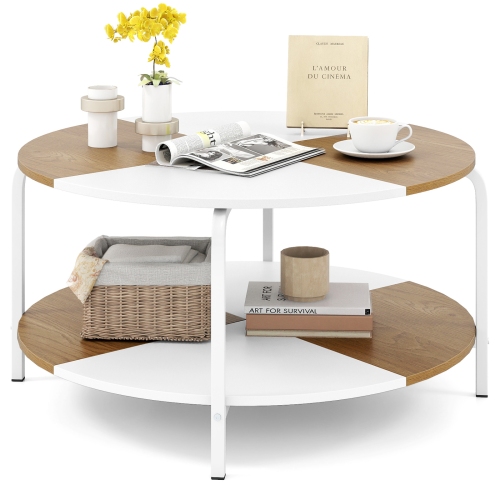
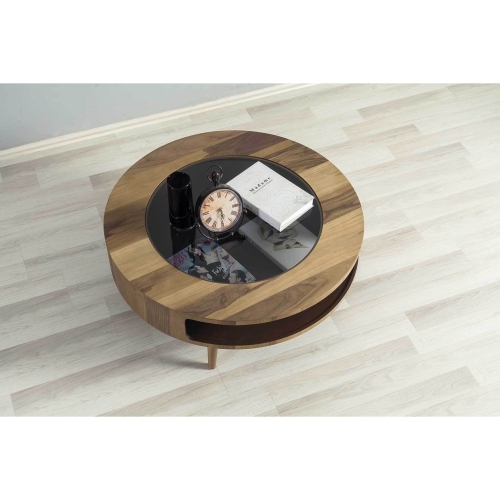
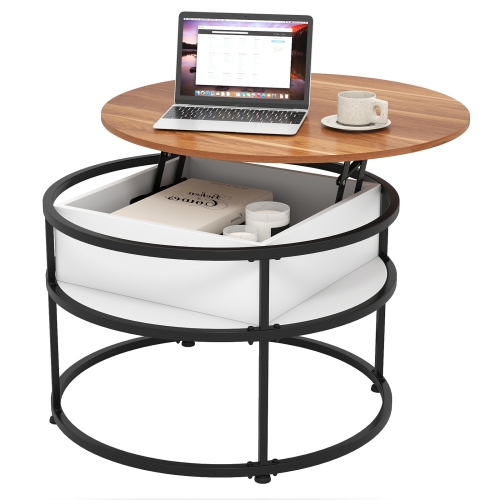

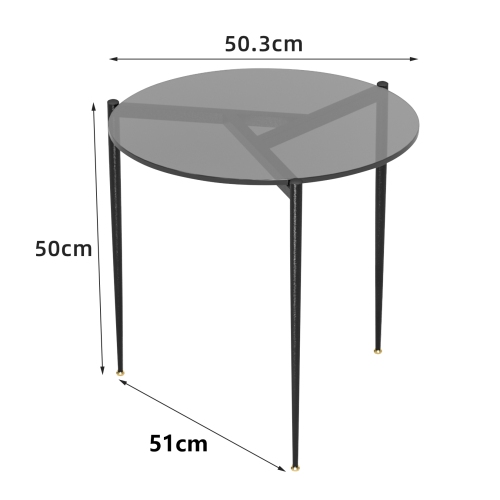


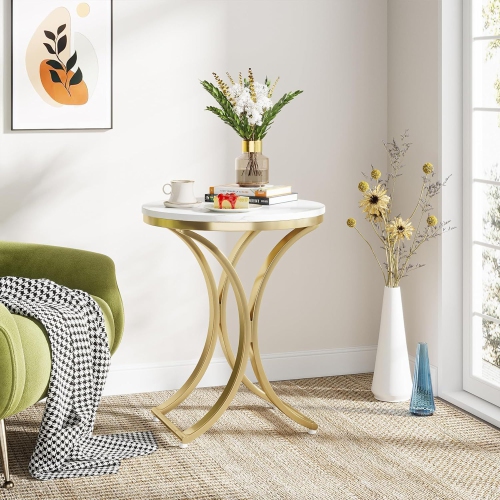
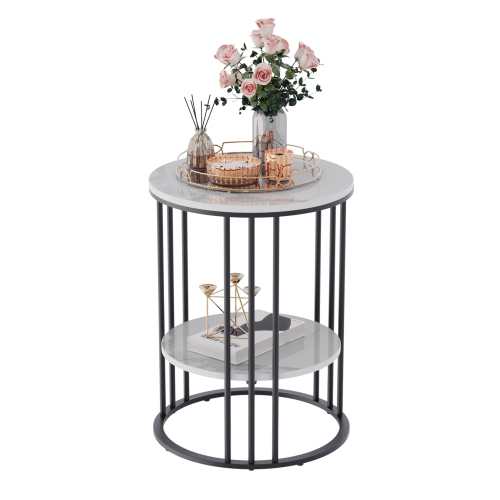


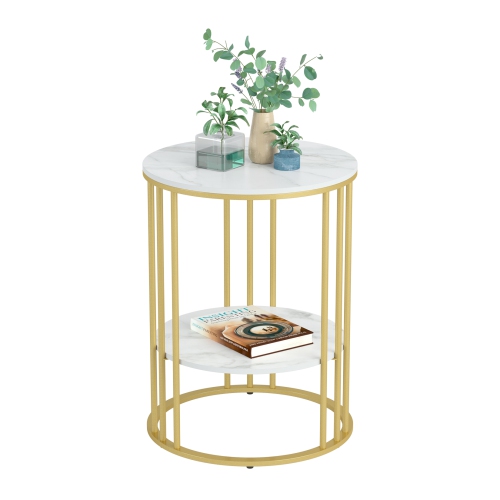


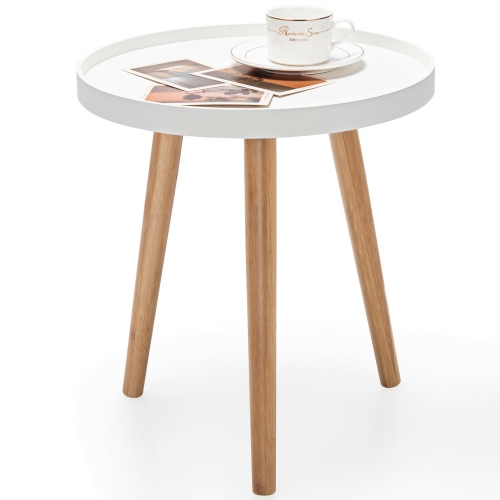
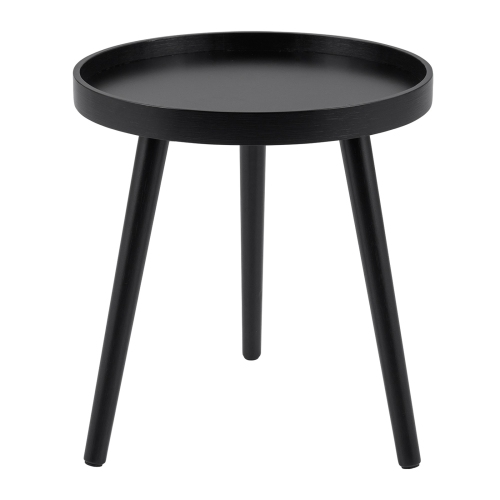


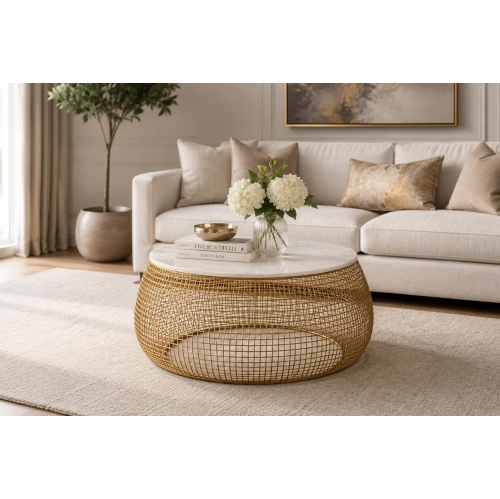
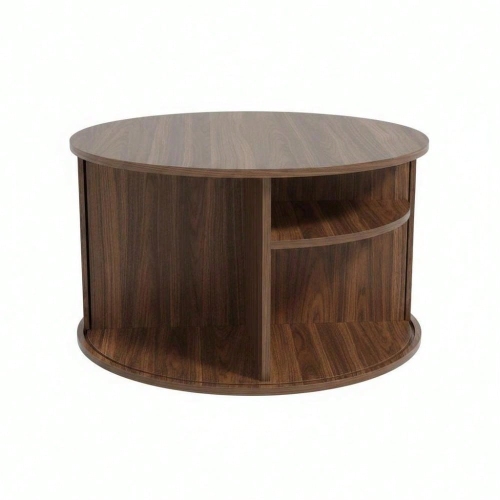
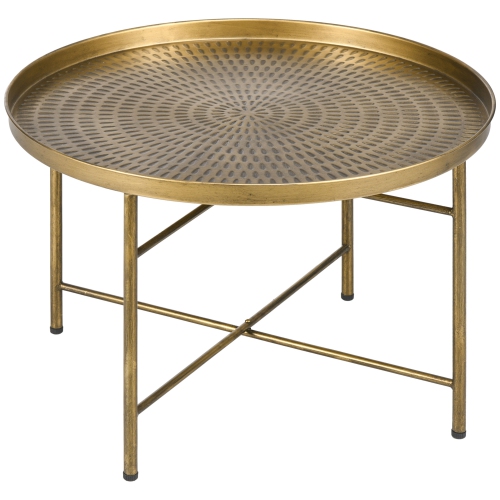


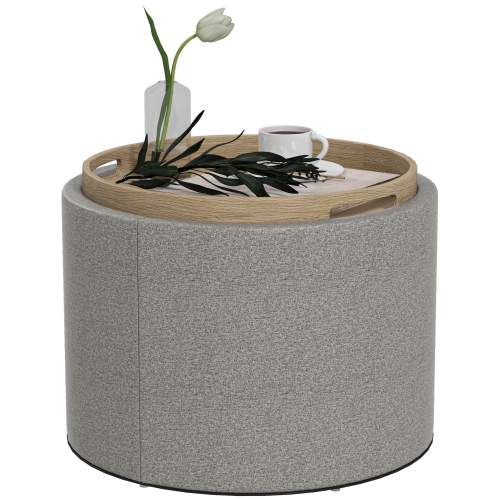
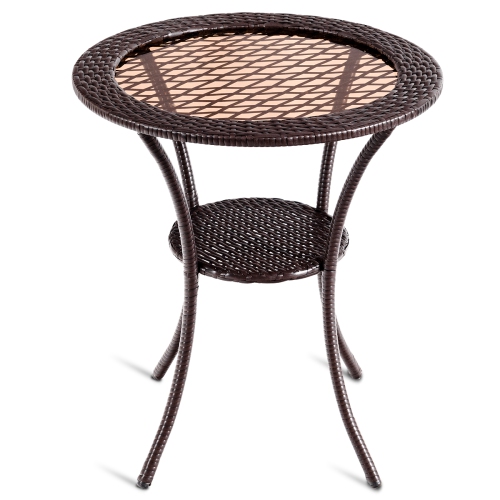


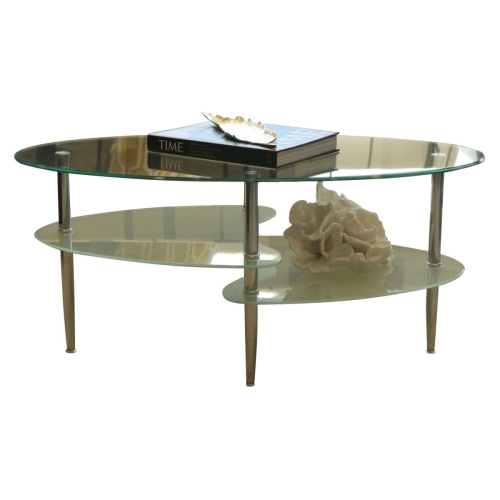


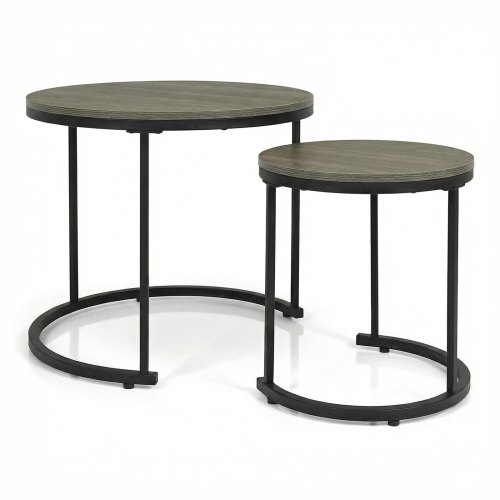


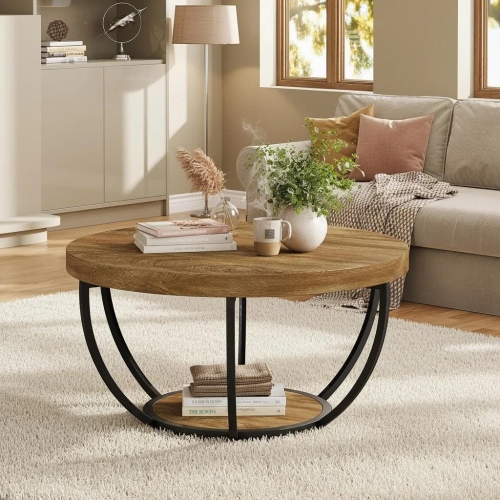

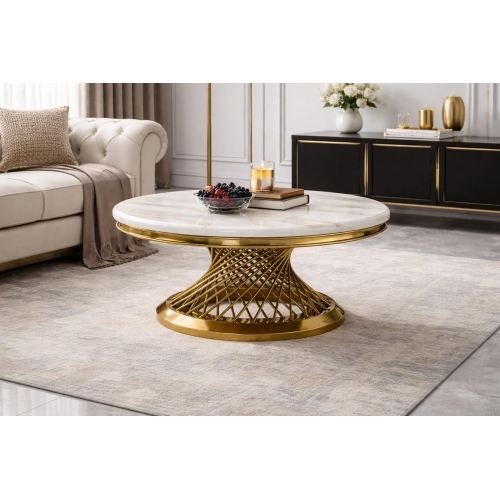


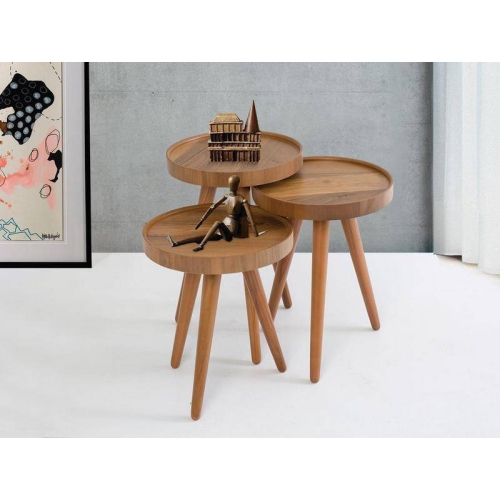
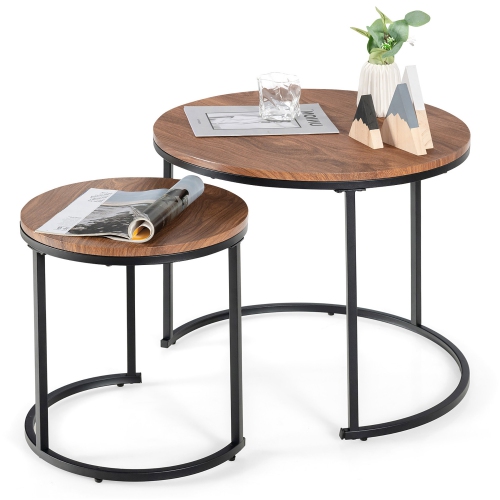
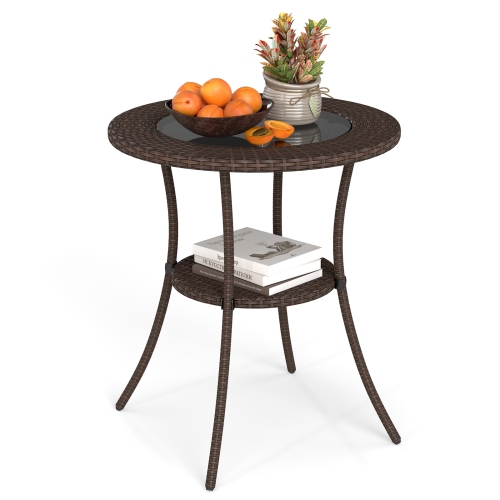
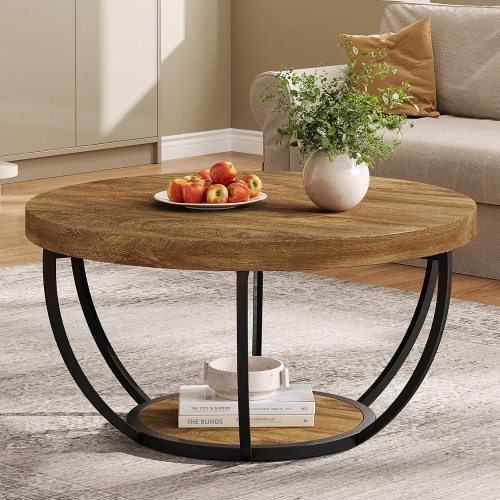
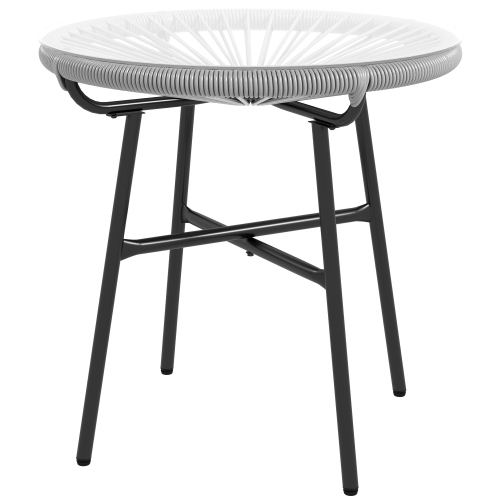


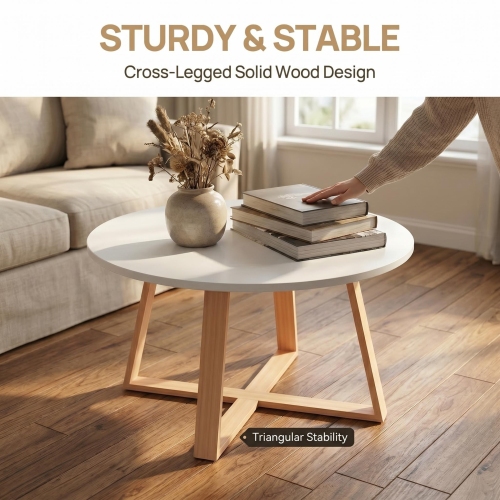
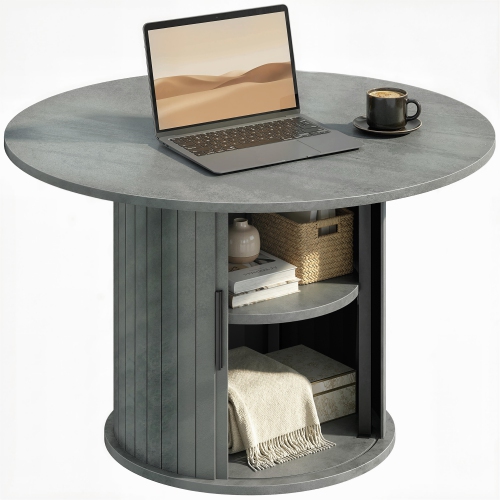


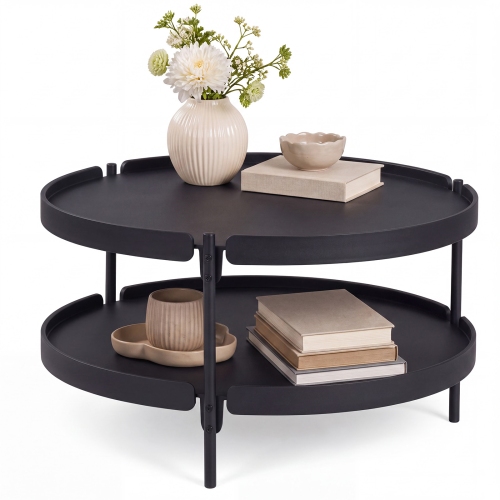

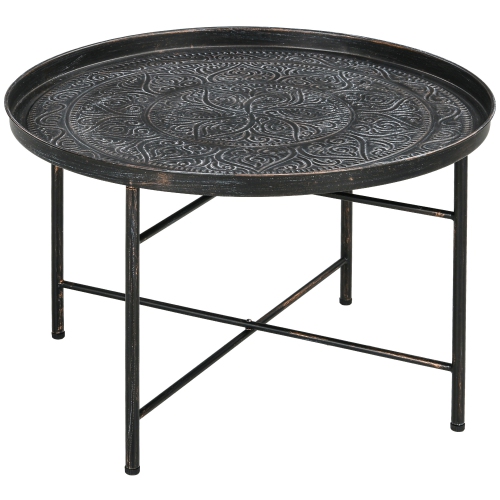


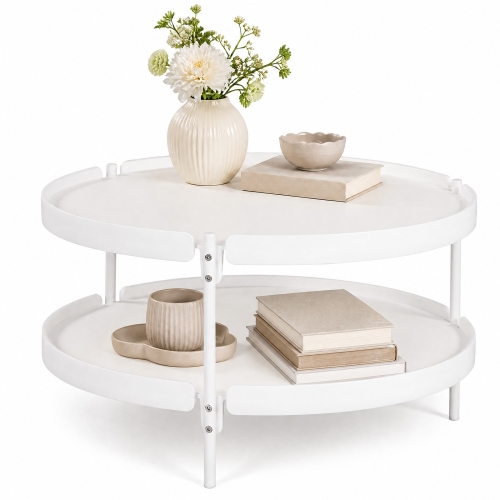


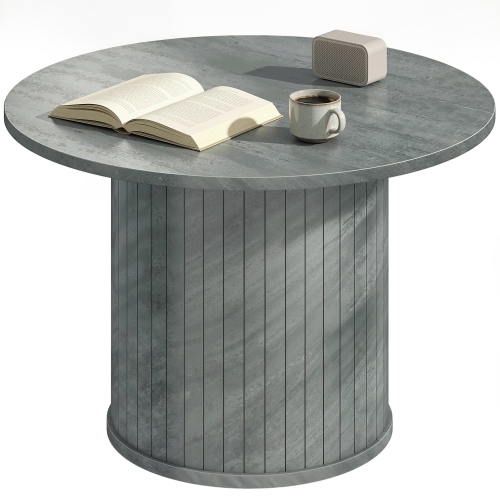

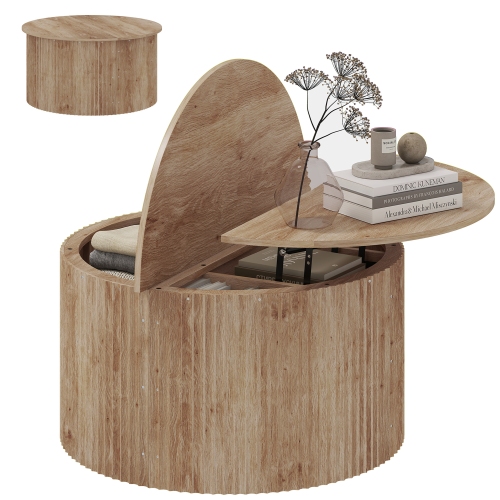

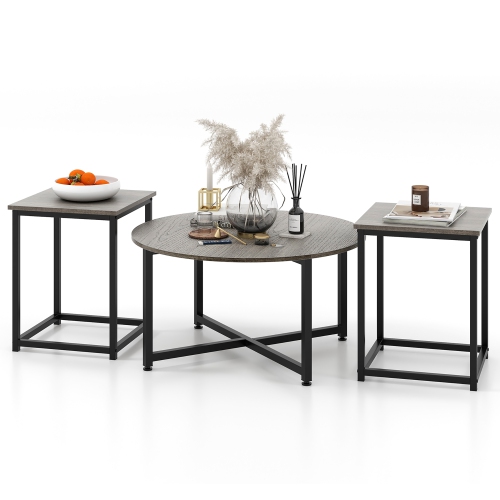
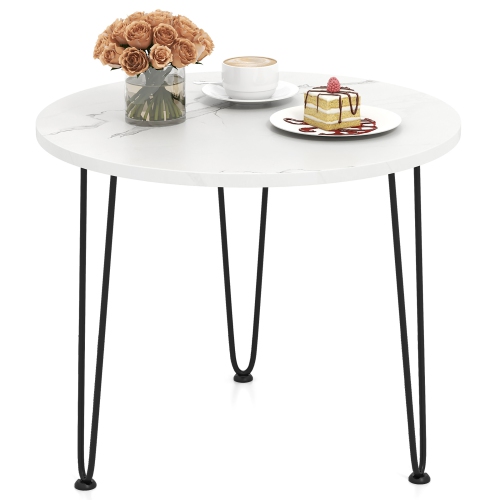
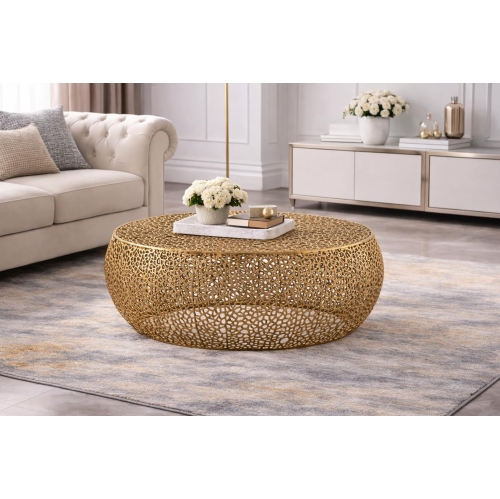


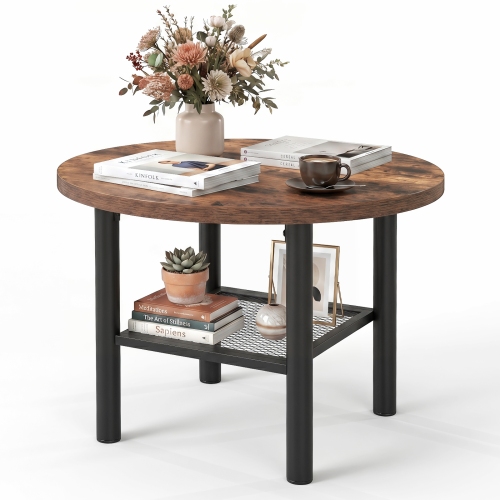


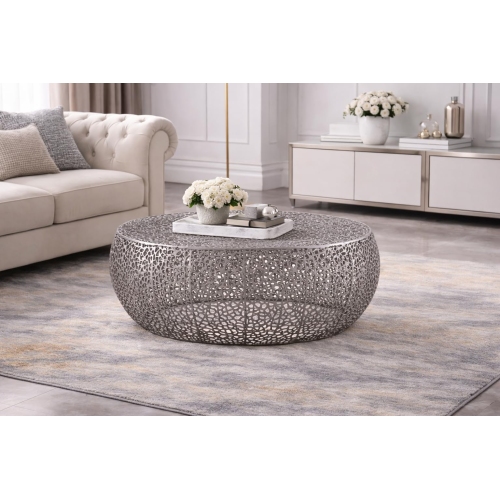
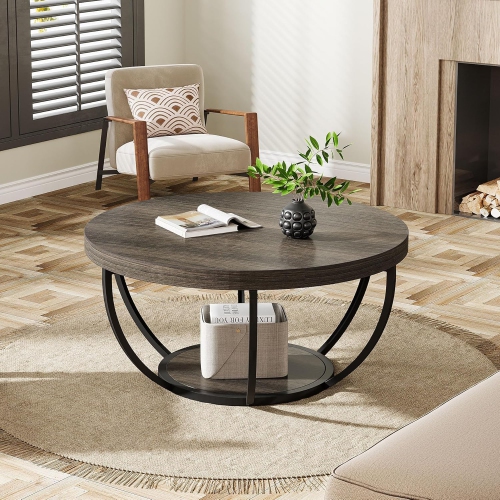
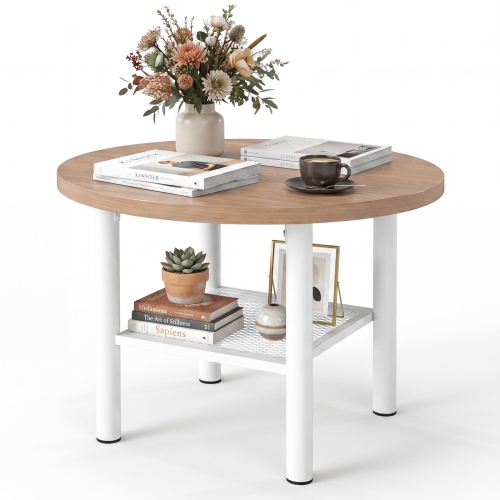


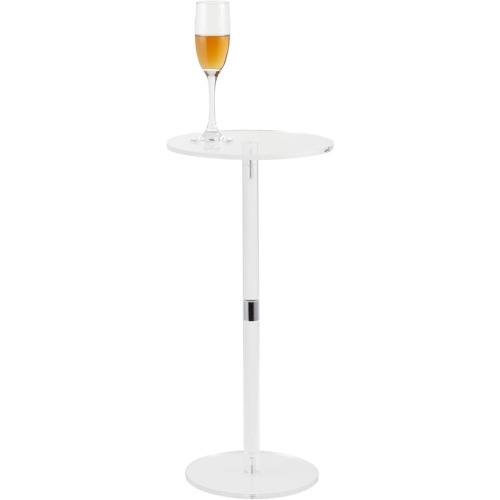
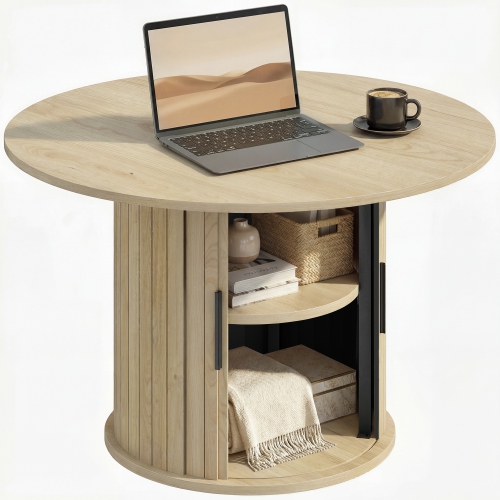
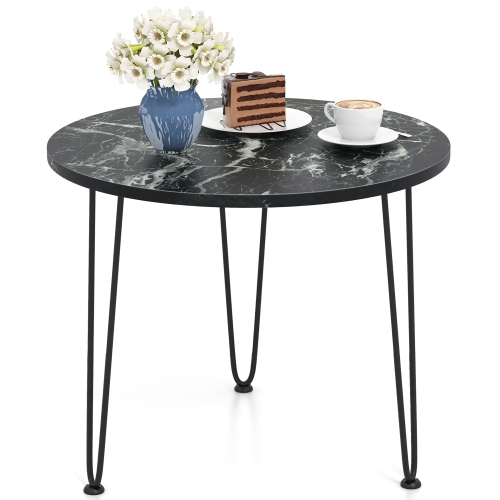


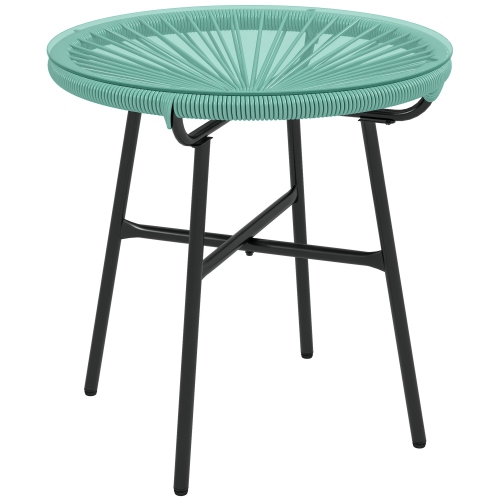


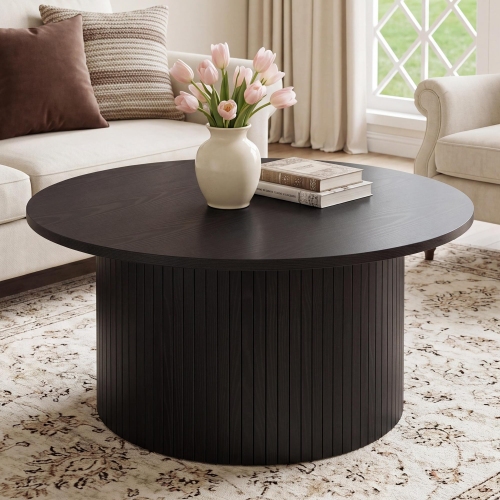

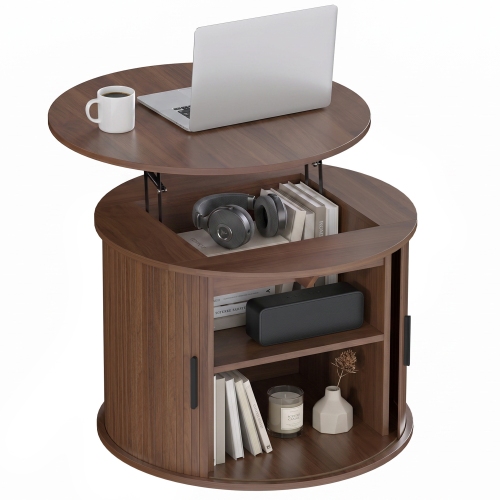
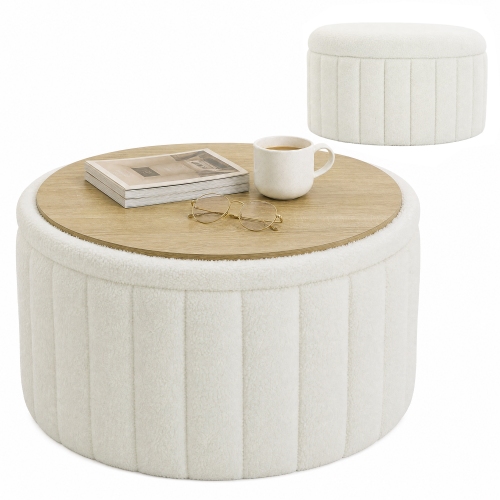
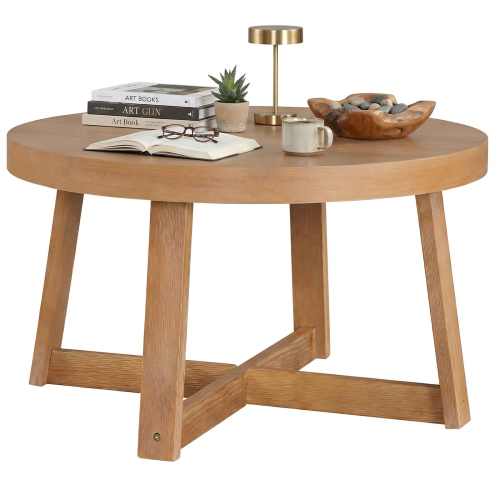

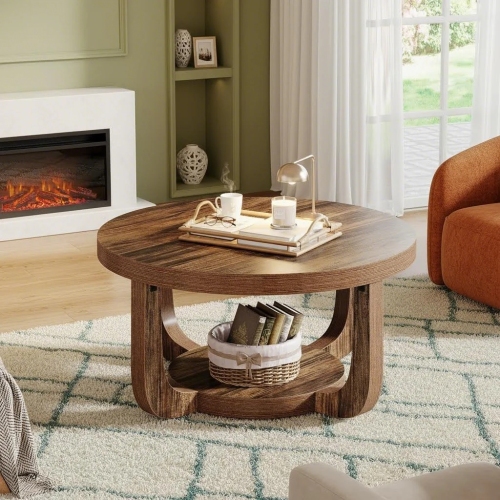

How mirrored tabletops can make compact seating areas feel larger
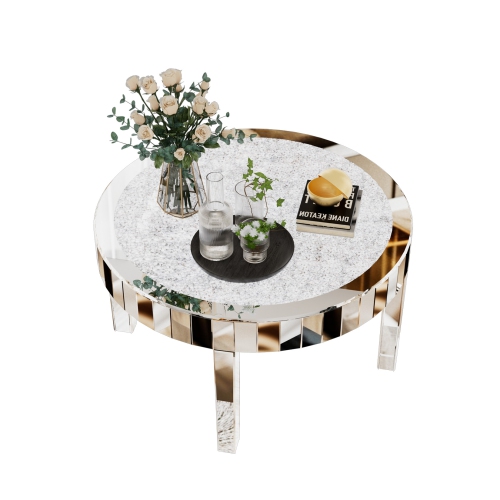
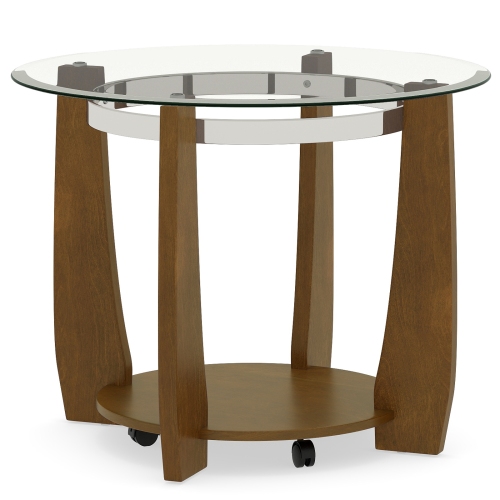
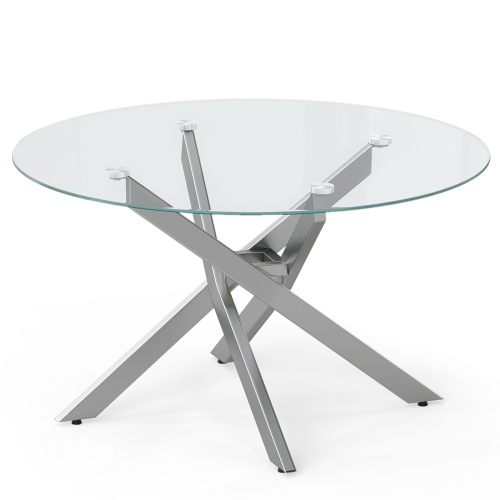
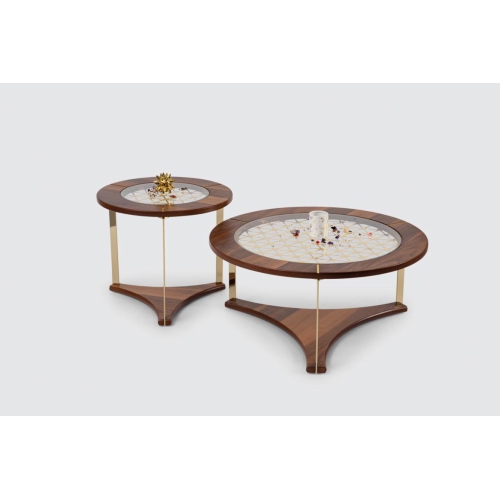
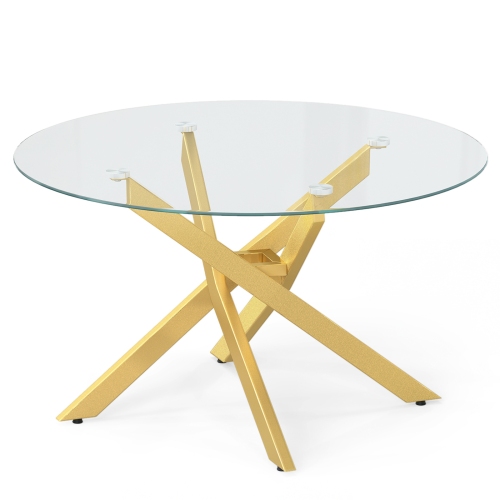
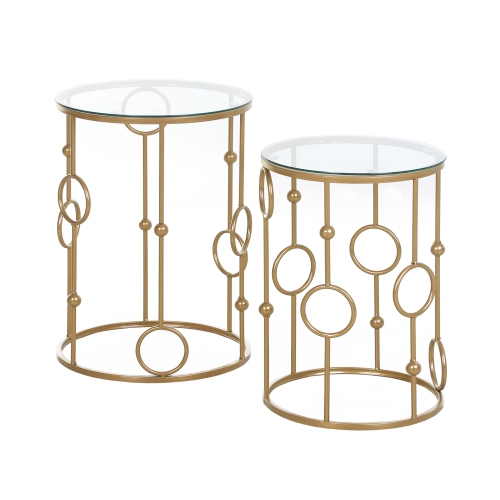
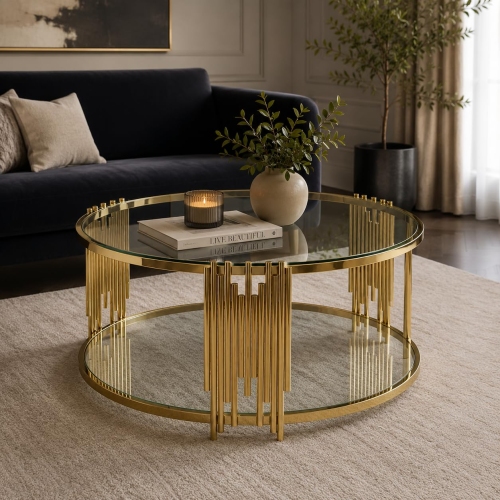
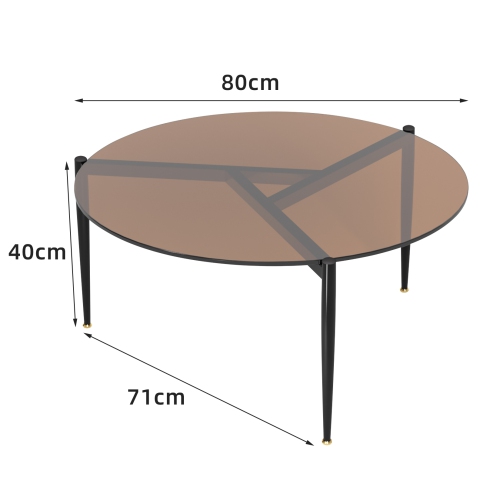
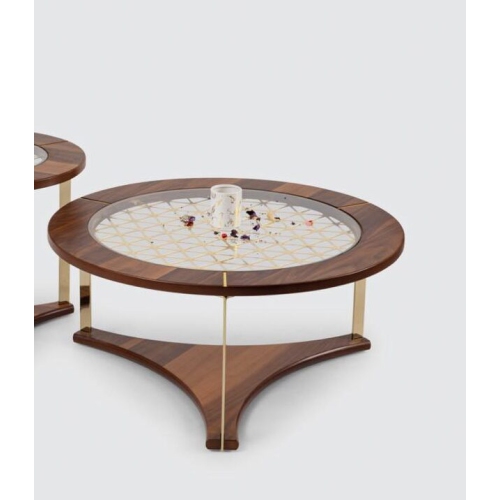
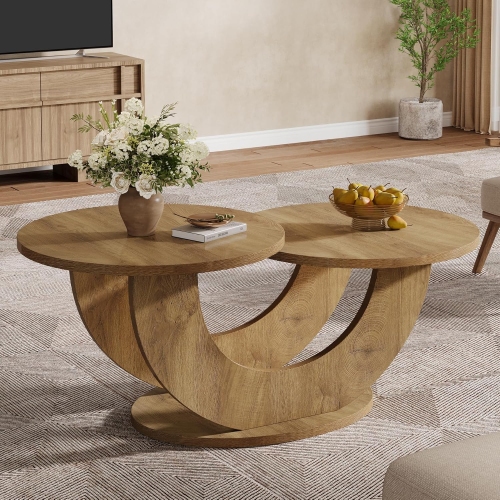
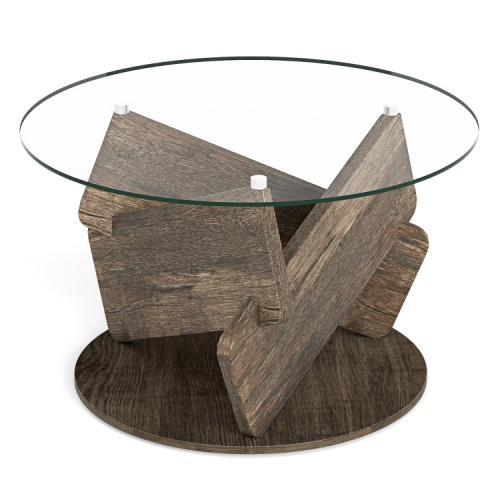
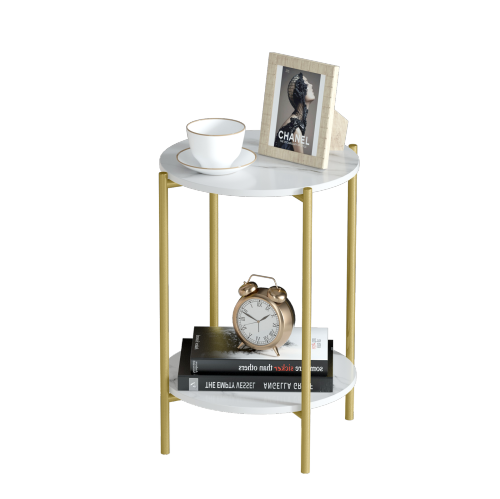
Round mirrored coffee tables bring a circular shape and a reflective surface to the centre of a living room, creating a practical place for drinks, books, and a serving tray while adding a distinct decorative focal point. Unlike a clear glass tabletop, which allows the base and floor beneath it to remain visible, a mirrored top reflects nearby furnishings, light, and objects placed on its surface. That reflection can give a compact seating area a more open appearance, although it does not change the table’s actual footprint. The effect varies with the design: a slim frame with an open base leaves more of the rug visible, while a fully clad drum table has a more substantial presence. Silver-toned mirrors offer a crisp, bright look; darker or tinted mirrored finishes create a more subdued reflection. Bevelled edges, faceted panels, and geometric detailing introduce texture, while a plain circular top keeps the emphasis on the table’s shape. Gold-toned frames pair naturally with warm woods and cream upholstery, while black frames can add definition beside a pale sofa. Chrome and silver-toned finishes work well with cool neutrals, but mixing finishes can also feel considered when one is repeated elsewhere in the room. A mirrored table beside a textured armchair or woven rug provides contrast without requiring every furnishing to have a glossy finish. The metal frames and sculptural bases found in Round Metal Coffee Tables provide another useful point of comparison when considering how much visual weight a circular table should carry. Position matters as much as finish: a mirror can reflect a pendant light attractively, but it can also catch an exposed bulb or direct sunlight at an uncomfortable angle. Thinking about what will appear in the tabletop from the sofa helps create a balanced arrangement rather than an unexpectedly busy reflection.
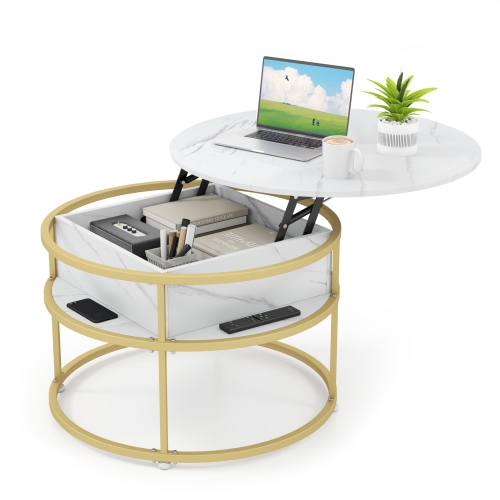
Fit begins with the seating area, not simply the room’s overall dimensions. A round coffee table can sit comfortably within an L-shaped sectional, between facing sofas, or in front of a compact loveseat, provided there is enough clearance to move around it. As a general starting point, leaving approximately 40 to 45 cm between the table and the seat makes drinks accessible while allowing room for legs; main walking routes may need considerably more space. Checking the full diameter against the distance between surrounding furniture is especially important with deep sofas and reclining seats. A recliner’s footrest needs room to extend without meeting the tabletop, and drawers or nearby cabinet doors should open freely. Table height is usually most comfortable when it sits close to the height of the sofa cushions or slightly below them. A very low table may suit lounge seating but require more bending when serving refreshments. Marking a circle on the floor with removable tape or paper gives a clearer sense of the footprint than measuring across an empty room. Nesting designs add flexibility by allowing smaller surfaces to tuck beneath a larger one, though the extended arrangement needs to be measured as well as the nested footprint. Construction affects everyday practicality, too. Metal frames may provide a relatively open profile, while wood or engineered-wood structures can support broader mirrored panels and enclosed forms. The durability of the finished table depends on its joints, supports, edge treatment, and surface construction, not on the frame material alone. A mirrored finish does not automatically mean the glass is tempered, so safety-glass specifications should be checked rather than assumed. Rounded shapes remove projecting corners, but glass edges can still chip or cause injury if struck. In homes with young children or energetic pets, a stable base, secure panels, and suitable placement deserve particular attention. Manufacturer weight limits also matter: coffee tables are not substitutes for seating or step stools.
A mirrored coffee table works best when its care requirements match the household’s routines. Fingerprints, water rings, dust, and crumbs tend to be more noticeable on reflective surfaces than on heavily textured finishes, particularly when light falls across the top. A soft, lint-free cloth is useful for regular dusting, and cleaning products should be suitable for the specific mirror, frame, and decorative trim. Following the manufacturer’s directions is important because a cleaner that suits the glass may not suit a painted frame, plated finish, or bonded detail. Where permitted, applying a small amount of cleaner to the cloth rather than spraying the table directly helps limit liquid collecting around seams and edges. Spills should be wiped up promptly, with the surface dried afterward. Abrasive pads and gritty cloths can scratch the finish, while dragging ceramic pots, heavy trays, or decorative objects across the top may leave marks. Coasters and protective pads offer a simple buffer for everyday use, and a tray can gather remotes and small accessories into one place without covering the whole reflection. Hot cookware should never be placed directly on a mirrored surface; any heat protection should follow the table’s care instructions. Styling can remain simple: a low bowl, a small stack of books, or a compact arrangement leaves usable space and preserves sightlines across the seating area. Because the mirror repeats what sits on it, a few objects often have more impact than a crowded display. Tables with lower shelves can provide room for reading material, while open-base designs may appeal where an airy appearance matters more than storage. For a first apartment, a shared living room, or a formal sitting area, the most useful choice balances surface space, easy movement, and a finish that suits daily habits. As a housewarming gift, a coffee table is best chosen with the recipient’s room measurements and preferences already known, since both its footprint and its reflective character become part of the room’s everyday experience.
Top selling and popular products
-
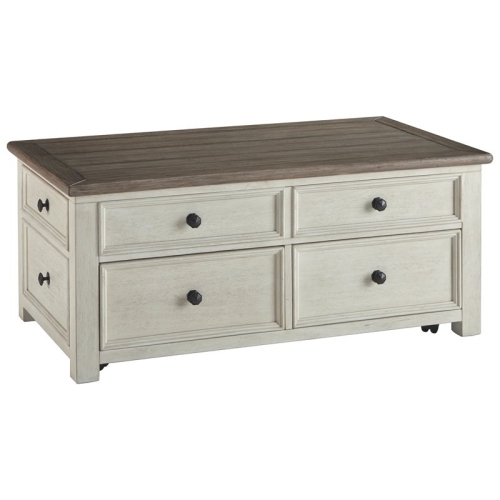 Your price for this item is $949
-
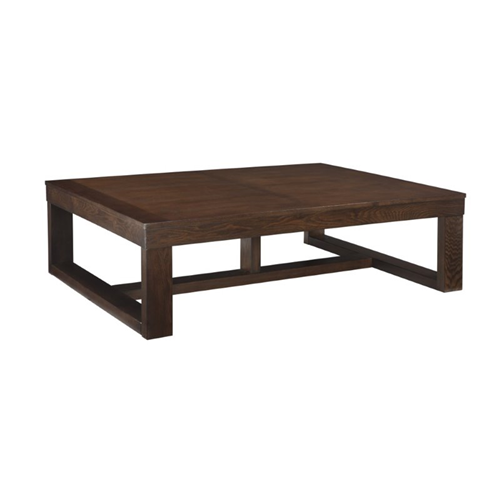 Your price for this item is $449
-
 Your price for this item is $649
-
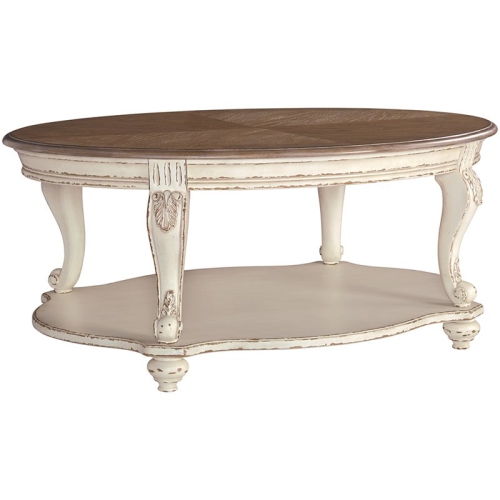 Your price for this item is $599
-
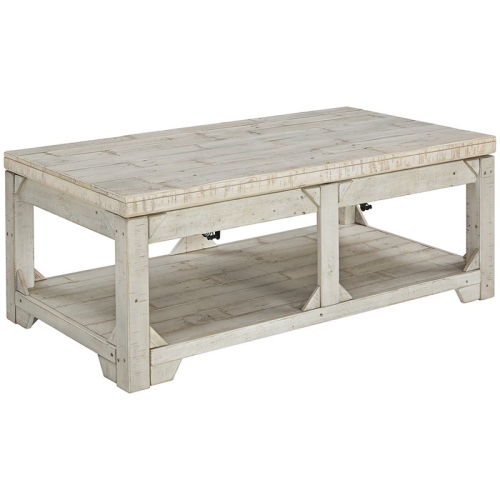 Your price for this item is $549
-
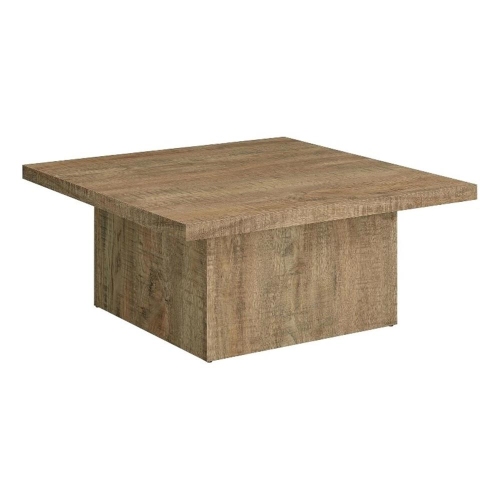 Your price for this item is $378.99
-
 Your price for this item is $471.99
-
 Your price for this item is $263.99
Discover more categories related to Round Mirrored Coffee Tables

Top Collections:
Pokemon Centers, Best Black Friday Deals This Year, Best Black Friday Deals On Electronics, Kindle Devices, Best Budget Office Chairs, Best Black Friday Deals On Apple Products, Best Cameras for Sports Photography, Pokémon 30th Celebration Cards, Dyson Airwrap, Canon G7X Cameras
Some products may be subject to Environmental Handling Fees
(EHF) depending on your province.
Learn more about EHFs.