2D Barcode Readers
If you're looking to streamline your business operations and enhance efficiency, look no further than this wide selection of 2D barcode readers. These cutting-edge devices are designed to effortlessly scan and decode barcodes, providing you with accurate data in a matter of seconds. Whether you're in retail, logistics, or any industry that requires fast and reliable barcode scanning, this range of 2D barcode readers has got you covered. With their advanced features and ergonomic designs, these devices are the perfect solution for improving productivity and reducing errors.
Sort
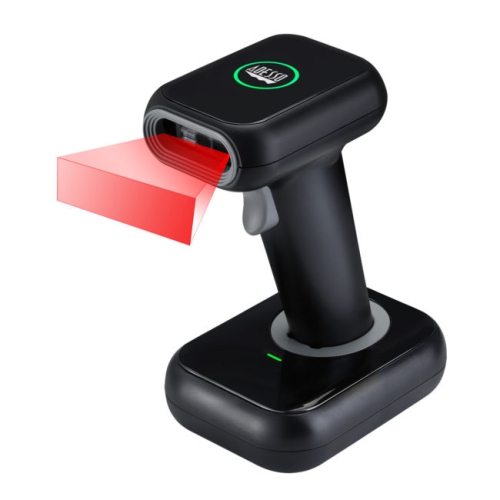
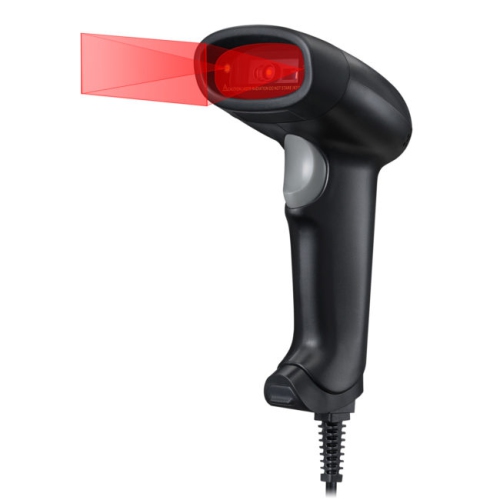
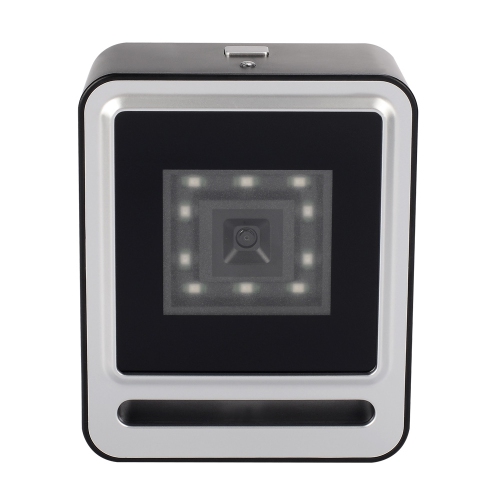
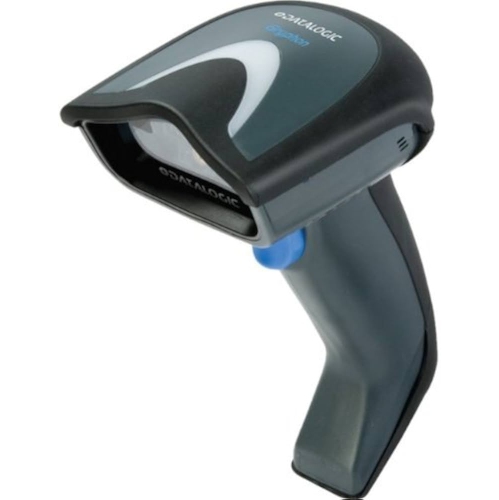


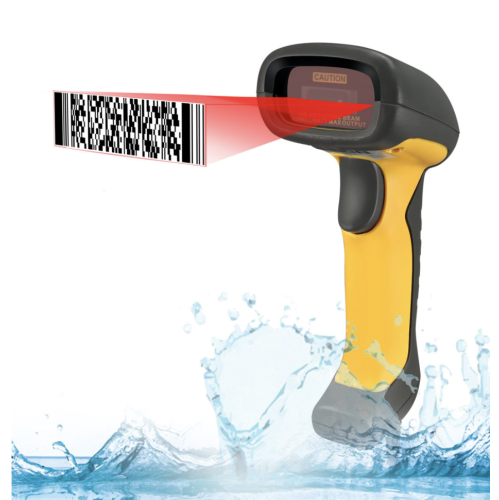
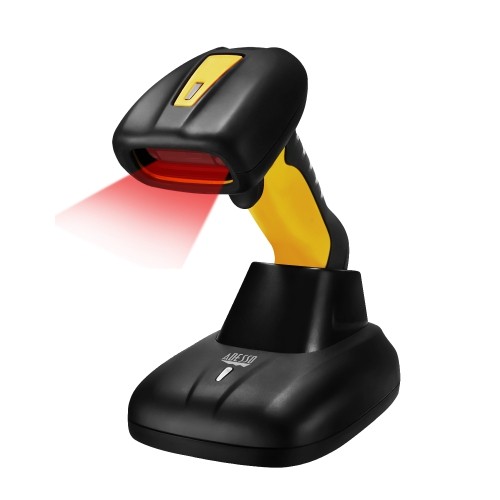
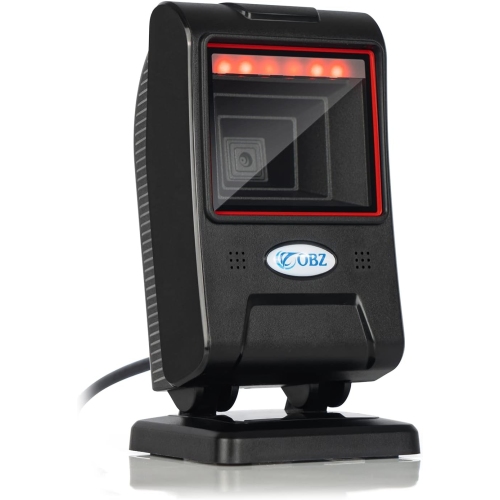
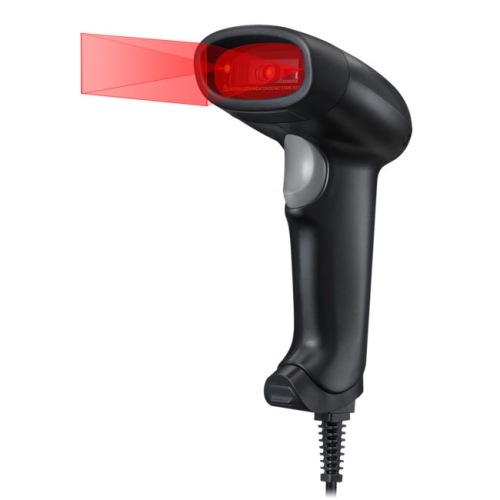
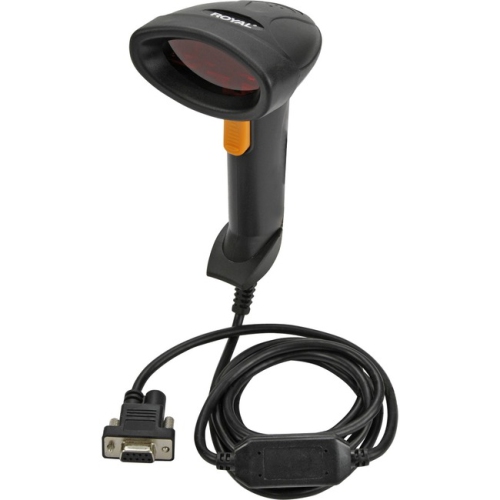
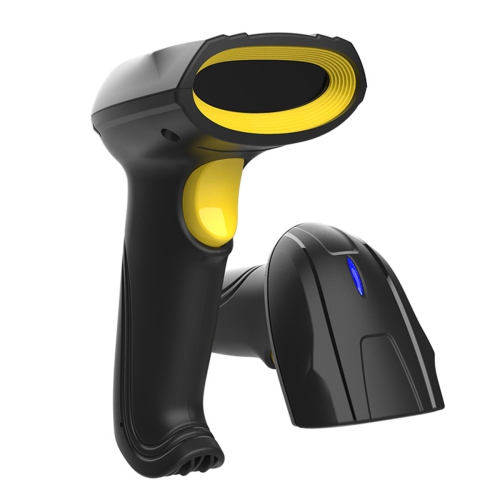

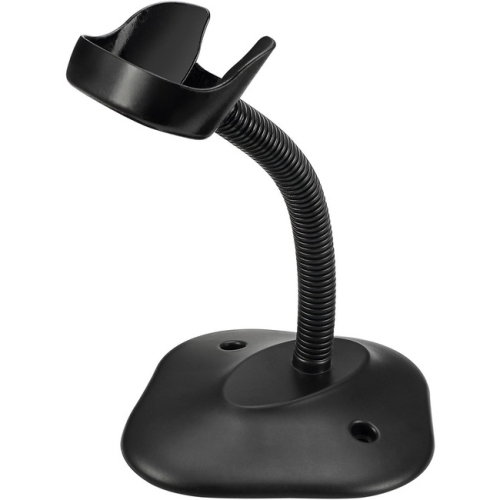
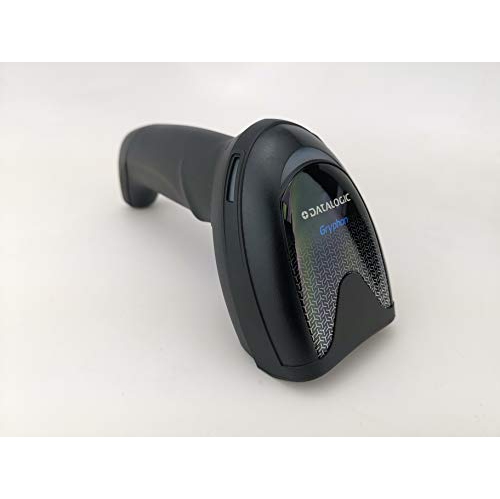
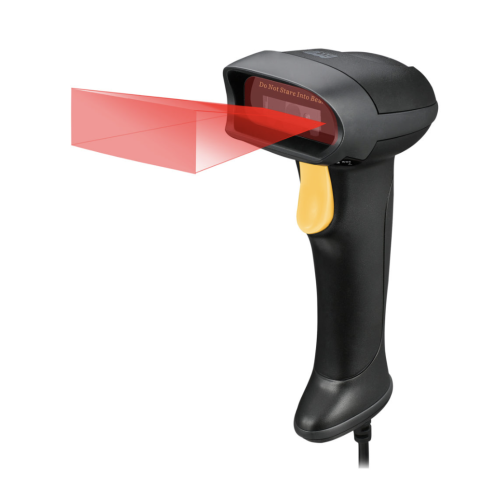
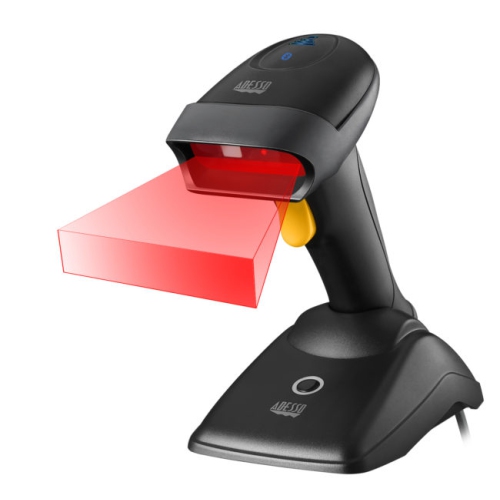
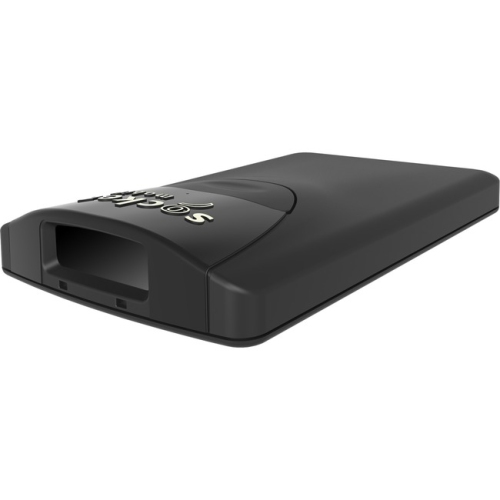
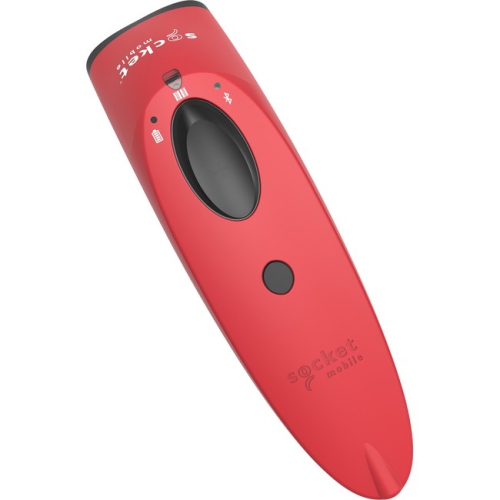
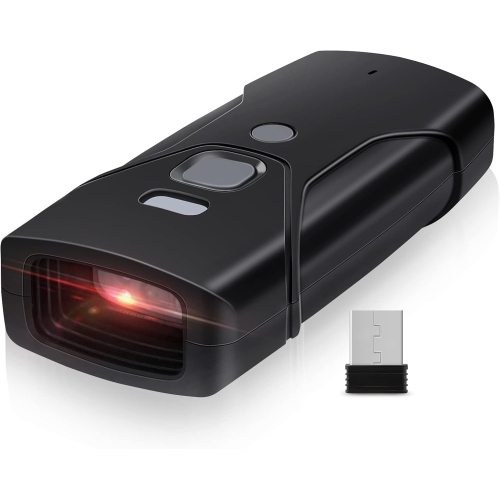
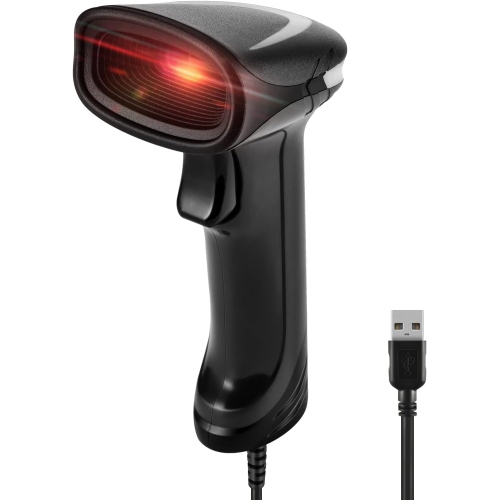
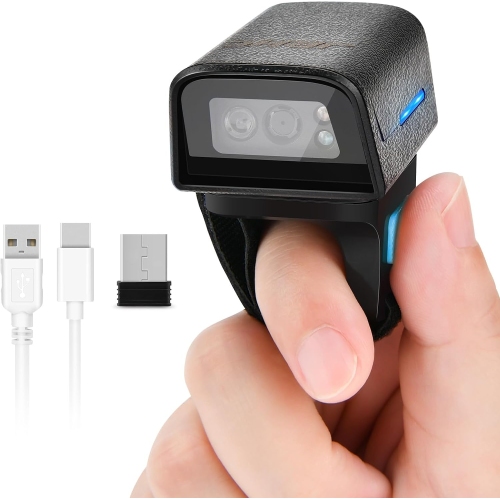
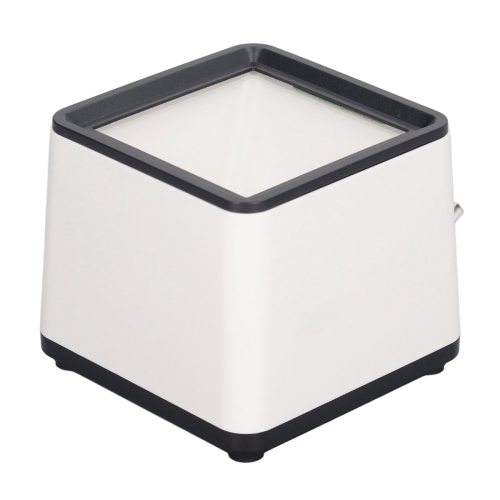
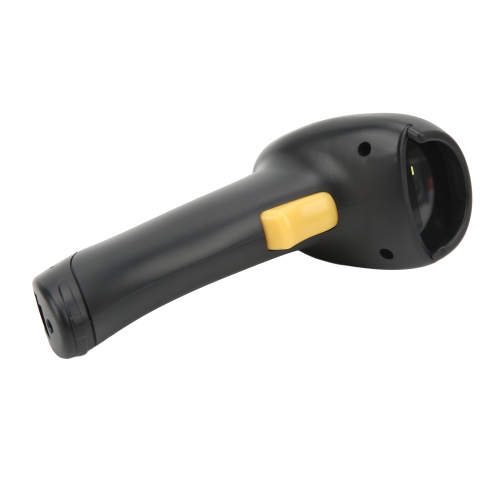
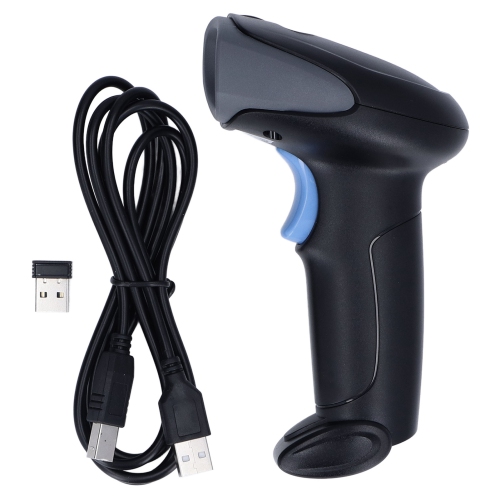
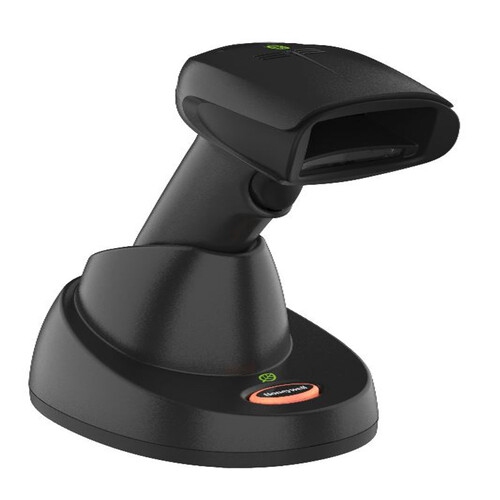
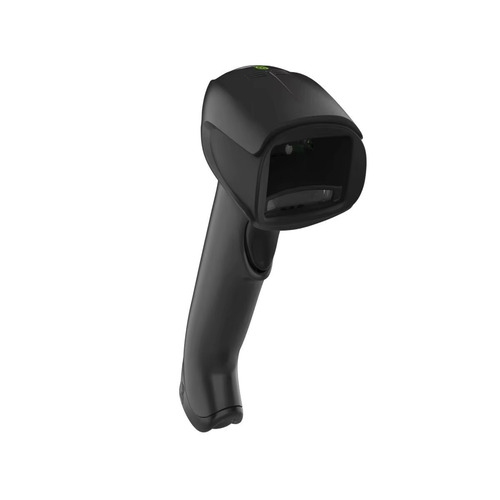
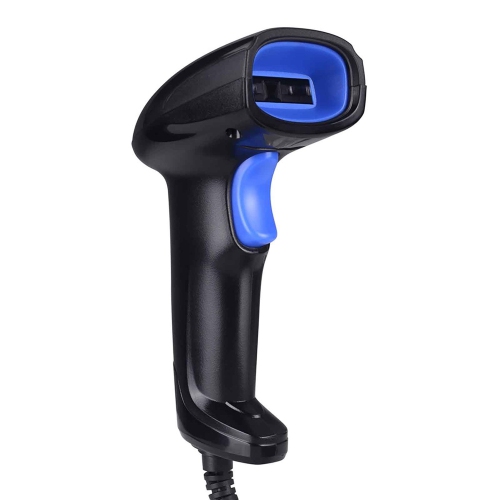
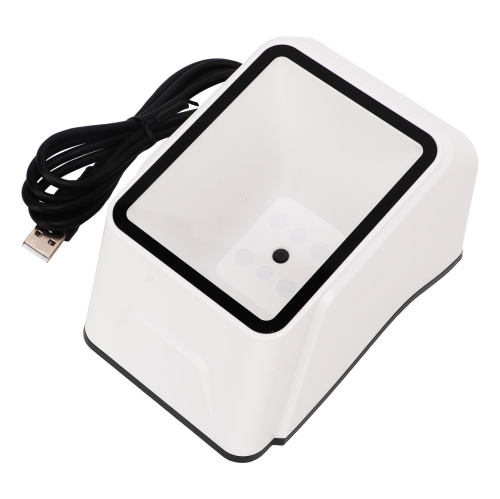
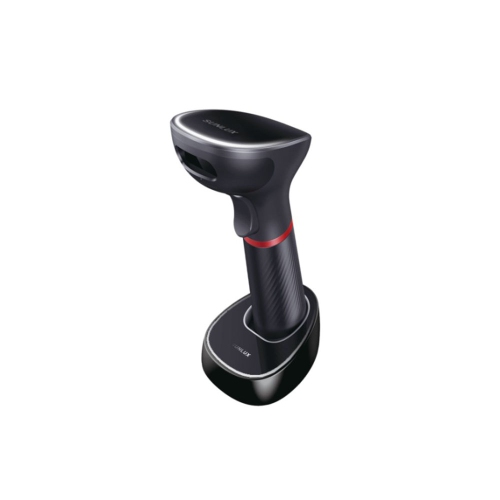
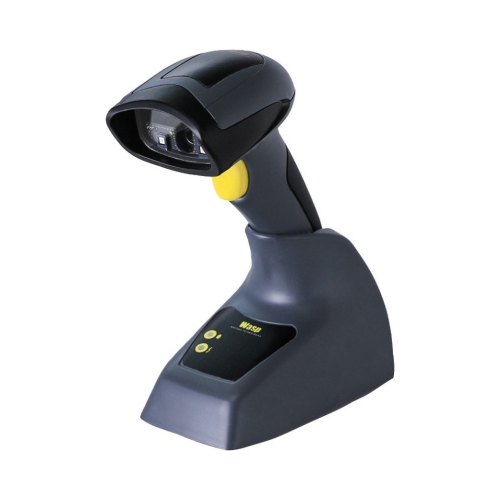
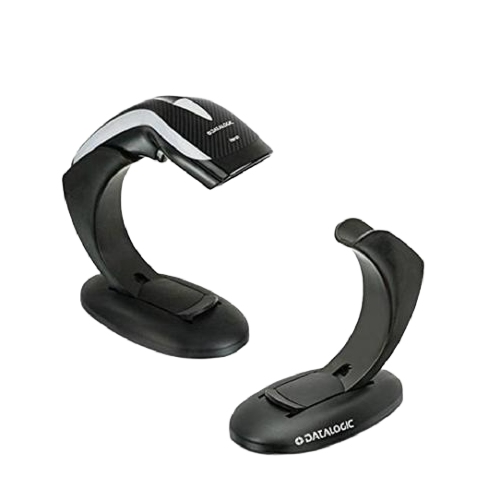
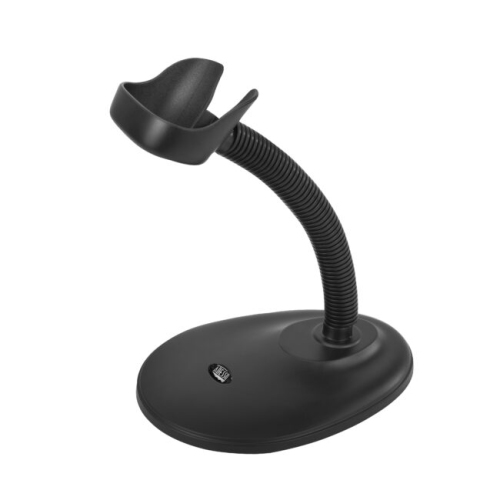
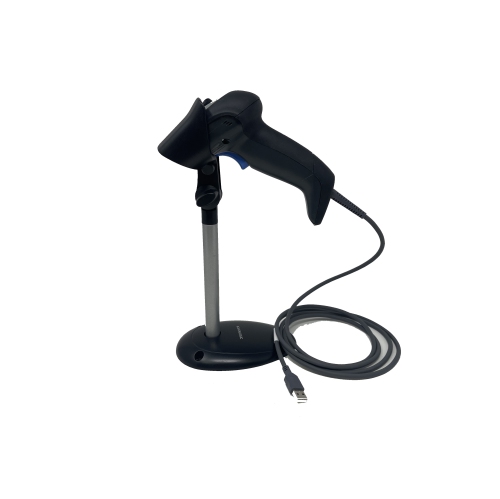
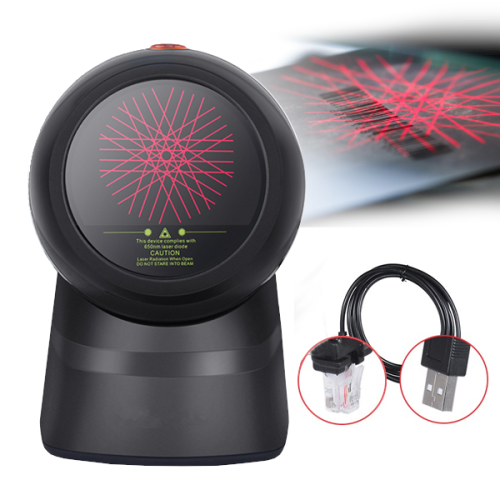
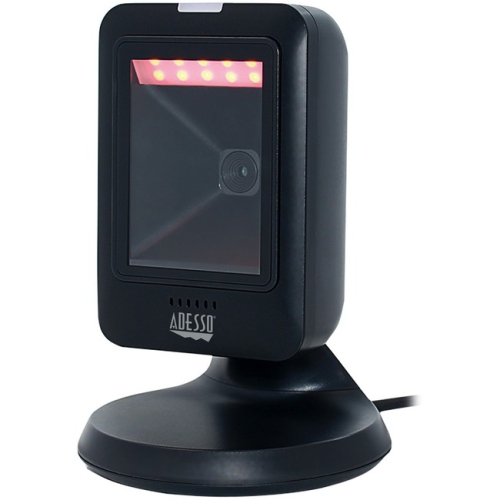
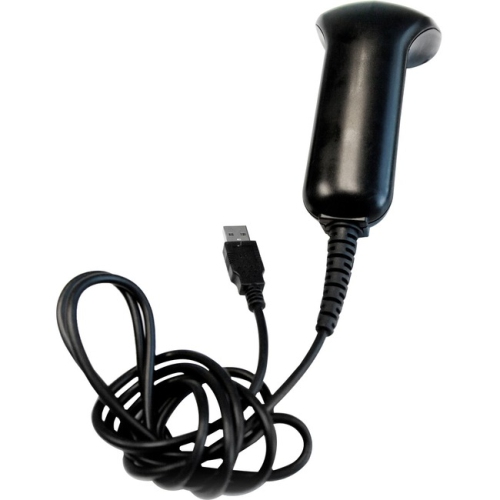
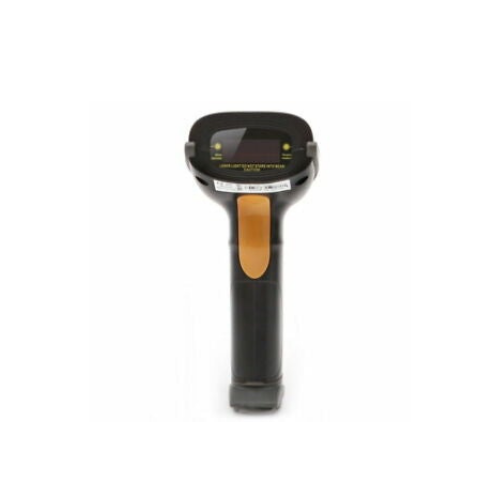
Flexible scanning for digital codes, labels, and records
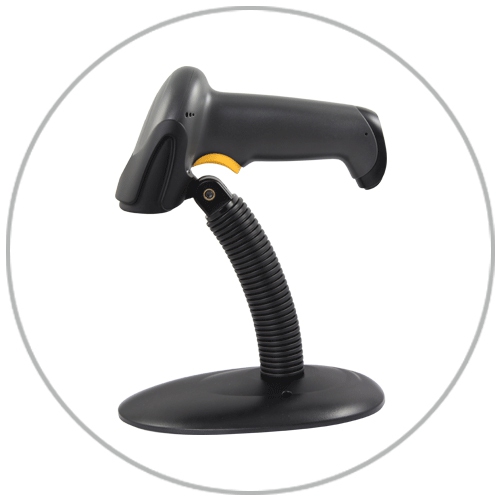
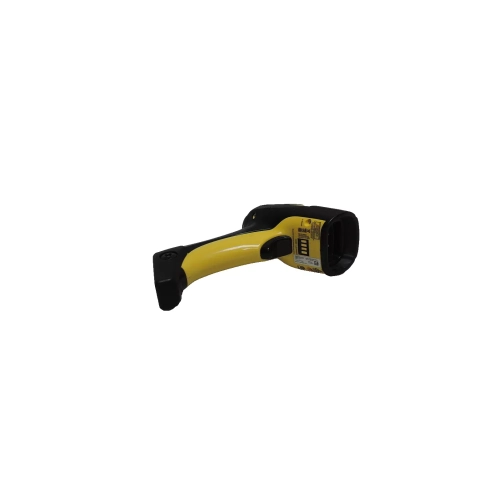
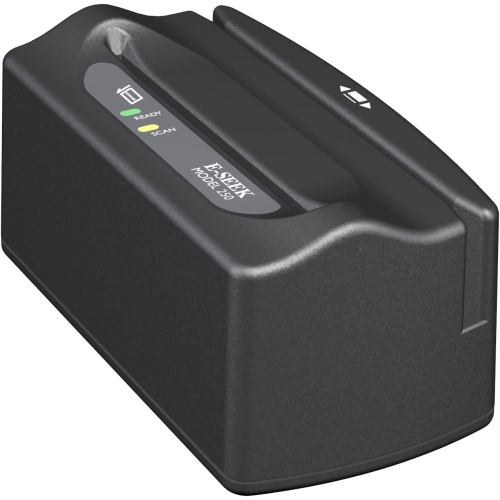
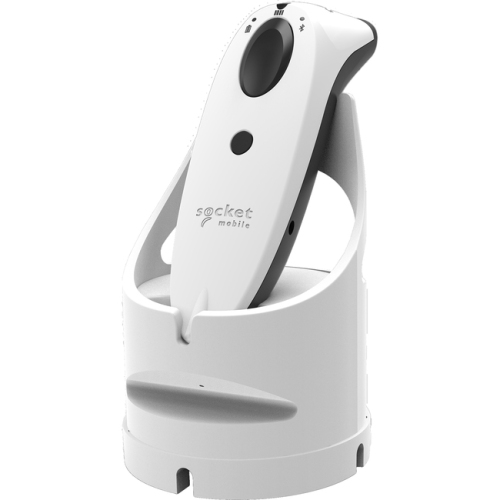
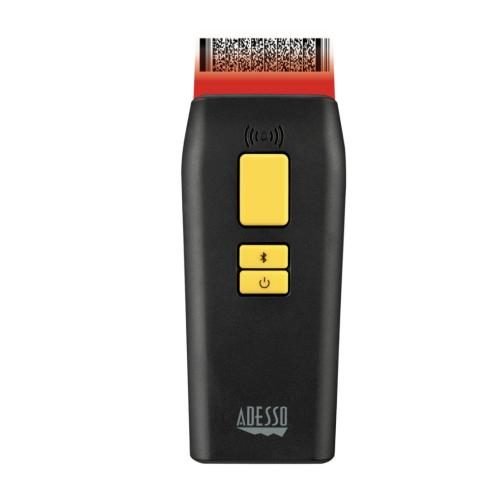
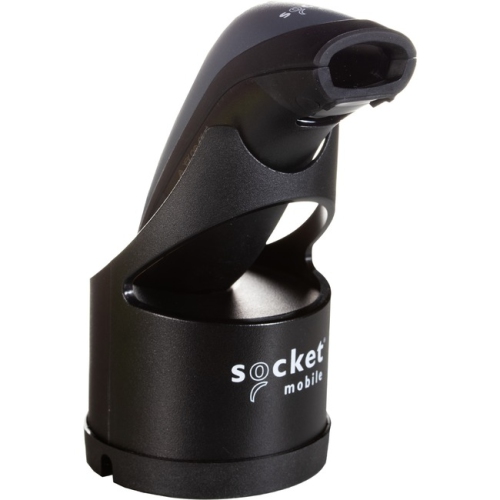
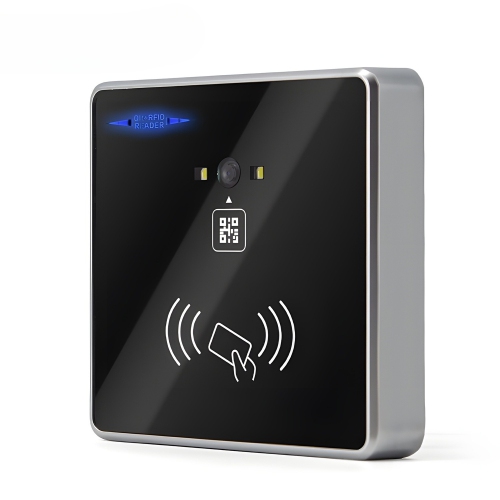
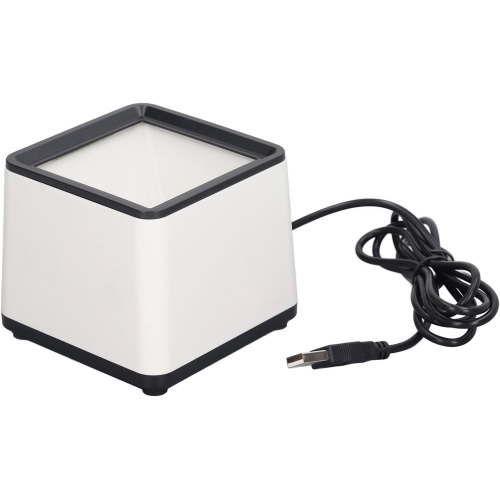
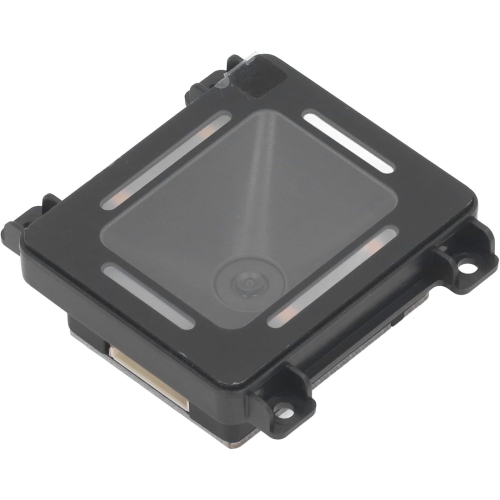
2D barcode readers are designed to capture the full image of a barcode rather than sweep a single laser line across it. This camera-based approach allows them to read square and grid-style codes such as QR codes and Data Matrix codes, along with many traditional 1D barcodes when the reader supports them. A 2D code can hold more information than a standard striped barcode, making it useful for product identification, web links, tickets, loyalty programs, shipping labels, serial numbers, and other digital records. These readers can often scan codes printed on paper, labels, receipts, packaging, or forms, as well as codes displayed on a smartphone screen. That flexibility is especially helpful at a checkout counter, where a customer may present a digital coupon or mobile ticket, or in a stockroom where labels can be scanned without first printing a new document. Because the reader captures an image, it can also be more forgiving when a code is presented at an angle or when the printing is not perfectly aligned, although performance depends on the code’s quality, size, contrast, distance, and the reader’s specifications. For a small shop, home-based business, community organisation, office, or school, a 2D barcode reader can provide a straightforward way to reduce manual typing and keep records moving accurately from one scan to the next.
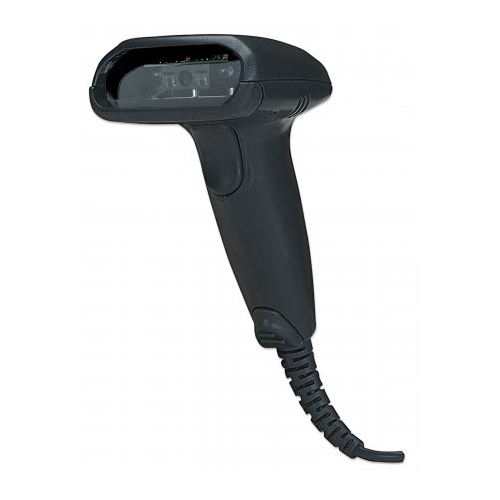
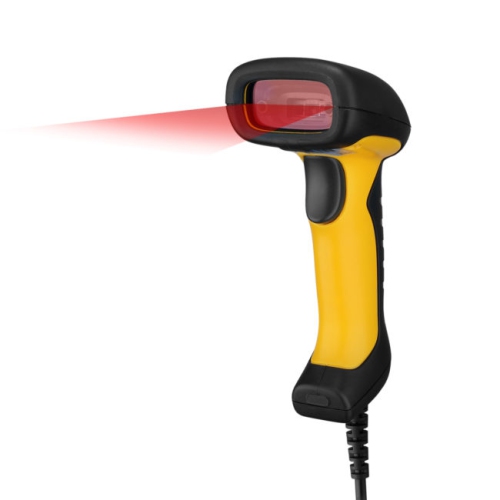
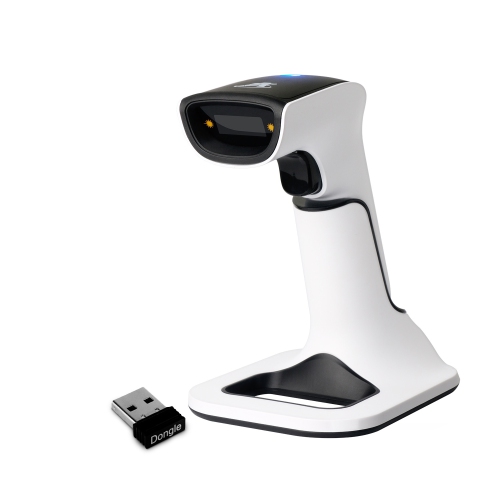
The connection type is one of the most important decisions when choosing among 2D barcode readers. A wired USB model is often a practical choice for a fixed workstation, point-of-sale desk, reception counter, library circulation station, or office computer. It typically connects directly to a compatible computer or register, draws power through the cable, and avoids the need to manage a separate battery. Many USB readers work as keyboard-style input devices, allowing scanned information to appear in inventory, point-of-sale, spreadsheet, shipping, or other software without extensive setup, though compatibility should always be checked with the system being used. Browse USB Barcode Readers when a dependable cable connection suits the workspace. Wireless 2D barcode readers offer more freedom to move between shelves, bins, displays, and customers, which can be useful for receiving shipments, checking stock on the sales floor, processing event admission, or scanning items that are too large to bring to a desk. Some wireless units use a dedicated receiver, while others connect through Bluetooth; range, pairing requirements, charging time, battery life, and the availability of a charging or presentation stand can all affect day-to-day convenience. A reader with a stand may support hands-free scanning at a busy counter, while a handheld design can be easier to aim at codes on cartons, mobile screens, or awkwardly positioned labels. If several people will share the reader during a shift, a comfortable grip, balanced weight, clearly placed trigger, and durable housing may matter as much as the connection method.
Think about the setting and the rhythm of the work before selecting a reader. A quiet office that scans a few documents each day may benefit from a simple plug-and-play design, while a retail or warehouse environment may need fast capture, a generous working range, strong decode performance, and a cable or wireless setup that accommodates continuous movement. Check whether the reader can capture codes from glossy packaging, dimly lit areas, curved surfaces, and screens with varying brightness. Code size also matters: a reader intended for shipping labels may not be the best fit for tiny Data Matrix marks, while a compact code reader used at a reception desk may not need the same range as one used for storage racks. Consider the included cable or receiver, operating-system and software compatibility, charging arrangements, audible or visual scan confirmation, and whether the reader can be configured to add a carriage return or other suffix after each scan. These small details can make a noticeable difference when hundreds of items pass through a station. Two-dimensional barcode readers can also make thoughtful practical gifts for someone opening a small online shop, organising a collection, managing club equipment, or preparing for a seasonal market, particularly when the recipient values tools that save time rather than decorative extras. Whether the task involves checking a parcel against an order, signing guests in with a QR code, updating a stock list, or keeping a busy counter moving during the cooler months, the right reader should match the codes, software, workspace, and pace of the people who will use it.
The connection type is one of the most important decisions when choosing among 2D barcode readers. A wired USB model is often a practical choice for a fixed workstation, point-of-sale desk, reception counter, library circulation station, or office computer. It typically connects directly to a compatible computer or register, draws power through the cable, and avoids the need to manage a separate battery. Many USB readers work as keyboard-style input devices, allowing scanned information to appear in inventory, point-of-sale, spreadsheet, shipping, or other software without extensive setup, though compatibility should always be checked with the system being used. Browse USB Barcode Readers when a dependable cable connection suits the workspace. Wireless 2D barcode readers offer more freedom to move between shelves, bins, displays, and customers, which can be useful for receiving shipments, checking stock on the sales floor, processing event admission, or scanning items that are too large to bring to a desk. Some wireless units use a dedicated receiver, while others connect through Bluetooth; range, pairing requirements, charging time, battery life, and the availability of a charging or presentation stand can all affect day-to-day convenience. A reader with a stand may support hands-free scanning at a busy counter, while a handheld design can be easier to aim at codes on cartons, mobile screens, or awkwardly positioned labels. If several people will share the reader during a shift, a comfortable grip, balanced weight, clearly placed trigger, and durable housing may matter as much as the connection method.
Think about the setting and the rhythm of the work before selecting a reader. A quiet office that scans a few documents each day may benefit from a simple plug-and-play design, while a retail or warehouse environment may need fast capture, a generous working range, strong decode performance, and a cable or wireless setup that accommodates continuous movement. Check whether the reader can capture codes from glossy packaging, dimly lit areas, curved surfaces, and screens with varying brightness. Code size also matters: a reader intended for shipping labels may not be the best fit for tiny Data Matrix marks, while a compact code reader used at a reception desk may not need the same range as one used for storage racks. Consider the included cable or receiver, operating-system and software compatibility, charging arrangements, audible or visual scan confirmation, and whether the reader can be configured to add a carriage return or other suffix after each scan. These small details can make a noticeable difference when hundreds of items pass through a station. Two-dimensional barcode readers can also make thoughtful practical gifts for someone opening a small online shop, organising a collection, managing club equipment, or preparing for a seasonal market, particularly when the recipient values tools that save time rather than decorative extras. Whether the task involves checking a parcel against an order, signing guests in with a QR code, updating a stock list, or keeping a busy counter moving during the cooler months, the right reader should match the codes, software, workspace, and pace of the people who will use it.
Top selling and popular products
-
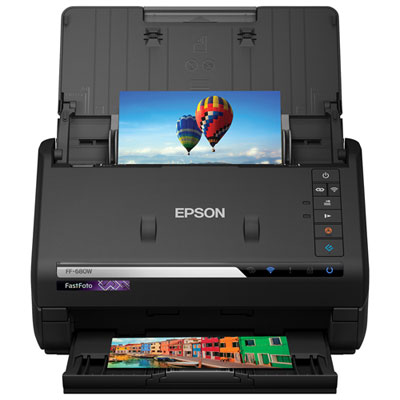 Your price for this item is $849.99
 -
 Your price for this item is $107.99
 -
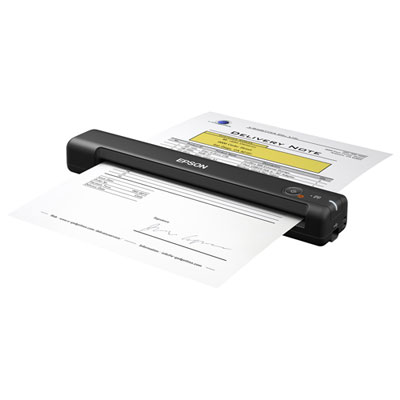 Your price for this item is $149.99
 -
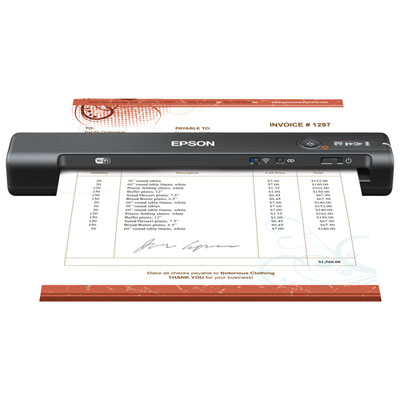 Your price for this item is $239.99
 -
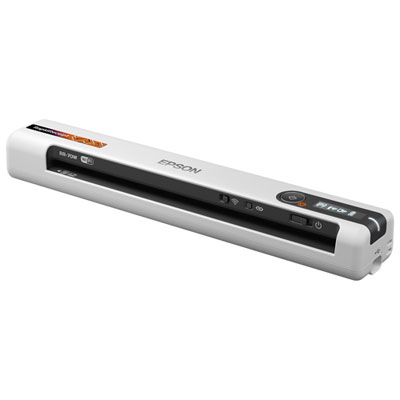 Your price for this item is $369.99
 -
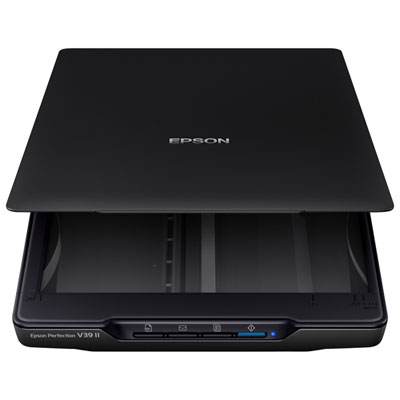 Your price for this item is $129.99
 -
 Your price for this item is $228.99
 -
 Your price for this item is $804
Discover more categories related to 2D Barcode Readers
Top Collections:
Pokemon Centers, Kindle Devices, Best Budget Office Chairs, Apple iPhones 16, Best Laptops for Writers, iPhone 15 Apple, Canon G7X Cameras, Refurbished Apple Laptops, Alarm Clock, Motorola Razr Phones
Some products may be subject to Environmental Handling Fees
(EHF) depending on your province.
Learn more about EHFs.