A16 128GB
Discover a wide selection of A16 128GB devices designed to fit your lifestyle and needs. Whether you're upgrading your current device or searching for the perfect gift, you'll find options that offer convenience and reliability. Explore choices that combine style and performance, making it easy to stay connected and organized. Find the right A16 128GB product to match your preferences and enjoy a seamless shopping experience.
Sort





Smartphone or tablet: why the distinction matters
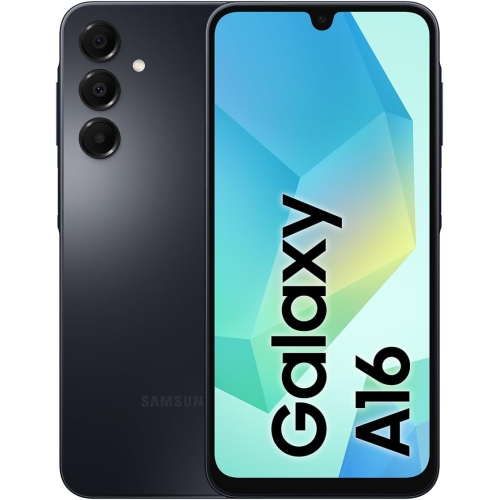
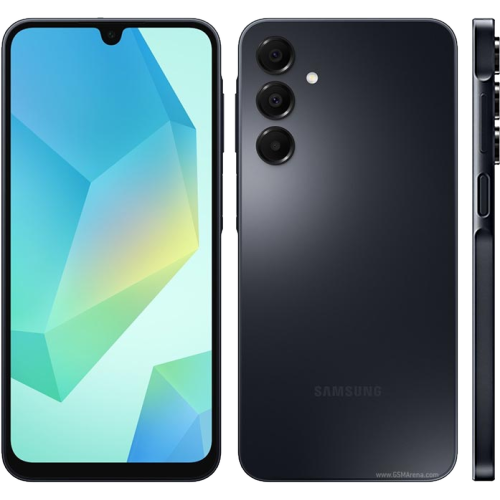
A16 128GB can refer to a smartphone with A16 in its model name or a tablet powered by an A16 processor, with 128GB describing the advertised internal storage capacity. These are different product types, so the device category matters as much as the name. A smartphone is designed around pocket-sized communication, with calling, messaging, navigation, photography, and mobile apps close at hand. A tablet provides a larger surface for reading, watching videos, reviewing documents, and using compatible keyboards or digital pens. For someone who needs a main mobile phone, cellular calling and carrier compatibility are central considerations; a larger tablet does not automatically provide the same phone service. For someone who already has a phone, a tablet can serve as a separate screen for coursework, video calls, recipes, or entertainment. The 128GB designation provides a useful starting point for either format, but it does not mean that the entire capacity is free for personal files. The operating system, preinstalled software, and system files occupy part of that space, and formatting also affects the capacity displayed in settings. Apps, downloaded shows, games, photos, and video recordings then share the remaining storage. Someone who mainly streams music and keeps documents online will use space differently from someone who saves full seasons of television or records frequent video clips. Internal storage is also different from RAM: storage holds files and apps, while RAM helps the device manage tasks in use. Memory card support is another separate feature and should be confirmed in the specifications rather than assumed from the 128GB label. Even when a device accepts a card, some apps and system files must remain in internal storage. Cloud storage can help keep files accessible across devices, although access may depend on an internet connection and the service’s settings. For a shared household device, separate profiles or account controls, where supported, can also help organize personal files and keep purchases and messages distinct.
Day-to-day comfort depends on how the screen, processor, battery, and connections work together. A larger display makes subtitles, spreadsheets, and digital textbooks easier to view, but its overall dimensions and weight also affect how comfortably the device fits in a hand, bag, or stand. For a smartphone, one-handed use and pocket fit may matter more than having the widest viewing area. For a tablet, the ability to rest it securely on a desk can make a long reading session or video call more comfortable. Resolution influences the clarity of text and images, while brightness, contrast, and viewing angles affect how easily the screen can be read in different indoor settings. Refresh rate influences the appearance of scrolling and movement, but it is only one part of the viewing experience. Processor capability and RAM matter when switching between a browser, a video call, and a document, especially if several apps need to remain active. Camera specifications deserve similar context: megapixel count alone does not describe focusing, image processing, microphone quality, or how well a camera handles movement. A clear front-facing camera and convenient camera placement can be especially useful for remote learning, family conversations, and online appointments. Battery capacity should also be considered alongside screen size, brightness, network use, and the demands of individual apps. Streaming over a mobile connection, navigating, and recording video can draw power differently from reading a downloaded book. Charging connector type, supported charging speed, and compatible power accessories are separate details worth checking. For wireless connections, Wi-Fi suits home, school, and workplace networks, while cellular service requires compatible hardware and an appropriate plan. A 5G designation does not guarantee the same experience everywhere; carrier support, network bands, coverage, and location all play a role. An unlocked phone still needs to support the intended Canadian carrier’s network, and physical SIM or eSIM requirements should match the service being used.
Construction, protection, and care help determine how well a mobile device fits into everyday routines. Glass screens, metal frames, and polymer backs each have different handling characteristics, so the material description is useful alongside the device’s weight and dimensions. A smooth back may feel comfortable yet benefit from a grippy case when used on a busy commute or passed between family members. Cases and screen protectors need to match the exact device, including its camera openings, buttons, ports, and screen shape; a shared storage capacity or similar model name does not establish accessory compatibility. Tablet keyboard cases and digital pens also require explicit compatibility, since matching connector shapes alone may not be enough. For a phone carried in a work bag or a tablet used at a kitchen counter, a protective cover and a stable stand can make daily handling easier. Water and dust resistance, when specified, should be understood according to the stated rating rather than treated as protection against every spill or accident. Routine cleaning is best done with a soft, lint-free cloth and the manufacturer’s recommended method, avoiding abrasive materials and excess moisture around openings. Security features matter just as much as physical care. A screen lock, supported biometric sign-in, device-location tools, and regular software updates can help protect messages, photos, and saved accounts. The stated software support period is particularly relevant for someone planning to keep the device for several years. As a gift, a 128GB mobile device is most useful when its size, controls, accessibility features, and operating system suit the recipient. A student may value comfortable document viewing, while a relative may prefer readable text and straightforward video calling. Existing headphones, chargers, apps, and account services can also influence the fit. Shoppers comparing phones across operating systems can also explore iPhone 16E 128GB while keeping carrier compatibility, familiar controls, and everyday storage needs in mind.
Top selling and popular products
-
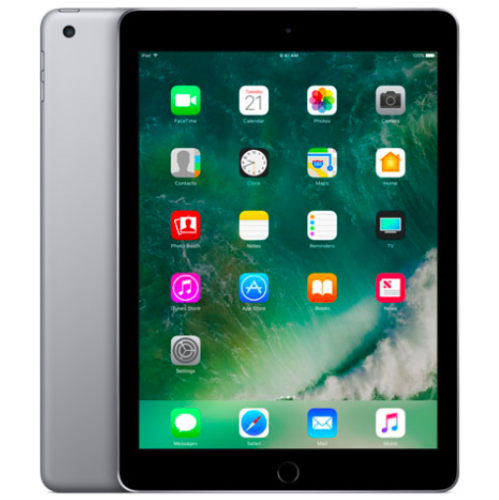 Your price for this item is $109.99
-
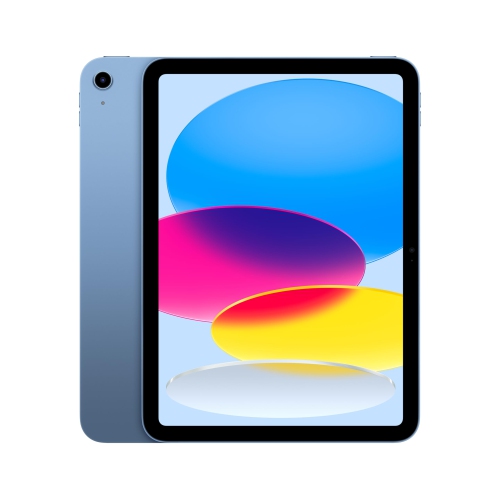 Your price for this item is $649.95
-
 Your price for this item is $759.95
-
 Your price for this item is $641.99
-
 Your price for this item is $148.99
-
 Your price for this item is $468.98
-
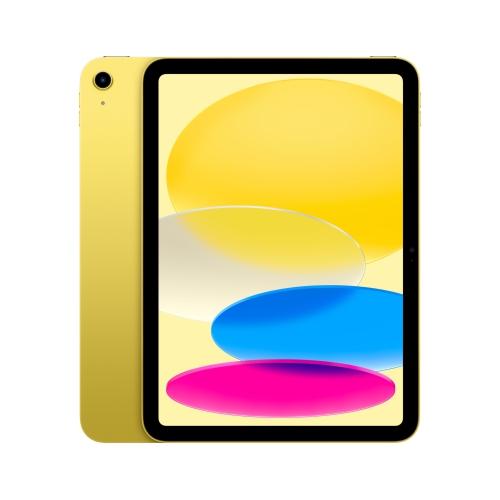 Your price for this item is $639.99
-
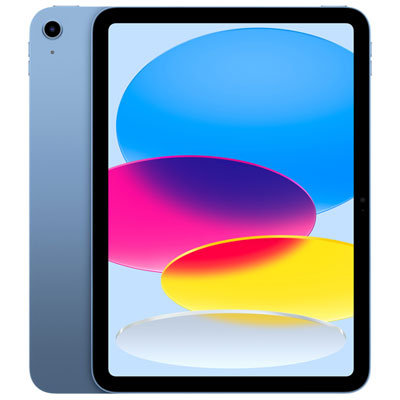 Your price for this item is $649.99
Discover more categories related to A16 128GB

Top Collections:
Pokemon Centers, Best Cameras for Sports Photography, Kindle Devices, Samsung Galaxy Phones, Canon G7X Cameras, Pokémon 30th Celebration Cards, Refurbished Apple Laptops, iPhone 15 Apple, Laptops for Students, Budget Smartphones
Some products may be subject to Environmental Handling Fees
(EHF) depending on your province.
Learn more about EHFs.