Appliance Extension Cords
Appliance Extension Cords provide a convenient solution for powering devices and appliances throughout your home or workspace. Whether you need to reach outlets behind furniture or connect multiple appliances in one area, these cords offer the flexibility to arrange your space as needed. Explore a variety of lengths and designs to find the right Appliance Extension Cords that fit your setup and help keep your electronics running smoothly.
Sort


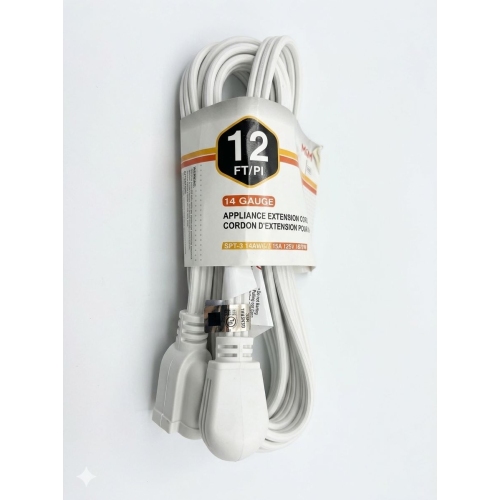
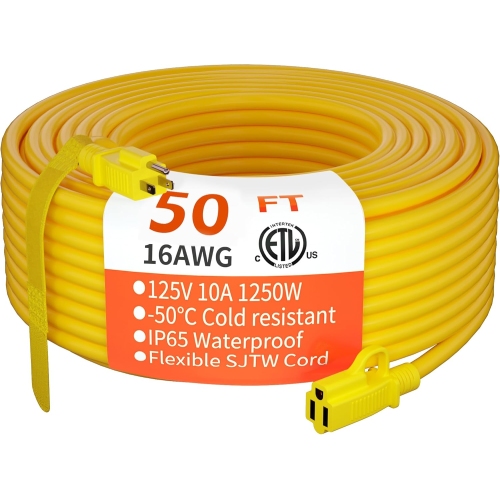

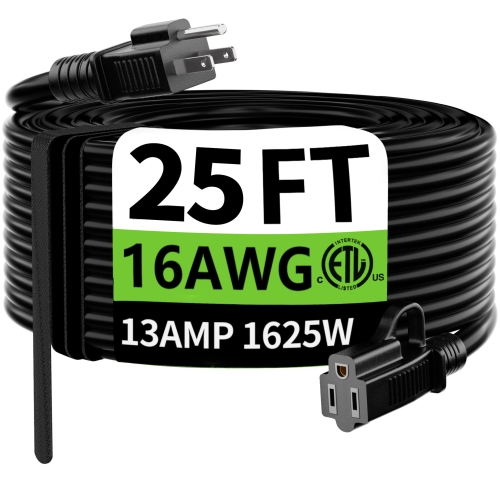

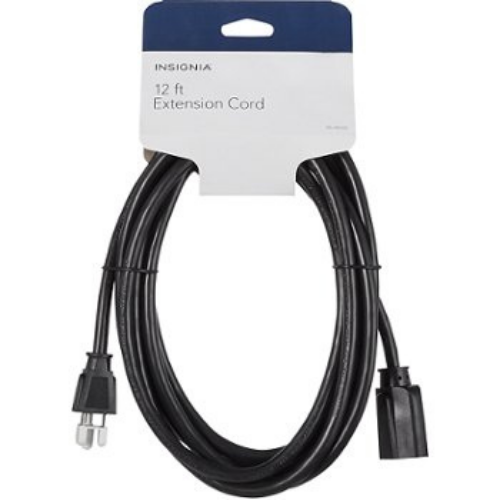








Why cord compatibility matters more than heavy-duty labels
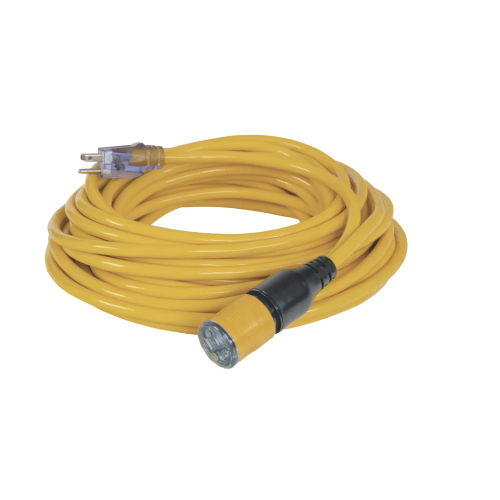
Appliance extension cords provide additional reach between a compatible appliance and an electrical outlet when the appliance manufacturer permits an extension cord. A suitable cord must match the appliance’s voltage, current draw, grounding requirements, and intended use, with an electrical rating high enough for the connected load. The appliance label and owner’s manual are more reliable than the cord’s appearance: a thick jacket or a “heavy-duty” description alone does not establish compatibility. Many major appliances need a direct connection to a properly installed wall outlet, and some require a dedicated circuit. Portable electric heaters should be connected directly to an appropriate wall outlet, not an extension cord. For equipment that allows an extension, the cord’s amperage and wattage ratings, wire gauge, length, and certification all matter. A Canadian-recognized electrical certification mark helps identify a cord evaluated to applicable safety standards, but it does not mean that the cord suits every appliance. Copper conductors carry the electrical current, while the outer jacket protects the insulated wires from everyday handling. With American Wire Gauge markings, a lower number indicates a thicker conductor; for example, a 14 AWG conductor is thicker than a 16 AWG conductor. Gauge is only part of the picture, since the completed cord assembly’s marked rating and the appliance manufacturer’s requirements still determine suitability. Longer cords also introduce more voltage drop, making the shortest practical length an important consideration rather than simply choosing extra reach. For appliances with motors, any specified starting-load requirements matter alongside normal operating demand. Grounded appliances require a compatible grounded cord with an intact grounding pin, and an adapter must not bypass that connection. Plug and connector configurations need to match without modification. Together, these details distinguish a suitable appliance extension cord from a light-duty household cord that may look convenient but is not rated for the task.
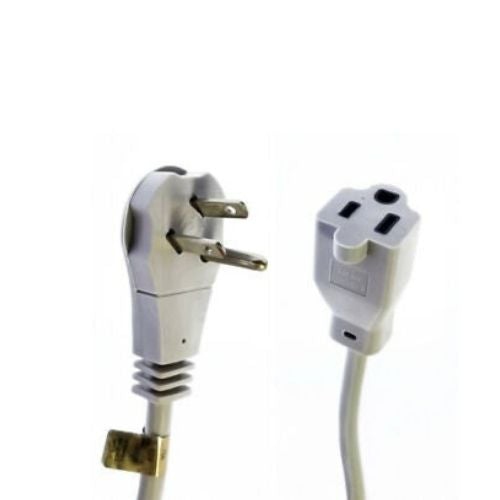
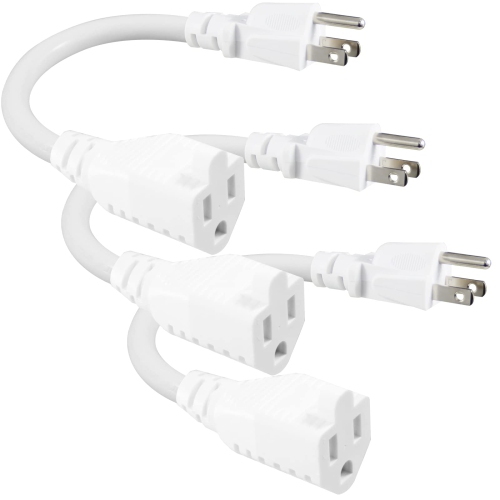
Physical fit matters just as much as electrical compatibility, particularly where an outlet sits behind a cabinet or beside a work surface. Cord length needs to account for a safe route between the outlet and appliance, rather than only the straight-line distance between them. A connection that reaches only when pulled tight can place strain on the plug, socket, and appliance cord. Too much spare length creates a different problem, leaving loops where someone can catch a foot or where a chair leg can roll over the cable. For permitted setups with a nearby outlet, Short Extension Cords can help limit unnecessary slack, provided their electrical ratings and construction meet the appliance’s requirements. A low-profile or right-angle plug may reduce how far the connection projects from the wall, but its orientation must leave enough clearance for the cable to exit naturally. It does not make a pinched cord behind an appliance acceptable. Moulded plugs and strain reliefs help support the points where the cable enters each connector, while jacket flexibility affects how easily the cord follows an open, unobstructed route. Durable insulation should remain intact through ordinary handling, without sharp bends, crushing, or abrasion against rough edges. Routing must keep the cord out from under rugs, away from doorways that can close on it, and clear of moving appliance parts. On a counter, the cable should not hang over an edge where a child could pull it or where it could snag as someone walks past. A secure connection also depends on the wall receptacle: a plug that sits loosely or repeatedly slips out points to an outlet problem, not a need to force the connection. The most practical fit leaves the cord accessible for inspection, with no tension at either end and no furniture pressing against the plugs.
Intended use and ongoing condition complete the picture. In a home, workshop, or utility area, an appliance extension cord may support a temporary arrangement only where the equipment instructions and location allow it. A household using an approved countertop appliance for an occasional task has different placement needs from someone operating compatible equipment at a workbench, even when both appliances have similar power ratings. Nearby water, sharp tools, foot traffic, and the available outlet all influence whether a particular arrangement is suitable. Indoor-only construction belongs in dry indoor locations; a rugged-looking jacket does not establish suitability for damp areas or exposure to liquids. Where ground fault circuit interrupter protection is required, adding an extension cord does not remove that requirement. A single compatible appliance connected to an appropriately rated cord is also different from several devices sharing a multi-outlet extension. Extra sockets do not increase the cord’s capacity, and connecting extension cords together is not a safe way to gain more distance. During use, a cord should remain uncoiled and uncovered so heat can dissipate. Care is straightforward but important: disconnect the cord before cleaning, keep the plug and connector dry, and follow the manufacturer’s cleaning directions. Pulling on the plug body rather than the cable helps avoid unnecessary strain. Between uses, loose coils stored in a dry place help prevent kinks and protect the connectors from damage. Cracked insulation, exposed wires, bent or missing pins, scorch marks, or a loose connector are reasons to stop using a cord and replace it, not cover the damage with tape. Unusual heat, a burning smell, or repeated breaker trips also calls for stopping use and having the cause assessed. When an appliance regularly needs more reach than its original cord provides, a qualified electrician can assess a better outlet location. An extension cord adds reach for an approved use; it does not replace suitable permanent wiring.
Top selling and popular products
-
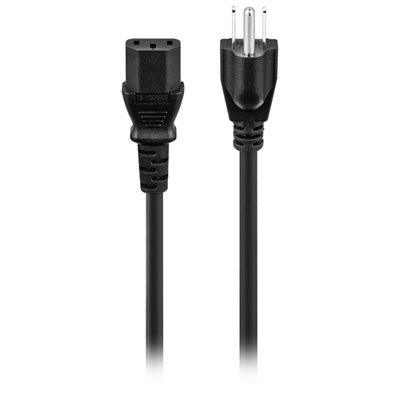 Your price for this item is $9.99
-
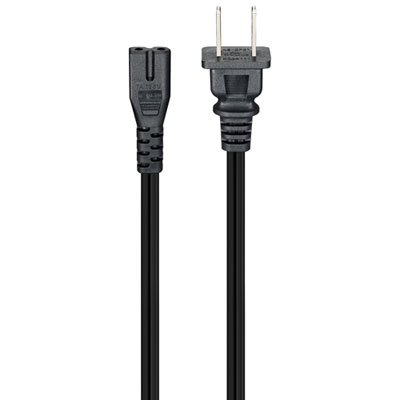 Your price for this item is $12.99
-
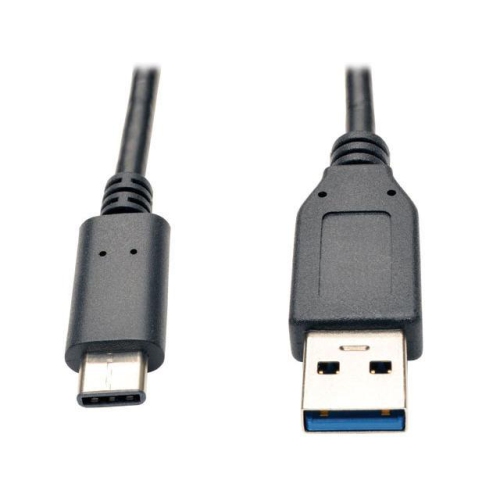 Your price for this item is $29.99
-
 Your price for this item is $10
-
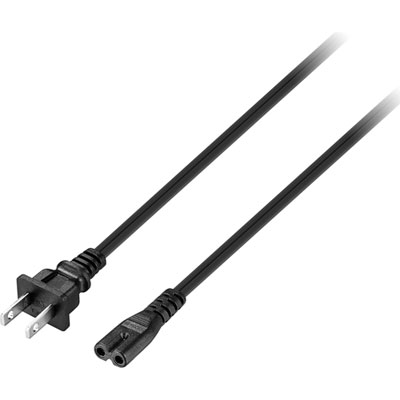 Your price for this item is $12.99
-
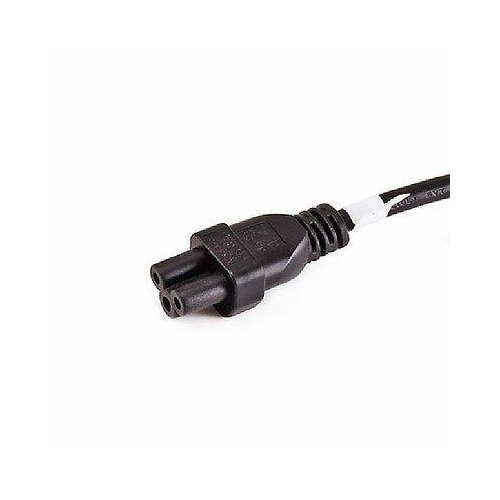 Your price for this item is $10
-
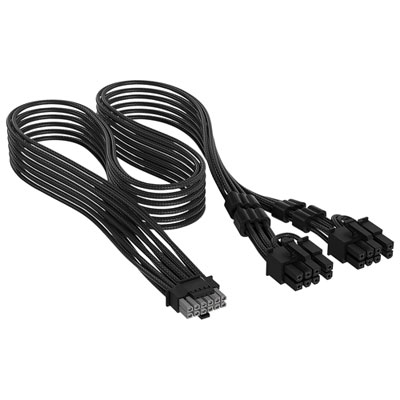 Your price for this item is $24.99
-
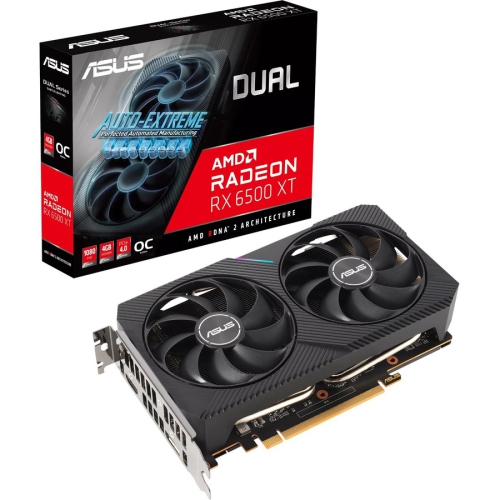 Your price for this item is $518.68
Discover more categories related to Appliance Extension Cords
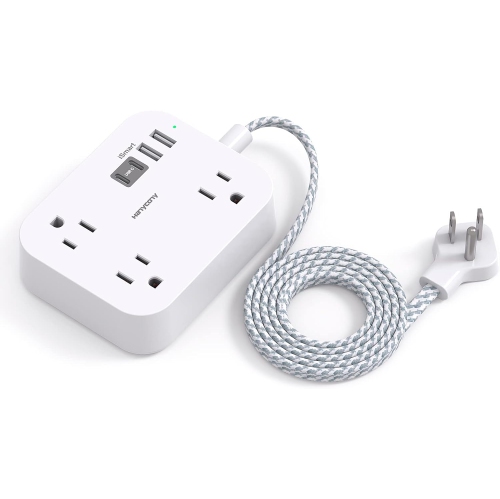
Top Collections:
Pokemon Centers, Best Cameras for Sports Photography, Kindle Devices, Samsung Galaxy Phones, Canon G7X Cameras, Pokémon 30th Celebration Cards, Refurbished Apple Laptops, iPhone 15 Apple, Laptops for Students, Budget Smartphones
Some products may be subject to Environmental Handling Fees
(EHF) depending on your province.
Learn more about EHFs.