Auto Power Antennas
Upgrade your car's audio system with our selection of auto power antennas. Designed to provide better signal reception and enhance the overall listening experience, these antennas are a must-have for any car enthusiast. Whether you're cruising down the highway or stuck in traffic, our auto power antennas ensure that you never miss a beat. With easy installation and compatibility with a wide range of vehicles, finding the perfect antenna for your car has never been easier. Explore our collection today and take your car audio to new heights.
Sort
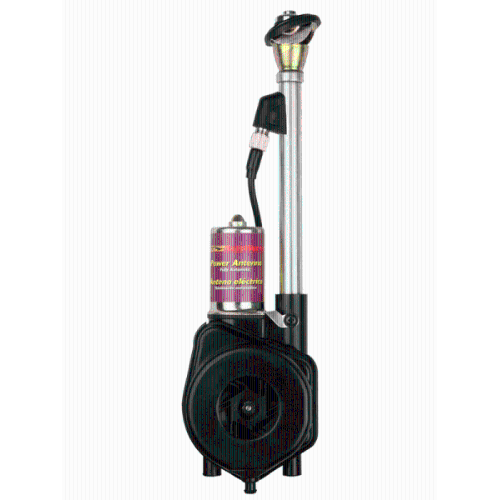
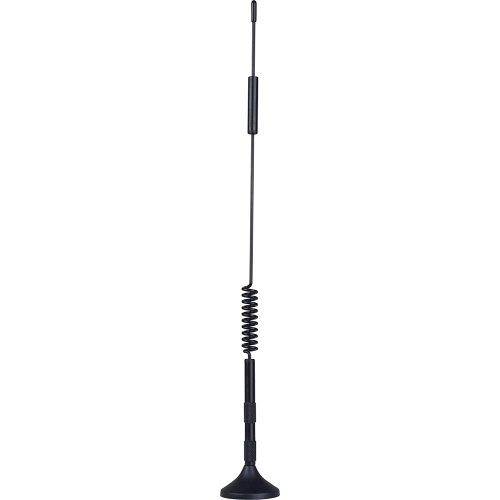


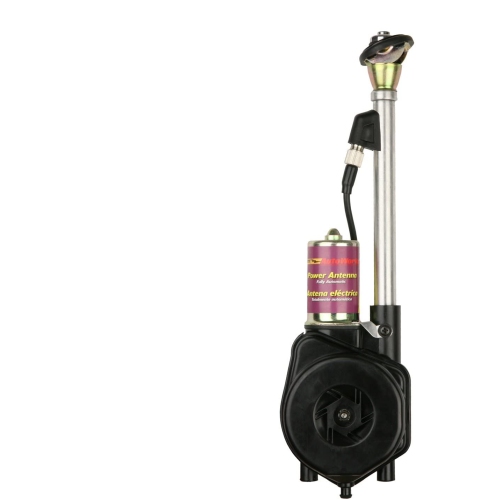
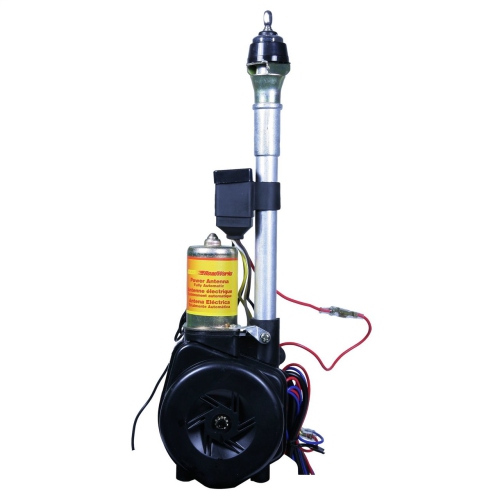





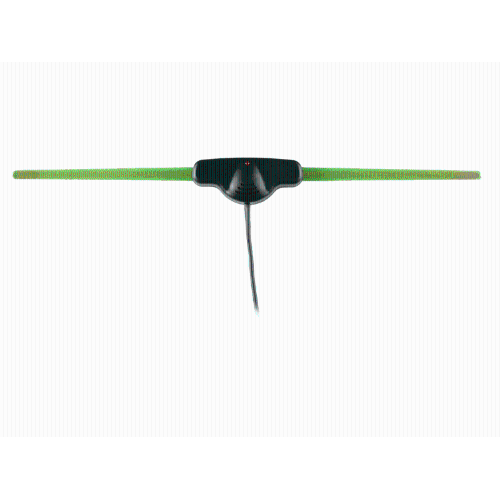
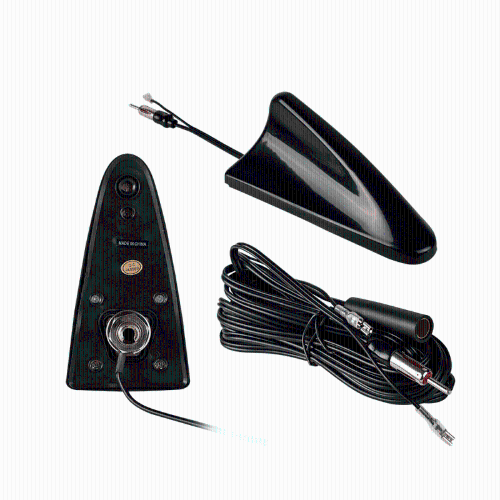




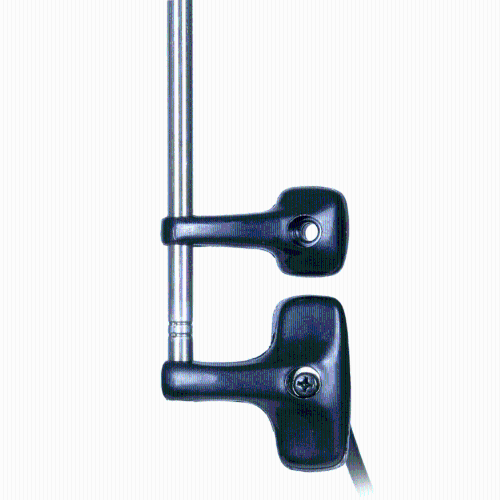
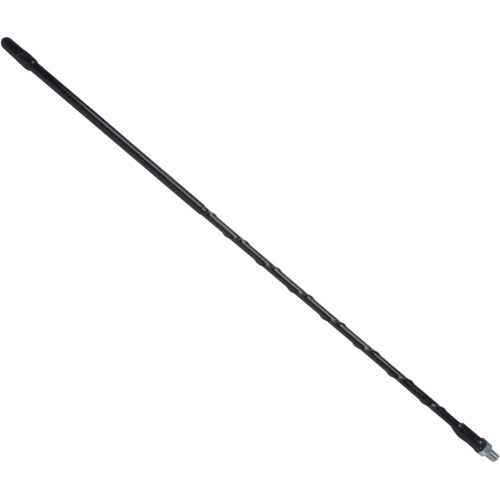
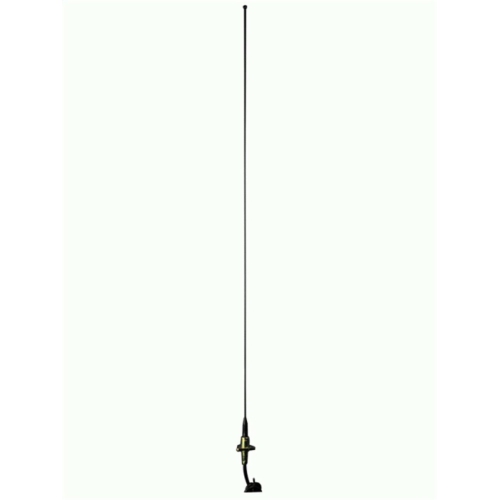

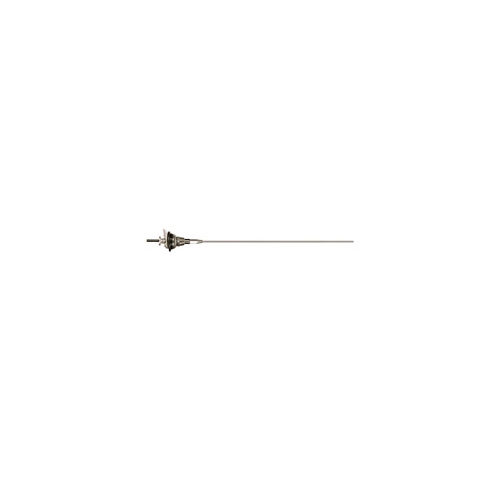
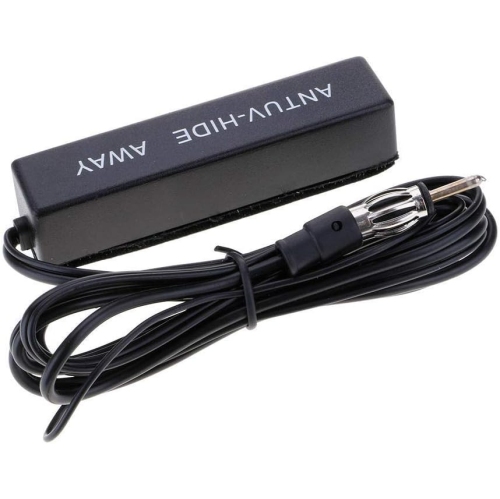


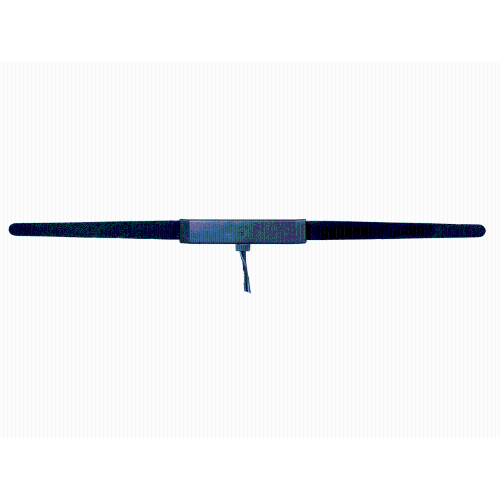

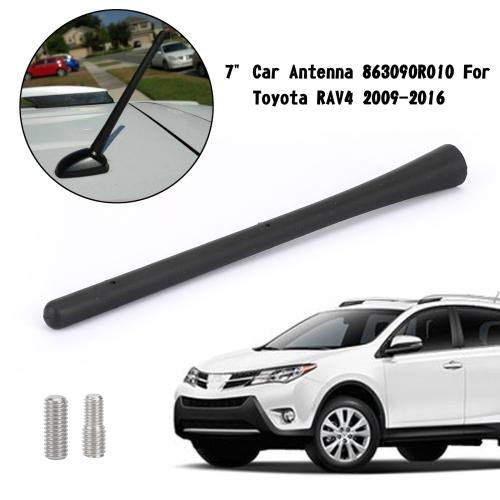
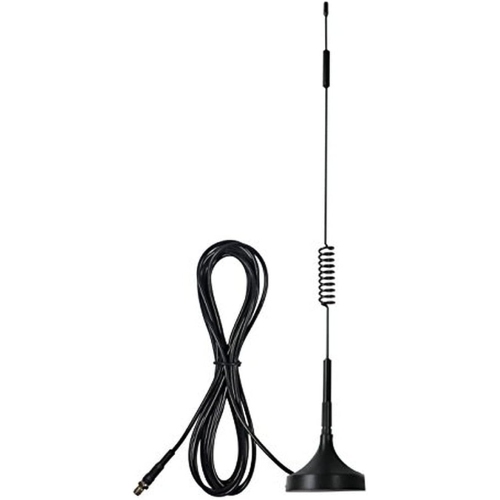
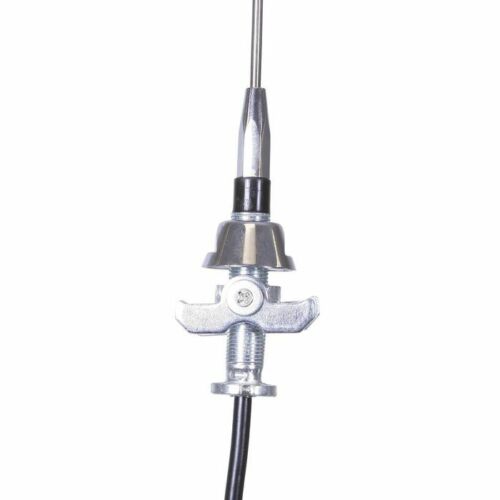


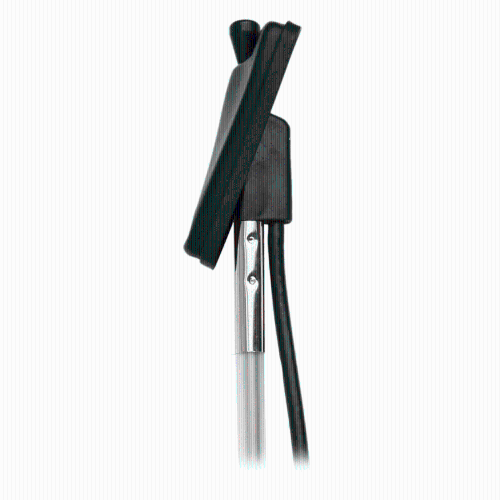

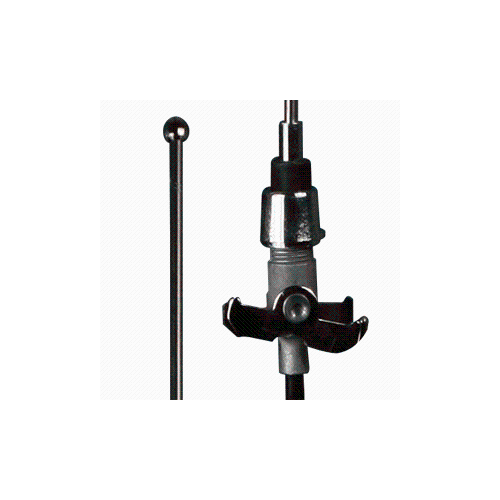
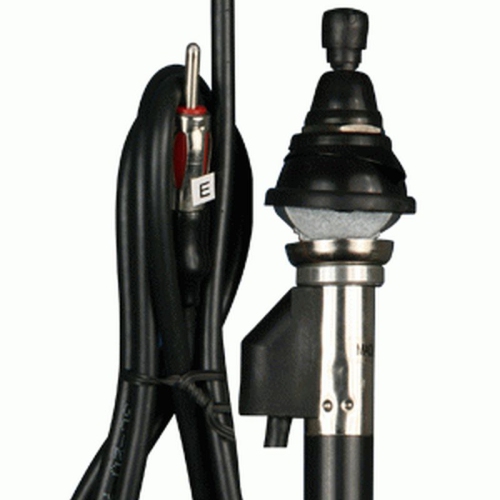

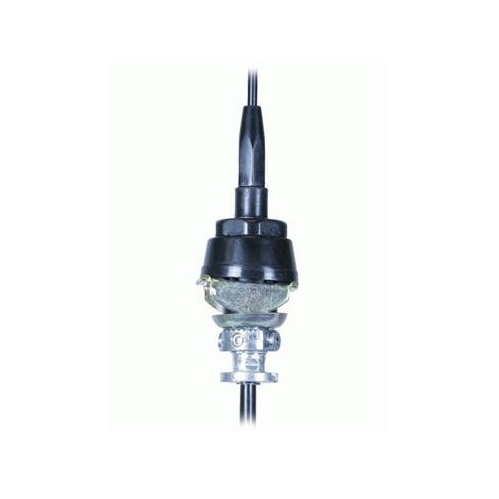
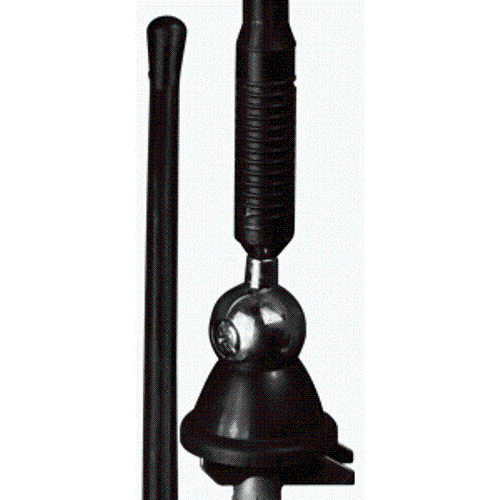

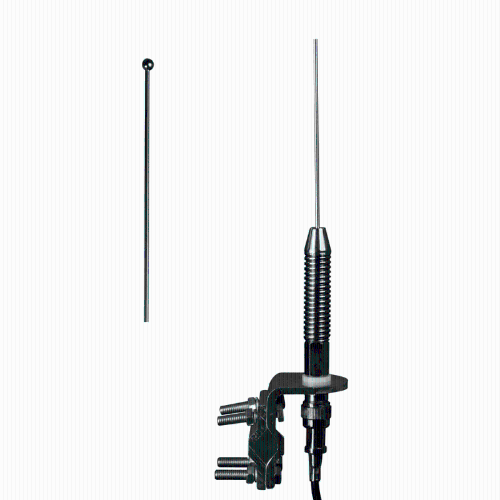

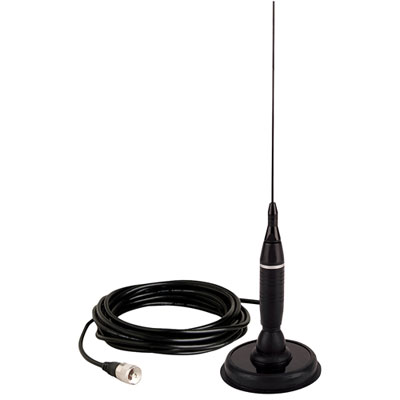
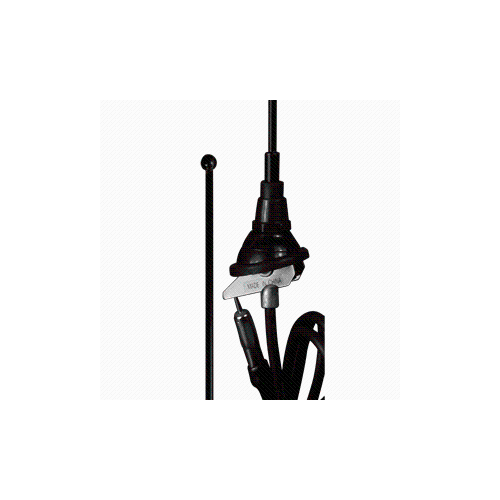







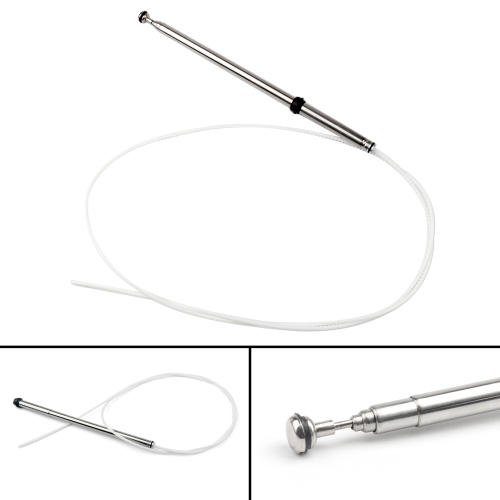
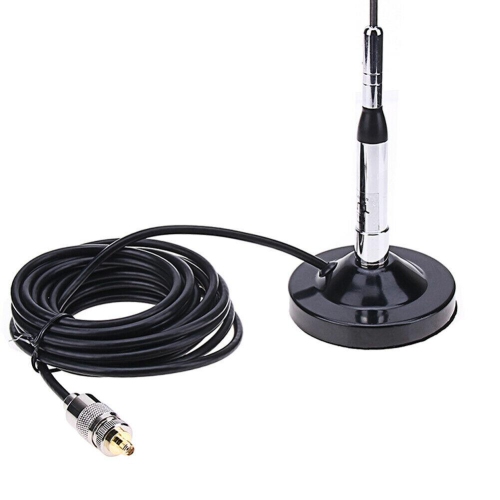
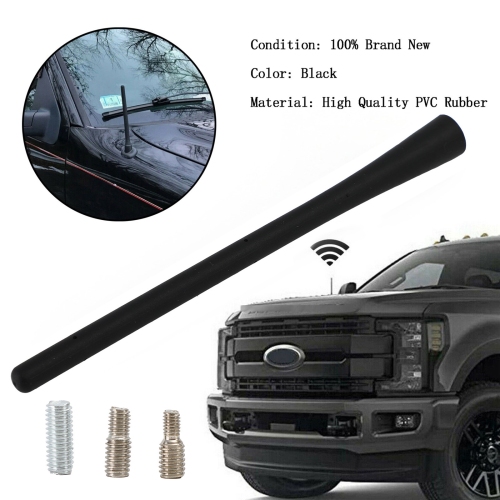
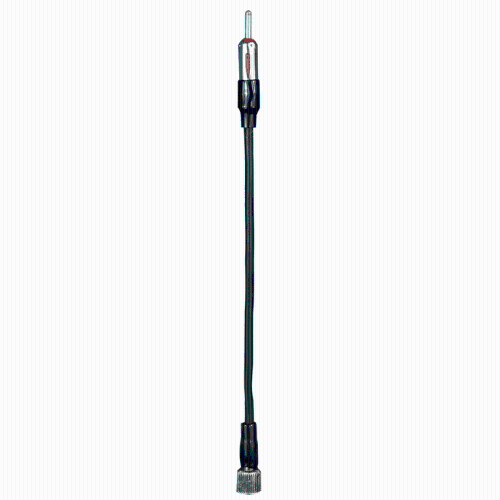
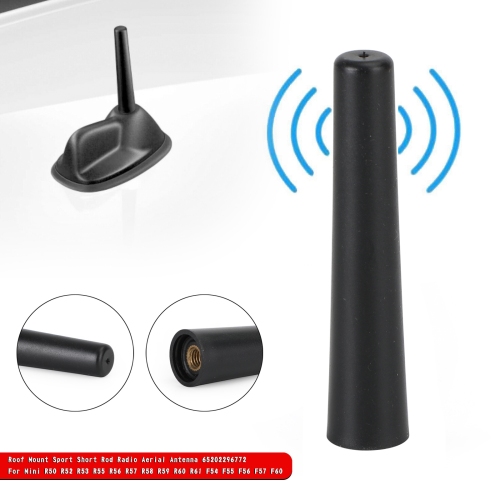

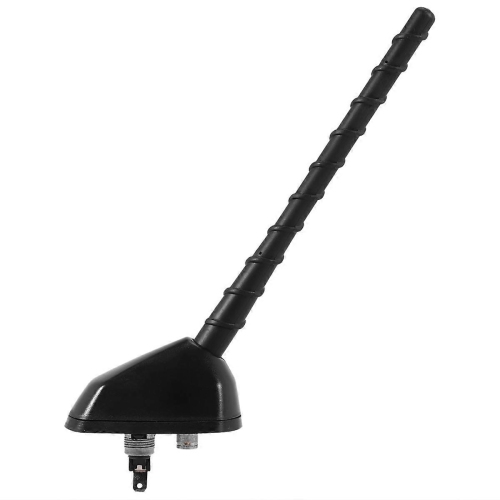
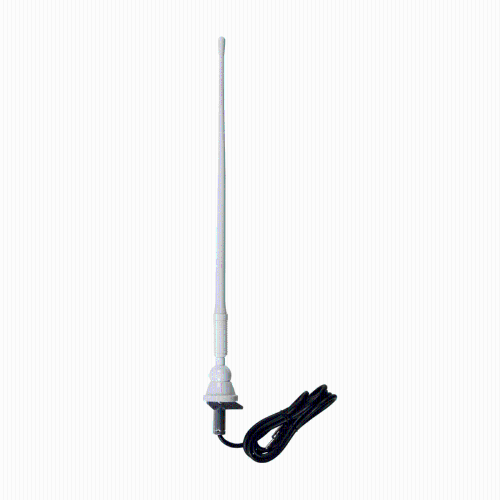


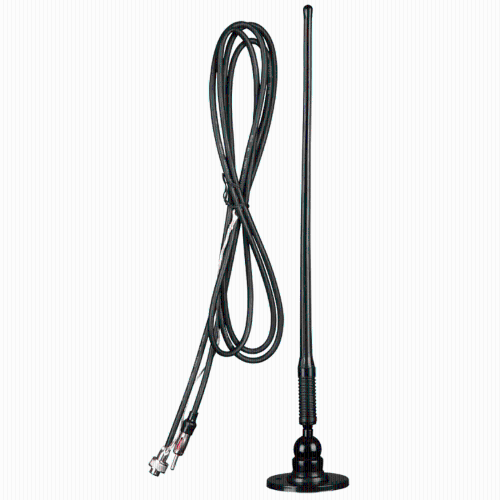


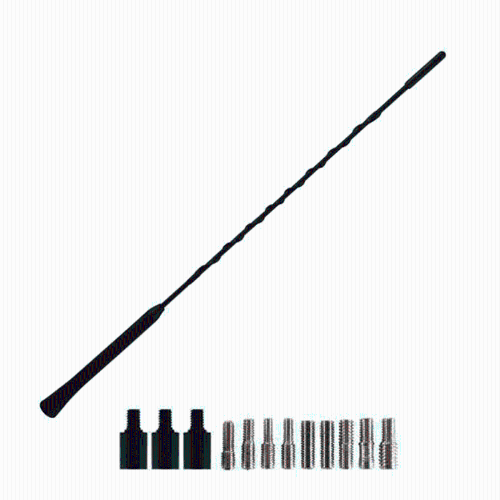
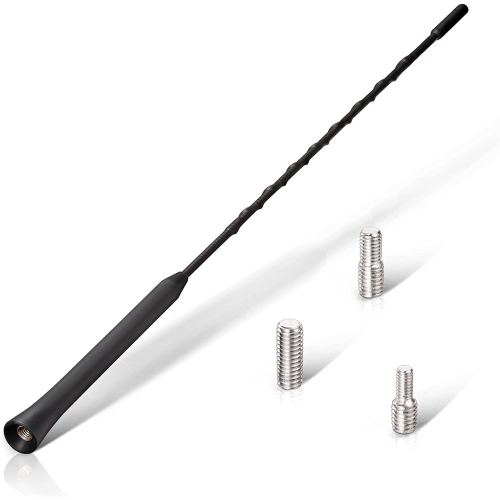

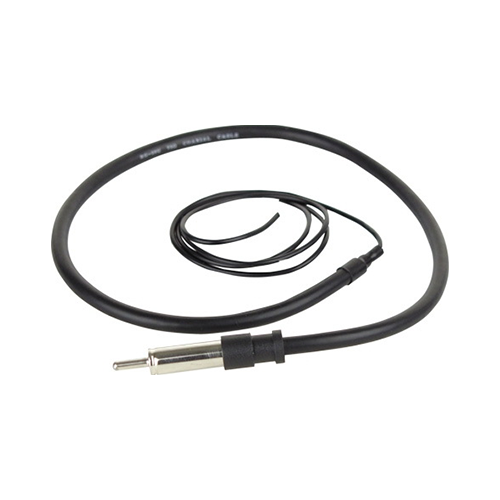

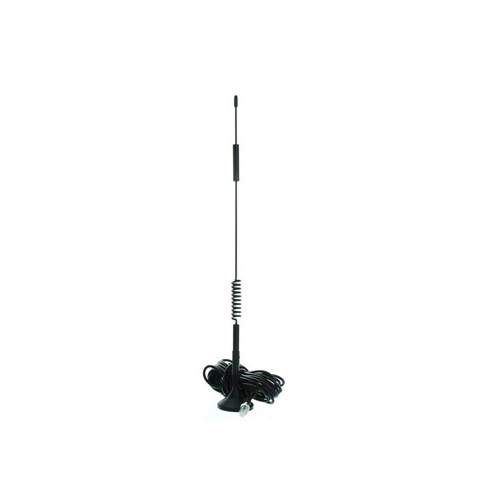




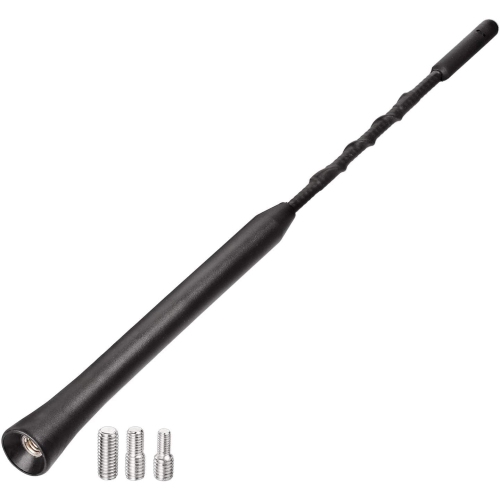
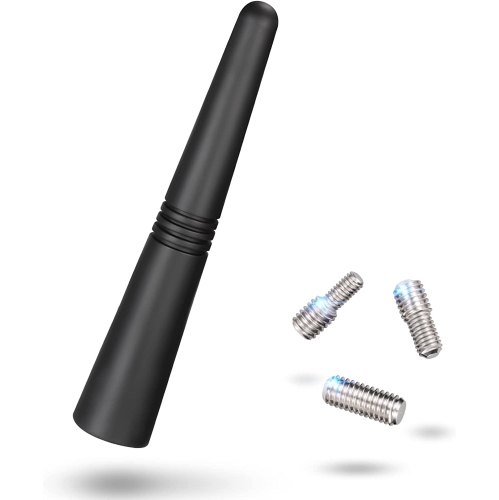
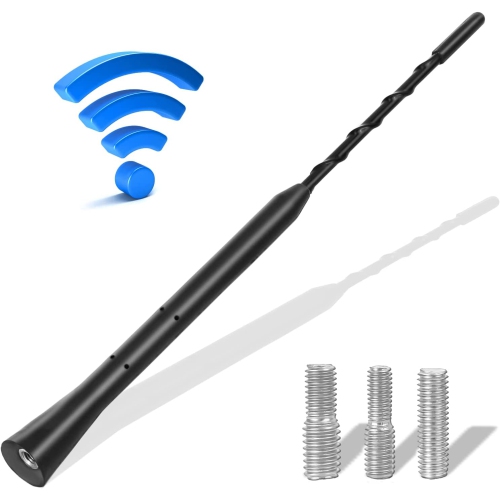

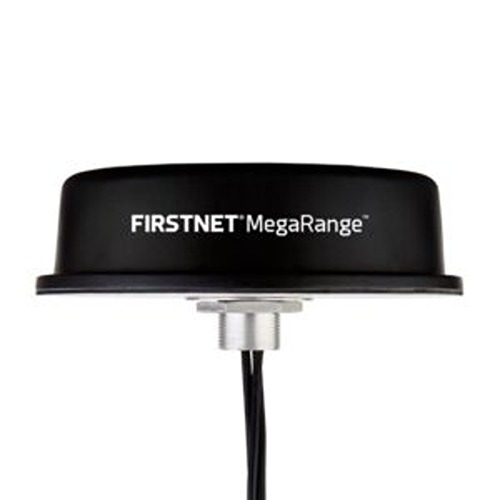
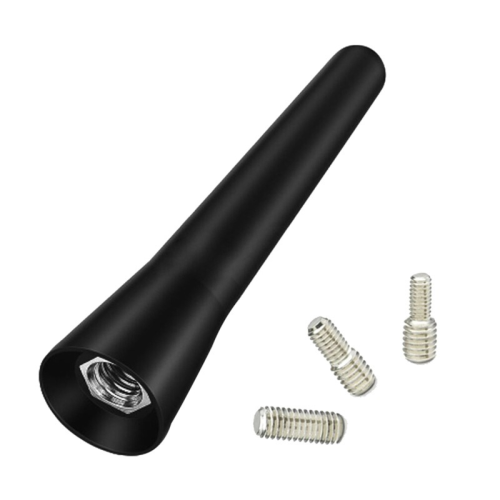
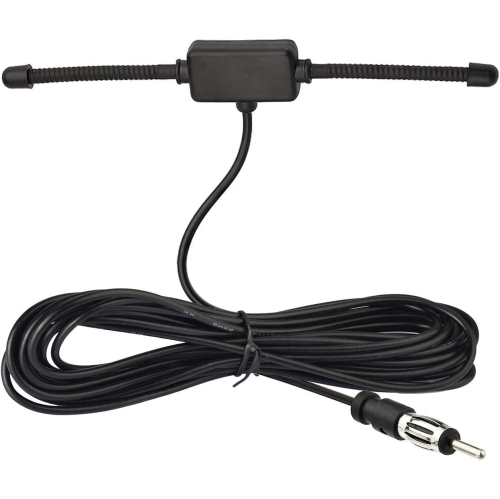
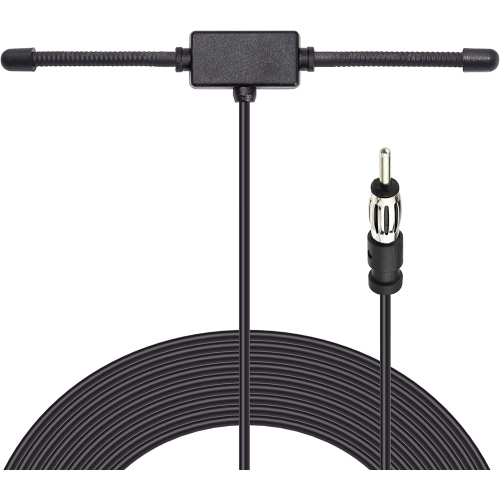


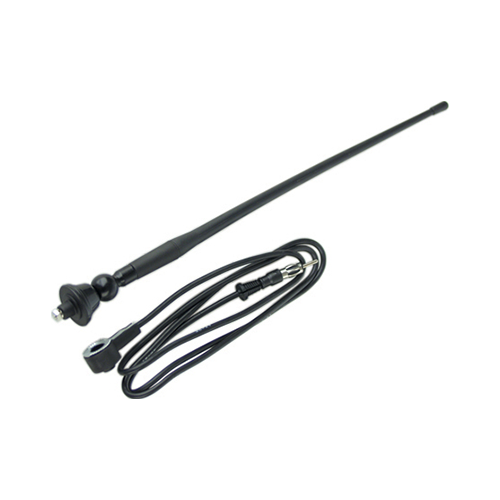
How fit, wiring, and repairs affect antenna performance
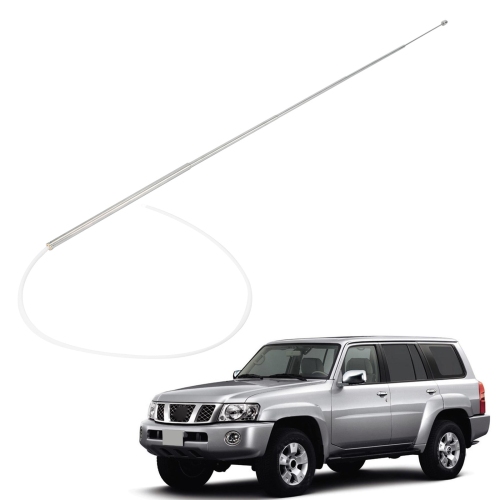
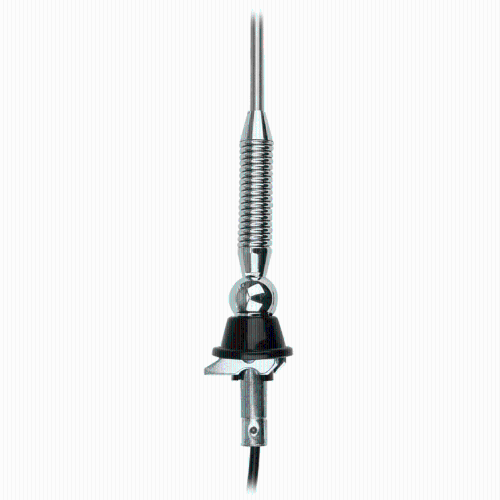
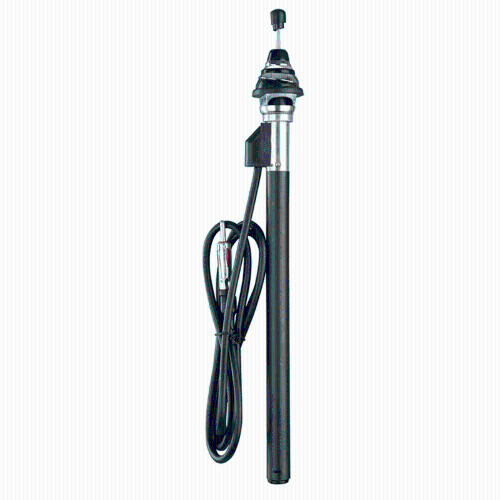
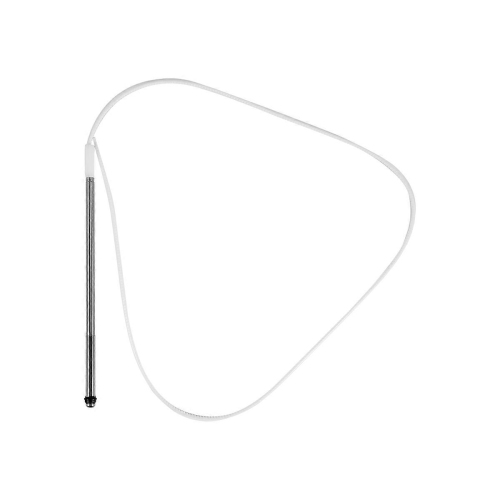
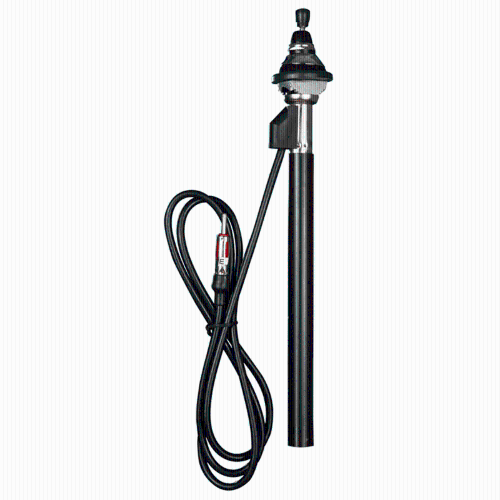
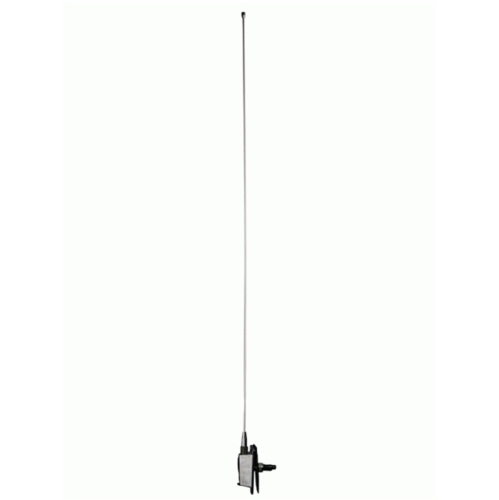
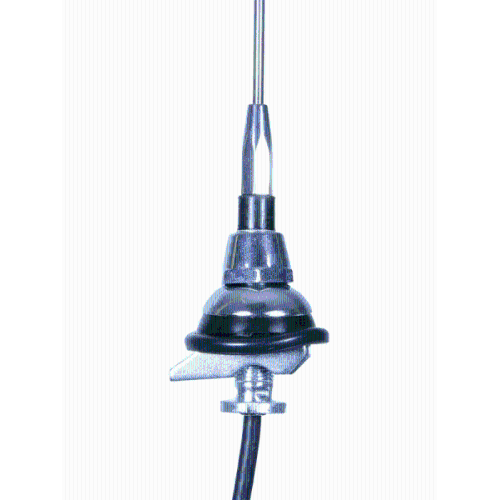
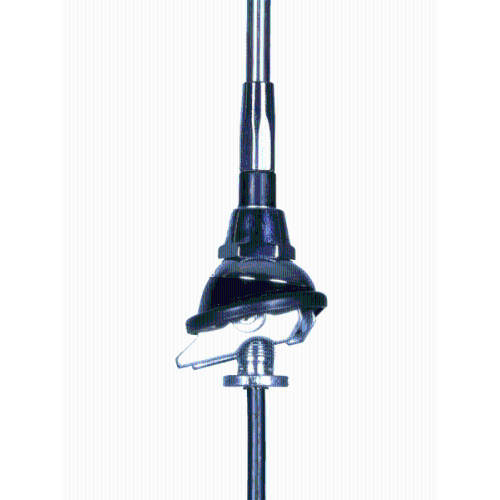
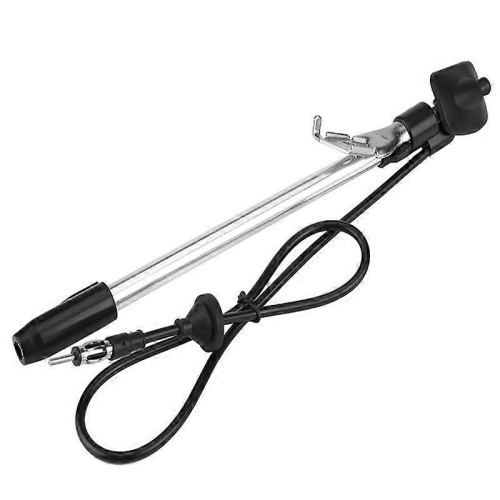
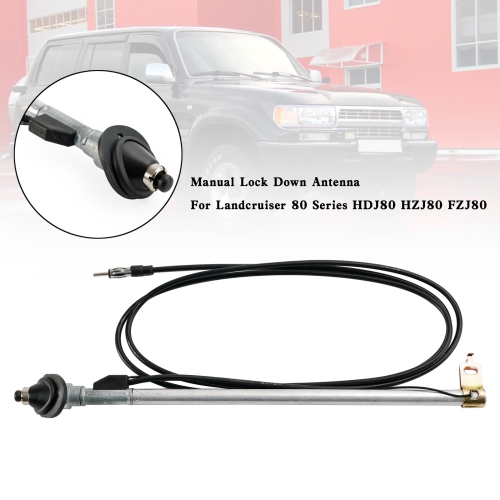
Auto power antennas are motorized car radio aerials designed to extend when the vehicle’s radio is switched on and retract when the radio is turned off. They offer a clean, convenient way to restore AM/FM reception while helping the antenna sit flush against the fender or body when it is not in use. This makes them a practical choice for drivers repairing an older vehicle, upgrading a damaged factory antenna, or bringing a classic car back to its original appearance. A typical assembly includes a telescoping metal mast, a small 12-volt electric motor, an internal flexible nylon drive cable, mounting hardware, and wiring for power, ground, and the radio’s antenna-control signal. When the radio sends a 12-volt trigger through its power-antenna lead, the motor raises the mast; when that signal stops, the mast retracts. The operation is subtle, but it can make a noticeable difference when loading groceries, washing the vehicle, pulling into a garage, or parking beneath a low overhang. Many drivers also appreciate the visual movement because it preserves the familiar character of older vehicles, especially classic sedans, coupes, trucks, and cars fitted with aftermarket stereos. Auto power antennas may be selected as a repair part, a restoration component, or a thoughtful gift for someone who enjoys maintaining a vintage vehicle. They can be especially useful before a long drive during the warmer part of the year, when a dependable radio signal adds news, weather, sports, and entertainment to the journey, and during cooler months when a working antenna helps make time spent warming up the vehicle more comfortable.
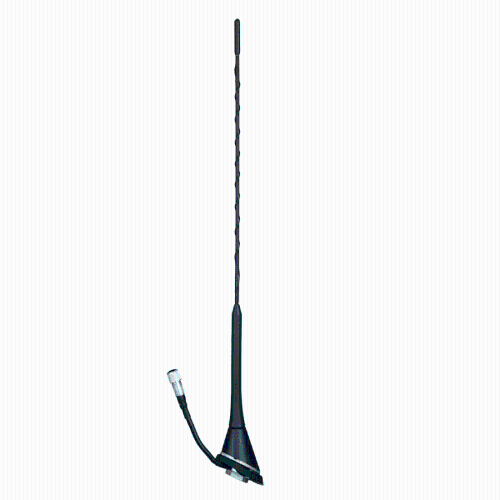
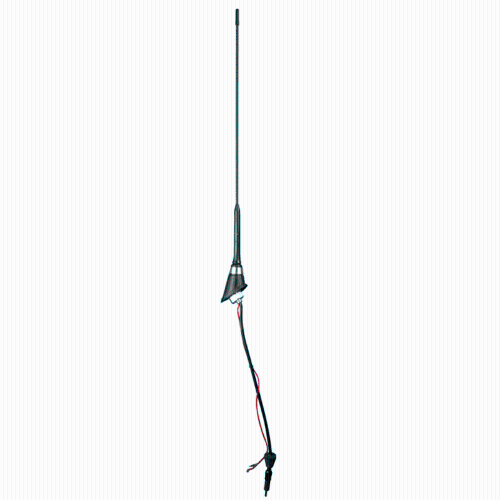
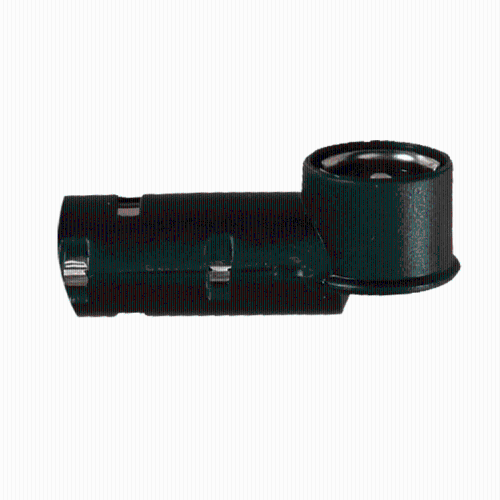
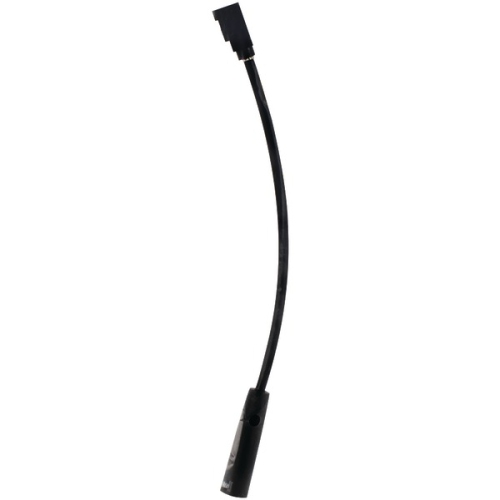
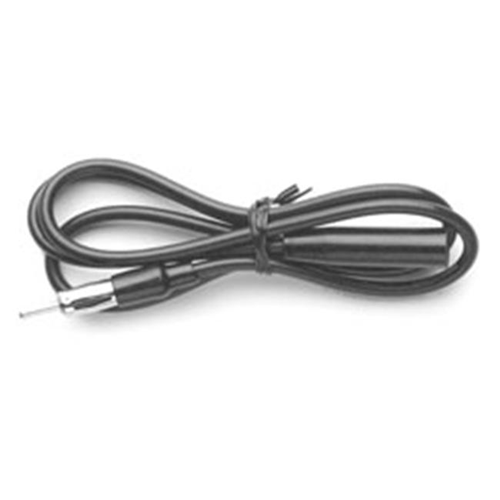
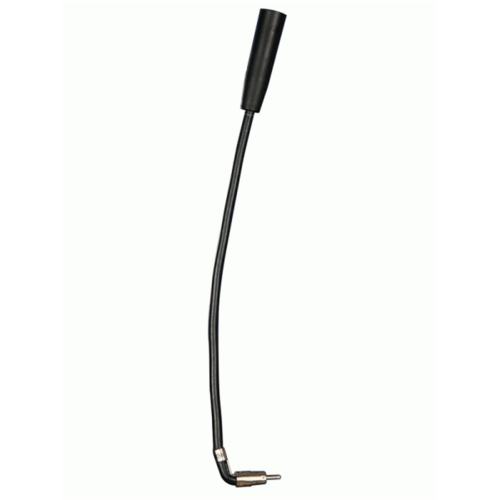
Choosing the right auto power antenna starts with confirming the vehicle’s year, make, model, body style, original antenna location, and the shape of the mounting area. Direct-fit assemblies are designed around particular factory configurations, while universal units can accommodate a wider range of vehicles but may require careful selection of the mounting angle, mast length, bezel, cable routing, and available space inside the fender. Measure the clearance beneath the mounting point before ordering; many motorized assemblies require roughly 8 to 11 inches of under-fender depth, although the exact requirement varies by design. The angle of the base is also important because an antenna intended for a flat mounting surface may not sit correctly on a sloped fender. Check whether the vehicle uses a standard power-antenna connection or needs an adapter, and confirm that the stereo has a dedicated antenna-control or remote-output wire. Some factory and aftermarket radios provide this signal automatically, while others may need wiring changes for proper operation. If the radio has been replaced, the original antenna plug may not match the new head unit. In that situation, Auto Radio Antenna Adapters can help bridge differences between vehicle wiring and radio connections, depending on the application. It is also worth checking whether the assembly is intended for AM/FM reception, whether the mast is stainless steel or another corrosion-resistant metal, and whether replacement parts are available. A flexible cable and sealed motor housing can be valuable where the antenna is exposed to rain, road spray, dust, and changing temperatures. Installation may involve removing an inner fender liner or trim panel, routing the drain and wiring, attaching the mast to the body, and connecting the constant 12-volt supply, chassis ground, and radio-trigger wire. Disconnecting the vehicle battery before beginning electrical work is a sensible precaution, and professional installation may be preferable when access is tight or the wiring is unfamiliar.
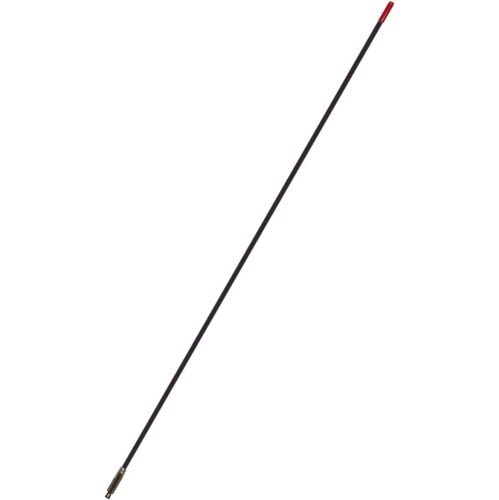
A complete motor assembly is not always necessary when an antenna stops working. If the motor can be heard humming but the mast remains in place, the internal notched nylon drive cable may be worn or stripped, allowing a replacement mast to solve the problem without replacing the motor and housing. If there is no sound at all, inspect the fuse, ground, wiring, radio trigger, and connector before assuming the motor has failed. A mast that bends, sticks, or retracts unevenly may indicate dirt, ice, impact damage, or worn internal parts. Keeping the exposed sections clean and avoiding manual force can help reduce stress on the drive mechanism; never push down on a powered mast while it is extending or retracting. Drivers who need to protect the antenna from branches, car washes, tight parking spaces, or limited fender clearance may consider whether a concealed amplified antenna is more suitable, although that option does not provide the same extending-and-retracting appearance as a motorized unit. For a straightforward replacement, compare the old assembly with the new one by mast height, mounting diameter, base angle, cable length, connector style, and motor orientation rather than relying on a general description such as “universal.” A suitable auto power antenna should match both the physical space and the radio system, allowing the mast to rise smoothly, retract fully, and remain secure while the vehicle is moving. With the right fit and wiring, it can restore clear radio reception and add a satisfying touch of automatic function to a daily driver, weekend cruiser, restoration project, or vehicle used for scenic road trips during the warmer and cooler seasons alike.
Top selling and popular products
-
 Your price for this item is $42.08
-
 Your price for this item is $53.66
-
 Your price for this item is $30.4
-
 Your price for this item is $169.99
-
 Your price for this item is $31.58
-
 Your price for this item is $34.72
-
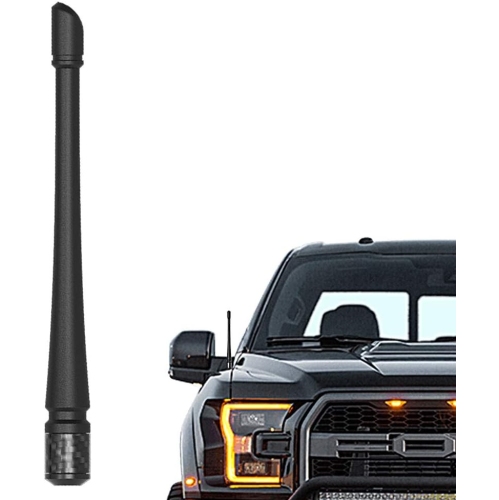 Your price for this item is $32.99
-
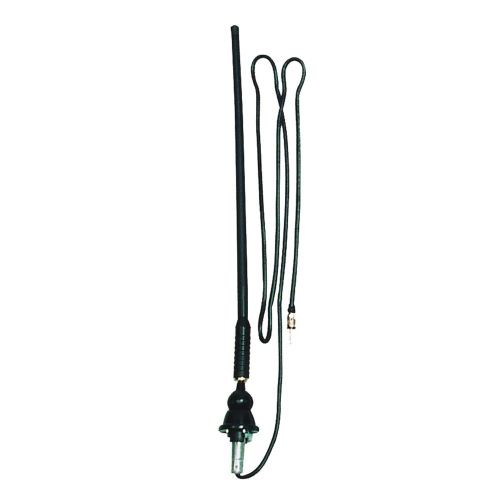 Your price for this item is $43.59
Discover more categories related to Auto Power Antennas
Top Collections:
Best Black Friday Deals This Year, Best Black Friday Deals On Electronics, Kindle Devices, Pokemon Centers, Best Black Friday Deals On Apple Products, Best Cameras for Sports Photography, Dyson Airwrap, Pokémon 30th Celebration Cards, Apple iPhone 17 Pro, Canon G7X Cameras
Some products may be subject to Environmental Handling Fees
(EHF) depending on your province.
Learn more about EHFs.