Back To School 144Hz Monitors
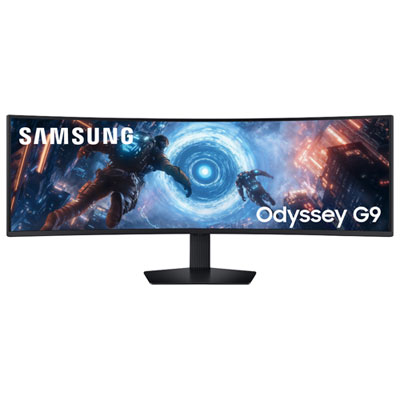
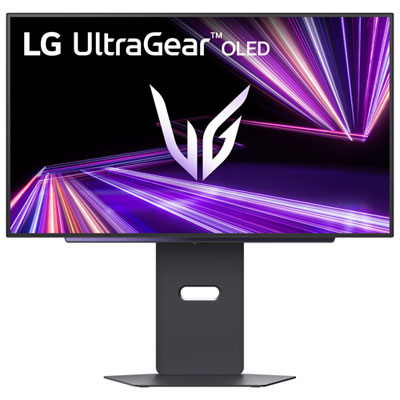
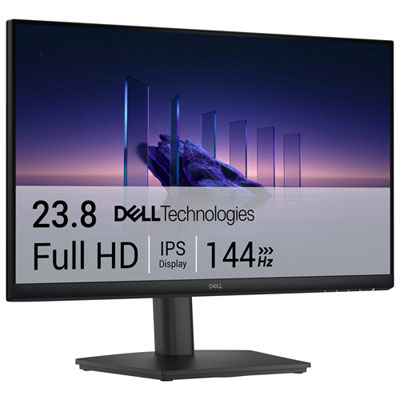
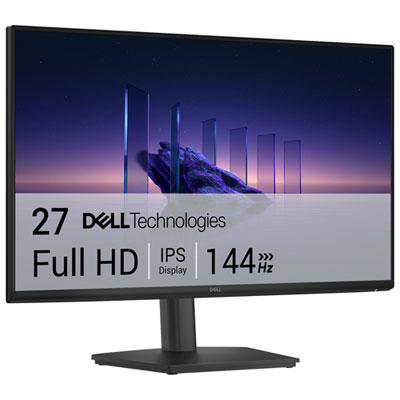
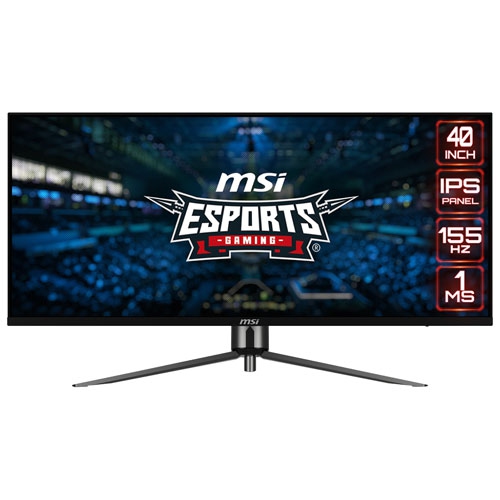
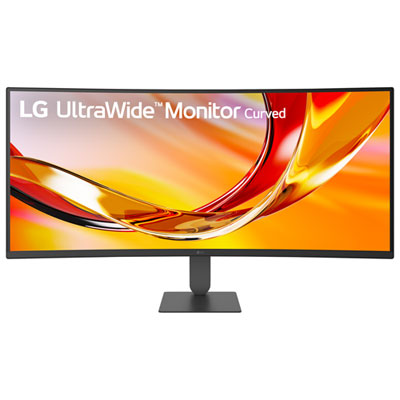
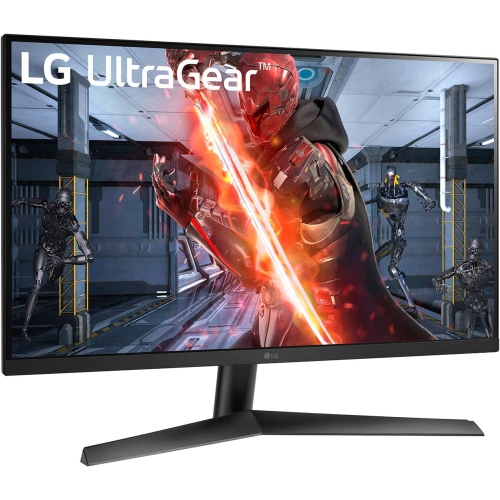
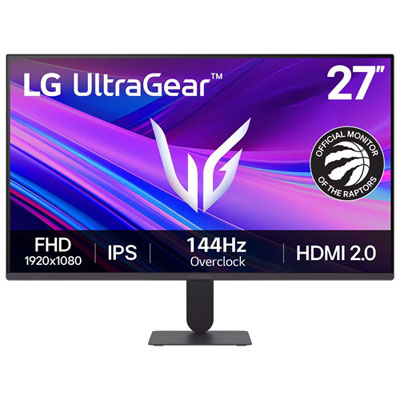
Find back-to-school 144Hz monitors for a study setup that doubles as a gaming space. A 144Hz refresh rate can make on-screen motion look smoother than on a standard 60Hz display. Compare screen size, resolution and available connections to choose a monitor that fits your desk and works with your laptop or desktop.
FAQ
A 144Hz refresh rate means the monitor can refresh its image 144 times per second. Refresh rate is different from frame rate, which is the number of frames your computer produces each second. The refresh rates available depend on your computer, connection and display settings.
Many laptops can connect to a 144Hz monitor through HDMI, DisplayPort or a USB-C port that supports video output. Check the laptop’s display specifications and the monitor’s supported connections to confirm whether 144Hz is available at your chosen resolution. Any adapter or docking station must also support that combination.
Resolution describes the number of pixels in the display image, while refresh rate describes how often that image updates. Common resolutions for 144Hz monitors include Full HD, QHD and 4K. Your computer’s graphics hardware and display connection determine which resolution and refresh-rate combinations you can select.
Connect the monitor, open your operating system’s display settings and select the external display. Look for the refresh-rate menu and choose 144Hz if it appears. If it is not listed, check the monitor’s input settings, cable specifications, graphics drivers and your computer’s supported display modes.
Consider the connections and controls you want for your school setup. Features may include a USB hub for peripherals, built-in speakers, a headphone output and a stand with height, tilt or pivot adjustments. Some USB-C monitors also support laptop charging, but video support and power delivery vary by model.
Top selling and popular products
Discover more categories related to Back To School 144Hz Monitors
Some products may be subject to Environmental Handling Fees (EHF) depending on your province. Learn more about EHFs.