Back To School High Refresh Rate Monitors
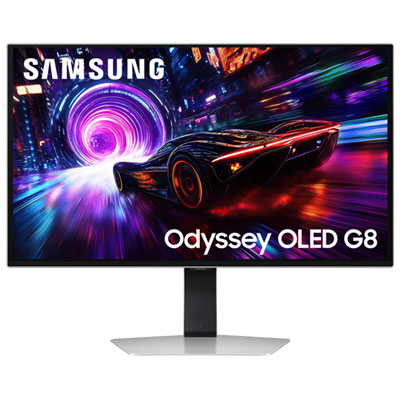
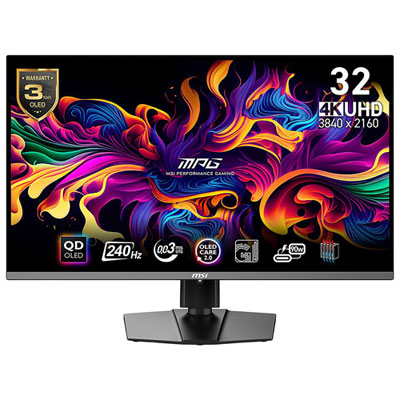
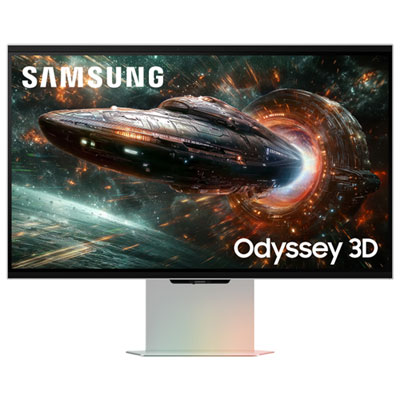
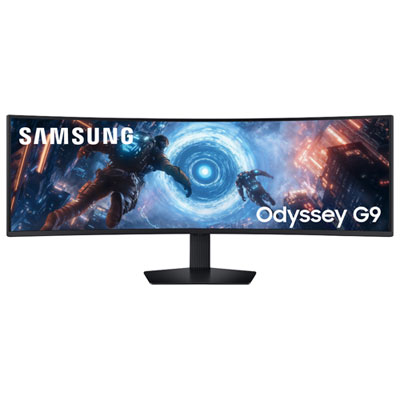
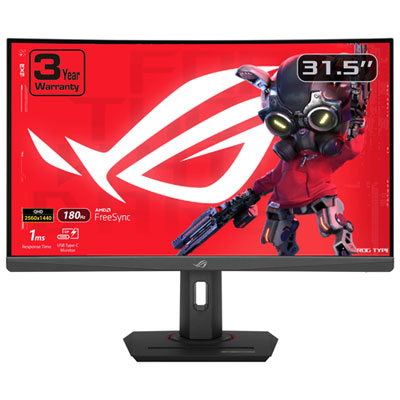
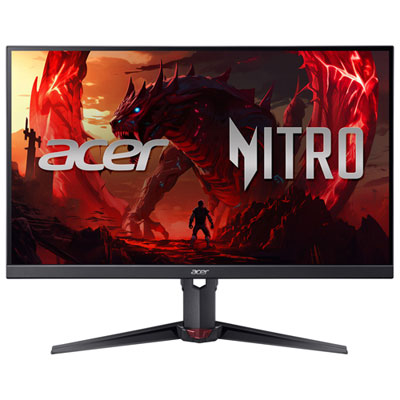
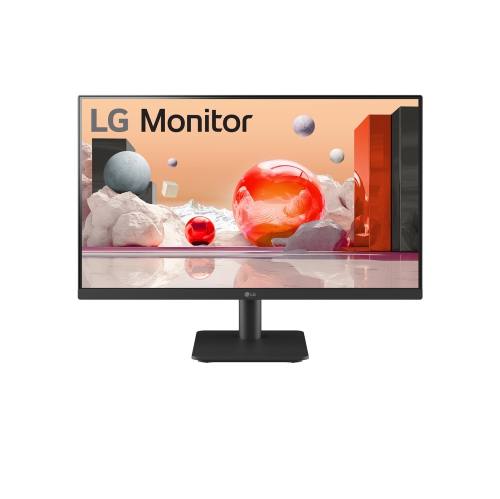
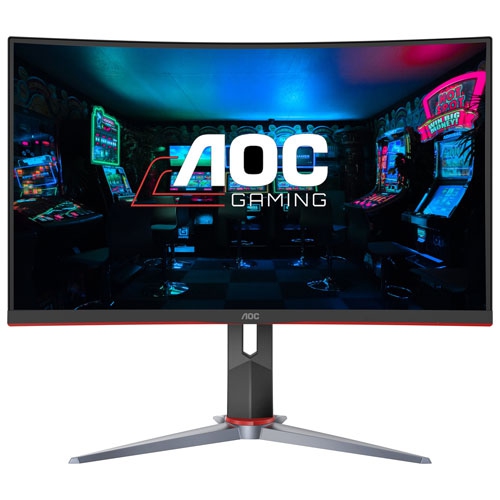
Find high refresh rate monitors for back to school that offer smoother on-screen motion for everyday coursework and gaming between classes. Compare screen sizes, resolutions, refresh rates, and connection options to choose a monitor that fits your desk and works with your laptop or desktop.

FAQ
Refresh rate is the number of times a monitor updates its image each second, measured in hertz (Hz). High refresh rate monitors commonly offer 120Hz, 144Hz, 165Hz or higher. Refresh rate is separate from resolution, which describes the number of pixels on the screen.
Check your laptop’s supported external display resolutions and refresh rates, along with its video ports. The laptop, monitor and cable must all support your chosen display mode. If you use a dock or adapter, check its display specifications as well.
Common connections include HDMI and DisplayPort. Some monitors also accept video over USB-C when the laptop supports DisplayPort Alt Mode or a compatible Thunderbolt connection. Supported refresh rates depend on the port version, resolution and cable, so check the specifications for each device.
Adaptive sync is a feature that lets a monitor vary its refresh rate to match the frame output of a compatible graphics processor. AMD FreeSync and NVIDIA G-SYNC are common technologies associated with variable refresh rates. Support depends on the monitor, graphics hardware and connection used.
On Windows, open Settings, select System, then Display and Advanced display to choose an available refresh rate. On macOS, open System Settings, select Displays and look for the refresh rate option on a supported display. Available options depend on your computer, connection and selected resolution.
Top selling and popular products
Discover more categories related to Back To School High Refresh Rate Monitors
Some products may be subject to Environmental Handling Fees (EHF) depending on your province. Learn more about EHFs.