Back To School Professional Photo Printers
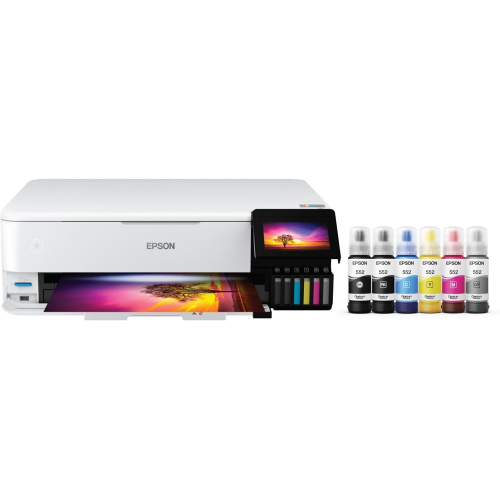
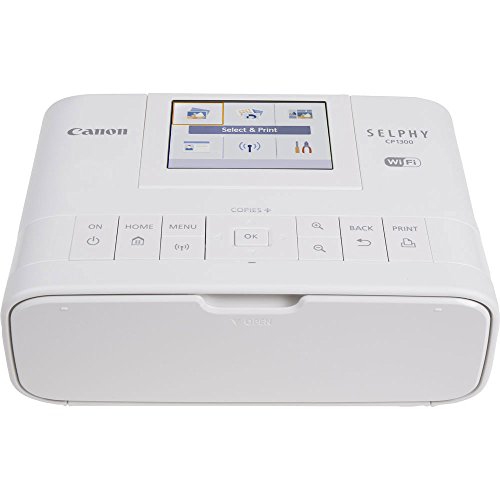
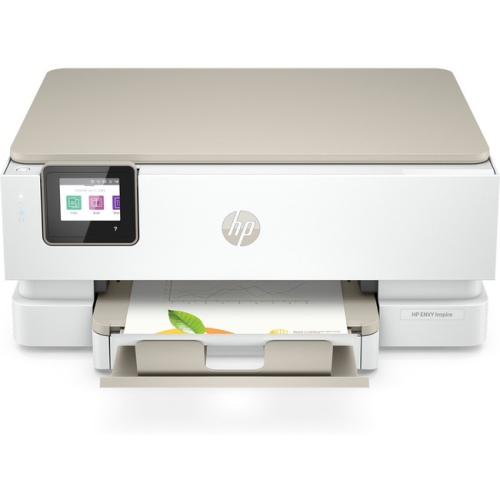
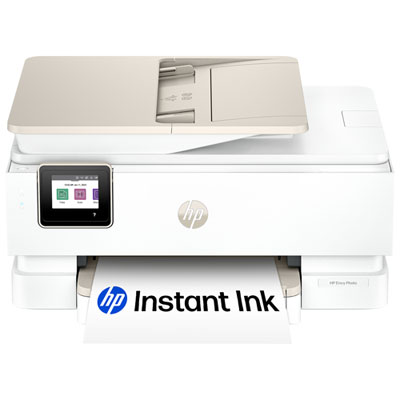
Find back-to-school professional photo printers for photography coursework, design projects, and printed portfolios. Browse photo printers with your preferred print sizes, paper compatibility, and connectivity in mind, and compare ink requirements and replacement costs to choose a model that fits your assignments and budget.


FAQ
Professional photo printers focus on photographic output, with features such as expanded ink sets, dedicated photo-paper settings and colour-management options. Everyday document printers typically focus on text documents and general office tasks. Photography and design students may use professional photo printers for portfolios, coursework and exhibition prints.
Professional inkjet photo printers generally use dye-based or pigment-based inks. Dye-based inks contain colourants dissolved in liquid, while pigment-based inks contain suspended colour particles. Some printers include additional grey, black or colour inks beyond the standard cyan, magenta, yellow and black set.
Depending on the model, professional photo printers may offer USB, Ethernet or Wi-Fi connectivity. USB supports a direct computer connection, while Ethernet and Wi-Fi allow printing over a network. Mobile printing and compatibility with school-managed networks vary by printer and software.
Common photo-paper finishes include glossy, lustre, satin and matte. Glossy paper has a reflective surface, while matte paper has little surface sheen. Some professional photo printers also support textured fine-art papers. Paper compatibility and the appropriate media setting depend on the printer.
An ICC profile describes how a device or a printer, ink and paper combination represents colour. In a colour-managed workflow, photography and design students can select the matching profile in compatible editing or printing software. The workflow typically assigns colour management to either the application or the printer driver, rather than both.
Top selling and popular products
Discover more categories related to Back To School Professional Photo Printers
Some products may be subject to Environmental Handling Fees (EHF) depending on your province. Learn more about EHFs.