Battery Systems
Power up your world with our diverse selection of battery systems, designed to keep your devices running smoothly and efficiently. Whether you're looking to ensure uninterrupted energy for your home, office, or on-the-go adventures, our range offers reliable solutions tailored to meet a variety of needs. From compact options ideal for travel to robust systems perfect for larger setups, you'll find the right fit to keep everything charged and ready. Explore innovative technologies that promise longevity and performance, making it easier than ever to stay connected and powered up wherever life takes you.
Sort
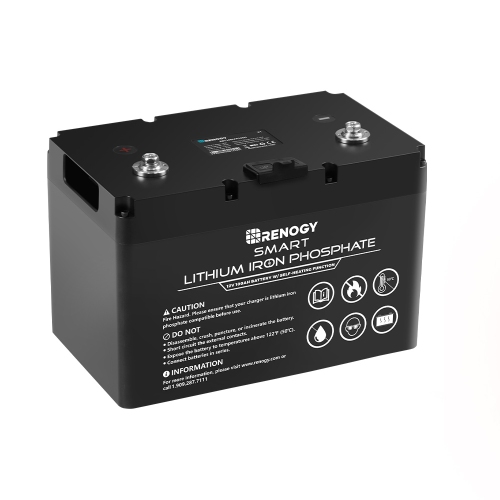
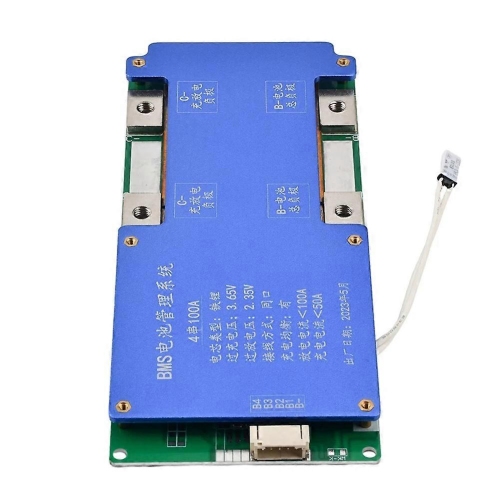
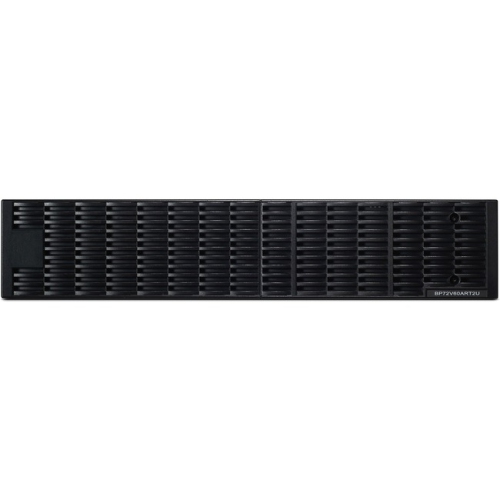
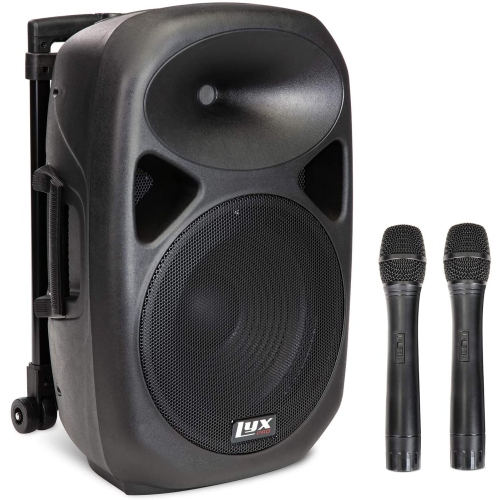
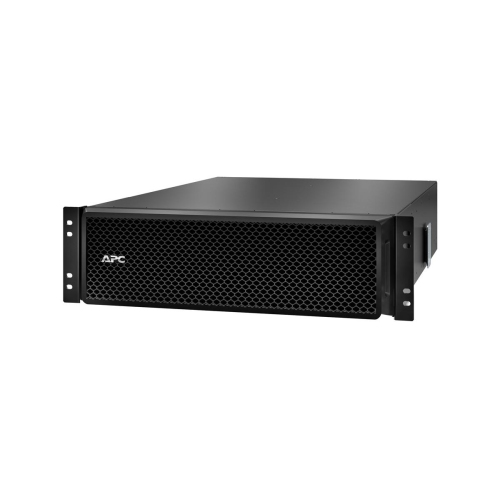
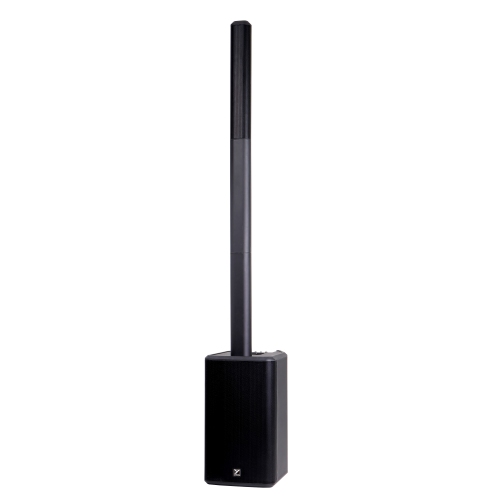
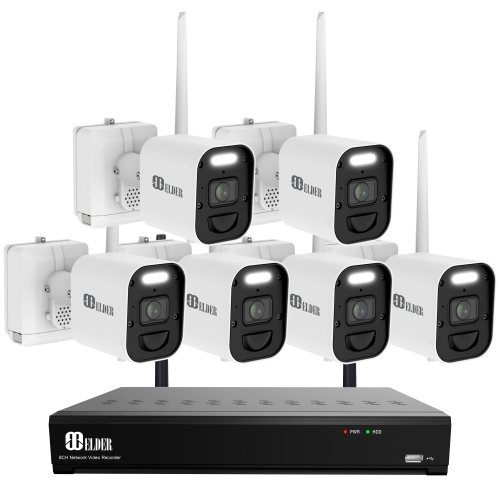
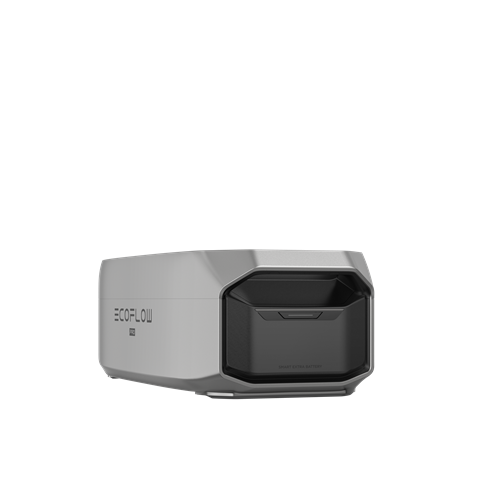

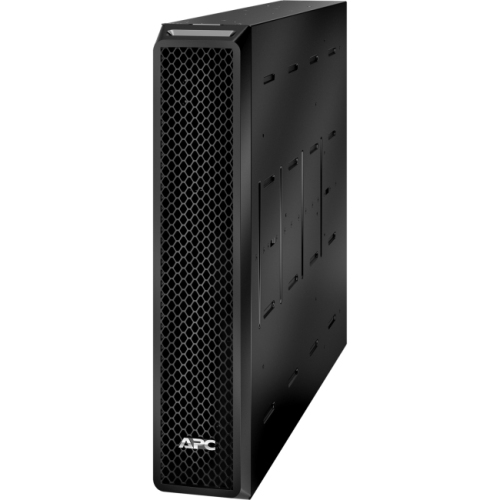
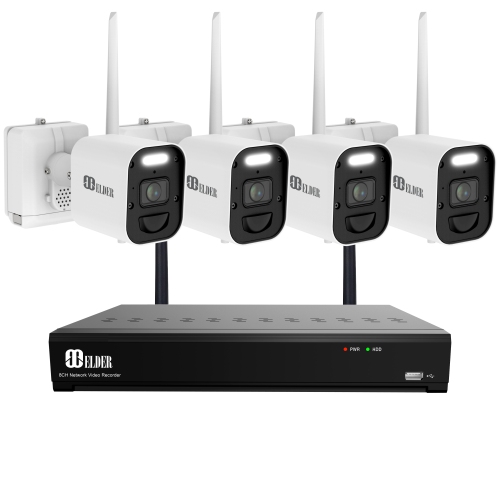
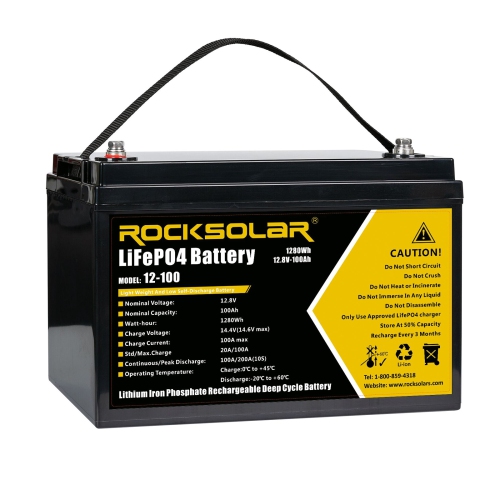
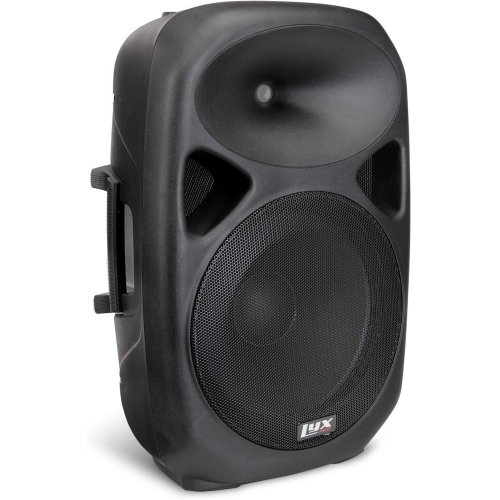

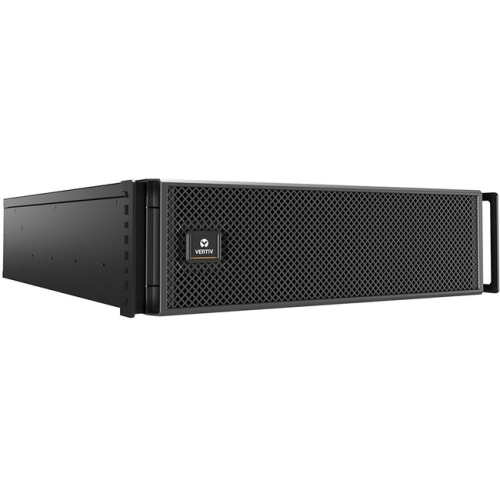
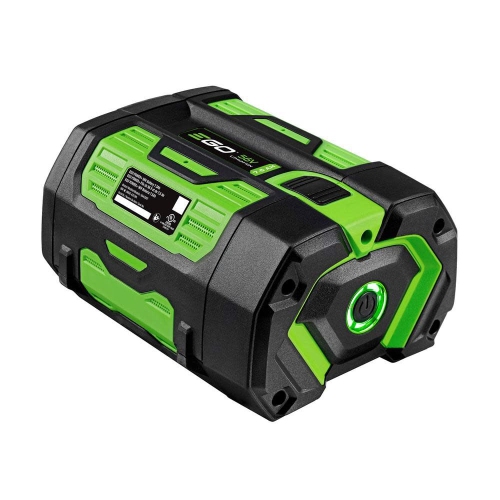
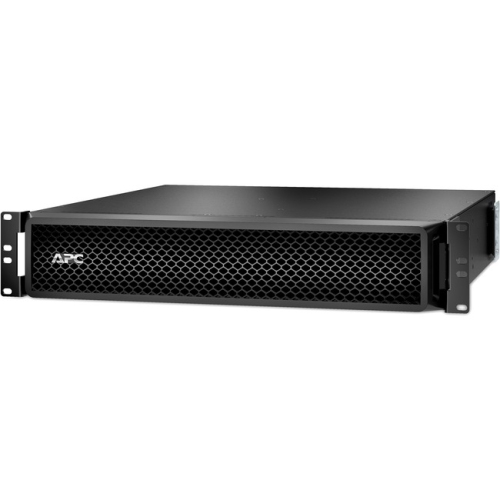
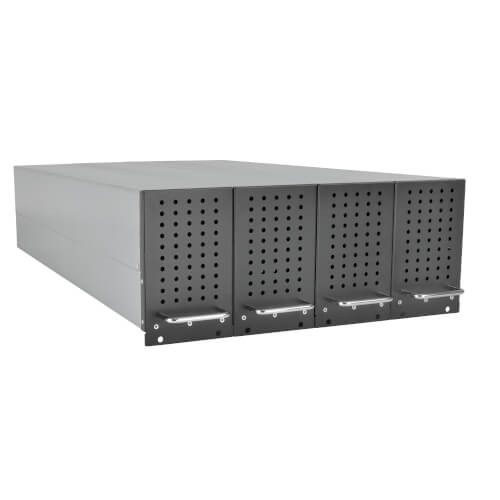
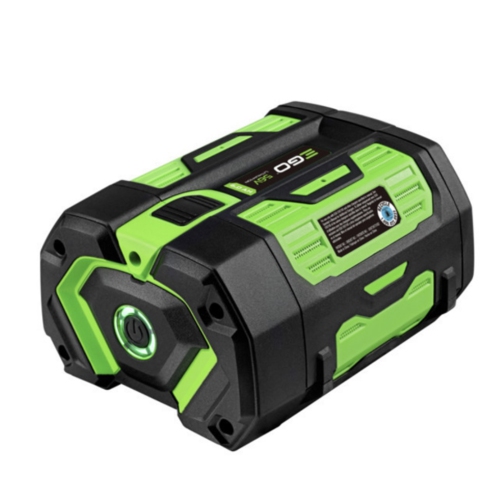
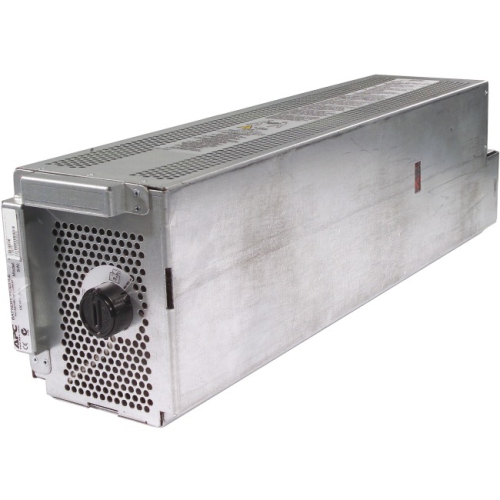
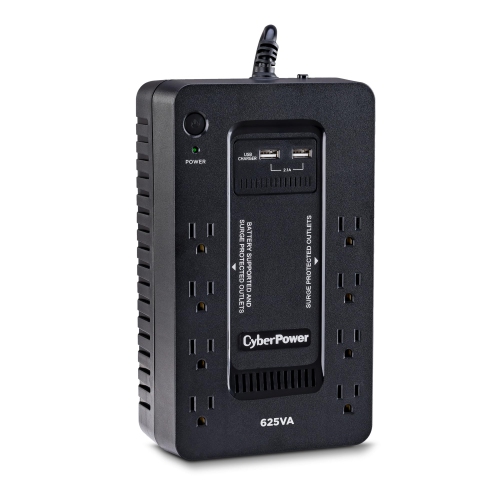
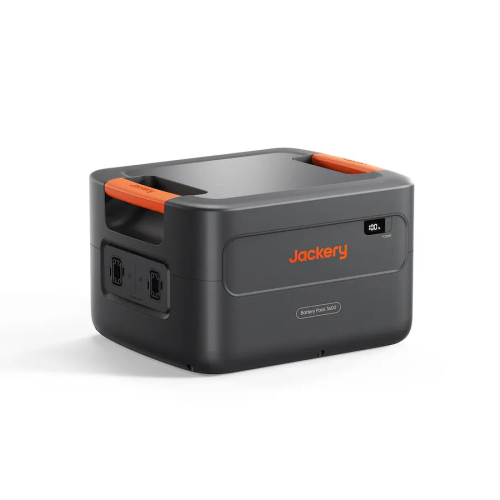

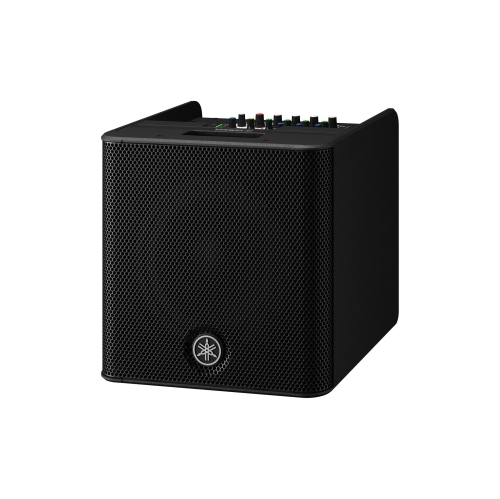
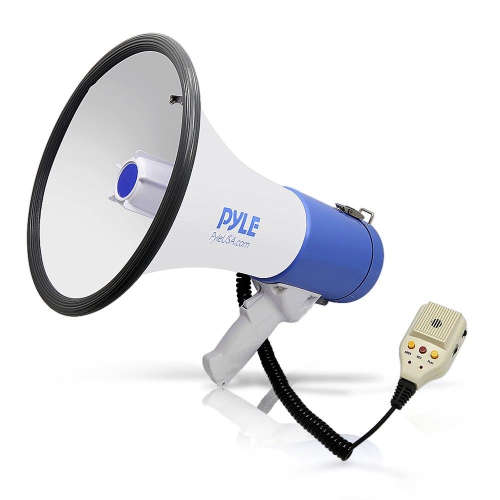
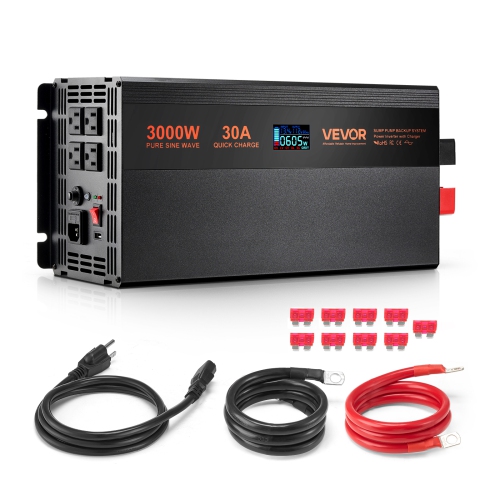

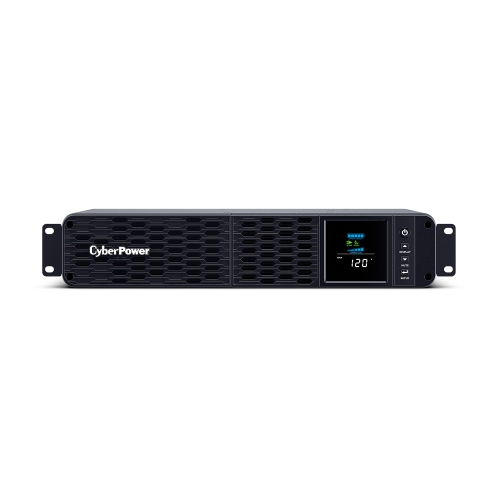
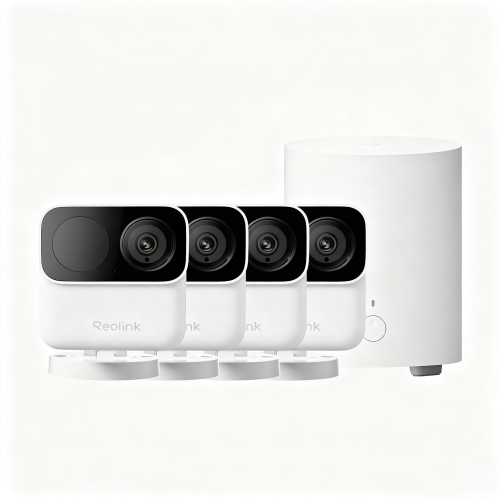
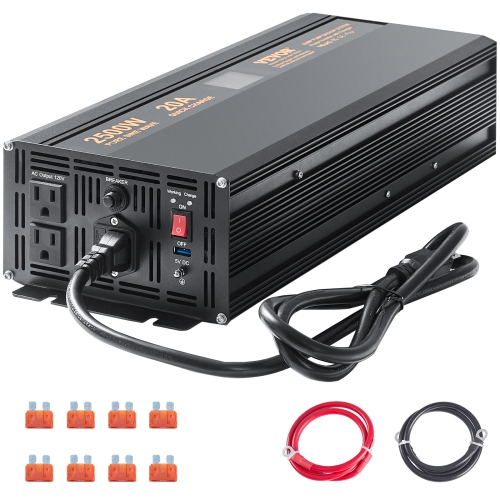
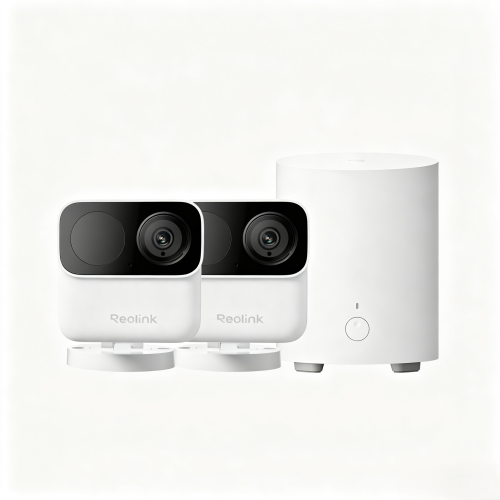
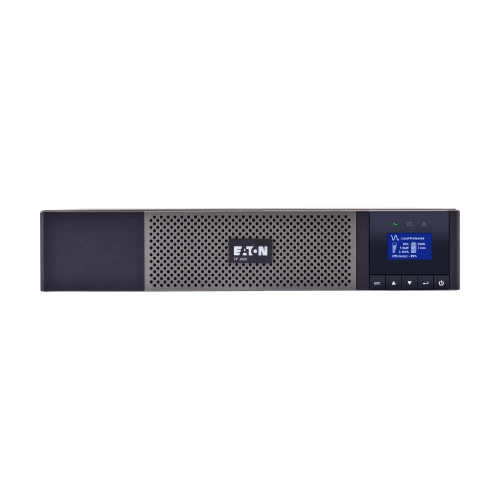
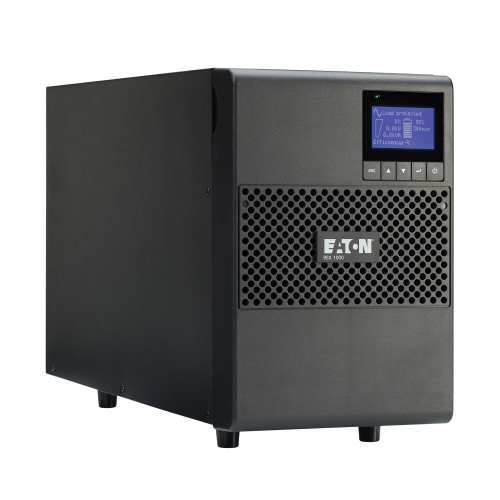
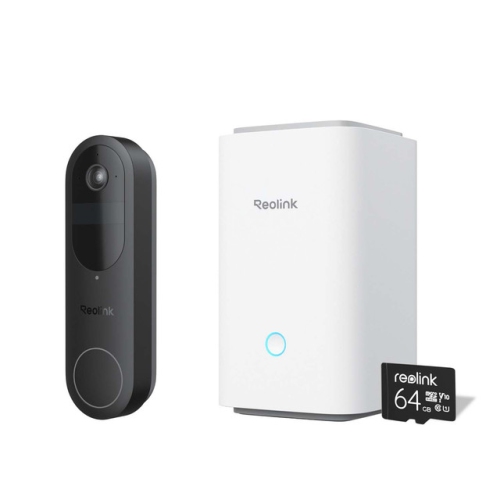
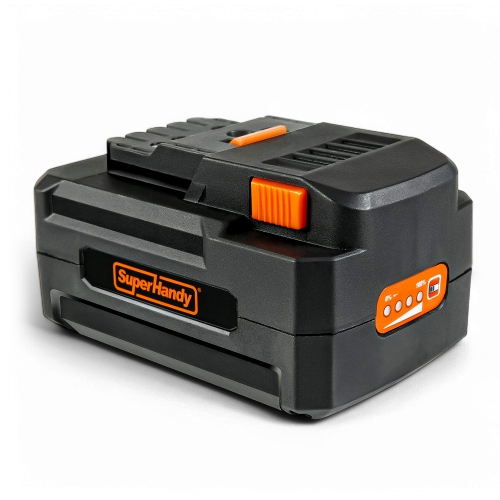
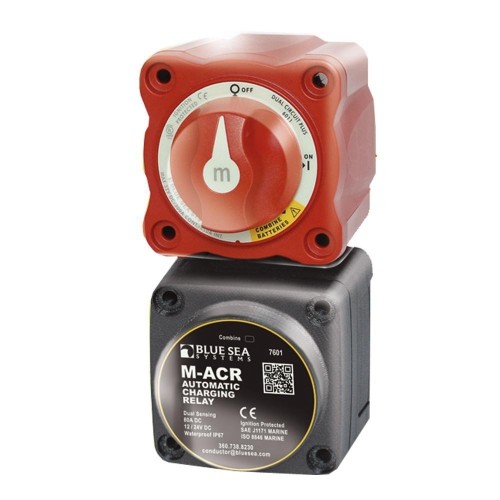
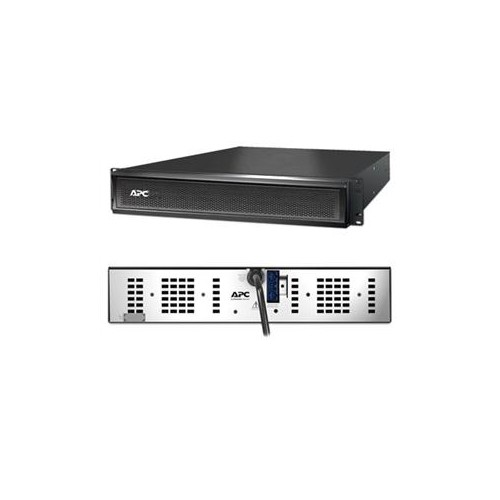
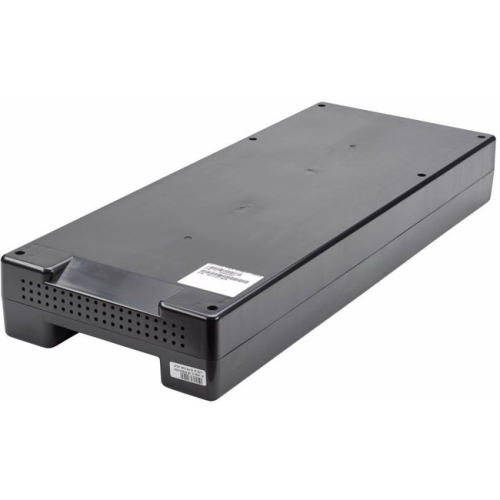
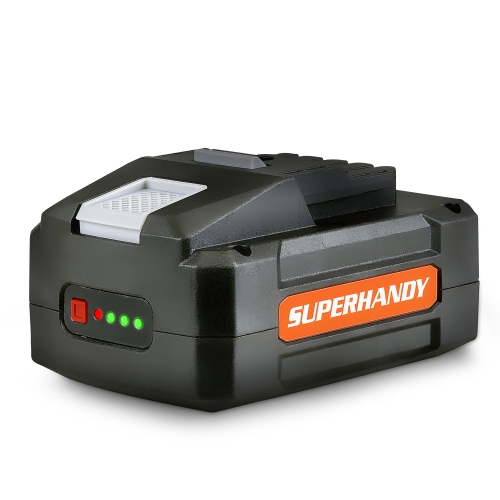
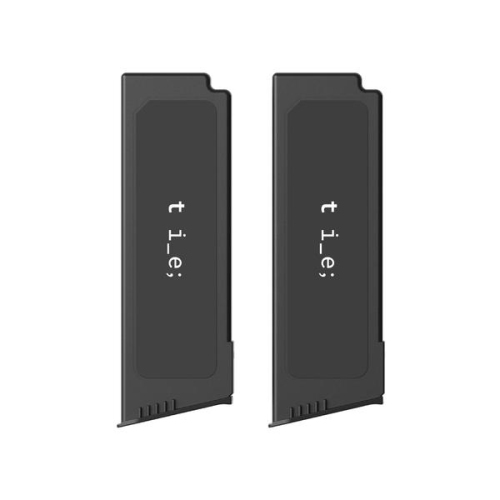
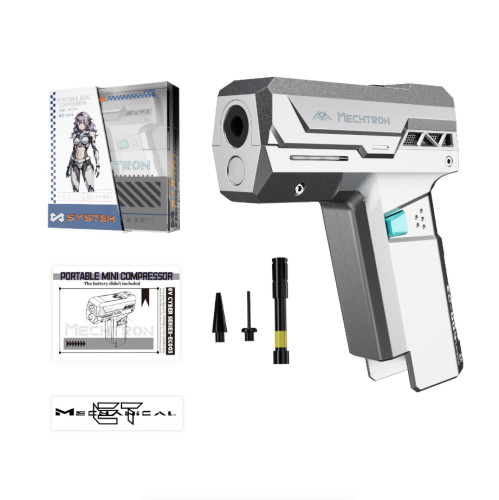
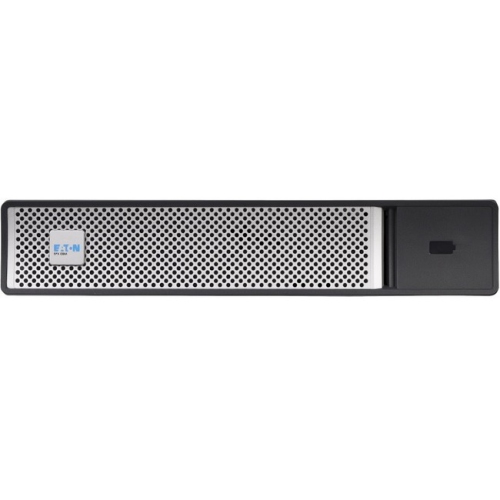
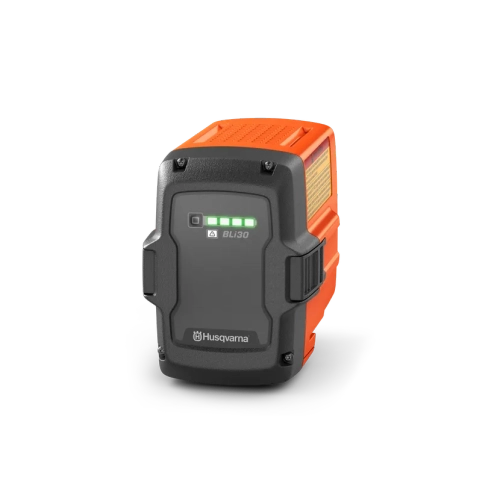
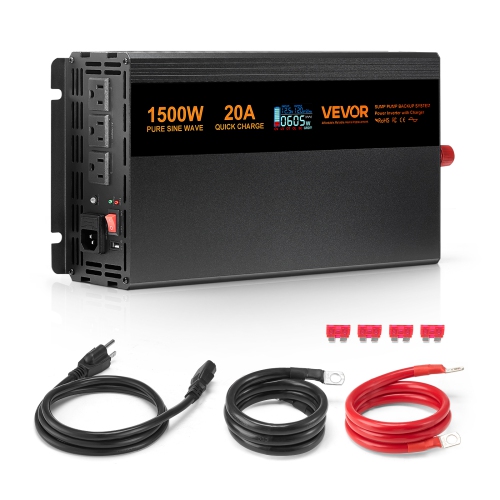
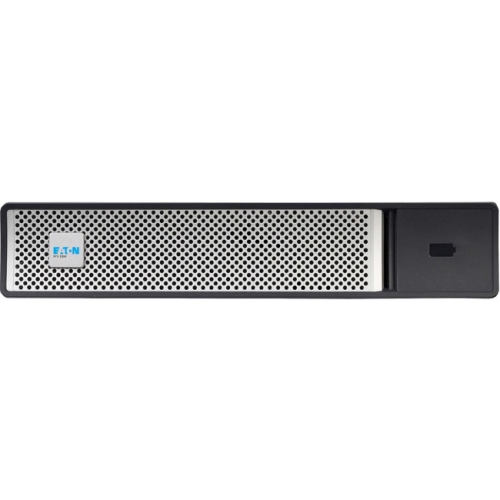
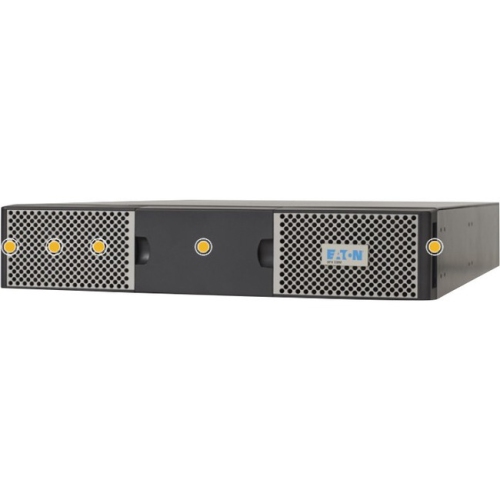
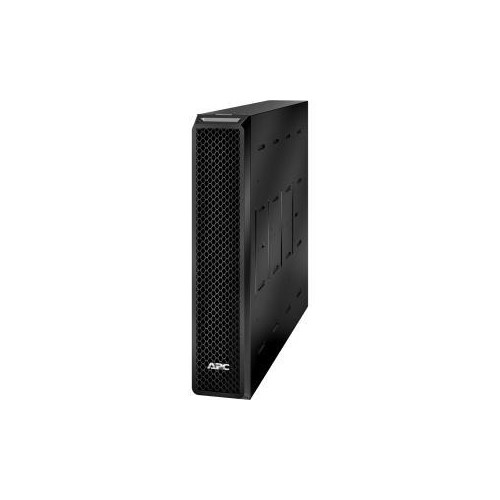
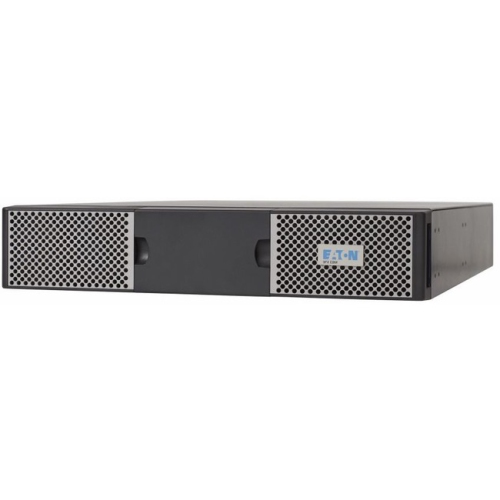
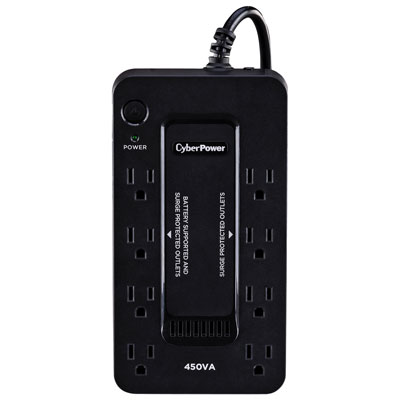
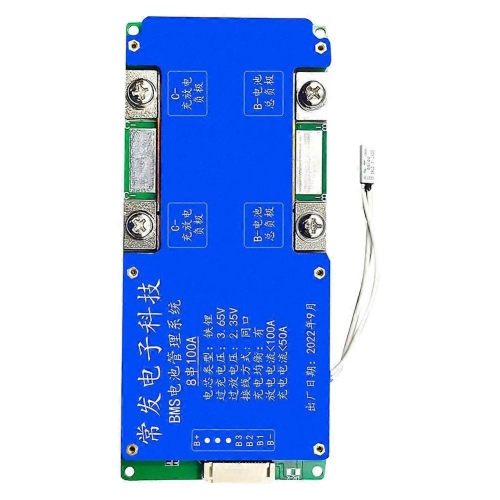
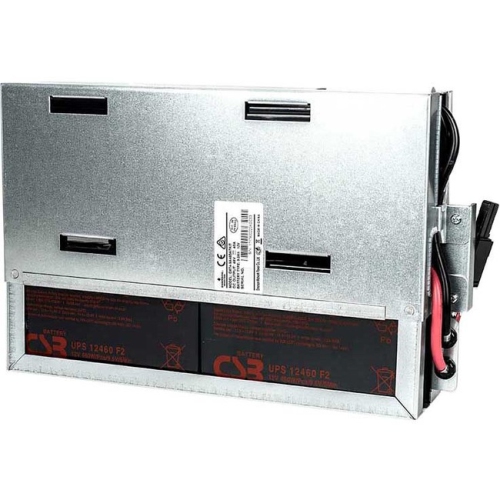
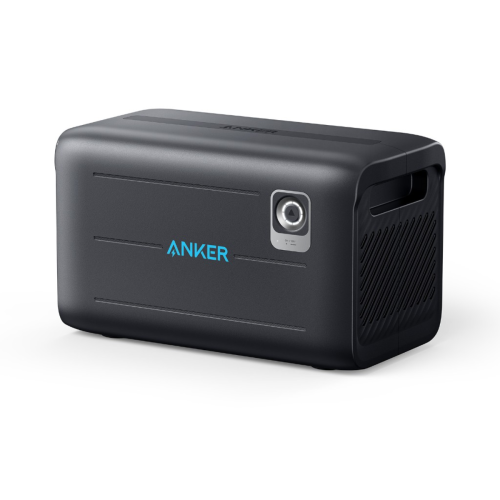

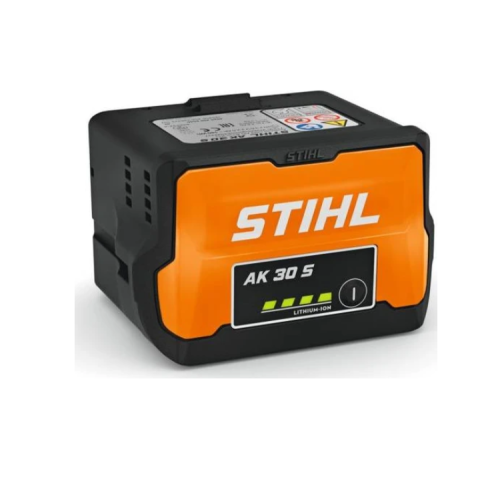
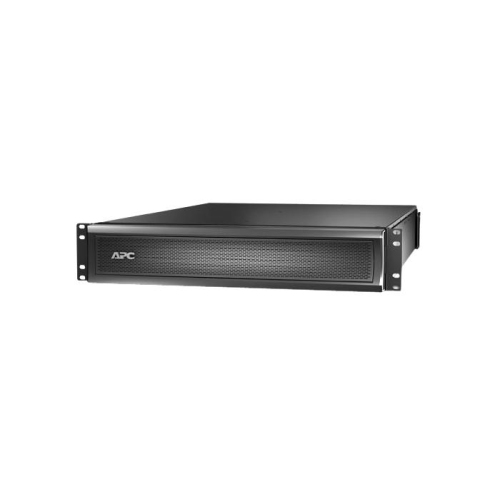
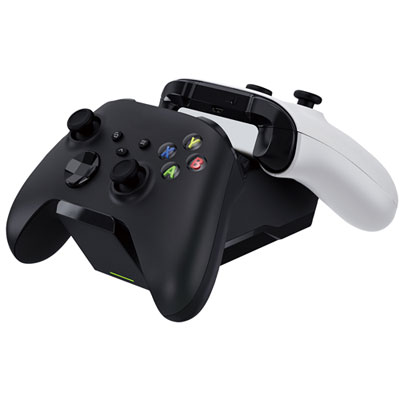
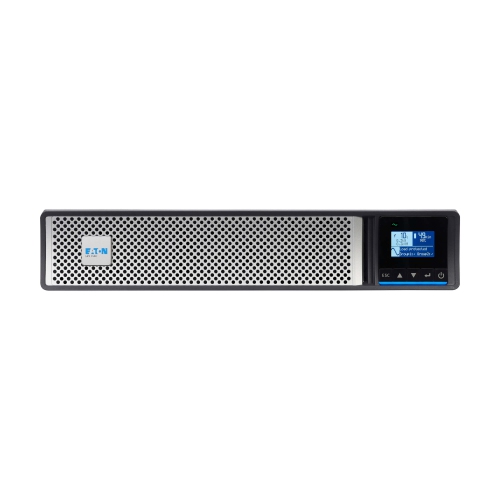
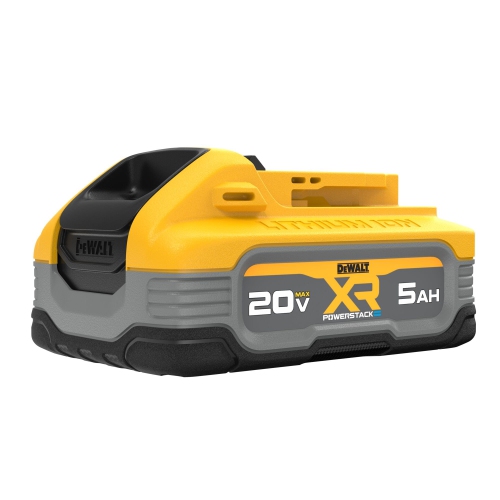
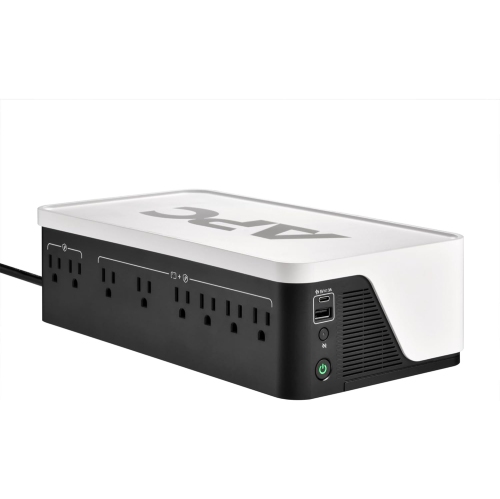
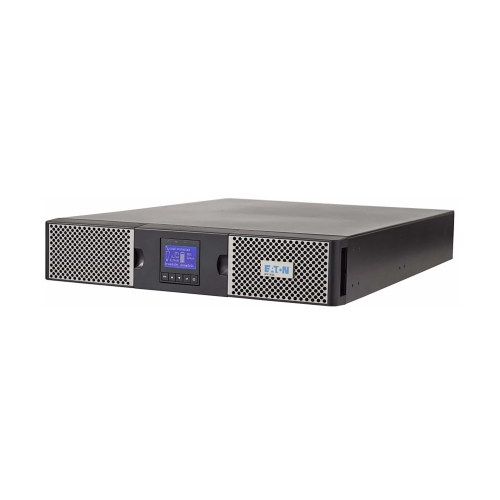
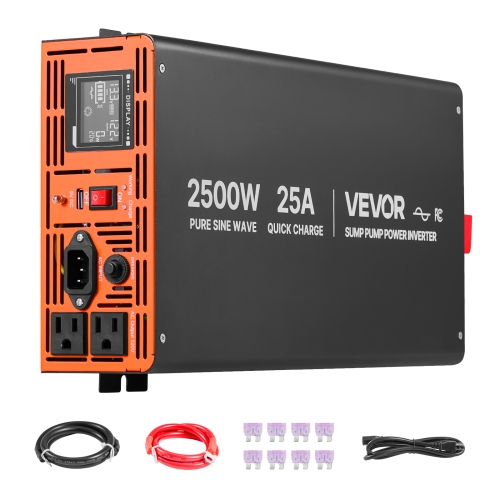
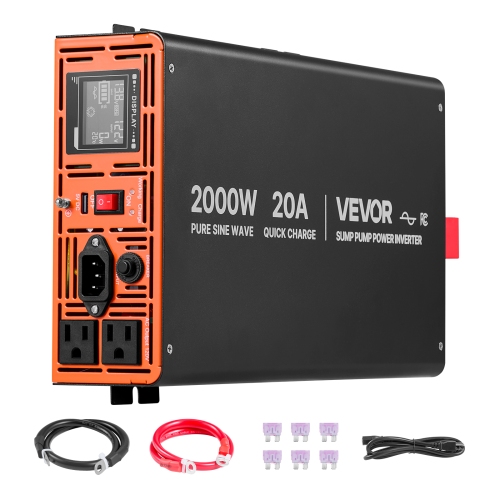
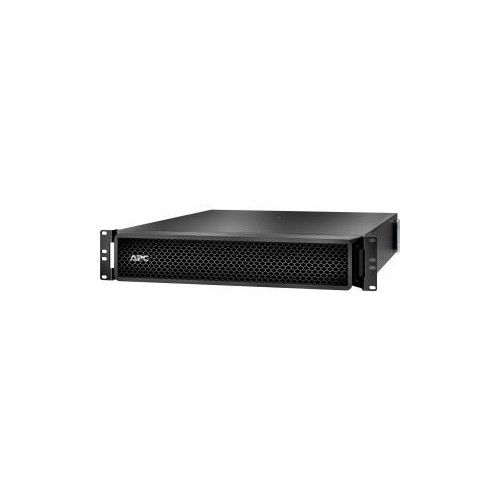
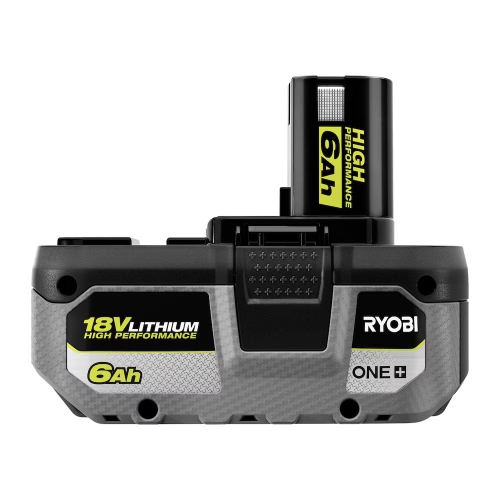
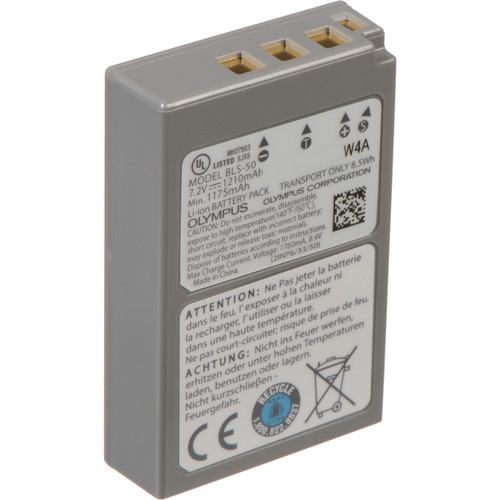
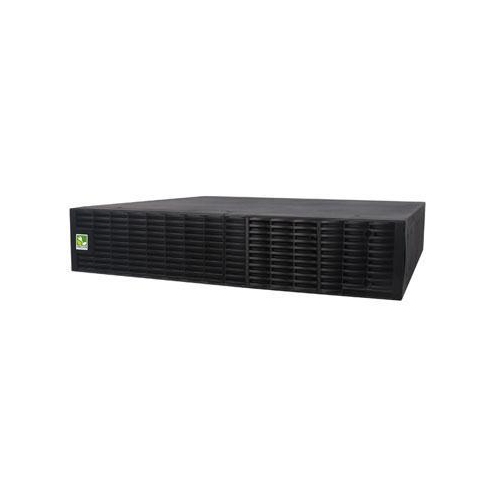
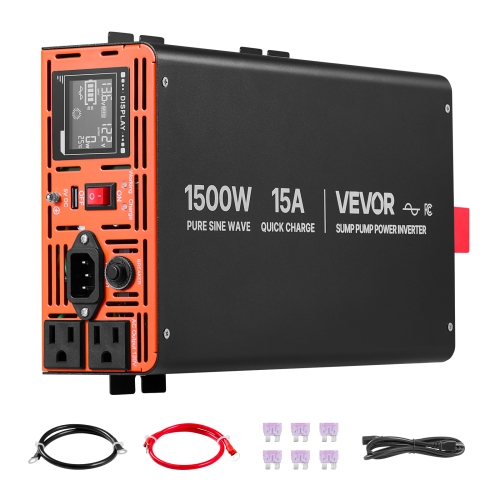
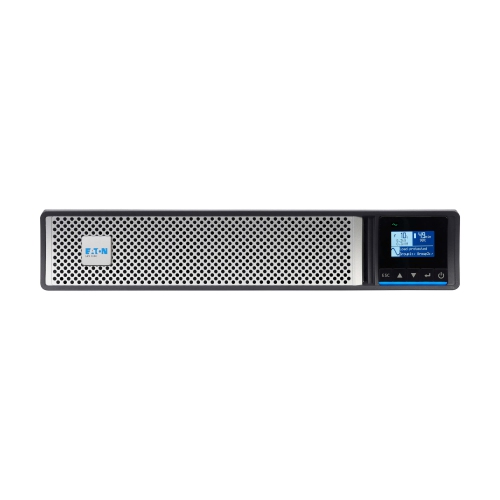
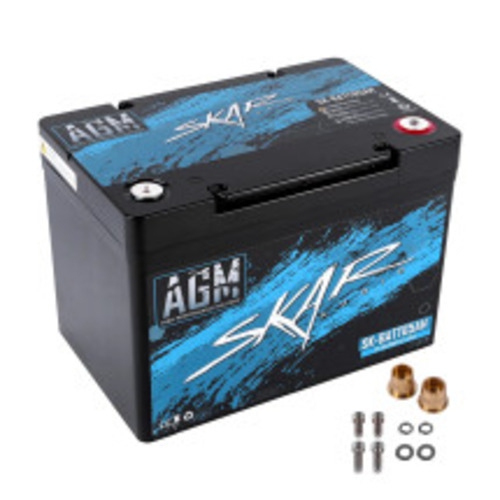
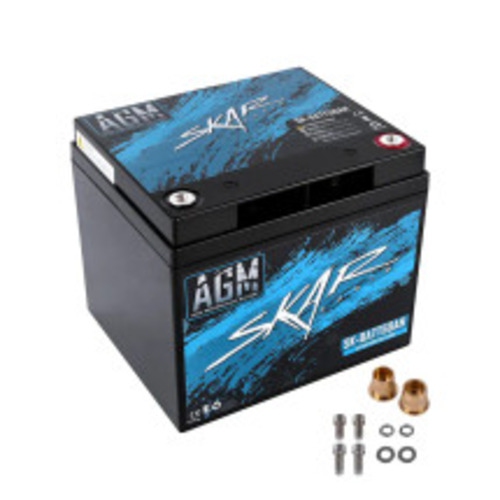
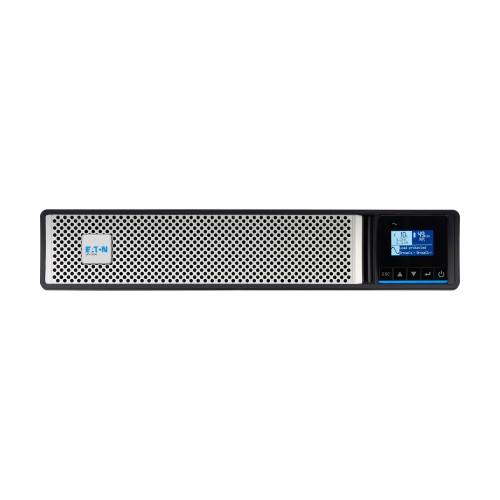
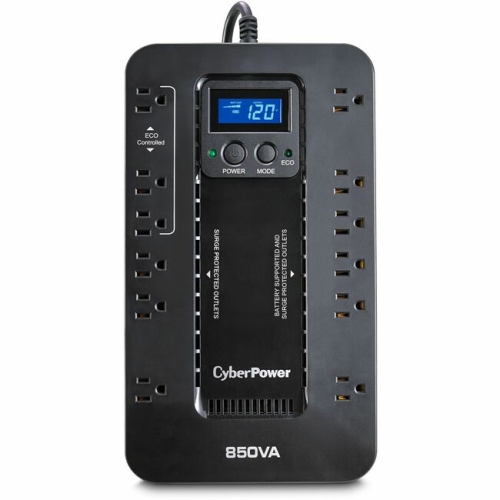

Reliable stored power for outages, travel and demanding equipment
Battery systems are designed to store electrical energy and deliver it when and where it is needed, making them useful for everyday devices, recreational equipment, vehicles, home backup and a range of professional applications. Depending on the system, stored power may be used to keep essential electronics operating during an outage, run equipment at a campsite, support an RV or boat, provide energy for tools and accessories, or supplement the electrical needs of a workshop, office or mobile setup. A battery system can include the battery itself, a charger, an inverter, monitoring controls and the connections required for safe installation and use. Some systems are compact enough to carry between rooms or transport in a vehicle, while larger units are intended to remain in place and provide backup power for selected appliances or circuits. When choosing among battery systems, start by considering what you plan to power, how long you need it to run and where the system will be used. Look at the available capacity, usually expressed in watt-hours or amp-hours, as well as the continuous and peak output. Capacity indicates how much energy is stored, while output determines whether the system can handle a particular device. A small electronics setup may only need modest output, whereas refrigerators, pumps, heaters, power tools and other equipment can require a higher starting surge. It is also important to check the system’s ports and connections, including AC outlets, USB ports, DC outputs and vehicle-style connections, so your equipment can be connected without relying on a collection of adapters. If you need replacement or supplementary power for smaller household devices, explore Battery Cells as a separate option.
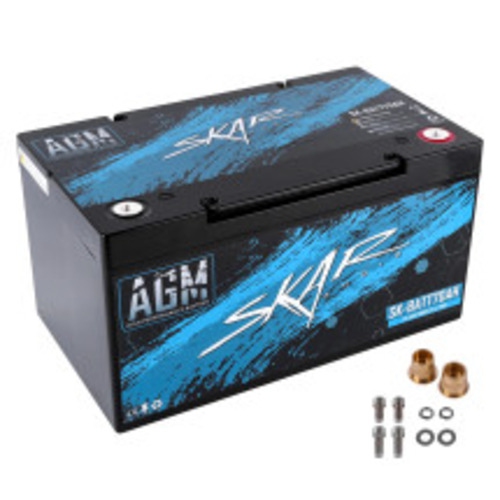
Battery chemistry affects the system’s weight, performance, charging behaviour and expected service life. Lithium-ion systems are popular for portable applications because they can offer substantial capacity in a relatively compact form, making them convenient for road trips, outdoor use and emergency preparation. Lithium iron phosphate, often called LiFePO4, is a lithium-based chemistry valued for its long service life, efficient operation and strong thermal stability, and it is commonly considered for home backup, recreational vehicles and off-grid power setups. AGM and other lead-acid systems may appeal to shoppers who want a proven design or a lower initial purchase cost, although they are generally heavier and may have different charging and storage requirements. Flow batteries are a more specialized option that use liquid electrolytes and are suited to larger, long-duration energy storage installations rather than typical portable use. Temperature is another practical consideration, particularly in Canada. Cold conditions can affect charging and available capacity, so review the operating temperature range and follow the manufacturer’s guidance before using or storing a system in a garage, vehicle, cabin or unheated space. Charging time, recharge cycles, standby performance, noise level, ventilation requirements and portability can also influence the right fit. A system used beside a bed or in a living area should be easy to monitor and reasonably quiet, while one kept in a workshop may be judged more heavily on output, rugged construction and connection options. Safety features such as overcharge protection, short-circuit protection, temperature monitoring and automatic shutoff add confidence, but they do not replace careful use. Keep the system dry unless it is specifically rated for outdoor exposure, use compatible chargers and cables, leave adequate clearance around vents and follow the instructions for storage, transport and disposal.
Battery systems serve many different users. They can give homeowners a practical way to keep phones, lights, communication equipment, networking hardware or selected appliances available during a power interruption. When paired with suitable equipment such as solar panels or a compatible home electrical setup, a larger battery system can store energy for later use and support essential circuits without requiring every appliance in the home to run at once. In commercial and industrial settings, battery energy storage systems can help manage changing electrical loads, provide backup for critical equipment and respond rapidly when additional power is needed. Utility-scale installations use larger battery arrays for grid stabilization, load balancing and longer-duration storage, while automotive and specialty systems can support electric vehicles, fleet equipment, marine applications and recreational vehicles. Portable units are also useful for photographers, contractors, campers, tailgaters and anyone who spends time away from convenient outlets. They can be thoughtful gifts for someone moving into a first home, preparing a camper for the road, setting up a workshop or organizing a practical emergency kit, particularly when the capacity and connections match the recipient’s actual equipment. During warmer weather, a portable system can support outdoor gatherings, campsites and travel; during the cooler months, it can help keep communication devices charged and provide limited backup for important electronics during storms or outages. Before purchasing, compare the system’s usable capacity rather than relying only on its headline rating, confirm whether an inverter is built in, and check whether expansion batteries, replacement accessories or monitoring features are supported. Consider the unit’s dimensions and weight as carefully as its specifications: a high-capacity system is less useful if it cannot be moved safely or stored where needed. With the right match between capacity, output, chemistry, charging method and intended application, a battery system can provide dependable stored power for home, travel, work and specialized equipment.
Battery chemistry affects the system’s weight, performance, charging behaviour and expected service life. Lithium-ion systems are popular for portable applications because they can offer substantial capacity in a relatively compact form, making them convenient for road trips, outdoor use and emergency preparation. Lithium iron phosphate, often called LiFePO4, is a lithium-based chemistry valued for its long service life, efficient operation and strong thermal stability, and it is commonly considered for home backup, recreational vehicles and off-grid power setups. AGM and other lead-acid systems may appeal to shoppers who want a proven design or a lower initial purchase cost, although they are generally heavier and may have different charging and storage requirements. Flow batteries are a more specialized option that use liquid electrolytes and are suited to larger, long-duration energy storage installations rather than typical portable use. Temperature is another practical consideration, particularly in Canada. Cold conditions can affect charging and available capacity, so review the operating temperature range and follow the manufacturer’s guidance before using or storing a system in a garage, vehicle, cabin or unheated space. Charging time, recharge cycles, standby performance, noise level, ventilation requirements and portability can also influence the right fit. A system used beside a bed or in a living area should be easy to monitor and reasonably quiet, while one kept in a workshop may be judged more heavily on output, rugged construction and connection options. Safety features such as overcharge protection, short-circuit protection, temperature monitoring and automatic shutoff add confidence, but they do not replace careful use. Keep the system dry unless it is specifically rated for outdoor exposure, use compatible chargers and cables, leave adequate clearance around vents and follow the instructions for storage, transport and disposal.
Battery systems serve many different users. They can give homeowners a practical way to keep phones, lights, communication equipment, networking hardware or selected appliances available during a power interruption. When paired with suitable equipment such as solar panels or a compatible home electrical setup, a larger battery system can store energy for later use and support essential circuits without requiring every appliance in the home to run at once. In commercial and industrial settings, battery energy storage systems can help manage changing electrical loads, provide backup for critical equipment and respond rapidly when additional power is needed. Utility-scale installations use larger battery arrays for grid stabilization, load balancing and longer-duration storage, while automotive and specialty systems can support electric vehicles, fleet equipment, marine applications and recreational vehicles. Portable units are also useful for photographers, contractors, campers, tailgaters and anyone who spends time away from convenient outlets. They can be thoughtful gifts for someone moving into a first home, preparing a camper for the road, setting up a workshop or organizing a practical emergency kit, particularly when the capacity and connections match the recipient’s actual equipment. During warmer weather, a portable system can support outdoor gatherings, campsites and travel; during the cooler months, it can help keep communication devices charged and provide limited backup for important electronics during storms or outages. Before purchasing, compare the system’s usable capacity rather than relying only on its headline rating, confirm whether an inverter is built in, and check whether expansion batteries, replacement accessories or monitoring features are supported. Consider the unit’s dimensions and weight as carefully as its specifications: a high-capacity system is less useful if it cannot be moved safely or stored where needed. With the right match between capacity, output, chemistry, charging method and intended application, a battery system can provide dependable stored power for home, travel, work and specialized equipment.
Top selling and popular products
-
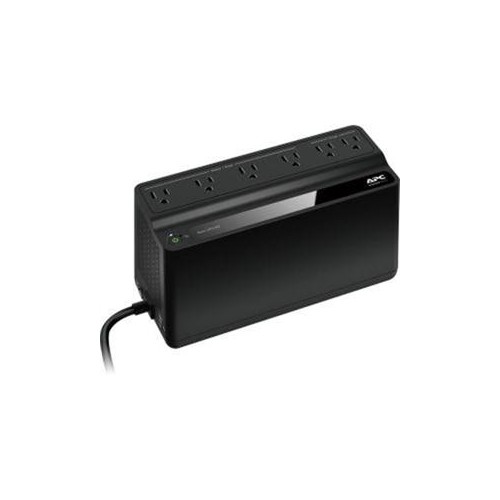 Your price for this item is $106.68
 -
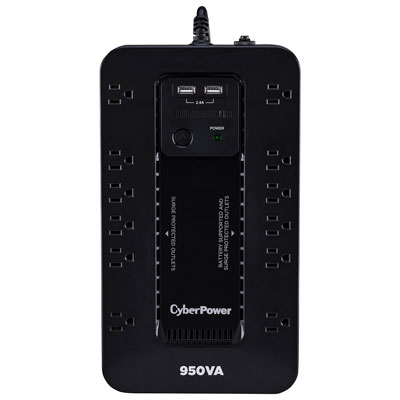 Your price for this item is $149.99
 -
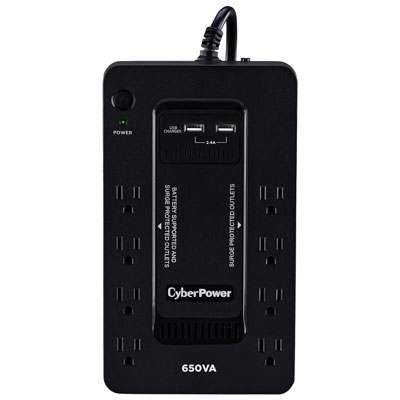 Your price for this item is $99.99
 -
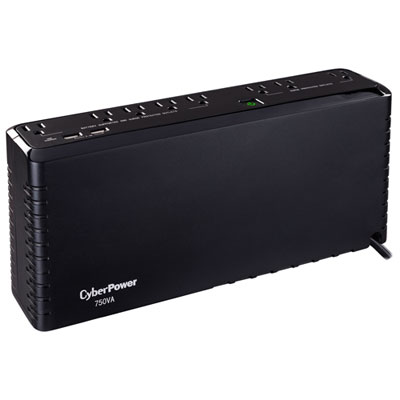 Your price for this item is $99.99
 -
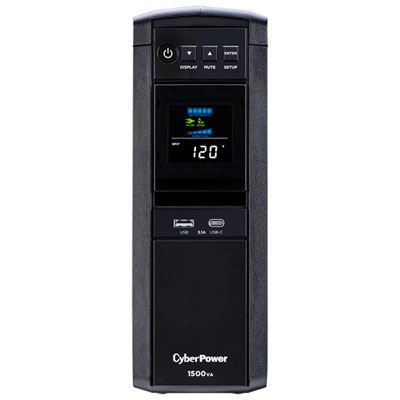 Your price for this item is $229.99
 -
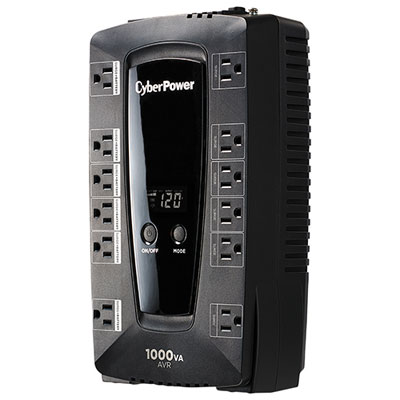 Your price for this item is $149.99
 -
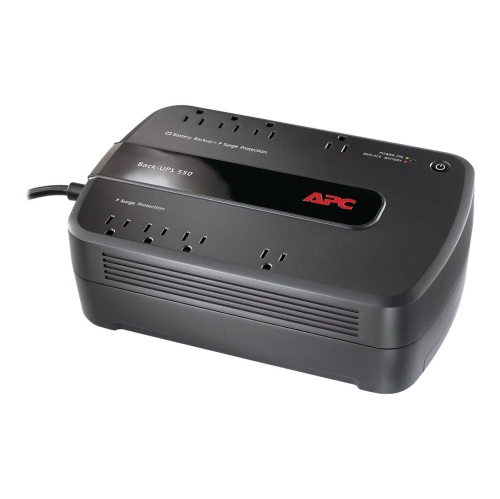 Your price for this item is $170.69
 -
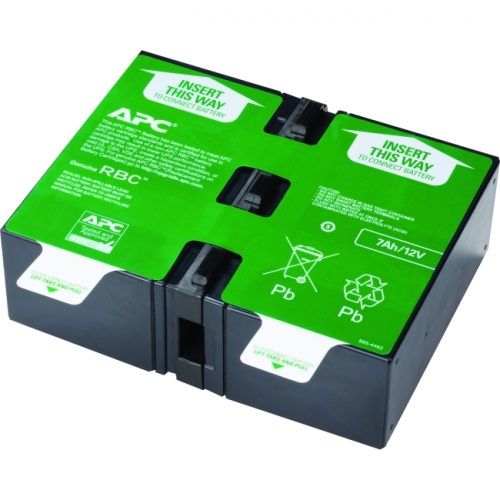 Your price for this item is $169.28
Discover more categories related to Battery Systems

Top Collections:
Pokemon Centers, Kindle Devices, Best Budget Office Chairs, Canon G7X Cameras, Apple iPhones 16, Samsung Galaxy Phones, Refurbished Apple Laptops, Laptops for Students, iPhone 15 Apple, Budget Smartphones
Some products may be subject to Environmental Handling Fees
(EHF) depending on your province.
Learn more about EHFs.