Blue Light Blocker Glasses
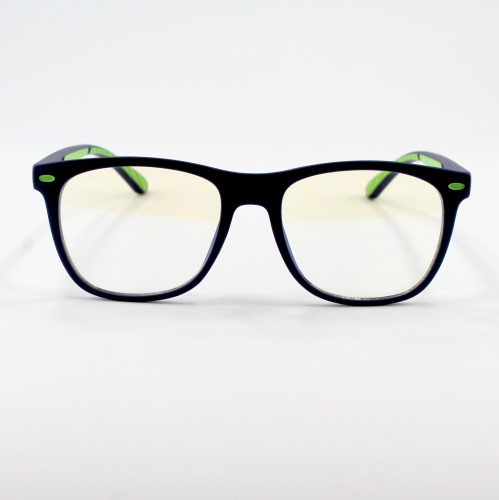
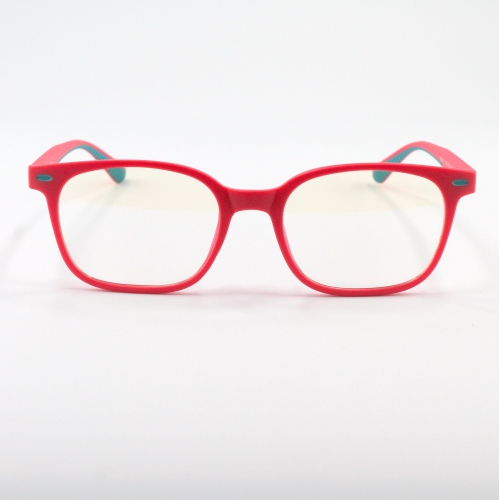
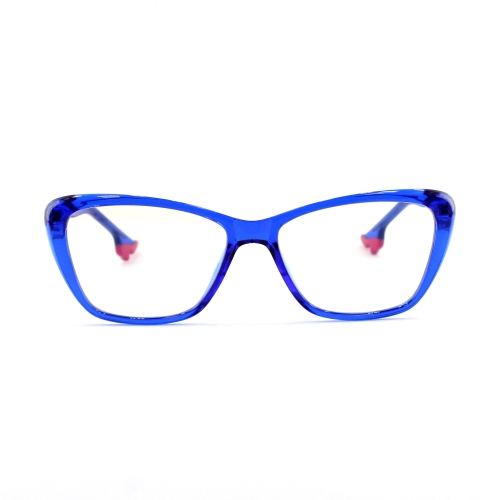
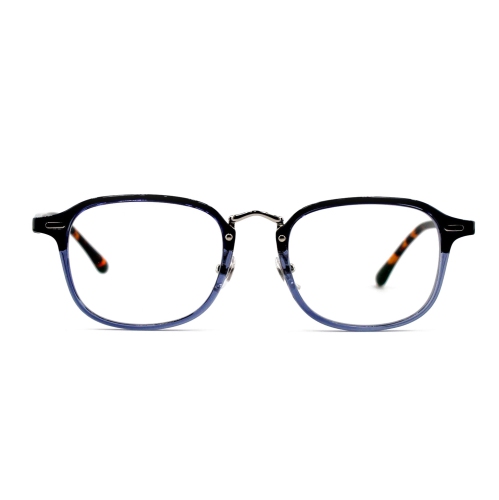
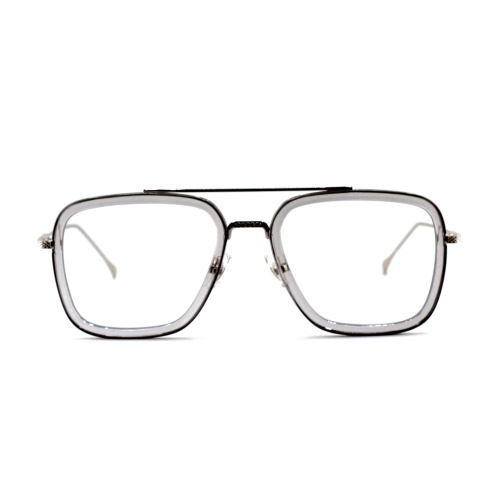
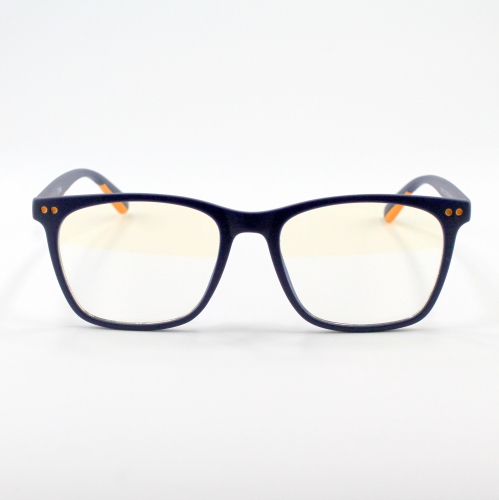
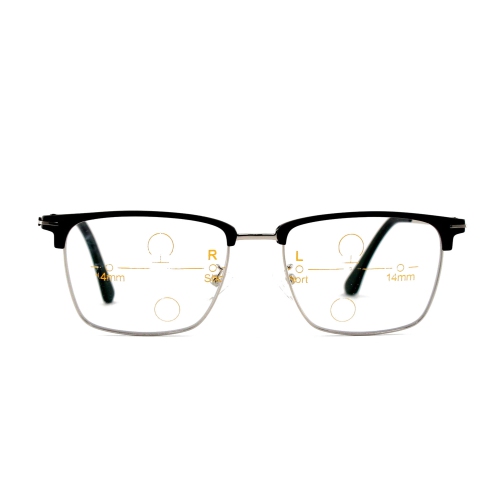
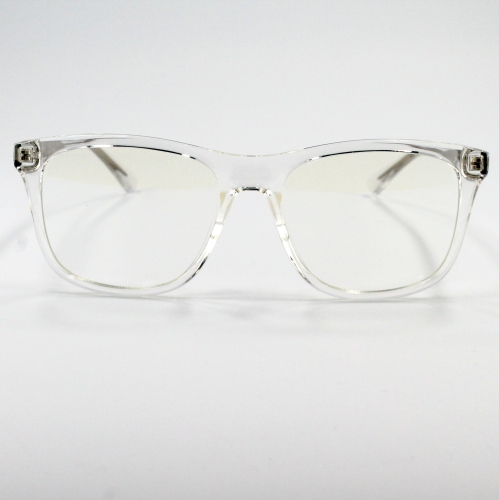
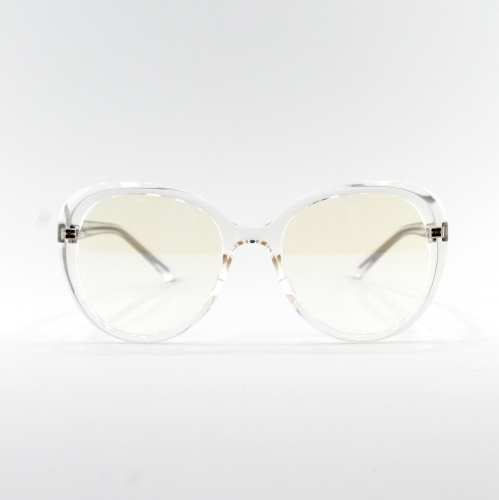
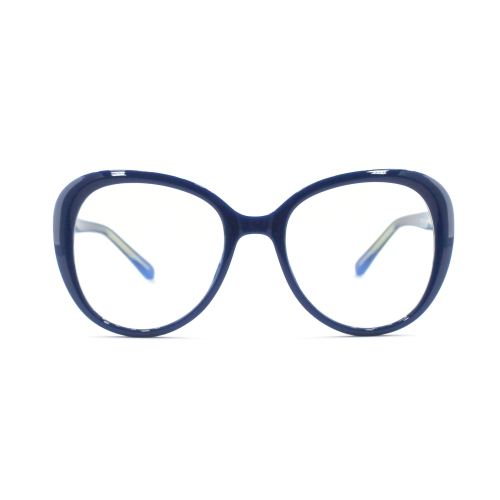
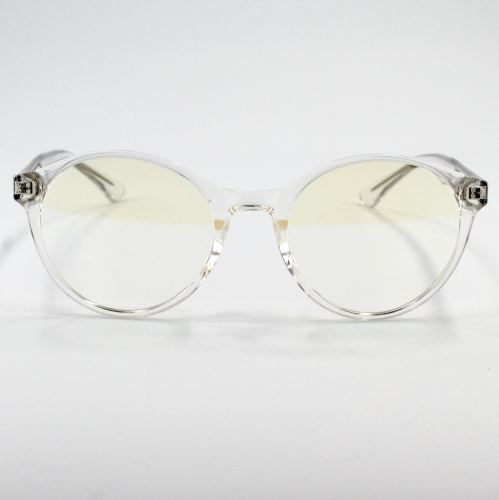
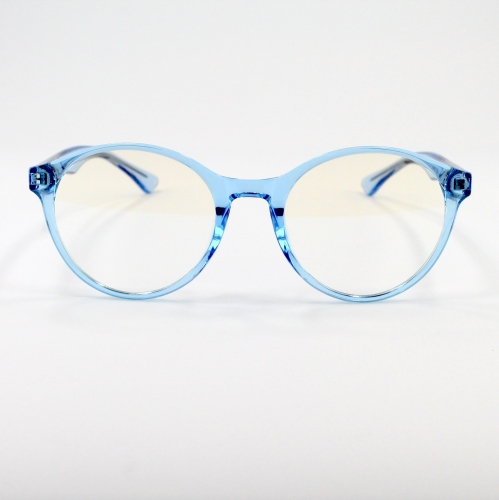
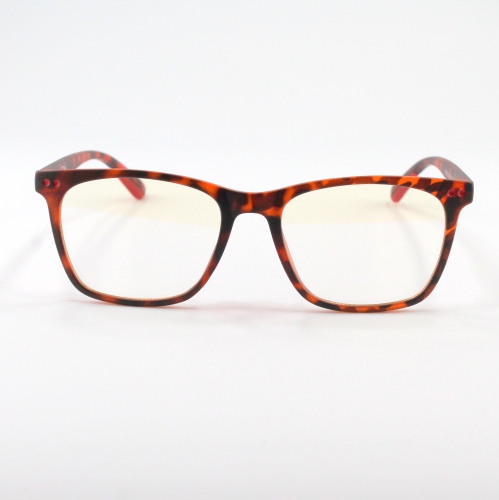
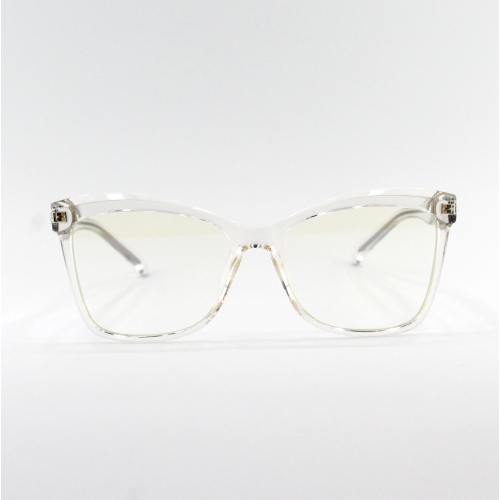
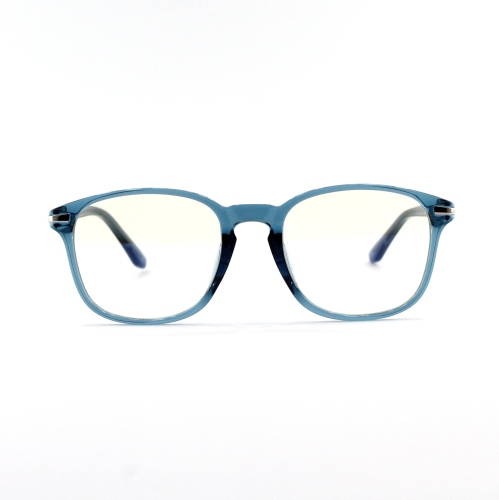
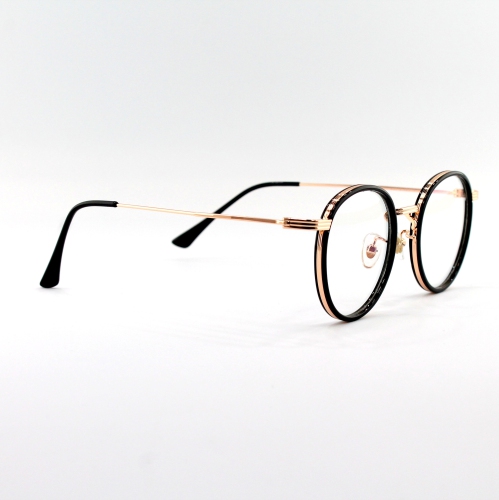
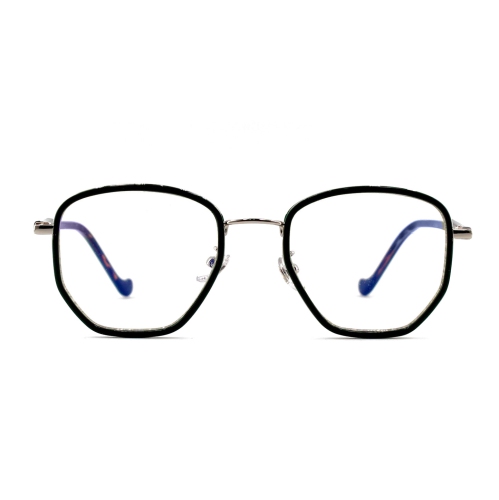
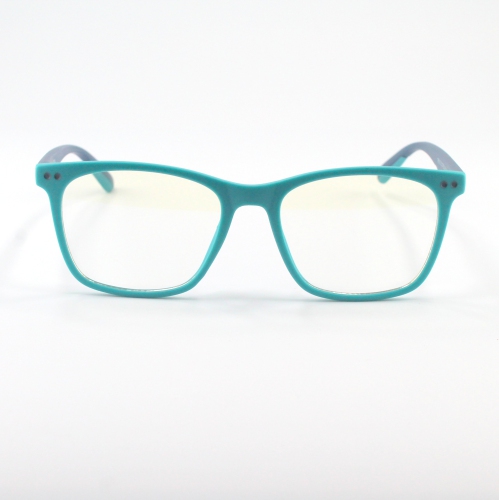
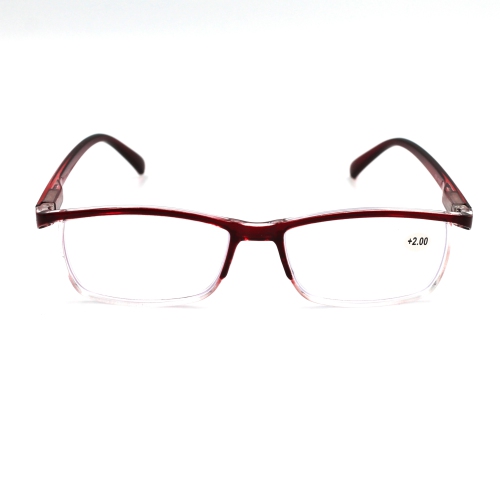
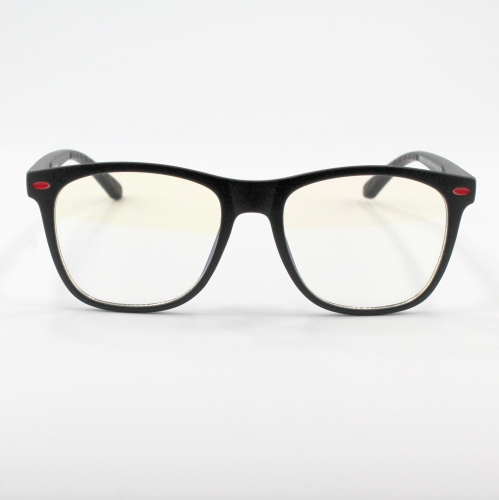
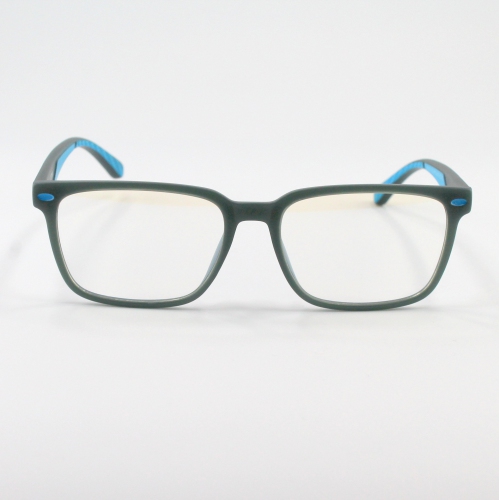
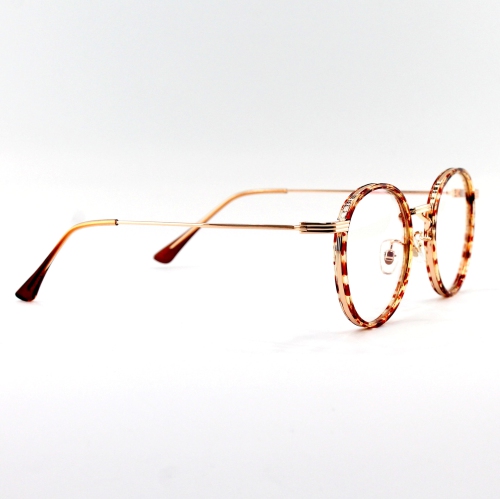
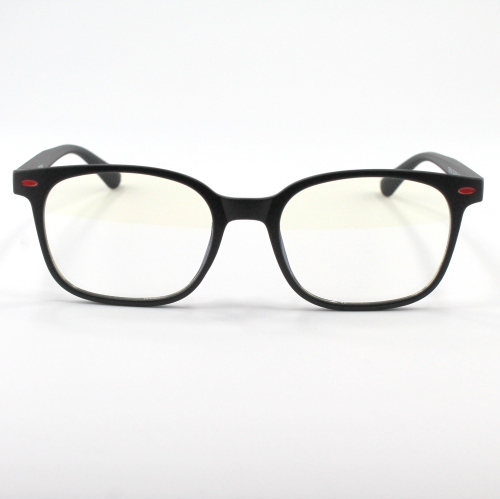
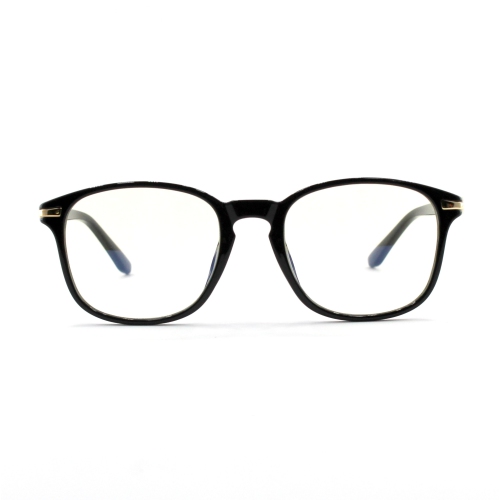
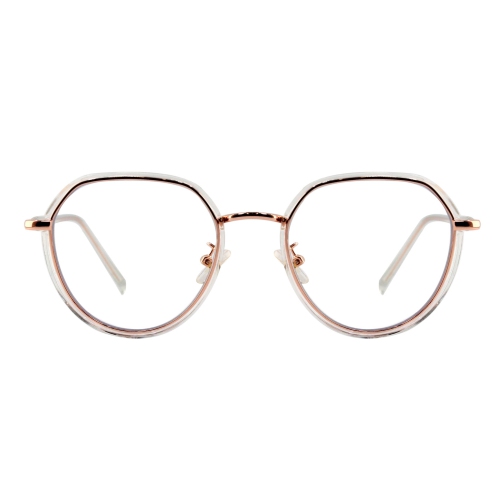
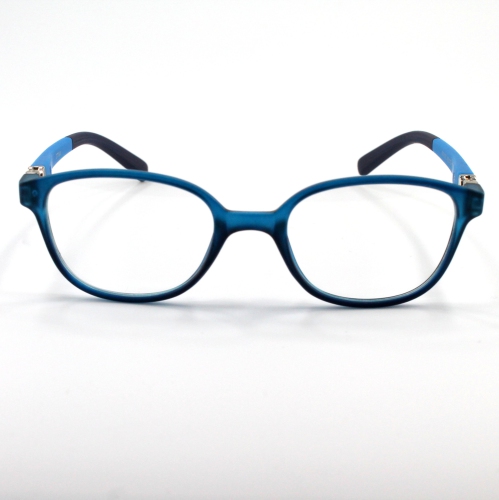
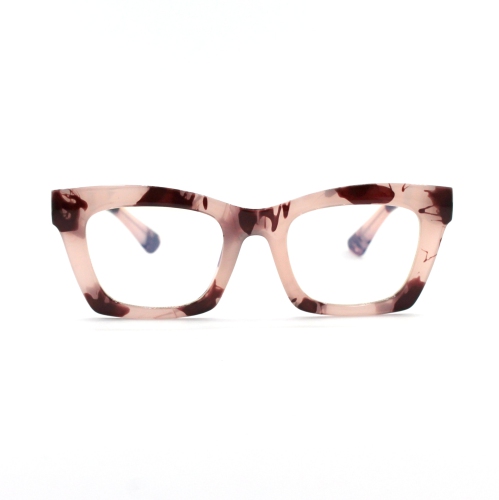
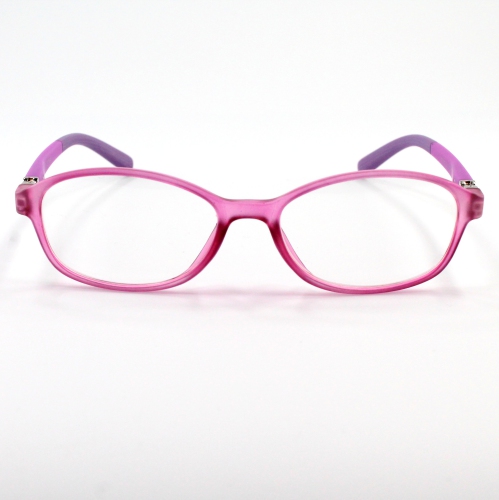
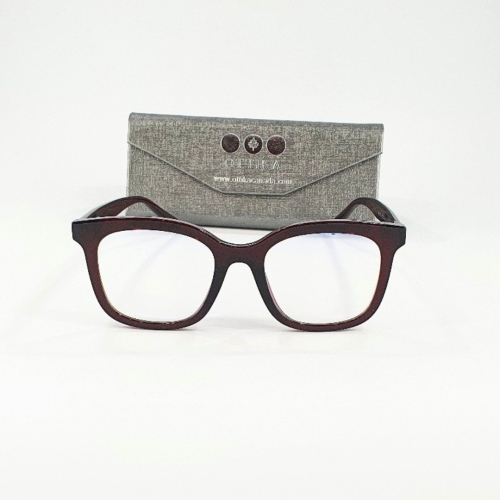
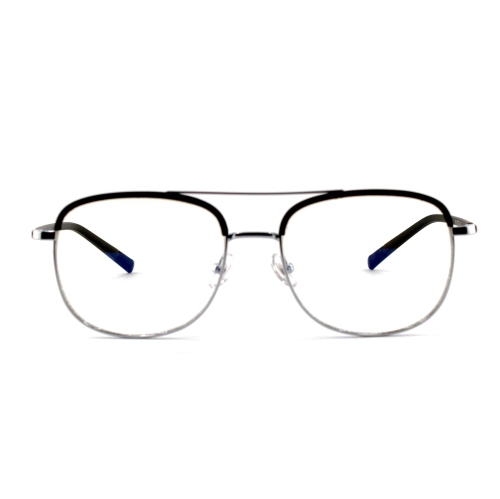
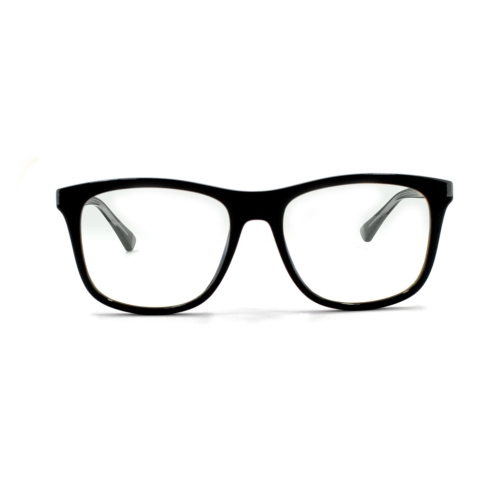
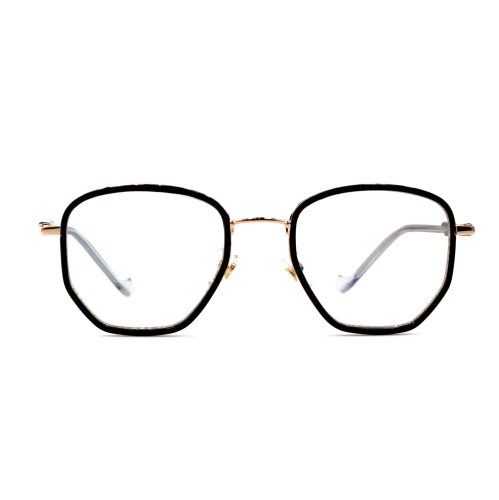
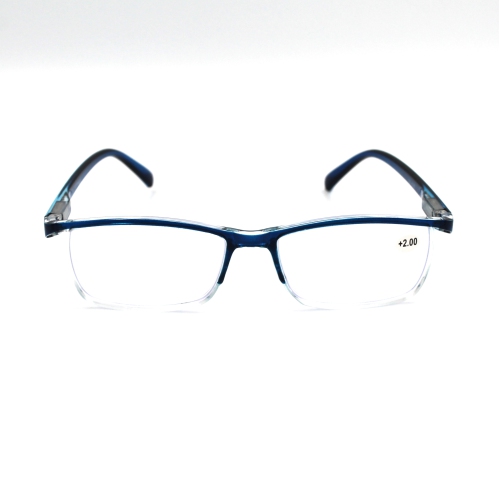
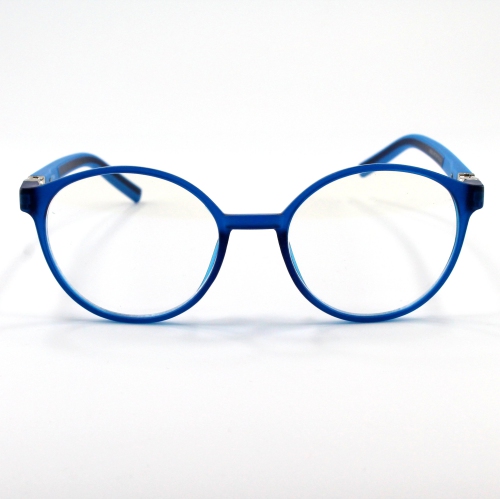
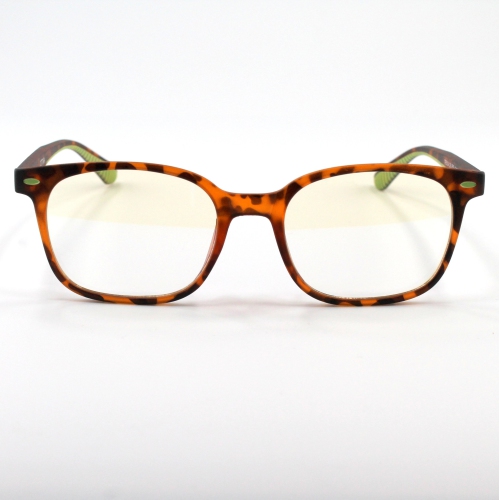
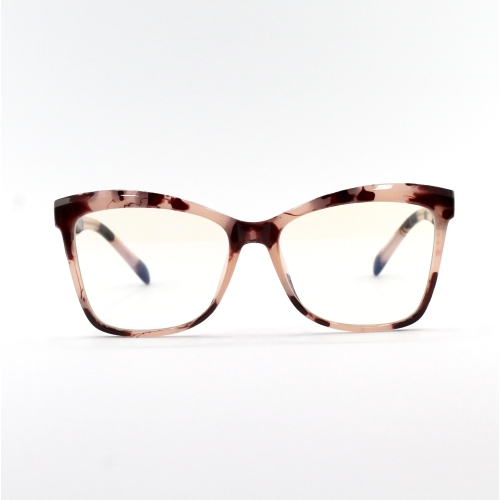
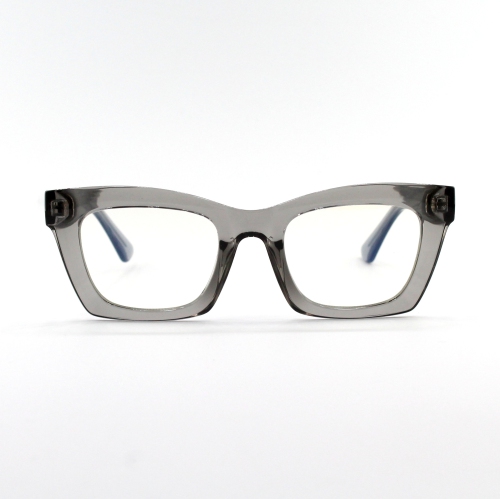
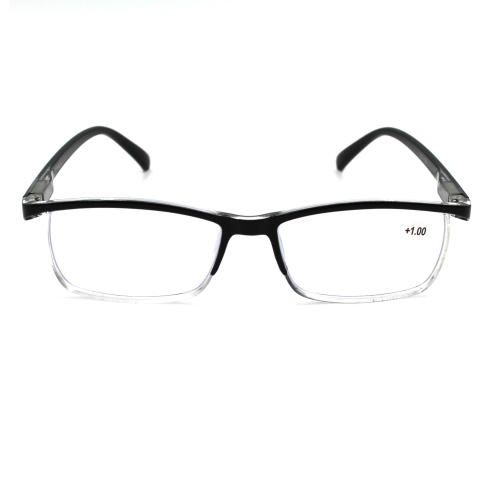
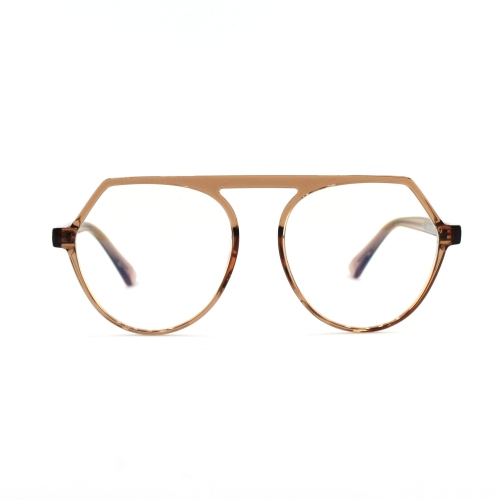
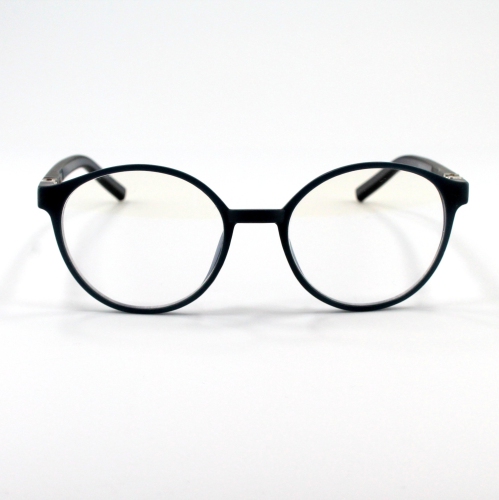
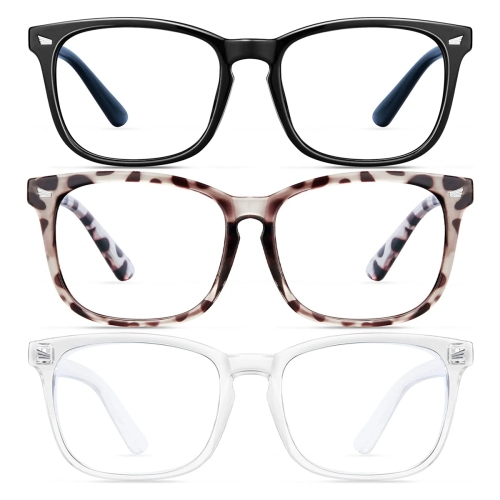
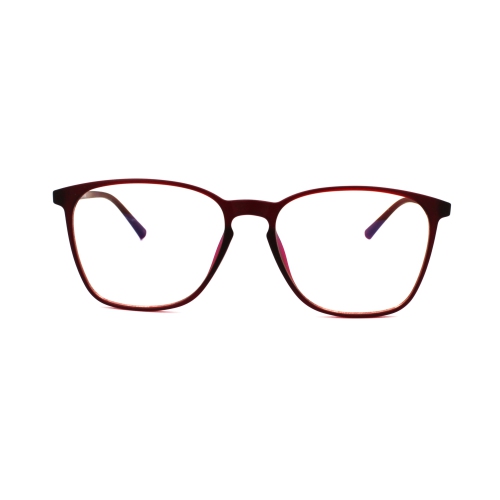
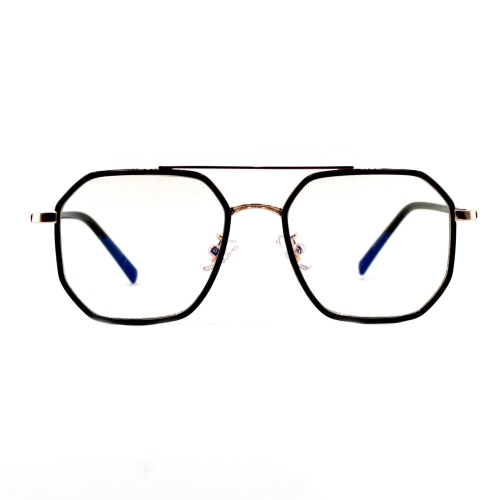
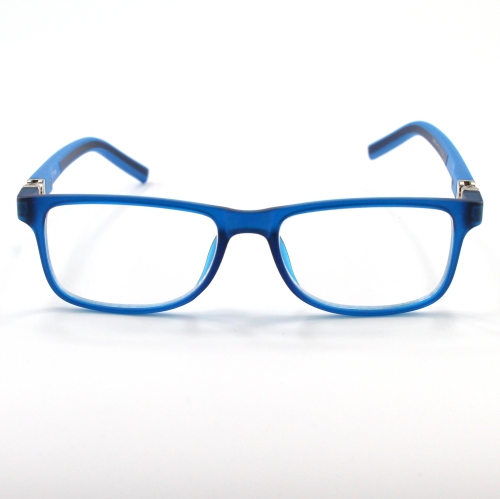
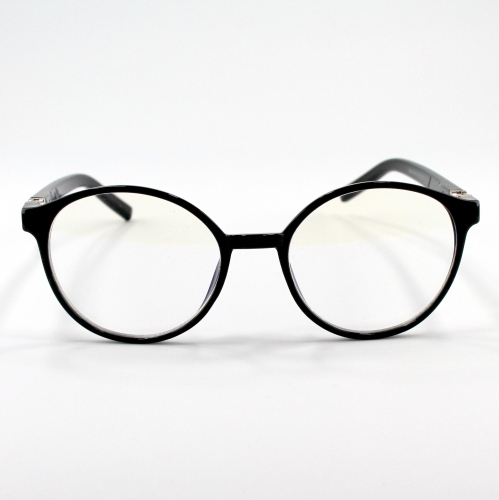
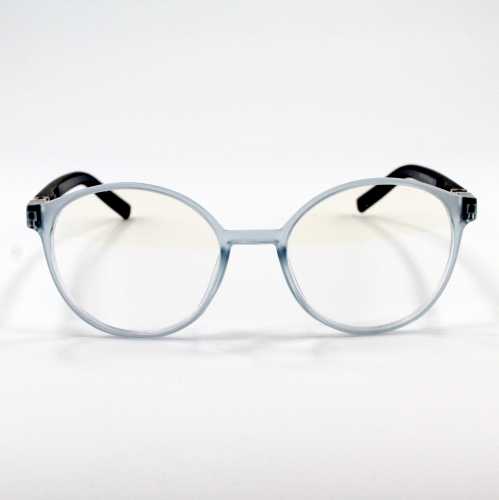
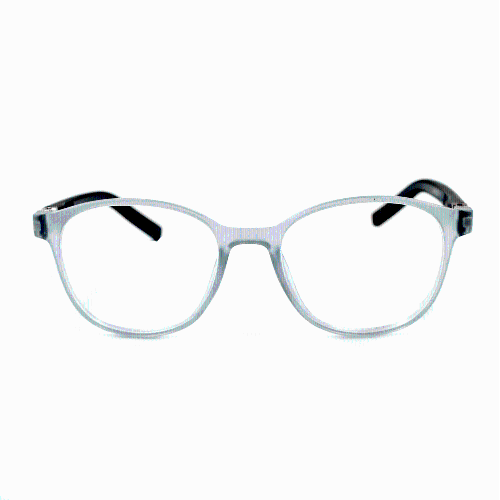
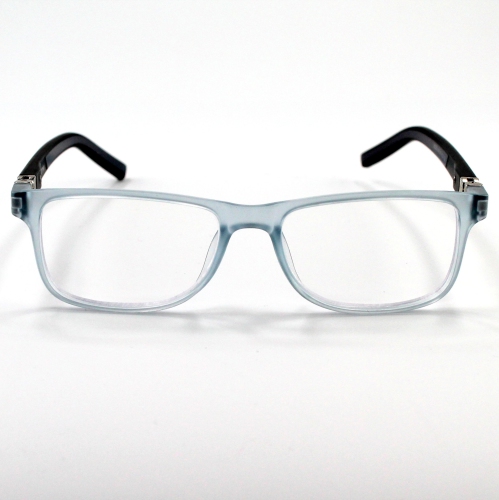
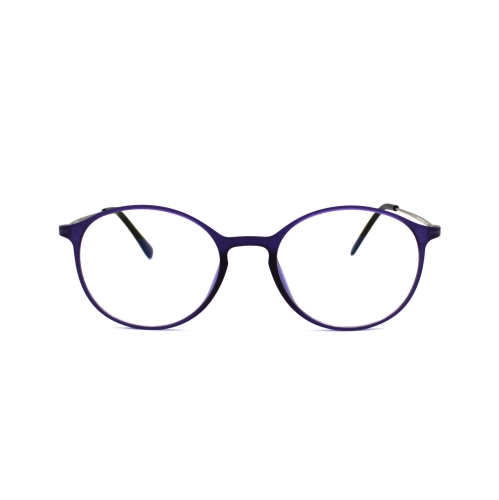
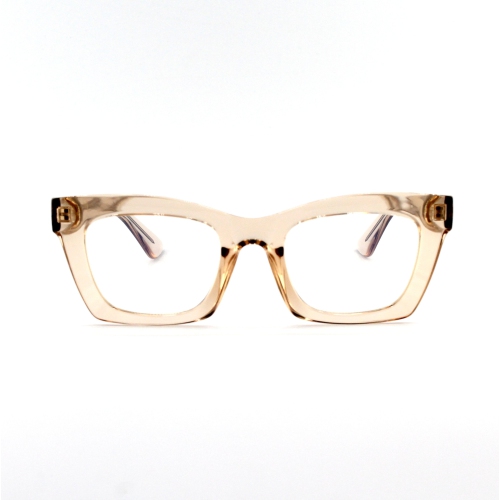
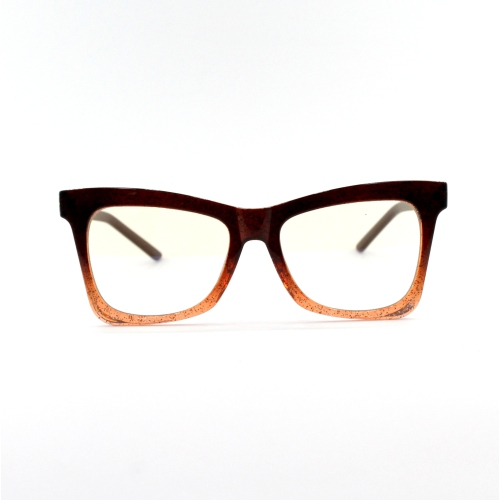
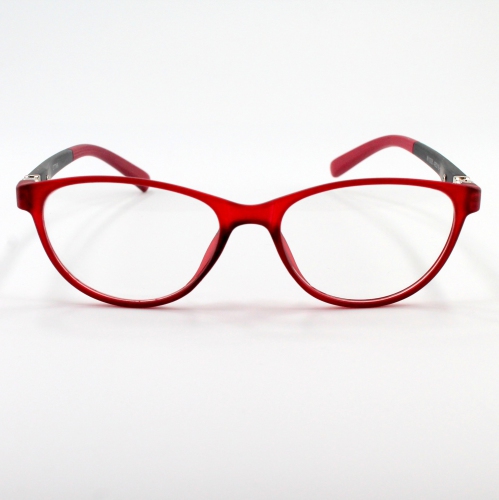
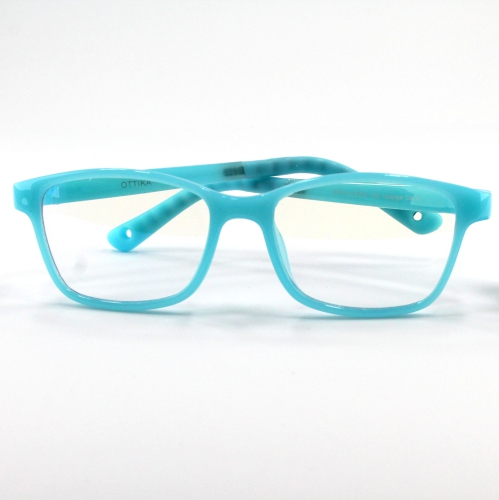
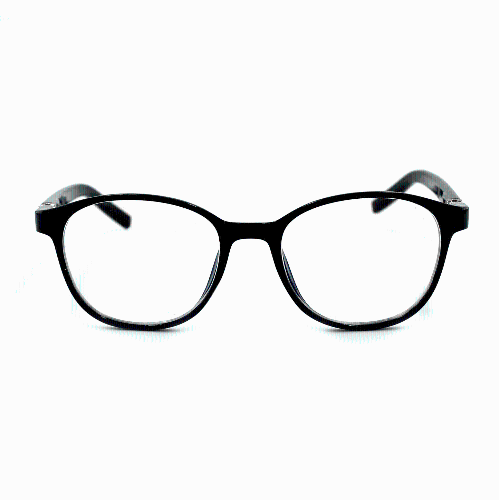
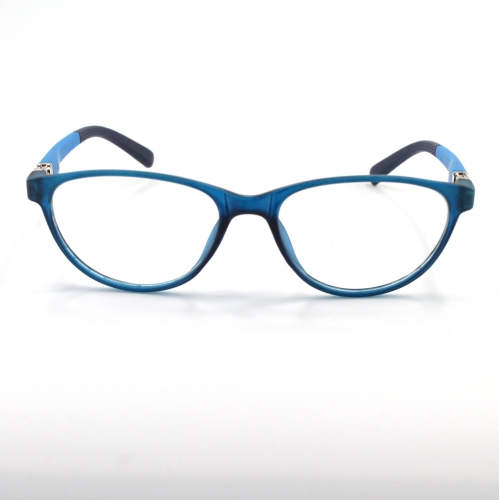
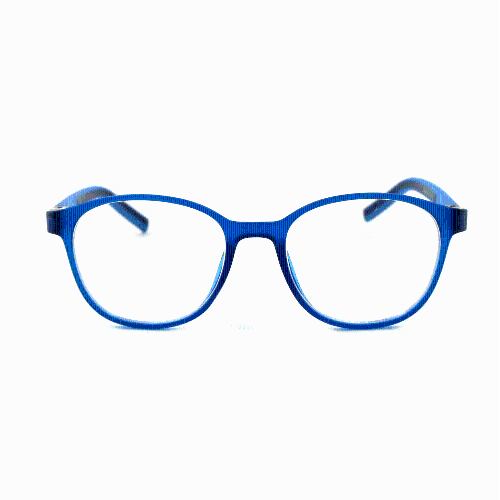
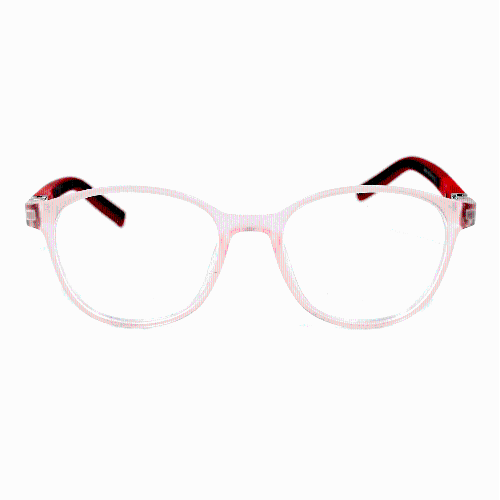
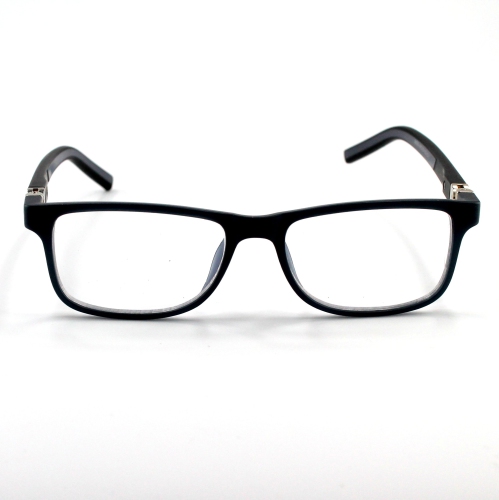
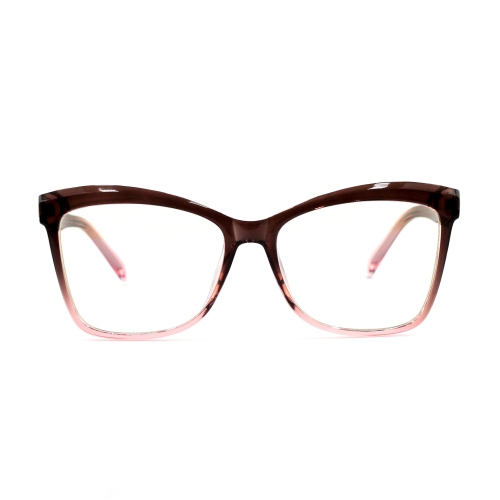
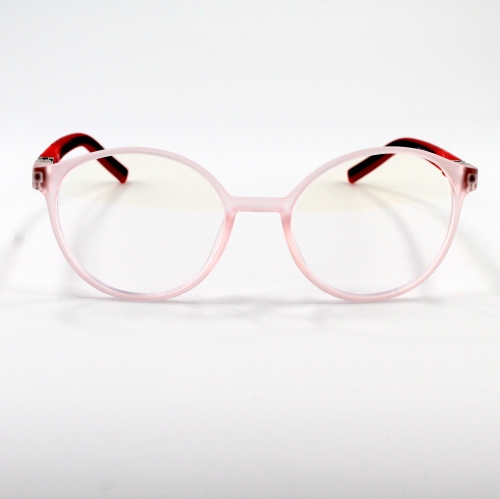
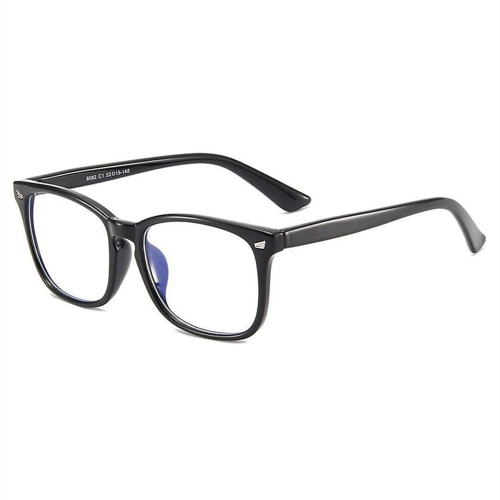
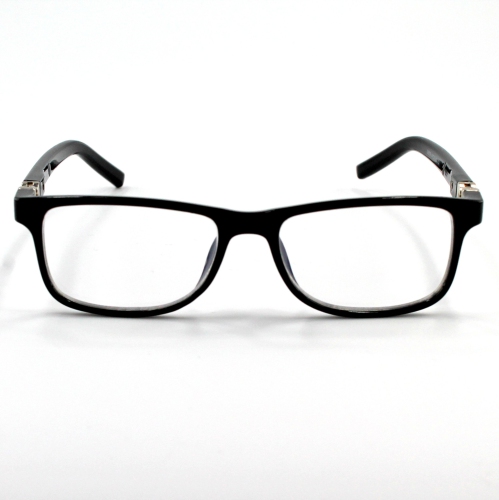
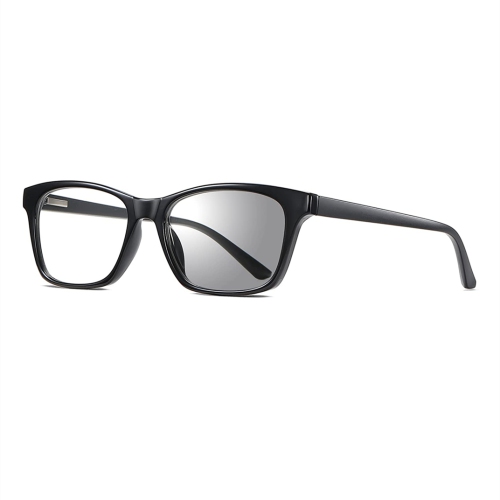
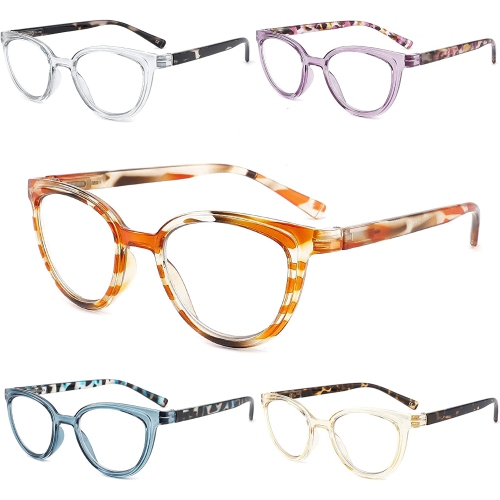
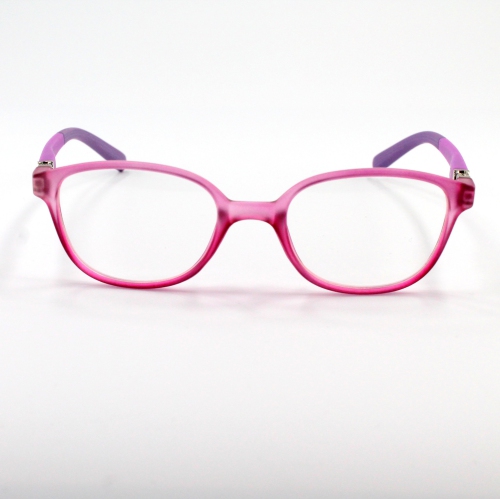
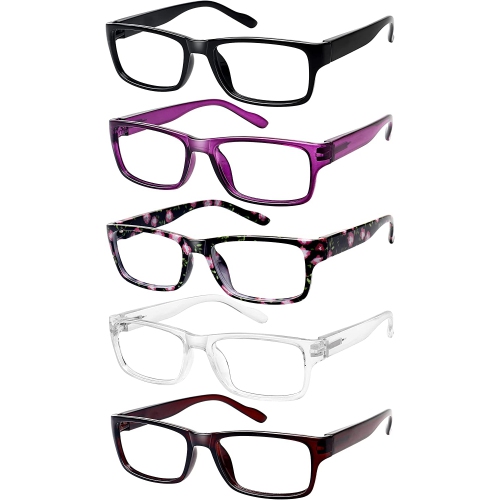
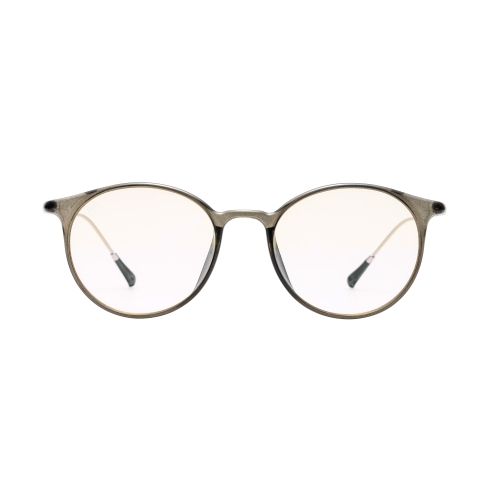
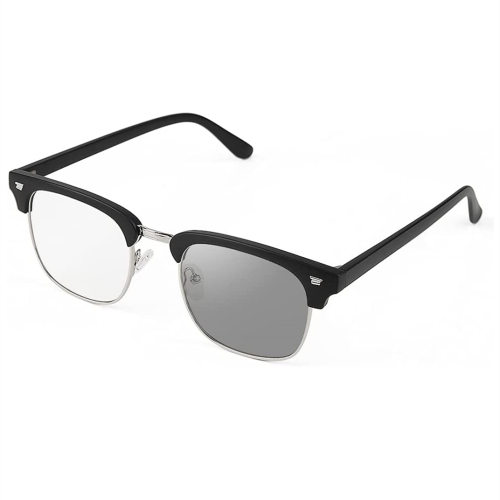
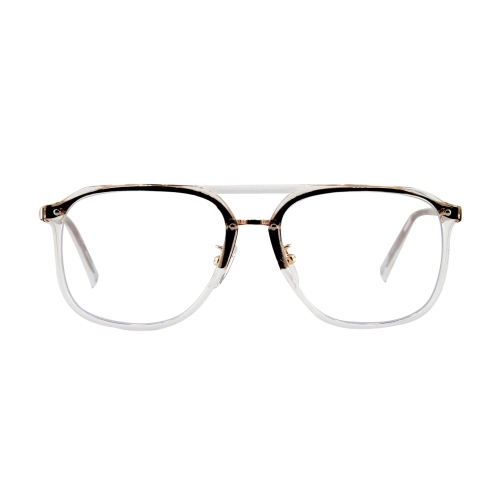
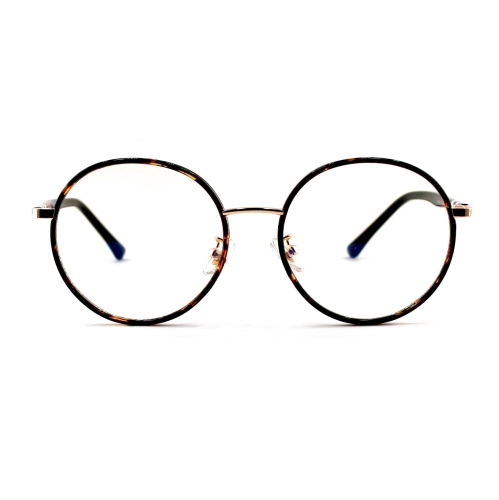
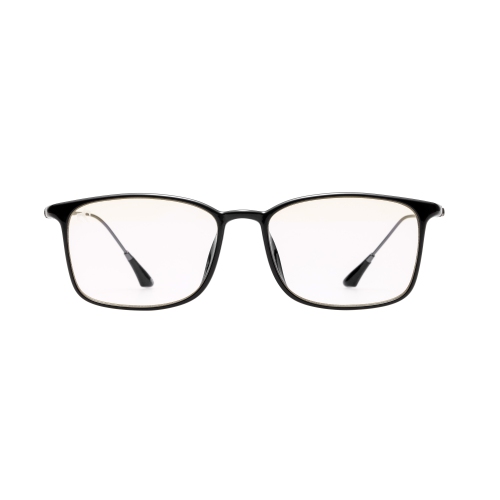
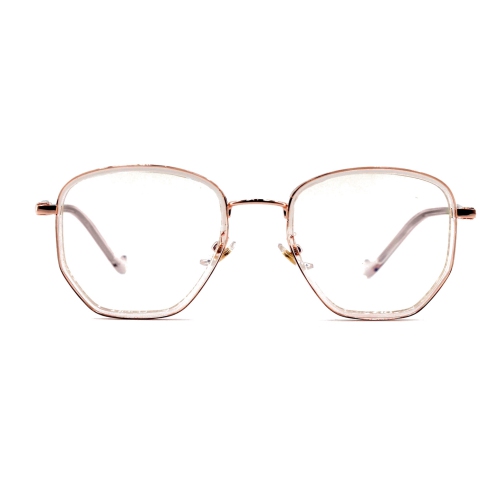
Protect your eyes from the harmful effects of blue light with our selection of blue light blocker glasses. Whether you spend hours in front of a screen for work or enjoy binge-watching your favorite shows, these glasses are designed to filter out blue light and reduce eye strain. With stylish frames and various lens options, you can find the perfect pair that suits your style and offers the protection your eyes need. Say goodbye to tired eyes and hello to comfortable screen time with our range of blue light blocker glasses.
Sort
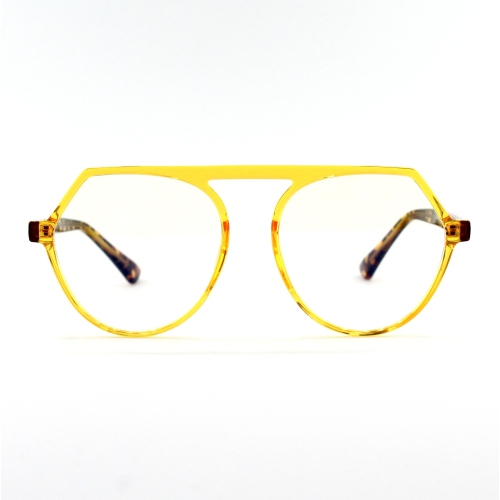
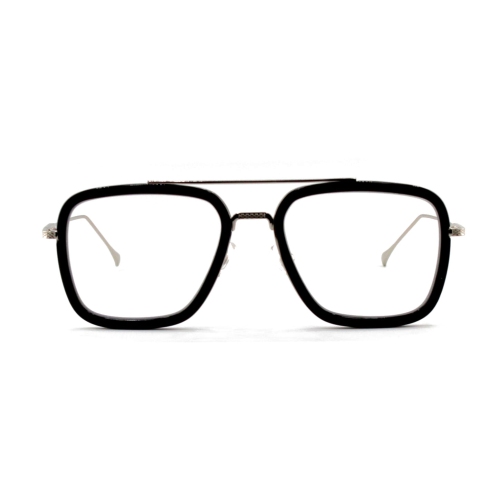
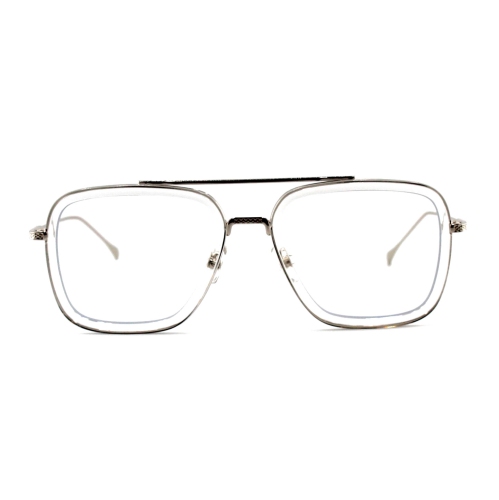
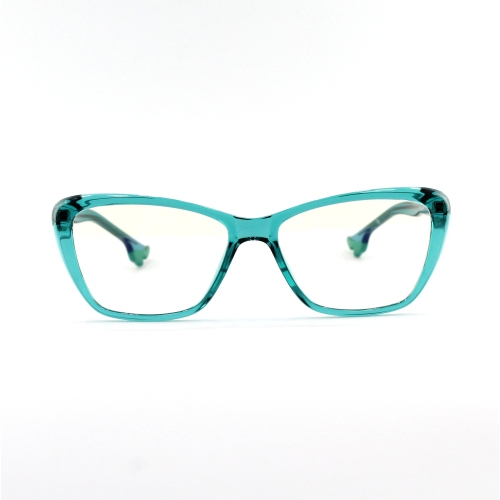
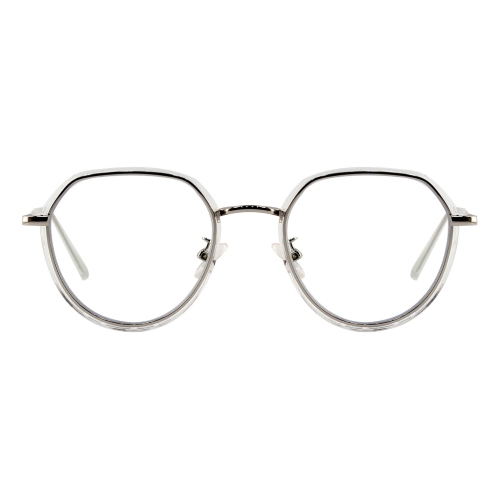
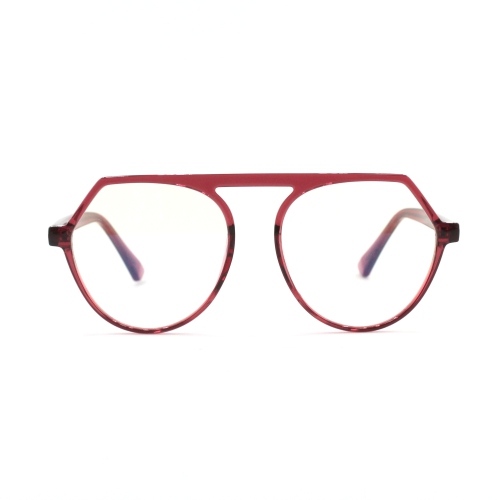
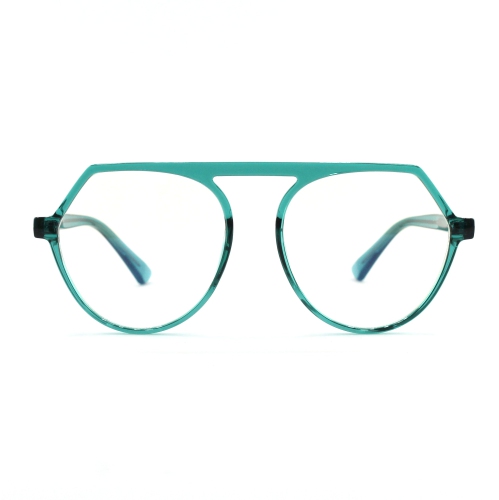
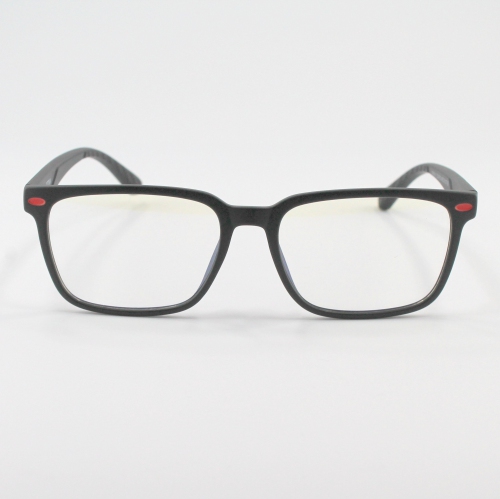
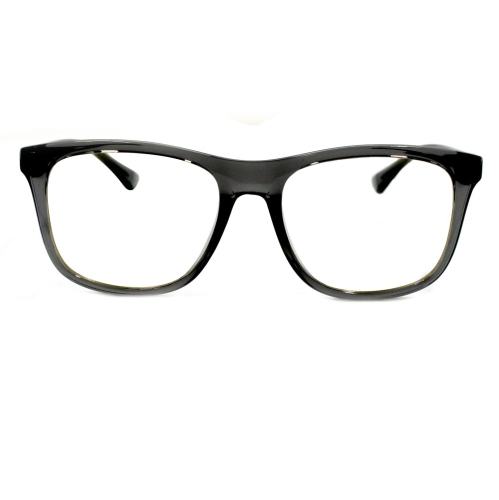
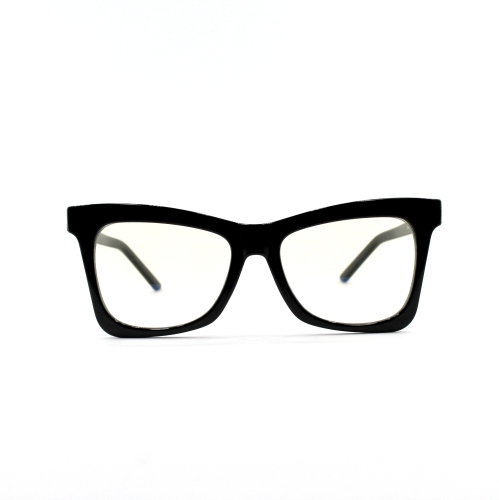
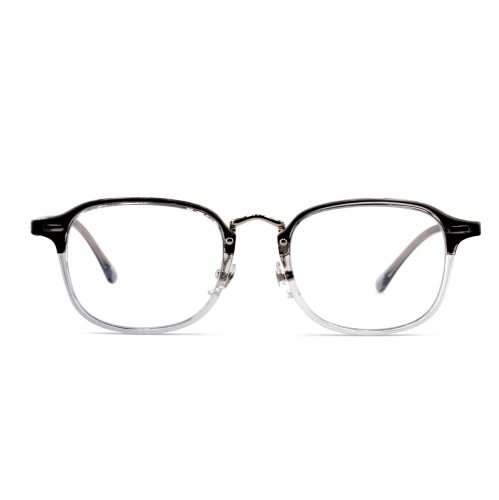
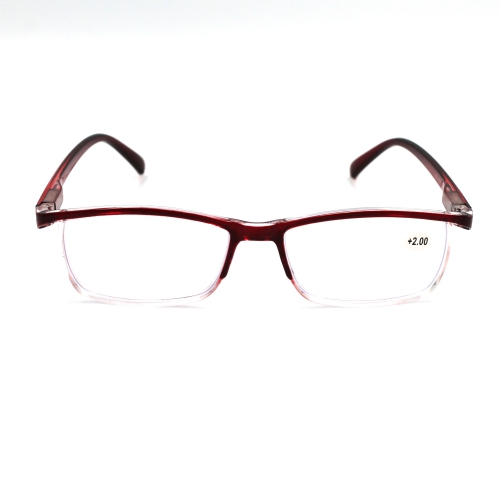
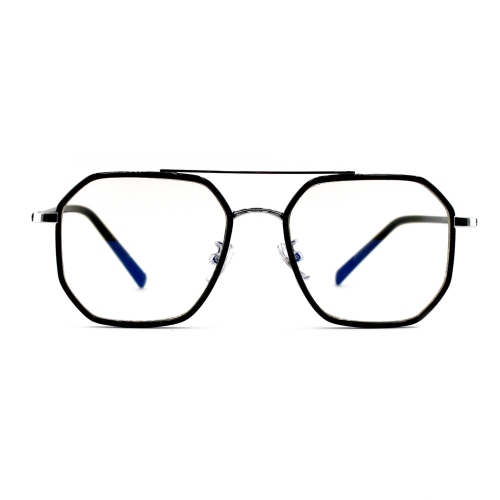
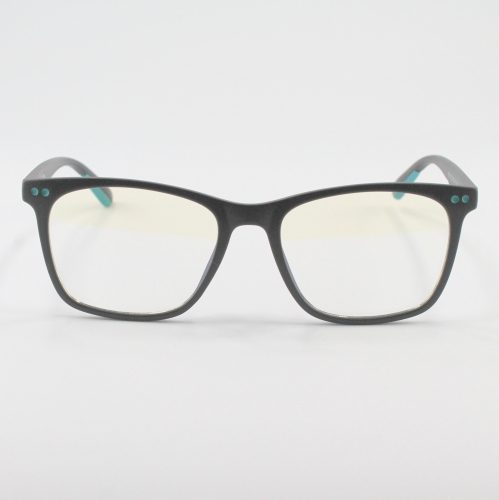
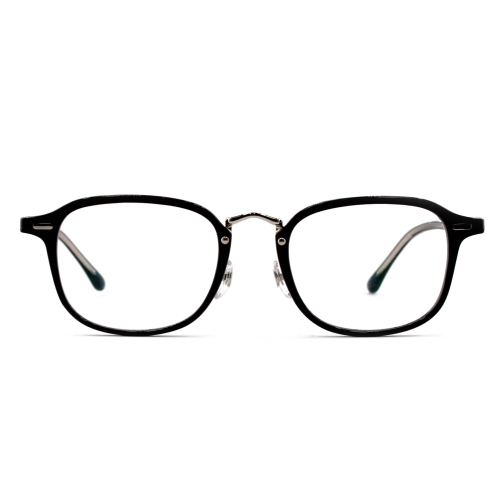
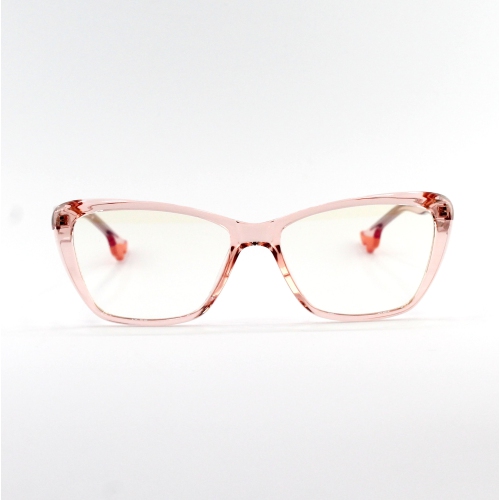
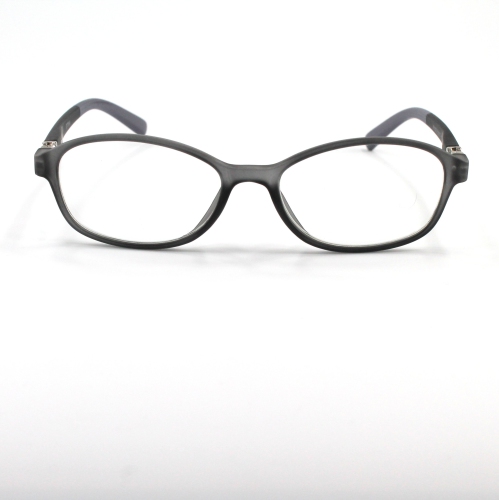
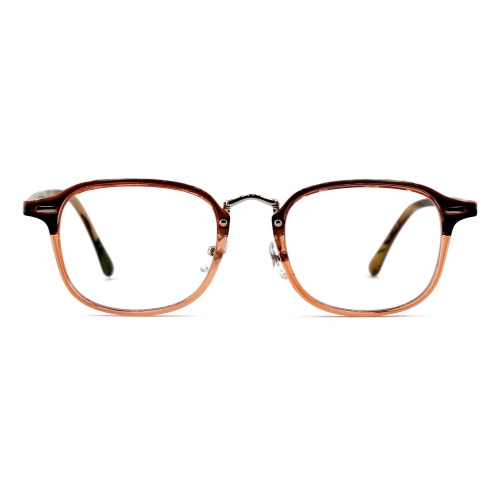
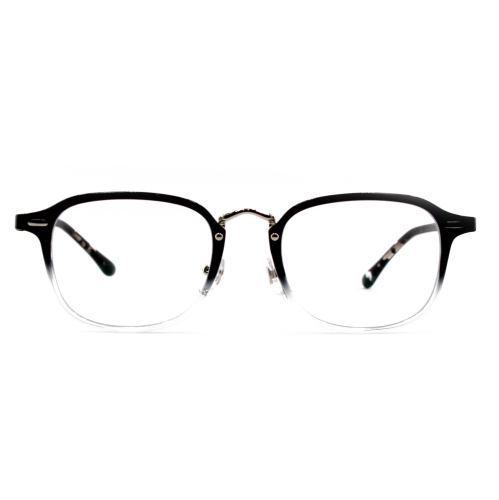
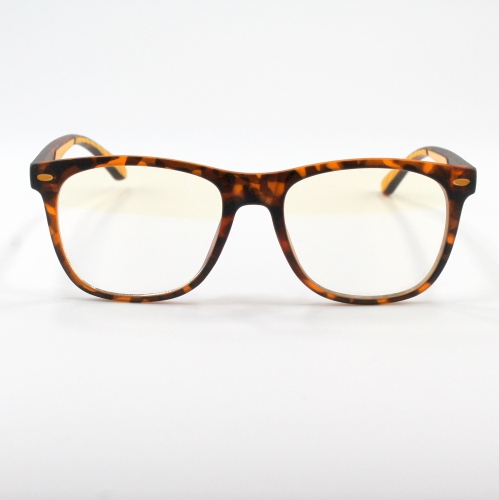

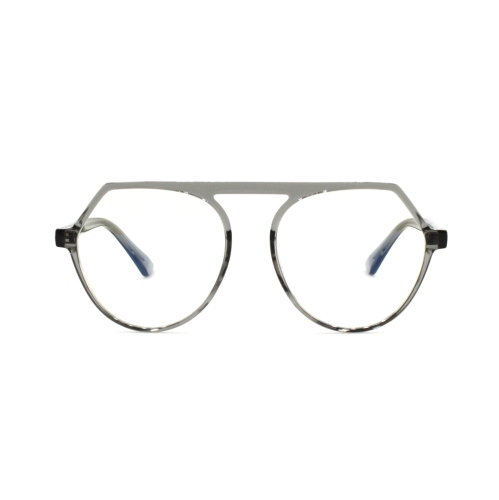
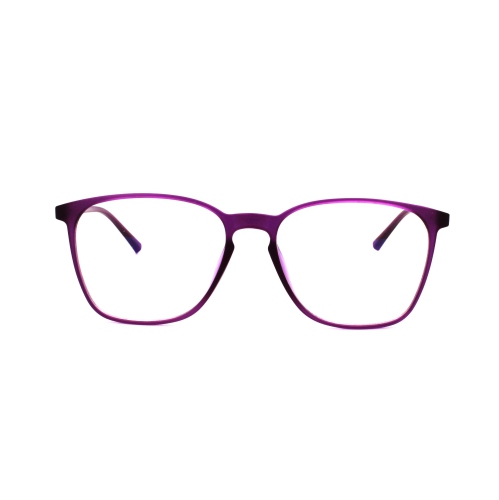
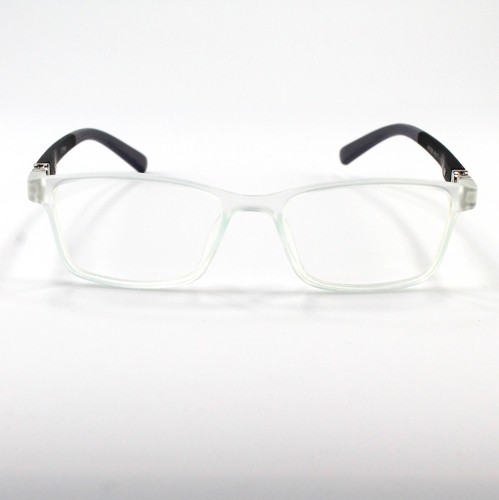
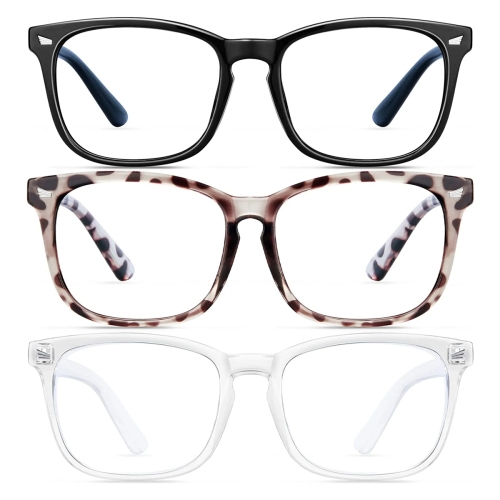
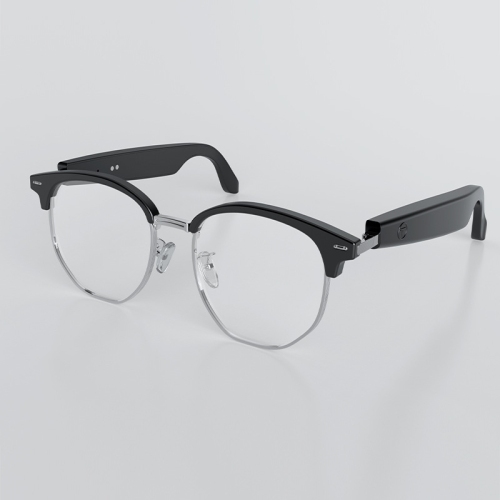
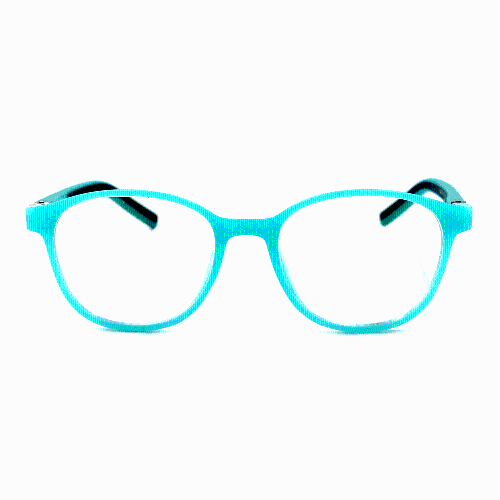
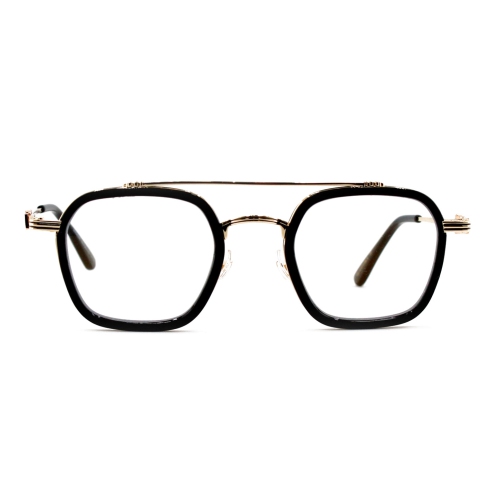
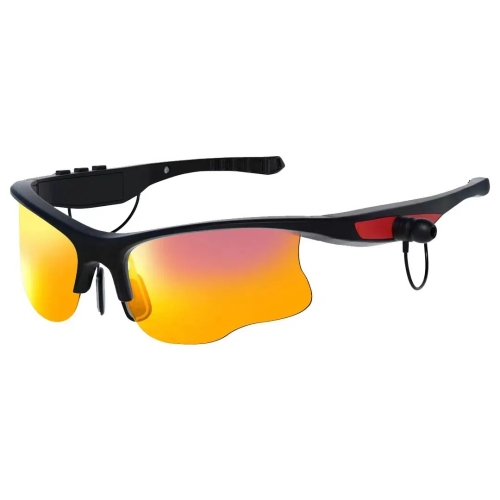
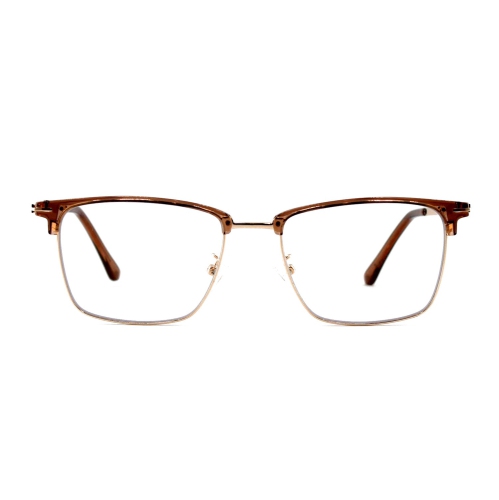
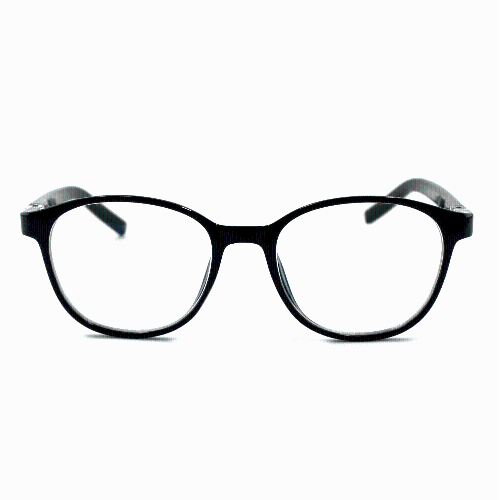
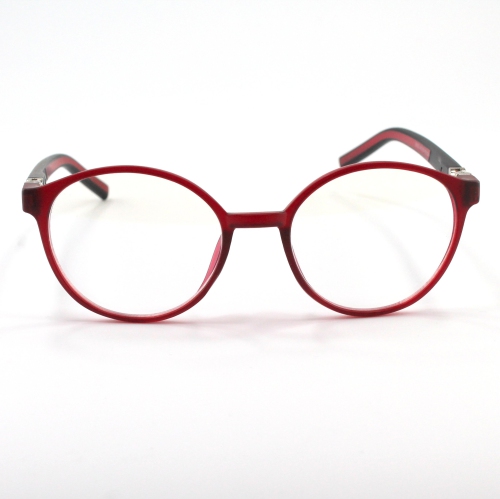
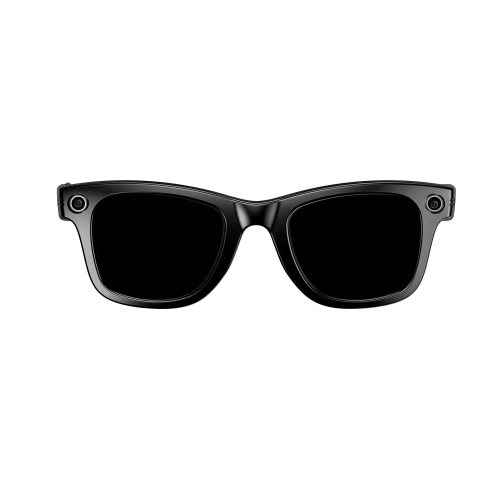
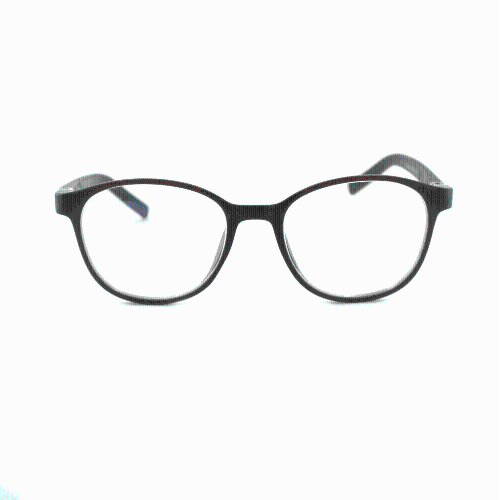
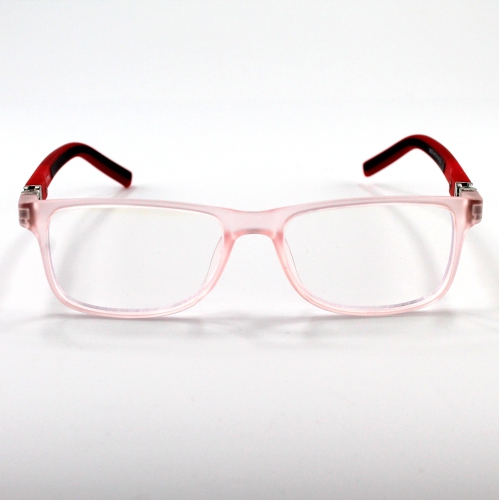
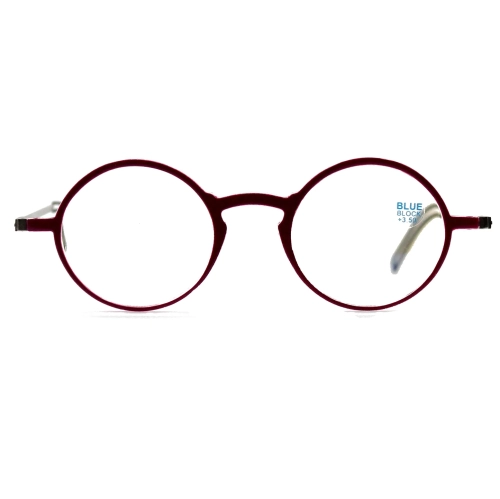
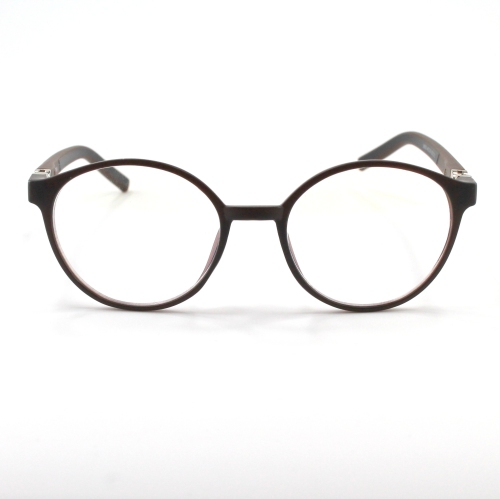
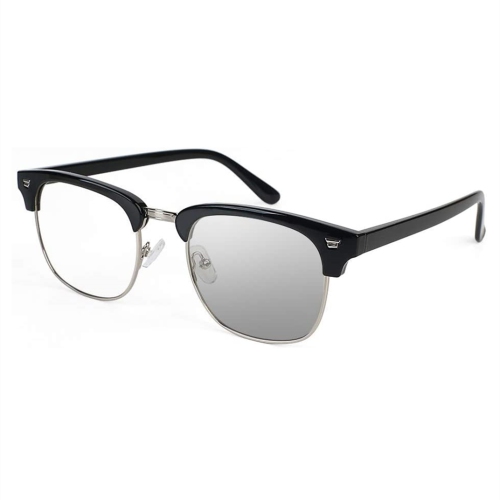
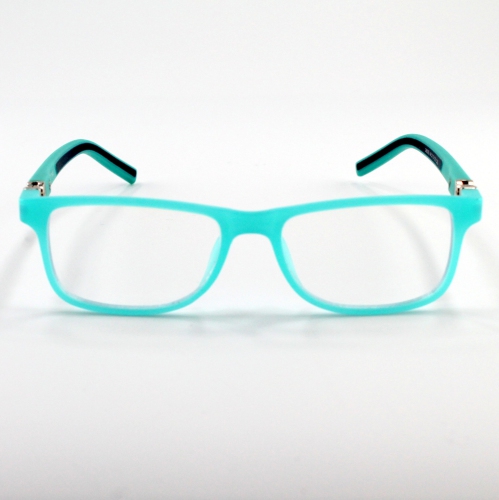
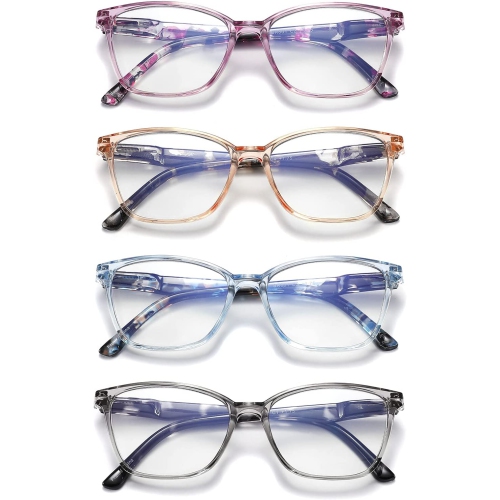
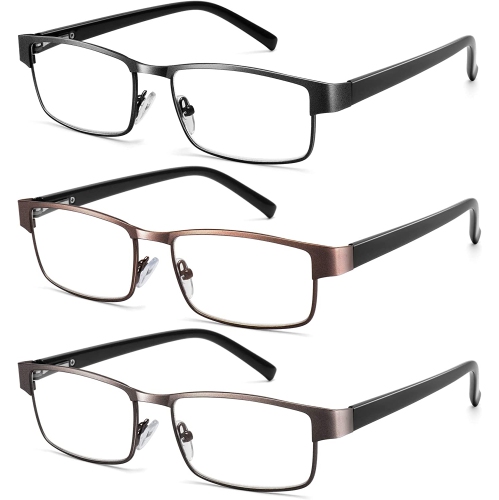
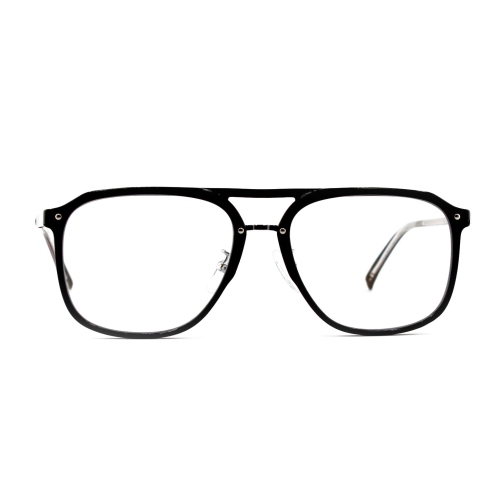
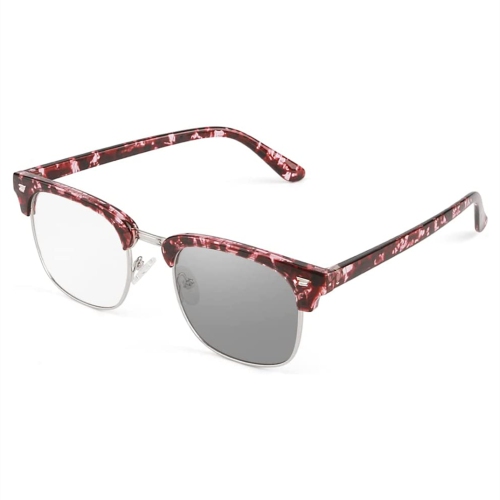
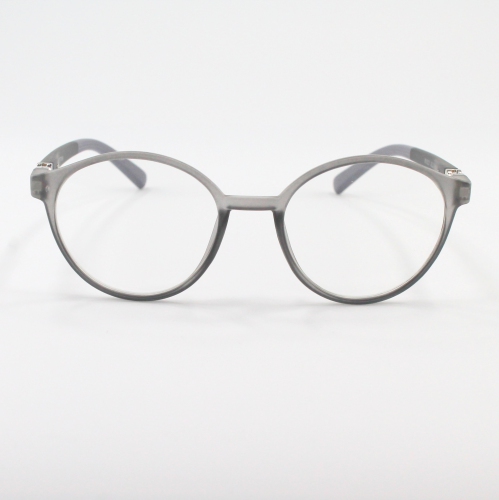
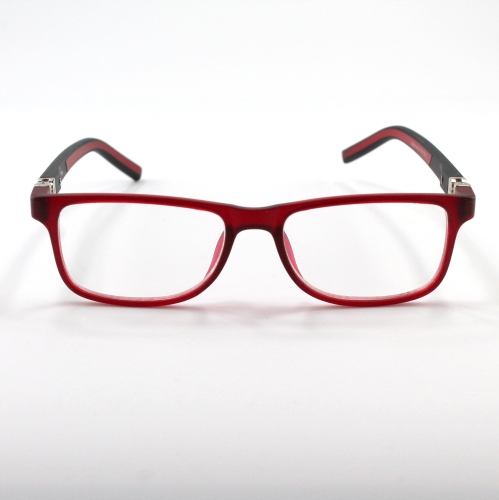
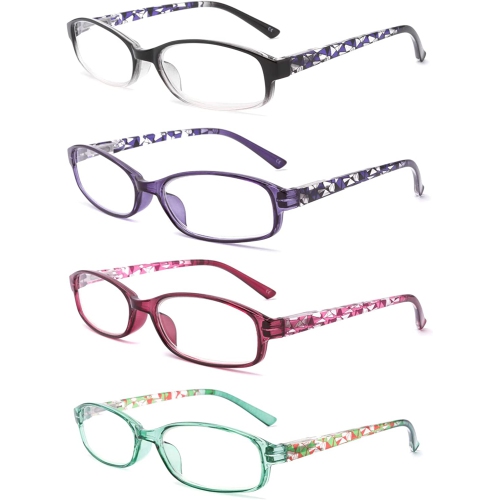
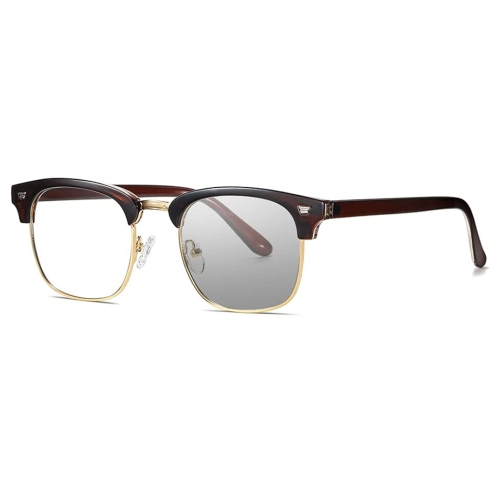
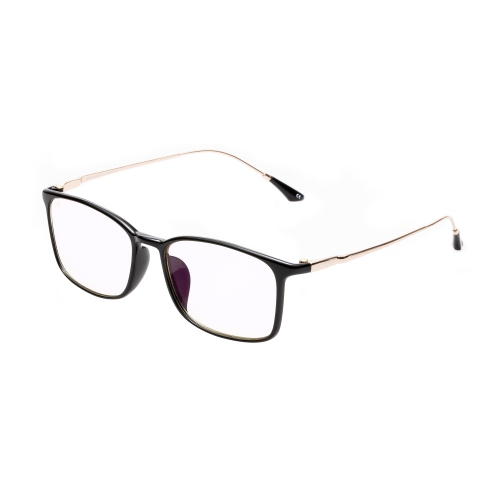

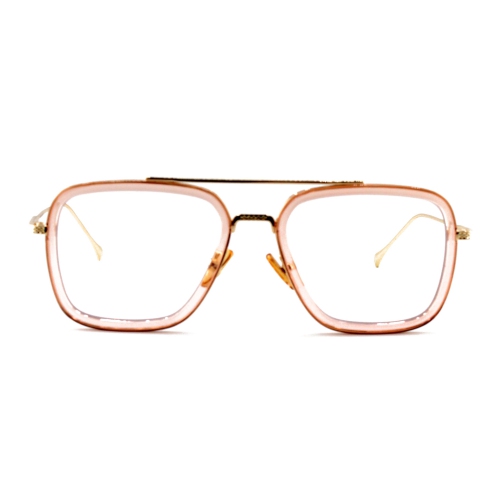
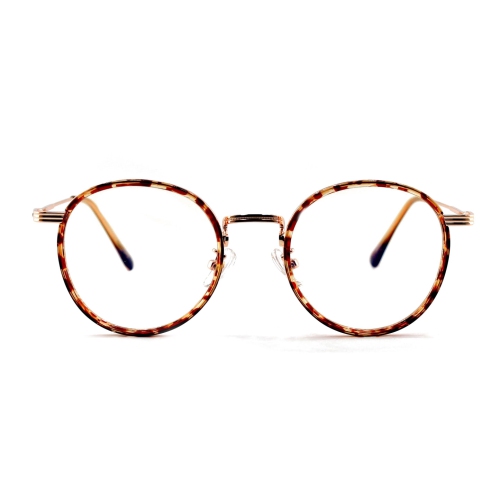
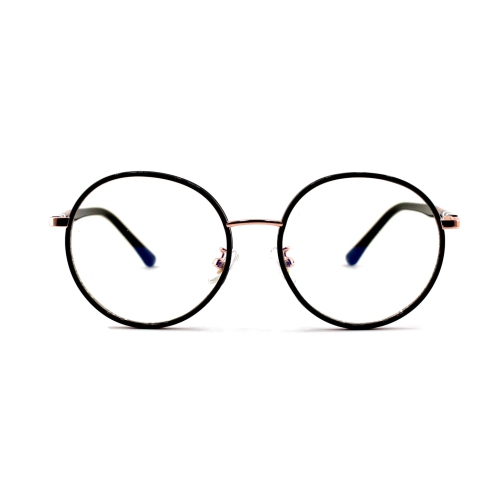
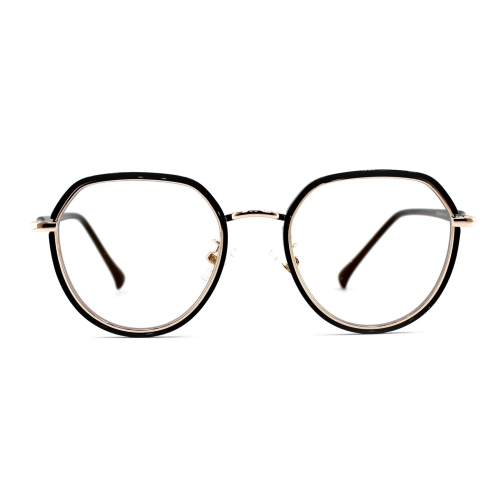
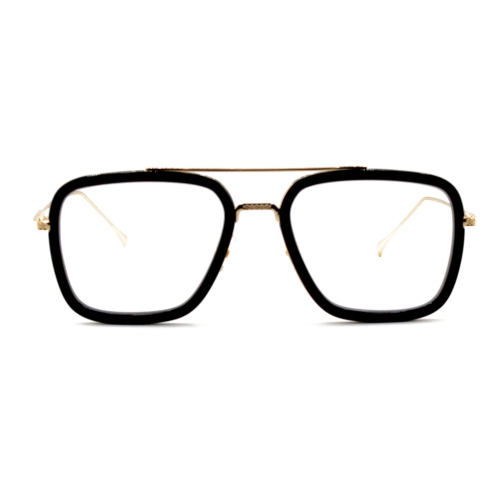
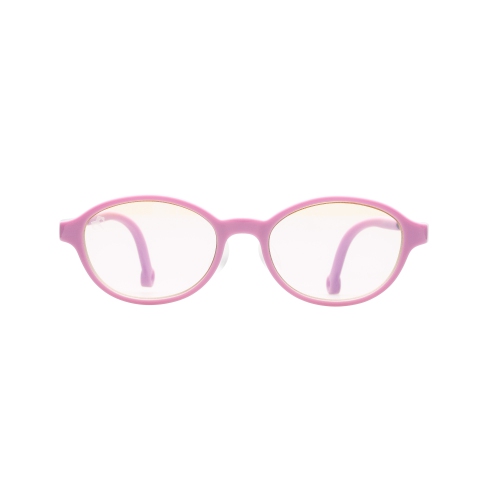
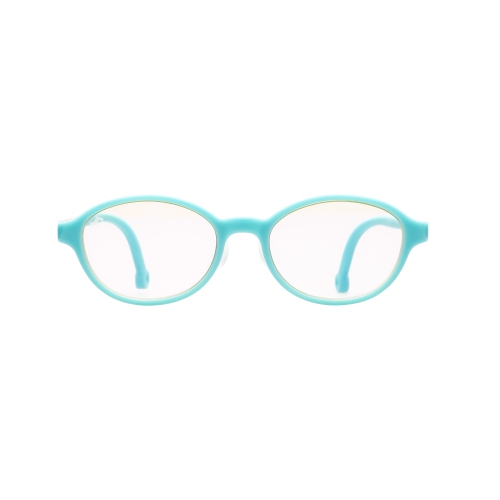
![CC Topsave [1 Piece] Anti Light, Protect Your Eyes for Better Sleep Tempered Glass, 9H Hardness, Case Friendly for Iphone 12 Pro Max (6.7") In Blue](https://multimedia.bbycastatic.ca/multimedia/products/500x500/159/15952/15952726.jpeg)
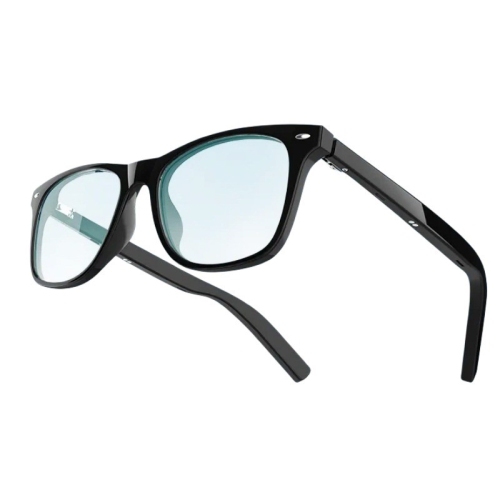
![CC Topsave [1 Piece] Anti Light, Protect Your Eyes for Better Sleep Tempered Glass, 9H Hardness, Case Friendly for Iphone 13 Mini (5.4") In Blue](https://multimedia.bbycastatic.ca/multimedia/products/500x500/159/15952/15952729.jpeg)
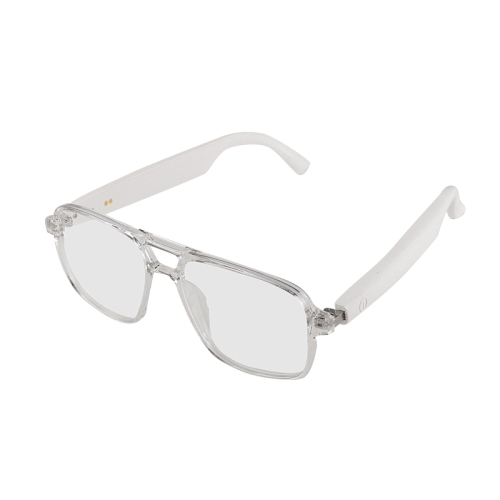
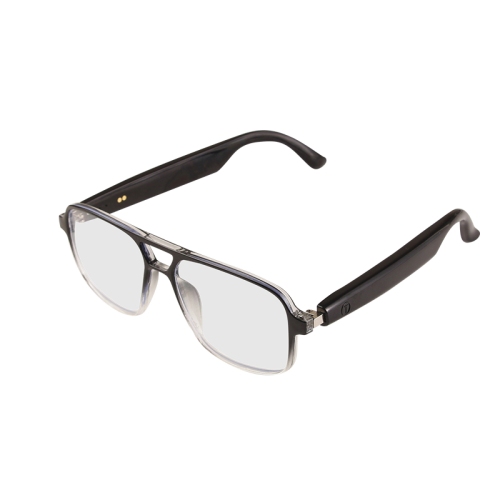
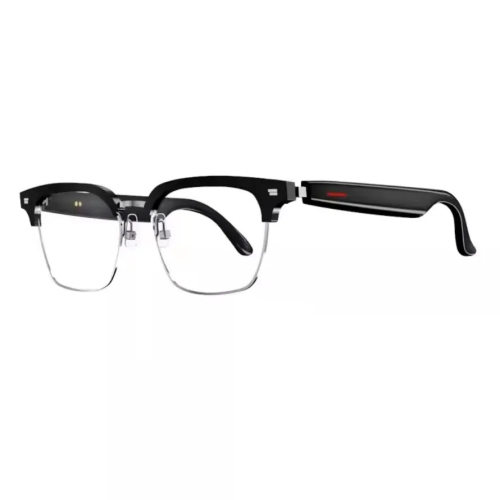
![CC Topsave [1 Piece] Anti Light, Full Sized Full Coverage Tempered Glass, 9H Hardness, Case Friendly for Iphone 12 Pro Max (6.7") In Blue](https://multimedia.bbycastatic.ca/multimedia/products/500x500/159/15952/15952732.jpeg)
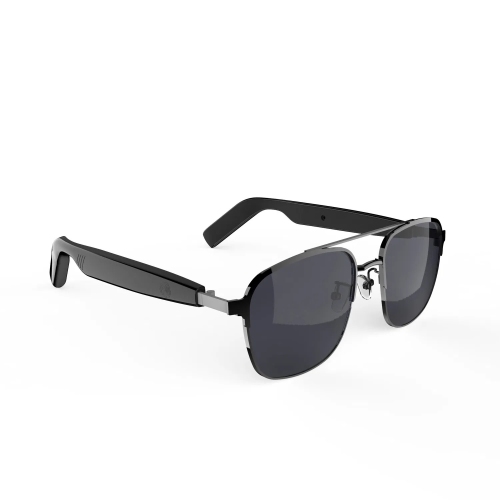
![CC Topsave [1 Piece] Anti Light, Protect Your Eyes for Better Sleep Tempered Glass, 9H Hardness, Case Friendly for Iphone 12, Iphone 12 Pro (6.1")](https://multimedia.bbycastatic.ca/multimedia/products/500x500/159/15952/15952728.jpeg)
![CC Topsave [1 Piece] Anti Light, Protect Your Eyes for Better Sleep Tempered Glass, 9H Hardness, Case Friendly for Iphone 13 Pro Max (6.7") In Blue](https://multimedia.bbycastatic.ca/multimedia/products/500x500/159/15952/15952733.jpeg)
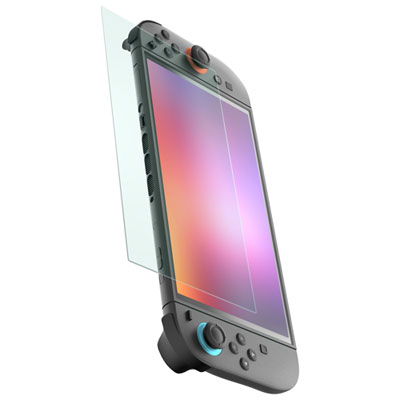
![CC Topsave [1 Piece] Anti Light, Full Sized Full Coverage Tempered Glass, 9H Hardness, Case Friendly for Iphone 13 Pro Max (6.7") In Blue](https://multimedia.bbycastatic.ca/multimedia/products/500x500/159/15952/15952731.jpeg)
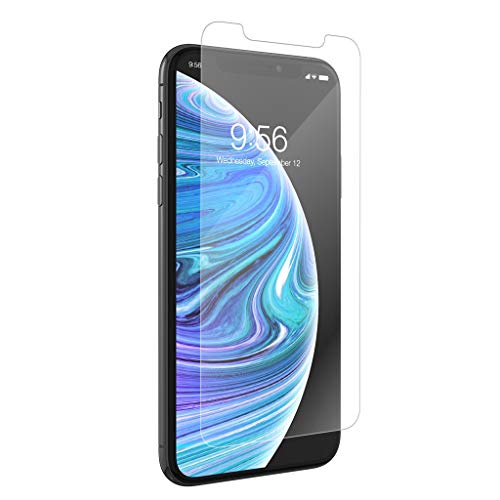
![CC Topsave [1 Piece] Anti Light, Full Sized Full Coverage Tempered Glass, 9H Hardness, Case Friendly for Iphone 13, Iphone 13 Pro (6.1") In Blue](https://multimedia.bbycastatic.ca/multimedia/products/500x500/159/15952/15952730.jpeg)
![CC Topsave [1 Piece] Anti Light, Full Sized Full Coverage Tempered Glass, 9H Hardness, Case Friendly for Iphone 12, Iphone 12 Pro (6.1") In Blue](https://multimedia.bbycastatic.ca/multimedia/products/500x500/159/15952/15952727.jpeg)
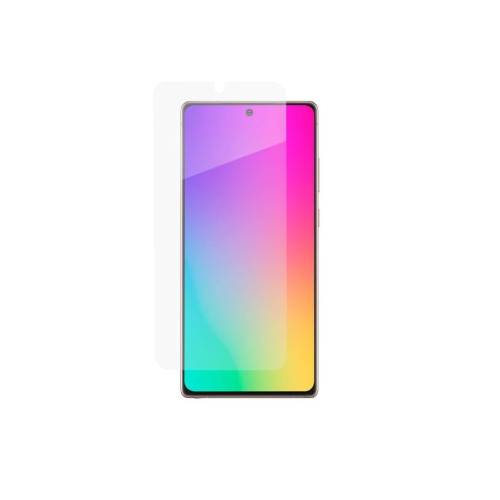
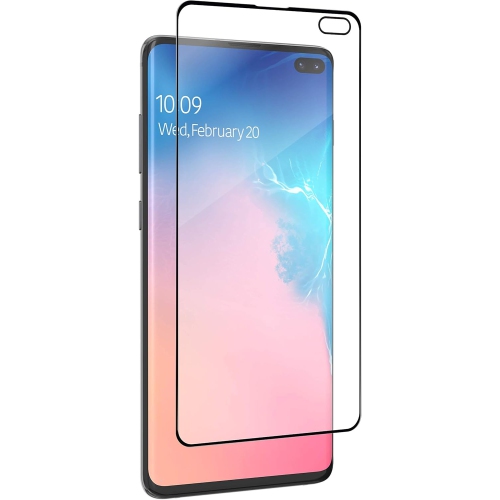
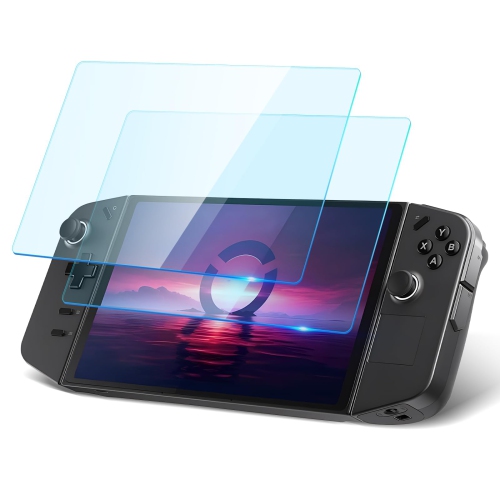
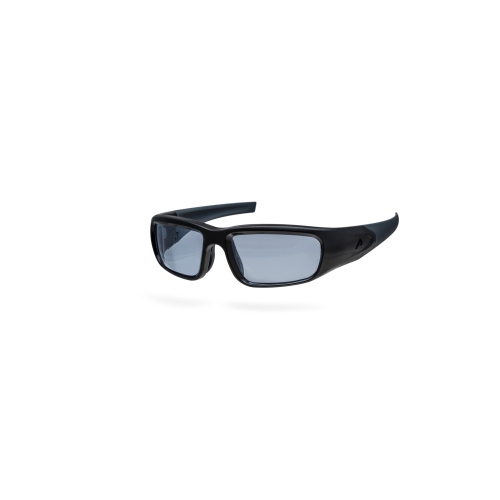
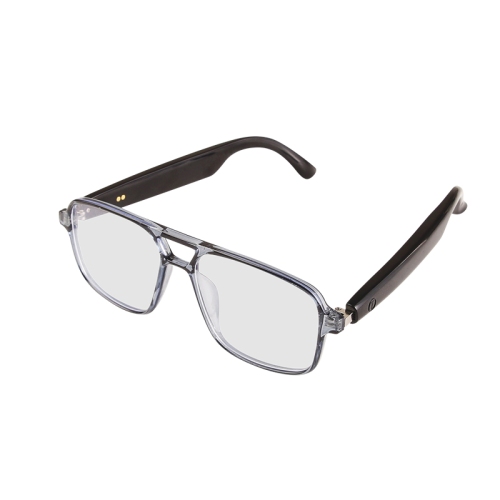
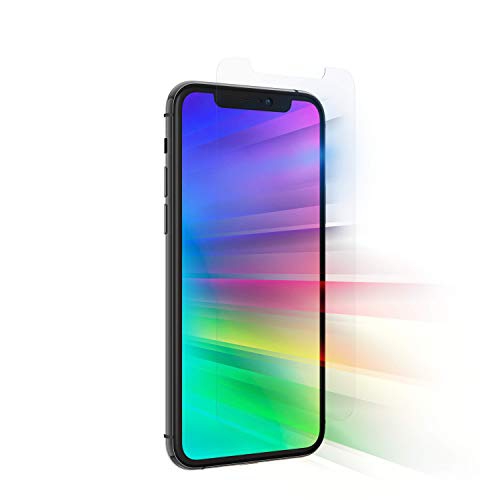
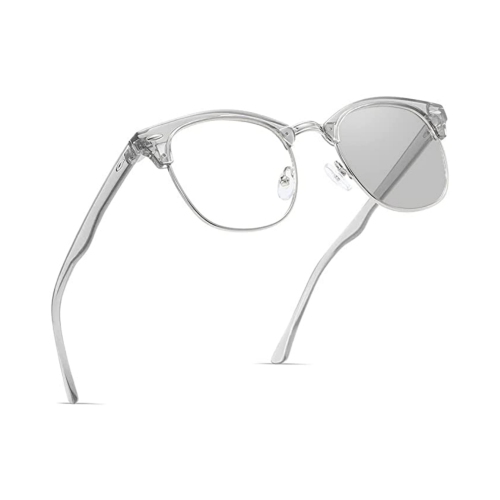
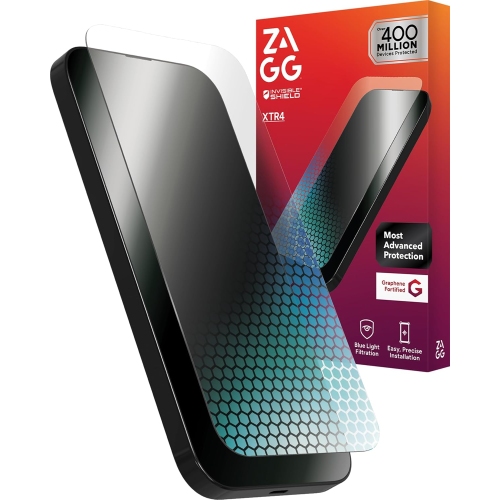
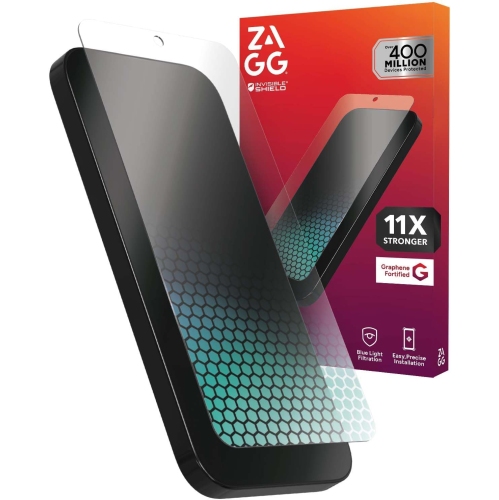
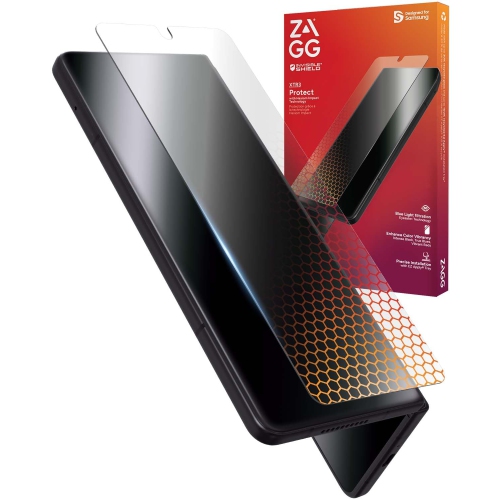
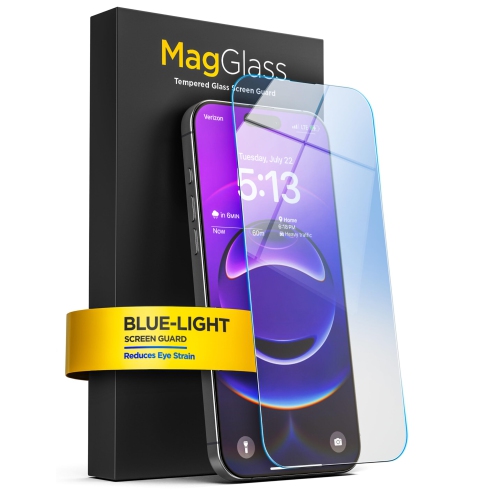
![GENERIC for Ipad 10.2 Inch (9Th / 8Th / 7Th Generation, 2021/2020 / 2019), Anti Light [Eye Protection] Tempered Glass In Blue](https://multimedia.bbycastatic.ca/multimedia/products/500x500/198/19846/19846316.jpeg)
![GENERIC Screen Protector for Iphone 11 Pro Max, Iphone Xs Max, Anti-Blue Light Temper Glass Film [Eye Protection ]](https://multimedia.bbycastatic.ca/multimedia/products/500x500/195/19587/19587869.jpeg)
How lens tint and screen habits shape everyday comfort
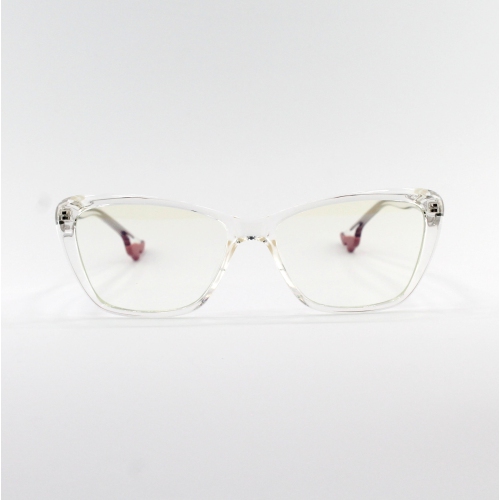
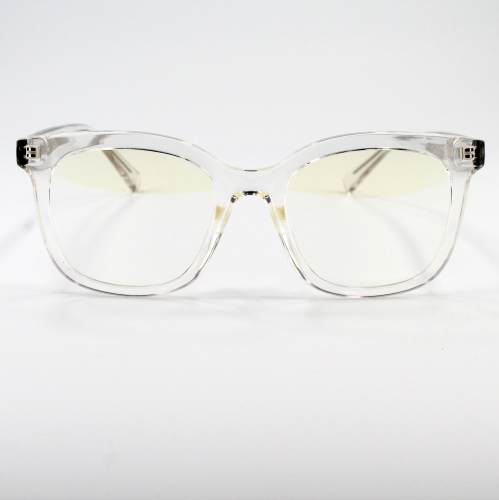
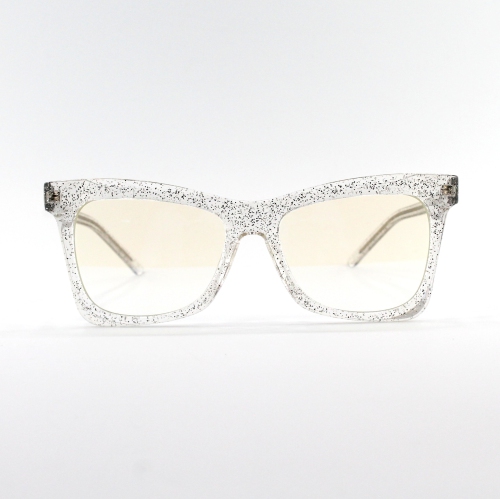
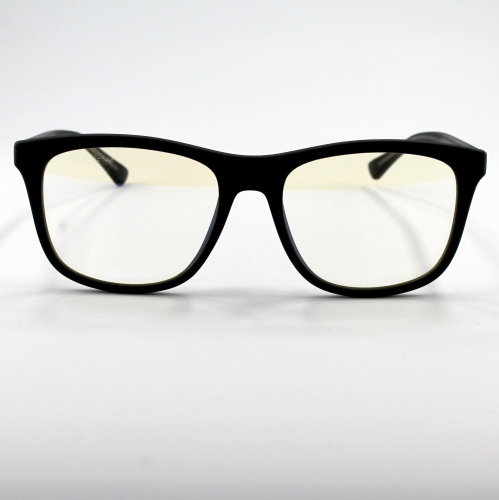
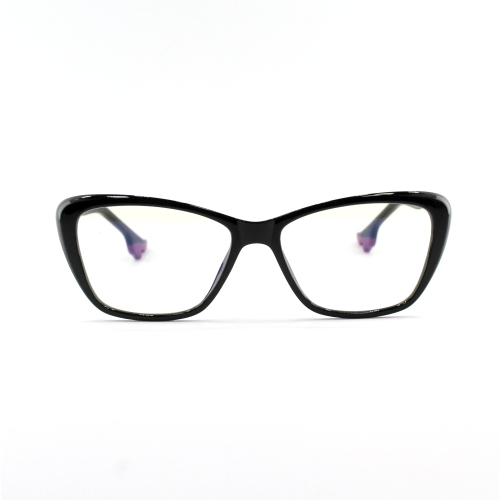
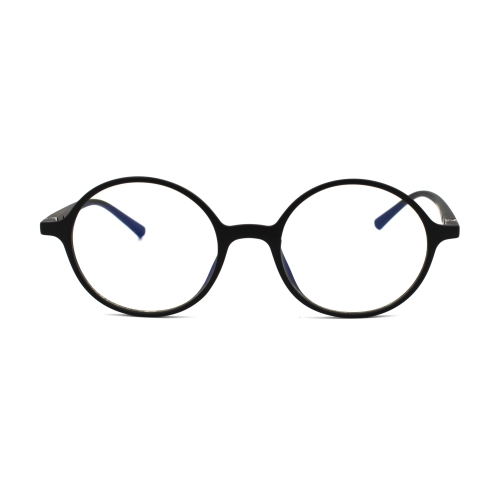
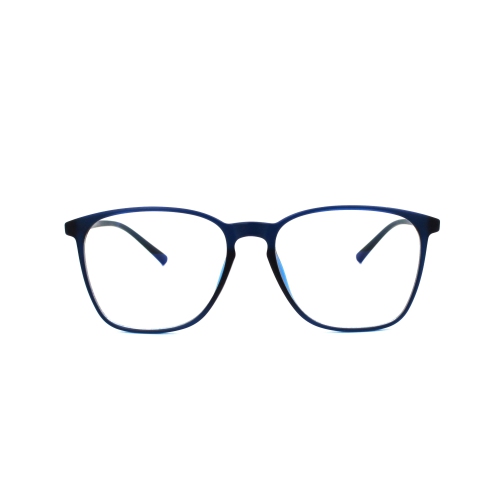
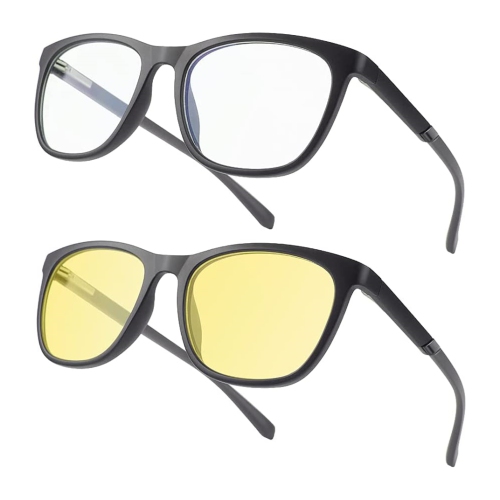
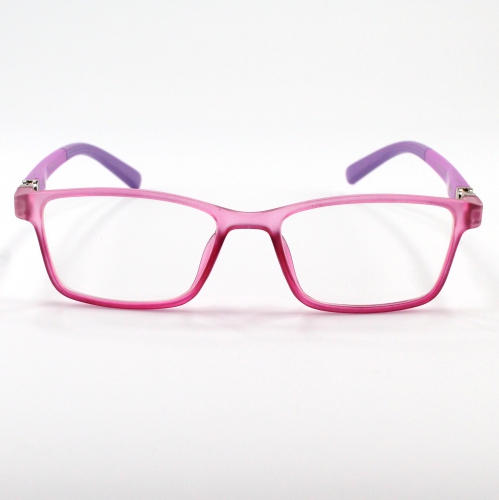
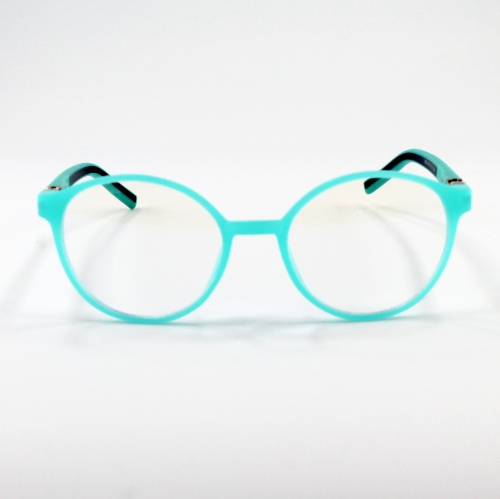
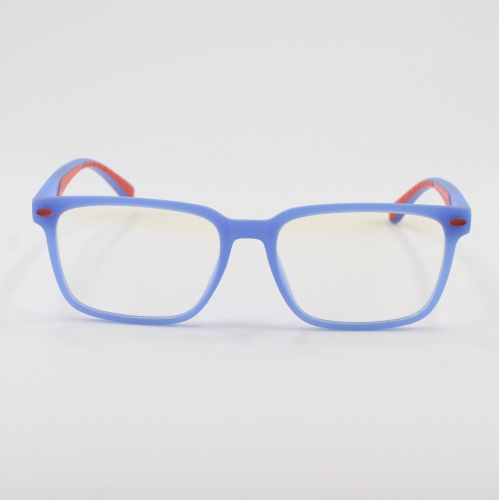
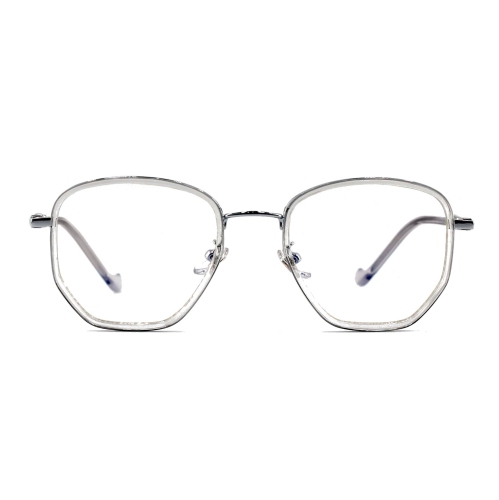
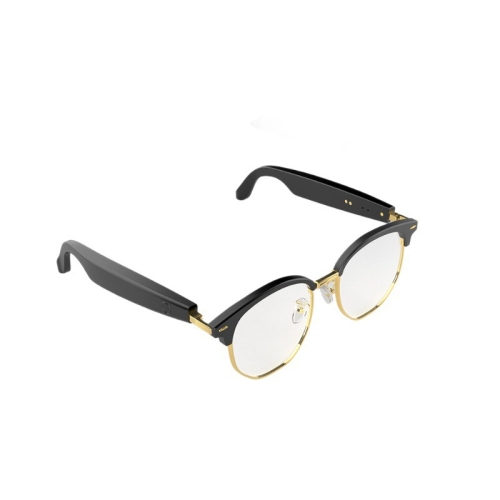
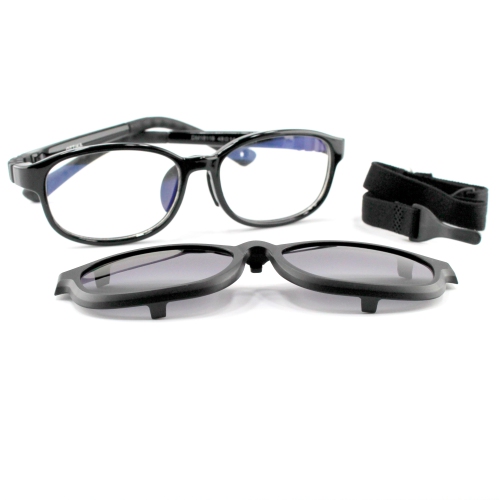
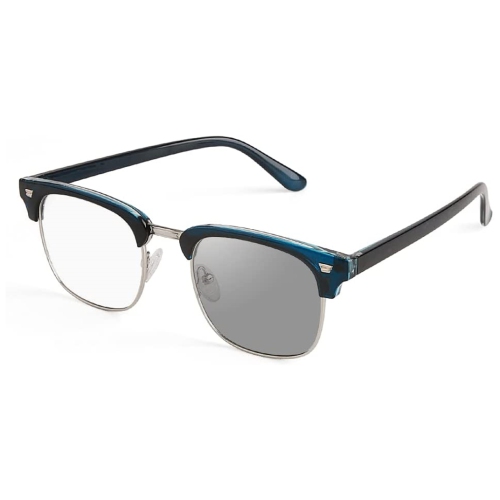
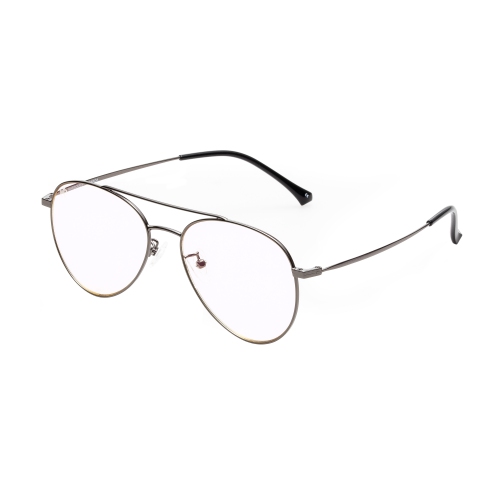
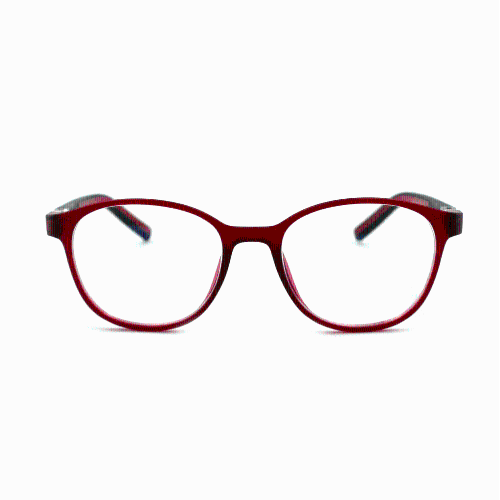
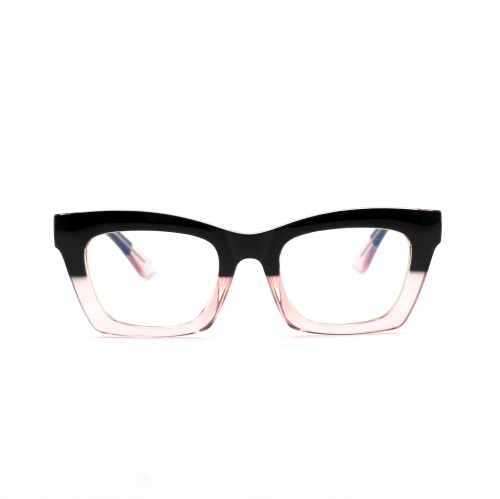
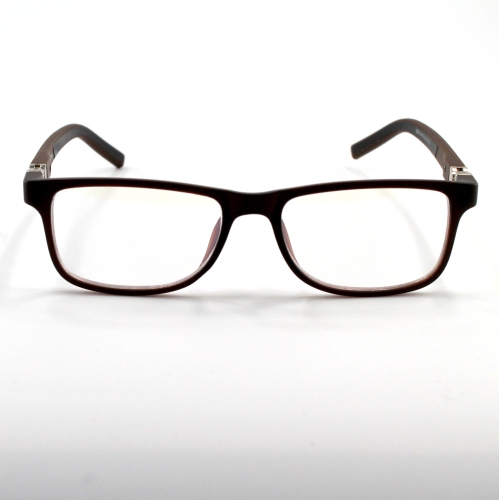
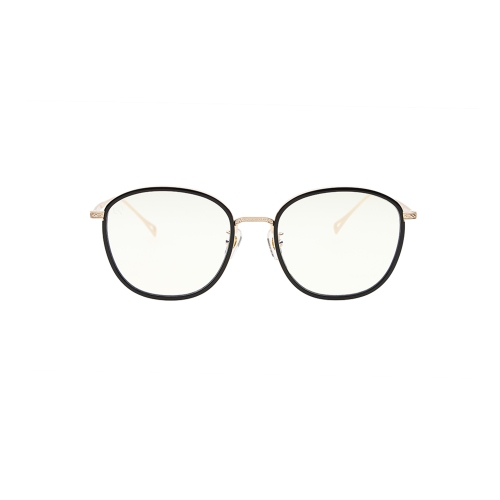
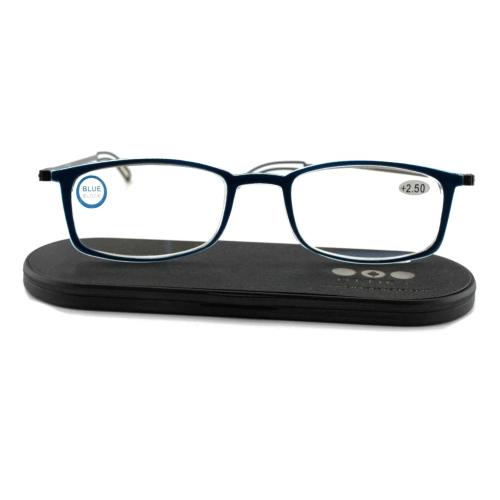
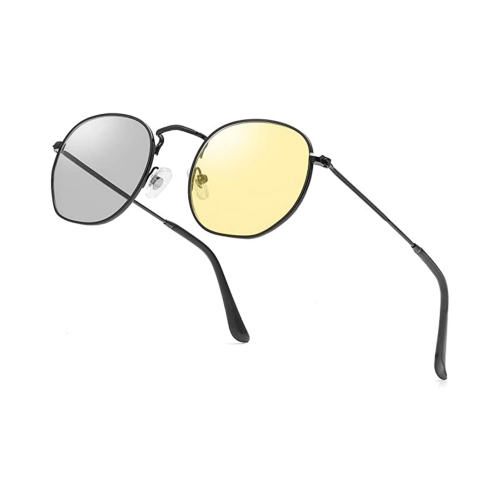
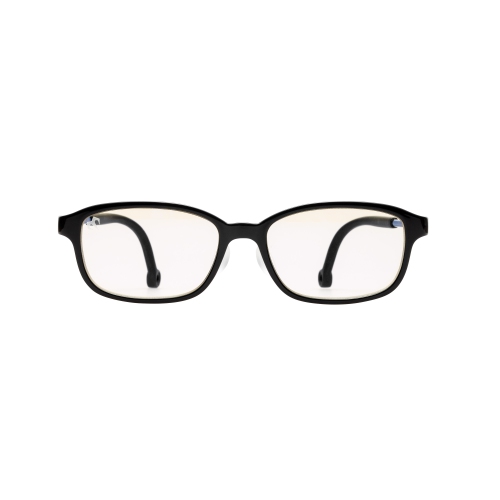
Blue light blocker glasses are designed for people who spend time looking at phones, tablets, computers, gaming displays, televisions, or other illuminated screens. Their lenses use a filtering material, coating, or tint to reduce some of the high-energy visible blue light reaching the eyes. Depending on the design, lenses may look nearly clear, have a subtle warm tone, or feature a more noticeable amber or yellow tint. Clear and lightly tinted options are often chosen for daytime work, school, video calls, and casual screen use because they preserve a more natural view of colours, while deeper tints may be preferred in the evening when reducing cool, bright light is a priority. Blue light blocker glasses are not a replacement for prescription eyewear, and non-prescription lenses do not correct nearsightedness, farsightedness, astigmatism, or other vision conditions. Anyone who wears prescription glasses can speak with an optometrist about suitable lens options, including prescription lenses with a blue-light filtering treatment. For shoppers comparing the selection of Blue Light Glasses, it helps to consider how and when the glasses will be used rather than choosing solely by the amount of blue light claimed to be filtered. The right pair should feel comfortable during an ordinary evening at a desk, at a kitchen table, or on the sofa, with a frame that stays in place without pressing behind the ears or along the nose.
Digital eye strain is often linked to the way screens are used rather than blue light alone. People tend to blink less when concentrating, hold displays at a fixed distance for long periods, work in glare, or view text that is too small. Dryness, tired eyes, blurred vision, headaches, and neck or shoulder discomfort can follow a long stretch of uninterrupted screen time. Blue light blocker glasses may be one part of a more comfortable setup, but practical habits matter as well. Adjusting the display brightness to suit the room, increasing text size, reducing reflections from windows and overhead lights, and keeping the screen at a comfortable distance can make a noticeable difference. Regular breaks are also useful; looking away from the display and focusing on something farther across the room gives the eyes a change of focus. A desk lamp positioned to the side can provide gentle illumination without creating a bright reflection on the screen. People who work from home may appreciate glasses that are light enough to wear through meetings and spreadsheets, while students may prefer flexible frames that can handle being carried between classes and study spaces. Gamers and streaming fans may look for a secure fit, broad lens coverage, and minimal distraction around the temples. Computer users should also remember that there is no strong clinical consensus that the relatively low-intensity blue light from everyday screens damages the eyes or directly causes physical fatigue. For persistent pain, significant changes in vision, recurring headaches, or symptoms that do not improve with breaks and better screen habits, an eye-care professional can help identify the cause.
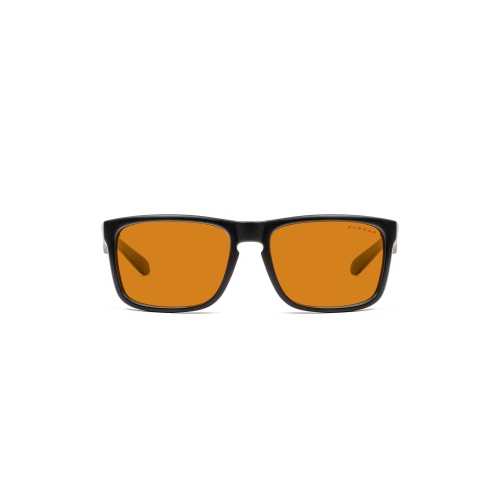
Evening use is another reason shoppers consider blue light blocker glasses. Bright, cool-toned artificial light can be one factor that affects the body’s natural preparation for sleep, particularly when screens are used close to bedtime. Amber or yellow-tinted lenses may reduce more of this light than clear lenses, although the experience varies from person to person and glasses are not a guaranteed solution for poor sleep. A calmer evening routine, lower screen brightness, night-mode settings, and time away from devices can be just as important. Someone who reads on a tablet in bed, checks messages late at night, or finishes work on a laptop may find warm-tinted lenses useful as part of that routine. They can also make a thoughtful gift for a student moving into a new school term, a remote worker setting up a home office, a frequent traveller who spends long stretches with a laptop, or a family member who enjoys gaming and digital entertainment. When choosing a gift, a non-prescription style with an adjustable or universally comfortable frame can be easier to share than a highly specialised pair. Look for lens clarity, low distortion, durable hinges, a comfortable bridge, and a shape that suits the recipient’s usual eyewear. It is also worth checking whether the lenses are intended for daytime, evening, or general-purpose wear, since a strong tint may alter colour perception during design work, photography, online shopping, or other tasks where accurate colour matters. Features such as an anti-reflective coating, scratch-resistant treatment, included storage case, and cleaning cloth can add everyday convenience, while lightweight construction is especially helpful for several hours of wear. Prices can range from about $15 for simple multi-packs to more than $80 for specialised designs, so comparing construction, lens treatment, comfort, and intended use is more useful than assuming the highest price provides the best result. With sensible screen habits and a frame that feels natural to wear, blue light blocker glasses can fit easily into work, study, entertainment, and evening routines.
Digital eye strain is often linked to the way screens are used rather than blue light alone. People tend to blink less when concentrating, hold displays at a fixed distance for long periods, work in glare, or view text that is too small. Dryness, tired eyes, blurred vision, headaches, and neck or shoulder discomfort can follow a long stretch of uninterrupted screen time. Blue light blocker glasses may be one part of a more comfortable setup, but practical habits matter as well. Adjusting the display brightness to suit the room, increasing text size, reducing reflections from windows and overhead lights, and keeping the screen at a comfortable distance can make a noticeable difference. Regular breaks are also useful; looking away from the display and focusing on something farther across the room gives the eyes a change of focus. A desk lamp positioned to the side can provide gentle illumination without creating a bright reflection on the screen. People who work from home may appreciate glasses that are light enough to wear through meetings and spreadsheets, while students may prefer flexible frames that can handle being carried between classes and study spaces. Gamers and streaming fans may look for a secure fit, broad lens coverage, and minimal distraction around the temples. Computer users should also remember that there is no strong clinical consensus that the relatively low-intensity blue light from everyday screens damages the eyes or directly causes physical fatigue. For persistent pain, significant changes in vision, recurring headaches, or symptoms that do not improve with breaks and better screen habits, an eye-care professional can help identify the cause.
Evening use is another reason shoppers consider blue light blocker glasses. Bright, cool-toned artificial light can be one factor that affects the body’s natural preparation for sleep, particularly when screens are used close to bedtime. Amber or yellow-tinted lenses may reduce more of this light than clear lenses, although the experience varies from person to person and glasses are not a guaranteed solution for poor sleep. A calmer evening routine, lower screen brightness, night-mode settings, and time away from devices can be just as important. Someone who reads on a tablet in bed, checks messages late at night, or finishes work on a laptop may find warm-tinted lenses useful as part of that routine. They can also make a thoughtful gift for a student moving into a new school term, a remote worker setting up a home office, a frequent traveller who spends long stretches with a laptop, or a family member who enjoys gaming and digital entertainment. When choosing a gift, a non-prescription style with an adjustable or universally comfortable frame can be easier to share than a highly specialised pair. Look for lens clarity, low distortion, durable hinges, a comfortable bridge, and a shape that suits the recipient’s usual eyewear. It is also worth checking whether the lenses are intended for daytime, evening, or general-purpose wear, since a strong tint may alter colour perception during design work, photography, online shopping, or other tasks where accurate colour matters. Features such as an anti-reflective coating, scratch-resistant treatment, included storage case, and cleaning cloth can add everyday convenience, while lightweight construction is especially helpful for several hours of wear. Prices can range from about $15 for simple multi-packs to more than $80 for specialised designs, so comparing construction, lens treatment, comfort, and intended use is more useful than assuming the highest price provides the best result. With sensible screen habits and a frame that feels natural to wear, blue light blocker glasses can fit easily into work, study, entertainment, and evening routines.
Top selling and popular products
-
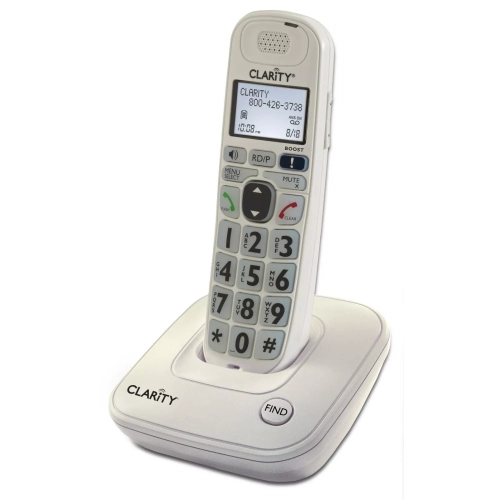 Your price for this item is $166.3
 -
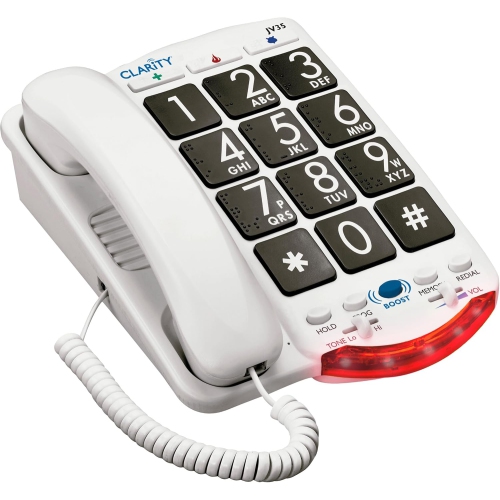 Your price for this item is $285.04
 -
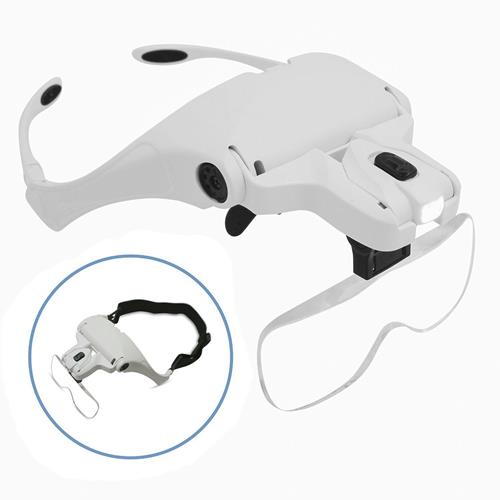 Your price for this item is $14.99
 -
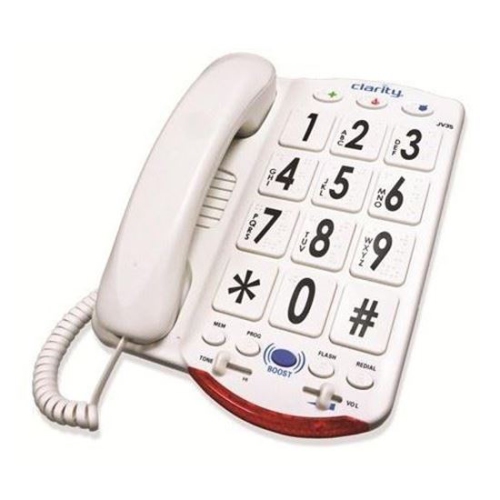 Your price for this item is $422.04
 -
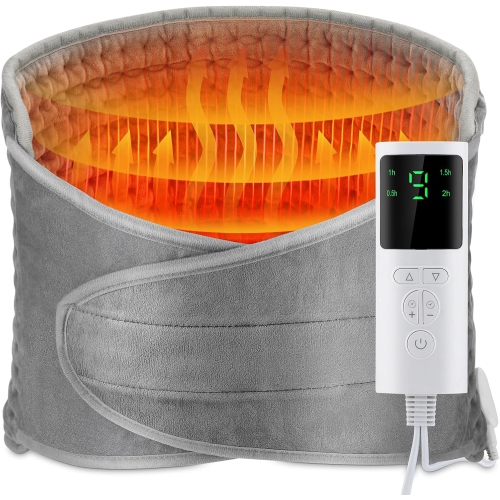 Your price for this item is $60.99
 -
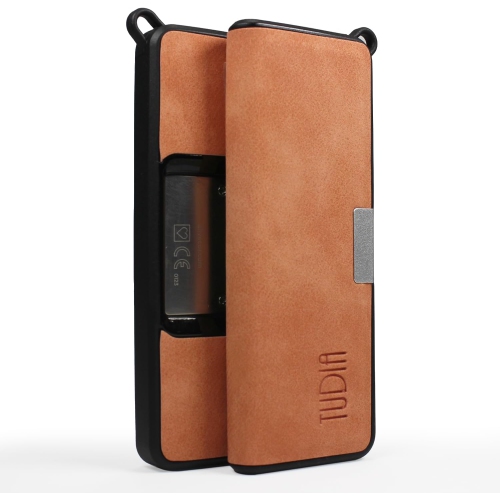 Your price for this item is $22.99
 -
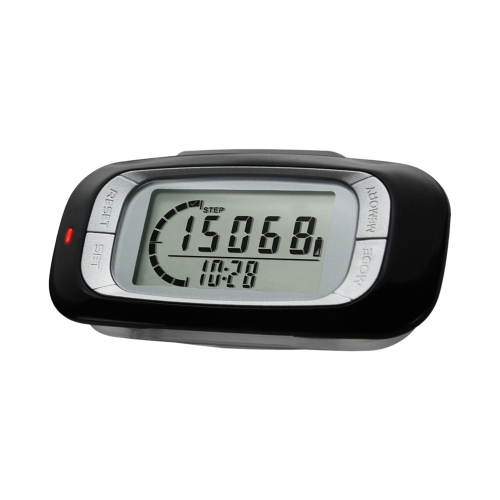 Your price for this item is $26.55
 -
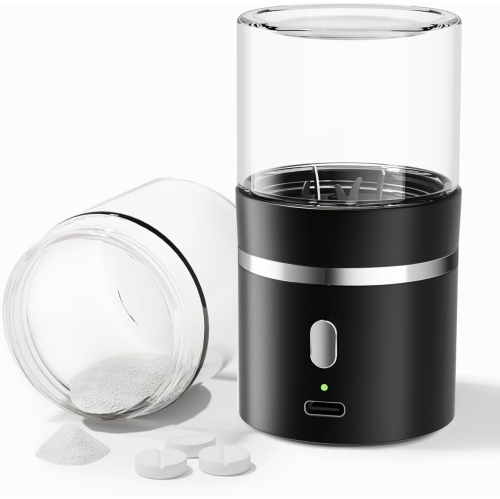 Your price for this item is $45.99
Discover more categories related to Blue Light Blocker Glasses
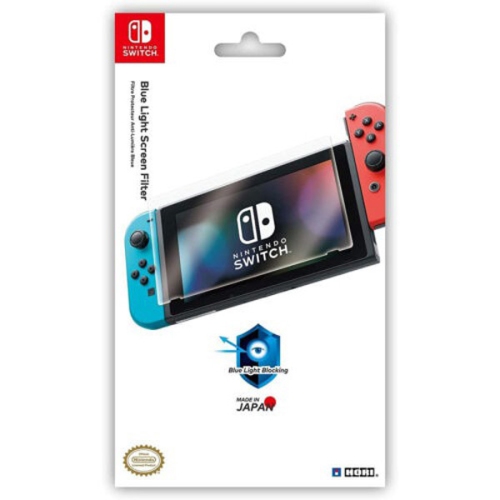
Top Collections:
Pokemon Centers, Best Cameras for Sports Photography, Kindle Devices, Samsung Galaxy Phones, Canon G7X Cameras, Pokémon 30th Celebration Cards, Refurbished Apple Laptops, iPhone 15 Apple, Laptops for Students, Budget Smartphones
Some products may be subject to Environmental Handling Fees
(EHF) depending on your province.
Learn more about EHFs.