Charging Accessories for Students
Charging accessories for students are essential for keeping devices powered throughout busy school days, study sessions, and extracurricular activities. With a reliable selection of chargers, cables, power banks, and adapters, students can stay connected and productive whether they’re on campus or at home. Explore a variety of charging accessories for students designed to support smartphones, tablets, laptops, and other essential electronics. Find the right options to help maintain your devices’ battery life and keep you ready for every assignment and activity.
Sort


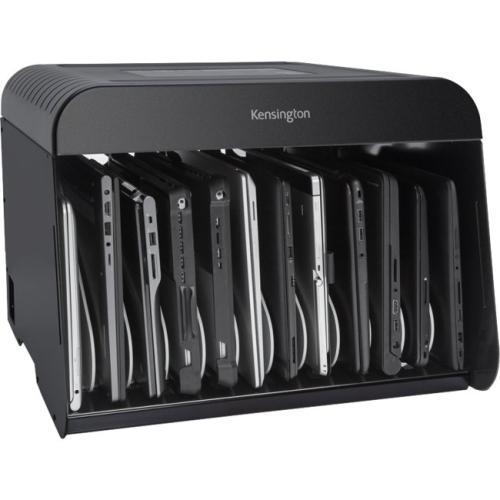
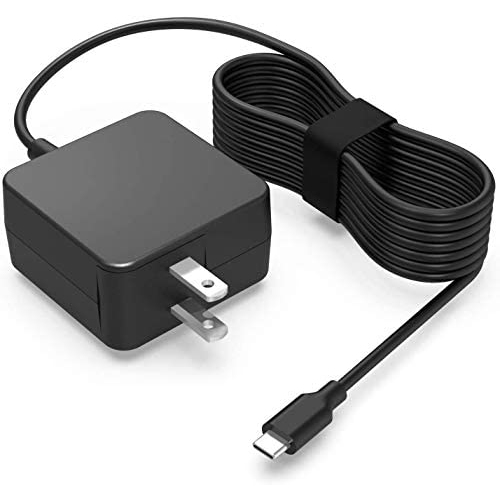
Reliable charging takes more than a matching port
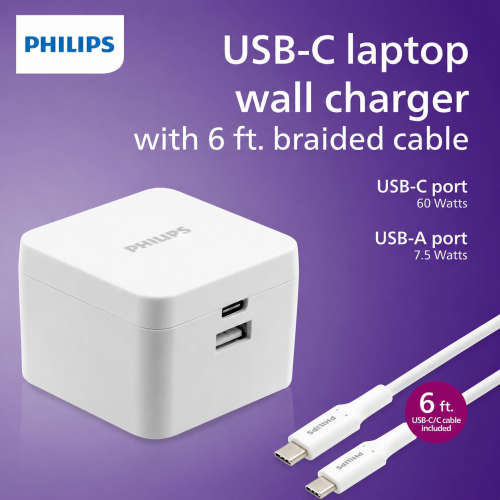
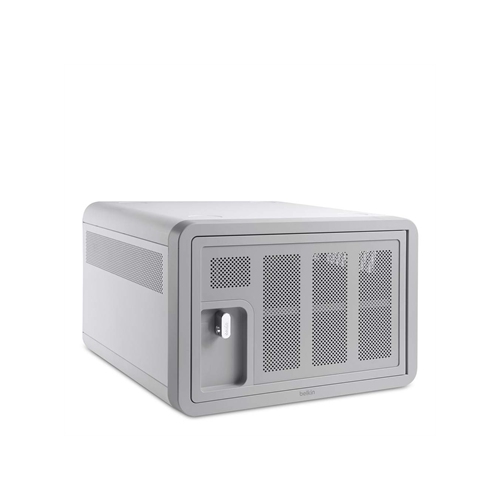
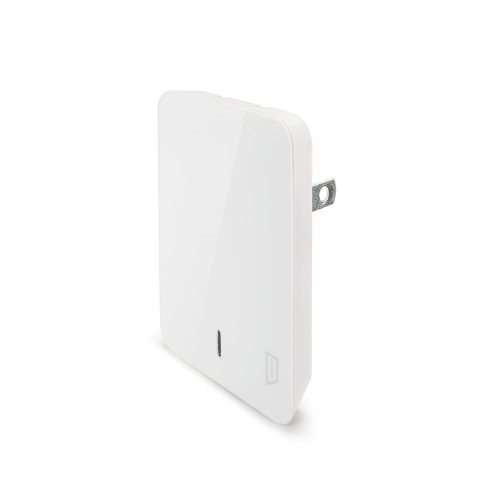
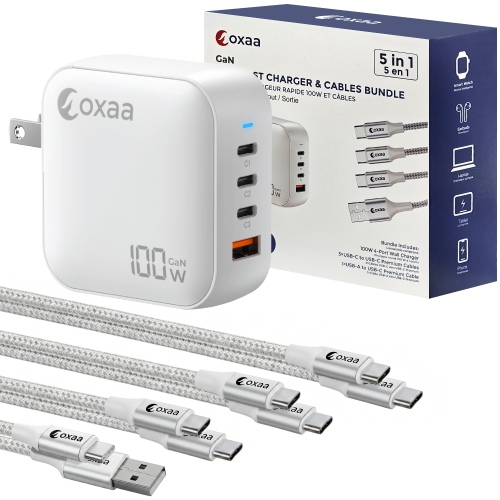
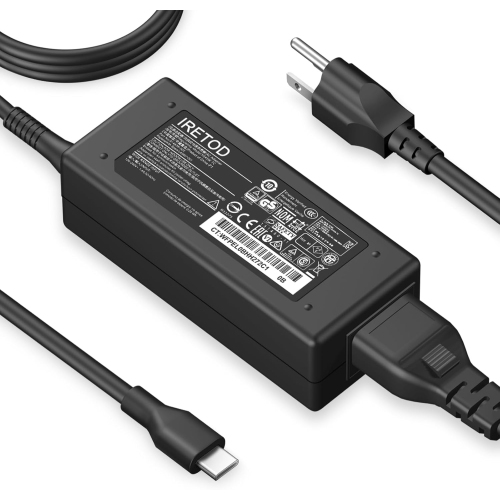
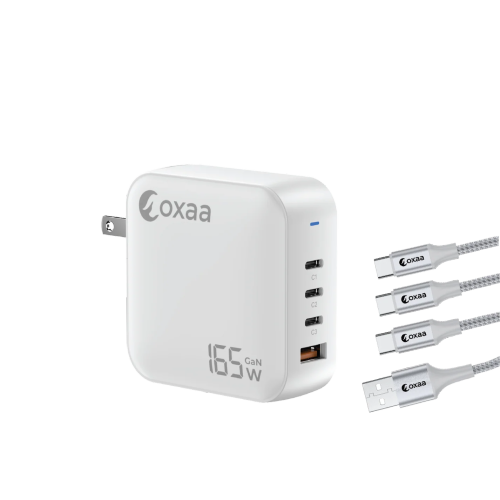
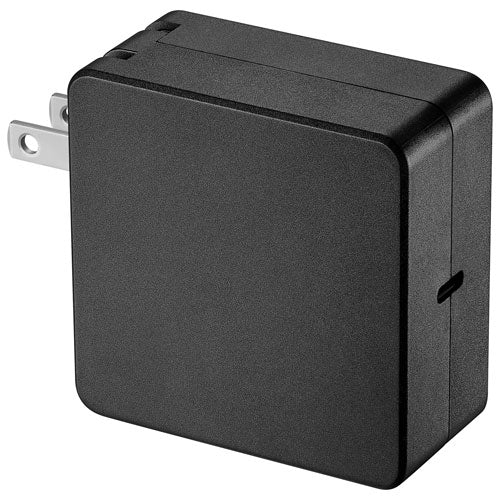
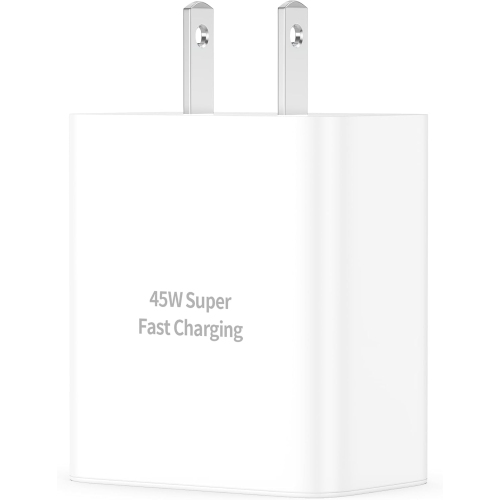
Charging accessories for students include wall chargers, charging cables, power banks and wireless charging pads that help keep everyday study devices ready for use. A dependable setup supports more than a phone: a laptop for assignments, a tablet for handwritten notes, headphones for recorded lectures and an e-reader for course material may all need power at different points in the day. The most useful combinations match those devices without adding unnecessary weight to a backpack or clutter to a desk. Compatibility starts with the charging connection, but the shape of a port tells only part of the story. USB-C devices can have different power requirements, and a USB-C port on a laptop does not always accept charging. A suitable charger needs to support the device’s charging standard and provide sufficient output, while the cable must also support the required power level. USB Power Delivery is a common standard for compatible phones, tablets and laptops, although each device has its own limits. A higher-output charger does not automatically make every connected device charge faster; compatible devices draw power within their supported limits. Chargers with several ports can simplify a study setup by powering more than one device from a single wall outlet. Their total output may be shared between ports, so the power delivered to a laptop can change when a phone or tablet is connected. That distinction matters during a video call or a lengthy writing session, when a laptop may use power nearly as quickly as an undersized charger supplies it. Whether the goal is a compact commuting kit or a tidy desk setup, Student Tech Charging Accessories for School can help connect daily charging needs with the way students actually study. A charger that suits a device’s requirements, paired with a compatible cable, is a more useful foundation than choosing by connector shape or maximum wattage alone.
Cable length, construction and connector fit make a noticeable difference when charging accessories move between classrooms, libraries and home. A short cable keeps a power bank and phone close together inside a bag compartment, while a longer cable provides flexibility when a wall outlet sits behind a desk or beside a bed. Extra length can also leave more cable to manage, particularly around chair legs and shared work surfaces. Smooth outer jackets are easy to wipe clean, while braided coverings provide a textured finish that some students prefer for everyday handling. Neither finish alone guarantees durability: reinforced transitions between the cable and connector, secure housings and resistance to repeated bending all contribute to how well a cable holds up. A connector should seat properly without being forced, including when the device has a protective case. Bulky connector housings may not fit through a narrow case opening, and repeated pressure against the case can strain the connection. For students who switch between charging and moving coursework, cable capabilities deserve attention beyond power delivery. Some cables support charging but offer limited data-transfer speeds, and a charging cable is not necessarily suitable for connecting a laptop to a display. Thoughtful organization helps protect these accessories between uses. A small pouch separates connectors from loose pens and keys, while reusable cable straps keep cords loosely gathered rather than tightly wrapped around a charger. At a desk, a cable clip can keep the charging end within reach instead of letting it fall behind furniture. Basic care is straightforward: unplug by holding the connector rather than pulling the cord, keep ports and accessories dry, and follow the manufacturer’s cleaning instructions. Frayed insulation, bent connectors, discolouration or unusual heat are reasons to stop using an accessory. Wall-powered charging equipment should carry an appropriate electrical safety certification accepted in Canada. Chargers also need ventilation during use, so bedding, clothing and tightly packed bags are unsuitable places to leave them operating. These details matter in busy student spaces where charging equipment is handled frequently and often shared.
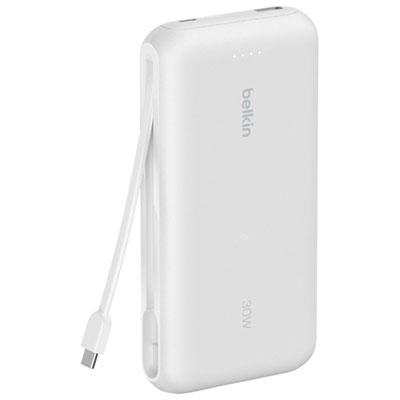
Portable power banks are useful for students whose schedules include several classes, a commute and a study session before returning home. Their practical value depends on both stored energy and charging output. Capacity figures alone do not reveal whether a power bank can charge a laptop, and the number of phone charges varies with the phone’s battery size, conversion losses and use while connected. A compact option may suit occasional phone top-ups, while a larger-capacity design can support longer stretches away from an outlet at the cost of additional size and weight. Laptop charging requires a power bank with a compatible output, sufficient wattage and an appropriate cable. Multiple ports can help when a phone and headphones need attention together, although shared-output limits still apply. A clear battery indicator makes it easier to see whether the power bank itself needs charging before being packed for the day. Wireless charging serves a different purpose, offering a convenient place to set down a compatible phone between messages or while reading at a desk. Pads provide a flat resting surface, while stands can keep the screen visible for notifications or a scheduled call. Charging performance depends on device compatibility, alignment and the power source connected to the wireless charger. Thick cases, metal attachments and cards placed between the phone and charging surface can interfere with operation. A wired connection may be more practical when a student needs to keep using a device while it charges. At home or in a residence room, a consistent charging spot helps keep small accessories together and leaves the main work surface clear for books and notes. For younger students, a simple setup can make devices easier to manage; for college and university students, portability and support for several devices may matter more. Charging accessories can also make practical gifts when the recipient’s device connections and power requirements are known. The strongest fit is something that slips naturally into an established routine, whether that means a spare cable in a backpack, fewer wall adapters at a desk or portable power for a long day on campus.
Top selling and popular products
-
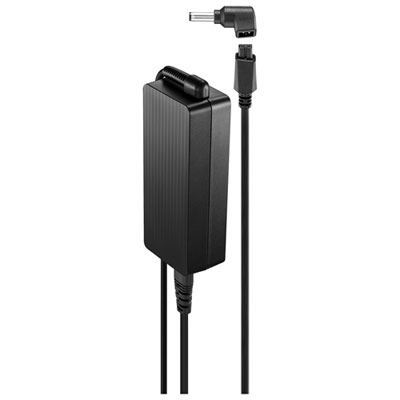 Your price for this item is $69.99
-
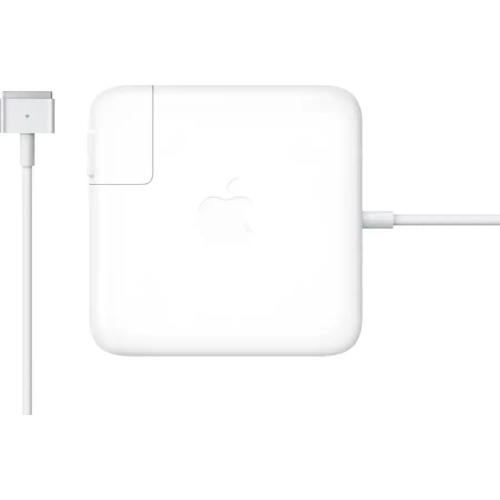 Your price for this item is $127.37
-
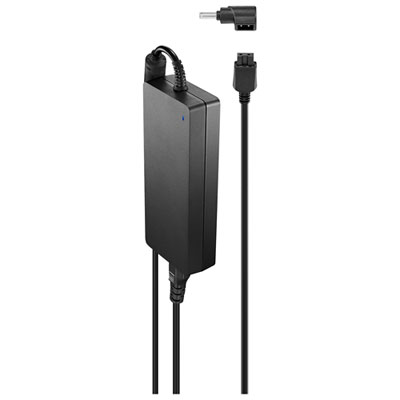 Your price for this item is $109.99
-
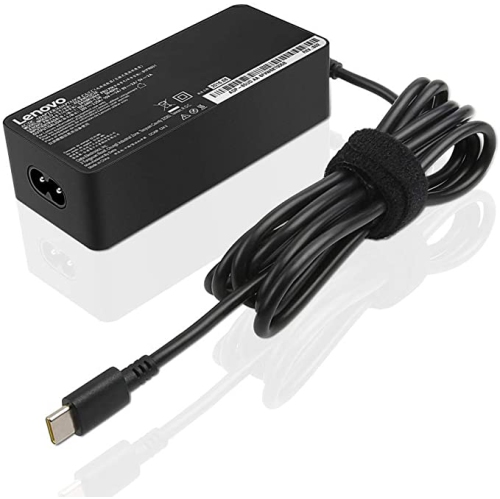 Your price for this item is $67
-
 Your price for this item is $71.99
-
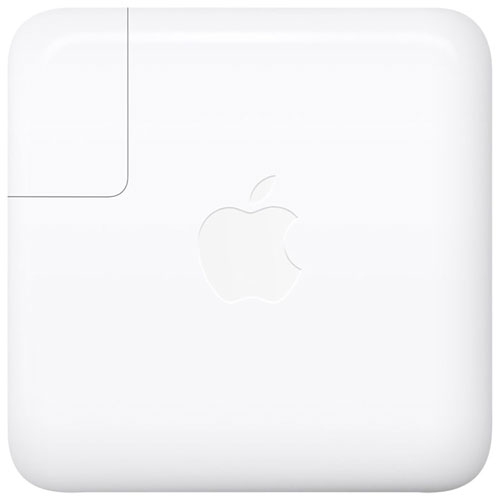 Your price for this item is $71
-
 Your price for this item is $51.99
-
 Your price for this item is $48
Discover more categories related to Charging Accessories for Students
Top Collections:
Best Black Friday Deals This Year, Best Black Friday Deals On Electronics, Kindle Devices, Pokemon Centers, Best Black Friday Deals On Apple Products, Best Cameras for Sports Photography, Dyson Airwrap, Pokémon 30th Celebration Cards, Apple iPhone 17 Pro, Canon G7X Cameras
Some products may be subject to Environmental Handling Fees
(EHF) depending on your province.
Learn more about EHFs.